Are you ready to stand out in your next interview? Understanding and preparing for Knowledge of Cleaning Chemicals interview questions is a game-changer. In this blog, we’ve compiled key questions and expert advice to help you showcase your skills with confidence and precision. Let’s get started on your journey to acing the interview.
Questions Asked in Knowledge of Cleaning Chemicals Interview
Q 1. What are the different types of cleaning chemicals and their applications?
Cleaning chemicals are broadly categorized based on their function and chemical composition. Understanding these categories is crucial for effective and safe cleaning.
- Detergents: These are surfactants that reduce surface tension, allowing water to penetrate and lift away dirt and grease. Common examples include dish soaps and laundry detergents. They are generally considered less harsh than other types.
- Disinfectants: Designed to kill or inhibit the growth of microorganisms like bacteria and viruses. Bleach (sodium hypochlorite) and quaternary ammonium compounds are common examples. These require careful handling due to their potential toxicity.
- Degreasers: Powerful solvents that effectively remove grease and oil from surfaces. They often contain alkaline compounds and may require specific safety precautions. Think of oven cleaners or industrial degreasers.
- Acid Cleaners: Used to remove mineral deposits, rust, and scale. Examples include toilet bowl cleaners containing hydrochloric acid or phosphoric acid. These are highly corrosive and demand careful handling.
- Alkaline Cleaners: Effective against grease, oils, and some types of dirt. Many all-purpose cleaners fall into this category. They are often less corrosive than acid cleaners but can still irritate skin.
- Abrasives: These cleaners contain fine particles that scrub away dirt and grime. Examples include scouring powders and abrasive cleaning pads. They can be effective but must be used cautiously to avoid scratching surfaces.
The choice of cleaning chemical depends heavily on the type of surface being cleaned and the nature of the soil or stain. For instance, you wouldn’t use an abrasive cleaner on a delicate glass surface, and you wouldn’t use a strong acid cleaner on a material sensitive to acids.
Q 2. Explain the difference between acidic, alkaline, and neutral cleaning agents.
The pH scale measures acidity and alkalinity, ranging from 0 to 14. A pH of 7 is neutral, below 7 is acidic, and above 7 is alkaline (basic).
- Acidic Cleaning Agents (pH < 7): These are effective at dissolving mineral deposits, rust, and limescale. However, they can be corrosive to certain materials and can damage skin and eyes. Examples include toilet bowl cleaners containing hydrochloric acid.
- Alkaline Cleaning Agents (pH > 7): These are excellent at cutting through grease and oil, and are often found in all-purpose cleaners. They can be less corrosive than acids but still cause skin irritation. Examples include many dish soaps and oven cleaners.
- Neutral Cleaning Agents (pH ≈ 7): These are generally milder and less likely to damage surfaces or cause skin irritation. They are suitable for general cleaning tasks where strong cleaning power isn’t necessary. Many dish soaps are near neutral.
Think of it like this: acids ‘eat away’ at things, while alkalis dissolve fats and oils. Neutrals are a happy medium. Knowing the pH is crucial for selecting the right cleaner for the job and ensuring safety.
Q 3. Describe the Material Safety Data Sheet (MSDS) and its importance.
The Material Safety Data Sheet (MSDS), now often called Safety Data Sheet (SDS), is a document that provides comprehensive information on the hazards and safe handling practices associated with a specific chemical. It’s like a chemical’s resume, detailing its potential dangers and how to work with it safely.
Importance: The SDS is crucial for workplace safety. It provides details on:
- Chemical Identification: Name, synonyms, CAS number.
- Hazards Identification: Health hazards (e.g., irritation, toxicity), physical hazards (e.g., flammability, reactivity), environmental hazards.
- First Aid Measures: What to do in case of accidental exposure.
- Fire Fighting Measures: Appropriate extinguishing agents.
- Accidental Release Measures: Steps to take in case of a spill.
- Handling and Storage: Safe handling procedures and storage requirements.
- Exposure Controls/Personal Protection: Necessary protective equipment (PPE).
- Physical and Chemical Properties: Relevant physical and chemical characteristics of the substance.
- Stability and Reactivity: Information about chemical stability and potential reactions.
- Toxicological Information: Health effects from exposure.
- Ecological Information: Environmental impact.
- Disposal Considerations: How to dispose of the chemical safely.
- Regulatory Information: Relevant regulations and standards.
Failure to consult and follow the SDS instructions can lead to serious accidents, injuries, and environmental damage.
Q 4. How do you determine the appropriate concentration of a cleaning chemical for a specific application?
Determining the appropriate concentration is crucial for effective cleaning while minimizing risks. It’s rarely a matter of ‘more is better’. The correct concentration is determined by several factors:
- The product label: The manufacturer’s instructions should always be followed. They’ll specify recommended dilution ratios for different applications.
- The type of soil or stain: Heavier soils may require a slightly stronger concentration, but this should still be within the manufacturer’s recommended range.
- The surface being cleaned: Some surfaces are more sensitive than others, and using too high a concentration can cause damage. Always test in an inconspicuous area first.
- The cleaning method: Different application methods (e.g., spraying, wiping, immersion) may influence the optimal concentration.
For example, a disinfectant might be diluted at a 1:10 ratio for general cleaning, but a higher concentration might be required for a particularly contaminated area. Always start with the lower end of the recommended range and adjust if necessary. Improper dilution can lead to ineffective cleaning or damage to surfaces.
Q 5. What safety precautions should be taken when handling cleaning chemicals?
Safety is paramount when handling cleaning chemicals. Always prioritize safety procedures to minimize the risk of accidents and injuries.
- Read the SDS: Thoroughly understand the hazards associated with the chemical before using it.
- Wear appropriate PPE: This might include gloves, eye protection, a respirator, and protective clothing, depending on the chemical and its potential hazards.
- Work in a well-ventilated area: Many cleaning chemicals release fumes, and adequate ventilation is essential to prevent inhalation hazards.
- Avoid skin contact: Always wear gloves and avoid splashing chemicals onto your skin.
- Avoid eye contact: Wear eye protection and immediately flush your eyes with water if contact occurs.
- Store chemicals properly: Store chemicals securely, away from children and pets, and in accordance with the SDS recommendations.
- Never mix chemicals: Mixing different chemicals can create dangerous reactions, producing toxic fumes or explosive mixtures.
- Dispose of chemicals properly: Dispose of chemicals according to local regulations and guidelines.
Remember, preventing accidents is much easier and safer than dealing with the consequences.
Q 6. Explain the process of mixing cleaning chemicals safely.
Mixing cleaning chemicals is extremely dangerous and should almost never be done. Mixing different chemicals can lead to unexpected and potentially hazardous chemical reactions, generating toxic gases or explosive mixtures. This is why it is crucial to never mix cleaning chemicals unless explicitly instructed to do so by the manufacturer in the SDS.
If a product requires mixing according to its label, follow these steps:
- Read the SDS: Understand the hazards of each chemical and the mixing instructions precisely.
- Use appropriate PPE: Wear gloves, eye protection, and any other necessary protective gear.
- Add chemicals slowly and carefully: Pour the chemicals slowly and cautiously into the designated container. Avoid splashing.
- Stir gently: Mix gently and avoid vigorous stirring, which could create hazardous fumes or splash hazards.
- Work in a well-ventilated area: Ensure adequate ventilation to avoid inhaling any fumes.
In most cases, using pre-mixed products is safer and more reliable than attempting to mix chemicals yourself.
Q 7. What are the environmental concerns associated with the use of cleaning chemicals?
The use of cleaning chemicals raises several environmental concerns. Improper disposal and use can lead to significant negative impacts on our ecosystems.
- Water Pollution: Cleaning chemicals that enter waterways through improper disposal can harm aquatic life. Some chemicals are persistent and bioaccumulate in the food chain.
- Air Pollution: Volatile organic compounds (VOCs) released from cleaning products contribute to air pollution and can have detrimental effects on human health and the environment.
- Soil Contamination: Inappropriate disposal of cleaning chemicals can contaminate soil, potentially affecting plant life and groundwater quality.
- Ozone Depletion: Some cleaning chemicals contain ozone-depleting substances, contributing to the depletion of the ozone layer.
- Waste Generation: The production and use of cleaning chemicals generate waste that needs careful management to minimize environmental impact.
Minimizing environmental impact involves using eco-friendly cleaning products, practicing responsible disposal methods, and implementing proper waste management strategies. Choosing biodegradable and phosphate-free cleaners is a step towards environmental sustainability.
Q 8. What are some environmentally friendly cleaning alternatives?
Environmentally friendly cleaning alternatives are crucial for minimizing our impact on the planet. Instead of harsh chemicals, we can leverage the power of nature and smarter cleaning practices. Think of it like this: we’re replacing a sledgehammer with a scalpel – achieving the same result with more precision and less damage.
- Biodegradable Cleaning Products: These are formulated with plant-based ingredients that break down naturally, reducing water pollution. Look for certifications like EPA Safer Choice.
- White Vinegar: This readily available household item is a fantastic all-purpose cleaner, effective against grease, grime, and mild mildew. Diluted vinegar is safe for many surfaces.
- Baking Soda: A natural deodorizer and mild abrasive, baking soda is excellent for scrubbing, cleaning ovens, and unclogging drains. It’s gentle enough for most surfaces.
- Lemon Juice: Its acidity cuts through grease and leaves a fresh scent. Useful for disinfecting cutting boards and brightening surfaces.
- Castile Soap: A plant-based soap, often made from olive oil, is effective for dishwashing, laundry, and general cleaning. It’s gentler than many commercial detergents.
- Microfiber Cloths: These reusable cloths effectively trap dirt and require less water and cleaning solution than paper towels, reducing waste significantly. They’re also highly effective at removing dirt and grime.
For example, instead of using a harsh bathroom cleaner, try a solution of white vinegar and water to clean your shower tiles. Or, for a sparkling sink, sprinkle baking soda, then add a little lemon juice to create a gentle, effective paste.
Q 9. How do you handle spills and leaks involving cleaning chemicals?
Handling spills and leaks of cleaning chemicals requires immediate and careful action to prevent injury and environmental damage. Think of it as a controlled emergency response, prioritizing safety above all else.
- Safety First: Immediately evacuate the area and ensure adequate ventilation. Wear appropriate Personal Protective Equipment (PPE), including gloves, eye protection, and a respirator, depending on the chemical involved. Never attempt to handle a spill without proper protection.
- Containment: Use absorbent materials like spill pads or kitty litter to contain the spill. Prevent it from spreading to drains or other areas.
- Neutralization (if applicable): Some chemicals require neutralization. Consult the Safety Data Sheet (SDS) for the specific chemical to determine the appropriate neutralization method. Improper neutralization can be dangerous, so this step requires caution and knowledge.
- Cleanup: Carefully collect the absorbed material and dispose of it according to local regulations. Thoroughly clean the affected area with water and a neutralizer if necessary.
- Documentation: Report the spill to your supervisor and document the incident, including the chemical involved, the amount spilled, the cleanup procedures used, and any injuries sustained.
For instance, if a bottle of bleach spills, you would first evacuate the area, then use spill pads to absorb the bleach, and finally dispose of the pads in a designated hazardous waste container. Always consult the SDS for the specific chemical involved before attempting any cleanup.
Q 10. What is the importance of proper labeling and storage of cleaning chemicals?
Proper labeling and storage of cleaning chemicals are paramount for safety and regulatory compliance. It’s about protecting people and the environment. Think of it as a system of checks and balances, preventing accidents and ensuring efficiency.
- Clear Labeling: All containers must be clearly labeled with the chemical name, concentration, hazards, and safety precautions. Using standardized labels is essential.
- SDS Availability: Safety Data Sheets (SDS) must be readily accessible to all personnel. These provide detailed information about the chemical’s hazards, safe handling practices, and emergency procedures.
- Organized Storage: Chemicals should be stored in a cool, dry, well-ventilated area, away from incompatible substances. Incompatible chemicals stored together can react violently.
- Childproof and Secure Storage: Storage areas should be locked and inaccessible to unauthorized personnel, especially children. This is particularly crucial for highly hazardous chemicals.
- FIFO (First-In, First-Out): This inventory management system ensures that older chemicals are used first, minimizing the risk of expiration or degradation.
For example, storing bleach near ammonia can create toxic gases. Proper labeling and storage prevents such dangerous scenarios by ensuring that incompatible chemicals are kept apart.
Q 11. Describe the different types of cleaning equipment and their uses.
The selection of cleaning equipment depends on the task at hand. It’s like having a toolbox filled with specialized tools – each designed for a specific job. Choosing the wrong tool can be inefficient, and in some cases, dangerous.
- Vacuum Cleaners: Used for removing dust, dirt, and debris from floors and surfaces. Different types exist: upright, canister, wet/dry.
- Floor Machines: These motorized machines use various pads for scrubbing, polishing, and stripping floors. Examples include floor scrubbers, burnishers, and buffers.
- Carpet Extractors: These machines use hot water and detergent to deep clean carpets and upholstery, removing embedded dirt and stains.
- Pressure Washers: High-pressure water jets effectively remove dirt, grime, and mildew from outdoor surfaces like decks, siding, and driveways.
- Spray Bottles: Essential for applying cleaning solutions to surfaces in a controlled manner.
- Mops and Brooms: Traditional tools for sweeping and mopping floors. Microfiber mops are increasingly popular for their efficiency.
- Squeegees: Used for cleaning windows, mirrors, and other glass surfaces, leaving a streak-free finish.
Q 12. How do you select the appropriate cleaning equipment for a specific task?
Selecting the appropriate cleaning equipment depends heavily on the surface to be cleaned and the type of soil to be removed. Think of it as matching the tool to the job: a screwdriver for screws, a hammer for nails.
- Surface Type: Hard floors require different equipment than carpets. Delicate surfaces require gentler tools.
- Soil Type: Grease requires different cleaning agents and equipment than dirt. Heavy soil buildup may necessitate stronger tools.
- Area Size: Large areas are best tackled with efficient equipment like floor machines, while small areas might only need hand tools.
- Accessibility: Consider the accessibility of the area. Tight spaces may require smaller, more maneuverable equipment.
- Safety: Choose equipment that is safe to use and appropriate for the task. Using the wrong equipment can lead to damage or injuries.
For example, cleaning a large tiled floor would ideally utilize a floor scrubber, while cleaning a delicate antique table would require a gentle approach with a soft cloth and mild cleaning solution.
Q 13. How do you maintain and clean cleaning equipment?
Maintaining and cleaning cleaning equipment ensures its longevity and effectiveness. Think of it as preventative maintenance for your tools – keeping them sharp and ready for action. Regular maintenance improves efficiency and reduces the risk of equipment failure.
- Regular Cleaning: After each use, clean all equipment thoroughly to remove any remaining soil or cleaning solution. This prevents buildup and damage.
- Scheduled Maintenance: Check equipment regularly for wear and tear, and perform necessary repairs or replacements as needed. This can include replacing brushes, pads, or filters.
- Proper Storage: Store equipment properly to prevent damage and deterioration. This includes storing in a dry area, protecting from extreme temperatures, and using protective covers.
- Disinfection: For equipment used in healthcare or food service settings, regular disinfection is critical to prevent the spread of pathogens.
- Calibration and Testing: For certain equipment, such as pressure washers or carpet extractors, regular calibration and testing are necessary to ensure optimal performance.
For example, regularly cleaning a vacuum cleaner’s filter prevents it from becoming clogged, maintaining suction power. Similarly, rinsing and drying a mop after use helps prevent the growth of mold and mildew.
Q 14. What are the common cleaning chemical disposal methods?
Cleaning chemical disposal methods vary greatly depending on the chemical’s composition and local regulations. It’s crucial to follow all local, state, and federal regulations when handling disposal – this protects the environment and public health. Improper disposal can lead to severe contamination and environmental damage.
- Hazardous Waste Disposal: Many cleaning chemicals are considered hazardous waste and require special handling and disposal. This often involves contacting a licensed hazardous waste disposal company.
- Sanitary Sewer Disposal: Some cleaning solutions can be safely disposed of via the sanitary sewer system, but only if permitted by local regulations and the product label.
- Recycling: Some containers can be recycled, but always check local recycling guidelines. Ensure containers are properly rinsed before recycling.
- Neutralization: In some cases, chemicals can be neutralized before disposal to reduce their environmental impact. Always consult the SDS for appropriate neutralization procedures.
- Proper Labeling: Always clearly label containers of chemical waste to indicate the contents and hazards. This is crucial for safe handling and disposal by waste management professionals.
For instance, leftover bleach should never be poured down the drain without checking local regulations, as it can harm aquatic life. Always consult the SDS and local regulations before attempting any disposal method.
Q 15. Explain the concept of biodegradability in cleaning chemicals.
Biodegradability in cleaning chemicals refers to a substance’s ability to be broken down by microorganisms like bacteria and fungi into simpler, less harmful compounds. Essentially, it’s how quickly and completely a chemical will decompose naturally in the environment. Highly biodegradable chemicals are preferred because they minimize the long-term pollution of waterways and soil.
For example, surfactants, which are key components in many cleaners for their ability to lower surface tension and lift dirt, can be designed with biodegradability in mind. Traditional surfactants might take years to break down, while newer formulations, often featuring branched alkyl chains, are engineered to biodegrade much faster – sometimes within weeks.
A higher biodegradability rating, often expressed as a percentage or a BOD (Biological Oxygen Demand) value, indicates a cleaner’s environmental friendliness. Choosing cleaning products with high biodegradability ratings is crucial for sustainable cleaning practices and protecting the environment. Look for labels that explicitly mention biodegradability or certifications from organizations that verify this claim.
Career Expert Tips:
- Ace those interviews! Prepare effectively by reviewing the Top 50 Most Common Interview Questions on ResumeGemini.
- Navigate your job search with confidence! Explore a wide range of Career Tips on ResumeGemini. Learn about common challenges and recommendations to overcome them.
- Craft the perfect resume! Master the Art of Resume Writing with ResumeGemini’s guide. Showcase your unique qualifications and achievements effectively.
- Don’t miss out on holiday savings! Build your dream resume with ResumeGemini’s ATS optimized templates.
Q 16. What are the regulations and guidelines concerning the use and disposal of cleaning chemicals in your region?
Regulations surrounding cleaning chemicals vary greatly by region, but generally focus on safe handling, storage, use, and disposal. In many jurisdictions, the sale and use of certain hazardous chemicals are restricted or require special licenses. Safety Data Sheets (SDS) are mandatory for most cleaning chemicals, providing detailed information on hazards, precautions, and emergency response procedures. These SDS are vital for both employers and users to understand the risks involved.
Disposal regulations often dictate how cleaning chemicals should be handled. Some products can go down the drain in diluted form; others require specific collection and disposal methods, often through hazardous waste facilities. Improper disposal can lead to environmental contamination and hefty fines. Moreover, workplace safety regulations often mandate the use of Personal Protective Equipment (PPE) such as gloves, eye protection, and respiratory masks during cleaning tasks.
Specific guidelines are often provided by government environmental agencies, such as the EPA (in the United States) or equivalent agencies in other countries. These agencies typically issue regulations on permitted chemical concentrations in wastewater and provide guidance on responsible chemical handling.
Q 17. Describe your experience with different types of cleaning chemical formulations.
My experience encompasses a wide range of cleaning chemical formulations. I’ve worked extensively with various types of surfactants, including anionic, cationic, nonionic, and amphoteric, each with its own cleaning properties and applications. Anionic surfactants, for instance, are excellent for cleaning grease and oil, while cationic surfactants are effective disinfectants. Nonionic surfactants are known for their mildness and are often found in household cleaners. The choice depends heavily on the surface and the type of soil being removed.
I’m also familiar with different types of solvents, acids, alkalis, and oxidizing agents used in specialized cleaning tasks. For example, I’ve used acidic cleaners for removing mineral deposits, alkaline cleaners for dissolving fats and greases, and oxidizing agents for bleaching stains. Understanding the chemical properties of each component is critical for formulating effective and safe cleaning solutions. Finally, I have a good deal of experience with formulating environmentally friendly cleaners, focusing on biodegradability and low toxicity.
Furthermore, my experience extends to understanding the synergistic effects of combining different chemicals in a formulation. Sometimes, combining two cleaners can create a more powerful cleaning action than using them individually, while in other instances it can result in dangerous reactions. Therefore, a detailed understanding of chemical compatibility is crucial.
Q 18. Explain your understanding of pH levels and their impact on cleaning effectiveness.
The pH scale measures the acidity or alkalinity of a solution, ranging from 0 to 14, with 7 being neutral. Solutions below 7 are acidic, while those above 7 are alkaline (or basic). The pH level significantly impacts cleaning effectiveness because different soils and surfaces react differently to various pH levels.
For example, acidic cleaners are effective at removing mineral deposits like limescale because they react with the calcium carbonate to form soluble salts. Conversely, alkaline cleaners are excellent at dissolving fats and greases because they saponify (break down) these substances. Choosing the right pH level is key to maximizing cleaning effectiveness and minimizing damage to surfaces. Using a highly alkaline cleaner on a delicate surface could cause damage, while an acidic cleaner on a metal could lead to corrosion. It’s crucial to select cleaners with a pH level suitable for the specific cleaning task and the material being cleaned.
The pH of cleaning solutions can also influence the efficacy of disinfectants. Some disinfectants are more effective at certain pH ranges. Therefore, understanding the pH of both the cleaning solution and the disinfectant is essential for effective sanitation.
Q 19. How do you troubleshoot cleaning problems caused by inappropriate chemical selection?
Troubleshooting cleaning problems starts with identifying the root cause. This involves analyzing the type of soil, the surface being cleaned, and the cleaning method used. Did you choose the right cleaner for the job? Was the cleaner properly diluted? Was there sufficient contact time? Were appropriate safety measures taken?
A systematic approach is key. First, identify the specific cleaning problem: is it residue, staining, or incomplete cleaning? Then, review the cleaning procedure. Was the surface pre-cleaned? Was the correct amount of cleaner used? Was the application method effective? Consider using test areas before applying the cleaner to the entire surface.
If the problem persists, consider alternative cleaning methods or chemicals. If the wrong cleaner was used, try an alternative based on the soil type. For example, if greasy residue remains after using an acidic cleaner, try an alkaline cleaner. If the problem remains after testing several cleaners, consult a professional cleaning service for assistance. Documenting the process, including materials used, methods applied, and results, is essential for future reference and improved efficiency.
Q 20. What are the potential health risks associated with exposure to cleaning chemicals?
Exposure to cleaning chemicals can pose various health risks, depending on the specific chemicals and the level of exposure. Acute exposure, which involves short-term contact, can cause immediate effects such as skin irritation, eye damage, respiratory problems, or allergic reactions. Chronic exposure, through long-term contact or repeated exposure, can lead to more serious health consequences.
These consequences can range from respiratory illnesses like asthma to more severe conditions, including liver or kidney damage, neurological problems, and even certain cancers. Some chemicals are known to be carcinogenic, mutagenic, or teratogenic (causing birth defects).
The severity of the health risks is influenced by factors such as the concentration of the chemical, the duration of exposure, and individual susceptibility. Always follow safety precautions, including wearing appropriate PPE, working in well-ventilated areas, and carefully reading and following the instructions on the chemical label to minimize risks. Knowing the SDS of the chemicals being used will significantly improve safety awareness.
Q 21. How do you interpret and implement the instructions on a cleaning chemical label?
Interpreting and implementing cleaning chemical labels is crucial for safe and effective cleaning. Labels provide vital information, including the chemical name and composition, hazards, precautions, directions for use, first aid measures, and disposal instructions. Never use a chemical without carefully reading the entire label.
Pay close attention to hazard warnings, denoted by pictograms and signal words like "Danger" or "Warning," which indicate the severity of the hazard. Follow the instructions meticulously regarding dilution ratios, application methods, contact time, and safety precautions, such as wearing gloves and eye protection. Always dilute chemicals according to the label instructions; incorrect dilution can lead to ineffective cleaning or even dangerous chemical reactions.
The label also specifies the proper storage and disposal methods. Some chemicals require specific containers or storage conditions to prevent spills or reactions. Incorrect disposal can pose serious environmental and health hazards. Familiarize yourself with local regulations before disposing of any chemical.
Q 22. What is your experience with using specialized cleaning equipment (e.g., pressure washers, steam cleaners)?
My experience with specialized cleaning equipment is extensive. I’m proficient in operating pressure washers of varying sizes and pressures, understanding the crucial balance between cleaning power and surface damage. For instance, I’ve used high-pressure washers to remove graffiti from brick walls, carefully adjusting the nozzle and pressure to avoid etching the brick. With steam cleaners, I’m adept at utilizing different steam settings for various applications, such as sanitizing kitchen equipment or deep cleaning carpets. I understand the importance of pre-treating surfaces and using the correct attachments for optimal results. For example, using a specific brush attachment on a steam cleaner for grout cleaning can significantly improve the results compared to a general purpose cleaning. I also regularly perform preventative maintenance on these machines to ensure their longevity and safe operation.
Q 23. How do you ensure the safety of yourself and others when working with cleaning chemicals?
Safety is paramount when handling cleaning chemicals. My approach follows a strict protocol: Always read and understand the Safety Data Sheet (SDS) before using any chemical. This provides crucial information about hazards, handling, and emergency procedures. I consistently wear appropriate Personal Protective Equipment (PPE), including gloves, eye protection, and sometimes respirators depending on the chemical and the environment. I ensure adequate ventilation, particularly when using volatile chemicals. Proper storage of chemicals is also critical; I keep them in clearly labeled containers, away from incompatible substances and out of reach of unauthorized personnel. Moreover, I always work with a partner, so we can look out for each other and act swiftly in case of an incident. For instance, if a spill occurs, we immediately follow the established spill response plan.
Q 24. Describe a time you had to deal with a cleaning chemical-related incident.
During a large-scale cleaning project in a hospital, a cleaning solution was mistakenly mixed incorrectly. Instead of the intended diluted disinfectant, a much stronger concentration was created. Fortunately, we quickly noticed a strong chemical odor and a slight discoloration in the solution. I immediately stopped the cleaning process and secured the area. We followed the SDS guidelines for the chemical, ventilating the area thoroughly, and properly disposing of the improperly mixed solution. We contacted our safety officer, documented the incident completely, and provided first aid to a worker who had experienced slight eye irritation from the fumes. This incident reinforced the importance of double-checking chemical mixtures, adhering strictly to SDS instructions, and prompt incident reporting.
Q 25. Explain your understanding of the different cleaning chemical testing methods.
Several methods test cleaning chemicals’ effectiveness and composition. Titration determines the concentration of a specific substance within a solution. Spectrophotometry measures how much light a solution absorbs, indicating the concentration of certain compounds. Gas chromatography-mass spectrometry (GC-MS) is used for identifying and quantifying volatile organic compounds (VOCs) present in a cleaning chemical. For example, GC-MS can help determine the presence and levels of harmful solvents. Finally, bioassays assess the chemical’s efficacy in killing microorganisms, crucial for disinfectants. Understanding these methods is essential for quality control and compliance.
Q 26. What are the key factors to consider when selecting a cleaning chemical for a specific surface?
Choosing the right cleaning chemical depends on several key factors. First, identify the surface material: a cleaning agent suitable for granite may damage marble. Second, consider the type of soil or stain to be removed: grease requires different treatment than ink stains. Third, consider the chemical’s safety profile; is it compatible with other cleaning agents? Does it present any health hazards? Fourth, evaluate environmental impact – opting for biodegradable, environmentally friendly solutions is crucial. For example, when cleaning a delicate wooden surface, I would opt for a mild, pH-neutral cleaner to prevent damage. Thorough research and understanding of the surface and contaminants are fundamental to a successful and safe cleaning operation.
Q 27. How do you stay updated on the latest regulations and best practices related to cleaning chemicals?
Staying current on cleaning chemical regulations and best practices involves continuous learning. I regularly consult resources like the Environmental Protection Agency (EPA) website and relevant industry journals for updates on chemical regulations and safety guidelines. I also attend workshops and training sessions offered by professional cleaning organizations to acquire knowledge on emerging techniques and technologies. Professional certifications, such as those provided by the International Sanitary Supply Association (ISSA), provide a framework for continuous professional development and ensure alignment with current best practices. Networking with other professionals in the field through industry conferences also helps to stay abreast of recent developments.
Q 28. Describe your experience with implementing and maintaining a cleaning chemical inventory system.
My experience includes implementing and maintaining a chemical inventory system using both physical and digital methods. A physical inventory ensures easy access to commonly used chemicals, while a digital system (such as a spreadsheet or dedicated software) tracks quantities, purchase dates, SDS information, and expiration dates for all chemicals. This integrated system prevents stockouts, enables efficient ordering, and ensures compliance with safety regulations. The system allows me to generate reports to monitor chemical usage and identify potential areas for cost savings. Regular audits are essential to verify the accuracy of both physical and digital records and to ensure the safe and proper storage of all chemicals. A well-maintained inventory system is vital for efficient operations and prevents potential safety hazards associated with mishandling or outdated chemicals.
Key Topics to Learn for Knowledge of Cleaning Chemicals Interview
- Chemical Composition & Properties: Understanding the chemical makeup of common cleaning agents (e.g., surfactants, solvents, acids, bases) and their respective properties (e.g., pH, toxicity, biodegradability).
- Safety & Handling: Safe storage, handling, and disposal procedures for various cleaning chemicals, including proper Personal Protective Equipment (PPE) usage and emergency response protocols.
- Cleaning Applications & Techniques: Knowing the appropriate cleaning agents and methods for different surfaces and materials (e.g., glass, metal, wood, fabrics), including considerations for stain removal and disinfection.
- Environmental Impact: Understanding the environmental consequences of using different cleaning chemicals and the importance of selecting eco-friendly alternatives, focusing on sustainability and waste reduction.
- Regulations & Compliance: Familiarity with relevant safety regulations, labeling requirements, and disposal guidelines for cleaning chemicals in your region or industry.
- Equipment & Technology: Knowledge of various cleaning equipment (e.g., pressure washers, floor scrubbers) and associated technologies, including their operation, maintenance, and safety.
- Effectiveness & Efficiency: Understanding factors that impact the effectiveness of cleaning agents (e.g., concentration, temperature, contact time) and methods for optimizing cleaning processes for efficiency and cost-effectiveness.
- Troubleshooting & Problem Solving: Ability to identify and resolve common cleaning challenges, such as stubborn stains, equipment malfunctions, or ineffective cleaning solutions.
Next Steps
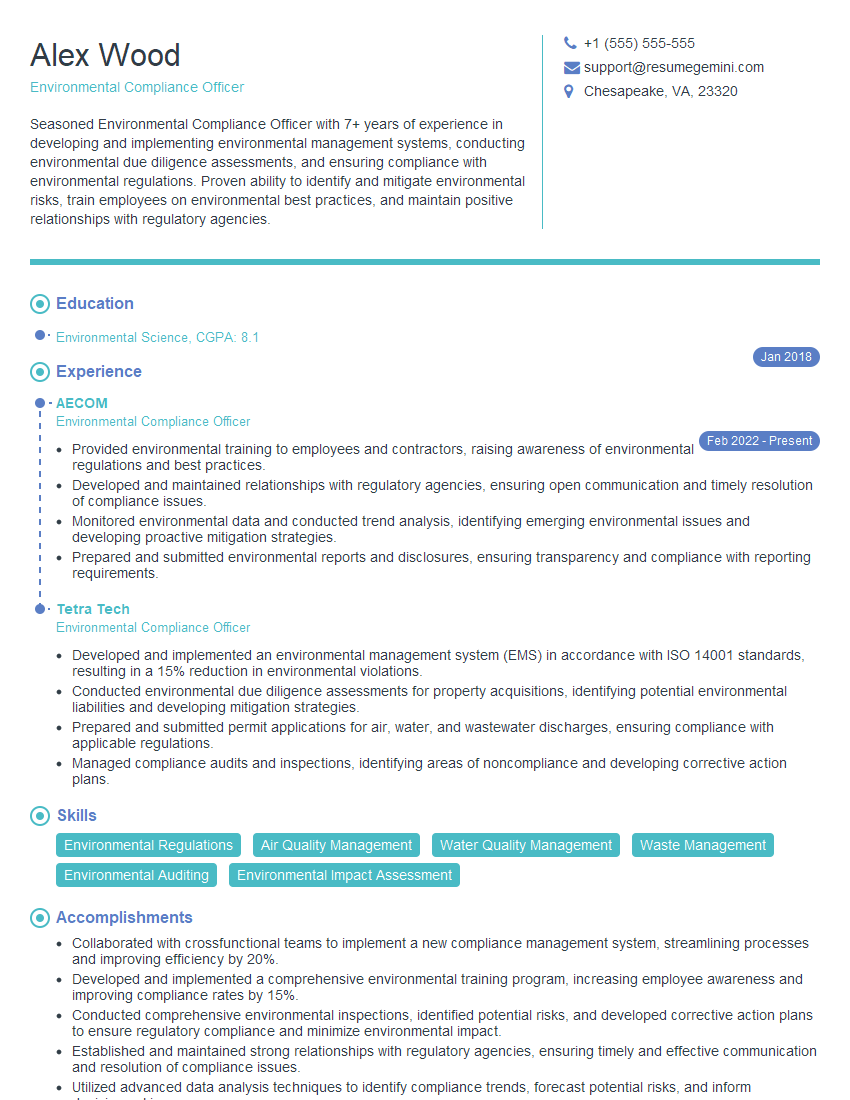
Mastering knowledge of cleaning chemicals is crucial for career advancement in various fields, demonstrating your commitment to safety, efficiency, and environmental responsibility. A strong resume is essential to showcase this expertise. Building an ATS-friendly resume significantly increases your chances of landing an interview. ResumeGemini can help you create a professional and impactful resume tailored to highlight your skills and experience in this field. Examples of resumes specifically designed for candidates with knowledge of cleaning chemicals are available to provide you with valuable templates and guidance.
Explore more articles
Users Rating of Our Blogs
Share Your Experience
We value your feedback! Please rate our content and share your thoughts (optional).
What Readers Say About Our Blog
Really detailed insights and content, thank you for writing this detailed article.
IT gave me an insight and words to use and be able to think of examples