The right preparation can turn an interview into an opportunity to showcase your expertise. This guide to Knowledge of cleaning supplies and equipment interview questions is your ultimate resource, providing key insights and tips to help you ace your responses and stand out as a top candidate.
Questions Asked in Knowledge of cleaning supplies and equipment Interview
Q 1. What are the different types of floor cleaning solutions and when would you use each?
Floor cleaning solutions are categorized based on the type of floor and the level of cleaning required. Think of it like choosing the right tool for the job – you wouldn’t use a hammer to screw in a screw!
All-purpose cleaners: These are diluted solutions suitable for most hard floors like tile, vinyl, and linoleum. They effectively remove everyday dirt and grime. I often use a solution of all-purpose cleaner and water, adjusting the concentration based on the level of soiling. For example, a heavily soiled area might require a slightly stronger solution.
Degreasers: Specifically formulated to cut through grease and oil, these are ideal for kitchens and areas with heavy grease buildup. They’re stronger than all-purpose cleaners and should be used with caution, always following dilution instructions. I’ve used degreasers effectively in restaurant kitchens to remove stubborn grease from tile floors.
Disinfectants: These solutions kill germs and bacteria, essential for high-traffic areas like restrooms or healthcare facilities. It’s crucial to choose a disinfectant registered with the EPA (Environmental Protection Agency) and to follow its instructions meticulously. Improper use can lead to ineffective disinfection.
Specialized cleaners: Certain floors require specific cleaners. For example, wood floors necessitate wood-specific cleaners to prevent damage. Stone floors often require pH-neutral cleaners to avoid etching. Using the wrong cleaner can lead to irreversible damage – a costly mistake!
Q 2. Explain the proper procedure for disinfecting a restroom.
Disinfecting a restroom involves a systematic approach to ensure thorough cleaning and hygiene. Imagine it like following a recipe – each step is important for the final outcome.
Pre-cleaning: First, remove any visible debris like trash and paper towels. Then, using an all-purpose cleaner, thoroughly clean all surfaces – toilets, sinks, floors, and walls – to remove visible dirt and grime.
Disinfection: Next, apply an EPA-registered disinfectant to all surfaces, paying particular attention to high-touch areas like door handles, faucets, and toilet flushers. Allow the disinfectant to dwell for the time specified on the product label – this is crucial for effective disinfection. Often, this is several minutes.
Rinsing: After the dwell time, thoroughly rinse all surfaces with clean water, especially if the disinfectant leaves a residue. This prevents potential skin irritation or damage to surfaces.
Drying: Finally, dry all surfaces thoroughly to prevent water spots and mold growth. I often use microfiber cloths for this task as they are highly absorbent and leave surfaces streak-free.
Regular restroom disinfection prevents the spread of germs and maintains a hygienic environment. Consistent application of this procedure is key to a healthy and safe space.
Q 3. Describe your experience with various cleaning equipment, such as floor buffers, carpet extractors, and pressure washers.
My experience with cleaning equipment is extensive, covering a wide range of machinery used for various cleaning tasks. Each piece requires different skills and understanding for safe and effective operation.
Floor buffers: I’m proficient in operating both rotary and orbital floor buffers, understanding the difference in their applications. Rotary buffers are powerful for stripping and waxing floors, while orbital buffers are better suited for polishing and maintaining already waxed floors. I carefully select the correct pad type and speed for each task to avoid damage to the floor.
Carpet extractors: I have experience with both hot water extraction (steam cleaning) and dry carpet cleaning methods. Knowing when to use each method is essential. Hot water extraction is effective for deep cleaning, while dry cleaning is faster and more suitable for high-traffic areas. Proper pre-treatment is crucial to the success of either method, and I’m skilled in identifying and treating different types of stains.
Pressure washers: I utilize pressure washers for exterior cleaning, such as cleaning sidewalks, patios, and building exteriors. Safety is paramount with pressure washers. I always wear appropriate protective gear, including eye protection and gloves, and adjust the pressure settings to suit the surface being cleaned to avoid damage. I understand the importance of selecting the correct nozzle for different applications.
Q 4. How do you determine the appropriate cleaning solution concentration for different surfaces?
Determining the appropriate cleaning solution concentration is crucial for effective cleaning and to prevent damage to surfaces. It’s about finding the sweet spot – strong enough to clean effectively, but not so strong that it harms the surface. Always refer to the manufacturer’s instructions on the product label for guidance.
For many all-purpose cleaners, a dilution ratio of 1 part cleaner to 10 parts water is a good starting point. However, for heavily soiled areas, or for certain types of cleaners, this ratio may need adjustment. For example, a degreaser might require a stronger concentration to effectively remove grease.
Testing the solution in an inconspicuous area first is always a good idea. This allows you to check for any adverse reactions, such as discoloration or damage, before applying the solution to the entire surface. This preventative measure saves you from potential costly mistakes.
Q 5. What safety precautions should be taken when using cleaning chemicals?
Safety is paramount when handling cleaning chemicals. Think of it like handling potent ingredients in a kitchen – appropriate caution is essential.
Personal Protective Equipment (PPE): Always wear appropriate PPE, including gloves, eye protection, and sometimes a respirator, depending on the chemical. Gloves should be chosen based on the chemical’s compatibility. For instance, some chemicals can degrade latex gloves.
Ventilation: Work in well-ventilated areas to minimize inhalation of fumes. Opening windows and using fans can help. In some cases, a respirator may be necessary.
SDS Sheets: Before using any cleaning chemical, carefully read the Safety Data Sheet (SDS). The SDS provides vital information on the chemical’s hazards, handling procedures, and first aid measures. Ignoring this can lead to serious health consequences.
Storage: Store cleaning chemicals properly in designated areas, away from children and pets, and following the manufacturer’s recommendations for storage. Proper storage prevents accidental spills and exposure.
Q 6. How do you handle spills of hazardous materials?
Handling spills of hazardous materials requires a swift and safe response. Speed and accuracy are vital to preventing further contamination.
Safety First: Immediately evacuate the area and ensure the safety of all personnel. Do not attempt to clean up the spill unless you are properly trained and equipped with the necessary personal protective equipment (PPE).
Containment: Contain the spill by using absorbent materials like spill pads or kitty litter to prevent its spread. Establish a perimeter to limit access to the spill area.
Notification: Notify appropriate authorities, such as emergency services or your supervisor, depending on the nature of the spill. Follow your organization’s spill response plan.
Clean-up: Once the spill is contained, use the appropriate neutralizing agent or cleaning solution recommended for that specific hazardous material. Follow the manufacturer’s instructions meticulously.
Disposal: Dispose of all contaminated materials according to local regulations and safety guidelines.
Q 7. What is your experience with green cleaning products and sustainable practices?
I have significant experience with green cleaning products and sustainable practices. I understand that environmentally friendly cleaning doesn’t mean compromising on effectiveness. There are many excellent green products that provide comparable results to traditional cleaning solutions, without the harsh chemicals and environmental impact.
I’m familiar with various eco-friendly cleaning agents, including those derived from plant-based ingredients, and how to utilize them effectively. I prioritize using reusable microfiber cloths and mops instead of disposable alternatives to reduce waste. In addition, I’m mindful of water conservation techniques, such as using appropriate amounts of water and optimizing cleaning methods to avoid overuse.
Furthermore, I understand the importance of proper waste segregation and disposal of cleaning products and materials in accordance with environmental regulations. In my previous roles, I actively contributed to implementing green cleaning protocols, reducing the environmental footprint of our operations.
Q 8. Explain your understanding of Material Safety Data Sheets (MSDS).
Material Safety Data Sheets (MSDS), now often called Safety Data Sheets (SDS), are documents that provide comprehensive information on the hazards of a chemical product. They’re crucial for workplace safety and are legally mandated in many countries. Think of them as the instruction manual and hazard warning label for cleaning chemicals, all rolled into one.
An SDS details a chemical’s composition, physical and chemical properties, potential health hazards (like irritation, allergies, or toxicity), flammability, reactivity, and proper handling, storage, and disposal procedures. It also includes emergency response information in case of spills or accidents. For example, an SDS for a bleach solution will detail its corrosive nature, the protective equipment needed (gloves, eye protection), first aid measures in case of skin contact, and safe disposal methods. Understanding SDSs is paramount for safe and responsible cleaning practices.
Familiarizing yourself with the SDS for every cleaning product you use is non-negotiable. This allows you to understand potential risks, take appropriate precautions, and act responsibly in the event of an incident.
Q 9. How do you maintain and store cleaning supplies and equipment properly?
Proper maintenance and storage of cleaning supplies and equipment are essential for safety, efficiency, and longevity. Imagine a toolbox – you wouldn’t throw wrenches and screwdrivers haphazardly into a pile! The same principle applies to cleaning supplies.
- Storage: Cleaning supplies should be stored in a cool, dry, well-ventilated area, away from heat sources and direct sunlight. Chemicals should be stored separately from other supplies and grouped according to their compatibility (e.g., acids away from bases). Always keep them out of reach of children and unauthorized personnel. Proper labeling is also critical, using both the original product labels and potentially additional labeling to indicate contents.
- Maintenance: Regularly inspect equipment for damage or wear and tear. Mops and brooms should be cleaned and stored properly after each use to prevent bacterial growth and ensure their longevity. Vacuum cleaner bags should be changed frequently to maintain suction power. For motorized equipment, ensure regular maintenance according to the manufacturer’s instructions. This includes things like replacing filters, checking belts, and lubricating moving parts.
Regular inventory management is also a key part of proper storage. This prevents waste from expired or unused products and ensures you always have the necessary cleaning supplies on hand. Consider using a clearly organized storage system, such as labeled shelves or cabinets. This will make it easy to locate needed items quickly and efficiently.
Q 10. What are the different types of cleaning cloths and when should each be used?
Different cleaning cloths serve different purposes. Choosing the right cloth can significantly impact the effectiveness and efficiency of your cleaning. Think of them like specialized tools in a toolbox.
- Microfiber cloths: These are excellent for general cleaning, dusting, and polishing. Their fine fibers effectively trap dust and dirt, leaving surfaces clean and streak-free. They’re also highly absorbent and reusable, making them environmentally friendly.
- Cotton cloths: These are absorbent and versatile but may leave lint behind. They’re suitable for tasks where absorbency is key, such as wiping up spills or cleaning windows (although microfiber is generally preferred for streak-free windows).
- Sponge cloths: These are excellent for scrubbing tough stains and cleaning porous surfaces. They’re highly absorbent and can be easily rinsed and reused.
- Disposable cloths: These are practical for cleaning up messy spills, particularly those involving biohazardous materials. They’re used once and then discarded to prevent cross-contamination.
The choice of cloth depends on the surface being cleaned and the type of dirt or stain. For example, microfiber is ideal for delicate surfaces like glass or electronics, while sponge cloths are better suited for cleaning heavily soiled areas like kitchen counters or bathroom floors. Always consider the material being cleaned to prevent scratching or damage.
Q 11. How do you assess the effectiveness of a cleaning process?
Assessing the effectiveness of a cleaning process involves a combination of visual inspection and sometimes, more scientific methods. It’s about checking if you’ve achieved your cleaning goals.
Visual Inspection: This is the most straightforward method. After cleaning, carefully inspect the surfaces for any remaining dirt, stains, or smudges. Check for visible signs of residue or lingering odors. Are there streaks on windows? Is the floor still visibly dirty? Is the surface noticeably cleaner and free from contaminants? This is your primary gauge of cleaning effectiveness.
More Scientific Methods (when necessary): For situations requiring higher standards of cleanliness (e.g., hospitals, food-processing plants), more rigorous methods may be used. This could include ATP bioluminescence testing (measuring adenosine triphosphate levels to indicate microbial contamination) or swab testing followed by laboratory analysis to detect specific bacteria or pathogens. These methods quantify the level of cleanliness achieved.
In most everyday scenarios, a thorough visual inspection is sufficient to judge the effectiveness of the cleaning process. However, remember to regularly review and refine your cleaning methods to maintain consistently high standards of cleanliness.
Q 12. How do you deal with difficult stains or messes?
Dealing with difficult stains or messes requires a strategic approach. The first step is identification – what kind of stain is it? Knowing the source is crucial for selecting the appropriate cleaning solution and method. Think of it like a detective investigating a crime scene!
Strategies:
- Pre-treatment: Before applying any cleaning solution, try to remove loose debris or excess material. For example, blot up spilled liquids with absorbent cloths before applying a cleaning solution. For dried stains, gently scrape off any hardened residue.
- Spot Testing: Always test any cleaning solution in an inconspicuous area first to ensure it doesn’t damage or discolor the surface. This is particularly important when dealing with delicate fabrics or finishes.
- Appropriate Cleaning Agents: Select the appropriate cleaning agent based on the type of stain. For example, baking soda is effective for grease stains, while oxygen bleach can tackle many organic stains. For stubborn stains, consider using a specialized stain remover.
- Proper Technique: Use appropriate techniques such as blotting (rather than rubbing) to avoid spreading the stain. For carpet stains, a specialized carpet cleaning solution and a gentle scrubbing motion may be needed.
If the stain persists despite your efforts, it may be necessary to seek professional cleaning services. Don’t hesitate to ask for help when a stain is too challenging to manage.
Q 13. Describe your experience with specialized cleaning tasks (e.g., carpet cleaning, window washing).
I have extensive experience in specialized cleaning tasks, including carpet cleaning and window washing. These require specialized techniques and equipment to achieve optimal results. Imagine the difference between using a regular sponge to wash a window and using a squeegee – night and day!
Carpet Cleaning: My experience includes using various methods, from hot water extraction (steam cleaning) to dry cleaning, depending on the type of carpet and the nature of the stain. I’m proficient in pre-treating stains, using appropriate cleaning solutions, and operating professional-grade carpet cleaning equipment. Proper drying techniques to prevent mold or mildew growth are also vital.
Window Washing: For this, I utilize techniques such as the professional window cleaning method involving a squeegee and a microfiber cloth. This ensures streak-free results. Understanding the appropriate cleaning solutions to avoid leaving residues is essential, and proper safety procedures – such as using safety harnesses when working at heights – are paramount.
My experience spans both residential and commercial settings, and I am comfortable adapting my techniques to various scenarios and client needs.
Q 14. How do you prioritize cleaning tasks in a high-traffic area?
Prioritizing cleaning tasks in a high-traffic area requires a strategic approach that balances immediate needs with long-term maintenance. Think of it like managing a busy airport – you need to keep things clean and functioning smoothly.
Strategies:
- High-Frequency Cleaning: Focus on high-traffic areas that accumulate dirt and grime most rapidly. This could include entrances, hallways, restrooms, and frequently used furniture. These areas require frequent cleaning throughout the day to maintain a clean and presentable environment.
- Targeted Cleaning: Concentrate on specific spots that attract the most dirt or present the greatest safety hazards (spills, trip hazards). For example, thoroughly cleaning up spills immediately to prevent accidents.
- Scheduled Deep Cleaning: Schedule deep cleaning tasks for areas that may not require daily attention but still need periodic cleaning. This may include floor waxing, window cleaning, or carpet shampooing.
- Teamwork & Communication: If working with a team, good communication and coordination are vital. This ensures that all tasks are handled efficiently and that there’s no duplication of effort.
Using a cleaning checklist and scheduling cleaning tasks accordingly helps maintain consistency and efficiency. This ensures all critical areas are regularly cleaned and maintained to the highest standards.
Q 15. What are some common cleaning mistakes to avoid?
Common cleaning mistakes often stem from using the wrong tools or techniques for the job, or neglecting proper safety precautions. Think of it like baking a cake – you wouldn’t use a whisk to mix cement, right? Similarly, using harsh chemicals on delicate surfaces can cause damage, while improper cleaning techniques can spread germs rather than eliminate them.
Using the wrong cleaning solution: Using abrasive cleaners on delicate surfaces like granite countertops can scratch them. Always check the manufacturer’s recommendations for cleaning instructions.
Ignoring pre-treatment: For tough stains, simply wiping with a cleaning solution isn’t enough. Pre-treating stains with a specialized cleaner or even a paste of baking soda and water allows the cleaning solution to work more effectively.
Over-wetting surfaces: Excessive moisture can damage certain materials, especially wood flooring. Always use a damp, not soaking wet, cloth or mop.
Neglecting ventilation: Using strong cleaning solutions in poorly ventilated areas can lead to respiratory problems. Always ensure adequate ventilation while cleaning.
Failing to disinfect: Simply cleaning doesn’t necessarily kill germs. Disinfecting with a proper solution is crucial in high-traffic areas or when dealing with illness.
Career Expert Tips:
- Ace those interviews! Prepare effectively by reviewing the Top 50 Most Common Interview Questions on ResumeGemini.
- Navigate your job search with confidence! Explore a wide range of Career Tips on ResumeGemini. Learn about common challenges and recommendations to overcome them.
- Craft the perfect resume! Master the Art of Resume Writing with ResumeGemini’s guide. Showcase your unique qualifications and achievements effectively.
- Don’t miss out on holiday savings! Build your dream resume with ResumeGemini’s ATS optimized templates.
Q 16. What is your experience with scheduling and managing cleaning staff?
My experience in scheduling and managing cleaning staff involves a blend of strategic planning and hands-on collaboration. I leverage scheduling software to optimize staff allocation based on the size and complexity of the cleaning tasks, considering factors like cleaning frequency, required expertise, and staff availability. I’ve found that clear communication is key – daily briefings ensure everyone is informed about their tasks and any special instructions. Regular performance reviews allow for constructive feedback and identification of areas for improvement. For example, in one large office building cleaning project, I implemented a color-coded system for different cleaning zones, dramatically improving efficiency and reducing errors.
Beyond scheduling, I focus on fostering a positive and productive work environment. This includes providing training on new techniques and equipment, empowering staff to take ownership of their work, and addressing concerns promptly and fairly. Effective teamwork is essential for a seamless cleaning operation; I’ve achieved this by promoting open communication, team-building activities, and recognizing achievements.
Q 17. How do you ensure the safety of cleaning staff and the public?
Ensuring the safety of cleaning staff and the public is paramount. My approach is multifaceted and starts with providing thorough safety training that covers the proper use of cleaning chemicals, equipment, and personal protective equipment (PPE). This includes demonstrations, hands-on practice, and regular refresher courses. We emphasize the importance of following Material Safety Data Sheets (MSDS) instructions for all chemicals, and we provide appropriate PPE such as gloves, eye protection, and respirators as needed.
Beyond training, we establish clear safety protocols, including proper signage, emergency procedures, and regular equipment inspections. Safe storage and handling of chemicals is crucial; we maintain a well-organized storage area with proper labeling and secure containment. Regular safety audits ensure compliance with best practices and identify any potential hazards. For public safety, we implement measures to prevent slips, trips, and falls by ensuring clear walkways and promptly cleaning spills. This proactive approach significantly minimizes risks and creates a secure environment for everyone.
Q 18. What are the best practices for cleaning different types of flooring (e.g., tile, hardwood, carpet)?
Cleaning different flooring types requires tailored approaches to avoid damage and maintain their appearance. Think of it like choosing the right tool for a specific job – you wouldn’t use a hammer to screw in a screw!
Tile: Tile floors are generally durable and can withstand stronger cleaning solutions. Regular sweeping or vacuuming is crucial to remove loose debris, followed by mopping with a pH-neutral cleaner. Grout lines require special attention; use a grout brush and a dedicated grout cleaner to remove stains and mildew.
Hardwood: Hardwood floors require a gentler approach. Sweeping or using a soft-bristled broom is preferred over vacuuming (unless using a vacuum specifically designed for hardwood). Use a damp mop with a hardwood floor cleaner, ensuring it’s not overly wet to prevent damage. Avoid harsh chemicals and steam cleaners, as they can damage the finish.
Carpet: Carpets require regular vacuuming, ideally using a vacuum with a HEPA filter to capture allergens and dust mites. For spot cleaning, use a carpet cleaner appropriate for the carpet type and stain. Professional carpet cleaning is recommended periodically to remove deep-seated dirt and stains.
Q 19. Explain your experience with using various types of vacuums (upright, canister, backpack).
My experience with various vacuum types encompasses their strengths and weaknesses in different cleaning scenarios. Each type offers unique advantages:
Upright Vacuums: These are excellent for large, carpeted areas. They offer strong suction power and are generally easy to maneuver. However, they can be less effective on stairs and in tight spaces.
Canister Vacuums: These are more versatile, suitable for various floor types, including hardwood and tile. Their maneuverability makes them ideal for stairs and tight corners. However, they might have slightly less suction power than uprights for deep carpet cleaning.
Backpack Vacuums: These are designed for larger cleaning jobs and commercial settings, offering exceptional maneuverability and good suction. They are best suited for cleaning large areas, such as warehouses or industrial settings. However, they can be less practical for smaller, residential cleaning jobs.
I adapt my vacuum selection based on the job at hand, considering factors like floor type, area size, and the presence of stairs or tight spaces. Regular maintenance, including emptying dustbins and replacing filters, ensures optimal performance and longevity of the vacuum.
Q 20. How do you handle customer complaints related to cleaning?
Handling customer complaints professionally and effectively is crucial. My approach involves active listening and empathy, aiming to understand the customer’s perspective without interruption. I carefully note all details of the complaint, including the specific area, the nature of the issue, and any relevant context. I then apologize for the inconvenience caused and reassure the customer that their concerns are being taken seriously.
Following this, I investigate the issue thoroughly. This may involve revisiting the cleaned area, reviewing cleaning logs, and consulting with the cleaning staff involved. Based on the investigation’s findings, I formulate a solution. This could range from re-cleaning the area to offering a partial refund or discount. I communicate the resolution to the customer clearly and promptly, following up to ensure their satisfaction. I always maintain a professional and courteous manner, viewing customer feedback as an opportunity for improvement and enhancement of services.
Q 21. Describe your experience with inventory management of cleaning supplies.
Effective inventory management of cleaning supplies is critical for maintaining a consistent and efficient cleaning operation. My approach involves a combination of physical inventory checks and digital tracking. We use a spreadsheet or dedicated inventory management software to track all cleaning supplies, recording the quantities on hand, reorder points, and usage trends. This allows for proactive ordering, minimizing stockouts and preventing disruptions to cleaning schedules.
Regular physical inventory checks are conducted to verify the accuracy of the digital records and identify any discrepancies. We use a barcode scanning system to streamline this process, enhancing efficiency and minimizing errors. A system for storage and organization ensures that supplies are readily accessible when needed, reducing time wasted searching for items. We implement a first-in, first-out (FIFO) system to ensure that older supplies are used before newer ones, preventing waste and spoilage. By analyzing usage patterns and making adjustments to our ordering strategy, we ensure that we have the right quantities of supplies on hand at the optimal time, balancing cost-effectiveness with operational efficiency.
Q 22. How do you maintain the cleanliness and functionality of cleaning equipment?
Maintaining the cleanliness and functionality of cleaning equipment is crucial for effective cleaning and the safety of both the cleaning staff and building occupants. This involves a multi-pronged approach encompassing regular cleaning, preventative maintenance, and timely repairs.
Regular Cleaning: After each use, equipment should be thoroughly cleaned. This includes emptying dustbins, rinsing buckets and mops, wiping down surfaces, and cleaning any attachments. For example, a vacuum cleaner’s dust bag or canister needs emptying and the filters cleaned regularly to maintain suction power. Failing to do so reduces efficiency and can lead to spreading bacteria and allergens.
Preventative Maintenance: This involves regularly checking equipment for wear and tear. This could include lubricating moving parts, tightening loose screws, and inspecting cords for damage. Think of it like servicing your car – regular checks prevent major problems down the line. For instance, checking the brushes on a floor scrubber to ensure they are not worn down and replacing them as needed prevents inefficient cleaning and damage to floors.
Timely Repairs: Any malfunctioning equipment should be repaired or replaced immediately. Ignoring minor problems can lead to major breakdowns and increased costs later. If a spray bottle is leaking, for example, it should be fixed or replaced immediately to prevent chemical spills and injuries.
Proper Storage: Storing equipment correctly, protecting it from moisture and extreme temperatures, extends its lifespan. Improper storage can lead to rust, corrosion, or damage, necessitating costly repairs or replacements.
Q 23. What are the best practices for waste disposal and recycling in a cleaning setting?
Waste disposal and recycling in a cleaning setting are critical for environmental responsibility and health and safety. It’s about more than just throwing things away – it’s about a structured approach to minimizing environmental impact and managing potentially hazardous materials.
Segregation: The first step is segregating waste streams. This involves separating different types of waste: recyclable materials (plastic bottles, paper towels), hazardous waste (cleaning chemicals, used cleaning cloths potentially contaminated with biohazards), and general waste. Using clearly labeled bins is essential for this.
Hazardous Waste Handling: Hazardous waste must be handled with extreme care, following all manufacturer instructions and local regulations. This often involves using specialized containers and ensuring proper labeling. Never mix different chemicals. For instance, bleach and ammonia should never be combined as they create toxic gases.
Recycling: Wherever possible, recycle materials. This reduces landfill waste and conserves resources. Consider programs for recycling cleaning solution containers and mop heads.
Sharps Disposal: Dispose of sharps (e.g., broken glass, needles if applicable in healthcare settings) in designated puncture-resistant containers to prevent injuries.
Documentation: Keeping records of waste disposal and recycling is important for compliance and auditing purposes.
Q 24. How do you comply with all relevant health and safety regulations?
Compliance with health and safety regulations is paramount in the cleaning industry. This includes understanding and adhering to OSHA guidelines (or equivalent in other countries), manufacturer instructions for all cleaning products and equipment, and company policies.
Personal Protective Equipment (PPE): This is essential to mitigate risks. PPE can include gloves, eye protection, respirators (when working with certain chemicals), and appropriate footwear. The type of PPE required varies depending on the cleaning task and chemicals involved.
Chemical Safety: Proper handling, storage, and disposal of cleaning chemicals are critical. Always read and follow the instructions on chemical labels. Ensure adequate ventilation when using strong chemicals.
Ergonomics: Using proper lifting techniques and avoiding repetitive movements helps prevent musculoskeletal injuries. This often involves using ergonomic tools and equipment.
Training: Regular training on safety protocols, chemical handling, and equipment usage ensures that all cleaning staff are aware of and comply with regulations.
Incident Reporting: Any accidents or near misses should be promptly reported to allow for investigation and prevention of future occurrences.
Q 25. What is your experience with specialized cleaning equipment (e.g., steam cleaners, scrubber dryers)?
I have extensive experience with specialized cleaning equipment, including steam cleaners and scrubber dryers. My expertise encompasses their operation, maintenance, and the selection of appropriate equipment for specific cleaning tasks.
Steam Cleaners: I am proficient in using steam cleaners for various applications, including disinfecting surfaces, removing stubborn stains, and cleaning delicate materials. I understand the importance of using the correct steam settings and attachments for different surfaces to avoid damage.
Scrubber Dryers: I am experienced in operating and maintaining scrubber dryers, ensuring proper water and detergent levels, and understanding the various brushes and pads available for different floor types. I know how to perform preventative maintenance, such as checking the brushes and solution tank regularly.
Other Specialized Equipment: My experience also extends to other specialized equipment such as pressure washers (for exterior cleaning), carpet extractors, and auto-scrubbers. I understand the unique safety precautions and operating procedures associated with each.
The selection of appropriate equipment is crucial. For example, a steam cleaner is ideal for disinfecting a hospital environment, whereas a scrubber dryer is more suited for cleaning large hard floors in a warehouse.
Q 26. How do you handle emergency cleaning situations (e.g., major spills, biohazard cleanup)?
Handling emergency cleaning situations requires a calm, efficient, and systematic approach. The key is to prioritize safety, containment, and effective cleanup.
Major Spills: The initial response involves containing the spill to prevent it from spreading. This might involve using absorbent materials like spill pads or kitty litter depending on the nature of the spill. Next is the appropriate cleaning method – whether it’s a simple wipe-up or a more involved process using specialized cleaning agents. Safety precautions, like wearing appropriate PPE, are crucial throughout.
Biohazard Cleanup: This requires strict adherence to protocols and often involves specialized training and equipment. It includes proper containment, disinfection using EPA-approved disinfectants, disposal of contaminated materials following established procedures, and potentially notification of relevant authorities.
Emergency Procedures: Having a well-defined emergency cleaning plan is essential. This should outline roles and responsibilities, contact information for relevant personnel, and procedures for different types of emergencies.
Q 27. Describe your experience with different cleaning methods (e.g., wet cleaning, dry cleaning).
My experience encompasses a wide range of cleaning methods, tailored to the specific situation and surface type.
Wet Cleaning: This involves using water-based solutions for cleaning. It’s highly effective for removing dirt, grime, and many types of stains. This includes methods like mopping, damp wiping, and using specialized cleaning solutions for different materials (e.g., glass cleaner, granite cleaner).
Dry Cleaning: This uses dry methods, such as sweeping, vacuuming, and dusting. It’s suitable for removing loose dirt and dust, particularly in areas where water shouldn’t be used extensively. For instance, dry dusting is crucial to prevent water damage on sensitive electronics.
Combination Methods: Often, a combination of wet and dry cleaning methods is the most effective approach. For example, vacuuming before mopping helps remove loose debris, leading to a more efficient and thorough cleaning.
The choice of method depends on factors like the type of surface, the level of soiling, and the presence of any hazardous materials. For example, wet cleaning is generally preferred for floors and hard surfaces, whereas dry cleaning is more suitable for delicate fabrics or electronics.
Q 28. How do you adapt your cleaning approach to different types of facilities (e.g., office, hospital, industrial)?
Adaptability is key in cleaning different types of facilities. Each environment presents unique challenges and requires a tailored approach to ensure thorough and effective cleaning.
Office Environments: Cleaning focuses on maintaining hygiene in common areas, restrooms, and individual offices. Regular dusting, vacuuming, and mopping are key, with an emphasis on disinfecting frequently touched surfaces like doorknobs and light switches.
Hospitals: This requires stringent disinfection procedures to prevent the spread of infections. Specialized cleaning agents and protocols are used, with a focus on high-touch areas and medical equipment. Strict adherence to biohazard protocols is crucial.
Industrial Settings: These often involve heavy-duty cleaning, potentially including hazardous materials. This might involve using specialized equipment like pressure washers and industrial vacuum cleaners, and adhering to stringent safety regulations.
Each facility also has specific needs and regulations, and I’m adept at working closely with clients to understand their requirements and create a cleaning plan that meets those needs. For example, a manufacturing facility may require a more intensive cleaning schedule compared to a standard office.
Key Topics to Learn for Knowledge of Cleaning Supplies and Equipment Interview
- Types of Cleaning Agents: Understanding the chemical composition and appropriate uses of various cleaning agents (e.g., disinfectants, detergents, degreasers, all-purpose cleaners). Knowing the differences between cleaning, sanitizing, and disinfecting is crucial.
- Safe Handling and Storage: Proper techniques for handling and storing cleaning supplies to ensure safety and prevent accidents. This includes understanding safety data sheets (SDS) and appropriate personal protective equipment (PPE).
- Equipment Operation and Maintenance: Familiarity with common cleaning equipment (e.g., vacuum cleaners, floor buffers, carpet extractors) including their proper operation, maintenance, and troubleshooting of minor issues.
- Cleaning Methods and Techniques: Knowledge of different cleaning methods for various surfaces and materials (e.g., hard floors, carpets, upholstery, delicate surfaces). Understanding the importance of proper technique to avoid damage.
- Environmental Considerations: Awareness of environmentally friendly cleaning practices and the use of sustainable cleaning products. This includes understanding the impact of cleaning chemicals on the environment and potential health effects.
- Infection Control: For roles involving healthcare or food service, understanding infection control protocols and the use of appropriate disinfectants to prevent the spread of pathogens.
- Cost-Effectiveness and Efficiency: Demonstrating knowledge of optimizing cleaning processes for efficiency and cost-effectiveness by selecting appropriate products and techniques.
Next Steps
Mastering knowledge of cleaning supplies and equipment is vital for career advancement in this field. A strong understanding of these topics demonstrates professionalism, efficiency, and a commitment to safety. To significantly improve your job prospects, invest time in creating a polished, ATS-friendly resume that highlights your skills and experience. ResumeGemini is a trusted resource that can help you build a professional resume tailored to the specific requirements of cleaning roles. Examples of resumes tailored to showcasing expertise in cleaning supplies and equipment are available through ResumeGemini to guide your creation.
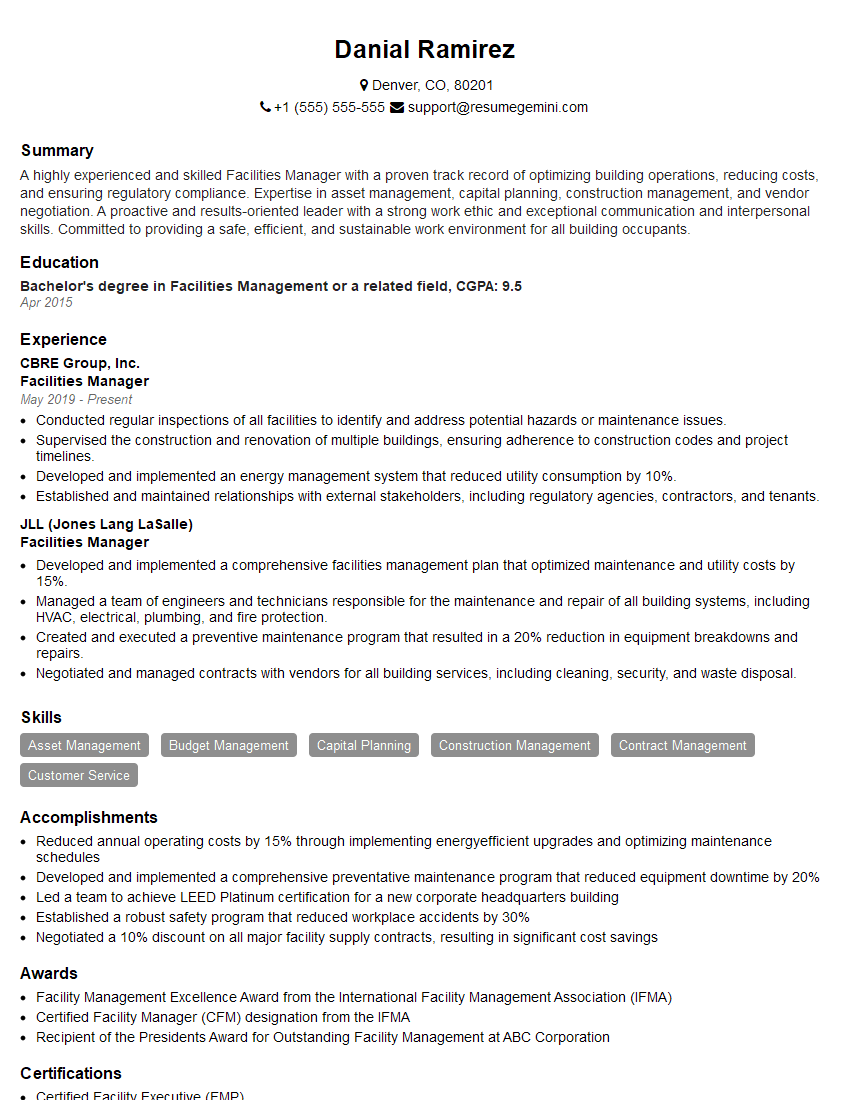
Facilities Manager Resume Sample
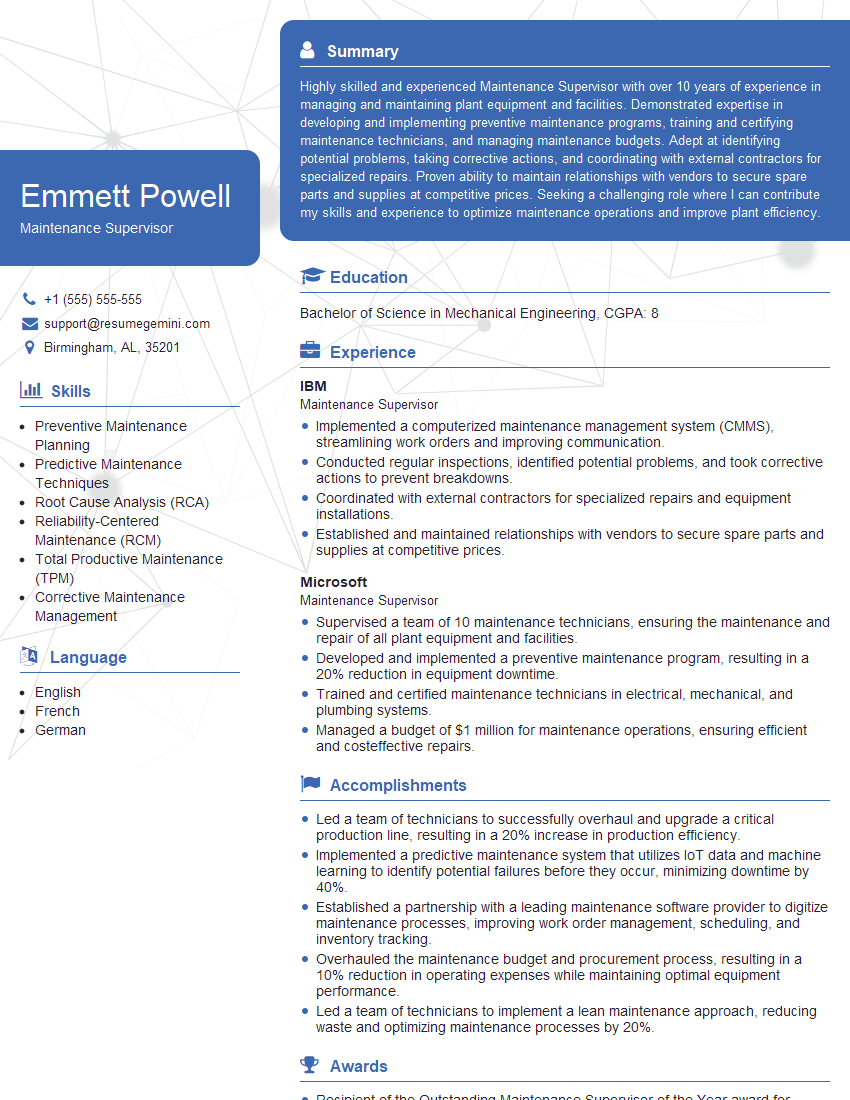
Maintenance Supervisor Resume Sample
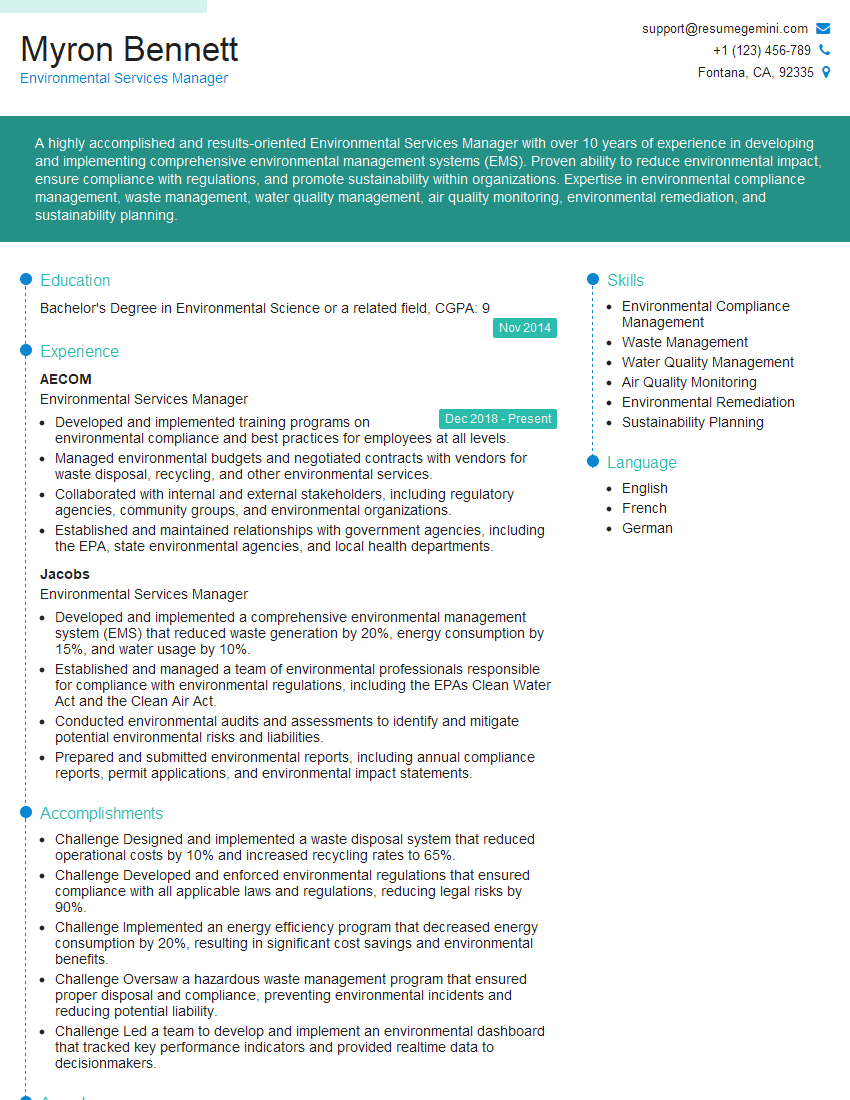
Environmental Services Manager Resume Sample
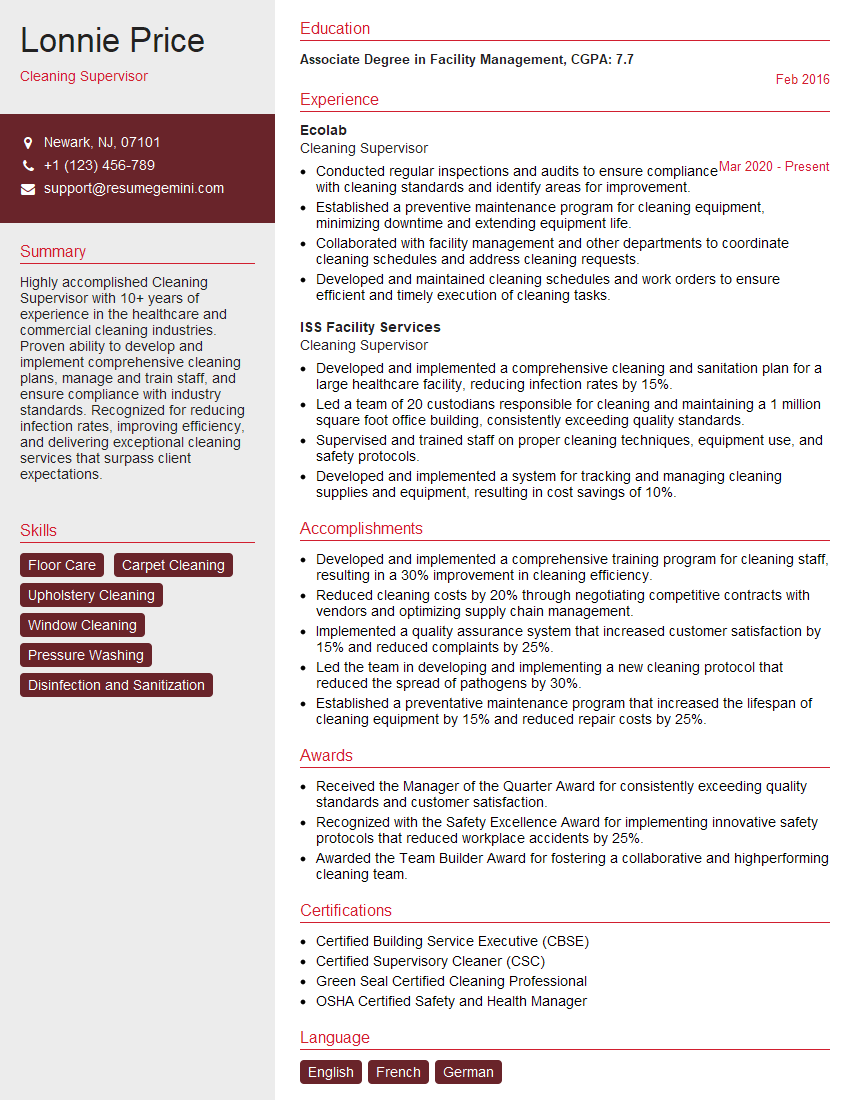
Cleaning Supervisor Resume Sample
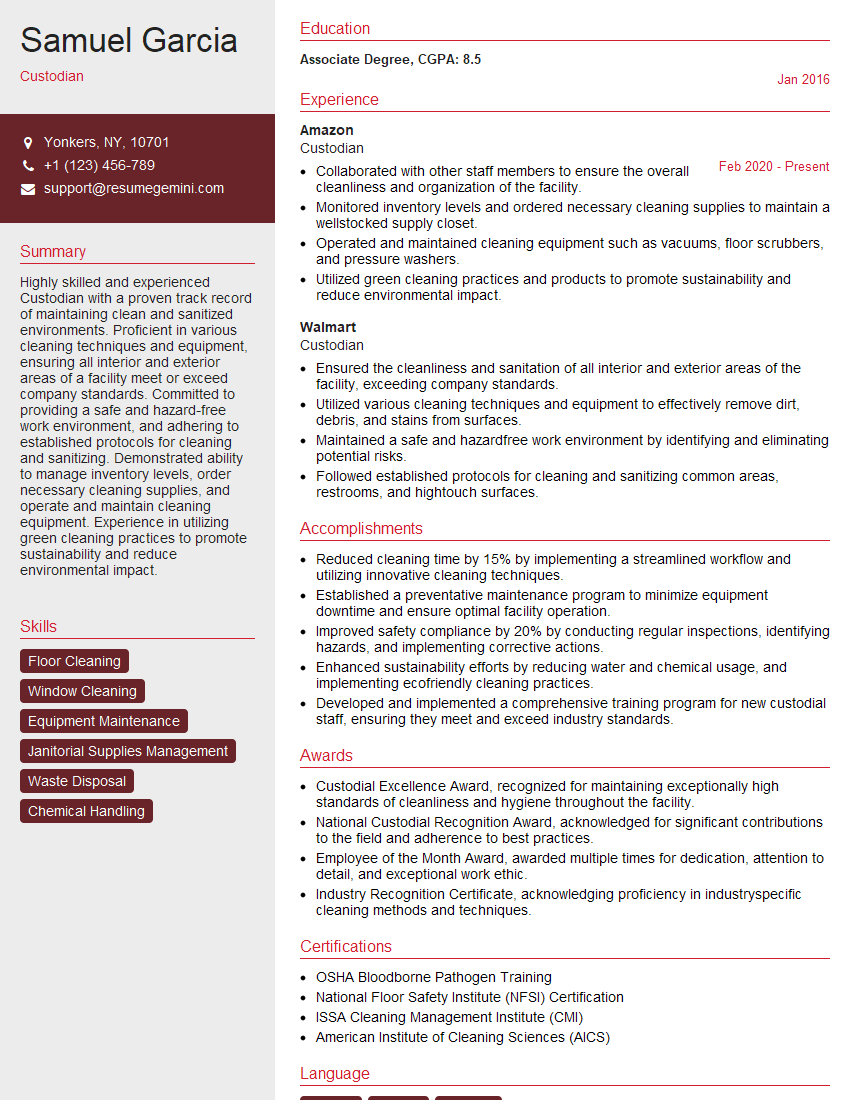
Custodian Resume Sample
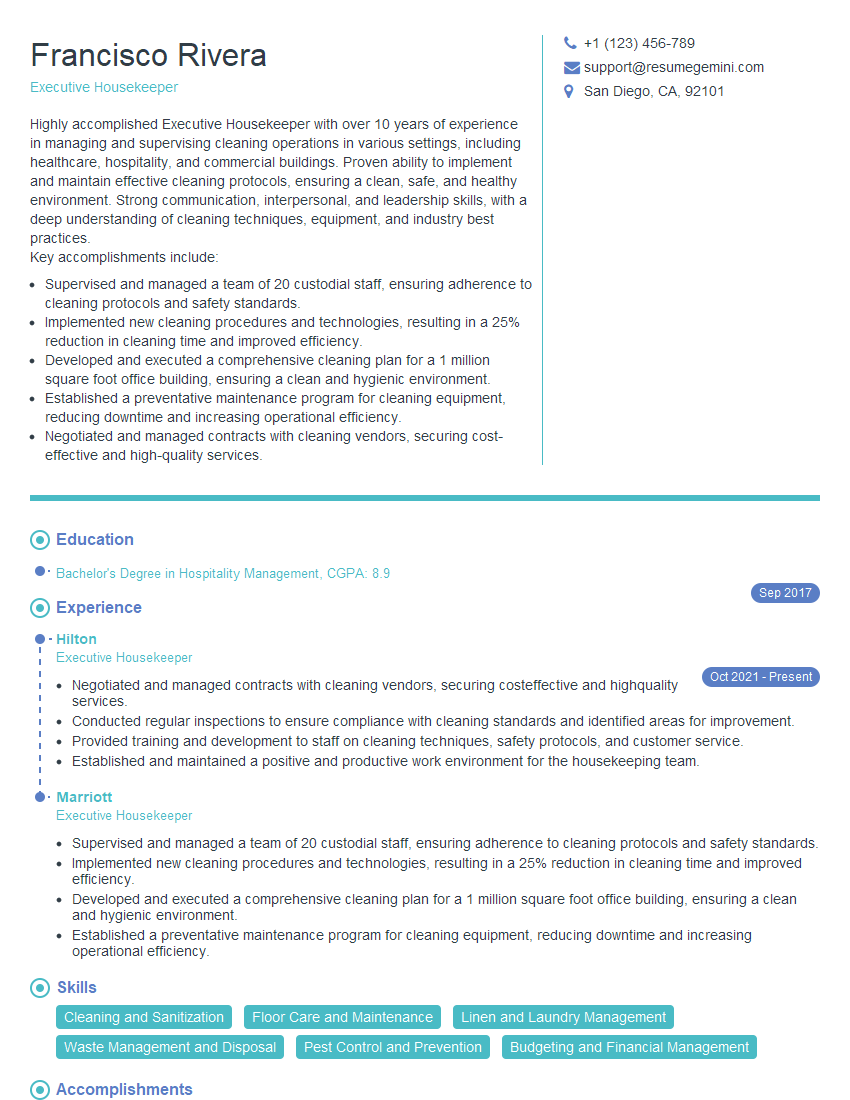
Executive Housekeeper Resume Sample
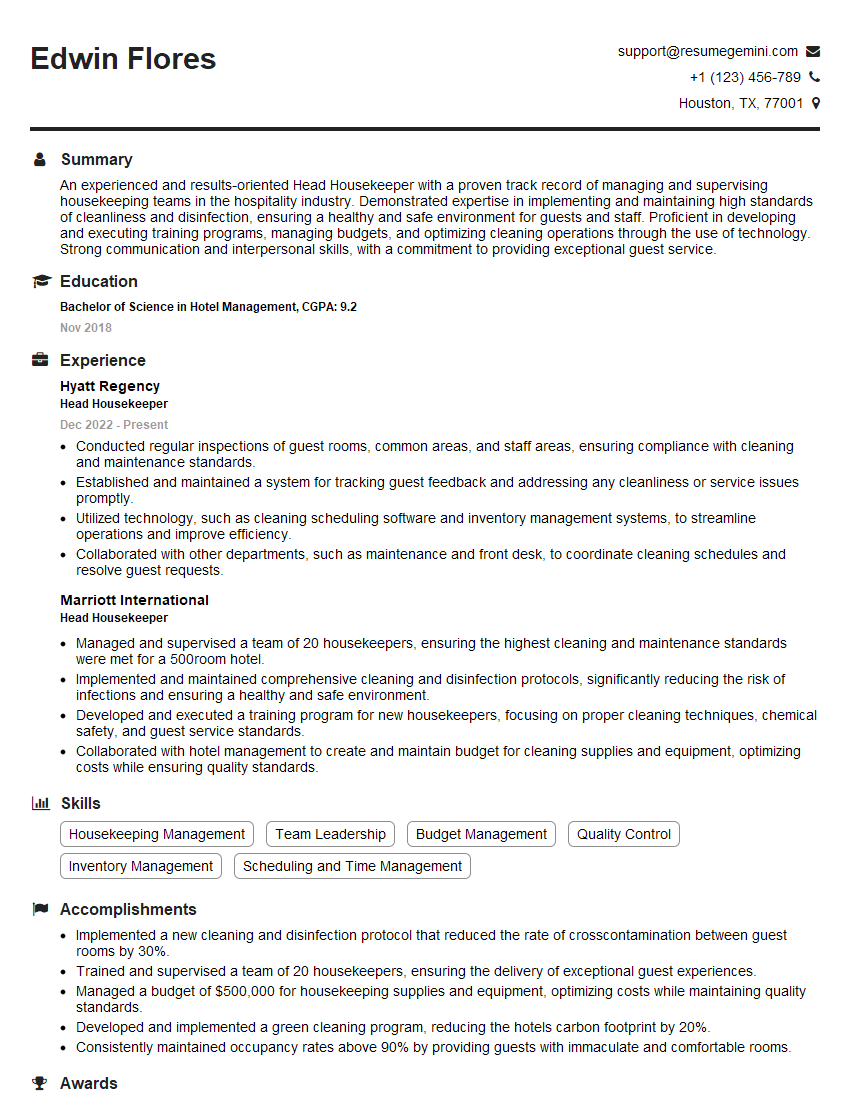
Head Housekeeper Resume Sample
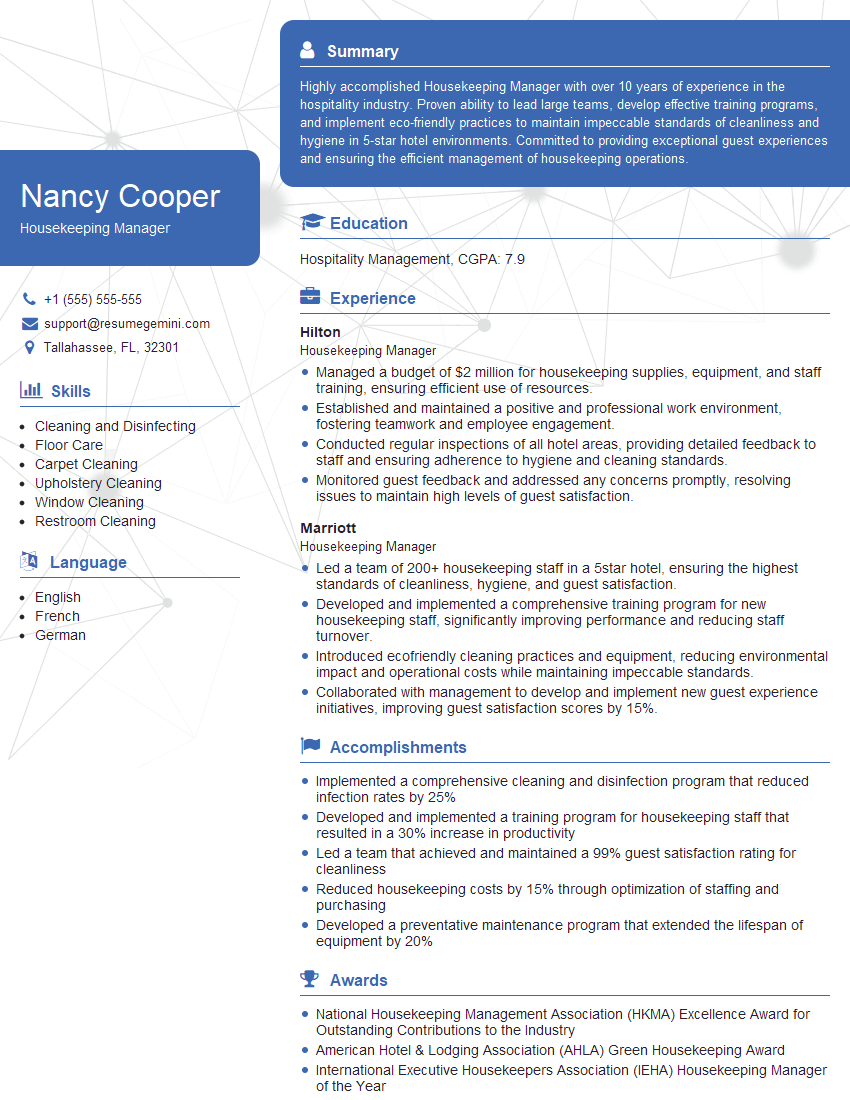
Housekeeping Manager Resume Sample
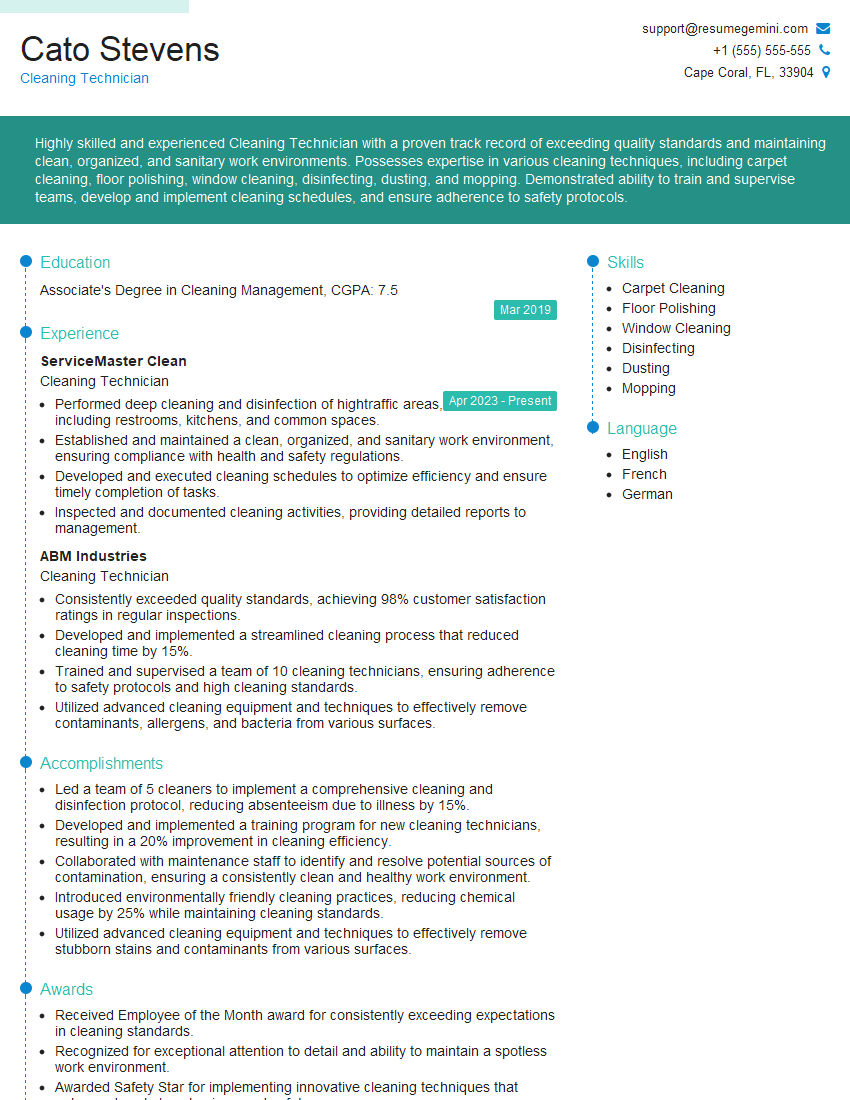
Cleaning Technician Resume Sample
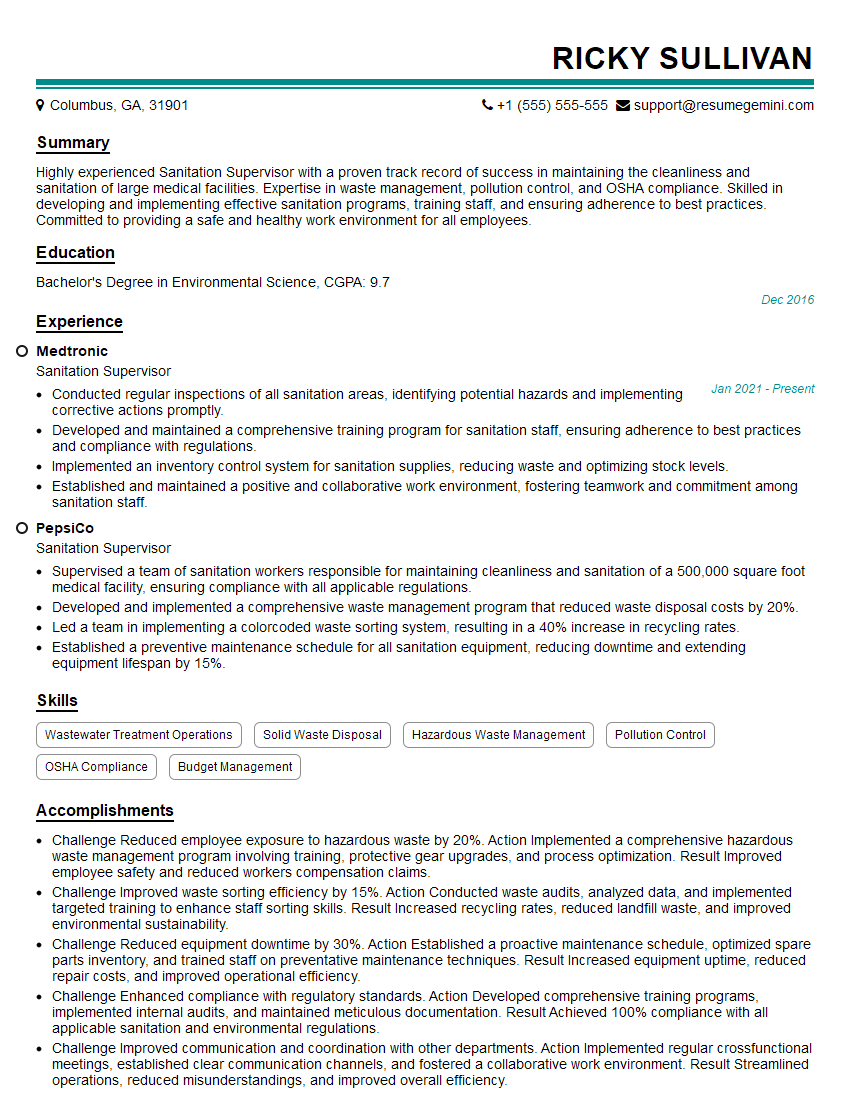
Sanitation Supervisor Resume Sample
Explore more articles
Users Rating of Our Blogs
Share Your Experience
We value your feedback! Please rate our content and share your thoughts (optional).
What Readers Say About Our Blog
Really detailed insights and content, thank you for writing this detailed article.
IT gave me an insight and words to use and be able to think of examples