Preparation is the key to success in any interview. In this post, we’ll explore crucial Knowledge of Consumer Safety Laws and Regulations interview questions and equip you with strategies to craft impactful answers. Whether you’re a beginner or a pro, these tips will elevate your preparation.
Questions Asked in Knowledge of Consumer Safety Laws and Regulations Interview
Q 1. Explain the Consumer Product Safety Act (CPSA) and its key provisions.
The Consumer Product Safety Act (CPSA) is a US federal law designed to protect the public from unreasonable risks of injury or death associated with consumer products. It established the Consumer Product Safety Commission (CPSC) and grants it broad authority to regulate consumer products. Key provisions include:
- Setting safety standards: The CPSC can issue mandatory safety standards for products deemed hazardous.
- Banning hazardous products: The CPSC can ban the manufacture, sale, or importation of products posing unreasonable risks.
- Recalling defective products: The CPSC can compel manufacturers to recall dangerous products.
- Investigating product-related injuries: The CPSC investigates reports of injuries or deaths related to consumer products.
- Informing consumers: The CPSC works to educate consumers about product safety risks through public awareness campaigns.
For example, the CPSA has led to regulations on cribs, toys, and power tools, significantly reducing injuries associated with these products. Imagine a child’s toy with small parts – the CPSA ensures standards prevent choking hazards.
Q 2. Describe the role of the Consumer Product Safety Commission (CPSC).
The Consumer Product Safety Commission (CPSC) is an independent regulatory agency of the U.S. government responsible for protecting the public from unreasonable risks of injury or death associated with consumer products. Its role encompasses several key areas:
- Developing and enforcing safety standards: The CPSC sets and enforces safety standards for thousands of consumer products.
- Investigating hazards: The CPSC investigates consumer product-related injuries and deaths, identifying potential hazards.
- Issuing recalls: The CPSC can order mandatory recalls of dangerous products or work with manufacturers on voluntary recalls.
- Educating consumers: The CPSC conducts public awareness campaigns to inform consumers about product safety risks.
- Working with manufacturers: The CPSC collaborates with manufacturers to improve product safety through voluntary standards and compliance programs.
Think of the CPSC as a safety net for consumers. They work behind the scenes to prevent accidents and ensure products meet safety expectations, from toys for children to power tools for adults.
Q 3. What are the reporting requirements for a consumer product defect?
Reporting requirements for consumer product defects vary depending on the severity and nature of the defect, as well as the manufacturer’s knowledge of the defect. However, generally, manufacturers are required to report:
- Significant injuries or deaths: Manufacturers must immediately report incidents resulting in serious injury or death to the CPSC.
- Substantial product hazards: Manufacturers are obligated to promptly report any reasonable knowledge of a substantial product hazard, even if it hasn’t caused injury or death yet. This includes defects that could reasonably lead to harm.
- Information collected during internal investigations: Manufacturers are often required to report information gathered during their own internal investigations into potential hazards.
These reports usually need to be made electronically through the CPSC’s online reporting system. Failure to report can lead to severe penalties.
For instance, if a manufacturer discovers a manufacturing flaw in a kitchen appliance that could cause electrical shock, they are legally obligated to report it immediately to the CPSC and initiate a recall if necessary. This ensures timely action to prevent further incidents.
Q 4. Outline the process for a product recall.
The product recall process typically involves these steps:
- Identifying the hazard: The manufacturer or the CPSC identifies a defect or hazard associated with a product.
- Developing a recall plan: This includes identifying the affected products, determining the recall strategy (e.g., repair, replacement, refund), and creating communication materials for consumers.
- Notifying the CPSC: The manufacturer usually contacts the CPSC to discuss the recall and work collaboratively to ensure it’s effective.
- Notifying consumers: The manufacturer uses various methods (e.g., press releases, direct mail, website announcements) to inform consumers about the recall and how to obtain a remedy.
- Remedying the hazard: Consumers return the defective product and receive a repair, replacement, or refund.
- Monitoring the recall: The CPSC monitors the recall’s effectiveness and investigates any ongoing issues.
For example, a car manufacturer might recall vehicles with faulty airbags. They’d notify owners, provide free repairs at dealerships, and work with the CPSC to ensure all affected vehicles are fixed to prevent accidents.
Q 5. How do you determine if a product meets safety standards?
Determining if a product meets safety standards involves a multi-faceted approach:
- Compliance with CPSC standards: Manufacturers must ensure their products meet all applicable CPSC safety standards.
- Testing and certification: Independent testing labs often conduct rigorous testing to verify compliance with safety standards. Third-party certifications (e.g., UL, ETL) demonstrate compliance.
- Internal quality control: Manufacturers maintain internal quality control processes to identify and address potential safety issues during production.
- Regular inspections: The CPSC conducts inspections and investigations to ensure manufacturers are complying with regulations.
- Risk assessment: A crucial step is conducting a thorough risk assessment to identify and mitigate potential hazards throughout the product’s lifecycle.
Imagine a manufacturer of children’s toys. They must not only design their toys to meet CPSC safety standards regarding small parts and flammability, but also undergo rigorous testing by a third-party to confirm compliance before selling the toys to the public.
Q 6. Explain the difference between voluntary and mandatory product recalls.
The key difference between voluntary and mandatory product recalls lies in who initiates the recall:
- Voluntary recalls: These are initiated by the manufacturer, usually in response to discovering a safety defect or in cooperation with the CPSC. It’s often a proactive measure to protect consumers and the company’s reputation.
- Mandatory recalls: These are ordered by the CPSC when a manufacturer fails to initiate a voluntary recall or when the agency determines a product poses an unreasonable risk to consumers. This is a more formal and legally binding action.
For example, a company might voluntarily recall a batch of defective coffee makers if they discover a flaw in the heating element. However, if they refuse to do so after being notified by the CPSC, the agency can order a mandatory recall with legal consequences for non-compliance.
Q 7. What are the legal consequences of non-compliance with consumer safety laws?
Non-compliance with consumer safety laws can have significant legal consequences, including:
- Civil penalties: The CPSC can impose substantial civil penalties on manufacturers, importers, and distributors who violate safety regulations. These fines can range from thousands to millions of dollars.
- Criminal penalties: In severe cases involving intentional violations or gross negligence, criminal charges can be filed, leading to imprisonment and substantial fines.
- Product seizure: The CPSC can seize and destroy unsafe products found in the marketplace.
- Injunctive relief: Courts can issue injunctions to prevent further distribution of unsafe products.
- Legal liability for injuries: Manufacturers can face lawsuits and be held liable for injuries or deaths caused by their defective products.
The severity of the consequences depends on factors such as the nature of the violation, the harm caused, and the company’s history of compliance. It’s crucial for businesses to prioritize compliance to protect their consumers and avoid costly legal ramifications.
Q 8. Describe your experience conducting risk assessments for consumer products.
Conducting risk assessments for consumer products is a systematic process aimed at identifying potential hazards and evaluating the likelihood and severity of harm they may cause. It involves a detailed examination of the product’s design, manufacturing process, intended use, and foreseeable misuse. My approach typically follows these steps:
- Hazard Identification: This involves brainstorming potential hazards associated with the product, considering its materials, components, and functionalities. For example, a toy might present choking hazards if small parts are included, while a kitchen appliance may pose electrical shock risks if improperly grounded.
- Hazard Analysis: Once hazards are identified, I analyze the likelihood of each hazard occurring and the potential severity of resulting injury or harm. This often involves using established risk assessment matrices that assign numerical values or qualitative ratings to each factor.
- Risk Evaluation: I compare the level of risk identified to acceptable safety standards and regulatory requirements. This helps determine whether the risk is acceptable or needs mitigation.
- Risk Control: If the risk is deemed unacceptable, I develop and implement control measures to reduce the risk. These measures might include redesigning the product, changing the manufacturing process, adding safety features, providing clear warnings, or developing instructions for safe use.
- Risk Monitoring: Even after implementing control measures, I continue to monitor the product for any reported incidents or emerging safety concerns. This ongoing process allows for continuous improvement and ensures product safety throughout its lifecycle.
For example, during a risk assessment for a children’s bicycle, I would consider factors such as the sharpness of edges, the stability of the design, the strength of the brakes, and the presence of any small parts that could be a choking hazard. This comprehensive analysis allows for proactive identification and mitigation of potential risks before the product reaches consumers.
Q 9. How do you stay updated on changes in consumer safety regulations?
Staying current on ever-evolving consumer safety regulations requires a multi-faceted approach. I rely on several key strategies:
- Subscription to Regulatory Updates: I subscribe to newsletters and updates from relevant government agencies like the FDA, CPSC (Consumer Product Safety Commission), and international organizations like the ISO. These provide timely information on new rules, amended regulations, and safety alerts.
- Professional Networks and Associations: Active participation in professional organizations and attending industry conferences and webinars provides opportunities to learn from experts, discuss emerging issues, and network with colleagues who share knowledge and insights.
- Legal Databases: Access to comprehensive legal databases allows me to search for specific regulations, case law, and guidance documents. This facilitates deeper understanding and helps interpret ambiguous aspects of the regulations.
- Monitoring Industry Publications: I regularly review industry publications, journals, and trade magazines for articles and analysis of evolving safety concerns and regulatory changes. This helps me anticipate potential shifts in regulatory landscape.
- Government Websites and Public Consultations: I directly monitor the websites of relevant government agencies for proposed rules, public consultations, and notices of regulatory changes. Actively participating in public consultations ensures my input is considered.
This multi-pronged approach ensures I remain up-to-date and informed about shifts in the legal and regulatory landscape, enabling me to provide effective and compliant advice.
Q 10. What is your understanding of the Food, Drug, and Cosmetic Act (FD&C Act)?
The Food, Drug, and Cosmetic Act (FD&C Act) is a cornerstone of U.S. consumer protection legislation. It broadly governs the safety and labeling of food, drugs, cosmetics, and medical devices. The act aims to protect public health by ensuring these products are safe, pure, and truthfully labeled. Key aspects include:
- Food Safety: The FD&C Act establishes standards for food safety, including requirements for preventing adulteration and misbranding. This covers a wide range of issues, from preventing contamination to ensuring accurate labeling of ingredients and nutritional content.
- Drug Safety and Efficacy: The Act outlines rigorous procedures for the approval and regulation of drugs, focusing on demonstrating their safety and efficacy before they can be marketed to the public. It establishes the FDA’s authority to regulate the manufacturing, distribution, and marketing of drugs.
- Cosmetic Safety: While the FD&C Act doesn’t require pre-market approval for most cosmetics, it prohibits the use of harmful ingredients and mandates truthful labeling. The FDA monitors the safety of cosmetic products and takes action against adulterated or misbranded cosmetics.
- Medical Device Regulation: The Act regulates medical devices, classifying them based on their risk level and requiring varying levels of pre-market review and approval.
The FD&C Act is far-reaching, impacting many aspects of daily life. Its continuous updates and amendments reflect the evolving understanding of product safety and public health.
Q 11. Describe the role of the Food and Drug Administration (FDA) in consumer safety.
The Food and Drug Administration (FDA) plays a crucial role in safeguarding public health by overseeing the safety and labeling of numerous consumer products. Their responsibilities are multifaceted and include:
- Pre-Market Approval: For many products, particularly drugs and medical devices, the FDA requires pre-market approval, evaluating data on safety and effectiveness before allowing them to be sold to the public.
- Inspections and Enforcement: The FDA conducts regular inspections of food and drug manufacturing facilities, ensuring adherence to good manufacturing practices (GMPs) and other safety regulations. They enforce regulations, taking action against companies that violate the law.
- Recall Authority: The FDA has the authority to issue recalls for unsafe products, working with manufacturers to remove potentially harmful items from the market.
- Regulatory Guidance: The FDA provides guidance documents and recommendations to assist manufacturers in complying with regulations. This includes issuing guidelines for good manufacturing practices, labeling requirements, and other aspects of product safety.
- Consumer Education and Awareness: The FDA works to educate consumers about product safety, providing information and resources on topics such as food safety, drug interactions, and safe use of medical devices.
In essence, the FDA acts as a gatekeeper, ensuring that products entering the market meet acceptable safety standards and that consumers are protected from harm.
Q 12. What are the key safety regulations for food products?
Key safety regulations for food products are extensive and address various aspects of production, handling, and labeling. Significant regulations include:
- Hazard Analysis and Critical Control Points (HACCP): HACCP is a preventative approach to food safety, identifying potential hazards and establishing critical control points to prevent or eliminate them throughout the production process.
- Current Good Manufacturing Practices (cGMPs): These regulations dictate the standards for manufacturing, processing, packaging, and holding food to ensure safety and quality. They cover facility design, sanitation, personnel hygiene, and record-keeping.
- Food Allergen Labeling: Regulations require the clear labeling of major food allergens, such as milk, eggs, peanuts, and soy, to protect individuals with allergies.
- Food Additive Regulations: The FDA regulates the use of food additives, requiring manufacturers to demonstrate the safety of any substances added to food.
- Microbial Limits: Regulations establish limits for harmful microorganisms in food products, preventing foodborne illnesses.
- Irradiation Standards: The FDA regulates the use of irradiation as a food preservation method, ensuring its safety and effectiveness.
Compliance with these regulations is crucial to ensure the safety and quality of the nation’s food supply.
Q 13. What are Good Manufacturing Practices (GMPs) and their significance?
Good Manufacturing Practices (GMPs) are a set of guidelines and regulations that dictate the minimum standards for manufacturing, processing, packing, or holding of products, ensuring consistency, safety, and quality. They’re not specific to one industry but apply across numerous sectors, including food, pharmaceuticals, and cosmetics. GMPs cover various aspects:
- Facility Design and Maintenance: GMPs require facilities to be designed and maintained to prevent contamination and ensure a clean and hygienic environment.
- Equipment and Utensil Sanitation: Proper cleaning and sanitization of equipment and utensils are essential to prevent cross-contamination.
- Personnel Hygiene: GMPs emphasize the importance of employee hygiene, including handwashing, protective clothing, and training on sanitation procedures.
- Material Handling and Storage: Proper procedures for handling and storing raw materials, packaging, and finished products are essential to prevent contamination and degradation.
- Quality Control and Documentation: GMPs require comprehensive quality control systems and detailed record-keeping to track processes, identify issues, and ensure product quality and safety.
The significance of GMPs lies in their ability to minimize the risk of product contamination, prevent errors, and ensure consistency in product quality. Non-compliance can lead to product recalls, fines, and damage to a company’s reputation.
Q 14. How do you ensure compliance with labeling requirements for consumer products?
Ensuring compliance with labeling requirements for consumer products is crucial for consumer safety and legal compliance. This requires a detailed understanding of relevant regulations and meticulous attention to detail. My approach typically involves:
- Identifying Applicable Regulations: The first step is determining which regulations apply to the specific product. This often depends on the product category (food, cosmetics, toys, etc.) and may involve federal, state, and even international regulations.
- Reviewing Label Content Requirements: This involves carefully reviewing the specific requirements for each element of the label, including product name, manufacturer information, ingredient list (if applicable), net weight or volume, warnings, cautions, and instructions for safe use.
- Verification of Information Accuracy: Ensuring all information on the label is accurate and truthful is paramount. This includes verifying ingredient lists, nutritional facts (for food products), and claims about product performance.
- Testing and Validation: Depending on the product, certain aspects of the label might require testing or validation to ensure accuracy. For example, nutritional information for food products needs to be scientifically verified.
- Legal Review: A legal review by a qualified professional is highly recommended to ensure full compliance with all applicable regulations and to identify any potential vulnerabilities.
- Ongoing Monitoring: Even after the product is launched, it’s important to monitor the label for any necessary updates or corrections due to changes in regulations or new safety information.
Failure to comply with labeling regulations can lead to product recalls, fines, lawsuits, and damage to brand reputation. A proactive and comprehensive approach is essential to avoid these consequences.
Q 15. Explain your understanding of Hazard Analysis and Critical Control Points (HACCP).
Hazard Analysis and Critical Control Points (HACCP) is a systematic preventive approach to food safety from biological, chemical, and physical hazards in production processes that can cause the finished product to be unsafe, and design measures to reduce these risks to a safe level. Think of it like a proactive safety net, rather than a reactive cleanup.
It involves seven principles:
- Conduct a hazard analysis: Identify potential hazards that could contaminate the product at each step of production.
- Determine critical control points (CCPs): Pinpoint the specific steps where control is essential to prevent or eliminate the hazard. This might be cooking temperature, ingredient storage, or sanitation procedures.
- Establish critical limits: Set measurable limits for each CCP. For example, a minimum cooking temperature of 165°F (74°C) to eliminate harmful bacteria.
- Establish monitoring procedures: Regularly check that each CCP is within its critical limits. This often involves temperature checks, visual inspections, or lab tests.
- Establish corrective actions: Define what to do if a CCP deviates from its limits – perhaps re-cooking, discarding a batch, or adjusting equipment.
- Establish verification procedures: Regularly confirm that the HACCP plan is working correctly, through audits and record reviews.
- Establish record-keeping and documentation procedures: Maintain detailed records of all HACCP activities.
For example, in a canning factory, a CCP might be the sterilization process. Failure to reach the critical limit (temperature and time) could lead to botulism, a serious foodborne illness. HACCP ensures this critical step is monitored and controlled, preventing potential harm.
Career Expert Tips:
- Ace those interviews! Prepare effectively by reviewing the Top 50 Most Common Interview Questions on ResumeGemini.
- Navigate your job search with confidence! Explore a wide range of Career Tips on ResumeGemini. Learn about common challenges and recommendations to overcome them.
- Craft the perfect resume! Master the Art of Resume Writing with ResumeGemini’s guide. Showcase your unique qualifications and achievements effectively.
- Don’t miss out on holiday savings! Build your dream resume with ResumeGemini’s ATS optimized templates.
Q 16. How would you handle a situation where a product is suspected to cause harm?
If a product is suspected of causing harm, the immediate priority is to protect consumers. This involves a multi-step response:
- Initiate a product recall (if necessary): This involves working with regulatory agencies like the FDA or CPSC to remove the potentially harmful product from the market. Speed is crucial.
- Conduct a thorough investigation: This entails gathering information on reported incidents, product samples, and manufacturing processes to determine the root cause of the suspected harm. This might involve laboratory testing and interviews with consumers.
- Cooperate with regulatory agencies: This involves providing full transparency and cooperating with any investigations undertaken by relevant authorities.
- Communicate with consumers: Transparency is key. Consumers need clear and concise information about the situation, the potential risks, and any necessary actions (e.g., returning the product). This communication should use multiple channels (website updates, press releases, social media).
- Implement corrective actions: Once the root cause is identified, steps need to be taken to prevent recurrence. This might include changes to manufacturing processes, product design, or quality control procedures.
- Document everything: Meticulous record-keeping is vital for future investigations and potential legal proceedings.
This process is about minimizing further harm, identifying the problem’s source, and ensuring future safety. A swift and responsible response protects both consumers and the company’s reputation.
Q 17. Describe your experience with investigating consumer product incidents.
Throughout my career, I’ve been involved in numerous consumer product incident investigations. For instance, I investigated a case involving a children’s toy with a small, detachable part posing a choking hazard. This involved:
- Data collection: Gathering reports from consumers, retailers, and medical professionals regarding incidents.
- Product testing: Evaluating the product’s design and materials for potential hazards in a lab setting – this involved assessing the size and strength of the detachable part.
- Manufacturing process review: Examining the manufacturing process to identify any flaws that might have led to the defect.
- Root cause analysis: Determining the underlying cause of the hazard, which turned out to be an issue with quality control during assembly.
- Corrective action recommendations: Suggesting improvements in design, manufacturing, and quality control, such as redesigning the product to eliminate the detachable part or implementing more stringent quality checks during production.
My experience emphasizes the importance of a systematic, data-driven approach to identify the root cause, prevent future incidents, and mitigate the impact of the existing ones.
Q 18. What are your strategies for preventing consumer product injuries?
Preventing consumer product injuries requires a multi-faceted approach focusing on design, manufacturing, and post-market surveillance:
- Safe design: Incorporating safety features into the product from the initial design phase. This includes using materials that meet safety standards, eliminating sharp edges or small parts, and implementing ergonomic design principles.
- Robust manufacturing processes: Implementing quality control measures throughout the manufacturing process to ensure that products meet safety standards and are free from defects. This involves regular inspections and testing.
- Effective labeling and instructions: Providing clear and concise warnings, instructions, and safety information on product packaging and manuals to educate consumers on proper use and potential hazards.
- Post-market surveillance: Monitoring product performance and safety after it’s released into the market to identify and address any potential hazards. This might involve collecting consumer feedback, conducting post-market studies, or reacting to reports of incidents.
- Compliance with regulations: Ensuring that all products meet relevant safety standards and regulations set by agencies like the Consumer Product Safety Commission (CPSC) and the Food and Drug Administration (FDA).
Think of it like building a house – a solid foundation (safe design), strong construction (manufacturing), clear instructions (labeling), and regular maintenance (surveillance) all contribute to a safe and lasting structure.
Q 19. How do you communicate safety information to consumers effectively?
Effective communication of safety information is vital. It needs to be clear, concise, and easily understandable by the target audience:
- Use plain language: Avoid technical jargon and complex sentences. Use simple words and short paragraphs.
- Use multiple channels: Utilize various communication channels to reach a wider audience, including product labels, manuals, websites, social media, press releases, and potentially even public service announcements.
- Visual aids: Use images, diagrams, and videos to illustrate safety instructions and warnings. A picture is worth a thousand words.
- Targeted messaging: Tailor the message to the specific audience. For example, instructions for children’s products should be simple and visually engaging, while instructions for sophisticated electronics might require more detail.
- Multilingual support: If necessary, translate safety information into multiple languages to accommodate diverse audiences.
- Feedback mechanisms: Provide ways for consumers to report safety issues or provide feedback on the clarity of safety information. This could involve a dedicated email address, website form, or phone line.
The goal is to empower consumers with the information they need to use products safely and to be aware of potential risks.
Q 20. What is your understanding of international consumer safety standards?
International consumer safety standards vary by country and product category but aim for consistent levels of protection worldwide. Organizations like the International Organization for Standardization (ISO) develop international standards that many countries adopt or adapt. These standards often cover specific product categories, such as toys, electrical appliances, and chemicals. There are also regional agreements and harmonized standards among groups of countries, simplifying trade and ensuring consistent safety levels. Examples include the European Union’s CE marking system and various international food safety standards.
Understanding these standards is crucial for companies that trade internationally, as products must meet the safety requirements of the target markets. This requires awareness of different regulatory frameworks and potentially adapting products to meet multiple standards.
Differences can arise due to varying cultural contexts, technological advancements, and levels of economic development. Staying current on these international standards and regulations is a continuous learning process and critical for global product safety.
Q 21. Explain your experience with consumer safety audits and inspections.
I have extensive experience conducting consumer safety audits and inspections, both internal and external. These involve a systematic evaluation of a company’s processes and products to ensure compliance with safety standards and regulations.
An audit might include:
- Reviewing design specifications: Evaluating product designs for potential hazards and compliance with safety standards.
- Inspecting manufacturing facilities: Assessing the manufacturing process for adherence to safety protocols and quality control measures.
- Examining testing procedures: Reviewing the methods used to test products for safety and performance.
- Analyzing safety documentation: Evaluating the adequacy of safety instructions, warnings, and other documentation.
- Assessing incident reporting and corrective actions: Reviewing how the company handles incidents, investigates their causes, and implements corrective actions.
During inspections, I’ve identified issues ranging from inadequate safety testing to poorly designed product components. My findings have led to corrective actions, such as design modifications, improved quality control procedures, and updated safety instructions. These audits and inspections are not about finding fault but about strengthening safety systems and ensuring consumer protection.
Q 22. How do you assess the risks associated with new product development?
Assessing the risks associated with new product development requires a systematic approach that integrates multiple perspectives. It’s not just about identifying potential hazards but also understanding the likelihood and severity of harm. Think of it like a risk assessment matrix: we plot the likelihood of an event (e.g., a child choking on a small part) against the severity of the consequence (e.g., death, serious injury, minor injury).
Hazard Identification: This involves thoroughly examining every aspect of the product—from materials used to intended use and foreseeable misuse. We might use Failure Mode and Effects Analysis (FMEA) to systematically identify potential failures and their consequences. For example, with a children’s toy, we’d assess the risk of small parts detaching and becoming choking hazards.
Risk Analysis: Once hazards are identified, we analyze their likelihood and severity. A high likelihood and high severity combination warrants immediate action. This often involves reviewing relevant safety standards (e.g., ASTM, EN) and regulatory requirements (e.g., CPSC in the US, CE Marking in Europe).
Risk Control: This stage focuses on mitigating identified risks. Options include design changes (e.g., redesigning a product to eliminate sharp edges), warnings and instructions (e.g., clear labeling about age appropriateness and safe usage), or additional safety features (e.g., safety straps).
Risk Monitoring: Even after a product launches, we continuously monitor for incidents and adverse events. This involves post-market surveillance and feedback mechanisms to promptly identify and address emerging risks.
For example, during the development of a new children’s toy, we identified a small detachable part. Through risk analysis, we determined the likelihood of a child detaching and swallowing the part was high and the severity of choking was also high. As a risk control measure, we redesigned the toy to eliminate the detachable part, thus mitigating the risk entirely.
Q 23. Describe your experience with developing and implementing consumer safety training programs.
I have extensive experience developing and implementing consumer safety training programs, catering to different audiences from factory floor workers to senior management. My approach emphasizes practical application and scenario-based learning to ensure knowledge retention and behavioral change.
Needs Assessment: I begin by identifying the specific training needs of the target audience, considering their existing knowledge and roles within the company. This might involve surveys, interviews, and analyzing past incidents.
Curriculum Development: The curriculum is designed to be interactive and engaging, incorporating various teaching methods like presentations, videos, case studies, and hands-on activities. It always covers relevant regulations, standards, and best practices, emphasizing the “why” behind safety procedures.
Delivery and Implementation: I utilize a blended learning approach, combining online modules with in-person training sessions to cater to different learning styles. The training incorporates regular quizzes and assessments to measure comprehension and reinforce key concepts.
Evaluation and Improvement: Post-training evaluation is crucial. This includes measuring knowledge retention, observing behavioral changes, and tracking incident rates to determine the program’s effectiveness. Regular updates are made to keep the training current with evolving regulations and best practices.
For example, I once developed a comprehensive training program for a food manufacturing company addressing the prevention of foodborne illnesses. This involved training employees on proper sanitation procedures, Hazard Analysis and Critical Control Points (HACCP) principles, and relevant FDA regulations. We saw a significant reduction in food safety incidents after implementation.
Q 24. How do you manage and track consumer safety compliance data?
Managing and tracking consumer safety compliance data is a critical function that requires a robust system. This involves collecting data from various sources, analyzing trends, and taking corrective actions.
Data Collection: Data is collected from various sources, including incident reports, regulatory inspections, internal audits, and consumer feedback. A standardized system (database, CRM) is essential for consistent data collection.
Data Analysis: Data is analyzed to identify trends, patterns, and areas needing improvement. This may involve creating reports, dashboards, and visualizations to communicate findings effectively to stakeholders. Key performance indicators (KPIs) such as incident rates, recall frequencies, and compliance audit scores are regularly monitored.
Corrective Actions: Identified issues trigger corrective and preventive actions (CAPA). This includes implementing design changes, updating labeling, providing additional training, or recalling products if necessary. The effectiveness of corrective actions is tracked and documented.
Reporting and Documentation: Regular reports are generated for management and regulatory bodies, documenting compliance status, incident trends, and corrective actions. This ensures transparency and accountability.
For instance, we used a dedicated database to track product recall information. Analyzing the data revealed a common defect in a specific product line, enabling us to address the underlying manufacturing issue and prevent future incidents.
Q 25. How do you collaborate with other departments to ensure consumer safety compliance?
Collaboration is paramount to ensure consumer safety compliance. It’s not a task for one department alone, but a shared responsibility across the organization. I believe in proactive communication and a cross-functional approach.
Design and Engineering: Close collaboration with design and engineering is crucial from the initial concept phase to ensure safety is built into the product. This involves discussing potential hazards, incorporating safety features, and adhering to safety standards.
Manufacturing and Production: Working closely with manufacturing ensures consistent production quality and adherence to safety protocols throughout the production process. Regular audits and inspections are essential.
Marketing and Sales: Ensuring marketing and sales materials accurately represent the product’s safety features and intended use is vital to prevent misuse. This involves reviewing all marketing collateral for accuracy and clarity of safety information.
Legal and Compliance: Maintaining a close relationship with the legal and compliance teams ensures adherence to all relevant regulations and standards. This includes regular reviews of legislation and legal advice on specific safety-related issues.
In one instance, I worked with the marketing department to revise product labeling after a safety incident. This collaborative effort ensured the new labeling was both compliant with regulations and communicated important safety information to consumers effectively.
Q 26. Describe your experience with working with external regulatory bodies.
My experience with external regulatory bodies like the Consumer Product Safety Commission (CPSC) in the US or the European Commission is extensive. This involves understanding their mandates, proactively addressing any concerns, and maintaining open communication.
Understanding Regulations: Staying up-to-date on the latest regulations and standards is critical. This includes subscribing to regulatory updates, attending industry conferences, and engaging with regulatory agency representatives.
Proactive Compliance: It’s better to be proactive than reactive. Conducting regular internal audits and self-assessments allows us to identify and address potential compliance gaps before they become issues.
Effective Communication: Clear and transparent communication is vital when interacting with regulatory bodies. This includes promptly responding to inquiries, providing requested documentation, and cooperating fully during inspections.
Incident Reporting: Reporting incidents promptly and accurately is crucial. This demonstrates a commitment to consumer safety and fosters a positive relationship with regulatory bodies.
For example, I successfully guided a company through a product recall, coordinating with the CPSC to ensure a smooth and effective recall process that minimized disruption to consumers and maintained the company’s reputation.
Q 27. How do you adapt to changes in consumer safety regulations and standards?
Adapting to changes in consumer safety regulations and standards requires a proactive and systematic approach. It is an ongoing process, not a one-time event.
Monitoring Regulatory Changes: Staying informed on regulatory updates is essential. This involves subscribing to newsletters, attending industry events, and utilizing online resources to track changes in standards and regulations.
Internal Audits and Assessments: Regular internal audits assess compliance with updated regulations and identify areas needing improvement. This might involve reviewing product designs, manufacturing processes, and labeling.
Training and Education: Employees need to be updated on the latest regulations and best practices. This could involve refresher training courses or updating internal safety manuals.
Documentation and Record Keeping: Maintaining accurate and up-to-date records demonstrating compliance is critical. This could include updated safety data sheets, test reports, and internal audit findings.
For instance, when a new regulation on children’s toy safety was introduced, we immediately updated our product designs, testing procedures, and internal training materials to ensure full compliance. This proactive approach allowed us to avoid potential non-compliance issues and maintain our strong safety record.
Key Topics to Learn for Knowledge of Consumer Safety Laws and Regulations Interview
- Product Safety Standards: Understanding the key federal and state regulations governing product safety, including testing and certification processes. Consider practical applications like analyzing product designs for compliance and identifying potential hazards.
- Consumer Product Recall Procedures: Familiarize yourself with the steps involved in initiating and managing a product recall, including communication strategies and consumer notification methods. Think about how you would apply these procedures in a real-world scenario.
- Liability and Risk Management: Explore the legal implications of product defects and the various types of liability (e.g., negligence, strict liability). Develop your understanding of risk assessment methodologies and preventative measures.
- Data Privacy and Security related to Consumer Products: Understand regulations concerning the collection, use, and protection of consumer data related to product usage and safety. Consider the ethical implications and compliance requirements.
- Enforcement and Regulatory Agencies: Become familiar with key regulatory bodies and their roles in enforcing consumer safety laws, including investigation procedures and penalties for non-compliance. Consider how to effectively collaborate with these agencies.
- International Standards and Harmonization: Explore international standards and agreements related to consumer product safety and how they impact businesses operating globally. Understand the challenges of harmonizing regulations across different jurisdictions.
Next Steps
Mastering Knowledge of Consumer Safety Laws and Regulations is crucial for advancing your career in a field increasingly focused on protecting consumers. A strong understanding of these regulations demonstrates your commitment to ethical practices and helps mitigate risk for your future employer. To significantly boost your job prospects, create an ATS-friendly resume that highlights your relevant skills and experience. ResumeGemini is a trusted resource that can help you build a professional and impactful resume. We provide examples of resumes tailored to Knowledge of Consumer Safety Laws and Regulations to guide you. Take the next step towards your dream career today!
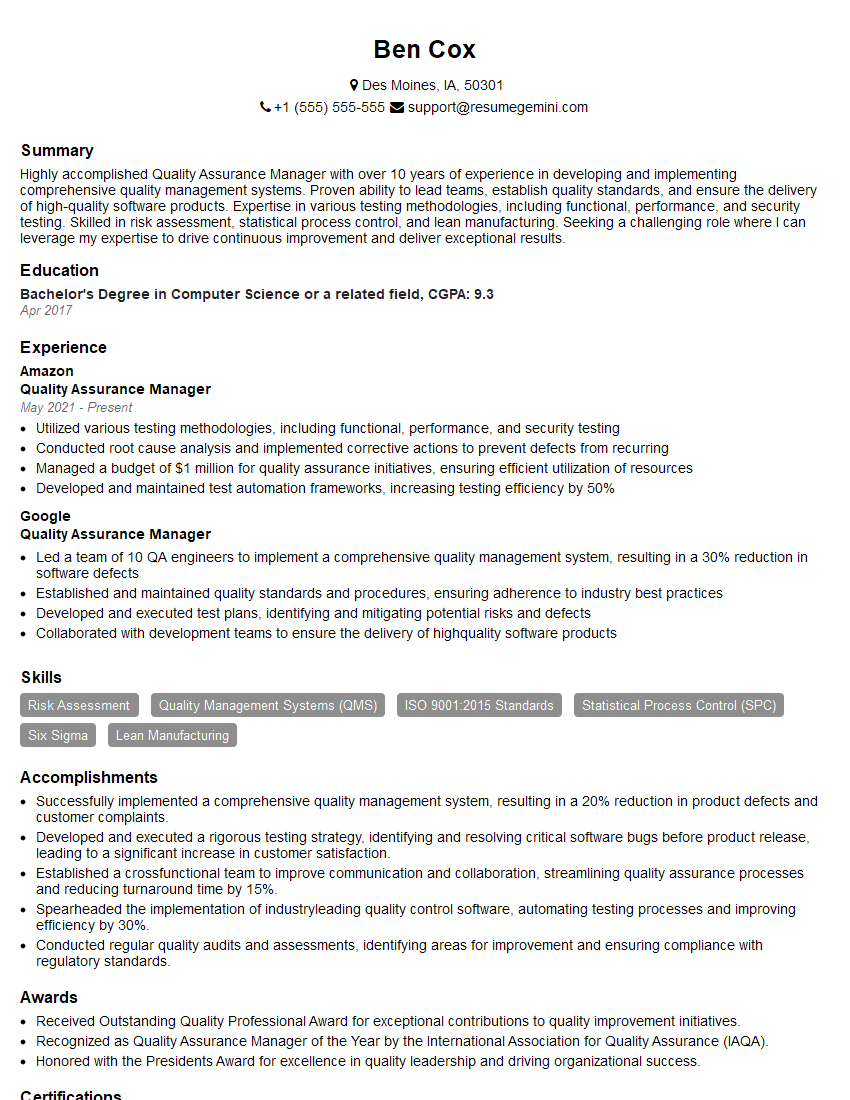
Quality Assurance Manager Resume Sample
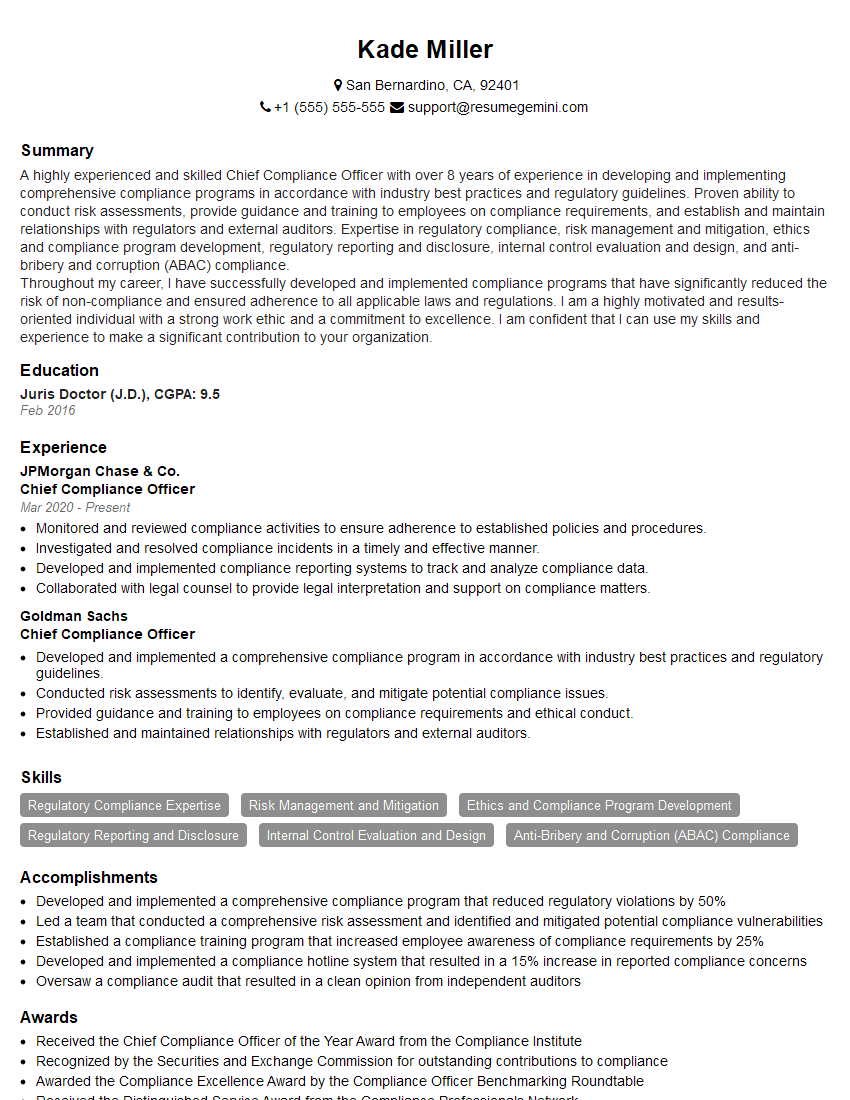
Chief Compliance Officer Resume Sample
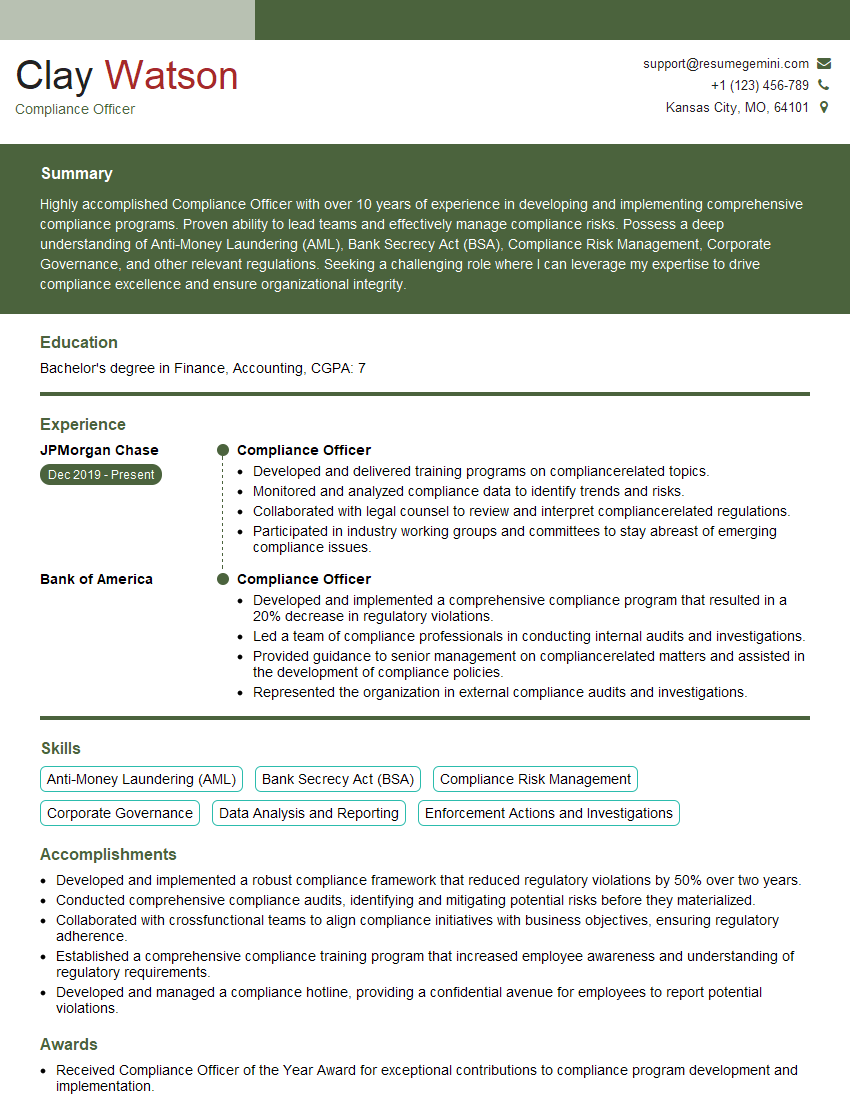
Compliance Officer Resume Sample
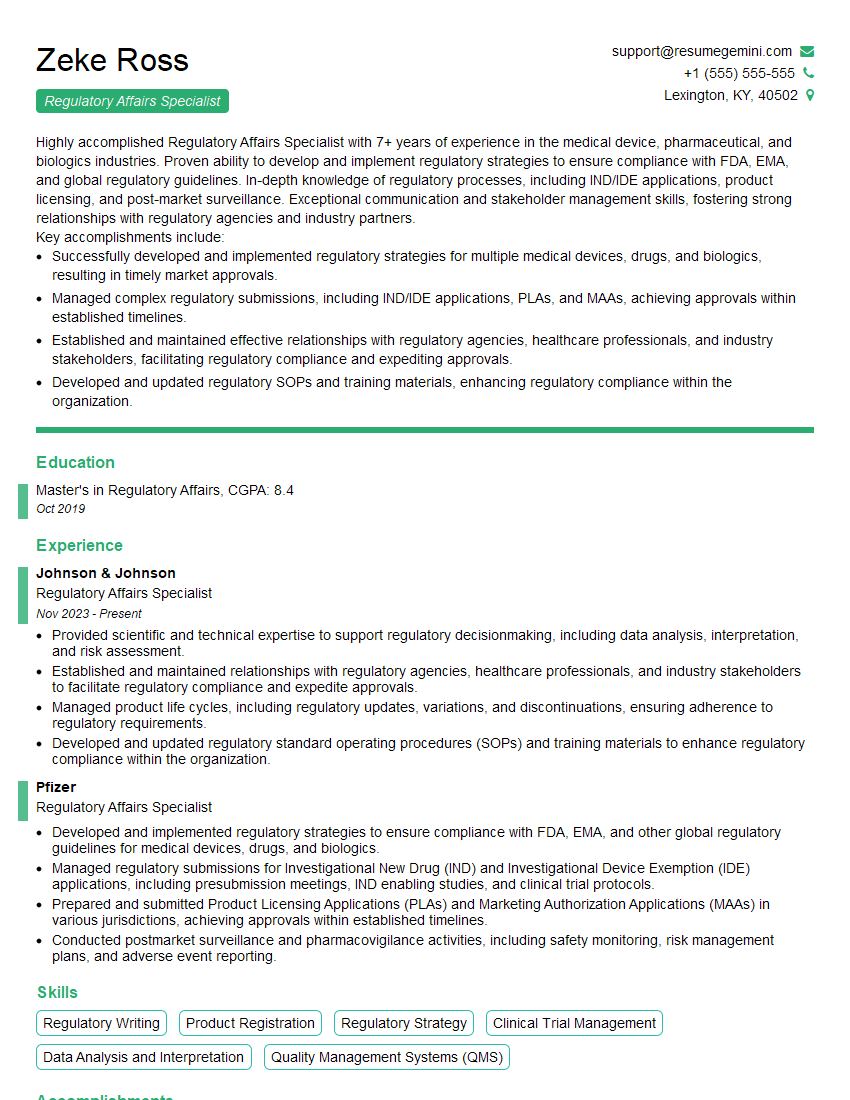
Regulatory Affairs Specialist Resume Sample

Risk Management Specialist Resume Sample
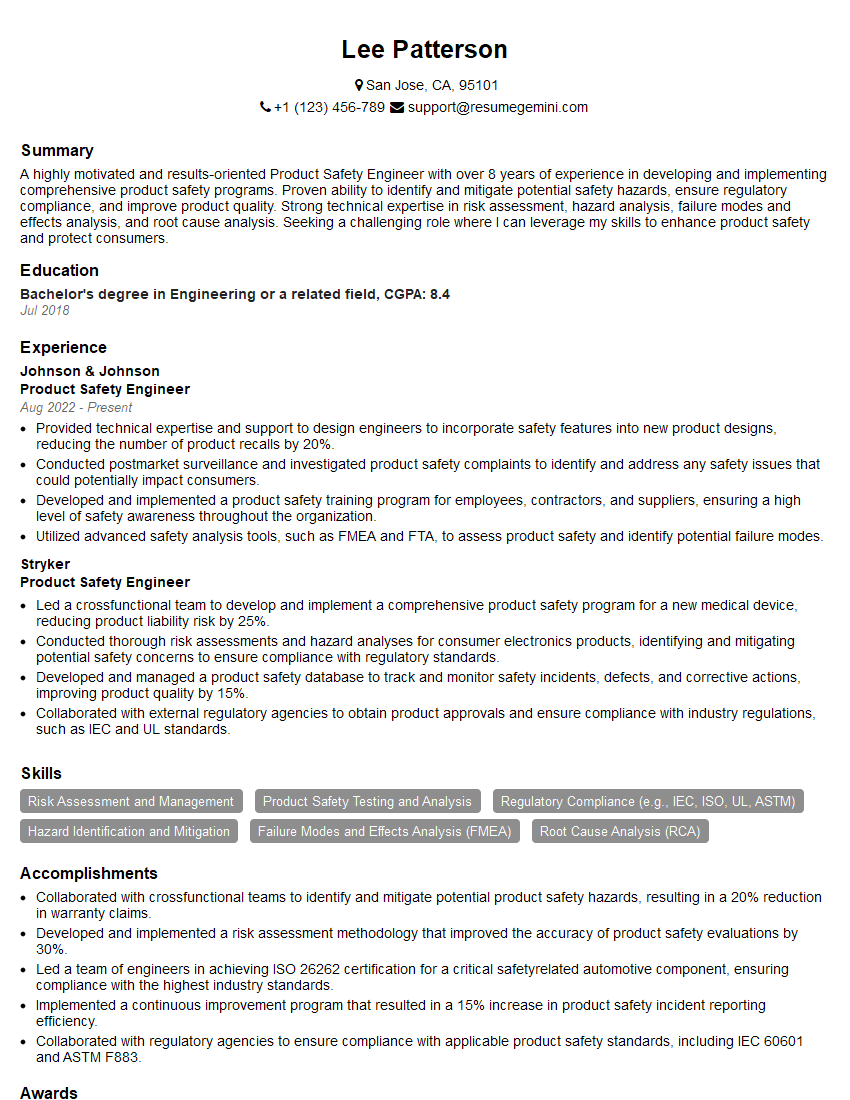
Product Safety Engineer Resume Sample
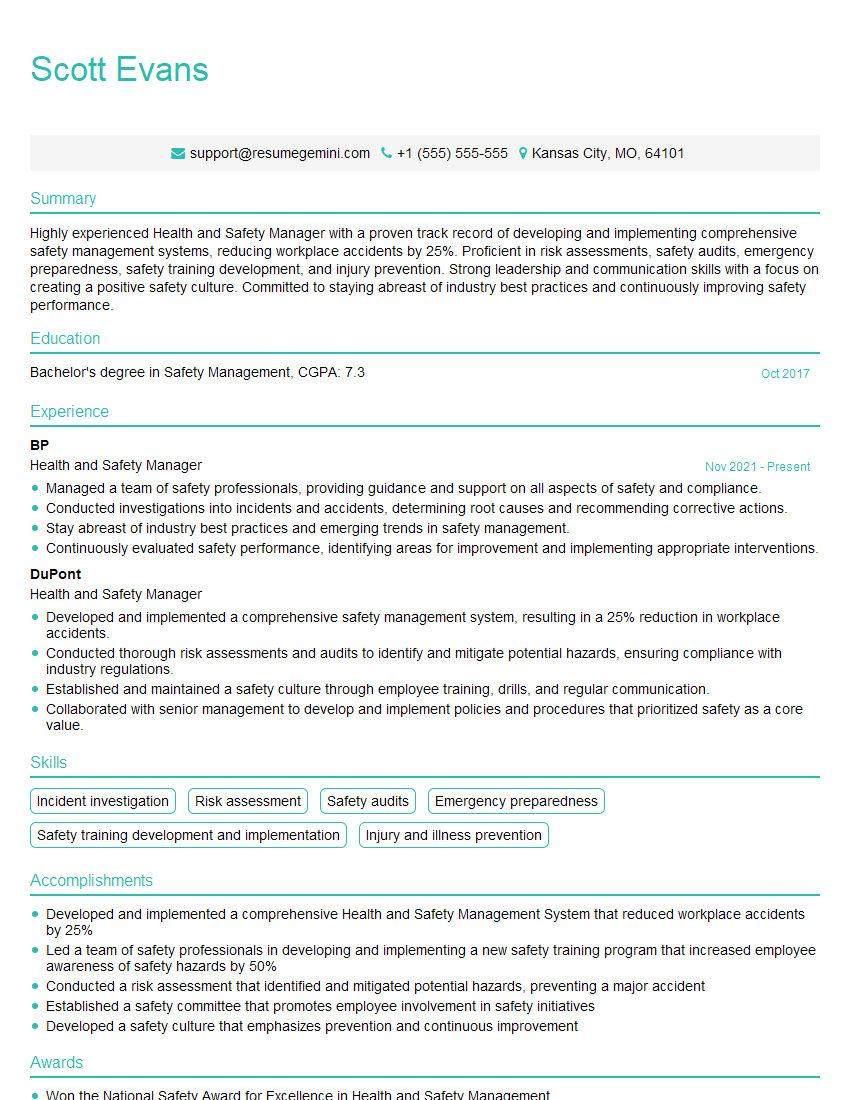
Health and Safety Manager Resume Sample
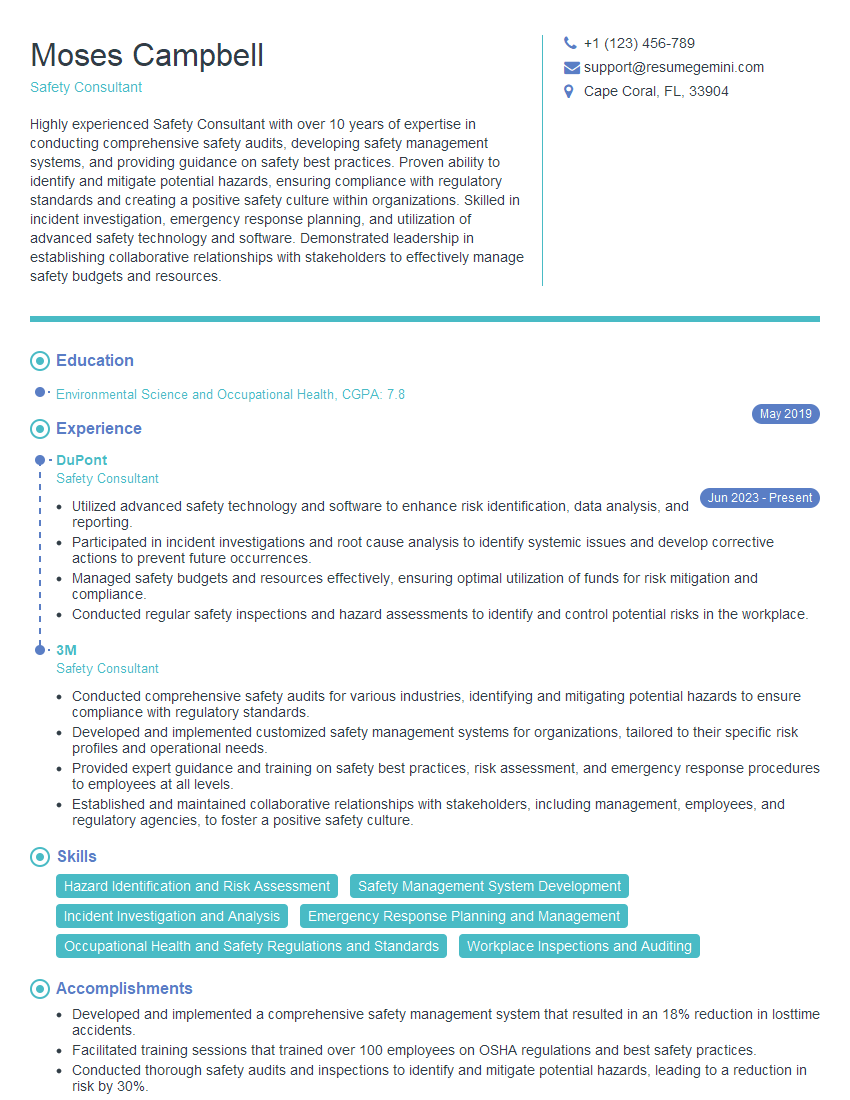
Safety Consultant Resume Sample
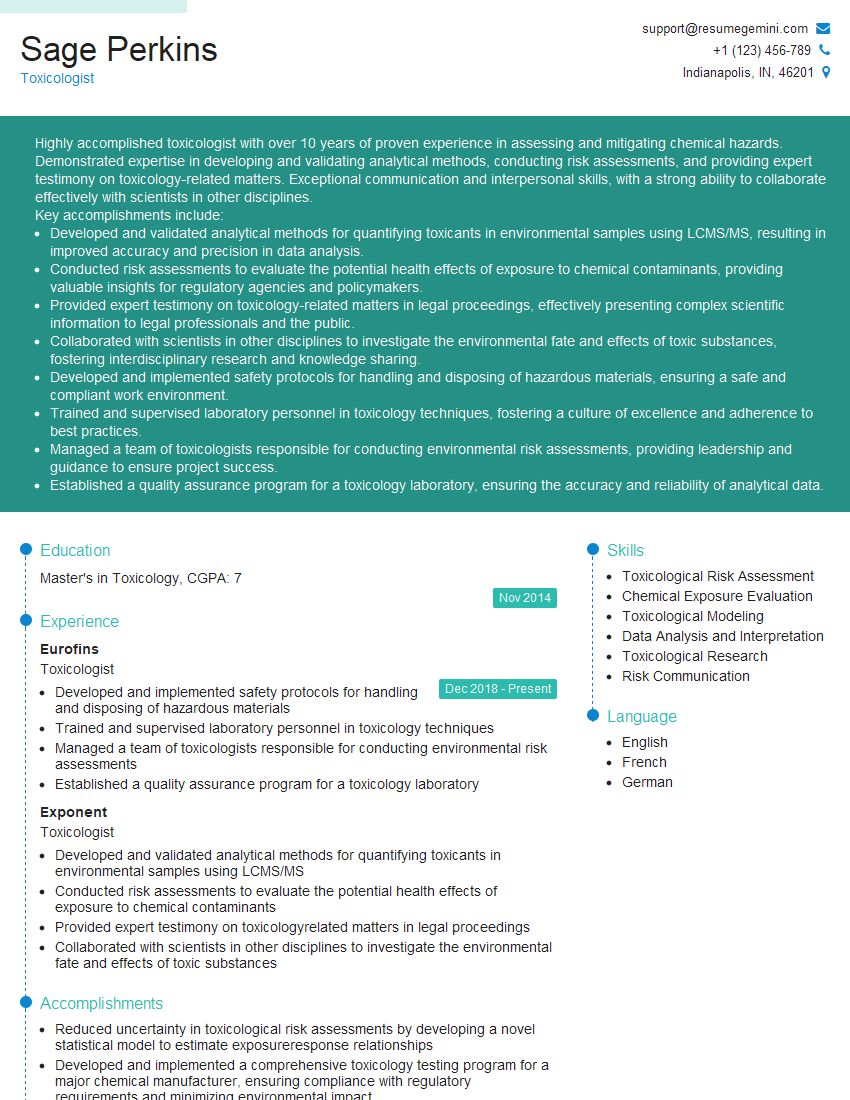
Toxicologist Resume Sample
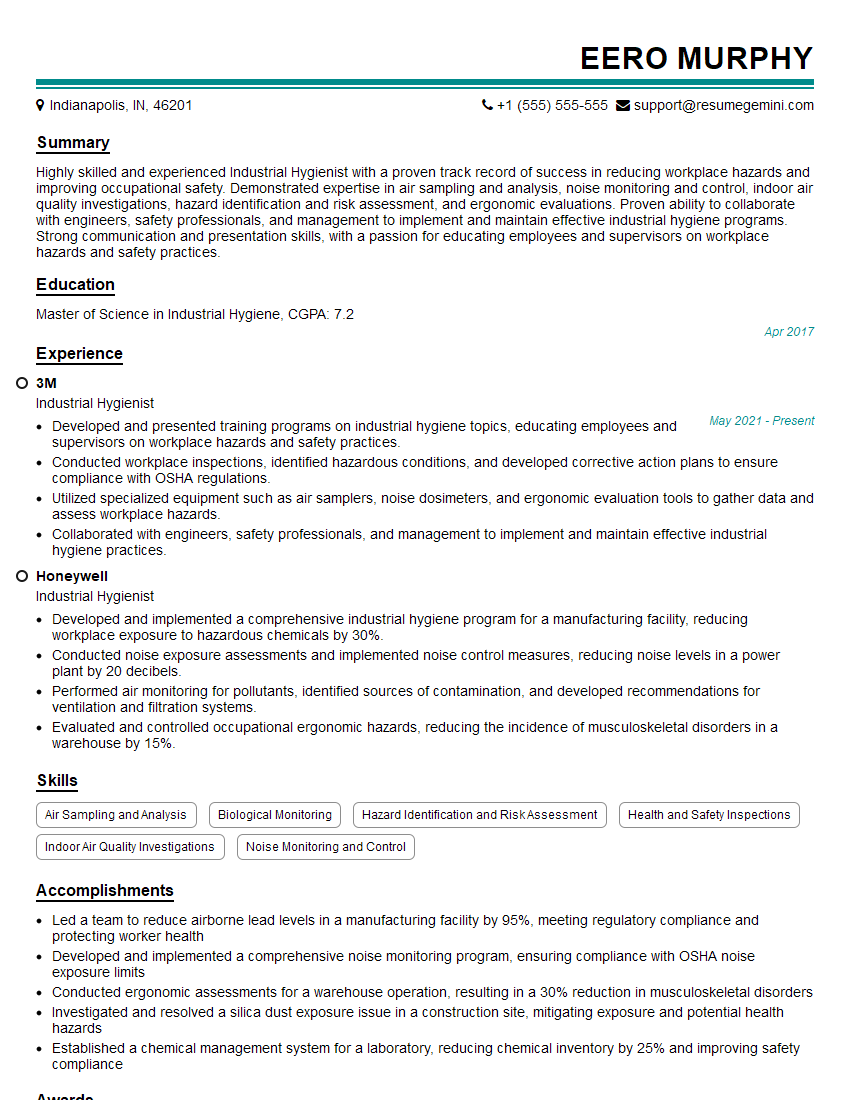
Industrial Hygienist Resume Sample
Explore more articles
Users Rating of Our Blogs
Share Your Experience
We value your feedback! Please rate our content and share your thoughts (optional).
What Readers Say About Our Blog
Really detailed insights and content, thank you for writing this detailed article.
IT gave me an insight and words to use and be able to think of examples