Feeling uncertain about what to expect in your upcoming interview? We’ve got you covered! This blog highlights the most important Knowledge of EPA Regulations interview questions and provides actionable advice to help you stand out as the ideal candidate. Let’s pave the way for your success.
Questions Asked in Knowledge of EPA Regulations Interview
Q 1. Explain the Clean Air Act and its major amendments.
The Clean Air Act (CAA) is a comprehensive federal law designed to control air pollution nationwide. It sets national ambient air quality standards (NAAQS) for six common pollutants: ozone, particulate matter, carbon monoxide, sulfur dioxide, nitrogen dioxide, and lead. These standards define acceptable levels of these pollutants in the air. The CAA also regulates emissions from stationary sources (like power plants and factories) and mobile sources (like cars and trucks) through various permitting programs and emission control technologies.
- Major Amendments: The CAA has been amended several times to strengthen its provisions and address emerging pollutants. Key amendments include:
- 1977 Amendments: Introduced stricter regulations, including Prevention of Significant Deterioration (PSD) permitting for new and modified sources in areas meeting NAAQS.
- 1990 Amendments: Expanded the scope of the act significantly, addressing acid rain, ozone depletion, toxic air pollutants (hazardous air pollutants or HAPs), and introduced a market-based approach to reducing emissions (e.g., the Acid Rain Program).
Imagine the CAA as a comprehensive air quality management system. It sets the rules, monitors the air, and holds polluters accountable for exceeding the established limits. It’s crucial for protecting public health and the environment.
Q 2. Describe the Clean Water Act and its permitting process.
The Clean Water Act (CWA) establishes the basic structure for regulating discharges of pollutants into the waters of the United States and regulating quality standards for surface waters. Its goal is to restore and maintain the chemical, physical, and biological integrity of the nation’s waters. This is achieved through various mechanisms, most notably the National Pollutant Discharge Elimination System (NPDES).
Permitting Process: The NPDES is a permit system that regulates point source discharges of pollutants into the waters of the United States. The process generally involves:
- Application: Potential dischargers submit an application to the EPA or an authorized state agency, providing detailed information about their operations and the pollutants they discharge.
- Review: The agency reviews the application to ensure it meets all requirements and to determine the appropriate permit conditions.
- Permit Issuance: If approved, a permit is issued specifying allowable discharge limits, monitoring requirements, and other conditions.
- Compliance Monitoring: The permittee is responsible for monitoring discharges and submitting regular reports to the agency.
- Enforcement: The agency conducts inspections and enforces compliance with permit conditions. Non-compliance can result in penalties.
Think of the CWA as the guardian of our waterways. It sets water quality standards and ensures that businesses and industries don’t pollute our rivers, lakes, and oceans beyond acceptable limits. The permit system is the primary tool for enforcing these standards.
Q 3. What are the key provisions of the Resource Conservation and Recovery Act (RCRA)?
The Resource Conservation and Recovery Act (RCRA) focuses on the management of hazardous and non-hazardous solid waste. It establishes a cradle-to-grave system for tracking hazardous waste from its generation to its ultimate disposal. The key provisions include:
- Hazardous Waste Identification: RCRA defines what constitutes hazardous waste and establishes criteria for determining whether a waste stream is hazardous based on its ignitability, corrosivity, reactivity, or toxicity.
- Generator Standards: Generators of hazardous waste are required to manage their waste properly, including accumulation, labeling, and proper transportation.
- Treatment, Storage, and Disposal (TSD) Facilities: TSD facilities must obtain permits and meet stringent standards for managing hazardous waste, including proper containment, treatment, and disposal.
- Land Disposal Restrictions: RCRA sets limits on the disposal of certain hazardous wastes in landfills and other land disposal units.
- Underground Storage Tanks (UST): The act also regulates underground storage tanks used for storing hazardous substances and petroleum products.
Imagine RCRA as a comprehensive waste management system ensuring hazardous waste is handled responsibly from its creation to its final resting place, preventing environmental contamination and protecting human health.
Q 4. How does the Comprehensive Environmental Response, Compensation, and Liability Act (CERCLA) address hazardous waste sites?
The Comprehensive Environmental Response, Compensation, and Liability Act (CERCLA), also known as Superfund, addresses the cleanup of hazardous waste sites. It establishes a process for identifying, investigating, and remediating abandoned or uncontrolled hazardous waste sites posing a threat to human health and the environment.
Addressing Hazardous Waste Sites: CERCLA operates through several key mechanisms:
- National Priorities List (NPL): The EPA maintains a NPL of the nation’s most contaminated sites based on the level of risk they pose. Sites on the NPL are prioritized for cleanup.
- Remedial Investigations/Feasibility Studies (RI/FS): Before cleanup begins, the EPA conducts RI/FS to assess the nature and extent of contamination and evaluate various cleanup options.
- Remediation: Once a cleanup plan is selected, the EPA oversees its implementation, either through direct action or by ordering responsible parties to conduct the cleanup.
- Liability: CERCLA establishes a strict liability system, meaning potentially responsible parties (PRPs) can be held liable for the cleanup costs even if they did not directly cause the contamination.
Think of CERCLA as a powerful tool for addressing past contamination. It holds polluters accountable and ensures that contaminated sites are cleaned up to protect communities and the environment. The Superfund program has been instrumental in cleaning up numerous hazardous waste sites across the country.
Q 5. Explain the process of obtaining an EPA permit.
Obtaining an EPA permit is a multifaceted process that varies depending on the type of permit and the specific regulations involved. However, the general steps are:
- Identify the Required Permit: Determine which permit(s) are needed based on the regulated activity (e.g., air emissions, water discharges, hazardous waste generation).
- Gather Information: Collect all necessary information about the facility, its operations, and the potential environmental impacts. This may involve conducting site assessments, collecting data on emissions or discharges, and developing an operational description.
- Complete the Application: Submit a complete and accurate application to the appropriate permitting authority (EPA or authorized state agency).
- Agency Review: The agency reviews the application to ensure compliance with all applicable regulations. This may include technical reviews, public notice and comment periods, and inspections.
- Permit Issuance/Denial: Based on the review, the agency issues the permit with specific conditions or denies the application.
- Compliance Monitoring: The permittee is responsible for complying with all permit conditions and conducting any required monitoring and reporting.
The process can be complex and time-consuming, often requiring assistance from environmental consultants. Thorough preparation and accurate documentation are essential for a successful permit application.
Q 6. What are the different types of environmental permits?
The types of environmental permits issued by the EPA or state agencies are numerous and vary depending on the regulated activity and location. Some common types include:
- Air Permits: Regulate air emissions from stationary sources (e.g., Title V operating permits, Prevention of Significant Deterioration (PSD) permits).
- Water Permits: Regulate discharges of pollutants to surface waters (e.g., National Pollutant Discharge Elimination System (NPDES) permits), as well as withdrawals from surface waters.
- Hazardous Waste Permits: Regulate the generation, treatment, storage, and disposal of hazardous waste (RCRA permits).
- Underground Storage Tank (UST) Permits: Regulate the installation and operation of USTs storing hazardous substances and petroleum products.
- Stormwater Permits: Regulate stormwater discharges from industrial and municipal facilities (NPDES stormwater permits).
- Solid Waste Permits: Regulate the disposal of solid waste in landfills and other facilities.
Each permit has specific requirements tailored to the nature of the regulated activity and ensures that potential environmental impacts are minimized.
Q 7. Describe your experience with environmental audits and compliance inspections.
Throughout my career, I’ve been extensively involved in environmental audits and compliance inspections, encompassing various regulatory frameworks like the Clean Air Act, Clean Water Act, and RCRA. My experience includes:
- Conducting environmental audits: I’ve performed numerous audits to evaluate compliance with environmental regulations, identifying areas of potential non-compliance and recommending corrective actions. This includes reviewing permits, operation records, and conducting site inspections to assess compliance with various environmental standards.
- Participating in compliance inspections: I’ve assisted in EPA inspections, working with regulators to clarify compliance issues and providing documentation to support the facility’s compliance efforts. I understand the importance of transparency and cooperation with regulatory agencies.
- Developing corrective action plans: I have expertise in developing and implementing corrective action plans (CAPs) to address identified non-compliance issues, including monitoring and reporting to ensure effectiveness.
- Working with diverse industries: My experience covers various industries including manufacturing, energy, and waste management, allowing me to tailor my approach to specific industry-specific regulatory requirements.
For instance, in one case, an audit identified a leak in an underground storage tank at a manufacturing facility. I developed a CAP that included immediate containment, remediation of the impacted soil, and upgrades to the tank’s monitoring systems. This ensured regulatory compliance and prevented further environmental contamination.
Q 8. How do you ensure compliance with EPA regulations?
Ensuring compliance with EPA regulations is a multifaceted process that requires a proactive and comprehensive approach. It starts with a thorough understanding of the specific regulations applicable to our operations, which varies depending on the industry and the nature of our activities. This involves regularly reviewing and updating our understanding of relevant laws, like the Clean Air Act, Clean Water Act, Resource Conservation and Recovery Act (RCRA), and the Comprehensive Environmental Response, Compensation, and Liability Act (CERCLA), among others.
We then develop and implement robust environmental management systems (EMS). This typically includes detailed Standard Operating Procedures (SOPs) for all activities that could impact the environment. These SOPs are designed to minimize environmental footprints and ensure adherence to all permits and regulations. For example, a manufacturing facility might have specific SOPs for handling hazardous waste, controlling air emissions, and managing wastewater discharges. Regular training programs for employees reinforce these procedures and ensure everyone understands their responsibilities.
Furthermore, we conduct regular internal audits and self-assessments to identify potential compliance gaps. Third-party audits are also frequently employed to provide an independent evaluation of our compliance status. This ensures objectivity and identifies areas needing improvement. Any non-compliance issues are addressed immediately through corrective action plans, which include clear timelines and assigned responsibilities for remediation. Finally, meticulous record-keeping is crucial – maintaining detailed documentation of all environmental activities, monitoring data, and compliance efforts is essential for demonstrating our adherence to regulations and for responding effectively to any regulatory inquiries.
Q 9. What are the penalties for non-compliance with EPA regulations?
Penalties for non-compliance with EPA regulations can be severe and vary widely depending on the severity and nature of the violation, as well as the history of the violating entity. They range from administrative penalties, such as fines and permit modifications, to much more serious consequences.
- Civil Penalties: These are common for violations and can be substantial, potentially reaching millions of dollars depending on the seriousness and duration of the non-compliance. For instance, a company repeatedly exceeding permitted discharge limits for pollutants into a waterway could face significant fines.
- Criminal Penalties: In cases involving egregious violations, knowing endangerment, or willful disregard for regulations, criminal charges can be filed, leading to hefty fines, jail time for responsible individuals, and even corporate convictions.
- Corrective Actions: Beyond fines, EPA may mandate corrective actions to remedy the environmental damage caused by the violation. This might include cleanup of contaminated sites, implementation of new pollution control technologies, or the development of comprehensive remediation plans.
- Citizen Suits: Private citizens can also file lawsuits against violators, which can result in additional penalties and legal costs.
Imagine a scenario where a company illegally dumps hazardous waste. The penalties could include substantial fines, mandatory cleanup of the contaminated site (at the company’s expense), and potentially criminal charges against the responsible individuals. The cost of remediation can far exceed the fines themselves.
Q 10. Explain your understanding of environmental impact assessments.
Environmental Impact Assessments (EIAs) are systematic studies designed to predict the environmental consequences of a proposed project or activity. The goal is to identify potential negative impacts, evaluate the significance of those impacts, and explore ways to mitigate or avoid them. A well-conducted EIA is crucial for making informed decisions about development projects and ensuring their environmental sustainability.
The process typically involves several key steps:
- Scoping: Identifying the potential environmental impacts and the scope of the assessment.
- Baseline Data Collection: Gathering information on the existing environmental conditions of the area affected by the project.
- Impact Prediction: Using various models and methods to predict the potential environmental changes resulting from the project (e.g., air and water quality changes, habitat loss, impacts on endangered species).
- Mitigation Measures: Developing strategies and plans to reduce or eliminate significant adverse impacts.
- Impact Assessment Report: Summarizing the findings, including the predicted impacts, mitigation measures, and overall conclusions.
- Public Consultation: Providing opportunities for public participation and feedback in the EIA process.
For example, before constructing a new highway, an EIA would be required to assess the potential impacts on air quality, water resources, wildlife habitats, and noise levels. The EIA would then propose mitigation strategies, such as installing noise barriers, using environmentally friendly construction materials, and creating wildlife corridors to minimize the negative effects.
Q 11. How do you handle environmental emergencies or spills?
Handling environmental emergencies, such as chemical spills or hazardous material releases, requires immediate and decisive action. A well-defined emergency response plan is critical. This plan should detail procedures for containment, cleanup, and notification of relevant authorities.
The initial response involves:
- Containment: Quickly containing the spill to prevent further spread. This might involve using booms to contain a liquid spill, covering a solid spill, or isolating the affected area.
- Notification: Immediately notifying relevant authorities, including the National Response Center (NRC), local emergency responders, and the EPA. Timely notification is crucial.
- Cleanup: Employing appropriate cleanup methods based on the nature of the spilled material. This could involve physical removal, chemical neutralization, or biological remediation.
- Monitoring: Monitoring the site to ensure the effectiveness of the cleanup and to detect any lingering environmental impacts.
- Documentation: Thoroughly documenting all aspects of the response, including the nature of the incident, actions taken, and cleanup results.
For instance, if a chemical tanker overturned and released its contents, the response would begin with immediately containing the spill to prevent it from entering a nearby waterway, notifying the relevant authorities, and deploying specialized cleanup crews to remove the hazardous material. Post-incident monitoring would be conducted to assess the extent of environmental damage and ensure the cleanup was effective.
Q 12. What is your experience with environmental monitoring and data analysis?
My experience with environmental monitoring and data analysis is extensive. It involves collecting, analyzing, and interpreting environmental data to assess compliance with regulations and identify potential environmental problems. This typically includes:
- Sampling and Analysis: Collecting samples of air, water, soil, and biological materials, and analyzing them for various pollutants using laboratory techniques.
- Data Management: Organizing and managing large datasets using specialized software. This often includes statistical analysis of the data to identify trends and patterns.
- Compliance Reporting: Preparing reports summarizing monitoring data and assessing compliance with permit limits and regulations.
- Trend Analysis: Identifying trends in environmental data to predict future conditions and assess the effectiveness of environmental management programs.
- Data Visualization: Using graphs, charts, and maps to effectively communicate environmental data and findings.
For example, I’ve been involved in projects where we monitored air quality around a power plant to ensure compliance with emission standards. We collected air samples, analyzed them for pollutants, and used statistical methods to demonstrate compliance or identify potential issues that required corrective action. This data was then used in regulatory reports to the relevant agencies.
Q 13. Describe your experience with environmental remediation projects.
I have significant experience participating in various environmental remediation projects. These projects involve the cleanup and restoration of sites contaminated by hazardous substances. The approach is highly context-specific, varying with the type and extent of contamination, the site’s characteristics, and regulatory requirements.
Common remediation techniques include:
- Excavation and Disposal: Digging up contaminated soil or sediment and disposing of it in a hazardous waste landfill.
- Pump and Treat: Pumping contaminated groundwater to the surface for treatment and then reinjecting it back into the ground.
- Bioremediation: Using microorganisms to break down pollutants in the soil or water.
- Phytoremediation: Using plants to remove or stabilize pollutants in the soil.
- Soil Vapor Extraction: Removing volatile organic compounds from the soil by drawing air through the ground.
In one project, I worked on a site contaminated with petroleum hydrocarbons from a former gas station. We used a combination of excavation, soil washing, and bioremediation to clean up the contaminated soil. The success of the project was measured through ongoing soil monitoring to ensure contaminant levels fell below regulatory limits, demonstrating the site’s fitness for its intended future use. Careful documentation throughout the project was critical in proving compliance to the regulatory bodies.
Q 14. Explain your knowledge of hazardous waste management practices.
Hazardous waste management is a critical aspect of environmental protection. It involves the safe handling, treatment, storage, transportation, and disposal of hazardous waste to prevent environmental contamination and protect human health. RCRA is the primary federal law governing hazardous waste.
Key aspects of hazardous waste management include:
- Waste Characterization: Identifying and characterizing hazardous waste to determine its appropriate management methods.
- Treatment: Using various technologies to treat hazardous waste to reduce its toxicity or volume.
- Storage: Storing hazardous waste safely until it can be treated or disposed of properly.
- Transportation: Transporting hazardous waste safely and securely, following strict regulations.
- Disposal: Disposing of hazardous waste in permitted facilities, such as hazardous waste landfills or incinerators.
- Record Keeping: Maintaining detailed records of all hazardous waste management activities to demonstrate compliance.
For example, managing used oil from a manufacturing facility involves collecting the oil, labeling it correctly as hazardous waste, and then arranging for transport to a permitted recycling facility or hazardous waste landfill. All steps must be documented to prove compliance with RCRA regulations and to ensure the waste is managed safely and appropriately.
Q 15. What is your experience with environmental reporting and documentation?
My experience with environmental reporting and documentation spans over ten years, encompassing a wide range of projects. I’ve been responsible for preparing and submitting numerous reports under various EPA regulations, including NPDES permits (National Pollutant Discharge Elimination System), RCRA (Resource Conservation and Recovery Act) compliance reports, and TRI (Toxic Release Inventory) submissions. This involves meticulous data collection, analysis, and presentation to ensure accuracy and compliance. For example, in a recent project involving a manufacturing facility, I oversaw the compilation of discharge monitoring reports, meticulously tracking pollutant levels and ensuring all data met EPA standards. This included not only the reporting itself but also the maintenance of detailed supporting documentation, such as laboratory results, calibration records, and chain of custody forms, crucial for demonstrating regulatory compliance.
My expertise extends to developing and implementing environmental management systems, ensuring consistent and accurate documentation across various environmental programs. I am proficient in using various software programs for data management and report generation, ensuring compliance and streamlining the reporting process.
Career Expert Tips:
- Ace those interviews! Prepare effectively by reviewing the Top 50 Most Common Interview Questions on ResumeGemini.
- Navigate your job search with confidence! Explore a wide range of Career Tips on ResumeGemini. Learn about common challenges and recommendations to overcome them.
- Craft the perfect resume! Master the Art of Resume Writing with ResumeGemini’s guide. Showcase your unique qualifications and achievements effectively.
- Don’t miss out on holiday savings! Build your dream resume with ResumeGemini’s ATS optimized templates.
Q 16. How familiar are you with the National Environmental Policy Act (NEPA)?
I have extensive familiarity with the National Environmental Policy Act (NEPA). NEPA is the cornerstone of environmental law in the United States, mandating federal agencies to assess the environmental impact of their proposed actions before making decisions. My understanding encompasses the entire NEPA process, from initial environmental assessments (EAs) and environmental impact statements (EISs) to the consideration of alternatives and mitigation measures. I understand the intricacies of the categorical exclusions, which exempt certain actions from the full NEPA review process, as well as the role of public participation and interagency cooperation in the process. For instance, I’ve worked on projects requiring the preparation of EAs, meticulously evaluating potential impacts on air, water, and land resources and then proposing suitable mitigation measures to minimize negative environmental consequences. This involved working closely with various stakeholders, including regulatory agencies, the public, and project proponents.
Q 17. Explain the differences between state and federal environmental regulations.
Federal and state environmental regulations often work in tandem, but their scope and stringency can vary. Federal regulations, like those established by the EPA, set minimum national standards, providing a baseline for environmental protection. These are often broad, overarching rules that apply across the nation. Think of it like a foundation upon which states can build. State regulations, on the other hand, can be stricter than federal rules, reflecting specific local environmental concerns and conditions. They can also address issues not explicitly covered at the federal level. For example, the Clean Air Act is a federal law setting national air quality standards, while individual states may implement stricter emission control programs to address localized pollution problems. This overlapping yet distinct regulatory framework often requires a nuanced understanding to navigate compliance effectively. A company operating in multiple states must be aware of the varying requirements to ensure full compliance.
Q 18. How do you stay up-to-date on changes in EPA regulations?
Staying current with EPA regulations requires a multi-pronged approach. I regularly monitor the EPA’s website for updates, rule changes, and guidance documents. I subscribe to relevant newsletters and legal updates from environmental law firms and professional organizations. I also actively participate in industry conferences and workshops to stay abreast of the latest developments and best practices. Furthermore, I maintain professional networks with other environmental professionals and regulatory agency personnel, allowing for the exchange of information and insights on evolving regulations. Think of it like a constant learning process – environmental regulations are dynamic, so consistent engagement is vital to ensure compliance.
Q 19. Describe your experience working with environmental consulting firms or agencies.
I’ve had extensive experience collaborating with both environmental consulting firms and government agencies. My work has involved supporting environmental consulting firms on various projects, ranging from environmental site assessments to remediation planning and implementation. This includes conducting field work, collecting and analyzing data, and preparing technical reports. I’ve also directly interacted with EPA and state environmental agencies, providing information, responding to inquiries, and participating in inspections and enforcement actions. This collaborative approach helped me develop a strong understanding of both the technical and regulatory aspects of environmental compliance. For example, in one project, I worked closely with a consulting firm and the state environmental agency to develop a remediation plan for a contaminated site, ensuring all actions aligned with applicable regulations and agency expectations. This collaborative approach is crucial for achieving effective and efficient outcomes.
Q 20. Explain your understanding of environmental risk assessment.
Environmental risk assessment is a systematic process to identify and evaluate potential environmental hazards, determine their likelihood of occurrence, and assess the associated risks. It involves identifying potential sources of pollution or contamination, characterizing the exposure pathways, estimating the potential for human or ecological harm, and then determining the level of risk. The process typically follows a four-step framework: hazard identification, dose-response assessment, exposure assessment, and risk characterization. For instance, in a risk assessment for a chemical spill, hazard identification would involve identifying the hazardous properties of the spilled substance. Dose-response assessment involves determining the relationship between the amount of exposure and the severity of health effects. Exposure assessment looks at the likelihood and extent of exposure to the substance by various pathways. Risk characterization then integrates these factors to determine the overall risk level.
This information is crucial in making informed decisions about environmental management and regulatory compliance. The results of a risk assessment can guide the selection of appropriate control measures and inform remediation strategies.
Q 21. How do you prioritize multiple environmental compliance tasks?
Prioritizing multiple environmental compliance tasks requires a systematic approach. I typically use a risk-based prioritization method, focusing on tasks with the highest potential environmental impact and the greatest regulatory scrutiny. This involves assessing the likelihood and severity of non-compliance for each task, considering factors such as the potential for fines, environmental damage, and public health risks. I also factor in deadlines and available resources, assigning higher priority to tasks with imminent deadlines or those requiring specialized expertise. A project management tool helps visualize the tasks, deadlines, and assigned resources. This ensures that resources are effectively allocated to tasks with the greatest need, ensuring compliance while minimizing operational disruption. It’s like a triage system, addressing the most critical issues first while maintaining progress on other tasks. This strategy helps avoid the ‘fire-fighting’ approach and ensures a proactive approach to environmental compliance.
Q 22. Describe a time you had to resolve a complex environmental compliance issue.
One of the most challenging compliance issues I faced involved a client’s discharge permit under the Clean Water Act (CWA). Their discharge consistently exceeded the permitted limits for suspended solids. This wasn’t a simple matter of equipment malfunction; we needed to determine the root cause, which required a multifaceted investigation.
First, we meticulously reviewed their operational records, sampling data, and maintenance logs to identify potential sources. We discovered inconsistencies in the data logging and a possible malfunction in their sedimentation tank. However, a more thorough site inspection revealed that heavy rainfall had overwhelmed their stormwater management system, leading to increased runoff and higher-than-permitted solids in the discharge.
To resolve this, we worked with the client to implement several corrective actions. This included upgrading their stormwater management system to handle larger volumes of rainfall, implementing a rigorous preventative maintenance schedule for their treatment equipment, and investing in more robust data-logging and quality assurance procedures. We also collaborated with the EPA to develop a compliance schedule, which included regular monitoring and reporting of discharge data. This collaborative approach was vital, as it ensured transparency and fostered a mutual understanding of the necessary steps to achieve full compliance. Ultimately, the problem was solved through a combination of technical expertise, data analysis, effective communication, and a commitment to environmental stewardship.
Q 23. What software or tools are you familiar with for managing environmental data?
I’m proficient in several software packages used for managing environmental data. These include EPA’s Envirofacts database for accessing and analyzing publicly available environmental data, and specialized Geographic Information Systems (GIS) software like ArcGIS. ArcGIS allows for spatial analysis of environmental data, which is crucial for things like visualizing pollution plumes or modeling environmental impacts. For data management and reporting, I have experience with database management systems such as SQL Server and environmental data management software specific to industrial processes, including those designed for tracking emissions and waste.
Beyond specific software, I’m also well-versed in using spreadsheet programs like Excel and Google Sheets for data analysis and visualization. Finally, proficiency in programming languages like Python enhances my ability to automate data processing, cleaning, and analysis, leading to greater efficiency and accuracy.
Q 24. How do you communicate complex environmental information to non-technical audiences?
Communicating complex environmental information to non-technical audiences requires simplifying technical jargon and using clear, concise language. I use analogies and visual aids like charts, graphs, and infographics to make the information more accessible and engaging. For instance, when explaining Total Maximum Daily Loads (TMDLs) — essentially, limits on pollution in water bodies — I avoid technical terms and instead use a relatable example, like comparing the water body’s capacity to a bathtub. The TMDL is then explained as the maximum amount of ‘water’ (pollution) that can be added before it overflows.
I also tailor my communication style to the audience. A presentation to a community group will differ significantly from a report for a regulatory agency. Active listening and incorporating audience feedback are crucial to ensure the message is effectively conveyed and understood. Effective storytelling can make complex data more relatable and memorable.
Q 25. What is your understanding of environmental justice issues?
Environmental justice focuses on the fair treatment and meaningful involvement of all people regardless of race, color, national origin, or income with respect to the development, implementation, and enforcement of environmental laws, regulations, and policies. It recognizes that disadvantaged communities often bear a disproportionate burden of environmental hazards, such as pollution from industrial facilities or proximity to hazardous waste sites. This can manifest in higher rates of respiratory illnesses, cancers, and other health problems.
Addressing environmental justice issues involves ensuring equitable distribution of environmental benefits and burdens, preventing the placement of polluting facilities in vulnerable communities, and actively involving these communities in decision-making processes related to environmental issues. This requires considering the social, economic, and cultural contexts within which environmental problems arise.
Q 26. Explain your experience with environmental management systems (EMS).
I have extensive experience implementing and auditing Environmental Management Systems (EMS) based on ISO 14001 standards. An EMS is a framework that helps organizations systematically manage their environmental aspects, reduce their environmental footprint, and meet their compliance obligations. My work involves conducting gap analyses to identify areas for improvement, developing and implementing EMS procedures, training employees, and overseeing internal audits to ensure the system’s effectiveness.
I’ve worked with various organizations, from small manufacturing plants to large industrial complexes, assisting them in achieving ISO 14001 certification and integrating environmental considerations into their daily operations. This includes developing environmental policies, establishing clear roles and responsibilities, tracking environmental performance indicators (KPIs), and implementing corrective actions when necessary. A successful EMS results in improved environmental performance, enhanced regulatory compliance, and potentially cost savings.
Q 27. How do you ensure the accuracy and completeness of environmental data?
Ensuring the accuracy and completeness of environmental data is paramount. It begins with proper planning and implementation of sampling and analytical methods. This includes selecting appropriate sampling locations, using calibrated equipment, and following standardized protocols. Chain of custody documentation is essential to track the sample from collection to analysis, preventing any potential contamination or mix-ups.
Data quality control measures are critical. This involves reviewing data for outliers and inconsistencies, verifying the accuracy of laboratory results, and using statistical methods to assess data reliability. Data validation checks, such as plausibility checks and range checks, are used to identify and correct any errors. Finally, regular audits and internal reviews ensure that data management procedures are effective and compliant with relevant regulations. Implementing a robust data management system with appropriate version control and access control measures is also crucial.
Q 28. Describe your familiarity with the Toxic Substances Control Act (TSCA).
The Toxic Substances Control Act (TSCA) gives the EPA the authority to regulate the production, use, and disposal of certain chemical substances. My understanding of TSCA encompasses its key provisions, including pre-manufacture notification (PMN) requirements for new chemicals, existing chemical risk evaluations, and the regulatory actions the EPA can take based on risk assessments. I understand the process of risk evaluation and risk management, including the use of various tools and models to assess the potential hazards of chemical substances to human health and the environment.
I’m familiar with the complexities of TSCA, particularly regarding the significant changes introduced under the Frank R. Lautenberg Chemical Safety for the 21st Century Act. This update strengthened the EPA’s authority to assess and regulate chemicals, placing a greater emphasis on evaluating the risks posed by existing chemicals and improving the safety of new chemicals before they enter the marketplace. I am also knowledgeable about the EPA’s reporting requirements under TSCA.
Key Topics to Learn for Knowledge of EPA Regulations Interview
- Clean Air Act (CAA): Understanding the NAAQS, permitting processes (Title V), and enforcement mechanisms. Consider practical applications like analyzing emission data and compliance strategies.
- Clean Water Act (CWA): Familiarize yourself with discharge permits (NPDES), water quality standards, and the role of the EPA in protecting surface and groundwater resources. Think about scenarios involving wastewater treatment and compliance monitoring.
- Resource Conservation and Recovery Act (RCRA): Focus on hazardous waste management, including cradle-to-grave tracking, treatment, storage, and disposal. Explore case studies on proper waste handling and remediation.
- Comprehensive Environmental Response, Compensation, and Liability Act (CERCLA) / Superfund: Learn about hazardous waste site cleanup, liability, and remediation technologies. Consider the challenges of site assessment and risk management.
- Environmental Impact Assessments (EIAs): Understand the process of conducting EIAs, analyzing environmental impacts, and mitigating negative consequences. Explore examples of EIAs for different projects.
- Environmental Auditing and Compliance: Know the importance of regular environmental audits, compliance monitoring, and reporting requirements. Consider the practical steps in developing an effective compliance program.
- Environmental Regulations and Reporting: Understand the reporting requirements and the various forms and protocols used to report environmental data to the EPA.
Next Steps
Mastering EPA regulations is crucial for career advancement in environmental science, engineering, and compliance. A strong understanding of these regulations opens doors to specialized roles and leadership positions within the environmental sector. To increase your job prospects, invest time in creating an ATS-friendly resume that effectively showcases your skills and experience. ResumeGemini is a trusted resource to help you build a professional resume that stands out. They provide examples of resumes tailored to roles requiring Knowledge of EPA Regulations, helping you present your qualifications in the best possible light. Take the next step towards your dream career!
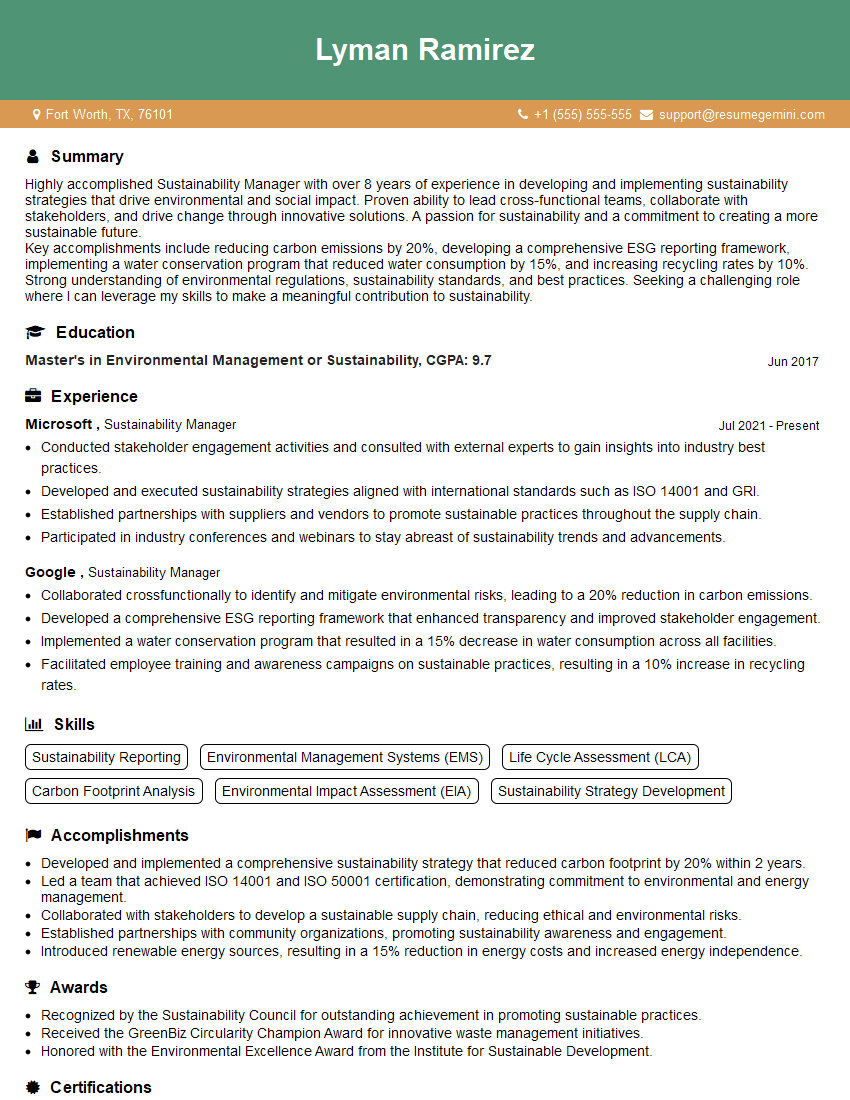
Sustainability Manager Resume Sample
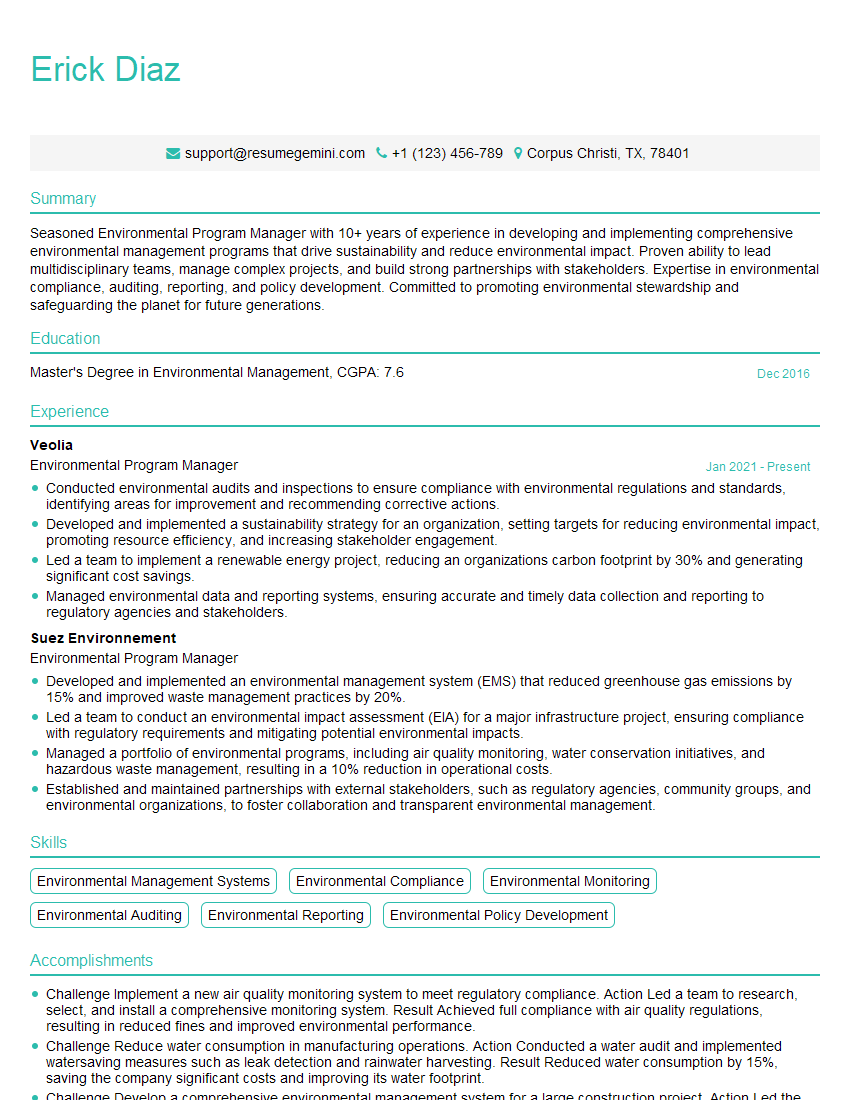
Environmental Program Manager Resume Sample
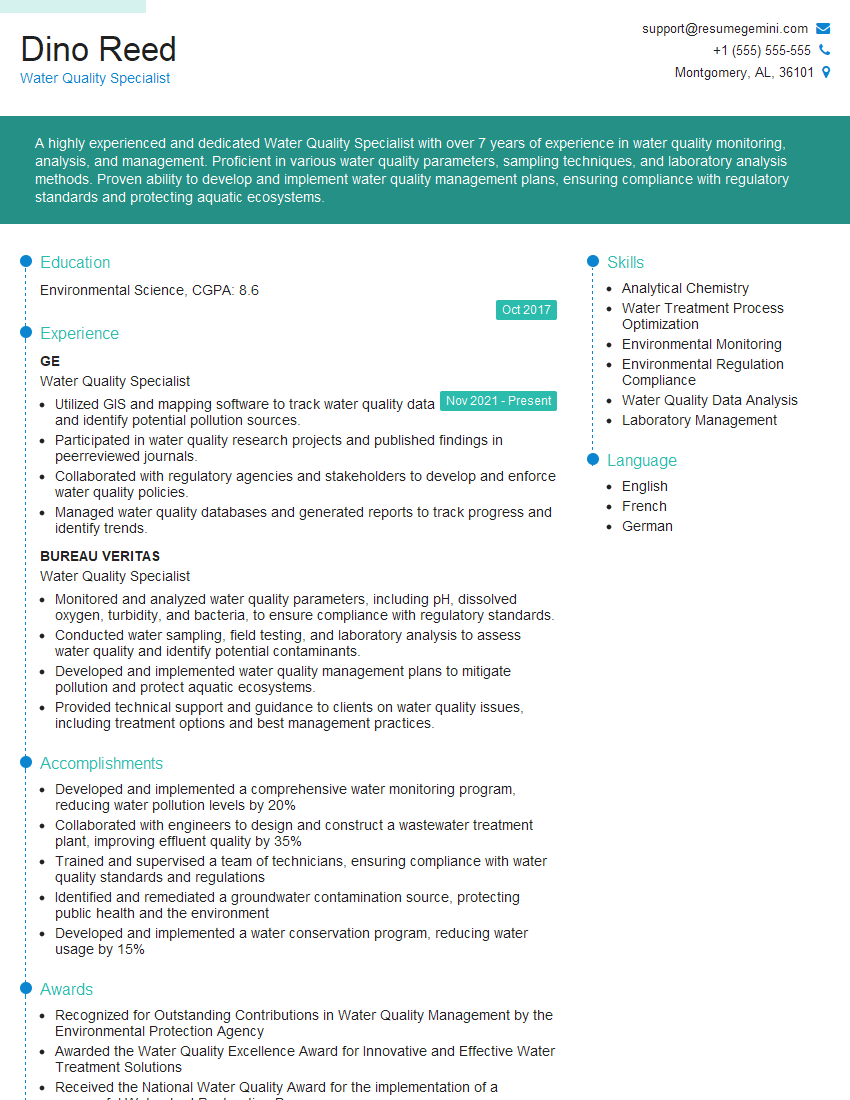
Water Quality Specialist Resume Sample
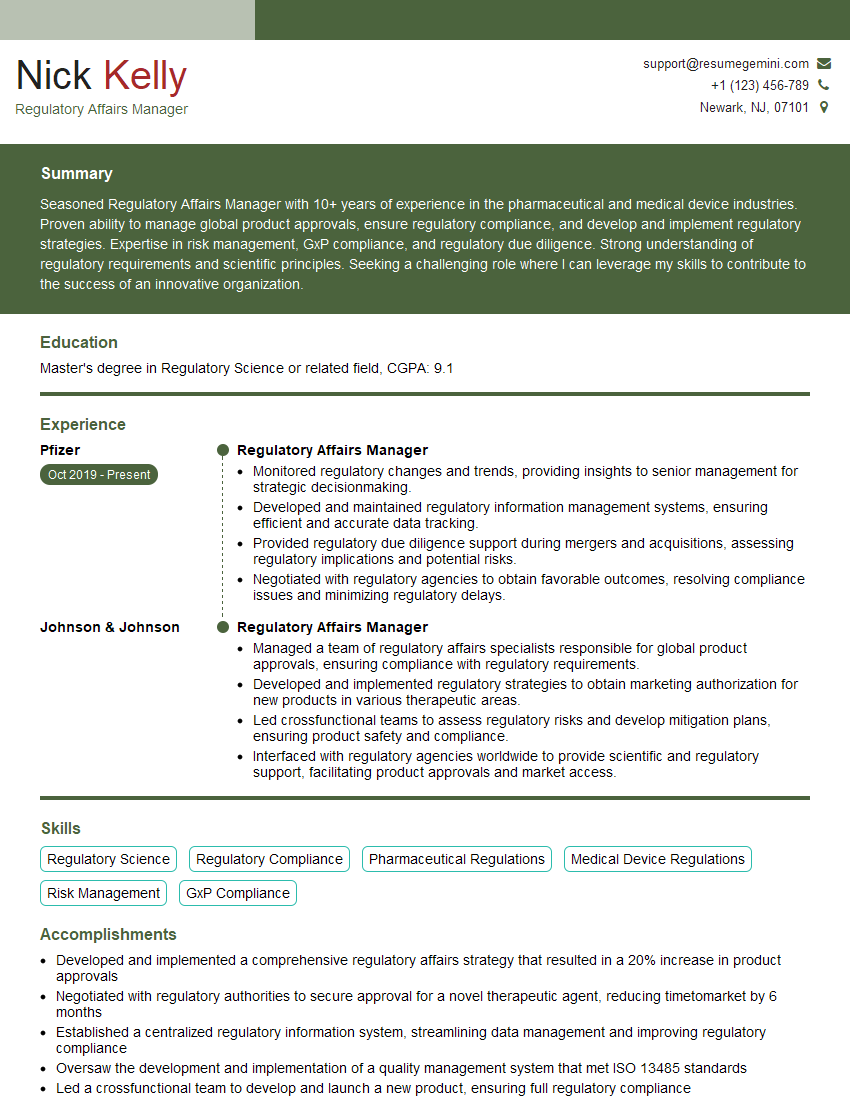
Regulatory Affairs Manager Resume Sample
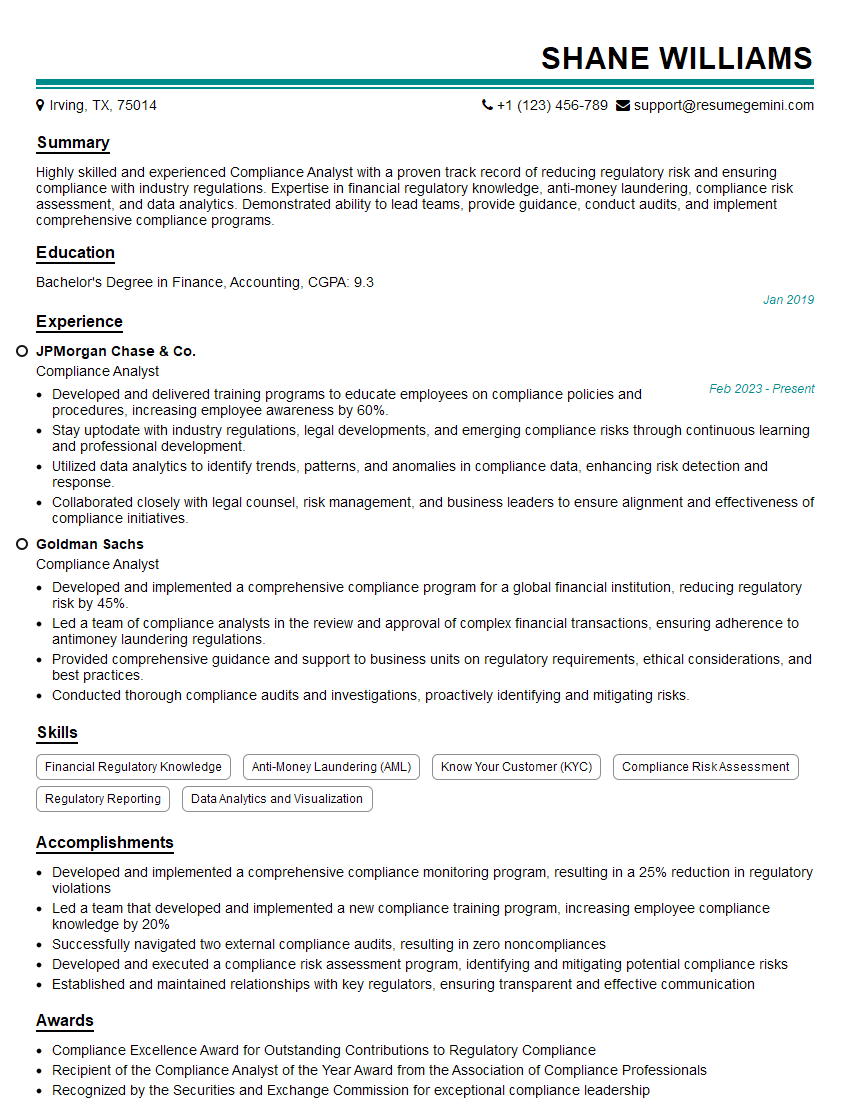
Compliance Analyst Resume Sample
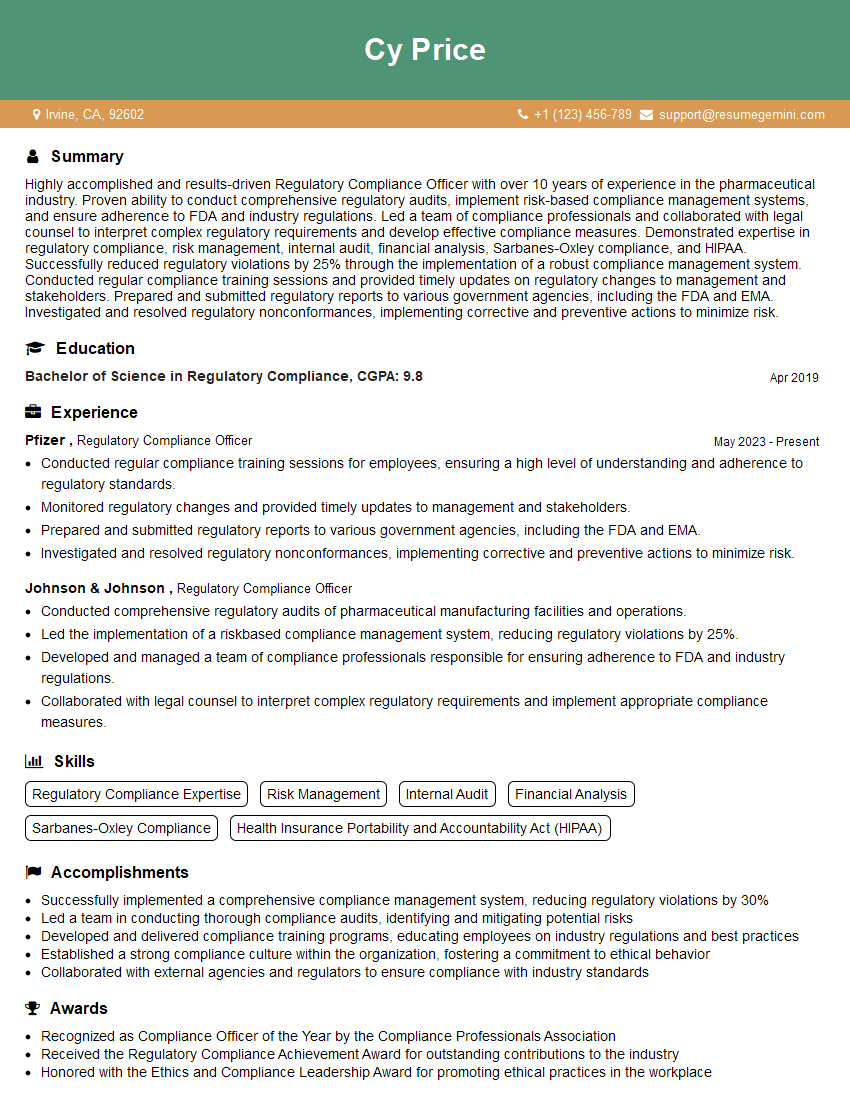
Regulatory Compliance Officer Resume Sample
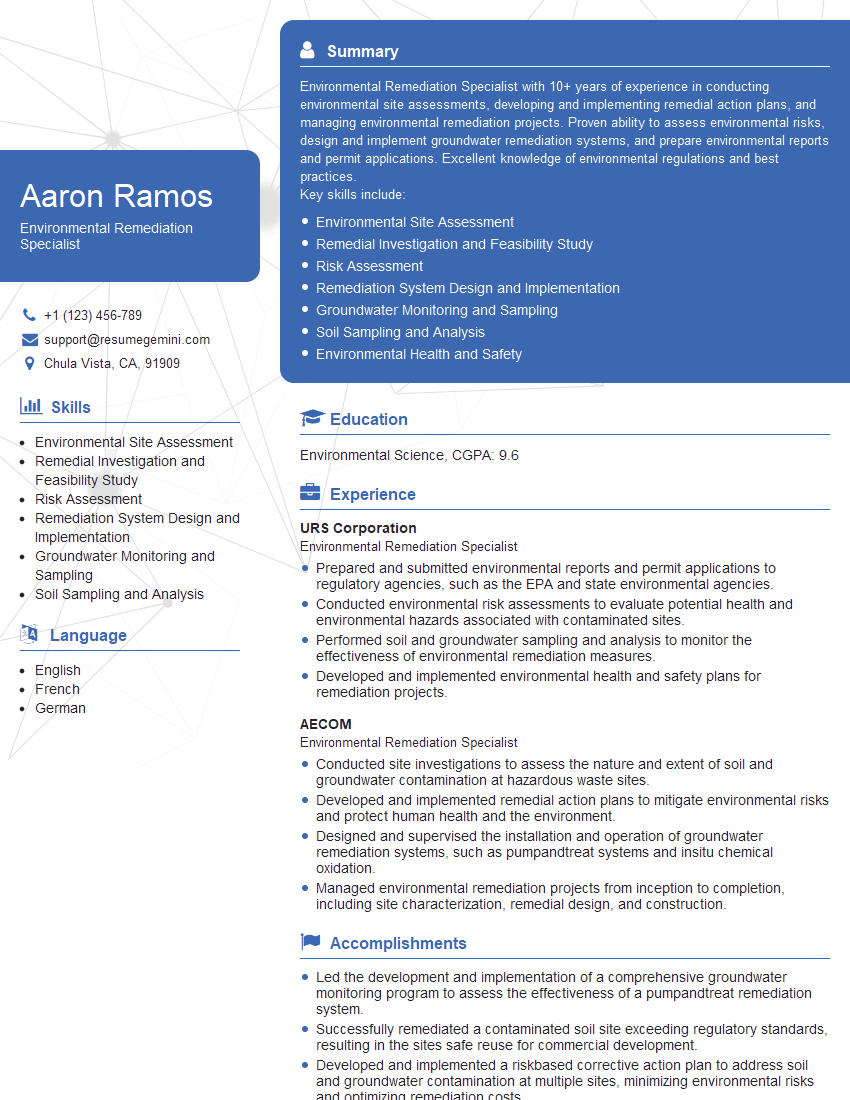
Environmental Remediation Specialist Resume Sample
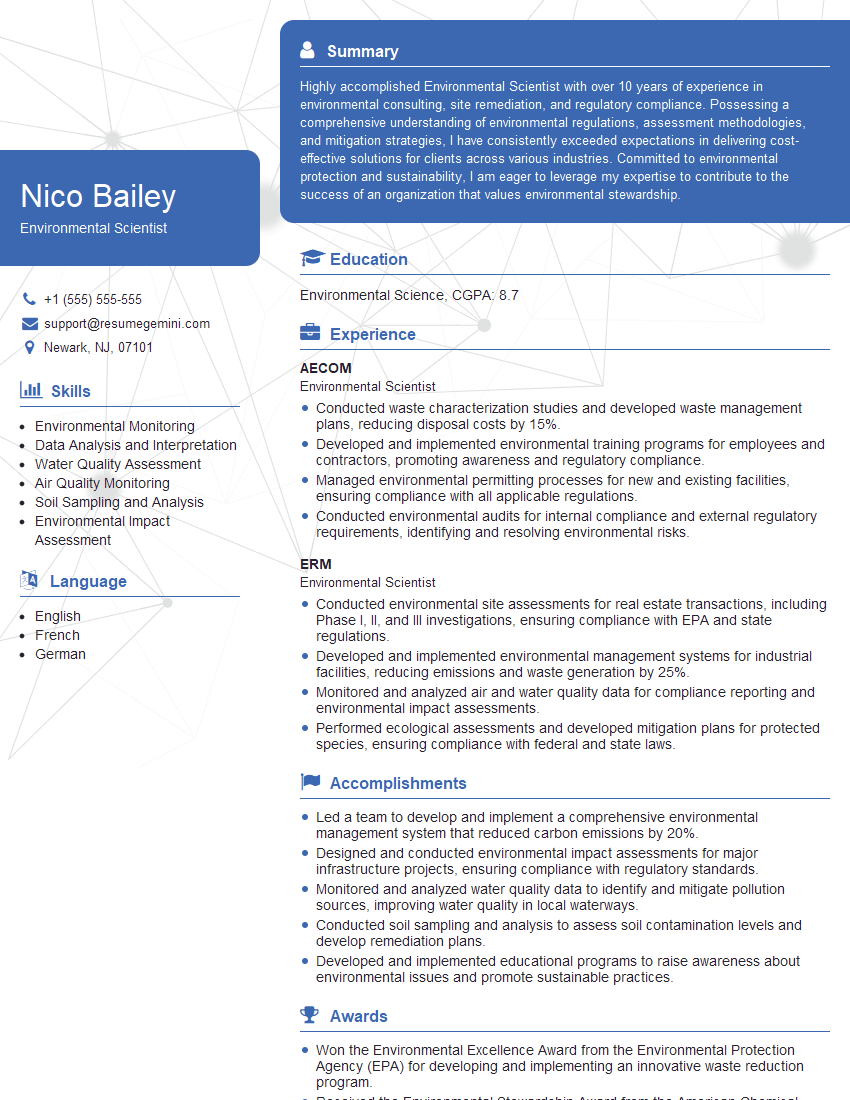
Environmental Scientist Resume Sample
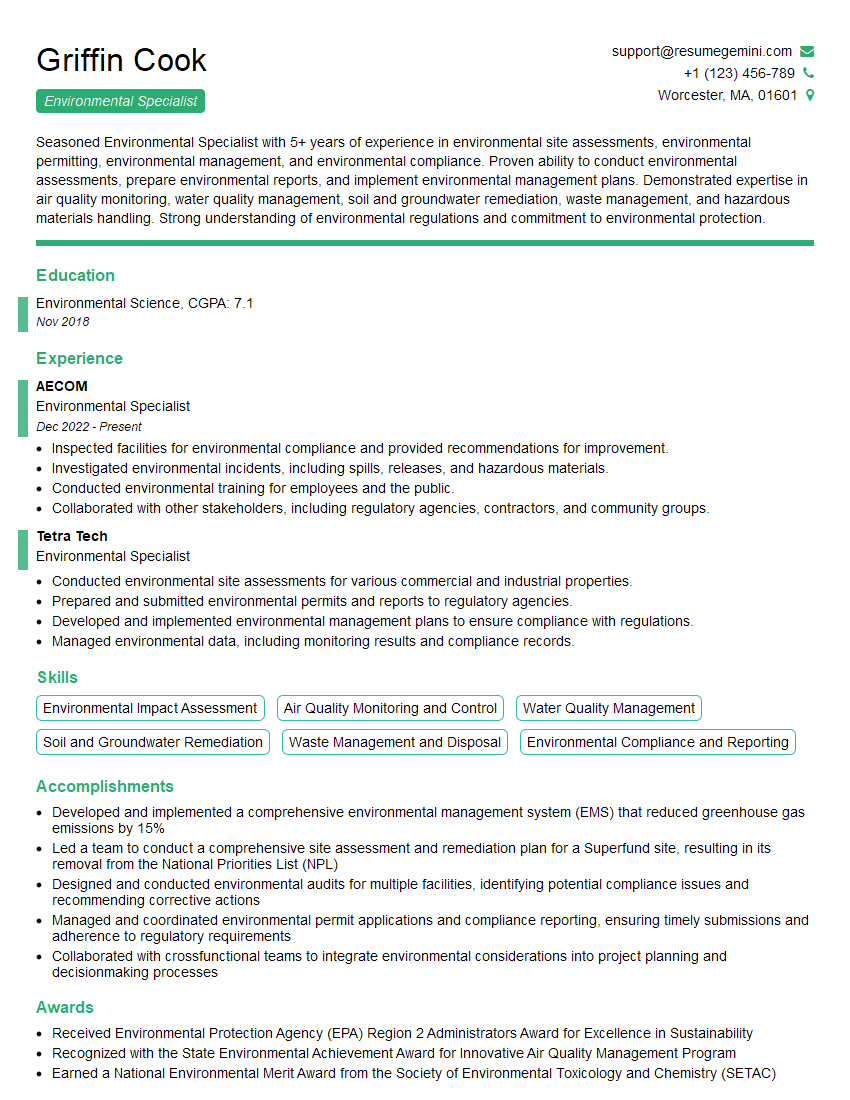
Environmental Specialist Resume Sample
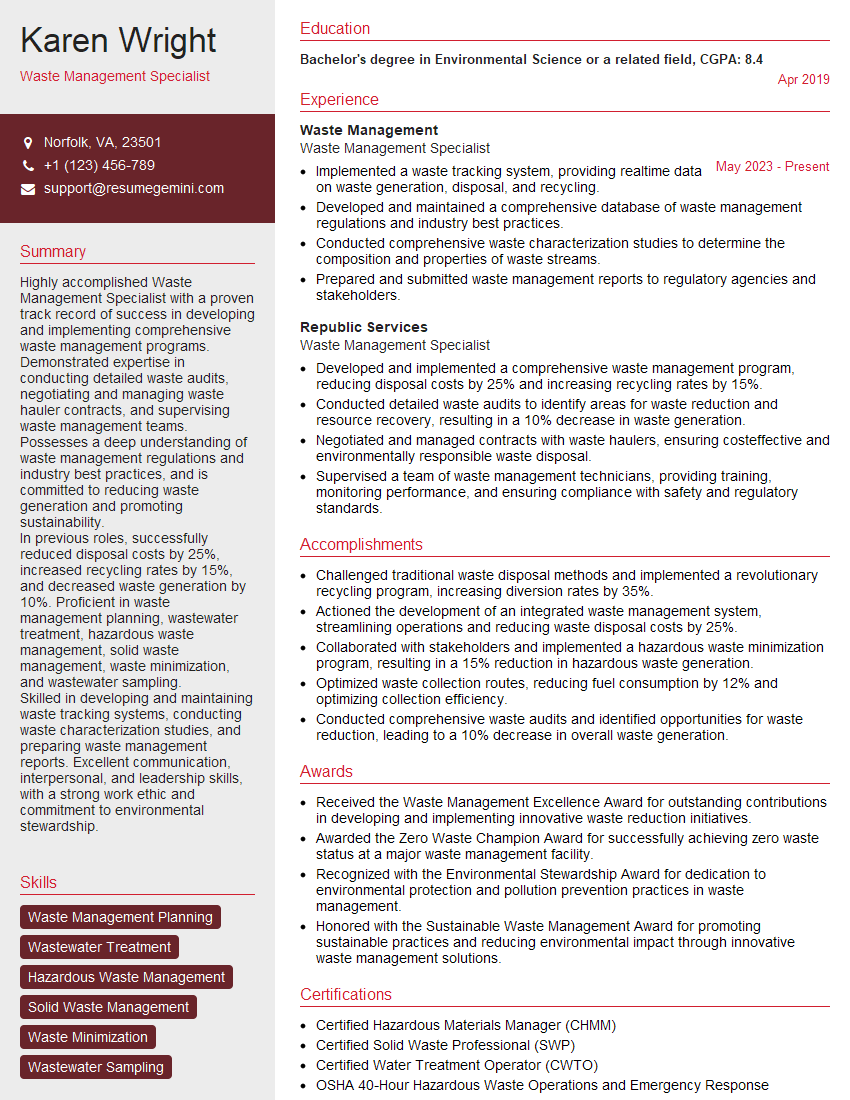
Waste Management Specialist Resume Sample

Sustainability Consultant Resume Sample
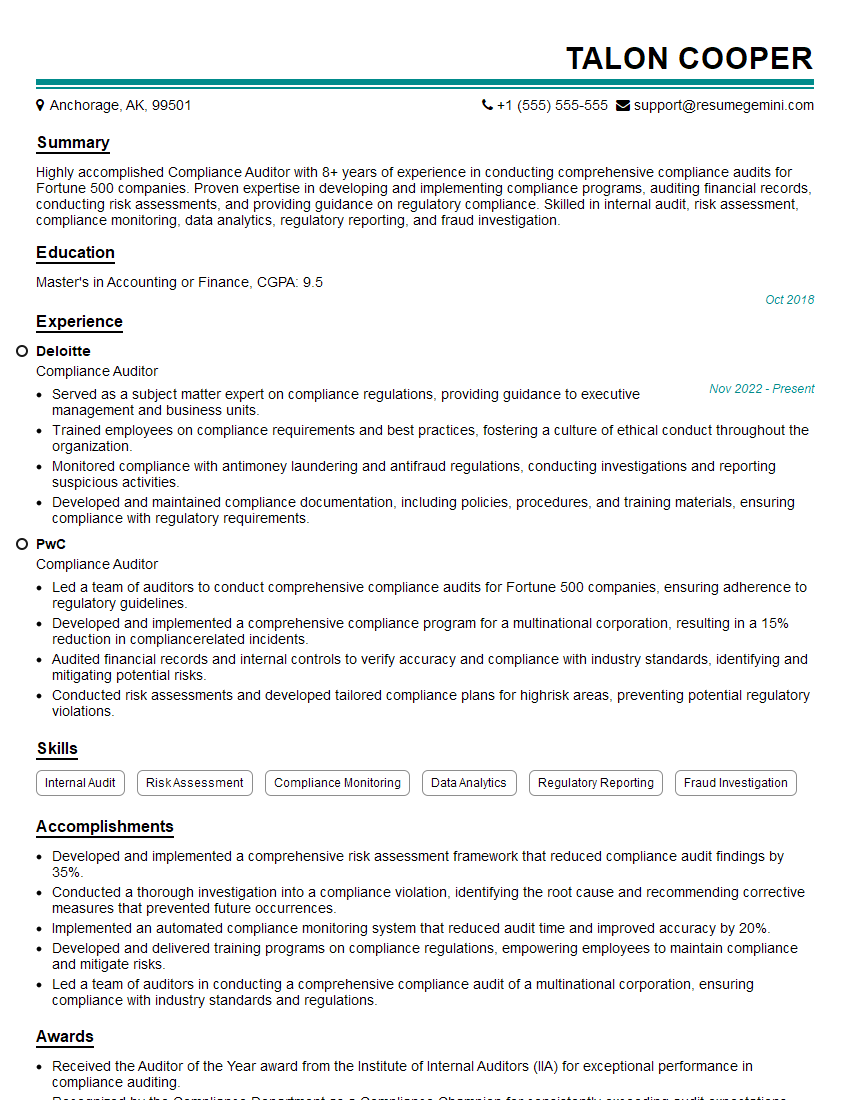
Compliance Auditor Resume Sample
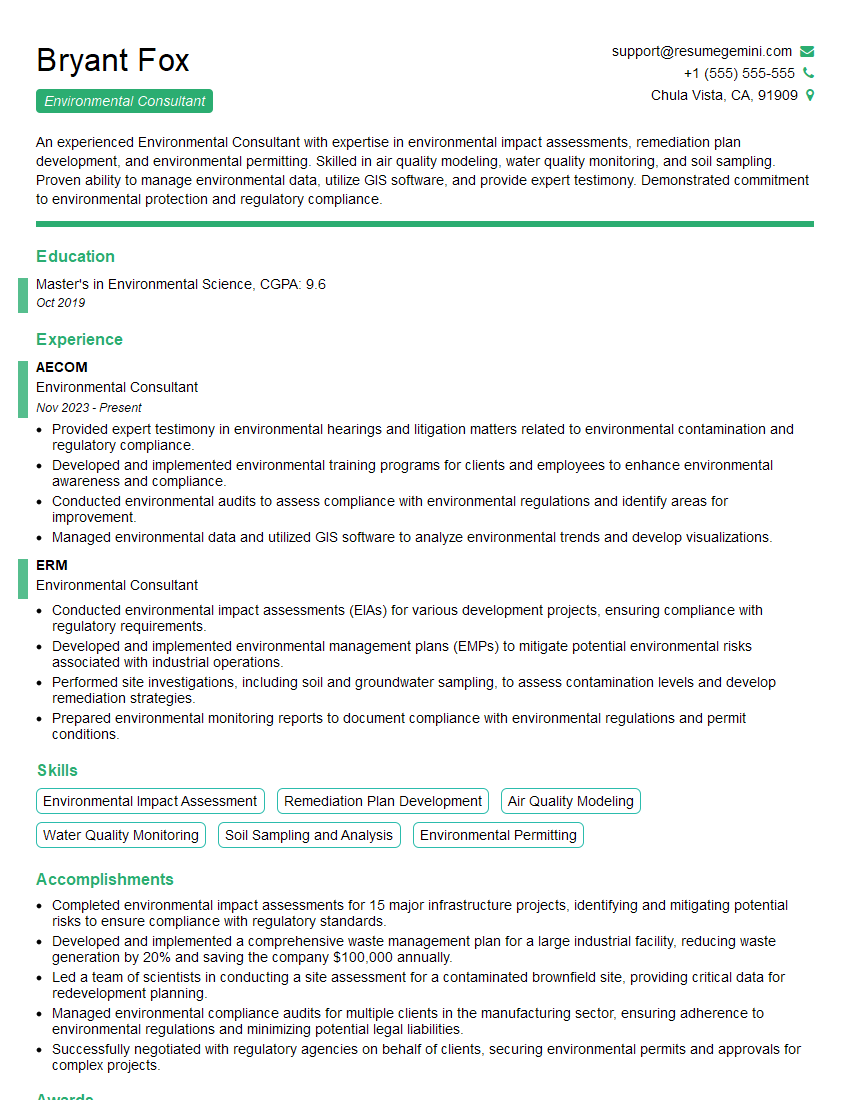
Environmental Consultant Resume Sample
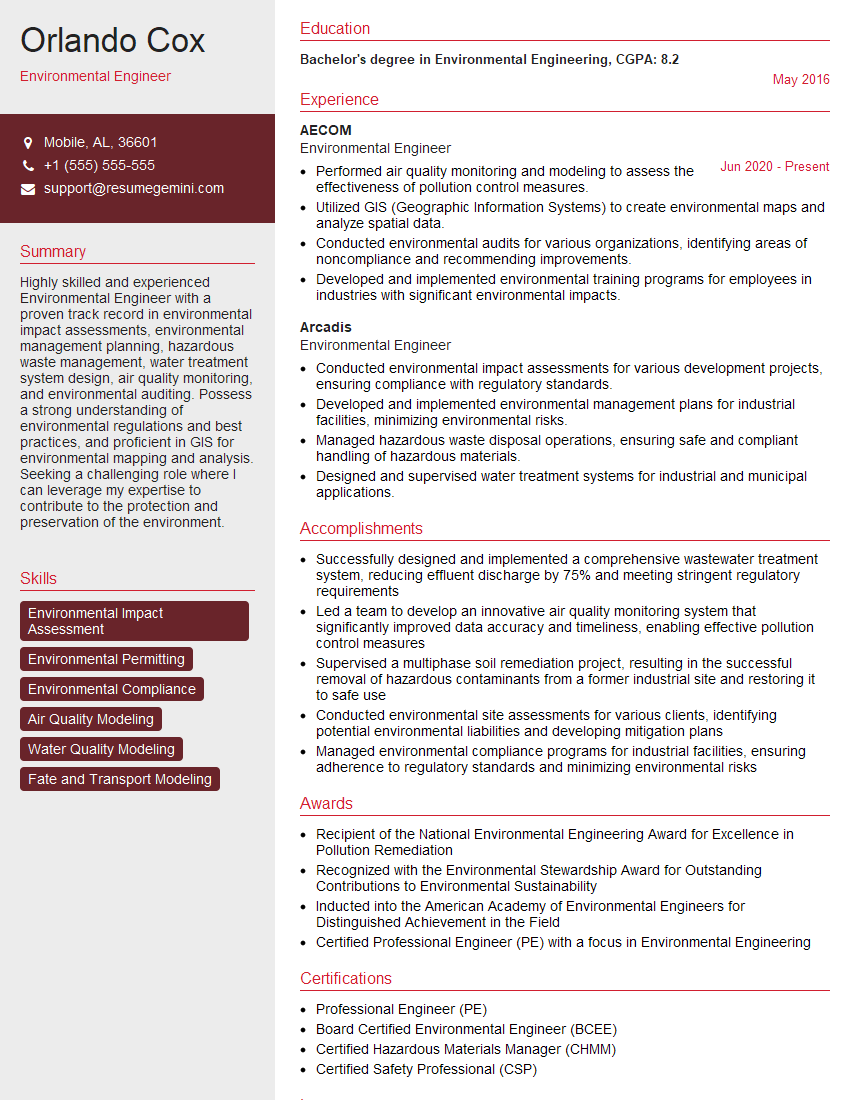
Environmental Engineer Resume Sample
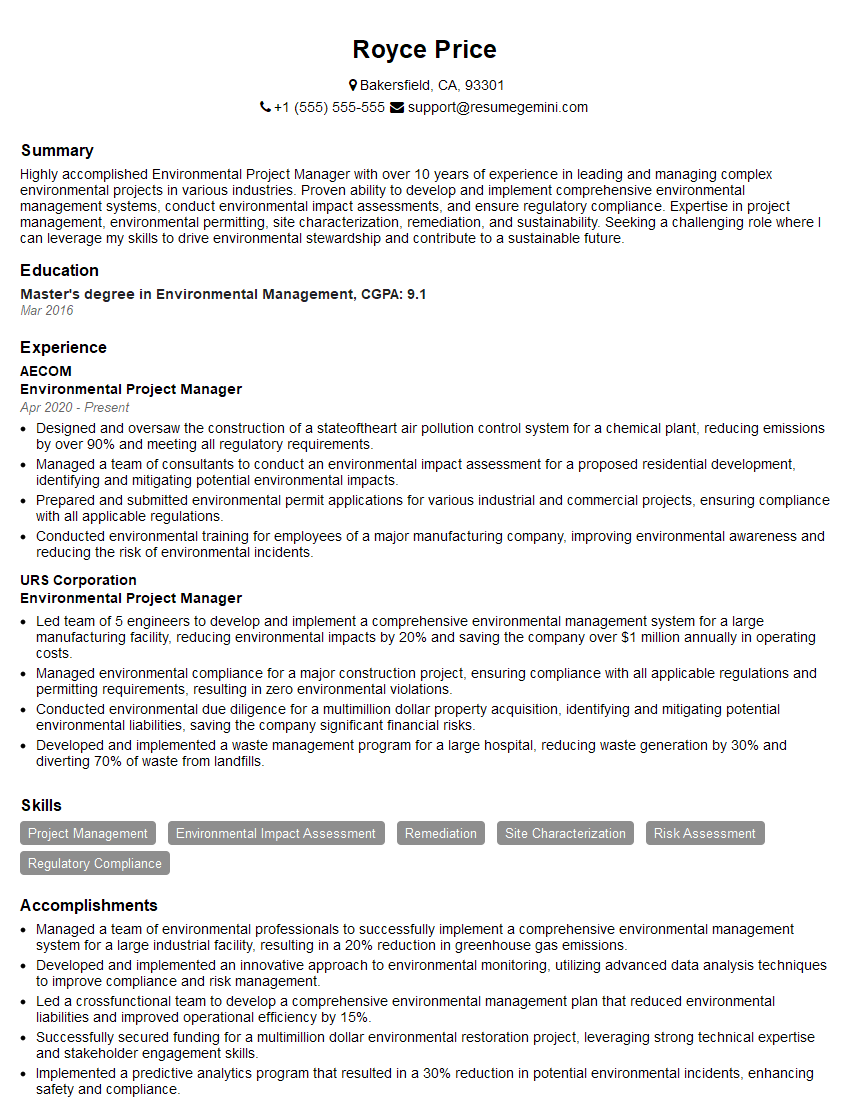
Environmental Project Manager Resume Sample
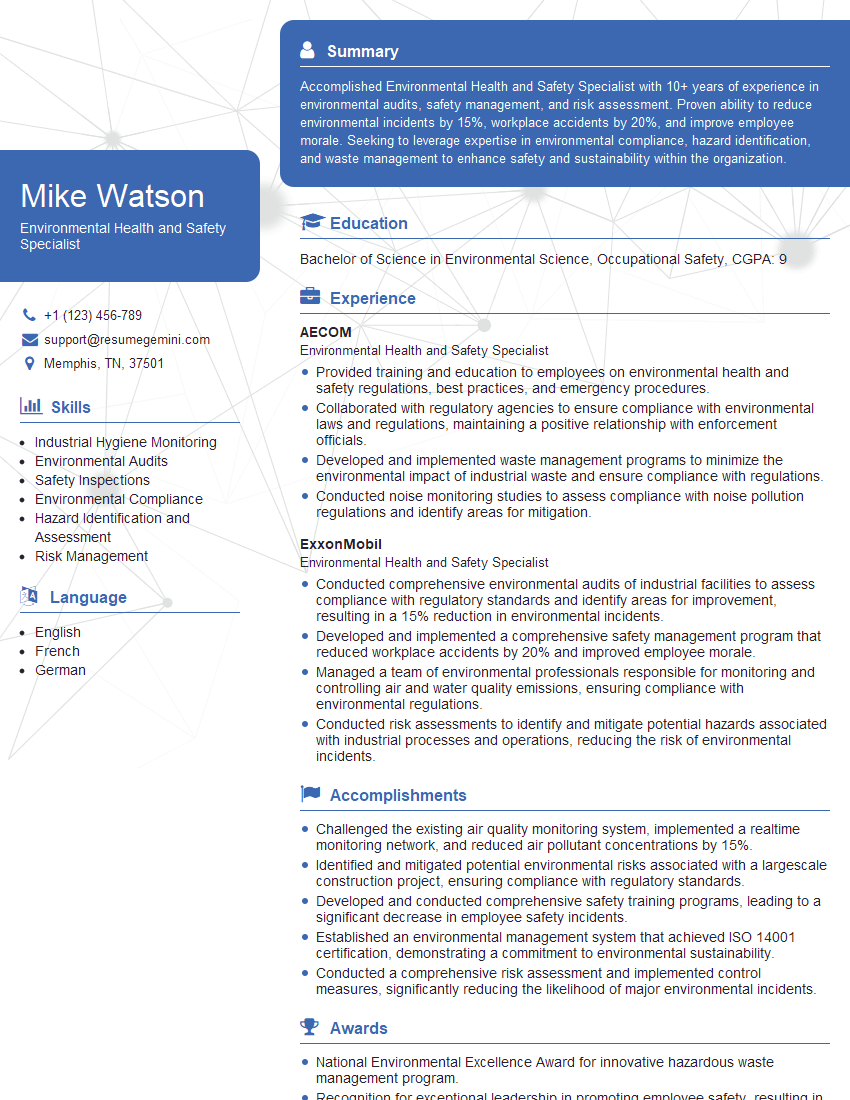
Environmental Health and Safety Specialist Resume Sample
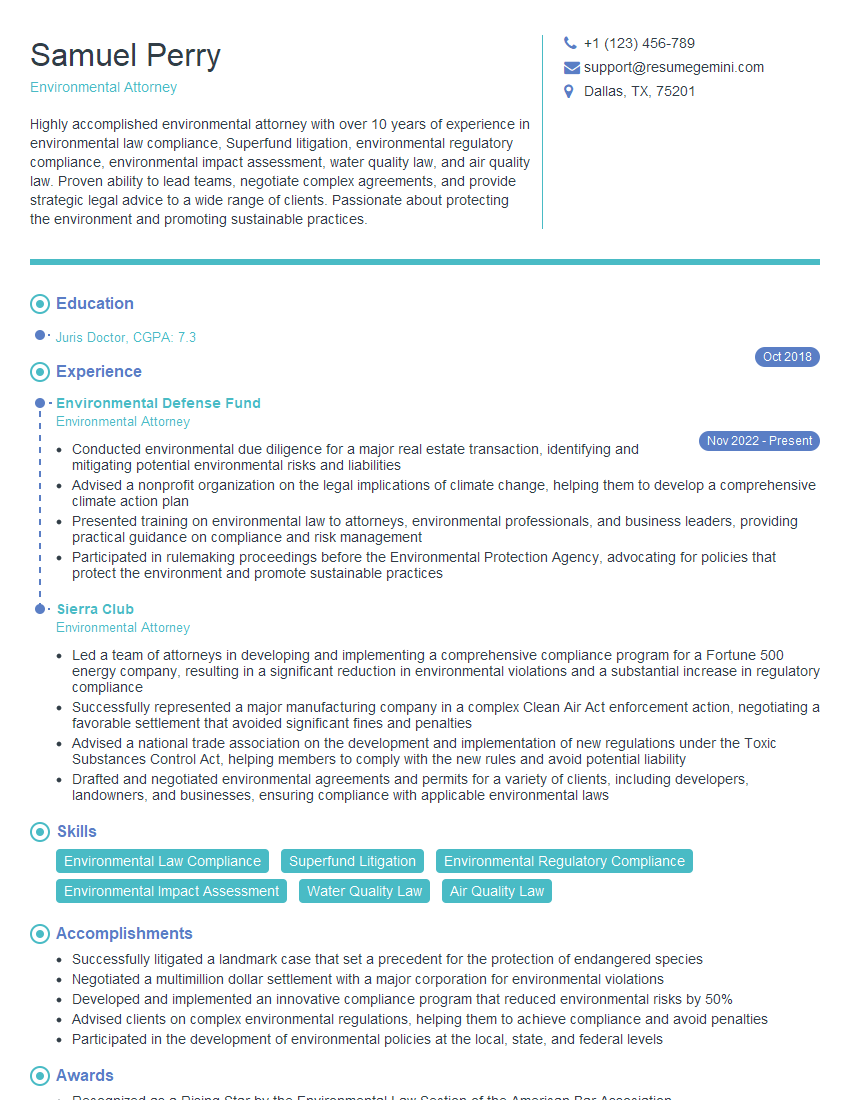
Environmental Attorney Resume Sample
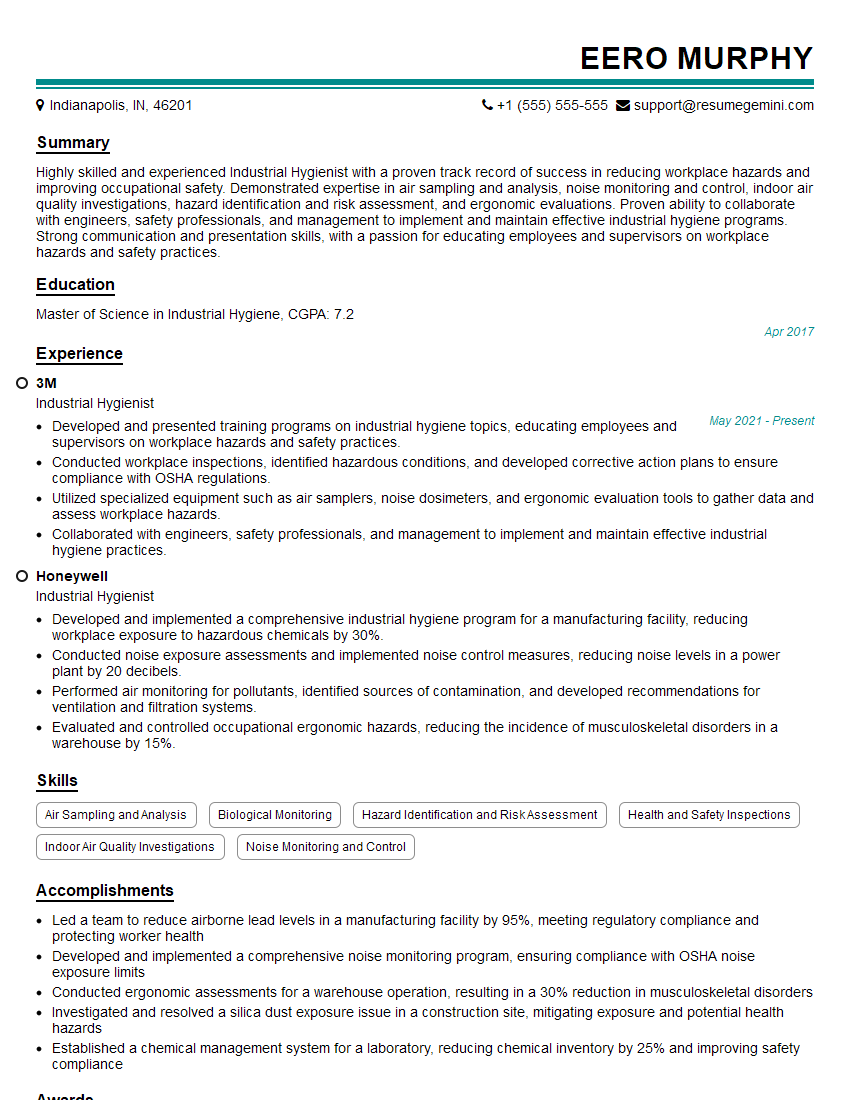
Industrial Hygienist Resume Sample
- Sustainability Manager
- Environmental Program Manager
- Water Quality Specialist
- Regulatory Affairs Manager
- Compliance Analyst
- Regulatory Compliance Officer
- Environmental Remediation Specialist
- Environmental Scientist
- Environmental Specialist
- Waste Management Specialist
- Sustainability Consultant
- Compliance Auditor
- Environmental Consultant
- Environmental Engineer
- Environmental Project Manager
- Environmental Health and Safety Specialist
- Environmental Attorney
- Industrial Hygienist
Explore more articles
Users Rating of Our Blogs
Share Your Experience
We value your feedback! Please rate our content and share your thoughts (optional).
What Readers Say About Our Blog
Really detailed insights and content, thank you for writing this detailed article.
IT gave me an insight and words to use and be able to think of examples