Preparation is the key to success in any interview. In this post, we’ll explore crucial Knowledge of Livestock Markets interview questions and equip you with strategies to craft impactful answers. Whether you’re a beginner or a pro, these tips will elevate your preparation.
Questions Asked in Knowledge of Livestock Markets Interview
Q 1. Explain the factors influencing the price of cattle.
Cattle prices are a complex interplay of supply and demand, influenced by numerous factors. Think of it like a scale: when demand outweighs supply, prices rise; when supply exceeds demand, prices fall.
- Supply Factors:
- Number of Cattle Available: Droughts, disease outbreaks, or changes in breeding practices significantly impact the number of cattle ready for market. A smaller supply generally drives prices up.
- Production Costs: Feed costs (corn, hay), labor, veterinary care, and land costs directly impact the profitability of raising cattle. Higher production costs often translate to higher prices.
- Slaughter Rates: The number of animals sent to slaughterhouses each week affects the immediate supply.
- Demand Factors:
- Consumer Demand for Beef: Consumer preferences, dietary trends, and economic conditions influence beef consumption. Increased demand, such as during the holiday season, typically pushes prices higher.
- Export Demand: International markets play a crucial role. Strong export demand from countries like Japan or South Korea can increase prices globally.
- Competition from other meats: The prices of pork, poultry, and other protein sources affect consumer choices and thus the demand for beef.
- Government Policies: Trade agreements, subsidies, and regulations (e.g., environmental regulations affecting feed production) also influence supply and prices.
For example, a severe drought in the Midwest could significantly reduce feed availability, increasing production costs and ultimately leading to higher cattle prices. Conversely, a surge in consumer preference for plant-based alternatives could depress beef demand and lower prices.
Q 2. Describe the current trends in the global beef market.
The global beef market is currently experiencing a dynamic period. We’re seeing a complex picture with fluctuating supply and demand influenced by several key trends:
- Increased Demand in Developing Countries: Rising incomes in developing nations, particularly in Asia, are driving significant growth in beef consumption, boosting overall demand.
- Supply Chain Disruptions: The impact of climate change, including extreme weather events, and disruptions related to disease outbreaks (like Foot and Mouth Disease) are affecting beef production in various regions.
- Sustainability Concerns: Growing consumer awareness of environmental impacts associated with beef production is pushing for more sustainable practices. This trend is leading to shifts in production methods and potentially influencing market prices.
- Geopolitical Factors: International trade disputes and sanctions can significantly impact beef trade flows, creating price volatility.
- Technological Advancements: Technological improvements in cattle breeding, feed efficiency, and disease management are enhancing production efficiency but the impact on prices is complex and often nuanced, sometimes lowering costs, and sometimes increasing production.
One example of this interplay is the tension between growing demand from countries like China and the impact of droughts in key cattle-producing regions. This creates an environment where prices can fluctuate significantly, depending on the balance of these forces.
Q 3. What are the major differences between the hog and cattle markets?
While both hog and cattle markets are integral parts of the livestock industry, they differ significantly in several aspects:
- Production Cycle: Hogs have a much shorter production cycle (approximately 6 months from breeding to market) compared to cattle (typically 18-24 months).
- Market Structure: The hog market is generally more integrated and dominated by larger, vertically integrated producers, whereas the cattle market has a more fragmented structure with numerous smaller producers.
- Price Volatility: Hog prices tend to be more volatile than cattle prices due to their shorter production cycle and quicker response to market changes.
- Demand Elasticity: The demand for pork is often more price-sensitive compared to beef, meaning that price changes can significantly impact consumption patterns.
- Global Trade: Both markets participate in global trade, but the relative importance of exports and imports can differ between the two. For instance, the US is a major exporter of pork but also a significant importer.
Imagine it like this: hogs are like a sprint race – quick to react to changes, prone to quick ups and downs. Cattle are more like a marathon – slower reactions, more stable, but equally susceptible to long-term trends.
Q 4. How do futures contracts impact livestock pricing?
Livestock futures contracts are agreements to buy or sell a specific quantity of livestock at a predetermined price on a future date. They play a crucial role in managing price risk in the livestock industry.
- Price Discovery: Futures markets provide a forward-looking price signal, reflecting market expectations of future supply and demand. This helps producers and buyers make informed decisions.
- Hedging: Producers can use futures contracts to lock in prices for their livestock, protecting them against potential price drops before the animals are ready for market. Similarly, buyers can hedge against price increases.
- Price Stabilization: While not always successful, the existence of futures markets can help to moderate price fluctuations by providing a mechanism for managing risk.
- Speculation: Speculators participate in futures markets, adding liquidity and influencing prices. Their activity can amplify price movements, both positive and negative.
For example, a cattle rancher expecting to sell 100 cattle in three months might sell 100 cattle futures contracts to lock in a price today, ensuring a minimum revenue regardless of future market fluctuations. If the market price drops, the rancher profits from the futures contract; if it rises, the rancher loses the potential gains, but avoids a much larger potential loss without a hedge.
Q 5. Analyze the impact of feed costs on livestock profitability.
Feed costs represent a substantial portion (often over 60%) of the total cost of raising livestock. Fluctuations in feed prices directly impact profitability.
- Direct Impact: Higher feed costs reduce profit margins, as producers must spend more to raise each animal. This can lead to reduced output if producers cannot pass on the higher costs to consumers.
- Indirect Impact: High feed costs can incentivize changes in livestock management practices, such as altering rations or reducing herd sizes, to mitigate expenses. This can affect meat quality or quantity.
- Market Adjustments: In response to higher feed costs, livestock producers may adjust prices to compensate, potentially leading to higher consumer prices.
- Hedging Strategies: Producers can mitigate feed cost risk through various strategies, including forward contracting or purchasing feed futures contracts. This helps to lock in feed prices and stabilize production costs.
Imagine a farmer relying on corn for cattle feed. A sudden increase in corn prices due to a poor harvest can drastically cut into their profit margin. Successful livestock farmers carefully monitor feed prices and plan for potential fluctuations to mitigate this risk.
Q 6. Discuss the role of government regulations in the livestock industry.
Government regulations play a vital role in shaping the livestock industry, influencing production practices, animal welfare, food safety, and market dynamics.
- Animal Welfare Regulations: Regulations governing the humane treatment of animals on farms and during transportation affect production costs and practices.
- Food Safety Regulations: Regulations on slaughtering, processing, and labeling ensure food safety for consumers and impact production and distribution.
- Environmental Regulations: Regulations related to manure management, water quality, and greenhouse gas emissions influence production methods and costs.
- Trade Policies: Tariffs, quotas, and trade agreements significantly influence the global competitiveness of livestock producers.
- Subsidies and Support Programs: Governments often provide subsidies or support programs to livestock producers, which can affect supply and price stability.
For example, stringent environmental regulations might encourage the adoption of sustainable farming practices but could also increase production costs. Similarly, government subsidies can stabilize prices during periods of market uncertainty but could potentially distort market signals in the long run. Navigating these regulations is a crucial aspect of successful livestock production and management.
Q 7. Explain the concept of livestock hedging and its benefits.
Livestock hedging is a risk management strategy that uses financial instruments like futures contracts or options to protect against price fluctuations.
- Purpose: The primary goal is to reduce the uncertainty associated with price volatility, which can significantly impact profitability.
- Methods: Producers often use futures contracts to lock in a price for their livestock, protecting against potential price declines. Options contracts provide more flexibility, allowing producers to benefit from price increases while limiting potential losses.
- Benefits: Hedging can provide price stability, allowing producers to better plan their finances and investments. It can also help to reduce financial stress during periods of market uncertainty.
- Considerations: Hedging is not without its costs and complexities. It requires an understanding of financial markets and the ability to accurately forecast future prices. Imperfect hedging can lead to unexpected losses.
Imagine a farmer with a large herd of cattle ready for sale in a few months. By hedging, they can mitigate the risk of a sudden price drop. While they might forgo some potential upside if prices rise significantly, they greatly reduce the risk of catastrophic losses from a market downturn.
Q 8. Describe various livestock marketing strategies.
Livestock marketing strategies encompass a range of approaches aiming to maximize profitability and efficiency. These strategies vary based on factors like the type of livestock, scale of operation, and market conditions. Common strategies include:
Direct Marketing: Selling directly to consumers through farmers’ markets, community-supported agriculture (CSA) programs, or on-farm sales. This offers higher profit margins but requires significant time and effort in marketing and distribution.
Auction Markets: Selling livestock through established auction barns. This provides a competitive bidding environment but involves commission fees and potential price fluctuations depending on market demand.
Contract Marketing: Pre-arranging sales with processors or retailers at predetermined prices and quantities. This offers price stability but limits flexibility if market prices rise significantly.
Cooperative Marketing: Joining a cooperative to collectively market livestock, often achieving better prices and negotiating power than individual producers.
Electronic Marketing: Utilizing online platforms and marketplaces to connect buyers and sellers. This expands reach and market access but requires understanding of e-commerce principles and online security.
Choosing the optimal strategy often involves a combination of approaches tailored to specific needs and circumstances. For example, a small-scale farmer might prioritize direct marketing, while a large-scale operation might utilize auction markets or contract marketing.
Q 9. How do you assess the quality and grade of livestock?
Assessing livestock quality and grade involves a systematic evaluation of various factors, combining visual inspection with objective measurements. Key aspects include:
Visual Appraisal: Assessing conformation (body structure), muscling, fat cover, and overall health and soundness. This requires experience and a trained eye to identify desirable traits.
Weight and Measurements: Recording weight, height, and other relevant measurements provides objective data for grading. This is particularly important for carcass quality assessment.
Grading Standards: Following established grading systems (e.g., USDA grades for beef cattle) ensures consistency and facilitates accurate pricing. These standards typically incorporate factors like age, weight, fat cover, and muscling to assign a grade.
Health Checks: A thorough examination to detect any signs of disease or injury impacts grade and marketability. This might involve veterinary inspection.
For instance, a beef carcass might be graded based on its marbling (intramuscular fat), maturity, and overall yield. A higher grade translates to a better price due to superior quality and consumer appeal.
Q 10. What are the key risk factors in the livestock market?
The livestock market is susceptible to various risk factors that can significantly impact profitability. These include:
Price Volatility: Livestock prices fluctuate due to factors like supply and demand, consumer preferences, and global events. Unexpected price drops can severely impact producer income.
Disease Outbreaks: Infectious diseases can cause significant mortality, reduce productivity, and impose restrictions on movement and trade, leading to market disruptions and price fluctuations. Foot-and-mouth disease is a prime example.
Weather Conditions: Extreme weather events (droughts, floods, heat waves) affect feed availability, animal health, and overall productivity, ultimately impacting supply and pricing.
Feed Costs: Fluctuations in feed prices directly impact production costs. Increases in feed costs can reduce profitability unless compensated by higher livestock prices.
Input Costs: Increases in costs of labor, veterinary services, and other inputs can also squeeze profit margins.
Political and Economic Factors: Government policies, trade regulations, and global economic conditions can influence market dynamics and create uncertainty.
Risk management strategies such as hedging, insurance, and diversification are crucial for mitigating these risks.
Q 11. Explain different livestock production systems (e.g., intensive vs. extensive).
Livestock production systems vary widely, with intensive and extensive systems representing two contrasting approaches:
Intensive Systems: Characterized by high stocking densities, specialized facilities, and significant inputs (feed, labor, technology). They aim to maximize output per unit of land but require higher capital investment and are more susceptible to disease outbreaks. Factory farms for poultry or hogs exemplify this.
Extensive Systems: Involve lower stocking densities, relying on natural grazing or forage resources, with minimal inputs. They are generally more environmentally sustainable and resilient to disease but have lower productivity per unit of land. Ranching in open grasslands is a classic example.
There’s a spectrum between these two extremes, with many systems incorporating elements of both. The choice of system depends on factors like available land, capital, labor, and market demand.
Q 12. Discuss the impact of disease outbreaks on livestock prices.
Disease outbreaks have a profound impact on livestock prices. The effect depends on several factors, including the severity and transmissibility of the disease, the affected species, and the effectiveness of control measures.
Outbreaks often lead to:
Reduced Supply: Mortality, culling of infected animals, and trade restrictions cause a decrease in the available supply of livestock, pushing prices upward.
Increased Costs: Disease control measures (e.g., vaccination, quarantine, biosecurity enhancements) add to production costs, further impacting prices.
Consumer Concerns: Public health concerns can negatively impact consumer demand, leading to price depressions in certain situations, particularly if consumers perceive an elevated risk.
Market Volatility: Uncertainty surrounding the outbreak’s trajectory creates market instability and price fluctuations.
The 2001 Foot-and-Mouth Disease outbreak in the UK serves as a stark example of the devastating economic consequences of a major animal disease outbreak, causing significant disruptions and losses across the livestock industry.
Q 13. How do you analyze livestock market data to make informed decisions?
Analyzing livestock market data is crucial for making informed decisions. This involves:
Data Collection: Gathering relevant data from various sources, including government agencies (e.g., USDA), industry publications, market reports, and auction records. This may include price data, supply and demand indicators, production statistics, and weather information.
Data Cleaning and Preparation: Cleaning the data to remove errors and inconsistencies, and transforming it into a usable format for analysis. This might involve using statistical software or spreadsheets.
Statistical Analysis: Applying statistical techniques (e.g., regression analysis, time series analysis) to identify trends, patterns, and relationships within the data. This helps predict future price movements and assess market risks.
Market Forecasting: Using the analyzed data to develop forecasts of future market prices and supply conditions. This can aid in making strategic decisions, such as adjusting production levels or hedging against price risks.
Scenario Planning: Developing different scenarios (e.g., optimistic, pessimistic, and most likely) based on possible market developments. This helps prepare for various outcomes and mitigates uncertainty.
Effective data analysis helps producers and traders make better-informed decisions about buying, selling, and managing their livestock operations.
Q 14. What are the ethical considerations in livestock trading?
Ethical considerations in livestock trading are paramount, encompassing animal welfare, fair trade practices, and environmental sustainability. Key concerns include:
Animal Welfare: Ensuring humane treatment throughout the supply chain, from farm to slaughter. This involves avoiding practices that cause unnecessary suffering or stress.
Fair Pricing and Transparency: Promoting fair and transparent pricing practices, avoiding exploitation of producers or consumers. This necessitates accurate information disclosure and avoidance of deceptive practices.
Food Safety: Adhering to food safety regulations and ensuring the production and handling of livestock meet the highest safety standards to prevent contamination and disease transmission.
Environmental Sustainability: Minimizing the environmental impact of livestock production, including reducing greenhouse gas emissions, managing waste responsibly, and promoting sustainable land use practices.
Labor Practices: Ensuring fair and ethical treatment of workers throughout the supply chain, including safe working conditions and fair wages.
Ethical livestock trading necessitates a commitment to responsible practices that balance economic considerations with the welfare of animals, workers, and the environment.
Q 15. Describe the role of technology in modern livestock management.
Technology plays a transformative role in modern livestock management, enhancing efficiency, productivity, and animal welfare. It’s no longer just about traditional farming practices; it’s about data-driven decision-making.
Precision Livestock Farming (PLF): Sensors and IoT devices monitor various parameters like temperature, humidity, feed intake, and animal activity. This data provides real-time insights into animal health and allows for early detection of diseases, optimizing resource allocation, and improving overall farm management.
Data Analytics and AI: Sophisticated algorithms analyze the vast datasets generated by PLF systems to identify trends, predict potential issues, and optimize farm operations. For example, AI can predict milk yield based on various factors, helping farmers manage their resources more effectively.
Robotics and Automation: Automated feeding systems, robotic milking machines, and automated manure management systems reduce labor costs, improve efficiency, and enhance animal welfare by minimizing human intervention in stressful situations.
Remote Monitoring and Management: Farmers can monitor their livestock remotely through mobile applications, receiving alerts and managing their operations from anywhere with an internet connection. This is especially crucial for large-scale operations.
Breeding and Genetics: Genomic selection techniques and DNA analysis are used to improve breeding programs, selecting animals with desirable traits like disease resistance and higher productivity. This leads to healthier and more productive herds.
For example, a dairy farmer using sensors can detect a drop in milk production in a particular cow early on, allowing for timely veterinary intervention and preventing further losses.
Career Expert Tips:
- Ace those interviews! Prepare effectively by reviewing the Top 50 Most Common Interview Questions on ResumeGemini.
- Navigate your job search with confidence! Explore a wide range of Career Tips on ResumeGemini. Learn about common challenges and recommendations to overcome them.
- Craft the perfect resume! Master the Art of Resume Writing with ResumeGemini’s guide. Showcase your unique qualifications and achievements effectively.
- Don’t miss out on holiday savings! Build your dream resume with ResumeGemini’s ATS optimized templates.
Q 16. Discuss the challenges and opportunities in sustainable livestock farming.
Sustainable livestock farming faces significant challenges but also presents immense opportunities. The core challenge is balancing the growing demand for animal products with the need to minimize the environmental footprint of livestock production.
Challenges: These include greenhouse gas emissions (methane from enteric fermentation), land use change (deforestation for pasture), water pollution from manure runoff, and biodiversity loss. Meeting increasing consumer demand while addressing these environmental concerns is a complex issue.
Opportunities: Sustainable practices like improved feed efficiency, precision livestock farming, rotational grazing, and manure management can significantly reduce the environmental impact. Furthermore, there is growing consumer interest in sustainably produced meat and dairy, creating market opportunities for farmers who adopt environmentally friendly practices. Investing in research and development of alternative protein sources could also play a crucial role.
A practical example is the adoption of silvopastoral systems, which integrate trees into grazing lands. This improves carbon sequestration, enhances biodiversity, and provides shade for animals, reducing heat stress and improving animal welfare. The challenge lies in the initial investment and the need for technical expertise.
Q 17. Explain the concept of supply and demand in the context of livestock.
Supply and demand in the livestock market function similarly to other agricultural commodities. The price of livestock is determined by the interaction between the quantity of animals available (supply) and the consumer demand for meat, dairy, and other animal products.
Supply: The supply of livestock is influenced by factors like herd size, breeding rates, animal mortality, and the time it takes to raise animals to market weight. For example, a drought can significantly reduce the supply of cattle, leading to higher prices.
Demand: Demand is influenced by consumer preferences (e.g., increased demand for organic meat), income levels (higher income often translates to higher meat consumption), population growth, and prices of substitute products (e.g., plant-based proteins).
If demand increases while supply remains constant, prices will rise. Conversely, an increase in supply with constant demand will typically lead to lower prices. This interplay is crucial for farmers making decisions about herd size and production strategies.
Q 18. How do you forecast livestock prices?
Forecasting livestock prices is a complex process involving analyzing various factors and using quantitative and qualitative techniques. It’s not an exact science, but a well-informed forecast can significantly reduce risk.
Quantitative methods: These involve using statistical models and time series analysis to identify trends and predict future prices based on historical data. Factors like feed prices, production costs, and economic indicators are often included in these models.
Qualitative methods: This involves considering factors that are difficult to quantify, such as government policies, weather patterns (droughts significantly impact livestock supply), disease outbreaks, and consumer sentiment.
Market intelligence: Staying updated on market reports, industry news, and government announcements is crucial. Attending livestock auctions and trade shows allows for direct interaction with market participants, providing valuable insights.
For example, a forecaster might use a statistical model incorporating historical price data, feed costs, and expected slaughter numbers to predict future cattle prices. They would then adjust this prediction based on qualitative factors like potential drought conditions or changes in import/export policies.
Q 19. What are the key indicators you use to monitor livestock market trends?
Monitoring livestock market trends requires tracking several key indicators. These indicators provide a comprehensive overview of the market’s health and future direction.
Livestock production data: This includes data on herd size, slaughter numbers, and production efficiency (e.g., milk yield per cow).
Feed prices: Feed costs represent a significant portion of livestock production costs, and fluctuations in feed prices directly impact profitability and livestock prices.
Consumer price index (CPI): The CPI reflects overall inflation and consumer purchasing power, impacting consumer demand for meat and dairy products.
Exchange rates: For countries involved in international trade, exchange rates affect import and export prices, impacting domestic market prices.
Government policies: Regulations, subsidies, and trade agreements can have a significant impact on the livestock market.
Disease outbreaks: Outbreaks of animal diseases can drastically reduce supply and lead to price increases.
Weather patterns: Extreme weather conditions, such as droughts or floods, can severely affect livestock production and prices.
By closely monitoring these indicators, market participants can gain valuable insights into the market dynamics and make informed decisions.
Q 20. What is the impact of climate change on livestock production?
Climate change poses a significant threat to livestock production globally. Changes in temperature, precipitation patterns, and the frequency of extreme weather events all impact animal health, productivity, and overall profitability.
Heat stress: Rising temperatures lead to heat stress in animals, reducing productivity, increasing mortality rates, and requiring additional resources for cooling.
Water scarcity: Changes in rainfall patterns and increased drought frequency lead to water shortages, affecting animal health and feed production.
Changes in forage quality and availability: Climate change alters the growing season and the nutritional quality of pastures, affecting animal feed and overall production.
Increased disease risk: Warmer temperatures and altered rainfall patterns can expand the geographic range of certain diseases and parasites, impacting animal health.
Extreme weather events: Floods, droughts, and wildfires can cause significant damage to livestock infrastructure and lead to animal deaths and production losses.
For example, prolonged droughts can lead to reduced milk production in dairy cows due to water stress and a decline in the nutritional quality of feed. Farmers need to adapt their practices to mitigate the impact of climate change, including implementing drought-resistant feed crops and improving water management.
Q 21. How do you manage risk in livestock investments?
Managing risk in livestock investments requires a multi-faceted approach, incorporating various strategies to minimize potential losses.
Diversification: Investing in different types of livestock or spreading investments across different geographical regions reduces risk by not relying on a single source of income or being affected by localized issues.
Hedging: Using financial instruments like futures contracts can help lock in prices for livestock or feed, protecting against price fluctuations.
Insurance: Livestock insurance protects against losses due to disease outbreaks, natural disasters, or theft.
Risk management plans: Developing comprehensive risk management plans that identify potential threats and outline mitigation strategies is crucial. This involves regularly assessing the farm’s vulnerability to various risks.
Financial planning: Maintaining strong financial reserves to weather unexpected events and having access to credit facilities are important for managing financial risks.
Disease prevention: Implementing rigorous biosecurity measures to prevent disease outbreaks is vital in reducing potential losses. Regular veterinary checks and vaccination programs can significantly minimize risks.
For instance, a cattle farmer might hedge against price fluctuations by selling futures contracts, locking in a price for a portion of their cattle herd. Simultaneously, they could diversify their investment by also raising sheep or goats, providing additional income streams and reducing reliance on a single animal type.
Q 22. Describe your experience with livestock marketing software or platforms.
My experience with livestock marketing software and platforms is extensive. I’ve worked with various systems, from simple inventory management tools to sophisticated platforms that integrate market analysis, bidding processes, and even transportation logistics. For example, I’ve utilized platforms that provide real-time market data, allowing for informed pricing decisions based on current trends and regional fluctuations. Others offered features like automated order management, reducing manual errors and speeding up the transaction process. One particular platform I found invaluable incorporated predictive analytics to forecast future market prices, helping producers optimize their selling strategies. These tools not only streamlined operations but also significantly enhanced the accuracy of market analysis and overall profitability.
Q 23. Explain different livestock grading systems.
Livestock grading systems vary depending on the species and the intended market. For cattle, common grading systems assess factors like weight, carcass conformation (shape and muscling), fat cover, and maturity. The USDA (United States Department of Agriculture) grading system is widely used in the US, categorizing cattle into quality grades (e.g., Prime, Choice, Select) and yield grades (estimating the percentage of usable meat). Similarly, pigs are graded based on factors like carcass weight, backfat thickness, lean meat percentage, and muscle depth. Sheep grading often focuses on carcass weight, conformation, fat cover, and the presence of undesirable characteristics like off-flavor or bruising. These grading systems are crucial for determining market value and facilitating fair trading practices. Accurate grading ensures producers receive appropriate compensation for the quality of their animals, while buyers can make informed decisions about purchasing.
Q 24. What is your understanding of livestock transportation and logistics?
Livestock transportation and logistics are critical components of the livestock industry, demanding careful attention to animal welfare, regulatory compliance, and efficiency. Successful logistics involve selecting appropriate transport vehicles (trucks, trailers), ensuring proper loading and unloading procedures to minimize stress on animals, and adhering to strict biosecurity protocols to prevent disease transmission. Effective route planning considers factors like distance, travel time, and rest stops. Technological advancements, such as GPS tracking and temperature monitoring systems, enhance visibility and control throughout the journey. Furthermore, compliance with regulations concerning animal welfare during transportation is paramount, and stringent penalties are in place for violations. Understanding these aspects of the process is essential for minimizing costs and ensuring animal well-being while maintaining a smooth flow of livestock from farm to market.
Q 25. Discuss your knowledge of different breeds of cattle, pigs, or sheep.
My knowledge of livestock breeds encompasses several key species. In cattle, I’m familiar with breeds like Angus (known for marbling and meat quality), Hereford (hardy and adaptable), and Holstein (primarily dairy). Each breed has distinct characteristics influencing its suitability for beef or dairy production. For pigs, I understand the differences between breeds like Duroc (known for rapid growth), Hampshire (lean meat production), and Yorkshire (prolific mothers). These differences impact factors such as feed conversion efficiency, meat quality, and reproductive capabilities. In sheep, breeds like Suffolk (fast-growing meat breed) and Merino (high-quality wool) showcase the diversity within the species. Understanding these breed characteristics is key to optimizing breeding programs and matching animals to the specific market demands, ensuring maximum profitability.
Q 26. Describe your experience with livestock financial modeling.
My experience with livestock financial modeling involves developing and using models to project profitability, assess risk, and support strategic decision-making. These models incorporate various factors including feed costs, veterinary expenses, labor costs, and market price projections. For example, I’ve created models that forecast the expected return on investment for different breeding strategies or feeding programs, allowing producers to compare options and select the most profitable approach. Sensitivity analysis within these models reveals how changes in key variables (like feed prices or market fluctuations) impact profitability, aiding in risk management. Furthermore, incorporating debt repayment schedules into these models provides a comprehensive view of the financial implications of livestock operations.
Q 27. How would you handle a sudden drop in livestock prices?
Handling a sudden drop in livestock prices requires a multi-pronged approach focusing on immediate responses and long-term strategies. Immediately, I’d assess the severity and potential duration of the price drop. This involves analyzing market data, identifying the underlying causes, and consulting with industry experts. Depending on the situation, potential short-term strategies could include delaying sales, negotiating with buyers to secure better prices, or seeking alternative marketing channels. Long-term strategies would center on improving efficiency, reducing operating costs, and diversifying income sources. This could involve implementing better feed management strategies, improving animal health, or exploring value-added products (like direct-to-consumer sales). Moreover, building strong relationships with buyers and proactively managing cash flow are crucial for weathering such market downturns.
Q 28. Explain your understanding of livestock insurance and risk mitigation strategies.
Livestock insurance and risk mitigation strategies are vital for protecting against unforeseen events that can significantly impact livestock operations. Insurance policies, such as mortality insurance, can protect against losses due to disease outbreaks or unexpected deaths. Other types of insurance might cover property damage or liability. Beyond insurance, risk mitigation strategies include implementing strong biosecurity measures to prevent disease outbreaks, maintaining accurate records for traceability purposes, and diversifying livestock operations to spread risk across different species or products. Diversification could also include exploring alternative income streams like agritourism or the sale of by-products. Regular health checks for animals and proactive disease management are crucial in reducing potential losses. Ultimately, a comprehensive approach encompassing both insurance and proactive risk management is essential for the financial stability and sustainability of a livestock operation.
Key Topics to Learn for Knowledge of Livestock Markets Interview
- Supply and Demand Dynamics: Understanding the factors influencing livestock prices, including seasonal variations, feed costs, consumer demand, and global market trends.
- Market Analysis and Forecasting: Analyzing market data (price reports, production statistics) to predict future price movements and inform trading strategies. This includes understanding different forecasting models and their limitations.
- Livestock Production Systems: Familiarity with various breeding, feeding, and management practices impacting livestock quality and market readiness. This includes understanding the implications for different production scales (e.g., smallholder vs. large-scale operations).
- Marketing Channels and Strategies: Knowledge of different sales methods (e.g., auctions, direct sales, contracts), understanding the advantages and disadvantages of each, and how to optimize marketing strategies for specific livestock types.
- Risk Management in Livestock Markets: Identifying and mitigating risks associated with price volatility, disease outbreaks, and other market uncertainties. This includes exploring hedging strategies and insurance options.
- Livestock Regulations and Policies: Understanding relevant government regulations, trade policies, and animal welfare standards that impact livestock markets. This includes an awareness of potential changes and their impact.
- Data Analysis and Interpretation: Ability to analyze large datasets, identify key trends, and draw meaningful conclusions relevant to market decisions. This might involve using statistical software or other analytical tools.
- Ethical and Sustainable Practices: Understanding current trends towards sustainable and ethical livestock production and their influence on consumer preferences and market opportunities.
Next Steps
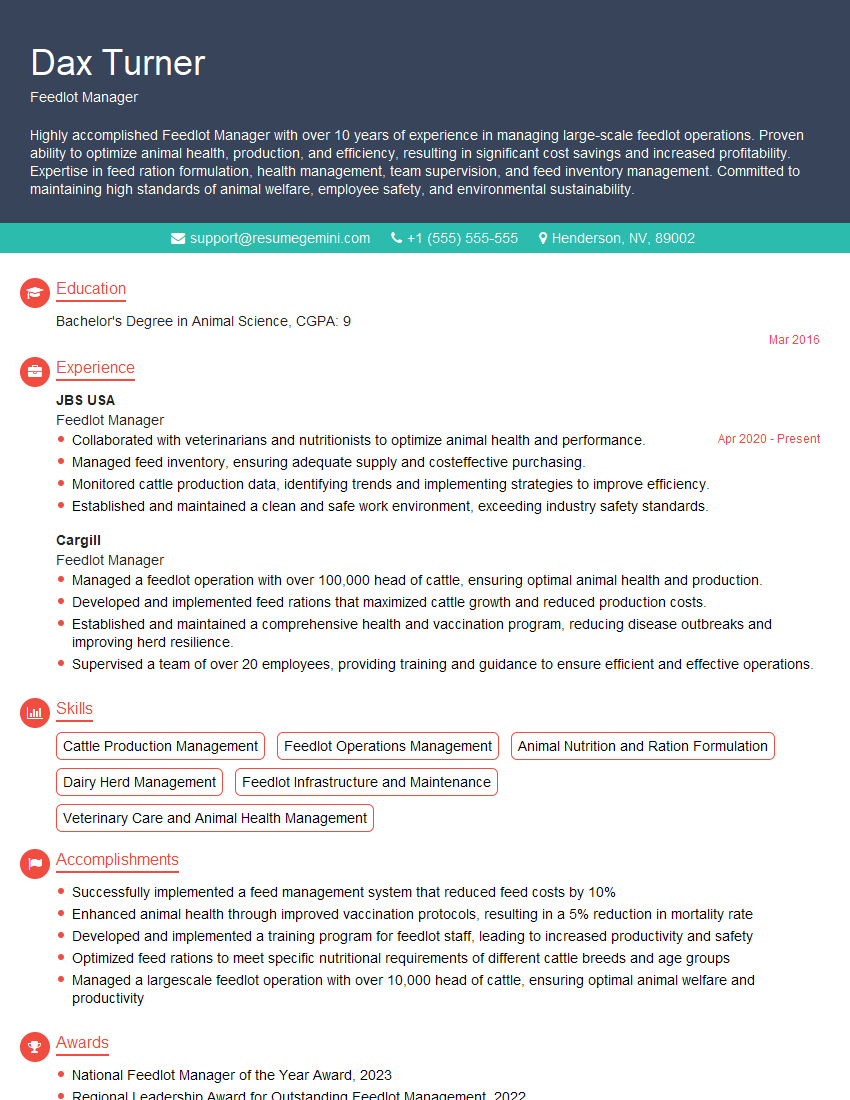
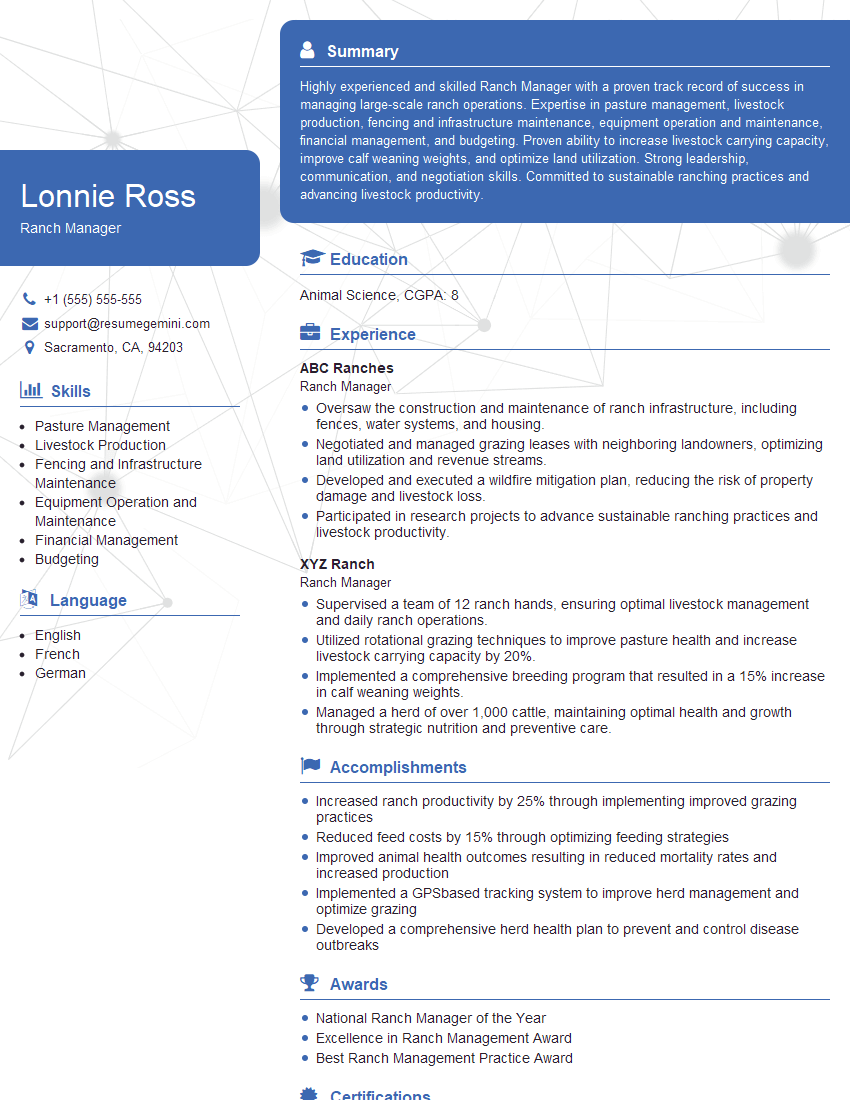
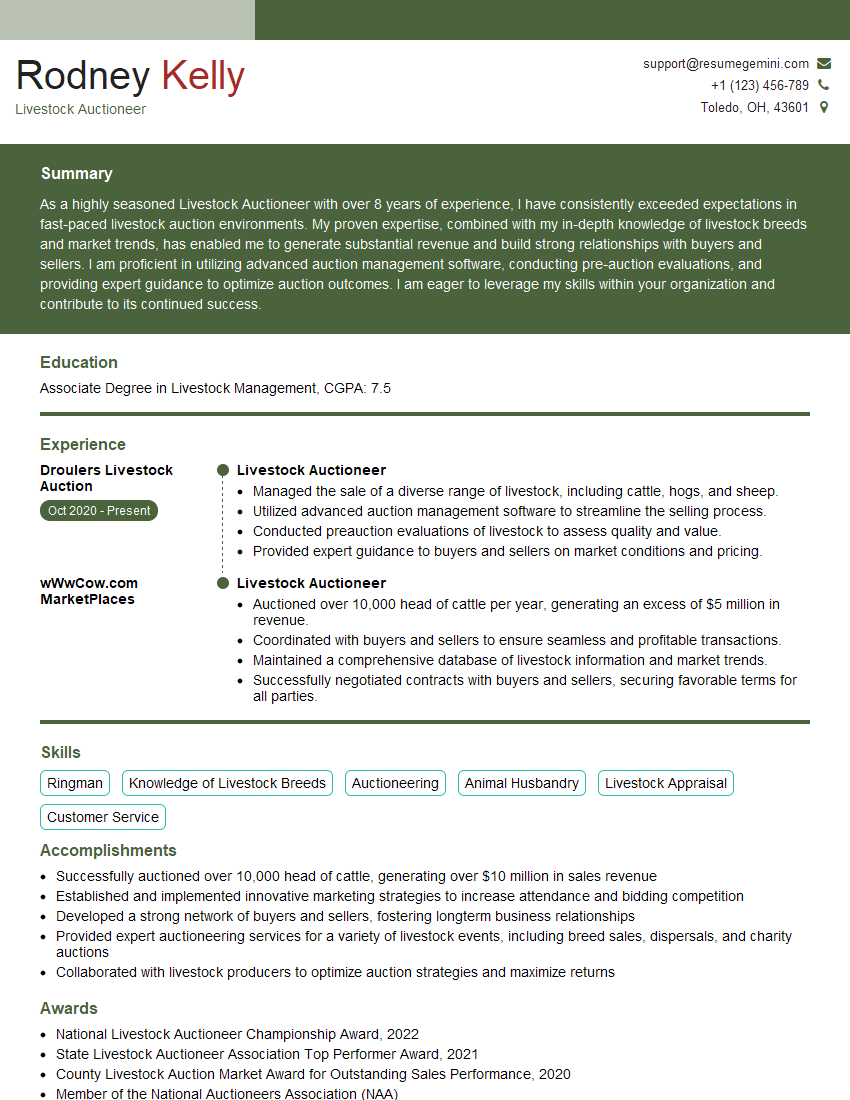
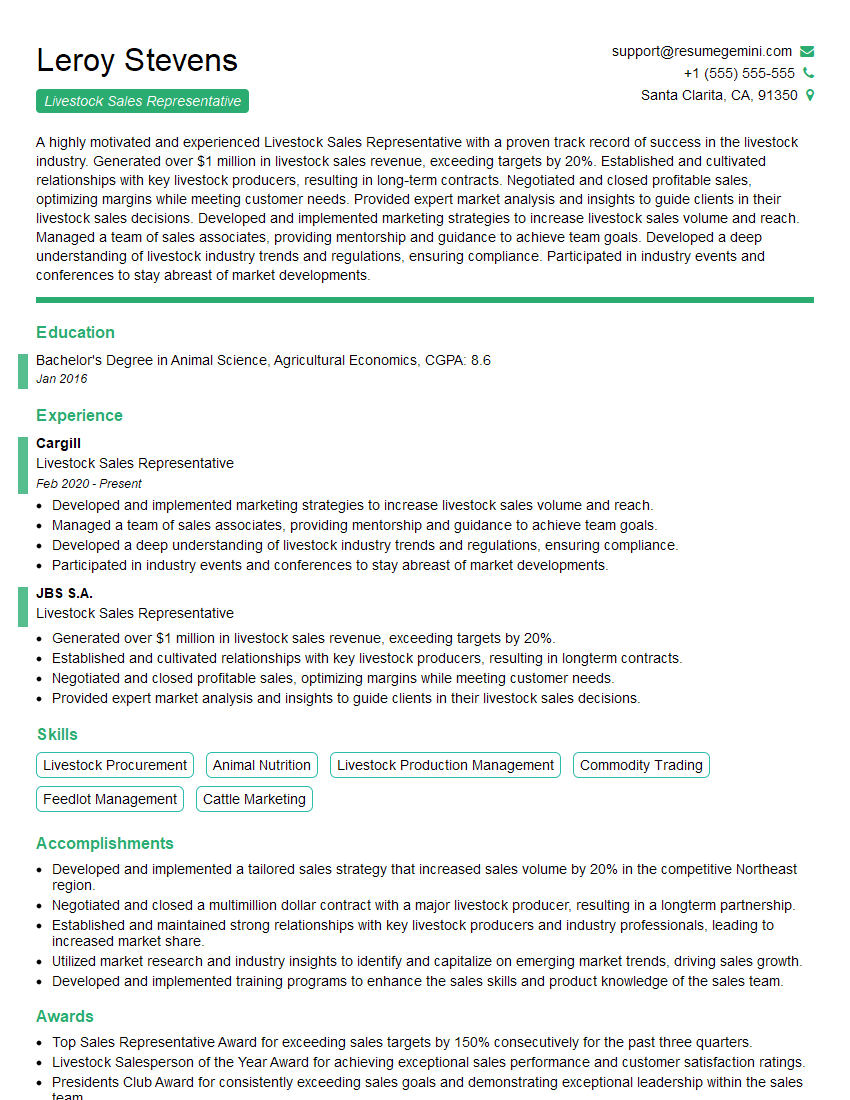
Mastering knowledge of livestock markets is crucial for career advancement in the agricultural and food sectors, opening doors to exciting roles with increased responsibility and earning potential. To maximize your job prospects, a well-crafted, ATS-friendly resume is essential. ResumeGemini can help you build a professional resume that highlights your skills and experience effectively, significantly increasing your chances of securing interviews. ResumeGemini provides examples of resumes tailored to the Knowledge of Livestock Markets field, guiding you through the process of showcasing your expertise in the best possible light.



Explore more articles
Users Rating of Our Blogs
Share Your Experience
We value your feedback! Please rate our content and share your thoughts (optional).
What Readers Say About Our Blog
Really detailed insights and content, thank you for writing this detailed article.
IT gave me an insight and words to use and be able to think of examples