Interviews are more than just a Q&A session—they’re a chance to prove your worth. This blog dives into essential Knowledge of the elements and principles of art interview questions and expert tips to help you align your answers with what hiring managers are looking for. Start preparing to shine!
Questions Asked in Knowledge of the elements and principles of art Interview
Q 1. Explain the seven elements of art and provide an example of each.
The seven elements of art are the fundamental building blocks of any artwork. They are line, shape, form, space, texture, color, and value. Think of them as the ingredients a chef uses to create a delicious meal.
- Line: A mark with length and direction. Example: The outline of a figure in a drawing, or the horizon line in a landscape painting.
- Shape: A two-dimensional area defined by lines or changes in color. Example: A square, circle, or the silhouette of a tree.
- Form: A three-dimensional shape that has height, width, and depth. Example: A sculpture, or the representation of a sphere in a painting.
- Space: The area around, between, and within objects. Example: The negative space around a subject in a photograph, or the illusion of depth in a landscape painting.
- Texture: The surface quality of an object, how it feels or looks like it feels. Example: The rough texture of bark in a painting, or the smooth surface of glass.
- Color: The visual sensation produced by the different wavelengths of light. Example: The vibrant hues in a Monet painting, or the muted tones of a charcoal drawing.
- Value: The lightness or darkness of a color. Example: The gradation of shades from light to dark in a chiaroscuro painting (a technique using strong contrasts between light and shadow).
Q 2. Describe the seven principles of design and illustrate their application in a specific artwork.
The seven principles of design are guidelines that help artists arrange the elements of art to create a unified and effective composition. They are balance, emphasis, movement, rhythm, pattern, unity, and variety. Let’s illustrate these using Vincent van Gogh’s Starry Night.
- Balance: The distribution of visual weight in a composition. In Starry Night, the dark, heavy cypress tree on the left is balanced by the lighter, upward swirling movement of the stars and sky on the right, creating asymmetrical balance.
- Emphasis: Creating a focal point to draw the viewer’s attention. The village in Starry Night, with its bright lights, acts as a primary focal point.
- Movement: Guiding the viewer’s eye through the composition. The swirling lines and dynamic brushstrokes create a sense of movement and energy throughout Starry Night.
- Rhythm: The repetition of elements to create a sense of visual flow. The repetition of swirling lines and star patterns establishes a clear rhythm.
- Pattern: The repetition of elements in a regular or predictable manner. The patterned brushstrokes in the sky create a sense of texture and movement.
- Unity: The sense of wholeness or cohesion in a composition. Despite the many different elements, a sense of unity is achieved through the consistent use of color palette, brushstrokes, and the overall mood.
- Variety: The use of diverse elements to prevent monotony. The combination of swirling lines, distinct shapes of the village, and the contrast between the night sky and the earth creates variety that keeps the viewer engaged.
Q 3. How do the principles of balance, emphasis, and unity work together in a composition?
Balance, emphasis, and unity work together to create a harmonious and engaging composition. Balance distributes visual weight, preventing the artwork from feeling lopsided. Emphasis creates a focal point, drawing the viewer’s eye to the most important part of the artwork. Unity ties everything together, creating a cohesive whole. Consider a photograph of a landscape: balance might involve placing the horizon line slightly off-center; emphasis might be on a striking mountain peak; and unity might be achieved through the consistent use of warm colors and soft light.
Q 4. Discuss the difference between contrast and harmony in visual art.
Contrast and harmony are opposing yet complementary principles. Contrast involves juxtaposing elements that are different—light and dark, warm and cool colors, rough and smooth textures—to create visual excitement and interest. Harmony, on the other hand, involves using similar elements—colors within the same color family, similar shapes, and consistent textures—to create a sense of peace and unity. A painting might use strong color contrast between a bright red object and a deep blue background to draw attention to the red object, while simultaneously using harmonious muted greens and browns in the surrounding landscape to create a sense of calm.
Q 5. Explain how color theory influences artistic expression.
Color theory is crucial in artistic expression. It governs how colors interact with each other, influencing the mood, message, and emotional impact of a piece. Understanding color relationships—such as complementary colors (colors opposite each other on the color wheel) that create vibrant contrast, or analogous colors (colors next to each other on the color wheel) that create harmony—allows artists to create specific effects. For example, using warm colors like reds and oranges might evoke feelings of energy and excitement, while cool colors like blues and greens could convey calmness and serenity.
Q 6. How does perspective affect the perception of depth and space in a two-dimensional artwork?
Perspective is the technique artists use to create the illusion of depth and three-dimensionality on a two-dimensional surface. Linear perspective, for instance, utilizes converging lines to create the illusion of depth; objects further away appear smaller and lines converge towards a vanishing point. Atmospheric perspective uses changes in color and value to suggest depth; distant objects appear lighter, less detailed, and often bluer. These techniques influence how we perceive space and distance within the artwork, making it feel more realistic or evocative.
Q 7. Compare and contrast different types of lines and their expressive qualities.
Lines are incredibly versatile elements with diverse expressive qualities.
- Straight lines: Convey strength, stability, and formality. Think of the rigid lines of a building.
- Curved lines: Suggest grace, fluidity, and movement, as seen in the flowing lines of a dancer’s form.
- Diagonal lines: Imply dynamism, action, and instability. A diagonal line in a landscape painting can create a sense of movement or instability.
- Zigzag lines: Convey excitement, energy, and sometimes even chaos. They can be used to create a sense of urgency or tension.
- Implied lines: Not physically drawn, but created by the arrangement of shapes or the viewer’s gaze. They guide the viewer’s eye through the composition.
The choice of line significantly affects the mood and message of an artwork.
Q 8. Analyze the use of shape and form in a specific artwork.
Shape and form are fundamental elements of art, with shape being two-dimensional and form being three-dimensional. Shape refers to the outline or silhouette of an object, while form encompasses its volume and three-dimensionality. Let’s analyze Pablo Picasso’s Guernica. Picasso masterfully uses geometric shapes – sharp angles and fragmented forms – to represent the chaos and destruction of the bombing of Guernica. The fractured shapes of the human figures, the distorted forms of the horse and bull, all contribute to the overall sense of suffering and violence. The lack of traditional, realistic forms enhances the painting’s emotional impact, forcing the viewer to confront the brutality of war in a visceral way. Conversely, the relatively simple, almost geometric shapes of the building elements and the street give a sense of underlying order disrupted by this chaos. This interplay between simple and complex shapes strengthens the artwork’s emotional power.
Another example is found in the sculptural works of Constantin Brancusi. His Bird in Space series uses simplified, almost abstract forms to represent the essence of a bird in flight, emphasizing the elegance and movement through smooth curves and a sense of implied weightlessness. The simplification of form removes unnecessary details, allowing the viewer to focus on the core idea of flight and movement.
Q 9. Explain the role of texture in enhancing visual appeal.
Texture, referring to the surface quality of an object, plays a crucial role in enhancing visual appeal. It adds a tactile dimension to artwork, engaging not just the eye but also stimulating a sense of touch, even if only imagined. Think of the difference between a smooth, polished surface and a rough, textured one. The smooth surface might evoke feelings of elegance and sophistication, while the rough texture could suggest ruggedness or even a sense of age and history. This affects how we perceive the artwork’s mood and emotional impact.
For example, in a painting, the artist might use impasto, a technique where paint is laid on thickly, creating a visible texture. This can add dynamism and energy to a piece. Conversely, a smooth, blended surface can create a sense of calm and serenity. In graphic design, the use of textures can add depth and visual interest to a website or brochure. A subtly textured background can create a more sophisticated and professional feel compared to a completely flat, solid color background.
Q 10. Describe how value (light and shadow) contributes to the mood and atmosphere of a painting.
Value, the lightness or darkness of a color, is crucial for creating mood and atmosphere in painting. The skillful manipulation of light and shadow can establish depth, volume, and emotional resonance. Chiaroscuro, the dramatic use of light and shadow, is a classic example. Caravaggio’s paintings famously employ this technique to heighten the dramatic effect, often creating a strong contrast between light and dark areas. The strategically placed light sources draw attention to key elements and enhance the narrative, creating a sense of mystery or drama.
Consider a painting with a predominantly dark palette. The use of low-value colors often creates a somber or melancholic mood. Conversely, a painting dominated by bright, high-value colors generally evokes feelings of happiness, joy, or optimism. The interplay of light and shadow also creates a sense of three-dimensionality and volume, making objects appear to have mass and solidity. Therefore, a thoughtful use of value is essential for building an effective composition that conveys specific emotions and feelings to the audience.
Q 11. Explain the concept of visual hierarchy and its importance in design.
Visual hierarchy is the arrangement of elements in a design to guide the viewer’s eye and convey a clear message. It dictates the order in which elements are perceived and determines the emphasis placed on specific parts. A well-established visual hierarchy is essential for effective communication. Imagine a website with cluttered content where all elements have the same visual weight – it would be overwhelming and difficult to navigate. A successful design leads the user smoothly from one point to another, making the intended information easily accessible.
Designers create visual hierarchy using various techniques, including size, color, contrast, position, and typography. Larger elements generally attract attention first. Bright or contrasting colors stand out more than muted ones. Elements placed centrally or at the top tend to be perceived before those located at the bottom or periphery. A clear visual hierarchy ensures that the most important information is highlighted, making the overall message clear and understandable. Poor visual hierarchy, in contrast, can lead to confusion and frustration.
Q 12. How do you apply the principles of Gestalt psychology to design?
Gestalt psychology principles describe how we perceive and organize visual information. They are invaluable tools for designers. These principles include proximity, similarity, closure, continuity, and figure-ground. Proximity suggests that elements placed close together are perceived as a group. Similarity states that similar elements are seen as related. Closure refers to our tendency to complete incomplete shapes. Continuity means we perceive connected elements as belonging together, even if there’s a break. Figure-ground relates to how we distinguish objects from their background.
For example, using proximity, a designer might group related items on a webpage to improve readability. Similarity could be used in creating a logo with consistent visual elements. Closure could be applied to create a logo that is partially hidden or stylized, yet easily recognizable. In web design, navigation menus use continuity, leading the eye from one item to the next. The effective use of figure-ground relationships distinguishes important elements from the background, avoiding visual clutter and improving information presentation. By considering these principles, designers can create designs that are intuitive, easy to understand, and aesthetically pleasing.
Q 13. Discuss the impact of different art movements on contemporary design.
Art movements have profoundly influenced contemporary design. For example, the Bauhaus movement’s emphasis on functionalism, clean lines, and geometric forms is still evident in modern web design and product design. The bold colors and graphic compositions of Pop Art have impacted advertising and branding, and the organic forms and handcrafted textures of the Arts and Crafts movement continue to inspire design trends. Minimalism, with its focus on simplicity and essential elements, has become a dominant force in contemporary design, across various mediums.
The impact of Surrealism is also evident, especially in areas like branding and advertising where unexpected juxtapositions and dreamlike imagery are used to create attention-grabbing designs. The influence of various artistic styles showcases the continuous dialogue between the fine arts and commercial design. Modern designers frequently reinterpret and adapt historical styles to create innovative and relevant works. Understanding the history of art movements is essential for designers to navigate the ever-evolving landscape of aesthetic trends and to develop original and informed creative work.
Q 14. What are some common design mistakes to avoid?
Several common design mistakes should be avoided. One frequent error is poor visual hierarchy, leading to a cluttered and confusing design. Ignoring accessibility guidelines is another mistake that can exclude certain users. Overusing trendy elements without considering context can result in dated and inauthentic design. Inconsistent branding is also a serious issue, undermining brand recognition and trust. Failing to test and iterate on a design before launch can lead to a poor user experience and missed opportunities for improvement.
Another frequent issue is using low-resolution images or graphics which compromises visual quality and professionalism. Neglecting white space makes a design feel cramped and uninviting. Ignoring typography and using inappropriate or difficult-to-read fonts reduces readability and accessibility. Finally, neglecting user research and failing to understand user needs and preferences leads to designs that don’t meet their intended purpose. Addressing these common pitfalls ensures a more effective, accessible, and aesthetically pleasing final product.
Q 15. Describe your process for creating a visual design from concept to completion.
My design process is iterative and highly collaborative, focusing on a deep understanding of the project’s goals before diving into the visual elements. It typically follows these phases:
- Concept & Research: I begin by thoroughly understanding the client’s brief, target audience, and the project’s objectives. This involves market research, competitor analysis, and brainstorming sessions to define the core message and desired aesthetic. For example, designing a logo for a tech startup requires a different approach than designing a brochure for a traditional bakery.
- Sketching & Mood Boarding: I translate initial concepts into visual sketches, exploring different layouts, typography, and color palettes. Mood boards, which are collections of images, textures, and colors, help establish the overall visual direction. This helps to visualize the ‘feel’ of the project, ensuring everyone is on the same page.
- Digital Design & Refinement: Once a preferred concept is selected, I translate the sketches into digital designs using software like Adobe Photoshop, Illustrator, and InDesign. This involves refining the layout, typography, color palettes, and imagery based on feedback and further iterations.
- Testing & Iteration: User testing is crucial. I gather feedback on the usability and aesthetics of the design to identify areas for improvement. This iterative process ensures the final product meets the client’s needs and effectively communicates the intended message.
- Finalization & Delivery: After addressing all feedback, the final design is prepared for delivery, including all necessary files and assets in the correct formats for the intended platforms.
Career Expert Tips:
- Ace those interviews! Prepare effectively by reviewing the Top 50 Most Common Interview Questions on ResumeGemini.
- Navigate your job search with confidence! Explore a wide range of Career Tips on ResumeGemini. Learn about common challenges and recommendations to overcome them.
- Craft the perfect resume! Master the Art of Resume Writing with ResumeGemini’s guide. Showcase your unique qualifications and achievements effectively.
- Don’t miss out on holiday savings! Build your dream resume with ResumeGemini’s ATS optimized templates.
Q 16. How do you incorporate feedback into your design process?
Incorporating feedback is an integral part of my process. I view feedback not as criticism, but as an opportunity for improvement and refinement. My approach is structured and aims for clarity and understanding:
- Active Listening: I carefully listen to feedback, asking clarifying questions to ensure I fully understand the concerns or suggestions.
- Documentation: I document all feedback received, noting the source, the specific issue, and the proposed solution. This organized approach avoids confusion and ensures that all feedback is addressed.
- Prioritization: I prioritize feedback based on its impact on the design’s overall effectiveness and the client’s goals. Some suggestions might be more impactful than others.
- Iteration & Revision: I make the necessary revisions, incorporating feedback where appropriate. I might create multiple versions to showcase different approaches and allow the client to compare and choose their preference.
- Transparency & Communication: I keep the client updated throughout the revision process, explaining the reasoning behind my decisions and ensuring they are satisfied with the final result.
For instance, if feedback indicates that a particular color palette is not impactful enough, I’ll explore alternative color options, presenting different iterations to the client for their approval.
Q 17. Explain your understanding of typography and its role in visual communication.
Typography is the art and technique of arranging type to make written language legible, readable, and appealing. It’s far more than just choosing a font; it’s about creating a visual hierarchy and communicating the message effectively. Different typefaces convey different moods and personalities, influencing how the audience perceives the information.
Consider the impact of serif fonts (like Times New Roman) – often associated with tradition and formality – versus sans-serif fonts (like Arial) – which often project a modern and clean feel. The size, weight (boldness), spacing (kerning and tracking), and leading (line spacing) all contribute to readability and visual appeal. In visual communication, typography guides the reader’s eye, creating a clear visual hierarchy – headings are larger and bolder, body text is smaller and more easily digestible. Incorrect typography can result in a messy, hard-to-read design, while well-executed typography can greatly enhance the design’s impact and professionalism.
Q 18. How do you choose the appropriate color palette for a specific project?
Choosing the right color palette is crucial for establishing the right mood and tone. My approach is strategic and involves a deep understanding of color psychology and the project’s goals:
- Project Goals & Target Audience: I start by understanding the client’s objectives and the intended audience. For example, a children’s book will require a brighter, more playful palette than a corporate report.
- Brand Identity: If the design is for an established brand, I adhere to their existing brand guidelines, ensuring color consistency across all materials.
- Mood & Emotion: I consider the desired emotional response. Warm colors (reds, oranges, yellows) evoke feelings of warmth, energy, and excitement, while cool colors (blues, greens, purples) create a sense of calm, trust, and sophistication.
- Color Theory: I apply principles of color theory, considering factors like color harmony (complementary, analogous, triadic), contrast, and saturation. Tools like Adobe Color can assist in creating balanced palettes.
- Accessibility: Color choices must consider accessibility guidelines, ensuring sufficient contrast between text and background colors for readability.
For example, a calming spa would benefit from a palette of cool blues and greens, while a fast-food restaurant might use vibrant reds and yellows to stimulate appetite.
Q 19. Discuss your experience with different design software (e.g., Adobe Photoshop, Illustrator, InDesign).
I’m proficient in Adobe Creative Suite applications – Photoshop, Illustrator, and InDesign – each serving a unique purpose in my workflow.
- Photoshop: Primarily used for raster-based image editing, retouching, and creating photorealistic elements. I use it for things like image manipulation, color correction, and creating complex photo composites.
- Illustrator: Ideal for vector-based graphics, logos, illustrations, and creating scalable artwork. The vector nature allows for resizing without loss of quality.
- InDesign: My go-to for page layout and typesetting, especially for documents like brochures, books, and magazines. It offers powerful tools for managing text, images, and overall page structure.
I also have experience with Figma for collaborative design and prototyping, which is increasingly important in modern design workflows.
Q 20. How do you maintain consistency in design across various platforms?
Maintaining design consistency across platforms is essential for brand recognition and a cohesive user experience. My strategy focuses on establishing a comprehensive style guide:
- Style Guide Development: This document outlines all aspects of the design, including logo usage, typography, color palettes, imagery style, and even spacing and button styles. This serves as the single source of truth for all design elements.
- Component-Based Design: When possible, I use modular design principles, creating reusable design components that maintain consistency across different platforms. This helps avoid errors and reduces repetition.
- Responsive Design Principles: For web and mobile applications, I follow responsive design principles, ensuring the design adapts seamlessly to different screen sizes and devices.
- Version Control: Utilizing version control systems (like Git) for collaborative projects allows for tracking changes and ensuring everyone is working with the most up-to-date version of the style guide and design assets.
- Regular Reviews: Periodic reviews of the style guide and designs ensure ongoing consistency and address any inconsistencies that may have emerged over time.
Think of a brand like Coca-Cola; their logo, color scheme, and typography remain consistent across all their products and marketing materials globally. This consistency reinforces their brand identity.
Q 21. Explain your understanding of user experience (UX) and user interface (UI) design principles.
User Experience (UX) design focuses on the overall experience a user has when interacting with a product or service, while User Interface (UI) design focuses on the visual elements and the way the user interacts with those elements. They work hand-in-hand.
UX principles involve understanding user needs, conducting user research (surveys, interviews, usability testing), and designing intuitive and user-friendly workflows. A good UX prioritizes efficiency, ease of use, and overall user satisfaction. Key principles include:
- User-centered design: Prioritizing user needs and feedback throughout the design process.
- Information architecture: Organizing information in a logical and easy-to-navigate structure.
- Usability testing: Evaluating the effectiveness and efficiency of the design through user testing.
UI principles focus on the visual aspects, such as layout, typography, color, and interactions. A good UI should be aesthetically pleasing, consistent, and easy to understand. Key principles include:
- Visual hierarchy: Guiding the user’s eye through the interface using visual cues.
- Consistency: Maintaining a consistent visual style and interaction patterns throughout the interface.
- Accessibility: Designing for users with disabilities, ensuring the interface is usable for everyone.
For example, a well-designed e-commerce website (good UX/UI) would have a clear navigation menu, intuitive search functionality, and a visually appealing product display. A poorly designed website (bad UX/UI) might be difficult to navigate, have confusing layouts, and frustrating checkout processes.
Q 22. How do you stay updated with current design trends?
Staying current in the dynamic world of design requires a multi-faceted approach. I actively engage with several key resources. Firstly, I religiously follow prominent design blogs and publications such as Awwwards, DesignBoom, and Behance, absorbing the latest trends and innovative techniques. Secondly, I attend industry conferences and workshops – events like Adobe MAX or local design meetups – to network with peers and learn firsthand about emerging technologies and design philosophies. Thirdly, I leverage social media platforms like Instagram and Pinterest, carefully curating my feed to feature influential designers and studios whose work consistently pushes creative boundaries. Finally, I actively participate in online design communities and forums, engaging in discussions and sharing knowledge, which often reveals hidden trends and insightful perspectives.
Q 23. Describe your approach to solving design challenges.
My approach to design challenges is systematic and iterative. It starts with a deep understanding of the client’s needs and the project’s goals. I employ a design thinking methodology, beginning with empathy – truly understanding the user experience and target audience. Next, I define the problem concisely, often using mind-mapping or sketching to brainstorm potential solutions. I then generate multiple concepts, exploring diverse styles and approaches before refining the most promising ideas. This involves rigorous testing and feedback, often through user testing and usability studies. The process is iterative, meaning I consistently refine and improve the design based on the feedback received. Finally, I meticulously document the design rationale and decisions, ensuring clarity and reproducibility.
Q 24. Give an example of a project where you successfully applied the principles of art and design.
In a recent project for a local museum, I designed an interactive exhibit focusing on ancient civilizations. The challenge was to present complex historical information in an engaging and accessible manner, particularly for younger audiences. I successfully applied several art and design principles. For example, I used the principle of hierarchy to guide the viewer’s eye through the information, using varying font sizes, bolding, and visual cues to highlight key concepts. The principle of unity was achieved through consistent use of color palettes and typography, creating a cohesive visual language. I incorporated contrast to emphasize key details and create visual interest, using vibrant colors against a neutral background. Furthermore, I utilized the principle of balance, distributing visual elements symmetrically to create a sense of harmony and order. The resulting exhibit received positive reviews, demonstrating the effectiveness of applying these principles.
Q 25. How do you measure the success of a design project?
Measuring the success of a design project involves a multifaceted approach that goes beyond aesthetics. I assess success through a combination of quantitative and qualitative metrics. Quantitative metrics might include website traffic, user engagement (time spent on site, click-through rates), sales conversions, or app downloads. Qualitative metrics are equally important and include user feedback through surveys, interviews, or A/B testing results. I also consider whether the design achieved its intended purpose, met the client’s goals, and adhered to the project’s budget and timeline. Ultimately, successful design is not solely about pleasing aesthetics, but about creating effective, efficient, and engaging user experiences.
Q 26. Describe your strengths and weaknesses as a visual artist or designer.
My greatest strengths lie in my conceptual thinking and problem-solving abilities. I’m adept at translating complex ideas into visually compelling designs. I also possess strong technical skills in various design software and a keen eye for detail. However, I recognize that perfectionism can sometimes slow down my workflow. I’m actively working on improving my time management skills to better balance the need for meticulous detail with efficient project delivery. I also actively seek feedback to mitigate potential biases in my design choices.
Q 27. How do you handle constructive criticism?
I welcome constructive criticism as an invaluable opportunity for growth. I approach feedback with an open mind, actively listening and seeking to understand the critic’s perspective. I carefully consider the validity of the criticism, separating subjective opinions from objective observations. If the criticism is valid, I use it to refine my work and improve my design process. I view feedback not as personal attack, but as a tool for improvement, leading to stronger designs in the future.
Q 28. What are your salary expectations?
My salary expectations are commensurate with my experience and skills, and are competitive within the industry. I’m open to discussing a specific salary range after learning more about the specifics of the role and the company’s compensation structure.
Key Topics to Learn for Knowledge of the Elements and Principles of Art Interview
- Elements of Art: Understand the fundamental building blocks – Line, Shape, Form, Space, Color, Value, and Texture. Be prepared to discuss how these elements interact and create visual impact.
- Principles of Art: Master the principles that guide the arrangement of elements – Balance, Emphasis, Contrast, Rhythm, Movement, Unity, and Pattern. Practice analyzing artwork through this lens.
- Color Theory: Demonstrate a thorough understanding of color wheels, color harmonies (e.g., complementary, analogous), and the psychological effects of color choices. Be ready to explain your color selections in a design context.
- Composition and Design: Discuss different compositional techniques (e.g., rule of thirds, golden ratio) and their impact on visual communication. Prepare examples from your portfolio.
- Art History and Movements: Develop familiarity with major art historical periods and movements. Be able to connect specific artistic styles to their underlying principles and elements.
- Practical Application: Be prepared to discuss how you’ve applied these principles and elements in your past projects. Think about specific examples and how you solved design challenges.
- Critique and Analysis: Practice analyzing artwork and providing constructive criticism. Focus on identifying the use of elements and principles and evaluating their effectiveness.
Next Steps
Mastering the elements and principles of art is crucial for career advancement in creative fields. A strong understanding of these concepts will showcase your artistic abilities and problem-solving skills to potential employers. To increase your job prospects, focus on building an ATS-friendly resume that highlights your skills and accomplishments effectively. ResumeGemini is a trusted resource that can help you create a professional and impactful resume. Examples of resumes tailored to showcasing expertise in the knowledge of the elements and principles of art are available through ResumeGemini to help you get started.
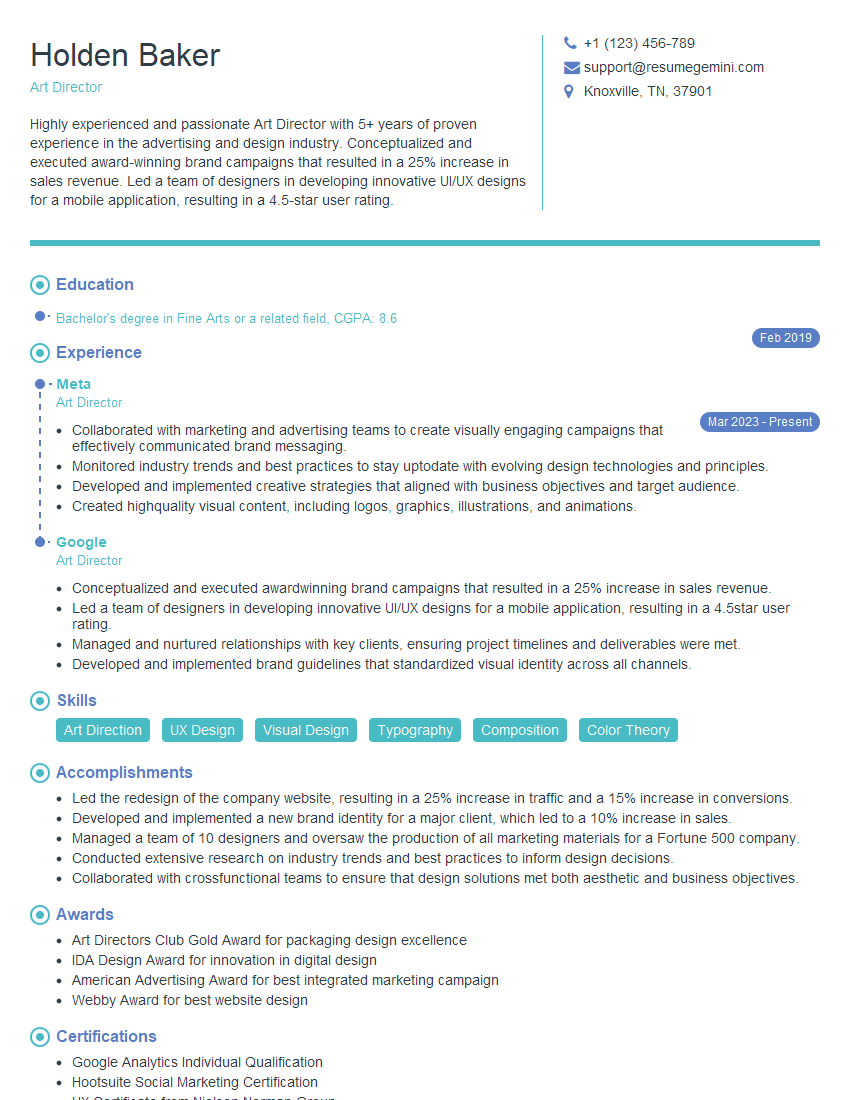
Art Director Resume Sample
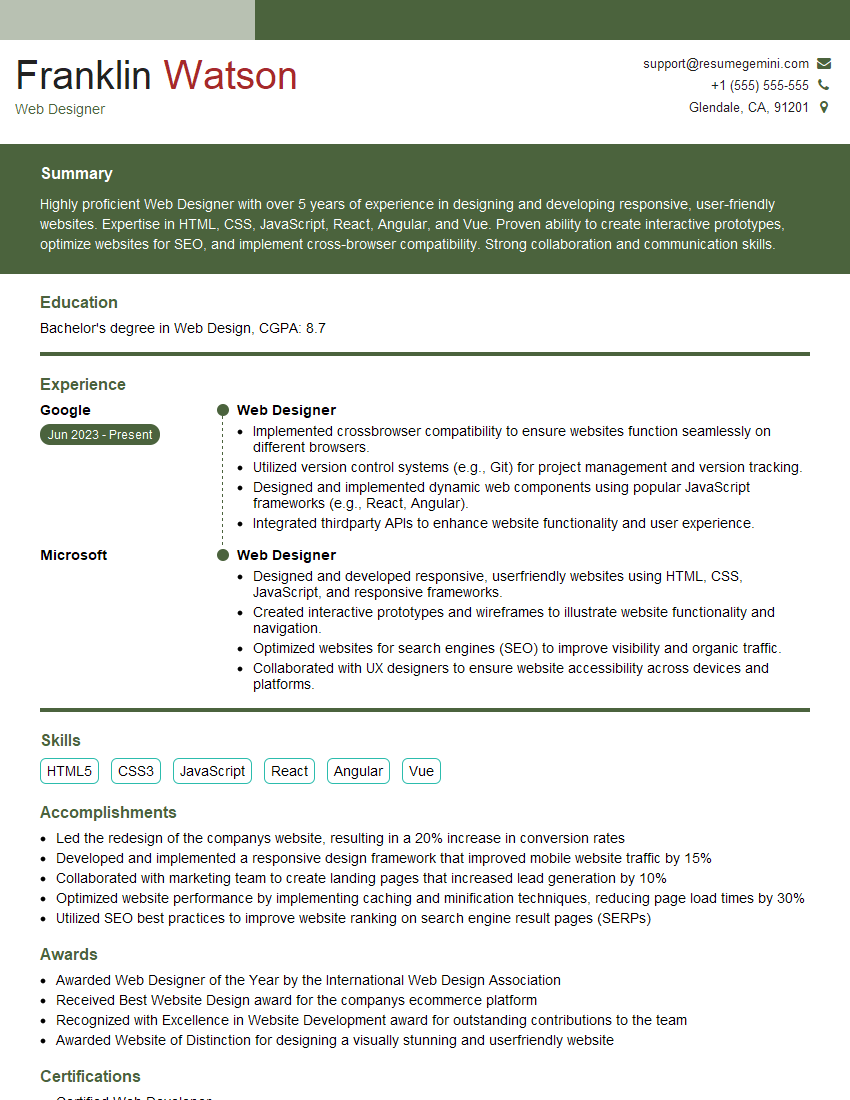
Web Designer Resume Sample
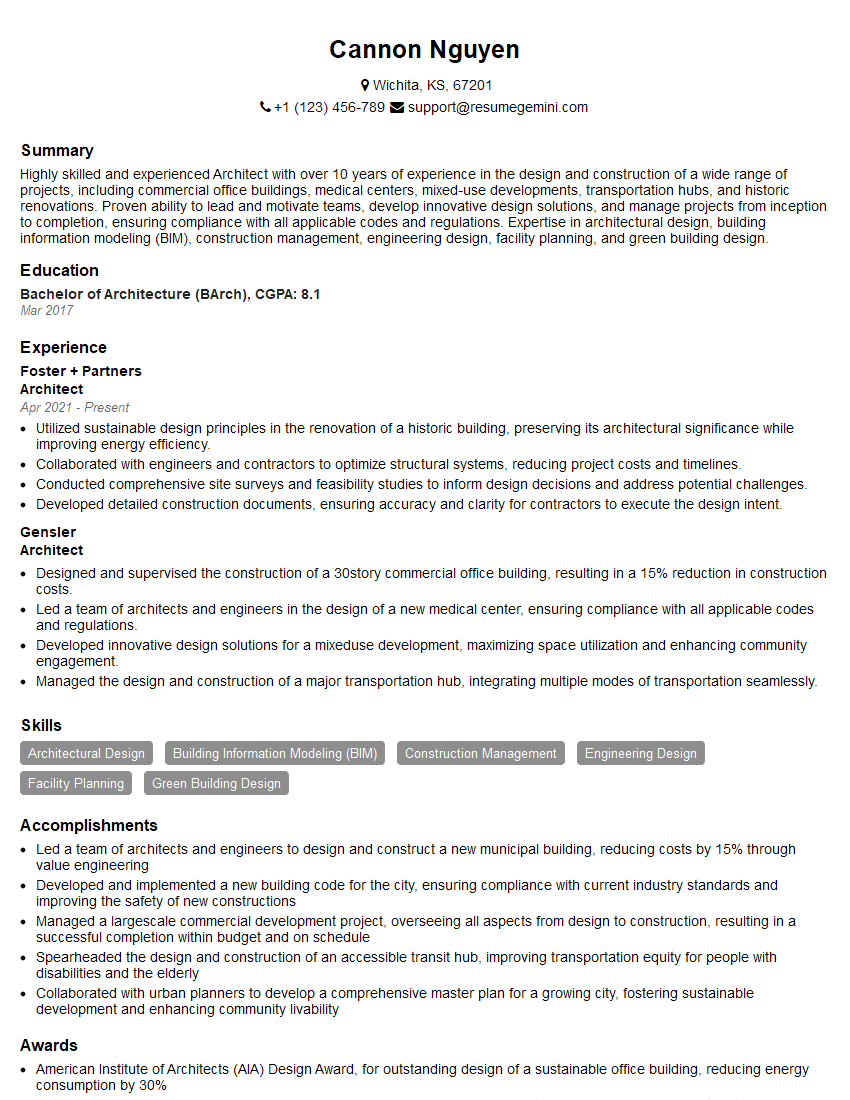
Architect Resume Sample
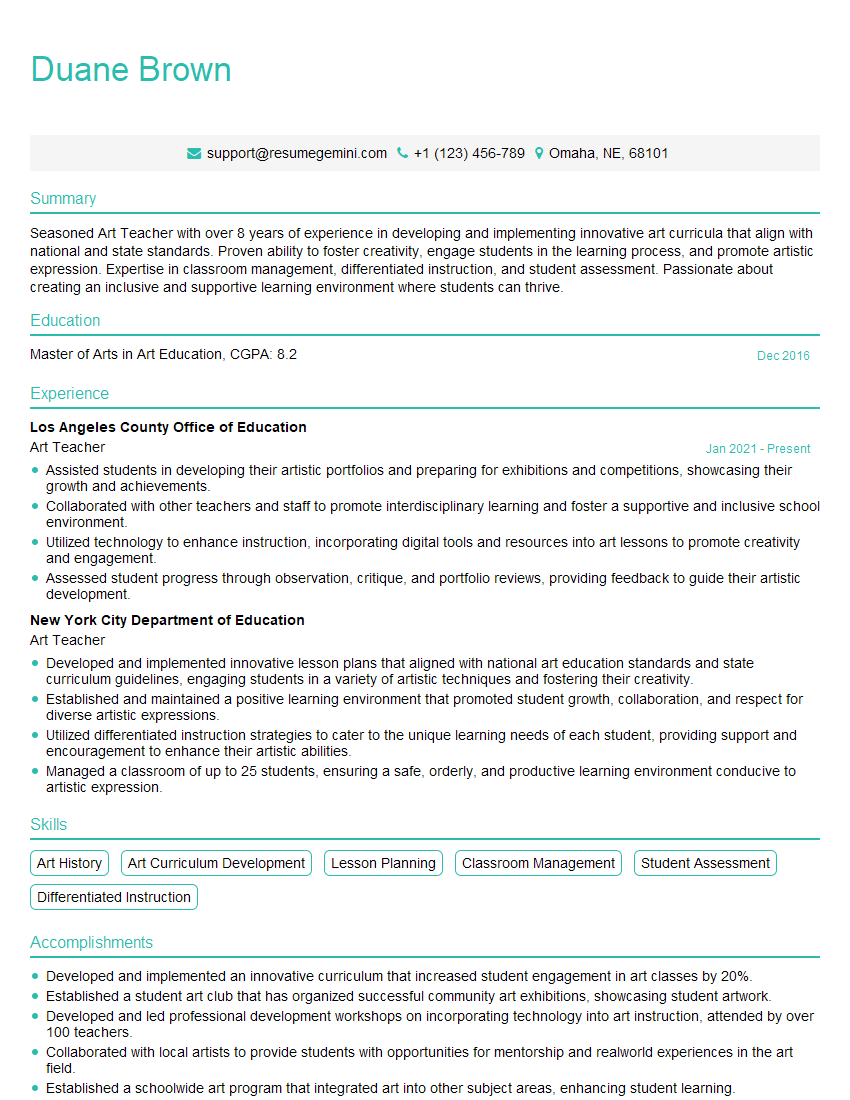
Art Teacher Resume Sample
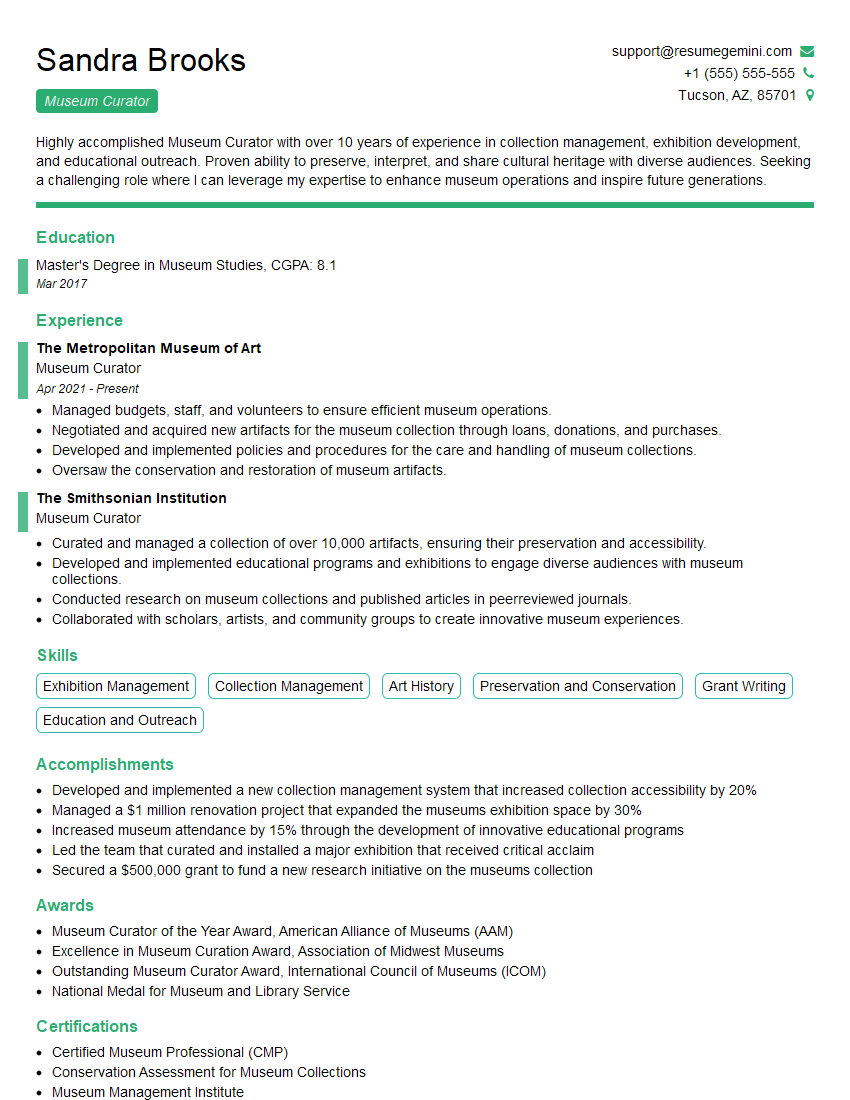
Museum Curator Resume Sample
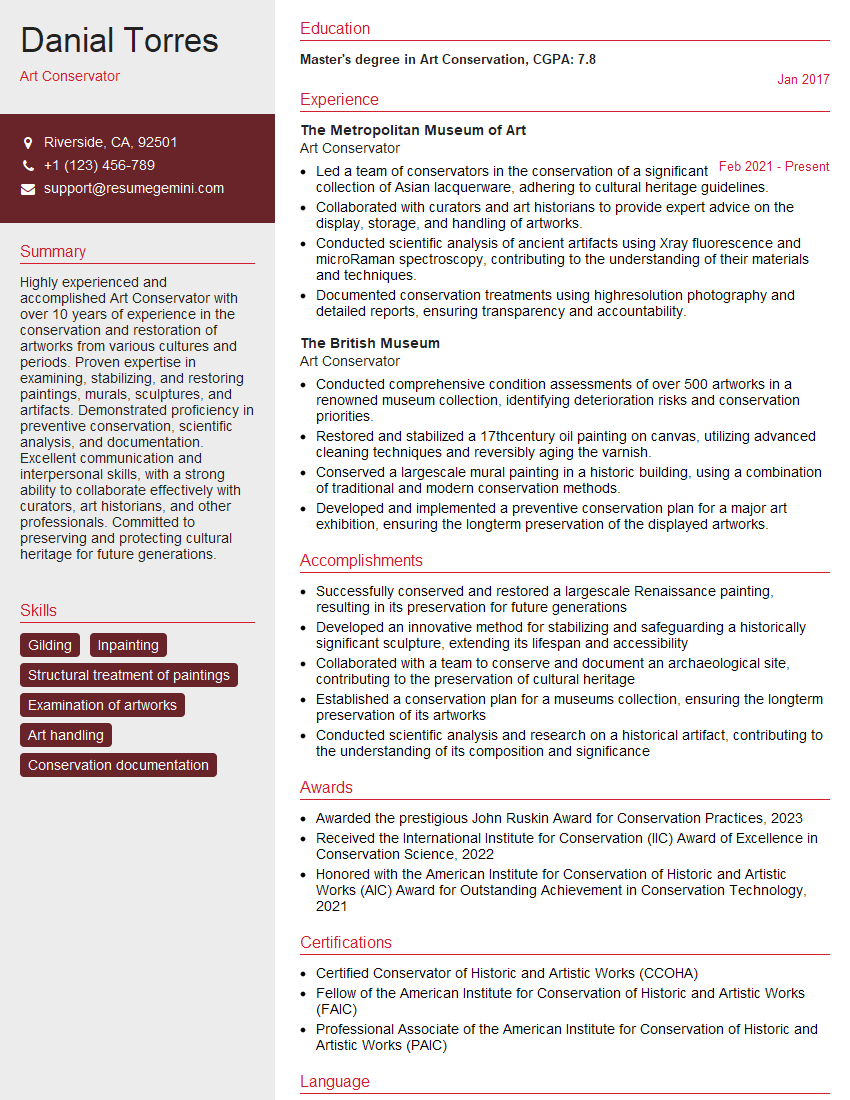
Art Conservator Resume Sample
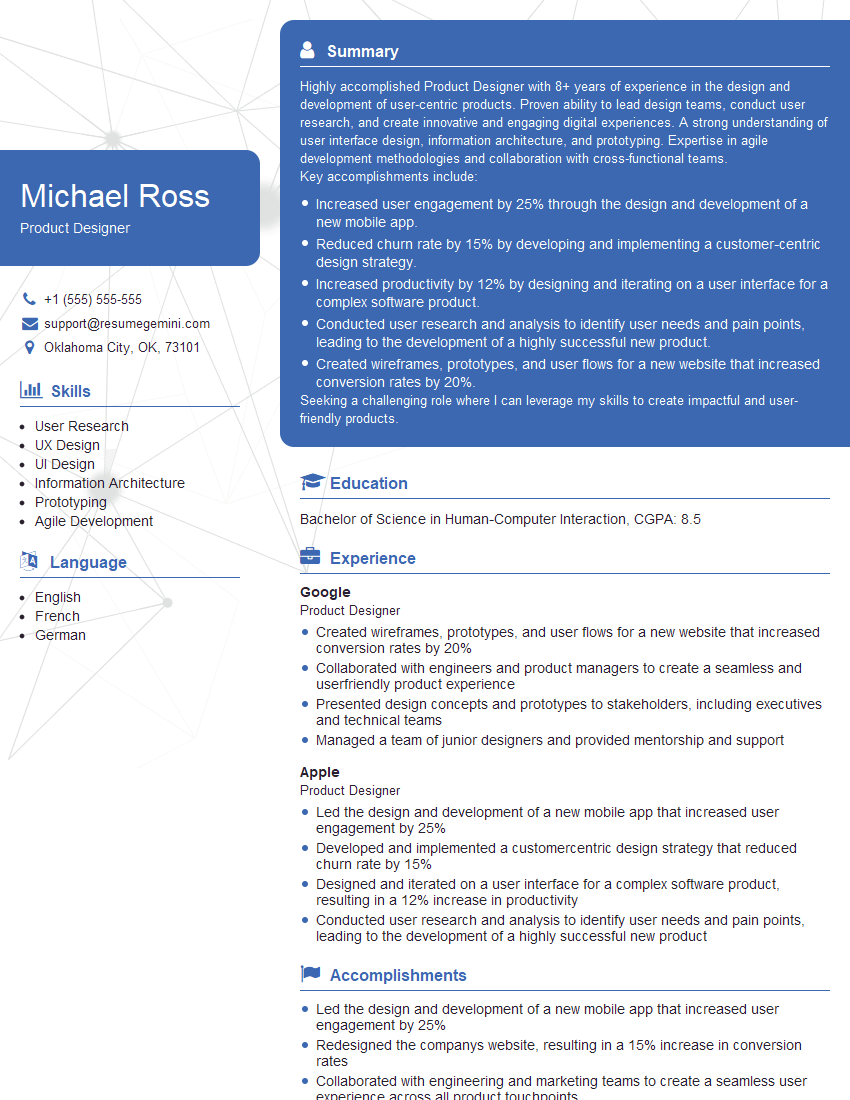
Product Designer Resume Sample
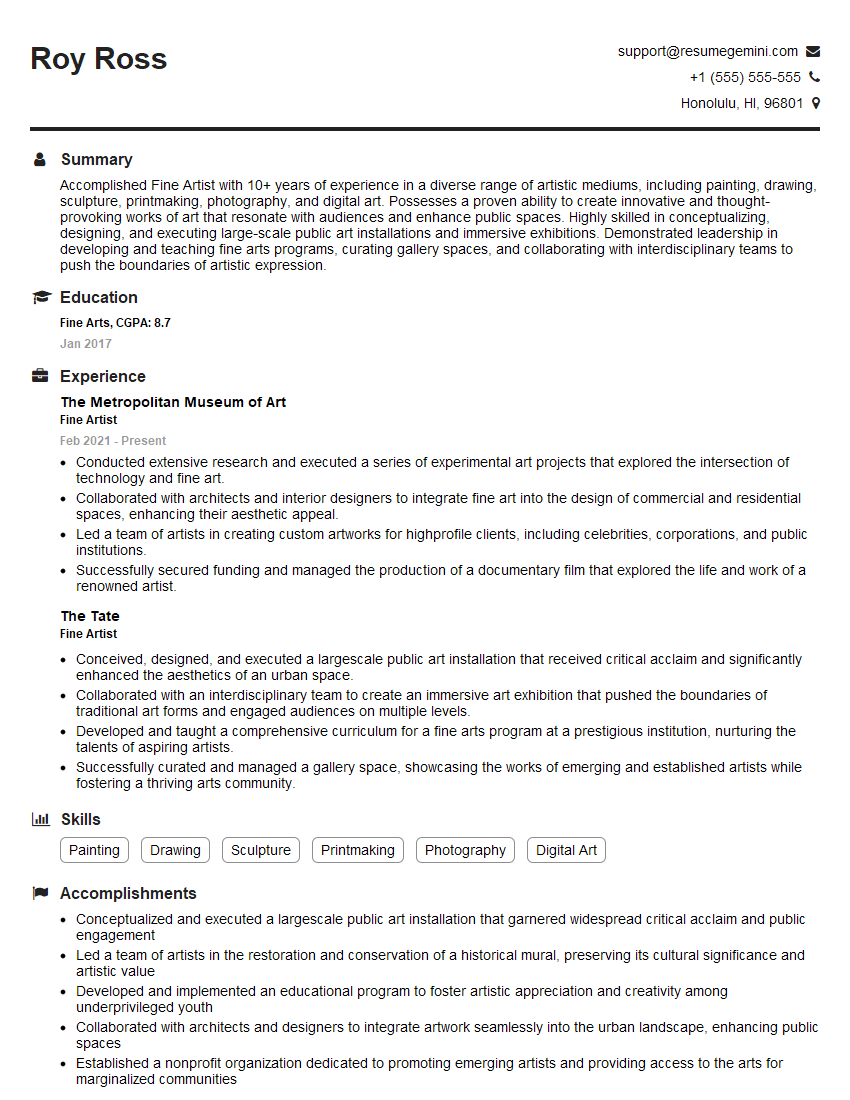
Fine Artist Resume Sample
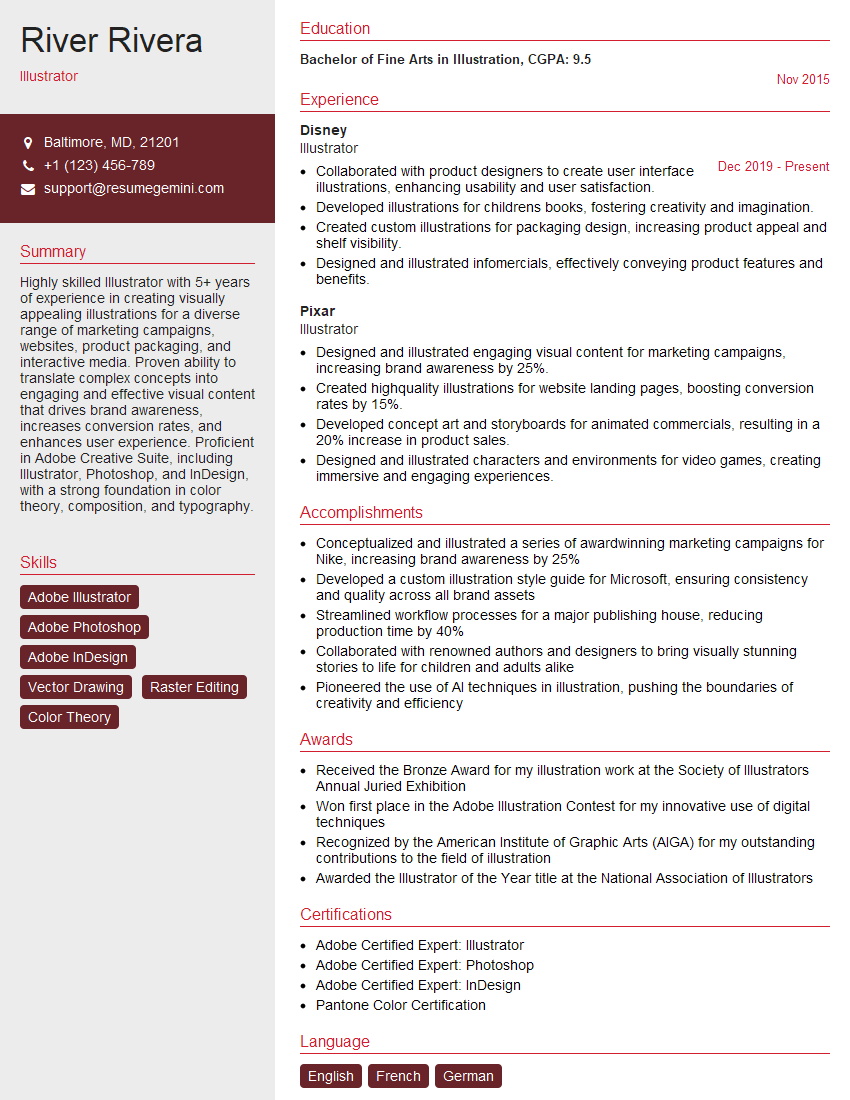
Illustrator Resume Sample
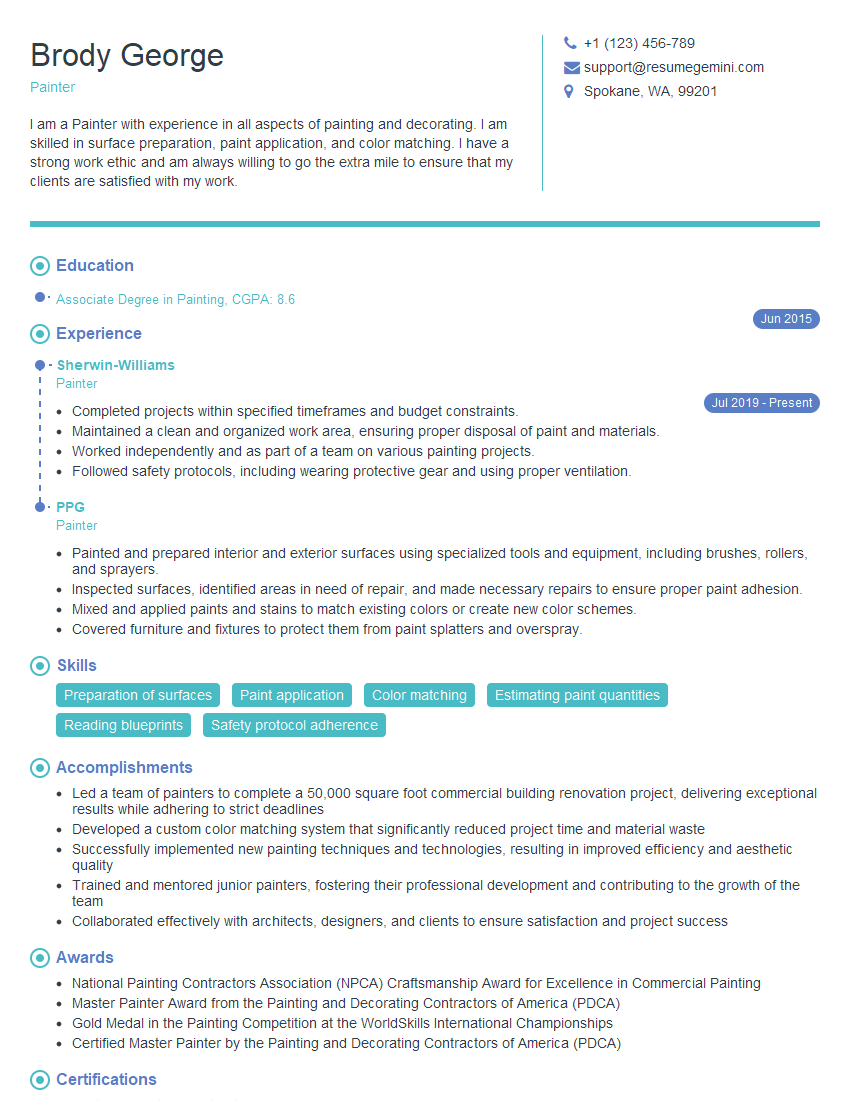
Painter Resume Sample
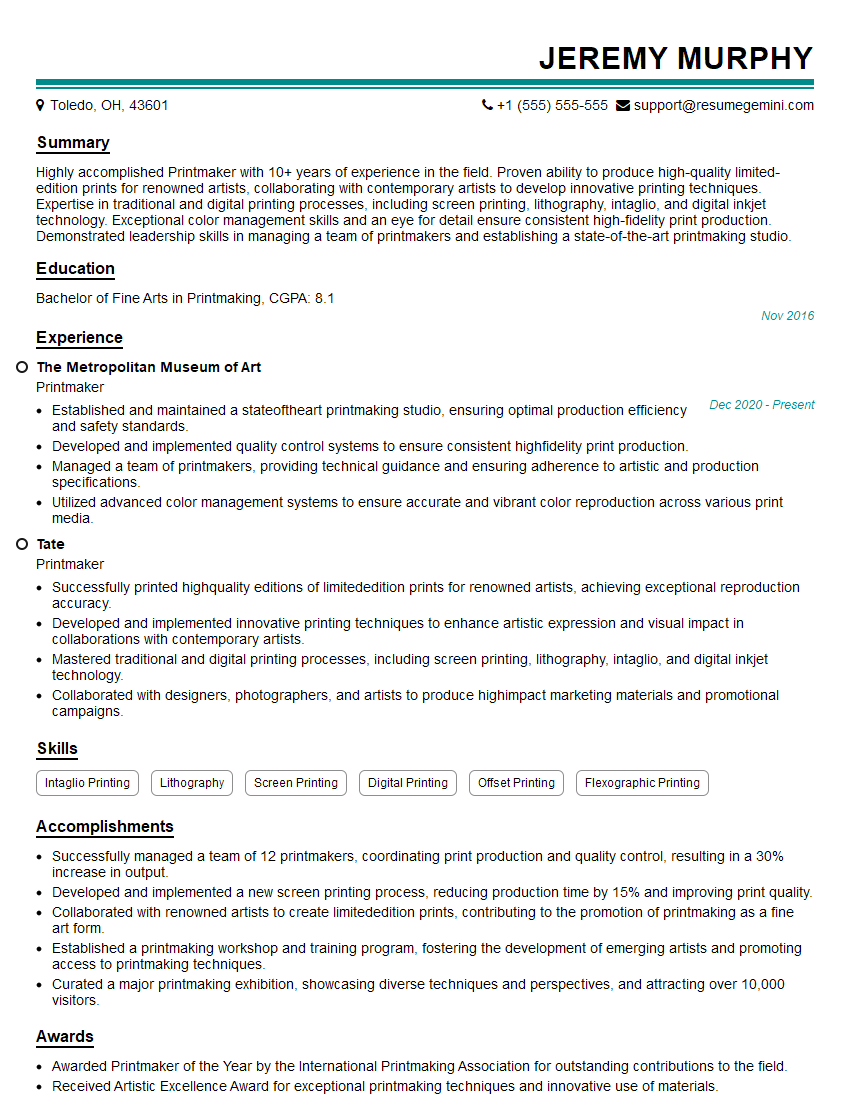
Printmaker Resume Sample
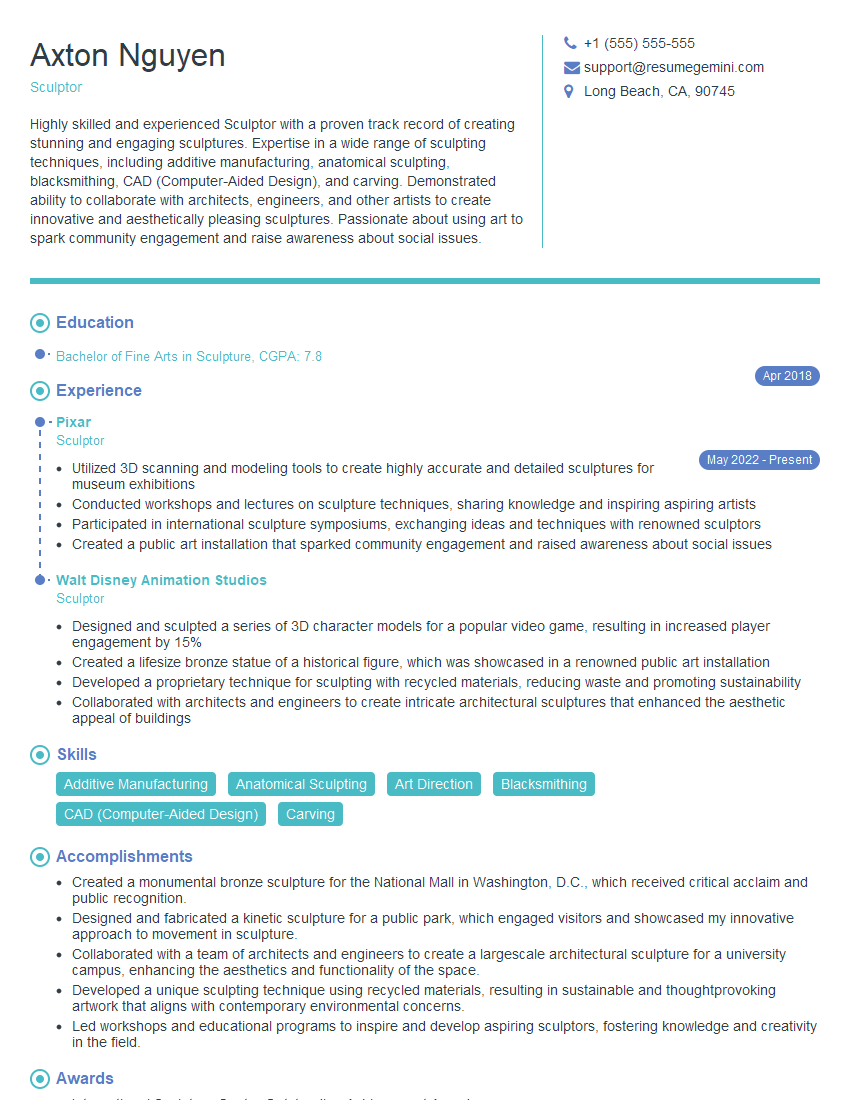
Sculptor Resume Sample
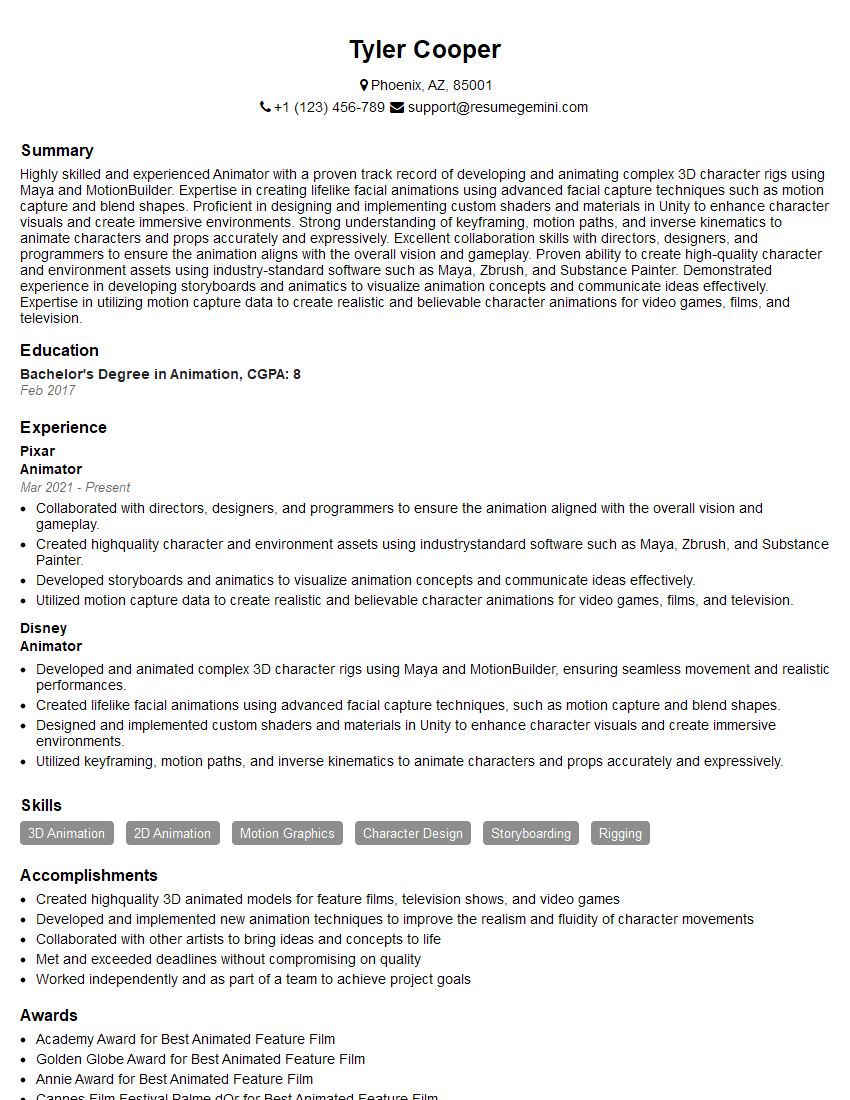
Animator Resume Sample
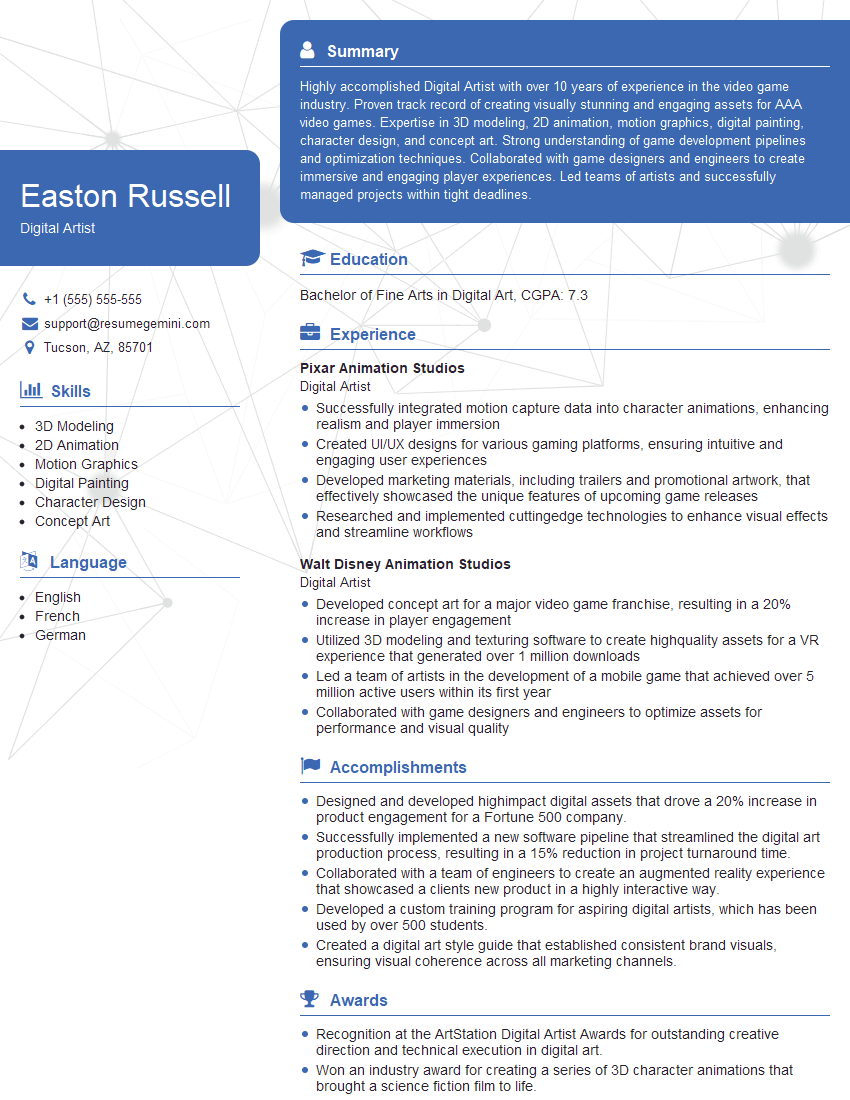
Digital Artist Resume Sample
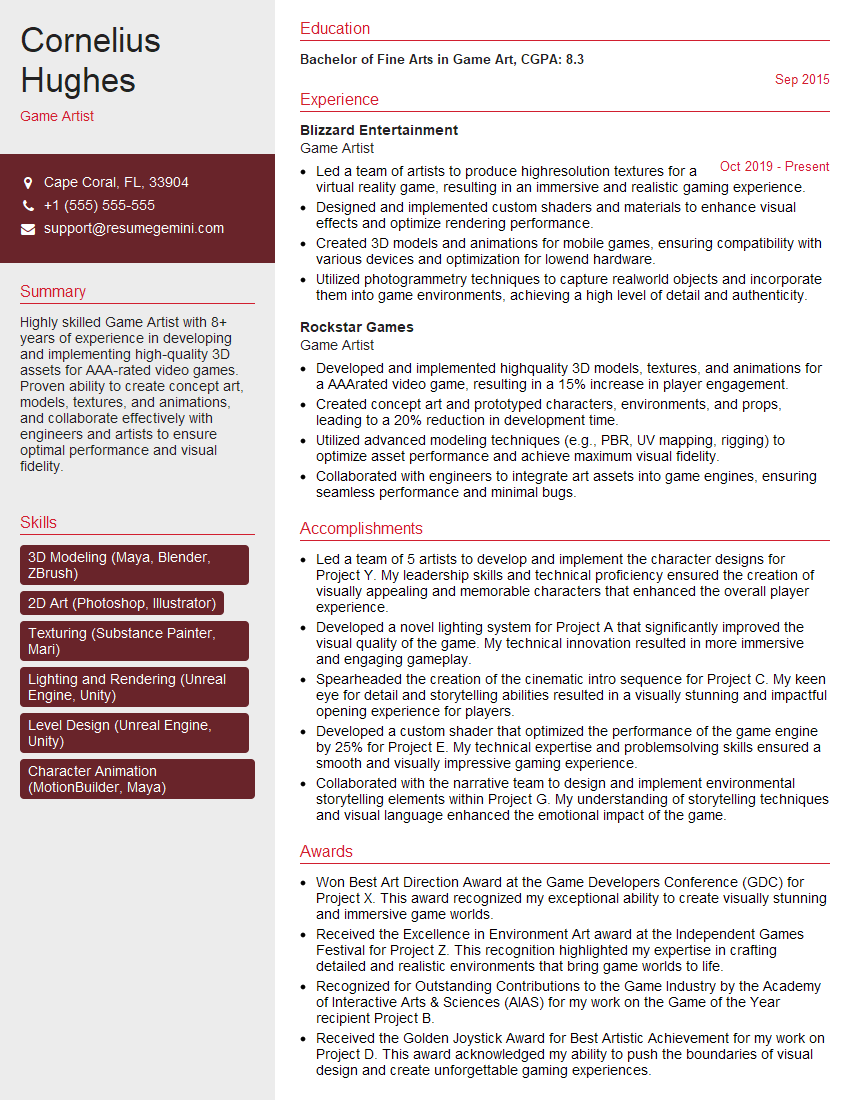
Game Artist Resume Sample
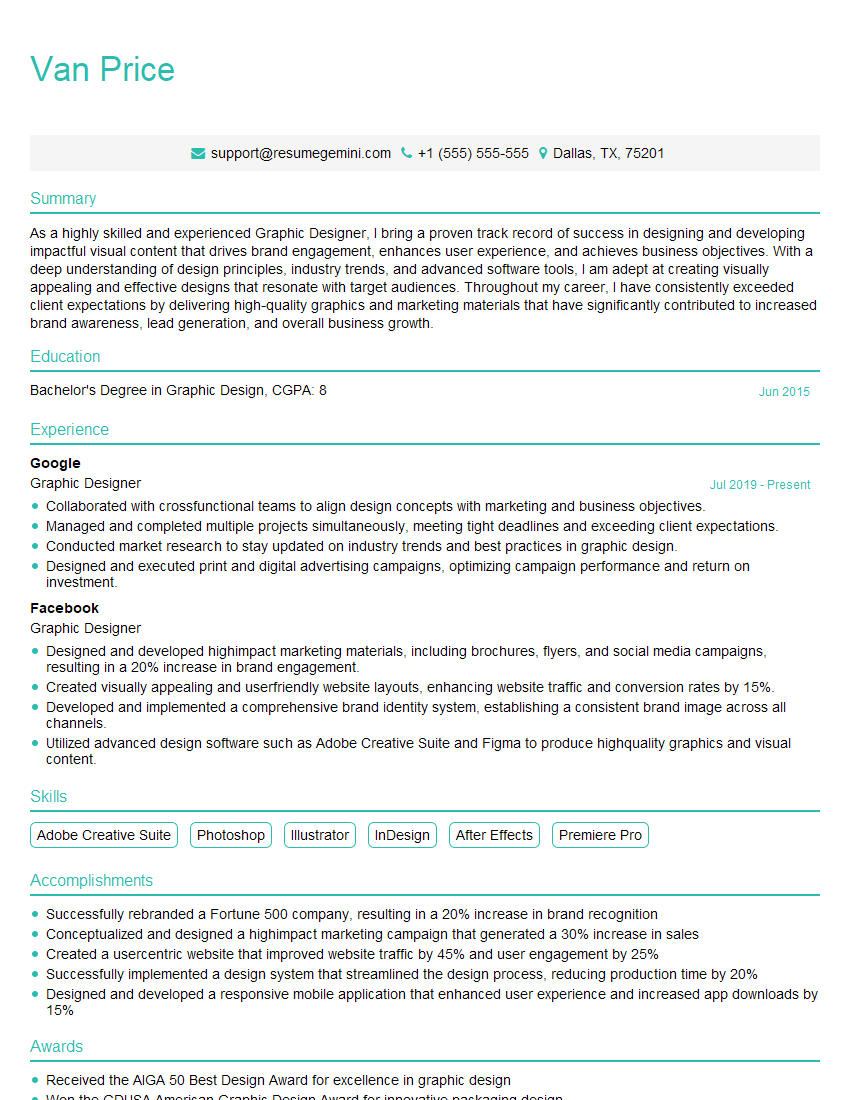
Graphic Designer Resume Sample
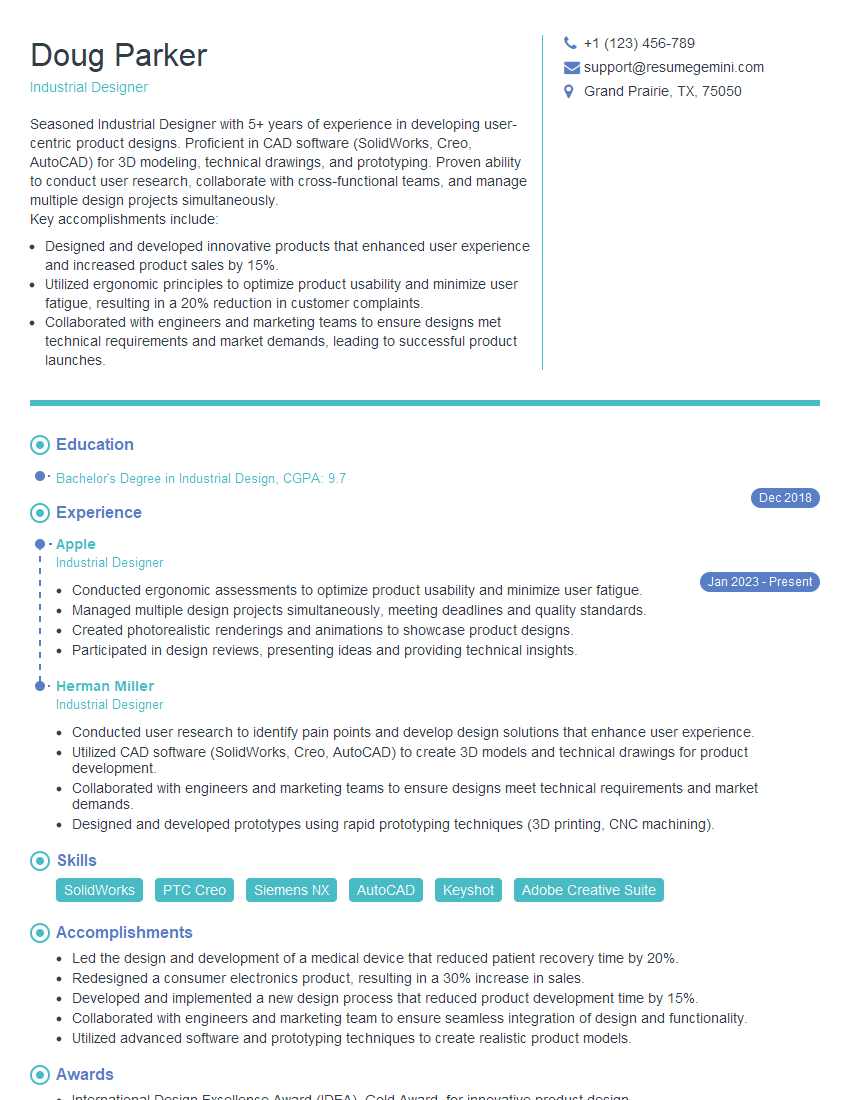
Industrial Designer Resume Sample
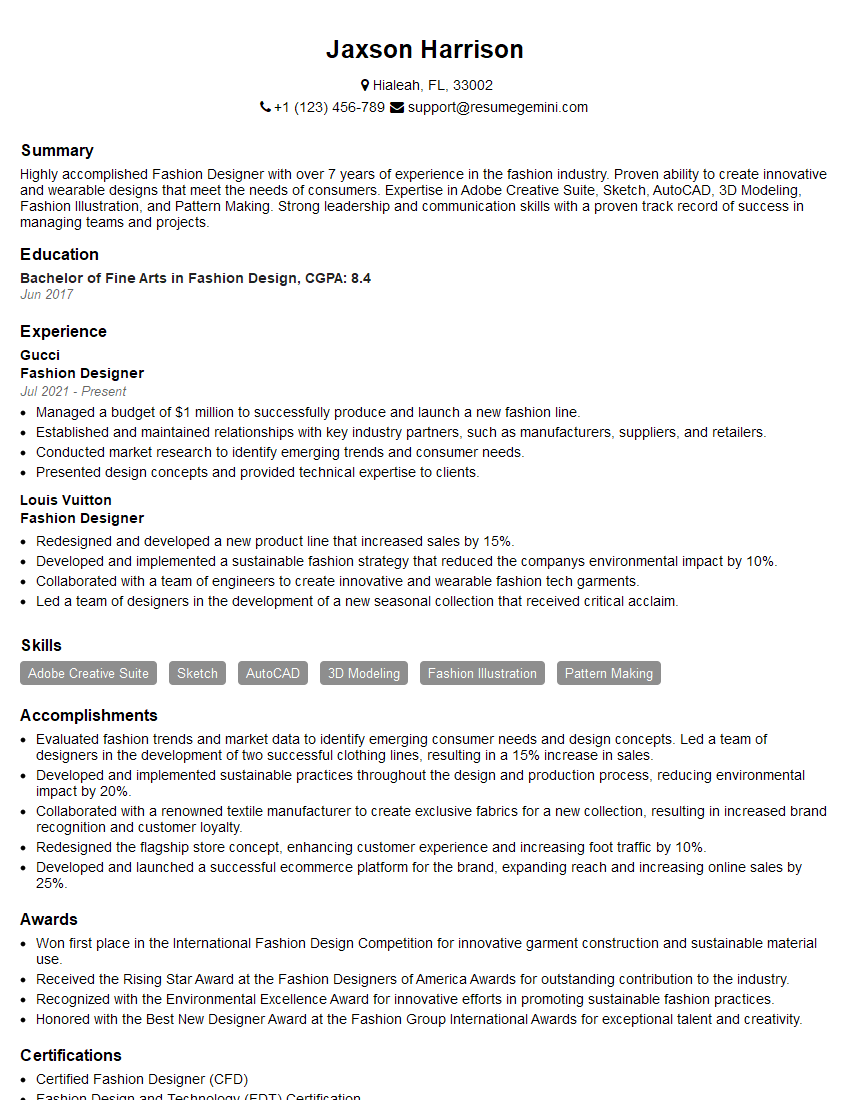
Fashion Designer Resume Sample
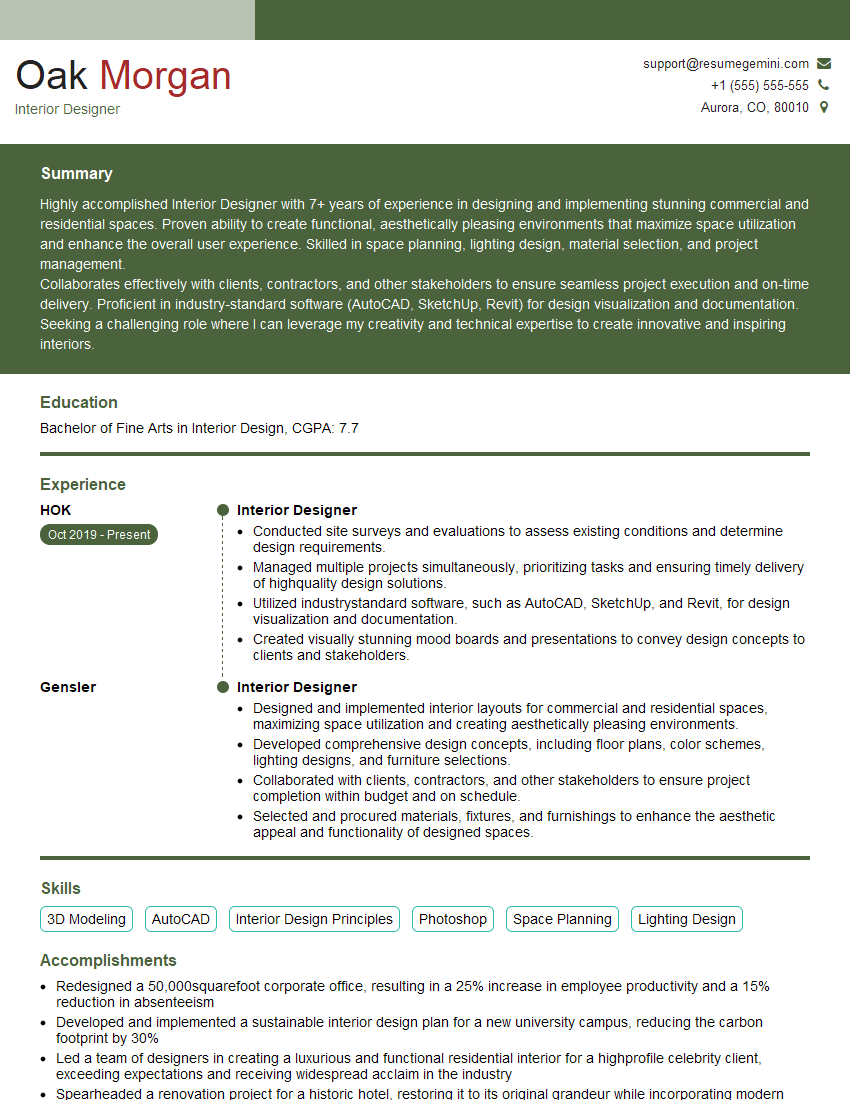
Interior Designer Resume Sample
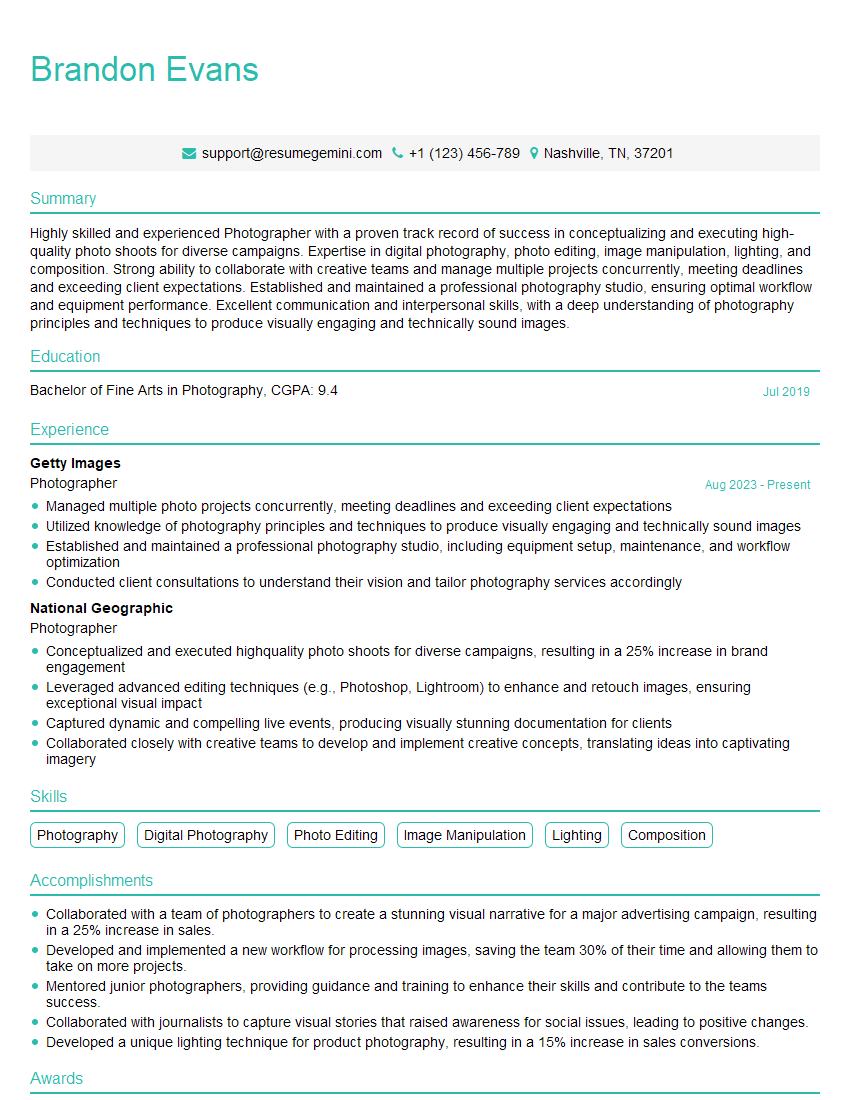
Photographer Resume Sample
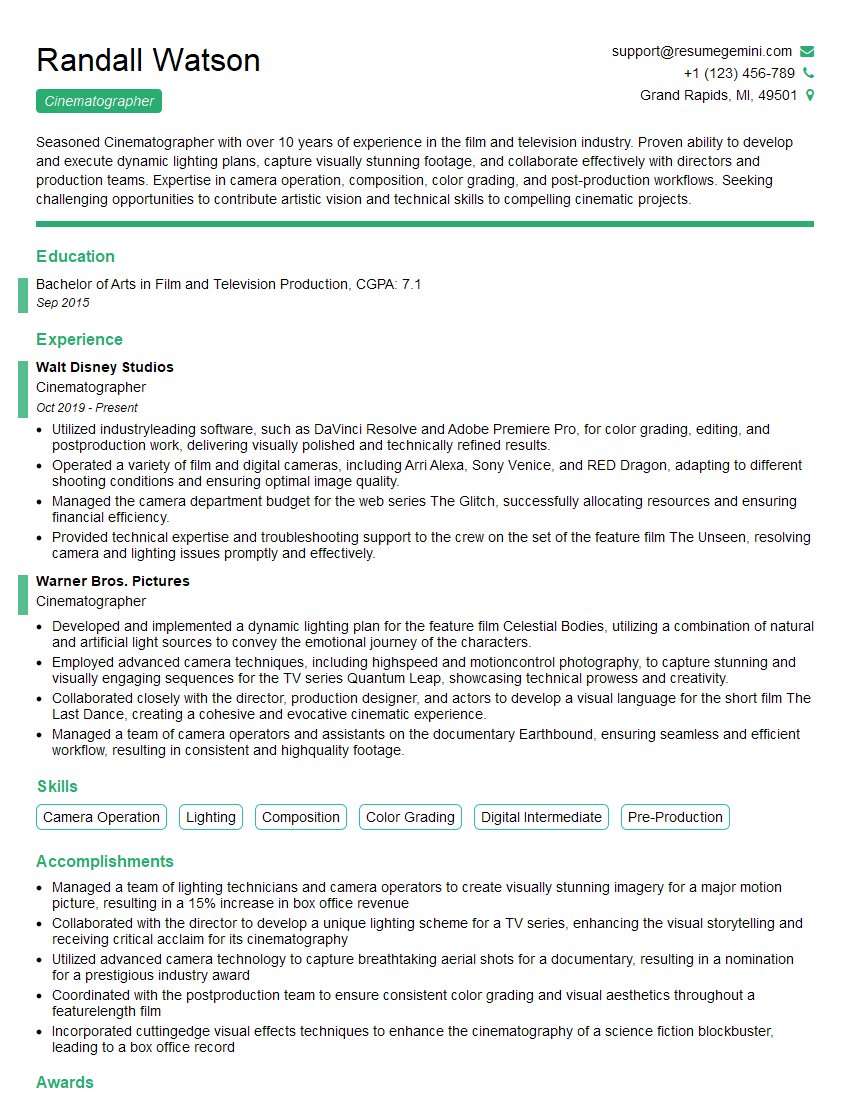
Cinematographer Resume Sample
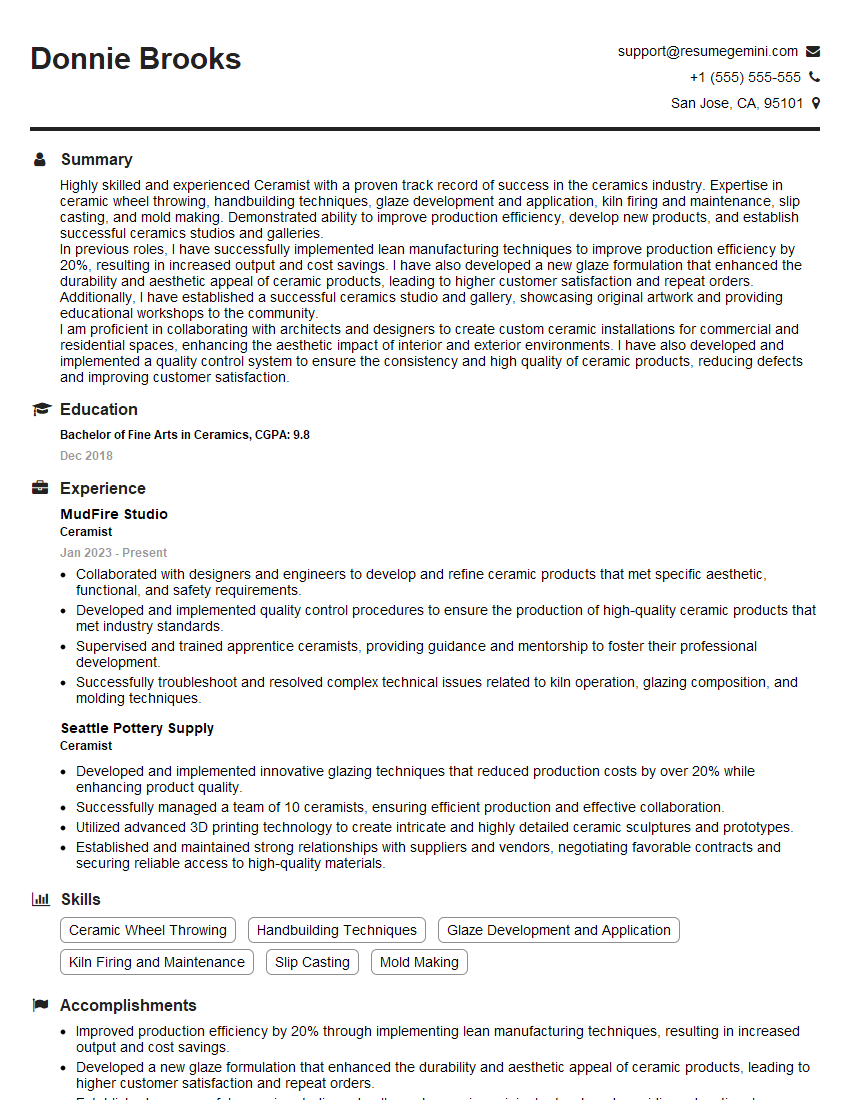
Ceramist Resume Sample
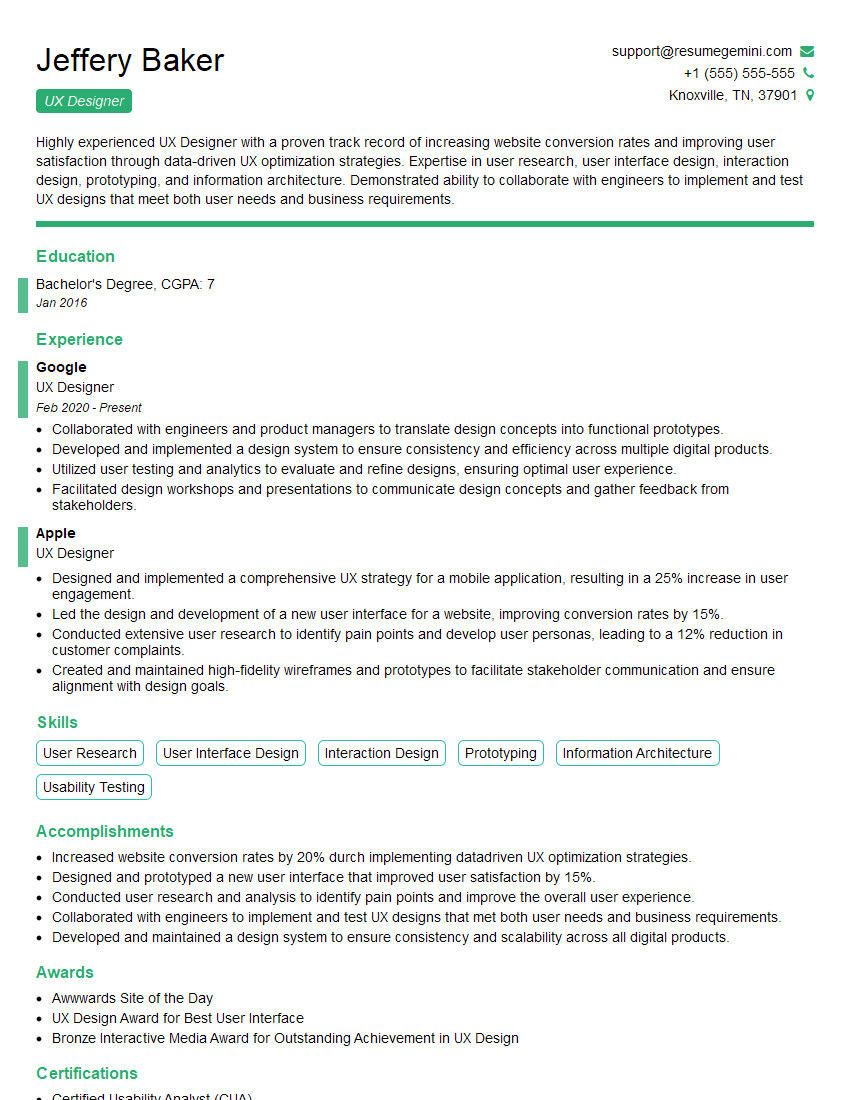
UX Designer Resume Sample
- Art Director
- Web Designer
- Architect
- Art Teacher
- Museum Curator
- Art Conservator
- Product Designer
- Fine Artist
- Illustrator
- Painter
- Printmaker
- Sculptor
- Animator
- Digital Artist
- Game Artist
- Graphic Designer
- Industrial Designer
- Fashion Designer
- Interior Designer
- Photographer
- Cinematographer
- Ceramist
- UX Designer
Explore more articles
Users Rating of Our Blogs
Share Your Experience
We value your feedback! Please rate our content and share your thoughts (optional).
What Readers Say About Our Blog
Really detailed insights and content, thank you for writing this detailed article.
IT gave me an insight and words to use and be able to think of examples