Every successful interview starts with knowing what to expect. In this blog, we’ll take you through the top Knowledge of Veterinary Practices interview questions, breaking them down with expert tips to help you deliver impactful answers. Step into your next interview fully prepared and ready to succeed.
Questions Asked in Knowledge of Veterinary Practices Interview
Q 1. Describe the different types of anesthesia used in veterinary practice.
Veterinary anesthesia encompasses a range of techniques tailored to the specific needs of each animal patient. The choice of anesthetic depends on factors like the species, age, health status, and the type of procedure.
- Local Anesthesia: This involves numbing a specific area of the body, often used for minor procedures like wound suturing or dental extractions. Think of it like getting a shot at the dentist to numb your teeth. A common local anesthetic is lidocaine.
- Regional Anesthesia: This technique numbs a larger area, like a limb or body section. It’s often used for surgeries involving an extremity. For example, a nerve block in the leg before amputating a toe.
- General Anesthesia: This induces a state of unconsciousness, painlessness, and muscle relaxation, allowing for more complex surgical procedures. This is most commonly used for major surgeries, such as spaying or neutering. General anesthetics can be administered intravenously or via inhalation.
- Balanced Anesthesia: This is a commonly used approach combining different anesthetic agents to optimize the patient’s comfort and safety. This might involve a pre-anesthetic medication to reduce anxiety, an intravenous anesthetic to induce unconsciousness, and inhaled anesthetic to maintain anesthesia during surgery.
Safety is paramount. Careful monitoring of vital signs like heart rate, blood pressure, and respiratory rate is crucial throughout the anesthetic period. The post-anesthesia care also involves close observation to ensure a smooth recovery.
Q 2. Explain the process of administering vaccinations to a patient.
Administering vaccinations is a vital part of preventative veterinary care. It involves a series of steps designed to ensure patient safety and vaccine efficacy:
- Patient Identification and History: We carefully identify the patient and review their medical history to check for any contraindications to vaccination. For example, we would avoid vaccinating an animal with a compromised immune system.
- Vaccine Selection and Preparation: The appropriate vaccine is selected based on the animal’s species, age, and the diseases prevalent in the area. The vaccine is prepared according to the manufacturer’s instructions, often involving reconstituting a powdered vaccine with a diluent.
- Injection Site Selection: The injection site varies depending on the vaccine and the animal. For example, dogs often receive injections in the shoulder or thigh area. A clean site is essential.
- Injection Technique: The vaccine is injected using an appropriate needle and syringe, following aseptic technique to minimize infection risk. We take care to ensure the injection is not given too quickly and the needle is removed smoothly to avoid damage.
- Post-Injection Monitoring: After vaccination, the animal is monitored for any adverse reactions, like swelling at the injection site or allergic responses. We instruct the client on what to look for and when to contact the clinic.
Recording the vaccination date, vaccine type, and the batch number in the patient’s medical record is critical for tracking and future reference.
Q 3. How do you handle a patient experiencing a seizure?
Managing a seizing animal requires calm, swift action to protect the animal and prevent further harm.
- Ensure Safety: Gently move the animal away from any potential hazards. Protect the animal’s head from striking against surfaces. Never try to restrain the animal forcefully as this could cause additional injury.
- Time the Seizure: Note the start time and duration of the seizure. This information is crucial for diagnosis.
- Monitor Vital Signs: Observe the animal’s breathing and heart rate. If breathing stops or the heart rate becomes dangerously slow, initiate CPR if trained.
- Prevent Injury: Remove anything that might pose a risk, such as furniture that could be broken or cause harm.
- Post-Seizure Care: After the seizure subsides, keep the animal quiet and warm. They may be disoriented and confused. Contact your veterinarian immediately for further evaluation and treatment.
Seizures can have various underlying causes, including epilepsy, trauma, or toxins. Veterinary intervention is essential to determine the cause and provide appropriate treatment.
Q 4. What are the common signs of canine parvovirus?
Canine parvovirus is a highly contagious and often fatal viral disease affecting dogs, especially puppies. The signs can vary, but some common symptoms include:
- Severe Vomiting and Diarrhea: Often bloody, leading to dehydration.
- Lethargy and Weakness: The dog appears depressed and lacks energy.
- Loss of Appetite: Refusal to eat or drink.
- Fever: A high temperature.
- Dehydration: Sunken eyes, dry gums, and loss of skin elasticity are signs.
If you suspect your dog has parvovirus, immediate veterinary attention is crucial. Treatment involves supportive care such as intravenous fluids to combat dehydration, antiemetics to reduce vomiting, and antibiotics to prevent secondary bacterial infections. The prognosis depends on the severity of the disease and the promptness of treatment. Prevention through vaccination is key.
Q 5. Describe your experience with dental prophylaxis in animals.
Dental prophylaxis, also known as dental cleaning, is a crucial aspect of preventative veterinary care. My experience includes performing a thorough examination of the animal’s mouth, including evaluating the teeth, gums, and oral tissues for any abnormalities like periodontal disease, fractured teeth, or oral tumors. The procedure involves:
- Scaling and Polishing: Using specialized instruments, we remove plaque and tartar buildup from the teeth’s surfaces. This is essential because plaque can lead to gingivitis and periodontal disease.
- Extraction: If a tooth is severely damaged or diseased and cannot be saved, I’ll carry out the necessary extraction.
- Radiographs: In many cases, dental radiographs (X-rays) are taken to assess the health of the teeth roots and surrounding bone. This helps in identifying problems that might not be visible during a visual examination.
- Fluoride Treatment: Often, a fluoride treatment is applied to help strengthen tooth enamel and reduce the risk of future cavities.
Proper anesthesia is usually required for a comprehensive dental prophylaxis, particularly in cases with advanced periodontal disease. Post-operative pain management is also crucial to ensure the animal’s comfort and a successful recovery.
Q 6. Explain the importance of proper sanitation and sterilization techniques in a veterinary setting.
Proper sanitation and sterilization are paramount in veterinary medicine to prevent the spread of infectious diseases, protecting both animal and human health. This involves several key practices:
- Disinfection: Using disinfectants to kill or inactivate microorganisms on surfaces. Different disinfectants are appropriate for different settings, and proper dilutions are essential to avoid damage to instruments or equipment. I often use quaternary ammonium compounds or bleach solutions, carefully following the manufacturer’s instructions for dilution and contact time.
- Sterilization: This involves destroying all forms of microbial life, including bacterial spores. Autoclaving (using steam under pressure) is the most common method of sterilization for surgical instruments and other heat-stable materials. Other methods include ethylene oxide gas sterilization for heat-sensitive materials.
- Aseptic Technique: This refers to practices designed to prevent the introduction of microorganisms into sterile fields, such as during surgery or when administering injections. It involves using sterile gloves, gowns, and instruments.
- Waste Management: Proper disposal of medical waste is essential to prevent the spread of infections. This includes sharp containers for needles and scalpels, and appropriate disposal procedures for other types of medical waste.
- Environmental Cleaning: Regular and thorough cleaning of the veterinary facility is essential to remove organic material and debris that support the growth of microorganisms.
Regular monitoring and adherence to strict protocols are vital in maintaining a safe and hygienic environment.
Q 7. How do you manage aggressive or fearful animals during examination?
Handling aggressive or fearful animals requires a calm, patient, and understanding approach to ensure both the animal’s and the handler’s safety. This might involve:
- Careful Observation: Before approaching, I carefully observe the animal’s body language and demeanor. This helps me anticipate potential reactions and adjust my approach accordingly.
- Positive Reinforcement: I often use positive reinforcement techniques, such as offering treats or using a calming voice, to reduce the animal’s fear or anxiety.
- Controlled Environment: The examination should be performed in a quiet, secure environment to minimize external stimuli that might trigger aggression or fear. This might involve using a smaller examination room or using a towel to gently restrain the animal.
- Physical Restraint: If necessary, I employ appropriate physical restraint techniques, using the least restrictive methods possible to ensure the safety of the animal and personnel. This might involve the use of muzzles or specialized restraint equipment. We always prioritize the animal’s well-being and use restraint only when absolutely necessary.
- Sedation: In some cases, sedation might be required to allow for a safe and effective examination. The use of sedation should be carefully considered and approved by a veterinarian.
The goal is to create a safe and comfortable environment for the animal while ensuring the smooth completion of the examination or procedure. Patience and understanding are key.
Q 8. What is your experience with radiographic techniques and interpretation?
My experience with radiographic techniques encompasses a wide range of modalities, from routine radiography to more advanced techniques like fluoroscopy. I’m proficient in positioning animals for optimal image acquisition, ensuring minimal radiation exposure while maximizing diagnostic quality. This includes understanding anatomical landmarks and positioning aids, choosing appropriate kVp and mAs settings based on the animal’s size and the area of interest, and recognizing artifacts that might compromise image interpretation. Interpretation involves analyzing radiographic densities, identifying anatomical structures, and detecting abnormalities such as fractures, luxations, masses, or pneumonia. For instance, I recently assisted in diagnosing a subtle fracture in a small dog’s radius that was initially missed on the initial radiograph; careful review and strategic re-imaging revealed the fracture line.
I’m also familiar with digital radiography systems, including the use of image processing software for enhancement and measurement. My expertise allows me to effectively communicate findings to the veterinarian, providing detailed descriptions and correlating radiographic findings with clinical signs.
Q 9. Describe your experience with surgical assisting.
As a surgical assistant, my responsibilities include preparing the surgical site, maintaining sterile technique, handling instruments and supplies, monitoring the patient’s vital signs during surgery, and assisting the surgeon with various procedures. I am adept at preparing surgical packs, draping the patient, and using appropriate surgical instruments. My role extends beyond simply handing instruments; I anticipate the surgeon’s needs, ensuring a smooth and efficient surgical workflow.
For example, during a recent orthopedic surgery, I monitored the patient’s blood pressure, heart rate, and respiratory rate throughout the procedure, promptly alerting the surgeon to any changes that could indicate complications. My experience includes a wide range of surgical procedures, from routine spays and neuters to complex orthopedic and soft tissue surgeries.
Q 10. How do you handle client communication, particularly when delivering difficult diagnoses?
Delivering difficult diagnoses requires sensitivity, empathy, and clear communication. I approach these situations by first acknowledging the client’s emotional state, allowing them to express their concerns. I then explain the diagnosis in simple, understandable terms, avoiding technical jargon. I ensure that the client understands the implications of the diagnosis, including the prognosis and treatment options. I actively listen to their questions and concerns, providing support and reassurance throughout the process.
For example, when delivering a diagnosis of cancer, I provide information on the different treatment options available, explaining the benefits and risks associated with each. I also emphasize the importance of supportive care and the availability of resources to help the client cope with the emotional burden. I follow up with the client to provide additional support and answer any questions they might have.
Q 11. Explain your understanding of different types of veterinary medical records.
Veterinary medical records are crucial for comprehensive patient care. They contain a variety of information, including the patient’s signalment (age, breed, sex), medical history, physical examination findings, diagnostic test results, treatment plans, and progress notes. Different types of records include:
- Paper-based records: Traditional handwritten or typed records which can be cumbersome to manage.
- Electronic Health Records (EHRs): Digital records offering improved accessibility, organization, and security. EHRs often facilitate better communication between veterinary professionals, streamline workflow, and help with compliance.
- Problem-Oriented Medical Records (POMR): These records organize information around specific patient problems, making it easier to track progress and treatment effectiveness. Each problem is addressed with a subjective, objective, assessment, and plan (SOAP) format.
Understanding the different record types is essential for efficient practice management, and effective information retrieval for continuity of patient care.
Q 12. What is your experience with blood collection and analysis techniques?
I have extensive experience with various blood collection and analysis techniques. This includes selecting appropriate collection tubes based on the required tests, performing venipuncture in different species using various techniques (e.g., jugular, cephalic, saphenous), ensuring proper sample handling and labeling to prevent contamination and hemolysis, and running basic hematology and serum chemistry panels using automated analyzers. I am also proficient in performing blood smears and interpreting results under a microscope.
For instance, I’m adept at identifying and managing complications such as hematoma formation and accidentally puncturing a vessel. Proper technique, patient selection, and attention to detail are crucial to prevent complications and ensure accurate results. My experience extends to interpreting these results in the context of a patient’s overall health status, supporting the veterinarian in making appropriate diagnostic and treatment decisions.
Q 13. Describe your understanding of feline leukemia and feline immunodeficiency virus.
Feline leukemia virus (FeLV) and feline immunodeficiency virus (FIV) are retroviruses that can severely compromise a cat’s immune system. FeLV is transmitted through saliva, nasal secretions, and blood, often through fighting or close contact. FIV is primarily transmitted through bites, typically during aggressive interactions.
FeLV infection can lead to various cancers, anemia, and immune deficiency, ultimately resulting in a range of clinical signs. FIV infection progresses more slowly, often causing chronic infections, opportunistic diseases, and immune suppression.
Diagnosis involves testing the cat’s blood using ELISA or PCR techniques. Preventive strategies for both diseases include responsible pet ownership (avoiding cat fights, vaccinating kittens, and ensuring proper hygiene), regular veterinary check-ups, and early detection through testing, especially in multi-cat households or cats with a history of fighting. Management usually involves supportive care, addressing secondary infections and implementing a vaccination strategy for other infections if necessary.
Q 14. How do you monitor a patient’s vital signs (heart rate, respiration, temperature)?
Monitoring vital signs is a critical aspect of patient care. Heart rate is assessed using a stethoscope, palpating the pulse, or using a pulse oximeter. Respiratory rate is determined by observing the chest movements and counting breaths per minute. Body temperature is measured using a rectal thermometer, preferably after ensuring the area is clean.
Normal ranges vary based on species, breed, age, and individual patient factors. I’m trained to recognize deviations from normal ranges, interpret their significance, and escalate concerns to the veterinarian promptly. For example, an elevated heart rate coupled with rapid breathing and elevated temperature might suggest an infection or other serious condition requiring immediate attention. Regular monitoring is crucial, particularly during anesthesia, after surgery, or with critically ill patients. Accurate and timely recording of vital signs helps in assessing the animal’s response to treatment and guides subsequent clinical decisions.
Q 15. What is your experience with wound management and dressing changes?
Wound management is a crucial aspect of veterinary care, encompassing assessment, cleaning, debridement, and appropriate dressing application. My experience spans a wide range of wound types, from simple lacerations to complex, infected wounds requiring surgical intervention. I’m proficient in assessing wound depth, contamination level, and the presence of foreign bodies. The cleaning process involves meticulous removal of debris and contaminants using sterile solutions, followed by debridement – the removal of dead or damaged tissue to promote healing.
Dressing selection is tailored to the specific wound. For superficial wounds, a simple bandage might suffice, while deeper wounds may require absorbent dressings, alginate dressings for heavy exudate, or specialized wound vacuum-assisted closure (VAC) therapy for complex cases. Regular dressing changes are vital, allowing for wound assessment, cleaning, and maintaining a moist wound healing environment. I carefully document each dressing change, noting the wound’s appearance, any signs of infection (like redness, swelling, or purulent discharge), and the type of dressing used. For example, I once managed a deep laceration on a dog’s leg. After thorough cleaning and debridement, I used a combination of alginate dressing and a pressure bandage to control bleeding and promote healing. Regular monitoring and dressing changes led to complete wound closure within a few weeks.
Career Expert Tips:
- Ace those interviews! Prepare effectively by reviewing the Top 50 Most Common Interview Questions on ResumeGemini.
- Navigate your job search with confidence! Explore a wide range of Career Tips on ResumeGemini. Learn about common challenges and recommendations to overcome them.
- Craft the perfect resume! Master the Art of Resume Writing with ResumeGemini’s guide. Showcase your unique qualifications and achievements effectively.
- Don’t miss out on holiday savings! Build your dream resume with ResumeGemini’s ATS optimized templates.
Q 16. Describe your knowledge of different types of parasites affecting animals.
My knowledge of animal parasites encompasses a broad spectrum, including internal and external parasites. External parasites, like fleas (Ctenocephalides felis and Ctenocephalides canis), ticks (Ixodes spp., Dermacentor spp.), and mites (Sarcoptes scabiei, Demodex spp.), cause skin irritation, itching, hair loss, and sometimes more serious conditions like Lyme disease or mange. Internal parasites include intestinal worms, such as roundworms (Toxocara spp.), hookworms (Ancylostoma spp.), whipworms (Trichuris spp.), and tapeworms (Dipylidium caninum), which can cause gastrointestinal distress, weight loss, and anemia. There are also heartworms (Dirofilaria immitis), which reside in the heart and lungs, causing significant cardiac and respiratory compromise.
Diagnosis relies on various methods, including fecal examinations for intestinal parasites, skin scrapings for mites, blood tests for heartworm, and observation of adult parasites. Treatment strategies vary depending on the specific parasite and its severity, ranging from topical medications for external parasites to oral or injectable anthelmintics for internal parasites. For instance, I once treated a dog with severe heartworm disease using a combination of melarsomine and preventative medications. Preventing parasitic infestations is equally important, and involves strategies like regular flea and tick preventative medications, proper sanitation, and responsible pet waste disposal.
Q 17. How do you handle emergency situations in a veterinary practice?
Handling emergencies requires a calm, decisive approach and a systematic workflow. The first step is always to assess the situation quickly, prioritizing immediate life threats such as respiratory arrest, cardiac arrest, or severe bleeding. Once the immediate threat is addressed (e.g., CPR, hemorrhage control), I move to a secondary assessment, gathering information about the patient’s history, current signs, and potential causes.
This process involves utilizing triage skills to determine the urgency of treatment. Then, I will communicate effectively with the veterinary team, assigning tasks and coordinating efforts efficiently. Critical care interventions might involve intravenous fluid therapy, oxygen support, and medication administration. Documentation is paramount, ensuring a complete record of the events, treatment provided, and patient response. Emergency situations call for quick thinking and skilled execution. I once managed a dog who arrived in respiratory distress following an accident. Prompt intubation and oxygen therapy stabilized the patient, allowing us to perform a thorough examination and administer further treatment.
Q 18. What is your experience with administering medications (oral, injectable)?
Administering medications requires precision and safety. Oral medications are relatively straightforward but require ensuring the correct dosage and palatability to improve compliance. Techniques for administration vary depending on the animal’s size and temperament. Injectable medications require careful attention to sterile technique to prevent infection.
I’m proficient in various injection routes, including intramuscular (IM), subcutaneous (SC), and intravenous (IV). Understanding drug interactions and potential side effects is crucial. For instance, some medications should not be mixed, and some animals can have adverse reactions requiring immediate intervention. I meticulously document each medication administration, noting the drug name, dose, route, and time. Accurate record-keeping is essential for monitoring treatment effectiveness and identifying potential problems. Proper disposal of sharps is also a key aspect of safe medication administration.
Q 19. Describe your understanding of different veterinary imaging modalities (X-ray, ultrasound).
Veterinary imaging modalities like X-rays and ultrasound are essential diagnostic tools. X-rays provide excellent images of bones and dense tissues, helping diagnose fractures, luxations, and foreign body ingestion. I’m skilled in positioning animals for optimal image quality and interpreting radiographic images. Ultrasound offers real-time images of soft tissues, organs, and blood vessels, aiding in the diagnosis of various conditions such as pregnancy, abdominal masses, and cardiac abnormalities.
My experience encompasses both acquiring and interpreting images from both modalities. Understanding the limitations of each technique is crucial; for example, ultrasound is less effective for visualizing bone, while X-rays cannot depict the subtle nuances of soft tissue. I also understand the importance of radiation safety protocols when using X-rays. For example, I recently utilized ultrasound to identify a mass in a cat’s abdomen, which was then confirmed as benign through fine needle aspiration. X-rays were subsequently used to help rule out skeletal issues following a fall.
Q 20. How do you maintain accurate inventory and ordering of veterinary supplies?
Maintaining accurate inventory and ordering of veterinary supplies is essential for efficient practice management and patient care. This involves regularly checking stock levels, identifying low-stock items, and placing timely orders to prevent shortages. I utilize inventory management software to track supplies, monitor expiration dates, and generate reports.
This system allows for accurate forecasting of needs, reducing waste and ensuring cost-effectiveness. The software enables me to generate purchase orders automatically, track orders, and receive alerts for low-stock or approaching expiration dates. Strategic purchasing, such as negotiating bulk discounts or leveraging supplier relationships, is a critical component of minimizing costs. For instance, I recently implemented a new inventory system which reduced waste by 15% and improved our ability to quickly locate necessary supplies during emergencies.
Q 21. Explain your experience with basic animal handling and restraint techniques.
Safe and effective animal handling and restraint are paramount to ensuring both animal and personnel safety. This involves understanding animal behavior and adapting techniques to each animal’s individual temperament and size. Basic restraint techniques include physical methods, such as scruffing, muzzling, and using towels or restraints, and chemical methods like using appropriate sedatives when necessary.
The approach always prioritizes minimizing stress and discomfort to the animal. For instance, speaking calmly and using positive reinforcement can help alleviate anxiety. It’s crucial to know the limits of one’s ability and seek assistance from colleagues when handling large or aggressive animals. I have extensive experience with various species, including canines, felines, and exotics. Understanding each species’ unique behavior and anatomy ensures appropriate and safe handling techniques are used consistently. For example, I have experience safely restraining a variety of cats for vaccinations, using a towel to gently control a fractious cat and minimising stress for it and myself.
Q 22. What is your experience with end-of-life care for animals?
End-of-life care for animals is a deeply compassionate and challenging aspect of veterinary practice. It involves providing comfort and dignity to an animal in its final stages of life, while also supporting the grieving owner. My experience encompasses a wide range of cases, from euthanasia at home to providing palliative care for animals with incurable conditions. I’ve worked with owners to understand their wishes, offering explanations of the disease process and various options for pain management and comfort care, ensuring they are fully informed and involved in the decision-making process. This includes discussing options like at-home euthanasia, which allows the animal to remain in a familiar and comforting environment, or euthanasia at the clinic, providing a controlled and professional setting. In all cases, the emphasis is on minimizing pain and distress for the animal and offering compassionate support to the owners, including grief counseling and aftercare resources.
For example, I recently cared for an elderly Golden Retriever with severe arthritis and organ failure. We implemented a comprehensive pain management plan, adjusting medications regularly to optimize comfort while closely monitoring the dog’s quality of life. When the time came, we performed a peaceful euthanasia in the owner’s home, surrounded by family.
Q 23. How do you ensure patient confidentiality and data privacy?
Patient confidentiality and data privacy are paramount in veterinary medicine. We adhere strictly to regulations like HIPAA (although not directly applicable to animals, the principles are analogous) and maintain secure electronic health records (EHRs) using password-protected systems with access limited to authorized personnel. All paper records are kept in locked cabinets. We never discuss patient information with unauthorized individuals, and we obtain explicit consent before releasing any medical information to third parties, such as referral specialists or insurance companies. Our EHR systems are regularly updated with security patches and we conduct staff training on data privacy best practices. This includes educating staff on the importance of password security, recognizing and responding to phishing attempts, and appropriately handling sensitive patient information.
For instance, if a client calls and wants an update on their pet’s condition, we would never divulge information over the phone unless we had confirmed their identity securely. Even then, only information relevant to the situation is shared.
Q 24. What software or systems are you familiar with in a veterinary practice?
I am proficient in several veterinary software and systems. I have extensive experience with practice management software such as Avimark and Cornerstone, which I utilize for appointment scheduling, client communication, billing, and inventory management. I’m also familiar with EHR systems, including eVetPractice and ImproMed, allowing me to access and manage patient medical records efficiently. Furthermore, I’m comfortable using various diagnostic imaging software for reviewing radiographs and ultrasound images. My expertise extends to lab data management systems for tracking results and integrating them into patient records.
Q 25. Describe your experience with laboratory diagnostics.
My experience with laboratory diagnostics is comprehensive, encompassing the entire process from sample collection and handling to result interpretation and integration into patient care. I am skilled in collecting various samples, including blood, urine, and fecal specimens, ensuring proper labeling and handling to maintain sample integrity. I understand the principles of different laboratory tests, such as hematology, biochemistry, and microbiology, and I can interpret results to diagnose and monitor diseases. I am familiar with both in-house and external laboratory services, understanding the strengths and limitations of each. I can correlate lab results with clinical findings to develop accurate diagnoses and treatment plans.
For example, I recently diagnosed a case of feline infectious peritonitis (FIP) by interpreting serology results alongside clinical signs. The combination of these data points allowed for an accurate and timely diagnosis and the implementation of appropriate treatment strategies.
Q 26. Explain your understanding of animal anatomy and physiology.
My understanding of animal anatomy and physiology is thorough and directly informs my veterinary practice. I possess a detailed knowledge of the musculoskeletal, cardiovascular, respiratory, digestive, nervous, and endocrine systems across various species. I understand the intricate functions of organs and organ systems and how they interact to maintain homeostasis. This knowledge enables me to accurately assess clinical signs, interpret diagnostic tests, and develop appropriate treatment strategies. My understanding also extends to the physiological responses of animals to disease, injury, and medications. This holistic understanding ensures a comprehensive approach to patient care.
For instance, I can confidently differentiate between different types of lameness in dogs based on my knowledge of the anatomy and biomechanics of the limbs. This allows me to pinpoint the cause of the lameness more efficiently.
Q 27. How would you handle a situation where a client disagrees with your recommendations?
Handling disagreements with clients requires a delicate balance of empathy, clear communication, and professionalism. My approach involves actively listening to the client’s concerns, acknowledging their perspectives, and explaining my recommendations in a clear and understandable manner, avoiding technical jargon. I would present the evidence-based reasoning behind my suggestions, explaining the potential risks and benefits of various treatment options. If a client still disagrees, I would offer alternative options if available, and explore any underlying concerns or beliefs that may be influencing their decision. If the situation is beyond my scope of expertise, I would refer the client to another veterinarian or specialist. Open and honest communication is key to preserving the client-veterinarian relationship, even in the face of disagreement.
For instance, if a client refused to vaccinate their pet, I would explain the risks of contracting preventable diseases and outline the potential consequences, emphasizing the importance of vaccinations for herd immunity while respecting their autonomy.
Q 28. Describe your experience working as part of a veterinary team.
I thrive in a collaborative team environment. My experience involves working closely with veterinary technicians, nurses, and other support staff, fostering open communication and mutual respect. I believe in delegating tasks effectively, ensuring efficient workflow and optimal patient care. I actively participate in team discussions, contributing my expertise to the diagnostic and treatment planning processes. I value constructive feedback and actively seek opportunities to learn from colleagues. This teamwork ensures the provision of high-quality, compassionate care.
In my previous practice, we developed a team-based approach to emergency cases, where each member had defined roles and responsibilities, ensuring swift and coordinated responses to critical situations.
Key Topics to Learn for Knowledge of Veterinary Practices Interview
- Veterinary Medicine Fundamentals: Understand core principles of animal health, disease diagnosis, and treatment across various species.
- Practical Application: Be prepared to discuss scenarios involving common animal ailments, diagnostic procedures (e.g., physical exams, blood work interpretation), and treatment plans.
- Animal Husbandry and Welfare: Demonstrate knowledge of proper animal handling, housing, nutrition, and preventative care. Discuss ethical considerations in veterinary practice.
- Veterinary Pharmacology: Familiarize yourself with common medications, their uses, dosages, and potential side effects in different animal species.
- Client Communication and Education: Explain your approach to communicating complex medical information clearly and compassionately to pet owners.
- Practice Management: Understand the operational aspects of a veterinary clinic, including scheduling, record-keeping, and financial management.
- Veterinary Law and Ethics: Be aware of relevant legal and ethical considerations, such as client confidentiality and controlled substances.
- Emergency and Critical Care: Discuss your understanding of handling emergencies and providing critical care to animals.
- Specific Animal Species Knowledge: Depending on the role, focus on your expertise in specific animal species (e.g., companion animals, livestock, exotics).
- Problem-Solving Approach: Practice articulating your thought process when presented with hypothetical veterinary scenarios, highlighting your diagnostic and treatment reasoning.
Next Steps
Mastering Knowledge of Veterinary Practices is crucial for career advancement in this compassionate and demanding field. A strong understanding of these key areas will significantly improve your interview performance and set you apart from other candidates. To enhance your job prospects, focus on building an ATS-friendly resume that highlights your skills and experience effectively. ResumeGemini is a trusted resource for creating professional resumes that get noticed. Use ResumeGemini to craft a compelling narrative that showcases your veterinary expertise. Examples of resumes tailored to Knowledge of Veterinary Practices are available to guide you.
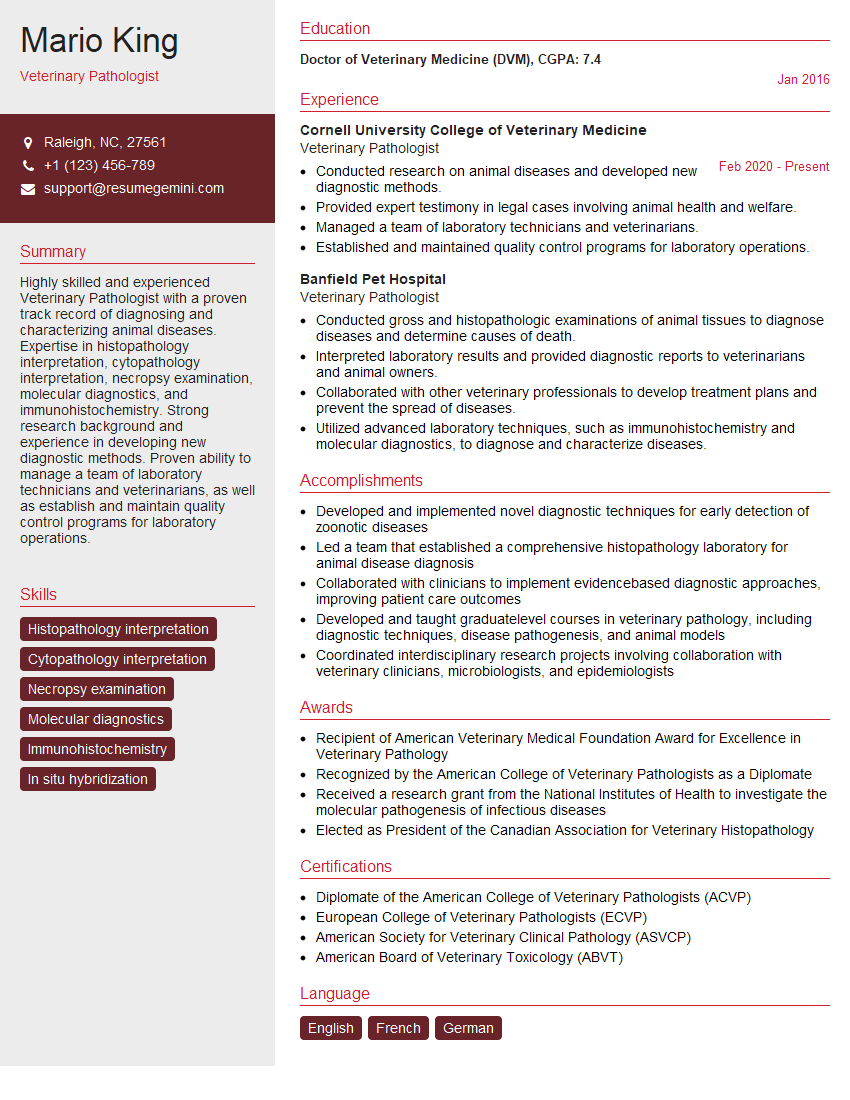
Veterinary Pathologist Resume Sample
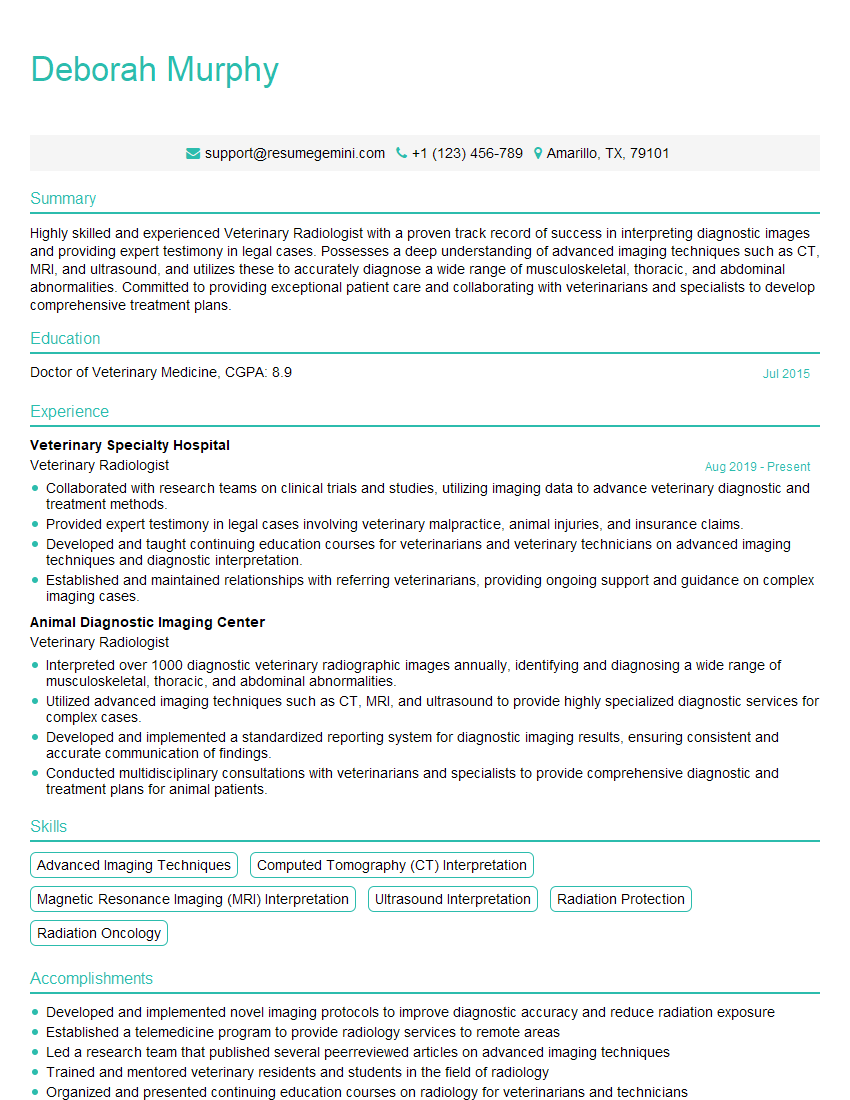
Veterinary Radiologist Resume Sample
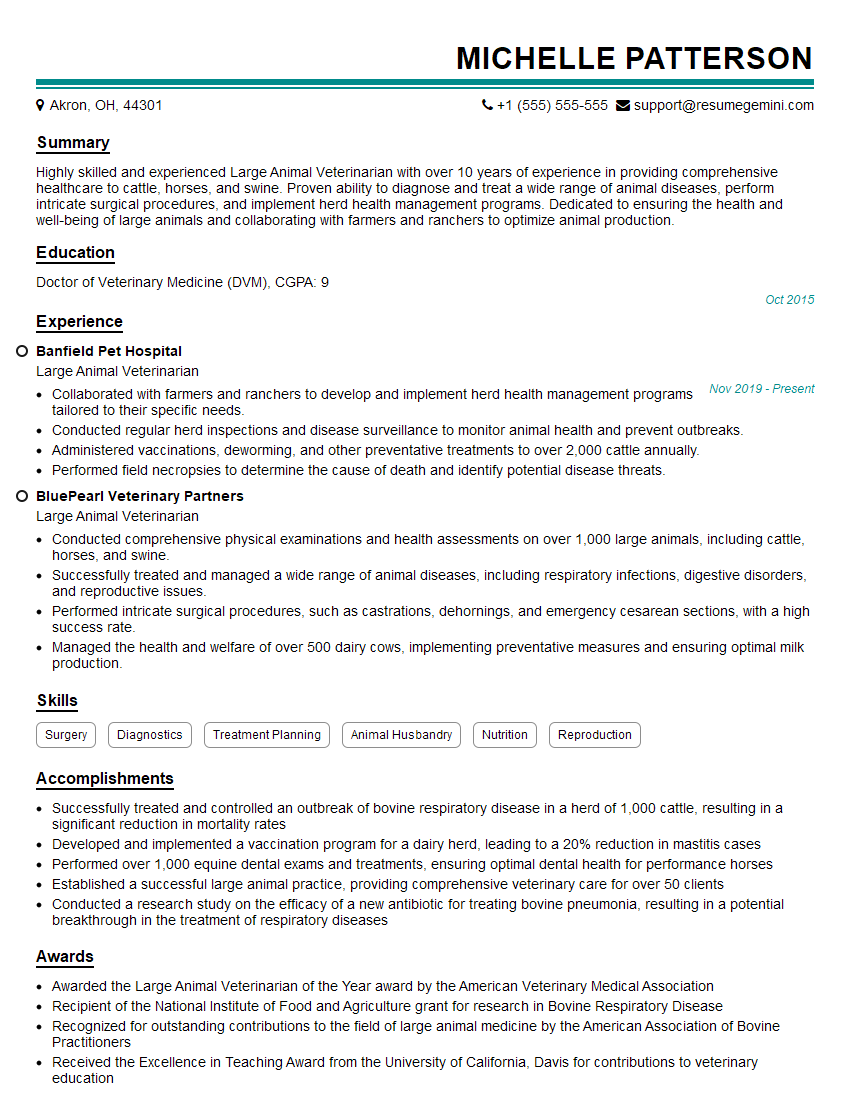
Large Animal Veterinarian Resume Sample
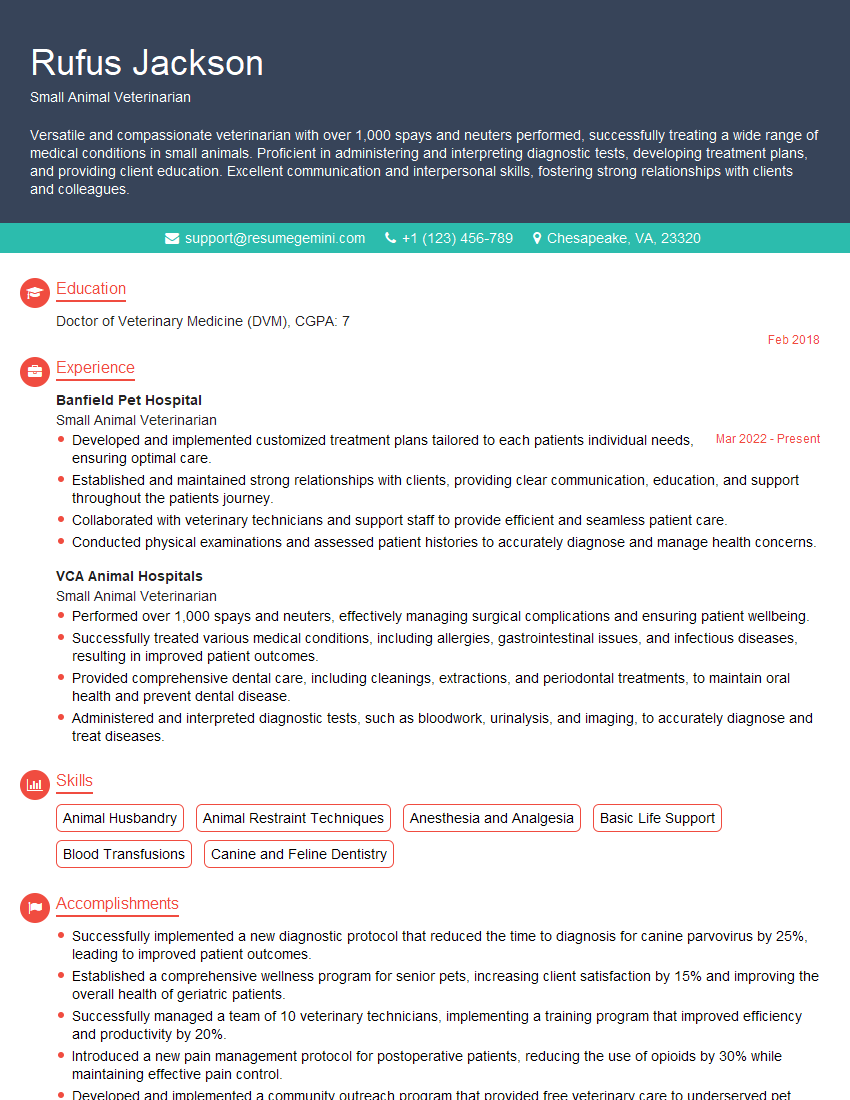
Small Animal Veterinarian Resume Sample
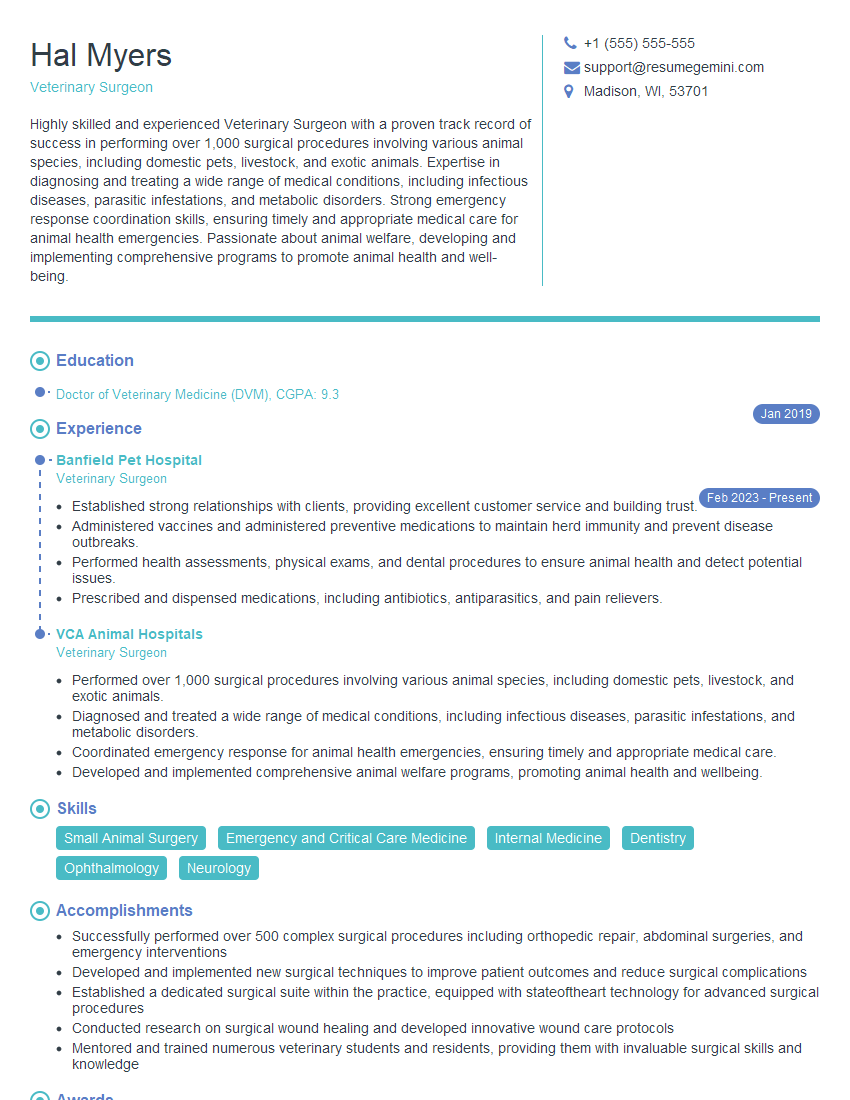
Veterinary Surgeon Resume Sample
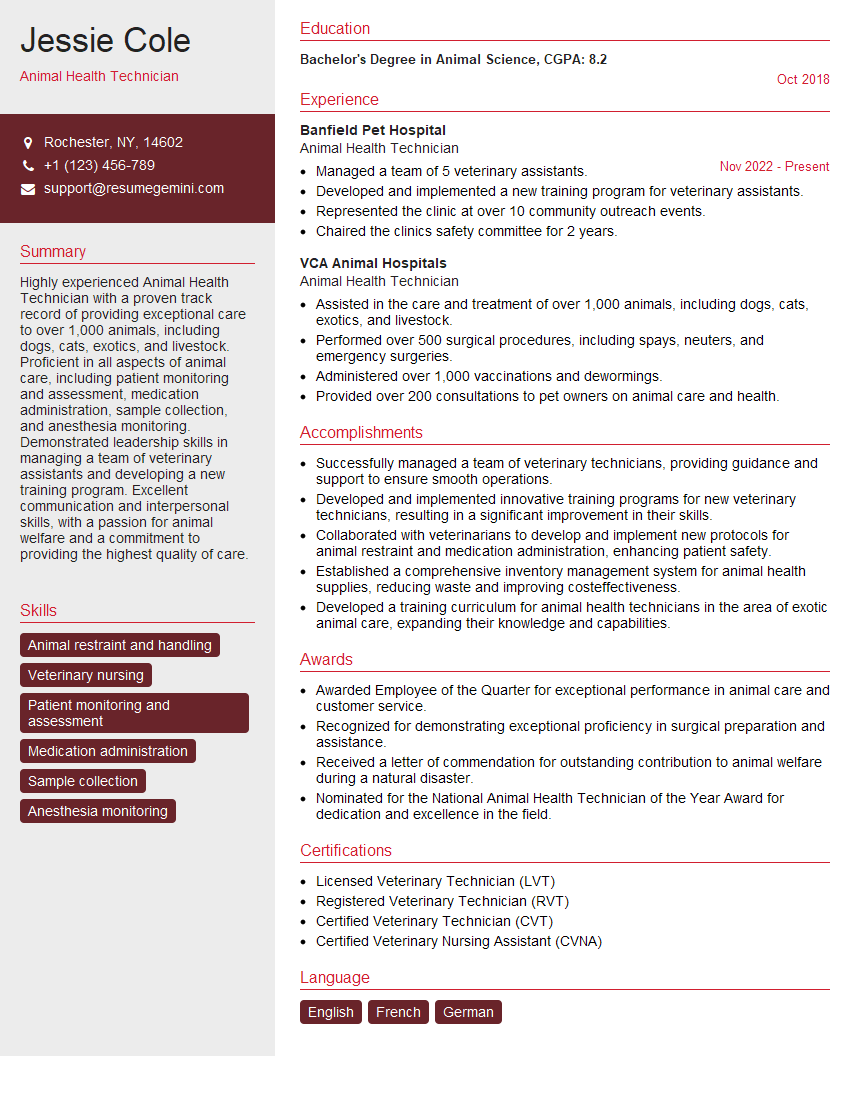
Animal Health Technician Resume Sample
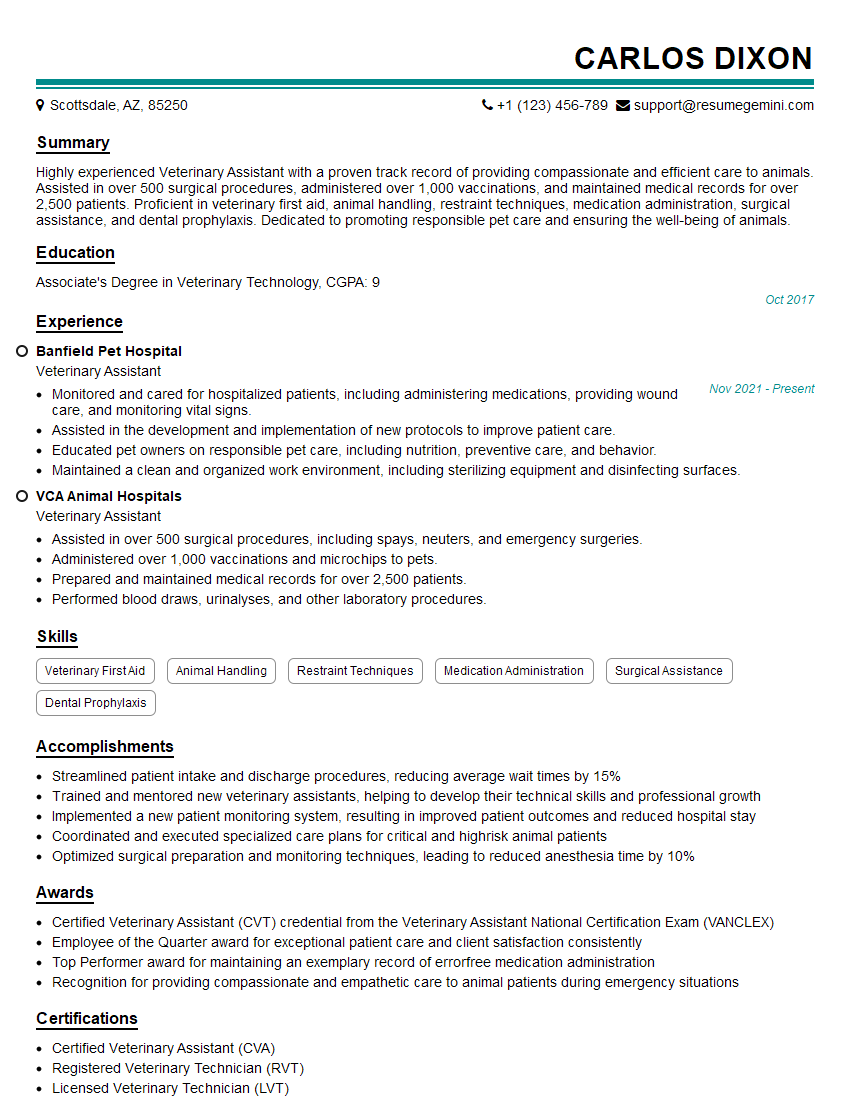
Veterinary Assistant Resume Sample
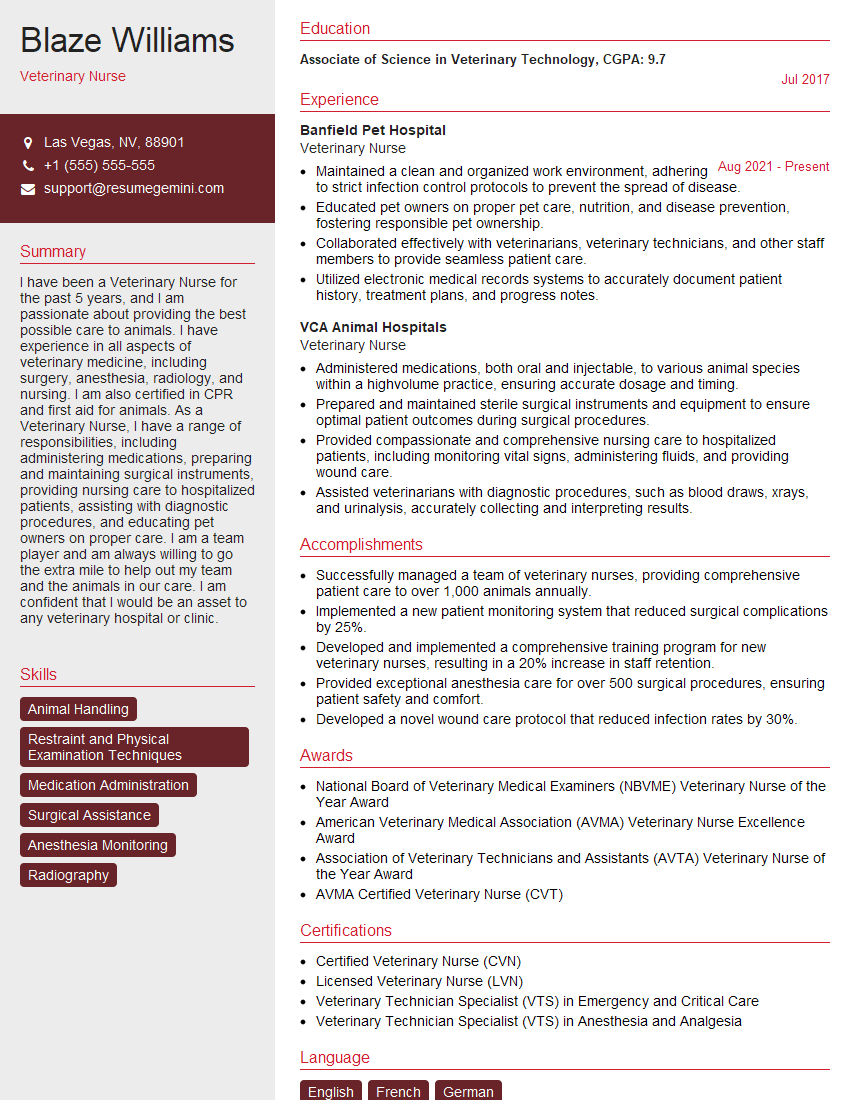
Veterinary Nurse Resume Sample
Explore more articles
Users Rating of Our Blogs
Share Your Experience
We value your feedback! Please rate our content and share your thoughts (optional).
What Readers Say About Our Blog
Really detailed insights and content, thank you for writing this detailed article.
IT gave me an insight and words to use and be able to think of examples