Feeling uncertain about what to expect in your upcoming interview? We’ve got you covered! This blog highlights the most important Knowledge Organization interview questions and provides actionable advice to help you stand out as the ideal candidate. Let’s pave the way for your success.
Questions Asked in Knowledge Organization Interview
Q 1. Explain the difference between a taxonomy and an ontology.
Both taxonomies and ontologies are structured ways of organizing knowledge, but they differ significantly in their scope and complexity. Think of a taxonomy as a hierarchical tree structure, like a biological classification system for plants and animals. It shows relationships between broader and narrower concepts, but doesn’t necessarily capture the meaning of those relationships.
An ontology, on the other hand, is a much richer representation of knowledge. It not only shows hierarchical relationships (like a taxonomy) but also defines the properties and relationships between concepts more explicitly. It’s like a detailed dictionary and encyclopedia combined, explicitly defining concepts and how they relate to each other. For example, an ontology might define ‘dog’ as a subclass of ‘mammal,’ and specify that ‘dogs’ have properties like ‘breed,’ ‘color,’ and ‘age,’ and relationships like ‘owner’ and ‘is_pet_of’.
In short: A taxonomy is a hierarchical classification; an ontology is a formal representation of knowledge, including concepts, properties, and relationships.
- Taxonomy Example: Animalia → Mammalia → Carnivora → Canidae → Canis familiaris (dog)
- Ontology Example:
{ 'dog': {'subclass_of': 'mammal', 'properties': ['breed', 'color', 'age'], 'relationships': ['owner', 'is_pet_of']}}
Q 2. Describe your experience with controlled vocabularies.
I have extensive experience with controlled vocabularies, having used them in various projects, from cataloging museum artifacts to building large-scale knowledge bases. Controlled vocabularies are essential for ensuring consistency and interoperability of information. They provide a predefined set of terms for describing concepts within a specific domain, avoiding the ambiguity and inconsistency that arise from using free-text descriptions.
For example, in a library catalog, a controlled vocabulary might define specific subject headings like “Artificial Intelligence” or “Machine Learning” instead of allowing catalogers to use various synonyms like “AI,” “computer intelligence,” or “smart machines.” This ensures that all documents related to a specific topic are easily retrievable, regardless of the wording used by different catalogers.
My experience involves developing, implementing, and maintaining these vocabularies, including using tools like SKOS (Simple Knowledge Organization System) for representing and managing them. I’ve also worked on aligning and mapping different controlled vocabularies to ensure interoperability between different systems.
Q 3. What are the key principles of faceted classification?
Faceted classification is a powerful approach to organizing information based on multiple independent aspects or facets of a subject. Unlike hierarchical classifications, which organize information along a single hierarchy, faceted classification allows for multiple, independent access points to the same information.
Key Principles:
- Analytico-synthetic approach: The subject is analyzed into its constituent facets (e.g., geography, time period, subject matter, genre).
- Multiple facets: Information is classified along several independent facets, creating multiple pathways to retrieve information.
- Independent facets: Each facet is independent of the others; selecting a value in one facet doesn’t restrict choices in another.
- Combinatorial retrieval: Allows for complex searches by combining values from multiple facets.
Example: Consider classifying books on “World War II.” Facets could include: Geography (Europe, Pacific), Time Period (1939-1945), Subject (Military Strategy, Social Impact), Genre (Fiction, Non-fiction). A user could search for books on the Pacific theater (Geography) during the later years of the war (Time Period), which would yield a more targeted result than a simple keyword search.
Q 4. How do you ensure consistency in metadata application?
Ensuring consistency in metadata application is critical for effective knowledge organization and retrieval. Inconsistency leads to poor search results, duplicated efforts, and difficulty in integrating data from different sources.
My approach involves a multi-pronged strategy:
- Develop clear and comprehensive metadata schemas: These define the structure and types of metadata to be used, leaving no ambiguity about what information should be captured and how.
- Provide comprehensive training and documentation: Clear guidelines and training materials are essential for ensuring that all users understand the metadata schema and apply it consistently.
- Implement metadata quality control mechanisms: This might involve automated validation checks to verify that metadata conforms to the schema, as well as manual reviews of metadata by experienced professionals.
- Utilize controlled vocabularies: Using predefined terms for describing concepts ensures consistency in terminology.
- Establish a feedback loop: Regularly review and update the metadata schema and guidelines based on user feedback and experience.
Through these steps, you can create a culture of consistent metadata application and create high-quality, accessible information resources.
Q 5. Explain the concept of metadata schemas and their importance.
Metadata schemas are formal structures that define the elements, attributes, and relationships of metadata. They act like blueprints specifying what data to capture about a resource and how that data should be organized. Think of it like a form with predefined fields for describing a book: title, author, publisher, ISBN, publication date, etc. This structure allows for efficient storage, retrieval, and exchange of metadata.
Importance:
- Interoperability: Schemas ensure that different systems can exchange metadata seamlessly.
- Consistency: They enforce consistent metadata application, improving data quality.
- Discovery: Well-structured metadata allows for more effective search and discovery of resources.
- Data integration: They facilitate integration of metadata from multiple sources.
Without well-defined schemas, metadata would be inconsistent and difficult to use. Imagine a library trying to manage books with wildly different descriptions and formats – it would be a chaotic mess!
Q 6. What are some common metadata standards you’ve used?
I’ve worked with several common metadata standards throughout my career, tailoring my approach based on the specific needs of the project. Some of the most prominent include:
- Dublin Core: A simple, widely used set of fifteen metadata elements for describing resources. Its simplicity makes it suitable for a wide range of applications.
- MODS (Metadata Object Description Schema): A more extensive and complex schema often used in library catalogs and archival systems. It offers greater granularity and detail for describing resources.
- RDF (Resource Description Framework): A standard for representing metadata using a graph model. It provides a flexible and powerful way to describe resources and their relationships. This is particularly useful in knowledge graphs.
- Schema.org: A collaborative, community-driven vocabulary used to markup web pages, providing structure to web content and improving search engine optimization.
The choice of standard depends on factors such as the complexity of the resources being described, the level of detail required, and the intended use of the metadata.
Q 7. Describe your experience with knowledge graph creation or management.
I possess significant experience in knowledge graph creation and management. I’ve participated in projects involving the design, implementation, and population of knowledge graphs, leveraging both existing ontologies and developing new ones to meet specific project requirements.
My experience covers various aspects of the knowledge graph lifecycle, from requirements gathering and ontology engineering to data integration, graph construction, and query development. I’m proficient in using graph databases such as Neo4j and tools for knowledge graph visualization and exploration. For example, I worked on a project that created a knowledge graph of historical events, linking individuals, organizations, and locations to create rich visualizations of historical processes.
Beyond technical expertise, I understand the importance of knowledge graph governance, including data quality management, version control, and the ongoing maintenance and evolution of the graph to ensure its continued accuracy and relevance. Knowledge graphs are powerful tools for knowledge representation and reasoning and require careful planning and execution to maximize their potential.
Q 8. How do you approach the design of a knowledge base?
Designing a knowledge base is akin to building a well-organized library. It requires careful consideration of the content, its intended users, and the overall goals. My approach is iterative and user-centered, focusing on these key steps:
- Needs Analysis: Understanding the users’ information needs is paramount. Who will use this knowledge base? What are their tasks and goals? What kind of information are they seeking? This often involves user interviews, surveys, and task analysis.
- Content Inventory: Catalog existing information sources and identify gaps. This includes documents, data, expertise within the organization, etc. Consider how to categorize and represent this information effectively.
- Knowledge Representation: Choose a suitable knowledge representation model (e.g., ontology, taxonomy, thesaurus). This dictates how information is structured and linked. For example, a faceted classification might be ideal for browsing diverse content, while a hierarchical taxonomy may be suitable for a more linear knowledge domain.
- Schema Design: Develop a detailed schema defining the data fields and relationships within the knowledge base. This is crucial for data integrity and consistency. This could involve using tools like RDF Schema or OWL for semantic web applications.
- Information Architecture Design: Define the navigation and search functionalities. How will users find the information they need? Will it involve faceted navigation, keyword search, or a combination of methods? Consider user experience (UX) principles to make the knowledge base intuitive and easy to use.
- Testing and Iteration: Build a prototype and conduct usability testing. Gather feedback and refine the design based on user experience.
For instance, I once designed a knowledge base for a large pharmaceutical company. Through user interviews, we identified the key tasks of researchers – literature review, protocol development, and regulatory compliance. This led to a faceted classification scheme that allowed researchers to browse by disease, molecule, clinical trial, and regulatory requirements, significantly improving efficiency.
Q 9. What methods do you use for knowledge elicitation?
Knowledge elicitation involves drawing out expert knowledge from various sources. My toolkit includes several methods, tailored to the specific context:
- Interviews: Structured and semi-structured interviews are effective for gaining in-depth understanding from experts. I use probing questions to delve into nuances and uncover tacit knowledge.
- Surveys: Useful for collecting data from a larger group of people, especially to understand common knowledge and information needs.
- Document Analysis: Examining existing documents (reports, guidelines, manuals) to identify key concepts and relationships.
- Focus Groups: Facilitate discussions among a group of experts to build consensus and identify shared understanding.
- Workshops and Brainstorming Sessions: Collaborative sessions to elicit knowledge and build a common understanding of the domain.
- Observation: Observing experts in their work environment to understand their information-seeking behaviors and tacit knowledge.
For example, while working on a project for an agricultural organization, I used a combination of interviews with agricultural experts, document analysis of existing research publications, and a focus group with farmers to develop a comprehensive knowledge base on sustainable farming practices.
Q 10. How do you evaluate the effectiveness of a knowledge organization system?
Evaluating a knowledge organization system’s effectiveness requires a multi-faceted approach, combining quantitative and qualitative methods:
- Usability Testing: Measure how easily users can find and understand the information they need. This involves observing users interacting with the system and gathering feedback.
- Task Completion Success Rate: Track the percentage of users successfully completing specific tasks using the knowledge base.
- Search Effectiveness: Analyze the precision and recall of search results. Precision refers to the relevance of the retrieved results, while recall refers to the comprehensiveness of the search.
- User Satisfaction Surveys: Collect user feedback on their overall experience with the knowledge base. This helps identify areas for improvement.
- Content Usage Analysis: Analyze usage patterns to identify popular and underutilized sections of the knowledge base. This can help determine the effectiveness of the organization and highlight areas that need to be improved or reorganized.
- Expert Review: Have domain experts review the organization and content for accuracy and completeness.
For instance, I tracked task completion times and user satisfaction scores in a knowledge base for a help desk, identifying areas where navigation or information clarity could be improved. This led to a redesigned information architecture and more effective search functionality.
Q 11. Explain the role of user needs in knowledge organization.
User needs are fundamental to effective knowledge organization. The entire process, from initial design to evaluation, should be guided by a deep understanding of the users’ information needs, tasks, and cognitive abilities. Ignoring user needs results in a system that is difficult to use, inefficient, and ultimately fails to fulfill its purpose.
Consider these aspects:
- Task Analysis: Identifying the specific tasks users perform while using the knowledge base helps to structure the information in a way that supports those tasks.
- Cognitive Load: Designing an intuitive and easy-to-navigate interface reduces the cognitive load on users, preventing information overload.
- User Expertise: Tailoring the knowledge base’s complexity and level of detail to the users’ expertise level ensures that the information is accessible and relevant.
- Accessibility: Designing for users with disabilities ensures inclusivity and broad reach.
For example, in designing a knowledge base for a medical center, we considered different user groups (doctors, nurses, patients) with their varying levels of medical knowledge and information needs. We provided different entry points and navigation styles tailored to each group, ensuring efficient access to relevant information.
Q 12. Describe your experience with information architecture design patterns.
My experience encompasses a wide range of information architecture design patterns. I’ve successfully applied patterns like:
- Hierarchical Structures: Organizing information in a tree-like structure, suitable for well-defined and relatively stable knowledge domains.
- Faceted Classification: Allowing users to browse information through multiple facets (e.g., subject, date, author), offering flexibility and detailed filtering.
- Tag Clouds: Visually representing keywords, ideal for emergent or dynamic knowledge domains.
- Taxonomies and Ontologies: Formalized systems for organizing knowledge based on hierarchical relationships or semantic relationships, respectively. Ontologies are more powerful for representing complex relationships.
- Keyword-based Search: Using keywords to find specific pieces of information, critical for large and diverse knowledge bases.
I understand the strengths and limitations of each pattern and select the most appropriate ones based on the specific context. For example, a hierarchical structure works well for a simple help system, while a faceted classification is more suitable for a large product catalog.
Q 13. How do you handle conflicting taxonomies or classifications?
Conflicting taxonomies or classifications are common, especially when merging information from different sources or dealing with evolving knowledge domains. Resolving these conflicts requires a systematic approach:
- Identify and Document Conflicts: Thoroughly review the existing taxonomies and identify all points of conflict. This often involves comparing the terms, definitions, and hierarchical structures.
- Analyze the Sources of Conflict: Understanding the reasons for the discrepancies is key. Are they due to different terminologies, differing viewpoints, or evolving concepts?
- Develop a Resolution Strategy: This might involve harmonizing existing terms by creating a new, unified taxonomy or choosing a preferred source (possibly with modifications). Negotiation and compromise might be necessary when dealing with competing stakeholders.
- Mapping and Reconciliation: Create a mapping between the existing taxonomies and the unified taxonomy to ensure consistent access to information across different systems.
- Maintain Consistency: Implement processes to ensure consistency in the future by setting clear guidelines and establishing a review mechanism.
In a real-world scenario, I encountered conflicting classifications of chemical compounds in two different databases. By analyzing the different naming conventions and creating a mapping table between the two classification schemes, we were able to integrate the databases effectively, eliminating redundancy and enhancing data retrieval.
Q 14. What are some common challenges in knowledge organization, and how have you addressed them?
Common challenges in knowledge organization include:
- Evolving Knowledge: Knowledge domains are constantly changing, requiring regular updates and maintenance of the knowledge base.
- Ambiguity and Polysemy: Words can have multiple meanings, leading to difficulties in classification and retrieval.
- Maintaining Consistency: Ensuring that information is consistently organized and labeled across the knowledge base is crucial.
- Scalability: The knowledge base should be able to handle increasing amounts of information.
- User Adoption: Ensuring that users actually use the knowledge base and find it valuable.
I address these challenges by:
- Implementing iterative design processes: Regularly updating and refining the knowledge base based on user feedback and evolving knowledge.
- Using controlled vocabularies and thesauri: Reducing ambiguity and promoting consistency.
- Developing clear guidelines and training materials: Improving user adoption and understanding.
- Employing scalable technologies: Choosing tools and platforms capable of handling growth.
- Establishing clear governance structures: Ensuring collaborative management and maintenance of the knowledge base.
For example, in a large project involving a constantly updated medical literature database, we implemented a rigorous review process for new entries and established guidelines for the use of controlled vocabulary terms, ensuring ongoing consistency and accuracy.
Q 15. How do you ensure the scalability of a knowledge organization system?
Ensuring scalability in a knowledge organization system (KOS) is crucial for its long-term success. It’s about designing a system that can gracefully handle increasing amounts of data, users, and functionalities without significant performance degradation or increased complexity. Think of it like building a highway – you need to plan for future expansion to avoid bottlenecks.
- Modular Design: A modular KOS is built from independent, interchangeable components. This allows for easier expansion and upgrades without affecting other parts. For example, you could add a new search engine or integrate a new data source without a complete system overhaul.
- Scalable Database: Choose a database system capable of handling large volumes of data. Relational databases (like PostgreSQL or MySQL) and NoSQL databases (like MongoDB or Cassandra) offer different scalability characteristics; the best choice depends on the nature of your data and access patterns.
- Efficient Indexing and Search: Proper indexing is paramount for quick retrieval of information. A well-designed search algorithm, incorporating techniques like stemming and synonym expansion, is crucial for effective information discovery within a large knowledge base.
- Service-Oriented Architecture (SOA): Designing the KOS as a collection of loosely coupled services allows for independent scaling of individual components based on their usage. If one service experiences high demand, it can be scaled independently without affecting the rest.
- Cloud-Based Solutions: Cloud platforms offer inherent scalability by allowing you to easily provision more resources (servers, storage, etc.) as needed. This eliminates the need for significant upfront investment in infrastructure.
For instance, in a large multinational corporation, a scalable KOS might involve a distributed database across various geographical locations, with each location managing its own regional knowledge base, while a central system integrates and provides cross-regional search capabilities. This avoids overwhelming a single central server.
Career Expert Tips:
- Ace those interviews! Prepare effectively by reviewing the Top 50 Most Common Interview Questions on ResumeGemini.
- Navigate your job search with confidence! Explore a wide range of Career Tips on ResumeGemini. Learn about common challenges and recommendations to overcome them.
- Craft the perfect resume! Master the Art of Resume Writing with ResumeGemini’s guide. Showcase your unique qualifications and achievements effectively.
- Don’t miss out on holiday savings! Build your dream resume with ResumeGemini’s ATS optimized templates.
Q 16. Describe your experience with knowledge modeling techniques.
My experience with knowledge modeling techniques spans several approaches, each suited for different contexts. I’ve worked extensively with ontologies, taxonomies, and thesauri, often in combination. Ontologies provide a formal, machine-readable representation of knowledge, defining concepts and their relationships using formal logic. Taxonomies offer a hierarchical classification of concepts, while thesauri provide broader, narrower, and related terms to enhance information retrieval.
- Ontology Modeling (e.g., using OWL or RDF): I’ve used ontologies to create rich semantic models for complex domains, enabling advanced reasoning and inference. For example, modeling medical knowledge allows for automated diagnosis support.
- Taxonomy Development: I’ve created and managed taxonomies for various purposes, including website navigation, document classification, and knowledge base organization. A clear taxonomy is crucial for intuitive navigation and efficient information retrieval. For instance, developing a taxonomy for e-commerce products to facilitate efficient searching and browsing.
- Thesaurus Creation and Management: I’ve developed thesauri to improve search precision and recall by providing controlled vocabularies and relationships between terms. This allows for effective handling of synonyms and related concepts. For instance, creating a thesaurus for a legal knowledge base to handle variations in legal terminology.
- Faceted Classification: I’ve used faceted classification to create flexible and multi-dimensional knowledge organization systems, enabling users to browse and search information from different perspectives. Imagine classifying books by author, subject, and publication date simultaneously.
The choice of technique depends greatly on the specific requirements. Simple hierarchical structures might suffice for relatively straightforward domains, while complex ontologies are necessary for knowledge-intensive fields like medicine or finance where capturing nuanced relationships is crucial.
Q 17. How do you measure the success of a knowledge organization project?
Measuring the success of a knowledge organization project goes beyond simply completing the task. It’s about evaluating its impact on the organization’s goals. This requires a multi-faceted approach. Think of it like evaluating a new marketing campaign; you need to look at multiple key performance indicators (KPIs).
- Usability and User Satisfaction: Conduct user surveys and analyze usage statistics (e.g., search success rate, number of page views, time spent on pages) to measure how effectively users can find and use the information. A high user satisfaction rate signifies a successful KOS.
- Information Retrieval Effectiveness: Track metrics such as precision (the proportion of retrieved documents that are relevant) and recall (the proportion of relevant documents that are retrieved). This evaluates the system’s ability to deliver the right information to the right people.
- Knowledge Reuse and Repurposing: Monitor how often the knowledge is accessed and reused in different contexts. High reuse rates indicate that the knowledge is valuable and well-organized.
- Cost-Effectiveness: Compare the costs of creating and maintaining the KOS with the benefits it provides, such as reduced training costs, improved decision-making, and increased productivity. A positive return on investment (ROI) is key.
- Impact on Business Goals: Align the KOS’s metrics with the organization’s overall strategic objectives. Does the KOS improve customer satisfaction, reduce error rates, or accelerate innovation? The success should be demonstrably linked to organizational impact.
For instance, in a customer support context, a successful KOS might be measured by a reduction in the average resolution time of customer issues, an increase in first-call resolution rate, and positive feedback from support staff on the knowledge base’s usefulness.
Q 18. Explain your approach to knowledge reuse and repurposing.
My approach to knowledge reuse and repurposing centers around making knowledge readily accessible and adaptable. This involves not just storing information but designing the system to facilitate its transformation and application in various contexts.
- Structured Content: Using structured formats (e.g., XML, JSON) allows for easy extraction, modification, and integration of information into different systems. This enables repurposing the same content for various purposes such as reports, training materials, and web pages.
- Metadata Enrichment: Adding rich metadata (keywords, subject classifications, usage notes) allows for efficient searching and filtering, helping users find relevant information quickly. This metadata also aids in identifying and reusing content in diverse contexts.
- Version Control: Tracking different versions of documents and knowledge artifacts allows for managing updates and maintaining a history of changes. This is crucial for repurposing older content while keeping track of the evolution of knowledge.
- Content Reformatting Tools: Using tools that can automatically reformat content from one format to another (e.g., converting a document from PDF to HTML) reduces the manual effort involved in repurposing.
- Content Syndication: Distributing knowledge across various channels (e.g., intranet, mobile app, external websites) increases its visibility and accessibility. This makes repurposing knowledge into different formats and platforms simpler.
For example, a technical document created for internal use could be repurposed as a customer-facing FAQ by carefully selecting and adapting relevant sections, and then reformatting it for a web page or mobile application.
Q 19. How do you incorporate user feedback into the knowledge organization process?
Incorporating user feedback is vital for improving a KOS. It’s like getting customer reviews for a product; it helps identify areas for improvement. I use a combination of methods to ensure user feedback is collected and acted upon.
- Usability Testing: Conducting formal usability testing sessions with representative users helps identify navigation issues, information gaps, and areas where the system is not intuitive. This might involve observing users as they navigate the system and having them complete specific tasks.
- Surveys and Questionnaires: Periodic surveys can gather broad feedback on user satisfaction, ease of use, and information relevance. These can be distributed via email or through the KOS itself.
- Feedback Forms: Including feedback forms within the KOS allows users to provide immediate feedback on specific pages or search results. This provides context-specific insights.
- Focus Groups: Holding focus group discussions allows for in-depth exploration of users’ needs and expectations. This method can help identify underlying issues that may not be apparent through other methods.
- Analytics Monitoring: Tracking usage statistics (e.g., search queries, clickstreams) reveals patterns of use and identifies popular and less-used content. This data provides valuable insights into user behavior and preferences.
For instance, if user feedback reveals that many searches are unsuccessful or that users are struggling to find specific information, this highlights a need for improvements in the system’s search functionality or the organization of the knowledge base.
Q 20. What are some best practices for maintaining a knowledge base?
Maintaining a knowledge base is an ongoing process, not a one-time task. It requires a proactive and structured approach to ensure its accuracy, relevance, and usability. Think of it as maintaining a garden; it needs regular tending to thrive.
- Regular Updates: Establish a regular schedule for updating content to reflect changes in policies, procedures, and technologies. This might involve a weekly or monthly review process depending on the rate of change in the organization.
- Content Quality Control: Implement a review process to ensure that new and existing content is accurate, complete, and consistent. This might involve peer review or a dedicated quality control team.
- Version Control: Maintain a history of changes to track updates and revert to previous versions if necessary. This allows for easy restoration in case of accidental errors.
- User Feedback Mechanism: Provide channels for users to report inaccuracies or suggest improvements. This ensures that the knowledge base reflects the needs and experiences of its users.
- Archiving Obsolete Information: Instead of deleting obsolete information, consider archiving it to preserve historical context. This archived information might still be useful in certain situations.
- Training and Support: Provide training and support to users on how to effectively use the knowledge base. This empowers users to become active contributors to its maintenance.
For example, a company’s internal wiki should have a clear process for updating policies, along with designated individuals or teams responsible for ensuring accuracy and timely updates.
Q 21. How do you handle obsolete or outdated information in a knowledge base?
Handling obsolete information is a crucial aspect of maintaining a knowledge base’s credibility. Ignoring outdated content can lead to misinformation and user frustration. My approach involves a combination of proactive measures and careful management.
- Regular Content Audits: Conduct periodic audits to identify outdated information. This can involve reviewing documents based on their last modification date, referencing external links to check for broken links, and checking for superseded documents.
- Version Control and Archiving: Maintain different versions of documents, allowing you to track changes and access previous versions if needed. Archive obsolete content, rather than deleting it completely, to retain historical context.
- Metadata for Expiration Dates: Use metadata to specify expiration dates or review dates for content. This helps flag items that need attention or updating.
- Automated Alerts: Implement automated systems to alert content managers when items reach their expiration dates or when referenced external links are broken. This helps streamline the review process.
- Clear Communication of Obsolete Information: Clearly mark outdated content with a prominent label or disclaimer to prevent users from relying on inaccurate information. This avoids confusion and potential problems.
For example, a knowledge base for software documentation should include clear expiration dates for specific software versions or feature updates, preventing users from attempting outdated procedures. These outdated instructions would ideally be archived for historical reference.
Q 22. Describe your experience with various knowledge representation models.
My experience encompasses a wide range of knowledge representation models, each with its strengths and weaknesses. I’m proficient in using ontologies, which are formal representations of knowledge using concepts and their relationships. Think of an ontology as a sophisticated dictionary that defines not just words, but also how they connect. For instance, in a medical ontology, ‘disease’ might be linked to ‘symptom’ and ‘treatment’.
I’m also experienced with semantic networks, which are less formal than ontologies, visually representing concepts and their relationships through nodes and links. They’re useful for visualizing complex information and are often easier to understand for non-experts. Imagine a mind map, but structured with clear semantic relationships.
Furthermore, I’ve worked extensively with knowledge graphs, which are essentially large-scale semantic networks that leverage data from diverse sources to represent knowledge in a connected manner. They are powerful for understanding relationships between data points across different domains. For example, a knowledge graph could link a person’s social media activity to their purchasing history and geographic location to reveal insights.
Finally, I’ve used simpler models like hierarchical classification schemes, such as the Dewey Decimal System in libraries, which organize information based on a pre-defined hierarchical structure. While less expressive than ontologies or knowledge graphs, they remain very useful for basic organization and retrieval.
Q 23. What tools and technologies are you familiar with for knowledge organization?
My toolkit includes a variety of tools and technologies for knowledge organization. I’m adept at using ontology editors like Protégé, which allows for the creation and management of complex ontologies. I’m also familiar with graph databases such as Neo4j, ideal for storing and querying knowledge graphs. These tools provide functionalities such as querying, reasoning, and visualization, crucial for effectively managing and retrieving knowledge.
Beyond these specialized tools, I have extensive experience with standard database systems (like MySQL, PostgreSQL) and programming languages (like Python, Java) which are essential for data integration and knowledge processing. I also utilize collaborative platforms like SharePoint and Confluence for knowledge sharing and version control.
Furthermore, I understand and apply various metadata schemas, including Dublin Core and schema.org, for enhancing the findability and interoperability of knowledge assets. These standardized metadata provide a structured way to describe the content of information, making it easier for both humans and machines to understand.
Q 24. How do you ensure the accessibility of information within a knowledge organization system?
Accessibility is paramount in knowledge organization. I approach this through several strategies: Firstly, I ensure information is available in multiple formats, catering to users with different needs. This includes text, audio, and video formats, along with alternative text descriptions for images and diagrams. I also focus on using clear, concise language, avoiding jargon whenever possible.
Secondly, I employ structured metadata and tagging schemes, allowing users to easily search and filter information based on their specific requirements. This includes implementing robust search functionalities, incorporating facets for refining search results, and using controlled vocabularies to ensure consistency.
Thirdly, I design the user interface with accessibility guidelines in mind, ensuring compliance with standards like WCAG (Web Content Accessibility Guidelines). This includes considerations for screen readers, keyboard navigation, and sufficient color contrast. Usability testing with diverse groups of users is also crucial for identifying and addressing accessibility issues.
Finally, I strive to create a knowledge organization system that is multilingual, supporting multiple languages to ensure inclusivity. The ultimate goal is a system that is usable and understandable by everyone, regardless of their abilities or backgrounds.
Q 25. Explain the role of semantic technologies in knowledge organization.
Semantic technologies are fundamental to modern knowledge organization. They enable machines to understand the meaning and context of information, going beyond simple keyword matching. This is achieved through the use of ontologies, knowledge graphs, and other semantic models that explicitly represent the relationships between concepts.
For example, semantic technologies allow for more sophisticated search and retrieval functionalities. Instead of simply searching for documents containing the word ‘apple,’ a semantic search engine could understand the context and differentiate between an ‘apple’ as a fruit and an ‘Apple’ as a technology company. This enhanced understanding dramatically improves search accuracy and reduces irrelevant results.
Semantic technologies also facilitate automated reasoning and inference. Based on established relationships within an ontology, a system can deduce new information. For example, knowing that ‘X is a type of Y’ and ‘Y causes Z,’ a semantic system could infer that ‘X causes Z’. This capability is invaluable for extracting implicit knowledge and making new discoveries.
Moreover, semantic technologies enhance knowledge integration by enabling the linking and harmonization of information from various sources. This allows for a more holistic and comprehensive understanding of the subject matter. The result is a more powerful and intelligent knowledge organization system capable of delivering greater insights and value.
Q 26. Describe your experience with collaborative knowledge management practices.
Collaborative knowledge management is a cornerstone of successful knowledge organization. My experience includes facilitating knowledge creation, sharing, and refinement through various collaborative techniques. I’ve used wikis, forums, and other collaborative platforms to encourage knowledge contribution from multiple stakeholders.
I’ve implemented knowledge management processes that emphasize community building and knowledge sharing, such as knowledge cafes, peer reviews, and mentorship programs. These foster a culture of collaboration and ensure knowledge is not siloed within individuals or departments. For example, I facilitated a knowledge-sharing initiative within a research team, where researchers regularly shared their findings and methodologies through online discussions and collaborative documents, leading to accelerated research progress.
Moreover, I’ve used social tagging and community-based categorization to empower users to organize knowledge in ways that are meaningful to them. This participatory approach leverages the collective intelligence of the community and leads to a more robust and user-friendly knowledge base. This crowdsourcing approach was effective in tagging images and documents in a historical archive, greatly enhancing their accessibility and discoverability.
Q 27. How do you ensure the security and integrity of knowledge assets?
Securing and maintaining the integrity of knowledge assets requires a multi-faceted approach. Access control is fundamental. I use role-based access control (RBAC) systems to restrict access to sensitive information based on user roles and responsibilities. This ensures that only authorized individuals can view, edit, or delete specific knowledge assets.
Data encryption is another critical measure, protecting data both in transit and at rest. This prevents unauthorized access even if a security breach occurs. Regular backups and disaster recovery planning are also necessary to mitigate the risk of data loss or corruption.
Version control systems are essential for tracking changes and managing different versions of knowledge assets. This allows for rollback to previous versions if necessary and ensures the integrity of the information. Finally, regular audits and security assessments are crucial to identify vulnerabilities and ensure the ongoing security of the knowledge organization system.
Implementing these measures ensures that the confidentiality, integrity, and availability of knowledge assets are maintained, minimizing risks and safeguarding valuable information.
Q 28. What are your strategies for continuous improvement of knowledge organization systems?
Continuous improvement is vital for any knowledge organization system. My strategies focus on regular evaluation and iterative refinement. I use key performance indicators (KPIs) such as search success rate, user satisfaction, and knowledge asset utilization to monitor the effectiveness of the system.
User feedback is essential. I regularly gather feedback from users through surveys, interviews, and usability testing. This helps identify areas for improvement and ensures that the system meets the needs of its users. Data analytics also plays a crucial role in understanding how the system is being used, identifying bottlenecks, and informing design decisions.
Regular updates and system enhancements based on user feedback and data analysis ensure the system remains relevant, efficient, and effective. This involves keeping abreast of the latest technologies and methodologies in knowledge organization, and adapting the system accordingly. A commitment to ongoing learning and adaptation is critical for continuous improvement.
Key Topics to Learn for Knowledge Organization Interview
- Taxonomy and Classification: Understand the principles behind creating effective taxonomies and classification systems, including faceted classification and hierarchical structures. Consider practical applications like designing metadata schemas for digital libraries or organizing large datasets.
- Metadata and Schema Design: Learn how to design and implement metadata schemas using standards like Dublin Core and schema.org. Explore practical applications in data management, information retrieval, and knowledge representation. Consider challenges related to metadata interoperability and consistency.
- Information Retrieval and Search: Understand the fundamental concepts of information retrieval, including indexing, searching, and ranking algorithms. Explore practical applications such as designing search interfaces and optimizing search results for improved user experience. Consider the challenges of handling ambiguity and user intent.
- Knowledge Representation and Ontologies: Familiarize yourself with different knowledge representation models and the use of ontologies for structuring and reasoning with knowledge. Explore practical applications in semantic web technologies and knowledge graph construction. Consider the complexities of ontology engineering and alignment.
- Data Modeling and Database Design: Understand how to design relational and NoSQL databases to effectively store and manage knowledge-related data. Explore practical applications such as designing databases for knowledge bases and expert systems. Consider the trade-offs between different database models.
- User-centered Design for Knowledge Systems: Explore the principles of user-centered design in the context of knowledge organization. Consider the importance of usability, accessibility, and user experience in the design of knowledge systems. Consider practical implications for information architecture and interface design.
Next Steps
Mastering Knowledge Organization is crucial for career advancement in fields like librarianship, information science, data management, and knowledge engineering. A strong understanding of these concepts will significantly enhance your problem-solving abilities and make you a highly valuable asset to any organization. To maximize your job prospects, create an ATS-friendly resume that effectively highlights your skills and experience. We strongly recommend using ResumeGemini, a trusted resource for building professional resumes, to craft a compelling document that showcases your expertise in Knowledge Organization. Examples of resumes tailored to this field are available to help guide you.

Knowledge Manager Resume Sample
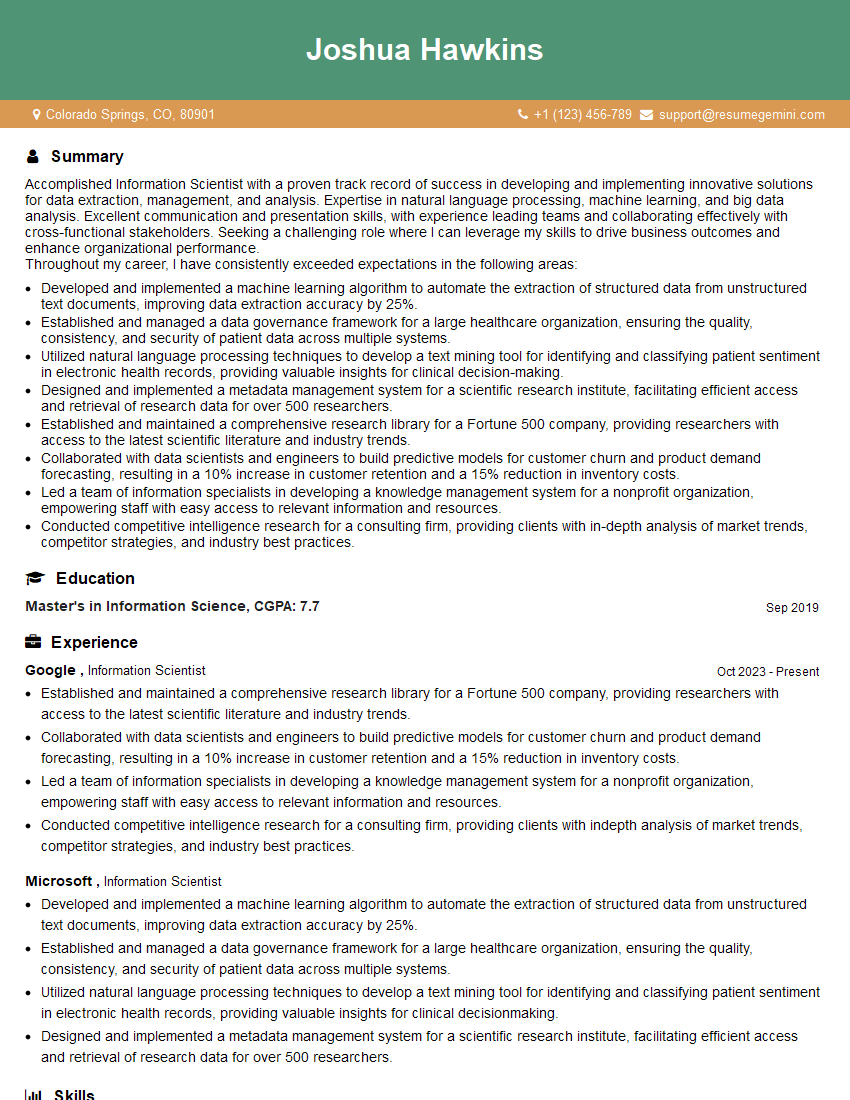
Information Scientist Resume Sample

Information Architect Resume Sample
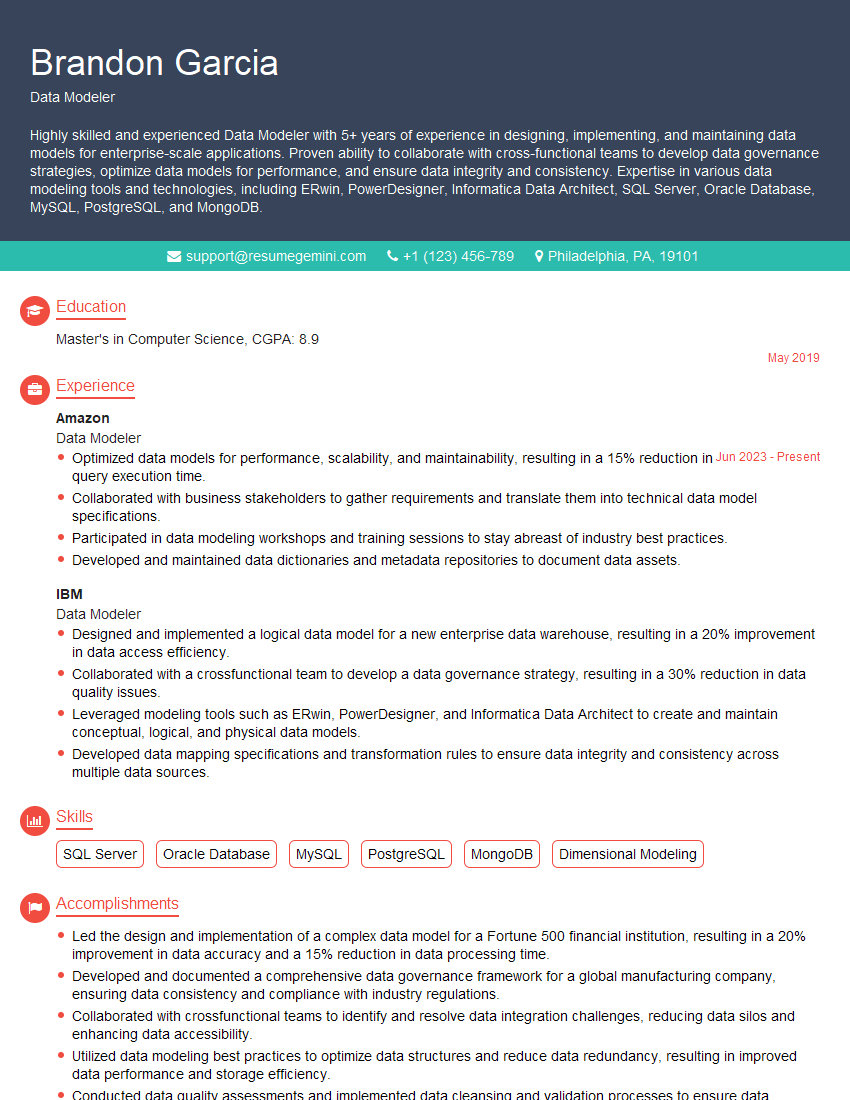
Data Modeler Resume Sample
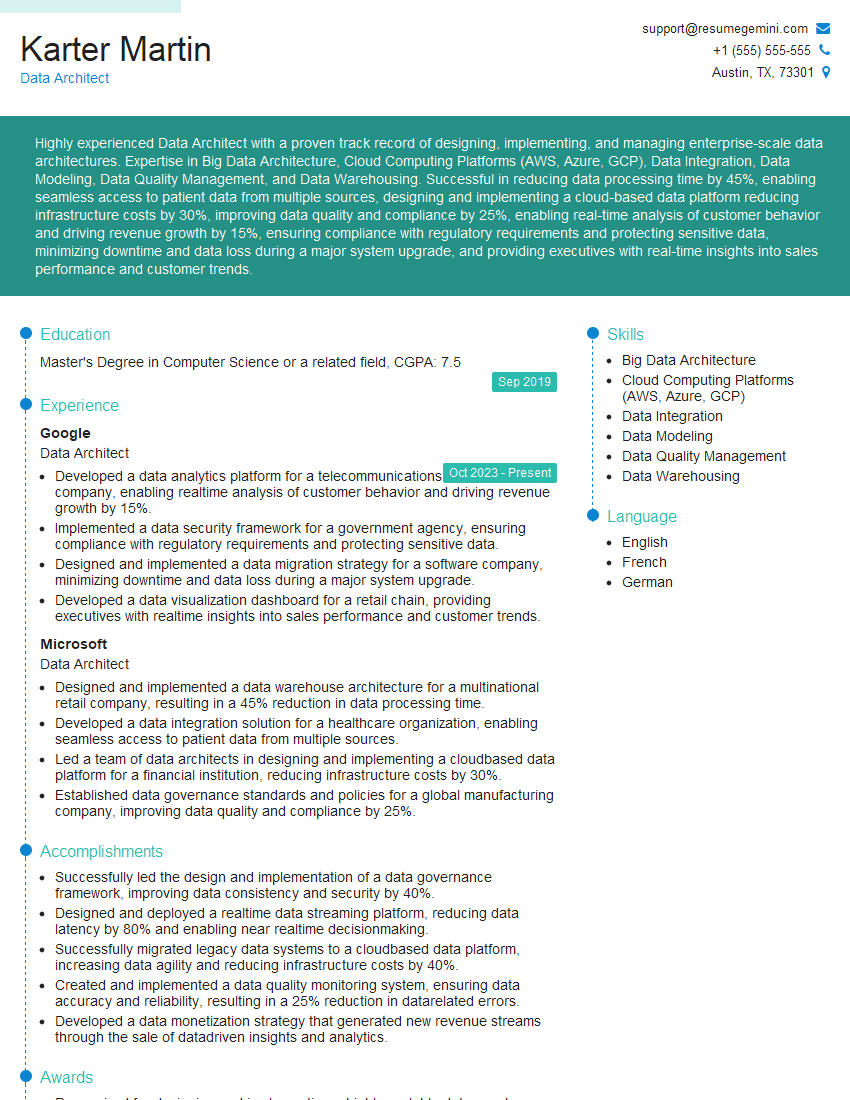
Data Architect Resume Sample
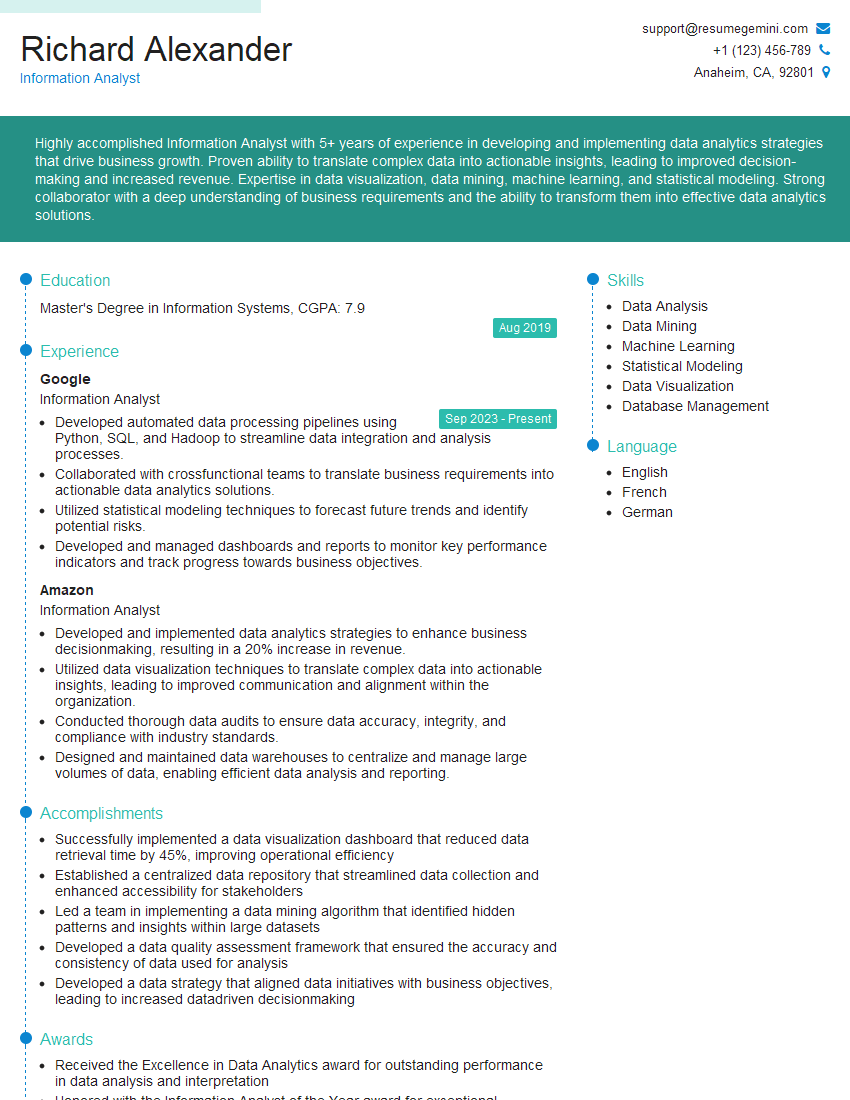
Information Analyst Resume Sample

Content Strategist Resume Sample
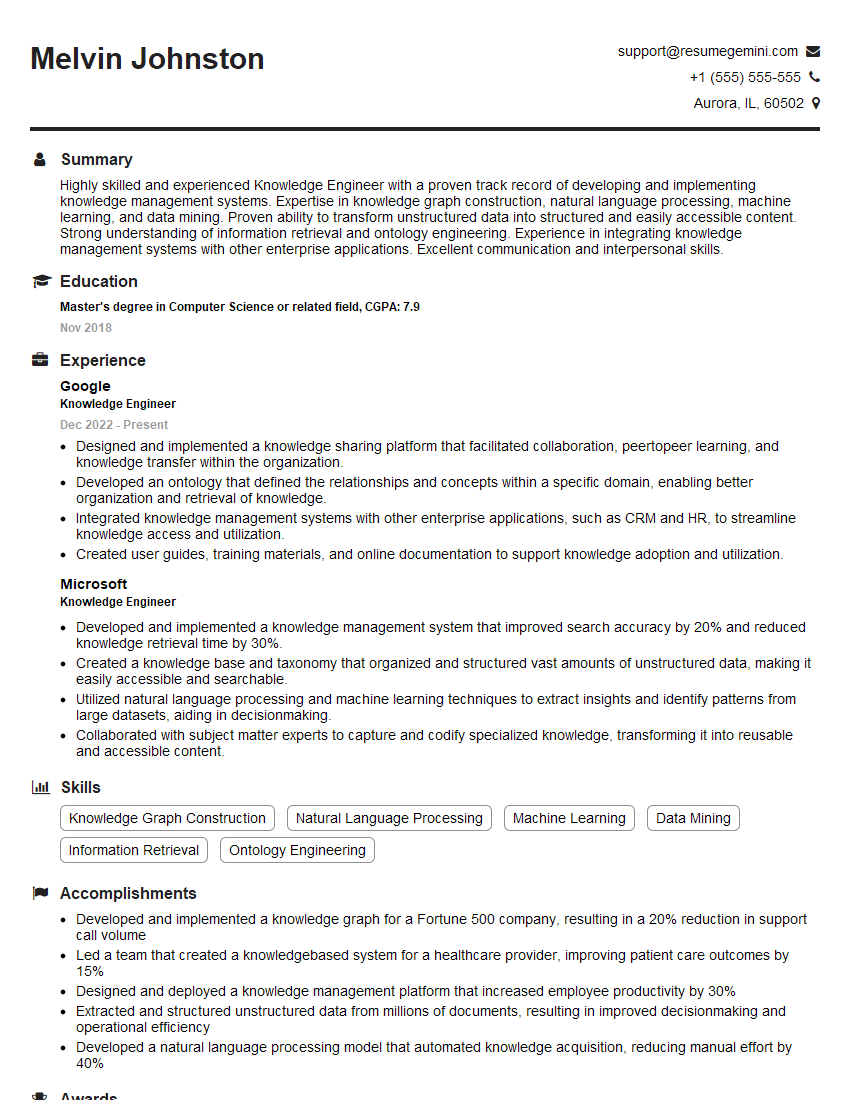
Knowledge Engineer Resume Sample
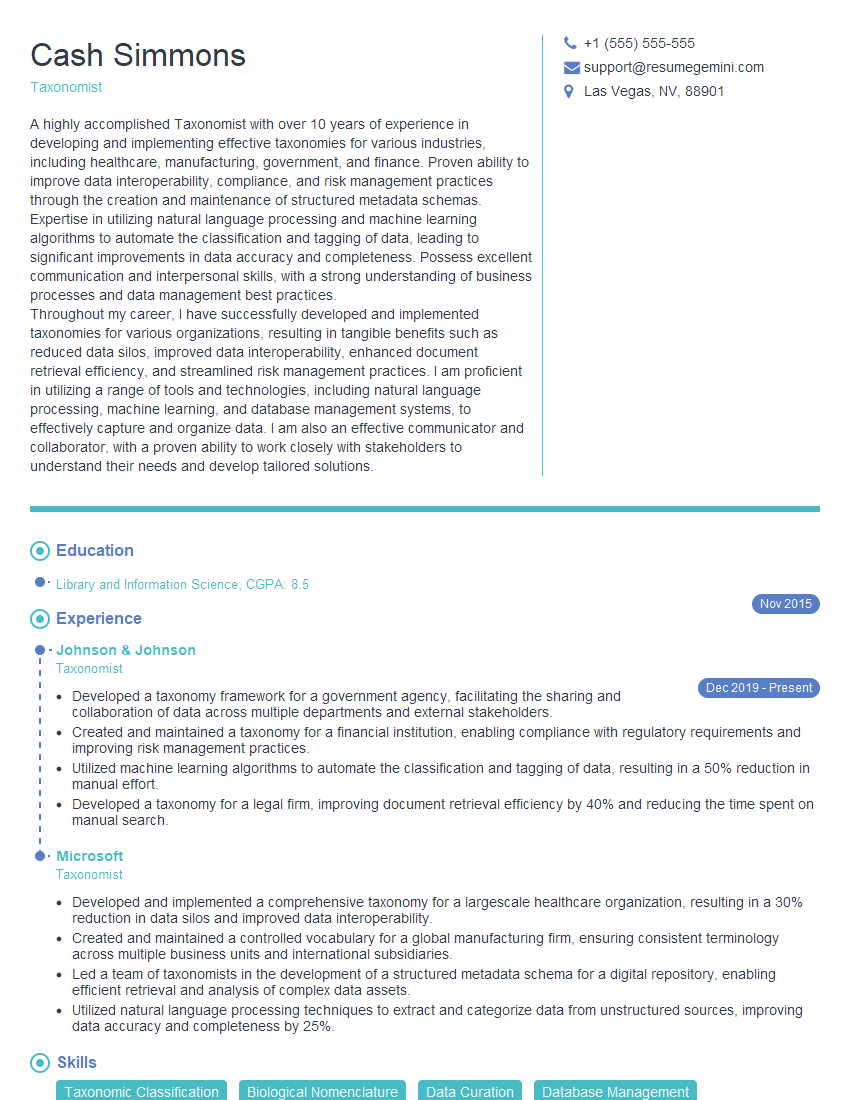
Taxonomist Resume Sample
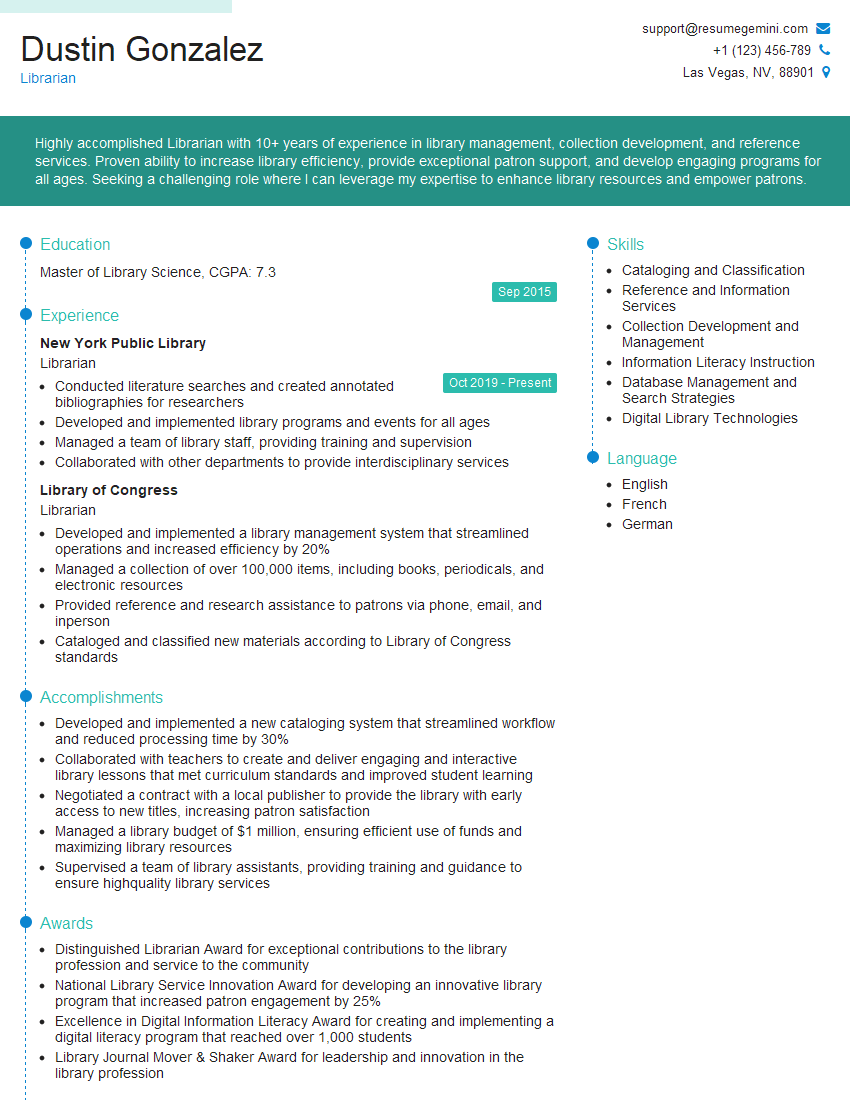
Librarian Resume Sample
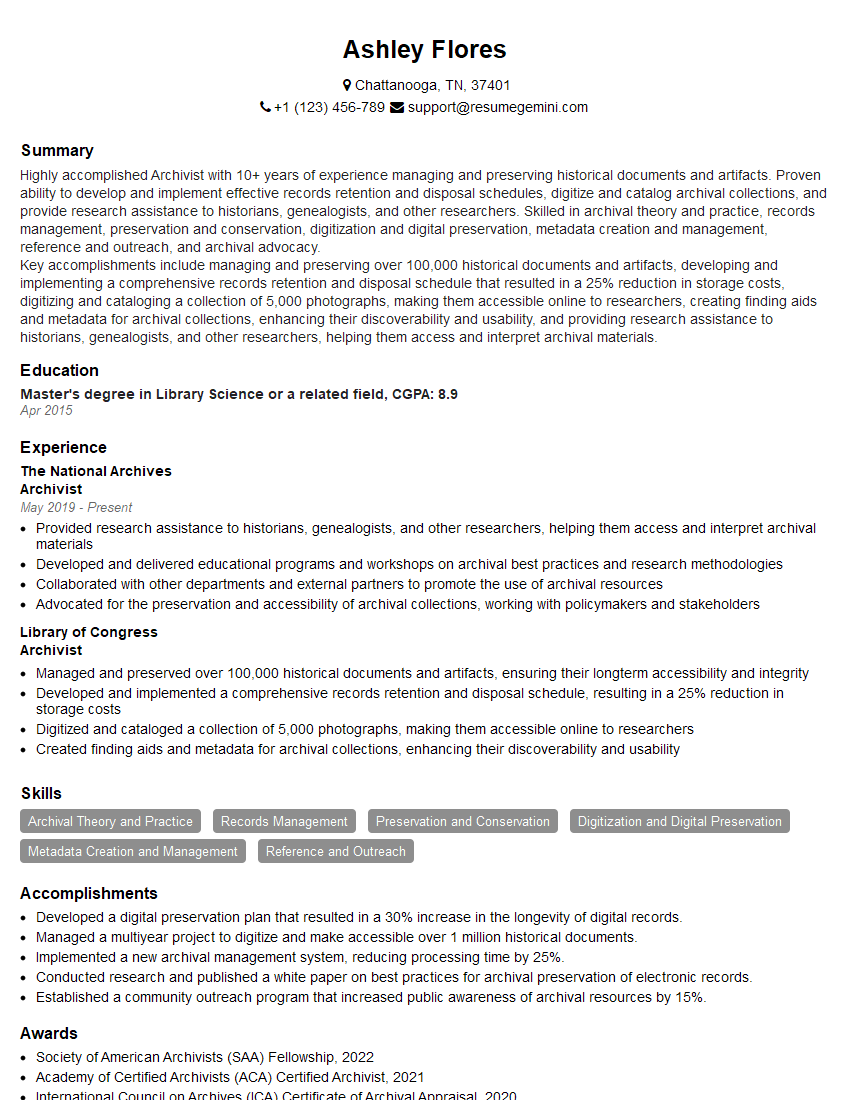
Archivist Resume Sample
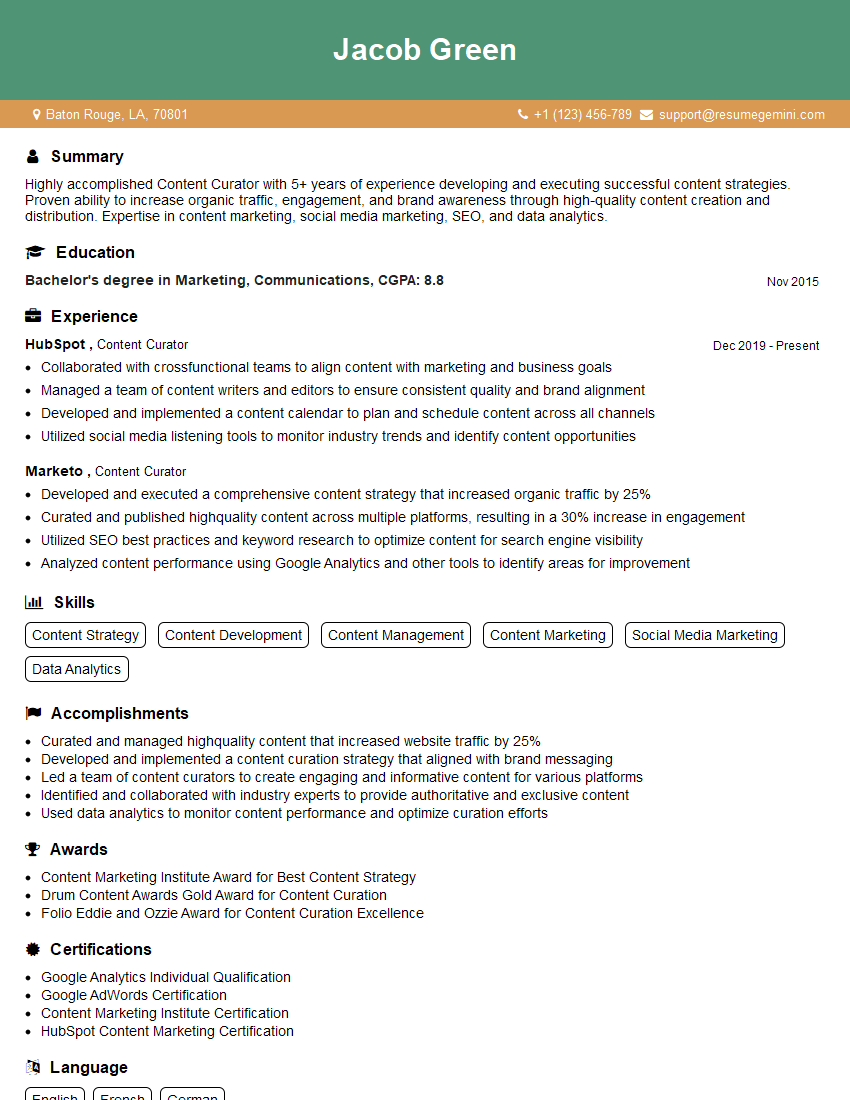
Content Curator Resume Sample
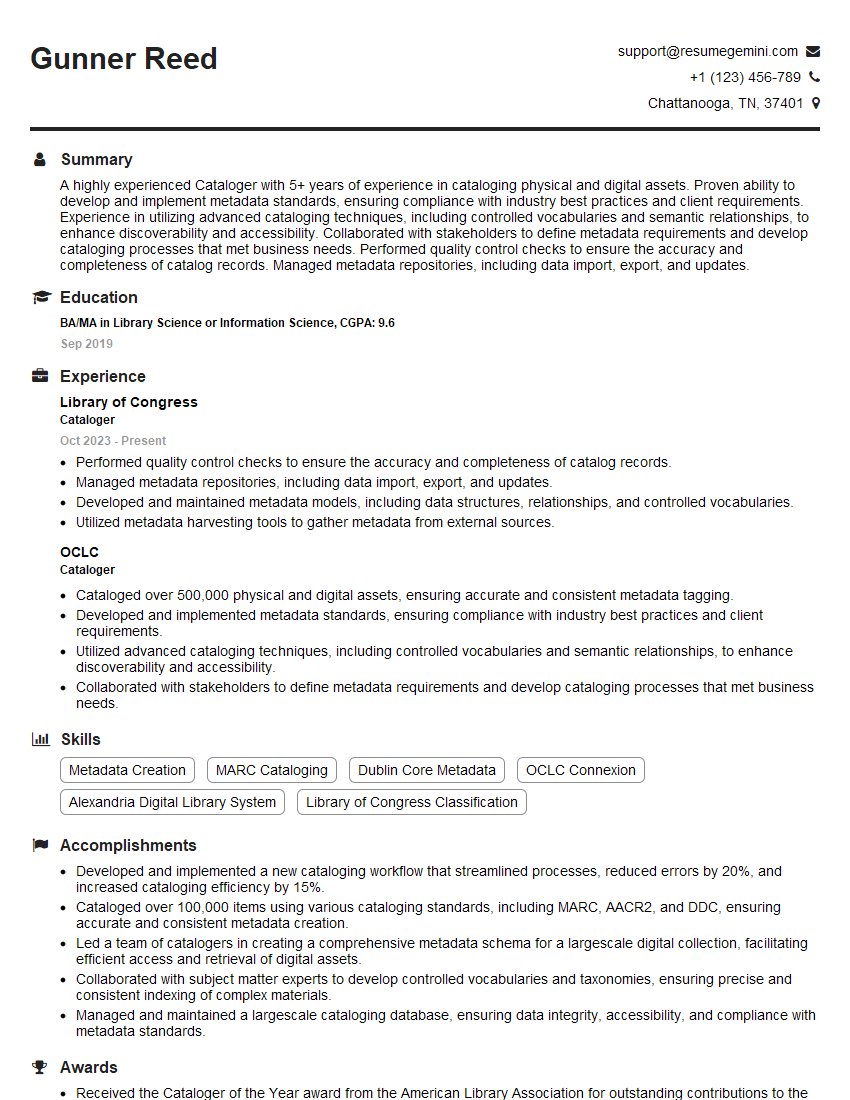
Cataloger Resume Sample
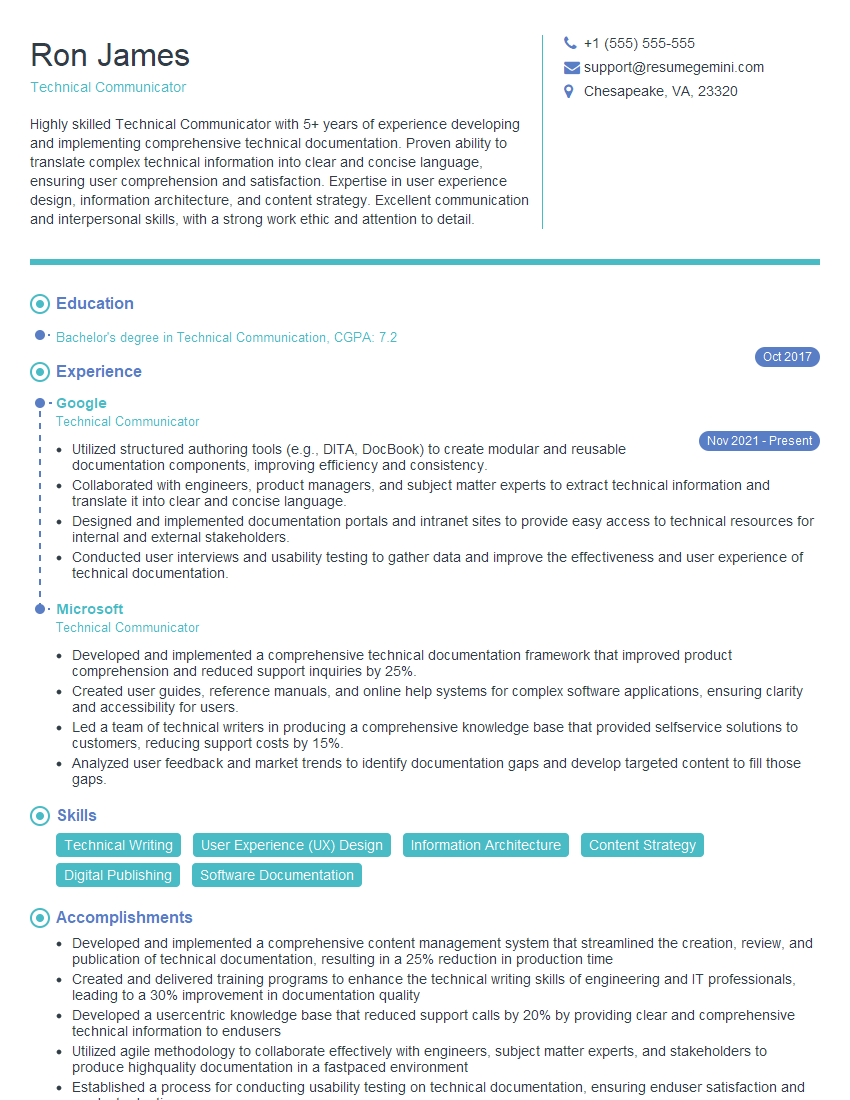
Technical Communicator Resume Sample

Technical Writer Resume Sample
Explore more articles
Users Rating of Our Blogs
Share Your Experience
We value your feedback! Please rate our content and share your thoughts (optional).
What Readers Say About Our Blog
Really detailed insights and content, thank you for writing this detailed article.
IT gave me an insight and words to use and be able to think of examples