Interviews are opportunities to demonstrate your expertise, and this guide is here to help you shine. Explore the essential Laboratory Sample Collection and Analysis interview questions that employers frequently ask, paired with strategies for crafting responses that set you apart from the competition.
Questions Asked in Laboratory Sample Collection and Analysis Interview
Q 1. Describe the proper procedure for collecting a blood sample.
Proper blood sample collection is crucial for accurate lab results. It involves a series of steps designed to minimize contamination and ensure sample integrity. Think of it like baking a cake – if you don’t follow the recipe precisely, you won’t get the desired outcome.
- Preparation: Gather all necessary materials: gloves, antiseptic wipes, tourniquet, appropriate collection tubes (depending on the tests ordered), needles, and labels. Proper hand hygiene is paramount.
- Patient Identification: Verify the patient’s identity using two identifiers (e.g., name and date of birth) to prevent sample mix-ups. This is critical; imagine giving the wrong medication to a patient – the consequences could be dire.
- Venipuncture Site Selection: Choose a suitable vein, typically in the antecubital fossa (the inner elbow area), that’s easily accessible and relatively large. Avoid areas with hematomas or scarring.
- Antisepsis: Cleanse the venipuncture site with an antiseptic wipe, using a concentric circular motion, working outwards from the center. Let the area air dry to avoid dilution of the antiseptic.
- Tourniquet Application: Apply the tourniquet 4-6 inches above the venipuncture site, ensuring it’s not too tight – it should only restrict venous, not arterial, blood flow. Remove the tourniquet within one minute to prevent hemoconcentration.
- Venipuncture: Insert the needle smoothly into the vein at a 15-30 degree angle. Observe for a flashback of blood in the syringe or tube to confirm proper vein entry.
- Sample Collection: Gently collect the required blood volume into the appropriate tubes, following the order of draw to prevent additive carryover. This order is crucial to maintain the accuracy of various tests.
- Post-Collection: Remove the tourniquet after collection. Apply gentle pressure to the venipuncture site with a gauze pad until bleeding stops. Discard the needle into a sharps container immediately.
- Labeling: Label the collected samples immediately with the patient’s identifiers, date, time, and any other relevant information, such as the phlebotomist’s initials.
Q 2. Explain the chain of custody for a forensic sample.
Chain of custody in forensic science is a meticulous process that documents every individual who has handled a sample from collection to analysis. It’s like a detailed relay race, where each runner must sign to prove they received and passed the baton.
It ensures the sample’s integrity and admissibility in court. A break in the chain of custody can compromise the evidence’s credibility. Key elements include:
- Detailed Documentation: Every transfer of the sample must be recorded, including the date, time, recipient, and reason for transfer. Signatures are crucial at each stage.
- Secure Storage: The sample must be stored in a secure, tamper-evident container and environment to prevent unauthorized access or contamination.
- Proper Handling: The sample should be handled according to established protocols to minimize the risk of degradation or contamination.
- Sealed Evidence Bags: Samples are typically placed in tamper-evident bags and sealed. Any breaches in the seal are noted.
- Chain of Custody Form: A dedicated form meticulously tracks the movement and handling of the evidence. This becomes a critical legal document.
Example: A blood sample collected at a crime scene would be logged by the first responder, then transferred to the forensic lab, with each transfer recorded and signed. Any deviation from this protocol weakens the evidence’s credibility.
Q 3. What are the critical steps in ensuring sample integrity?
Maintaining sample integrity is paramount to obtaining reliable results. Think of it like preserving a precious artifact; any damage renders it useless.
- Proper Collection Techniques: Adhering to established protocols for collection, including appropriate antiseptic use, minimizing hemolysis (destruction of red blood cells), and avoiding contamination.
- Appropriate Storage Conditions: Maintaining the correct temperature (refrigerated, frozen, or room temperature, as required by the test) and avoiding exposure to light or extreme environmental changes.
- Secure Transportation: Using appropriate containers and transport methods to prevent breakage, leakage, or contamination during transit.
- Timely Processing: Analyzing samples within the recommended timeframe to minimize degradation or changes in analyte concentration.
- Documentation: Meticulous record-keeping, including storage temperature, transport conditions, and processing times.
- Use of Controls: Incorporating appropriate positive and negative controls during analysis to ensure accuracy and reliability of the results.
Q 4. How do you handle a sample that arrives at the lab outside of acceptable temperature ranges?
Samples arriving outside acceptable temperature ranges pose a significant challenge, as this can lead to analyte degradation or inaccurate results. It’s like letting a cake sit in the sun – it’ll spoil.
The first step is to document the temperature deviation precisely. Then, the following should be considered:
- Assessment: Determine the extent of the temperature deviation and the nature of the sample. Some samples are more sensitive than others.
- Documentation: Meticulously record the deviation, including the initial temperature, the time of arrival, and the actions taken. This is crucial for legal and quality control purposes.
- Testing: Decide if the sample can still be analyzed. Some tests are more robust and may tolerate minor temperature variations. Others may require discarding the sample.
- Consultation: Consult with the ordering physician or relevant laboratory personnel to determine the best course of action. They may decide to recollect the sample.
- Rejection (If Necessary): If the temperature deviation significantly compromises sample integrity, the sample may have to be rejected and a new sample requested.
Q 5. What are the common sources of error in sample collection?
Several factors can contribute to errors in sample collection. These errors can lead to inaccurate or misleading results, so precision is paramount.
- Improper Patient Identification: Incorrectly identifying the patient can lead to sample mix-ups and potentially harmful consequences.
- Hemolysis: Damage to red blood cells during collection can release intracellular components, interfering with test results.
- Contamination: Introducing foreign substances (e.g., antiseptic residues, bacteria) into the sample can affect test accuracy.
- Incorrect Order of Draw: Collecting blood in the wrong order can lead to cross-contamination between tubes, causing erroneous results.
- Insufficient Sample Volume: Collecting too little blood may not provide enough material for all the necessary tests.
- Improper Labeling: Inadequate or incorrect labeling of samples can lead to mix-ups and loss of patient information.
- Inappropriate Storage or Transportation: Failing to maintain appropriate temperature and other storage conditions can alter analyte concentrations.
Q 6. Describe your experience with different types of sample collection tubes and their uses.
Various collection tubes are used, each designed for specific tests, like using the right tool for a job. Choosing the wrong tube can ruin the whole analysis!
- Plain Tubes (Red Top): Used for serum collection; the blood clots, and the serum is separated by centrifugation.
- Clot Activator Tubes (Red Top with Silica): Similar to plain tubes but with silica added to accelerate clotting.
- Serum Separator Tubes (SST): Contains a gel separator that separates serum from cells after centrifugation.
- Heparin Tubes (Green Top): Contain heparin, an anticoagulant that prevents blood clotting. Used for plasma collection.
- EDTA Tubes (Lavender Top): Contain ethylenediaminetetraacetic acid (EDTA), an anticoagulant used for complete blood counts (CBC) and other hematology tests.
- Citrate Tubes (Light Blue Top): Contain sodium citrate, an anticoagulant used for coagulation studies.
Choosing the correct tube is dictated by the tests ordered, as different tests require different sample types (serum, plasma, whole blood) and anticoagulants.
Q 7. How do you ensure patient confidentiality during sample collection and handling?
Patient confidentiality is paramount. It’s the cornerstone of trust in healthcare. Think of it as protecting a client’s private information, like a bank protecting account details.
- Strict Adherence to Privacy Regulations (HIPAA, etc.): Following all relevant regulations to ensure patient data remains confidential.
- Proper Labeling and Handling: Using only patient identifiers necessary for testing and avoiding public display of medical information.
- Secure Storage of Samples: Storing samples in designated areas with restricted access and proper security measures to prevent unauthorized access.
- Secure Data Management: Using password-protected electronic systems and secure data storage to prevent unauthorized access to patient information.
- Confidential Disposal of Materials: Proper disposal of samples and associated paperwork, following established procedures to maintain confidentiality.
- Employee Training: Regular training for all staff involved in sample collection and handling on privacy policies and procedures.
Q 8. Explain your knowledge of different laboratory safety regulations and procedures.
Laboratory safety is paramount. My knowledge encompasses a wide range of regulations and procedures, including those outlined by OSHA (Occupational Safety and Health Administration) and relevant accreditation bodies like CAP (College of American Pathologists) and ISO (International Organization for Standardization). These regulations cover everything from the handling of hazardous materials like biohazards and chemicals to the safe use of equipment and the prevention of accidents.
- Personal Protective Equipment (PPE): Strict adherence to PPE protocols is crucial. This includes wearing lab coats, gloves, eye protection, and, in some cases, respirators depending on the nature of the samples and the procedures being performed. For instance, when working with infectious samples, I always wear a Level 2 or Level 3 biohazard suit to ensure full body protection.
- Chemical Safety: Proper handling, storage, and disposal of chemicals are crucial. This involves understanding Safety Data Sheets (SDS) for each chemical, using appropriate ventilation, and following specific protocols for spill response. We have detailed emergency procedures in place for chemical spills, including the use of neutralizing agents and appropriate cleanup methods.
- Biological Safety: Working with biological samples requires strict adherence to biohazard protocols. This includes proper sterilization techniques, using biosafety cabinets for certain procedures, and following stringent waste disposal procedures to prevent cross-contamination and the spread of infectious agents. For instance, we use autoclaves for sterilizing contaminated materials before disposal.
- Sharps Safety: Proper handling and disposal of sharps (needles, lancets, etc.) are vital to prevent needlestick injuries. Designated sharps containers are used and disposal procedures strictly followed. We conduct regular sharps safety training to ensure everyone is aware of the risks and preventative measures.
- Emergency Procedures: We have detailed emergency procedures in place, including evacuation plans, fire safety protocols, and protocols for dealing with spills and injuries. Regular training drills help ensure everyone is prepared to react effectively in emergency situations.
Q 9. What quality control measures do you employ in your analysis workflow?
Quality control is the backbone of reliable laboratory results. We employ multiple measures throughout our workflow to ensure accuracy and precision. This includes:
- Calibration and Maintenance of Equipment: All instruments are regularly calibrated using certified reference materials and undergo routine preventative maintenance. Calibration records are meticulously maintained to demonstrate compliance with quality standards. For example, our spectrophotometers are calibrated weekly using certified standards.
- Use of Controls: We utilize positive and negative controls in every analytical run. Positive controls verify the assay’s ability to detect the analyte of interest, while negative controls confirm the absence of cross-contamination or interfering substances. This ensures that our results are accurate and reliable.
- Duplicate Samples and Replicates: We routinely analyze duplicate samples and perform multiple replicates of each test. This allows for the assessment of precision and the identification of outliers or potential errors. Any significant discrepancies are investigated and the sources of variation identified and addressed.
- Standard Operating Procedures (SOPs): All procedures are documented using detailed SOPs. These provide clear and consistent instructions for every step of the analysis, reducing errors and promoting uniformity. Regular review and updates of SOPs ensure that our methods remain current and effective.
- Internal Quality Control (IQC): We use internal quality control materials to regularly monitor the performance of our assays and identify any systematic errors or trends. Data from IQC is analyzed using statistical quality control charts to detect deviations and initiate corrective actions.
- External Quality Assessment (EQA): We participate in EQA programs to compare our results to those of other laboratories. This provides an objective assessment of our performance and highlights areas for improvement.
Q 10. Describe your experience with different laboratory instruments and equipment.
My experience spans a broad range of laboratory instruments and equipment. I’m proficient in operating and maintaining various types of analytical instruments, including:
- Spectrophotometers: Used for quantitative and qualitative analysis of substances based on their light absorption properties. I have extensive experience with both UV-Vis and fluorescence spectrophotometers.
- Chromatography Systems (HPLC, GC): Proficient in using High-Performance Liquid Chromatography (HPLC) and Gas Chromatography (GC) systems for separating and analyzing complex mixtures. I understand the principles behind different chromatographic techniques, column selection, and data interpretation.
- Mass Spectrometers: Familiar with various types of mass spectrometers, including those coupled with chromatography systems (e.g., LC-MS, GC-MS). This experience enables me to identify and quantify compounds at very low concentrations.
- Automated Liquid Handling Systems: Experienced in utilizing automated liquid handling robots for high-throughput sample preparation and analysis. This improves efficiency and minimizes manual errors.
- Microscopy Equipment: Experienced with various microscopy techniques including bright-field, dark-field, and fluorescence microscopy. This is crucial for tasks such as cell counting and identification of microorganisms.
- Centrifuges and other general lab equipment: Proficient in using centrifuges, balances, pH meters, incubators, and other general laboratory equipment necessary for sample preparation and analysis.
Beyond operation, I’m also skilled in routine maintenance and troubleshooting of these instruments.
Q 11. How do you troubleshoot common issues encountered during sample analysis?
Troubleshooting is an integral part of laboratory analysis. My approach is systematic and involves:
- Identify the Problem: Carefully examine the issue. Are there errors in the instrument readout? Inconsistent results? Contaminated samples? Documenting observations is crucial.
- Review SOPs: Check if the procedure was followed correctly. Even small deviations can affect the results. Were all reagents prepared properly? Were appropriate controls included?
- Check Equipment: Verify the calibration and functionality of all instruments involved. Were there any recent maintenance issues? Is the equipment properly functioning and calibrated? A simple calibration check can resolve many problems.
- Reagent and Sample Integrity: Assess the quality and storage conditions of reagents and samples. Were samples correctly stored? Are reagents expired or degraded?
- Consult Resources: When necessary, consult instrument manuals, troubleshooting guides, or colleagues with expertise in specific areas. Collaboration can be essential in resolving complex problems.
- Documentation: Record all troubleshooting steps taken, including observations, actions, and outcomes. This is critical for future reference and to demonstrate the resolution process.
For example, if a spectrophotometer is giving inconsistent readings, I would first check its calibration, then examine the cuvettes for cleanliness and any scratches, and then investigate the stability of the light source. A systematic approach ensures that the problem is resolved efficiently and accurately.
Q 12. What are the key steps in preparing samples for analysis?
Sample preparation is a critical step that significantly impacts the accuracy and reliability of the analysis. The specific steps depend on the type of sample and the analytical method used. However, some general steps are common to many procedures:
- Sample Receipt and Identification: Samples are carefully checked upon receipt to verify correct labeling, quantity, and condition. Any discrepancies are immediately reported.
- Sample Homogenization: For heterogeneous samples (e.g., tissue, blood), homogenization is necessary to ensure a representative sample is analyzed. Methods such as blending, grinding, or sonication are used depending on the sample type.
- Dilution and Extraction: Samples often need to be diluted to achieve the appropriate concentration range for analysis or subjected to extraction procedures to isolate the analyte of interest. This might involve using organic solvents or solid-phase extraction techniques.
- Filtration or Centrifugation: These steps remove particulates or other interfering substances. Filtration is used for removing solid particles, while centrifugation separates different components based on density.
- Quality Control Checks: Throughout preparation, quality control checks ensure the integrity of the sample. This may include pH measurements, visual inspections for turbidity, or other relevant quality indicators.
- Aliquoting: The prepared sample is often divided into aliquots to be analyzed in multiple assays or for different analytical methods. This reduces the risk of sample depletion and ensures multiple runs can be done.
For example, preparing a blood sample for a glucose analysis might involve centrifuging to separate the plasma, followed by appropriate dilution before analysis.
Q 13. Explain the principles of different analytical methods used in your field of expertise.
My expertise encompasses a variety of analytical methods. Here are some examples and their underlying principles:
- Spectrophotometry: This method measures the absorbance or transmission of light through a sample. The Beer-Lambert law (A = εbc) describes the relationship between absorbance (A), molar absorptivity (ε), path length (b), and concentration (c). It’s widely used for quantifying substances in solution.
- Chromatography (HPLC, GC): These techniques separate components of a mixture based on their different affinities for a stationary and a mobile phase. HPLC utilizes a liquid mobile phase, while GC uses a gaseous mobile phase. Different detection methods can be employed to quantify the separated components.
- Mass Spectrometry: This method measures the mass-to-charge ratio of ions. It is used for identifying and quantifying compounds based on their unique mass spectra. Often coupled with chromatography for analyzing complex mixtures.
- Enzyme-Linked Immunosorbent Assay (ELISA): This immunological technique detects and quantifies specific proteins or other substances using antibodies. It is based on the highly specific binding between antibodies and antigens. Variations in ELISA include direct, indirect, sandwich, and competitive assays.
- Electrochemical Methods: These methods measure the electrical properties of a sample, such as pH, conductivity, or redox potential. They can be used for quantifying various substances and are often employed in conjunction with other analytical techniques.
Understanding the principles of each method is essential for selecting the most appropriate technique for a given analysis and correctly interpreting the obtained results.
Q 14. How do you interpret and report laboratory results?
Interpreting and reporting laboratory results requires careful attention to detail and a thorough understanding of the analytical method used. My approach involves:
- Data Analysis: Raw data is processed using appropriate software and statistical methods. This often involves calculating means, standard deviations, and other relevant statistical parameters. Any outliers or inconsistencies are investigated thoroughly.
- Quality Control Review: IQC and EQA data are reviewed to ensure the accuracy and reliability of the results. Any deviations from expected values are noted and investigated.
- Method Validation: The analytical method’s accuracy, precision, and linearity are taken into account during interpretation. This ensures that the results are within the acceptable range of the method.
- Reference Ranges: Results are compared to established reference ranges or expected values. Deviation from these ranges is noted and contextualized.
- Clinical Correlation: Where applicable, results are interpreted in light of the patient’s clinical information and other diagnostic findings. This holistic approach is crucial for providing clinically relevant information.
- Report Generation: Results are clearly and concisely reported in a standardized format that includes all relevant information, including the method used, the date and time of analysis, and any relevant quality control data. Any limitations of the analysis are also clearly stated.
For example, a slightly elevated glucose level in a blood test might be considered normal within the individual’s physiological range or might indicate a more serious condition like diabetes, depending on other factors and clinical context.
Q 15. What are the limitations of different analytical methods?
Different analytical methods each have their own strengths and weaknesses, leading to specific limitations. These limitations can stem from the method’s principles, the instrumentation used, or even the sample matrix itself.
Spectrophotometry: While a relatively simple and widely used technique, spectrophotometry can be affected by factors like stray light and non-specific absorbance, leading to inaccurate readings. For instance, the presence of turbidity in a sample could significantly skew the absorbance measurements.
Chromatography (HPLC, GC): These techniques offer high resolution and sensitivity but can be time-consuming and require specialized expertise for method development and optimization. The selection of the appropriate mobile phase or column can be critical, affecting separation efficiency and peak identification.
Mass Spectrometry (MS): Although capable of identifying and quantifying a wide range of compounds, MS can be expensive and requires skilled technicians for operation and data interpretation. Matrix effects can also complicate analysis, impacting the accuracy of quantification.
Enzyme-Linked Immunosorbent Assay (ELISA): ELISA is sensitive and versatile but can be prone to cross-reactivity, resulting in false positives or negatives. The assay’s performance is highly dependent on the quality of reagents and adherence to strict protocols.
Understanding these limitations is crucial for selecting the appropriate analytical method for a specific application and interpreting results correctly, always considering potential sources of error and their impact on the data’s reliability. We need to choose the method that best balances accuracy, cost, and time constraints while acknowledging its inherent limitations.
Career Expert Tips:
- Ace those interviews! Prepare effectively by reviewing the Top 50 Most Common Interview Questions on ResumeGemini.
- Navigate your job search with confidence! Explore a wide range of Career Tips on ResumeGemini. Learn about common challenges and recommendations to overcome them.
- Craft the perfect resume! Master the Art of Resume Writing with ResumeGemini’s guide. Showcase your unique qualifications and achievements effectively.
- Don’t miss out on holiday savings! Build your dream resume with ResumeGemini’s ATS optimized templates.
Q 16. Describe your experience with data analysis and interpretation.
My experience with data analysis and interpretation spans various aspects of laboratory work, from routine quality control to complex research projects. I’m proficient in using statistical software packages such as R and SPSS to analyze quantitative data, perform hypothesis testing, and generate informative visualizations. I’m also adept at interpreting qualitative data, such as observations from microscopy or visual inspections.
For example, in a recent project involving the analysis of heavy metals in environmental samples, I used R to perform ANOVA tests to determine significant differences in metal concentrations across different sampling locations. I then created graphical representations, such as box plots and scatter plots, to clearly communicate my findings to non-technical audiences. This included identifying potential outliers and evaluating the data’s overall distribution. Understanding the nuances of data, including the presence of outliers and potential sources of bias is paramount for accurate interpretation.
My approach emphasizes data validation and quality control throughout the entire analytical process. I carefully review all data for inconsistencies or anomalies before reporting results and always ensure that the data is appropriately contextualized within the broader experimental design and objectives.
Q 17. How do you maintain accurate records and documentation of lab procedures?
Maintaining accurate records and documentation is fundamental to good laboratory practice (GLP) and essential for traceability, reproducibility, and regulatory compliance. We employ a multi-layered system.
Electronic Laboratory Notebook (ELN): All experimental procedures, results, and observations are meticulously documented in our ELN. This system provides a secure, centralized repository for all data, allowing for easy retrieval and audit trails.
Standard Operating Procedures (SOPs): Detailed SOPs are developed and followed for all laboratory procedures, ensuring consistency and minimizing errors. These SOPs include sections on sample handling, analysis methods, data recording, and quality control measures.
Chain of Custody Documentation: For samples that require chain of custody, we maintain detailed records of who handled the sample, when, and where. This is critical for ensuring sample integrity and legal admissibility.
Regular audits and internal quality control checks ensure compliance with our documentation protocols. This layered approach guarantees accurate and reliable record-keeping, crucial for both internal review and external regulatory inspections. Think of it as building a strong foundation for any future investigations or audits.
Q 18. What software or LIMS systems are you familiar with?
My experience encompasses various software and LIMS (Laboratory Information Management System) platforms. I’m proficient in using several LIMS systems, including Thermo Scientific SampleManager, LabWare LIMS, and StarLIMS. These systems are indispensable for managing samples, tracking results, and generating reports.
Beyond LIMS, I’m experienced with data analysis software like R, SPSS, and GraphPad Prism. These tools are vital for statistical analysis, data visualization, and report generation. Proficiency in Microsoft Office Suite is essential for daily tasks, such as creating presentations and reports. Familiarity with specialized software relevant to specific analytical techniques, such as chromatography data systems (CDS) used with HPLC or GC, is also part of my skillset. This combined experience allows me to manage laboratory data effectively and efficiently across various platforms.
Q 19. Explain your experience with quality assurance and quality control in the laboratory.
Quality assurance (QA) and quality control (QC) are integral parts of my laboratory practice. QA focuses on the overall process to ensure reliable results, while QC involves specific procedures to monitor accuracy and precision. My experience encompasses several key areas:
Method Validation: I’ve participated in method validations to ensure that analytical methods are fit for their intended purpose. This involves evaluating parameters like linearity, accuracy, precision, and limit of detection (LOD).
QC Samples: I regularly include QC samples (blanks, standards, duplicates) in analytical runs to monitor the accuracy and precision of the analyses and detect any systematic errors.
Instrument Calibration and Maintenance: I’m involved in the regular calibration and maintenance of laboratory instruments to ensure their proper functioning and accuracy.
Internal Audits: I actively participate in internal audits to assess compliance with GLP and identify areas for improvement. These audits scrutinize documentation, procedures, and results.
A commitment to QA/QC is critical for generating reliable and trustworthy results, safeguarding the integrity of the laboratory’s data and building client confidence.
Q 20. How do you identify and address potential sources of contamination in sample collection and analysis?
Contamination is a significant concern in sample collection and analysis. It can compromise the integrity of results, leading to inaccurate or misleading conclusions. Addressing contamination requires a multi-pronged approach.
Sample Collection Procedures: Using appropriate sterile techniques during sample collection is paramount. This includes using sterile containers, gloves, and tools. Proper labeling and handling are also crucial to prevent cross-contamination.
Laboratory Environment: Maintaining a clean laboratory environment is essential. Regular cleaning and decontamination of work surfaces, equipment, and instruments are vital to minimize contamination. Using appropriate personal protective equipment (PPE) is a must.
Reagent Purity: Using high-purity reagents and solvents is critical. Contaminants in reagents can introduce bias into the analysis. Regularly testing the purity of reagents is a necessary precaution.
Traceability and Auditing: Maintaining detailed records of all procedures, materials, and results allows for traceability, facilitating the identification of potential contamination sources if discrepancies are found. Regular audits are crucial to ensure that contamination control measures are effective.
Identifying and addressing contamination requires vigilance and meticulous attention to detail throughout the entire analytical process. Think of it as a detective investigation, where you must carefully examine every step to pinpoint the source of any potential contamination.
Q 21. What is your experience with proficiency testing and external quality assessment programs?
Proficiency testing (PT) and external quality assessment (EQA) programs are critical components of quality management in analytical laboratories. They provide an independent assessment of a lab’s performance compared to other laboratories performing similar tests.
My experience involves participating in various PT and EQA programs. This entails receiving and analyzing blind samples alongside other laboratories and comparing results to assess accuracy and precision. I’m familiar with interpreting PT/EQA reports, identifying areas of strength and weakness, and taking corrective action if needed. This continuous improvement cycle, driven by external validation, is crucial for maintaining high standards of analytical accuracy and reliability. Participation in these programs provides a valuable external benchmark for our laboratory performance, ensuring consistent accuracy and reliability.
We regularly analyze the results, compare them against established benchmarks, and use any identified gaps to refine our processes and improve our overall analytical quality.
Q 22. How do you handle discrepancies between expected and obtained results?
Discrepancies between expected and obtained results are a common occurrence in laboratory settings, and handling them effectively is crucial for maintaining data integrity. My approach involves a systematic investigation, beginning with a review of the entire analytical process.
Reviewing the Pre-Analytical Phase: I would first examine the sample collection process, checking for any deviations from the standard operating procedure (SOP), such as incorrect sample labeling, improper storage, or delays in transportation. For example, if a blood sample was left at room temperature for too long before analysis, it could lead to inaccurate results.
Analyzing the Analytical Phase: Next, I’d meticulously scrutinize the analytical procedures, looking for potential errors in instrument calibration, reagent preparation, or the execution of the analytical method itself. This might involve checking instrument logs, reviewing calculations, and repeating the analysis with a fresh aliquot of the sample, ideally using a different instrument or technique if possible.
Assessing Post-Analytical Factors: Finally, I’d investigate any post-analytical factors, including data transcription errors or issues with data management.
Documentation and Reporting: Regardless of the cause, all findings are meticulously documented, and appropriate corrective actions are implemented to prevent future discrepancies. A comprehensive report detailing the investigation and its conclusions would be prepared. For significant deviations, an investigation involving senior staff might be necessary.
Essentially, it’s a process of elimination, systematically ruling out possibilities until the root cause is identified and resolved.
Q 23. Describe your experience with method validation and verification.
Method validation and verification are cornerstones of reliable laboratory testing. Method validation is the process of proving that a specific analytical method is suitable for its intended purpose, while method verification confirms that a validated method continues to perform as expected in a specific laboratory setting.
Method Validation: My experience includes extensive participation in method validation studies, encompassing parameters like accuracy, precision, linearity, limit of detection (LOD), limit of quantification (LOQ), and robustness. For example, I’ve worked on validating ELISA methods for detecting specific proteins in serum samples. This involved preparing calibration curves, running quality control samples, and assessing the method’s performance across a range of concentrations.
Method Verification: Verification involves confirming that the validated method performs correctly within our specific laboratory environment. This includes regular checks on instrument calibration, reagent quality, and technician competency. For example, we might run a proficiency testing program with samples from an external source to validate our results against a benchmark. Any significant deviations trigger a full investigation, as described in the previous answer.
Both validation and verification are documented extensively to ensure compliance with regulatory guidelines and to demonstrate the reliability of our test results.
Q 24. How do you ensure the accuracy and reliability of laboratory test results?
Ensuring the accuracy and reliability of laboratory test results is paramount, demanding a multifaceted approach. It’s achieved through a combination of meticulous techniques and practices:
Quality Control (QC): We implement rigorous QC measures at every stage, including using certified reference materials, running control samples with each analytical batch, and employing statistical process control (SPC) charts to monitor the performance of our methods over time. Identifying trends or systematic errors through SPC allows for early intervention.
Proficiency Testing (PT): Participation in PT programs provides external validation of our laboratory’s performance by comparing our results to those of other labs analyzing the same samples. This helps identify potential biases or systematic errors.
Instrument Calibration and Maintenance: Regular calibration and preventative maintenance of laboratory instruments are crucial for maintaining accuracy. We adhere to strict schedules and keep meticulous records of all maintenance and calibration activities.
Personnel Training and Competency Assessment: Regular training and proficiency testing of laboratory personnel are essential. We ensure that all staff are proficient in their assigned tasks and regularly assess their competency to maintain a high level of performance.
Standard Operating Procedures (SOPs): Following detailed, validated SOPs for all procedures minimizes variability and ensures consistency.
By employing these strategies, we minimize the likelihood of errors and enhance the confidence in the reliability and accuracy of the test results we deliver.
Q 25. Explain your understanding of standard operating procedures (SOPs) in a laboratory setting.
Standard Operating Procedures (SOPs) are documented step-by-step instructions that detail the specific methods, procedures, and protocols used in a laboratory setting. They are the backbone of a well-functioning lab, ensuring consistency, reproducibility, and compliance with quality standards.
Purpose: SOPs serve several crucial functions: they minimize variability between analysts, reduce the risk of errors, ensure data quality, aid in training new staff, and facilitate regulatory compliance. They provide a standardized approach to each procedure, preventing inconsistencies that can compromise results.
Structure: A well-written SOP typically includes a title, purpose, scope, responsibility, procedure, safety considerations, and references. It provides clear instructions, including specific equipment, reagents, and steps to follow. For instance, an SOP for preparing a specific reagent will meticulously detail the required chemicals, concentrations, mixing techniques, storage conditions, and safety precautions.
Importance: Adherence to SOPs is paramount. Deviations must be documented, justified, and approved by a supervisor to maintain the integrity of the results and to ensure traceability.
In essence, SOPs serve as a blueprint for consistent, reliable, and auditable laboratory operations.
Q 26. How do you maintain a clean and organized work environment in the laboratory?
Maintaining a clean and organized work environment in a laboratory is crucial for safety, accuracy, and efficiency. It’s more than just tidiness; it’s a key component of quality control and prevents contamination or accidents.
Organization: We utilize a 5S system (Sort, Set in Order, Shine, Standardize, Sustain) to systematically organize the workspace. This involves regularly discarding unnecessary items, designating specific locations for equipment and supplies, cleaning surfaces and equipment, and standardizing procedures for organizing materials. This makes it easy to locate needed items and keeps the workflow smooth and efficient.
Cleanliness: Regular cleaning and disinfection of work surfaces, equipment, and shared spaces are non-negotiable. We follow a schedule for cleaning, using appropriate disinfectants based on the specific contaminants that might be present. For example, different disinfectants are used for bloodborne pathogens compared to bacterial cultures.
Waste Management: Proper waste disposal is vital for safety and environmental compliance. We segregate waste streams according to regulatory guidelines, correctly labeling and disposing of hazardous materials, chemicals, and biological waste.
Safety Precautions: Implementing and strictly following safety procedures, such as proper handling of hazardous materials, usage of Personal Protective Equipment (PPE), and emergency response protocols, contributes to a safe and organized environment.
A clean and organized lab fosters a more efficient and productive work environment, minimizing the risks of errors and contamination.
Q 27. Describe your experience with training and mentoring junior staff in laboratory procedures.
Training and mentoring junior staff is a critical part of my role. I employ a combination of theoretical and practical approaches to ensure effective knowledge transfer and skill development.
On-the-Job Training: I provide hands-on training, closely supervising junior staff as they perform procedures, offering guidance and feedback. This allows for direct observation of techniques and immediate correction of errors. I use a gradual approach, starting with simpler tasks and gradually increasing the complexity as their proficiency improves.
Formal Training Sessions: We hold regular training sessions covering theoretical aspects of laboratory techniques, safety protocols, and quality control measures. These sessions incorporate interactive elements like quizzes and case studies to enhance understanding and retention.
Mentorship: I strive to develop a mentoring relationship with junior staff, providing ongoing support, guidance, and encouragement. I regularly check their progress, answer their questions, and provide constructive feedback. This fosters a supportive learning environment and helps to build confidence.
Documentation and Assessment: Training progress is carefully documented, and regular competency assessments are conducted to ensure that staff meet the required proficiency levels. This documentation serves as evidence of compliance and confirms their readiness to work independently.
My goal is not only to equip junior staff with the technical skills but also to cultivate a strong understanding of quality control, safety, and ethical conduct in the laboratory.
Q 28. What are the ethical considerations involved in laboratory sample collection and analysis?
Ethical considerations are central to laboratory sample collection and analysis. Maintaining integrity and upholding high ethical standards are critical to ensure reliable results and trust in the process.
Confidentiality: Patient information and test results must be kept strictly confidential, adhering to all relevant privacy regulations (e.g., HIPAA). Access to sensitive data should be restricted to authorized personnel.
Data Integrity: Results must be accurate and honestly reported, without manipulation or fabrication. Any errors or deviations from standard procedures must be documented and reported transparently.
Transparency: Procedures and methods should be clearly documented and readily available for review. Any conflicts of interest must be disclosed.
Competence: Personnel should only perform tests and procedures within their area of competency, ensuring results are reliable and trustworthy.
Responsible Use of Resources: Conscientious use of resources including reagents, equipment, and time is essential. Minimizing waste and adhering to environmentally responsible practices is crucial.
Informed Consent: In clinical settings, obtaining proper informed consent from patients before sample collection is essential.
Upholding these ethical principles is fundamental to maintaining the credibility and integrity of the laboratory and ensuring trust in the results we produce.
Key Topics to Learn for Laboratory Sample Collection and Analysis Interview
- Specimen Collection Techniques: Understanding various collection methods (venipuncture, capillary puncture, urine collection etc.), proper patient identification protocols, and the importance of maintaining sample integrity.
- Sample Handling and Processing: Mastering techniques for labeling, storing, transporting, and processing samples to minimize contamination and degradation. This includes understanding temperature requirements and appropriate handling procedures for different sample types.
- Quality Control and Assurance: Thorough knowledge of quality control measures implemented throughout the sample lifecycle, including proficiency testing, calibration, and internal quality control procedures. Understanding the importance of documentation and adherence to regulatory guidelines.
- Analytical Techniques and Instrumentation: Familiarity with common laboratory instruments and analytical methods used in sample analysis (e.g., spectrophotometry, chromatography, ELISA). Understanding the principles behind these techniques and their applications.
- Data Analysis and Interpretation: Proficiency in interpreting analytical results, identifying potential sources of error, and communicating findings effectively. Understanding statistical analysis techniques relevant to laboratory data.
- Safety and Infection Control: Demonstrating a strong understanding of laboratory safety protocols, including handling of biohazardous materials, proper waste disposal, and adherence to infection control guidelines.
- Troubleshooting and Problem-Solving: Ability to identify and resolve common issues encountered during sample collection and analysis, demonstrating critical thinking and problem-solving skills.
- Regulatory Compliance: Understanding relevant regulations and guidelines governing laboratory practices, including HIPAA, CLIA, and other applicable standards.
Next Steps
Mastering Laboratory Sample Collection and Analysis opens doors to exciting career opportunities with significant growth potential. A strong foundation in these areas is highly sought after in medical labs, research institutions, and pharmaceutical companies. To maximize your job prospects, crafting an ATS-friendly resume is crucial. ResumeGemini is a trusted resource to help you build a professional and impactful resume that highlights your skills and experience effectively. Examples of resumes tailored to Laboratory Sample Collection and Analysis are available to guide you through the process, ensuring your application stands out.

Lab Manager Resume Sample

Quality Control Manager Resume Sample
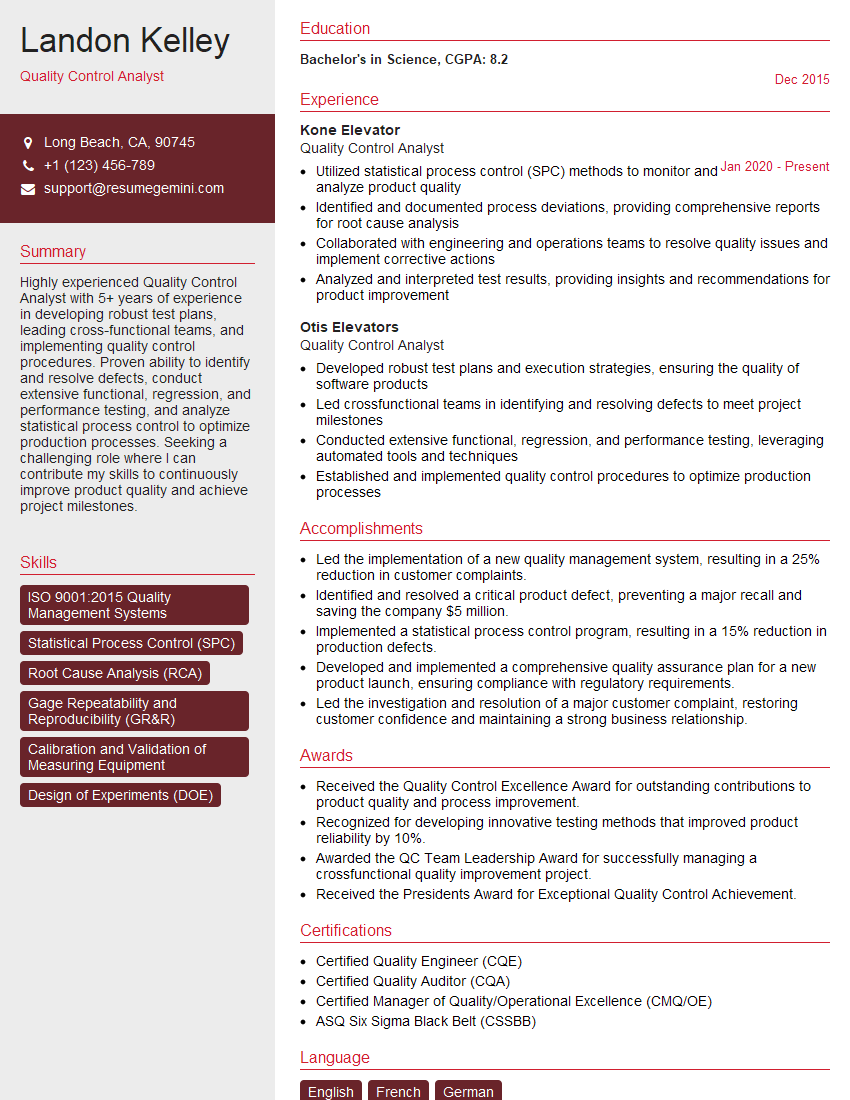
Quality Control Analyst Resume Sample

Biomedical Scientist Resume Sample
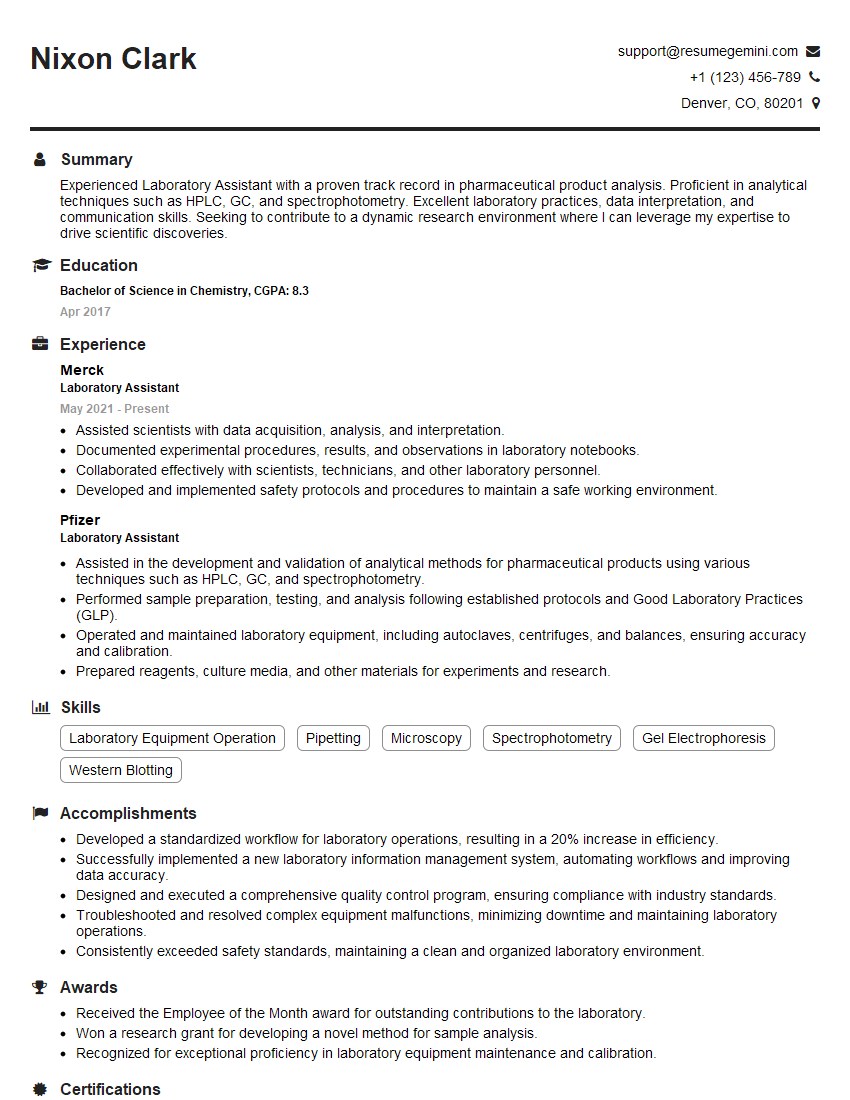
Laboratory Assistant Resume Sample

Laboratory Supervisor Resume Sample
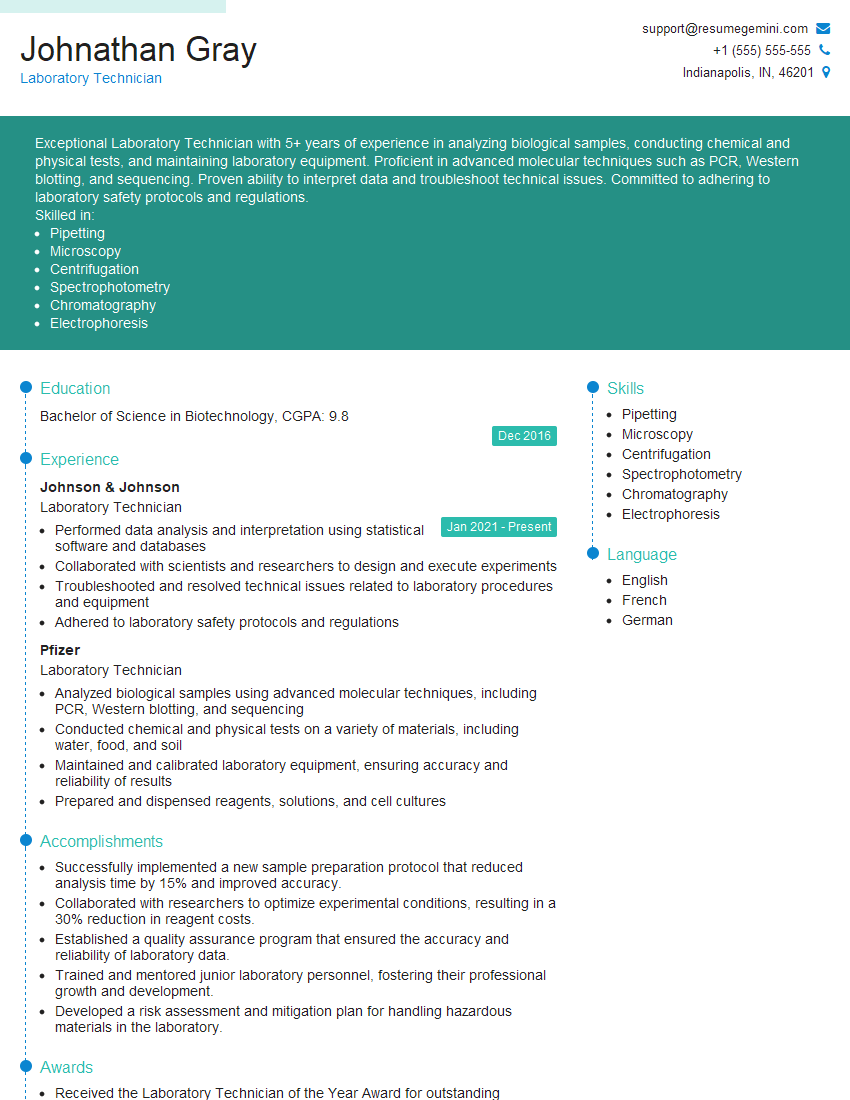
Laboratory Technician Resume Sample
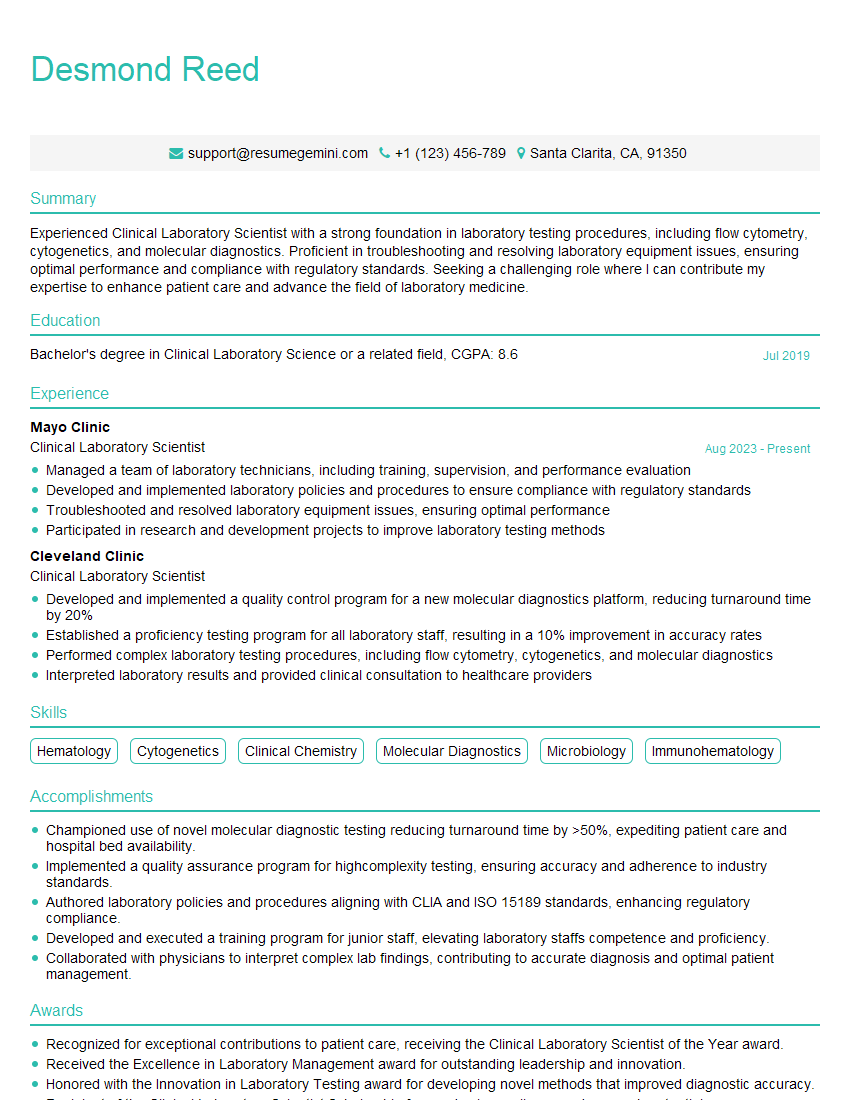
Clinical Laboratory Scientist Resume Sample
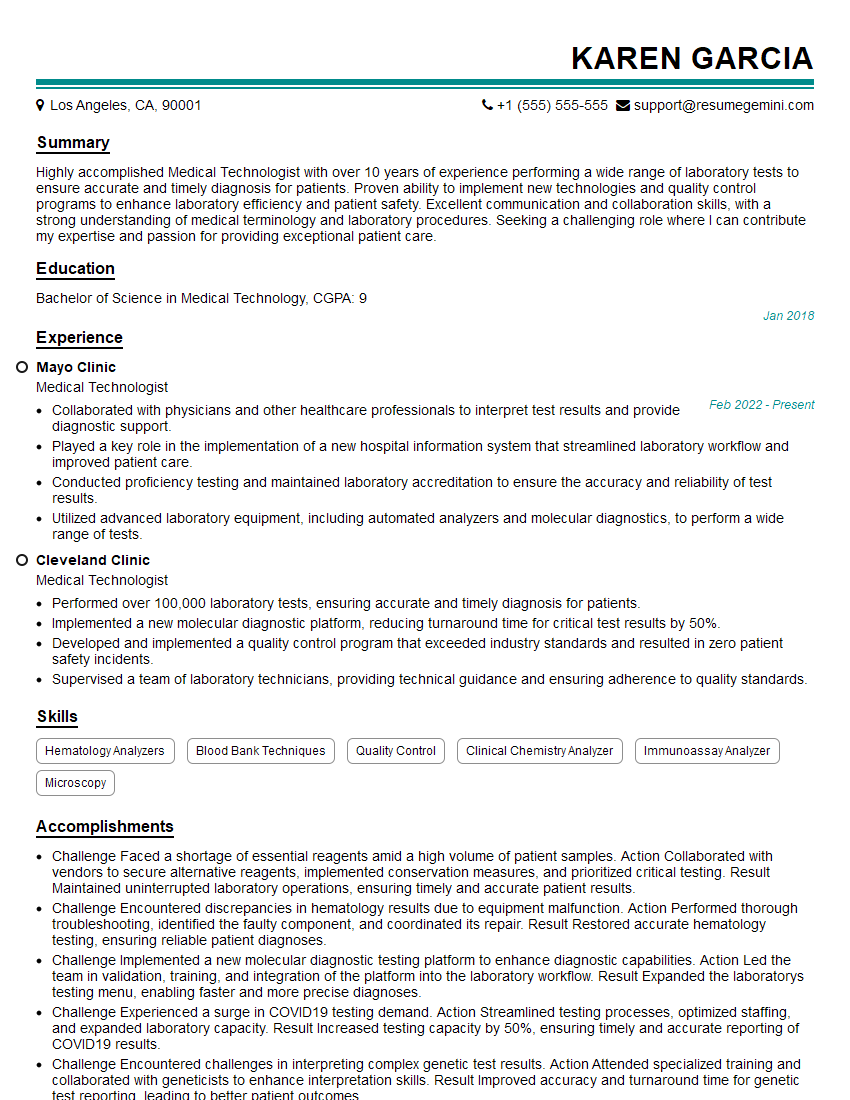
Medical Technologist Resume Sample
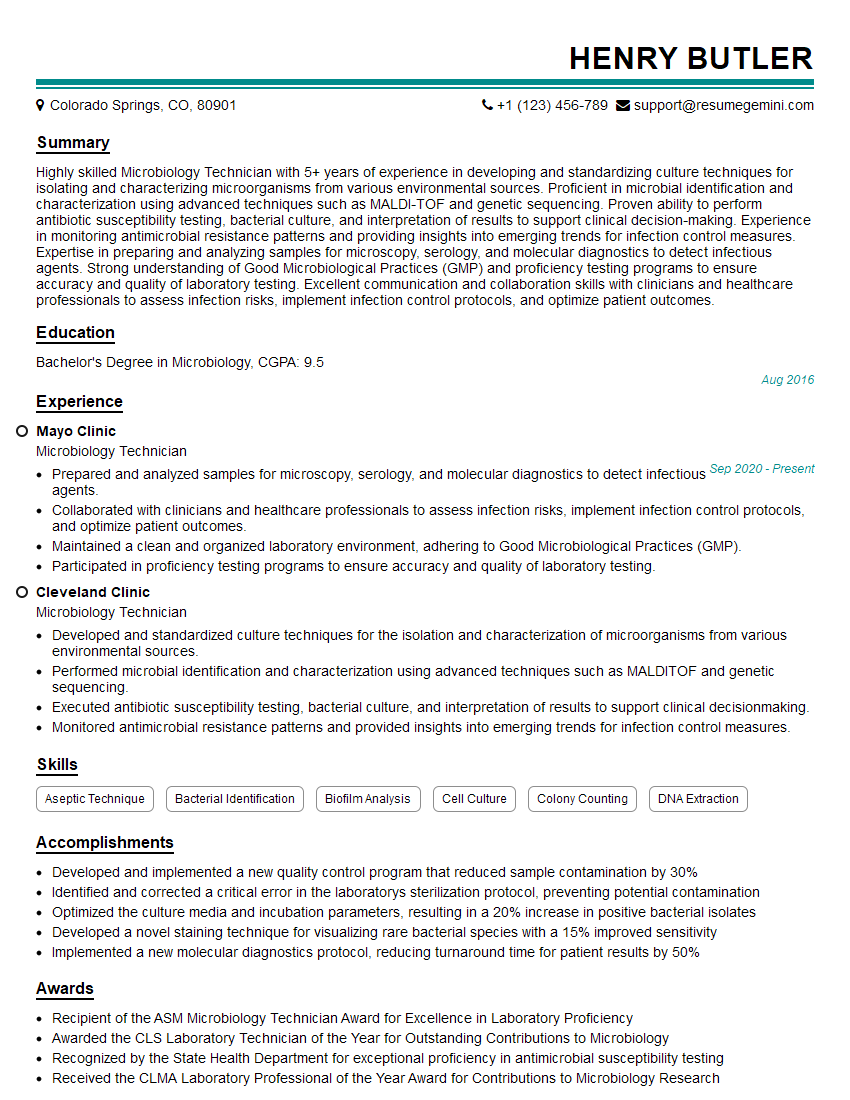
Microbiology Technician Resume Sample
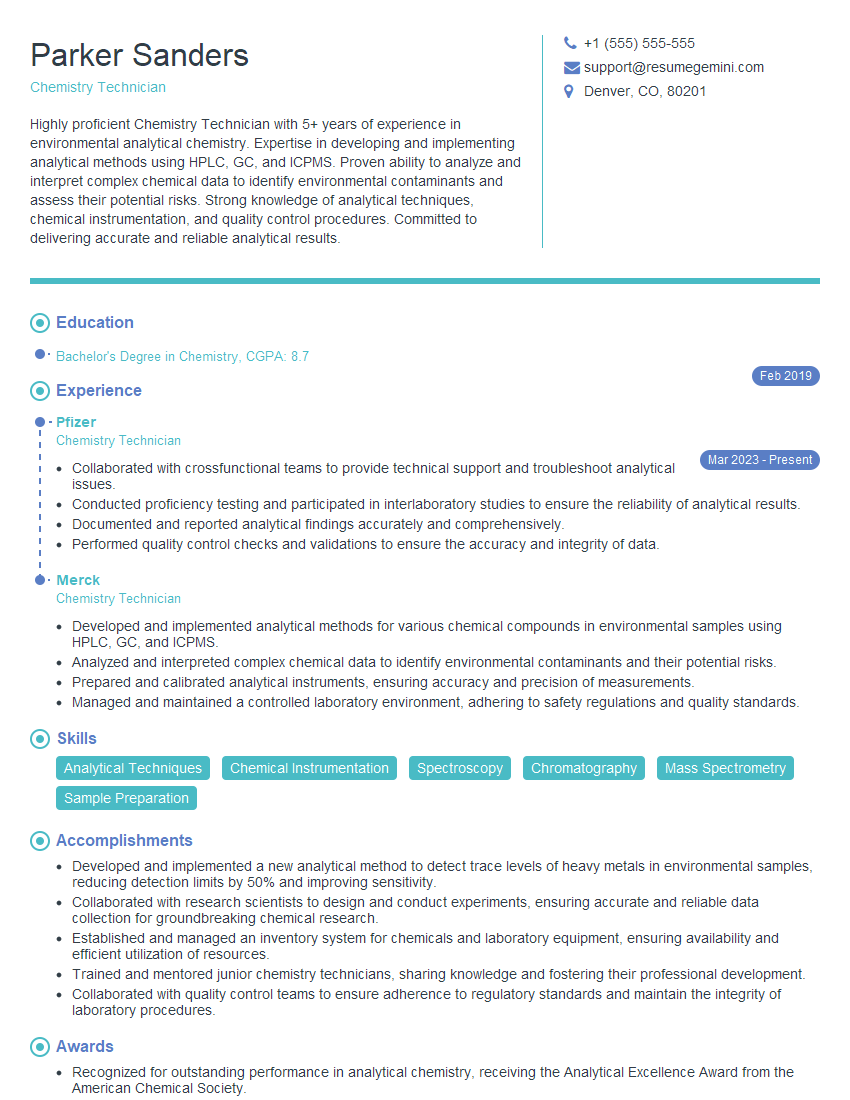
Chemistry Technician Resume Sample
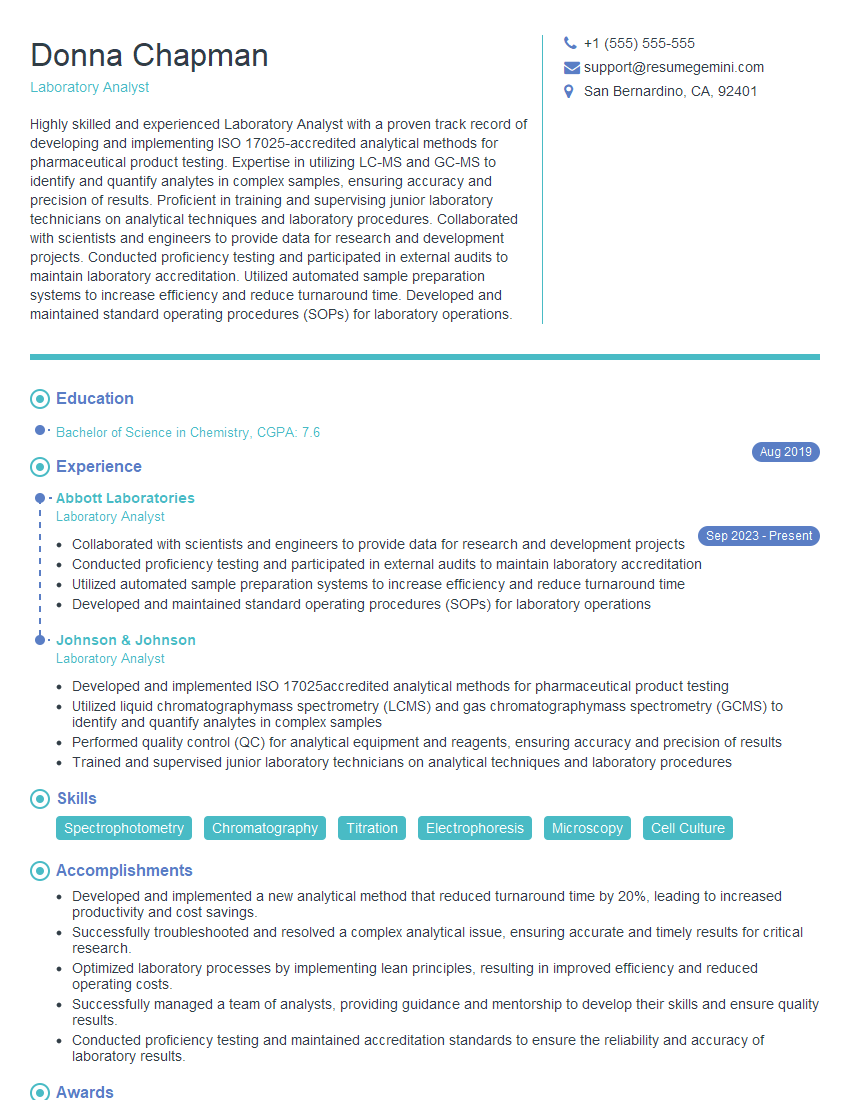
Laboratory Analyst Resume Sample
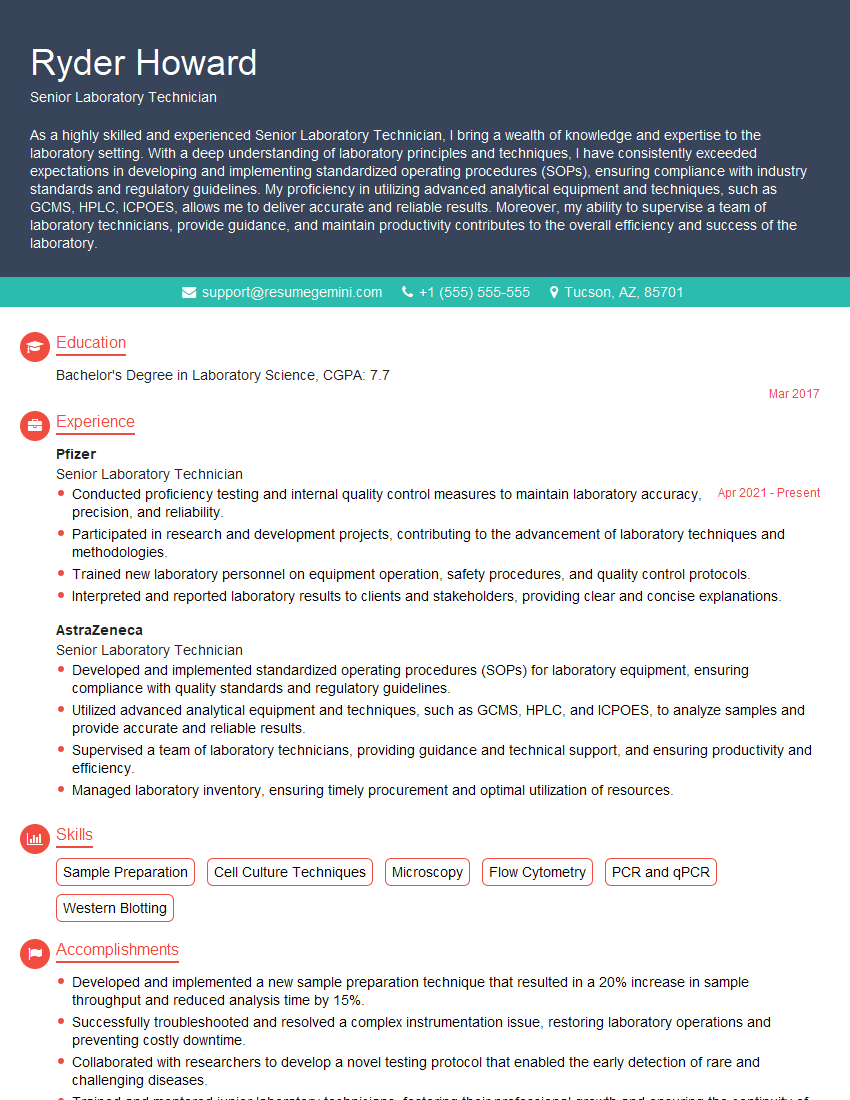
Senior Laboratory Technician Resume Sample
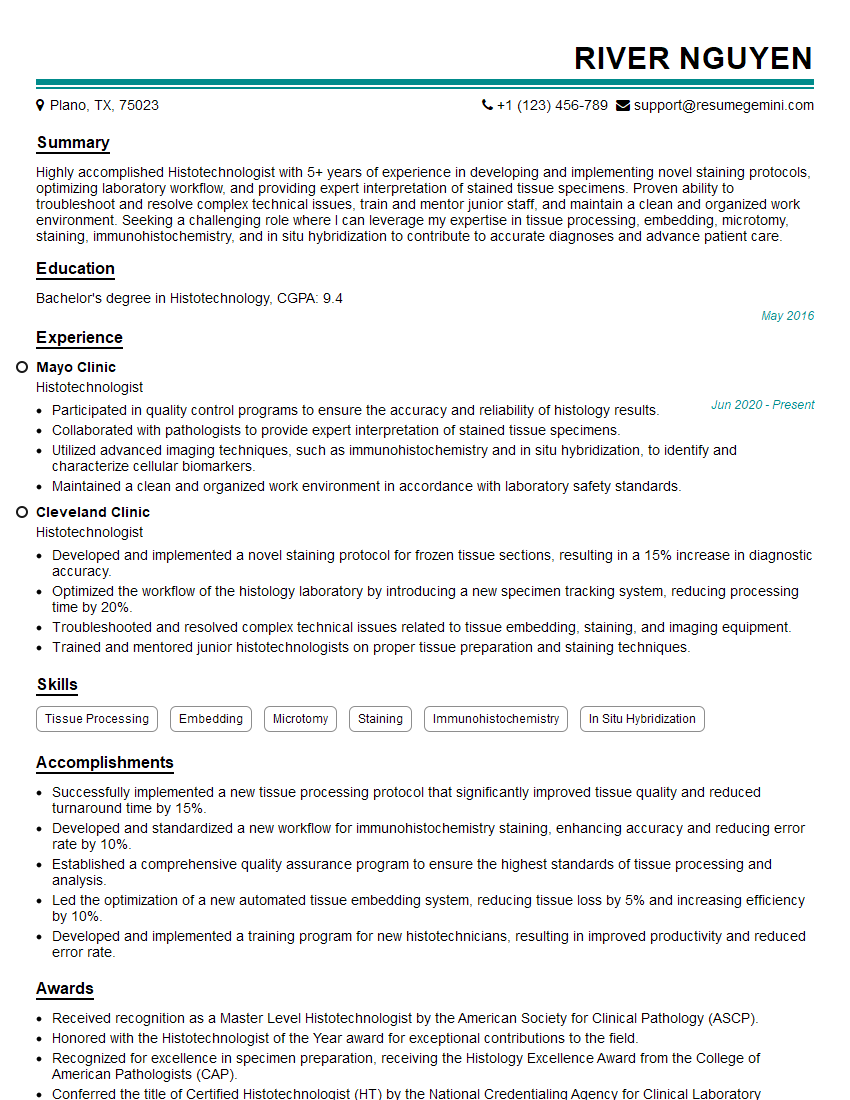
Histotechnologist Resume Sample

Hematology Technician Resume Sample
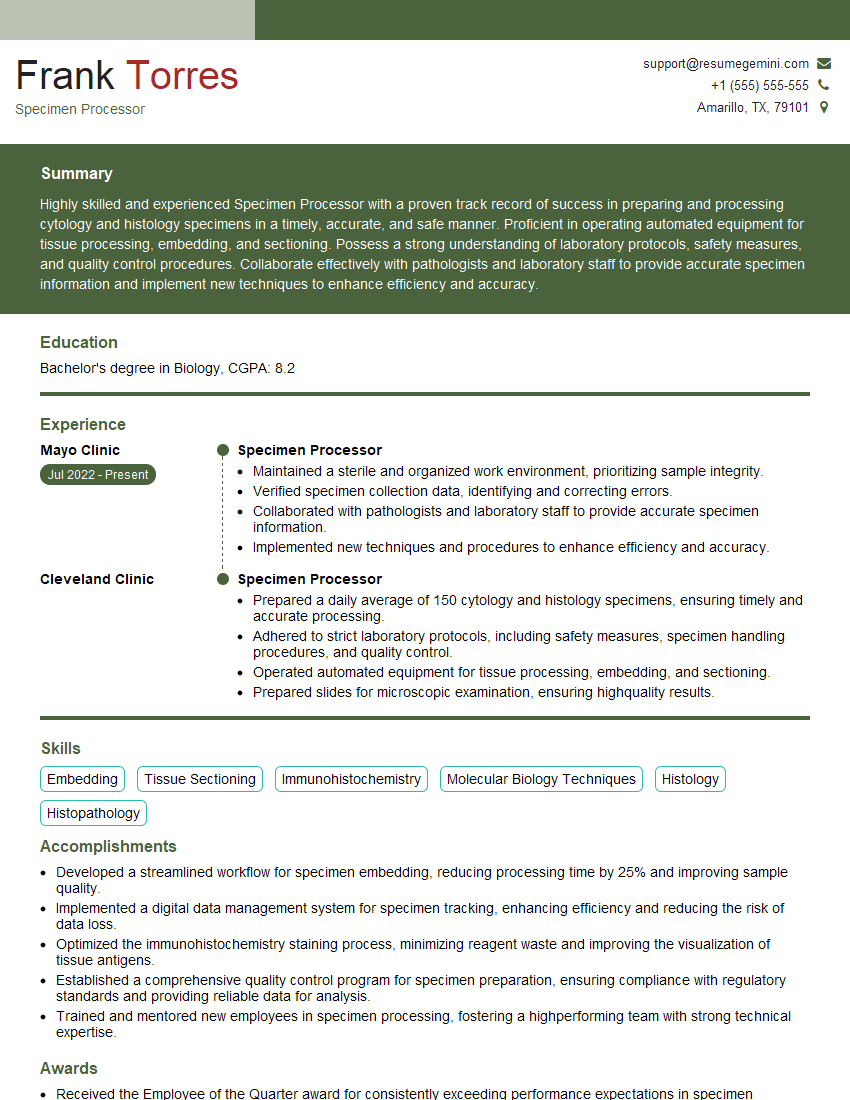
Specimen Processor Resume Sample
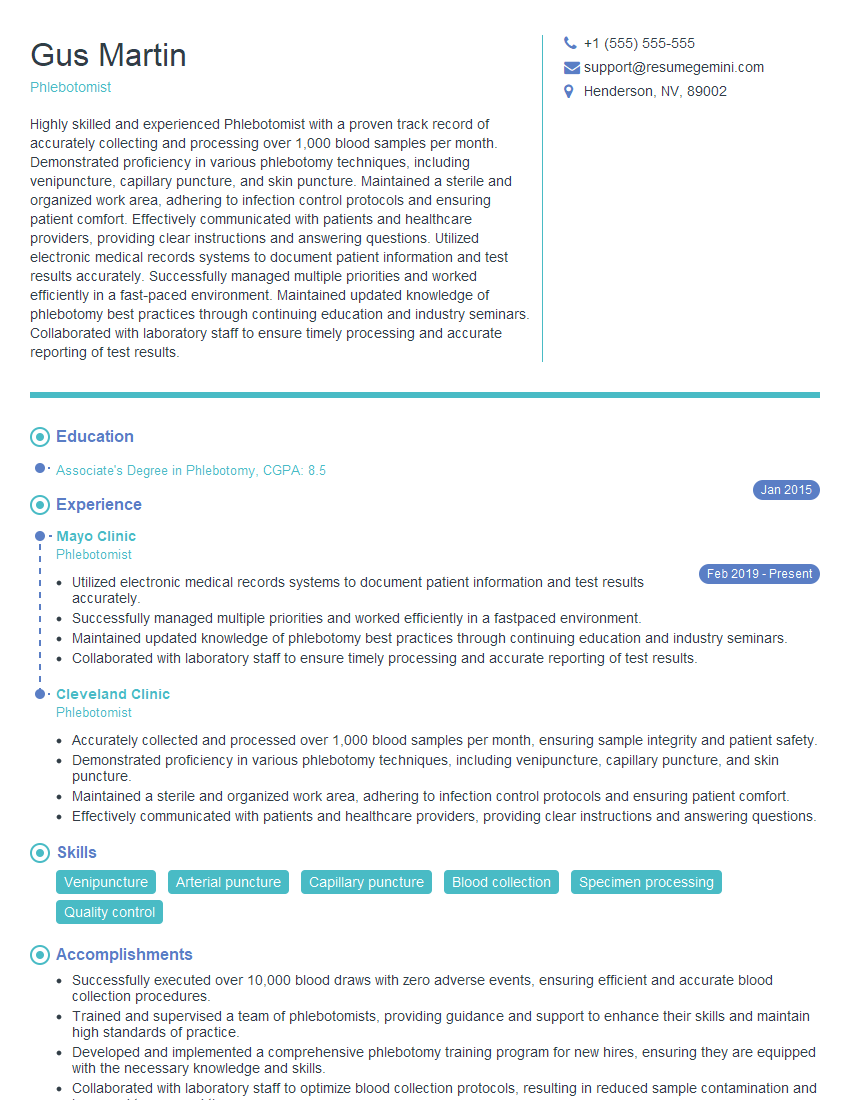
Phlebotomist Resume Sample
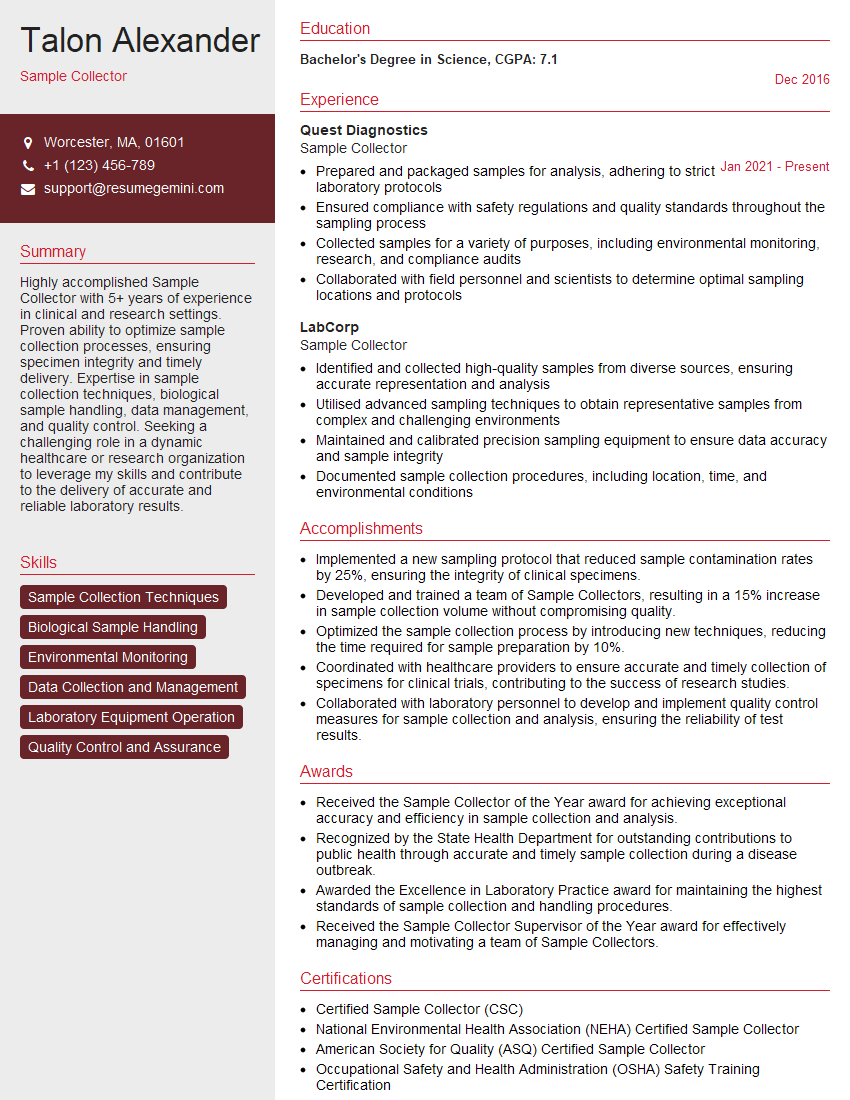
Sample Collector Resume Sample
- Lab Manager
- Quality Control Manager
- Quality Control Analyst
- Biomedical Scientist
- Laboratory Assistant
- Laboratory Supervisor
- Laboratory Technician
- Clinical Laboratory Scientist
- Medical Technologist
- Microbiology Technician
- Chemistry Technician
- Laboratory Analyst
- Senior Laboratory Technician
- Histotechnologist
- Hematology Technician
- Specimen Processor
- Phlebotomist
- Sample Collector
Explore more articles
Users Rating of Our Blogs
Share Your Experience
We value your feedback! Please rate our content and share your thoughts (optional).
What Readers Say About Our Blog
Really detailed insights and content, thank you for writing this detailed article.
IT gave me an insight and words to use and be able to think of examples