Feeling uncertain about what to expect in your upcoming interview? We’ve got you covered! This blog highlights the most important Legal Aid and Advocacy interview questions and provides actionable advice to help you stand out as the ideal candidate. Let’s pave the way for your success.
Questions Asked in Legal Aid and Advocacy Interview
Q 1. Describe your experience working with low-income clients.
My experience working with low-income clients spans over eight years, encompassing a wide range of legal issues, from housing disputes and family law matters to employment discrimination and public benefits appeals. I’ve worked with clients facing significant financial hardship, often navigating complex legal systems with limited resources. This experience has instilled in me a deep understanding of the unique challenges faced by this population, such as language barriers, lack of transportation, and difficulties accessing basic necessities. I’ve learned the importance of empathetic communication, clear and concise explanation of legal processes, and proactive case management to effectively support my clients.
For instance, I recently represented a single mother facing eviction. She was overwhelmed by the legal process and lacked the resources to hire an attorney. Through patient guidance, we successfully negotiated a payment plan with the landlord, preventing her eviction and allowing her to maintain stable housing for her children. Another example involves assisting a client with a disability navigate the complexities of Social Security Disability Insurance (SSDI) claims, ultimately leading to a successful approval of their benefits. These experiences have highlighted the vital role of legal aid in ensuring access to justice for all, regardless of socioeconomic status.
Q 2. Explain your understanding of legal aid eligibility criteria.
Legal aid eligibility criteria vary depending on the specific program and jurisdiction, but generally hinge on two key factors: financial need and the type of legal issue. Financial need is typically assessed based on income level, assets, and household size, often compared to the Federal Poverty Guidelines or a similar state-specific standard. Many programs utilize a sliding scale, meaning the level of assistance provided may vary depending on the client’s income. Eligibility also depends on the type of legal problem. Most legal aid organizations focus on civil matters rather than criminal cases, with a common focus on areas like housing, family law, employment, and public benefits.
For example, a program might only assist individuals whose income is below 125% of the Federal Poverty Level and who are facing eviction. Others might prioritize cases involving domestic violence or discrimination. Determining eligibility often involves a thorough intake process that includes reviewing the client’s financial documentation and evaluating the nature of their legal issue to ensure it aligns with the program’s scope and resources. Understanding these criteria is crucial for effectively guiding clients and ensuring that resources are allocated appropriately.
Q 3. How would you handle a case with conflicting client interests?
Handling cases with conflicting client interests requires meticulous attention to ethical considerations and a commitment to transparency and fairness. The first step involves identifying the conflict and its potential implications. This may require careful analysis of the facts, applicable laws, and the potential consequences for each client. Confidentiality is paramount. It’s crucial to maintain the confidentiality of each client’s information, and to avoid sharing information between clients without their informed consent.
If the conflict is unavoidable, I would withdraw from representing one or both clients to avoid any breach of ethical obligations. I would explain to the clients the nature of the conflict and why I can no longer represent them both. I’d help them find alternative legal counsel who can represent their interests without conflict. Early identification and proactive management of potential conflicts are vital in preventing ethical dilemmas and ensuring that all clients receive fair and appropriate representation.
Q 4. What is your experience with different legal aid delivery models?
My experience encompasses several legal aid delivery models. I’ve worked in traditional legal aid non-profit organizations, which offer direct representation and legal assistance to low-income clients. I’ve also participated in pro bono projects, partnering with private attorneys who volunteer their time to assist legal aid organizations. Furthermore, I’m familiar with the model of community legal clinics, offering legal information, advice, and limited representation to underserved populations. The strengths and limitations of each model vary. Non-profits often have more structured programs, while pro bono projects may offer more flexibility, and community clinics provide a broader reach.
Understanding these different models allows me to adapt my approach to best meet the needs of the clients and the resources available. For instance, in a traditional non-profit setting, I would be involved in case management from intake to trial, whereas in a community clinic I may focus more on providing advice and referrals to other resources.
Q 5. How familiar are you with relevant federal and state laws impacting legal aid?
I possess a strong understanding of federal and state laws impacting legal aid. My knowledge includes the Civil Rights Act of 1964, the Fair Housing Act, the Americans with Disabilities Act (ADA), and the various federal and state laws governing welfare benefits, domestic violence, and employment discrimination. I am also well-versed in the rules of civil procedure in both federal and state courts. Staying current with legal updates is crucial. I regularly review legislative changes, case law, and administrative rulings to ensure my legal advice and representation remain up-to-date and compliant with all applicable laws.
For example, changes to the Fair Housing Act can significantly impact housing discrimination cases, and understanding those changes is critical to effectively represent clients. Similarly, variations in state-specific laws relating to welfare benefits require a nuanced understanding to successfully navigate those cases.
Q 6. Describe your experience with client intake and case assessment.
Client intake and case assessment are critical first steps in providing effective legal aid. Intake involves gathering comprehensive information from the client, including their personal details, legal issue, relevant documentation, and their overall circumstances. Case assessment follows, which involves analyzing the information gathered during intake to determine the merits of the case, potential legal strategies, and the resources needed to pursue it. This stage includes identifying any potential conflicts of interest and assessing the client’s eligibility for legal aid services.
I use a structured intake form to collect necessary information consistently and efficiently. During the assessment phase, I consider factors like the strength of the evidence, applicable laws, potential defenses, and the client’s realistic goals. I clearly communicate my assessment to the client, outlining the potential outcomes and explaining the process clearly and concisely. Thorough intake and assessment help ensure that the client’s needs are met effectively and resources are utilized appropriately.
Q 7. How do you prioritize cases with competing deadlines and urgency?
Prioritizing cases with competing deadlines and urgency requires a systematic approach. I use a case management system to track deadlines, prioritize tasks, and allocate my time effectively. Cases are prioritized based on factors such as the severity of the client’s situation, the urgency of the deadlines, and the potential consequences of delay. Cases involving imminent harm, such as emergency protection orders or eviction prevention, take precedence. I utilize time management techniques, such as breaking down large tasks into smaller, manageable steps, and setting realistic goals for each day.
Communication with clients is crucial. I keep them updated on the progress of their cases and manage their expectations realistically. When faced with multiple urgent cases, I may need to delegate tasks or seek assistance from colleagues or supervisors to ensure all clients receive timely attention. Regular review and adjustment of my caseload are essential for effective prioritization and ensuring that all cases are handled efficiently and effectively.
Q 8. Explain your experience with legal research and writing in the context of legal aid.
Legal research and writing are fundamental to effective legal aid. My experience encompasses a wide range of tasks, from conducting thorough factual investigations and identifying relevant case law and statutes to crafting compelling legal arguments in pleadings, motions, and briefs. I’m proficient in using both traditional and electronic legal research databases like Westlaw and LexisNexis, adapting my research strategies to the specific needs and constraints of each case. For example, in a case involving a client facing eviction due to non-payment of rent, my research would focus on local tenant laws, potential defenses (like landlord failure to provide essential services), and relevant case precedents. I would then meticulously document my findings and craft clear, concise legal arguments in support of my client’s position, ensuring accessibility for the judge and avoiding overly complex legal jargon.
Further, I am adept at tailoring my writing style to suit the intended audience. This might involve using plain language in client communications while employing a more formal and technical style in court filings. My commitment to clarity and precision ensures that every document I produce is accurate, persuasive, and contributes to the best possible outcome for my client.
Q 9. How would you navigate a situation where limited resources hinder effective advocacy?
Limited resources are a constant challenge in legal aid. Navigating this requires a strategic and resourceful approach. This begins with prioritization – focusing on the most critical legal issues and pursuing the most impactful strategies. For instance, rather than pursuing costly expert testimony, I might explore whether a simpler, more cost-effective approach using readily available evidence would suffice.
I also leverage pro bono assistance from colleagues, collaborate with other organizations, and actively seek out grants or funding opportunities. Creative solutions like utilizing free or low-cost legal software, participating in clinics with volunteer attorneys, and building strong relationships with local bar associations can greatly extend our reach and capacity. Think of it like a puzzle – with limited pieces, you need to be creative in how you arrange them to form a complete, compelling picture. I’m experienced in finding those creative solutions within resource constraints.
Q 10. How do you build rapport and trust with vulnerable clients?
Building rapport and trust with vulnerable clients is paramount. It starts with active listening and demonstrating empathy. I make a conscious effort to understand their situation from their perspective, validating their feelings and experiences, even if I don’t necessarily agree with their approach to the problem. I use plain language, avoiding legal jargon, and explain complex legal concepts in simple terms.
I also focus on building a relationship based on respect and mutual understanding. This involves respecting their autonomy and decision-making process, even if their choices may not align with my professional recommendations. For instance, if a client feels uncomfortable with a certain strategy, I will thoroughly explain the reasons behind it and work collaboratively to reach a solution that works for them. Transparency and consistent communication are crucial – keeping them informed about the progress of their case and honestly addressing any concerns they may have. Think of it like building a bridge—it takes time, understanding, and a careful, step-by-step approach.
Q 11. Describe your approach to advocating for policy changes to improve legal aid access.
Advocating for policy changes requires a multifaceted approach. I typically begin by identifying specific areas where legal aid access is lacking. For example, a shortage of attorneys specializing in a particular area of law or insufficient funding for public defender offices can severely restrict access to justice. Then, I engage in strategic research and data collection to highlight the scope of the problem and its impact on the community. This involves compiling statistics, gathering case studies, and documenting the experiences of clients to underscore the urgency of the issue.
Next, I build alliances with other legal professionals, community organizations, and policymakers. This could involve presenting findings at legislative hearings, collaborating on policy briefs, lobbying for increased funding, or engaging in public awareness campaigns. I use a variety of methods to promote change, from direct lobbying efforts to educating the public about the importance of access to justice. Persistence and strategic collaboration are key to achieving meaningful progress. It’s not always a quick win but persistent advocacy yields significant results over time.
Q 12. How would you respond to a client who is dissatisfied with the outcome of their case?
Client dissatisfaction is a serious matter. My first step is to listen empathetically and understand their concerns. I’d ask open-ended questions to clarify their feelings and gather all the information. This avoids a defensive response and allows for a constructive dialogue. Then, I would carefully review the case file to understand the outcome from a legal perspective. I would clearly explain the legal basis for the decision, acknowledging any limitations we encountered during the case. Transparency is crucial here.
If the client’s concerns are valid, I would explore options for appeal or further action, if legally possible, within the bounds of their case and available resources. If the complaint is unrelated to the legal outcome (e.g., communication issues), I’d apologize for any shortcomings and discuss how to improve communication going forward. Even if there’s no further legal recourse, maintaining respect, providing clear explanations, and demonstrating a sincere desire to resolve their concerns helps preserve their trust and the integrity of the legal aid service.
Q 13. What is your experience with collaborating with other legal professionals and community organizations?
Collaboration is essential in legal aid. I have extensive experience working with diverse legal professionals, including judges, attorneys from other firms, and bar associations. These collaborations often involve sharing expertise, pooling resources, and developing joint strategies for complex cases. This is particularly relevant in cases involving multiple parties or requiring specialized legal knowledge beyond my own expertise. For example, in a case involving both family law and immigration issues, I might collaborate with a colleague specialized in immigration law to ensure the client receives comprehensive legal representation.
I also actively engage with community organizations, such as social service agencies, homeless shelters, and domestic violence support groups. These partnerships are invaluable because they help me connect with clients in need and integrate legal services with other essential support. We often participate in joint outreach initiatives or host workshops to provide comprehensive support for our shared clientele. These collaborative efforts greatly enhance the overall effectiveness of legal aid.
Q 14. Explain your understanding of ethical considerations specific to legal aid work.
Ethical considerations are central to legal aid work. The principle of client confidentiality is paramount, meaning all information shared by the client must be kept strictly confidential unless legally compelled to disclose it. This extends to all aspects of the case, from discussions to documents. Further, we must act with competence and diligence, applying the necessary legal skills and knowledge to each case. This includes thorough legal research, careful case preparation, and effective client communication.
Avoiding conflicts of interest is also crucial. This includes carefully screening potential clients to ensure that no conflicts exist between my own personal interests and the client’s representation. Finally, maintaining professional integrity and acting in the best interests of the client, even when facing challenging circumstances, is non-negotiable. This means honestly assessing the strengths and weaknesses of the case, providing frank advice, and respecting the client’s autonomy even if their decisions differ from my recommendations. A clear understanding and adherence to these ethical principles are fundamental to maintaining public trust and ensuring fairness in the legal system.
Q 15. How would you handle a case involving complex legal issues?
Handling complex legal issues requires a systematic and meticulous approach. It’s not about tackling everything at once, but breaking down the problem into manageable parts. My strategy involves:
- Thorough Case Assessment: First, I conduct a comprehensive review of all documents, evidence, and relevant case law. This stage involves identifying the core legal issues, analyzing the strengths and weaknesses of the case, and anticipating potential challenges.
- Legal Research and Analysis: This is crucial. I delve into statutes, case precedents, and legal commentaries to build a strong foundation for the case strategy. For example, if a case involves a novel application of a particular law, I would meticulously examine similar cases and scholarly articles to identify relevant legal arguments.
- Developing a Strategic Plan: Once I have a complete understanding of the legal landscape, I develop a detailed plan outlining the legal strategy. This includes identifying potential defenses, outlining the most effective legal arguments, and determining the optimal course of action – whether it’s negotiation, mediation, or litigation.
- Client Communication: Maintaining clear, consistent communication with the client is paramount. I explain complex legal concepts in plain language, ensuring they understand the process, their rights, and the potential outcomes.
- Collaboration with Experts: In cases requiring specialized knowledge, I collaborate with other professionals, such as forensic accountants or medical experts. This ensures a comprehensive and accurate representation of the client’s interests.
For example, I recently handled a case involving a complex family law dispute with international implications. By systematically dissecting the jurisdictional issues, child custody laws in multiple countries, and the relevant property division statutes, we successfully secured a favorable outcome for my client.
Career Expert Tips:
- Ace those interviews! Prepare effectively by reviewing the Top 50 Most Common Interview Questions on ResumeGemini.
- Navigate your job search with confidence! Explore a wide range of Career Tips on ResumeGemini. Learn about common challenges and recommendations to overcome them.
- Craft the perfect resume! Master the Art of Resume Writing with ResumeGemini’s guide. Showcase your unique qualifications and achievements effectively.
- Don’t miss out on holiday savings! Build your dream resume with ResumeGemini’s ATS optimized templates.
Q 16. Describe your experience with negotiating settlements and representing clients in court.
Negotiating settlements and representing clients in court are integral parts of my practice. My approach prioritizes achieving the best possible outcome for my client, whether through negotiation or litigation.
Negotiation: I believe in exploring settlement options whenever feasible. This involves thorough preparation, understanding the opposing party’s position, and creatively exploring mutually beneficial solutions. I employ active listening and persuasive communication skills to achieve favorable settlements. For example, in a personal injury case, I successfully negotiated a settlement that exceeded the initial insurance offer by significantly leveraging the strength of my client’s medical evidence and the potential for a favorable jury verdict.
Court Representation: When settlement negotiations fail, I am prepared to represent clients vigorously in court. This includes conducting thorough discovery, preparing effective legal arguments, presenting compelling evidence, and cross-examining witnesses. I build a strong rapport with judges and juries by maintaining professionalism and clearly articulating my client’s case. For instance, in a criminal case, by effectively presenting evidence and cross-examining witnesses, we were able to secure a reduced sentence for our client.
Q 17. What is your experience with alternative dispute resolution methods?
Alternative Dispute Resolution (ADR) methods, such as mediation and arbitration, provide valuable alternatives to traditional litigation. I have extensive experience using these methods to resolve disputes efficiently and cost-effectively.
Mediation: I find mediation particularly helpful in cases involving emotional or interpersonal conflict. As a neutral third party facilitates communication, I work collaboratively with opposing counsel to find common ground and arrive at a mutually acceptable resolution. I’ve successfully mediated numerous family law cases, resulting in amicable settlements that preserved family relationships while addressing legal concerns.
Arbitration: Arbitration is a more formal process where a neutral arbitrator hears evidence and makes a binding decision. My experience in arbitration spans various legal areas, and I leverage my understanding of legal principles to advocate effectively for my client’s interests. For example, I recently represented a client in a commercial arbitration where I successfully argued for a favorable award based on a detailed analysis of the contract and relevant industry standards.
Q 18. Explain your experience with fundraising or grant writing for legal aid organizations.
Fundraising and grant writing are essential skills for supporting legal aid organizations. I have been actively involved in securing funding for various initiatives.
Fundraising Strategies: I have experience developing and implementing comprehensive fundraising strategies, including identifying potential funding sources (foundations, corporations, individual donors), crafting compelling proposals, and building strong relationships with donors. I understand the importance of aligning fundraising goals with the organization’s strategic plan.
Grant Writing: I’m proficient in crafting persuasive grant proposals tailored to the specific requirements of various funding agencies. My experience includes researching grant opportunities, developing compelling narratives, providing strong budget justifications, and following up with funders. I have a high success rate in securing grants for various legal aid projects, ranging from providing pro bono services to funding specialized legal clinics.
For instance, I successfully secured a substantial grant from a national foundation to support a new legal aid program aimed at assisting low-income individuals facing housing insecurity. The grant proposal highlighted the critical need for such services, outlined the program’s objectives and budget, and emphasized the expected impact on the community.
Q 19. How do you stay updated on legal developments relevant to your area of practice?
Staying updated on legal developments is crucial for providing effective legal representation. I employ several strategies:
- Continuing Legal Education (CLE): I regularly attend CLE courses and webinars to stay abreast of changes in the law and best practices in legal advocacy.
- Legal Journals and Publications: I subscribe to leading legal journals and publications in my areas of expertise. This allows me to stay informed about new case law, legislation, and legal scholarship.
- Professional Associations: Active participation in professional organizations provides access to networking opportunities, conferences, and updates on legal issues.
- Online Resources: I utilize online legal databases and resources to conduct in-depth legal research and stay informed about recent court decisions and legislative changes.
- Networking: Maintaining a strong network of colleagues and other legal professionals allows for the sharing of information and insights.
Q 20. How familiar are you with different types of legal aid services (e.g., civil, family, criminal)?
My experience encompasses a wide range of legal aid services, including civil, family, and criminal law.
Civil Legal Aid: This includes representing clients in cases involving housing disputes, consumer protection, employment law, and public benefits. I understand the complexities of navigating bureaucratic processes and advocating for client rights within the civil justice system.
Family Legal Aid: I have experience in family law matters such as divorce, child custody, child support, and domestic violence. This requires sensitivity and understanding of the emotional aspects of family disputes, while ensuring the protection of children’s best interests.
Criminal Legal Aid: I am familiar with the intricacies of the criminal justice system and have represented clients charged with various offenses. This requires a deep understanding of criminal procedure, evidence law, and constitutional rights, always striving to ensure a fair and just process.
Q 21. Describe your experience managing a high volume of cases simultaneously.
Managing a high volume of cases requires strong organizational skills and efficient time management. My approach emphasizes:
- Prioritization: I prioritize cases based on urgency, deadlines, and potential impact on clients. This involves setting clear goals and timelines for each case.
- Case Management Software: I utilize case management software to track deadlines, manage documents, and streamline communications. This enhances efficiency and minimizes the risk of missed deadlines.
- Delegation: When appropriate, I delegate tasks to support staff to optimize workflow and utilize resources effectively. This frees up time to focus on critical aspects of each case.
- Time Blocking: I allocate specific time blocks for different tasks, ensuring sufficient time for each case, while preventing burnout.
- Regular Review and Adjustment: I regularly review my caseload and adjust my strategy as needed, ensuring timely resolution of all matters.
For example, during a particularly busy period, by effectively utilizing my case management software and delegating tasks where possible, I was able to manage over 50 active cases while maintaining high-quality legal representation for all my clients.
Q 22. What technology and software are you proficient in that aids legal aid work?
My proficiency in technology significantly enhances my legal aid work. I’m adept at using various case management software, such as CaseSage and MyCase, to efficiently organize client files, track deadlines, and manage communications. These platforms allow for secure document storage and streamlined collaboration with colleagues. Furthermore, I’m skilled in using legal research databases like Westlaw and LexisNexis to quickly access relevant legal precedents and statutes. My comfort with Microsoft Office Suite, especially Word, Excel, and PowerPoint, enables me to prepare comprehensive legal documents, analyze data, and create compelling presentations for clients and stakeholders. Finally, I’m familiar with various communication tools, including secure email and video conferencing platforms, crucial for maintaining confidentiality and accessibility for clients in remote areas.
Q 23. How would you adapt your advocacy strategy for clients with diverse needs and communication styles?
Adapting my advocacy strategy to diverse client needs is paramount. I begin by actively listening and observing, understanding not just their legal issues but also their cultural background, communication preferences, and any potential disabilities. For example, a client who is hard of hearing might require visual aids or written materials, while a client who prefers a more formal approach might appreciate a structured meeting with clear agendas. With clients who have limited English proficiency, I ensure the use of interpreters or translated materials. I always strive to build rapport and trust by speaking clearly and using simple language, avoiding legal jargon. I regularly check for comprehension and adjust my communication style as needed. It’s not just about the information presented, but how it’s presented and received. A collaborative approach, where clients feel empowered to participate actively in decision-making, leads to more effective advocacy.
Q 24. Explain your understanding of the impact of systemic issues on access to justice.
Systemic issues significantly impact access to justice. These issues often create barriers that prevent individuals from seeking or receiving legal help, even when they are entitled to it. Examples include:
- Poverty: Many cannot afford legal representation, creating a reliance on limited legal aid resources.
- Lack of awareness: Many are unaware of their legal rights or where to seek assistance.
- Geographic barriers: Limited access to legal professionals in rural or underserved areas.
- Language barriers: Difficulty accessing services due to language differences.
- Discrimination: Bias based on race, gender, sexual orientation, or disability.
Addressing these requires a multi-pronged approach, including increased funding for legal aid, community outreach programs to raise awareness, and policy changes to ensure equitable access to justice for all.
Q 25. Describe your experience with community outreach and education initiatives.
I have extensive experience with community outreach and education initiatives. I’ve participated in legal clinics at community centers, providing free legal advice and information to low-income individuals. I’ve also given presentations at schools, libraries, and community events, educating the public about their rights and the services available to them. For example, I recently collaborated with a local women’s shelter to conduct a workshop on domestic violence legal protections. These initiatives are vital in empowering communities and increasing awareness about access to legal aid services. The success of these initiatives hinges on clear communication, accessible resources, and active engagement with community members.
Q 26. How familiar are you with data collection and evaluation methodologies relevant to legal aid programs?
I’m very familiar with data collection and evaluation methodologies in legal aid. This includes using quantitative methods, such as tracking case outcomes, client demographics, and service utilization rates to assess program effectiveness. I also utilize qualitative methods, such as conducting client surveys and focus groups to understand client experiences and satisfaction levels. This mixed-methods approach allows for a comprehensive understanding of the program’s impact. For instance, analyzing data on case outcomes allows us to identify areas where we can improve our services, for example, by better tailoring our services to specific client needs, perhaps by incorporating client feedback into our procedures. Analyzing client demographics helps us to ensure our services are reaching the most vulnerable populations.
Q 27. How would you contribute to improving the efficiency and effectiveness of a legal aid organization?
I believe I can contribute to a legal aid organization’s efficiency and effectiveness by leveraging technology, improving case management processes, and strengthening community partnerships. For example, implementing a centralized case management system could streamline workflows and improve communication between staff and clients. Utilizing data analysis to identify trends and patterns in caseloads can help prioritize resources and improve service delivery. Furthermore, building strong relationships with community organizations can expand our reach and improve access to services for underserved populations. A collaborative approach, with staff contributing ideas and actively participating in the improvement process, creates a more efficient and positive work environment.
Q 28. Describe your experience with supervising or mentoring junior staff.
I have several years of experience supervising and mentoring junior staff. My approach focuses on providing constructive feedback, fostering a supportive learning environment, and empowering individuals to develop their skills and confidence. I start by clearly outlining expectations and providing regular check-ins to monitor progress and address any challenges. I believe in leading by example, demonstrating strong work ethic and commitment to clients. I offer guidance and support, but also encourage independent problem-solving and critical thinking. I regularly provide opportunities for professional development, such as attending training sessions or working on challenging cases under supervision. Ultimately, I strive to create a collaborative team where everyone feels valued and supported in their professional growth.
Key Topics to Learn for Legal Aid and Advocacy Interview
- Understanding the Legal Aid Landscape: Explore the different types of legal aid organizations, their funding models, and their roles within the broader legal system. Consider the unique challenges and ethical considerations faced by legal aid providers.
- Client Interaction and Case Management: Practice effective communication techniques for working with vulnerable populations. Develop strategies for case prioritization, resource allocation, and efficient documentation. Understand the importance of client confidentiality and ethical representation.
- Specific Legal Areas in Legal Aid: Familiarize yourself with the common legal issues handled by legal aid organizations (e.g., family law, housing law, immigration law, consumer law). Understand relevant statutes, case law, and procedural rules in your area of interest.
- Advocacy Strategies and Techniques: Learn about various advocacy methods, including negotiation, mediation, litigation, and legislative advocacy. Develop your skills in persuasive writing, oral argument, and effective communication with opposing counsel and judges.
- Social Justice and Public Policy: Understand the broader social and political context of legal aid. Analyze the impact of public policy on access to justice and discuss potential solutions to systemic inequalities.
- Ethical Considerations in Legal Aid: Deepen your understanding of ethical dilemmas unique to legal aid practice, such as conflicts of interest, pro bono representation, and resource constraints. Explore relevant ethical rules and professional responsibilities.
- Legal Research and Technology: Develop proficiency in legal research using online databases and legal research tools. Understand the role of technology in legal aid delivery, including case management software and online communication platforms.
Next Steps
Mastering the principles of Legal Aid and Advocacy opens doors to a fulfilling career dedicated to social justice and making a tangible difference in people’s lives. Building a strong foundation in these areas is crucial for career advancement and securing your dream role. To significantly boost your job prospects, crafting an ATS-friendly resume is essential. ResumeGemini is a trusted resource that can help you create a professional and impactful resume tailored to the specific requirements of Legal Aid and Advocacy positions. Examples of resumes tailored to this field are available to guide you. Invest time in crafting a compelling resume – it’s your first impression and a critical step towards landing your ideal job.
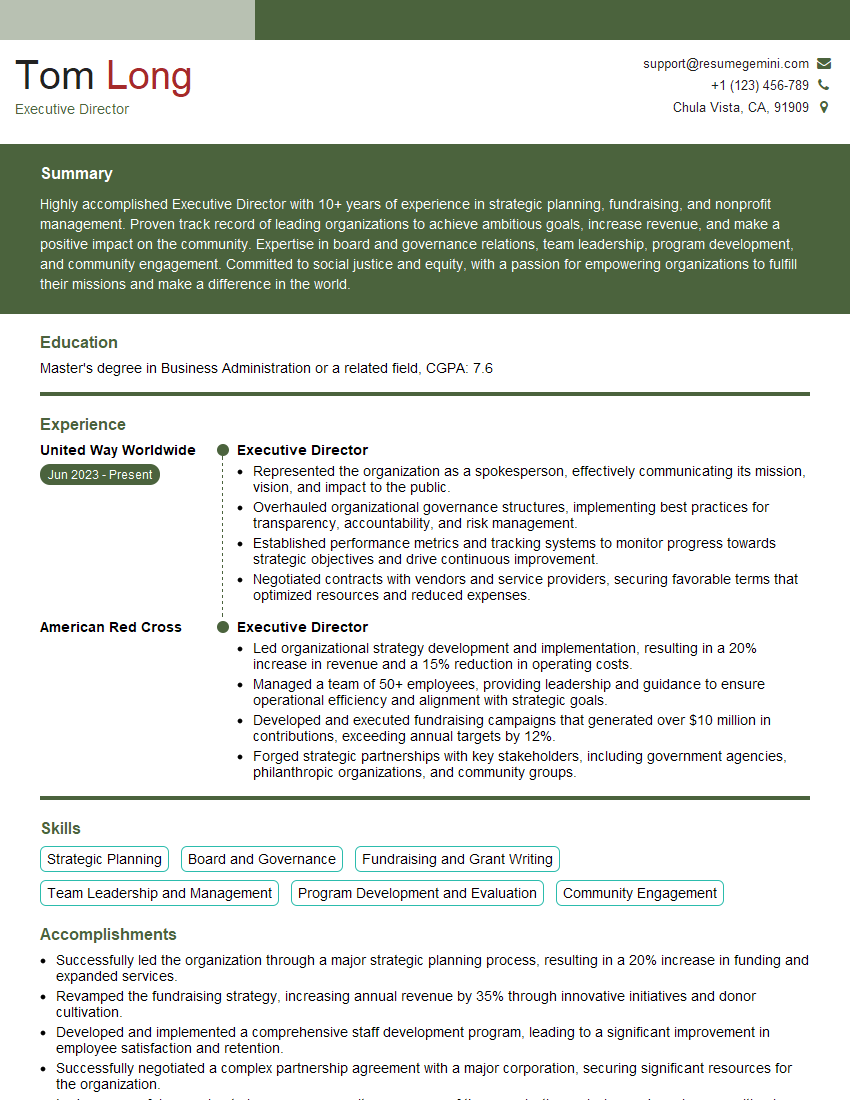
Executive Director Resume Sample
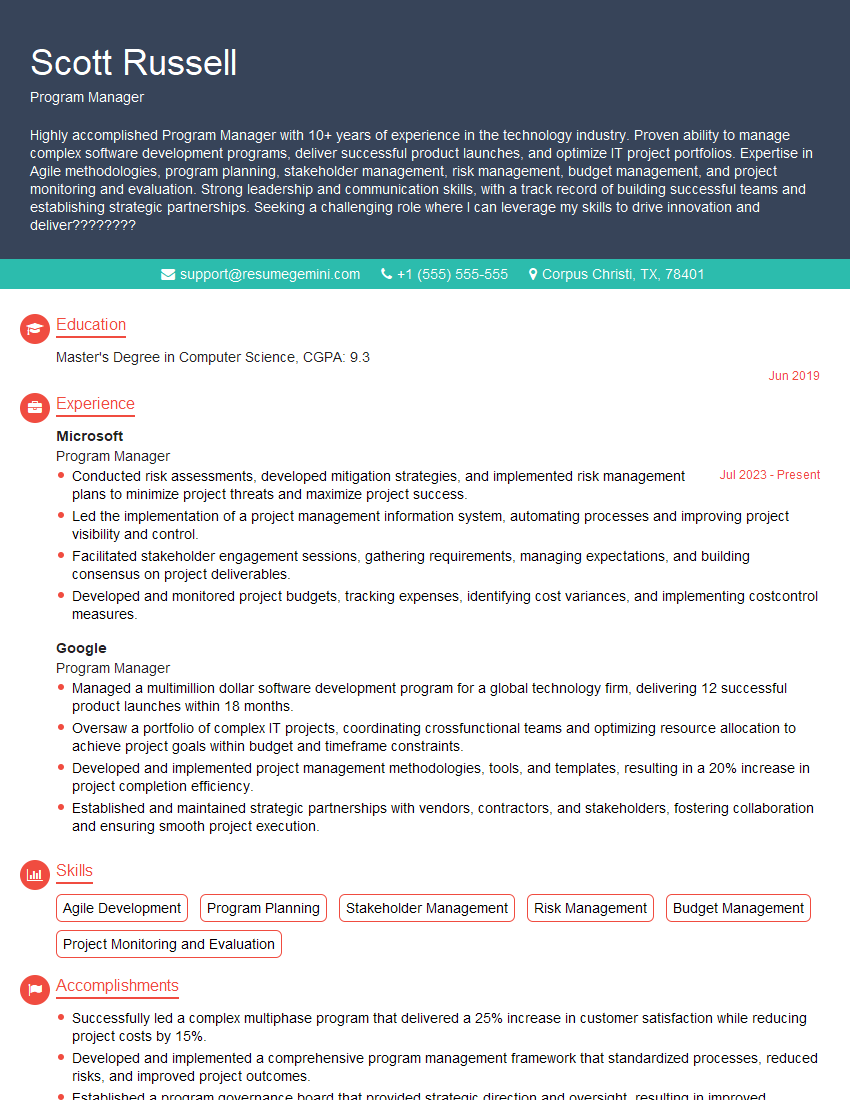
Program Manager Resume Sample
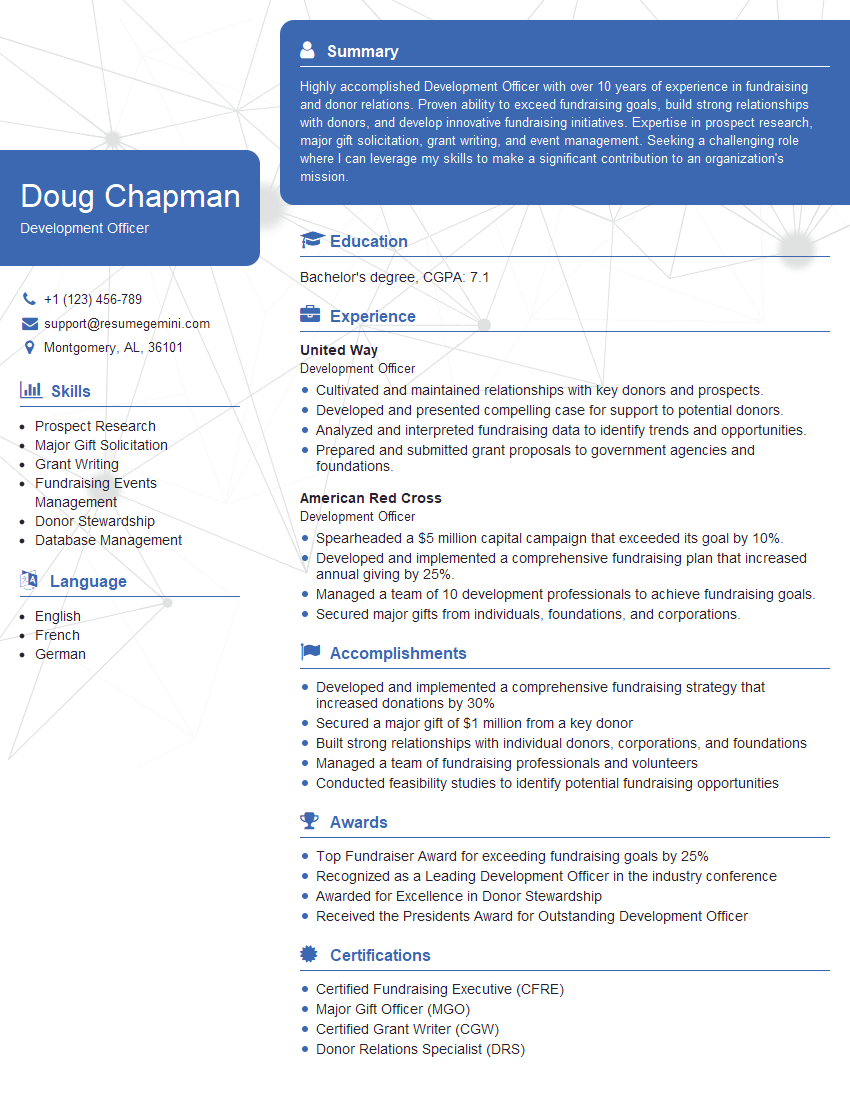
Development Officer Resume Sample
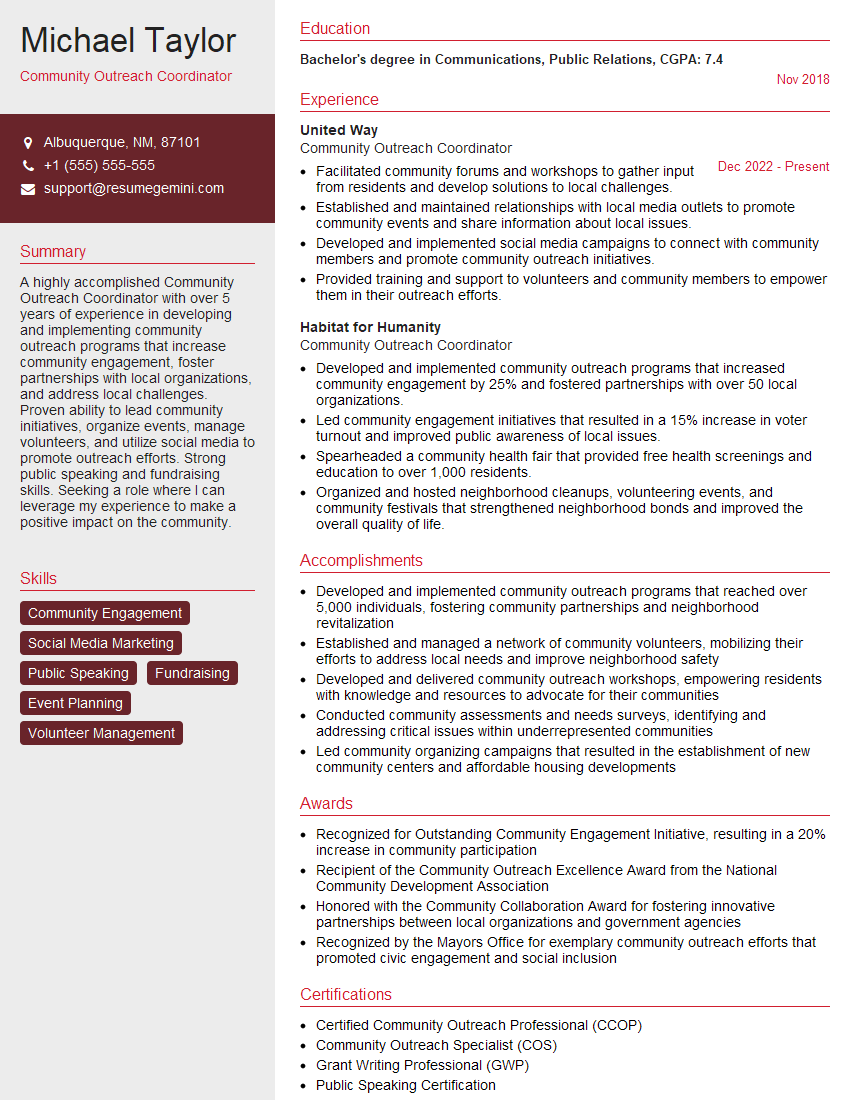
Community Outreach Coordinator Resume Sample
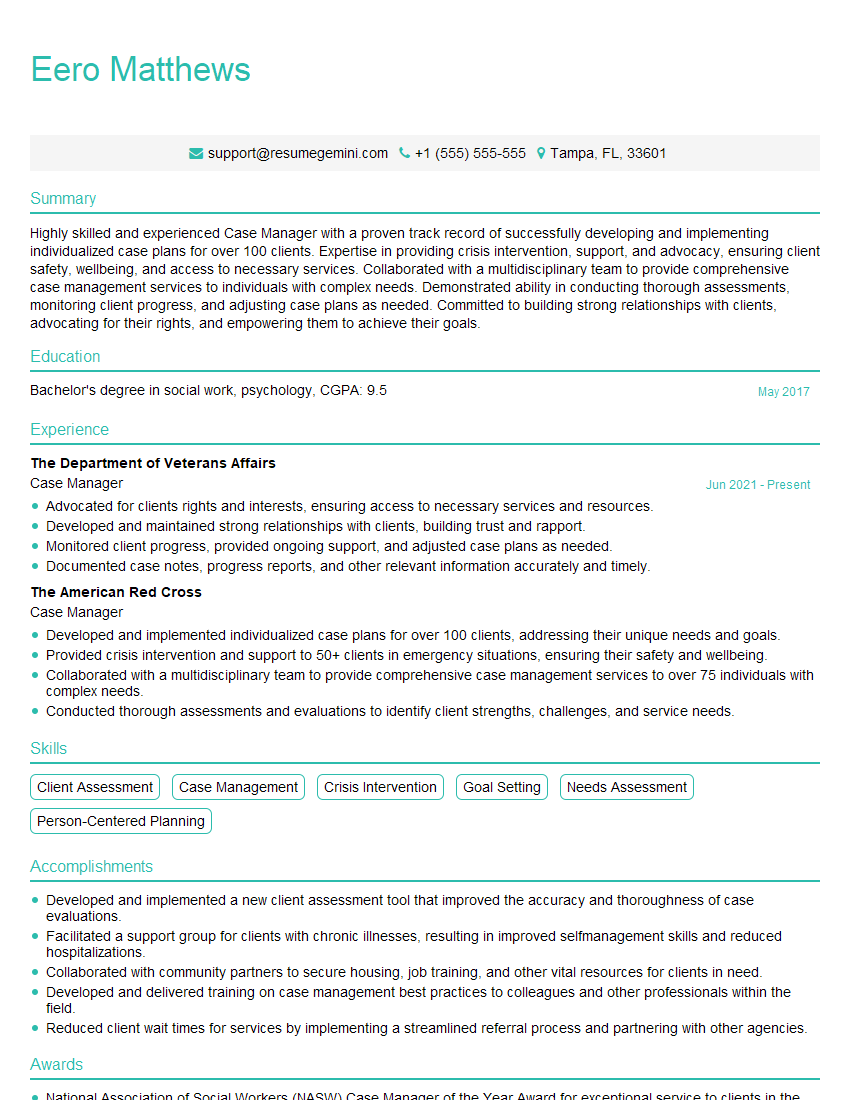
Case Manager Resume Sample
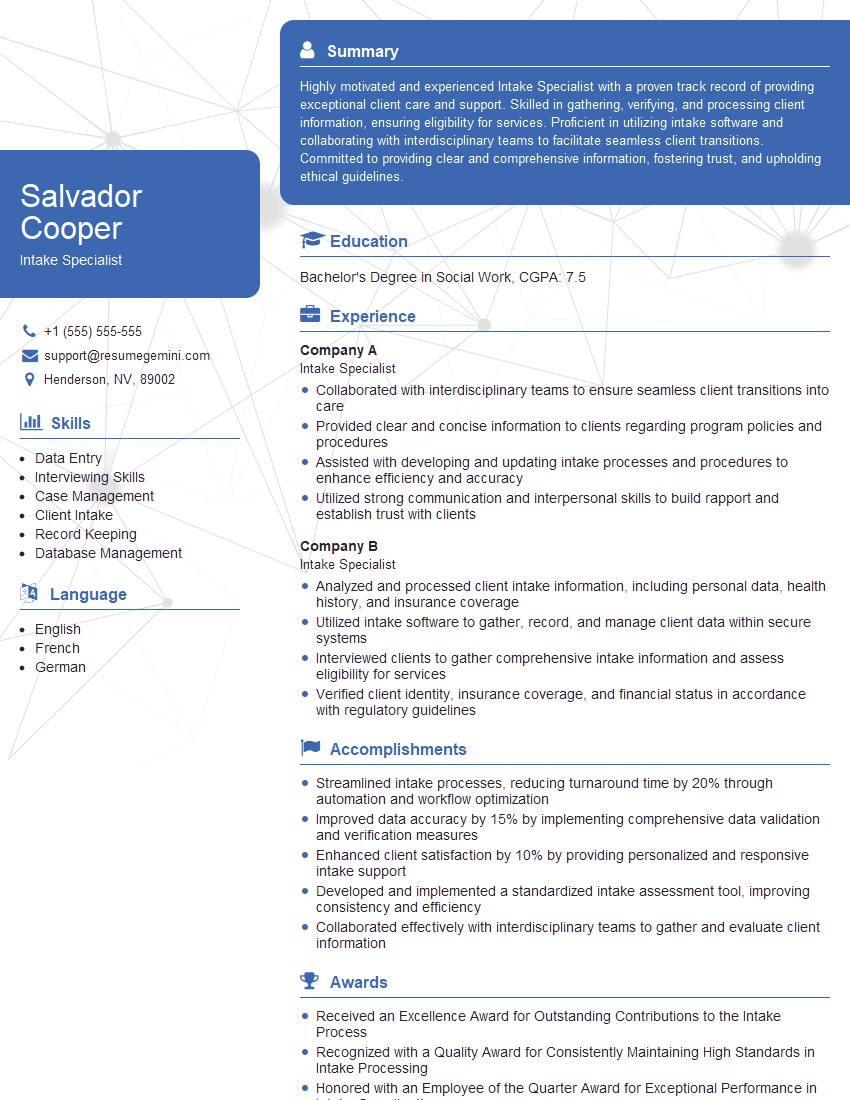
Intake Specialist Resume Sample
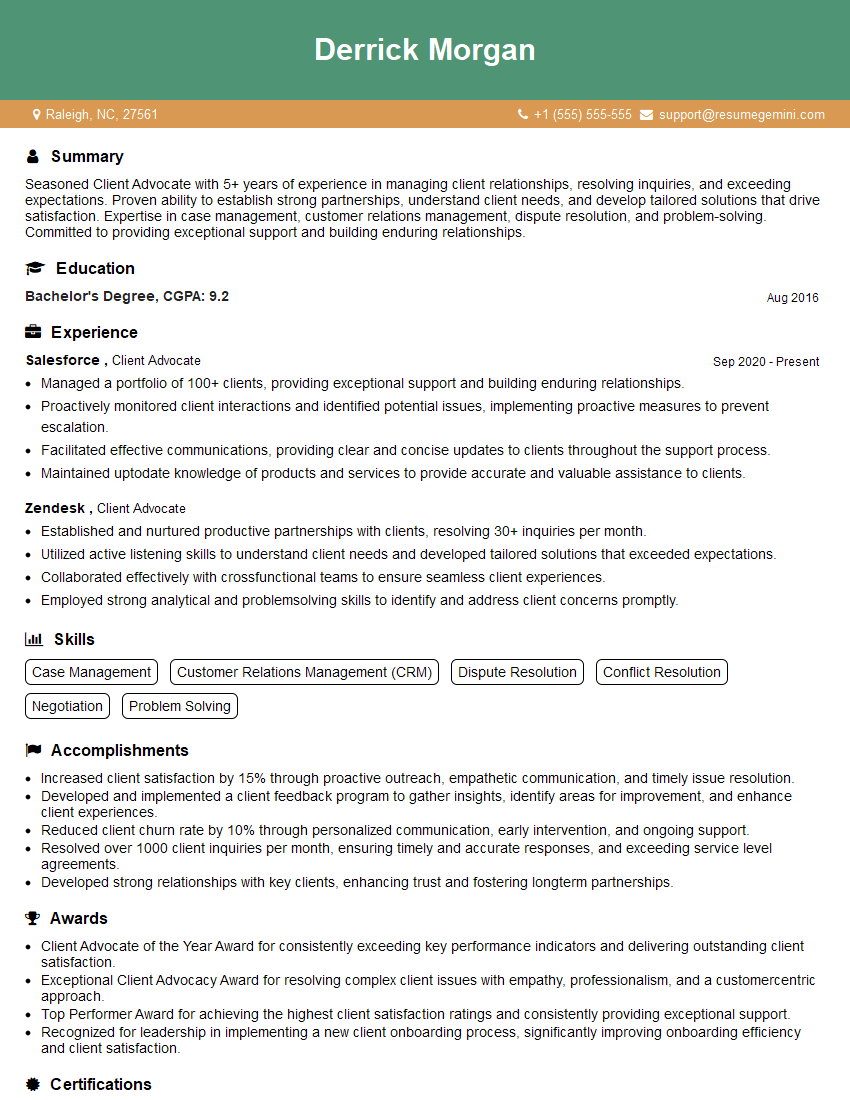
Client Advocate Resume Sample
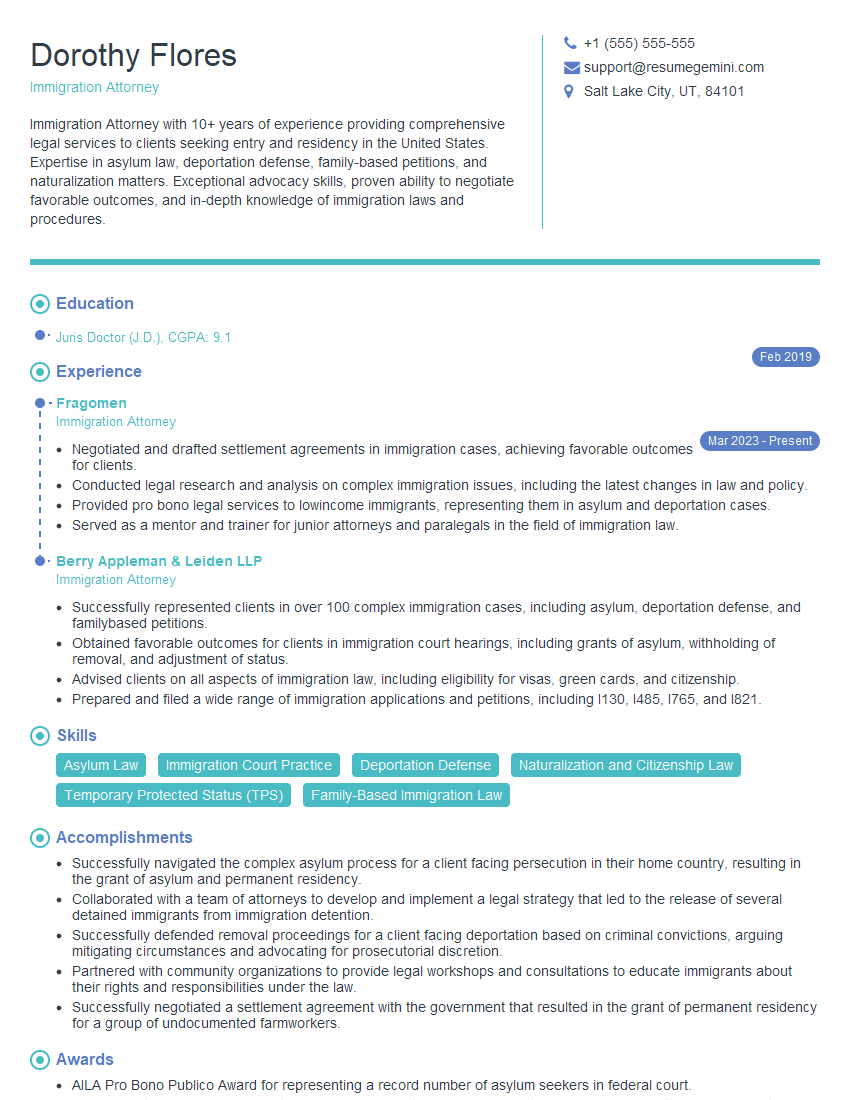
Immigration Attorney Resume Sample
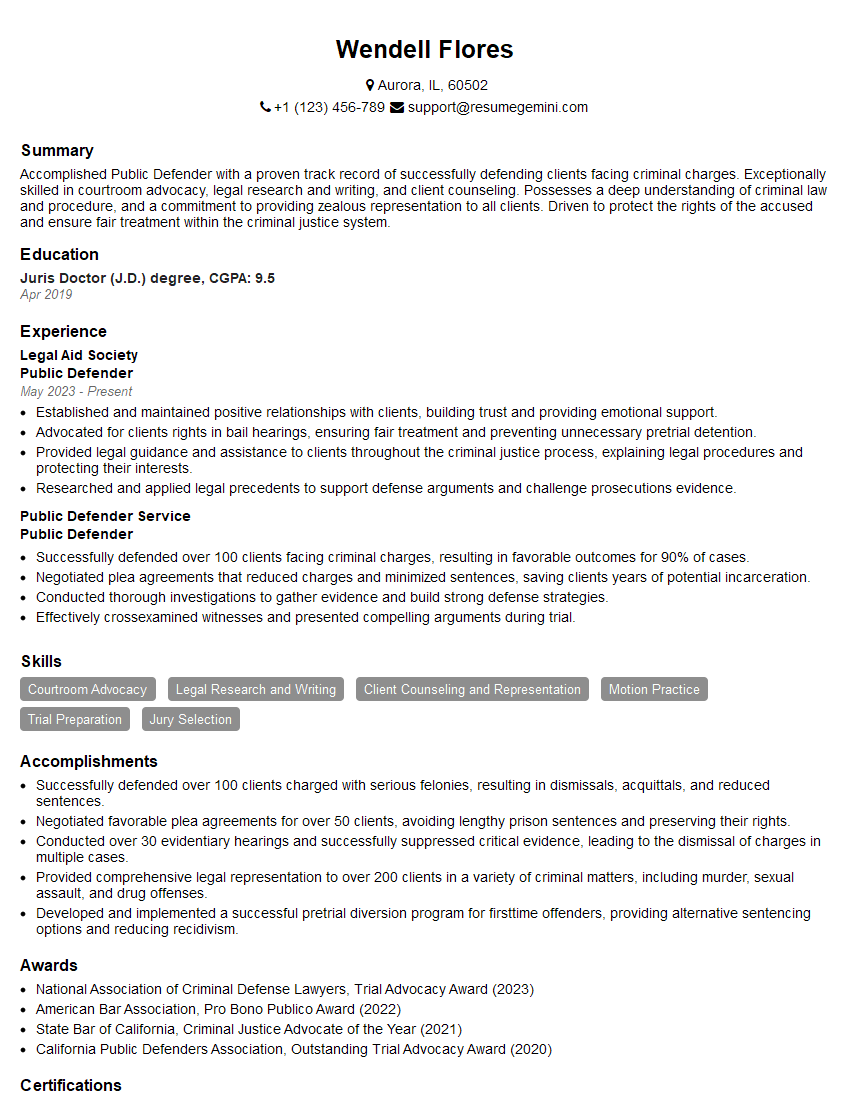
Public Defender Resume Sample
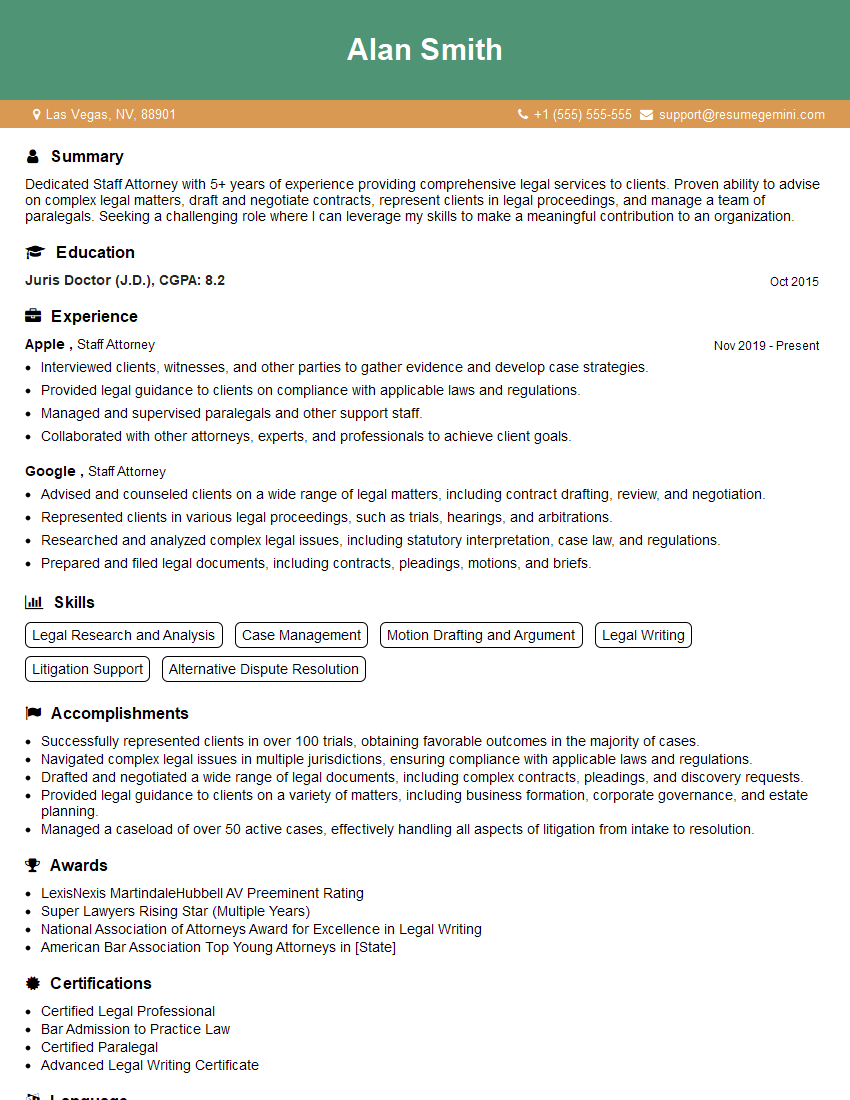
Staff Attorney Resume Sample
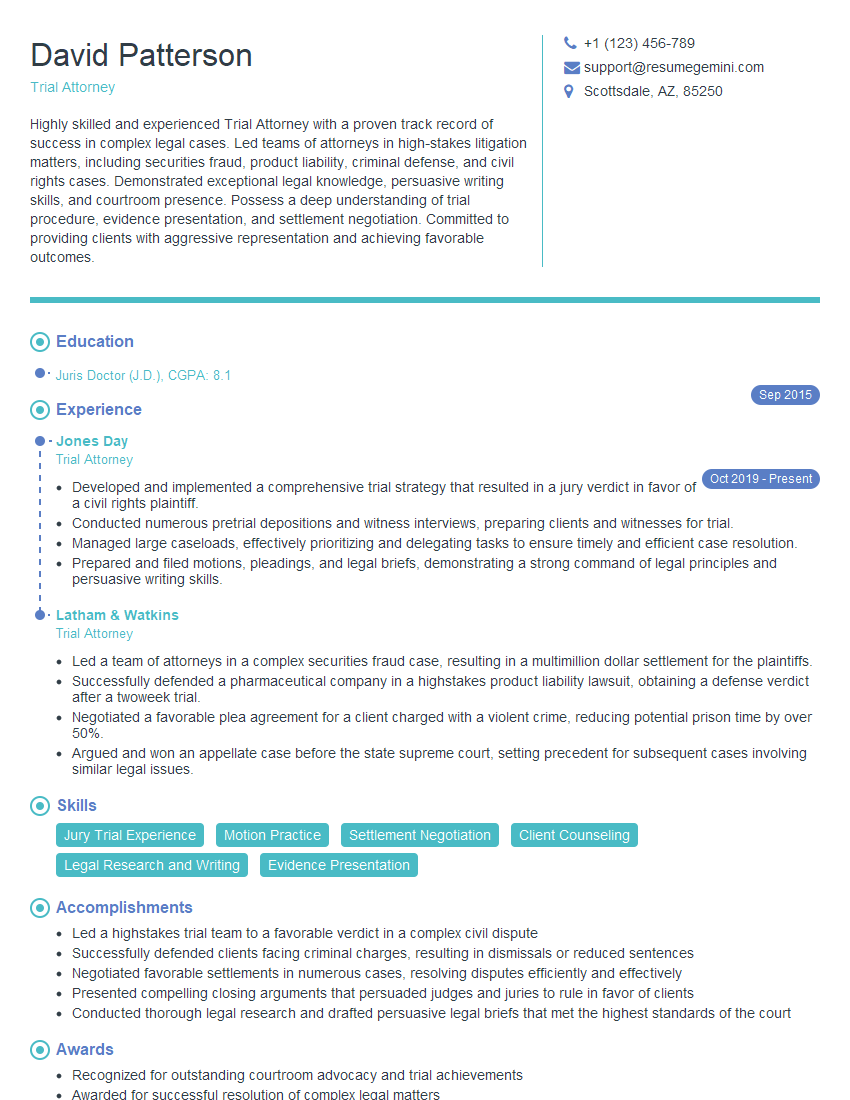
Trial Attorney Resume Sample
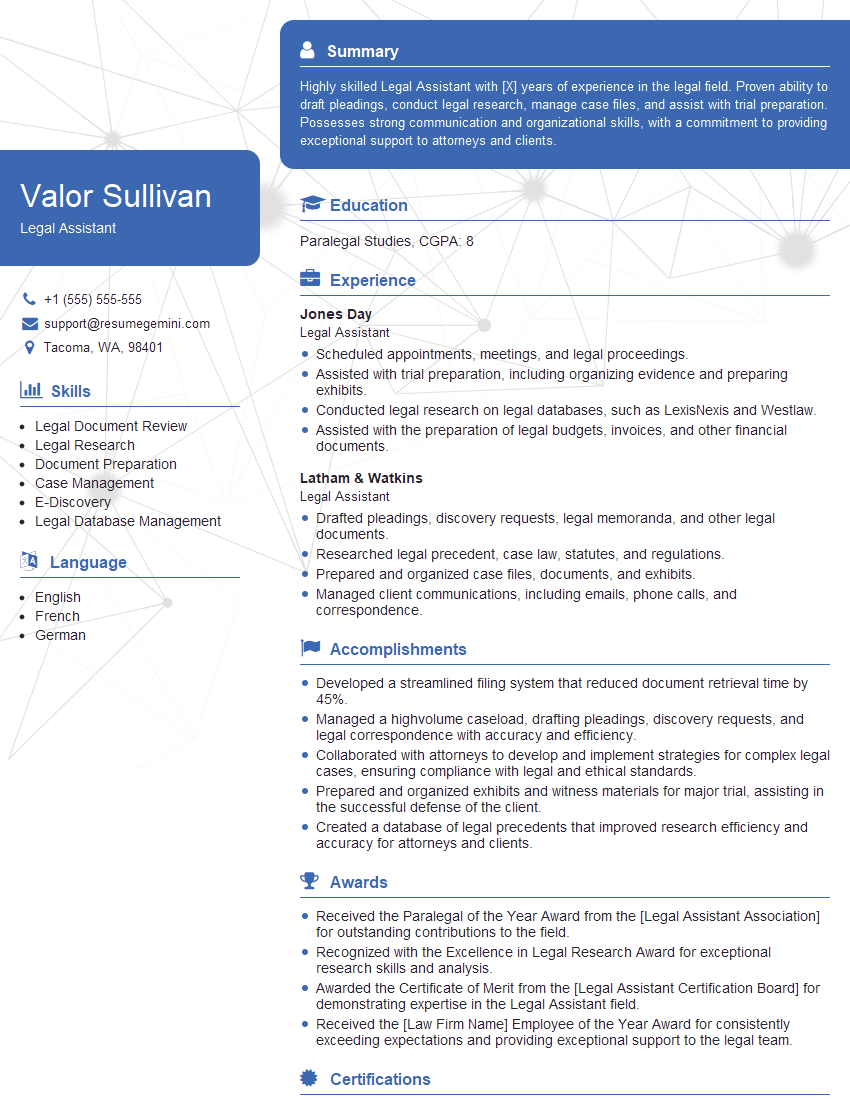
Legal Assistant Resume Sample
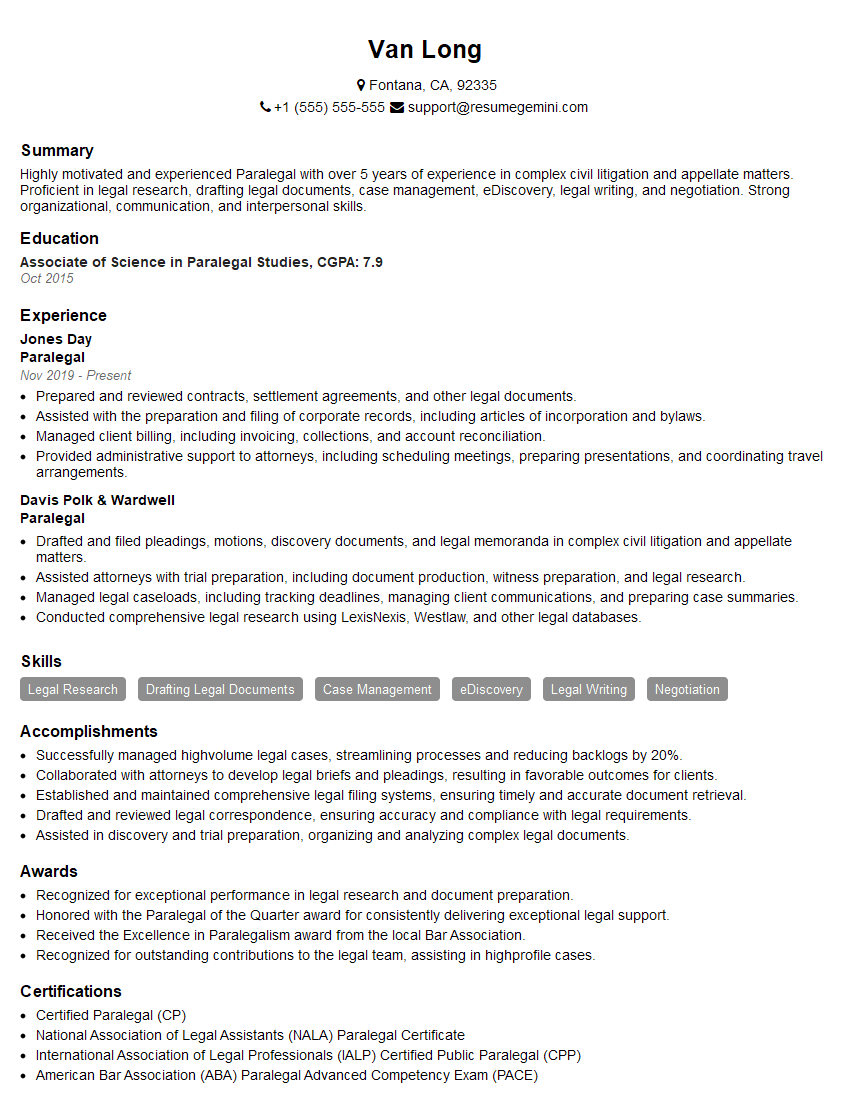
Paralegal Resume Sample
Explore more articles
Users Rating of Our Blogs
Share Your Experience
We value your feedback! Please rate our content and share your thoughts (optional).
What Readers Say About Our Blog
Really detailed insights and content, thank you for writing this detailed article.
IT gave me an insight and words to use and be able to think of examples