The thought of an interview can be nerve-wracking, but the right preparation can make all the difference. Explore this comprehensive guide to Maintains tools and equipment interview questions and gain the confidence you need to showcase your abilities and secure the role.
Questions Asked in Maintains tools and equipment Interview
Q 1. Describe your experience with preventative maintenance procedures.
Preventative maintenance (PM) is all about keeping equipment running smoothly by performing regular checks and servicing before problems arise. It’s like getting your car serviced regularly – much cheaper and less disruptive than waiting for a breakdown.
In my previous role at Acme Manufacturing, I was responsible for the PM schedule for all production line machinery. This involved developing and implementing a detailed PM plan, including:
- Daily checks: Visual inspections for leaks, loose parts, unusual noises, etc. For example, checking the oil levels in our CNC milling machines each morning.
- Weekly checks: More in-depth inspections and lubrication of key components. This included greasing the conveyor belts and checking the pressure settings on pneumatic systems.
- Monthly checks: More extensive maintenance activities such as filter changes, belt tension adjustments, and calibration checks on precision instruments.
- Annual overhauls: Complete disassembly, cleaning, inspection, and replacement of worn parts as needed. This often involved scheduling downtime to perform major maintenance on our robotic arms.
Using a CMMS (more on that later), I tracked all PM activities, generating reports that helped us identify trends and optimize maintenance schedules. This proactive approach significantly reduced equipment downtime and improved overall productivity.
Q 2. Explain your troubleshooting methodology for malfunctioning equipment.
My troubleshooting methodology follows a systematic approach, akin to a detective solving a case. I start by gathering information: what exactly is malfunctioning, when did it start, what were the preceding events? Then I proceed through these steps:
- Visual Inspection: I carefully examine the equipment for any obvious signs of problems – loose connections, leaks, damage, etc. Often, the problem is visible!
- Check Safety Systems: Before touching anything, I ensure all power is disconnected and safety protocols are in place. Safety is always paramount.
- Check Operational Parameters: I review the equipment’s operational manuals and verify that all parameters (pressure, temperature, voltage, etc.) are within their acceptable ranges. I might use specialized tools like multimeters or pressure gauges here.
- Systematic Testing: I start isolating potential problem areas by testing individual components or systems. For example, if a pneumatic system is failing, I might test the air compressor, pressure regulator, and actuators separately.
- Consult Documentation: Troubleshooting guides, schematics, and maintenance logs are invaluable resources. I refer to these documents to understand the equipment’s internal workings and identify potential points of failure.
- Escalation: If I can’t resolve the issue, I escalate it to a senior technician or the manufacturer.
For instance, if a conveyor belt suddenly stopped, I’d first check the power supply, then inspect the belt for damage or misalignment, and finally look at the motor and control system. This methodical approach has consistently helped me diagnose and solve equipment malfunctions quickly and efficiently.
Q 3. What safety protocols do you follow when maintaining tools and equipment?
Safety is my top priority. I strictly adhere to all company safety regulations and relevant industry standards (e.g., OSHA). My safety protocols include:
- Lockout/Tagout (LOTO): Always performing LOTO procedures before working on any equipment with electrical, hydraulic, or pneumatic power. This ensures the equipment is completely de-energized and prevents accidental startup.
- Personal Protective Equipment (PPE): Consistent use of appropriate PPE such as safety glasses, gloves, hearing protection, steel-toe boots, and safety harnesses, as required by the task.
- Hazard Identification and Risk Assessment: Before starting any maintenance task, I identify potential hazards and assess risks, implementing control measures (e.g., barriers, warning signs) to mitigate these risks.
- Proper Lifting Techniques: Using appropriate lifting equipment and techniques to prevent back injuries when handling heavy components.
- Emergency Procedures: Familiar with emergency procedures and knowing how to respond to various situations, such as electrical shocks, fires, or chemical spills.
I treat every maintenance task as a potential hazard, and I never compromise on safety. It’s simply not worth the risk.
Q 4. How do you prioritize maintenance tasks in a high-pressure environment?
In high-pressure environments, prioritizing maintenance tasks requires a strategic approach. I use a combination of techniques:
- Criticality Analysis: I assess the criticality of each piece of equipment based on its impact on production. Equipment crucial to the production process gets priority.
- Urgency Assessment: I evaluate the urgency of each maintenance task, considering factors like the severity of the problem and the potential consequences of delay.
- Impact Assessment: I assess the potential impact of equipment failure on production output, safety, and costs. A failure likely to cause significant downtime will take precedence.
- Planned vs. Unplanned Maintenance: I prioritize planned maintenance to prevent unexpected breakdowns. However, addressing urgent unplanned maintenance issues is equally crucial.
- Resource Allocation: I consider the availability of resources (personnel, parts, tools) when scheduling maintenance tasks.
Think of it like a triage system in a hospital: the most critical cases (equipment failures with severe consequences) receive immediate attention. While planned maintenance is important for long-term reliability, urgent issues demand immediate action.
Q 5. What experience do you have with CMMS (Computerized Maintenance Management System) software?
I have extensive experience using CMMS software, specifically (mention specific software used, e.g., Fiix, UpKeep, or MP2). This software is essential for managing all aspects of maintenance, from scheduling PMs to tracking work orders and managing inventory.
My experience includes:
- Scheduling PMs: Creating and managing preventative maintenance schedules for various equipment types.
- Work Order Management: Creating, assigning, tracking, and closing work orders for both planned and unplanned maintenance.
- Inventory Management: Tracking spare parts inventory and generating alerts for low stock levels.
- Reporting and Analytics: Generating reports on maintenance costs, downtime, and equipment performance to identify areas for improvement.
- Data Entry and Accuracy: Maintaining accurate and up-to-date information within the system.
Using CMMS has drastically improved our maintenance efficiency and reduced downtime. For example, the automated alerts for low stock levels ensure we always have the necessary spare parts on hand.
Q 6. Describe your experience with hydraulic systems maintenance.
Hydraulic systems rely on pressurized fluid to transmit power. Maintaining these systems involves understanding fluid dynamics, pressure, and component functionality. My experience includes:
- Leak detection and repair: Identifying and repairing leaks in hydraulic lines, fittings, and components. This often involves using specialized leak detection equipment.
- Fluid analysis: Testing hydraulic fluid for contamination and degradation, ensuring proper fluid levels and cleanliness.
- Component replacement: Replacing worn or damaged components such as pumps, valves, cylinders, and hoses.
- Pressure testing: Testing hydraulic systems to ensure they operate within the specified pressure ranges.
- System troubleshooting: Diagnosing and resolving malfunctions in hydraulic systems, often involving the use of pressure gauges, flow meters, and other diagnostic tools.
For example, I once had to troubleshoot a hydraulic press that was experiencing erratic pressure fluctuations. After systematically checking each component, I found a faulty pressure relief valve that was causing the problem. Replacing the valve restored the system’s proper operation.
Q 7. Explain your experience with pneumatic systems maintenance.
Pneumatic systems utilize compressed air to power machinery and tools. Maintaining these systems involves understanding compressed air generation, distribution, and control. My experience encompasses:
- Air compressor maintenance: Performing routine maintenance on air compressors, including filter changes, lubrication, and belt adjustments.
- Leak detection and repair: Identifying and repairing leaks in pneumatic lines and fittings, often using soapy water to detect leaks.
- Pressure regulator adjustment: Adjusting pressure regulators to ensure that pneumatic components receive the correct air pressure.
- Actuator and valve maintenance: Inspecting, cleaning, lubricating, and repairing pneumatic actuators and valves.
- System troubleshooting: Diagnosing and resolving malfunctions in pneumatic systems, checking for air leaks, faulty components, and electrical issues in the control circuits.
In one instance, a robotic arm powered by a pneumatic system started operating erratically. After thorough inspection, I discovered a small leak in a pneumatic line, causing a drop in air pressure that affected the robot’s precision. Repairing the leak resolved the issue.
Q 8. How do you diagnose and repair electrical faults in machinery?
Diagnosing and repairing electrical faults in machinery requires a systematic approach combining safety protocols with a strong understanding of electrical principles. I begin by ensuring the machine is completely de-energized and locked out to prevent accidental shocks. Then, I use a multimeter to check voltage, current, and resistance at various points in the circuit, comparing readings to the machine’s electrical schematic.
For example, if a motor isn’t running, I’d first check the power supply to confirm voltage is present. Then, I’d test the motor windings for continuity and check for shorts or open circuits. If the problem isn’t in the motor itself, I’d trace the wiring back to the control panel, checking for loose connections, damaged wires, or faulty switches. Sometimes, a simple loose connection is the culprit; other times, it requires replacing a faulty component like a relay or capacitor. I always document my findings and the repair process meticulously.
Troubleshooting complex issues often requires using specialized tools, such as a megger (to test insulation resistance) or a clamp meter (to measure current without breaking the circuit). It’s crucial to understand safety regulations and use appropriate personal protective equipment (PPE) throughout the process.
Q 9. What are your skills in welding and fabrication?
My welding skills encompass both MIG (Metal Inert Gas) and TIG (Tungsten Inert Gas) welding, along with a proficiency in stick welding for specific applications. I’m experienced in welding various metals, including steel, aluminum, and stainless steel. I can perform both fillet and groove welds, ensuring strong and aesthetically pleasing results. My fabrication skills include cutting, shaping, and assembling metal components, utilizing a range of tools such as plasma cutters, grinders, and various hand tools. I’m comfortable working from blueprints or sketches to create functional and durable parts or structures.
For instance, I recently fabricated a custom mounting bracket for a piece of equipment using MIG welding and steel plate. The design required precise cuts and welds to ensure a secure fit and structural integrity. I always prioritize precision and safety, following all relevant safety regulations and wearing the necessary PPE.
Q 10. Describe your experience with engine repair and maintenance.
My experience with engine repair and maintenance spans a broad range of internal combustion engines, from small gasoline engines used in lawnmowers to larger diesel engines found in industrial equipment. I’m proficient in diagnosing and repairing issues such as worn piston rings, damaged bearings, fuel system problems (e.g., clogged injectors, faulty fuel pump), and ignition system malfunctions. This includes removing and rebuilding engines, performing valve adjustments, and replacing gaskets and seals.
I’ve worked on both gasoline and diesel engines, understanding the distinct characteristics and maintenance needs of each. One particular challenge involved diagnosing a misfire in a diesel engine. By systematically checking fuel pressure, compression, and injector function, I ultimately identified a faulty injector as the root cause, leading to a successful repair.
Preventive maintenance is a key aspect of my approach. Regular oil changes, filter replacements, and inspections are crucial for extending engine life and preventing costly repairs.
Q 11. How do you manage inventory of spare parts and tools?
Efficient inventory management is critical for minimizing downtime and maintaining operational efficiency. I use a combination of physical inventory tracking and a digital system to manage spare parts and tools. The physical system involves organizing parts and tools using clearly labeled shelves and bins, while the digital system uses a spreadsheet or database software to track quantities, part numbers, and locations.
Regular stock checks are essential to identify parts running low and to prevent shortages. I utilize a first-in, first-out (FIFO) system to ensure older parts are used first, preventing obsolescence. For high-demand parts, I establish minimum stock levels to prevent unexpected delays. The system is designed to provide clear visibility into inventory levels, facilitating timely procurement of needed items.
Periodic audits help ensure accuracy and identify any discrepancies between physical inventory and the digital record. This system ensures we have the right parts at the right time, minimizing downtime and maintenance costs.
Q 12. How familiar are you with different types of lubrication and their applications?
I’m familiar with various types of lubricants and their applications, understanding that selecting the right lubricant is crucial for equipment performance and longevity. This includes different viscosity grades (e.g., SAE 10W-30, 15W-40), different types of oil (e.g., synthetic, mineral), greases (e.g., lithium-based, molybdenum disulfide), and specialized lubricants for specific applications (e.g., high-temperature greases, food-grade lubricants).
For example, using the wrong viscosity oil in an engine can lead to poor lubrication, increased wear, and reduced fuel efficiency. Similarly, using inappropriate grease on a bearing can result in premature failure. Understanding the operating conditions (temperature, load, speed) of each piece of equipment is key to selecting the optimal lubricant. I always consult manufacturers’ recommendations and maintain detailed records of lubricant types and change intervals.
Q 13. What is your experience with interpreting technical manuals and schematics?
Interpreting technical manuals and schematics is a fundamental skill for diagnosing and repairing equipment. I’m proficient in reading and understanding both electrical and mechanical schematics, hydraulic diagrams, and pneumatic schematics. I can trace circuits, identify components, and understand the operational flow of various systems. Manufacturers’ manuals provide crucial information regarding operation, maintenance procedures, and troubleshooting guides.
For instance, when troubleshooting a complex hydraulic system, I’d carefully refer to the hydraulic schematic to trace the flow of fluid and identify potential points of failure. I’m adept at cross-referencing information from multiple sources, including wiring diagrams, parts lists, and troubleshooting guides, to efficiently diagnose and solve problems.
Q 14. Describe your experience with calibration and testing of equipment.
Calibration and testing of equipment are essential for ensuring accuracy and safety. My experience includes calibrating various types of instruments, including pressure gauges, temperature sensors, and flow meters. I use calibrated reference standards and follow established procedures to verify the accuracy of the equipment. Testing involves systematically checking the performance of equipment to ensure it operates within specified parameters. This might involve functional testing (e.g., checking the output of a motor), performance testing (e.g., measuring the accuracy of a sensor), or safety testing (e.g., verifying the operation of safety interlocks).
For example, I recently calibrated a pressure gauge using a certified pressure calibrator, documenting the results and updating the calibration certificate. Testing involved verifying that the gauge readings were accurate within the specified tolerance. I maintain detailed records of all calibration and testing activities, ensuring traceability and compliance with relevant standards.
Q 15. How do you ensure the accuracy of maintenance records?
Accuracy in maintenance records is paramount for ensuring equipment reliability, safety, and regulatory compliance. It’s not just about recording; it’s about a systematic approach to data collection, verification, and storage.
- Real-time Recording: I prioritize recording maintenance activities immediately after completion. This minimizes the risk of forgetting details or relying on memory, which can be unreliable.
- Digitalization and Data Validation: I utilize computerized maintenance management systems (CMMS) wherever possible. These systems provide a centralized database, reducing errors and enabling easy data retrieval. Using checklists and digital forms aids in data accuracy.
- Double-Checking and Verification: Before finalizing any record, I implement a double-checking process. This may involve comparing readings against previous entries, verifying parts used against work orders, or even having another technician review the record.
- Clear and Concise Language: Using standardized terminology and clear, concise language eliminates ambiguity. I ensure all relevant information, such as date, time, equipment ID, performed tasks, parts used, and any anomalies, are comprehensively documented.
- Regular Audits: Periodically reviewing records helps identify any inconsistencies or patterns that may indicate a problem with the recording process itself. This allows for timely corrections and process improvements.
For example, if a bearing is replaced, I’d record not only the date and time but also the bearing’s part number, manufacturer, and any relevant measurements or observations about its condition before replacement. This level of detail is critical for future troubleshooting and preventative maintenance.
Career Expert Tips:
- Ace those interviews! Prepare effectively by reviewing the Top 50 Most Common Interview Questions on ResumeGemini.
- Navigate your job search with confidence! Explore a wide range of Career Tips on ResumeGemini. Learn about common challenges and recommendations to overcome them.
- Craft the perfect resume! Master the Art of Resume Writing with ResumeGemini’s guide. Showcase your unique qualifications and achievements effectively.
- Don’t miss out on holiday savings! Build your dream resume with ResumeGemini’s ATS optimized templates.
Q 16. Explain your understanding of Root Cause Analysis (RCA).
Root Cause Analysis (RCA) is a systematic process for identifying the underlying causes of problems or failures, going beyond simply addressing symptoms. The goal isn’t just to fix the immediate issue, but to prevent it from happening again. Think of it like a detective solving a case – you need to investigate all the clues to find the culprit.
Several methods exist, including the ‘5 Whys’ technique (repeatedly asking ‘why’ to drill down to the root cause), fault tree analysis (a diagrammatic representation of potential failure causes), and fishbone diagrams (which categorize potential causes into various categories).
In practice, I would typically:
- Gather Data: Collect all relevant information – maintenance logs, witness statements, equipment schematics, etc.
- Identify the Problem: Clearly define the problem to be analyzed. What exactly needs to be fixed?
- Analyze the Problem: Use the chosen RCA technique to systematically investigate potential causes.
- Develop Corrective Actions: Based on the identified root cause, develop and implement corrective actions to prevent recurrence.
- Verify Effectiveness: Monitor the implemented solutions to ensure their effectiveness in solving the problem and preventing future occurrences.
For example, if a conveyor belt keeps breaking, simply replacing the belt addresses only the symptom. RCA might reveal the root cause is improper tensioning, leading to excessive wear and tear. The solution then becomes adjusting the tensioning mechanism, not just replacing belts repeatedly.
Q 17. Describe a time you had to solve a complex maintenance problem.
During a large-scale production run, our automated packaging machine suddenly stopped functioning. The initial error message pointed to a sensor malfunction, but replacing the sensor didn’t resolve the issue. This was a significant problem because downtime meant lost productivity and potential penalties.
My approach was systematic:
- Isolate the Problem: I carefully examined all aspects of the system, checking power supply, wiring, and all connected components.
- Process of Elimination: After verifying the sensor wasn’t the problem, I moved on to the machine’s control system. Step-by-step, I tested each component, documenting my findings.
- Consult Documentation: I referred to the machine’s schematics and troubleshooting manual to understand the system’s intricacies and potential failure points.
- Identify Root Cause: Eventually, I discovered a loose connection within the main control panel. This loose connection was causing intermittent signals, hence the inconsistent errors.
- Implement Solution: Once I identified and tightened the connection, the machine immediately resumed operation.
This situation highlighted the importance of not jumping to conclusions and thoroughly investigating potential causes. A simple loose wire became a complex problem due to misleading error messages. This experience reinforced the importance of thorough documentation and methodical troubleshooting.
Q 18. What is your experience with different types of machine guarding?
Machine guarding is crucial for workplace safety. My experience covers several types:
- Fixed Guards: These are permanently attached to the machine, offering robust protection. Examples include enclosures completely surrounding hazardous parts.
- Interlocked Guards: These guards prevent operation unless they are properly in place. If opened, the machine automatically shuts down. This is a critical safety feature.
- Adjustable Guards: These guards can be adjusted to accommodate different setups but still maintain a safety zone around the hazard.
- Self-Adjusting Guards: These guards automatically adjust their position to maintain a safe distance from moving parts. They’re particularly useful in processes where the workpiece varies in size or position.
- Presence-Sensing Devices: These devices use light beams, pressure mats, or other sensors to detect the presence of a person in the hazardous area, automatically stopping the machine if someone enters.
I understand the selection of appropriate guarding depends on risk assessment. A thorough assessment considers the type of hazard, severity, and frequency of potential incidents. Choosing the wrong guard can be dangerous; it’s crucial to select guards that match the specific machine and operational risks.
Q 19. How do you ensure compliance with OSHA regulations?
OSHA (Occupational Safety and Health Administration) compliance is non-negotiable. My approach involves a multi-pronged strategy:
- Regular Inspections: I conduct regular inspections of all equipment and work areas, checking for hazards, ensuring guards are in place, and verifying that safety procedures are followed.
- Lockout/Tagout Procedures: I am proficient in lockout/tagout (LOTO) procedures, which are critical for preventing accidental machine starts during maintenance or repairs. I ensure that all employees understand and adhere to these procedures.
- Training and Education: I actively participate in and sometimes lead safety training sessions for colleagues. This covers topics like proper machine operation, hazard identification, and emergency procedures.
- Hazard Communication: I ensure all chemicals and hazardous materials are properly labeled and that safety data sheets (SDS) are readily available.
- Documentation: Maintaining detailed records of inspections, training, and any incidents helps to demonstrate compliance and facilitates continuous improvement.
- Staying Updated: I stay current on OSHA regulations and best practices through professional development and industry publications.
By proactively addressing potential hazards, documenting all safety measures, and providing thorough training, I help to create a safe and compliant work environment.
Q 20. What is your proficiency with various hand and power tools?
My proficiency with hand and power tools is extensive. I’m comfortable using a wide range, including:
- Hand Tools: Wrenches (various types), screwdrivers (Phillips and flathead), pliers (needle-nose, slip-joint), hammers, chisels, files, measuring tapes, levels, and various specialized tools depending on the equipment maintained.
- Power Tools: Drills (both cordless and corded), impact wrenches, grinders (both angle and bench), saws (circular, reciprocating, jig), sanders (orbital, belt), and welders (MIG and stick).
Beyond just knowing how to use them, I prioritize safety when operating power tools. This includes wearing appropriate personal protective equipment (PPE) such as safety glasses, gloves, hearing protection, and respirators when necessary. Regular maintenance of the tools themselves is also critical to ensuring their safe and effective operation.
Q 21. Describe your experience working with different types of machinery.
My experience encompasses a variety of machinery, including:
- Conveyors: I have experience maintaining various types of conveyors, including belt conveyors, roller conveyors, and chain conveyors, addressing issues like belt tracking, roller alignment, and chain lubrication.
- Packaging Machines: I’m familiar with automated packaging systems, from filling and sealing machines to labeling and palletizing equipment.
- CNC Machines: I have experience with Computer Numerical Control (CNC) machines, understanding their programming, setup, and troubleshooting.
- Hydraulic and Pneumatic Systems: I’m experienced in diagnosing and repairing problems with hydraulic and pneumatic systems, including leaks, component failures, and pressure regulation issues.
- Industrial Motors and Drives: My experience includes maintaining various types of electric motors, including AC and DC motors, and troubleshooting associated drive systems.
This diverse experience gives me a broad understanding of different machinery types, enabling me to effectively diagnose and repair a wide range of equipment.
Q 22. How familiar are you with different types of bearings and their maintenance?
Bearings are fundamental components in machinery, enabling smooth rotation and reducing friction. My familiarity extends to various types, including ball bearings, roller bearings (cylindrical, tapered, spherical), and sleeve bearings. Maintenance involves understanding their specific characteristics and failure modes.
- Ball bearings are simple, efficient for high speeds, but sensitive to shock loads. Maintenance focuses on lubrication, checking for wear and play, and ensuring proper alignment.
- Roller bearings offer higher load capacity than ball bearings and are suitable for heavier applications. Maintenance includes similar aspects to ball bearings, with additional attention paid to potential cage wear and roller damage. Tapered roller bearings, for example, need precise adjustment for axial and radial load distribution.
- Sleeve bearings use a fluid film between surfaces, reducing friction but requiring consistent lubrication. Maintenance involves monitoring oil levels and quality, checking for wear on the shaft and bearing surface, and addressing any signs of overheating.
For instance, in a recent project involving a conveyor system, I identified excessive vibration due to worn ball bearings in the drive motor. Replacing these bearings resolved the issue, preventing further damage and downtime.
Q 23. How do you identify and address potential safety hazards?
Identifying and addressing safety hazards is paramount. My approach involves proactive hazard identification through regular inspections, risk assessments, and following established safety protocols. This includes using lock-out/tag-out procedures before maintenance, wearing appropriate personal protective equipment (PPE), and ensuring the work area is properly illuminated and free of obstructions.
For example, I once discovered a frayed power cable near a running machine. Immediately, I shut down the machine using the emergency stop button, reported the hazard, and ensured the area was cordoned off until the cable was replaced. Addressing potential hazards promptly not only prevents accidents but fosters a safe and productive work environment.
Q 24. What are your skills in using diagnostic equipment?
I am proficient in using various diagnostic equipment, including vibration analyzers, infrared thermometers, and ultrasonic detectors. These tools help identify problems before they become major failures.
- Vibration analyzers identify imbalances, misalignments, and bearing defects by analyzing vibration patterns.
- Infrared thermometers detect overheating components, indicating potential issues like bearing friction or electrical problems.
- Ultrasonic detectors pinpoint air leaks, partial discharges, and bearing wear through sound analysis.
For instance, using a vibration analyzer on a pump, I pinpointed a bearing failure early, preventing catastrophic damage to the pump and associated equipment. This prevented significant downtime and costly repairs.
Q 25. Describe your experience with preventative maintenance scheduling.
Preventative maintenance scheduling is crucial for maximizing equipment lifespan and minimizing downtime. My approach is based on a combination of manufacturer recommendations, historical data, and condition-based monitoring. I utilize computerized maintenance management systems (CMMS) to schedule and track tasks, ensuring all preventative measures are carried out effectively and efficiently.
For example, I developed a preventative maintenance schedule for a large manufacturing facility. This schedule included regular lubrication, inspections, and functional tests based on the equipment’s usage and criticality. This resulted in reduced emergency repairs, optimized resource allocation, and improved overall equipment effectiveness.
Q 26. How do you contribute to a team environment in maintenance operations?
I strongly believe in teamwork and collaboration. In a maintenance setting, effective communication and knowledge sharing are essential. I actively participate in team meetings, share my expertise with colleagues, and willingly assist others when needed. I also contribute to creating a positive and supportive work environment by fostering open communication and mutual respect.
For example, during a recent emergency repair, I collaborated with the electrical team to quickly diagnose and rectify a power supply issue that had brought down a critical production line. This collaborative effort minimized downtime and prevented significant production losses.
Q 27. What is your experience with rotating equipment maintenance?
Rotating equipment maintenance is a significant aspect of my experience. This includes pumps, motors, fans, and compressors. Maintenance includes alignment checks, balancing, vibration analysis, lubrication, and seal replacement. Understanding the specific operating characteristics of each type of equipment and their potential failure modes is crucial.
For instance, I have extensive experience in the alignment of coupled pumps and motors using laser alignment tools. Accurate alignment minimizes vibration and prolongs the life of bearings and seals.
Q 28. Explain your experience with troubleshooting PLC (Programmable Logic Controller) systems.
My experience with PLC troubleshooting involves understanding ladder logic, using diagnostic tools, and systematically isolating faults. I’m comfortable using PLC programming software to monitor variables, check program logic, and make necessary changes. I also know how to interpret fault codes and utilize documentation to diagnose and solve problems.
In a recent situation, a production line stopped due to a PLC fault. Using the PLC’s diagnostic tools and ladder logic diagrams, I traced the issue to a faulty sensor input. Replacing the sensor resolved the problem quickly, minimizing production disruption.
Key Topics to Learn for Maintaining Tools and Equipment Interview
- Preventive Maintenance: Understanding schedules, procedures, and the importance of proactive care to extend equipment lifespan and prevent costly breakdowns. Practical application: Describe your experience developing or following a preventative maintenance schedule.
- Troubleshooting and Repair: Diagnosing malfunctions, identifying root causes, and implementing effective repair strategies. Practical application: Detail a situation where you successfully troubleshooted a malfunctioning tool or piece of equipment.
- Safety Procedures and Regulations: Knowledge of relevant safety protocols, OSHA standards (or equivalent), and best practices for handling tools and equipment safely. Practical application: Explain how you ensure a safe working environment when using and maintaining equipment.
- Inventory Management: Tracking tools and equipment, managing stock levels, and ordering replacements as needed. Practical application: Describe your experience with inventory management systems or processes.
- Record Keeping and Documentation: Maintaining accurate records of maintenance activities, repairs, and inspections. Practical application: Discuss your experience with documenting maintenance procedures and using maintenance management software.
- Calibration and Testing: Understanding the importance of calibration and performing regular tests to ensure accuracy and reliability of tools and equipment. Practical application: Describe your experience calibrating or testing specific tools or equipment.
- Cost-Effectiveness and Budget Management: Understanding how to optimize maintenance procedures to minimize costs while maximizing equipment uptime. Practical application: Explain how you’ve contributed to cost savings in equipment maintenance.
Next Steps
Mastering the art of maintaining tools and equipment is crucial for career advancement in many fields. Proficiency in this area demonstrates reliability, problem-solving skills, and a commitment to safety—all highly valued attributes by employers. To significantly improve your job prospects, it’s essential to create an ATS-friendly resume that effectively highlights your skills and experience. ResumeGemini is a trusted resource to help you build a professional and impactful resume that gets noticed. We provide examples of resumes tailored to maintaining tools and equipment to guide you through the process.
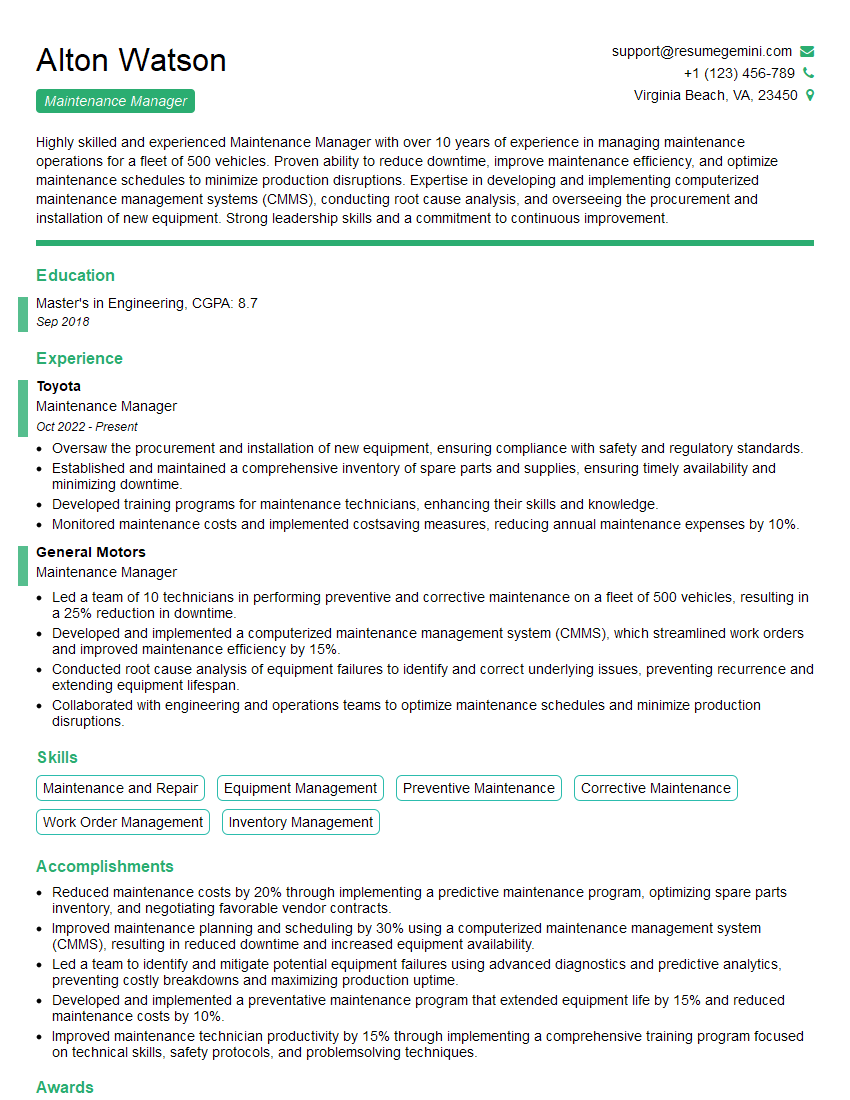
Maintenance Manager Resume Sample
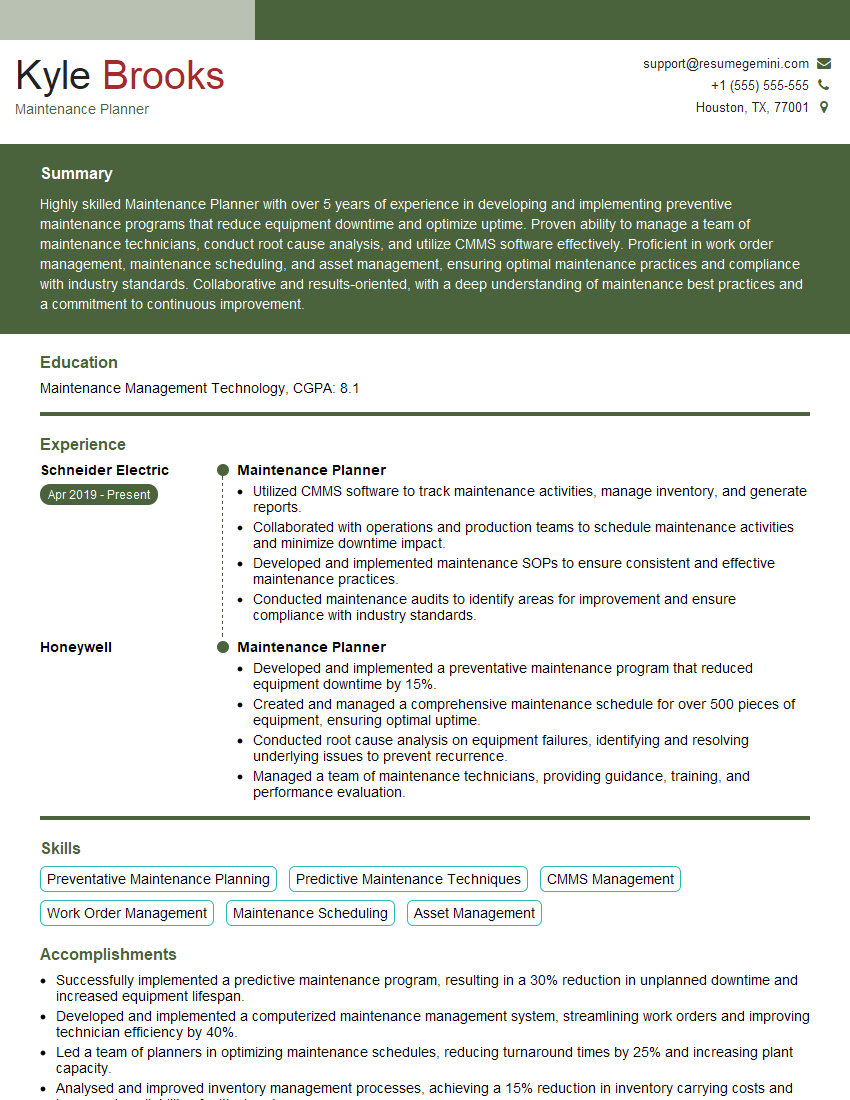
Maintenance Planner Resume Sample
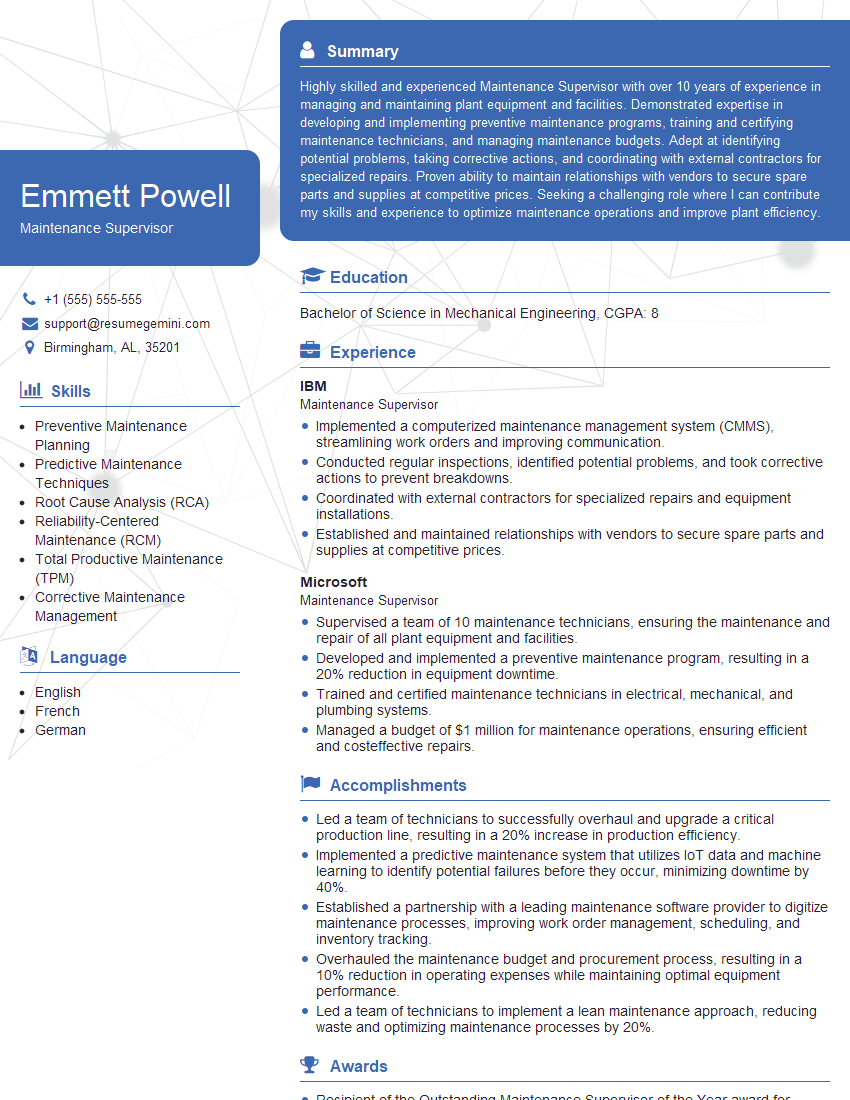
Maintenance Supervisor Resume Sample
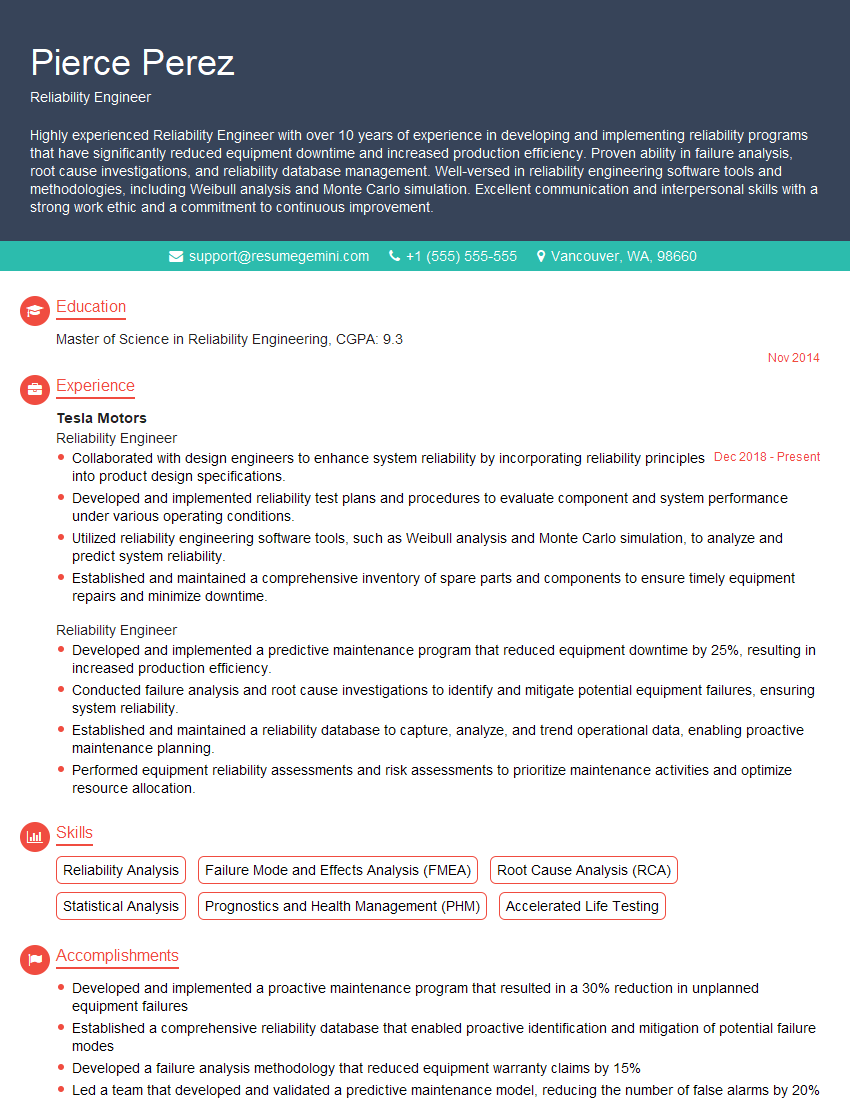
Reliability Engineer Resume Sample
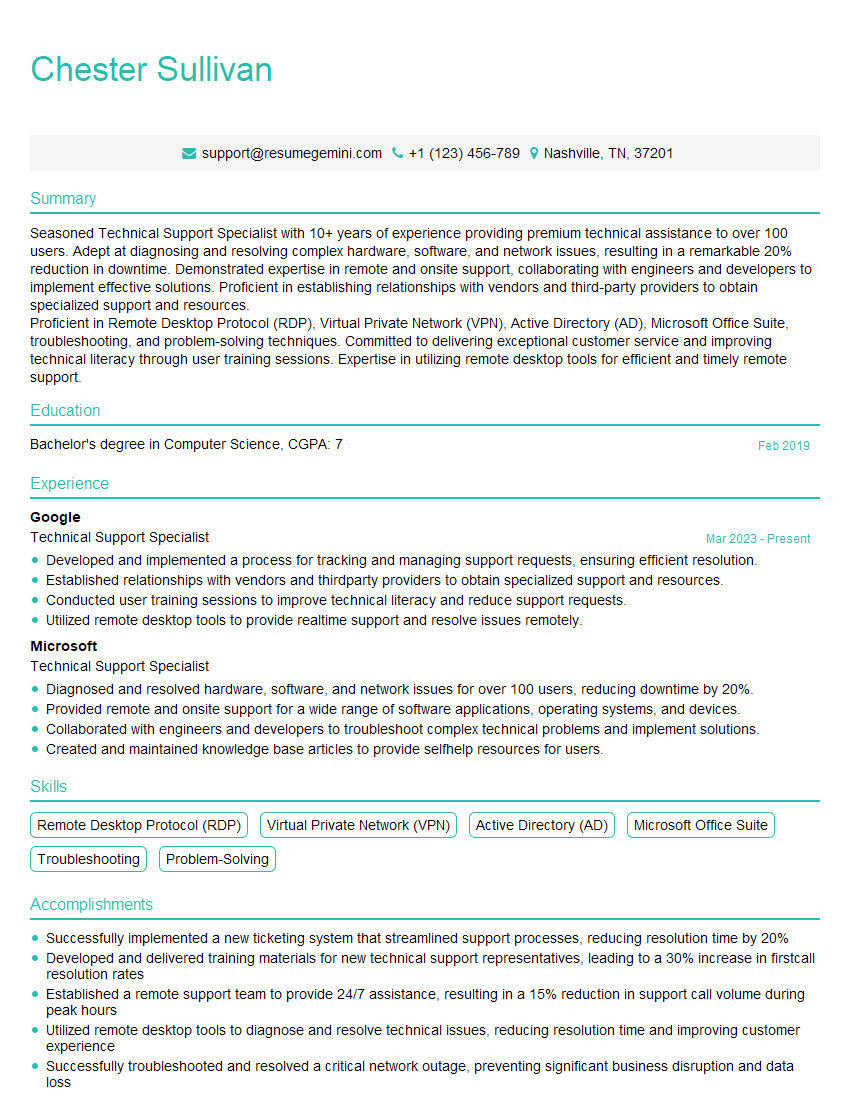
Technical Support Specialist Resume Sample
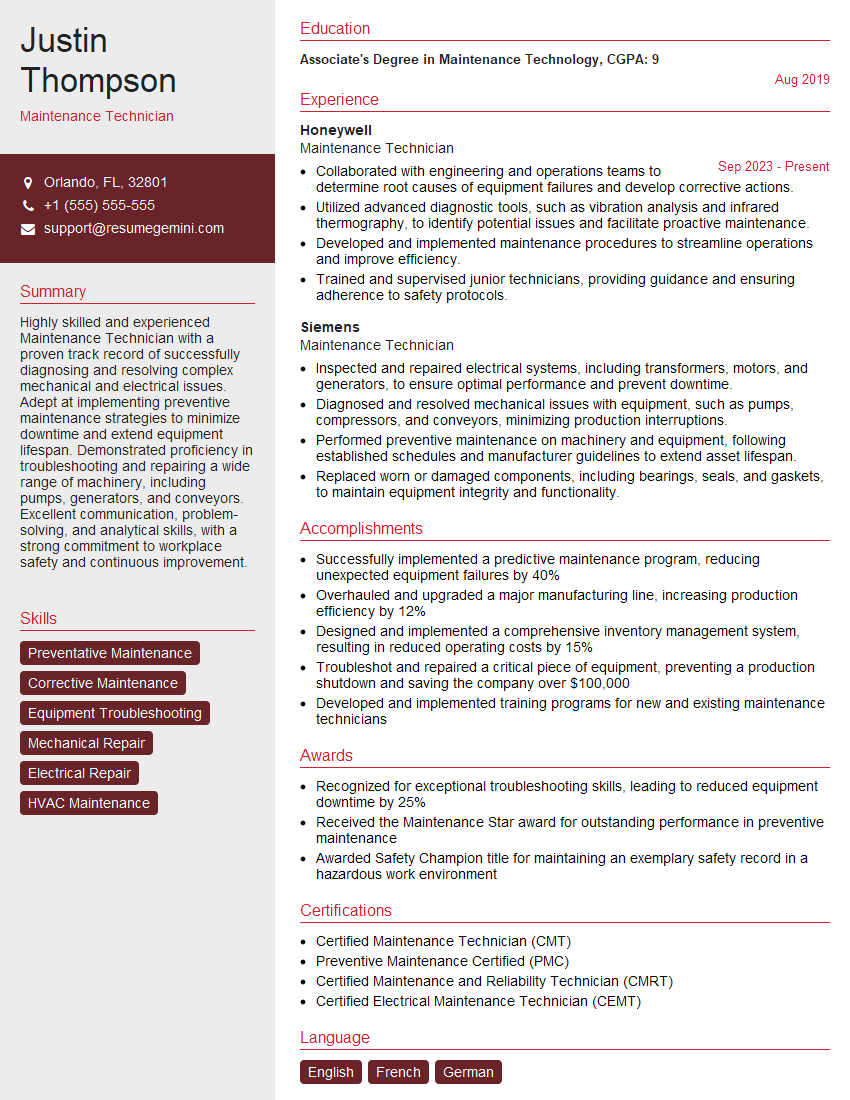
Maintenance Technician Resume Sample
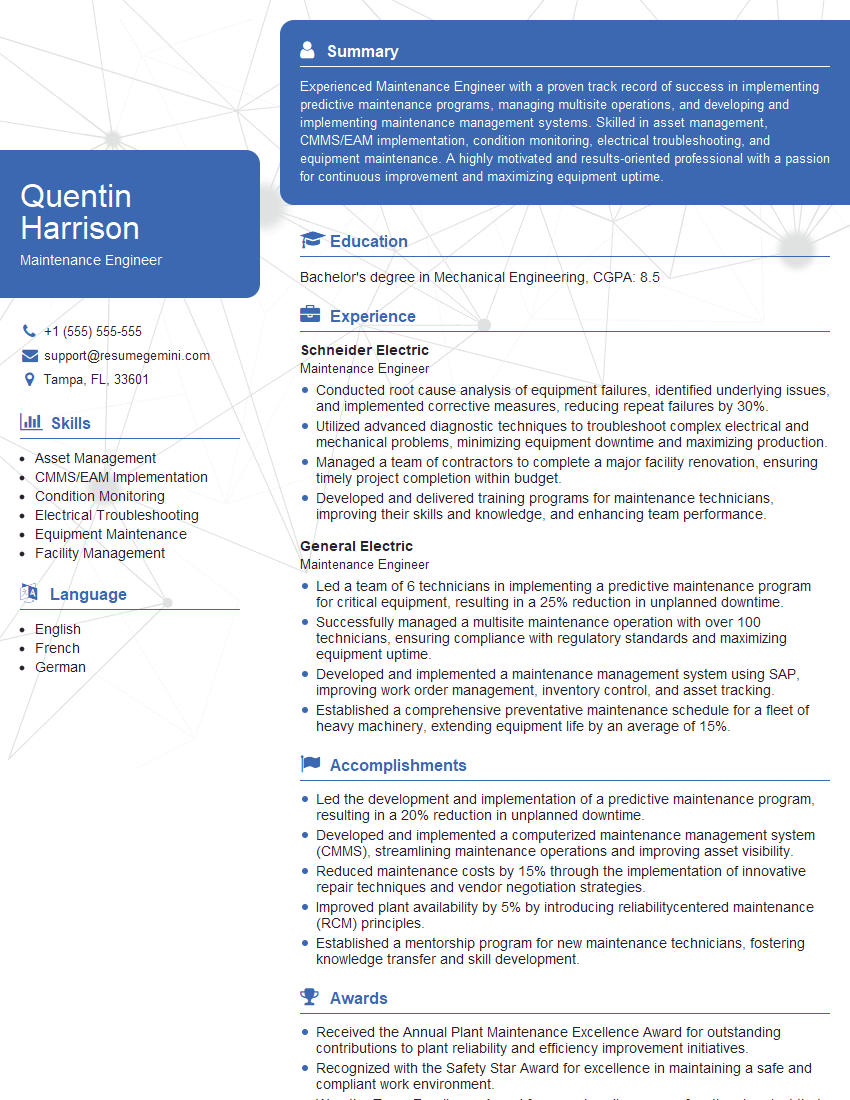
Maintenance Engineer Resume Sample
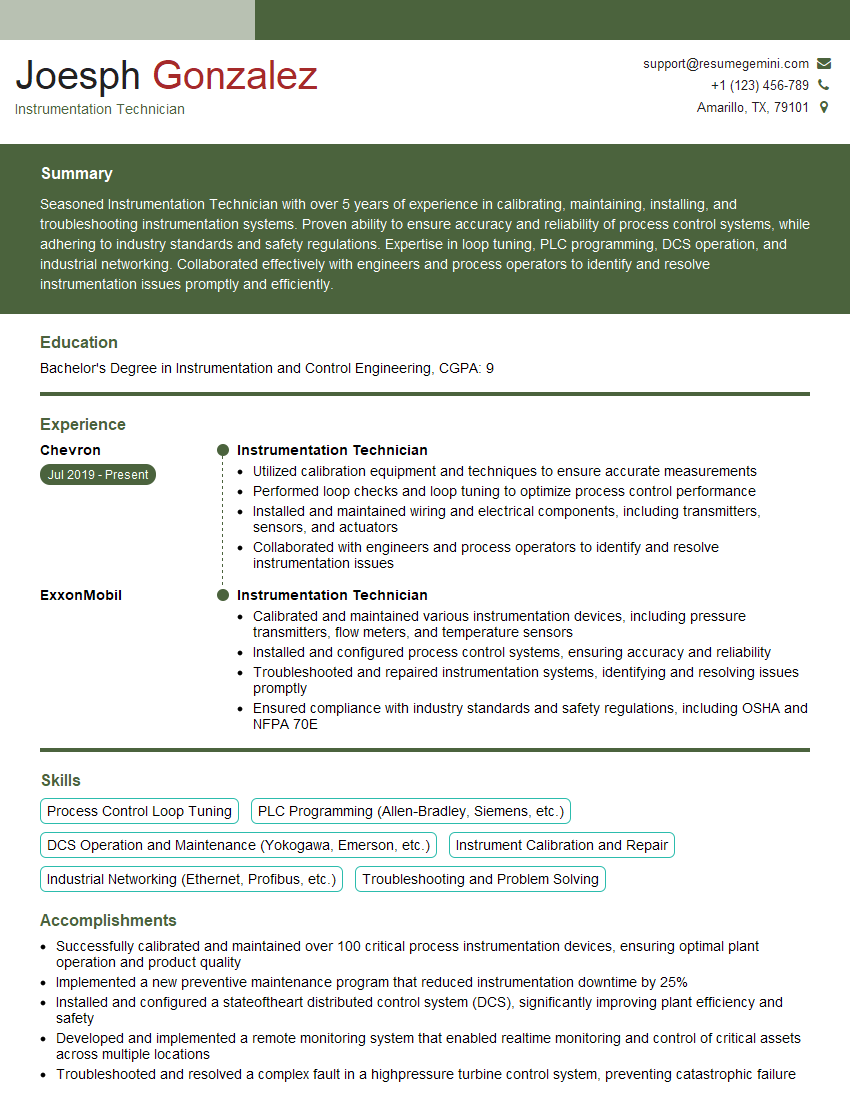
Instrumentation Technician Resume Sample
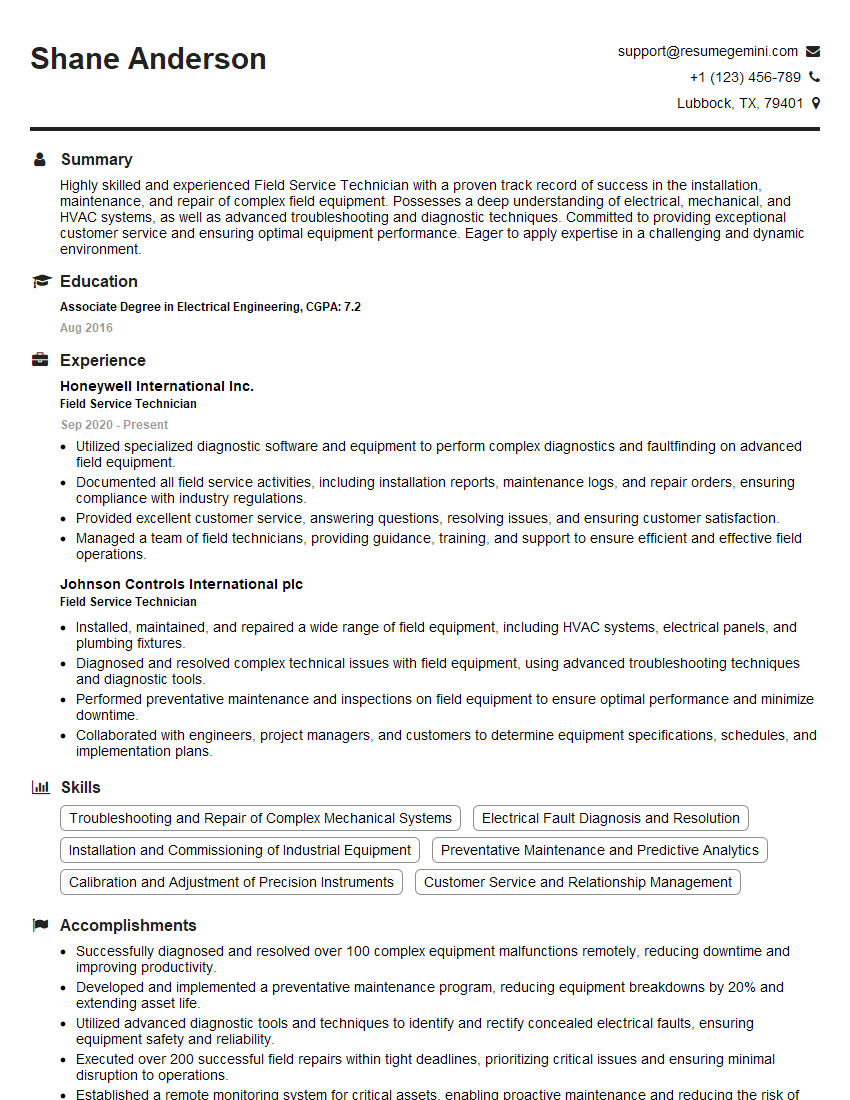
Field Service Technician Resume Sample
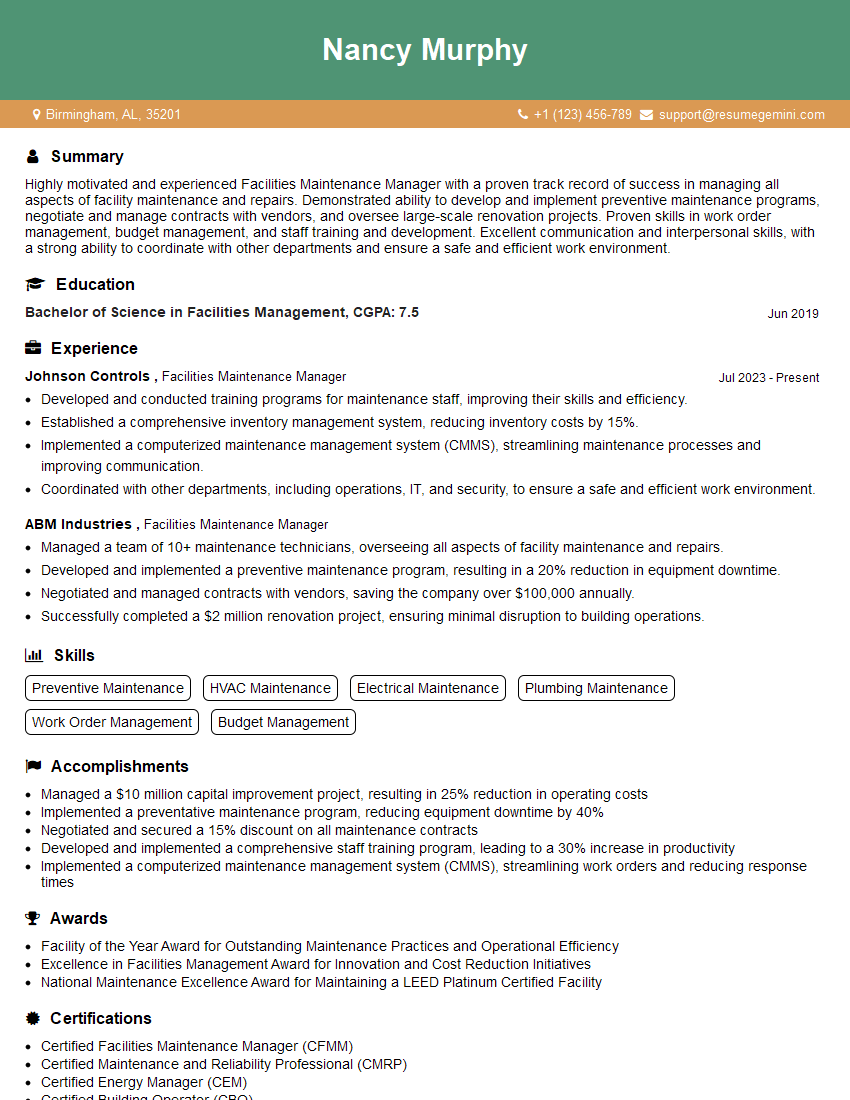
Facilities Maintenance Manager Resume Sample
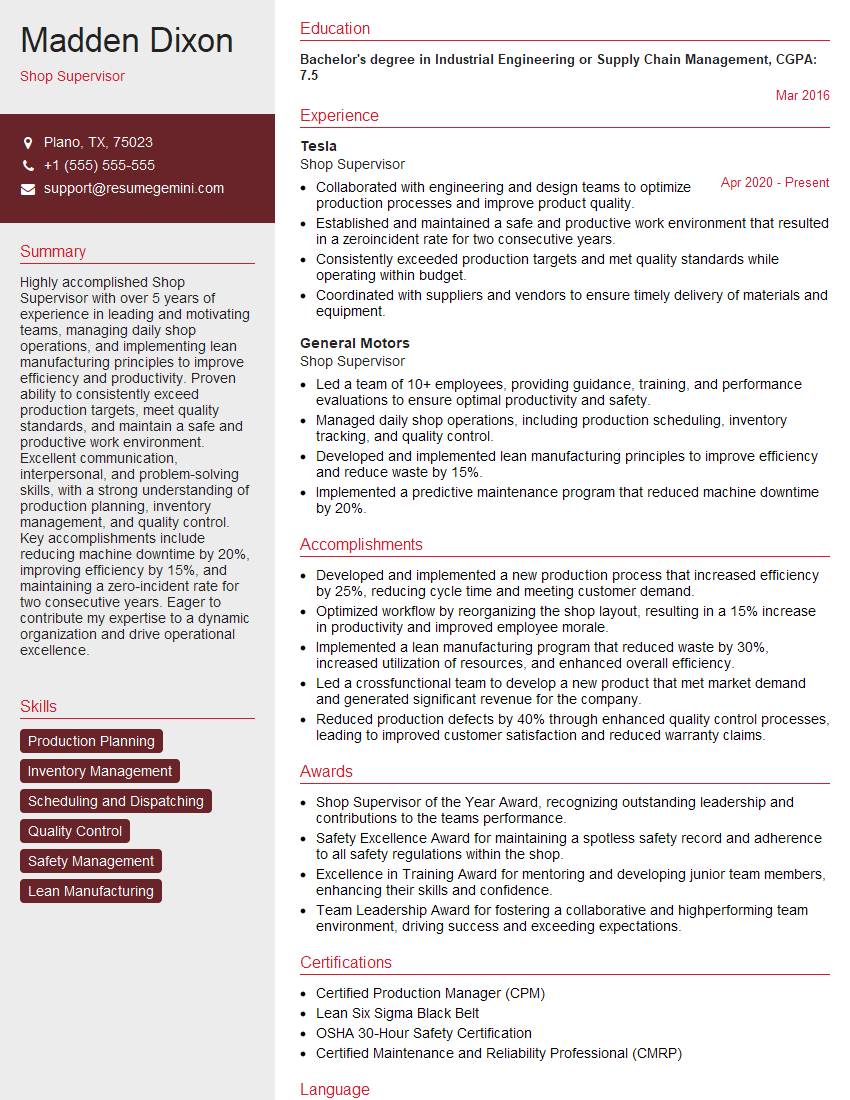
Shop Supervisor Resume Sample
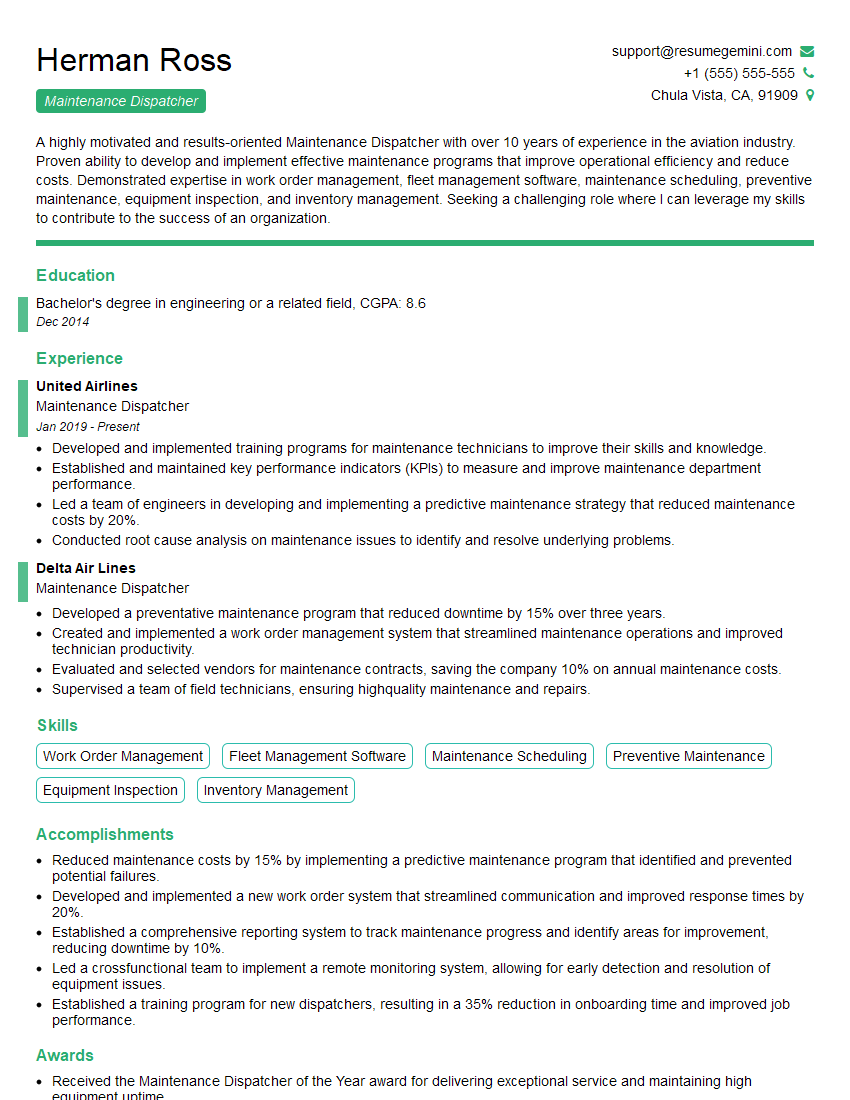
Maintenance Dispatcher Resume Sample
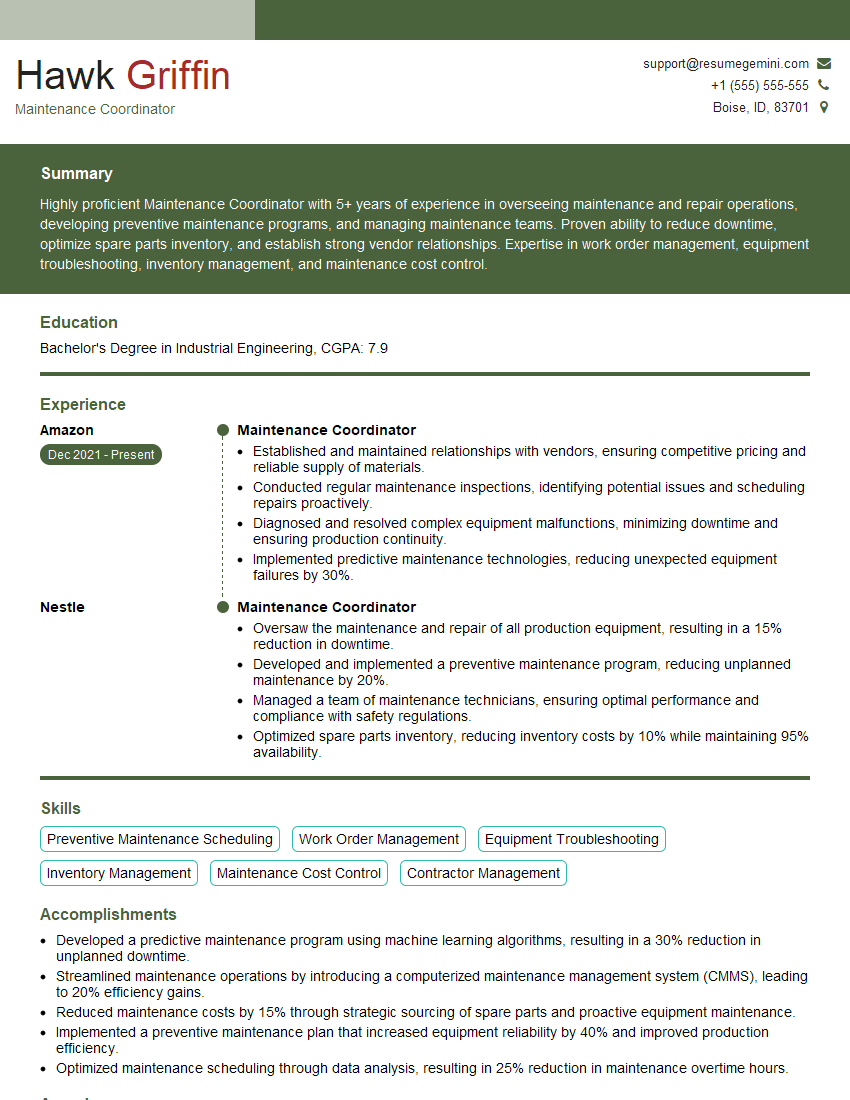
Maintenance Coordinator Resume Sample
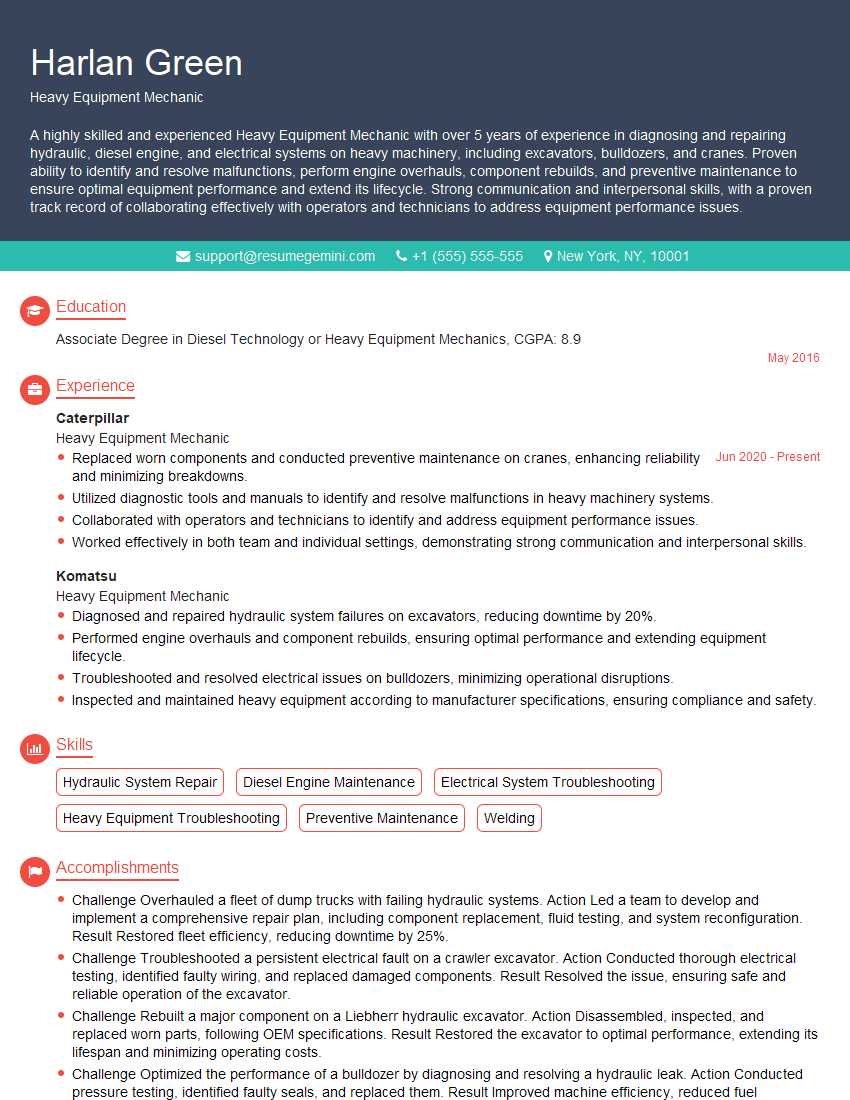
Heavy Equipment Mechanic Resume Sample
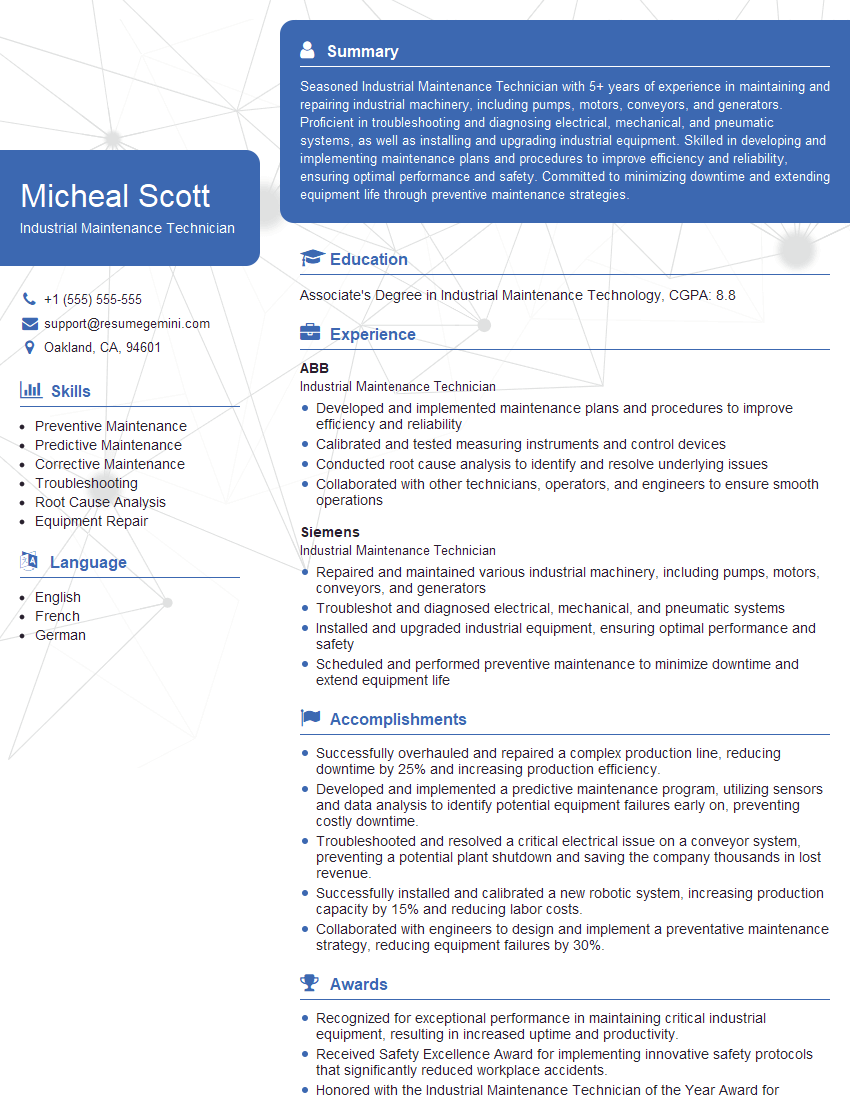
Industrial Maintenance Technician Resume Sample
- Maintenance Manager
- Maintenance Planner
- Maintenance Supervisor
- Reliability Engineer
- Technical Support Specialist
- Maintenance Technician
- Maintenance Engineer
- Instrumentation Technician
- Field Service Technician
- Facilities Maintenance Manager
- Shop Supervisor
- Maintenance Dispatcher
- Maintenance Coordinator
- Heavy Equipment Mechanic
- Industrial Maintenance Technician
Explore more articles
Users Rating of Our Blogs
Share Your Experience
We value your feedback! Please rate our content and share your thoughts (optional).
What Readers Say About Our Blog
I Redesigned Spongebob Squarepants and his main characters of my artwork.
https://www.deviantart.com/reimaginesponge/art/Redesigned-Spongebob-characters-1223583608
IT gave me an insight and words to use and be able to think of examples
Hi, I’m Jay, we have a few potential clients that are interested in your services, thought you might be a good fit. I’d love to talk about the details, when do you have time to talk?
Best,
Jay
Founder | CEO