Interviews are opportunities to demonstrate your expertise, and this guide is here to help you shine. Explore the essential School and Community Involvement interview questions that employers frequently ask, paired with strategies for crafting responses that set you apart from the competition.
Questions Asked in School and Community Involvement Interview
Q 1. Describe your experience in building relationships with diverse school communities.
Building strong relationships within diverse school communities requires a multifaceted approach rooted in empathy, active listening, and genuine respect for varied perspectives. It’s not just about attending meetings; it’s about understanding the unique cultural nuances, socioeconomic backgrounds, and communication styles present.
- Cultural Sensitivity Training: I actively participate in and encourage cultural sensitivity training for myself and team members to ensure we’re equipped to interact effectively with all community members. This includes understanding the implications of language barriers and employing culturally appropriate communication strategies.
- Community Events and Outreach: I prioritize attending and actively participating in local events – from school plays to community fairs – to demonstrate a visible commitment and build trust. This provides opportunities for informal conversations and relationship building.
- Regular Communication: Consistent, transparent communication through various channels (e.g., newsletters, social media, parent-teacher meetings) is vital. Information needs to be easily accessible and tailored to different audiences.
- Partnerships with Community Leaders: Forming strong alliances with key community figures – religious leaders, business owners, local government representatives – creates bridges between the school and broader community.
For example, in a previous role, I worked closely with a predominantly Hispanic community. By learning some basic Spanish phrases, attending local cultural events like Dia de los Muertos celebrations, and collaborating with community leaders, I built trust and fostered strong communication channels, which significantly increased parent involvement.
Q 2. How would you measure the success of a school community engagement program?
Measuring the success of a school community engagement program necessitates a combination of qualitative and quantitative data. It’s not simply about attendance numbers, but also about the demonstrable impact on student outcomes, parent satisfaction, and overall school climate.
- Quantitative Metrics: These include tracking parent attendance at school events, volunteer hours contributed, survey responses on parent satisfaction and perceived school climate, and improvements in student academic performance or behavior (especially if the program is directly linked to these areas).
- Qualitative Data: This involves gathering feedback through focus groups, individual interviews with parents and staff, and analyzing comments made during community meetings or online forums. These methods provide richer insight into the program’s impact on community perceptions and relationships.
- Program-Specific Indicators: The success metrics should be tailored to the specific goals of the program. For instance, a program aimed at improving parental literacy might measure increases in parent participation in literacy workshops or improvements in parent-child reading activities at home.
A successful program will show a positive correlation between community engagement and improved student performance, a stronger sense of community ownership of the school, and increased parental satisfaction with communication and school processes.
Q 3. Explain your approach to conflict resolution within a school or community setting.
My approach to conflict resolution centers on collaborative problem-solving and restorative justice principles. It prioritizes finding mutually agreeable solutions that address the underlying issues causing conflict, rather than simply assigning blame.
- Active Listening and Empathy: I begin by actively listening to all parties involved, seeking to understand their perspectives and concerns without interrupting or judging. Empathy is key to de-escalating tension.
- Neutral Facilitation: I act as a neutral facilitator, guiding the conversation towards constructive dialogue and helping participants identify common ground.
- Identifying Root Causes: We work together to uncover the root causes of the conflict, moving beyond surface-level issues to address underlying problems.
- Collaborative Solutions: We collaboratively brainstorm and develop solutions that are mutually acceptable and address the needs of everyone involved.
- Follow-up and Evaluation: After reaching a resolution, I ensure appropriate follow-up to monitor progress and address any remaining issues. A post-conflict review helps evaluate the effectiveness of the process.
For example, in a situation involving a disagreement between parents regarding school policy, I facilitated a meeting where each parent had the opportunity to express their views. We collaboratively identified the concerns that underpinned the conflict and, through open discussion, developed a compromise that satisfied all parties.
Q 4. What strategies do you use to engage parents and families in their children’s education?
Engaging parents and families requires creating a welcoming and accessible environment that fosters a sense of partnership and shared responsibility for their children’s education.
- Regular Communication: Frequent, clear, and multi-channel communication (e.g., newsletters, email updates, school website, parent portal) keeps parents informed about school activities, events, and their children’s progress.
- Meaningful Involvement Opportunities: Provide a range of opportunities for parental participation, including volunteering in classrooms, assisting with school events, joining school committees, and participating in workshops on parenting skills or educational topics.
- Two-Way Communication: Establish mechanisms for two-way communication – surveys, feedback forms, parent-teacher conferences – to solicit parental input and address their concerns.
- Culturally Responsive Engagement: Consider the diverse cultural backgrounds and communication styles of families and adapt communication strategies accordingly, offering materials in multiple languages when needed.
- Flexible Scheduling: Offer events and meetings at various times to accommodate the schedules of working parents.
One successful strategy I employed involved creating a parent advisory council, comprised of diverse family representatives. This council actively participated in shaping school policies and initiatives, fostering a strong sense of ownership and collaboration.
Q 5. How would you identify and address unmet needs within a school community?
Identifying unmet needs within a school community requires a systematic and comprehensive approach that combines data analysis with qualitative feedback.
- Needs Assessment: Conduct a thorough needs assessment using surveys, focus groups, interviews with parents, students, and staff, and review of existing school data on student performance, attendance, and behavior.
- Data Analysis: Analyze school data to identify trends and patterns that indicate unmet needs, such as low attendance rates, high suspension rates, or poor academic performance in specific subject areas.
- Community Feedback: Gather qualitative data through surveys, focus groups, and individual interviews to obtain insights into the perspectives and concerns of community members.
- Resource Mapping: Identify existing resources within the school and community that could address the identified needs. This might include local organizations, businesses, or community volunteers.
- Prioritization and Planning: Prioritize the identified needs based on their urgency and impact, and develop a plan to address them using available resources.
In one instance, we discovered a significant need for after-school care through surveys and informal parent discussions. This led us to develop a successful partnership with a local community center to provide affordable and accessible after-school programs.
Q 6. Describe a time you had to manage multiple stakeholders with competing priorities in a community project.
Managing stakeholders with competing priorities often requires strong negotiation, communication, and compromise skills. It’s about finding a path that respects the diverse interests while achieving a common goal.
In one project involving the development of a new community park near a school, we had competing priorities from parents who wanted a playground, local businesses who preferred a community garden, and the city council, concerned about budget limitations. I utilized a structured approach:
- Stakeholder Mapping: I first identified all key stakeholders and their respective interests. This provided a clear picture of the competing priorities.
- Facilitated Workshops: I organized facilitated workshops where each group could present their ideas and concerns. This fostered open communication and mutual understanding.
- Prioritization and Negotiation: Through guided discussions, we identified common ground and prioritized the most pressing needs. This involved compromise and negotiation, making concessions where necessary.
- Compromise and Collaboration: We developed a plan that incorporated elements from all perspectives. For example, we included a smaller playground, a section of community garden, and a budget-friendly design that met the city’s financial constraints.
- Transparent Communication: Throughout the process, I maintained consistent and transparent communication with all stakeholders, keeping them informed of progress and addressing any concerns that arose.
The resulting park successfully integrated the needs of the diverse stakeholders, demonstrating the power of collaborative decision-making.
Q 7. How do you facilitate collaboration between school staff, parents, and community organizations?
Facilitating collaboration among school staff, parents, and community organizations requires building trust, fostering open communication, and establishing clear roles and responsibilities.
- Establish a Shared Vision: Begin by defining a shared vision or goal that unites all stakeholders. This shared purpose provides a common ground for collaboration.
- Regular Meetings and Communication: Regular meetings, utilizing various communication methods (e.g., emails, newsletters, phone calls, online forums), maintain consistent communication and allow for sharing of information and updates.
- Clear Roles and Responsibilities: Establish clear roles and responsibilities for each group to avoid confusion and ensure efficient teamwork. Define what each group is accountable for and how they can contribute.
- Conflict Resolution Mechanisms: Establish a clear process for addressing conflicts or disagreements that may arise. This ensures that issues are resolved promptly and constructively.
- Celebrate Successes: Acknowledge and celebrate successes along the way to maintain motivation and build a positive collaborative spirit.
For instance, I facilitated a partnership between a school, a local library, and a literacy organization. By establishing clear goals, roles, and regular communication channels, we successfully implemented a collaborative literacy program that significantly improved student reading outcomes.
Q 8. What are some effective strategies for increasing volunteer participation in school events?
Boosting volunteer participation in school events requires a multi-pronged approach focusing on accessibility, engagement, and appreciation. Think of it like building a strong team – you need to recruit effectively, provide clear roles, and show your gratitude.
Targeted Recruitment: Instead of generic calls, tailor your outreach to specific parent groups, community organizations, or even local businesses. For example, a school sports event might attract volunteers from local sports clubs.
Flexible Volunteer Opportunities: Offer a variety of roles – from short-term tasks like event setup to longer-term commitments like coaching or mentoring. Some parents might only have an hour to spare, while others may be able to dedicate more time.
Clear Communication: Provide detailed information about volunteer roles, required skills, and time commitments. Use various communication channels – emails, school website, social media, and even flyers – to ensure broad reach.
Recognition and Appreciation: Publicly acknowledge and thank volunteers for their contributions. Organize a volunteer appreciation event, or simply send personalized thank-you notes. This positive reinforcement encourages continued participation.
Streamlined Sign-Up Process: Make it easy for people to sign up! Utilize online signup platforms that allow for easy scheduling and communication.
Q 9. How do you ensure inclusivity and equity in community engagement initiatives?
Inclusivity and equity in community engagement are paramount. It’s about creating a welcoming environment where everyone feels valued and has equal opportunities to participate. This requires proactive measures and a conscious effort to address potential barriers.
Accessibility: Ensure events and activities are accessible to people with disabilities, considering physical access, communication methods (e.g., translation services), and sensory needs.
Cultural Sensitivity: Be mindful of cultural differences and perspectives. This might involve offering materials in multiple languages or adapting activities to reflect diverse traditions.
Equitable Representation: Actively seek input and involvement from underrepresented groups. This could include community forums, focus groups, or partnering with organizations that serve specific populations.
Addressing Systemic Barriers: Recognize and actively work to overcome systemic barriers that may hinder participation, such as transportation limitations, childcare needs, or lack of awareness.
Data Collection and Evaluation: Regularly collect data on participation rates from various demographic groups to track progress and identify areas needing improvement. Use this data to inform future initiatives.
Q 10. Describe your experience with grant writing or fundraising for school or community projects.
I have extensive experience in grant writing and fundraising for school and community projects. My approach focuses on identifying funding opportunities that align with project goals and crafting compelling proposals that resonate with funders.
For instance, I successfully secured a grant from the local arts council for a school music program by highlighting the program’s impact on student well-being and community engagement. The proposal included a detailed budget, a clear timeline, and testimonials from students and teachers. In another instance, I organized a community fundraising campaign for a new school playground, utilizing online platforms and engaging local businesses as sponsors.
My experience encompasses researching funding sources, developing budgets, writing persuasive proposals, and managing grant reporting requirements.
Q 11. How do you adapt communication styles to effectively reach diverse audiences within a school community?
Effective communication in a diverse school community involves adapting your message and delivery to resonate with various audiences. Think of it like tailoring clothes – you wouldn’t wear the same outfit to a formal event and a casual picnic.
Multi-Channel Approach: Utilize different communication methods such as email, phone calls, text messages, social media, and school newsletters to reach people who prefer specific channels.
Language Accessibility: Provide information in multiple languages to ensure understanding across linguistic backgrounds. This might include translating key documents or offering bilingual events.
Cultural Sensitivity: Frame your message in a way that respects cultural norms and values. Avoid jargon or idioms that might not be universally understood.
Visual Aids: Incorporate visuals like images, videos, and infographics to communicate information effectively, particularly for those who are not strong readers.
Feedback Mechanisms: Establish clear channels for feedback to ensure that your communication is being received and understood. This allows for adjustments based on community input.
Q 12. How do you handle resistance or negative feedback from community members?
Handling resistance or negative feedback requires active listening, empathy, and a willingness to find common ground. It’s about building bridges, not walls.
Active Listening: Carefully listen to concerns and acknowledge the validity of feelings. Show empathy and understanding, even if you don’t agree with the feedback.
Open Dialogue: Engage in respectful and open dialogue. Ask clarifying questions to understand the root cause of the negativity.
Collaboration: Work collaboratively to find solutions. Involve community members in problem-solving to foster a sense of ownership.
Transparency: Be transparent about your decision-making process and explain the rationale behind your actions.
Follow Up: Follow up with community members after addressing their concerns. This shows that you value their input and demonstrates your commitment to building strong relationships.
Q 13. What experience do you have with needs assessments in school communities?
Needs assessments are crucial for understanding the specific challenges and opportunities within a school community. They provide data-driven insights to inform effective programming and resource allocation. My experience includes conducting needs assessments using a variety of methods.
For example, in one community, I utilized surveys, focus groups, and interviews with parents, teachers, students, and community leaders to identify needs related to after-school programs. The data collected revealed a significant need for affordable, accessible childcare and enriching activities for students from low-income families. This information directly informed the development of a new after-school program that addressed these specific needs.
My approach typically involves defining clear objectives, selecting appropriate data collection methods, analyzing findings, and reporting results in an accessible format.
Q 14. How would you develop and implement a plan to improve communication between the school and the community?
Improving communication between the school and the community requires a systematic and proactive approach that involves multiple stakeholders. It’s like building a communication bridge – you need to ensure both sides have clear access and understanding.
Establish Communication Channels: Create multiple communication channels including a school website, regular newsletters, social media platforms, parent-teacher meetings, and community forums.
Develop a Communication Calendar: Create a calendar outlining key communication events and timelines. This ensures consistency and avoids information overload.
Train Staff and Volunteers: Train staff and volunteers on effective communication techniques, including active listening and conflict resolution.
Gather Feedback: Regularly solicit feedback from the community to assess the effectiveness of current communication strategies and identify areas for improvement.
Use Technology Effectively: Leverage technology such as school apps, email lists, and social media to reach a wider audience and provide quick updates.
Translate Information: Ensure all essential information is available in multiple languages to accommodate diverse community needs.
Q 15. Describe your experience working with underprivileged communities or at-risk youth.
My experience working with underprivileged communities and at-risk youth spans over ten years, encompassing various roles from direct service to program development and community outreach. I’ve worked extensively with organizations providing after-school programs in underserved neighborhoods, focusing on academic support, mentorship, and life skills development. For instance, I led a project in a low-income community that implemented a STEM-focused after-school program. We saw significant improvements in students’ academic performance and engagement, as demonstrated by increased test scores and a reduction in absenteeism. Another significant experience involved mentoring a group of at-risk teenagers, guiding them through challenges like academic setbacks, family issues, and peer pressure. This involved building trusting relationships, providing individualized support, and connecting them with relevant resources within the community. This hands-on experience provided invaluable insights into the unique needs and challenges faced by these communities and youth, shaping my approach to community engagement.
Career Expert Tips:
- Ace those interviews! Prepare effectively by reviewing the Top 50 Most Common Interview Questions on ResumeGemini.
- Navigate your job search with confidence! Explore a wide range of Career Tips on ResumeGemini. Learn about common challenges and recommendations to overcome them.
- Craft the perfect resume! Master the Art of Resume Writing with ResumeGemini’s guide. Showcase your unique qualifications and achievements effectively.
- Don’t miss out on holiday savings! Build your dream resume with ResumeGemini’s ATS optimized templates.
Q 16. How familiar are you with relevant regulations and compliance requirements in school settings?
I possess a thorough understanding of relevant regulations and compliance requirements in school settings, including FERPA (Family Educational Rights and Privacy Act), HIPAA (Health Insurance Portability and Accountability Act), and Title IX. My knowledge extends to state-level regulations pertaining to child safety, data privacy, and volunteer background checks. I understand the importance of adhering to these regulations to ensure the safety and well-being of students and maintain the integrity of school programs. For instance, I’ve been directly involved in developing and implementing data privacy protocols for community engagement initiatives, ensuring compliance with all relevant regulations. My experience ensures that all programs and partnerships are legally sound and ethically conducted.
Q 17. How would you utilize data to inform decision-making in a school community engagement program?
Data is crucial for informing decision-making in school community engagement. I leverage data analysis to understand program effectiveness, identify areas for improvement, and allocate resources strategically. For example, we might collect data on student attendance, participation rates, and feedback surveys to assess the impact of an after-school program. This data would be analyzed to identify trends and patterns, revealing whether the program is achieving its objectives. For instance, a decline in attendance might indicate a need for adjustments to the program's schedule or activities. Similarly, feedback from parents and students can highlight areas requiring improvement or modifications. Furthermore, data on community demographics and needs informs the design of future initiatives, ensuring that they align with the specific challenges and opportunities within the community. This data-driven approach enhances program effectiveness and accountability, making interventions more impactful and targeted.
Q 18. What are your strengths in project management within a community-focused setting?
My project management strengths in community-focused settings are built upon a foundation of collaborative leadership, clear communication, and a deep understanding of community dynamics. I employ a phased approach, initiating with thorough needs assessments and stakeholder engagement to define project goals and scope. I’m proficient in developing detailed project plans, establishing timelines, and managing budgets effectively. For example, when coordinating a community garden project, I collaborated with local businesses for funding and resources and recruited volunteers from within the community to ensure buy-in and sustainability. I excel at building consensus and fostering strong working relationships with diverse groups, enabling efficient project execution and successful outcomes. My strong organizational and problem-solving skills ensure timely project completion and positive community impact.
Q 19. How do you prioritize tasks and manage your time effectively in a fast-paced environment?
Prioritizing tasks and managing time effectively in a fast-paced environment requires a strategic approach. I use time management techniques like prioritization matrices (Eisenhower Matrix), where tasks are categorized by urgency and importance. This allows me to focus on high-impact activities first. I also break down large projects into smaller, manageable tasks with defined deadlines. This makes the overall project less daunting and allows for better progress tracking. Furthermore, I regularly review my schedule, adjusting priorities as needed, and utilize tools like project management software for better organization and tracking. Effective communication and delegation are also key to efficient time management, preventing bottlenecks and ensuring smooth workflow. Think of it like conducting an orchestra; every instrument (task) has a specific part and needs to be played at the right time for a harmonious whole.
Q 20. Describe your experience working with diverse teams and community organizations.
I have extensive experience working with diverse teams and community organizations. This includes collaborating with teachers, administrators, parents, community leaders, and representatives from various non-profit organizations. My approach emphasizes inclusivity, active listening, and respect for diverse perspectives. I understand the importance of building trust and rapport across different cultural backgrounds and communication styles. A recent example includes my involvement in a community project that involved collaborating with diverse groups to address the issue of food insecurity. This involved working alongside school staff, local food banks, and community volunteers, each with their own unique expertise and approach. Through respectful communication and collaborative planning, we successfully implemented a program that addressed the issue effectively.
Q 21. How do you create and sustain partnerships with community organizations?
Creating and sustaining partnerships with community organizations requires a proactive and relationship-focused approach. It starts with identifying organizations whose missions align with the school’s goals and the community’s needs. Building trust is paramount, so initial meetings should focus on understanding each organization’s strengths, challenges, and aspirations. Clearly defining roles and responsibilities within the partnership is crucial for effective collaboration. Regular communication, shared decision-making, and celebrating successes together are key to maintaining strong partnerships. For example, a school might partner with a local library to offer literacy programs, with the library providing resources and expertise while the school provides space and volunteers. Maintaining the partnership involves consistent communication, joint planning of events, and mutual support during challenges. This ensures long-term collaboration and sustained community impact.
Q 22. What strategies do you use to build trust and rapport within a community?
Building trust and rapport within a community is foundational to successful school and community involvement. It’s about fostering genuine relationships based on mutual respect and understanding. My strategy is multifaceted, focusing on accessibility, active listening, and consistent communication.
Accessibility: I make myself readily available to community members through various channels – regular office hours, community events, and responsive communication via email, phone, and social media. This demonstrates a commitment to being present and approachable.
Active Listening: I prioritize truly hearing community concerns and perspectives. This involves asking open-ended questions, avoiding interruptions, and reflecting back what I’ve heard to ensure understanding. For example, during a community meeting, I actively listen to parents’ anxieties about school safety, then summarize their concerns to confirm mutual understanding before offering solutions.
Consistent Communication: Regular updates, newsletters, and transparent communication about school initiatives and community projects are crucial. I utilize various mediums to reach diverse segments of the community, ensuring information is accessible and understandable to all.
Collaboration and Shared Decision-Making: I actively involve community members in decision-making processes that affect the school and community. This could involve forming committees, conducting surveys, or hosting town halls to gather input and build consensus. A recent example is forming a parent-teacher advisory committee that helped shape our new school wellness program.
Q 23. How do you navigate ethical dilemmas that may arise in school community interactions?
Ethical dilemmas in school-community interactions are inevitable. My approach involves a structured framework focusing on identifying the conflict, considering relevant ethical principles, exploring potential solutions, and documenting the decision-making process.
Identify the Conflict: Clearly define the ethical dilemma, identifying the stakeholders involved and their conflicting interests. For example, a parent might demand preferential treatment for their child, creating a conflict between fairness and parental pressure.
Consider Ethical Principles: Analyze the situation through established ethical frameworks, like utilitarianism (greatest good for the greatest number) or deontology (adherence to rules and duties). In the preferential treatment example, fairness and equal opportunity would be key principles.
Explore Potential Solutions: Brainstorm various solutions, weighing their ethical implications and potential consequences for all stakeholders. In the example, solutions might include explaining the school’s policy on fairness or offering alternative support to the parent.
Document the Decision: Maintain a record of the decision-making process, including the ethical considerations involved and the rationale behind the chosen solution. This ensures transparency and accountability.
Seek Consultation: When facing complex ethical issues, it’s crucial to consult with colleagues, supervisors, or ethical review boards to ensure a well-informed and justifiable decision.
Q 24. What is your approach to evaluating the impact of community engagement initiatives?
Evaluating the impact of community engagement initiatives requires a mixed-methods approach combining quantitative and qualitative data. This ensures a comprehensive understanding of the initiative’s effectiveness.
Quantitative Data: I use metrics such as attendance rates at events, survey responses indicating community satisfaction, participation rates in programs, and changes in relevant school outcomes (e.g., improved student attendance or academic performance).
Qualitative Data: I gather qualitative data through interviews with community members, focus groups, observations of events, and analysis of feedback from surveys and communication channels. This provides richer insights into the community’s perception of the initiative and its overall impact.
Benchmarking: Comparing the outcomes of the initiative against similar programs or previous initiatives in the school or other communities provides a valuable context for evaluation.
Sustainability: I assess the long-term sustainability of the initiative by considering factors such as community ownership, resource availability, and the integration of the initiative into the school’s and community’s ongoing plans.
For example, a school garden initiative’s success would be measured by student participation, produce yield, and parent feedback on its educational value, alongside changes in students’ nutrition habits.
Q 25. Describe your experience in facilitating community events or workshops.
I have extensive experience facilitating community events and workshops, ranging from parent information nights to community fundraising events and collaborative art projects. My approach centers on clear planning, inclusive participation, and effective communication.
Planning: I meticulously plan events, considering logistics, target audience, desired outcomes, and available resources. This includes selecting appropriate venues, developing engaging agendas, and arranging necessary materials.
Inclusive Participation: I strive to create inclusive environments where all community members feel welcome and heard. This includes providing accessible venues and materials, and employing strategies to encourage participation from diverse groups.
Effective Communication: I utilize a range of communication strategies, both before and during events, to keep participants informed, engaged, and involved. This includes clear instructions, interactive activities, and opportunities for feedback.
Example: I once organized a community cleanup event that involved over 100 volunteers, successfully revitalizing a neglected park area and fostering a sense of community pride.
Q 26. How do you leverage technology to enhance community engagement and communication?
Technology plays a crucial role in enhancing community engagement and communication. I utilize a variety of tools and platforms to ensure accessibility and efficiency.
School Website and Social Media: A well-maintained school website and active social media presence provide a central hub for sharing information, announcements, and events. This allows for reaching a wider audience and fostering two-way communication.
Email Communication: Targeted email campaigns are used to disseminate important information to specific community segments (e.g., parents, teachers, volunteers).
Online Survey Tools: Online surveys and feedback forms facilitate efficient data collection for gauging community opinions and needs.
Video Conferencing: Virtual meetings and webinars can overcome geographical barriers, making it easier to involve community members who might otherwise be unable to participate.
Learning Management Systems (LMS): Platforms like Google Classroom or Canvas can be used to share resources, facilitate online discussions, and track progress on community projects.
Q 27. What are your salary expectations for this position?
My salary expectations are commensurate with my experience, skills, and the responsibilities of this position. I am confident that my expertise in school and community involvement will bring significant value to your organization. I would welcome the opportunity to discuss my salary expectations further after learning more about the comprehensive compensation and benefits package offered.
Key Topics to Learn for School and Community Involvement Interview
- Understanding the Role of Community Engagement: Explore the theoretical frameworks behind effective community partnerships and the impact of school initiatives on broader societal well-being. Consider the ethical implications and diverse perspectives involved.
- Practical Application of Community Projects: Discuss your experience in designing, implementing, and evaluating community-based projects. Highlight your contributions, the challenges you faced, and the solutions you implemented. Quantify your impact whenever possible (e.g., number of participants, funds raised, positive changes observed).
- Collaboration and Leadership in Community Settings: Analyze your experience working collaboratively with diverse groups, including students, teachers, community members, and organizations. Describe your leadership style and how you motivated others to achieve shared goals. Showcase examples of conflict resolution and effective teamwork.
- Strategic Planning and Resource Management: Demonstrate your understanding of strategic planning in the context of community engagement. Discuss how you identified needs, secured resources (funding, volunteers, materials), and managed projects efficiently and effectively.
- Measuring Impact and Reporting Results: Explain how you assessed the success of your community involvement initiatives. Describe the methods you used to gather data and evaluate outcomes. Be prepared to discuss both quantitative and qualitative results.
- Adaptability and Problem-Solving in Dynamic Environments: Discuss instances where you had to adapt to unexpected challenges or changes in community projects. Highlight your problem-solving skills and ability to remain flexible and resilient in the face of adversity.
Next Steps
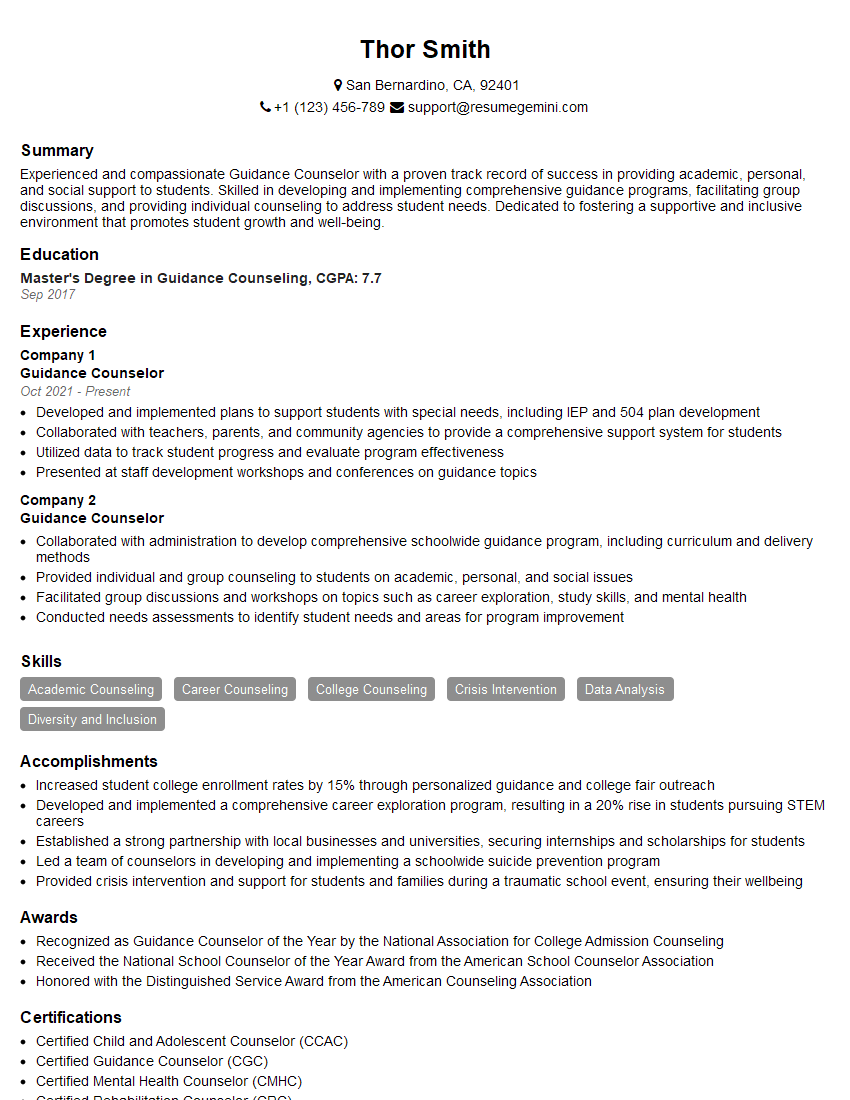
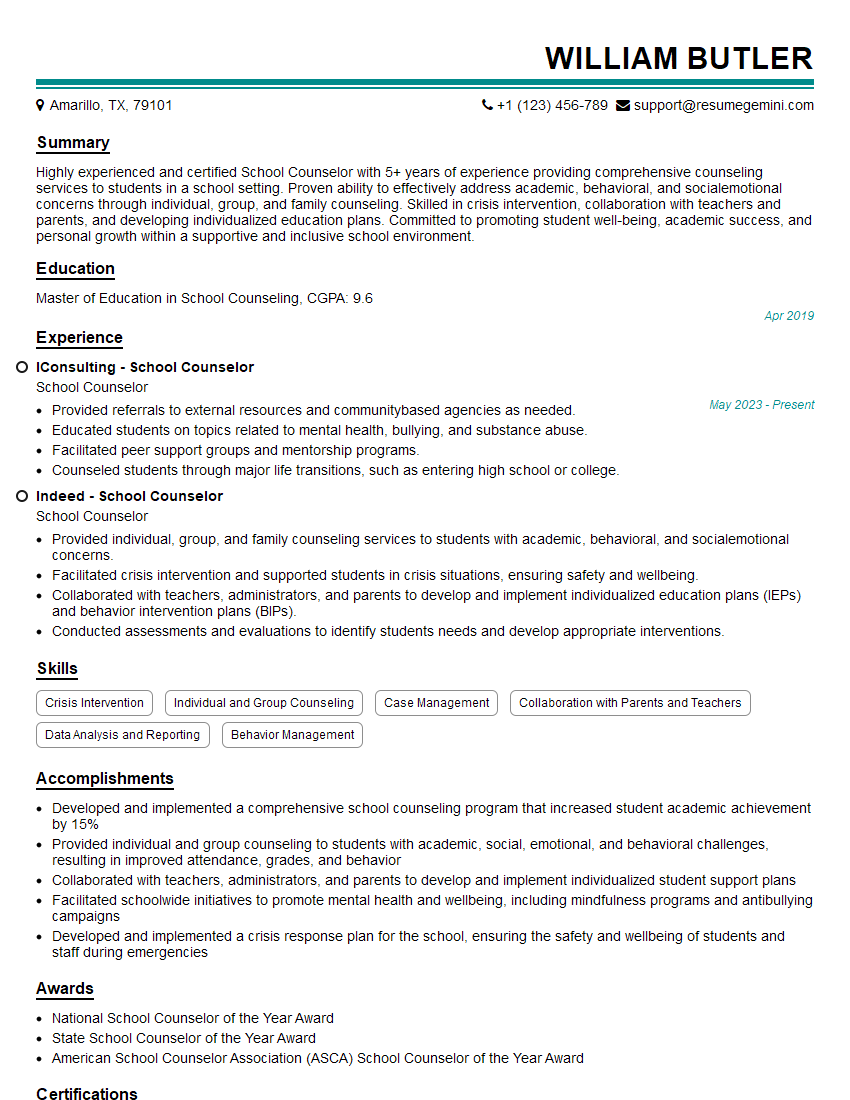
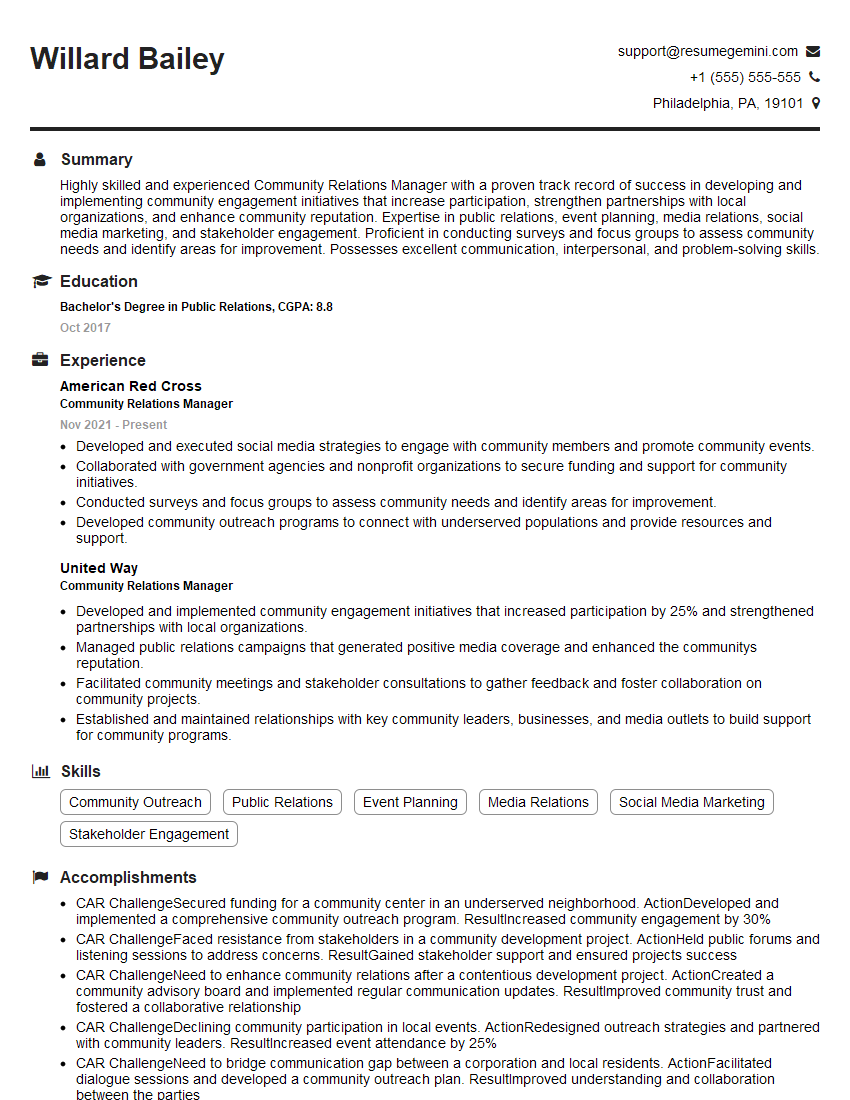
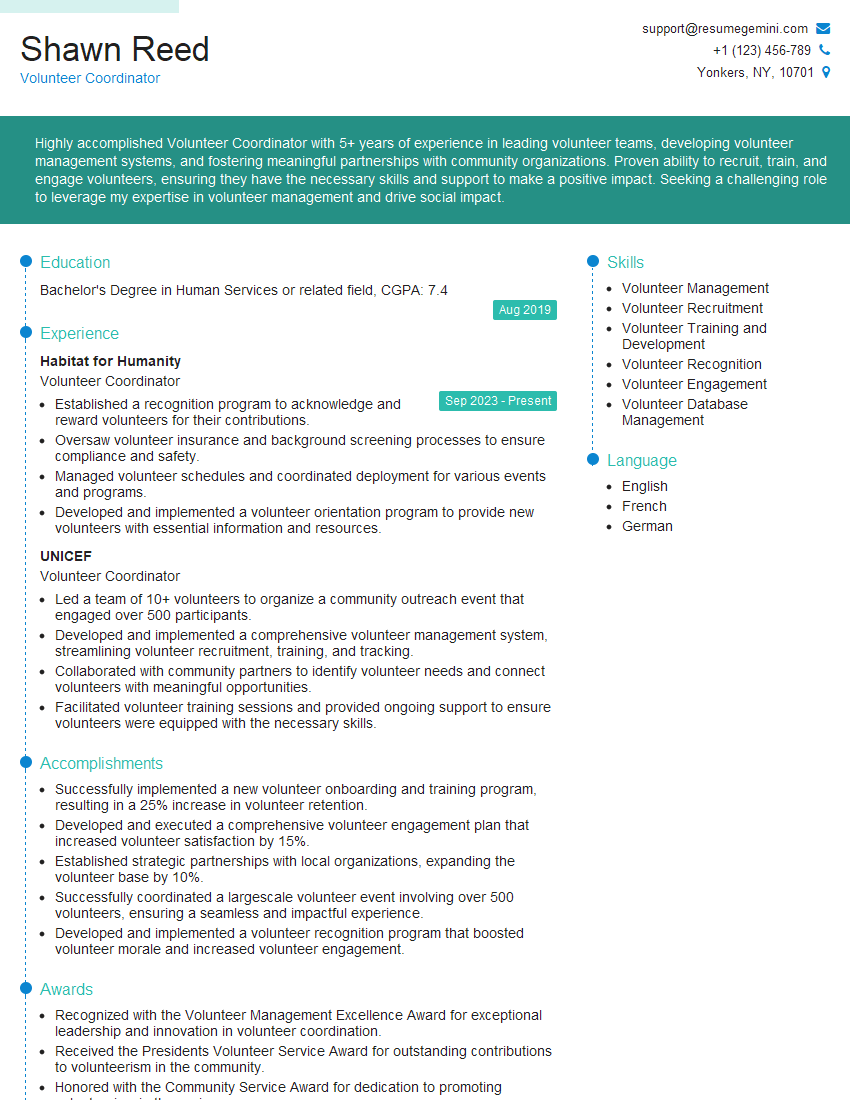
Mastering the art of showcasing your School and Community Involvement is crucial for career advancement. It demonstrates your commitment to social responsibility, teamwork, and leadership—qualities highly valued by employers. Creating a strong, ATS-friendly resume is key to getting your application noticed. ResumeGemini is a trusted resource to help you build a compelling resume that highlights your unique skills and experiences. We provide examples of resumes tailored to School and Community Involvement to guide you through the process. Invest time in crafting a professional resume that showcases your contributions and prepares you for interview success.


Explore more articles
Users Rating of Our Blogs
Share Your Experience
We value your feedback! Please rate our content and share your thoughts (optional).
What Readers Say About Our Blog
I Redesigned Spongebob Squarepants and his main characters of my artwork.
https://www.deviantart.com/reimaginesponge/art/Redesigned-Spongebob-characters-1223583608
IT gave me an insight and words to use and be able to think of examples
Hi, I’m Jay, we have a few potential clients that are interested in your services, thought you might be a good fit. I’d love to talk about the details, when do you have time to talk?
Best,
Jay
Founder | CEO