Feeling uncertain about what to expect in your upcoming interview? We’ve got you covered! This blog highlights the most important Manufacturing Safety Protocols interview questions and provides actionable advice to help you stand out as the ideal candidate. Let’s pave the way for your success.
Questions Asked in Manufacturing Safety Protocols Interview
Q 1. Describe your experience with OSHA regulations.
My experience with OSHA regulations is extensive. I’ve worked in manufacturing environments for over 15 years, consistently ensuring compliance with all relevant OSHA standards. This includes a deep understanding of general industry standards (like hazard communication, lockout/tagout, and personal protective equipment), as well as standards specific to the particular manufacturing processes involved, such as those related to machinery guarding, electrical safety, and confined space entry. I’ve been directly involved in OSHA inspections, conducting internal audits to proactively identify and rectify potential violations, and developing and implementing corrective action plans. I understand the importance of maintaining detailed records, conducting regular training, and fostering a safety-conscious culture to ensure ongoing compliance.
For instance, in a previous role, we implemented a comprehensive hazard communication program that involved updating safety data sheets (SDS), providing employee training, and establishing clear labeling protocols. This resulted in a significant decrease in chemical-related incidents.
Q 2. Explain your understanding of risk assessment methodologies.
Risk assessment methodologies are crucial for proactively identifying and mitigating workplace hazards. I’m proficient in several methodologies, including HAZOP (Hazard and Operability Study), FMEA (Failure Mode and Effects Analysis), and qualitative risk matrix assessments. These methods involve systematically identifying potential hazards, analyzing their likelihood and severity, and developing control measures.
For example, a HAZOP analysis might involve a team brainstorming potential deviations from the intended operation of a piece of machinery, while an FMEA focuses on identifying potential failure points within a specific process. A qualitative risk matrix uses a simple scale to rate likelihood and severity, providing a visual representation of risk levels.
The choice of methodology depends on the complexity of the process or system being assessed. The key is to thoroughly document the process, including the identified hazards, their associated risks, and the control measures implemented.
Q 3. How do you conduct a Job Safety Analysis (JSA)?
Conducting a Job Safety Analysis (JSA) is a systematic process for identifying hazards associated with a specific job task. The steps generally include:
- Breaking down the job: Divide the task into its individual steps.
- Identifying potential hazards: For each step, identify potential hazards, such as slips, trips, falls, electrical shock, or exposure to hazardous chemicals.
- Analyzing hazards: Assess the likelihood and severity of each hazard.
- Developing control measures: Determine appropriate control measures to eliminate or mitigate the hazards, such as using personal protective equipment (PPE), implementing engineering controls, or changing the work procedure.
- Documenting findings: Create a written JSA document that outlines the job steps, hazards, and control measures.
- Review and update: The JSA should be reviewed and updated regularly, particularly after any incidents or changes in the job task.
For example, in a JSA for operating a forklift, we’d break down the task into steps like pre-operational checks, loading, driving, unloading, and post-operational checks. Hazards like collisions, tipping, and falling objects would be identified, and control measures such as proper training, routine maintenance, and the use of seatbelts would be documented.
Q 4. What are your strategies for implementing and enforcing safety protocols?
Implementing and enforcing safety protocols requires a multi-faceted approach. It begins with strong leadership commitment and a safety-conscious culture. This involves clearly communicating expectations, providing comprehensive training, and actively involving employees in the safety process.
My strategies include:
- Regular safety training: Providing regular, job-specific training on safety procedures, hazard recognition, and emergency response.
- Enforcement through accountability: Establishing clear consequences for non-compliance with safety rules.
- Regular safety inspections: Conducting regular inspections to identify and address potential hazards before they cause incidents.
- Incentivizing safe behavior: Rewarding employees for safe work practices and participation in safety initiatives.
- Incident investigation: Thoroughly investigating all incidents to identify root causes and implement corrective actions to prevent recurrence.
- Management commitment: Ensuring that management actively supports and champions safety initiatives.
For effective enforcement, a system of regular inspections, documented observations, and feedback mechanisms should be in place. I also believe in rewarding safe behaviours and actively engaging employees in safety discussions. For example, regular safety meetings to review incidents and brainstorm improvements are beneficial.
Q 5. Describe your experience with incident investigation and reporting.
My experience with incident investigation and reporting is extensive. I follow a systematic approach, typically using the ‘5 Whys’ technique to delve into the root causes. This involves asking “why” five times to get to the fundamental issues underlying an incident. The goal isn’t just to assign blame, but to prevent similar incidents from happening in the future. The investigation process should be thorough, involving witness interviews, reviewing documentation (like maintenance logs or training records), and examining physical evidence.
Reporting is equally crucial. I ensure that reports are factual, objective, and comprehensive, capturing all relevant details, including the date, time, location, individuals involved, and the sequence of events. The report should clearly outline contributing factors and any corrective actions taken or planned. This information is crucial for identifying trends, improving safety procedures, and preventing future incidents.
For example, in investigating a near-miss incident, if a worker almost dropped a heavy object, using the 5 Whys might reveal a lack of proper lifting techniques, insufficient training, and a lack of awareness regarding appropriate lifting equipment. This would lead to improved training materials, implementation of safe lifting practices, and provision of necessary equipment.
Q 6. How do you identify and mitigate workplace hazards?
Identifying and mitigating workplace hazards is an ongoing process. It begins with a thorough hazard assessment, using methods like those described earlier (HAZOP, FMEA, risk matrix). Following identification, a hierarchy of controls should be applied:
- Elimination: Removing the hazard entirely is the most effective control measure. For example, replacing a dangerous chemical with a safer alternative.
- Substitution: Replacing a hazardous material or process with a less hazardous one. For example, using a less hazardous solvent.
- Engineering controls: Implementing physical changes to the workplace to reduce or eliminate hazards. For example, installing guards on machinery or improving ventilation.
- Administrative controls: Implementing changes to work procedures or practices. For example, providing additional training or modifying work schedules to reduce exposure to hazards.
- Personal protective equipment (PPE): Providing workers with PPE to protect them from hazards, as a last resort. For example, providing safety glasses, gloves, or respirators.
Regular inspections, employee feedback, and near-miss reporting are essential for ongoing hazard identification. This continuous improvement process is vital for maintaining a safe work environment.
Q 7. Explain your understanding of lockout/tagout procedures.
Lockout/Tagout (LOTO) procedures are critical for preventing accidental energization or startup of machinery or equipment during maintenance or repair. These procedures ensure that all sources of energy are isolated and rendered incapable of being unexpectedly activated. The steps typically involve:
- Preparation: Identify the energy sources to be controlled, gather necessary lockout/tagout devices, and consult relevant equipment documentation.
- Lockout/Tagout: De-energize the equipment, then apply a lockout device (lock) and a tagout device (tag) to the energy source, ensuring that only authorized personnel can remove them.
- Verification: Verify that the equipment is de-energized before commencing work.
- Energy Isolation: Isolate energy sources by physically disconnecting them. This prevents any residual energy.
- Work performance: Perform the necessary maintenance or repair work.
- Removal: Remove the lockout/tagout devices only after verifying that the equipment is safe to restart.
- Start up: Gradually energize the equipment and perform test runs to ensure that the system functions correctly.
LOTO procedures are essential to prevent serious injuries or fatalities caused by accidental start-up of equipment during maintenance. Strict adherence to these procedures is non-negotiable, and regular training and audits are essential to ensure competency and compliance.
Q 8. Describe your experience with personal protective equipment (PPE) selection and training.
PPE selection and training is crucial for a safe work environment. It’s not just about providing equipment; it’s about ensuring workers understand how to use it correctly and why it’s necessary. My experience involves a multi-step process:
- Hazard Assessment: First, we conduct a thorough hazard assessment to identify the specific risks in each work area. For example, in a welding shop, we’d identify risks like sparks, intense heat, and ultraviolet radiation.
- PPE Selection: Based on the hazard assessment, we select appropriate PPE. Welding would require a welding helmet with appropriate shade lenses, flame-resistant clothing, gloves, and safety footwear. For a chemical handling area, we might need respirators, chemical-resistant suits, and eye protection.
- Training and Fit Testing: Training is paramount. Workers must receive comprehensive instruction on how to properly don, doff, inspect, and maintain their PPE. This often involves hands-on demonstrations and practical exercises. For respirators, fit testing is critical to ensure a proper seal and prevent inhalation of hazardous substances. We use a variety of methods, including qualitative fit testing and quantitative fit testing.
- Regular Inspections and Updates: We conduct regular inspections to ensure PPE is in good condition and that workers are using it correctly. We also update our PPE selection and training programs as new hazards emerge or new technologies become available.
For instance, in a previous role, we implemented a new system for managing respirator fit testing, reducing discrepancies by 20% and significantly improving compliance.
Q 9. How do you ensure compliance with safety regulations?
Ensuring compliance with safety regulations is an ongoing process that involves a combination of proactive and reactive measures. It’s not enough to simply have policies; we must ensure they are consistently followed. My approach centers on:
- Knowledge of Regulations: I stay abreast of all relevant OSHA (or equivalent international) standards and regulations pertaining to the specific industry. This includes keeping up-to-date with any changes or updates.
- Policy Development and Implementation: We develop clear, concise, and comprehensive safety policies and procedures that align with these regulations. These are communicated effectively to all employees.
- Regular Audits and Inspections: Conducting regular safety audits and inspections, both planned and unannounced, is crucial to identify non-compliance issues. These audits are documented thoroughly, and corrective actions are implemented immediately.
- Training and Communication: Regular safety training is vital for maintaining compliance. This includes refreshers, updates on new regulations, and reinforcement of existing procedures. Effective communication is critical to maintaining a culture of safety.
- Record Keeping: Maintaining accurate and detailed records of all safety training, inspections, incidents, and corrective actions is crucial for demonstrating compliance during regulatory inspections.
For example, in one case, a proactive safety audit revealed a potential hazard before an incident occurred, allowing for preventative measures to be put in place, averting a potential serious injury.
Q 10. What is your experience with safety training programs?
My experience in developing and delivering safety training programs is extensive. I believe in a multi-faceted approach that caters to different learning styles and ensures knowledge retention.
- Needs Assessment: Before developing any program, a comprehensive needs assessment is crucial. This identifies the specific safety knowledge and skills gaps within the workforce.
- Program Design: Programs are designed to be interactive, engaging, and relevant to the workplace. They incorporate a variety of training methods, including classroom instruction, hands-on training, simulations, and online modules.
- Content Development: I create training materials that are clear, concise, and easy to understand, avoiding jargon whenever possible. They include real-world examples and scenarios to enhance comprehension.
- Delivery and Evaluation: Training is delivered using a variety of methods, and effectiveness is assessed through pre- and post-tests, observation of practical skills, and feedback from participants. We also regularly review and update the training programs to reflect changing regulations and best practices.
For instance, I once developed a new safety training program for operating heavy machinery that resulted in a 35% reduction in near-miss incidents within six months of its implementation.
Q 11. Explain your experience with conducting safety audits.
Conducting safety audits involves a systematic and thorough examination of a workplace to identify potential hazards and assess compliance with safety regulations. My approach is structured and comprehensive:
- Planning: The first step is meticulous planning, defining the scope of the audit, identifying specific areas to be assessed, and assembling the audit team.
- Data Collection: Data collection methods include visual inspections, interviews with employees at all levels, reviewing safety records, and examining equipment. We use checklists to ensure consistency and thoroughness.
- Analysis: After data collection, the findings are analyzed to identify any non-compliances, potential hazards, and areas for improvement. This involves prioritizing findings based on risk level.
- Reporting: A comprehensive report is generated, detailing all findings, recommendations, and corrective actions. This report is shared with management and relevant personnel.
- Follow-up: It’s crucial to follow up on the recommendations and ensure that corrective actions are implemented effectively and timely. A re-audit may be conducted to verify effectiveness.
In one particular audit, we uncovered a previously unnoticed electrical hazard, which prevented a potentially fatal incident. The detailed report led to immediate corrective actions and substantial improvements in electrical safety practices.
Q 12. How do you manage safety performance indicators (KPIs)?
Managing safety performance indicators (KPIs) is critical for tracking progress and demonstrating continuous improvement in safety performance. Effective KPI management involves selecting the right metrics, tracking them consistently, and analyzing the data to make informed decisions.
- KPI Selection: We carefully select KPIs that are relevant to the specific hazards and risks within the workplace. This might include incident rates (Lost Time Injury Rate – LTIR, Total Recordable Incident Rate – TRIR), near-miss reports, employee safety training completion rates, and safety audit findings.
- Data Collection and Tracking: A robust data collection and tracking system is necessary to ensure accurate and timely reporting. We use software and spreadsheets to manage the data.
- Analysis and Reporting: Regular analysis of KPI data is essential to identify trends, areas of improvement, and the effectiveness of safety initiatives. Reports are generated and shared with management and employees.
- Action Planning: Based on the analysis, we develop and implement action plans to address any areas where safety performance is lagging. These plans should be specific, measurable, achievable, relevant, and time-bound (SMART).
For example, by tracking near-miss reports, we identified a pattern of incidents related to a particular piece of equipment. This led to retraining and modifications to the equipment, resulting in a significant reduction in near-misses related to that equipment.
Q 13. Describe your experience with emergency response planning and execution.
Emergency response planning and execution are critical for minimizing the impact of workplace incidents. A well-defined plan is essential, but just as important is regular practice and training. My experience includes:
- Hazard Identification and Risk Assessment: Identifying potential emergencies, such as fires, chemical spills, or equipment malfunctions, is the first step. A detailed risk assessment helps determine the likelihood and severity of each hazard.
- Plan Development: The emergency response plan outlines procedures for evacuation, first aid, emergency communication, and contacting emergency services. It assigns roles and responsibilities to individuals and teams.
- Training and Drills: Regular training and drills are crucial to ensure that employees are familiar with the procedures and can respond effectively in an emergency. This includes hands-on practice and simulation exercises.
- Communication Systems: Establishing clear and effective communication systems, such as alarms, public address systems, and designated communication channels, is essential for rapid response and coordination during an emergency.
- Post-Incident Analysis: After any emergency, a thorough post-incident analysis is necessary to identify areas for improvement in the emergency response plan and procedures. This analysis also helps prevent future incidents.
In one instance, our well-rehearsed emergency response plan allowed for a swift and effective response to a significant chemical spill, minimizing environmental damage and preventing injuries.
Q 14. How do you communicate safety information effectively to workers?
Effective communication is the cornerstone of a strong safety culture. It’s not enough to simply post rules; we must engage workers and make safety information relatable and meaningful. My approach emphasizes:
- Multiple Communication Channels: We utilize a variety of communication methods to reach all employees, including safety meetings, newsletters, emails, posters, toolbox talks, and online platforms.
- Clear and Concise Messaging: Safety information should be presented clearly, concisely, and using language that everyone can understand. Avoid jargon and use visuals whenever possible.
- Interactive Communication: Encourage two-way communication. This could be through safety suggestion boxes, regular feedback sessions, and open forums to address concerns and suggestions.
- Tailored Messaging: Adapt communication strategies to the specific audience. What works for experienced workers might not resonate with new employees.
- Storytelling and Real-World Examples: Using stories, case studies, and real-world examples helps make safety information more engaging and memorable. This humanizes the safety message.
For instance, by using a series of short, engaging videos depicting real-life safety incidents, we increased employee awareness and engagement in safety procedures significantly.
Q 15. What is your experience with machine guarding and safety interlocks?
Machine guarding and safety interlocks are critical for preventing injuries from moving machinery. My experience encompasses the design, implementation, and inspection of various guarding systems, ensuring compliance with OSHA and other relevant safety standards. This includes understanding different types of guards – fixed, adjustable, interlocked – and their appropriate application based on the specific hazard presented by the machine.
For instance, I’ve worked on projects where we replaced outdated fixed guards with interlocked guards on press brakes. These interlocks ensured that the machine wouldn’t operate unless the guard was securely in place, preventing operator access to the point of operation. I’m also familiar with light curtains, presence-sensing devices, and other advanced safeguarding technologies. My work includes regularly inspecting these systems to ensure their proper functioning and identifying potential failures before they lead to accidents. I’m proficient in troubleshooting malfunctioning systems and ensuring repairs are carried out correctly and promptly. Proper documentation and record-keeping are also a key part of my approach.
Career Expert Tips:
- Ace those interviews! Prepare effectively by reviewing the Top 50 Most Common Interview Questions on ResumeGemini.
- Navigate your job search with confidence! Explore a wide range of Career Tips on ResumeGemini. Learn about common challenges and recommendations to overcome them.
- Craft the perfect resume! Master the Art of Resume Writing with ResumeGemini’s guide. Showcase your unique qualifications and achievements effectively.
- Don’t miss out on holiday savings! Build your dream resume with ResumeGemini’s ATS optimized templates.
Q 16. Explain your understanding of hazardous materials handling and storage.
Hazardous materials handling and storage require a meticulous approach, prioritizing worker safety and environmental protection. My experience involves a thorough understanding of the relevant safety data sheets (SDS) for each material, proper labeling, and segregation based on compatibility and potential hazards (e.g., flammability, reactivity, toxicity). I’m proficient in selecting appropriate containers, ensuring proper ventilation in storage areas, and implementing spill response plans.
For example, in a previous role, we implemented a new system for managing chemical storage, including color-coded shelving, improved labeling, and regular inventory checks. This minimized the risk of accidental mixing of incompatible chemicals and improved overall safety. Training employees on proper handling procedures, including personal protective equipment (PPE) requirements, is also a critical component of my approach. This includes both initial training and ongoing refresher courses to ensure best practices are consistently followed.
Q 17. How do you manage safety-related contractors and vendors?
Managing safety-related contractors and vendors requires a proactive approach to ensure consistent adherence to safety standards. Before any work commences, I thoroughly review their safety programs, insurance certifications, and worker qualifications. I conduct pre-job safety briefings to ensure a clear understanding of site-specific hazards and safety protocols. This often involves a site-specific safety plan, highlighting potential hazards and mitigation strategies.
I enforce the use of appropriate PPE and conduct regular inspections of their work to ensure compliance. This may involve auditing their work practices, reviewing incident reports, and discussing any safety concerns. Maintaining clear communication channels is critical; this ensures any potential safety issues are identified and addressed promptly. Regular communication with contractors is critical throughout their engagement and ensures alignment with overall site safety goals.
Q 18. Describe your experience with ergonomics assessments and recommendations.
Ergonomics assessments aim to improve workplace design to prevent musculoskeletal disorders. My experience includes conducting thorough workstation assessments, observing employee work practices, and identifying potential ergonomic hazards like repetitive movements, awkward postures, and forceful exertions. This involves using various assessment tools and methodologies, including the Rapid Upper Limb Assessment (RULA) and the Rapid Entire Body Assessment (REBA).
For example, I once identified a high risk of carpal tunnel syndrome among assembly line workers due to repetitive wrist movements. My recommendations included implementing workstation modifications (adjustable chairs, better tool placement), altering work practices (rotating tasks, incorporating micro-breaks), and providing training on proper lifting techniques. Following these recommendations resulted in a significant reduction in reported musculoskeletal injuries.
Q 19. Explain your experience with developing and implementing safety procedures.
Developing and implementing safety procedures requires a systematic approach. I begin by conducting a thorough hazard analysis to identify potential risks, considering both the severity and likelihood of each hazard. Based on this analysis, I develop detailed safety procedures, using clear and concise language accessible to all employees, regardless of their background. These procedures are then incorporated into the company’s safety manual and disseminated to employees through training programs.
I use a variety of methods, including diagrams, checklists, and videos, to ensure effective communication. Regular audits are conducted to assess compliance with these procedures and to identify any areas needing improvement. The implementation involves regular reviews and updates to stay relevant and address any emerging hazards. It’s crucial that procedures are reviewed and updated regularly to reflect changes in the workplace or new best practices.
Q 20. How do you investigate and report near-miss incidents?
Investigating near-miss incidents is crucial for preventing future accidents. My approach involves promptly collecting information from witnesses, reviewing any available video footage or documentation, and reconstructing the sequence of events. The goal is to understand the root cause of the near miss, not simply identifying a symptom. I use various investigative tools, including fault tree analysis and fishbone diagrams, to systematically analyze the factors that contributed to the incident.
For example, if a forklift nearly collided with a pedestrian, I would investigate factors such as the forklift driver’s training, the pedestrian’s awareness of their surroundings, the clarity of pedestrian walkways, and the effectiveness of safety signage. The findings are documented in a detailed report, which includes recommendations to prevent similar incidents in the future. These recommendations may include procedural changes, equipment modifications, or additional employee training.
Q 21. What is your experience with safety meetings and communications?
Safety meetings and communications are essential for maintaining a strong safety culture. My experience includes planning and conducting regular safety meetings, tailoring the content to the specific needs and concerns of the workforce. These meetings cover various topics, including incident reporting, new safety procedures, hazard identification, and the results of safety audits. Effective communication involves using a variety of methods.
I use different formats including interactive discussions, presentations, and safety training videos. Beyond formal meetings, I maintain open communication channels, encouraging employees to report safety concerns without fear of reprisal. This might involve using suggestion boxes, online platforms, or informal discussions. Regular safety newsletters or emails can also provide useful information and reminders about safety-related issues. Effective communication leads to an improved understanding of safety hazards and better overall safety performance.
Q 22. Describe your experience with Root Cause Analysis (RCA).
Root Cause Analysis (RCA) is a systematic process for identifying the underlying causes of problems, not just the symptoms. It’s crucial in manufacturing for preventing recurrence of safety incidents. I’ve extensively used various RCA methodologies, including the 5 Whys, Fishbone diagrams (Ishikawa diagrams), and Fault Tree Analysis (FTA).
For example, if a worker was injured due to a machine malfunction, a simple RCA might just identify the malfunction as the cause. However, a thorough RCA would delve deeper. Using the 5 Whys, we might ask:
- Why did the worker get injured? (Machine malfunction)
- Why did the machine malfunction? (Faulty sensor)
- Why was the sensor faulty? (Lack of regular maintenance)
- Why was there a lack of regular maintenance? (Insufficient training for maintenance staff)
- Why was there insufficient training? (Lack of a comprehensive training program)
This reveals the root cause – a deficient training program – not just the immediate cause (the faulty sensor). By addressing the root cause, we prevent similar incidents in the future, improving overall workplace safety.
In FTA, we would visually map out all potential failure points that could lead to the incident, showing the probability of each. This is particularly useful for complex systems where multiple factors could contribute to a failure.
Q 23. How do you manage worker safety concerns and complaints?
Managing worker safety concerns and complaints requires a multi-pronged approach focusing on open communication, prompt investigation, and effective resolution. We establish a system where workers can comfortably report concerns anonymously, if needed, through various channels like suggestion boxes, online portals, or direct communication with supervisors.
Upon receiving a complaint, a prompt investigation is launched. This involves interviewing the worker, examining the work area, and reviewing relevant safety records. The process is documented to ensure transparency and accountability. If a safety hazard is identified, immediate corrective actions are taken, ranging from minor adjustments to complete process overhauls. The worker is updated on the progress and the resolution of their concerns. Regular safety meetings and feedback sessions are also important to proactively address potential issues and foster a culture of safety.
For instance, if a worker complains about inadequate lighting in a particular area, we’d immediately investigate. This might involve measuring the light levels, assessing potential risks, and either replacing or upgrading the lighting system, depending on the findings. Following this, we’d follow up with the worker to ensure the solution is satisfactory and prevent similar complaints from others.
Q 24. Explain your understanding of fire safety regulations and procedures.
Fire safety is paramount in manufacturing. My understanding encompasses both preventative measures and emergency response procedures, strictly adhering to relevant regulations such as OSHA (Occupational Safety and Health Administration) guidelines and local fire codes. Preventative measures include regular fire inspections, ensuring proper storage of flammable materials, implementing clear fire evacuation routes, and conducting regular fire drills.
We conduct fire risk assessments to identify potential hazards and establish appropriate control measures, such as installing fire suppression systems (sprinklers, fire extinguishers), maintaining clear pathways, and training employees on fire prevention and response. We also ensure all equipment is properly maintained and grounded to minimize the risk of electrical fires.
Emergency procedures are clearly defined and communicated to all employees. This includes designated assembly points, escape routes clearly marked and free of obstruction, regular drills, and documented emergency contacts. We conduct fire drills regularly, simulating various scenarios, to ensure everyone is aware and trained to react appropriately. Employees are trained in the use of fire extinguishers and emergency equipment.
Q 25. How do you stay updated on current safety regulations and best practices?
Staying updated on current safety regulations and best practices is an ongoing process. I actively participate in professional organizations like the National Safety Council (NSC) and subscribe to industry publications. I regularly attend safety conferences and workshops to learn about new technologies, regulations, and best practices. We also utilize online resources such as OSHA’s website and other government agencies dedicated to workplace safety.
Furthermore, we maintain a system for tracking and implementing updates to our safety procedures. This involves reviewing and updating our safety manuals, training materials, and risk assessments based on new regulations and industry best practices. This ensures that our workplace consistently adheres to the latest standards and incorporates innovative safety measures.
Q 26. Describe your experience with developing and delivering safety training.
I have extensive experience in developing and delivering safety training programs. My approach is to create engaging and interactive training that caters to various learning styles. I utilize a combination of classroom instruction, hands-on simulations, and online modules. The content is tailored to specific job roles and tasks, ensuring that employees receive relevant and practical training.
For example, when training machine operators, we utilize simulations to recreate real-world scenarios, allowing trainees to practice emergency shutdowns and other safety procedures in a controlled environment. We then follow up with regular refresher courses to reinforce learning and address any new safety concerns or updates. We use various assessment methods including written tests, practical demonstrations, and observations to ensure understanding and competency. Post-training evaluations are conducted to continually improve training effectiveness.
Q 27. How do you handle conflicts between production demands and safety requirements?
Conflicts between production demands and safety requirements are inevitable. My approach is to prioritize safety without compromising production efficiency. This requires effective communication and collaboration between all stakeholders – management, supervisors, and workers. We emphasize that safety is not a constraint but an integral part of efficient production.
Instead of viewing safety as an obstacle, we integrate safety into the production process. This might involve redesigning workstations to be more ergonomic, implementing automated safety systems, or improving worker training. We use data analysis to identify areas where safety improvements can actually enhance efficiency, for instance by reducing downtime due to accidents.
For example, if a production line is running behind schedule, we would not compromise safety procedures to catch up. Instead, we’d analyze the bottleneck, investigate potential improvements, and perhaps involve a cross-functional team to optimize the process without sacrificing safety. This might mean improving equipment, adjusting workflows, or adding additional staffing temporarily.
Q 28. Describe a time you had to make a difficult decision related to workplace safety.
One challenging decision involved a piece of equipment that was nearing the end of its lifespan. While replacing it would have been costly and disrupted production, preliminary inspections suggested a potential safety hazard. After careful risk assessment, including a thorough review of repair costs and downtime versus the potential for serious injury, I decided to halt production on that line until the equipment was replaced.
This was a difficult decision because it meant a temporary production slowdown and increased costs. However, I felt it was the safest course of action to protect the workers. The decision was supported by management who understood the long-term cost of an accident would far outweigh the short-term disruption. The incident-free operation following the equipment replacement reinforced the decision, showcasing that prioritizing safety is a fiscally sound strategy in the long run.
Key Topics to Learn for Manufacturing Safety Protocols Interview
- Hazard Identification and Risk Assessment: Understanding methods like HAZOP (Hazard and Operability Study) and Job Safety Analysis (JSA) to proactively identify potential hazards and mitigate risks in a manufacturing environment. Practical application includes conducting a risk assessment for a specific manufacturing process.
- Lockout/Tagout (LOTO) Procedures: Mastering the theory behind safe machine shutdown and energy isolation procedures, including the proper application of locks and tags. Practical application involves demonstrating understanding of the steps involved in LOTO for various equipment types.
- Personal Protective Equipment (PPE): Knowing the types of PPE required for different manufacturing tasks (e.g., eye protection, hearing protection, respiratory protection) and the selection criteria for appropriate PPE based on identified hazards. Practical application might involve explaining the selection process for PPE in a specific scenario.
- Emergency Response and Procedures: Understanding emergency action plans, including evacuation procedures, first aid response, and reporting protocols. Practical application includes outlining the steps to take in various emergency situations (e.g., fire, chemical spill).
- OSHA Regulations and Compliance: Familiarity with relevant OSHA standards and regulations related to manufacturing safety. Practical application involves discussing how specific OSHA regulations apply to a manufacturing setting and how compliance is achieved.
- Incident Investigation and Reporting: Understanding the process of investigating workplace incidents, identifying root causes, and implementing corrective actions to prevent future occurrences. Practical application involves describing the steps involved in a thorough incident investigation.
- Ergonomics and Musculoskeletal Disorders (MSDs): Understanding ergonomic principles and how to design workspaces and tasks to minimize the risk of MSDs. Practical application involves suggesting ergonomic improvements for a given workstation.
Next Steps
Mastering Manufacturing Safety Protocols is crucial for career advancement in this field. Demonstrating a strong understanding of these protocols significantly enhances your marketability and positions you as a valuable asset to any manufacturing organization. To maximize your job prospects, creating a strong, ATS-friendly resume is essential. We encourage you to use ResumeGemini, a trusted resource for building professional and effective resumes. ResumeGemini provides examples of resumes tailored to Manufacturing Safety Protocols to help you craft a compelling application that showcases your skills and experience effectively.
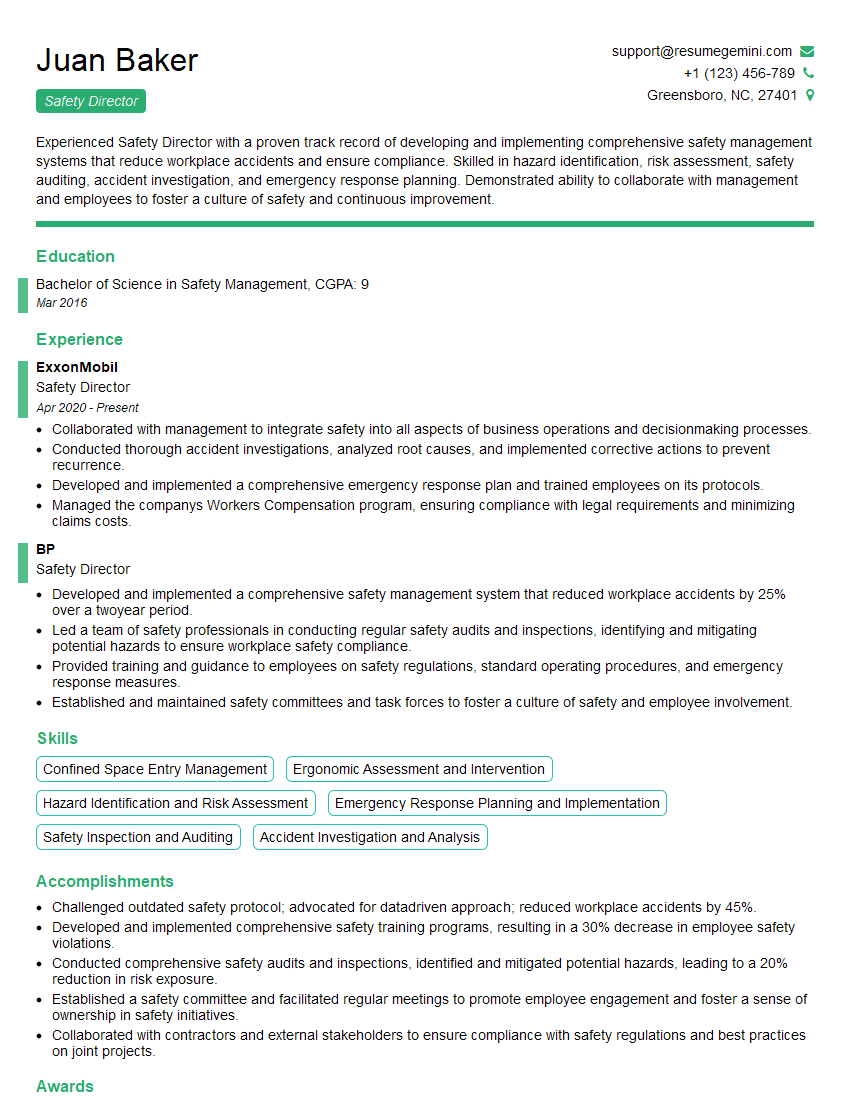
Safety Director Resume Sample
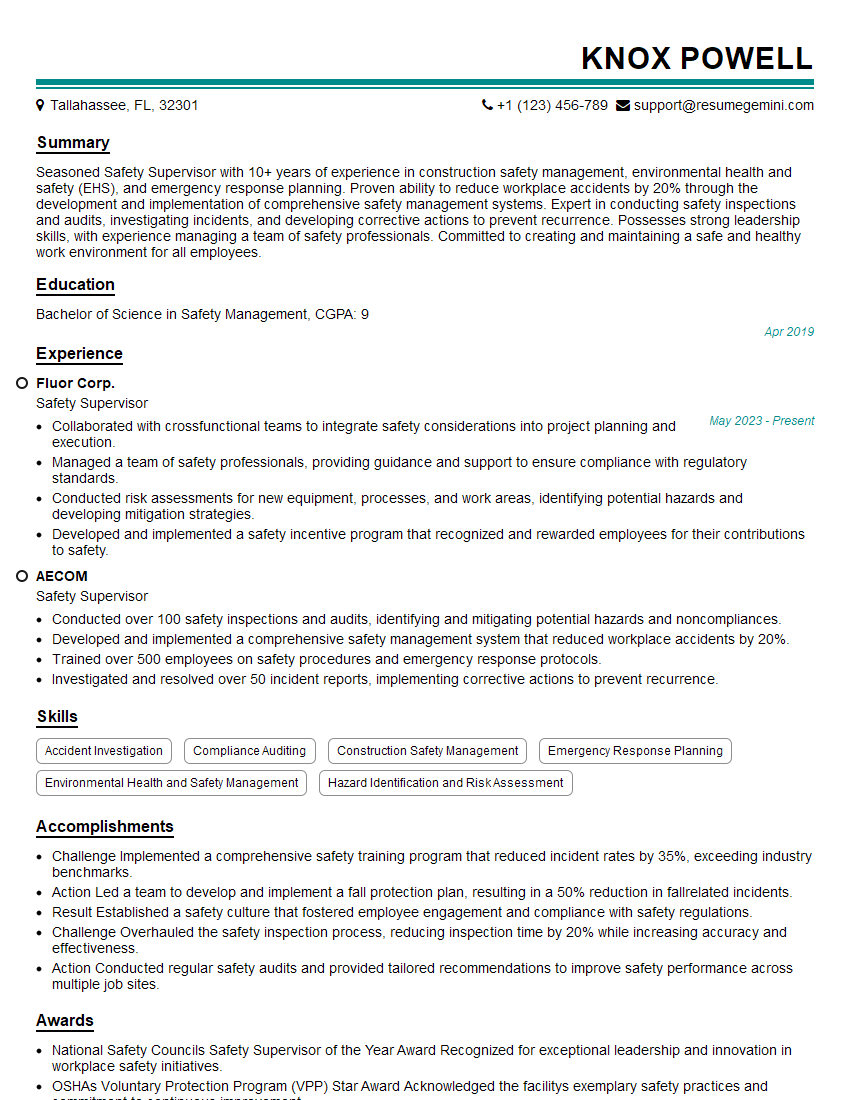
Safety Supervisor Resume Sample

Compliance Officer Resume Sample
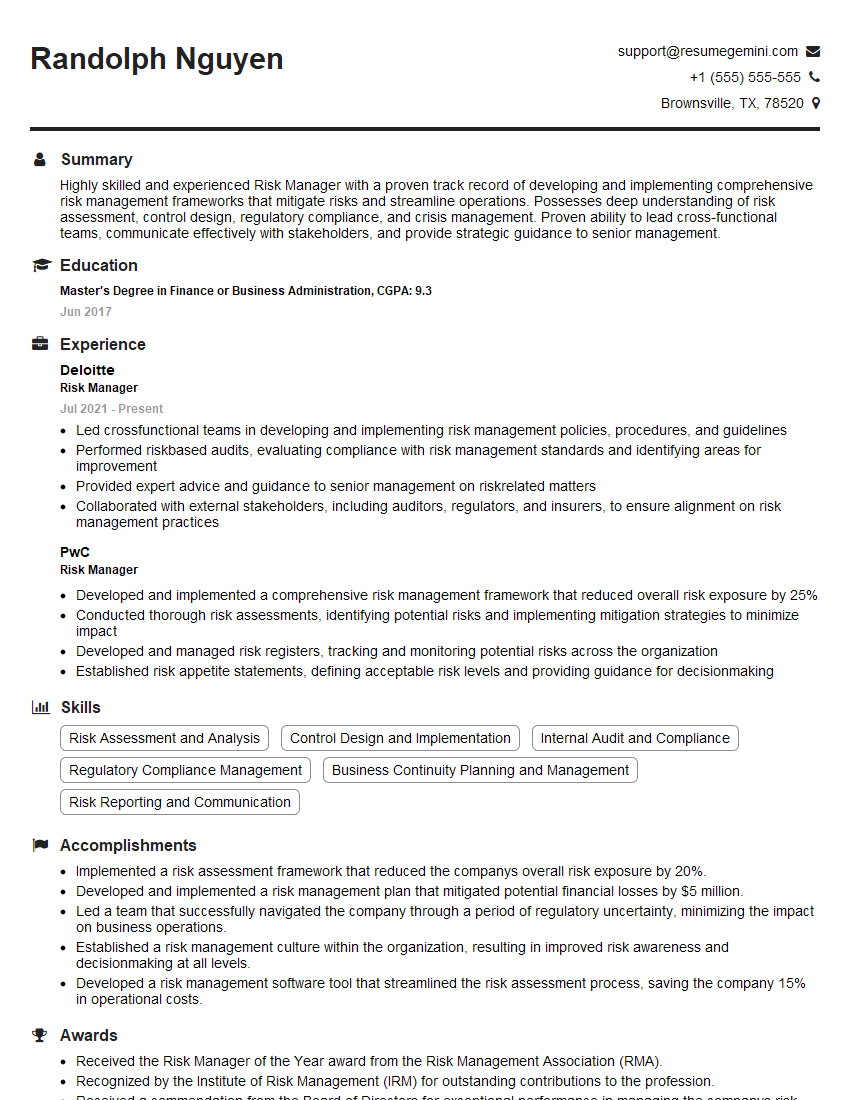
Risk Manager Resume Sample
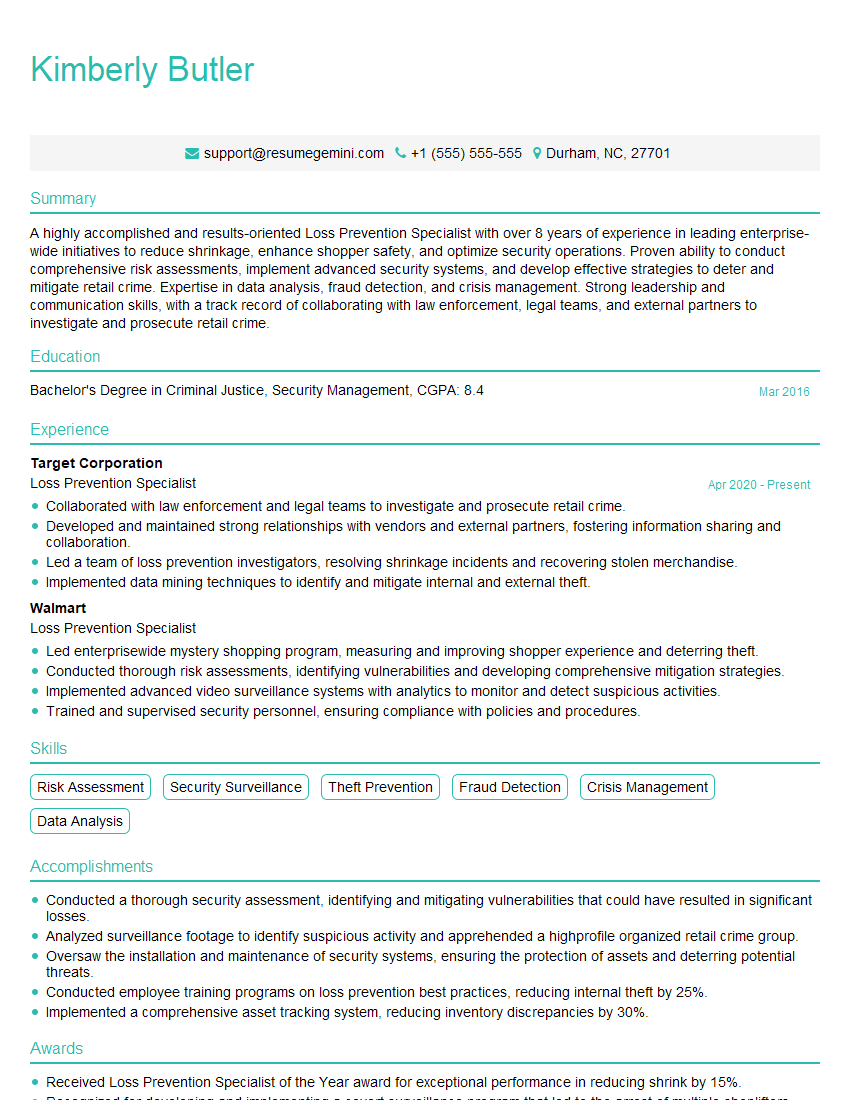
Loss Prevention Specialist Resume Sample
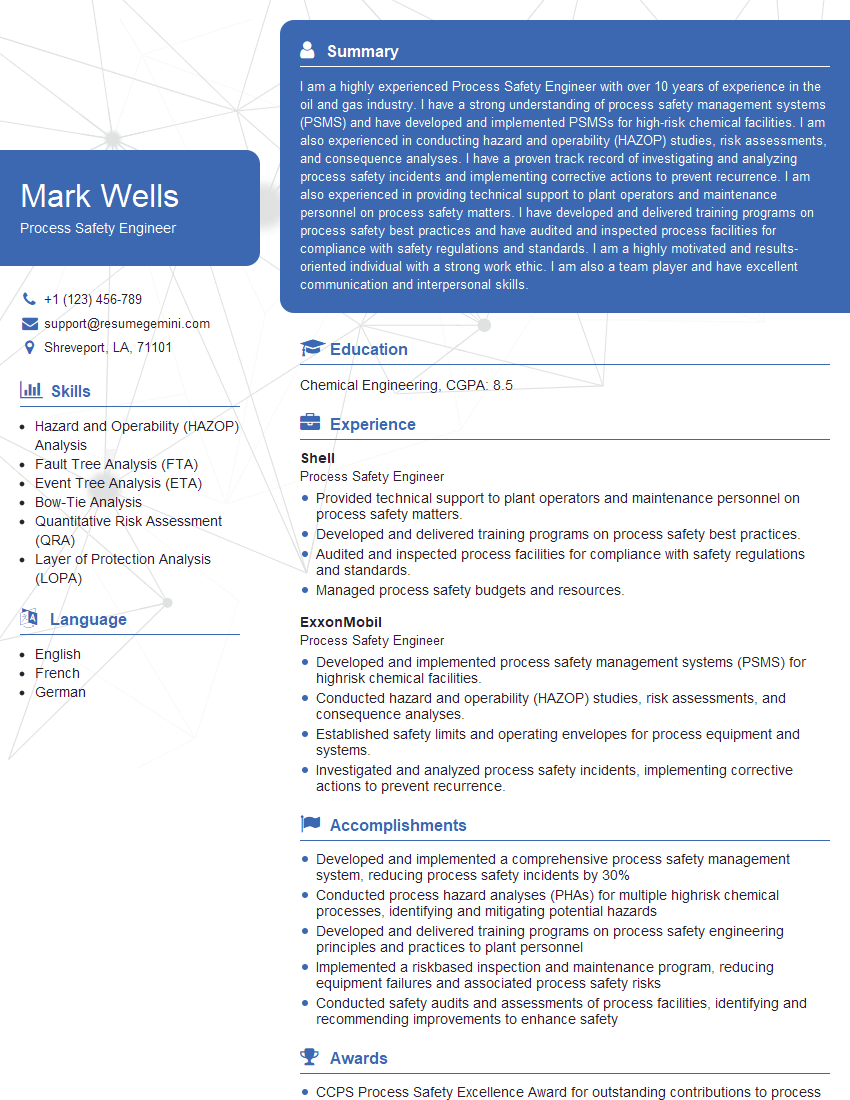
Process Safety Engineer Resume Sample
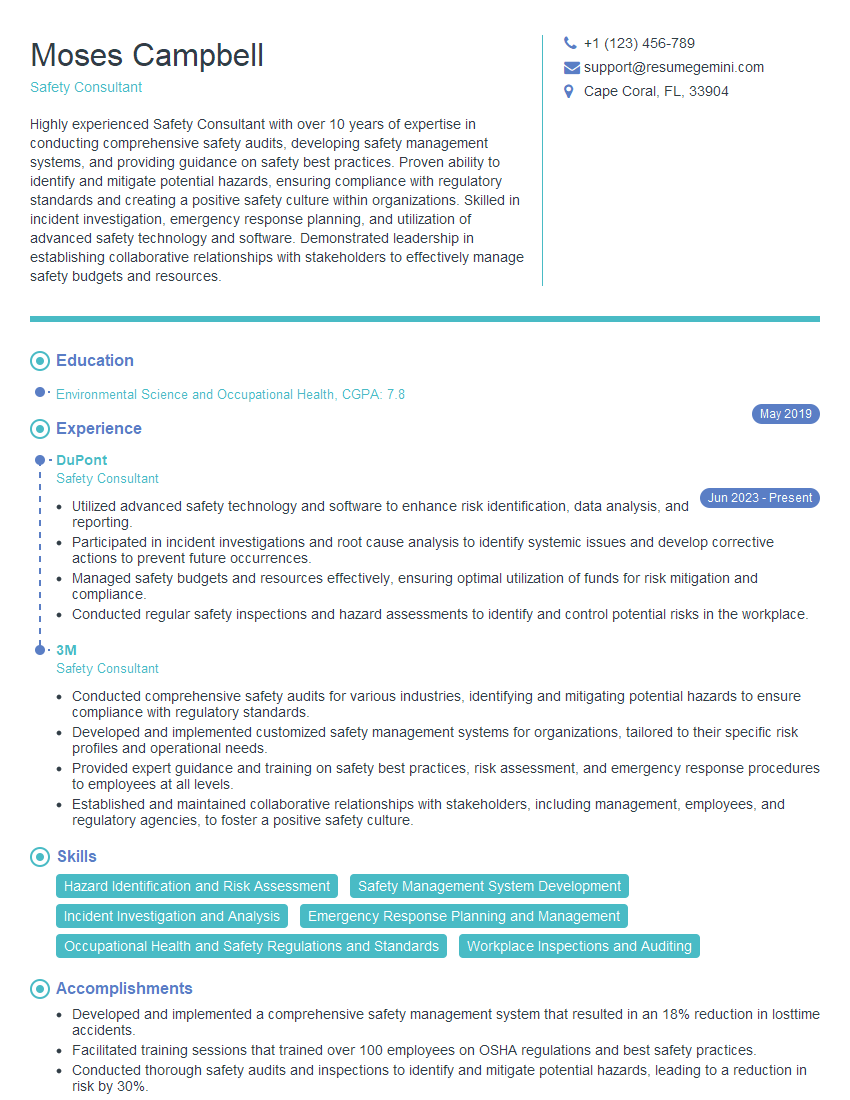
Safety Consultant Resume Sample
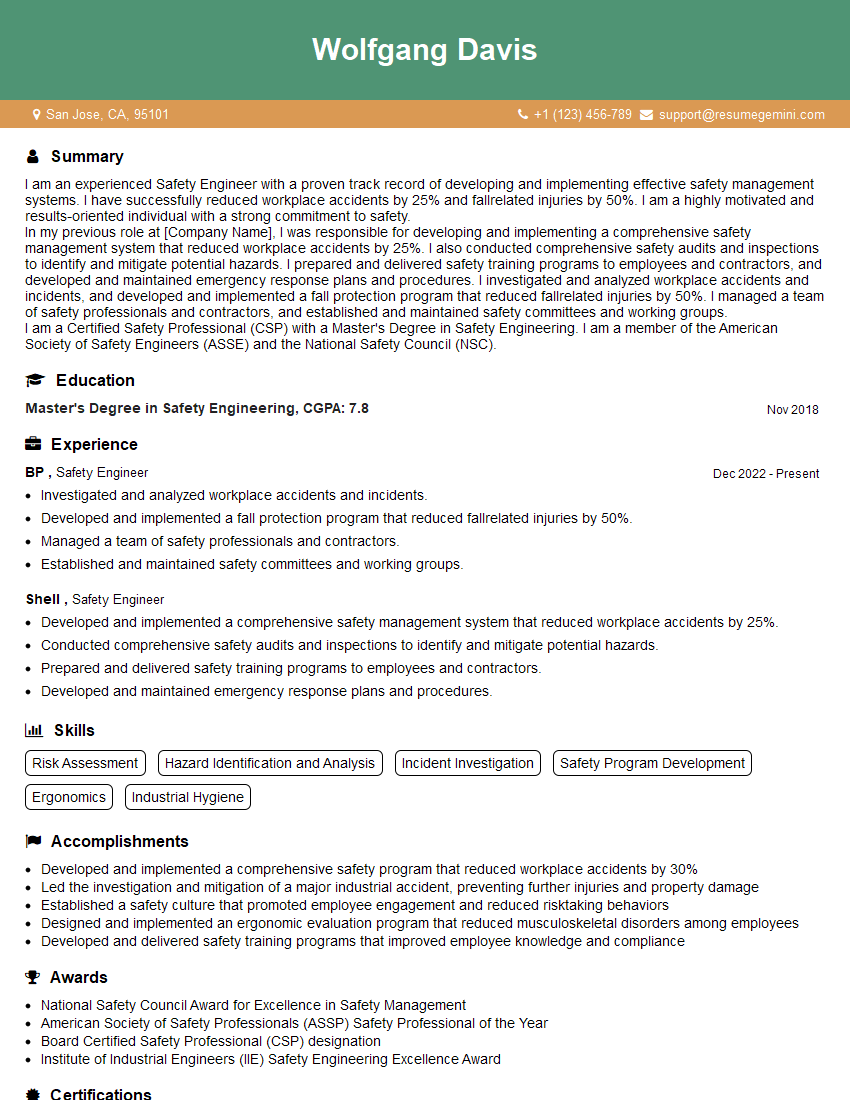
Safety Engineer Resume Sample
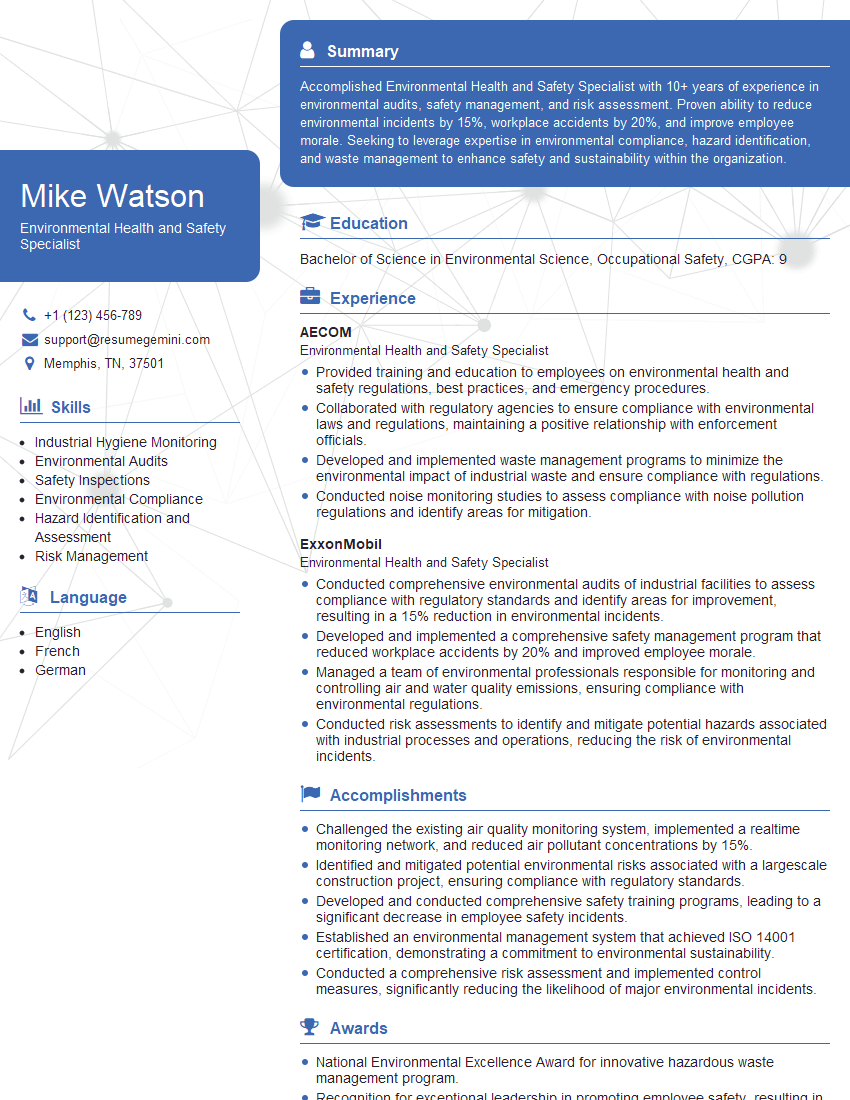
Environmental Health and Safety Specialist Resume Sample
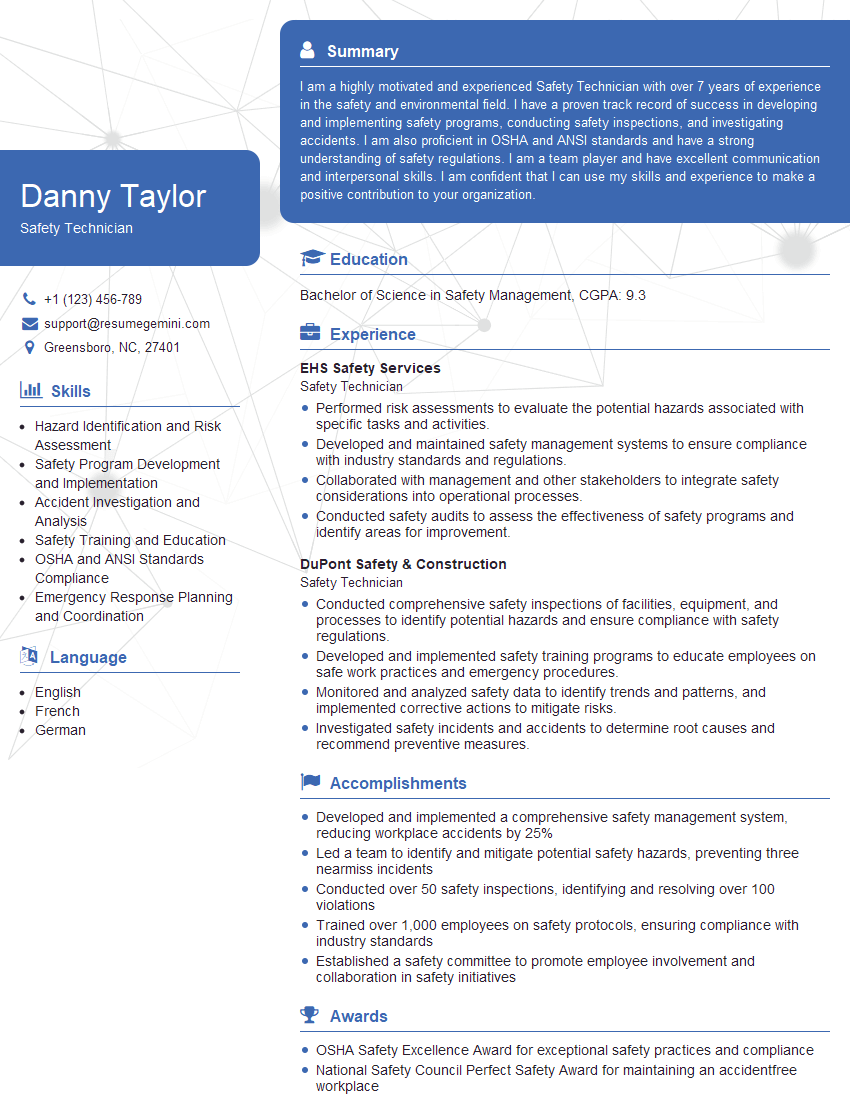
Safety Technician Resume Sample
Explore more articles
Users Rating of Our Blogs
Share Your Experience
We value your feedback! Please rate our content and share your thoughts (optional).
What Readers Say About Our Blog
Really detailed insights and content, thank you for writing this detailed article.
IT gave me an insight and words to use and be able to think of examples