The thought of an interview can be nerve-wracking, but the right preparation can make all the difference. Explore this comprehensive guide to Manuscript Conservation interview questions and gain the confidence you need to showcase your abilities and secure the role.
Questions Asked in Manuscript Conservation Interview
Q 1. Describe the different types of paper deterioration.
Paper deterioration in manuscripts is a complex issue, stemming from a variety of factors, both environmental and inherent to the paper itself. Think of a manuscript as a delicate ecosystem; its health depends on a balance of factors.
- Acid hydrolysis: This is a major culprit. Paper contains cellulose, which breaks down in the presence of acids, leading to embrittlement and weakening. This is often accelerated by the use of acidic sizing agents in older papermaking processes.
- Oxidation: Exposure to light, heat, and pollutants like ozone causes the cellulose to oxidize, resulting in discoloration and weakening. Imagine the fading of a photograph in sunlight – a similar process occurs in paper.
- Biological deterioration: Fungi, insects, and other organisms can feed on the cellulose, causing holes, stains, and overall damage. This is often seen as foxing (discussed in the next question) or as larger infestations.
- Physical damage: This includes tears, creases, and abrasions caused by handling, improper storage, and environmental factors. Think of the wear and tear a well-loved book experiences over time.
- Water damage: Water can cause significant damage, leading to discoloration, weakening, and the potential for mold growth. A sudden flood or even a small spill can have devastating effects on a manuscript.
Understanding these different forms of deterioration is crucial for effective conservation treatment. Each requires a different approach, and often, a multifaceted strategy is needed.
Q 2. Explain the process of identifying and treating foxing.
Foxing is the appearance of small, reddish-brown spots on paper, often resembling freckles. It’s a complex issue resulting from fungal growth, often occurring long after the paper’s creation. Identifying foxing is relatively straightforward – it’s visually apparent. However, determining the underlying cause and selecting the appropriate treatment requires expertise.
Treatment involves careful consideration. Aggressive cleaning can damage the surrounding paper. Methods often used include:
- Non-intervention: In some cases, especially with fragile materials, the best approach is to leave the foxing alone, documenting its presence instead.
- Surface cleaning: Very gentle cleaning with soft brushes or erasers might remove surface foxing. This requires great care to avoid spreading or exacerbating the problem. Think of it like delicately dusting a fragile artifact.
- Specialized solutions: In some instances, carefully chosen chemicals might be applied to carefully selected areas, but this is rarely done without a comprehensive assessment and is very high-risk.
It’s important to emphasize that the treatment approach always depends on the severity of the foxing, the type of paper, and its overall condition. A qualified conservator would perform a thorough assessment before recommending any action.
Q 3. What are the various methods for repairing tears in paper?
Repairing tears in paper requires precision and patience. The method chosen depends on the size and location of the tear, as well as the paper’s fragility. The goal is always to be as minimally invasive as possible.
- Hinge repair: For small tears, a small piece of Japanese tissue paper or other suitable material is applied along the tear line using a wheat starch paste or other archival adhesive. This acts like a ‘hinge’ to hold the torn pieces together.
- Mending tissue: For larger tears, a piece of mending tissue (a thin, archival quality paper) is carefully placed over the tear and adhered using the appropriate adhesive. This adds support and strength.
- Laced repair: This technique uses very fine, archival-quality threads to stitch together the torn edges, which is ideal for very fragile documents where adhesives could be damaging. Think of it like a very delicate form of sewing.
- Corner repair: A common problem, corners are often mended by filling gaps with small pieces of carefully chosen materials, and secured with adhesive. The use of archival materials is key.
In all cases, the choice of adhesive and technique should be meticulously considered to ensure the repair is both effective and archival – that is, it won’t cause further damage in the future.
Q 4. How do you select appropriate adhesives for manuscript repair?
Selecting the right adhesive is crucial in manuscript conservation. The adhesive must be reversible (meaning it can be removed without damaging the paper), archival (it won’t degrade over time and cause further damage to the document), and appropriate for the paper’s type and condition. The choice is not arbitrary; it requires a deep understanding of adhesive properties.
- Wheat starch paste: A classic choice, it’s reversible, relatively easy to use, and suitable for many papers. However, it’s not ideal for all paper types and requires careful preparation.
- Methyl cellulose: A synthetic adhesive, it’s water-soluble and reversible, making it a versatile option. It is important to select an archival quality methyl cellulose.
- Japanese tissue paper adhesives: These are specifically formulated for use with Japanese tissue paper and other archival repair materials.
The choice of adhesive depends on several factors, including the type of paper, the extent of the damage, and the desired level of permanence. A skilled conservator would carefully weigh these factors before selecting an appropriate adhesive. Using the wrong adhesive can cause irreparable harm to the manuscript.
Q 5. Discuss the ethical considerations in manuscript conservation.
Ethical considerations are paramount in manuscript conservation. Our actions today will impact the future accessibility and preservation of these invaluable cultural objects. The core principles revolve around minimal intervention and preservation of authenticity.
- Reversibility: Treatments should ideally be reversible, allowing future conservators to adjust or remove interventions as knowledge and techniques improve. We should not irreversibly alter the original material unless absolutely necessary.
- Integrity: The integrity of the manuscript must be maintained. This means that any intervention should not alter the historical and aesthetic value of the object. We are custodians, not creators.
- Documentation: Meticulous documentation of all treatments is essential. This allows future generations of conservators to understand the history of the object and make informed decisions about its future care. It’s a form of historical record-keeping itself.
- Transparency: Transparency about the materials used and methods employed is critical for maintaining trust and upholding ethical standards. Our work must be clearly documented and understood.
Ethical conservation ensures that these irreplaceable manuscripts remain accessible for generations to come, while respecting their historical and cultural significance.
Q 6. What are the advantages and disadvantages of different paper cleaning methods?
Paper cleaning methods range from gentle to aggressive. The choice depends on the type of soiling, the paper’s fragility, and the desired outcome. Choosing the right method is like selecting the right tool for a delicate task.
- Dry cleaning: This involves using soft brushes, erasers, or vacuuming to remove loose dirt and debris. This is the gentlest method and ideal for fragile materials. Think of it as carefully dusting a precious painting.
- Wet cleaning: This involves using water or specialized cleaning solutions to remove stains and ingrained dirt. This is more aggressive and carries higher risks of causing damage, making expert assessment crucial. It is vital that the cleaning solution used be chemically compatible with the paper.
- Gel cleaning: This involves using a gel-like cleaning agent applied to the surface, which is then lifted away, taking the soil with it. This is a less aggressive approach than traditional wet cleaning, and offers more control.
The advantages of dry cleaning are its safety and gentleness, but it may not be effective for ingrained dirt. Wet cleaning is more effective but riskier. Gel cleaning strikes a balance; however, it is important to note that the effectiveness of any method depends largely on the specific manuscript and the type of soiling.
Q 7. Explain the process of creating a conservation treatment plan.
Creating a conservation treatment plan is a crucial step, ensuring a systematic and informed approach to manuscript repair. It is more than just a list of tasks; it’s a roadmap that guides the entire process.
The process typically involves:
- Assessment: A thorough examination of the manuscript’s condition, including its physical state, materials, and the nature of the damage. This is like a doctor diagnosing a patient.
- Diagnosis: Identifying the causes of deterioration and the factors contributing to the manuscript’s instability. This is understanding the root cause of the issues.
- Treatment goals: Defining the objectives of the conservation treatment, balancing the need for preservation with the potential risks of intervention. This helps prioritize our efforts.
- Treatment proposal: Outlining the specific steps that will be taken to address the identified problems, including the materials and techniques to be used. This is the blueprint for repair.
- Treatment execution: Carefully carrying out the proposed treatment, meticulously documenting each step of the process. This is putting the plan into action.
- Post-treatment assessment: Evaluating the effectiveness of the treatment and the manuscript’s overall condition after the intervention. This is like a post-operative check-up.
- Storage and handling recommendations: Providing guidelines for the long-term care and storage of the manuscript to prevent further deterioration. This is ensuring long-term health.
A well-written conservation treatment plan is essential for ensuring the long-term preservation of the manuscript and for communicating the rationale and methodology to other conservators. It’s the key to informed decision-making and responsible stewardship.
Q 8. How do you assess the condition of a manuscript before treatment?
Assessing the condition of a manuscript before treatment is crucial; it’s like a doctor performing a thorough examination before prescribing medicine. We employ a multi-step process involving visual inspection, using magnification tools like microscopes to identify minute details, and sometimes employing non-invasive analytical techniques.
Visual Inspection: This involves carefully examining the manuscript for any visible damage, such as tears, stains, discoloration, insect infestation, or mold growth. We note the overall state of preservation, including the condition of the paper, ink, binding, and any annotations or repairs already present. For instance, I once worked on a medieval manuscript where the initial inspection revealed extensive foxing (brown spots caused by mold) and significant water damage.
Magnification: Using microscopes, we can examine the paper’s fiber structure, identify ink types, assess the condition of the ink, and determine the type and extent of any degradation. This allows us to understand the materials used and their vulnerabilities. For example, iron gall ink, common in historical manuscripts, can be very sensitive to light and humidity.
Non-invasive analysis: In certain cases, we employ techniques like ultraviolet (UV) or infrared (IR) photography, which can reveal hidden details and damages not visible to the naked eye. This helps to identify previous repairs, assess the extent of water damage, or detect the presence of different ink types.
The results of this assessment inform the treatment plan, ensuring that the chosen methods are appropriate for the manuscript’s specific condition and materials.
Q 9. Describe different binding structures and their vulnerabilities.
Manuscript binding structures are diverse, each with inherent weaknesses. Think of them as different architectural styles – each beautiful, but with different vulnerabilities to earthquakes (or in our case, time and use).
Sewn Binding: The most common historical method, involving sewing the sections (signatures) together through the fold. Vulnerabilities include broken sewing, weakened supports, and damage to the spine from repeated opening and closing.
Case Binding: Modern method where sections are sewn and glued to a spine, then covered with boards and cloth. Vulnerabilities include glue failure, board distortion, and damage to the cover material.
Japanese Binding: Sections are carefully stitched together with unique techniques; very durable. However, damage can occur if the stitching is disrupted.
Concertina Binding: Pages are folded like an accordion. Very flexible, but vulnerable to tearing at the fold lines.
Understanding these structures is crucial in assessing a manuscript’s fragility and planning appropriate conservation measures. For example, a manuscript with weak sewing requires careful spine reinforcement before further handling, while a case-bound book with damaged glue might need re-adhesion.
Q 10. What are the common causes of ink fading and how can they be addressed?
Ink fading is a common problem, like a photograph slowly losing its color in the sun. Several factors contribute to it:
Light Exposure: Ultraviolet (UV) radiation from sunlight is a major culprit; it degrades the ink pigments, causing them to fade or change color. Imagine leaving a colorful painting in direct sunlight for years.
Humidity and Temperature Fluctuations: Extreme changes in temperature and humidity can cause stress on the paper and ink, accelerating deterioration. Think of a painting warping in a humid climate.
Ink Composition: Different inks have varying sensitivities to light and environmental factors. Iron gall ink, mentioned earlier, is particularly prone to fading and even corrosion of the paper.
Addressing ink fading involves a multi-pronged approach:
Minimize Light Exposure: Store manuscripts in archival-quality boxes, away from direct sunlight and artificial light sources.
Environmental Control: Maintain a stable temperature and humidity in the storage environment to minimize stress on the ink and paper.
Specialized Treatments: In some cases, specialized cleaning or treatment might be needed to stabilize the ink. This should be done by experienced conservators using appropriate techniques. These may involve carefully cleaning the surface or using specialized chemicals under carefully controlled conditions.
Q 11. Explain the role of preventative conservation.
Preventative conservation is the cornerstone of manuscript preservation – it’s like taking preventative measures for your health instead of only treating illnesses. It focuses on minimizing risk and slowing deterioration before significant damage occurs. This involves:
Proper Storage: Maintaining stable temperature and humidity in a clean, well-ventilated environment. This is paramount, similar to storing valuables in a secure vault.
Environmental Monitoring: Regularly checking and recording temperature and humidity levels to ensure optimal conditions.
Handling Procedures: Establishing guidelines for safe handling and use of manuscripts, including appropriate gloves and support materials. This prevents accidental damage from improper handling.
Pest Control: Implementing measures to prevent and control insect infestations or mold growth, as pests can cause irreparable damage.
Disaster Preparedness: Having plans in place for emergencies, such as fire, flood, or theft, to minimize potential damage.
A good preventative conservation plan is akin to having a comprehensive insurance policy for your valuable manuscript collection. It safeguards the long-term preservation by actively reducing risks.
Q 12. How do you manage the storage environment for manuscripts?
Managing the storage environment for manuscripts is crucial; it’s like creating the perfect habitat for delicate specimens. The ideal environment is cool, dry, and stable, minimizing the risk of damage.
Temperature: Ideally maintained between 65-70°F (18-21°C).
Relative Humidity (RH): Ideally around 50% RH. Fluctuations should be minimized.
Light: Minimize exposure to light, especially ultraviolet (UV) radiation. UV-filtering glazing and low-light levels are crucial.
Air Quality: Maintain clean air, free from pollutants that can damage the manuscripts.
Storage Materials: Use acid-free boxes, folders, and enclosures. Avoid using materials that could release harmful gases or chemicals.
Pest Control: Regular inspections for pests and implementation of preventative measures.
Monitoring equipment, such as hygrometers and thermometers, is essential to ensure consistent conditions within the storage area. Regular checks for pest activity are also crucial. Think of it as constantly monitoring the health of your valuable manuscripts.
Q 13. Describe different methods for the deacidification of paper.
Deacidification is like giving the manuscript a nutritional boost to combat acid damage. Acid in paper causes embrittlement, making it fragile and prone to tearing. There are several methods:
Alkaline Buffering (Spray or Immersion): This involves applying an alkaline solution (often a magnesium bicarbonate solution) to neutralize the acid. Spraying is useful for large collections or surface treatment, while immersion is more effective for complete deacidification. Think of it as neutralizing acid with a base. This is a commonly used method.
Vapor Phase Deacidification (VPD): This uses a gaseous alkaline agent, often diethylzinc (DEZ), which permeates the paper, neutralizing the acid within the paper fibers. It’s a more thorough process than surface treatment but requires specialized equipment and a controlled environment.
Mass Deacidification: Large-scale processes, often using industrial equipment, to deacidify many books simultaneously. Usually employs a liquid process.
Choosing the right method depends on the manuscript’s condition, size, and materials. The process must always be carried out by trained professionals to avoid damage to the manuscript.
Q 14. What are the challenges of working with fragile or brittle manuscripts?
Working with fragile or brittle manuscripts is like handling a delicate antique – extreme care and specialized techniques are required. The challenges include:
Increased Risk of Damage: Even minor handling can cause tears or further fragmentation. Special handling tools and supports are crucial.
Limitations in Treatment: Certain treatments, such as washing or pressing, might be too harsh and risk further damage. More gentle, localized treatments are often necessary.
Support and Consolidation: Often require support structures or consolidation techniques to strengthen weak areas before any cleaning or repair. Think of it like giving the manuscript a supporting cast.
Digital Imaging and Documentation: Creating high-resolution digital images before treatment is essential to record the manuscript’s original condition and to aid in future analysis.
Ethical Considerations: Balancing the need for preservation with the potential risks of treatment is a crucial ethical consideration.
Often, the most appropriate treatment is minimal intervention. Documenting the fragile condition meticulously is often the best approach, followed by supportive storage, and only the most necessary repairs performed using the gentlest possible techniques. Every decision is weighed carefully to protect the integrity and future of the fragile artifact.
Q 15. Explain the importance of proper documentation in conservation work.
Proper documentation is the cornerstone of manuscript conservation. Think of it as the manuscript’s medical history – crucial for understanding its past, present, and future. It provides a detailed record of the artifact’s condition, the treatments applied, and the materials used. This ensures the work is repeatable, transparent, and allows future conservators to understand the decision-making process.
- Treatment Records: These meticulously document every step of the conservation process, including photographic records (before, during, and after treatment), material identification, and descriptions of any repairs or cleaning techniques. This is critical for future assessment and to track the manuscript’s long-term stability.
- Condition Reports: These initial assessments detail the manuscript’s current state, including any damage (e.g., tears, stains, foxing), materials used (e.g., type of paper, ink), and its overall fragility. This sets a baseline for future comparisons and guides treatment strategies.
- Material Specifications: This section documents the precise type and manufacturer of all materials used in the conservation, including adhesives, papers, and solvents. This ensures consistency and traceability should problems arise later.
For instance, documenting the use of a specific wheat starch paste as an adhesive allows future conservators to understand its properties and the potential for its degradation over time. Without thorough documentation, important information is lost, potentially compromising future care and the integrity of the manuscript itself.
Career Expert Tips:
- Ace those interviews! Prepare effectively by reviewing the Top 50 Most Common Interview Questions on ResumeGemini.
- Navigate your job search with confidence! Explore a wide range of Career Tips on ResumeGemini. Learn about common challenges and recommendations to overcome them.
- Craft the perfect resume! Master the Art of Resume Writing with ResumeGemini’s guide. Showcase your unique qualifications and achievements effectively.
- Don’t miss out on holiday savings! Build your dream resume with ResumeGemini’s ATS optimized templates.
Q 16. What are the health and safety considerations when handling manuscripts?
Health and safety is paramount in manuscript conservation. We’re dealing with fragile objects and potentially hazardous materials. Think of it like working in a highly specialized lab.
- Personal Protective Equipment (PPE): This includes gloves (nitrile is preferred for its chemical resistance), masks (to prevent inhalation of dust or mold spores), and eye protection. The specific PPE depends on the task and materials involved.
- Material Safety Data Sheets (MSDS): These sheets provide crucial information on the hazards associated with each material we use, and the appropriate handling, storage, and disposal methods. We always consult them before handling any new substance.
- Ergonomics: Manuscripts are often delicate and require careful handling. Maintaining proper posture and using ergonomic tools helps prevent repetitive strain injuries. Working in a well-lit workspace minimizes eye strain.
- Environmental Controls: The conservation environment needs to be meticulously controlled to minimize mold growth and degradation. This involves maintaining stable temperature, humidity, and light levels.
- Waste Disposal: Proper disposal of materials is essential. We must follow strict procedures to safely dispose of solvents, adhesives, and other potentially hazardous materials, adhering to all local and national regulations.
For example, when dealing with mold, the use of respirators and appropriate containment methods are crucial to prevent inhalation of spores and the spread of contamination. Failure to do so could compromise the health of the conservator and the manuscript.
Q 17. Describe your experience with various conservation materials.
My experience encompasses a wide range of conservation materials, each with its unique properties and applications. The selection of materials is crucial for effective and ethical conservation.
- Adhesives: I have extensive experience using various adhesives, including wheat starch paste (for its reversibility and biodegradability), methyl cellulose (for its flexibility), and Japanese tissue paper adhesive (for its strength and compatibility with delicate papers). The choice depends on the manuscript’s material and the type of repair needed.
- Support Materials: I have worked with various support materials, like Japanese tissue (for its strength and flexibility) and mulberry paper (for its durability and archival quality). These materials provide structural support to weak or damaged areas of the manuscript without compromising the original artifact.
- Cleaning Materials: I’ve used a range of cleaning materials, such as deionized water, and various specialized cleaning solutions. Each requires careful evaluation to ensure it’s compatible with the manuscript’s inks and pigments. The selection depends on the type of soiling and the manuscript’s material composition.
One example involved repairing a heavily foxed manuscript. I used wheat starch paste to mend tears, Japanese tissue to consolidate weak areas, and carefully applied deionized water with a soft brush to gently remove surface dirt. Each material selection was based on extensive analysis and testing to avoid damage to the original manuscript.
Q 18. How do you deal with mold or insect infestation in manuscripts?
Dealing with mold or insect infestation requires immediate and decisive action, guided by strict protocols. Think of it like a medical emergency for the manuscript.
- Isolation: The infested manuscript must be immediately isolated to prevent the spread of infestation. This might involve placing it in a sealed container or a quarantine area.
- Identification: Identifying the type of mold or insect is crucial for determining the best treatment strategy. Microscopic analysis may be needed.
- Treatment: For mold, this usually involves careful cleaning and the use of appropriate fungicides. The cleaning should be gentle and done in a controlled environment. For insect infestation, freezing, fumigation (using approved methods and materials), or the application of approved insecticides might be required.
- Monitoring: Post-treatment monitoring is essential. Regular checks for signs of recurrence of infestation are necessary to ensure the treatment was effective.
In one instance, a valuable manuscript was severely affected by booklice. After careful isolation, we used freezing to kill the insects, followed by thorough cleaning. We then monitored it for several weeks to ensure the infestation was eradicated. This was crucial to save a historically significant manuscript.
Q 19. Explain your experience using different imaging techniques for manuscript analysis.
Imaging techniques are essential tools for manuscript analysis, allowing non-invasive investigation of the manuscript’s structure and materials. It’s like having x-ray vision for the manuscript.
- Multispectral Imaging: This technique uses a range of wavelengths of light to reveal features invisible to the naked eye, such as erased text or underlying pigments. This can help understand the manuscript’s history and revisions.
- X-ray Fluorescence (XRF): This allows us to identify the elemental composition of inks and pigments, helping determine their age and provenance.
- Ultraviolet (UV) and Infrared (IR) Photography: UV and IR photography can reveal details such as watermarks, faded inks, or repairs not easily seen in visible light.
- Digital Microscopy: This allows for high-resolution imaging of microscopic details, including the fibers of the paper and the composition of inks.
For example, multispectral imaging helped reveal a hidden text beneath an apparent erasure in a medieval manuscript, shedding light on the manuscript’s complex history and the author’s revisions.
Q 20. Describe your experience working with different types of inks and pigments.
Working with diverse inks and pigments requires specialized knowledge and careful handling. Each type has unique characteristics affecting its conservation. Think of it as understanding the chemical makeup of each color.
- Ink Analysis: Identifying the type of ink (e.g., iron gall ink, carbon ink) is crucial for determining its stability and potential for degradation. Iron gall inks, for example, are known to be corrosive over time.
- Pigment Analysis: Understanding the pigments used (e.g., azurite, vermilion) allows for informed decisions about cleaning and storage. Certain pigments are more light-sensitive than others.
- Compatibility: It’s critical to understand the interaction of inks and pigments with different conservation materials. Certain cleaning solutions might affect particular inks or pigments, causing discoloration or fading.
In one project, I worked with a manuscript containing iron gall ink, known for its acidity and tendency to cause corrosion. Understanding this property guided my choice of conservation materials and treatments to ensure the long-term preservation of the manuscript without further damage.
Q 21. What are the ethical considerations when using digital technologies in manuscript conservation?
The use of digital technologies in manuscript conservation presents both exciting opportunities and crucial ethical considerations. It’s a powerful tool, but responsibility is key.
- Data Integrity: Ensuring the accuracy and reliability of digital representations is paramount. Any manipulation or alteration of the digital image must be clearly documented and justified.
- Access and Copyright: Decisions regarding access to digital surrogates must respect copyright laws and ensure fair use. Making digital representations publicly available needs careful consideration of ethical implications.
- Authenticity: Digital technologies shouldn’t be used to create a false sense of authenticity. Any digital intervention or enhancement must be clearly distinguished from the original artifact. We must preserve the historical integrity of the manuscript.
- Preservation of Originals: Digital technologies should supplement, not replace, the conservation of the original manuscript. The original artifact remains the primary object of preservation.
For example, creating high-resolution digital images allows for wider access to fragile manuscripts without risking damage to the original. But, any edits or enhancements to these images must be carefully documented, maintaining the integrity of the record.
Q 22. How do you prioritize treatment projects in a busy conservation department?
Prioritizing treatment projects in a busy conservation department requires a systematic approach. We use a multi-faceted system combining urgency, significance, and feasibility.
- Urgency: Items at immediate risk of further deterioration – such as those with active mold growth or significant insect infestation – receive top priority. Think of it like triage in a hospital; we address the most critical cases first.
- Significance: We consider the historical, cultural, or artistic value of the manuscript. A unique, irreplaceable manuscript will naturally take precedence over a more common item, even if the latter shows some damage.
- Feasibility: This involves assessing the available resources – time, funding, staff expertise, and specialized equipment – required for each project. A highly significant manuscript may be deferred if the expertise needed is unavailable, for instance. We might prioritize a simpler treatment that stabilizes the object until more advanced treatment can be undertaken.
We regularly review our project list, often using a spreadsheet or database to track progress and adjust priorities based on new information or changing circumstances. This ensures that we’re always focusing our efforts on the most important and achievable tasks.
Q 23. Explain your experience with collaborating with other professionals (e.g., librarians, curators).
Collaboration is crucial in manuscript conservation. I’ve worked extensively with librarians, archivists, and curators throughout my career. For example, in one project involving a fragile 16th-century illuminated manuscript, I collaborated closely with the curator to understand the manuscript’s historical context and research any previous treatments. This provided critical information for planning the most appropriate and minimally invasive conservation strategy. With archivists, I’ve often worked on developing appropriate storage and handling procedures that balance preservation needs with accessibility requirements for researchers. My interaction with librarians frequently involves discussing the creation of digital surrogates to enable wider access while reducing handling of the originals. This collaborative effort ensures that the manuscript’s preservation is aligned with its research and accessibility goals.
Q 24. Describe a conservation project where you encountered an unexpected challenge and how you overcame it.
During the conservation of a leather-bound manuscript, I encountered unexpected iron gall ink corrosion. This corrosion had spread beyond the initial area of concern, causing significant damage to the parchment and affecting the adjacent text. The initial plan involved localized treatment, but the extent of the damage required a different approach.
To overcome this, I first conducted extensive analysis to determine the extent of the corrosion and the best treatment strategy. This included using various imaging techniques (such as X-ray fluorescence and multispectral imaging) to fully understand the nature and extent of the damage. After careful research and testing on inconspicuous areas, I used a combination of micro-cleaning and localized application of a specific chemical solution to stabilize the corrosion and minimize further damage. Detailed documentation of each step was crucial throughout the process. The project’s unexpected challenge reinforced the importance of thorough analysis and flexibility in conservation planning.
Q 25. What are the long-term storage considerations for manuscripts?
Long-term storage of manuscripts requires a holistic approach prioritizing environmental control and appropriate housing. The ideal environment mimics stable conditions to slow deterioration.
- Temperature and Humidity: Maintaining a stable, cool temperature (ideally around 65-70°F or 18-21°C) and relatively low humidity (around 40-50% RH) is vital to prevent mold, insect infestation, and paper degradation.
- Light Exposure: Manuscripts should be stored in low-light conditions to prevent fading and brittleness. Ultraviolet (UV) filtration is essential.
- Air Quality: Good air circulation and filtration help remove pollutants that can damage manuscripts. Minimizing air pollutants such as dust, acid gases, and ozone is paramount.
- Housing: Manuscripts should be housed in acid-free enclosures, such as archival boxes and folders, that offer protection from light, dust, and physical damage. Proper spacing prevents abrasion.
- Pest Control: Regular pest monitoring and preventative measures are essential to protect the manuscripts from insects and rodents.
Proper storage greatly extends the lifespan of these precious artifacts.
Q 26. How do you ensure the sustainability of your conservation practices?
Sustainability in manuscript conservation involves considering the environmental impact of our practices and utilizing resources responsibly. This means prioritizing minimally invasive techniques, using environmentally friendly materials, and reducing waste.
- Minimally Invasive Treatment: We focus on treatments that cause the least amount of alteration to the manuscript itself, prioritizing stabilization and prevention of further damage over extensive restoration.
- Eco-Friendly Materials: We prioritize the use of acid-free, lignin-free, and biodegradable materials in storage and treatment. This minimizes the long-term risk of further damage caused by interaction with potentially harmful materials.
- Waste Reduction: We develop efficient workflows that minimize the generation of waste, recycling or responsibly disposing of materials as needed. We strive to reuse containers and materials whenever feasible.
- Training and Education: Educating colleagues and future conservators about these sustainable practices is key to ensuring their continued implementation.
Through these efforts, we aim to create a balanced approach between preservation and environmental responsibility.
Q 27. Describe your knowledge of relevant professional standards and guidelines.
My work adheres to the highest professional standards and guidelines, including those established by the American Institute for Conservation (AIC), the International Council of Museums (ICOM), and relevant national and international organizations. I am familiar with the AIC Code of Ethics and Guidelines for Practice, recognizing the importance of ethical decision-making in the selection and implementation of treatment strategies. My understanding extends to the various standards for archival materials and storage environments, including those related to environmental monitoring and pest control. I actively follow current research in materials science and conservation techniques, ensuring my practice remains up-to-date.
Q 28. What are your continuing professional development plans in manuscript conservation?
My continuing professional development in manuscript conservation includes several key areas. I regularly attend workshops and conferences to keep abreast of the latest advancements in materials science, conservation techniques, and best practices. I actively participate in professional organizations, attending meetings, seminars, and networking events to share knowledge and learn from my peers. Furthermore, I’m currently pursuing advanced training in digital imaging techniques for manuscript analysis and documentation. This approach ensures I’m always expanding my knowledge and refining my skills to effectively address the evolving challenges of manuscript conservation.
Key Topics to Learn for Manuscript Conservation Interview
- Materials Science & Degradation: Understanding the chemical and physical properties of various manuscript materials (paper, parchment, inks, binding structures) and their susceptibility to deterioration (e.g., acid hydrolysis, foxing, mold). Practical application: Diagnosing the cause of damage in a historical manuscript.
- Cleaning & Stabilization Techniques: Familiarize yourself with various cleaning methods (dry cleaning, wet cleaning, surface cleaning) and stabilization techniques (e.g., deacidification, mending, repair of tears). Practical application: Selecting the appropriate method for cleaning a fragile illuminated manuscript.
- Conservation Ethics & Documentation: Understanding the ethical principles guiding manuscript conservation, including reversibility, minimal intervention, and accurate documentation of treatments. Practical application: Justifying the chosen conservation treatment in a detailed report.
- Preventive Conservation: Strategies for minimizing deterioration and damage through environmental control (temperature, humidity, light), proper storage, and handling techniques. Practical application: Developing a preventative conservation plan for a collection of medieval manuscripts.
- Imaging & Digital Documentation: Knowledge of various imaging techniques (e.g., UV, infrared, multispectral) for analyzing manuscripts and creating digital records for preservation and research. Practical application: Using digital imaging to reveal hidden text or pigments.
- Housing & Storage: Understanding the principles of appropriate housing and storage for manuscripts, considering factors such as material compatibility, environmental control, and accessibility. Practical application: Designing custom enclosures for a particularly delicate manuscript.
Next Steps
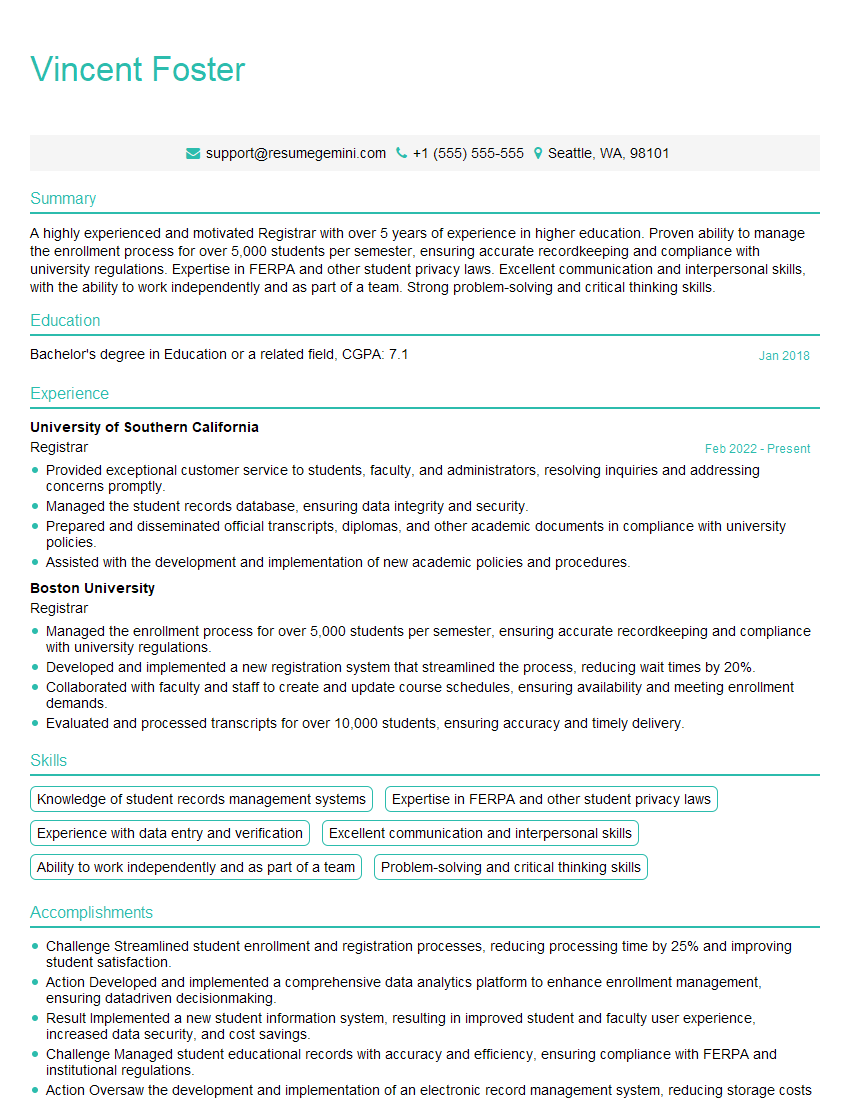
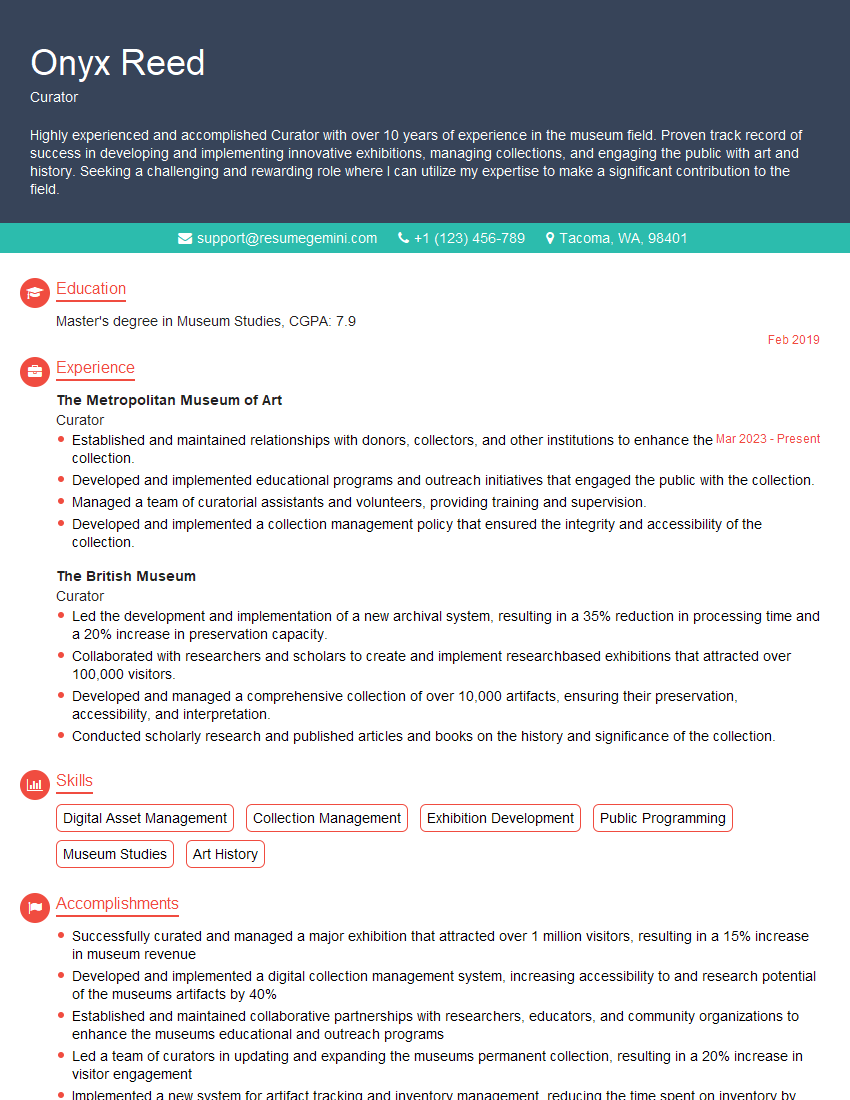
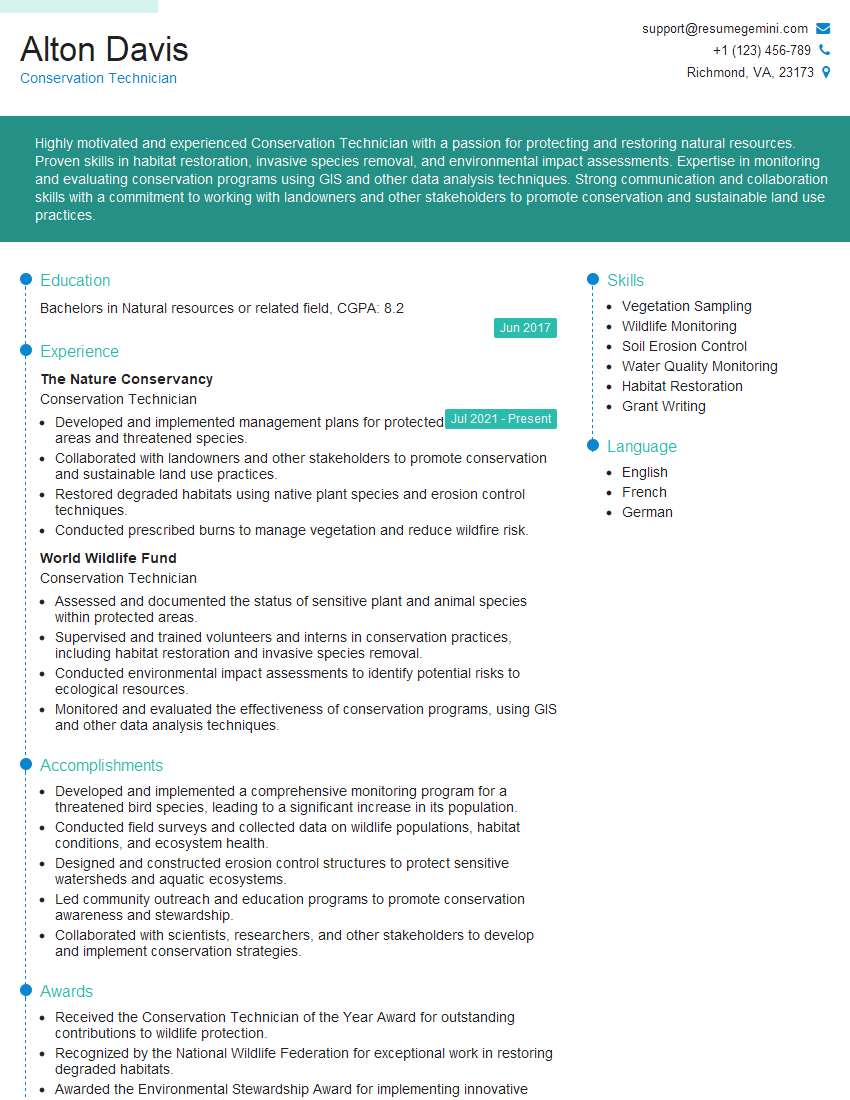
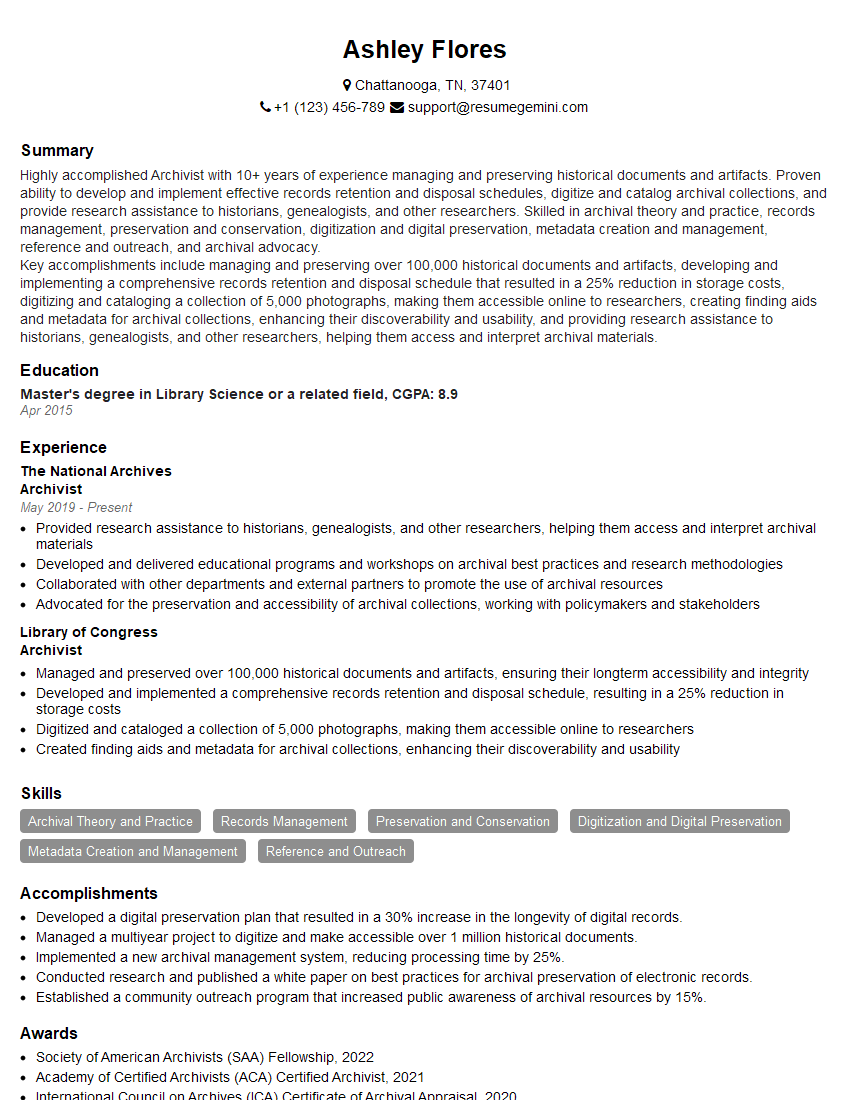
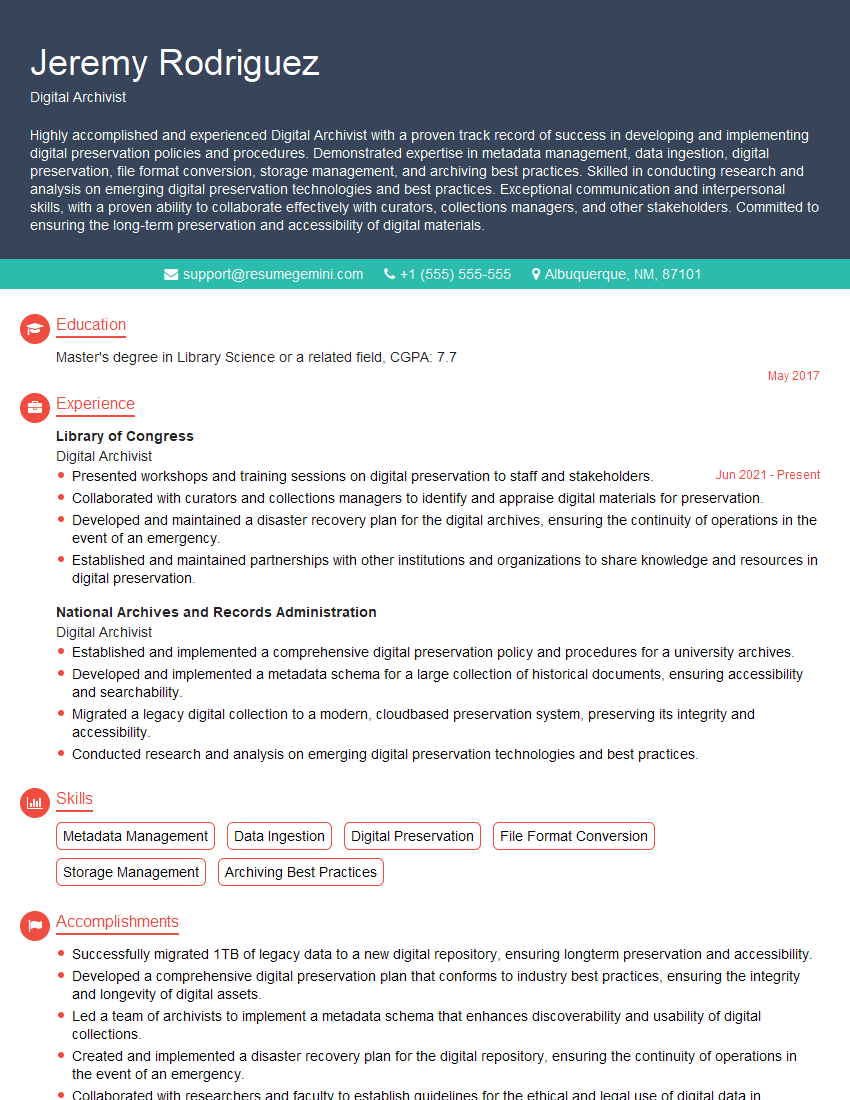
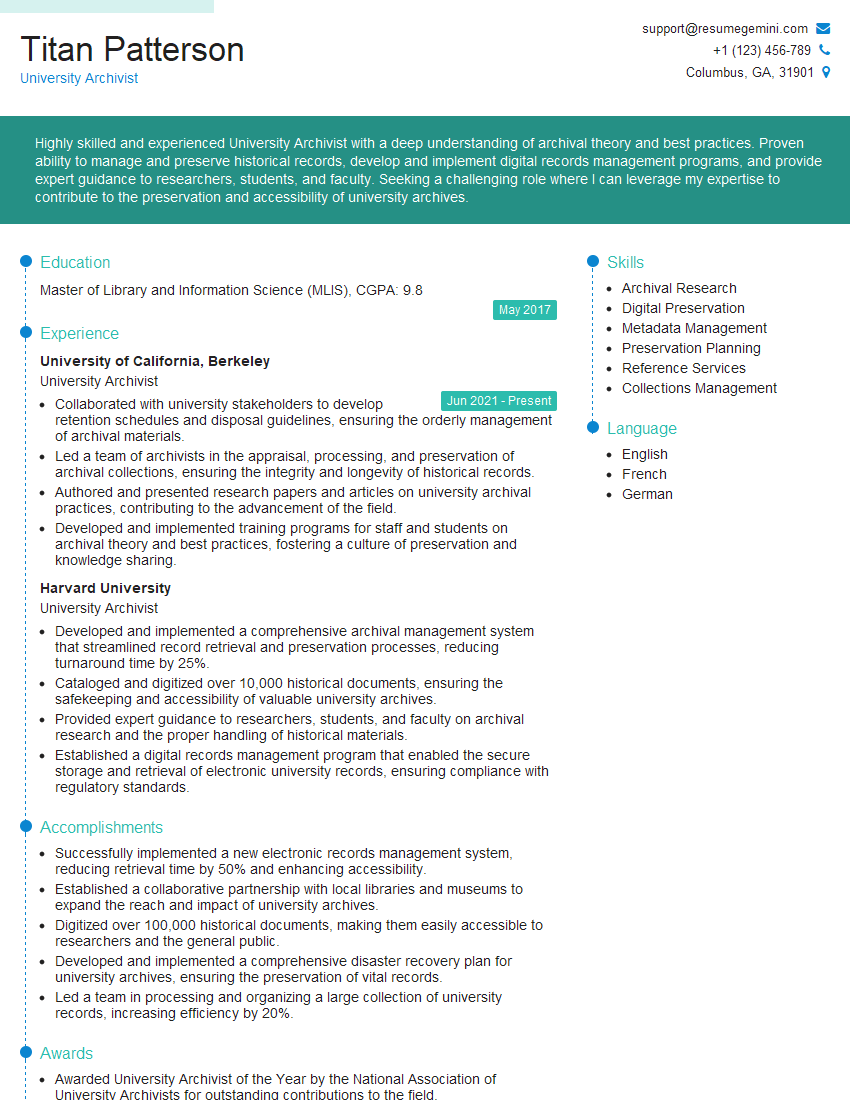
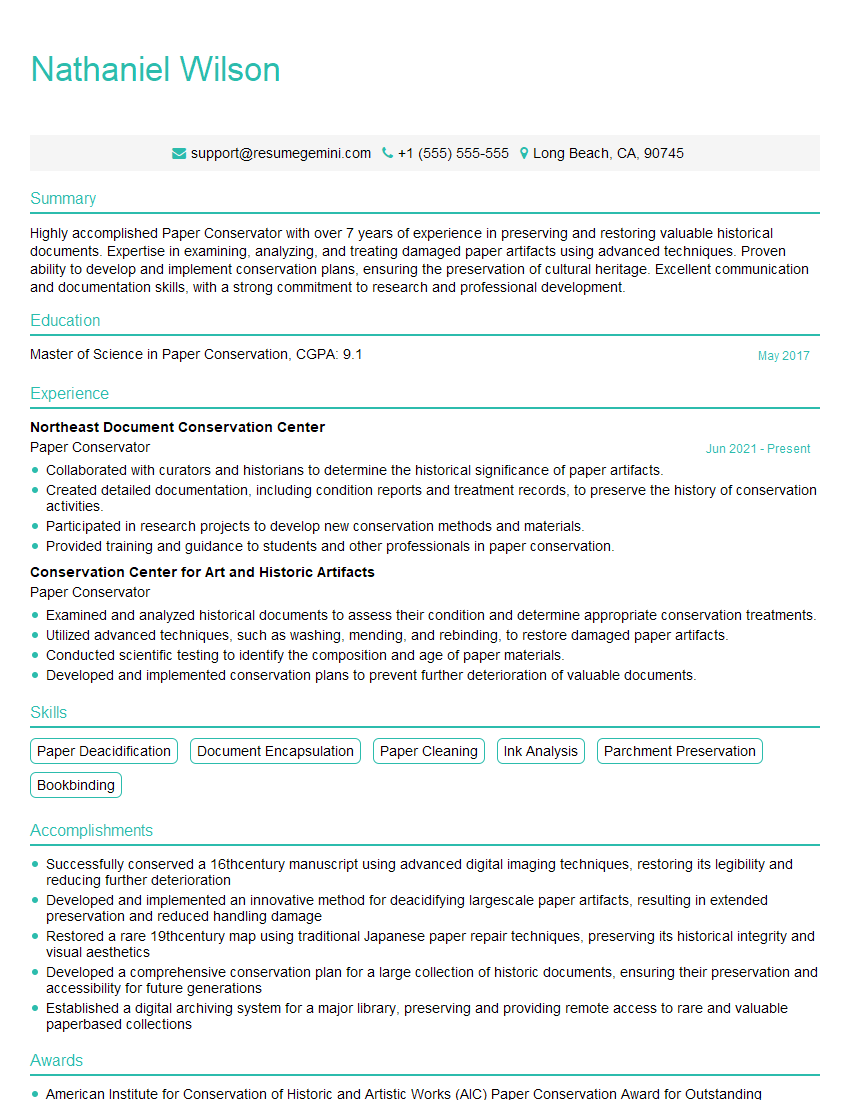
Mastering Manuscript Conservation opens doors to a rewarding career preserving our cultural heritage. To maximize your job prospects, creating a compelling and ATS-friendly resume is crucial. ResumeGemini is a trusted resource to help you build a professional and effective resume that highlights your skills and experience. We provide examples of resumes tailored to Manuscript Conservation to guide you in showcasing your qualifications effectively. Invest time in crafting a strong resume – it’s your first impression on potential employers.

Explore more articles
Users Rating of Our Blogs
Share Your Experience
We value your feedback! Please rate our content and share your thoughts (optional).
What Readers Say About Our Blog
Really detailed insights and content, thank you for writing this detailed article.
IT gave me an insight and words to use and be able to think of examples