Every successful interview starts with knowing what to expect. In this blog, we’ll take you through the top Marketing and Distribution interview questions, breaking them down with expert tips to help you deliver impactful answers. Step into your next interview fully prepared and ready to succeed.
Questions Asked in Marketing and Distribution Interview
Q 1. Explain your experience with various marketing channels (e.g., digital, print, social media).
My experience spans a wide range of marketing channels, each with its unique strengths and challenges. I’ve successfully leveraged digital marketing, including SEO, SEM (search engine marketing), email marketing, and programmatic advertising, to reach targeted audiences and drive conversions. For instance, I orchestrated an SEO campaign that boosted organic traffic by 40% in six months for a client in the sustainable fashion industry. In print marketing, I’ve managed campaigns utilizing brochures, magazine ads, and direct mail, focusing on high-quality design and strategic placement to maximize ROI. I’ve also extensively utilized social media marketing, creating engaging content tailored to specific platforms like Instagram, Facebook, LinkedIn, and TikTok to build brand awareness and foster customer relationships. A successful TikTok campaign I led resulted in a 25% increase in brand mentions and a significant spike in website traffic. I believe a multi-channel approach is crucial, combining the strengths of each channel for maximum impact and carefully measuring performance across all platforms.
Q 2. Describe your approach to developing a go-to-market strategy for a new product.
Developing a go-to-market strategy requires a systematic approach. I begin with thorough market research to identify the target audience, their needs, and competitive landscape. This includes analyzing demographics, psychographics, buying behaviors, and competitor offerings. Next, I define a clear value proposition, highlighting what makes the new product unique and desirable. This is followed by identifying the optimal distribution channels – whether direct-to-consumer, through retailers, or a hybrid model. The marketing mix (product, price, place, promotion) is carefully crafted, considering the product’s unique selling points and the target audience’s preferences. This involves selecting appropriate marketing channels and developing compelling messaging. Crucially, I establish key performance indicators (KPIs) to track progress and make data-driven adjustments along the way. For example, in launching a new line of organic skincare products, I would focus on influencer marketing on Instagram and targeted Facebook ads, alongside a strategic partnership with eco-conscious retailers to reach the target demographic. Regular monitoring and analysis of the results would then guide optimization of the strategy.
Q 3. How do you measure the success of a marketing campaign?
Measuring marketing campaign success relies on a blend of quantitative and qualitative data. Quantitative metrics include website traffic, conversion rates, sales leads, customer acquisition cost (CAC), and return on investment (ROI). For example, a successful email campaign might show a high open rate, click-through rate, and conversion rate, resulting in a low CAC and a positive ROI. Qualitative data, such as customer feedback through surveys, social media sentiment analysis, and brand awareness studies, provide insights into campaign effectiveness beyond just numbers. A campaign might achieve high sales but receive negative customer feedback, prompting a review of the product or messaging. I always use a data-driven approach, regularly reviewing KPIs, and using A/B testing to optimize campaigns for maximum impact. A comprehensive analysis incorporating both quantitative and qualitative data provides a holistic view of campaign success and informs future strategies.
Q 4. What metrics are most important to you when evaluating distribution effectiveness?
When evaluating distribution effectiveness, I prioritize metrics that directly reflect efficiency and profitability. These include:
- Inventory Turnover Rate: How quickly inventory is sold and replenished, indicating efficient stock management.
- Order Fulfillment Rate: Percentage of orders successfully fulfilled on time, measuring operational efficiency.
- Distribution Costs: Overall cost of getting products to market, including warehousing, transportation, and handling.
- Channel Profitability: Analyzing the profitability of each distribution channel to identify high-performing and underperforming areas.
- Customer Satisfaction: Measuring customer satisfaction with the delivery process, including speed, accuracy, and ease.
Q 5. How would you handle a supply chain disruption?
Handling a supply chain disruption requires a proactive and multi-faceted approach. My first step involves identifying the root cause of the disruption and assessing its potential impact on the business. Then, I would implement contingency plans, including exploring alternative suppliers, adjusting production schedules, and communicating transparently with customers. Diversification of suppliers is key to mitigating risks. For example, instead of relying on a single supplier, having multiple suppliers in different regions reduces vulnerability. I would also leverage technology, such as real-time tracking and predictive analytics, to monitor inventory levels and identify potential bottlenecks. Furthermore, I’d build strong relationships with key suppliers and logistics partners to foster better communication and collaboration during challenging times. Finally, I’d continuously assess the situation and adapt my response as needed, ensuring business continuity and minimizing negative impact on customers.
Q 6. Describe your experience with inventory management.
My experience with inventory management encompasses various techniques, from basic methods like FIFO (First-In, First-Out) and LIFO (Last-In, First-Out) to more sophisticated systems using inventory management software. I’m proficient in forecasting demand, managing stock levels, and minimizing waste through accurate demand planning. I understand the importance of balancing inventory levels to meet customer demand while avoiding excessive storage costs. My approach involves analyzing historical sales data, market trends, and seasonality to predict future demand. Implementing a robust inventory management system, such as an ERP (Enterprise Resource Planning) system, provides real-time visibility into inventory levels, allowing for efficient stock management and reducing the risk of stockouts or overstocking. I also incorporate safety stock levels to account for unexpected fluctuations in demand. Regular inventory audits and cycle counts ensure accuracy and help identify any discrepancies. For example, in a retail setting, I might utilize forecasting models to predict seasonal demand for specific products, ensuring adequate stock levels during peak seasons while minimizing excess inventory during slower periods.
Q 7. Explain your understanding of different distribution models (e.g., direct, indirect).
Distribution models significantly influence market reach, cost, and control. A direct distribution model involves selling products directly to consumers, typically through online channels, company-owned stores, or direct sales representatives. This offers greater control over the brand image and customer experience but requires significant investment in infrastructure and marketing. An example is a company selling products directly through its website. An indirect distribution model uses intermediaries, such as wholesalers, distributors, and retailers, to reach consumers. This expands market reach and reduces the burden on the company but reduces control over pricing and brand messaging. An example is a manufacturer selling products through a network of retailers. The choice depends on factors like product type, target market, resources, and competitive landscape. A hybrid model, combining direct and indirect distribution, can provide the benefits of both approaches. For example, a company might sell directly to consumers online while also partnering with select retailers to expand its market reach.
Q 8. How do you build and maintain relationships with distributors?
Building and maintaining strong distributor relationships is crucial for successful product distribution. It’s not just about transactions; it’s about fostering a collaborative partnership. I approach this through a multi-faceted strategy:
- Regular Communication: I prioritize consistent and open communication – regular calls, email updates, and even in-person meetings to discuss performance, market feedback, and upcoming plans. For example, I’d schedule quarterly business reviews with key distributors to analyze sales data and identify opportunities for improvement.
- Mutual Benefit: I focus on creating win-win scenarios. This involves understanding their business needs and challenges and aligning our strategies to achieve shared goals. This could involve offering co-op marketing funds, exclusive deals, or customized support programs.
- Performance Incentives: Implementing a fair and transparent incentive program motivates distributors to actively promote our products. This could include volume-based discounts, performance bonuses, or even early access to new product launches.
- Proactive Problem-Solving: I address any issues or concerns promptly and collaboratively. Open communication and a willingness to find mutually beneficial solutions are essential. For example, if a distributor is facing stock issues, I’d proactively work with them to adjust inventory levels and potentially offer expedited shipping.
- Relationship Building: Beyond the business aspects, building rapport and trust is key. This involves understanding their business culture and building personal connections. Attending industry events and participating in social gatherings can significantly contribute to stronger relationships.
By consistently applying these strategies, I’ve successfully cultivated long-term, mutually beneficial relationships with distributors, resulting in increased market penetration and brand loyalty.
Q 9. How do you analyze market trends and adapt marketing strategies accordingly?
Analyzing market trends and adapting marketing strategies is an ongoing process. I use a combination of quantitative and qualitative data to stay ahead of the curve.
- Market Research: I regularly conduct market research using a variety of sources, including industry reports, competitor analysis, consumer surveys, and social media listening. This provides insights into emerging trends, consumer preferences, and competitive landscapes.
- Data Analytics: I leverage data analytics tools to monitor key performance indicators (KPIs) like website traffic, conversion rates, and sales data. This helps identify areas of success and areas needing improvement.
- Competitive Analysis: Keeping a close eye on competitors’ strategies, product launches, and marketing campaigns helps us to understand the market dynamics and adapt our strategies accordingly. For instance, if a competitor launches a new product with a disruptive marketing campaign, we’d analyze its impact and potentially adjust our own approach.
- Agile Marketing: I advocate for an agile marketing approach, allowing us to quickly adapt to changing market conditions. This involves shorter marketing cycles, continuous testing, and a willingness to pivot based on real-time data and feedback.
- Scenario Planning: Developing multiple scenarios based on different market trends allows us to prepare for various possibilities and develop contingency plans.
For example, if market research reveals a growing demand for sustainable products, we would adjust our marketing messaging and product offerings to reflect this trend, potentially highlighting eco-friendly aspects of our products or developing new sustainable alternatives.
Q 10. What is your experience with using marketing automation tools?
I have extensive experience with various marketing automation tools, including HubSpot, Marketo, and Salesforce Marketing Cloud. My experience encompasses the entire lifecycle, from implementation and configuration to campaign management and reporting.
- Campaign Management: I’ve successfully managed complex email marketing campaigns, including lead nurturing sequences, automated triggered emails, and personalized content delivery. For instance, I designed a segmented email campaign in HubSpot that increased lead conversion rates by 20% by tailoring messaging to specific customer segments.
- Data Integration: I have integrated marketing automation tools with CRM systems to streamline data management and provide a holistic view of customer interactions. This allows for better targeting and personalized experiences.
- Lead Scoring and Qualification: I’ve implemented lead scoring models to prioritize high-potential leads, improving sales efficiency and return on investment. This involved assigning points based on various criteria like website behavior and engagement levels.
- Reporting and Analytics: I routinely track and analyze campaign performance, utilizing built-in reporting features and custom dashboards. This enables data-driven decision-making and optimization of marketing efforts.
My proficiency in marketing automation has enabled significant improvements in lead generation, conversion rates, and overall marketing efficiency.
Q 11. Describe your experience with budgeting and forecasting for marketing and distribution.
Budgeting and forecasting for marketing and distribution requires a meticulous approach. I utilize a combination of historical data, market analysis, and strategic planning to create accurate and effective budgets.
- Historical Data Analysis: I start by analyzing historical marketing and distribution data to identify trends and patterns in spending and ROI. This forms the baseline for future projections.
- Market Analysis: I incorporate market research and competitive analysis to forecast future market conditions and adjust budget allocations accordingly. For example, if we anticipate increased competition, we might allocate more resources to advertising and promotion.
- Strategic Planning: I align the marketing and distribution budget with overall business objectives. This ensures that resources are allocated strategically to support key initiatives and achieve desired outcomes.
- Scenario Planning: I develop multiple budget scenarios to account for potential variations in market conditions and business performance. This helps in preparing for unexpected events and making informed decisions.
- Regular Monitoring and Adjustment: I regularly monitor actual spending against the budget and make adjustments as needed. This may involve reallocating funds, optimizing campaigns, or adjusting forecasts based on new data.
For example, I’ve successfully managed a marketing budget of $500,000, forecasting ROI and allocating resources across various channels like digital marketing, print advertising, and events. Through careful planning and monitoring, I consistently stayed within budget while achieving the projected marketing goals.
Q 12. How do you handle conflicts between marketing and sales teams?
Conflicts between marketing and sales teams are common, often stemming from differing priorities and perspectives. I address these through proactive communication, clear goal alignment, and collaborative problem-solving.
- Establish Clear Goals: I ensure that both teams are aligned on shared goals and objectives. This minimizes misunderstandings and reduces the likelihood of conflict.
- Open Communication: I foster open communication channels between the two teams, encouraging regular meetings and discussions. This promotes transparency and allows for the early identification and resolution of issues.
- Joint Planning: I involve both teams in the planning process, ensuring that both marketing and sales strategies are integrated and mutually supportive. This involves sharing relevant data and insights, and co-creating marketing materials that resonate with the target audience and support the sales process.
- Role Clarity: I establish clear roles and responsibilities for both teams, ensuring that each team understands its contribution to the overall business objectives.
- Data-Driven Decision Making: I emphasize data-driven decision making, using performance metrics to objectively evaluate the success of marketing campaigns and sales activities. This helps in resolving conflicts based on facts rather than opinions.
For example, if the sales team feels that marketing materials are not generating enough qualified leads, we’d collaboratively review the lead generation process, analyzing the quality of leads and potentially optimizing marketing campaigns based on data insights.
Q 13. Explain your experience with creating marketing collateral (e.g., brochures, presentations).
I have extensive experience in creating marketing collateral, encompassing brochures, presentations, website content, and social media posts. My approach is always audience-centric, ensuring the message is clear, concise, and compelling.
- Understanding the Target Audience: Before creating any collateral, I thoroughly research and understand the target audience – their needs, pain points, and preferred communication style. This ensures the message resonates and effectively achieves the desired outcome.
- Clear Messaging: I focus on crafting clear, concise, and persuasive messaging that effectively communicates the value proposition of the product or service. This often involves using storytelling techniques to connect with the audience on an emotional level.
- Visual Appeal: I ensure that the collateral is visually appealing and professionally designed, using high-quality images and consistent branding. This enhances brand recognition and creates a positive impression.
- Call to Action: I always include a clear call to action, guiding the audience towards the desired response, such as visiting a website, making a purchase, or contacting sales.
- Data-Driven Optimization: After launching the collateral, I track its performance, using metrics such as website traffic, downloads, and leads generated. This informs future iterations and ensures continuous improvement.
For instance, I recently developed a product brochure that resulted in a 15% increase in sales leads within the first quarter, showcasing the impact of well-designed and targeted marketing collateral.
Q 14. How do you prioritize tasks in a fast-paced environment?
Prioritizing tasks in a fast-paced environment requires a structured and efficient approach. I utilize several strategies to effectively manage my workload.
- Prioritization Matrix: I use a prioritization matrix (such as an Eisenhower Matrix – Urgent/Important) to categorize tasks based on urgency and importance. This helps me focus on high-impact activities first.
- Time Blocking: I allocate specific time blocks for different tasks, ensuring dedicated time for focused work. This minimizes distractions and improves productivity.
- Task Delegation: Where possible, I delegate tasks to team members, leveraging their expertise and freeing up my time for higher-priority activities.
- Project Management Tools: I use project management tools like Asana or Trello to track tasks, deadlines, and progress. This provides a clear overview of my workload and facilitates effective time management.
- Regular Review and Adjustment: I regularly review my task list and adjust priorities based on changing circumstances and new information. This ensures that I remain adaptable and responsive to evolving needs.
For example, during a product launch, I might prioritize tasks related to the launch campaign over less urgent tasks such as updating the company website. By constantly reassessing and adapting my priorities, I consistently meet deadlines and deliver high-quality results even under pressure.
Q 15. What is your experience with data analysis and reporting in Marketing and Distribution?
Data analysis and reporting are crucial for optimizing marketing and distribution strategies. My experience involves leveraging various tools and techniques to extract actionable insights from diverse datasets. This includes web analytics (Google Analytics, Adobe Analytics), CRM data, sales figures, and marketing campaign performance metrics. I’m proficient in using SQL, R, and Python for data manipulation and analysis. For example, in a previous role, I analyzed website traffic data to identify underperforming landing pages, resulting in a redesign that increased conversion rates by 15%. I then presented these findings and recommendations through clear and concise reports, utilizing dashboards and visualizations to communicate complex data effectively to stakeholders.
My reporting process typically involves:
- Defining key performance indicators (KPIs): Identifying the metrics that truly matter for business success, like customer acquisition cost (CAC), return on investment (ROI), and customer lifetime value (CLTV).
- Data Collection & Cleaning: Gathering data from multiple sources and ensuring data accuracy and consistency.
- Analysis & Interpretation: Employing statistical methods to uncover trends, patterns, and correlations within the data.
- Reporting & Visualization: Presenting findings through clear, concise reports and dashboards using tools like Tableau or Power BI.
- Actionable Recommendations: Offering data-driven recommendations to improve marketing and distribution strategies.
Career Expert Tips:
- Ace those interviews! Prepare effectively by reviewing the Top 50 Most Common Interview Questions on ResumeGemini.
- Navigate your job search with confidence! Explore a wide range of Career Tips on ResumeGemini. Learn about common challenges and recommendations to overcome them.
- Craft the perfect resume! Master the Art of Resume Writing with ResumeGemini’s guide. Showcase your unique qualifications and achievements effectively.
- Don’t miss out on holiday savings! Build your dream resume with ResumeGemini’s ATS optimized templates.
Q 16. Describe a time you had to make a difficult decision related to marketing or distribution.
One challenging decision involved choosing between two distribution channels for a new product launch. We had the option of using a traditional wholesale model with established distributors or opting for a direct-to-consumer (DTC) approach using an e-commerce platform. The wholesale model offered immediate market reach but involved lower profit margins and less control over branding. The DTC model offered higher margins and greater control, but required significant upfront investment in marketing and logistics, and carried higher risk. After careful analysis of market research, financial projections, and competitive landscape, we opted for a hybrid approach. We partnered with a select group of wholesale distributors for broader market penetration while simultaneously launching our DTC platform to cultivate brand loyalty and gather valuable customer data directly. This strategy allowed us to mitigate risks associated with both models while maximizing long-term growth potential.
Q 17. How do you ensure brand consistency across all marketing channels?
Maintaining brand consistency across all marketing channels is paramount for building a strong brand identity and fostering customer trust. My approach involves creating a comprehensive brand style guide that encompasses all aspects of brand presentation, from logo usage and color palettes to tone of voice and messaging. This guide serves as a centralized resource for all marketing teams, ensuring everyone adheres to the same standards. Additionally, I utilize various tools and techniques to streamline the process.
- Centralized Content Management System (CMS): Using a platform like WordPress or Drupal allows for controlled updates and consistency across websites and digital properties.
- Brand Template Libraries: Creating pre-designed templates for social media posts, email newsletters, and marketing materials ensures visual consistency.
- Regular Audits & Feedback Loops: Conducting regular brand audits to identify inconsistencies and gathering feedback from teams to improve the style guide and processes.
- Collaboration & Training: Providing training to marketing teams on brand guidelines and fostering a collaborative environment to address any questions or inconsistencies.
Q 18. What are your strategies for managing customer relationships?
Managing customer relationships (CRM) is about building lasting connections and fostering loyalty. I employ a multi-faceted approach encompassing various strategies.
- CRM Software: Utilizing platforms like Salesforce or HubSpot to effectively manage customer interactions, track preferences, and personalize communications.
- Customer Segmentation: Dividing customers into distinct groups based on demographics, behavior, and purchasing patterns to tailor marketing messages and offers.
- Personalized Communication: Implementing personalized email marketing campaigns, targeted advertising, and customized website experiences to enhance customer engagement.
- Customer Feedback Mechanisms: Establishing feedback loops through surveys, reviews, and social media monitoring to understand customer needs and improve offerings.
- Loyalty Programs: Implementing reward programs to incentivize repeat purchases and build customer loyalty.
- Proactive Customer Service: Providing prompt and effective customer service to address concerns and build positive relationships.
For example, through implementing a personalized email campaign based on customer purchase history, we increased repeat purchases by 20% in a previous role.
Q 19. Describe your familiarity with different pricing strategies.
Pricing strategies are crucial for achieving profitability and market competitiveness. I’m familiar with a range of approaches, each suited to different market conditions and business objectives.
- Cost-Plus Pricing: Adding a markup to the cost of production to determine the selling price. Simple to calculate, but can be inflexible and may not reflect market demand.
- Value-Based Pricing: Setting prices based on the perceived value of the product or service to the customer. Requires a thorough understanding of customer needs and willingness to pay.
- Competitive Pricing: Setting prices based on competitor pricing. Simple to understand but may lead to price wars and reduce profitability.
- Premium Pricing: Charging a higher price than competitors to position a product as high-quality or exclusive.
- Penetration Pricing: Setting a low price initially to gain market share and then gradually increasing it. Effective for entering new markets but requires careful planning.
- Price Skimming: Setting a high initial price and then gradually reducing it over time. Works well with innovative products with early adopters.
The choice of strategy depends on many factors, including product differentiation, target market, competitive landscape, and production costs. A combination of strategies is often employed for optimal results.
Q 20. How do you identify and target your ideal customer profile?
Identifying and targeting the ideal customer profile (ICP) is foundational to effective marketing. My approach involves a combination of qualitative and quantitative research methods.
- Market Research: Analyzing industry reports, competitor analysis, and market trends to understand the overall market landscape.
- Customer Surveys & Interviews: Gathering direct feedback from existing customers to understand their needs, preferences, and pain points.
- Data Analysis: Analyzing customer data (demographics, purchase history, website behavior) to identify patterns and commonalities among high-value customers.
- Creating Buyer Personas: Developing detailed profiles of ideal customers, including their demographics, psychographics, needs, pain points, and buying behaviors. This allows for more targeted marketing campaigns.
- Testing & Iteration: Continuously refining the ICP through A/B testing and analyzing campaign performance to optimize targeting.
For example, by creating detailed buyer personas based on customer segmentation analysis, we were able to improve the effectiveness of our advertising campaigns, resulting in a 12% increase in qualified leads.
Q 21. Explain your understanding of SEO and SEM.
Search Engine Optimization (SEO) and Search Engine Marketing (SEM) are complementary strategies for increasing online visibility and driving traffic to a website.
SEO (Search Engine Optimization) focuses on optimizing website content and structure to improve organic (unpaid) search engine rankings. This involves techniques such as keyword research, on-page optimization (title tags, meta descriptions, header tags), off-page optimization (link building), and technical SEO (website speed, mobile-friendliness).
SEM (Search Engine Marketing) involves paid advertising on search engines, primarily through platforms like Google Ads. This allows for targeted advertising to specific keywords and demographics. SEM campaigns require careful keyword selection, ad copywriting, bid management, and performance tracking.
I understand the nuances of both strategies and can effectively leverage them to enhance a company’s online presence. For example, in a past role I implemented a comprehensive SEO strategy that improved organic search rankings for key terms by 30% within six months, leading to a significant increase in organic website traffic.
Q 22. How would you improve the efficiency of our current distribution network?
Improving distribution network efficiency requires a holistic approach, focusing on streamlining processes, optimizing logistics, and leveraging technology. I would begin by conducting a thorough audit of the current network, identifying bottlenecks and inefficiencies. This involves analyzing factors like warehouse capacity, transportation methods, inventory management, order fulfillment times, and delivery routes.
- Process Optimization: This could involve implementing lean manufacturing principles to eliminate waste in the distribution process. For example, analyzing warehouse layouts to reduce travel time for picking orders or employing cross-docking techniques to expedite the movement of goods.
- Technology Integration: Implementing a robust Warehouse Management System (WMS) and Transportation Management System (TMS) is crucial. These systems provide real-time visibility into inventory levels, track shipments, optimize routes, and automate various processes, reducing manual errors and improving overall efficiency. Consider using route optimization software to determine the most efficient delivery routes based on real-time traffic data.
- Strategic Partnerships: Exploring partnerships with third-party logistics providers (3PLs) can provide access to specialized expertise and infrastructure, particularly for companies lacking the resources to manage complex distribution networks independently. For example, a 3PL specializing in last-mile delivery could significantly improve delivery times and customer satisfaction.
- Inventory Management: Implementing just-in-time (JIT) inventory management techniques can help reduce warehousing costs and minimize storage space. This minimizes carrying costs while ensuring sufficient inventory to meet customer demand. Forecasting tools combined with robust data analysis are essential for successful JIT implementation.
By systematically addressing these areas, a company can significantly reduce costs, improve delivery times, enhance customer satisfaction, and increase overall distribution network efficiency. For instance, in a previous role, I implemented a WMS that reduced our order fulfillment time by 25% and lowered warehousing costs by 15%.
Q 23. What is your experience with international marketing and distribution?
My experience with international marketing and distribution spans over eight years, encompassing various markets including Europe, Asia, and South America. I have a deep understanding of the complexities involved in navigating different cultural nuances, regulatory environments, and logistical challenges inherent in global operations.
- Market Research and Adaptation: Successfully entering international markets requires thorough market research to understand local consumer preferences, buying behaviors, and competitive landscapes. This involves adapting marketing messages, product offerings, and distribution strategies to resonate with target audiences in each specific region. For example, a successful campaign in one country might need significant modifications to be effective in another.
- Logistics and Supply Chain Management: International distribution requires robust supply chain management to handle international shipping, customs clearance, and local distribution networks. I have experience managing global supply chains, optimizing logistics, and mitigating risks associated with international trade. This often involves working with international freight forwarders, customs brokers, and local distributors.
- Regulatory Compliance: Navigating international trade regulations is critical. I have experience ensuring compliance with various international trade laws, labeling requirements, and import/export regulations. This includes managing documentation, ensuring proper labeling, and understanding tariff structures.
- Cultural Sensitivity: Marketing and distribution strategies must be culturally sensitive to avoid alienating potential customers. This requires understanding local cultural norms, languages, and communication styles. In one instance, we adapted our marketing materials to reflect the local cultural preferences, resulting in a significant increase in sales.
I am adept at building and managing international teams, collaborating with local partners, and leveraging global resources to achieve efficient and successful international expansion.
Q 24. How do you measure customer lifetime value?
Customer Lifetime Value (CLTV) is a prediction of the net profit attributed to the entire future relationship with a customer. It’s a crucial metric for understanding the long-term profitability of customer relationships and making informed marketing and business decisions. We calculate CLTV by considering several factors:
- Average Purchase Value (APV): The average amount a customer spends per transaction.
- Average Purchase Frequency (APF): How often a customer makes a purchase.
- Customer Lifespan (CL): The average length of time a customer remains a customer.
- Gross Margin (GM): The percentage of revenue remaining after deducting the cost of goods sold.
A common formula for calculating CLTV is:
CLTV = APV * APF * CL * GMFor example, if a customer’s average purchase value is $50, they purchase 4 times a year, their relationship lasts 5 years, and the gross margin is 50%, then the CLTV would be: $50 * 4 * 5 * 0.50 = $500. This means this customer is predicted to generate $500 in profit over their lifetime. More sophisticated models also incorporate customer churn rate and discount factors to reflect the time value of money for a more accurate calculation.
Understanding CLTV allows businesses to prioritize high-value customers, tailor marketing efforts, and optimize customer retention strategies.
Q 25. How would you optimize our marketing spend for maximum ROI?
Optimizing marketing spend for maximum ROI requires a data-driven approach, focusing on understanding which channels and campaigns deliver the best results. It’s not just about spending more; it’s about spending smarter.
- Marketing Attribution Modeling: Implementing a robust marketing attribution model is critical to understand the contribution of each marketing channel to customer acquisition and conversions. Different models (e.g., last-click, multi-touch) offer different perspectives. Selecting the most appropriate model depends on your specific business goals and data.
- Channel Optimization: Analyzing marketing data to identify the most effective channels (e.g., search engine marketing, social media, email marketing, content marketing) and allocating resources accordingly. Channels with high ROI should receive increased investment, while underperforming channels should be optimized or potentially eliminated.
- A/B Testing and Campaign Optimization: Continuously testing different marketing messages, creative assets, and calls to action to improve campaign performance. A/B testing allows data-driven decisions on optimizing ad copy, landing pages, email subject lines, etc.
- Customer Segmentation: Segmenting customers based on demographics, behavior, and other relevant factors allows for targeted marketing campaigns that resonate with specific customer groups. This increases campaign efficiency and ROI.
- Marketing Automation: Implementing marketing automation tools streamlines marketing processes, improves efficiency, and allows for personalized customer experiences. This leads to increased engagement and conversion rates.
By systematically analyzing data, optimizing channels, and refining campaigns based on results, businesses can maximize their marketing ROI. In a previous role, I led a marketing optimization initiative that resulted in a 20% increase in ROI by reallocating budget from underperforming channels to high-performing ones.
Q 26. Describe your experience with A/B testing and other marketing optimization techniques.
A/B testing is a cornerstone of marketing optimization. It involves creating two versions of a marketing element (e.g., an email subject line, a website button, an ad creative) and randomly showing each version to different segments of your audience to determine which performs better. I have extensive experience designing, implementing, and analyzing A/B tests across various marketing channels.
- Hypothesis Development: A successful A/B test begins with a clear hypothesis about what will improve performance. For instance, “A shorter email subject line will improve open rates.”
- Test Design and Implementation: I use tools like Google Optimize or similar platforms to create and run A/B tests. It’s crucial to control for other variables and ensure a statistically significant sample size to avoid false positives.
- Data Analysis and Interpretation: After the test runs, I analyze the results to determine which variation performed better. Statistical significance is crucial to ensure that the observed differences aren’t due to random chance.
- Iteration and Refinement: Based on the results, I refine the marketing element and run further tests until optimal performance is achieved. This iterative approach continually improves marketing effectiveness.
Beyond A/B testing, I also utilize other optimization techniques such as multivariate testing (testing multiple variables simultaneously), personalization (tailoring content to individual users), and predictive analytics (using data to predict future behavior and optimize campaigns proactively). For instance, in a recent project, we used multivariate testing to optimize a landing page, leading to a 15% increase in conversion rates.
Q 27. How do you stay updated on industry trends and best practices in Marketing and Distribution?
Staying updated on industry trends and best practices is paramount in the dynamic fields of marketing and distribution. I employ a multi-faceted approach to continuous learning:
- Industry Publications and Research: I regularly read leading marketing and logistics publications, such as Harvard Business Review, Journal of Marketing, and industry-specific journals. I also actively follow research reports from reputable firms like Gartner and Forrester.
- Conferences and Workshops: I attend industry conferences and workshops to network with peers, learn from experts, and stay informed about the latest advancements. This provides invaluable opportunities for knowledge sharing and networking.
- Online Courses and Webinars: I utilize online learning platforms like Coursera and LinkedIn Learning to expand my expertise in specific areas like digital marketing, supply chain optimization, and data analytics.
- Professional Networks: I am actively involved in professional organizations like the American Marketing Association and participate in online communities and forums to stay abreast of the latest trends and best practices.
- Data and Analytics: I use data analytics tools to track industry performance benchmarks and identify emerging trends. Understanding key performance indicators (KPIs) across the industry helps inform strategic decisions.
This continuous learning ensures that my knowledge and skills remain current and relevant, allowing me to provide the most effective strategies and solutions for my clients and employers.
Key Topics to Learn for Your Marketing and Distribution Interview
- Marketing Strategy & Planning: Understanding market research, target audience identification, and developing effective marketing plans. Consider how to measure ROI for different campaigns.
- Distribution Channels & Logistics: Explore the various distribution channels (e.g., online, retail, wholesale) and their effectiveness. Analyze case studies on optimizing logistics for efficient and cost-effective delivery.
- Branding & Messaging: Develop a strong understanding of brand positioning, value proposition, and consistent messaging across all channels. Think about how to adapt messaging for different target segments.
- Sales & Revenue Generation: Learn the strategies used to drive sales, including pricing strategies, promotional activities, and sales forecasting. Prepare examples of how you’ve contributed to revenue growth.
- Digital Marketing & Analytics: Understand the role of SEO, SEM, social media marketing, and email marketing in distribution. Be prepared to discuss relevant metrics and analytics tools.
- Supply Chain Management: Explore the complexities of managing the flow of goods from origin to consumer. Consider the impact of inventory management, forecasting, and risk mitigation.
- Market Analysis & Competitive Landscape: Develop your ability to analyze market trends, identify competitors, and assess their strengths and weaknesses. Be prepared to discuss your approaches to market research and competitive analysis.
- Problem-Solving & Decision-Making: Prepare to discuss situations where you had to make crucial decisions related to marketing or distribution, emphasizing your problem-solving process and outcomes.
Next Steps
Mastering Marketing and Distribution opens doors to exciting career opportunities and higher earning potential. A strong understanding of these areas demonstrates valuable skills to employers. To significantly increase your chances of landing your dream role, focus on creating an ATS-friendly resume that showcases your achievements and qualifications effectively. ResumeGemini is a trusted resource to help you build a professional and impactful resume that stands out. We provide examples of resumes tailored specifically to Marketing and Distribution roles to help guide you. Take the next step towards your career success – build your best resume with ResumeGemini!
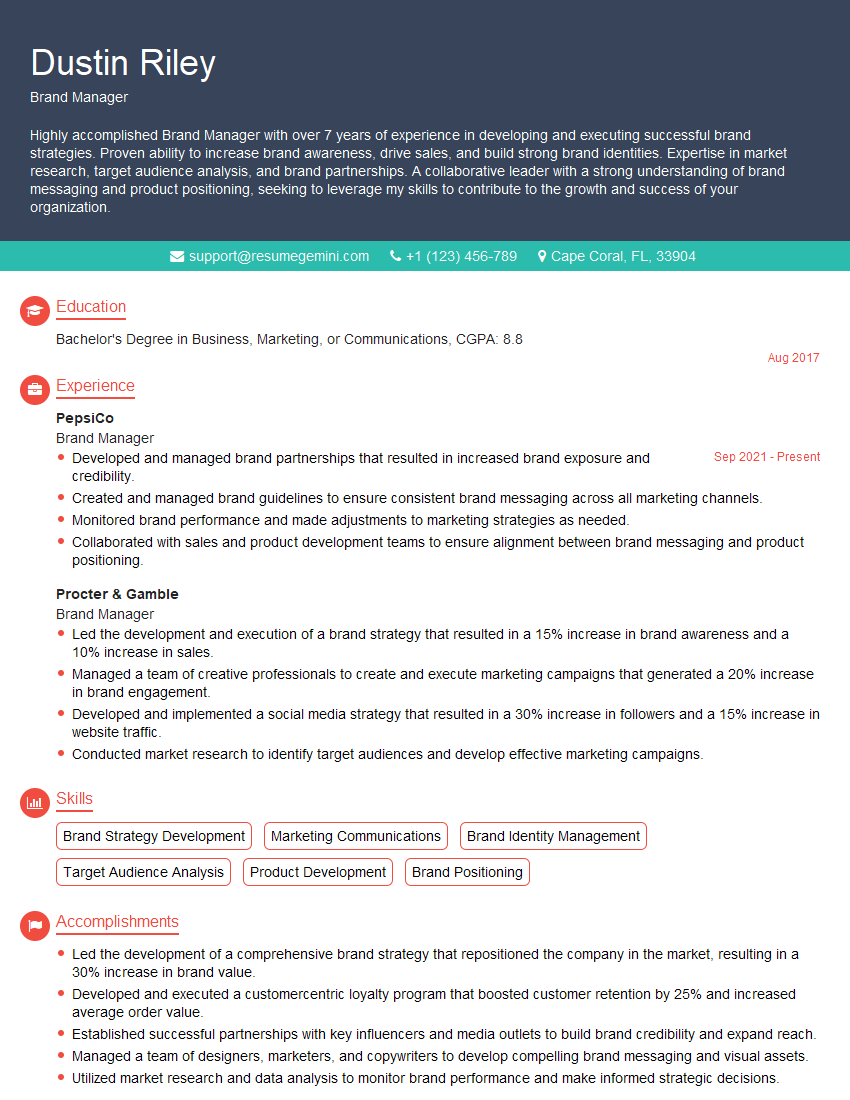
Brand Manager Resume Sample
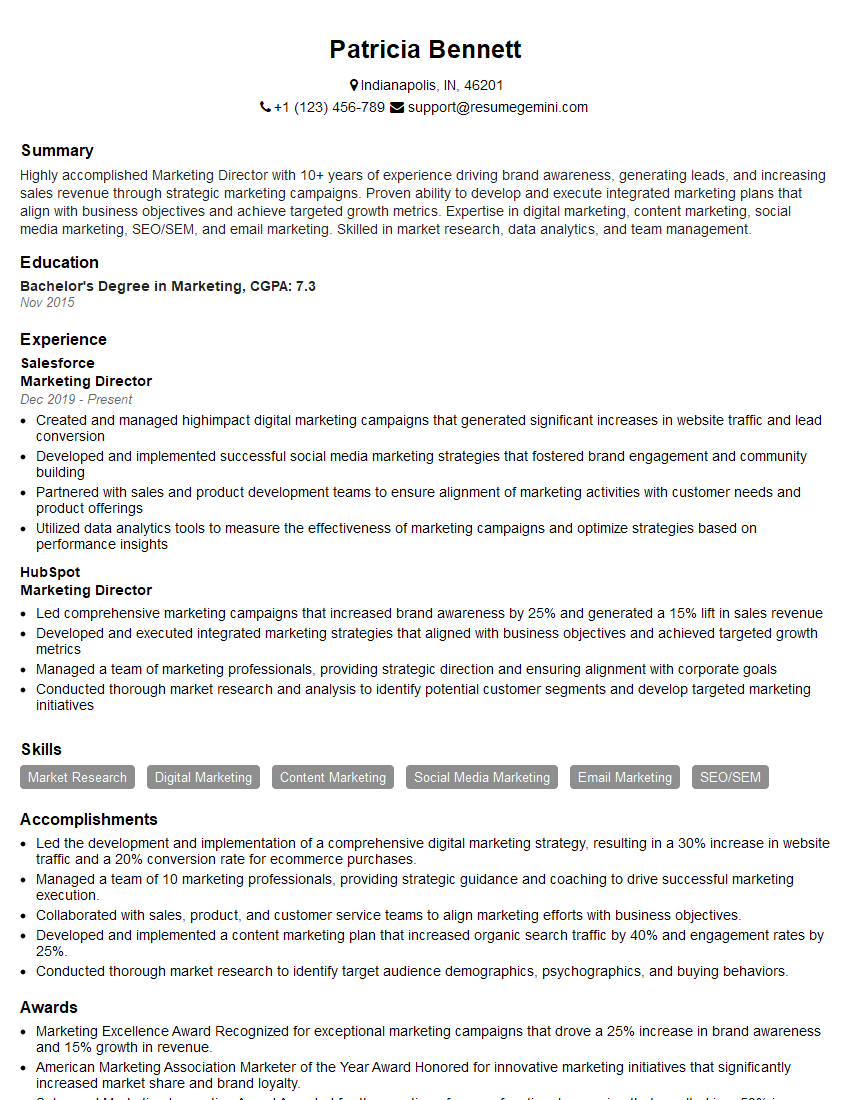
Marketing Director Resume Sample
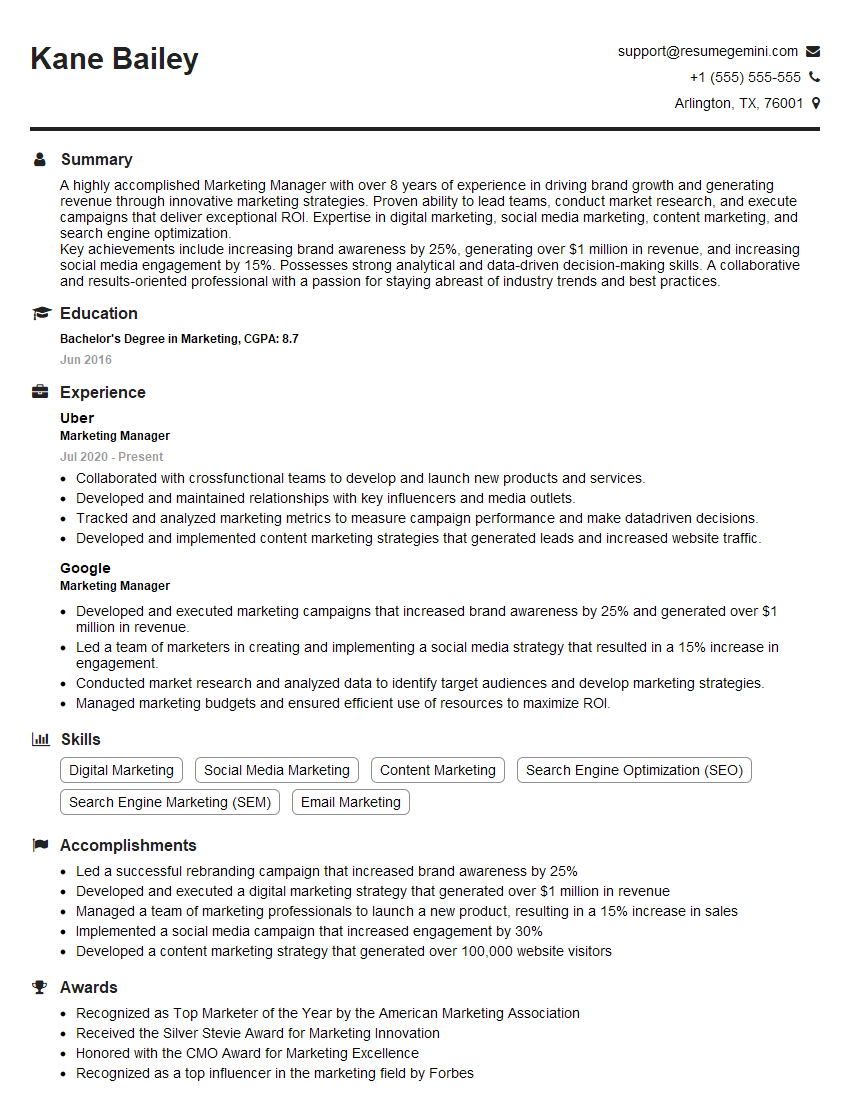
Marketing Manager Resume Sample
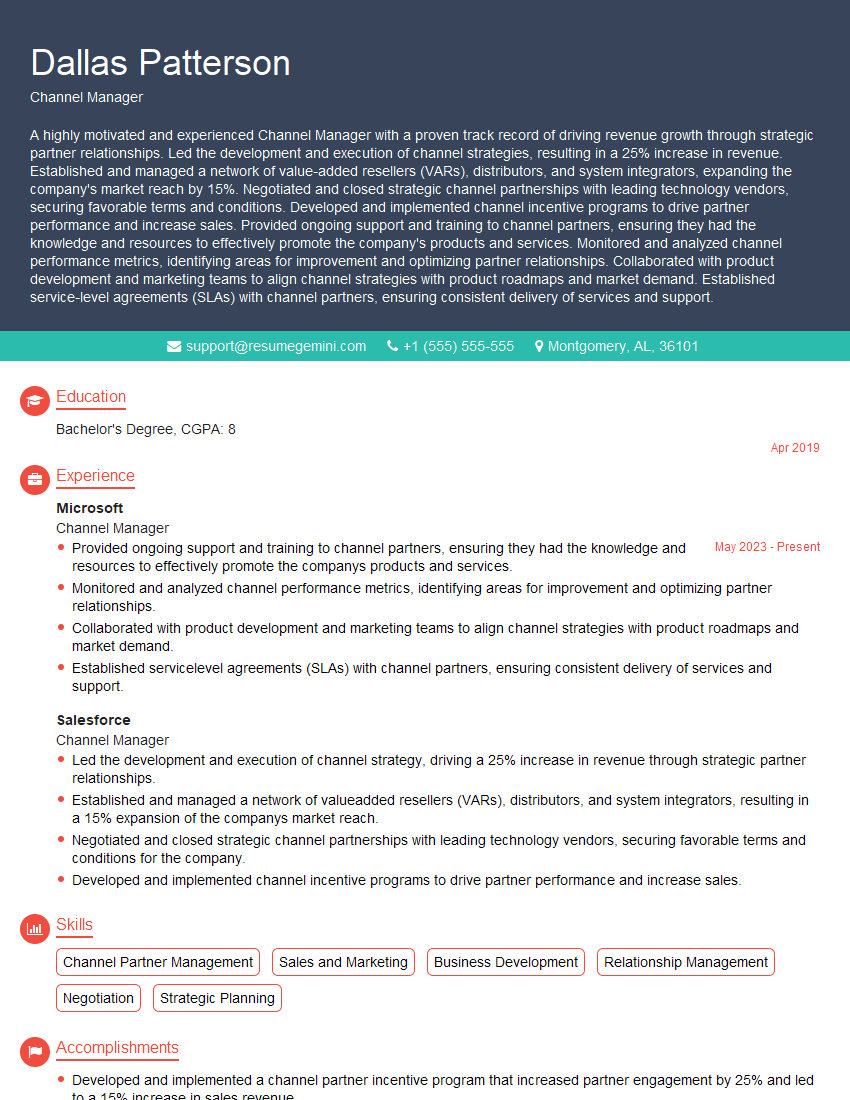
Channel Manager Resume Sample
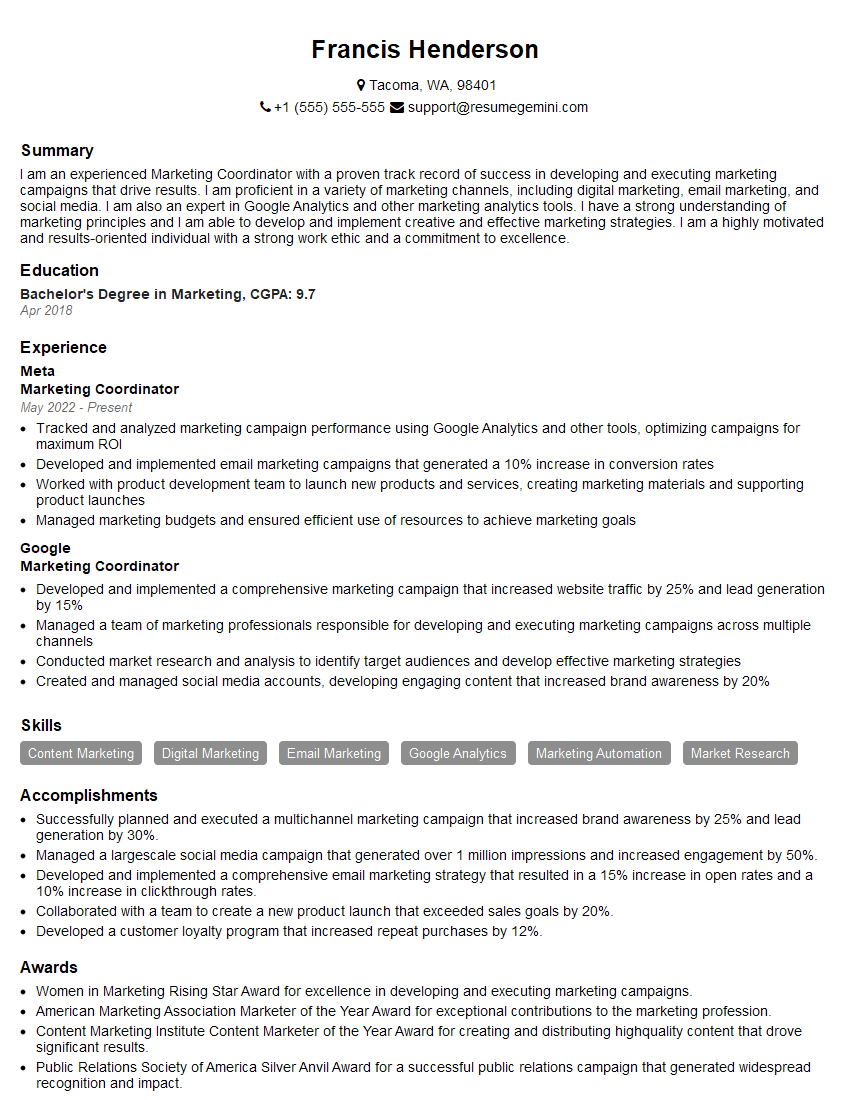
Marketing Coordinator Resume Sample
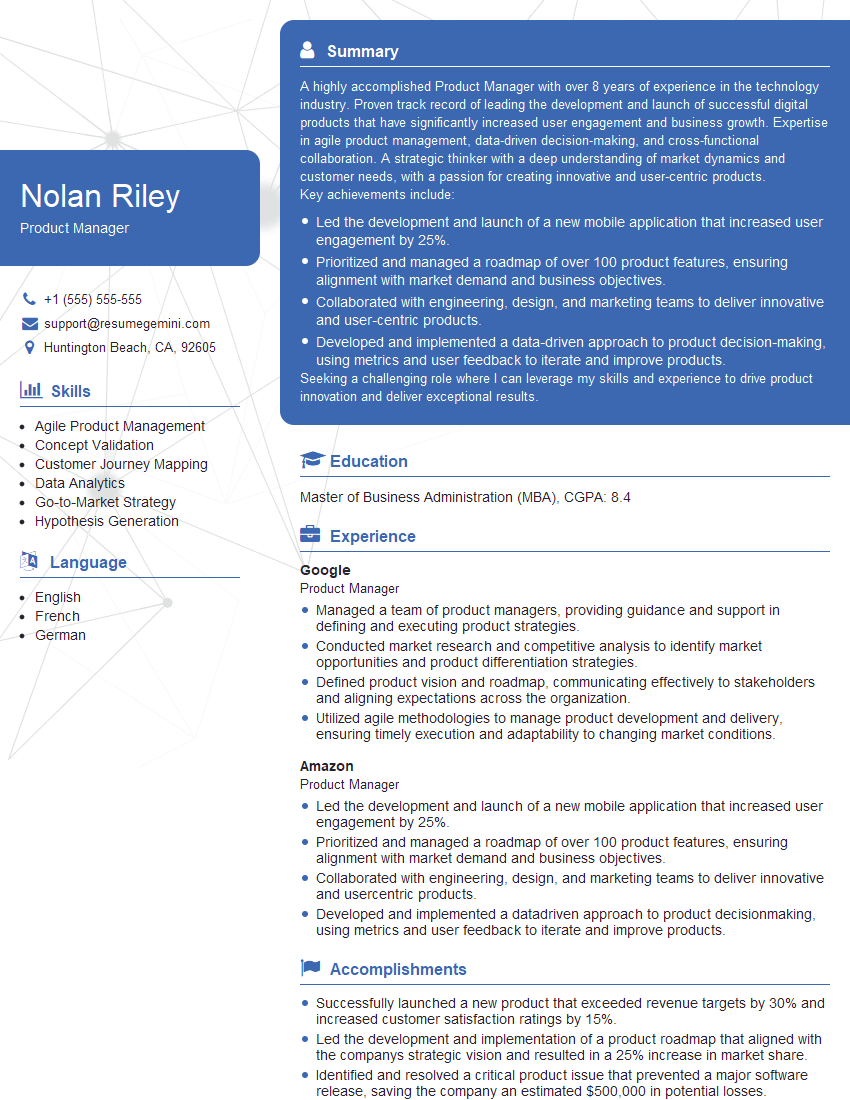
Product Manager Resume Sample
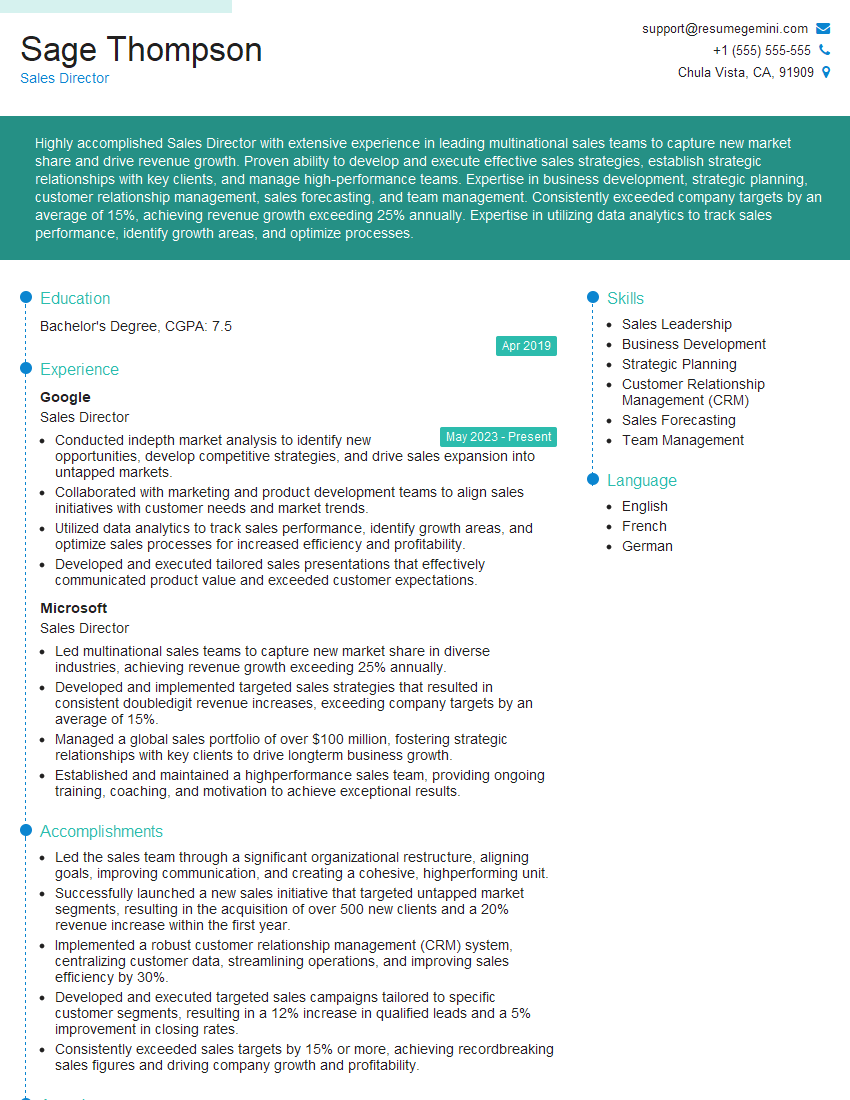
Sales Director Resume Sample

Marketing Communications Manager Resume Sample
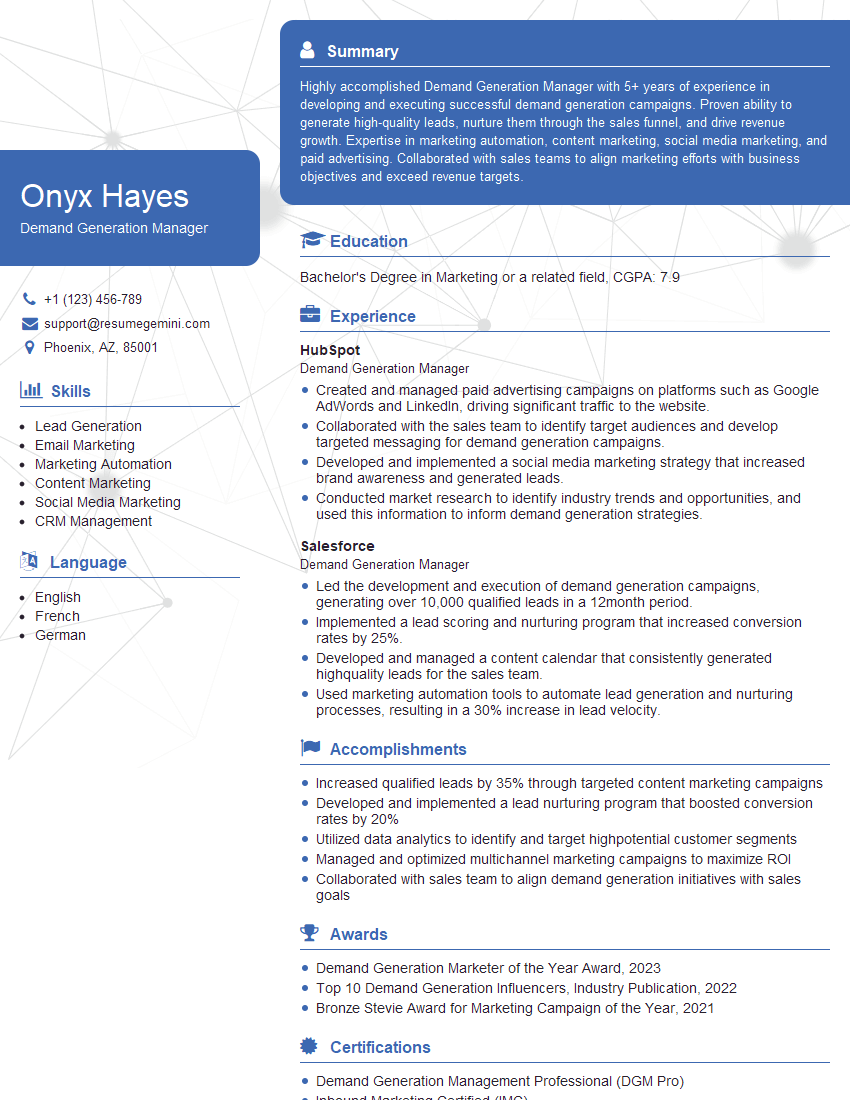
Demand Generation Manager Resume Sample
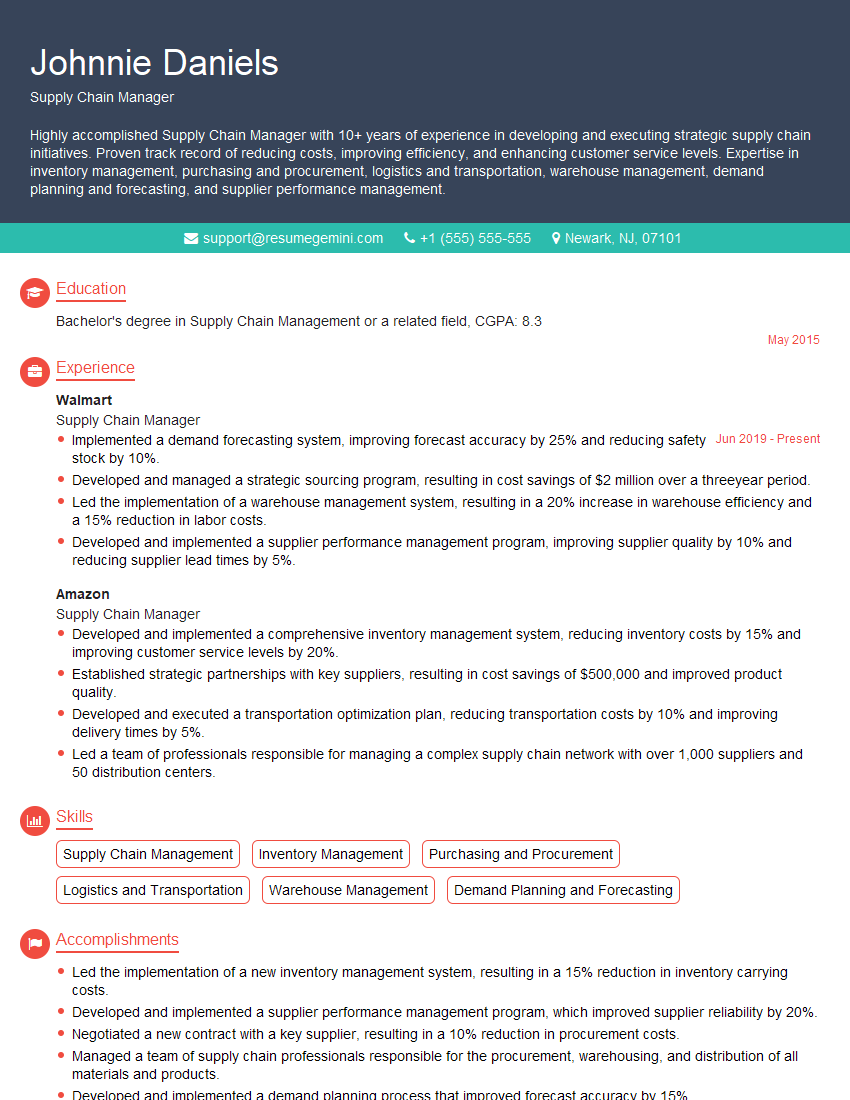
Supply Chain Manager Resume Sample
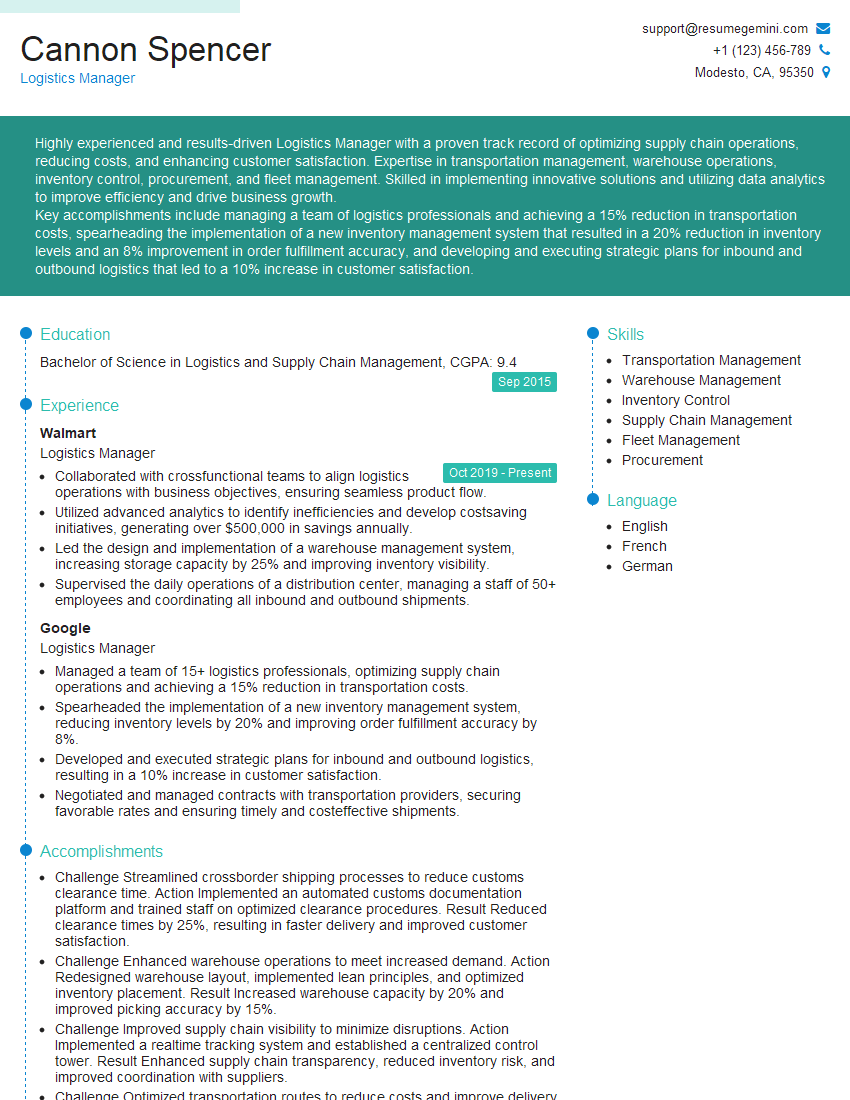
Logistics Manager Resume Sample
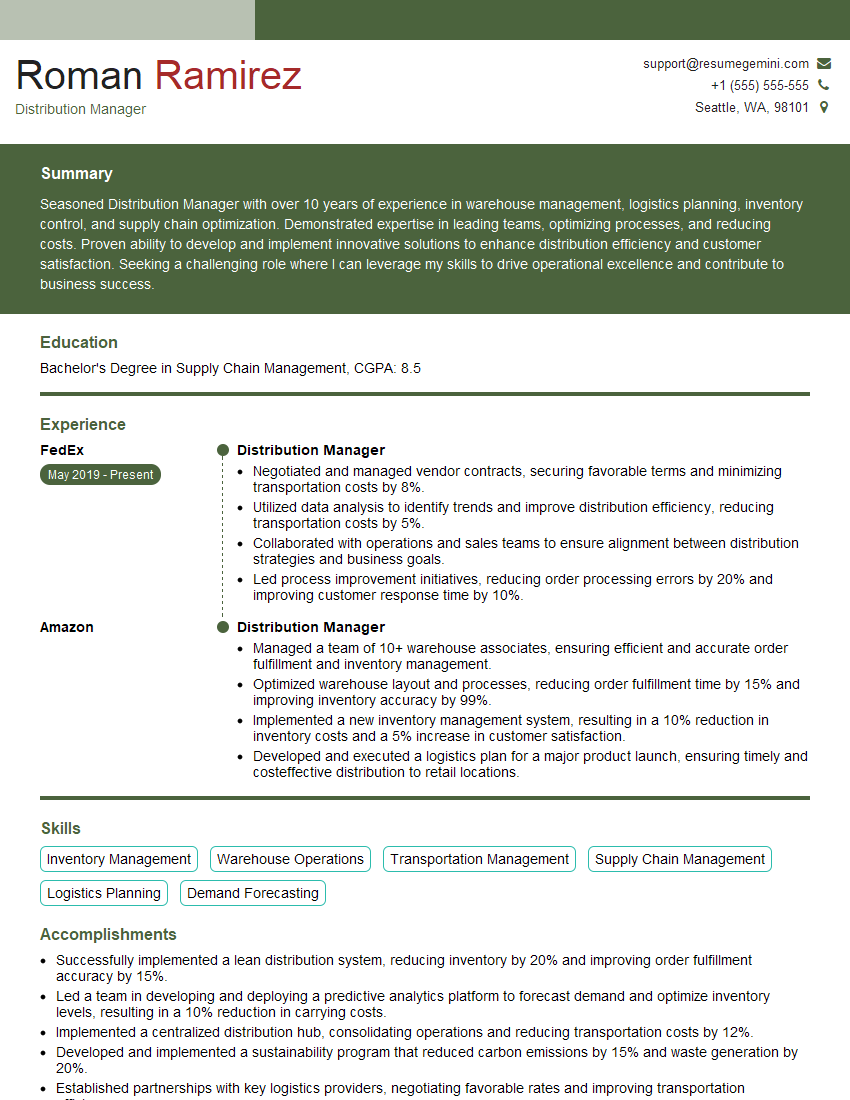
Distribution Manager Resume Sample
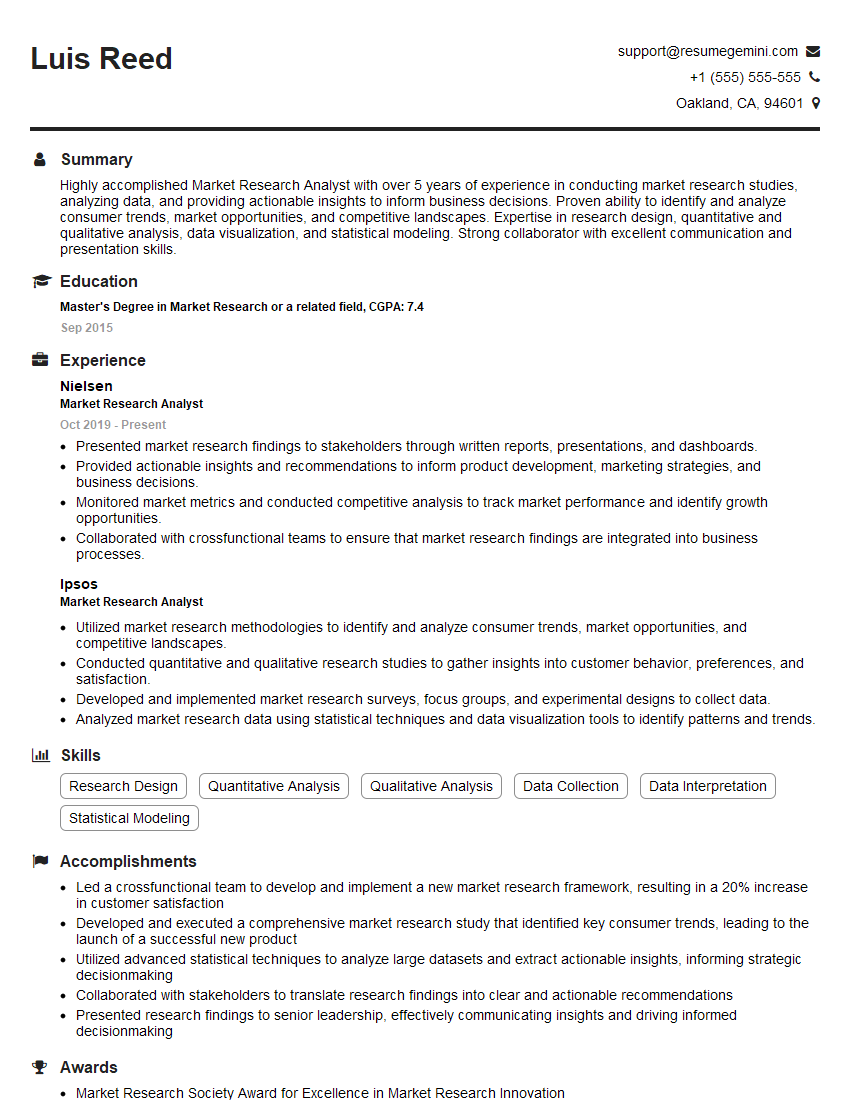
Market Research Analyst Resume Sample
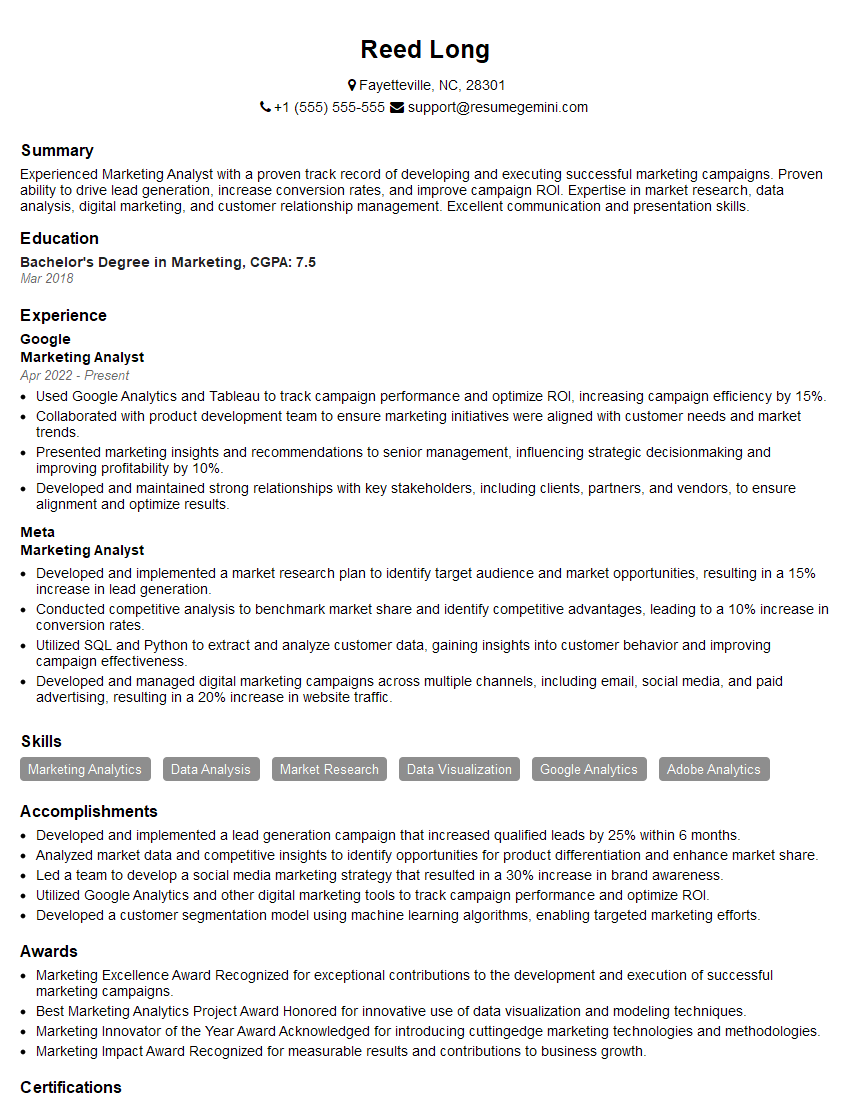
Marketing Analyst Resume Sample

Social Media Manager Resume Sample
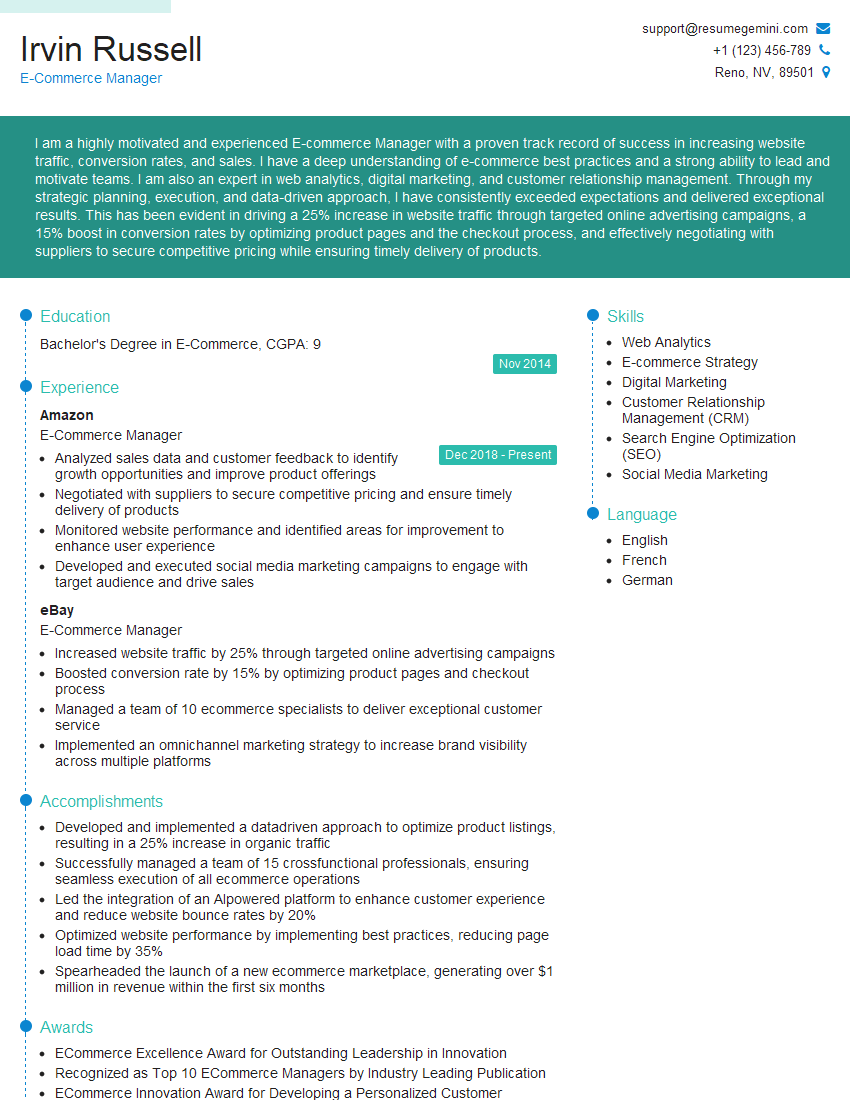
E-Commerce Manager Resume Sample
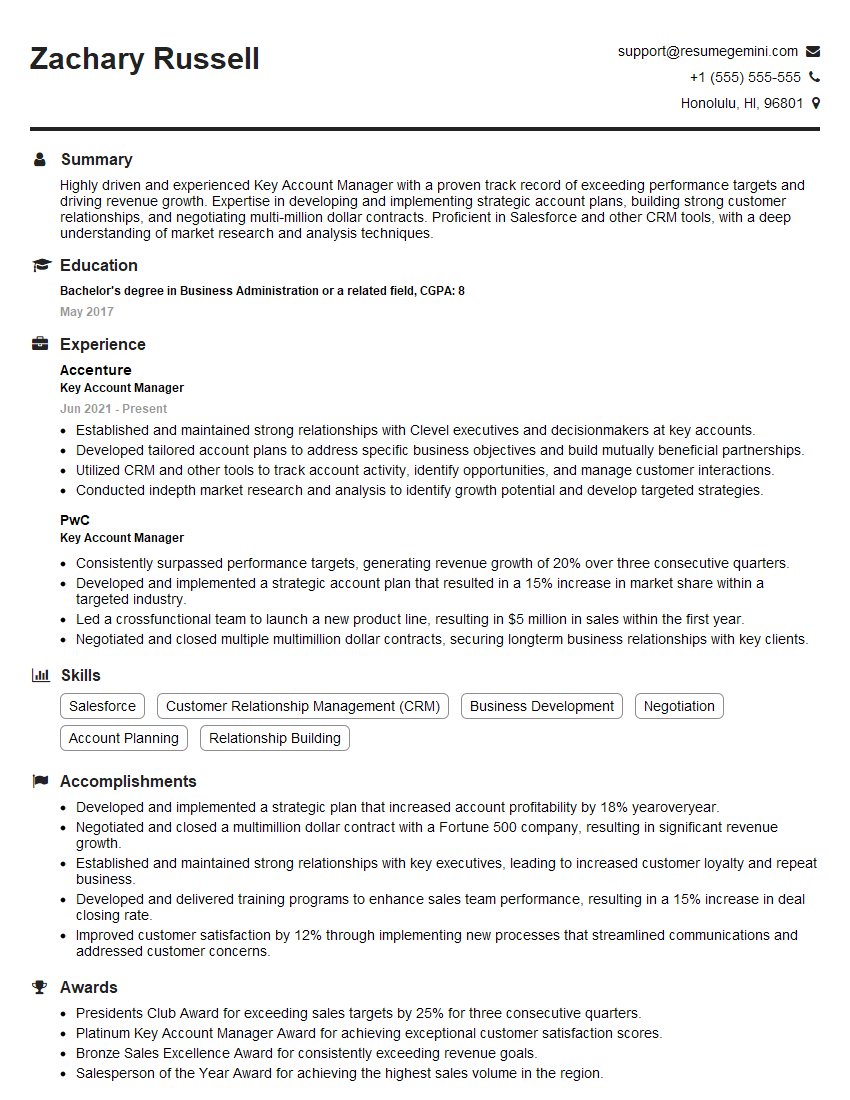
Key Account Manager Resume Sample

Wholesale Manager Resume Sample
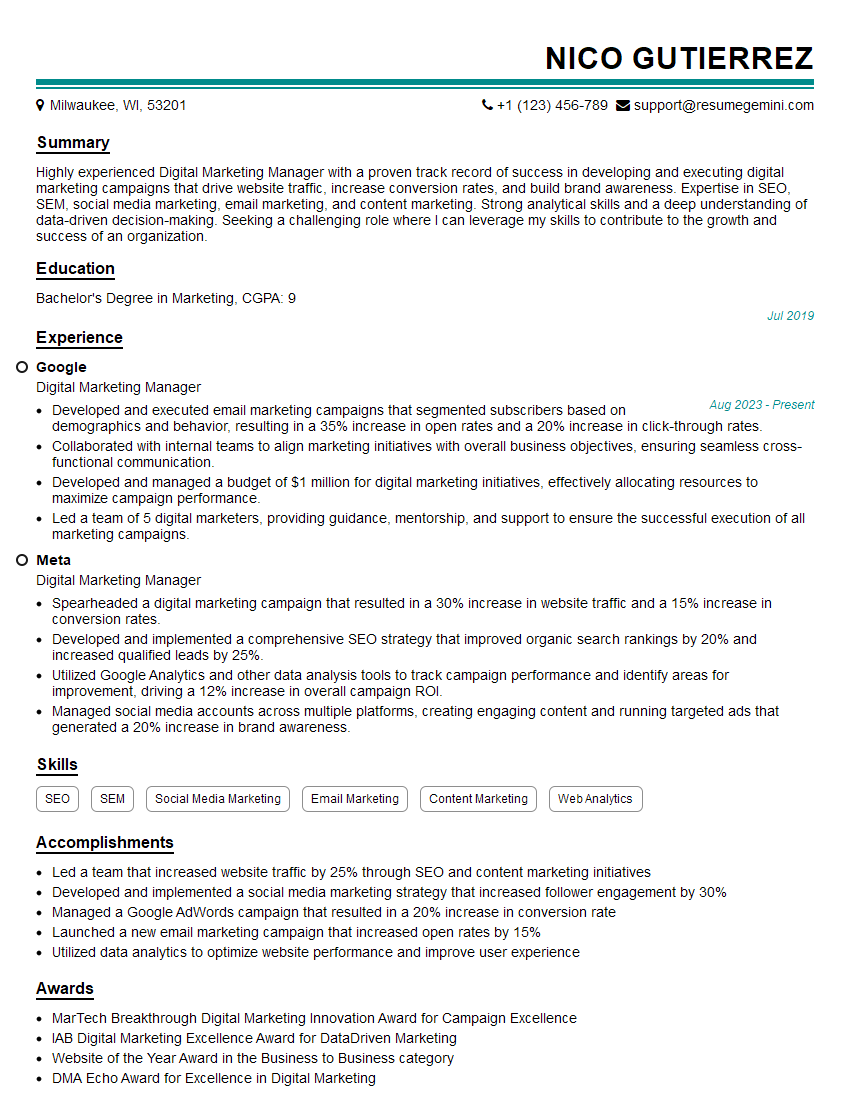
Digital Marketing Manager Resume Sample
- Brand Manager
- Marketing Director
- Marketing Manager
- Channel Manager
- Marketing Coordinator
- Product Manager
- Sales Director
- Marketing Communications Manager
- Demand Generation Manager
- Supply Chain Manager
- Logistics Manager
- Distribution Manager
- Market Research Analyst
- Marketing Analyst
- Social Media Manager
- E-Commerce Manager
- Key Account Manager
- Wholesale Manager
- Digital Marketing Manager
Explore more articles
Users Rating of Our Blogs
Share Your Experience
We value your feedback! Please rate our content and share your thoughts (optional).
What Readers Say About Our Blog
Really detailed insights and content, thank you for writing this detailed article.
IT gave me an insight and words to use and be able to think of examples