Interviews are more than just a Q&A session—they’re a chance to prove your worth. This blog dives into essential Material Handling Equipment Proficiency interview questions and expert tips to help you align your answers with what hiring managers are looking for. Start preparing to shine!
Questions Asked in Material Handling Equipment Proficiency Interview
Q 1. Describe your experience operating forklifts.
I have over seven years of experience operating various forklift models, including sit-down counterbalanced, reach trucks, and order pickers. My experience spans diverse environments, from fast-paced distribution centers handling palletized goods to smaller warehouse settings with varied load types. I’m proficient in maneuvering forklifts in tight spaces, navigating around obstacles, and efficiently loading and unloading trucks. For example, in my previous role at Acme Distribution, I consistently exceeded daily targets for order fulfillment by optimizing my forklift operation and route planning. I’ve also received consistent positive feedback for my safe and efficient handling of equipment and loads.
Q 2. What safety procedures do you follow when operating material handling equipment?
Safety is paramount in my approach to operating material handling equipment. My safety procedures begin with a thorough pre-operational inspection, followed by adherence to all company safety policies and regulations. This includes wearing appropriate personal protective equipment (PPE) such as safety glasses, gloves, and steel-toe boots. I always ensure the area is clear of obstructions before operating the forklift, and I use warning devices like horns and lights to alert others of my presence. Maintaining a safe speed appropriate for the conditions is crucial. I avoid overloading the forklift, and if a load is unstable I follow specific procedures to ensure safety (explained further in response to question 6). Regularly attending safety training refreshes my knowledge of best practices and emerging safety regulations. I actively report any equipment malfunction or near-miss incidents to my supervisor immediately.
Q 3. Explain the different types of forklifts and their applications.
Forklifts come in various types, each suited for specific tasks. Common types include:
- Sit-down Counterbalanced Forklifts: The most common type, ideal for general warehousing and outdoor use. They are robust and handle heavier loads effectively.
- Reach Trucks: Excellent for narrow aisle operations in high-density storage facilities. They extend their forks to access pallets deep within racking systems.
- Order Pickers: Designed for picking individual items from high shelves. Operators stand on a platform that elevates to the desired shelf level.
- Stand-up Rider Forklifts: Compact and maneuverable, suitable for smaller spaces and lighter loads. They offer improved visibility compared to sit-down models.
- Side Loaders: Used for handling long or awkward loads, often in specialized settings like lumber yards or construction sites.
The application depends on the warehouse layout, load characteristics, and operational requirements. For instance, a reach truck is perfect for maximizing space utilization in a high-bay warehouse, while an order picker is vital for efficient order fulfillment in e-commerce operations.
Q 4. How do you perform pre-operational checks on a forklift?
Pre-operational checks are crucial for preventing accidents. My routine includes:
- Visual Inspection: Checking for any damage to the forklift, including tires, forks, lights, and hydraulic systems.
- Fluid Levels: Verifying the levels of engine oil, hydraulic fluid, and coolant.
- Operational Tests: Testing the horn, lights, brakes, steering, and lift mechanism.
- Safety Devices: Ensuring the seatbelt is in good condition and the parking brake is functioning correctly.
- Load Capacity: Confirming the load capacity is appropriate for the intended task.
If any issues are found, I report them immediately to my supervisor before operating the equipment. Think of it like a pre-flight checklist for an airplane – crucial for a safe and efficient operation.
Q 5. What are the load capacity limits for different types of forklifts?
Load capacity varies significantly depending on the forklift type and model. Manufacturer specifications always dictate the maximum allowable load weight. It’s crucial to never exceed this limit. For example, a sit-down counterbalanced forklift might have a capacity of 5,000 lbs, while a smaller stand-up rider forklift might have a capacity of only 3,000 lbs. Reach trucks often have varying capacities depending on the reach and lift height. These capacities are clearly displayed on a data plate usually located on the forklift itself. Ignoring these limits significantly increases the risk of equipment damage, injury, or even fatality.
Q 6. How do you handle unstable loads?
Handling unstable loads requires extra caution and specific procedures. First, I assess the load carefully to identify any potential hazards, such as shifting weight or loose items. I use appropriate securing methods, such as straps or netting, to prevent shifting during transit. I travel slowly and smoothly, avoiding sudden braking or turns. If the load is significantly unstable, I may need to seek assistance to secure it properly before attempting to move it. In some cases, I might need to reject moving the load if it cannot be adequately secured to ensure both the safety of myself, others, and the equipment. Safety always outweighs efficiency when handling potentially unstable materials.
Q 7. Describe your experience with different types of warehouse equipment (e.g., conveyors, stackers).
Beyond forklifts, my experience includes operating various warehouse equipment like conveyors, stackers, and pallet jacks. I’m familiar with different types of conveyors, including belt conveyors, roller conveyors, and chain conveyors, and understand their operational limitations. I know how to safely load and unload items onto these systems, ensuring smooth and uninterrupted material flow. I have experience operating both manual and electric pallet jacks, and powered stackers. These skills contribute to a holistic understanding of warehouse operations, enabling me to support a wider range of tasks and contribute efficiently to the team. My understanding of the interplay between different equipment types allows for optimal workflow optimization within the warehouse environment.
Q 8. How do you maintain a clean and organized work area?
Maintaining a clean and organized work area is paramount for safety, efficiency, and productivity in any material handling environment. Think of it like a well-organized toolbox – you can find what you need quickly, reducing downtime and frustration. My approach involves a multi-pronged strategy:
5S Methodology: I utilize the 5S methodology (Sort, Set in Order, Shine, Standardize, Sustain). This systematic approach ensures a consistently clean and organized space. For example, I would regularly sort through unnecessary items, properly store frequently used tools, and establish a cleaning schedule for the area.
Designated Storage: Every item has a designated place. This prevents clutter and makes it easy to locate items when needed. Imagine trying to find a specific pallet jack amongst a pile of random equipment – chaos! Designated storage minimizes this risk.
Regular Cleaning: I believe in regular, scheduled cleaning. This includes sweeping, mopping, and removing any debris immediately. A clean environment is not only aesthetically pleasing, but it also minimizes the risk of accidents caused by tripping hazards or slips.
Teamwork: Maintaining a clean workspace is a team effort. I actively encourage my colleagues to participate and maintain cleanliness. A shared responsibility ensures long-term success.
Q 9. What are the common causes of forklift accidents, and how can they be prevented?
Forklift accidents are a serious concern in material handling. They often stem from a combination of human error and environmental factors. Common causes include:
Improper Training: Insufficient or inadequate training is a major contributor. Operators need comprehensive training on safe operating procedures, including pre-operation checks, load stability, and hazard awareness.
Speeding and Reckless Driving: Operating forklifts at excessive speeds or engaging in reckless maneuvers significantly increases the risk of accidents. Think of a forklift as a powerful machine – it requires respect and careful control.
Poor Visibility: Obstructed views, poor lighting, and blind spots can lead to collisions. Regular inspections and proper lighting are essential to mitigate this risk.
Mechanical Failures: Malfunctioning equipment, such as faulty brakes or steering, can cause serious accidents. Regular preventative maintenance is crucial to prevent these failures.
Load Instability: Improperly secured or overloaded loads can shift unexpectedly, causing the forklift to tip over. Load stability is paramount and requires proper assessment and securing techniques.
Prevention Strategies:
Comprehensive Training Programs: Implement rigorous training programs for all forklift operators, covering safety procedures, emergency protocols, and hazard awareness.
Regular Inspections: Conduct regular inspections of forklifts to identify and address potential mechanical issues before they lead to accidents.
Enforcement of Safety Rules: Strict adherence to safety rules and regulations, including speed limits, load capacity, and pedestrian safety, is essential.
Improved Warehouse Layout: Designing a well-organized warehouse with clear pathways and designated pedestrian areas minimizes the risk of collisions.
Q 10. Explain your experience with inventory management systems.
My experience with inventory management systems spans several years and includes working with both manual and automated systems. I’m proficient in using various software packages, including WMS (Warehouse Management Systems) and ERP (Enterprise Resource Planning) systems.
In my previous role, I managed inventory using a WMS that integrated with our ERP system. This allowed for real-time tracking of inventory levels, automated order fulfillment, and accurate reporting. I’ve been responsible for:
Data Entry and Accuracy: Ensuring accurate data entry and maintaining the integrity of inventory records is crucial. Any discrepancies can lead to significant inefficiencies.
Cycle Counting: Conducting regular cycle counts to verify inventory accuracy and identify any discrepancies between physical inventory and system records. This helps catch errors before they become major issues.
Inventory Optimization: Analyzing inventory levels to identify slow-moving items and adjust ordering strategies to optimize inventory levels and minimize storage costs. Finding the right balance between sufficient stock and avoiding unnecessary holding costs is a critical skill.
Reporting and Analysis: Generating reports on inventory turnover, stock levels, and other key metrics to provide insights into inventory performance and inform decision-making.
I’m familiar with various inventory management techniques, including FIFO (First-In, First-Out) and LIFO (Last-In, First-Out), and I can adapt my approach depending on the specific needs of the organization and the type of inventory being managed.
Q 11. How do you manage your time effectively in a fast-paced warehouse environment?
Effective time management in a fast-paced warehouse environment is critical. My approach focuses on prioritization, planning, and efficient task execution. It’s like running a well-oiled machine – every part needs to work seamlessly.
Prioritization: I use a combination of methods such as creating to-do lists, prioritizing tasks based on urgency and importance, and leveraging the Eisenhower Matrix (urgent/important). This ensures I focus on high-impact tasks first.
Planning and Scheduling: I plan my day by breaking down larger tasks into smaller, manageable units. This helps maintain focus and track progress. Using a daily schedule helps to keep me on track and prevent feeling overwhelmed.
Efficient Task Execution: I focus on minimizing downtime by optimizing my workflow and eliminating unnecessary steps. This includes proactively anticipating potential bottlenecks and addressing them promptly.
Delegation: Where possible, I delegate tasks to other team members to maximize efficiency and leverage team strengths. This not only frees up my time but also fosters teamwork.
Flexibility: I’m adaptable and able to adjust my schedule based on unexpected events or changes in priorities. Warehouse environments can be unpredictable, so flexibility is key.
Q 12. Describe your experience troubleshooting equipment malfunctions.
Troubleshooting equipment malfunctions requires a systematic and methodical approach. I start by assessing the situation safely, then systematically work through potential issues. My approach generally follows these steps:
Safety First: My priority is safety. I ensure the area is secure and the equipment is isolated before attempting any repairs.
Identify the Problem: I carefully observe the malfunction and gather information about the symptoms, such as error codes, unusual noises, or performance issues. It’s like diagnosing a medical condition – careful observation is critical.
Consult Documentation: I refer to equipment manuals, schematics, and troubleshooting guides for potential solutions. Understanding the equipment’s inner workings is essential.
Systematic Troubleshooting: I use a logical and systematic approach, checking components one by one, eliminating potential causes until the problem is identified.
Perform Repairs or Call for Assistance: Once the cause is identified, I either perform the necessary repairs if within my skill set or call in specialized technicians for more complex issues. Knowing my limitations is important.
Documentation: I meticulously document the problem, troubleshooting steps, and solution. This is essential for future reference and preventative maintenance.
For example, if a forklift’s hydraulic system malfunctions, I would first check fluid levels, then inspect hoses and connections for leaks. If the problem persists, I would consult the manual and potentially call a qualified technician.
Q 13. What is your experience with preventative maintenance schedules?
Preventative maintenance schedules are crucial for ensuring the longevity and reliability of material handling equipment. This proactive approach is far more cost-effective than dealing with breakdowns. My experience includes developing and implementing preventative maintenance schedules for various equipment, including forklifts, conveyors, and pallet jacks.
This usually involves:
Creating a Schedule: I develop a detailed schedule based on manufacturer recommendations and equipment usage patterns. This outlines specific tasks, their frequency, and responsible personnel.
Task Execution: I oversee or conduct the scheduled maintenance tasks, including inspections, lubrication, and minor repairs.
Record Keeping: Maintaining accurate records of all maintenance activities, including dates, tasks performed, and any identified issues, is crucial for tracking equipment history and identifying potential problems.
Software Integration: I’ve worked with computerized maintenance management systems (CMMS) to automate scheduling, track maintenance history, and generate reports.
Continuous Improvement: Regularly reviewing the preventative maintenance schedule and making adjustments based on equipment performance, operational needs, and lessons learned is critical. The schedule isn’t static – it should adapt to the needs of the facility.
Q 14. How do you ensure compliance with OSHA regulations?
Ensuring compliance with OSHA regulations is non-negotiable in material handling. It’s about protecting workers and creating a safe work environment. My approach involves a multi-faceted strategy:
Knowledge of Regulations: I have a thorough understanding of all relevant OSHA regulations, including those pertaining to forklift operation, powered industrial trucks, personal protective equipment (PPE), and warehouse safety.
Training and Education: I ensure all personnel receive appropriate training on safety procedures, OSHA regulations, and the proper use of PPE. This includes regular refresher courses and updates on new regulations.
Regular Inspections: I conduct regular safety inspections of the warehouse and equipment to identify and address potential hazards. These inspections ensure the workplace adheres to OSHA standards.
Hazard Mitigation: I develop and implement procedures to mitigate identified hazards, including implementing safety guards, improving lighting, and establishing clear pathways.
Record Keeping: I maintain thorough records of all safety training, inspections, incidents, and corrective actions taken. This documentation is crucial for demonstrating compliance.
Incident Reporting: I follow established procedures for reporting workplace accidents and injuries, ensuring timely investigation and corrective action to prevent future incidents.
Essentially, creating a safety-conscious culture is key. It’s not just about ticking boxes, but about fostering a shared commitment to safety.
Q 15. How do you handle challenging or stressful situations in the warehouse?
In a fast-paced warehouse environment, stressful situations are inevitable. My approach involves a combination of proactive planning and reactive problem-solving. First, I focus on preventative measures. This includes meticulously reviewing daily schedules, anticipating potential bottlenecks, and ensuring all equipment is in optimal working order. For example, if I know a large delivery is expected, I’ll pre-assign personnel and equipment to expedite unloading and processing. When unexpected issues arise – like a forklift malfunction or a sudden surge in orders – I prioritize calmly assessing the situation. I gather information from the team, identify the root cause, and then implement a solution. This might involve temporarily reassigning tasks, utilizing backup equipment, or even calling in additional support. Clear communication is crucial during these times; I keep the team informed of the problem and the steps being taken to resolve it, fostering collaboration and preventing panic.
I also believe in leveraging technology to mitigate stress. Familiarization with the WMS (Warehouse Management System) enables me to track inventory, identify delays, and adjust workflows in real time. Think of it like a well-oiled machine; with proper planning and efficient systems, stress becomes manageable, and productivity remains high.
Career Expert Tips:
- Ace those interviews! Prepare effectively by reviewing the Top 50 Most Common Interview Questions on ResumeGemini.
- Navigate your job search with confidence! Explore a wide range of Career Tips on ResumeGemini. Learn about common challenges and recommendations to overcome them.
- Craft the perfect resume! Master the Art of Resume Writing with ResumeGemini’s guide. Showcase your unique qualifications and achievements effectively.
- Don’t miss out on holiday savings! Build your dream resume with ResumeGemini’s ATS optimized templates.
Q 16. Describe your experience working with warehouse management systems (WMS).
My experience with Warehouse Management Systems (WMS) is extensive. I’ve worked with several different systems, including NetSuite WMS, Oracle WMS, and Manhattan Associates WMS. My expertise goes beyond simply using these systems; I understand their underlying logic and can effectively configure and optimize them for different warehouse operations. I’m proficient in tasks such as inventory management, order fulfillment, receiving, shipping, and reporting. For instance, in a previous role, I used NetSuite WMS to implement a new picking strategy that reduced order fulfillment time by 15%. This involved analyzing existing processes, identifying inefficiencies using the system’s reporting tools, and then configuring the system to optimize workflows for our specific product mix and order volume. Beyond basic operation, I understand how to customize reports to track key performance indicators (KPIs) like order accuracy, picking efficiency, and inventory turnover. This data-driven approach allows for continuous improvement and informed decision-making.
Q 17. How familiar are you with different types of warehouse layouts?
I’m familiar with various warehouse layout types, each optimized for specific operational needs. These include:
- U-Shaped Layout: Efficient for small- to medium-sized warehouses, minimizing travel distances.
- I-Shaped Layout: Simple and straightforward, ideal for linear processes.
- L-Shaped Layout: Offers flexibility and can be adapted to various storage needs.
- Multi-level Layout: Maximizes space utilization in high-volume operations.
The choice of layout depends on factors like product volume, order frequency, picking methods, and available space. For instance, a high-volume distribution center with fast-moving goods might benefit from a multi-level layout with narrow aisle racking and automated guided vehicles (AGVs). Conversely, a smaller warehouse focusing on customized orders may prefer a U-shaped layout to minimize handling. My experience includes evaluating existing layouts and proposing improvements to maximize efficiency, taking into account safety regulations and the specific requirements of each operation.
Q 18. How do you prioritize tasks in a busy warehouse environment?
Prioritizing tasks in a busy warehouse requires a structured approach. I typically use a combination of methods including:
- Urgency and Importance Matrix: Categorizing tasks based on their urgency and importance helps focus on high-priority items first (e.g., urgent orders are prioritized over less time-sensitive tasks).
- WMS Integration: Utilizing the WMS provides task prioritization based on order due dates, inventory levels, and other critical factors.
- Communication and Teamwork: Open communication with the team ensures everyone understands priorities and potential bottlenecks. Collaboration allows for flexible task delegation, maintaining overall efficiency.
An example: If a high-value, time-sensitive order needs immediate fulfillment, it overrides other tasks. Utilizing the WMS, I can identify and assign this order to the appropriate team, track its progress in real-time, and adjust resources to meet the deadline. It’s crucial to remain flexible, adapting to shifting priorities as new information becomes available.
Q 19. Explain your experience with different types of pallet racking systems.
My experience encompasses various pallet racking systems, each with its strengths and weaknesses. I’m familiar with:
- Selective Pallet Racking: The most common type, offering easy access to individual pallets.
- Drive-In/Drive-Through Racking: Ideal for FIFO (First-In, First-Out) inventory management, maximizing storage density.
- Push-Back Racking: Similar to drive-in, but with better product rotation capabilities.
- Double-Deep Racking: Increases storage capacity by storing two pallets deep.
In one project, we transitioned from selective racking to double-deep racking to increase storage capacity by 30%. This involved a thorough assessment of our inventory, order fulfillment processes, and the available warehouse space. It wasn’t a simple switch; we had to carefully consider potential trade-offs, like slightly reduced accessibility, to ensure the overall efficiency gain outweighed the minor inconvenience. Understanding the nuances of each system is crucial for optimizing warehouse space and efficiency.
Q 20. What are the different types of warehouse storage solutions?
Warehouse storage solutions are diverse, tailored to specific product characteristics and operational needs. These include:
- Pallet Racking: The most prevalent option, versatile and adaptable.
- Shelving: Ideal for smaller items, with varying heights and configurations available.
- Bulk Storage: Efficient for large quantities of homogeneous items.
- Flow Racking: Facilitates gravity-fed material movement, ideal for FIFO processes.
- Mezzanine Floors: Create additional storage space vertically.
- Vertical Carousels: Highly space-efficient for small, frequently accessed items.
The selection process involves considering factors like product size, weight, turnover rate, and order frequency. For example, a warehouse storing a wide array of small parts might use a combination of shelving and vertical carousels to maximize space and pick rates. Conversely, a warehouse handling large quantities of homogeneous products like lumber might focus on bulk storage solutions to reduce costs and enhance efficiency.
Q 21. How do you ensure the safe and efficient movement of goods within a warehouse?
Ensuring safe and efficient goods movement is paramount. My approach involves:
- Proper Equipment Maintenance: Regular inspections and maintenance of forklifts, conveyors, and other equipment are crucial for preventing accidents and downtime.
- Adherence to Safety Regulations: Strict adherence to OSHA and other relevant safety standards, including proper training of personnel on safe operating procedures.
- Optimized Layout and Workflow: Well-designed warehouse layouts minimize unnecessary movement and potential hazards, improving both efficiency and safety.
- Clear Signage and Markings: Clear floor markings, aisle signage, and safety instructions help prevent accidents.
- Effective Training Programs: Providing comprehensive training to all personnel on safe operation of equipment and procedures is essential.
Implementing these measures not only enhances safety but also streamlines operations. For instance, a well-maintained forklift reduces downtime, while clear aisle markings prevent collisions and improve traffic flow. This holistic approach ensures the warehouse operates smoothly and safely, protecting both personnel and goods.
Q 22. Describe your experience with using scanners and other warehouse technology.
My experience with warehouse technology, particularly scanners, is extensive. I’m proficient in using both handheld barcode scanners and RF (radio frequency) scanners for inventory management, tracking shipments, and directing goods to their designated locations. I’ve worked with various scanner types, from basic barcode readers to more sophisticated devices with integrated data capture capabilities. For instance, in my previous role at Acme Distribution, I utilized RF scanners integrated with our Warehouse Management System (WMS). This allowed for real-time inventory updates and minimized errors during picking and packing processes. Beyond scanners, I’m comfortable with warehouse management systems (WMS), inventory control software, and RFID (Radio-Frequency Identification) technology. I understand the importance of accurate data entry and the impact technology has on overall warehouse efficiency.
I also have experience troubleshooting common scanner issues, such as connectivity problems or battery life issues, ensuring minimal downtime. My experience includes working with different scanner interfaces and understanding how to effectively integrate scanner data into larger warehouse systems.
Q 23. How do you communicate effectively with coworkers and supervisors?
Effective communication is crucial in a warehouse environment. I believe in clear, concise, and respectful communication with both coworkers and supervisors. I prioritize active listening to ensure I understand instructions and expectations. For example, before starting a task, I always clarify any ambiguities to avoid mistakes. I regularly use two-way radios to maintain constant communication with team members, especially during busy periods or when coordinating large orders. When working with supervisors, I proactively provide updates on my progress and highlight any potential challenges I foresee. I believe in open communication and actively seek feedback to improve my performance and efficiency. I find visual aids, like diagrams and checklists, extremely helpful to convey complex instructions and ensure everyone is on the same page. Finally, constructive criticism is always welcome, as it helps me enhance my contribution to the team.
Q 24. What is your experience with different types of lifting techniques?
Safe lifting techniques are paramount in material handling to prevent injuries. My experience encompasses a variety of lifting techniques, including proper posture, using leg muscles rather than back muscles, and employing mechanical aids when necessary. I’m well-versed in the principles of body mechanics and understand the importance of maintaining a stable base and keeping loads close to the body. I’ve received training on utilizing different lifting aids, such as pallet jacks, hand trucks, and forklifts (with appropriate certification), and know when and how to use them effectively to reduce strain. For heavier items or awkward shapes, I always employ the appropriate equipment and if unsure, seek assistance from a coworker or supervisor. A memorable instance involved safely lifting a heavy appliance using a specialized lifting harness, ensuring both the safety of the item and myself.
Q 25. How do you adapt to changes in workflow or priorities?
Adaptability is key in a dynamic warehouse setting. I’ve faced numerous changes in workflow and priorities, ranging from urgent order fulfillment demands to sudden equipment malfunctions. My approach is to remain calm, assess the situation, and prioritize tasks based on urgency and impact. I actively communicate with my team and supervisors about changes to ensure everyone is informed and working collaboratively towards the new goals. For example, during a recent shift change, the primary loading dock became unavailable due to repairs. I immediately helped my team reroute operations to a secondary dock, coordinating with drivers and ensuring minimal disruption to the delivery schedule. This involved actively communicating with the drivers and internal teams, updating our system, and prioritizing shipments based on their urgency. I’m comfortable learning new processes and using various software and tools. A flexible and proactive approach to challenges makes me well-suited to handling shifting priorities.
Q 26. How do you maintain accurate records and documentation?
Maintaining accurate records is essential for effective warehouse operations. I’m meticulous in recording all relevant data, including inventory levels, shipments, and receiving details. I utilize both manual and digital record-keeping methods, ensuring accuracy and consistency. In my previous roles, I’ve used warehouse management systems (WMS) to manage inventory, track shipments, and generate reports. I also understand the importance of using standardized forms and procedures for data entry, reducing the risk of errors. I regularly audit my own work to identify and correct any inaccuracies, and I always cross-reference data from multiple sources to verify its accuracy, ensuring the integrity of all records. For example, I always double check scanned barcodes and ensure they match the physical items, helping avoid costly mistakes.
Q 27. Describe your experience with loading and unloading trucks.
I possess significant experience in loading and unloading trucks, adhering strictly to safety protocols. This includes securing loads properly to prevent shifting during transit and ensuring the efficient and timely loading/unloading of goods. I understand the importance of utilizing appropriate equipment, like pallet jacks and forklifts (with the necessary certification), and I’m proficient in loading and unloading various types of cargo, considering their weight, dimensions, and fragility. I’m familiar with different types of truck configurations and know how to work safely within the confines of the loading dock. I prioritize safety and always ensure that the loading area is clear of obstructions, and that all personnel are following safety procedures. My experience includes working with both refrigerated and dry vans, understanding the specific requirements for each. I also make sure to record the quantity and condition of goods both before loading and unloading.
Q 28. What is your understanding of ergonomics and its role in material handling?
Ergonomics plays a critical role in material handling by focusing on designing workplaces and tasks to minimize physical strain and prevent injuries. I understand the importance of maintaining proper posture, utilizing appropriate lifting techniques, and using mechanical aids to reduce physical stress. This includes understanding the principles of proper body mechanics, like maintaining a stable base and avoiding twisting motions. I’m familiar with the common causes of musculoskeletal injuries in warehouse settings and how to prevent them. For example, I am well-versed in the proper use of equipment like lift carts, which reduces the strain on the back and muscles when lifting and moving heavy objects. In my previous role, we implemented an ergonomics program that included workstation assessments and training sessions on safe lifting techniques, leading to a significant reduction in workplace injuries. I understand that implementing ergonomic principles not only protects workers’ health but also boosts productivity and reduces costs associated with lost time and workers’ compensation claims.
Key Topics to Learn for Material Handling Equipment Proficiency Interview
- Safety Regulations and Procedures: Understanding OSHA regulations, lockout/tagout procedures, and safe operating practices for various equipment types. This includes practical application in real-world scenarios and identifying potential hazards.
- Equipment Operation and Maintenance: Gaining proficiency in operating forklifts, cranes, conveyors, and other relevant material handling equipment. This includes understanding preventative maintenance schedules, troubleshooting common malfunctions, and performing basic repairs.
- Warehouse Layout and Optimization: Understanding efficient warehouse design principles, including storage methods, inventory management systems, and the impact of equipment placement on overall productivity. This includes analyzing workflow and identifying areas for improvement.
- Load Handling and Stability: Mastering techniques for safe load securing, weight distribution, and preventing accidents related to unbalanced loads. This includes applying principles of physics and understanding load capacity limits.
- Inventory Management Systems: Familiarity with warehouse management systems (WMS) and their integration with material handling equipment. This includes understanding data entry, reporting, and using technology to enhance efficiency.
- Troubleshooting and Problem-Solving: Developing the ability to diagnose equipment malfunctions, identify root causes of operational issues, and implement effective solutions. This includes practical experience in resolving real-world challenges.
Next Steps
Mastering Material Handling Equipment Proficiency is crucial for career advancement in logistics, warehousing, and manufacturing. A strong understanding of these principles opens doors to higher-paying roles and increased responsibility. To significantly improve your job prospects, it’s vital to create an ATS-friendly resume that highlights your skills and experience effectively. ResumeGemini is a trusted resource to help you build a professional and impactful resume tailored to your specific experience. We provide examples of resumes specifically tailored to Material Handling Equipment Proficiency to help guide you in crafting your own compelling application materials.
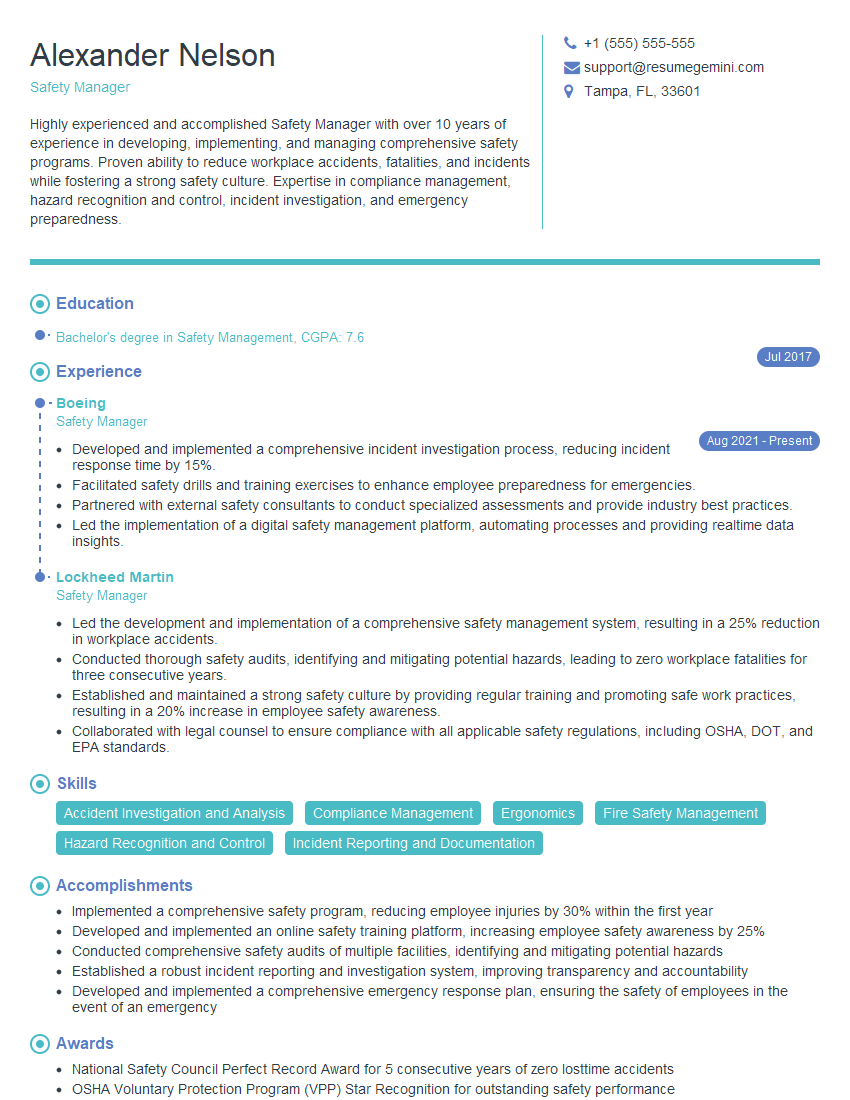
Safety Manager Resume Sample

Operations Manager Resume Sample
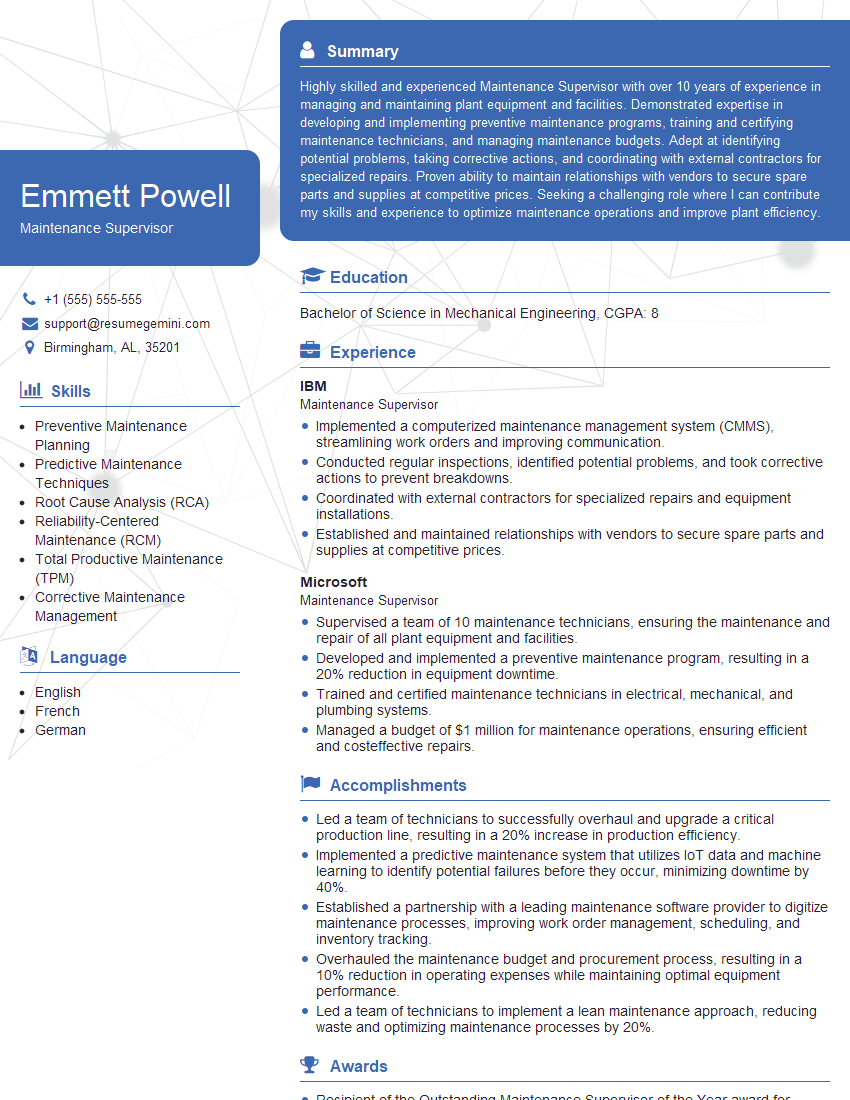
Maintenance Supervisor Resume Sample
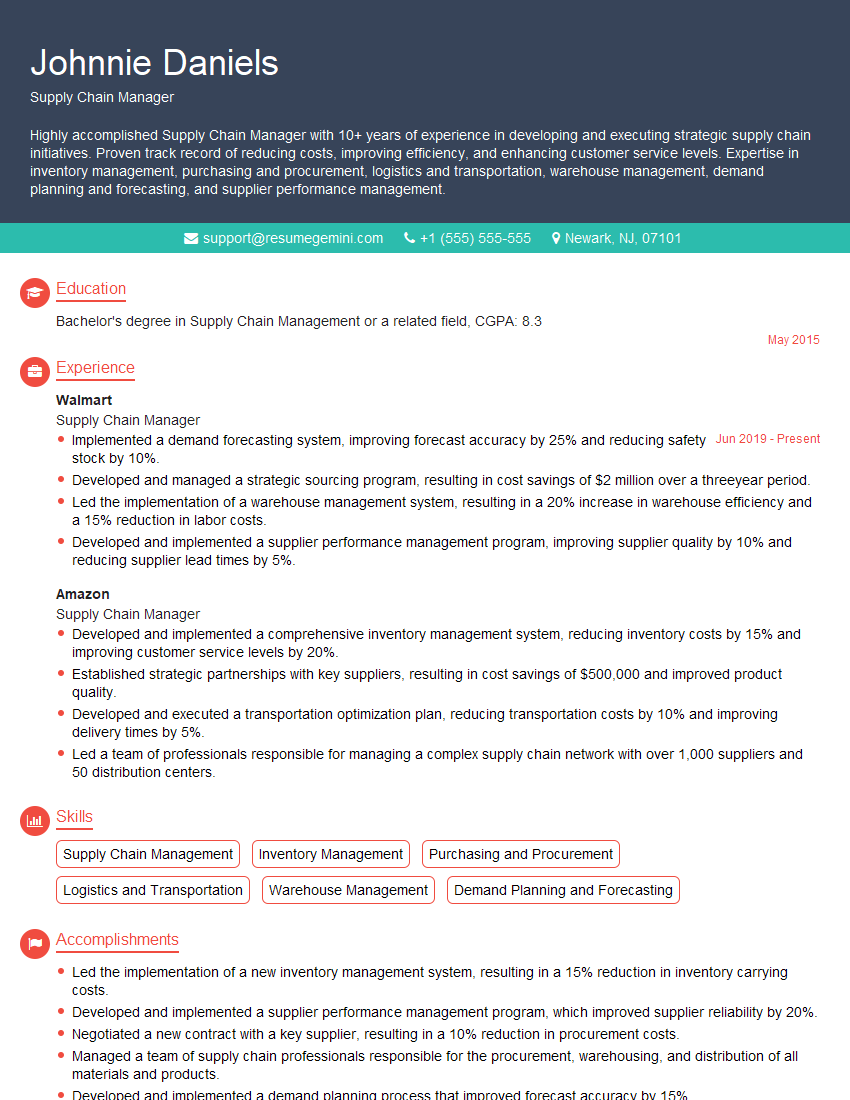
Supply Chain Manager Resume Sample
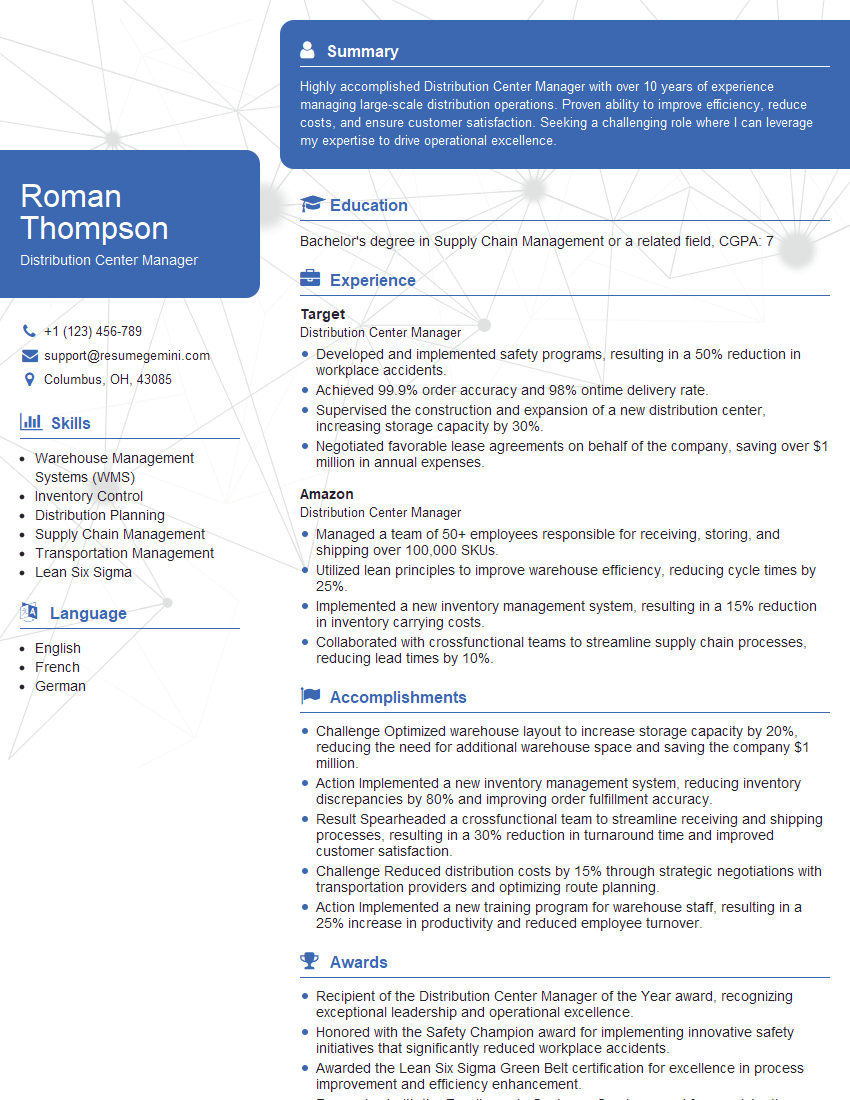
Distribution Center Manager Resume Sample
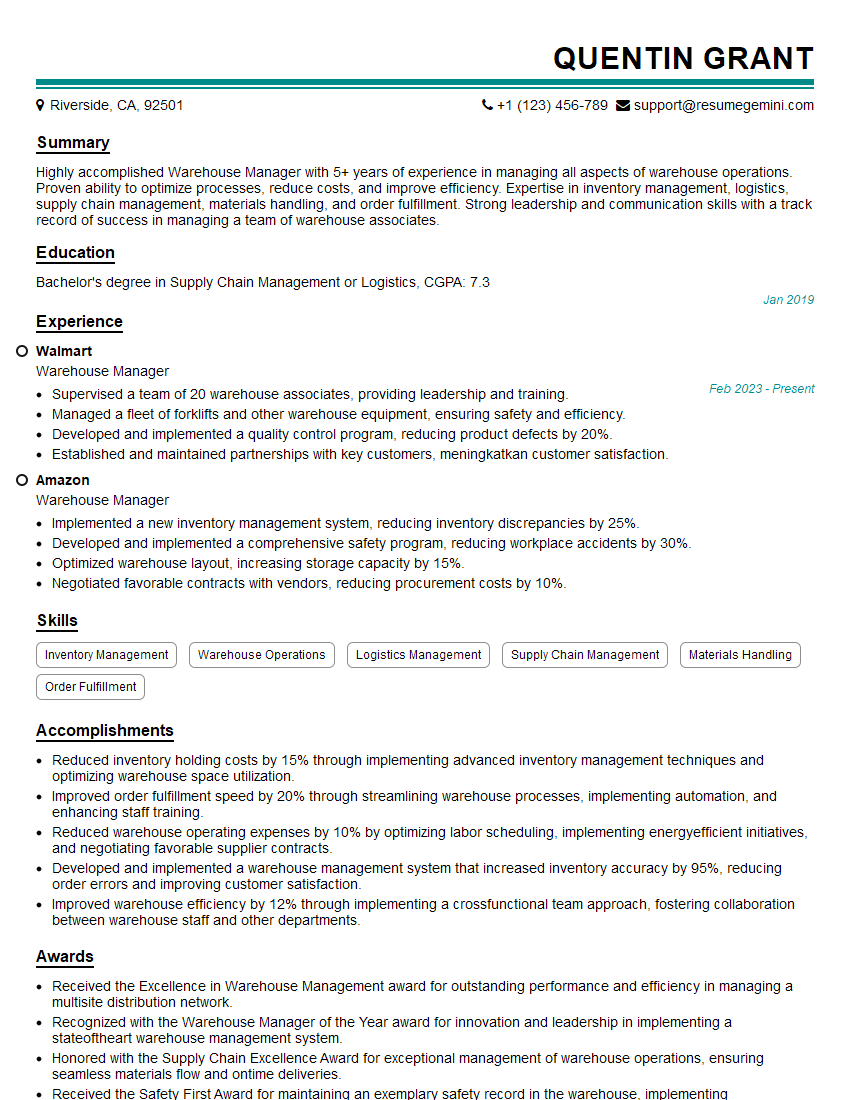
Warehouse Manager Resume Sample
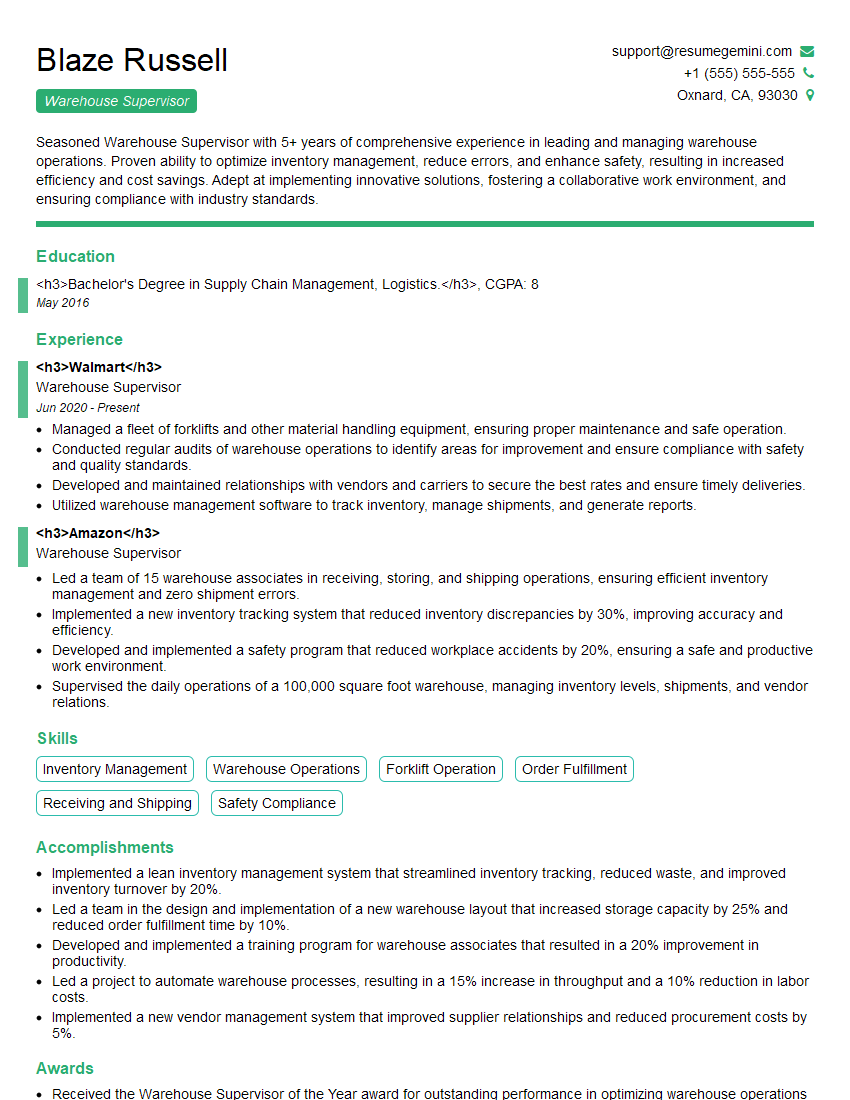
Warehouse Supervisor Resume Sample
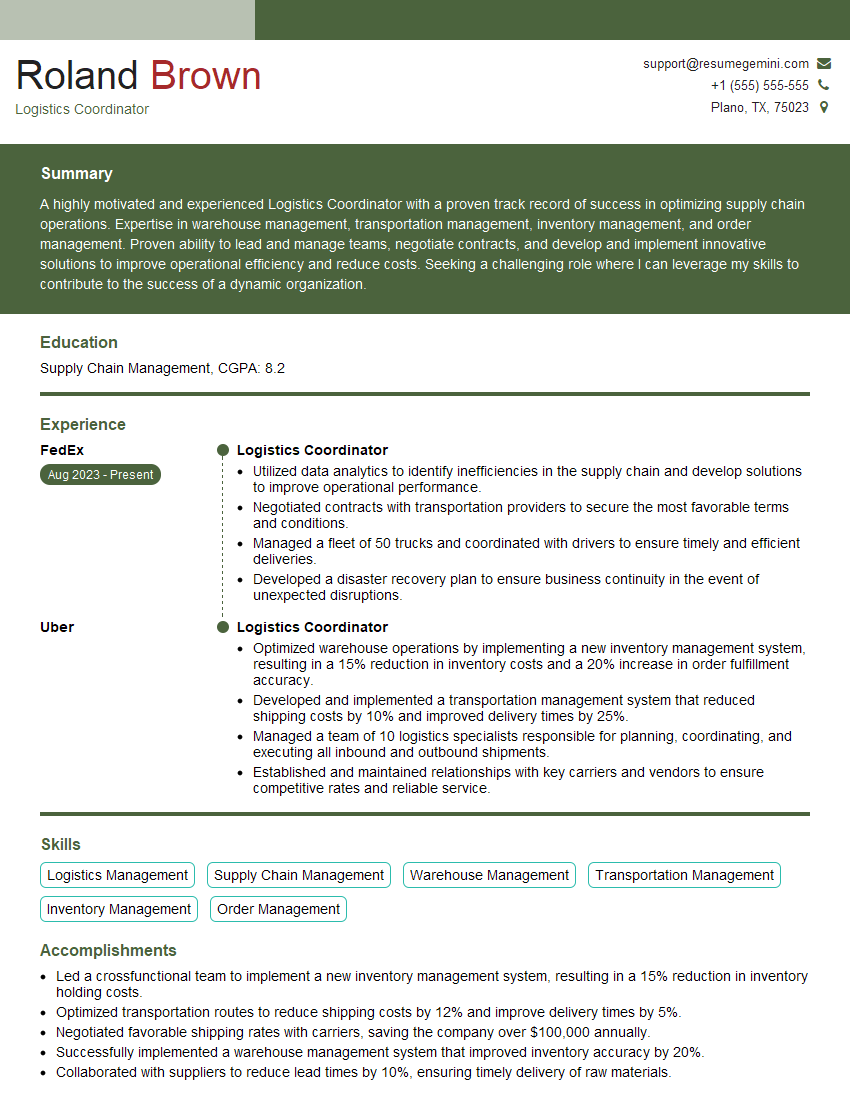
Logistics Coordinator Resume Sample
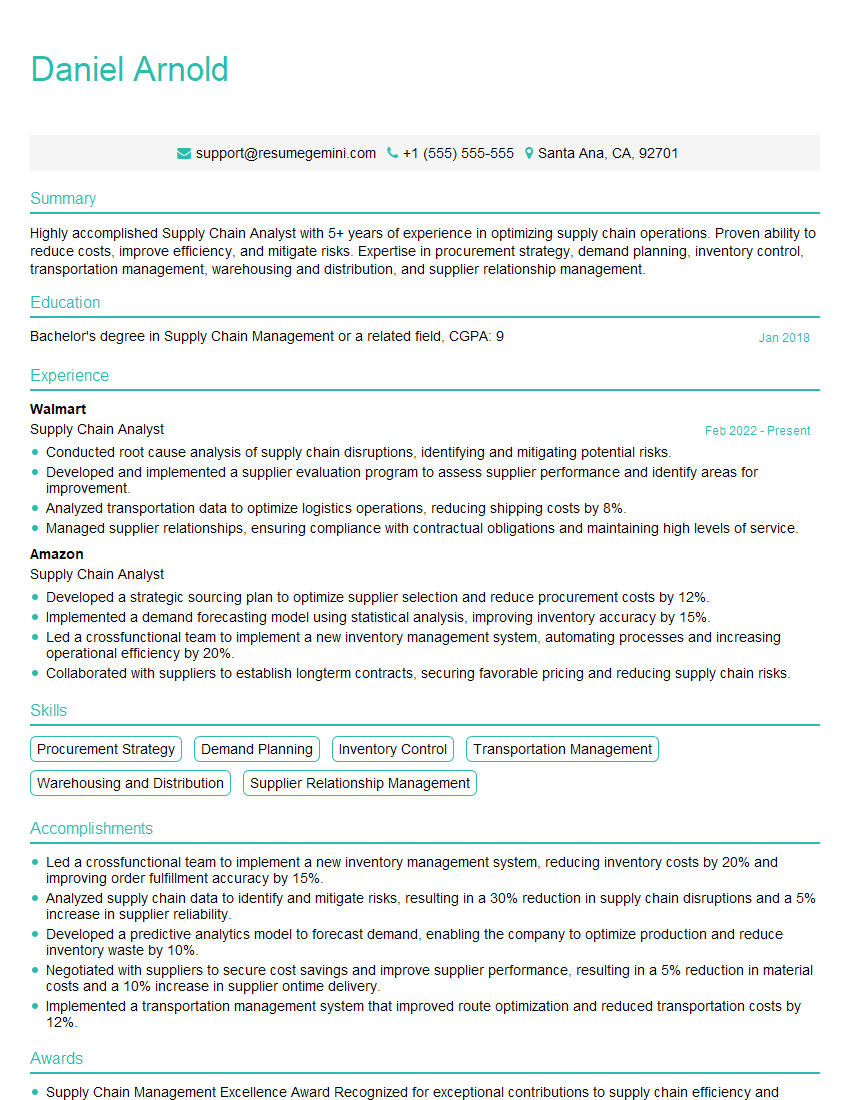
Supply Chain Analyst Resume Sample
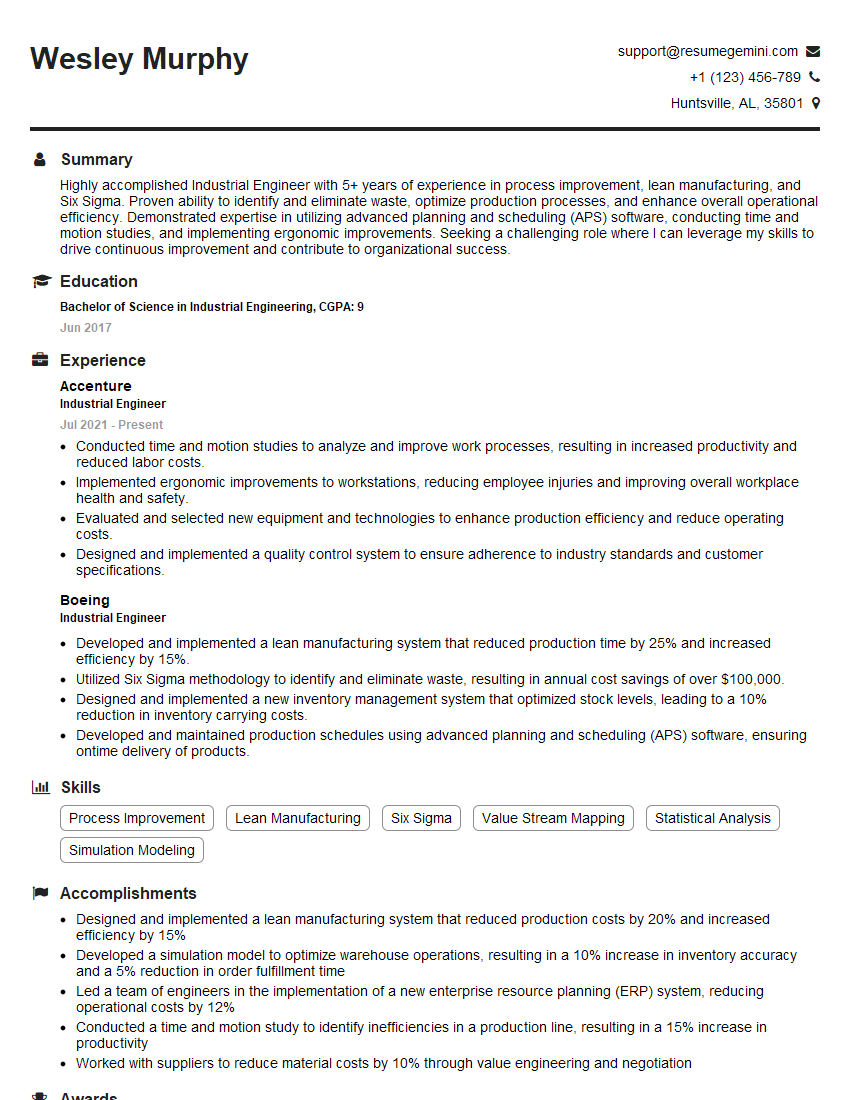
Industrial Engineer Resume Sample

Crane Operator Resume Sample
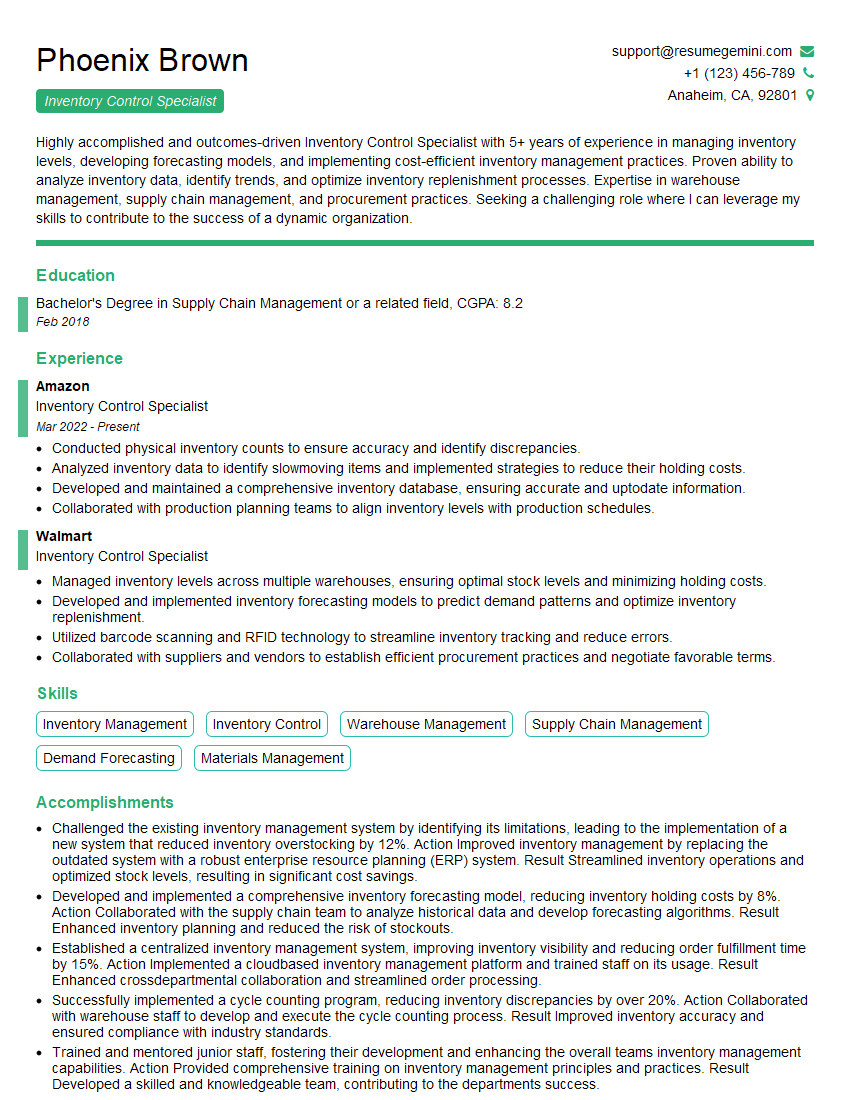
Inventory Control Specialist Resume Sample
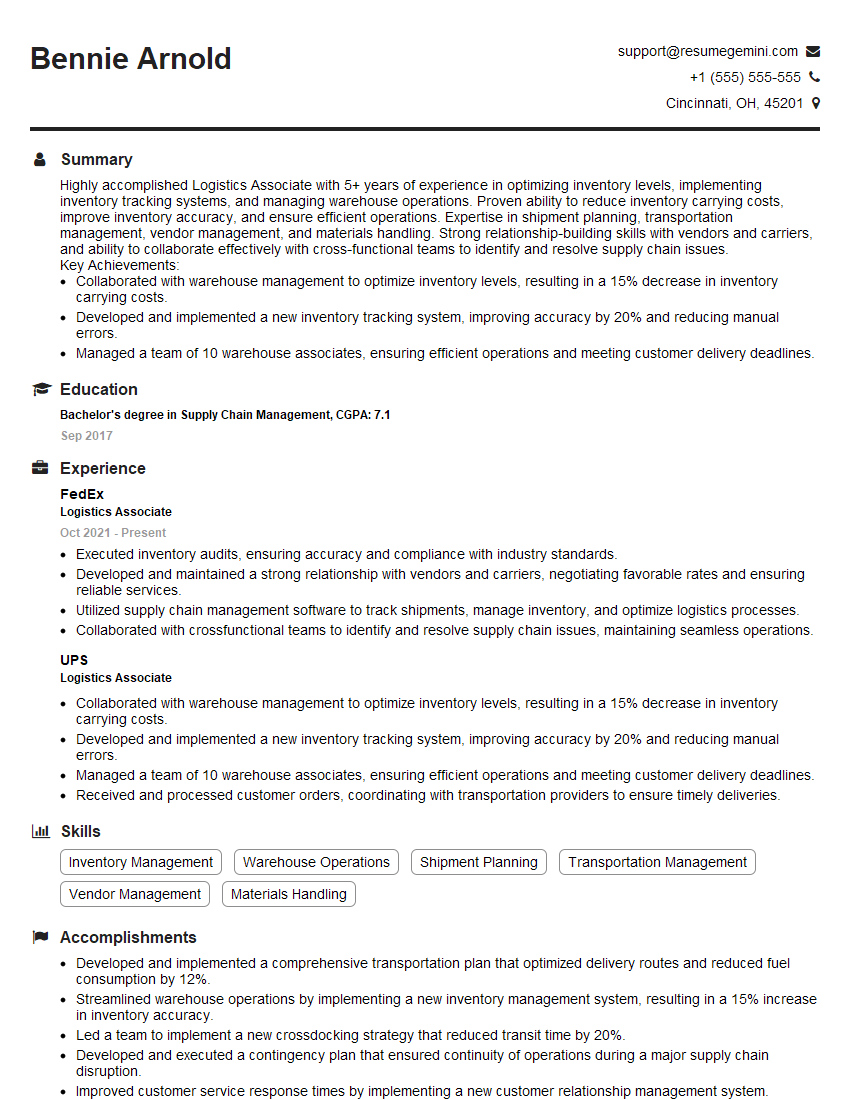
Logistics Associate Resume Sample
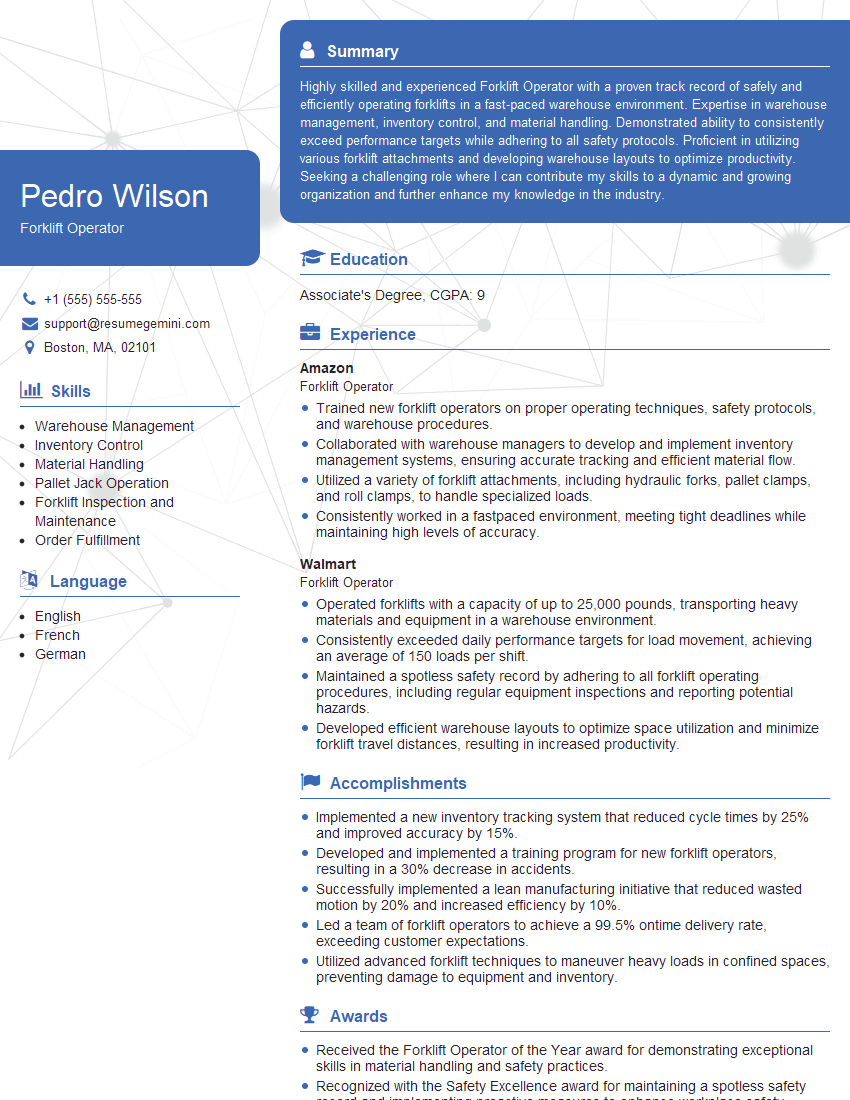
Forklift Operator Resume Sample
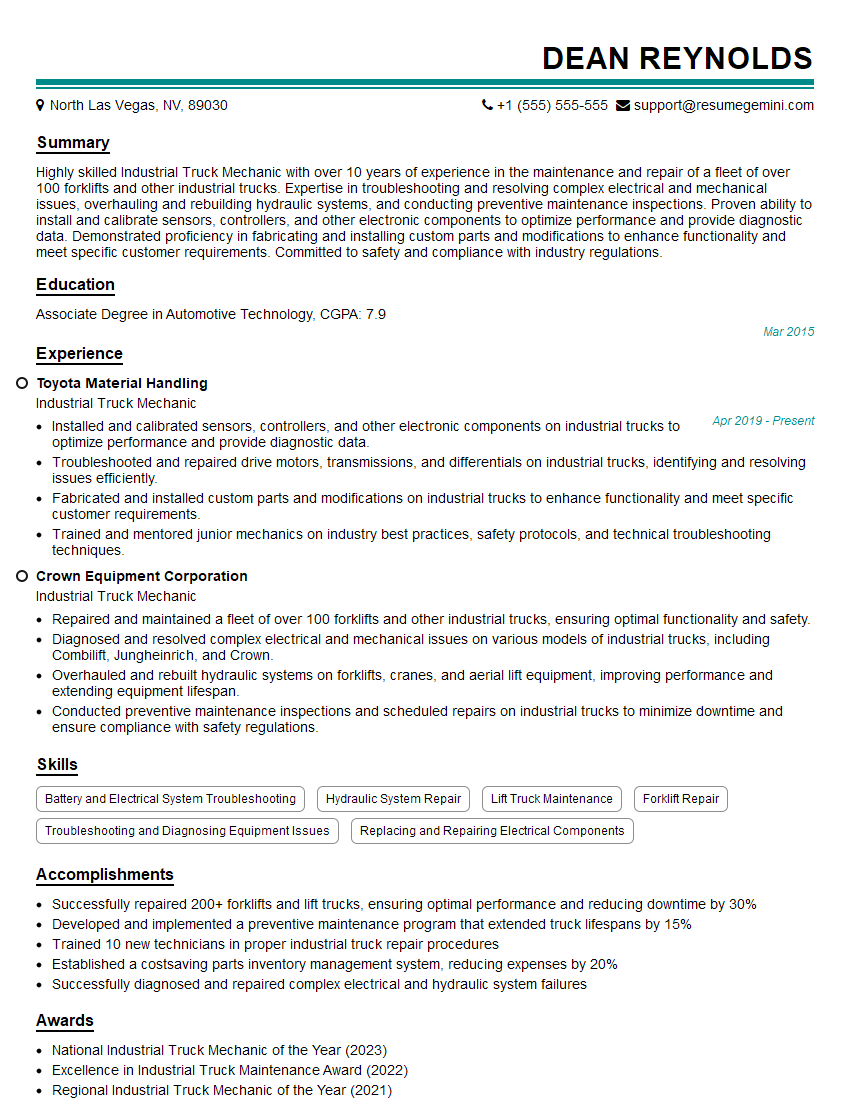
Industrial Truck Mechanic Resume Sample
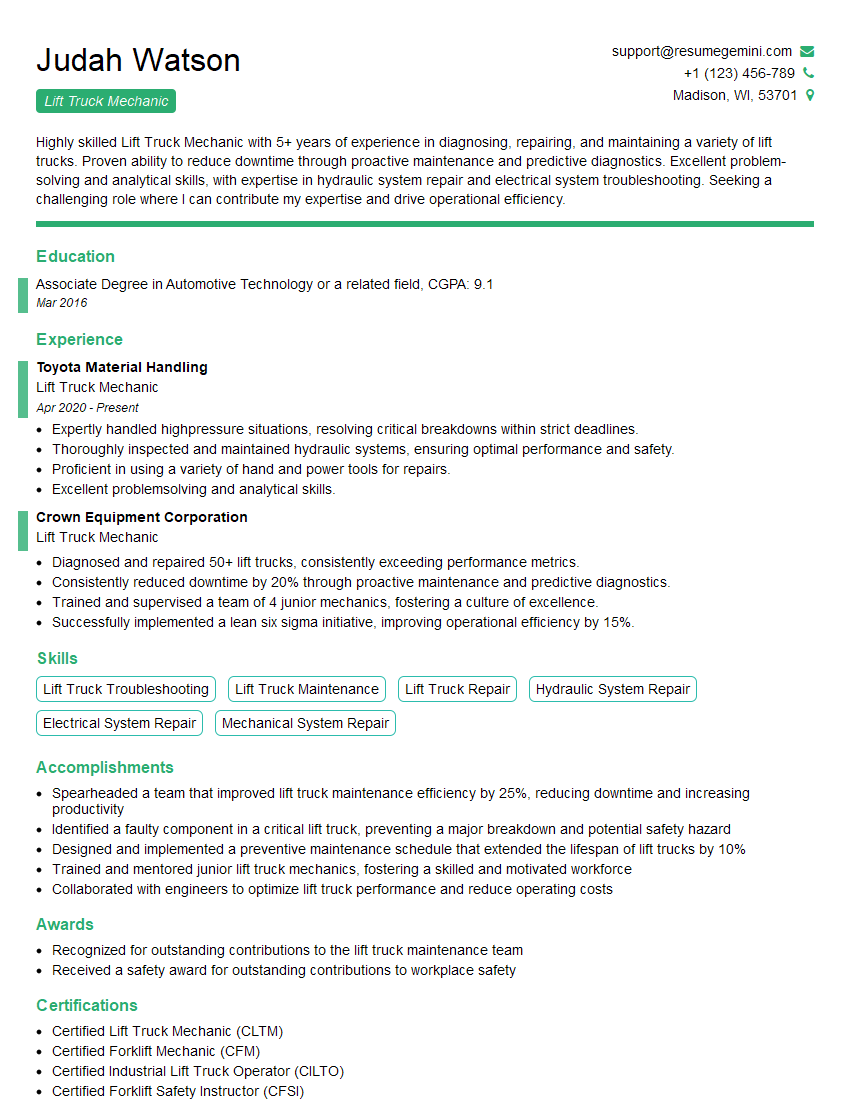
Lift Truck Mechanic Resume Sample
- Safety Manager
- Operations Manager
- Maintenance Supervisor
- Supply Chain Manager
- Distribution Center Manager
- Warehouse Manager
- Warehouse Supervisor
- Logistics Coordinator
- Supply Chain Analyst
- Industrial Engineer
- Crane Operator
- Inventory Control Specialist
- Logistics Associate
- Forklift Operator
- Industrial Truck Mechanic
- Lift Truck Mechanic
Explore more articles
Users Rating of Our Blogs
Share Your Experience
We value your feedback! Please rate our content and share your thoughts (optional).
What Readers Say About Our Blog
Really detailed insights and content, thank you for writing this detailed article.
IT gave me an insight and words to use and be able to think of examples