The thought of an interview can be nerve-wracking, but the right preparation can make all the difference. Explore this comprehensive guide to Mentoring Experience interview questions and gain the confidence you need to showcase your abilities and secure the role.
Questions Asked in Mentoring Experience Interview
Q 1. Describe your mentoring philosophy.
My mentoring philosophy centers around fostering growth and empowerment. I believe in a collaborative partnership, where I act as a guide and facilitator, rather than a director. My approach emphasizes individualized support, tailoring strategies to each mentee’s unique needs, strengths, and aspirations. I focus on building trust and open communication, creating a safe space for exploration, experimentation, and even failure – viewing setbacks as valuable learning opportunities. The ultimate goal is to equip mentees with the skills, confidence, and resources necessary to navigate their professional journey and achieve their full potential.
Q 2. What is your approach to identifying mentee needs?
Identifying a mentee’s needs is a multifaceted process that starts with active listening and open-ended questions. I use a combination of techniques: Initial introductory meetings help me understand their career goals, current challenges, and aspirations. I also utilize assessments – both formal and informal – like personality tests or skills inventories to gain deeper insights into their strengths and weaknesses. Importantly, I observe their work style and communication patterns during our interactions. The process isn’t a one-time event; I regularly check in with mentees to reassess their needs and adjust my approach as they progress.
For example, one mentee expressed difficulty in delegating tasks effectively. This revealed a need for targeted coaching in leadership and team management skills, which I addressed through specific exercises and resources.
Q 3. How do you set SMART goals with mentees?
Setting SMART goals (Specific, Measurable, Achievable, Relevant, and Time-bound) is crucial for effective mentoring. I work collaboratively with mentees to define their goals, ensuring they align with their career aspirations and are both challenging and attainable. We break down large, overarching goals into smaller, manageable steps with clear milestones.
For instance, instead of a broad goal like ‘improve leadership skills,’ we might set a SMART goal like, ‘Develop and deliver a 15-minute presentation to my team outlining a new project plan by the end of the month.’ Regular check-ins allow us to track progress, celebrate successes, and adapt the plan as needed. This collaborative approach ensures ownership and commitment from the mentee.
Q 4. Explain your process for providing constructive feedback.
Providing constructive feedback is a delicate balance between honesty and encouragement. My approach emphasizes a positive and supportive tone, focusing on behaviors and actions rather than personal traits. I use the SBI (Situation-Behavior-Impact) model: I describe the specific situation, the mentee’s behavior in that situation, and the impact of that behavior. This provides concrete examples and avoids vague criticisms. I also encourage self-reflection, asking open-ended questions to help the mentee analyze their performance and identify areas for improvement. Finally, I always conclude with actionable steps and support to aid in improvement.
For example: ‘In the recent team meeting (Situation), when you interrupted several colleagues (Behavior), it impacted the flow of discussion and made some feel unheard (Impact). Perhaps next time we can practice active listening and letting others fully express their points?’
Q 5. How do you handle conflict or disagreements with a mentee?
Conflicts or disagreements are inevitable in any relationship, including mentoring. My approach prioritizes open communication and mutual respect. I create a safe space where both the mentee and I can express our perspectives without judgment. I actively listen to understand their viewpoint, and clearly communicate my own, ensuring I am empathetic to their position. We collaboratively brainstorm solutions, focusing on finding common ground and mutually agreeable outcomes. If necessary, I might suggest external resources or mediation to assist in resolving more complex conflicts.
For instance, if a mentee feels micromanaged, I’d actively listen, acknowledge their feelings, then collaboratively explore ways to improve communication and expectations to find a mutually acceptable approach to project management.
Q 6. Describe a time you had to adapt your mentoring style to a mentee’s learning preferences.
I once mentored an individual who preferred visual learning over traditional methods. Initially, I relied heavily on written materials and verbal discussions. However, I realized that this wasn’t as effective for this mentee. I adapted by incorporating more visual aids like charts, graphs, and mind maps into our sessions. I also started using collaborative online whiteboards to visually brainstorm ideas and track progress. The shift improved engagement and comprehension significantly, leading to more efficient goal achievement. This highlights the importance of flexibility and responsiveness to individual learning preferences.
Q 7. How do you measure the success of your mentoring relationships?
Measuring the success of a mentoring relationship goes beyond simply achieving specific goals. I use a multi-faceted approach: First, I track progress toward the SMART goals we set together. This provides quantifiable evidence of achievement. I also assess qualitative improvements through regular check-ins, observing their confidence, problem-solving skills, and overall professional growth. Finally, I solicit feedback from the mentee to gauge their satisfaction and identify areas for improvement in the mentoring process. Success is not only about achieving defined outcomes but also about the overall growth, confidence, and empowerment of the mentee.
Q 8. How do you maintain confidentiality with mentee information?
Confidentiality is paramount in any mentoring relationship. I treat all information shared by my mentees as strictly private, unless legally obligated to disclose it. This includes career aspirations, personal challenges (to the extent shared), and any sensitive details they reveal during our sessions. I make it clear from the outset that our conversations are confidential and only used to support their growth. I don’t discuss their progress or challenges with others, even colleagues or other mentors, without their explicit permission. Furthermore, I maintain secure records of our sessions, either digitally with password protection and encryption or physically in locked files, adhering to all relevant data privacy regulations.
For example, if a mentee shares concerns about a difficult situation at work, I’ll listen empathetically and offer guidance, but I won’t repeat that information to anyone else. Maintaining this trust is fundamental to building a strong and productive mentoring relationship.
Q 9. Describe a time a mentee challenged your approach. How did you respond?
One mentee, Sarah, was hesitant to network, preferring to focus solely on improving her technical skills. My initial approach emphasized the importance of networking for career advancement, which she found too generic and impersonal. She challenged my suggestion by highlighting her introverted nature and past negative networking experiences. My response involved a collaborative approach. Instead of pushing a one-size-fits-all solution, I listened carefully and acknowledged her valid concerns. We then worked together to develop a tailored networking strategy that addressed her comfort level. This involved starting with smaller, more manageable interactions like joining online communities related to her field and gradually working her way up to larger networking events. We focused on strategies that built her confidence and played to her strengths, like contributing meaningfully to online discussions rather than forced small talk. The result was a more effective and sustainable approach that ultimately led to significant professional growth for her.
Q 10. How do you motivate mentees to achieve their goals?
Motivating mentees requires a personalized approach that understands their individual needs and aspirations. I employ several strategies: First, I work collaboratively with the mentee to set SMART goals – Specific, Measurable, Achievable, Relevant, and Time-bound. This provides a clear roadmap and allows us to track progress effectively. Secondly, I help them break down large goals into smaller, more manageable steps, making the overall journey feel less daunting. Regular check-ins are vital; these aren’t just performance reviews but opportunities to celebrate successes, acknowledge challenges, and re-adjust the strategy as needed. Positive reinforcement and recognizing effort, not just outcomes, is crucial to maintaining motivation. Finally, I encourage self-reflection by prompting them to identify their strengths and areas for improvement, fostering a sense of ownership over their development.
For example, if a mentee is aiming for a promotion, we might break that down into steps like enhancing specific skills, networking strategically, and crafting a compelling presentation to their manager. We celebrate each milestone achieved along the way, keeping the focus on progress and building confidence.
Q 11. How do you foster a supportive and trusting mentor-mentee relationship?
Building a supportive and trusting relationship is founded on mutual respect, open communication, and active listening. I create a safe space for vulnerability where the mentee feels comfortable sharing their thoughts and feelings without judgment. This starts with clearly establishing expectations and boundaries at the beginning of the mentoring relationship. I actively listen to my mentees, showing genuine interest in their experiences and perspectives. Regular check-ins, both formal and informal, ensure consistent communication and opportunities to address concerns promptly. Providing constructive feedback, delivered with empathy and focusing on growth, is key. Finally, demonstrating vulnerability myself by sharing relevant experiences from my own career journey can help foster a stronger sense of connection and trust.
Q 12. What resources do you utilize to support mentee development?
I utilize a range of resources to support mentee development. This includes industry publications and journals to stay abreast of the latest trends and best practices. I also leverage online learning platforms and workshops that offer specialized training relevant to the mentee’s field or career goals. Networking events and professional organizations provide opportunities for connection and exposure to diverse perspectives. When appropriate, I connect mentees with other professionals in my network who can offer valuable insights or support. Internal company resources like mentorship programs, training materials, and career development tools are also essential assets.
Q 13. How do you address a mentee’s lack of progress?
Addressing a lack of progress requires a sensitive and collaborative approach. I start by scheduling a dedicated meeting to discuss their challenges openly and honestly. This isn’t about assigning blame but about understanding the root causes. We’ll collaboratively review the established goals and assess whether they are still relevant and achievable. Sometimes, adjustments to the plan are needed. Perhaps the goals are too ambitious, or unforeseen obstacles have emerged. We might need to break down tasks further or adjust timelines. I also explore any external factors that might be hindering progress, like work-life balance issues or lack of resources. If needed, I’ll connect the mentee with appropriate support systems within or outside the organization, reminding them that seeking help is a sign of strength, not weakness.
Q 14. How do you handle situations where a mentee is struggling personally?
When a mentee is struggling personally, my primary role is to offer support and guidance, while acknowledging the limitations of my expertise. I begin by actively listening and empathizing with their situation. It’s crucial to create a safe space for them to share their concerns without judgment. I’ll encourage them to seek professional help if necessary, offering resources and connecting them with appropriate support services, such as employee assistance programs or mental health professionals. My role shifts from primarily career-focused mentoring to providing emotional support and guiding them towards resources that can address their personal challenges. However, I would always maintain professional boundaries, respecting their privacy and autonomy while ensuring their well-being.
Q 15. What are your strengths and weaknesses as a mentor?
My greatest strength as a mentor lies in my ability to build strong, trusting relationships with my mentees. I foster open communication and create a safe space where they feel comfortable sharing challenges and celebrating successes. I’m also adept at tailoring my approach to individual learning styles and needs, recognizing that a one-size-fits-all approach is ineffective. For example, I recently mentored a junior engineer who thrived on hands-on projects, so I structured our sessions around real-world case studies. Conversely, another mentee benefitted more from theoretical discussions and strategic planning.
A weakness I’m actively working on is sometimes being too direct. While I believe in providing honest feedback, I’m learning to better balance directness with empathy and sensitivity, ensuring my feedback is constructive and doesn’t feel overly critical. I’ve been incorporating active listening techniques and focusing on framing feedback as a collaborative process rather than a judgment.
Career Expert Tips:
- Ace those interviews! Prepare effectively by reviewing the Top 50 Most Common Interview Questions on ResumeGemini.
- Navigate your job search with confidence! Explore a wide range of Career Tips on ResumeGemini. Learn about common challenges and recommendations to overcome them.
- Craft the perfect resume! Master the Art of Resume Writing with ResumeGemini’s guide. Showcase your unique qualifications and achievements effectively.
- Don’t miss out on holiday savings! Build your dream resume with ResumeGemini’s ATS optimized templates.
Q 16. Describe your experience in designing and implementing mentoring programs.
I have extensive experience designing and implementing mentoring programs, from initial needs assessment to evaluation. My approach usually begins with identifying clear learning objectives and desired outcomes. This involves collaborating with stakeholders to understand organizational goals and the skills gap that needs to be addressed. I then develop a structured program that includes elements like matching processes, training for mentors and mentees, regular check-ins, and opportunities for peer learning and networking. For instance, I once designed a program for a tech startup focusing on leadership development. We implemented a peer-to-peer component alongside one-on-one mentoring, fostering a culture of mentorship throughout the organization.
Implementation focuses on creating a supportive environment with clear guidelines, regular communication, and ongoing evaluation. I use various tools and technologies to support the program, such as online platforms for communication and progress tracking. Finally, post-program evaluation is crucial to assess its effectiveness and inform future iterations. Data collected from surveys and feedback sessions are analyzed to make improvements and refine the program’s structure and content.
Q 17. How do you ensure diversity and inclusion within your mentoring relationships?
Diversity and inclusion are paramount in effective mentoring. I ensure this by implementing a structured matching process that considers various factors beyond just skills and experience. This includes considering gender, race, ethnicity, background, and career stage to create diverse pairings. Moreover, I proactively address potential biases during the matching process and provide training to both mentors and mentees on cultural sensitivity and inclusive communication.
For example, when designing a mentorship program, I might consciously pair senior leaders from underrepresented groups with junior employees from different backgrounds, thereby enriching the experience for both parties. The training emphasizes the importance of understanding and respecting diverse perspectives, promoting active listening, and being mindful of potential microaggressions. Finally, I encourage open communication and create opportunities for mentees to voice any concerns or challenges they face regarding diversity and inclusion within the mentoring relationship.
Q 18. How do you track mentee progress and achievements?
Tracking mentee progress is a continuous process involving multiple methods. I typically start by establishing clear, measurable goals at the beginning of the mentoring relationship. These goals are collaboratively defined and aligned with the mentee’s career aspirations and the organization’s objectives. I use regular check-in meetings, progress reports (often submitted via online platforms), and informal communication to monitor the mentee’s journey.
Furthermore, I encourage the mentee to self-assess their progress and reflect on their achievements. I use a combination of quantitative data, such as completion of training programs or attainment of specific targets, and qualitative data, such as anecdotal feedback, self-reflections, and observations from meetings, to gain a holistic understanding of their progress. This multifaceted approach ensures a comprehensive view of the mentee’s development, enabling timely intervention and adjustments as needed.
Q 19. What are the ethical considerations in mentoring?
Ethical considerations in mentoring are crucial. Maintaining confidentiality is paramount, meaning that anything shared during mentoring sessions should remain private unless legally obligated to disclose otherwise. The mentor-mentee relationship should be free from any form of exploitation or coercion. Mentors should avoid conflicts of interest, ensuring objectivity in their guidance and not using the relationship for personal gain.
Boundaries should be clearly established and respected. For example, the mentor should avoid overly personal relationships with the mentee and professional boundaries must be maintained. Professional development should always be the primary focus, and the mentor should be aware of and avoid any actions that might create a power imbalance or cause emotional distress for the mentee. Transparency about potential limitations of the mentorship and regular reviews to assess the effectiveness and appropriateness of the relationship are key ethical considerations.
Q 20. How do you adapt your mentoring approach to different organizational cultures?
Adapting my mentoring approach to different organizational cultures requires a high degree of sensitivity and observation. I begin by understanding the organizational values, communication styles, and power dynamics. This involves researching the company culture and observing the interactions between employees. For example, in a highly hierarchical organization, the mentoring relationship might need to be more formal, while in a flatter organization, a more informal and collaborative approach might be more effective.
I also tailor my communication style and feedback methods to align with the cultural norms. Some cultures might prefer direct feedback, while others might prefer a more indirect or nuanced approach. Understanding the organizational context and adjusting my strategies accordingly ensures that my mentoring style is both effective and appropriate within the specific organizational culture.
Q 21. Describe a time you had to mentor someone with significantly different experience or background than your own.
I once mentored a recent college graduate with a background in liberal arts who was transitioning into a technical project management role. My own background is heavily technical, so initially, I felt a gap in understanding. However, I quickly realized that my technical skills were less relevant than my experience in project management and leadership. I shifted my approach, focusing less on the technical aspects and more on strategic planning, communication skills, and conflict resolution.
We worked together to define her career goals and develop a roadmap for achieving them. I leveraged her strengths in communication and interpersonal skills, recognizing that those were equally vital, if not more so, than her technical knowledge in this specific role. This experience highlighted the importance of focusing on transferable skills and recognizing the value of diverse perspectives. By adapting my approach to her specific needs and strengths, I successfully helped her navigate the transition and excel in her new role.
Q 22. What is your understanding of different mentoring models (e.g., formal, informal)?
Mentoring models vary significantly in their structure and formality. Formal mentoring programs are typically structured, often with defined goals, timelines, and matching processes. They might involve a designated mentor assigned by the organization, regular check-ins, and structured activities. Think of a corporate leadership development program pairing junior executives with senior leaders. Informal mentoring, on the other hand, develops organically. It’s a more spontaneous relationship built on mutual respect and shared interests, often evolving from a professional connection. A junior developer seeking advice from a senior colleague on a challenging coding problem is an example of informal mentoring. Reverse mentoring is another model where a younger, more tech-savvy employee mentors a senior executive on new technologies or social media trends. Each model has its strengths; formal programs offer structured support, while informal relationships can be more flexible and authentic.
- Formal: Structured, organization-driven, defined goals, assigned mentors.
- Informal: Organic, spontaneous, based on mutual respect, no formal structure.
- Reverse: Younger employee mentors a senior employee on specific skills or trends.
Q 23. How do you handle situations where a mentee plateaus in their development?
When a mentee plateaus, it’s crucial to address the issue with empathy and a collaborative approach. I’d start by having an open and honest conversation to understand the root cause. Are there skill gaps? Lack of motivation? External obstacles? Sometimes, a plateau is simply a natural pause before the next growth spurt. We’d collaboratively assess their current skillset and identify areas requiring additional development. This could involve targeted training, shadowing opportunities, or exposure to new projects that challenge them and stretch their abilities. Setting new, achievable goals, broken down into smaller, manageable steps, can also be very effective. We’d regularly review progress and adjust the strategy if necessary, ensuring they feel supported and empowered throughout the process. Remember, it’s about identifying the obstacle, not blaming the mentee.
For example, I once worked with a mentee who plateaued in her public speaking skills. After a conversation, we discovered she lacked confidence. We addressed this by practicing together, using role-playing and providing constructive feedback. We also explored opportunities for her to speak at smaller internal events to gradually build her comfort level. This step-by-step approach helped her overcome her plateau and significantly improve her public speaking abilities.
Q 24. How do you facilitate knowledge sharing and networking among mentees?
Facilitating knowledge sharing and networking is vital in mentoring. I would encourage mentees to connect with each other through various methods. This could include group meetings, informal gatherings, or online forums, creating a supportive community where they can learn from one another’s experiences, share best practices, and build professional relationships. I might organize workshops or guest speaker sessions where mentees can learn from industry experts. I’d also leverage the organization’s existing networking platforms and resources to help connect mentees with relevant individuals and groups within the company. Regularly providing opportunities for them to collaborate on projects or present their work can also strengthen these networking bonds and increase knowledge sharing.
For instance, I’ve organized ‘lunch-and-learns’ where mentees could present their work to the broader team and receive peer feedback. This proved highly successful in sharing knowledge and building relationships.
Q 25. How do you ensure the sustainability of your mentoring relationships?
Sustainability in mentoring hinges on mutual respect, clear communication, and a shared understanding of expectations. From the outset, I’d establish realistic goals and timelines, ensuring that the mentoring relationship adds value to both the mentor and the mentee. Regular check-ins are essential—not just to monitor progress but also to gauge the mentee’s satisfaction and address any concerns promptly. Open and honest communication is key to maintaining trust and a strong bond. Moreover, I’d actively seek feedback from the mentee to ensure their needs are met and the relationship remains beneficial. Ultimately, a successful and sustainable mentoring relationship is built on a foundation of mutual respect and a commitment to the mentee’s growth.
For example, I always schedule a formal review at the midpoint and end of each mentoring cycle to discuss progress and adjust plans as needed.
Q 26. What are your expectations for the mentoring role in this organization?
My expectations for the mentoring role in this organization are aligned with the company’s overall goals. I expect to contribute to the development of high-potential employees, helping them reach their full potential and contributing positively to the organization. I aim to provide guidance, support, and resources that will enhance their skills, knowledge, and career trajectory. I’m eager to support the organization’s commitment to employee growth and contribute to a culture of mentorship and learning. Specifically, I’d like to work within the existing mentoring framework, while also offering suggestions for improvement based on my experience.
Q 27. How do you balance mentoring responsibilities with other work tasks?
Balancing mentoring responsibilities with other work tasks requires careful planning and prioritization. I use time management techniques such as time blocking to allocate specific times for mentoring activities. I also integrate mentoring into my existing workflow where possible, for instance, by incorporating coaching elements into regular one-on-one meetings. Effective communication with my mentees is crucial to set expectations and manage their needs effectively. Openly communicating my workload constraints and scheduling commitments ensures transparency and helps avoid conflicts. Ultimately, it’s about finding the right balance that allows me to fulfill my responsibilities without compromising the quality of either my mentoring or my other work assignments.
Q 28. What are your plans for continuous professional development as a mentor?
My commitment to continuous professional development as a mentor is unwavering. I plan to regularly attend workshops and conferences on mentoring best practices and adult learning principles. I’ll actively seek feedback from my mentees to continuously improve my mentoring style and effectiveness. I also plan to stay up-to-date on industry trends and developments to ensure I’m equipped to provide relevant and timely advice. Networking with other mentors and engaging in peer-to-peer learning is another important aspect of my CPD. This holistic approach ensures that I remain a valuable and effective mentor, capable of providing high-quality guidance and support to my mentees.
Key Topics to Learn for Mentoring Experience Interview
- Understanding Mentoring Relationships: Explore the dynamics of effective mentor-mentee relationships, including communication styles, trust-building, and setting realistic goals.
- Practical Application: Providing Effective Guidance: Discuss your experience in providing constructive feedback, offering advice, and resolving conflicts within a mentoring context. Prepare examples showcasing your ability to adapt your approach to different individuals and situations.
- Mentoring Program Design & Implementation: If relevant to the role, consider the design and implementation of mentoring programs, including recruitment strategies, training, and evaluation methods.
- Measuring Mentoring Success: Discuss how to define and measure the effectiveness of a mentoring program or individual mentoring relationships. What key performance indicators (KPIs) would you use?
- Challenges and Problem-Solving: Prepare to discuss challenges you’ve faced in mentoring relationships and how you overcame them. Demonstrate your problem-solving skills and adaptability.
- Ethical Considerations in Mentoring: Discuss the ethical responsibilities involved in mentoring, such as maintaining confidentiality and avoiding conflicts of interest.
- Different Mentoring Styles and Approaches: Research various mentoring styles (e.g., coaching, advising, sponsorship) and how you would choose the most appropriate approach depending on the mentee’s needs and goals.
Next Steps
Mastering the nuances of mentoring experience significantly enhances your career prospects, demonstrating valuable leadership, communication, and interpersonal skills highly sought after by employers. To further strengthen your job application, creating an ATS-friendly resume is crucial. This ensures your qualifications are effectively highlighted to recruiters. We highly recommend using ResumeGemini, a trusted resource, to build a professional and impactful resume. Examples of resumes tailored to showcasing Mentoring Experience are provided below to help you get started.
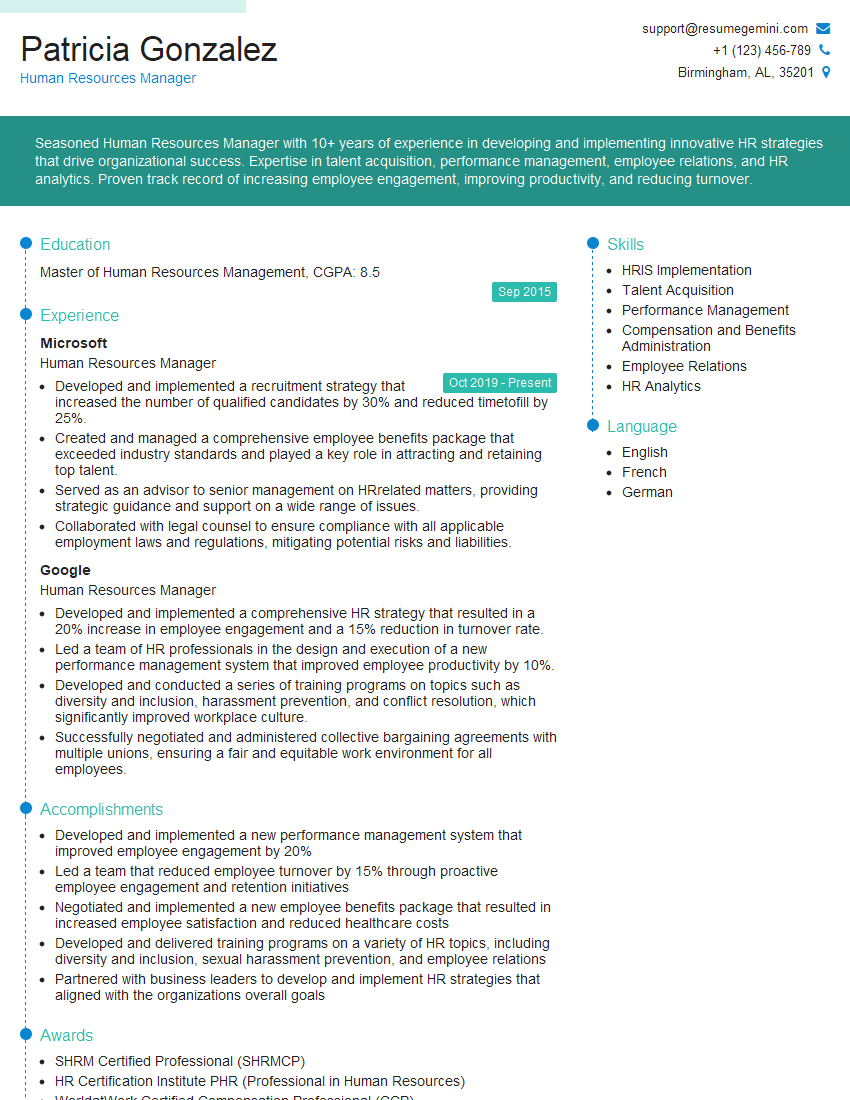
Human Resources Manager Resume Sample
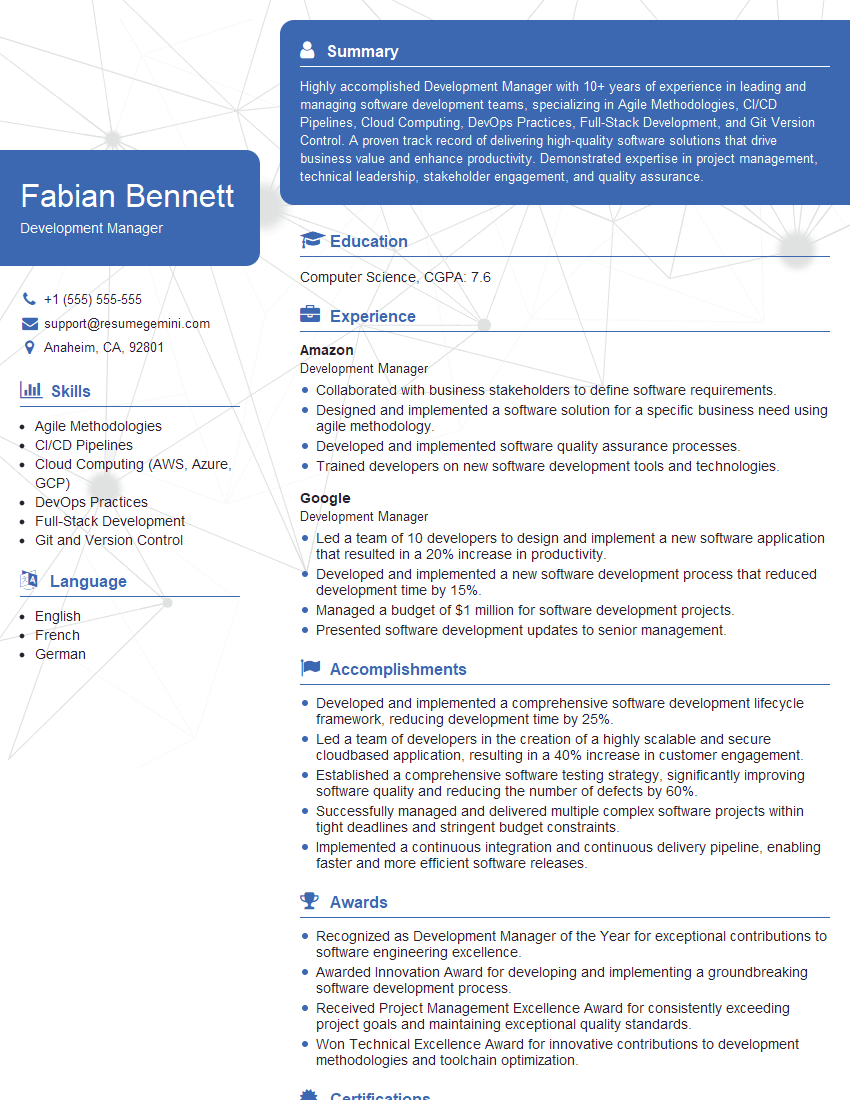
Development Manager Resume Sample
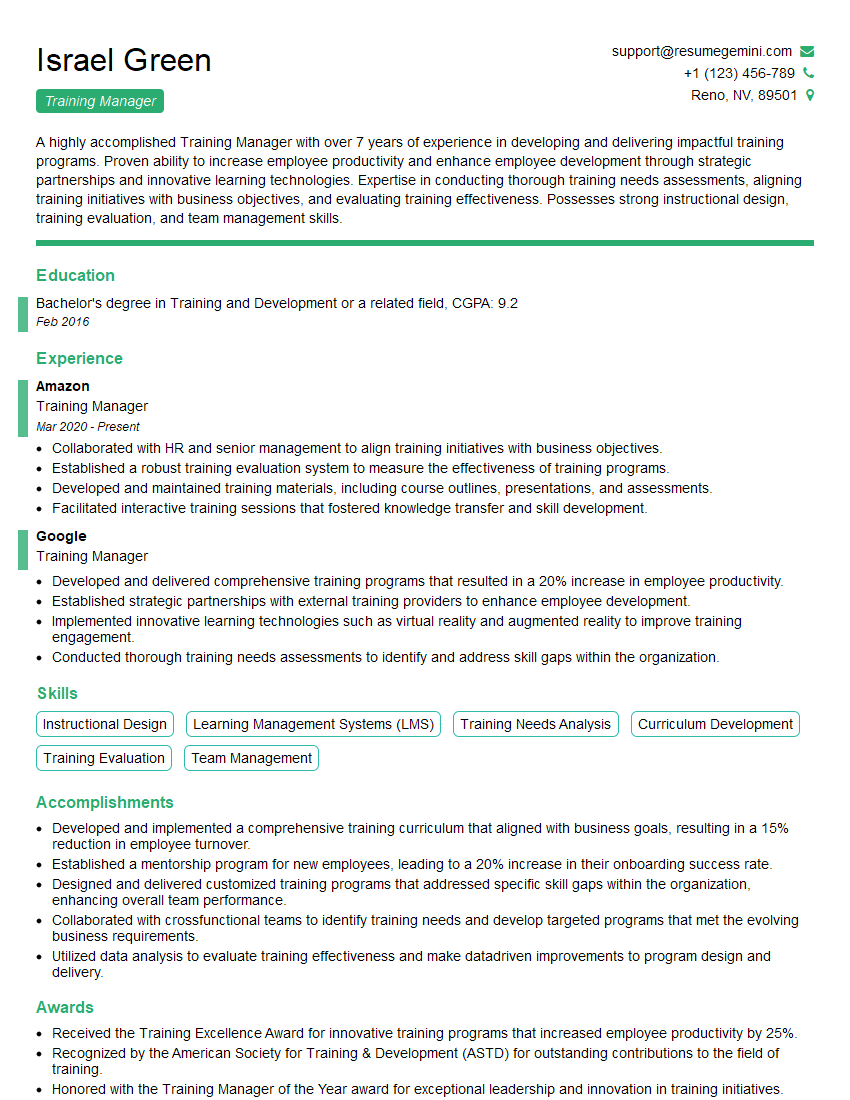
Training Manager Resume Sample
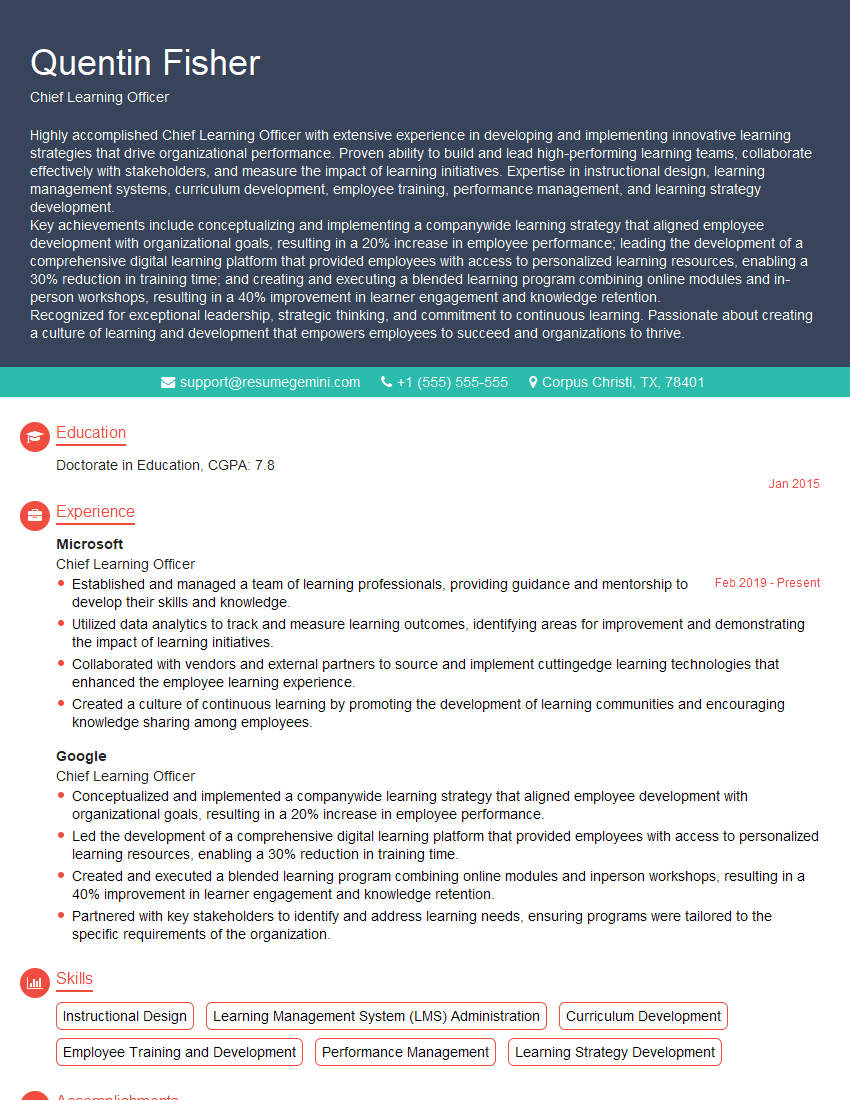
Chief Learning Officer Resume Sample
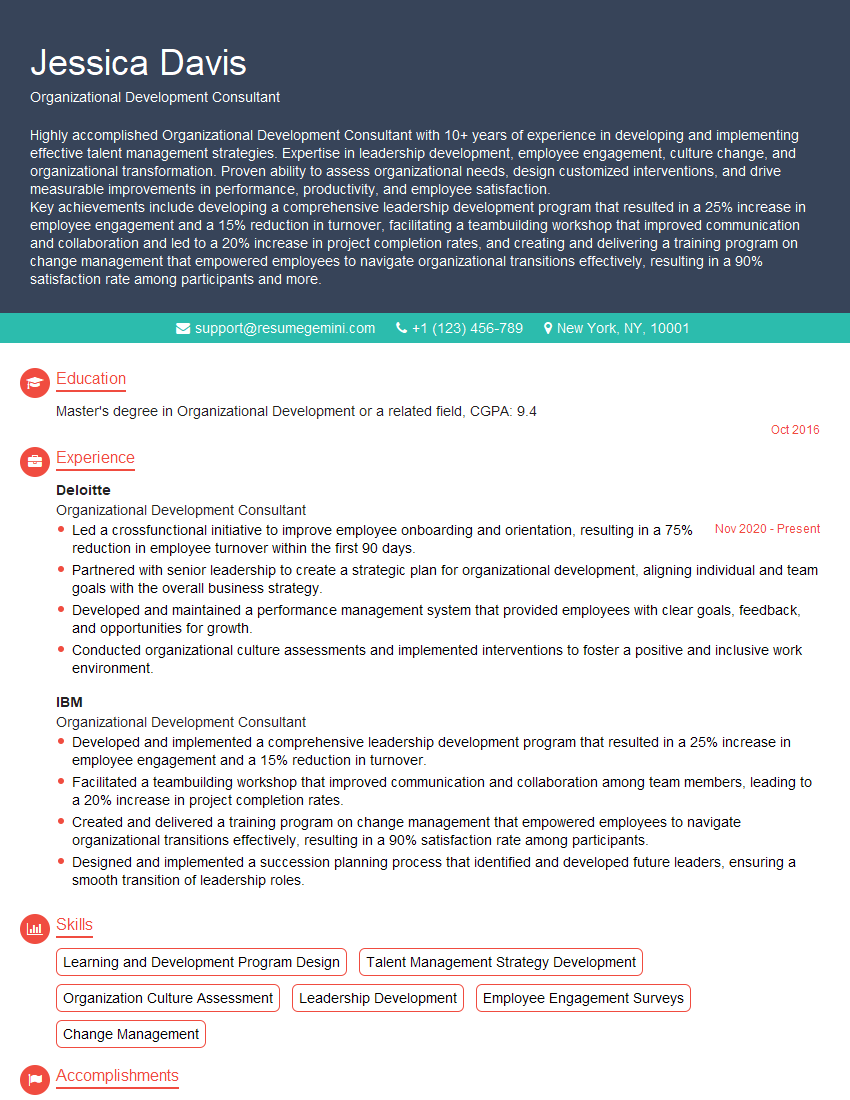
Organizational Development Consultant Resume Sample
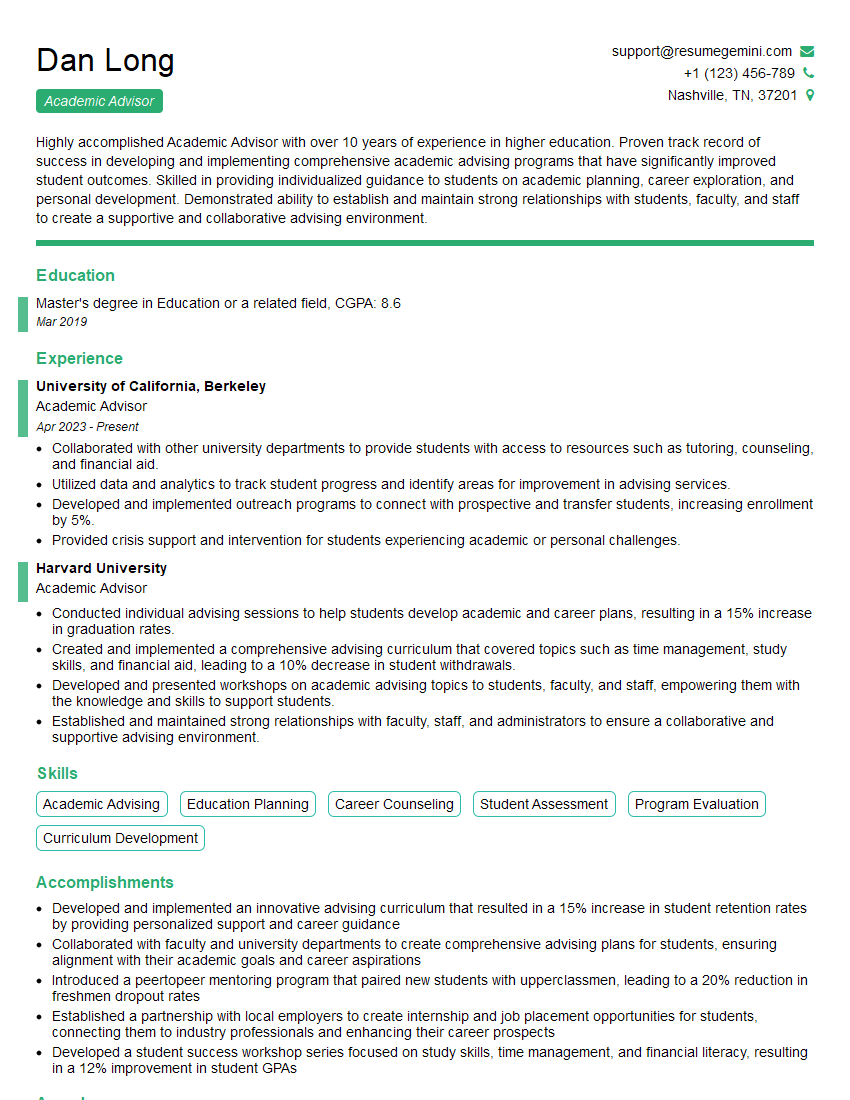
Academic Advisor Resume Sample
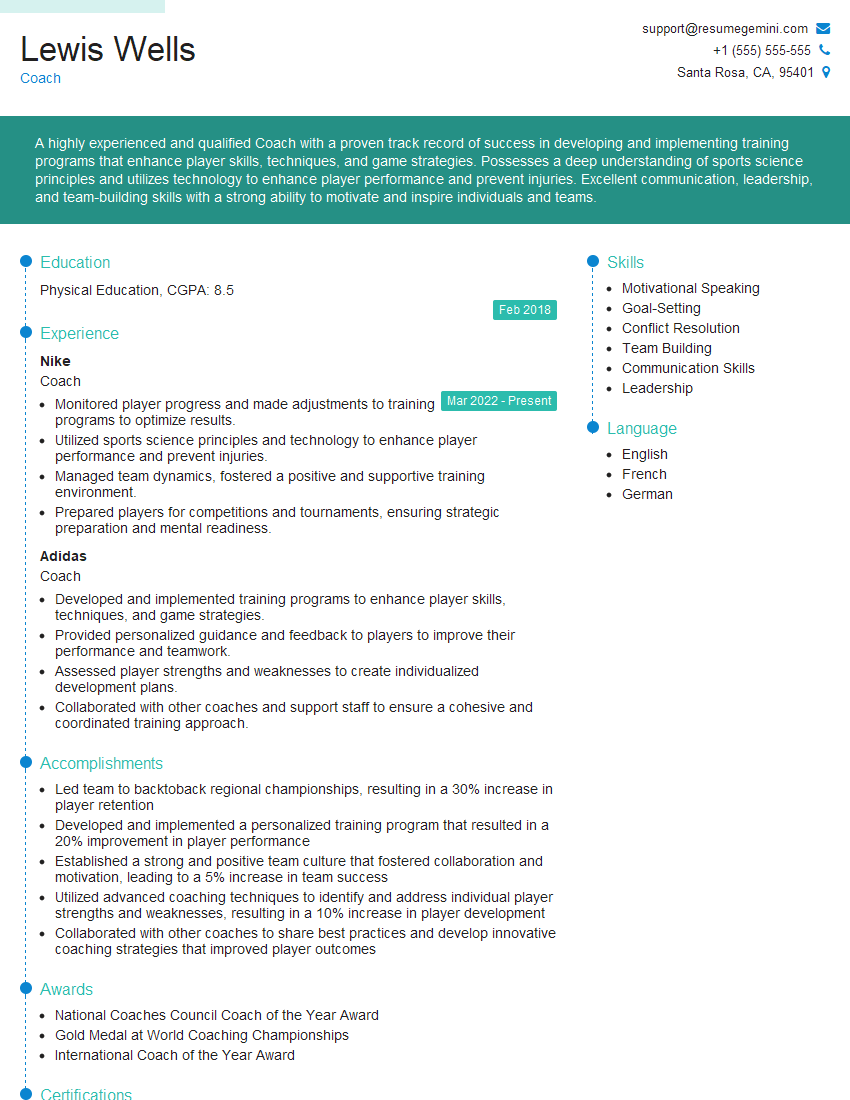
Coach Resume Sample
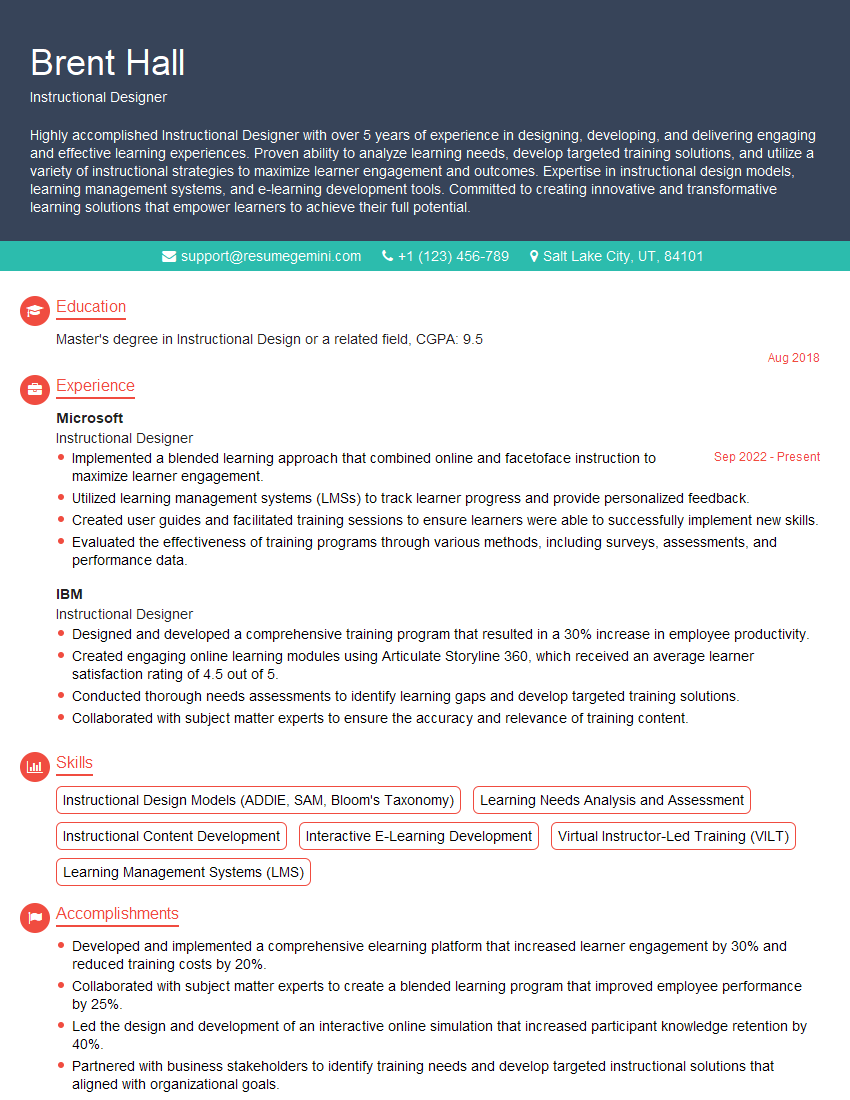
Instructional Designer Resume Sample
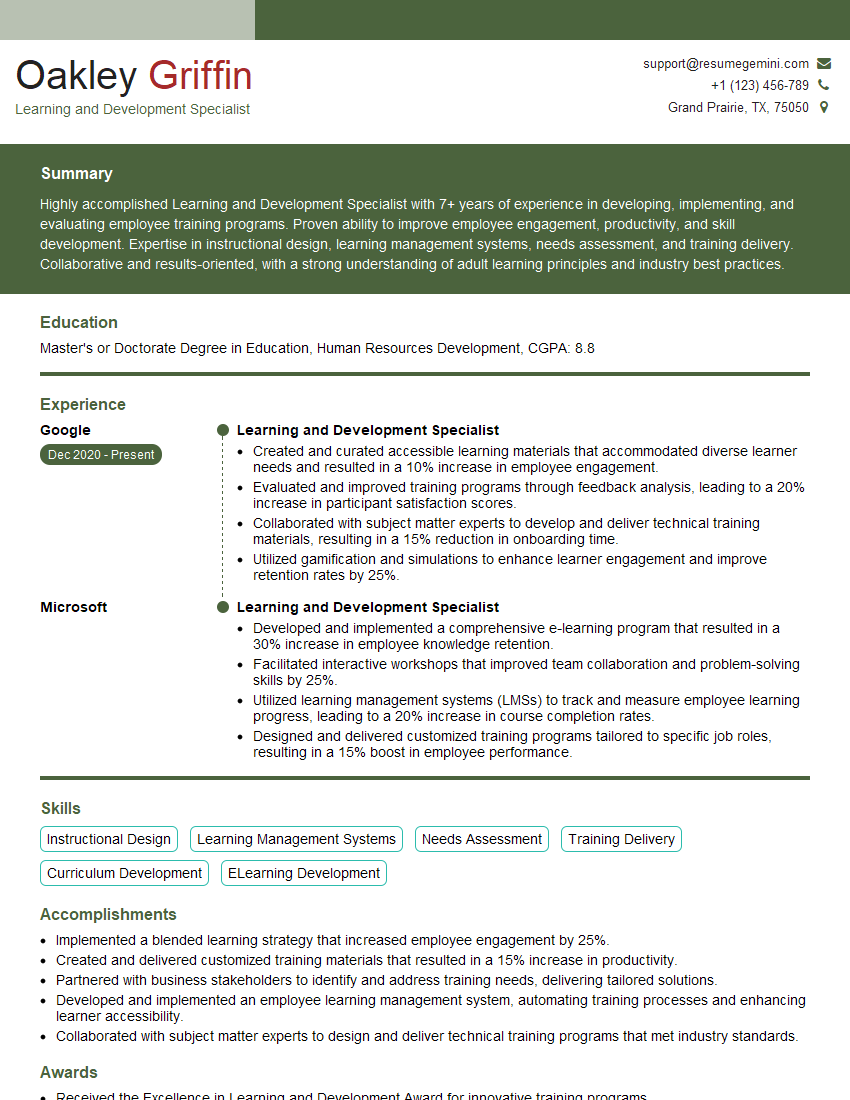
Learning and Development Specialist Resume Sample
Explore more articles
Users Rating of Our Blogs
Share Your Experience
We value your feedback! Please rate our content and share your thoughts (optional).
What Readers Say About Our Blog
I Redesigned Spongebob Squarepants and his main characters of my artwork.
https://www.deviantart.com/reimaginesponge/art/Redesigned-Spongebob-characters-1223583608
IT gave me an insight and words to use and be able to think of examples
Hi, I’m Jay, we have a few potential clients that are interested in your services, thought you might be a good fit. I’d love to talk about the details, when do you have time to talk?
Best,
Jay
Founder | CEO