Preparation is the key to success in any interview. In this post, we’ll explore crucial Metalworking Skills interview questions and equip you with strategies to craft impactful answers. Whether you’re a beginner or a pro, these tips will elevate your preparation.
Questions Asked in Metalworking Skills Interview
Q 1. Describe your experience with different welding processes (MIG, TIG, Arc).
My experience encompasses all three welding processes – MIG, TIG, and Arc – each with its unique applications and challenges. MIG (Metal Inert Gas) welding, also known as GMAW (Gas Metal Arc Welding), is my go-to for fast, high-deposition work on thicker materials like steel. I’ve used it extensively in fabrication projects requiring strong, durable welds, such as building custom metal frames. Think of MIG welding as using a hot glue gun for metal – fast, efficient, and readily adaptable.
TIG (Tungsten Inert Gas) welding, or GTAW (Gas Tungsten Arc Welding), demands more precision and skill. It’s perfect for thin materials, aluminum, and stainless steel, producing incredibly clean and aesthetically pleasing welds. I’ve used TIG extensively in projects requiring intricate detailing, like repairing delicate components or creating artistic metal sculptures. TIG is like using a fine paintbrush – slow, meticulous, and results in superior detail.
Finally, Arc welding (SMAW – Shielded Metal Arc Welding) is a robust technique ideal for outdoor work or situations where access to gas is limited. It’s less precise than TIG but handles thicker materials and challenging welding positions effectively. I often employ it in repairs or work where speed and ruggedness are prioritized over cosmetic appearance. It’s the workhorse of welding – reliable and tough. My proficiency in all three allows me to select the optimal process based on project specifications and material properties.
Q 2. What are the common types of metal alloys used in manufacturing?
The metal alloys used in manufacturing are incredibly diverse, tailored to specific applications. Common examples include various grades of steel, categorized by carbon content and alloying elements. Low-carbon steel is easily formable but less strong, used in applications such as car bodies. High-carbon steel offers increased strength but reduced ductility, suitable for tools and springs. Stainless steels, containing chromium, resist corrosion, finding use in kitchenware and medical instruments. Aluminum alloys are lightweight and corrosion-resistant, perfect for aerospace and automotive applications. Titanium alloys offer exceptional strength-to-weight ratios, but are more expensive, ideal for high-performance applications. Brass and bronze, copper alloys, possess attractive aesthetics and corrosion resistance; their uses range from decorative items to plumbing fixtures. The choice of alloy depends heavily on factors like required strength, corrosion resistance, weldability, machinability, and cost.
Q 3. Explain the difference between a lathe and a milling machine.
Lathes and milling machines are both fundamental machine tools, but they perform distinct operations. A lathe rotates a workpiece about its axis while cutting tools remove material to create cylindrical or conical shapes. Think of it as shaping a piece of wood on a spinning potter’s wheel. It’s ideal for creating shafts, axles, and other rotationally symmetric parts. A milling machine, on the other hand, uses rotating cutters to remove material from a stationary or moving workpiece. The workpiece isn’t spinning – instead, the cutter shapes it in a variety of ways. Imagine carving a shape out of a block of wood with chisels – this is similar to the milling process. Milling machines are versatile and can create complex shapes, grooves, and features that a lathe cannot easily produce.
Q 4. How do you ensure the accuracy and precision of your metalworking operations?
Accuracy and precision in metalworking are paramount. I achieve this through a combination of techniques. Firstly, meticulous setup is crucial. This includes precise alignment of workpieces on machines, using appropriate fixtures and tooling. Secondly, regular machine maintenance is non-negotiable. This ensures that the machines are operating within their specified tolerances. Thirdly, I use precision measuring instruments like micrometers, calipers, and dial indicators to check dimensions during and after machining. Fourthly, I employ proper cutting techniques, selecting the appropriate cutting speeds and feeds for the material being worked on. Fifthly, the use of CNC machining (discussed further in Question 6) significantly enhances accuracy and repeatability. Finally, I always double-check my work and make necessary adjustments to ensure that the final product meets the required specifications.
Q 5. What safety measures do you follow while operating machinery?
Safety is my top priority. Before operating any machine, I always inspect it for any damage or loose parts. I wear appropriate personal protective equipment (PPE), including safety glasses, hearing protection, and appropriate clothing. I ensure that the machine’s safety guards are in place and functioning correctly. I clear the work area of any obstructions and maintain a safe distance from moving parts. I never operate machinery when fatigued or under the influence of drugs or alcohol. I follow lock-out/tag-out procedures when performing maintenance or repairs. Regular safety training and adherence to company safety protocols are integral to my working practice. I am proactive in reporting any unsafe conditions or accidents to my supervisor.
Q 6. Describe your experience with CNC programming and operation.
I possess significant experience with CNC programming and operation, proficient in using software like Mastercam and Fusion 360 to create CNC programs for various machine tools. I can develop programs from scratch, starting with 3D CAD models and generating toolpaths, or modify existing programs to suit specific needs. My experience includes working with a range of CNC machines, from lathes and milling machines to routers and laser cutters. For example, I recently programmed a CNC milling machine to produce a complex, high-precision part for an aerospace project, achieving tolerances of +/- 0.005 inches, far exceeding what could be achieved through manual machining. My skills in CNC programming allow me to efficiently manufacture complex parts with superior accuracy and repeatability. I’m also adept at troubleshooting CNC machine errors and optimizing programs for efficiency.
Q 7. How do you troubleshoot common metalworking equipment malfunctions?
Troubleshooting metalworking equipment malfunctions requires a systematic approach. I first identify the problem, observing the machine’s behavior, listening for unusual sounds, and checking for error messages. Then, I systematically check the obvious things – power supply, coolant flow, and tool condition. If the issue persists, I consult the machine’s manual or diagrams for troubleshooting guidance. I also use my knowledge of the machine’s mechanics to isolate potential problems. For instance, if a lathe is vibrating excessively, I would check for imbalance in the workpiece, worn bearings, or improper alignment. If a welder is not striking an arc, I’d examine the electrode, the power source settings, and the connection to the work piece. If the problem is complex or beyond my expertise, I don’t hesitate to seek assistance from a qualified technician to avoid further damage or injury. Documentation is key. I maintain detailed records of issues, solutions, and preventive maintenance tasks to avoid recurring problems.
Q 8. What are your preferred methods for measuring and inspecting finished metal parts?
Measuring and inspecting finished metal parts requires precision and the right tools. My preferred methods depend on the part’s complexity and required accuracy. For basic dimensions, I rely on calibrated vernier calipers and micrometers for precise measurements down to thousandths of an inch. Digital calipers offer speed and ease of reading. For larger parts, I use measuring tapes and steel rules. Beyond simple dimensions, I use optical comparators and coordinate measuring machines (CMMs) for intricate geometries and surface finish analysis. CMMs provide highly accurate, three-dimensional measurements and automated reporting, crucial for complex parts. For surface roughness, a surface roughness tester is essential, providing a quantitative measure of surface texture. Finally, visual inspection remains critical; a trained eye can often detect flaws that automated methods might miss.
For example, when machining a precision shaft, I’d use a micrometer to check the diameter at multiple points, ensuring it falls within the specified tolerance. Then, I’d use a dial indicator on a magnetic base to check for runout (how much the shaft wobbles), which CMMs also excel at.
Q 9. Explain the concept of tolerances in metalworking.
Tolerances in metalworking define the acceptable range of variation from a specified dimension or characteristic. Think of it as a margin of error. Every dimension on an engineering drawing has an associated tolerance, indicating the maximum and minimum acceptable values. These tolerances are crucial for ensuring parts fit together correctly and function as intended. They account for the inherent limitations of manufacturing processes; it’s impossible to create parts with perfect precision.
Tolerances are usually expressed using plus/minus notation (e.g., 10.00 ± 0.02 mm), indicating the allowed deviation above and below the nominal value. Geometric dimensioning and tolerancing (GD&T) is a more advanced system that uses symbols to specify tolerances for features like form, orientation, and location, providing a more complete picture of part requirements. For instance, a cylindrical part might have a tolerance on its diameter, its straightness, and its circularity, each specified separately to ensure the part functions correctly within an assembly.
Q 10. How do you interpret engineering drawings and blueprints?
Interpreting engineering drawings and blueprints is fundamental to my work. I begin by understanding the overall purpose and function of the part. I then systematically analyze each view (front, top, side) to understand the part’s geometry – its dimensions, features, and relationships between features. I pay close attention to the tolerances and any GD&T symbols, which dictate the allowable variations. Material specifications are crucial; knowing the material helps determine the machining parameters. Callouts for surface finish, heat treatments, and other processes provide instructions for additional operations.
For example, a section view reveals internal features, while a detail view clarifies intricate details. Dimension lines and leader lines with tolerance annotations guide the machining process, preventing misinterpretations that could lead to scrap parts. I always verify my understanding of the drawing with colleagues or supervisors if there’s any ambiguity.
Q 11. Describe your experience with different types of cutting tools.
My experience encompasses a wide range of cutting tools, each suited to different materials and machining operations. For turning operations, I regularly use high-speed steel (HSS) and carbide inserts for various materials and cutting speeds. Carbide offers superior wear resistance and higher cutting speeds compared to HSS, particularly with harder materials. I have also worked extensively with ceramic and CBN (Cubic Boron Nitride) inserts for very hard materials like hardened steel.
For milling, I use end mills, face mills, and drills – again, using different materials depending on the job. In drilling, I consider drill bit geometry (e.g., twist drills, step drills) to achieve the desired hole size and surface finish. For specialized applications, I use tools like boring bars for precision internal machining and reamers to achieve precise hole diameters. The selection of the right tool is critical for achieving high-quality surface finishes, efficient material removal, and tool longevity. Improper tool selection can lead to poor surface finishes, broken tools, and scrapped parts.
Q 12. What are your strategies for optimizing production efficiency in metalworking?
Optimizing production efficiency involves a multi-pronged approach. First, I focus on efficient tool selection and machine setup to minimize idle time. Properly setting up the machine for each job is key to reducing cycle times. Second, I use optimized cutting parameters (speed, feed, depth of cut) to achieve high material removal rates without compromising part quality or tool life. This often requires testing and fine-tuning for optimal performance. Third, I focus on lean manufacturing principles to eliminate waste in the process. This includes reducing setup times, minimizing inventory, and improving workflow. And finally, regular maintenance of equipment prevents downtime and prolongs tool life. Properly maintained equipment operates at peak efficiency, resulting in improved production.
For example, using Computer Numerical Control (CNC) machines with optimized G-code programs significantly improves efficiency by automating the process and ensuring consistency. Implementing a 5S system, a workplace organization method, contributes to a more efficient workflow and minimizes the time spent searching for tools or materials.
Q 13. How do you maintain the quality of your work in a high-pressure environment?
Maintaining quality under pressure requires a methodical approach. I focus on careful planning and preparation, ensuring I understand the requirements before starting work. A thorough review of the engineering drawings and detailed planning of each operation is crucial. I use checklists to ensure I follow all steps correctly and adhere to safety protocols. Regular self-inspection during the process helps detect any errors early on, preventing larger problems. Finally, I always communicate effectively with colleagues and supervisors to address any uncertainties or potential issues immediately. Proactive communication and careful planning prevent small errors from escalating into large problems under pressure.
For example, if I’m facing a tight deadline, I might prioritize the most critical aspects of the job first, ensuring that the most crucial features meet specifications. I also delegate tasks where appropriate if teamwork is involved. Prioritizing and delegating helps keep my workflow organized even under pressure.
Q 14. What are the different types of heat treatments used for metals?
Heat treatments modify a metal’s microstructure, significantly altering its mechanical properties like strength, hardness, and ductility. Several types are commonly used:
- Annealing: Heating the metal to a specific temperature, then slowly cooling it. This relieves internal stresses, softens the metal, and improves machinability. It’s often used after cold working to restore ductility.
- Quenching: Rapidly cooling the metal, usually in water or oil, from a high temperature. This creates a harder, more brittle structure. It’s often followed by tempering.
- Tempering: Heating the quenched metal to a lower temperature, then slowly cooling it. This reduces brittleness and increases toughness. It’s often used after quenching to adjust hardness and improve ductility.
- Normalizing: Heating the metal to a specific temperature, then air cooling it. This refines the grain structure, improves homogeneity, and increases strength and ductility.
- Case Hardening: A process that hardens the surface of a metal while leaving the core relatively soft and ductile. This enhances wear resistance while maintaining toughness in the core.
The choice of heat treatment depends on the metal’s type and the desired properties of the finished part. For instance, a knife blade might undergo quenching and tempering to achieve a hard cutting edge with adequate toughness, while a shaft might be annealed to improve machinability.
Q 15. Explain your understanding of metal fatigue and its prevention.
Metal fatigue is a progressive and localized structural damage that occurs when a material is subjected to cyclic loading. Imagine bending a paperclip back and forth repeatedly – eventually, it will break, not because of a single forceful bend, but because of the cumulative effect of many smaller bends. This is fatigue. The cyclical stress creates microscopic cracks that propagate, leading to failure, often unexpectedly, at a stress level far below the material’s ultimate tensile strength.
Preventing metal fatigue involves several strategies:
- Material Selection: Choosing materials with high fatigue strength and endurance limits is crucial. High-strength alloys, often with specific heat treatments, are preferred for applications prone to cyclic loading.
- Design Considerations: Avoiding sharp corners, stress concentrations (like holes or notches), and abrupt changes in geometry is paramount. Smooth transitions distribute stress more evenly, reducing the likelihood of crack initiation. Finite Element Analysis (FEA) is often used to simulate stress patterns and optimize designs.
- Surface Treatments: Techniques like shot peening (bombarding the surface with small projectiles) induce compressive residual stresses on the surface, counteracting tensile stresses from cyclic loading and delaying crack initiation. Other surface treatments like polishing can also improve fatigue life.
- Proper Manufacturing Techniques: Avoiding defects during manufacturing, such as inclusions or surface imperfections, is vital. Consistent, high-quality manufacturing processes ensure uniform material properties and minimal stress concentrations.
- Regular Inspection and Maintenance: Implementing regular non-destructive testing (NDT) methods like ultrasonic inspection or dye penetrant testing can identify early signs of fatigue cracking, enabling timely repairs or replacement before catastrophic failure.
For example, in the aerospace industry, meticulous fatigue testing is performed on aircraft components to ensure they can withstand millions of cycles of stress during their operational lifespan. Failure to address fatigue can have devastating consequences.
Career Expert Tips:
- Ace those interviews! Prepare effectively by reviewing the Top 50 Most Common Interview Questions on ResumeGemini.
- Navigate your job search with confidence! Explore a wide range of Career Tips on ResumeGemini. Learn about common challenges and recommendations to overcome them.
- Craft the perfect resume! Master the Art of Resume Writing with ResumeGemini’s guide. Showcase your unique qualifications and achievements effectively.
- Don’t miss out on holiday savings! Build your dream resume with ResumeGemini’s ATS optimized templates.
Q 16. Describe your experience with sheet metal fabrication techniques.
My experience with sheet metal fabrication encompasses a wide range of techniques, including shearing, punching, bending, rolling, and drawing. I’ve worked extensively with various materials like mild steel, stainless steel, aluminum, and galvanized steel. I’m proficient in using different equipment such as press brakes, shears, punch presses, and rolling machines.
For instance, I recently completed a project involving the fabrication of a complex enclosure for electronic equipment. This required precision bending of stainless steel sheets to create intricate curves and folds. We utilized a CNC press brake programmed with CAD drawings to ensure accurate dimensions and repeatability. The process also included the punching of various holes for ventilation and cable access, which we did using a turret punch press. Prior to assembly, we performed quality checks using measuring tools to verify dimensional accuracy.
Beyond the mechanics, I understand the importance of selecting appropriate tooling for each process and material. For example, different bending dies are required for different sheet thicknesses and material types to prevent damage and ensure consistent bends.
Q 17. How do you select the appropriate welding parameters for different materials?
Selecting the appropriate welding parameters depends heavily on the base materials being joined. Factors such as material thickness, type (steel, aluminum, etc.), and desired weld quality all dictate the settings. These parameters typically include current (amperage), voltage, travel speed, and shielding gas type and flow rate.
For example, welding thin sheet metal requires lower current and voltage to prevent burn-through, whereas thicker sections necessitate higher parameters to ensure proper fusion. Different materials have different melting points and thermal conductivities. Aluminum, for instance, requires a higher heat input compared to steel due to its higher thermal conductivity. Shielding gas selection is also critical; inert gases like Argon are used for aluminum to prevent oxidation, while CO2 or a mix of Argon and CO2 is commonly used for steel.
I usually start by consulting welding procedure specifications (WPS) tailored to the specific materials and joint design. If a WPS isn’t available, I’ll utilize a welding data book or manufacturer’s recommendations. I always perform test welds to verify the parameters before proceeding with the actual project. This iterative approach allows for fine-tuning of settings until the desired weld characteristics (penetration, bead shape, and absence of defects) are achieved.
Q 18. Explain your understanding of GD&T (Geometric Dimensioning and Tolerancing).
Geometric Dimensioning and Tolerancing (GD&T) is a standardized system for specifying the dimensions and tolerances of engineering drawings. Unlike traditional tolerance methods that only specify plus/minus variations, GD&T uses symbols and annotations to define the permissible variation of form, orientation, location, and runout of features on a part. It helps ensure parts fit together correctly, function as intended, and meet quality standards.
Understanding GD&T involves familiarity with symbols like position, perpendicularity, flatness, and circularity. For example, a positional tolerance symbol with a specified zone indicates how much variation in the location of a hole is acceptable. This precise language ensures everyone – designers, manufacturers, and inspectors – have a shared understanding of what constitutes an acceptable part.
My experience in GD&T extends to interpreting and applying these standards during part design, manufacturing, and inspection. I use GD&T to specify tolerances that minimize part rejection rates, simplify manufacturing processes, and improve product quality. It allows for greater design freedom while ensuring functional requirements are met.
Q 19. How do you manage and resolve conflicts within a team environment?
Conflict resolution is a crucial skill in a team environment. My approach focuses on open communication and collaborative problem-solving. I believe in fostering a respectful atmosphere where everyone feels comfortable expressing their opinions and concerns.
When conflicts arise, I begin by actively listening to all parties involved to understand their perspectives. I try to identify the root cause of the disagreement, focusing on the issue rather than personalities. If necessary, I’ll facilitate a structured discussion using techniques like brainstorming or mediation to find mutually acceptable solutions. I prioritize finding a solution that addresses everyone’s concerns and contributes to the team’s overall goals. Documentation of the issue, agreed-upon solution and preventative measures is key to a successful outcome.
For instance, in a past project, a disagreement arose between the design and manufacturing teams regarding the feasibility of a specific component. By facilitating open communication and collaborating closely with both teams, we identified a modified design that balanced design aesthetics with manufacturability, preventing delays and ensuring project success.
Q 20. What are your experience with different types of metal forming processes?
My experience in metal forming processes includes rolling, forging, extrusion, stamping, and drawing. Each process offers unique advantages depending on the desired shape and material properties.
Rolling is a continuous process used to reduce the thickness of a metal sheet or bar by passing it through a set of rollers. Forging involves shaping metal using compressive forces, typically resulting in high-strength parts. Extrusion pushes a heated metal billet through a die to create long, continuous shapes. Stamping uses dies to press metal into various shapes and forms, often used for mass production. Drawing uses tensile forces to reduce the cross-sectional area of a metal rod or tube.
For example, I’ve been involved in projects utilizing extrusion to create custom aluminum profiles for a specialized assembly, forging to produce high-strength components for machinery, and stamping to mass-produce small metal parts. The selection of the optimal process depends on factors such as material properties, desired shape, volume of production, and cost-effectiveness.
Q 21. Describe your experience with CAD/CAM software.
I have extensive experience with various CAD/CAM software packages, including SolidWorks, AutoCAD, and Mastercam. My proficiency includes 3D modeling, design optimization, toolpath generation, and CNC programming.
In a recent project, I used SolidWorks to create a 3D model of a complex part, then utilized Mastercam to generate CNC toolpaths for milling operations. This involved selecting appropriate cutting tools, optimizing cutting parameters to ensure efficiency and surface finish, and simulating the machining process to identify and resolve potential collisions. The ability to translate a 3D model into executable CNC code ensures accurate and efficient manufacturing processes.
Beyond software expertise, I understand the underlying principles of CAD/CAM, including the importance of proper model creation, toolpath strategies, and material selection for optimal results. This knowledge enables me to troubleshoot issues, optimize designs for manufacturability, and minimize material waste.
Q 22. How do you ensure compliance with safety regulations in the workplace?
Safety is paramount in metalworking. My approach to ensuring compliance begins with a thorough understanding of all relevant OSHA (or equivalent regional) regulations and company-specific safety protocols. This includes regular review of safety data sheets (SDS) for all materials used.
In practice, this translates to several key actions: Firstly, I always wear the appropriate personal protective equipment (PPE), including safety glasses, hearing protection, gloves, and steel-toed boots, depending on the task. Secondly, I meticulously inspect all equipment before operation, ensuring guards are in place and functioning correctly. If any issues are found, I immediately report them and refrain from using the faulty equipment.
Furthermore, I actively participate in safety training and toolbox talks, ensuring I’m up-to-date on best practices and emergency procedures. I also proactively identify and report any potential hazards I observe in the workplace, fostering a culture of safety among my colleagues. For example, I once noticed a loose cable near a milling machine, which could have caused a serious trip hazard; I immediately reported it, preventing a potential accident.
Q 23. Explain your experience with different types of surface finishes for metals.
Surface finish is crucial for both the aesthetic appeal and functional performance of a metal component. My experience encompasses a range of finishes, each achieved through different processes. For instance, a highly polished surface, achieved through techniques like buffing and polishing, offers excellent corrosion resistance and reflectivity, often used in decorative or optical applications. Conversely, a matte finish, created through processes like sandblasting or tumbling, is more durable and less prone to showing scratches.
I’m also familiar with various coatings which provide specific properties. Powder coating offers excellent durability and a wide range of colors, while anodizing creates a hard, corrosion-resistant layer on aluminum. Electroplating, on the other hand, deposits a thin layer of a different metal (like chrome or nickel) to enhance corrosion resistance, hardness, or appearance. The choice of surface finish depends heavily on the application; a highly polished stainless steel component in a food processing facility requires a different finish than a ruggedly textured component for industrial equipment.
Q 24. Describe your problem-solving approach to complex metalworking challenges.
My approach to problem-solving in complex metalworking challenges is systematic and data-driven. I begin by clearly defining the problem, gathering all relevant information including design specifications, material properties, and process capabilities. This often involves analyzing blueprints, studying the problem area, and discussing it with colleagues.
Next, I brainstorm potential solutions, considering the pros and cons of each. This may involve researching different processes or materials, consulting technical literature, or leveraging my experience with similar past challenges. I prioritize solutions that are efficient, safe, and cost-effective. For instance, I once faced a challenge where a component was consistently failing due to stress concentration in a specific area. By using finite element analysis (FEA) software and modifying the design to redistribute stress, we were able to resolve the issue.
After selecting the optimal solution, I meticulously execute it, monitoring each step closely. This includes implementing quality control checks to ensure the solution meets the desired specifications. Finally, I document the entire process, including the problem, the solution, and the results, which helps in improving future processes and troubleshooting similar challenges.
Q 25. What are the limitations of different metalworking processes?
Every metalworking process has inherent limitations. For example, machining processes like milling and turning are highly precise but can be slow and expensive for large-scale production. They are also limited by the tool material’s hardness and the workpiece’s machinability. Casting, while capable of producing complex shapes, often results in lower dimensional accuracy and surface finish compared to machining.
Forging, excellent for producing strong and durable parts, requires significant initial tooling investment and is not suitable for intricate designs. Welding, a versatile joining process, can introduce residual stresses and affect the material’s properties near the weld. The choice of process must carefully consider factors such as the required tolerances, surface finish, production volume, and material properties. Understanding these limitations is critical to selecting the optimal process for a given application.
Q 26. How do you ensure the quality of raw materials used in your work?
Ensuring the quality of raw materials is crucial to the success of any metalworking project. My approach begins with careful selection of reputable suppliers with a proven track record of providing high-quality materials. I review their certifications, ensuring they meet the required standards for composition, mechanical properties, and surface quality.
Furthermore, before using any material, I always perform rigorous inspections, often including visual checks for defects such as surface imperfections, cracks, or inclusions. Depending on the application and material, I may also conduct additional testing such as tensile testing, hardness testing, or chemical analysis to verify that the material meets the specified properties. This ensures that the materials are suitable for the intended purpose and helps prevent costly rework or failures down the line. For instance, in a project involving high-strength steel, verifying the tensile strength is absolutely critical.
Q 27. Describe your experience with robotic systems in metalworking operations.
I have significant experience integrating robotic systems into metalworking operations. I’ve worked with various robotic arms and automation systems for tasks such as welding, machining, and material handling. Robotic systems offer several advantages: they can improve speed, precision, and consistency of operation compared to manual processes. They can also work in hazardous environments, improving workplace safety.
However, successful integration requires careful planning and programming. This includes accurately modeling the work area, designing appropriate tooling, and developing reliable control software. I am proficient in using robotic simulation software to optimize robot paths and minimize cycle times. In a recent project, we used a robotic welding system to automate the welding of a complex assembly, resulting in a significant increase in production efficiency and a reduction in weld defects.
Q 28. How do you stay updated on the latest advancements in metalworking technology?
Staying updated on the latest advancements in metalworking technology is crucial for remaining competitive and delivering high-quality work. I regularly read industry journals and publications, such as Modern Machine Shop and Metalworking News, to stay informed about new materials, processes, and equipment.
I also actively participate in professional organizations such as the Society of Manufacturing Engineers (SME), attending conferences and workshops to learn from experts and network with other professionals. Online learning platforms and webinars offer additional avenues for staying up-to-date with the latest innovations. For instance, I recently completed an online course on additive manufacturing (3D printing of metals), which significantly expanded my knowledge of this rapidly evolving technology.
Key Topics to Learn for Your Metalworking Skills Interview
- Safety Procedures and Regulations: Understanding and applying relevant safety protocols in a metalworking environment, including PPE usage and hazard identification.
- Materials Science: Knowledge of different metal types (ferrous, non-ferrous), their properties (strength, ductility, machinability), and selection for specific applications. Practical application includes choosing the right material for a given project based on its intended use and environmental conditions.
- Machining Processes: Understanding various machining techniques (milling, turning, drilling, grinding) their applications, limitations, and the tools involved. Practical application includes troubleshooting issues encountered during machining operations and optimizing cutting parameters for efficiency and precision.
- Measurement and Quality Control: Proficiency in using precision measuring instruments (calipers, micrometers) and understanding tolerance limits. Practical application includes inspecting finished parts for dimensional accuracy and surface finish quality, applying quality control techniques to ensure consistent product quality.
- Welding and Joining Techniques: Familiarity with different welding processes (MIG, TIG, arc welding) and their suitability for various materials and applications. Practical application includes selecting the appropriate welding technique for a specific project and troubleshooting weld defects.
- Blueprint Reading and Interpretation: Ability to accurately read and interpret technical drawings and specifications to fabricate parts according to design requirements. Practical application includes translating engineering drawings into practical machining instructions.
- Troubleshooting and Problem-Solving: Ability to identify and resolve issues that may arise during the manufacturing process, including diagnosing machine malfunctions and adapting to unexpected challenges. This includes understanding root cause analysis and preventative maintenance strategies.
- Computer Numerical Control (CNC) Machining (if applicable): Understanding of CNC programming and operation, including G-code and CAM software. Practical application includes setting up and operating CNC machines, programming simple CNC parts, and troubleshooting CNC programs.
Next Steps
Mastering Metalworking Skills opens doors to diverse and rewarding careers offering excellent growth potential. To maximize your job prospects, it’s crucial to create a professional and ATS-friendly resume that highlights your skills and experience effectively. ResumeGemini is a trusted resource that can help you build a compelling resume tailored to the specific requirements of Metalworking jobs. They provide examples of resumes specifically designed for Metalworking Skills roles, enabling you to create a document that showcases your abilities in the best possible light. Take the next step towards your dream career by crafting a resume that stands out.
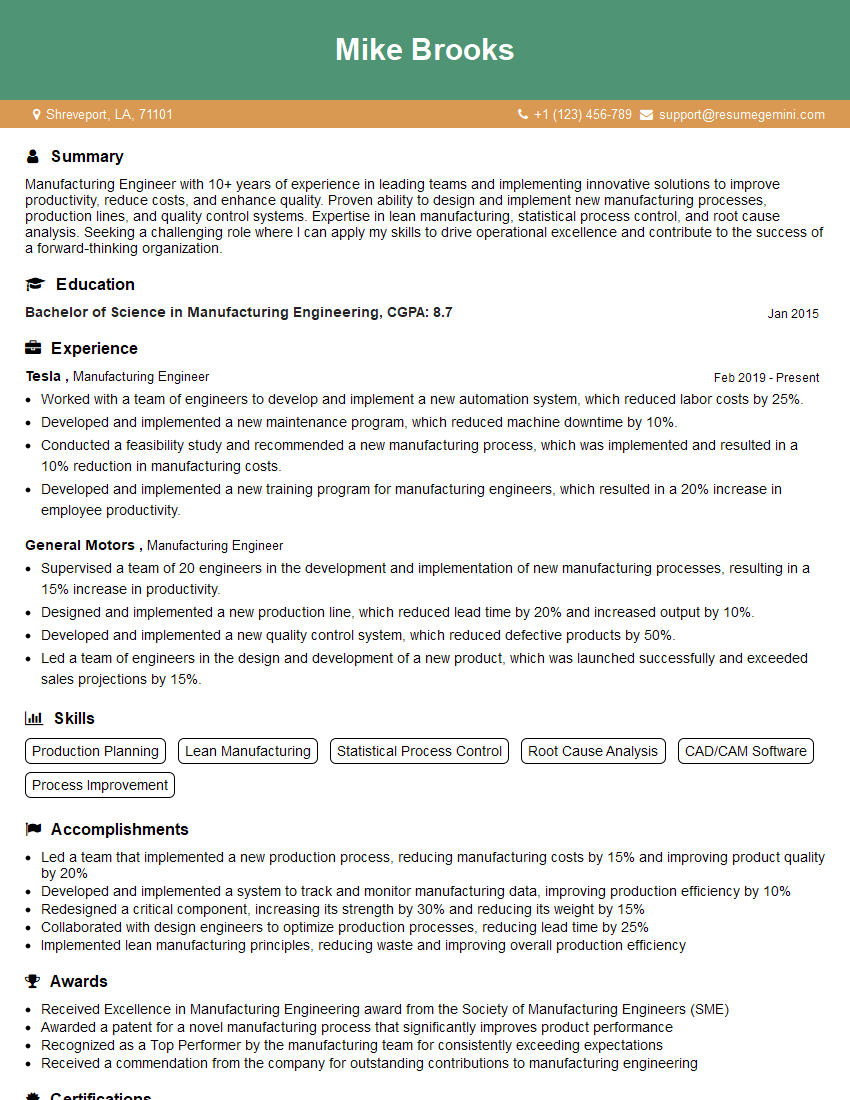
Manufacturing Engineer Resume Sample

Metallurgist Resume Sample

Welding Engineer Resume Sample
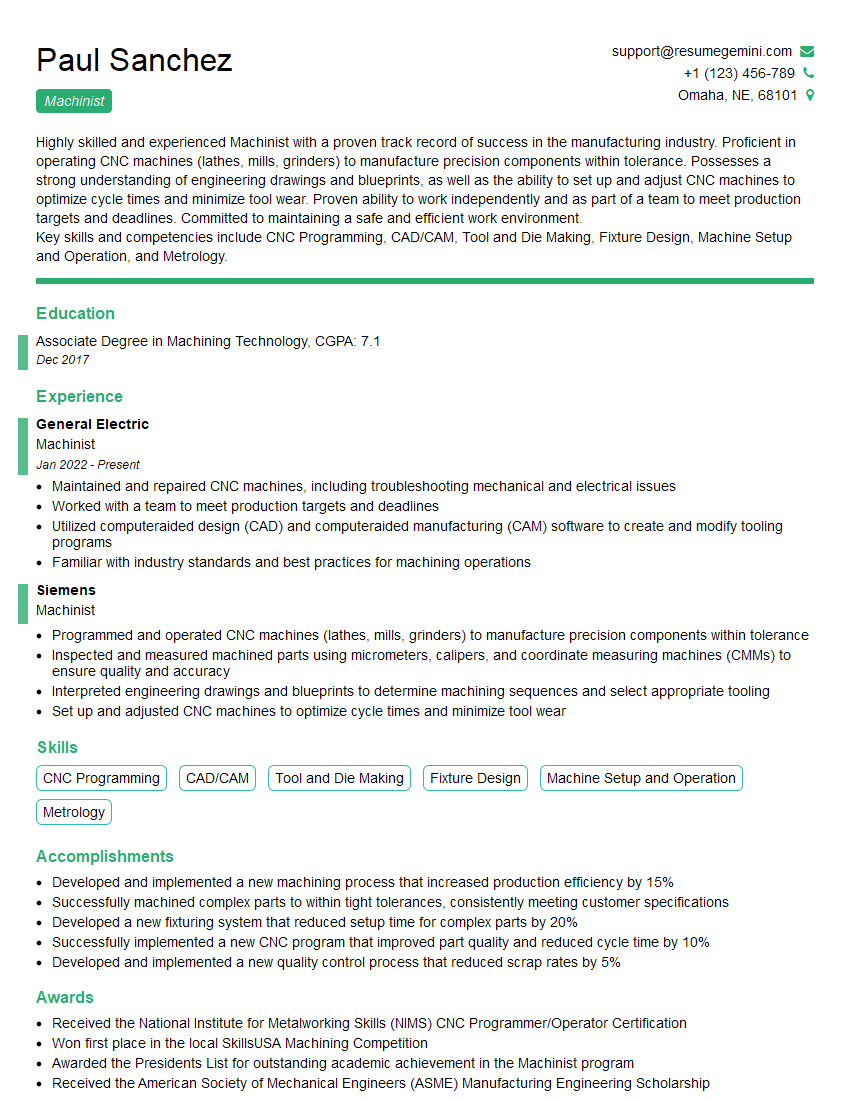
Machinist Resume Sample
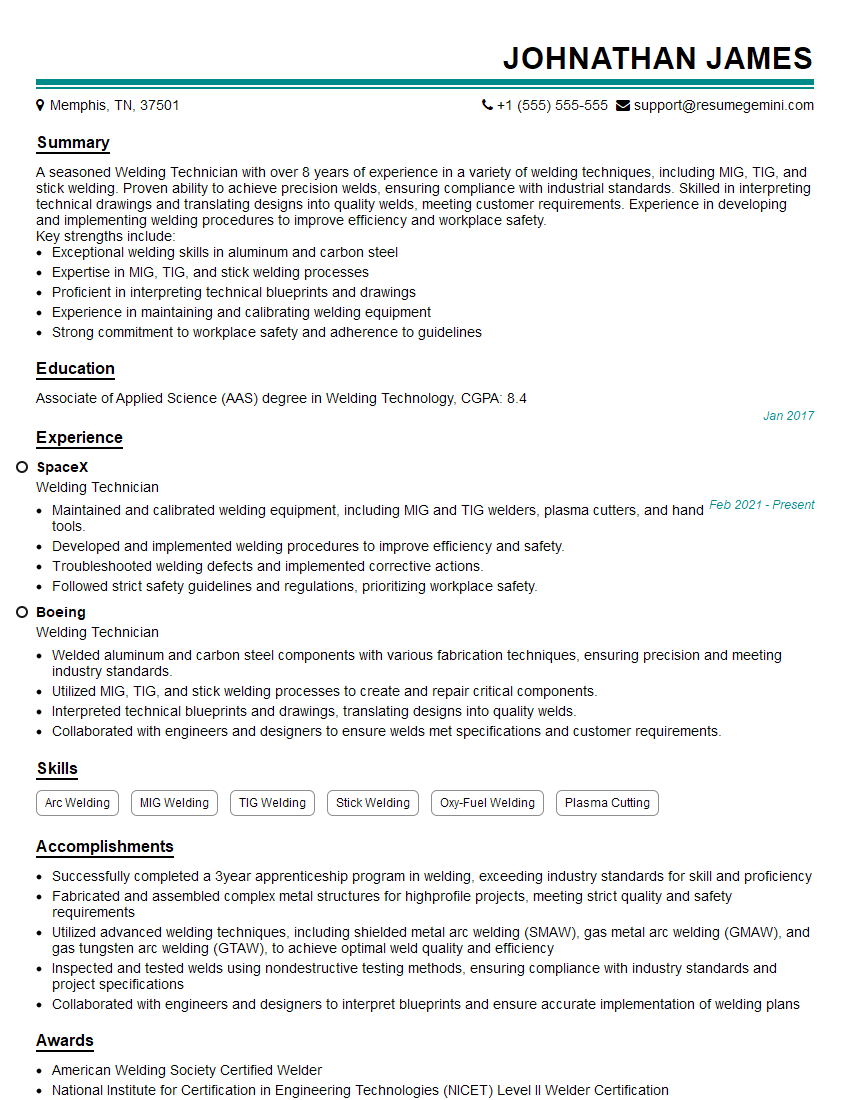
Welding Technician Resume Sample
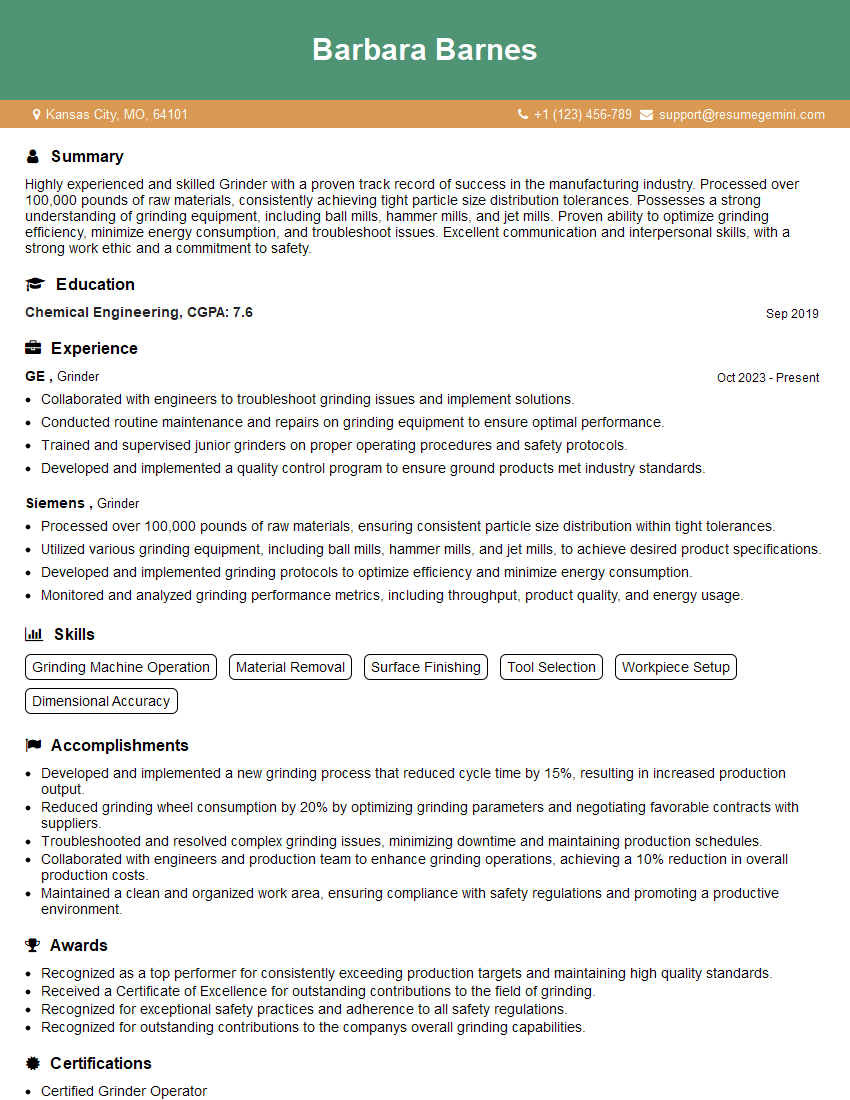
Grinder Resume Sample
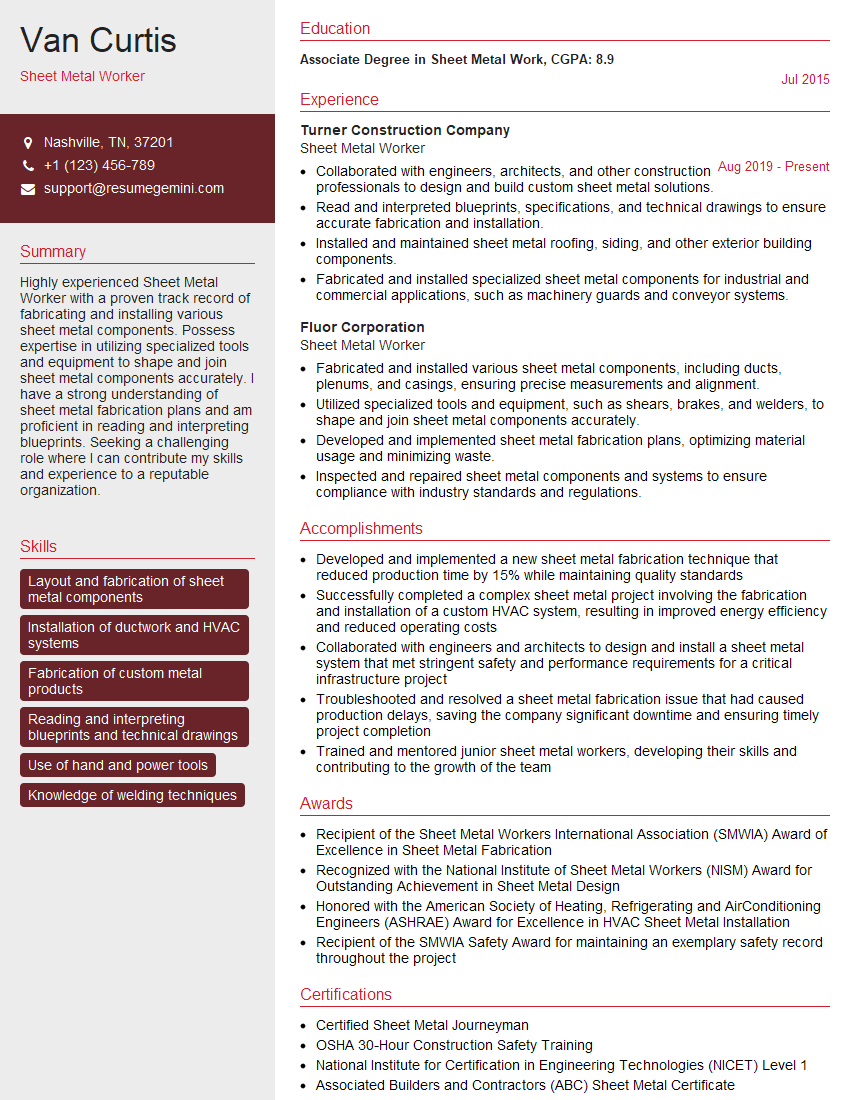
Sheet Metal Worker Resume Sample
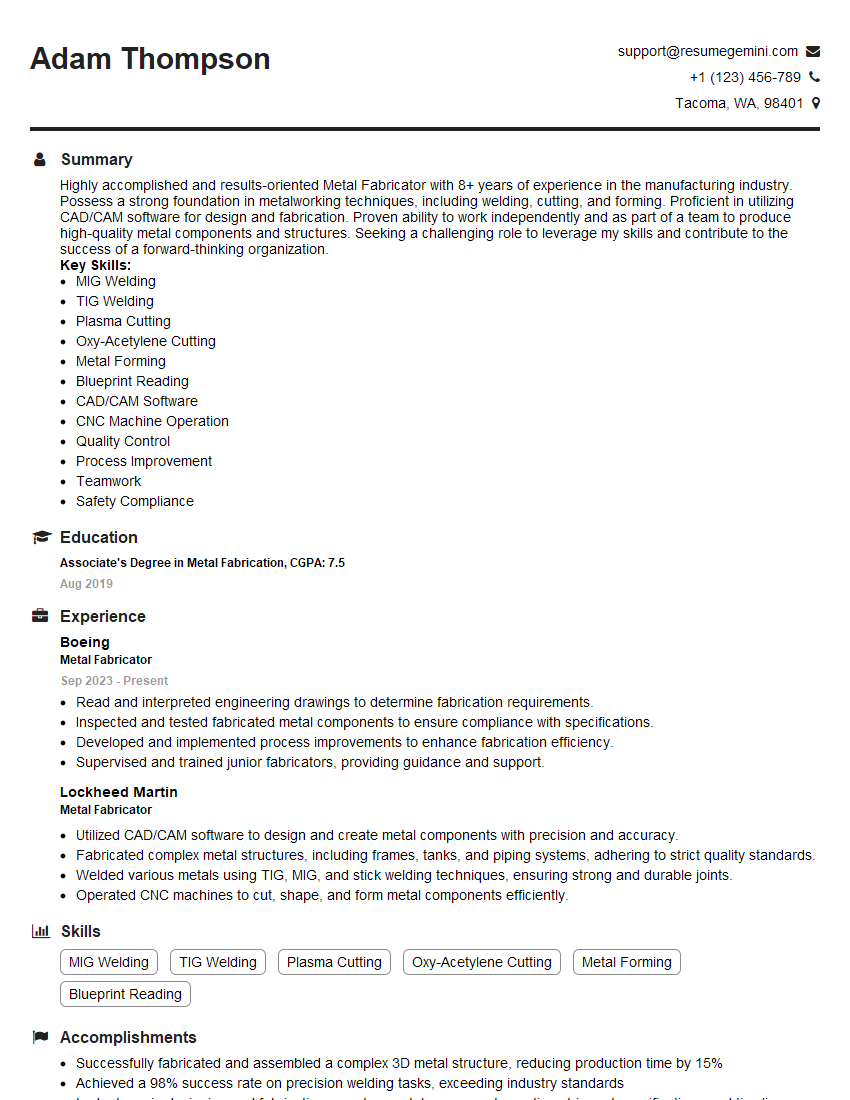
Metal Fabricator Resume Sample
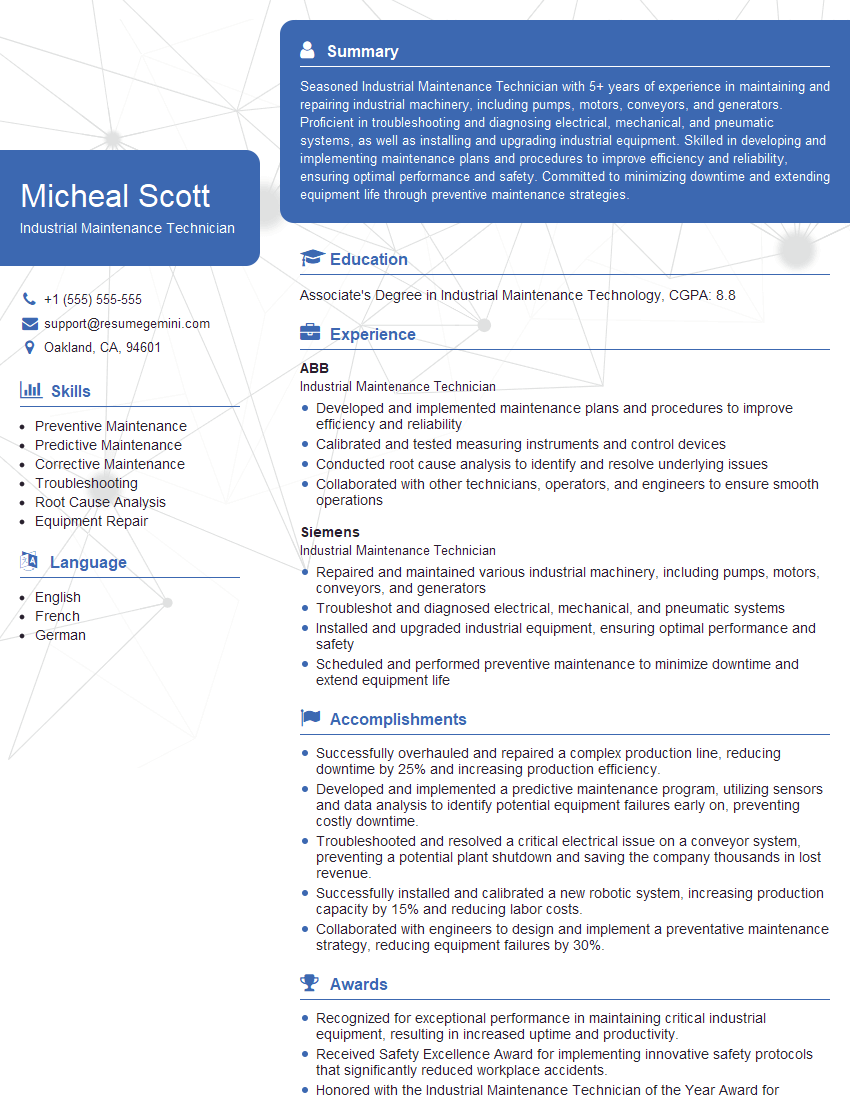
Industrial Maintenance Technician Resume Sample
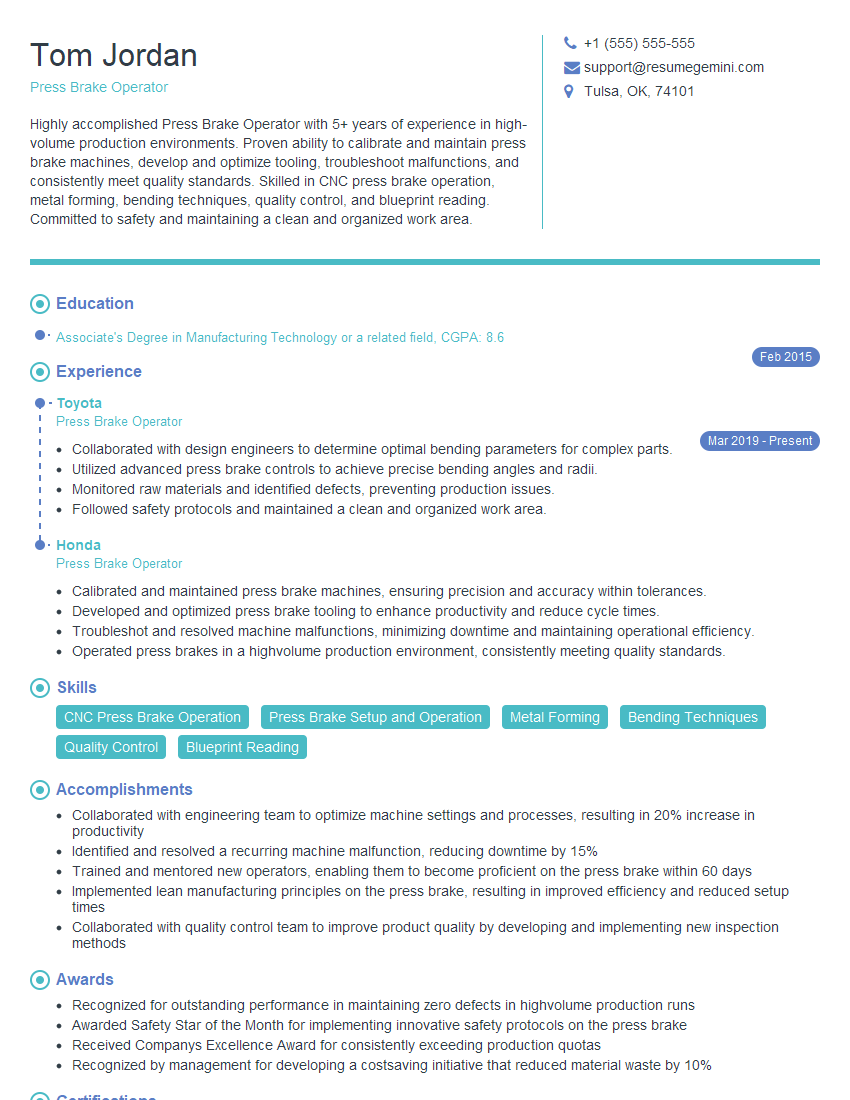
Press Brake Operator Resume Sample
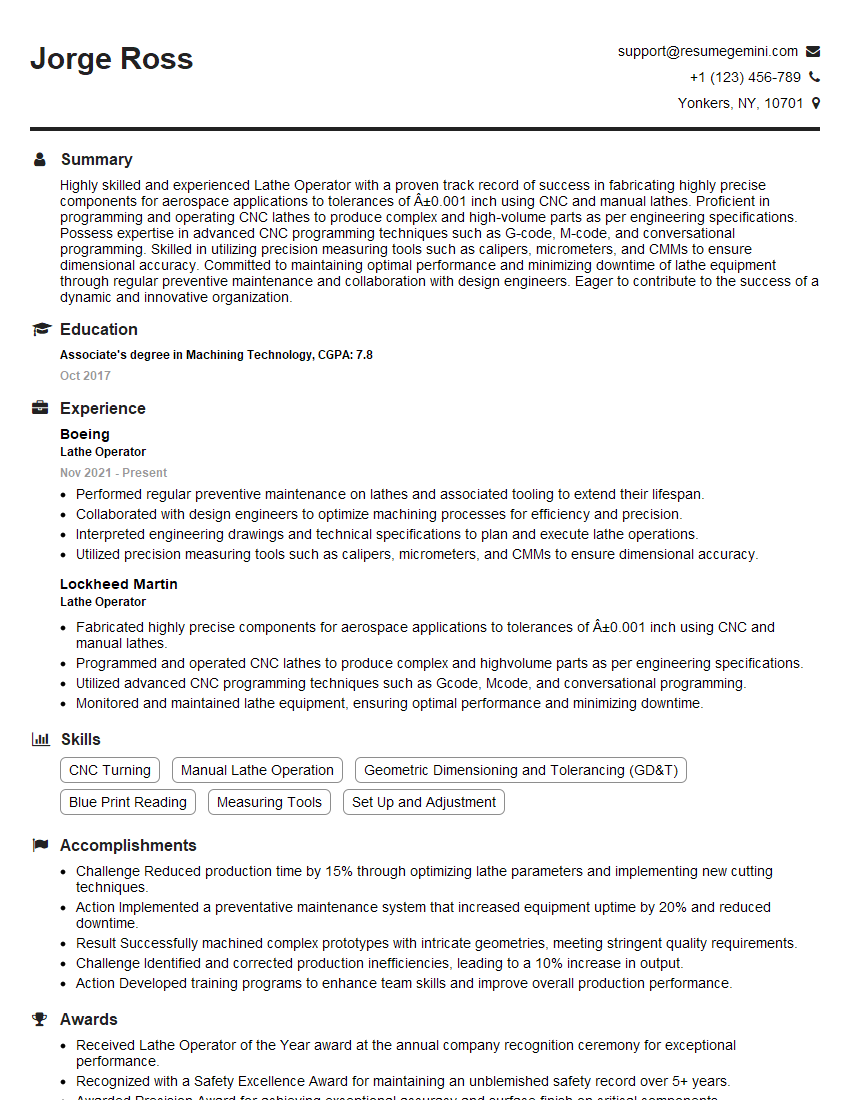
Lathe Operator Resume Sample
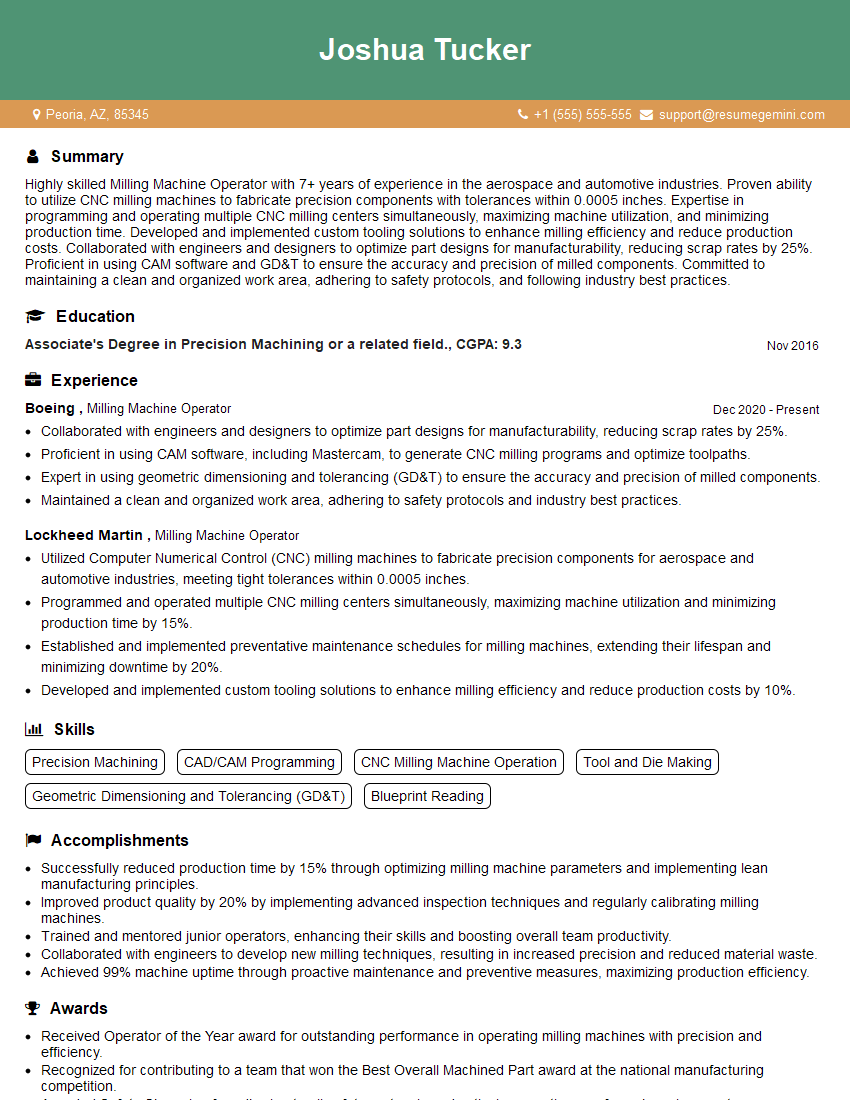
Milling Machine Operator Resume Sample
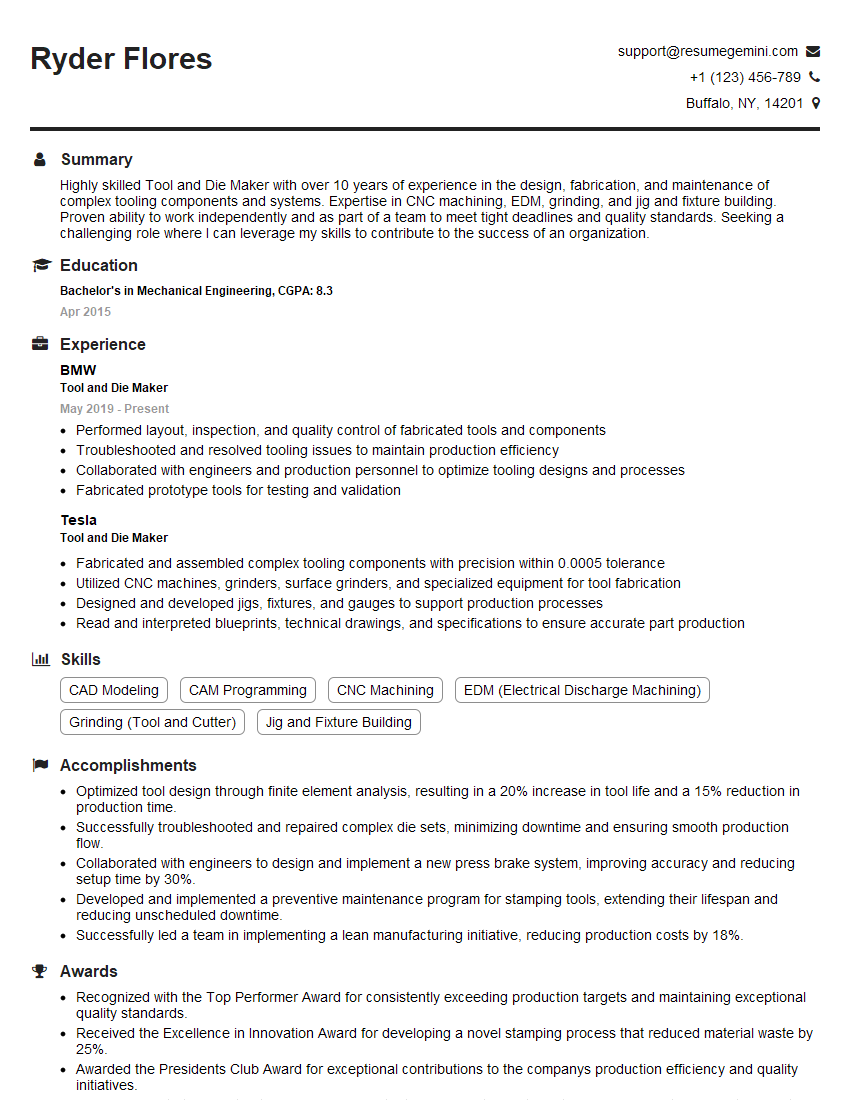
Tool and Die Maker Resume Sample
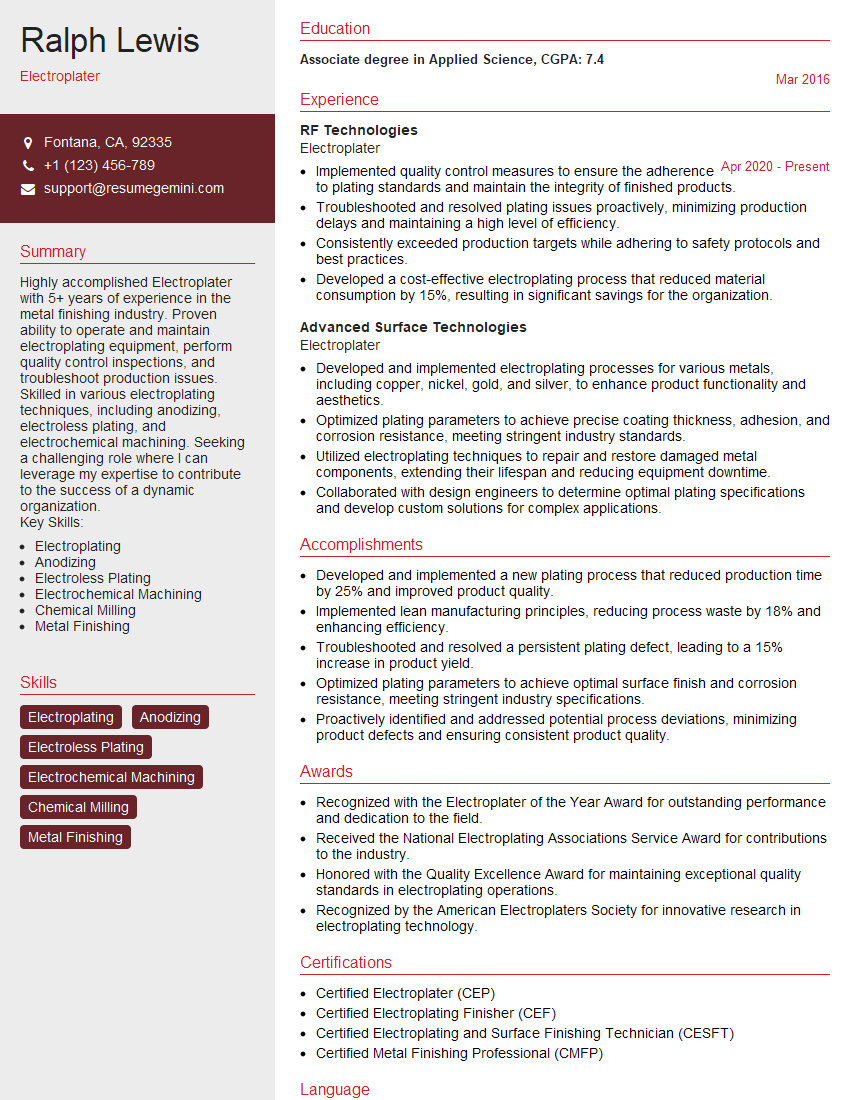
Electroplater Resume Sample
Explore more articles
Users Rating of Our Blogs
Share Your Experience
We value your feedback! Please rate our content and share your thoughts (optional).
What Readers Say About Our Blog
Really detailed insights and content, thank you for writing this detailed article.
IT gave me an insight and words to use and be able to think of examples