The right preparation can turn an interview into an opportunity to showcase your expertise. This guide to MHE Operation interview questions is your ultimate resource, providing key insights and tips to help you ace your responses and stand out as a top candidate.
Questions Asked in MHE Operation Interview
Q 1. Describe your experience with various types of material handling equipment (MHE).
My experience with Material Handling Equipment (MHE) spans over ten years, encompassing a wide range of equipment in diverse warehouse settings. I’ve worked extensively with forklifts (both counterbalanced and reach trucks), order pickers (both low-level and high-reach), conveyor systems (including sortation and accumulation conveyors), automated guided vehicles (AGVs), and warehouse management systems (WMS) integrated with MHE. For example, in my previous role at Acme Distribution, I oversaw the implementation of a new automated conveyor system, which resulted in a 20% increase in order fulfillment speed. In another project, I was instrumental in training operators on the safe and efficient use of reach trucks, significantly reducing accident rates. My hands-on experience covers both the operational and maintenance aspects of these systems, ensuring smooth and efficient material flow within the warehouse.
- Forklifts (Counterbalanced & Reach): Proficient in safe operation, load handling, and preventative maintenance.
- Order Pickers (Low-Level & High-Reach): Experienced in optimizing picking routes and minimizing travel time.
- Conveyor Systems: Skilled in troubleshooting and maintaining various conveyor types.
- Automated Guided Vehicles (AGVs): Familiar with programming, maintenance, and safety protocols.
Q 2. Explain the importance of preventative maintenance for MHE.
Preventative maintenance (PM) is absolutely crucial for MHE. Think of it like regular check-ups for your car – it prevents major breakdowns and extends the lifespan of your equipment. Neglecting PM leads to unexpected downtime, costly repairs, and potential safety hazards. A robust PM program includes scheduled inspections, lubrication, component replacements, and functional testing. For instance, regularly checking forklift batteries prevents premature failure and ensures consistent power. Similarly, lubricating conveyor rollers prevents wear and tear, extending their lifespan and reducing the risk of jams. A well-documented PM schedule, using a computerized maintenance management system (CMMS), is essential for tracking maintenance activities, predicting potential failures, and managing spare parts inventory. The cost savings from preventing major breakdowns far outweigh the cost of preventative maintenance.
Q 3. How do you ensure the safety of MHE operators and warehouse personnel?
Ensuring the safety of MHE operators and warehouse personnel is paramount. This involves a multi-pronged approach: Firstly, rigorous training programs are vital. Operators must be fully competent in operating their assigned MHE, understanding safety protocols, and recognizing potential hazards. Secondly, regular safety inspections of equipment are crucial. This includes checking for any mechanical faults, ensuring emergency stops are functional, and confirming proper lighting and signage. Thirdly, implementing clear safety procedures and enforcing them is non-negotiable. This might include designated pedestrian walkways, speed limits for MHE, and the use of personal protective equipment (PPE). Finally, I believe in fostering a strong safety culture within the warehouse, promoting open communication and encouraging reporting of near misses or safety concerns. In my experience, a proactive safety approach reduces accidents and improves overall morale.
Q 4. What are some common MHE malfunctions and how do you troubleshoot them?
Common MHE malfunctions vary depending on the equipment. For forklifts, hydraulic leaks, battery issues, and malfunctions in the braking system are frequent problems. With conveyors, common issues include belt slippage, roller jams, and sensor failures. Troubleshooting involves a systematic approach. Start with a visual inspection, checking for obvious damage or loose connections. Then, consult the equipment’s manual for troubleshooting guides or error codes. For example, if a forklift’s hydraulics fail, it might be due to a leak. Identifying the leak’s source and repairing or replacing the damaged component will solve the issue. If a conveyor jams, the cause might be a build-up of debris. Cleaning the conveyor and adjusting belt tension will likely resolve the issue. For more complex problems, seeking expert assistance is always advisable.
Q 5. Describe your experience with warehouse management systems (WMS).
I have extensive experience with Warehouse Management Systems (WMS), utilizing them to optimize inventory management, track MHE utilization, and streamline order fulfillment processes. In my previous role, we used a WMS to integrate data from our MHE, providing real-time tracking of inventory movement and location. This allowed us to identify bottlenecks, improve picking routes, and minimize travel time for our order pickers. The WMS also facilitated accurate inventory counting and minimized stock discrepancies. I’m familiar with various WMS platforms and have experience in configuring, customizing, and integrating WMS with different MHE systems. Specifically, I’ve worked with systems that provided real-time data visualization dashboards, showing key performance indicators (KPIs) such as order fulfillment rate and MHE utilization. This facilitated data-driven decision making, leading to considerable improvements in warehouse efficiency.
Q 6. How do you optimize warehouse layout and workflow to maximize efficiency?
Optimizing warehouse layout and workflow is a critical aspect of efficient MHE operation. The goal is to minimize travel distances, reduce congestion, and maximize the utilization of available space. This involves applying principles of lean manufacturing, such as minimizing waste (muda) and optimizing flow. A well-designed layout considers the flow of goods, from receiving to shipping, ensuring a smooth and efficient process. This often involves strategically placing MHE, optimizing storage locations based on product velocity, and implementing effective picking strategies (e.g., batch picking, zone picking). For example, fast-moving items should be stored in easily accessible locations, while slower-moving items can be stored further away. Using simulation software can be incredibly helpful in modeling different warehouse layouts and optimizing workflows before physical implementation. Implementing 5S methodology (Sort, Set in Order, Shine, Standardize, Sustain) also significantly contributes to a more organized and efficient workspace.
Q 7. What metrics do you use to measure the performance of MHE operations?
Measuring the performance of MHE operations requires a variety of key performance indicators (KPIs). These metrics provide insights into efficiency, productivity, and safety. Some common KPIs include:
- Order Fulfillment Rate: The percentage of orders fulfilled within a specified timeframe.
- MHE Utilization Rate: The percentage of time MHE is actively utilized.
- Throughput: The volume of goods processed per unit of time.
- Travel Time: The average time taken by MHE to travel between locations.
- Accident Rate: The number of accidents per unit of time or per unit of work.
- Downtime: The amount of time MHE is out of service due to maintenance or breakdowns.
- Inventory Accuracy: The accuracy of inventory counts and location data.
Regularly monitoring these KPIs helps identify areas for improvement, optimize processes, and ensure the efficient and safe operation of MHE within the warehouse.
Q 8. How do you manage inventory levels and ensure accurate stock control?
Managing inventory levels and ensuring accurate stock control is crucial for efficient MHE operation. It involves a multi-faceted approach combining technology, process, and people. Think of it like running a well-oiled machine – each part needs to function perfectly for optimal performance.
- Cycle Counting: Instead of a full inventory count every year, we regularly count a small subset of inventory items. This helps us identify discrepancies early, before they snowball into major problems. For example, we might count all items in aisle 3 on Monday, aisle 7 on Wednesday, and so on, creating a rotating schedule.
- WMS Integration: A Warehouse Management System (WMS) is indispensable. It provides real-time visibility into inventory levels, location, and movement. The WMS automatically updates stock levels as items are received, picked, and shipped. This allows us to identify low-stock items and initiate timely replenishment. Imagine a dashboard showing you exactly how many units of each product are available, where they are located, and when they are expected to arrive.
- Regular Audits: Periodically, we conduct full or partial inventory audits to verify the accuracy of our WMS data. This helps identify and correct any systemic errors or inaccuracies in our tracking processes. It’s like performing a routine health check on your inventory management system.
- FIFO/FEFO Implementation: We strictly adhere to either First-In, First-Out (FIFO) or First-Expiring, First-Out (FEFO) principles depending on the product’s shelf life. This ensures that older items are used before newer ones, minimizing waste and maximizing efficiency. This is particularly crucial for perishable goods.
Q 9. Explain your experience with different types of warehouse storage systems.
My experience encompasses a broad range of warehouse storage systems. The optimal system depends heavily on the type of goods, storage volume, and order fulfillment strategy.
- Racking Systems: I’m very familiar with various racking systems, from selective pallet racking for high-volume storage to cantilever racking for long or bulky items, and drive-in/drive-through racking for high-density storage. For example, I’ve successfully implemented a drive-in racking system in a warehouse storing large quantities of homogenous products, optimizing space utilization by up to 40% compared to selective racking.
- Automated Storage and Retrieval Systems (AS/RS): I have experience working with AS/RS systems, utilizing automated cranes and conveyors for high-throughput operations. These systems significantly increase efficiency and accuracy, particularly in large-scale warehouses. I recall a project where implementing an AS/RS reduced order fulfillment time by 50%.
- Gravity Flow Racking: I’ve utilized gravity flow racking for efficient order picking, where items are automatically moved to the picking face. This system improves pick rates and reduces travel time for order pickers. I’ve seen its effectiveness firsthand in a fast-moving consumer goods (FMCG) warehouse.
- Mobile Shelving: For smaller or higher-value items, I’ve employed mobile shelving systems which maximize space by allowing for more efficient use of available floor space. This is ideal for archive storage or situations with limited space.
Q 10. How do you handle unexpected equipment breakdowns or delays?
Unexpected equipment breakdowns are inevitable. My approach is proactive and focuses on minimizing downtime and its impact on operations.
- Preventive Maintenance: We implement a rigorous preventive maintenance schedule to reduce the likelihood of breakdowns. This includes regular inspections, lubrication, and component replacements. It’s like servicing your car regularly – preventing small issues from becoming major problems.
- Emergency Procedures: We have well-defined emergency procedures for handling equipment breakdowns, including contact information for repair technicians, backup equipment, and contingency plans for rerouting workflows. Knowing exactly who to call and what to do ensures minimal disruption.
- Spare Parts Inventory: We maintain an inventory of common spare parts for frequently used MHE equipment. This allows for quicker repairs and reduces downtime waiting for parts to arrive.
- Cross-Training: Our operators are cross-trained on multiple pieces of equipment, allowing for greater flexibility during emergencies. If one forklift breaks down, another operator can easily step in to continue operations.
For delays outside our control (e.g., supplier issues), we utilize real-time tracking and communication with our partners to manage expectations and adjust schedules accordingly. Transparency is key.
Q 11. What safety protocols do you implement when operating MHE?
Safety is paramount in MHE operations. We maintain strict adherence to all safety regulations and implement comprehensive protocols.
- Pre-Operational Checks: Before operating any MHE, operators must conduct thorough pre-operational checks, including inspecting brakes, lights, tires, and other safety features. This is a non-negotiable step.
- Personal Protective Equipment (PPE): Appropriate PPE, including high-visibility vests, safety shoes, and gloves, is mandatory for all personnel working in the warehouse.
- Training and Certification: All MHE operators undergo comprehensive training and certification programs covering safe operating procedures, emergency response, and hazard awareness. This includes both theoretical and practical training.
- Regular Safety Audits: We conduct regular safety audits to identify potential hazards and ensure compliance with safety regulations. This is proactive risk management.
- Designated Pedestrian and Vehicle Paths: We have clearly marked and separated pedestrian and vehicle pathways to prevent accidents.
- Speed Limits and Signage: Speed limits are strictly enforced within the warehouse, and appropriate signage is used to inform workers and guide traffic flow.
Q 12. Describe your experience with RF scanning and order picking systems.
RF scanning and order picking systems are integral to efficient and accurate order fulfillment. My experience includes implementation and optimization of these systems in various warehouse environments.
- RF Scanning for Inventory Management: RF scanners allow for real-time tracking of inventory, ensuring accurate stock levels and efficient stock replenishment. We use scanners to track every movement of goods within the warehouse.
- Order Picking with RF Scanners: Operators use RF scanners to receive picking instructions directly from the WMS, reducing errors and improving picking accuracy. The system guides the operator through each pick location, minimizing confusion and wasted time.
- Pick-to-Light Systems: In some warehouses, I’ve integrated pick-to-light systems that use lights to guide operators to the correct location, further speeding up the picking process. It’s like having a built-in GPS for order pickers.
- Voice-Picking Systems: I have experience with voice-picking systems, which provide hands-free order picking through voice commands. This improves efficiency and accuracy, especially in fast-paced environments. Voice-picking frees up the operators’ hands and reduces the need to constantly look at RF screens.
Q 13. How do you train new MHE operators?
Training new MHE operators is a systematic process designed to ensure safety and efficiency. We use a blended learning approach.
- Classroom Training: This covers theory, safety regulations, operating procedures, and emergency response protocols. We use engaging materials, including videos, interactive simulations, and real-life case studies.
- On-the-Job Training (OJT): Experienced operators mentor new hires, providing hands-on guidance and supervision during their initial shifts. We always maintain a strict 1:1 ratio during this phase.
- Practical Assessments: New operators must demonstrate competence through practical assessments, including pre-operational checks and safe operation of the MHE equipment. This is a crucial step before they operate independently.
- Ongoing Training and Refresher Courses: We provide ongoing training and refresher courses to keep operators up-to-date on safety procedures, new technologies, and best practices. Continuous learning is vital in this dynamic industry.
- Simulation Training: For advanced equipment, we incorporate simulation training to allow operators to practice in a risk-free environment.
Q 14. What is your experience with Lean Manufacturing principles in relation to MHE?
Lean Manufacturing principles are fundamental to optimizing MHE operations. By eliminating waste and maximizing efficiency, we can significantly improve productivity and reduce costs. Think of it as streamlining your workflow to get the most out of your resources.
- 5S Methodology: Implementing 5S (Sort, Set in Order, Shine, Standardize, Sustain) helps create a safe, organized, and efficient workspace. This reduces downtime and improves operator safety. It’s all about having a place for everything and everything in its place.
- Value Stream Mapping: We use value stream mapping to identify and eliminate waste in our material handling processes. This helps us optimize workflows and reduce unnecessary movements of goods and equipment. This involves meticulously charting every step involved in moving a product from point A to point B.
- Kaizen Events: We regularly conduct Kaizen events (continuous improvement workshops) involving operators and management to identify and address inefficiencies and improve processes. It’s a collaborative effort to make continuous improvements.
- Just-in-Time (JIT) Inventory: Lean principles encourage JIT inventory management, reducing storage costs and minimizing waste associated with obsolete stock. The goal is to have the right materials at the right time, in the right quantity, and at the right place.
Q 15. How do you manage the performance of a team of MHE operators?
Managing a team of MHE (Material Handling Equipment) operators requires a blend of leadership, training, and performance monitoring. It’s not just about getting the job done; it’s about doing it safely and efficiently.
- Clear Communication & Expectations: Regular team meetings are crucial to set clear expectations, address concerns, and provide constructive feedback. I utilize daily briefings to discuss priorities, safety concerns, and potential challenges.
- Performance Tracking & Feedback: I use key performance indicators (KPIs) such as units moved per hour, order accuracy, and safety record to track individual and team performance. Regular one-on-one meetings allow for constructive feedback and identifying areas for improvement. For example, if an operator’s speed is consistently low, we might analyze their route optimization or provide refresher training on efficient load handling.
- Training & Development: Continuous training is essential to maintain proficiency and adapt to new technologies or procedures. This includes regular refresher courses on safe operating practices, equipment maintenance, and updated warehouse procedures. I also encourage cross-training to ensure team versatility and reduce downtime.
- Motivation & Teamwork: Fostering a positive and collaborative work environment is key. Recognizing achievements, both big and small, helps boost morale and encourage teamwork. I believe in creating a culture where operators feel valued and empowered.
For example, in a previous role, I implemented a peer-to-peer mentorship program where experienced operators trained newer ones, leading to improved efficiency and a stronger team bond.
Career Expert Tips:
- Ace those interviews! Prepare effectively by reviewing the Top 50 Most Common Interview Questions on ResumeGemini.
- Navigate your job search with confidence! Explore a wide range of Career Tips on ResumeGemini. Learn about common challenges and recommendations to overcome them.
- Craft the perfect resume! Master the Art of Resume Writing with ResumeGemini’s guide. Showcase your unique qualifications and achievements effectively.
- Don’t miss out on holiday savings! Build your dream resume with ResumeGemini’s ATS optimized templates.
Q 16. Describe your experience with different types of forklifts and their applications.
My experience encompasses a wide range of forklifts, each suited to specific warehouse tasks. Understanding their capabilities and limitations is crucial for safe and efficient operations.
- Counterbalance Forklifts: These are the workhorses of most warehouses, ideal for general material handling, pallet movement, and stacking. I’m proficient in operating both gas-powered and electric counterbalance forklifts, understanding the nuances of each, such as fuel efficiency and charging requirements.
- Reach Trucks: These are essential for high-bay warehousing, allowing access to higher racking levels. My experience includes operating reach trucks in various configurations, adapting to different racking systems and load capacities. Safety protocols for high-reach operations are paramount and I am well-versed in those.
- Order Pickers: These are crucial for efficient order fulfillment. I’ve worked with various order picker types, from low-level to high-level, understanding their optimal use in different picking strategies. My expertise includes optimizing picker routes to minimize travel time and maximize productivity.
- Sit-down Forklifts: Used for heavier loads and longer distances. I have expertise in both electric and gas-powered sit-down models, and in prioritizing safety and ergonomics for the operator.
In one instance, I successfully transitioned a warehouse from primarily using counterbalance forklifts to a combination of reach trucks and order pickers to optimize space utilization and order fulfillment speed, resulting in a 15% increase in throughput.
Q 17. How do you ensure compliance with all relevant safety regulations concerning MHE?
Ensuring compliance with safety regulations is paramount in MHE operations. This is a non-negotiable aspect of my work, and it’s not simply about following rules; it’s about creating a culture of safety.
- Regular Safety Training: I champion regular, comprehensive safety training for all operators, covering topics such as pre-operational checks, safe operating procedures, hazard identification, and emergency response. This includes both classroom instruction and practical demonstrations.
- Equipment Inspections: Thorough pre-shift inspections are mandatory, and I enforce strict adherence to these procedures. This includes checking for any mechanical issues, fluid levels, and tire conditions. I document all findings meticulously.
- Compliance with Regulations: I maintain a thorough understanding of all relevant OSHA (or equivalent) regulations pertaining to MHE operation, ensuring all practices align with the legal standards. This includes load capacity limits, speed restrictions, and personal protective equipment (PPE) usage.
- Incident Reporting & Investigation: A robust incident reporting system is crucial. I ensure that all incidents, no matter how minor, are reported, investigated thoroughly, and corrective actions are implemented to prevent recurrence. This includes root cause analysis to identify systemic issues.
For example, after a minor accident involving a forklift, we conducted a thorough investigation, leading to the implementation of a new traffic management system in the warehouse, significantly improving safety.
Q 18. What is your experience with conducting MHE inspections and reporting findings?
MHE inspections are a cornerstone of safe and efficient operations. My experience includes conducting both pre-shift and periodic inspections, meticulously documenting findings and reporting them to the relevant parties.
- Pre-shift Inspections: Before each shift, operators conduct a pre-shift inspection checklist which is reviewed and signed off by the operator. I regularly audit these checklists to ensure accuracy and thoroughness.
- Periodic Inspections: In addition to pre-shift inspections, I conduct or oversee regular, more comprehensive inspections of all MHE, focusing on key components such as brakes, tires, hydraulic systems, and safety features. These are documented using standardized forms.
- Reporting and Documentation: All inspection findings are meticulously documented. I use a computerized maintenance management system (CMMS) to track inspections, repairs, and maintenance schedules. This provides valuable data for preventative maintenance planning.
- Follow-up & Corrective Actions: Based on inspection findings, I ensure necessary repairs and maintenance are carried out promptly. I also initiate corrective actions to address any safety hazards or deficiencies. This ensures that the equipment remains in optimal working condition.
In a previous role, my proactive inspection program identified a potential brake failure on a reach truck, preventing a potentially serious accident. This emphasizes the importance of regular and thorough inspections.
Q 19. How do you optimize the utilization of MHE within a warehouse environment?
Optimizing MHE utilization requires a strategic approach, balancing efficiency with safety and cost-effectiveness. It’s about ensuring the right equipment is used in the right place at the right time.
- Route Optimization: Analyzing operator routes and identifying inefficiencies through software tools and observing workflows can significantly improve travel times and productivity. This might involve adjusting racking layouts or implementing a more efficient picking system.
- Equipment Matching: Choosing the right equipment for each task is vital. Using a reach truck for low-level picking is inefficient, for example. Matching equipment to task requirements is crucial.
- Preventative Maintenance: Regular maintenance minimizes downtime. A well-maintained fleet avoids unexpected breakdowns, which can significantly impact productivity. Preventative maintenance schedules are established and adhered to rigorously.
- Workload Balancing: Distributing workloads evenly among operators ensures optimal utilization of both equipment and personnel. This often requires careful analysis of order volumes and task complexity.
- Technology Integration: Employing warehouse management systems (WMS) and other technologies can help streamline operations, optimize routes, and provide real-time visibility into equipment utilization. This data-driven approach allows for informed decision-making.
For instance, I once implemented a new route optimization system which reduced forklift travel time by 20%, resulting in a considerable increase in throughput with the existing equipment.
Q 20. Describe your experience with implementing new MHE into existing operations.
Implementing new MHE into existing operations requires careful planning and execution to minimize disruption and maximize benefits. It’s a process that involves many stakeholders and requires thorough preparation.
- Needs Assessment: A thorough assessment of current operational needs is crucial to determine the appropriate type and quantity of new MHE. This involves analyzing current throughput, space constraints, and future growth projections.
- Training & Integration: Comprehensive operator training on the new equipment is essential before implementation. This ensures safe and efficient operation from day one. Training covers safe operating procedures, maintenance, and troubleshooting.
- Infrastructure Considerations: Ensuring compatibility with existing infrastructure, such as power supplies, charging stations, and racking systems, is vital. Modifications may be required to accommodate new equipment.
- Phased Rollout: A phased rollout approach minimizes disruption. Introducing new equipment incrementally allows operators to adapt and allows for adjustments based on initial experiences.
- Ongoing Monitoring & Evaluation: Post-implementation monitoring is crucial to evaluate the effectiveness of the new equipment and identify any challenges. This continuous feedback loop enables further optimization.
In a past project, we successfully integrated a fleet of automated guided vehicles (AGVs) into a busy warehouse, significantly improving throughput and reducing labor costs. The phased rollout and extensive training were key to the success of this project.
Q 21. What are the key performance indicators (KPIs) you monitor for MHE performance?
Monitoring key performance indicators (KPIs) is crucial for evaluating MHE performance and identifying areas for improvement. These KPIs should be readily available and regularly analyzed.
- Units Moved Per Hour: This measures the efficiency of material handling operations. Low values may indicate inefficiencies in routing, equipment selection, or operator training.
- Order Accuracy: This reflects the accuracy of order picking and delivery. Errors indicate potential problems with processes or operator skill.
- Downtime: This measures the time equipment is unavailable due to breakdowns or maintenance. High downtime indicates potential issues with maintenance protocols or equipment reliability.
- Safety Record: This includes the number of accidents, near misses, and safety violations. A poor safety record indicates a need for enhanced safety training and improvements in operating procedures.
- Fuel/Energy Consumption: For gas-powered and electric MHE, tracking fuel or energy consumption provides insights into operational efficiency and opportunities for conservation.
- Maintenance Costs: Tracking maintenance costs helps identify equipment with high repair frequency, which could indicate underlying issues or the need for preventative maintenance adjustments.
By regularly monitoring these KPIs and using data analysis tools, we can identify bottlenecks, improve processes, enhance safety, and optimize overall MHE efficiency. Data-driven decision-making is critical to continuous improvement.
Q 22. How do you handle conflicts or disagreements among MHE operators?
Handling conflicts among MHE operators requires a fair, consistent, and proactive approach. My strategy focuses on open communication, clear expectations, and a collaborative problem-solving environment. I begin by listening to each operator’s perspective, ensuring everyone feels heard and understood. This often involves actively listening to understand the root cause of the disagreement, rather than focusing solely on the surface-level conflict.
Next, I facilitate a structured discussion to identify common ground and explore mutually acceptable solutions. This might involve reviewing established procedures, adjusting workflows, or clarifying roles and responsibilities. For example, if two operators disagree on the optimal route for a forklift, we might analyze traffic patterns, order priorities, and aisle capacities to determine the most efficient method. Finally, I document the agreed-upon solution and ensure that all parties understand and commit to it. Following up is crucial to ensure the resolution remains effective and prevents future conflicts.
In cases of persistent or serious disagreements, I involve supervisors or HR, depending on the severity and nature of the conflict. Maintaining a positive and respectful work environment is paramount, and addressing conflicts promptly prevents escalation and maintains productivity.
Q 23. Describe a time you had to solve a complex problem related to MHE operations.
During a peak season, our automated storage and retrieval system (AS/RS) experienced a significant slowdown. Initially, we suspected a software glitch, but after thorough investigation by the IT team, no errors were found. The slowdown persisted, impacting order fulfillment times and potentially leading to customer dissatisfaction.
I approached the problem systematically, applying a root-cause analysis technique. We analyzed operational data, including AS/RS cycle times, throughput, and error logs, looking for patterns or anomalies. We discovered that the slowdown correlated with specific product movements – those involving unusually large or heavy items. Further examination revealed that the AS/RS crane’s acceleration and deceleration parameters were not optimally configured for handling these heavier loads. The system was essentially ‘overthinking’ the process, leading to unnecessary pauses.
The solution involved collaborating with the AS/RS vendor to re-calibrate the system’s movement parameters. We also implemented a new routing algorithm that prioritized lighter items, reducing congestion and optimizing the workflow. This multi-faceted approach significantly improved the system’s performance, restoring efficiency and avoiding potential disruptions to our operations. This experience highlighted the importance of a proactive, data-driven approach to problem-solving in MHE operations.
Q 24. What are the most important factors to consider when selecting new MHE?
Selecting new MHE requires a comprehensive evaluation considering several critical factors. First and foremost is operational needs – what specific tasks will the equipment perform? This determines the type of equipment needed (forklifts, conveyors, automated guided vehicles, etc.).
- Throughput and Capacity: The equipment must handle the required volume of goods with sufficient speed and efficiency.
- Safety Features: Operator safety and prevention of accidents are paramount. Look for features like automated safety systems, emergency stops, and operator training programs.
- Maintenance and Repair Costs: Consider long-term costs, including maintenance contracts, repair costs, and parts availability.
- Integration with Existing Systems: Ensure seamless integration with current warehouse management systems (WMS) and other MHE. Data compatibility is crucial.
- Ergonomics and Operator Comfort: Operators spend considerable time with this equipment; ease of use and comfort boost productivity and reduce fatigue.
- Environmental Impact: Consider the equipment’s energy consumption and environmental footprint. Electrification and energy-efficient designs are increasingly important.
- Return on Investment (ROI): A thorough cost-benefit analysis is essential to justify the investment. The equipment’s efficiency and productivity improvements should outweigh the cost.
For example, when choosing between different forklift models, we would compare their load capacity, maneuverability, fuel efficiency, and safety features to select the best fit for our specific warehouse layout and operational requirements.
Q 25. How do you ensure the accuracy of inventory data related to MHE operations?
Ensuring accurate inventory data requires a robust system integrating MHE operations with a warehouse management system (WMS). Real-time data capture is key. This involves using barcode scanners, RFID tags, or other automated data collection technologies integrated with MHE equipment.
For example, when a forklift operator picks an item, the WMS is updated instantly, reducing discrepancies. Regular cycle counting, where a small portion of the inventory is verified at intervals, helps identify and correct any discrepancies early on. Reconciliation of inventory data from various sources (manual counts, system data, etc.) is also crucial. This involves comparing data from different sources, identifying discrepancies, and resolving them. We also regularly audit the system to detect and correct any systemic issues causing data inaccuracies.
Finally, operator training plays a significant role. Operators must be thoroughly trained in the proper use of scanning devices and in accurately reporting data. Strict adherence to procedures helps minimize errors caused by human intervention. By implementing these measures, we maintain the integrity of our inventory data and optimize MHE efficiency.
Q 26. How do you stay current on the latest advancements in MHE technology?
Staying current on MHE advancements is crucial for maintaining a competitive edge. I utilize several strategies to stay informed:
- Industry Publications and Trade Shows: Regularly reading industry magazines, journals, and attending trade shows like MODEX and LogiMAT exposes me to the latest technologies and innovations.
- Online Resources and Webinars: Numerous websites and online platforms provide valuable information on new MHE technologies. Webinars and online courses offer in-depth knowledge on specific topics.
- Networking with Industry Professionals: Participating in industry forums and conferences provides opportunities to connect with other experts and share best practices. This often reveals emerging trends and solutions.
- Vendor Partnerships: Maintaining strong relationships with MHE vendors keeps me updated on their product innovations and allows for early access to new technologies.
By combining these methods, I stay informed about advancements in areas like robotics, automation, AI-powered systems, and sustainable MHE solutions, allowing me to make informed decisions about adopting new technologies in my own operations.
Q 27. Describe your experience with budgeting and cost control related to MHE.
My experience with MHE budgeting and cost control involves a multi-stage process emphasizing both proactive planning and reactive adjustments. I start by developing a comprehensive budget encompassing all MHE-related expenses, including equipment purchase or lease costs, maintenance contracts, fuel or energy expenses, operator salaries, and insurance. This requires careful analysis of historical data, projected workload, and potential cost fluctuations.
Throughout the year, I monitor actual costs against the budget, identifying variances and their underlying causes. Regular reporting allows me to proactively address any overspending. For example, if maintenance costs exceed expectations, we might investigate whether preventive maintenance programs are sufficiently effective or if parts replacements are needed. This ensures that any potential issues are addressed promptly, minimizing disruptions and containing costs.
Cost-saving measures are continuously explored. This could include optimizing equipment utilization, implementing energy-saving measures, or negotiating better terms with vendors. The key is maintaining a balance between short-term cost savings and long-term operational efficiency. Regular review and adjustments ensure the budget reflects current conditions and remains a valuable tool for managing MHE-related expenses effectively.
Q 28. How do you improve the efficiency of order fulfillment processes using MHE?
Improving order fulfillment efficiency using MHE involves a holistic approach focusing on process optimization and technology integration. Key strategies include:
- Optimizing Warehouse Layout: Designing a layout that minimizes travel distances and maximizes throughput is critical. This might involve implementing slotting optimization to place frequently picked items in easily accessible locations.
- Implementing Automated Systems: Automating processes such as picking, sorting, and conveying can significantly reduce manual labor and improve speed. Automated guided vehicles (AGVs) or conveyor systems can streamline material flow.
- Utilizing Warehouse Management Systems (WMS): A robust WMS provides real-time visibility into inventory, order status, and MHE utilization. This data allows for optimized routing, task assignments, and resource allocation.
- Cross-Docking: Efficiently transferring goods directly from receiving to shipping without intermediate storage reduces handling time and speeds up fulfillment. This requires careful coordination of inbound and outbound flows using MHE.
- Implementing Voice-Picking Systems: Voice-directed picking systems guide operators through the picking process, reducing errors and improving speed compared to paper-based methods.
For example, implementing a WMS alongside a conveyor system for sorting and packing orders can significantly improve order fulfillment efficiency. This results in faster order processing, fewer errors, and increased throughput, directly impacting customer satisfaction and operational profitability.
Key Topics to Learn for MHE Operation Interview
- Safety Procedures and Regulations: Understanding and applying relevant safety protocols, including pre-operation checks, hazard identification, and emergency procedures. This includes practical knowledge of lockout/tagout procedures and safe operating practices.
- Equipment Operation and Maintenance: Demonstrating proficiency in operating various types of MHE (forklifts, reach trucks, order pickers, etc.). This includes practical experience with pre-shift inspections, basic troubleshooting, and reporting maintenance needs.
- Warehouse Layout and Inventory Management: Understanding warehouse organization, inventory control systems, and efficient picking and storage strategies. This involves knowledge of different warehouse layouts and their impact on operational efficiency.
- Logistics and Supply Chain Principles: Grasping the flow of goods within a warehouse environment, including receiving, storing, picking, packing, and shipping. This includes understanding the importance of timely and accurate order fulfillment.
- Productivity and Efficiency Optimization: Knowing strategies for maximizing operational efficiency, including optimizing routes, minimizing downtime, and implementing best practices. This could involve discussing lean manufacturing principles or process improvement methodologies.
- Technological Integration: Familiarity with Warehouse Management Systems (WMS) and other relevant technologies used in modern MHE operations. This includes understanding how technology improves efficiency and data tracking.
- Problem-solving and Troubleshooting: Demonstrating the ability to identify and resolve common operational issues, including equipment malfunctions, workflow disruptions, and safety concerns. This involves a practical understanding of root cause analysis and preventative measures.
Next Steps
Mastering MHE operation opens doors to diverse and rewarding careers within logistics, warehousing, and supply chain management. To significantly increase your job prospects, crafting a compelling and ATS-friendly resume is crucial. ResumeGemini is a trusted resource that can help you build a professional resume that highlights your skills and experience effectively. Examples of resumes tailored to MHE Operation are available to guide you through the process, ensuring your application stands out.
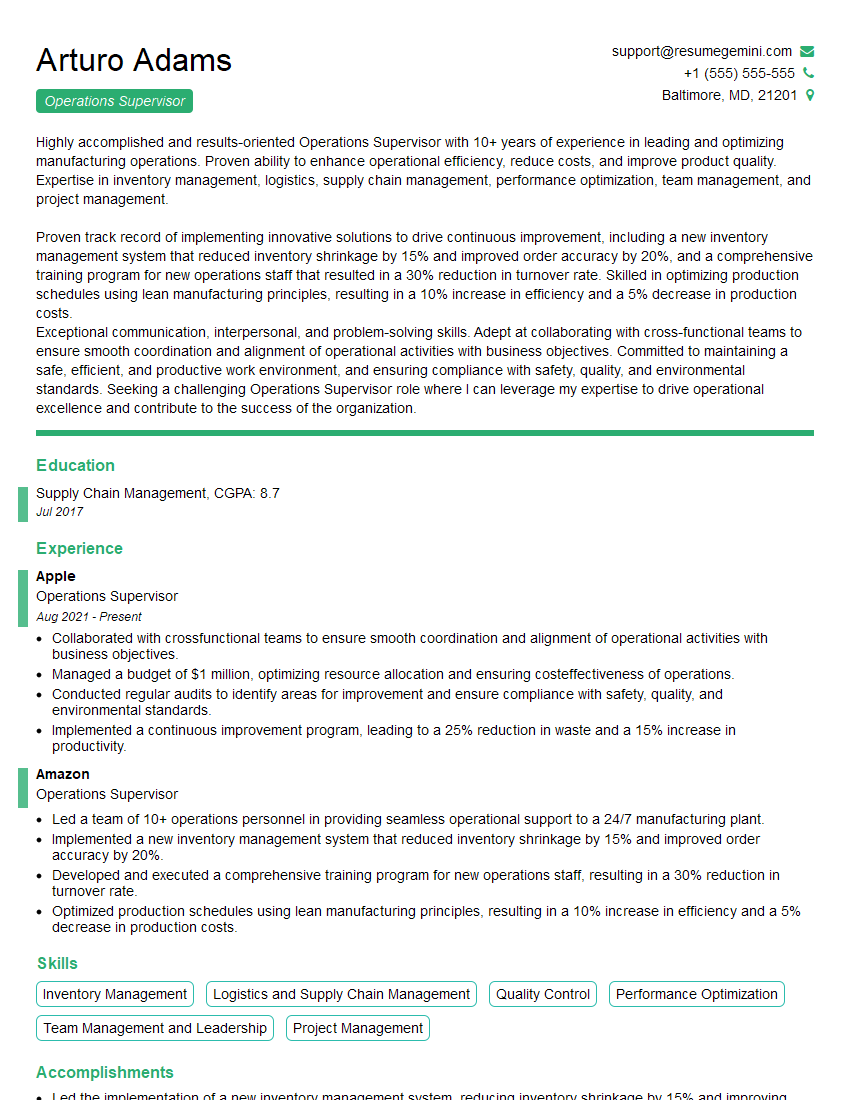
Operations Supervisor Resume Sample
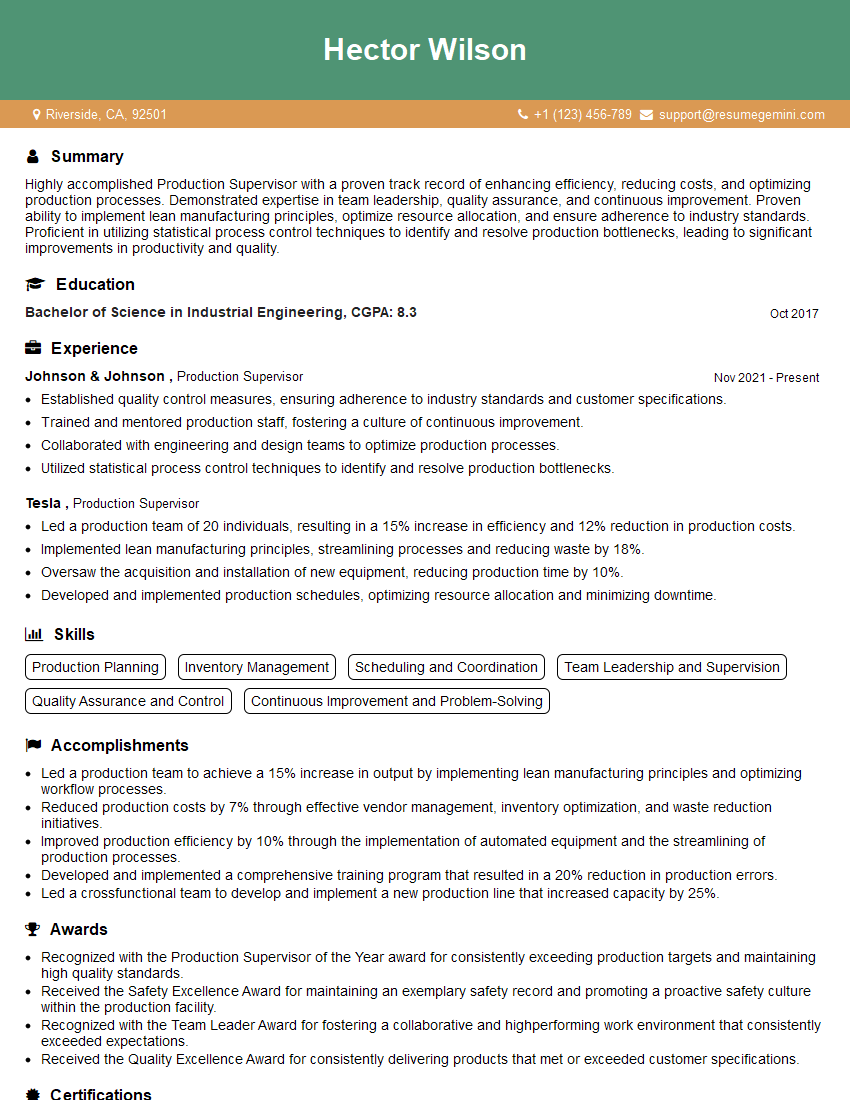
Production Supervisor Resume Sample
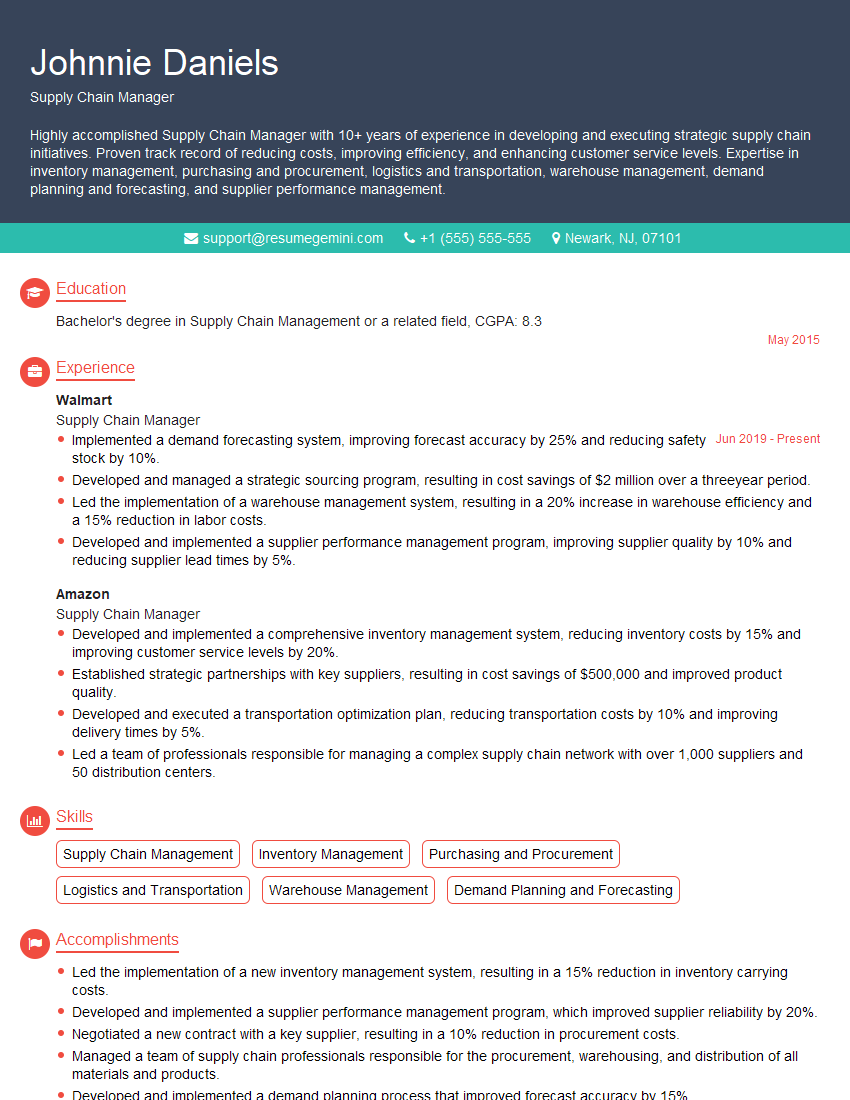
Supply Chain Manager Resume Sample
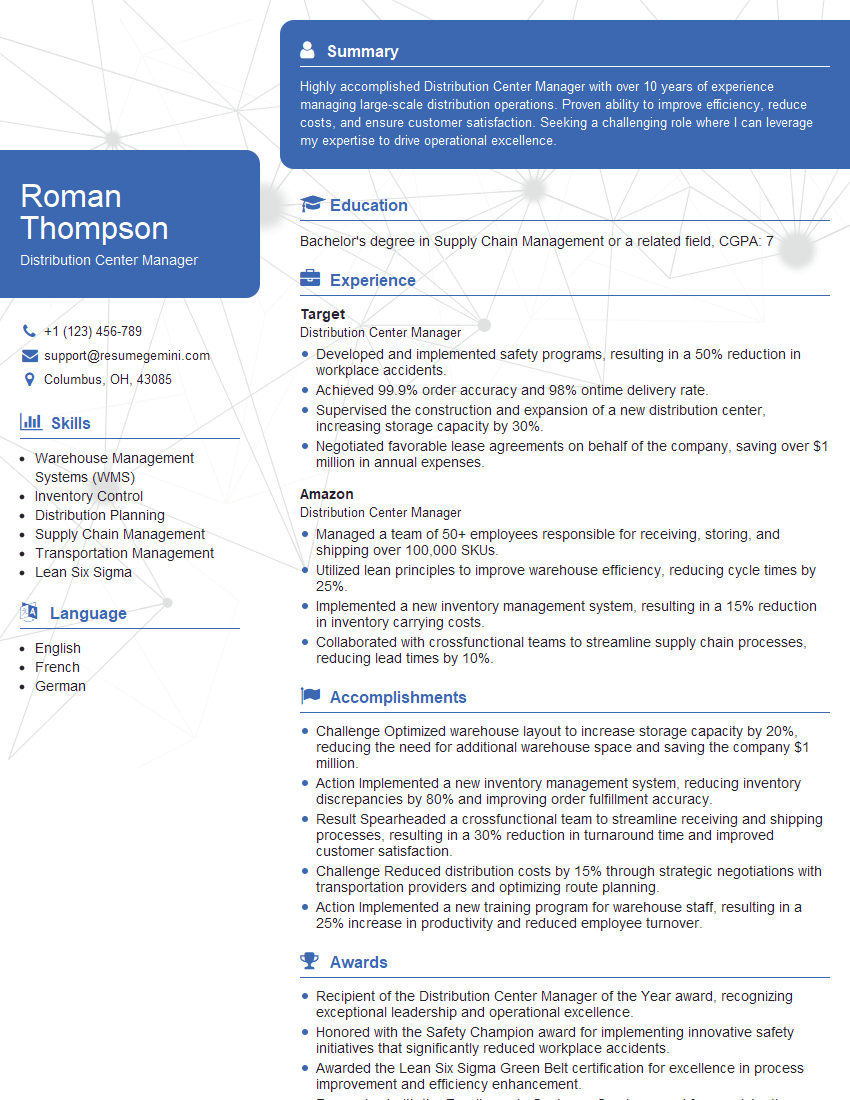
Distribution Center Manager Resume Sample
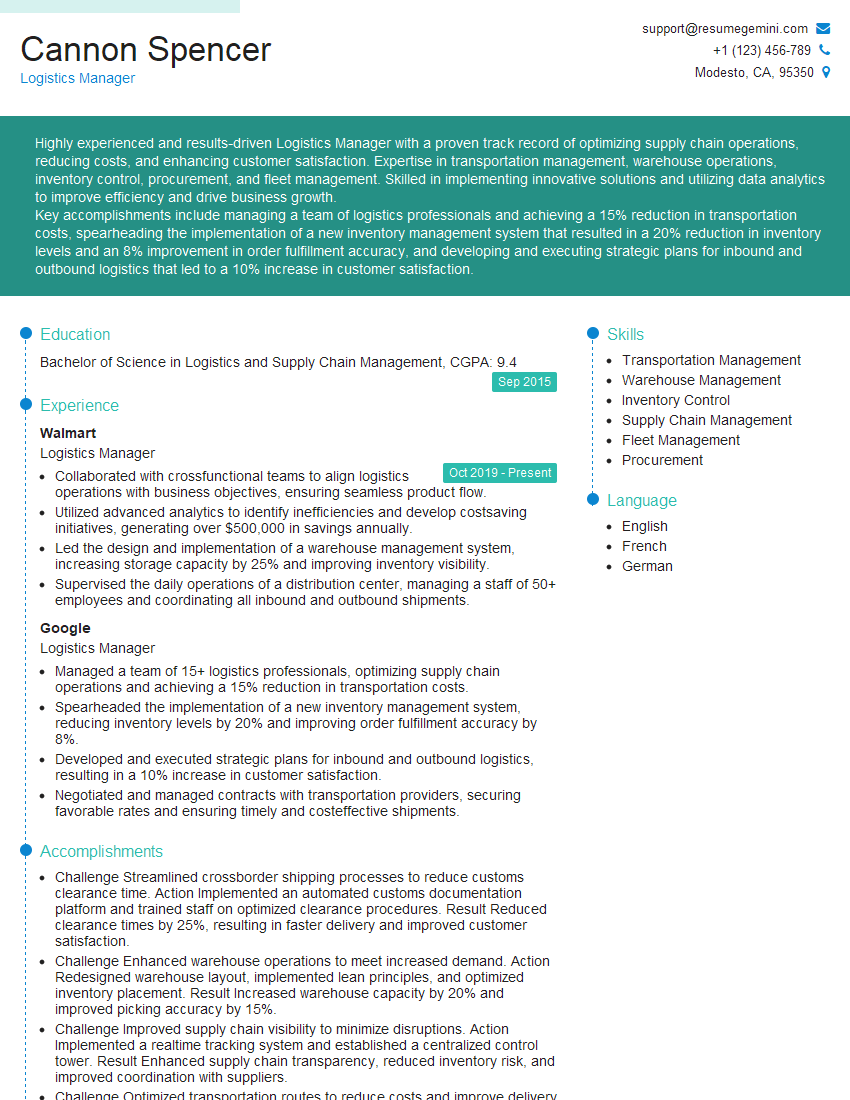
Logistics Manager Resume Sample
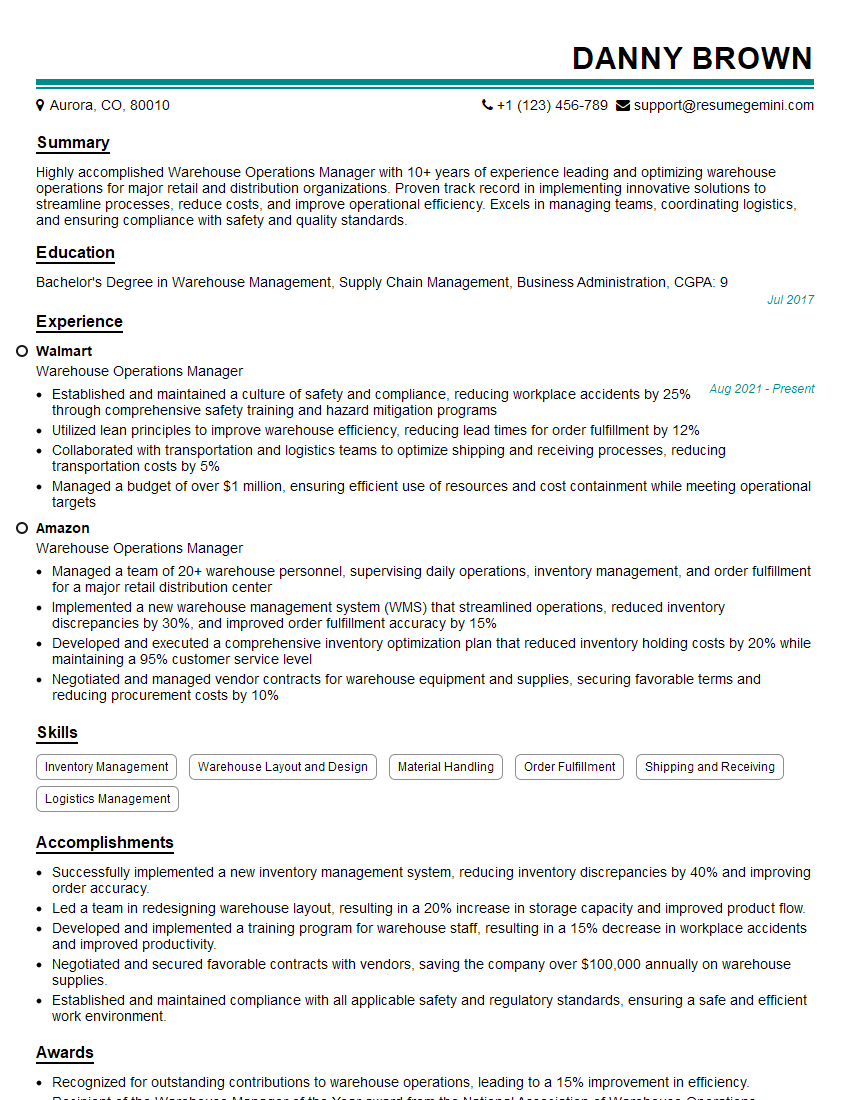
Warehouse Operations Manager Resume Sample
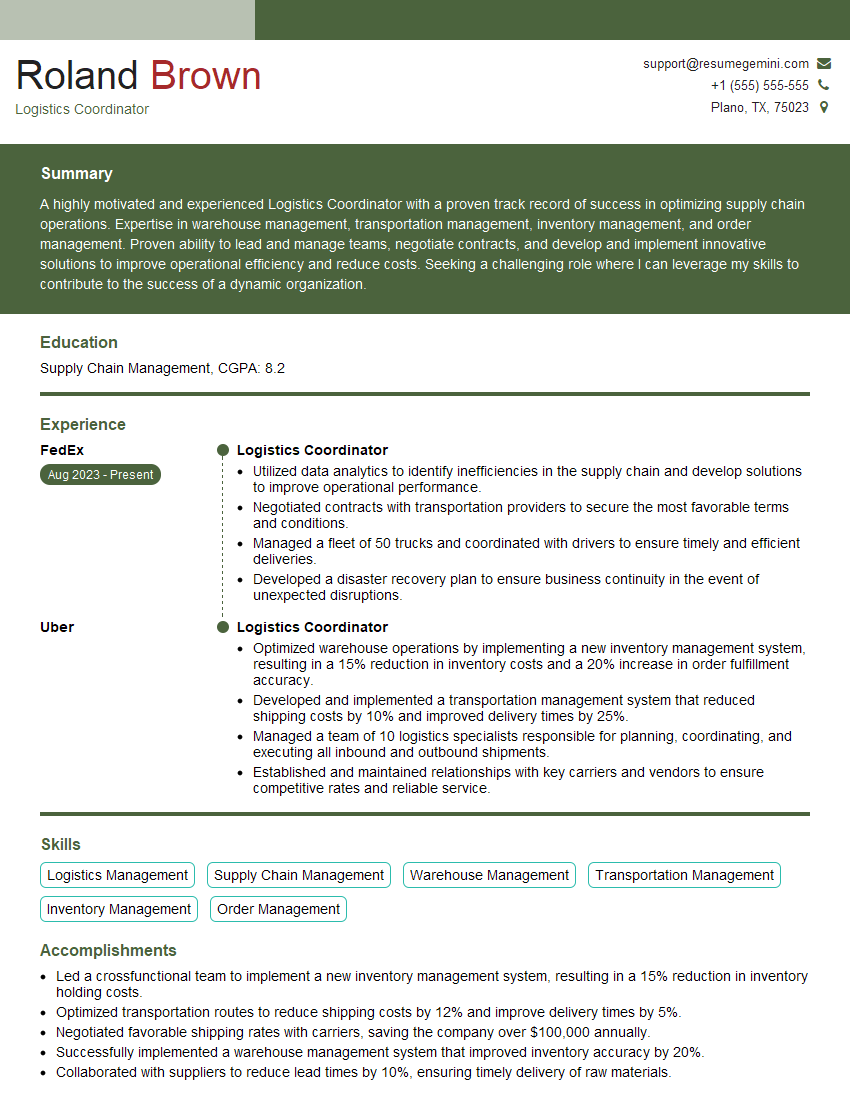
Logistics Coordinator Resume Sample
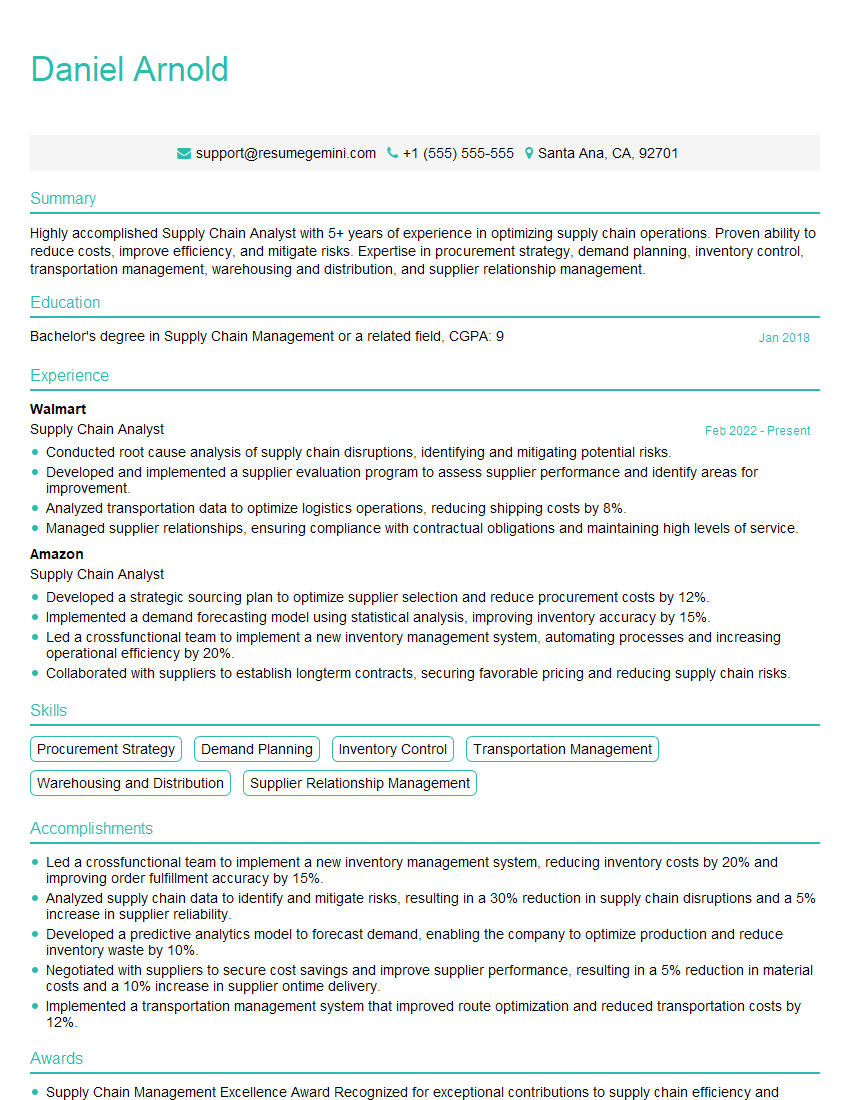
Supply Chain Analyst Resume Sample
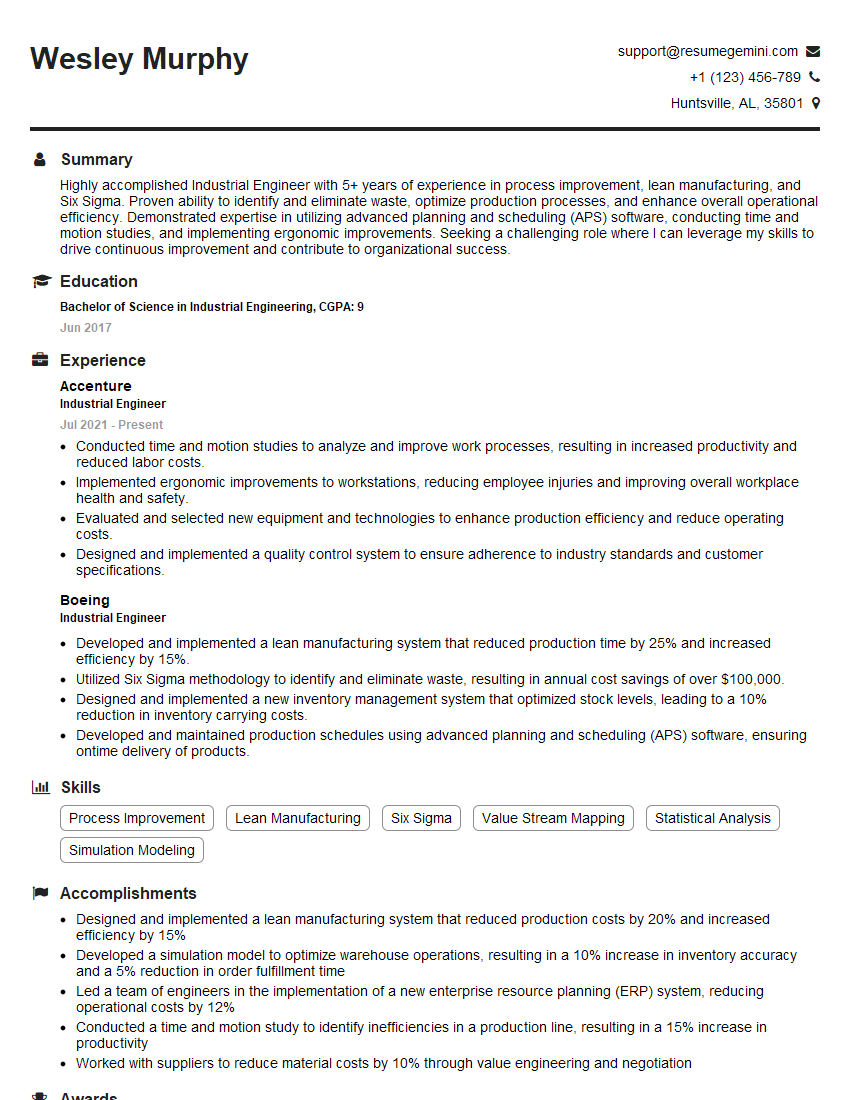
Industrial Engineer Resume Sample
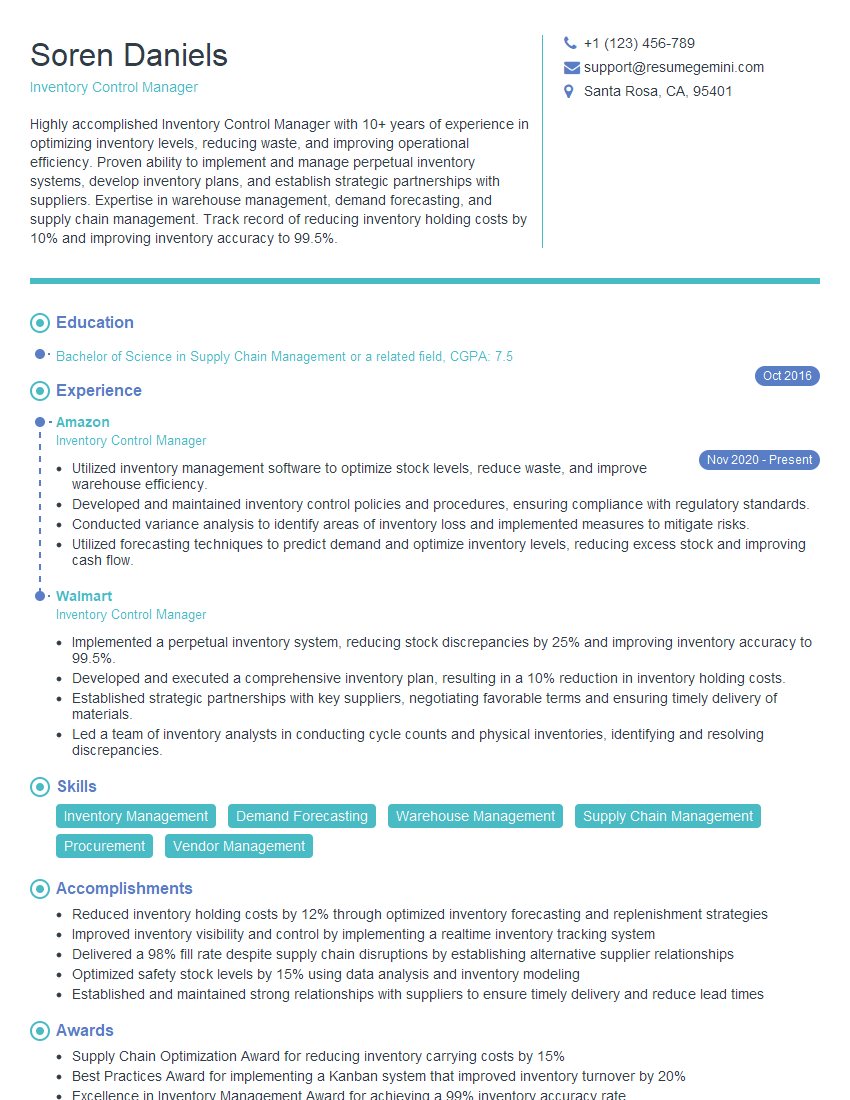
Inventory Control Manager Resume Sample
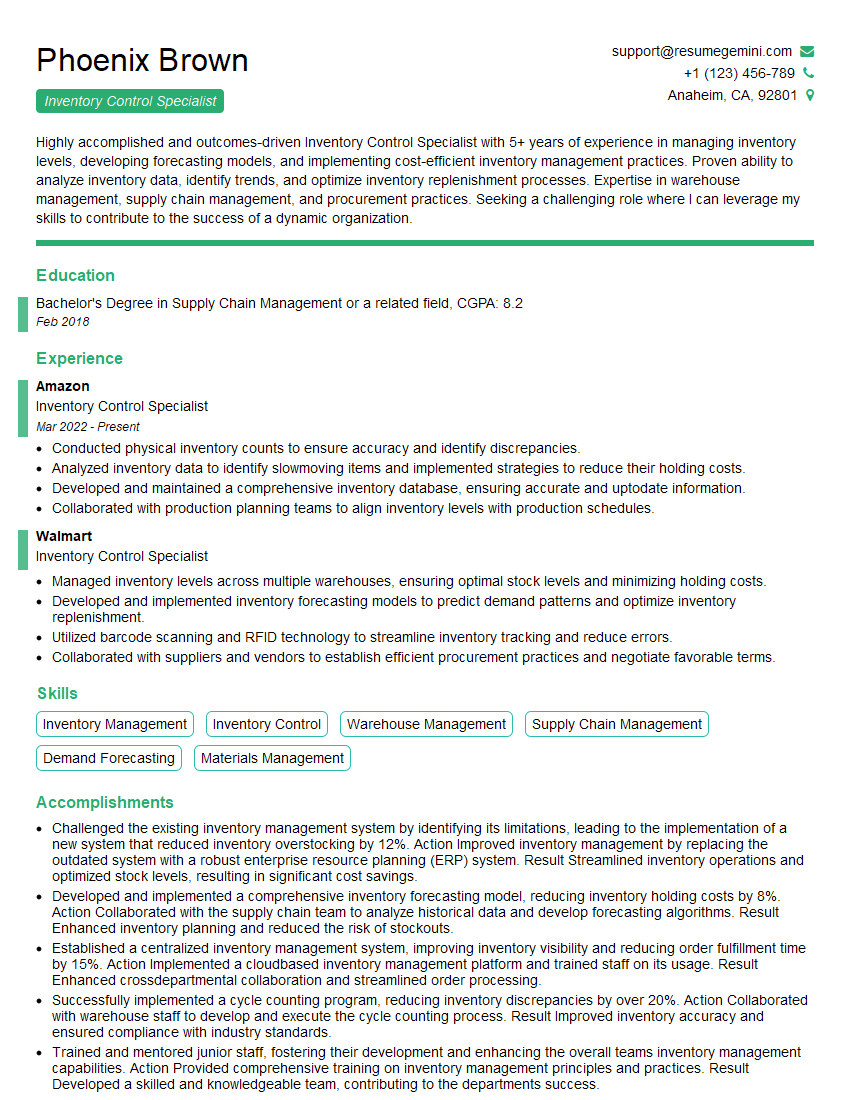
Inventory Control Specialist Resume Sample

Shipping and Receiving Clerk Resume Sample
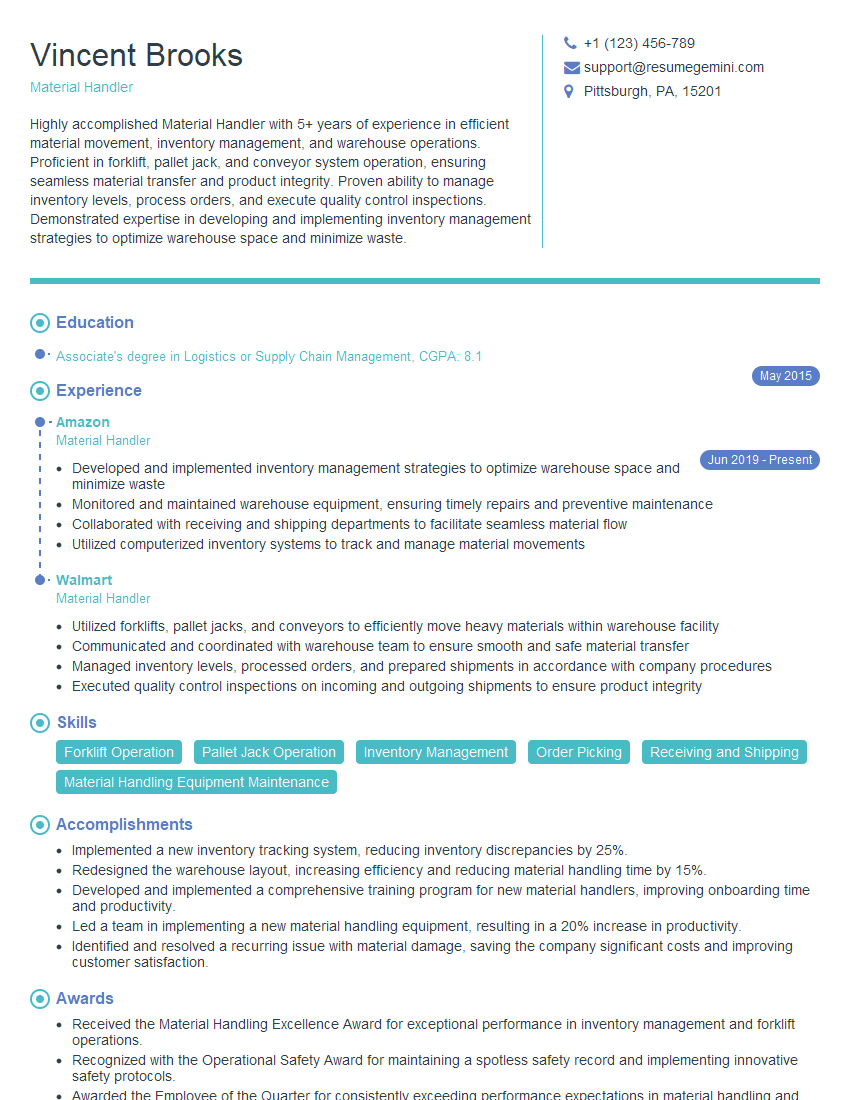
Material Handler Resume Sample
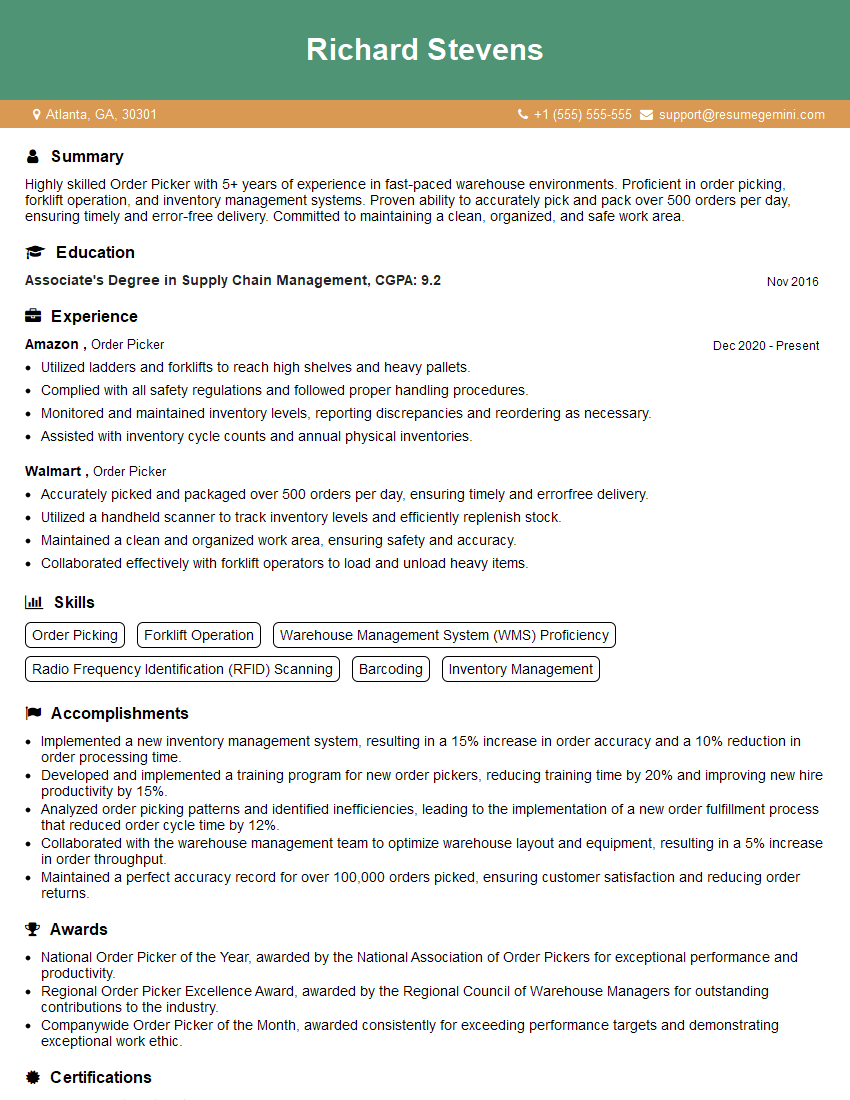
Order Picker Resume Sample
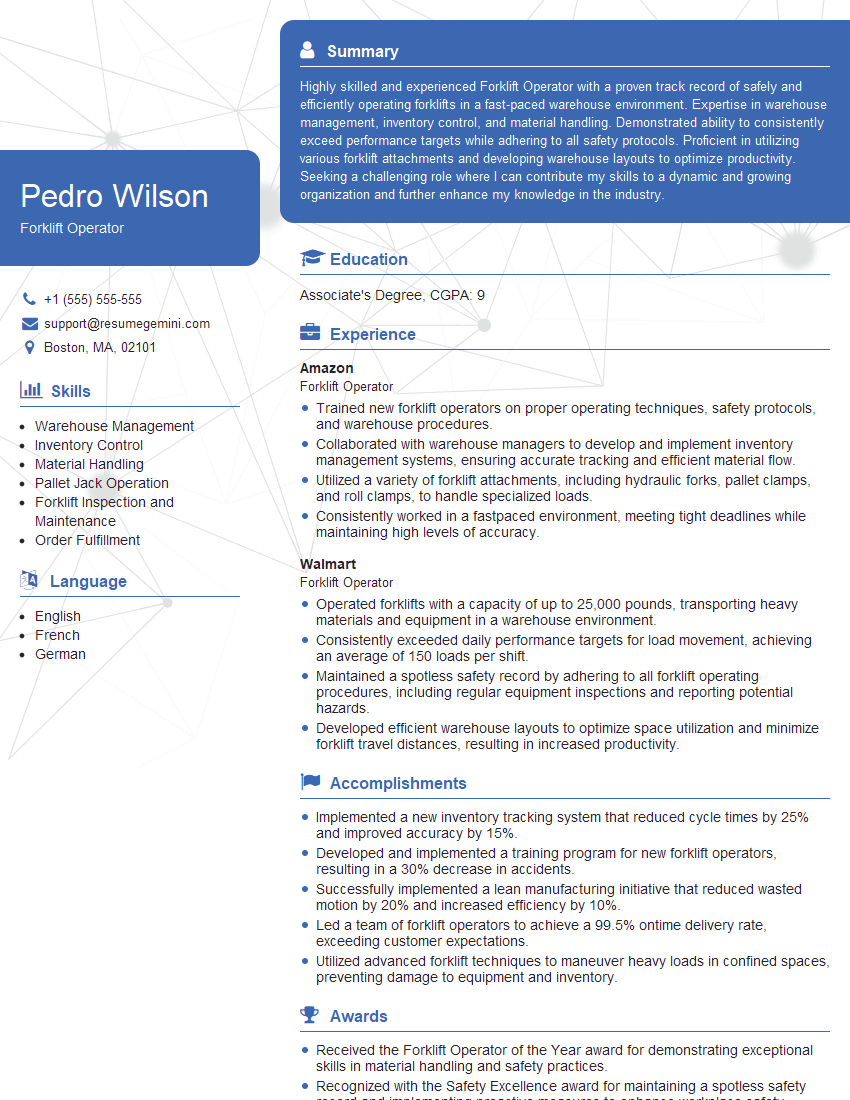
Forklift Operator Resume Sample
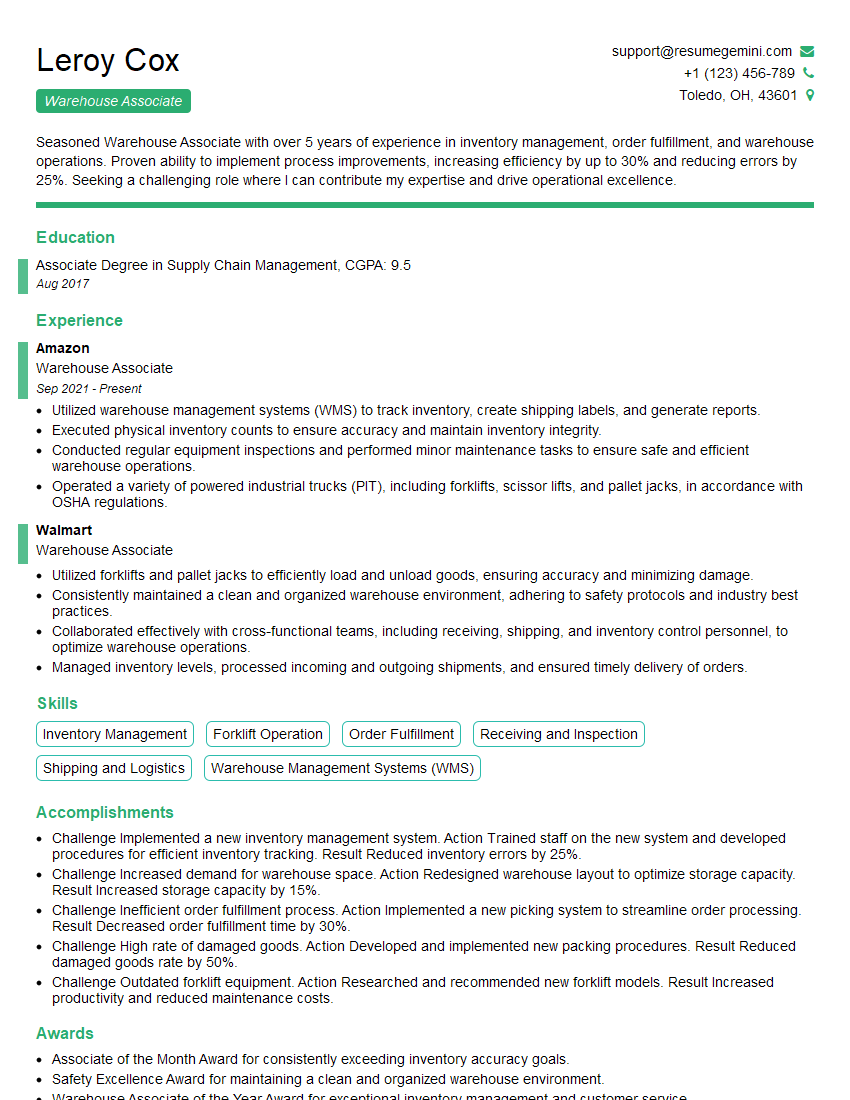
Warehouse Associate Resume Sample
- Operations Supervisor
- Production Supervisor
- Supply Chain Manager
- Distribution Center Manager
- Logistics Manager
- Warehouse Operations Manager
- Logistics Coordinator
- Supply Chain Analyst
- Industrial Engineer
- Inventory Control Manager
- Inventory Control Specialist
- Shipping and Receiving Clerk
- Material Handler
- Order Picker
- Forklift Operator
- Warehouse Associate
Explore more articles
Users Rating of Our Blogs
Share Your Experience
We value your feedback! Please rate our content and share your thoughts (optional).
What Readers Say About Our Blog
Really detailed insights and content, thank you for writing this detailed article.
IT gave me an insight and words to use and be able to think of examples