Preparation is the key to success in any interview. In this post, we’ll explore crucial Milk Safety and Public Health interview questions and equip you with strategies to craft impactful answers. Whether you’re a beginner or a pro, these tips will elevate your preparation.
Questions Asked in Milk Safety and Public Health Interview
Q 1. Explain the importance of pasteurization in ensuring milk safety.
Pasteurization is a crucial heat treatment process that eliminates harmful microorganisms in milk, making it safe for consumption. Think of it as a vital safety net against potentially dangerous bacteria like Salmonella, E. coli, and Listeria, which can cause severe illness. The process involves heating milk to a specific temperature for a set time, effectively killing these pathogens without significantly altering the milk’s nutritional value or taste. There are various pasteurization methods, including high-temperature short-time (HTST) pasteurization (around 72°C for 15 seconds) and ultra-high temperature (UHT) pasteurization (around 135°C for 2 seconds). HTST is commonly used for retail milk, while UHT is used for long-life milk varieties.
For example, imagine you’re drinking raw milk – it might taste great, but it carries a significant risk of harboring harmful bacteria. Pasteurization removes that risk, ensuring that you can enjoy milk without worrying about potential health consequences. This process is essential for public health, preventing widespread outbreaks of milk-borne illnesses.
Q 2. Describe the different types of bacterial contamination found in milk and their implications.
Milk can be contaminated by various bacteria, each with its own health implications. Some of the most common include:
- Escherichia coli (E. coli): Certain strains of E. coli can cause severe gastrointestinal illness, including diarrhea, vomiting, and abdominal cramps. Contamination often originates from fecal matter.
- Salmonella: This bacterium causes salmonellosis, characterized by fever, diarrhea, and abdominal cramps. Contamination can stem from infected animals or unsanitary handling practices.
- Listeria monocytogenes: This bacterium can cause listeriosis, a serious illness particularly dangerous for pregnant women, newborns, the elderly, and those with weakened immune systems. It can lead to miscarriage, stillbirth, or severe illness, and even death.
- Staphylococcus aureus: This bacterium produces toxins that cause staphylococcal food poisoning, resulting in nausea, vomiting, and diarrhea. Contamination usually occurs due to improper handling and storage.
- Pseudomonas: These bacteria can cause spoilage, leading to off-flavors and odors in milk. While generally not as pathogenic as others, they can be indicators of poor hygiene practices.
The implications of bacterial contamination range from mild gastrointestinal discomfort to severe illness and even death. Early detection and swift action are crucial in preventing widespread health issues and maintaining consumer trust.
Q 3. What are the key components of a HACCP plan for milk processing?
A Hazard Analysis and Critical Control Point (HACCP) plan for milk processing is a preventative system designed to ensure the safety and quality of the product. It focuses on identifying potential hazards and implementing control measures at critical points in the process. Key components include:
- Hazard Analysis: Identifying biological, chemical, and physical hazards that could contaminate the milk.
- Critical Control Points (CCPs): Determining the steps in the process where control is essential to prevent or eliminate hazards. Examples include pasteurization, refrigeration, and cleaning and sanitization.
- Critical Limits: Establishing measurable parameters for each CCP to ensure safety. For example, the temperature and time for pasteurization.
- Monitoring Procedures: Implementing systems for regularly monitoring CCPs to ensure critical limits are met. This might involve temperature monitoring, microbiological testing, and visual inspections.
- Corrective Actions: Defining procedures to follow if a critical limit is not met, such as discarding contaminated batches.
- Verification Procedures: Establishing methods to ensure the HACCP plan is effective. This could include regular audits and reviews of the system.
- Record-Keeping: Maintaining detailed records of all monitoring, corrective actions, and verification procedures.
A well-designed HACCP plan minimizes risks, protects consumers, and ensures regulatory compliance. It’s a proactive approach that’s more effective than simply reacting to problems after they occur.
Q 4. How do you identify and manage potential sources of milk contamination on a dairy farm?
Identifying and managing potential sources of milk contamination on a dairy farm requires a multi-faceted approach focusing on hygiene, sanitation, and animal health. Key strategies include:
- Maintaining Cleanliness: Regular cleaning and sanitization of milking equipment, storage tanks, and the milking parlor are critical. This involves using appropriate detergents and sanitizers to eliminate bacteria and other contaminants.
- Udder Hygiene: Proper pre-milking udder preparation, including cleaning and disinfection, is essential to minimize the introduction of bacteria from the cow’s udder into the milk.
- Animal Health: Maintaining the health of the cows through regular veterinary checks is crucial. Sick animals can contaminate milk with pathogens. Any cow exhibiting signs of illness should be separated from the milking herd.
- Water Quality: Ensuring the water used for cleaning and rinsing is clean and free of contaminants is important. Testing the water source regularly is recommended.
- Pest Control: Implementing effective pest control measures to eliminate rodents and insects that can contaminate milk.
- Employee Training: Training farm workers on proper hygiene practices, including handwashing, sanitation procedures, and the importance of preventing contamination, is vital.
A proactive approach to hygiene and sanitation minimizes the risk of contamination, resulting in higher-quality, safer milk. This is not just about complying with regulations but about producing a product that consumers can trust.
Q 5. What are the legal requirements and regulations surrounding milk safety in your region?
Legal requirements and regulations surrounding milk safety vary by region, but generally involve strict standards for production, processing, and distribution. These regulations often encompass:
- Farm Inspections: Regular inspections of dairy farms to ensure adherence to hygiene and animal welfare standards.
- Milk Processing Standards: Regulations governing the pasteurization process, including temperature and time requirements, and other safety measures during processing.
- Testing and Quality Control: Mandatory testing of milk for various pathogens, chemical contaminants, and other quality indicators.
- Labeling Requirements: Regulations outlining the information that must be included on milk packaging, such as pasteurization date, and other information.
- Transportation and Storage Regulations: Requirements for maintaining proper temperature during transportation and storage to prevent spoilage and bacterial growth.
- Penalties for Non-Compliance: Strict penalties for failure to meet regulations, which may include fines, license revocation, or product recalls.
These regulations are vital to protect public health and ensure consumer confidence in the safety and quality of the milk supply. The specific details will vary based on the local or national regulatory bodies.
Q 6. Explain the role of refrigeration in maintaining milk quality and safety.
Refrigeration plays a critical role in maintaining milk quality and safety by significantly slowing down the growth of microorganisms. Think of it as putting the brakes on bacterial multiplication. Milk, especially after pasteurization, provides a perfect breeding ground for many bacteria, fungi, and other microorganisms. Refrigeration, by maintaining a temperature of 4°C (40°F) or lower, drastically reduces their growth rate, thereby preventing spoilage and minimizing the risk of illness. Rapid cooling after milking is especially crucial in preserving milk quality. Prolonged exposure to warmer temperatures allows bacteria to multiply rapidly, leading to off-flavors, spoilage, and potential health hazards.
For example, leaving milk at room temperature for even a few hours can allow the bacterial count to increase dramatically, making the milk unsafe to consume. Refrigeration helps extend the shelf life and maintain the safety and quality of milk significantly.
Q 7. Describe the different methods used for milk testing and quality control.
Various methods are used for milk testing and quality control, ensuring both safety and quality. These include:
- Microbial Testing: This involves assessing the number of bacteria present in milk using techniques like plate counts. It helps detect potential contamination and evaluates the effectiveness of pasteurization.
- Chemical Analysis: Tests are conducted to check for the presence of antibiotics, pesticides, and other chemical contaminants that could affect milk safety and quality.
- Physical Tests: These evaluate factors such as fat content, protein levels, and density, which contribute to milk quality.
- Sensory Evaluation: Trained professionals assess the taste, smell, and appearance of milk to detect any off-flavors or other sensory defects indicating spoilage or contamination.
- Rapid Methods: Modern techniques like enzyme-linked immunosorbent assays (ELISAs) allow for faster detection of specific pathogens or contaminants compared to traditional methods.
These testing methods form a comprehensive quality control system, allowing for early detection of issues and timely interventions, preventing unsafe products from reaching consumers.
Q 8. What are the common indicators of milk spoilage?
Milk spoilage is indicated by several sensory and chemical changes. Think of it like this: just as a bruised apple starts to brown, milk shows signs of deterioration.
Sour smell and taste: This is the most common sign, caused by lactic acid bacteria fermenting lactose (milk sugar) into lactic acid. The more sour it is, the more advanced the spoilage.
Curdling or clotting: The milk proteins denature and separate, forming clumps. This can be due to bacterial action, or sometimes simply temperature changes.
Off-odors: Besides sourness, spoiled milk might have butyric acid or other foul smells, indicating the growth of different types of bacteria. Imagine the difference between a slightly sour yogurt and something truly rancid.
Changes in texture: The milk might become thicker or thinner than normal. This change in viscosity is often accompanied by other spoilage indicators.
Visible mold growth: In severe cases, you might see fuzzy or slimy growths on the surface of the milk—a clear sign of contamination.
These indicators are often interconnected. For example, a sour smell usually accompanies curdling. The severity of the spoilage dictates the intensity of these changes.
Q 9. How would you investigate a milk-borne illness outbreak?
Investigating a milk-borne illness outbreak requires a systematic approach, combining epidemiological studies with laboratory analysis. It’s a detective story where we need to identify the source of contamination and the culprit bacteria.
Case identification and definition: We start by identifying all individuals affected, noting their symptoms, onset of illness, and potential exposure to milk products. This involves tracking down individuals, gathering medical records, and analyzing their symptoms.
Descriptive epidemiology: We analyze the data to identify patterns. What kind of milk was consumed? Where was it purchased? Who was affected and when? Think of it like creating a timeline to narrow down the possible sources.
Hypothesis generation and testing: We formulate hypotheses about the likely source of the outbreak. Was it a specific dairy farm, processing plant, or distribution point? This involves checking production and processing records, environmental sampling, and interviewing individuals involved in the milk production chain.
Laboratory confirmation: Samples of the implicated milk, as well as stool samples from affected individuals, are analyzed to identify the pathogen. This is critical to confirm the suspected cause and ensure the safety of public health.
Control measures: Once the source is identified, immediate control measures are implemented. This might involve recalling contaminated milk products, improving hygiene practices at the source of contamination, and educating consumers.
Thorough record-keeping and collaboration with public health authorities are essential throughout this process. It’s about bringing together different pieces of evidence to solve the outbreak ‘puzzle’.
Q 10. Explain the significance of proper hygiene practices in milk production and handling.
Proper hygiene practices are paramount to ensuring the safety and quality of milk. Imagine how easily bacteria can multiply in a warm, nutrient-rich environment like raw milk. Maintaining hygiene prevents contamination and minimizes the risk of milk-borne illnesses.
Pre-milking hygiene: This includes cleaning and disinfecting the udder and teats of the cows to remove dirt and bacteria. Think of it as giving the cow a pre-milking spa treatment!
Milking hygiene: Clean, sanitized equipment (e.g., milking machines) is crucial to prevent contamination during the milking process. Regular maintenance and disinfection are key.
Post-milking hygiene: Proper cleaning and disinfection of all equipment after milking are equally important. Neglecting this step is like leaving dirty dishes in the sink—a breeding ground for microbes.
Storage and transportation hygiene: Milk must be stored and transported at appropriate temperatures to prevent bacterial growth. Refrigerated transport ensures the cold chain is maintained and minimizes bacterial proliferation.
Personnel hygiene: Milk handlers should maintain high standards of personal hygiene, including washing hands and wearing clean clothing. They are the last line of defense against contamination.
Implementing these measures helps to reduce the overall microbial load in milk, ensuring a safer product for consumption.
Q 11. Describe your experience with food safety audits and inspections.
I have extensive experience conducting and participating in food safety audits and inspections, both for domestic and international dairy farms and processing plants. These audits aren’t just about checking boxes; they’re about ensuring that the entire production process is safe and effective.
My experience includes:
Conducting audits: I’ve led audits based on standards such as HACCP (Hazard Analysis and Critical Control Points), GMP (Good Manufacturing Practices), and ISO 22000. This involves reviewing documentation, observing production practices, and collecting samples for laboratory analysis.
Identifying non-conformities: I’ve successfully identified and documented non-conformities related to hygiene practices, temperature control, and record-keeping. The goal is not just to find problems, but to understand their root causes.
Developing corrective actions: I’ve worked with facilities to develop and implement corrective actions to address identified non-conformities. It’s about collaborative problem-solving, not just fault-finding.
Providing training and education: I’ve provided training to dairy farm and plant personnel on food safety management systems and good hygiene practices. Empowering the workforce is key to long-term improvements in food safety.
I’ve worked with a wide range of facilities, from small family-run farms to large industrial processors, which has broadened my perspective and improved my problem-solving skills.
Q 12. What are the key factors to consider when evaluating the safety of imported milk?
Evaluating the safety of imported milk requires a multi-faceted approach considering both the origin country’s regulatory framework and the milk itself.
Regulatory compliance: We must verify that the exporting country has equivalent or stricter food safety regulations compared to our own. This involves checking their food safety systems and examining whether they meet international standards.
Production practices: We need to assess the hygiene practices and production methods employed at the dairy farm and processing plant, including aspects like herd health, milking hygiene, and processing conditions.
Testing and certification: We examine the results of laboratory testing for microbial contamination, antibiotics, and other harmful substances. Certifications such as ISO 22000 are indicators of good food safety practices but don’t replace thorough investigation.
Transportation and storage: The temperature control during transport and storage must be rigorously maintained to prevent spoilage and bacterial growth. A broken cold chain is a significant risk factor.
Traceability: Complete traceability of the milk throughout the entire supply chain is critical. This allows for quick identification of the source of any contamination and helps with effective recall if needed.
It’s a rigorous process, akin to checking all the pieces of a complex puzzle to ensure that the final product is safe for consumers.
Q 13. How do you ensure the effectiveness of milk sanitation procedures?
Ensuring the effectiveness of milk sanitation procedures relies on a combination of monitoring, verification, and continuous improvement. It’s not a one-time fix but an ongoing process.
Monitoring: Regular monitoring of sanitation parameters, such as water temperature, sanitizer concentration, and contact time, is crucial. This helps ensure that sanitation procedures are being followed correctly.
Verification: Regular microbiological testing of milk and equipment surfaces helps verify the effectiveness of sanitation procedures. This provides objective evidence of the sanitation program’s success, and alerts us to potential problems.
Validation: Periodic validation of sanitation procedures ensures that they are consistently effective in reducing microbial contamination. This involves testing under different conditions.
Corrective actions: If monitoring or verification reveals that sanitation procedures are not effective, appropriate corrective actions must be taken promptly. This might include adjusting sanitation parameters, retraining personnel, or replacing equipment.
Documentation: Meticulous record-keeping of all sanitation procedures, monitoring data, and verification results is essential. This provides a clear audit trail and helps identify trends and areas for improvement.
A robust sanitation program is like a well-maintained machine—regular maintenance and inspection ensure smooth and consistent functioning.
Q 14. Describe your experience with implementing and managing food safety programs.
Throughout my career, I have been deeply involved in implementing and managing food safety programs in various dairy settings. My experience ranges from developing and implementing HACCP plans to leading internal audits and training programs. I approach these programs not as rigid rules, but as dynamic systems that need continuous improvement.
My experience includes:
HACCP plan development and implementation: I’ve led the development and implementation of HACCP plans for numerous dairy facilities, identifying critical control points (CCPs) and establishing monitoring procedures for each CCP.
GMP implementation and enforcement: I’ve overseen the implementation and monitoring of GMPs to ensure adherence to good hygiene practices throughout the milk production and handling processes.
Internal audit programs: I’ve developed and managed internal audit programs to assess the effectiveness of the food safety management system. This ensures we’re not just complying, but exceeding expectations.
Employee training and education: I’ve developed and delivered comprehensive training programs for dairy farm and plant personnel on various food safety aspects, from hygiene to hazard recognition.
Data analysis and improvement: I’ve used data from audits, testing, and other sources to identify trends and areas for improvement in food safety programs, creating a culture of continuous learning and enhancement.
My approach is always focused on collaboration, continuous improvement, and a proactive approach to food safety—a philosophy that prioritizes the safety of consumers above all else.
Q 15. What are the challenges associated with maintaining milk safety during transportation and storage?
Maintaining milk safety during transportation and storage presents several significant challenges. The primary concern is preventing microbial growth and maintaining the quality of the milk. Temperature control is paramount; milk is highly perishable and needs to be kept consistently cold throughout the entire supply chain, from farm to consumer.
- Temperature Fluctuations: Breaks in the cold chain, even short ones, can lead to rapid bacterial growth, rendering the milk unsafe. Imagine leaving a carton of milk in a hot car – the consequences are easily understood.
- Contamination Risks: During transportation, milk can be exposed to contaminants through damaged packaging, cross-contamination with other products, or improper handling practices. For example, a leak in a tanker truck could contaminate the entire load.
- Storage Conditions: Inadequate storage facilities at distribution centers or retail outlets can compromise milk safety. Insufficient refrigeration, poor hygiene, or improper stacking can negatively impact milk quality and lead to spoilage.
- Transportation Time and Distance: Longer transportation times and distances increase the risk of temperature abuse and contamination. Efficient logistics and well-maintained transportation vehicles are vital.
Effective management involves rigorous monitoring of temperature, using insulated containers, regular vehicle maintenance, proper cleaning and sanitation protocols, and strict adherence to time-temperature limits. Traceability systems are also crucial to identify the source of any contamination issues.
Career Expert Tips:
- Ace those interviews! Prepare effectively by reviewing the Top 50 Most Common Interview Questions on ResumeGemini.
- Navigate your job search with confidence! Explore a wide range of Career Tips on ResumeGemini. Learn about common challenges and recommendations to overcome them.
- Craft the perfect resume! Master the Art of Resume Writing with ResumeGemini’s guide. Showcase your unique qualifications and achievements effectively.
- Don’t miss out on holiday savings! Build your dream resume with ResumeGemini’s ATS optimized templates.
Q 16. Explain the role of food labeling regulations in ensuring milk safety.
Food labeling regulations play a vital role in ensuring milk safety by providing consumers with accurate and reliable information about the product. These regulations mandate the inclusion of specific details, including:
- Product Name: Clearly identifying the type of milk (e.g., whole milk, skim milk).
- Manufacturer Information: Allowing consumers to identify the source and contact information for inquiries or complaints.
- Nutritional Information: Providing data on calories, fats, proteins, and other nutrients.
- Ingredients List: Disclosing all components of the milk and any additives.
- Expiration Date/Best Before Date: Instructing consumers about the shelf life and helping them avoid consuming spoiled milk.
- Pasteurization Information: Indicating whether the milk has been pasteurized and confirming its safety.
- Allergen Information: Listing any potential allergens, such as lactose or dairy proteins, to protect consumers with allergies.
By adhering to these regulations, manufacturers are held accountable for the safety and accuracy of their labeling. Consumers can rely on this information to make informed choices about the milk they buy, contributing to safer food practices overall. Inaccurate or misleading labeling is not only unethical but can also have serious public health consequences.
Q 17. How would you communicate potential milk safety risks to the public?
Communicating potential milk safety risks to the public requires a multi-faceted approach that prioritizes clarity, accuracy, and accessibility. This includes:
- Public Health Campaigns: Launching educational campaigns using various media (TV, radio, print, social media) to raise awareness of risks like improper handling and storage, and the importance of following recommended guidelines.
- Clear and Concise Messaging: Using simple language, avoiding jargon, and focusing on key messages that are easy to understand and remember. For example, promoting the slogan, “Keep your milk cold!” would be more effective than a lengthy explanation of bacterial growth kinetics.
- Targeted Communication: Tailoring messages to specific demographics (e.g., parents, elderly individuals) to address their particular concerns and needs.
- Collaborations with Stakeholders: Partnering with organizations such as grocery stores, schools, and community centers to disseminate information through their existing channels. For instance, working with local supermarkets to distribute educational pamphlets alongside milk products.
- Prompt and Transparent Reporting: Rapidly reporting any outbreaks of milk-borne illnesses and taking proactive steps to mitigate the risk. Transparency builds public trust.
Effective communication requires a combination of science-based information and strategies designed to engage the public and promote safe practices. It’s a critical component of preventing milk-borne illnesses.
Q 18. What is your experience with different milk processing technologies and their impact on safety?
My experience encompasses various milk processing technologies, each impacting safety differently. These include:
- Pasteurization: This heat treatment is crucial in eliminating harmful bacteria like E. coli and Salmonella, significantly enhancing milk safety. High-temperature short-time (HTST) pasteurization is commonly used and balances effective pathogen inactivation with minimal impact on the milk’s flavor and nutritional value. Ultra-high temperature (UHT) processing provides a longer shelf life but may slightly alter the milk’s taste.
- Homogenization: This process reduces fat globule size, preventing creaming and ensuring a uniform product. While not directly related to pathogen reduction, it improves the milk’s stability and reduces the risk of fat separation, which could create pockets conducive to bacterial growth.
- Ultrafiltration/Microfiltration: These membrane filtration techniques remove unwanted substances, including bacteria and some proteins. They can contribute to enhanced safety and improved product quality, but are usually integrated with other processes like pasteurization.
- Aseptic Packaging: This technology allows for the filling of sterile milk into pre-sterilized containers, extending shelf life without refrigeration (UHT milk). The absence of air and moisture minimizes microbial growth potential.
The selection of appropriate processing technologies is crucial for ensuring milk safety, and each method has its advantages and limitations. A combination of methods is often used to achieve optimal safety and quality.
Q 19. How do you ensure traceability and accountability throughout the milk supply chain?
Ensuring traceability and accountability throughout the milk supply chain is crucial for rapid response to contamination events and maintaining public trust. This is achieved through:
- Farm-level Tracking: Recording details like the farm’s location, herd identification, milking practices, and animal health records, provides a clear origin point for each batch of milk.
- Batch Tracking: Assigning unique identification numbers to each batch of milk at each stage of processing and distribution allows for accurate tracking of the milk’s journey from farm to retailer.
- Electronic Data Capture: Utilizing software and databases to record all relevant information and provide real-time access to data improves efficiency and accuracy.
- Blockchain Technology: Implementing blockchain can add an extra layer of security and transparency to the tracking system, making it nearly impossible to alter records.
- Regular Audits: Conducting regular audits of all facilities involved in the milk supply chain to verify compliance with safety standards and traceability protocols.
This system allows for the prompt identification of the source of any contamination, enabling swift recall of affected products, minimizing public health risks and preserving consumer confidence. This level of transparency is essential to prevent future incidents and improve overall supply chain efficiency.
Q 20. Describe your familiarity with relevant food safety standards (e.g., FDA, USDA).
I am thoroughly familiar with various food safety standards, including those established by the FDA (Food and Drug Administration) and the USDA (United States Department of Agriculture). These standards are critical in maintaining milk safety and ensuring public health.
- FDA Regulations: The FDA’s role mainly focuses on milk processing, packaging, labeling, and distribution, setting standards for the safety and composition of milk and dairy products. These include requirements for pasteurization, allergen labeling, and good manufacturing practices (GMPs).
- USDA Regulations: The USDA’s focus primarily lies on the production side, regulating the health and welfare of dairy animals, and setting standards for on-farm sanitation and milk handling practices. They establish guidelines for the production of organic milk and regulate milk quality through inspections.
My understanding extends to the detailed requirements within these standards, including microbiological limits, chemical residue tolerances, and testing procedures. This knowledge is crucial for effective implementation of safety measures within the dairy industry. Regular updates are necessary to stay abreast of changes in regulations and emerging safety concerns.
Q 21. How do you handle non-conformances related to milk quality and safety?
Handling non-conformances related to milk quality and safety requires a systematic approach to protect public health and maintain operational efficiency. My process includes:
- Immediate Investigation: A thorough investigation is conducted to pinpoint the root cause of the non-conformances, whether it involves microbiological contamination, chemical residue exceeding limits, or other quality issues.
- Corrective Actions: Implementing corrective actions to address the identified root cause. This may involve adjusting processing parameters, improving sanitation procedures, replacing contaminated batches, or retraining staff.
- Preventive Actions: Establishing preventive measures to avoid future recurrences of the same issue. This might entail investing in new equipment, updating standard operating procedures (SOPs), or improving supply chain management.
- Documentation and Reporting: Maintaining comprehensive documentation of the non-conformances, investigation, corrective actions, and preventive actions. This allows for continuous improvement and facilitates traceability.
- Communication: Communicating with relevant stakeholders, including regulatory agencies, suppliers, and customers, as needed, to ensure transparency and coordinate responses.
- Recall Management (if necessary): If the non-conformances pose a serious risk to public health, initiating a product recall following established procedures.
This rigorous approach ensures that non-conformances are addressed swiftly and effectively, minimizing their impact and reinforcing the commitment to milk safety.
Q 22. What are your strategies for continuous improvement in milk safety practices?
Continuous improvement in milk safety is a journey, not a destination. It requires a proactive, data-driven approach, constantly striving for excellence. My strategies involve a multi-pronged approach encompassing:
- Regular Audits and Inspections: We conduct frequent internal audits using HACCP (Hazard Analysis and Critical Control Points) principles, meticulously checking every stage of the process, from milking to packaging. This allows us to identify potential weaknesses before they become problems.
- Data Analysis and Trend Monitoring: We leverage statistical process control (SPC) charts to monitor key indicators like bacterial counts, somatic cell counts, and temperature logs. Identifying trends helps us pinpoint areas needing immediate attention or preventative measures.
- Employee Feedback and Training: A culture of continuous learning and improvement is paramount. We encourage employees at all levels to report potential hazards or suggest improvements. This feedback is then incorporated into revised training materials and safety protocols.
- Benchmarking and Best Practices: We regularly benchmark our practices against industry leaders and adopt successful strategies to continuously enhance our operations. Industry conferences and participation in professional organizations are vital for staying informed about the latest advancements.
- Technological Advancements: Embracing new technologies like automated milking systems, advanced cleaning equipment, and real-time monitoring systems significantly improves efficiency and minimizes human error, critical factors in maintaining milk safety.
For example, a recent audit revealed a slight increase in bacterial counts at a particular chilling stage. Using SPC charts, we pinpointed the root cause to a minor malfunction in the cooling system. This was immediately rectified, preventing any significant issues further down the line.
Q 23. Describe your experience with risk assessment and mitigation strategies in dairy production.
Risk assessment and mitigation are core to ensuring milk safety. My experience encompasses a systematic approach utilizing the HACCP framework. This involves:
- Hazard Identification: Identifying all potential hazards at each stage of the milk production process, from farm to consumer, including biological (bacteria, viruses), chemical (pesticides, residues), and physical (foreign objects) hazards.
- Risk Analysis: Assessing the likelihood and severity of each identified hazard, prioritizing those posing the greatest risk to public health.
- Critical Control Points (CCPs) Determination: Identifying critical control points where hazards can be prevented, eliminated, or reduced to acceptable levels. Examples include pasteurization temperature and time, hygiene protocols, and storage temperature.
- Critical Limits Establishment: Setting specific limits for each CCP (e.g., pasteurization temperature must not fall below 72°C for 15 seconds). These limits are based on scientific evidence and regulatory requirements.
- Monitoring Procedures: Implementing regular monitoring procedures to ensure that CCPs are under control. This involves ongoing checks and recording of data such as temperatures, times, and bacterial counts.
- Corrective Actions: Developing and implementing corrective actions to be taken when monitoring indicates that a CCP is not under control. This could involve equipment repair, re-training of staff, or product recall.
- Record Keeping: Maintaining detailed records of all risk assessment activities, monitoring data, and corrective actions. This documentation is crucial for traceability and demonstrating compliance with regulations.
For instance, during a risk assessment, we identified the potential for antibiotic residues in milk. Mitigation strategies included strict adherence to withdrawal periods for treated animals, thorough testing of milk samples, and employee training on proper medication administration practices.
Q 24. How do you prioritize different food safety risks in a dairy setting?
Prioritizing food safety risks in a dairy setting involves a structured approach that considers the severity and likelihood of each risk. We employ a matrix based on the following factors:
- Severity: The potential impact on public health. A high-severity risk would be a hazard causing serious illness or death (e.g., pathogenic bacteria like Listeria monocytogenes).
- Likelihood: The probability of the hazard occurring. A high-likelihood risk is one that frequently occurs or has a high potential to occur (e.g., contamination from poor hygiene practices).
- Detectability: How easily the hazard can be detected through monitoring procedures. Risks that are difficult to detect require greater attention (e.g., certain toxins).
We use this matrix to rank risks, focusing our resources on the highest-priority threats. For example, E. coli contamination would rank higher than a minor aesthetic defect, as the potential for serious illness outweighs the impact of an appearance issue. This prioritization guides our resource allocation, ensuring that the most critical control measures are in place.
Q 25. How do you maintain accurate records and documentation related to milk safety?
Accurate record-keeping is fundamental to milk safety and regulatory compliance. We utilize a robust system incorporating:
- Electronic Data Capture: Using automated systems for recording critical parameters like temperature, time, bacterial counts, and cleaning logs. This minimizes manual errors and ensures data integrity.
- Traceability Systems: Implementing systems that allow us to trace milk from the farm to the consumer. This is vital for identifying the source of contamination in case of a recall.
- Data Backup and Security: Storing data securely with regular backups to safeguard against data loss. This is essential for compliance and efficient investigation in case of an incident.
- Auditable Trails: Maintaining clear auditable trails of all actions taken. This ensures transparent and verifiable records for internal reviews and regulatory audits.
- Standard Operating Procedures (SOPs): Detailed SOPs clearly outline record-keeping procedures, ensuring consistency and completeness.
For example, each batch of milk has a unique identification number that is tracked through every stage of processing, allowing for complete traceability. This allows us to quickly pinpoint the source of any problem if a quality issue arises.
Q 26. What are your strategies for training employees on milk safety protocols?
Employee training is paramount for effective milk safety. Our training program includes:
- Initial Training: Comprehensive initial training covering all aspects of milk safety, hygiene, and food safety regulations.
- On-the-Job Training: Hands-on training by experienced supervisors to ensure practical application of knowledge.
- Refresher Training: Regular refresher courses to update employees on best practices and new regulations.
- Interactive Workshops: Engaging workshops to improve knowledge retention and promote a culture of safety.
- Documentation and Certification: Maintaining comprehensive training records and providing certifications upon successful completion of courses.
- Specific Role-Based Training: Training tailored to specific roles, such as milking, processing, or quality control.
We also use interactive simulations and case studies to illustrate real-world scenarios, making the training more engaging and memorable. For example, we simulate a situation involving a temperature fluctuation during pasteurization, and employees practice the appropriate corrective actions.
Q 27. Describe your experience with managing customer complaints related to milk quality.
Managing customer complaints related to milk quality is crucial for maintaining trust and brand reputation. My approach involves:
- Prompt Acknowledgement: Customers are promptly acknowledged and assured that their complaint will be investigated.
- Thorough Investigation: A systematic investigation is launched to determine the root cause of the complaint. This involves collecting samples, reviewing records, and interviewing staff.
- Corrective Actions: Appropriate corrective actions are implemented to prevent similar incidents from happening again. This might involve equipment repairs, process improvements, or enhanced training.
- Customer Communication: Customers are kept informed of the investigation’s progress and the actions taken to resolve the issue.
- Resolution and Follow-up: A satisfactory resolution is offered, which might involve a refund, replacement product, or other forms of compensation. A follow-up is conducted to ensure customer satisfaction.
- Data Analysis: Complaint data is analyzed to identify patterns and trends. This information helps to improve processes and prevent future complaints.
For instance, a complaint regarding off-flavor in milk led to a thorough investigation. We traced the issue to a faulty cleaning agent in a particular processing unit. After replacing the agent and thoroughly cleaning the unit, the problem was resolved. The customer was kept informed throughout the process and ultimately satisfied with the resolution.
Q 28. What are your skills in using statistical methods to analyze milk quality data?
Statistical methods are essential for analyzing milk quality data and ensuring compliance with standards. My skills encompass:
- Descriptive Statistics: Calculating measures of central tendency (mean, median, mode) and dispersion (standard deviation, variance) to summarize milk quality data.
- Inferential Statistics: Using statistical tests (t-tests, ANOVA) to compare milk quality across different batches, farms, or processing methods.
- Statistical Process Control (SPC): Applying SPC charts (e.g., control charts, run charts) to monitor milk quality parameters over time and detect deviations from established standards. This helps identify trends and prevent problems before they escalate.
- Regression Analysis: Exploring relationships between milk quality parameters (e.g., bacterial count vs. temperature) to identify potential factors influencing quality.
- Data Visualization: Using graphs, charts, and other visual aids to effectively communicate findings to stakeholders.
For example, using regression analysis, we identified a strong correlation between the somatic cell count in milk and the age of the milking equipment. This led to a planned replacement schedule for the equipment, enhancing milk quality and minimizing potential problems.
Key Topics to Learn for Milk Safety and Public Health Interview
- Milk Production and Processing: Understand the entire process from farm to consumer, including hygiene practices, pasteurization techniques, and quality control measures.
- Pathogens and Contaminants in Milk: Familiarize yourself with common bacterial, viral, and parasitic contaminants, their sources, and methods for detection and mitigation. Discuss the impact on public health.
- Food Safety Regulations and Standards: Demonstrate knowledge of relevant national and international regulations (e.g., FDA, USDA guidelines) governing milk safety and handling.
- Risk Assessment and Management: Be prepared to discuss methodologies for identifying, assessing, and managing food safety risks throughout the milk production and distribution chain.
- Outbreak Investigation and Response: Understand the principles of epidemiological investigation and the role of public health professionals in responding to milk-borne illness outbreaks.
- Quality Control and Assurance: Explain various quality control methods employed at different stages of milk production and processing, including microbiological testing and sensory evaluation.
- Consumer Education and Public Health Messaging: Discuss strategies for educating the public on safe milk handling and consumption practices to prevent foodborne illnesses.
- Data Analysis and Interpretation: Demonstrate your ability to interpret microbiological data, epidemiological data, and other relevant information to make informed decisions.
- Emerging Technologies in Milk Safety: Be aware of current technological advancements in milk safety, such as rapid detection methods and innovative processing techniques.
- Ethical Considerations in Milk Production and Public Health: Discuss the ethical implications of milk production practices, including animal welfare and sustainable farming.
Next Steps
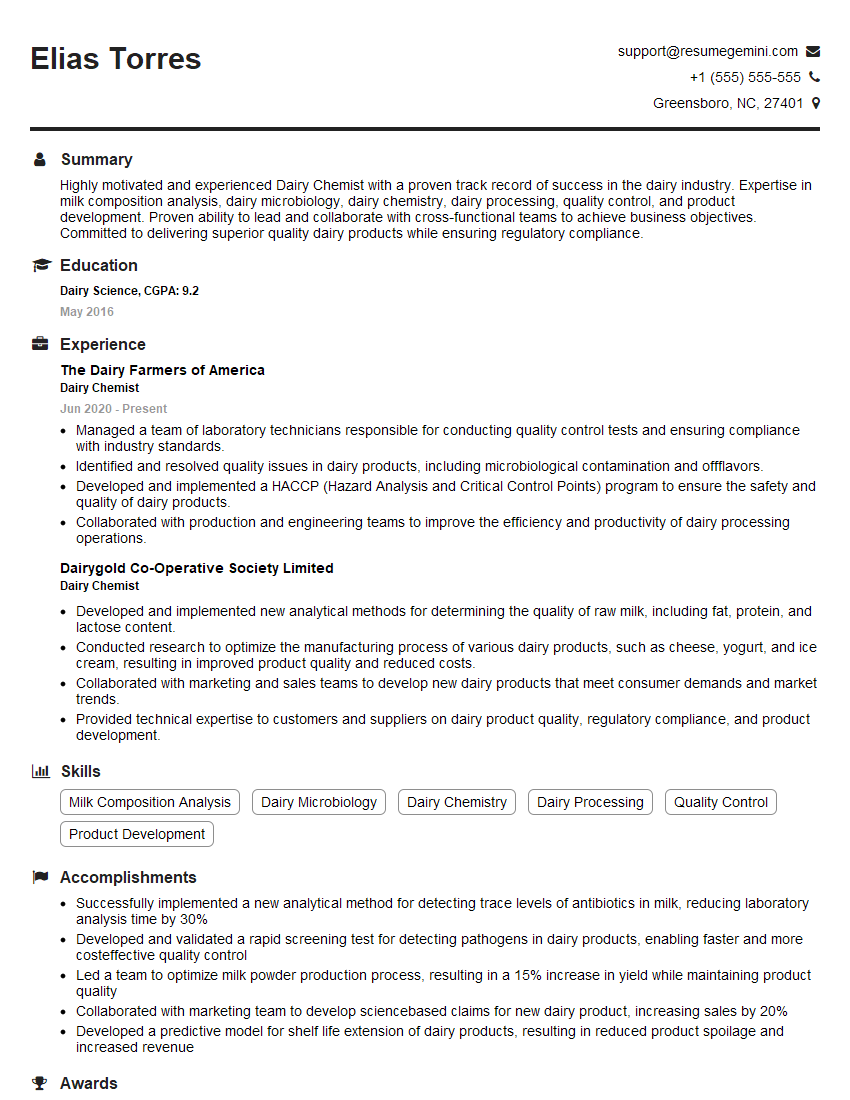
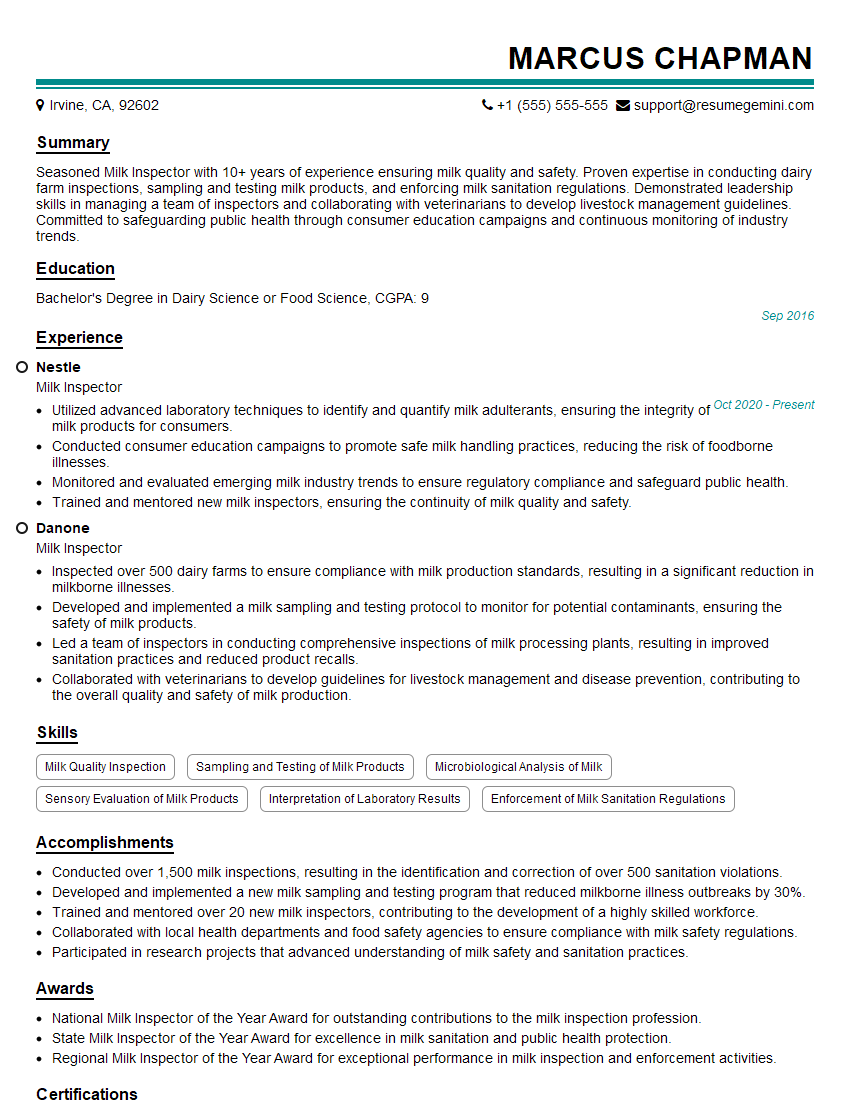
Mastering Milk Safety and Public Health is crucial for a rewarding and impactful career. It allows you to contribute directly to protecting public health and ensuring food security. To significantly increase your chances of landing your dream job, focus on crafting an ATS-friendly resume that effectively highlights your skills and experience. ResumeGemini is a trusted resource that can help you build a professional and impactful resume. They provide examples of resumes tailored specifically to Milk Safety and Public Health roles, enabling you to showcase your expertise effectively. Take advantage of this valuable resource to present yourself in the best possible light to potential employers.
Explore more articles
Users Rating of Our Blogs
Share Your Experience
We value your feedback! Please rate our content and share your thoughts (optional).
What Readers Say About Our Blog
Really detailed insights and content, thank you for writing this detailed article.
IT gave me an insight and words to use and be able to think of examples