Interviews are opportunities to demonstrate your expertise, and this guide is here to help you shine. Explore the essential MSDS Interpretation and Compliance interview questions that employers frequently ask, paired with strategies for crafting responses that set you apart from the competition.
Questions Asked in MSDS Interpretation and Compliance Interview
Q 1. Explain the purpose and importance of an MSDS/SDS.
The Material Safety Data Sheet (MSDS), now largely replaced by the Safety Data Sheet (SDS), is a document that provides comprehensive information on the hazards and safe handling of a chemical product. Think of it as the chemical’s identity card, detailing everything you need to know to work with it safely. Its importance lies in worker protection and environmental safety. Without an SDS, workers are unknowingly exposed to potential hazards, leading to injuries, illnesses, and even fatalities. Furthermore, proper handling, storage, and disposal information are crucial for environmental protection.
In essence, the SDS is a critical element of workplace safety, informing safe practices and minimizing risks associated with hazardous chemicals. It’s a legal requirement in many jurisdictions and a cornerstone of responsible chemical handling.
Q 2. Describe the standard sections found in an MSDS/SDS.
A standard SDS typically includes 16 sections, although the exact order and content may vary slightly depending on the jurisdiction and specific chemical. These sections provide a detailed profile of the chemical’s properties and hazards:
- Identification: Product name, manufacturer details, emergency contact information.
- Hazard Identification: Classification of hazards (e.g., flammability, toxicity), signal words (Danger/Warning), hazard statements, precautionary statements.
- Composition/Information on Ingredients: Chemical composition, including CAS numbers (Chemical Abstracts Service Registry Numbers) and concentrations.
- First-aid measures: Immediate steps to take in case of exposure.
- Fire-fighting measures: Suitable extinguishing agents, specific hazards during fire, protective equipment.
- Accidental release measures: Steps to take in case of a spill or leak.
- Handling and storage: Safe handling practices, storage conditions to minimize risks.
- Exposure controls/personal protection: Appropriate personal protective equipment (PPE), engineering controls, and exposure limits.
- Physical and chemical properties: Physical state, appearance, boiling point, melting point, flammability, etc.
- Stability and reactivity: Stability of the chemical, potential hazards during reactions, conditions to avoid.
- Toxicological information: Health effects from exposure (acute and chronic).
- Ecological information: Environmental impact of the chemical.
- Disposal considerations: Safe methods for disposal of the chemical and its containers.
- Transport information: Transportation regulations and requirements.
- Regulatory information: Relevant regulations and labeling requirements.
- Other information: Additional information, revisions, and references.
Q 3. How do you identify the hazards associated with a chemical based on its MSDS/SDS?
Identifying hazards from an SDS involves carefully reviewing several key sections. The most crucial are sections 2 (Hazard Identification) and 9 (Physical and Chemical Properties). Section 2 clearly lists the classified hazards, using hazard statements and pictograms. For example, a flammable liquid will have a flame symbol and hazard statements describing its flammability.
Section 9 provides data that helps understand the potential for hazards, like flammability, reactivity, and toxicity. For instance, a high flashpoint indicates a lower flammability risk compared to a low flashpoint. By cross-referencing these sections, you gain a comprehensive understanding of the chemical’s inherent dangers.
Example: An SDS with a ‘flammable’ hazard classification, along with a low flashpoint in Section 9, highlights the significant fire risk associated with that chemical.
Q 4. What is the difference between an MSDS and an SDS?
The MSDS (Material Safety Data Sheet) is the older term, largely superseded by the SDS (Safety Data Sheet). The core information remains the same – detailing the hazards and safe handling of chemicals. However, the SDS is harmonized globally under the Globally Harmonized System of Classification and Labelling of Chemicals (GHS), leading to a more consistent and standardized format. This standardization ensures greater clarity and reduces ambiguity compared to the older, often varying, MSDS formats.
In short, the SDS is an updated, globally standardized version of the MSDS, promoting better communication of chemical hazards and safer workplace practices worldwide.
Q 5. How do you interpret the health hazards section of an MSDS/SDS?
The health hazards section (usually section 11, Toxicological Information) describes the potential health effects from exposure to the chemical. This section typically includes information on acute and chronic effects, routes of exposure (inhalation, skin contact, ingestion), symptoms of exposure, target organs, and any known carcinogenic, mutagenic, or reproductive effects. It often refers to LD50 (lethal dose, 50%) and LC50 (lethal concentration, 50%) values, which indicate the toxicity level.
Interpreting this section requires careful review of all the information presented, paying close attention to any warnings about specific health hazards. For example, a high LD50 indicates lower acute toxicity, while a low LD50 suggests higher toxicity. The presence of phrases like ‘carcinogen’ or ‘reproductive toxicity’ warrants extra caution.
Q 6. How do you interpret the physical and chemical hazards section of an MSDS/SDS?
The physical and chemical hazards section (typically section 9) describes the chemical’s physical properties that contribute to its hazardous nature. This includes information like flammability (flash point, autoignition temperature), explosiveness, reactivity (stability, incompatibility with other substances), and physical state (solid, liquid, gas). Understanding these properties is critical for safe handling, storage, and transportation.
For example, a low flash point indicates a high flammability risk, while information on reactivity helps determine safe storage conditions (e.g., avoiding contact with water or specific materials). This section provides crucial context for evaluating the overall hazard profile of the chemical.
Q 7. Explain the different hazard pictograms used in SDS.
The SDS uses pictograms to quickly communicate the main hazard classes. These are standardized symbols, readily understandable across languages. Each pictogram represents a specific hazard category:
- Flame: Flammable
- Exclamation mark: Irritant, health hazard (less severe)
- Corrosion: Corrosive
- Gas cylinder: Gases under pressure
- Health hazard: Acute toxicity, respiratory sensitizer, carcinogen, etc.
- Environment: Hazardous to the environment
- Skull and crossbones: Acute toxicity (very severe)
- Exploding bomb: Explosives
The presence and combination of these pictograms provide a visual summary of the chemical’s hazard profile at a glance. They are essential for quick hazard identification and risk assessment.
Q 8. How do you determine the appropriate personal protective equipment (PPE) based on an MSDS/SDS?
Determining the appropriate Personal Protective Equipment (PPE) from a Safety Data Sheet (SDS) is crucial for worker safety. The SDS provides hazard information, and based on that, you select the necessary PPE. It’s not a one-size-fits-all approach; it depends on the specific tasks and potential exposure levels.
- Step 1: Identify Hazards: Carefully review Section 2 (Hazards Identification) and Section 8 (Exposure Controls/Personal Protection) of the SDS. Look for information on health hazards (e.g., carcinogenicity, toxicity), physical hazards (e.g., flammability, explosivity), and environmental hazards.
- Step 2: Assess Exposure Potential: Consider the type of work being performed, the quantity of chemical handled, and the possibility of skin contact, inhalation, or ingestion. For example, working with a highly corrosive liquid necessitates different PPE than handling a small amount of a mildly irritating powder.
- Step 3: Select Appropriate PPE: Based on the identified hazards and exposure potential, select the appropriate PPE. The SDS will often recommend specific PPE, such as gloves (specify material – nitrile, neoprene, etc.), eye protection (safety glasses, goggles, face shields), respiratory protection (respirator type and filter), and protective clothing (lab coats, aprons, coveralls).
- Step 4: Ensure Proper Fit and Use: It’s not enough to just have the PPE; it must fit correctly and be used properly. Training on proper donning and doffing procedures is critical to ensure effectiveness. Regular inspection and maintenance of PPE are also important.
Example: If an SDS indicates a chemical is corrosive and highly flammable, appropriate PPE would include chemical-resistant gloves, a lab coat, safety glasses, and potentially a respirator, depending on the exposure level. The specific glove material would need to be selected based on the compatibility chart often included in Section 8.
Q 9. What are the legal requirements for handling and storing chemicals based on MSDS/SDS information?
Legal requirements for handling and storing chemicals, as dictated by the SDS, vary by jurisdiction but generally align with Globally Harmonized System of Classification and Labelling of Chemicals (GHS) principles. These requirements aim to prevent accidents, protect worker health, and safeguard the environment.
- Safe Handling: SDS Section 7 (Handling and Storage) outlines precautions like ventilation requirements, spill procedures, and safe handling techniques. Failure to follow these can lead to serious legal consequences, including fines and potential criminal charges.
- Appropriate Storage: The SDS indicates proper storage conditions (temperature, humidity, compatibility with other chemicals) and container requirements. Incompatible chemicals should never be stored together. Improper storage, such as in unlabeled containers or unsecured areas, is a major violation.
- Waste Disposal: Section 13 (Disposal Considerations) provides guidance on safe disposal methods. Improper disposal is not only a legal violation but also a serious environmental hazard. Disposal must comply with local, regional, and national regulations.
- Employee Training: Employers are legally obligated to train employees on the safe handling, storage, and disposal of chemicals based on the information provided in the SDS. This training should be documented and regularly updated.
Example: If an SDS specifies that a chemical must be stored in a cool, dry, well-ventilated area away from incompatible materials, failure to adhere to these requirements could result in penalties under OSHA (in the US) or similar regulations in other countries.
Q 10. Describe your experience with SDS authoring or updating.
I have extensive experience in both SDS authoring and updating, having worked on hundreds of SDSs across a wide range of industries. My process involves a thorough understanding of the GHS regulations, the chemical’s properties, and the potential hazards associated with its use. I utilize specialized software to ensure consistency and compliance.
- Data Gathering: This begins with compiling all necessary information about the chemical’s composition, physical and chemical properties, toxicological data, and environmental fate.
- Hazard Classification: Using globally recognized classification systems, I determine the chemical’s hazard class and assign appropriate hazard statements and pictograms.
- SDS Compilation: The collected data is then formatted according to the 16-section GHS format. This requires meticulous attention to detail to ensure accuracy and clarity.
- Review and Approval: The draft SDS undergoes internal review and approval before being finalized and distributed.
- Updating: I manage changes based on new data, regulatory updates, or feedback. Any change requires a new version with a revised date, clearly documenting all modifications.
In one project, I updated the SDS for a solvent used in a large manufacturing plant. Newly discovered toxicological data necessitated a change in hazard classification, leading to the implementation of enhanced PPE and revised handling procedures. This proactive update significantly improved worker safety.
Q 11. How do you ensure compliance with GHS regulations?
Ensuring GHS compliance requires a multi-faceted approach. It is not merely about having SDSs; it’s about fully understanding and implementing the regulations across all aspects of chemical handling.
- SDS Compliance: All SDSs must adhere to the GHS format and include accurate and up-to-date hazard classifications, precautionary statements, and other required information.
- Labeling Compliance: Chemical containers must display labels that conform to GHS standards, including hazard pictograms, signal words, hazard statements, and precautionary statements.
- Training Programs: Employees must receive adequate training on the hazards of chemicals and the safe handling, storage, and disposal procedures as outlined in the SDS.
- Emergency Response Plans: Facilities should have robust emergency response plans in place to deal with spills, leaks, and other accidents. These plans must align with the SDS information.
- Record Keeping: Detailed records must be maintained related to SDS updates, training programs, and incidents related to chemical handling.
Regular audits are crucial to detect and correct any discrepancies. I utilize checklists and audits to verify that all safety data sheets, labels, and procedures meet current GHS requirements and maintain a system of continuous improvement.
Q 12. How do you manage changes to SDS information?
Managing changes to SDS information is a critical aspect of chemical safety management. Changes can stem from new scientific data, regulatory updates, or revisions to the chemical’s formulation.
- Establish a System: A robust system is needed for tracking SDS revisions, including version control, distribution, and archiving.
- Notification Procedure: A clear procedure must be in place to promptly notify all relevant personnel about updates. This could involve email alerts, updates to a central database, or physical distribution.
- Version Control: Maintaining updated versions of SDSs with clear version numbers and revision dates is vital. Obsolete versions must be clearly identified and archived.
- Training Updates: Employee training must be updated to reflect any significant changes in the SDS.
- Internal Communication: Effective internal communication within the organization ensures all relevant stakeholders are aware of the updates and their implications.
For example, if a new health hazard is identified for a chemical, the SDS needs immediate revision, distribution to all employees, and updated training on the new precautions.
Q 13. How do you handle discrepancies between different versions of an SDS?
Discrepancies between different versions of an SDS can pose serious safety risks. It’s vital to identify and resolve these inconsistencies promptly.
- Identify the Source: Determine the source of each SDS version and verify its authenticity. Is it from a trusted supplier, a reliable database, or a potentially outdated version?
- Compare and Contrast: Carefully compare the versions, noting any differences in hazard classifications, precautionary statements, handling instructions, or other critical information.
- Verify Accuracy: Contact the chemical manufacturer or supplier to clarify any inconsistencies. The most recent version issued directly by the manufacturer should be considered the definitive source.
- Implement Corrections: Once the correct information is obtained, update the SDS and notify relevant personnel. Obsolete versions should be clearly marked as such and archived appropriately.
- Document Changes: Maintain detailed records of the discrepancies and the actions taken to resolve them. This ensures accountability and traceability.
In a real-world situation, relying on an outdated version of an SDS could lead to improper handling of a chemical, resulting in worker injury or environmental damage. It is always best to verify information.
Q 14. How do you train employees on the proper use and interpretation of MSDS/SDS?
Effective employee training on SDS interpretation is non-negotiable for chemical safety. Training should go beyond simple reading; it should empower employees to understand the information and apply it practically.
- Interactive Training: Use interactive training methods, including hands-on demonstrations, quizzes, and scenario-based exercises. This ensures active learning and knowledge retention.
- Targeted Training: Tailor the training to the specific chemicals handled by each employee. Generic training is less effective than training specific to the hazards they face.
- Regular Refresher Courses: Conduct regular refresher courses to reinforce learning and keep employees up-to-date on changes in regulations, procedures, or SDS updates.
- Documentation: Maintain detailed records of employee training, including attendance, assessment results, and any corrective actions taken.
- Accessibility: Ensure that SDSs are readily accessible to employees, either in physical form or through a readily accessible online database.
I’ve found that combining online modules with hands-on workshops is highly effective. This allows for flexible learning while also providing the opportunity for practical application and clarifying any uncertainties.
Q 15. How do you maintain an organized system for managing SDSs?
Maintaining an organized SDS system is crucial for workplace safety and regulatory compliance. I employ a multi-pronged approach combining physical and digital methods. Physically, I utilize a clearly labeled, easily accessible filing system, organized alphabetically by chemical name or CAS number. This allows for quick retrieval of SDSs in emergency situations.
Digitally, I leverage a dedicated SDS management software. This software allows for automated updates, keyword searching, version control, and easy distribution to employees. Regular audits ensure the physical and digital systems remain synchronized and up-to-date. For example, I’ve implemented a color-coded system for physical files: red for immediate action required (e.g., outdated SDS), yellow for review within a specified timeframe, and green for current and compliant. This visual cue system allows for quick identification of critical files requiring attention.
Career Expert Tips:
- Ace those interviews! Prepare effectively by reviewing the Top 50 Most Common Interview Questions on ResumeGemini.
- Navigate your job search with confidence! Explore a wide range of Career Tips on ResumeGemini. Learn about common challenges and recommendations to overcome them.
- Craft the perfect resume! Master the Art of Resume Writing with ResumeGemini’s guide. Showcase your unique qualifications and achievements effectively.
- Don’t miss out on holiday savings! Build your dream resume with ResumeGemini’s ATS optimized templates.
Q 16. Explain your experience with SDS software or databases.
I have extensive experience using various SDS management software and databases, including both cloud-based solutions and on-premise systems. My experience encompasses the full spectrum of functionalities, from initial data entry and organization to advanced features such as automated alerts for expiring SDSs, integration with other EHS software, and generating custom reports for regulatory compliance. For example, in a previous role, I implemented a cloud-based SDS solution that reduced the time spent on SDS management by 40%, improving efficiency and reducing the risk of human error. This system allowed for easy access to SDS information for all employees, regardless of location, through a company portal, even facilitating access from mobile devices. The system automatically checked for updated SDSs from manufacturers reducing the risk of working with outdated safety information.
Q 17. Describe a time you had to interpret complex SDS information to solve a workplace safety issue.
In a past role, we experienced an incident involving a new cleaning solvent. While the initial SDS indicated low toxicity, several employees reported skin irritation and respiratory issues after use. I thoroughly reviewed the SDS, paying close attention to the sections on health hazards, first aid measures, and personal protective equipment (PPE). I discovered a supplemental safety data sheet issued by the manufacturer after the initial SDS had been received which detailed potential allergic reactions in certain individuals, previously unreported. This information wasn’t readily apparent on the initial SDS unless one scrutinized it carefully and accessed the latest version from the supplier. This highlighted the importance of regularly checking for updated SDSs and a complete review of SDS before utilizing a new chemical in a working environment. This discovery allowed us to implement appropriate control measures, including stricter PPE requirements (gloves and respirators), improved ventilation, and employee training on allergen awareness, thus mitigating further incidents.
Q 18. How do you communicate SDS information to non-technical personnel?
Communicating SDS information to non-technical personnel requires clear, concise, and accessible language. I avoid technical jargon and utilize simple terms. I often supplement written information with visual aids such as pictograms and infographics to improve understanding. For example, instead of saying ‘flammable,’ I might say ‘easily catches fire.’ I also conduct interactive training sessions, incorporating real-world scenarios and Q&A sessions. Using a combination of visual aids and practical examples enables better comprehension. Moreover, I ensure SDS summaries are readily accessible in multiple languages where needed, based on the workforce’s multilingual background.
Q 19. What is your understanding of Globally Harmonized System of Classification and Labelling of Chemicals (GHS)?
The Globally Harmonized System of Classification and Labelling of Chemicals (GHS) is an internationally agreed-upon system for classifying chemicals and communicating hazard information. It aims to standardize hazard communication across countries, preventing confusion and improving safety worldwide. Key elements of GHS include standardized hazard classifications (e.g., acute toxicity, flammability), harmonized hazard pictograms, standardized signal words (danger, warning), and a standardized SDS format. Adopting GHS ensures that hazard information is consistently presented, regardless of the chemical’s origin or the country in which it’s used, making international trade and use much safer.
Q 20. How do you ensure the accuracy and completeness of SDS information?
Ensuring the accuracy and completeness of SDS information is paramount. My approach involves several steps: Firstly, I verify the SDS’s source to confirm it comes from a reliable and reputable manufacturer. I then cross-reference the information provided on the SDS with other reputable sources (such as chemical databases). Finally, I regularly check for updates and revisions from the manufacturer, utilizing the software’s auto-update feature to ensure that we’re consistently using the latest information available. This multi-layered approach helps ensure that the SDS is not only accurate but also reflects the latest safety information.
Q 21. Explain your familiarity with OSHA’s Hazard Communication Standard (HCS).
OSHA’s Hazard Communication Standard (HCS) is a crucial regulation requiring employers to provide employees with information about hazardous chemicals in their workplace. The HCS aligns with the GHS and mandates the use of standardized SDSs and labels. My understanding of HCS includes its requirements for:
- Creating and maintaining an SDS inventory.
- Developing and implementing a hazard communication program.
- Providing employee training on chemical hazards.
- Ensuring proper labeling of containers.
Q 22. How do you handle emergency situations involving hazardous chemicals based on SDS information?
Handling emergency situations involving hazardous chemicals starts with readily accessible and up-to-date Safety Data Sheets (SDS). The SDS is your bible in such scenarios. Imagine a chemical spill – the first step isn’t panic, it’s consulting the SDS for the specific chemical involved.
The SDS will provide crucial information including:
- Immediate actions: This section outlines the first aid measures. For example, it might detail the need for eye flushing, skin decontamination, or specific antidotes. I would always prioritize the safety of myself and others, ensuring everyone is evacuated from the immediate area before any intervention.
- Spill procedures: The SDS details proper cleanup methods, including the type of absorbent material to use and the necessary personal protective equipment (PPE) needed – things like respirators, gloves, and eye protection.
- Emergency contact information: This is vital. The SDS provides contact information for the manufacturer or supplier, who can offer expert advice and guidance on handling the specific emergency.
- Fire fighting measures: The SDS often specifies the appropriate extinguishing agents to use in case of a fire involving the chemical, and the hazards of fighting such a fire.
For example, if I encounter a sulfuric acid spill, the SDS would instruct me on the proper neutralization process, the necessary PPE (like acid-resistant gloves and goggles), and the potential dangers of mixing it with certain other substances. I would then follow these steps systematically, while also contacting emergency services if necessary.
Q 23. Describe your experience with hazard identification and risk assessment processes.
Hazard identification and risk assessment are fundamental to ensuring workplace safety. I utilize a structured approach, often employing a hierarchy of controls, in this process. This starts by identifying the hazards present. This might involve a walk-through assessment of the workplace, reviewing existing SDSs, and consulting with workers about their concerns.
Once hazards are identified (e.g., flammable materials, corrosive chemicals, ergonomic issues), I then evaluate the risks associated with these hazards. This includes considering factors like the likelihood of exposure and the severity of potential harm. I’d use techniques like fault tree analysis or what-if checklists to thoroughly assess potential scenarios.
The next step involves implementing control measures, following the hierarchy of controls which prioritizes elimination and substitution of hazards, engineering controls to minimize risks (like installing ventilation systems), administrative controls (like safety training and procedures), and finally, PPE as the last line of defense.
For example, in a laboratory setting, I might identify the risk of chemical burns from handling strong acids. The risk assessment might conclude that wearing appropriate gloves and eye protection is necessary (PPE), while engineering controls such as a fume hood would reduce the exposure risk further. Documenting the entire process is crucial for auditing and continuous improvement.
Q 24. How do you contribute to a safety culture within the workplace?
Cultivating a strong safety culture isn’t a one-person job; it’s a collaborative effort that requires active participation from everyone. My contribution centers around a few key strategies:
- Leading by example: I consistently adhere to all safety procedures and wear appropriate PPE, demonstrating commitment to safety. This sets the tone for the entire team.
- Promoting open communication: I encourage employees to report near misses and safety concerns without fear of retribution. A blame-free environment fosters a culture where safety is prioritized over production.
- Providing comprehensive training: I develop and deliver training programs on various safety aspects, focusing on the practical applications of SDS information and the proper use of PPE. I would use interactive sessions and real-world case studies.
- Active participation in safety committees: I participate in regular safety meetings, offering suggestions for improvement and contributing to the development of safety policies.
- Encouraging proactive hazard identification: I initiate regular safety inspections, actively seeking out potential hazards and proposing solutions to mitigate risks.
In essence, I strive to make safety an integral part of the daily routine, rather than an afterthought.
Q 25. How do you stay current with changes in SDS regulations and best practices?
Staying current with SDS regulations and best practices is paramount. I employ a multi-faceted approach:
- Subscription to professional organizations: I actively participate in professional organizations like the American Chemistry Council (ACC) or similar organizations, accessing their updates, publications, and training resources.
- Monitoring regulatory websites: I regularly review the websites of relevant government agencies such as OSHA (Occupational Safety and Health Administration) and other international bodies, keeping abreast of any changes in regulations or guidelines.
- Attending conferences and workshops: I attend industry conferences and workshops that focus on SDS interpretation, chemical safety, and regulatory updates, networking with other experts.
- Utilizing online resources: I leverage online databases and journals that are dedicated to chemical safety and SDS interpretation. Staying informed on new technologies and updated safety practices.
By constantly updating my knowledge, I ensure that my interpretation and application of SDS information are always aligned with the most current standards and regulations.
Q 26. What are your strengths and weaknesses in interpreting and applying MSDS/SDS information?
My strength lies in my detailed and analytical approach to SDS interpretation. I can quickly identify critical information – such as health hazards, first aid measures, and handling precautions – and translate that into practical safety procedures. I’m adept at recognizing inconsistencies or missing information within an SDS and using my knowledge to seek clarification from relevant sources.
A potential area for development is expanding my experience with less common chemical families. While I have a broad understanding, dedicating time to specialize in niche chemical sectors will further enhance my expertise and allow me to provide more tailored safety advice in those areas.
Q 27. Describe your experience working with various types of hazardous chemicals.
Throughout my career, I’ve worked extensively with a wide range of hazardous chemicals, including:
- Flammable liquids: I’ve handled various solvents, such as acetone and ethanol, implementing appropriate storage and handling procedures to minimize fire risks.
- Corrosive substances: Experience includes working with strong acids and bases, always prioritizing proper PPE and safe handling techniques to prevent burns and other injuries.
- Toxic chemicals: My work has involved handling materials with acute and chronic health effects, emphasizing the importance of respiratory protection and appropriate ventilation.
- Reactive chemicals: Experience with chemicals that readily react with other substances, requiring careful planning and execution of procedures to prevent hazardous reactions.
This diverse experience has honed my understanding of the unique hazards presented by different chemical classes and solidified my ability to apply relevant safety procedures accordingly.
Q 28. How would you handle a situation where an SDS is missing or incomplete?
Encountering a missing or incomplete SDS is a serious issue, as it directly compromises workplace safety. My response is multi-pronged:
- Immediate action: If the chemical’s identity is unknown, I’d immediately restrict access to the area, treating it as an unknown hazard and contacting emergency responders.
- Contact supplier/manufacturer: I would contact the supplier or manufacturer of the chemical to request a copy of the complete SDS. This is the primary source of information.
- Internal investigation: I would investigate why the SDS is missing or incomplete, looking for gaps in the chemical inventory management system or training processes.
- Interim controls: While awaiting the SDS, I’d implement precautionary measures based on the limited information available and general safety principles, prioritizing the most conservative approach.
- Documentation: All actions taken, including attempts to obtain the SDS and the interim control measures implemented, are meticulously documented to ensure accountability and to inform future safety procedures.
Ultimately, a missing or incomplete SDS highlights a critical gap in safety management. Resolving this quickly and effectively is crucial to restoring safety to the work environment.
Key Topics to Learn for MSDS Interpretation and Compliance Interview
- Understanding MSDS Structure and Content: Learn to navigate the various sections of a Safety Data Sheet (SDS), including identification, hazards, composition, first aid measures, handling and storage, and emergency procedures. This includes understanding the different hazard pictograms and signal words.
- Hazard Identification and Risk Assessment: Practice identifying potential hazards from MSDS information and applying this knowledge to perform risk assessments in a workplace setting. Consider scenarios involving different chemical combinations and potential exposure routes.
- Compliance Regulations and Standards: Familiarize yourself with relevant OSHA (or equivalent regional) regulations and standards pertaining to the handling, storage, and disposal of hazardous materials. Understand how MSDS information supports compliance.
- Practical Application: Scenario-Based Problem Solving: Practice applying your knowledge to real-world scenarios. For example, how would you handle a spill involving a chemical with specific hazards outlined in its MSDS? What are the appropriate PPE and emergency procedures?
- Communication and Training: Understand the importance of effectively communicating hazard information from MSDS to colleagues and employees. Consider the role of training and the creation of safe work practices.
- Data Management and Record Keeping: Learn about the importance of maintaining accurate records of MSDS and chemical inventory. Understand best practices for managing this data in compliance with regulations.
- Emergency Response Planning: Understand the role of MSDS in emergency response planning, including spill response, evacuation procedures, and first aid protocols.
Next Steps
Mastering MSDS Interpretation and Compliance is crucial for career advancement in many safety-sensitive industries. Demonstrating a strong understanding of these concepts will significantly improve your job prospects and highlight your commitment to workplace safety. To further enhance your application, create an ATS-friendly resume that effectively showcases your skills and experience. Consider using ResumeGemini, a trusted resource, to build a professional and impactful resume. Examples of resumes tailored to MSDS Interpretation and Compliance are available to help guide you.
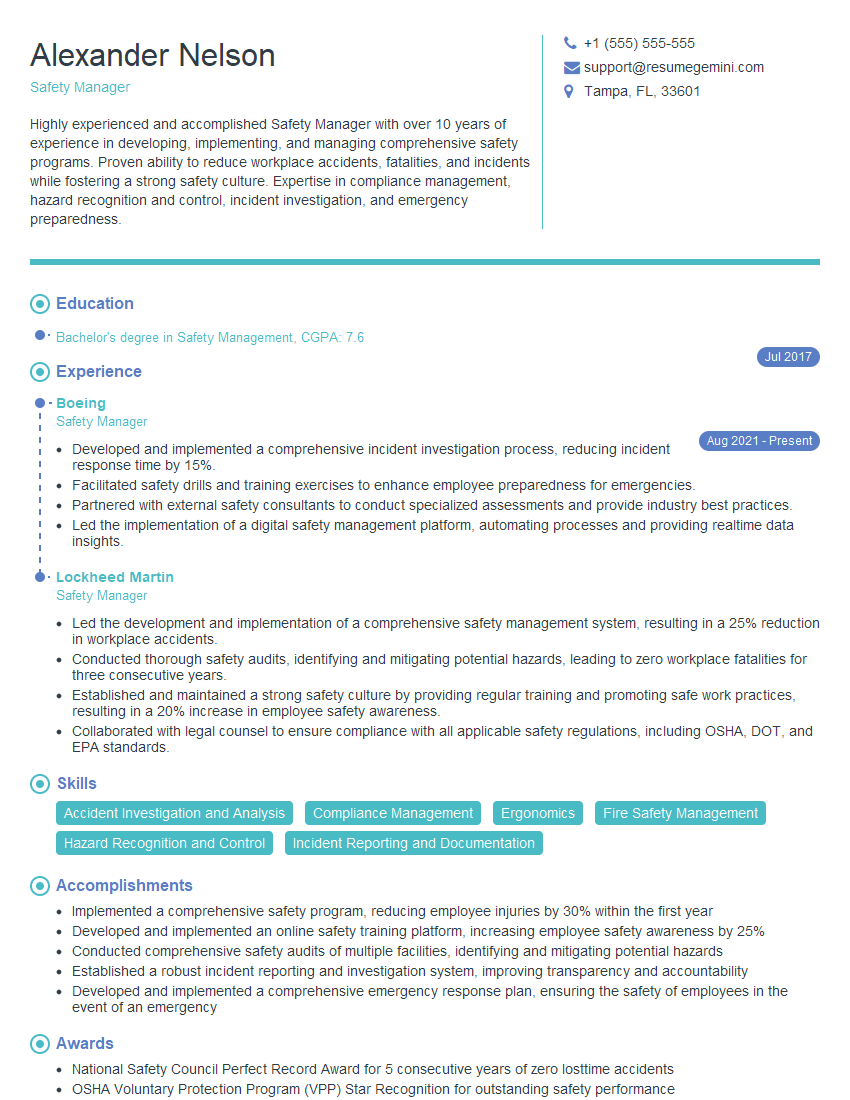
Safety Manager Resume Sample
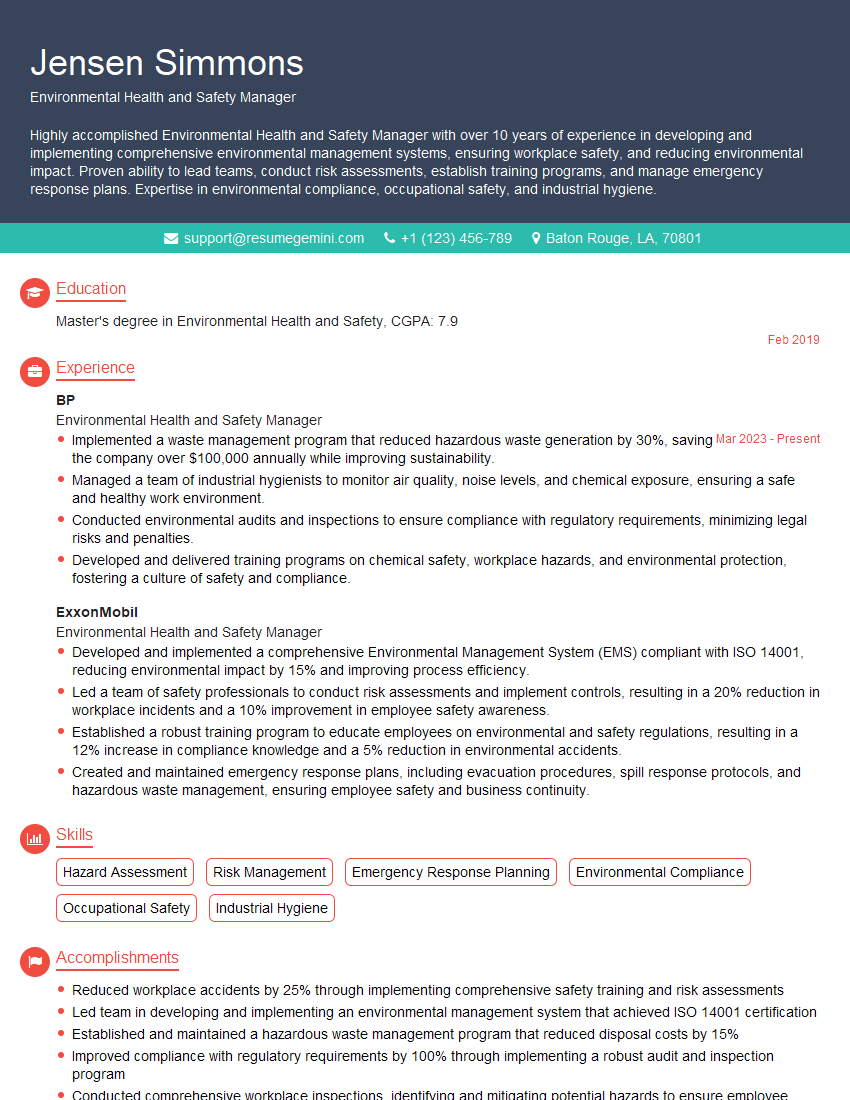
Environmental Health and Safety Manager Resume Sample
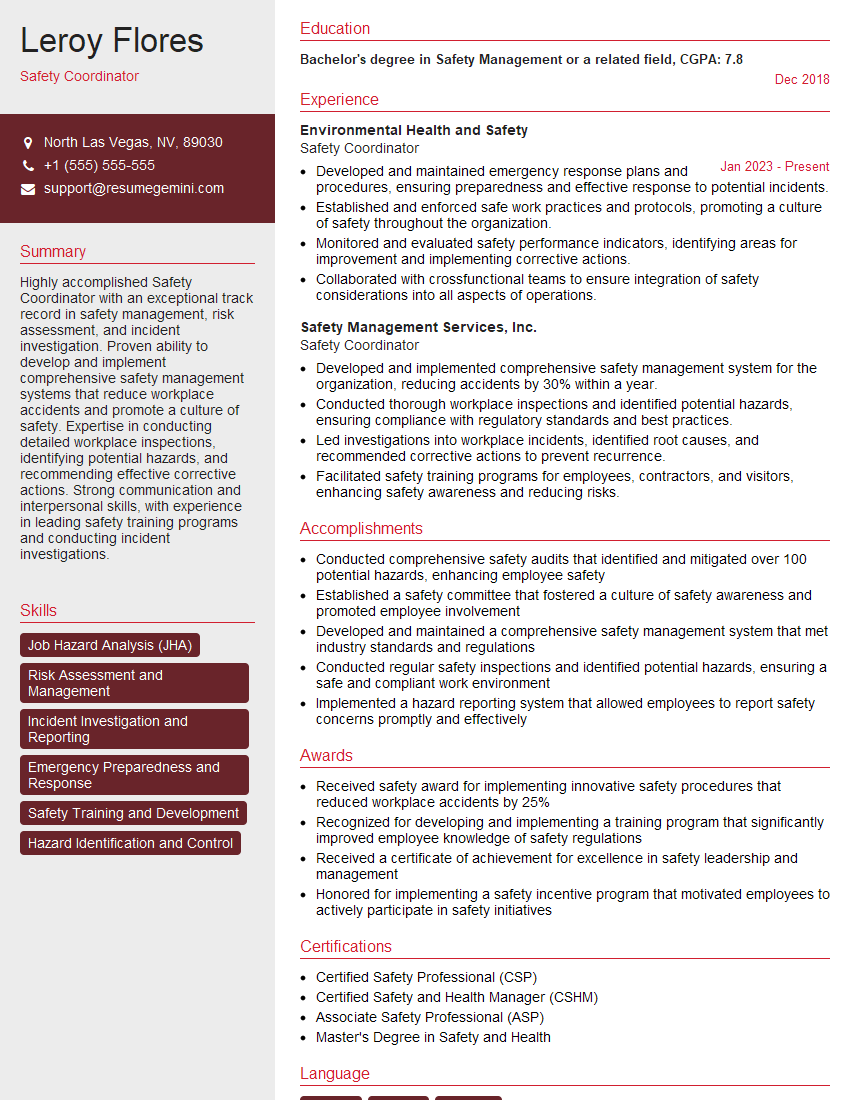
Safety Coordinator Resume Sample

Compliance Officer Resume Sample
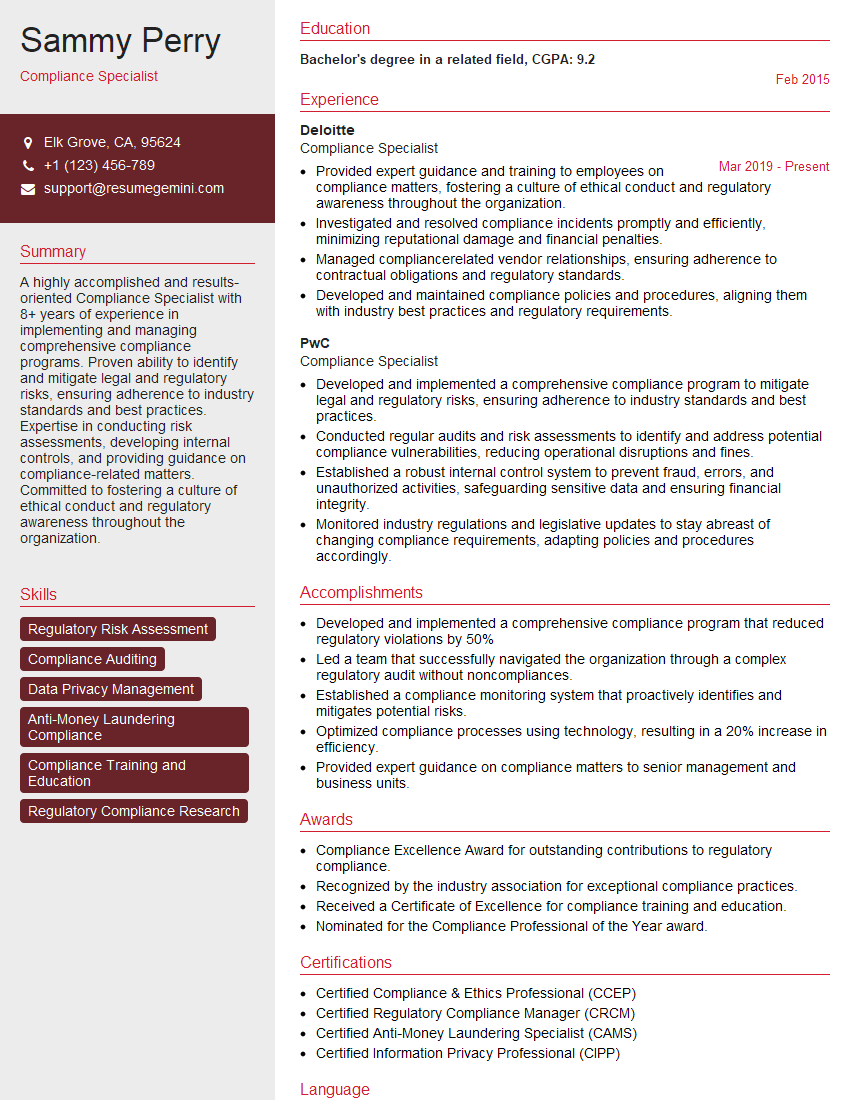
Compliance Specialist Resume Sample
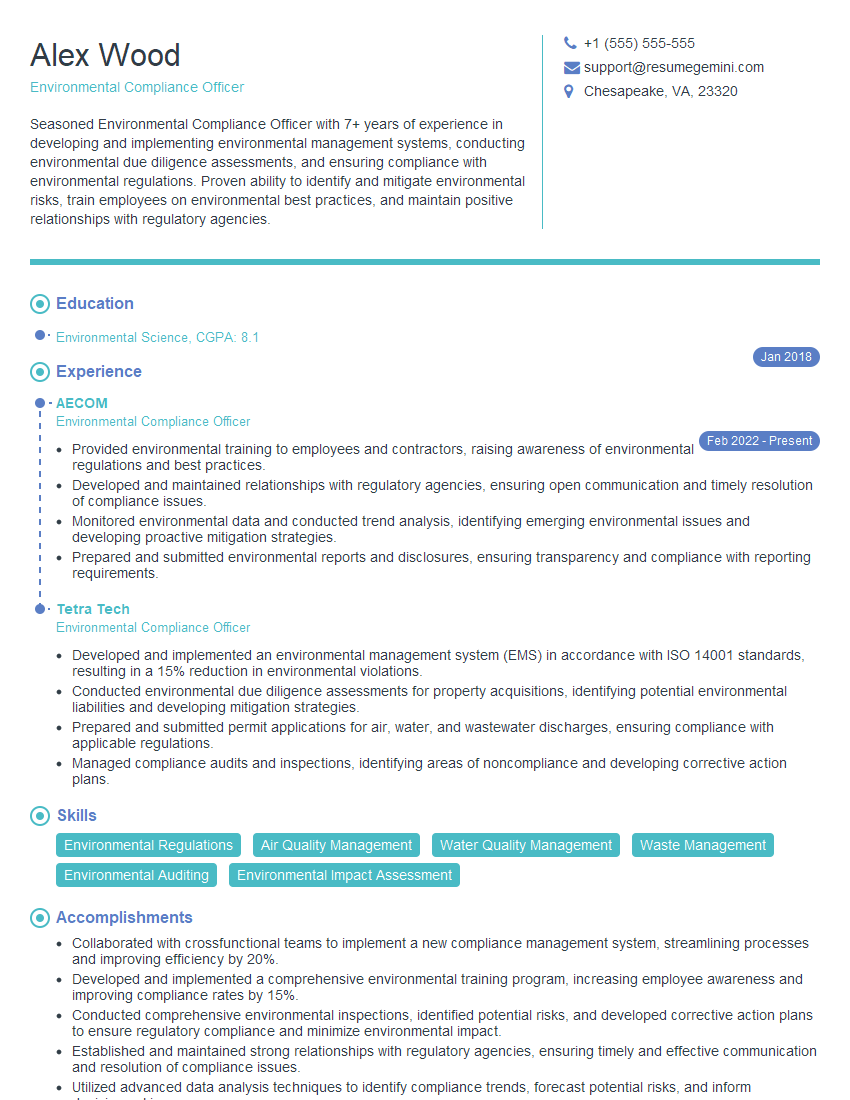
Environmental Compliance Officer Resume Sample
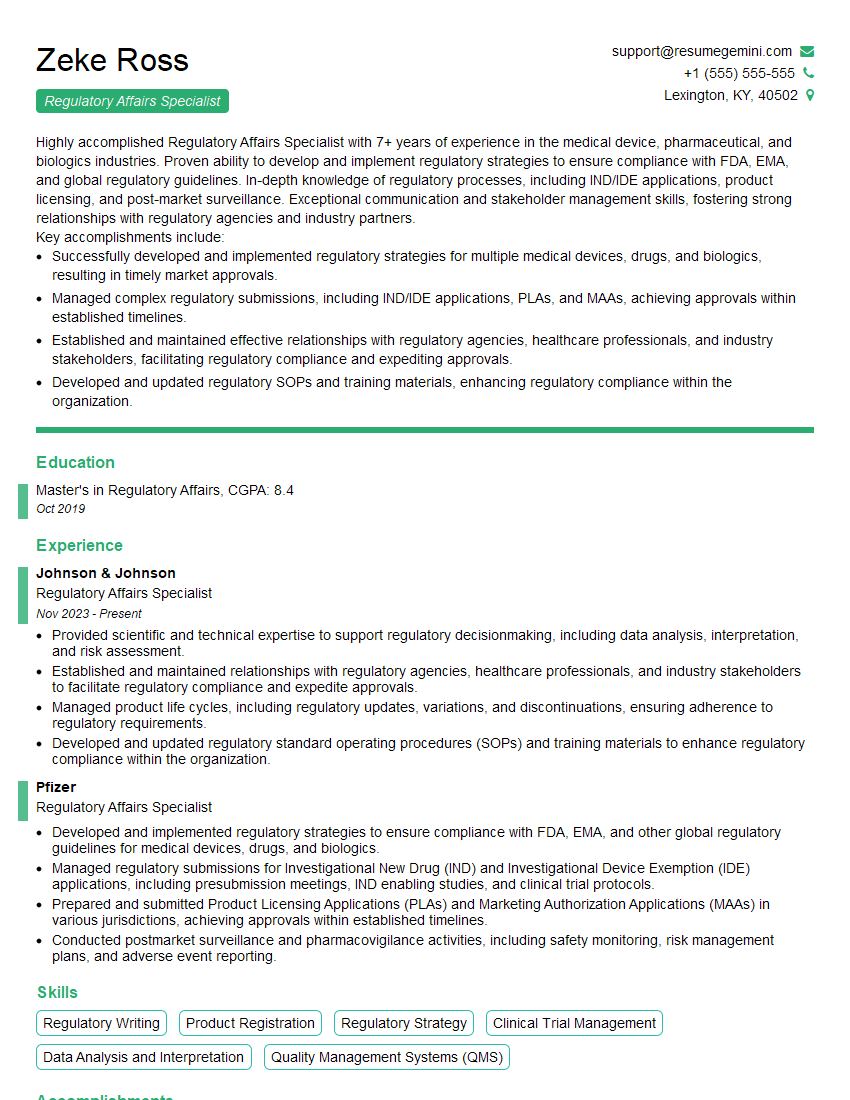
Regulatory Affairs Specialist Resume Sample
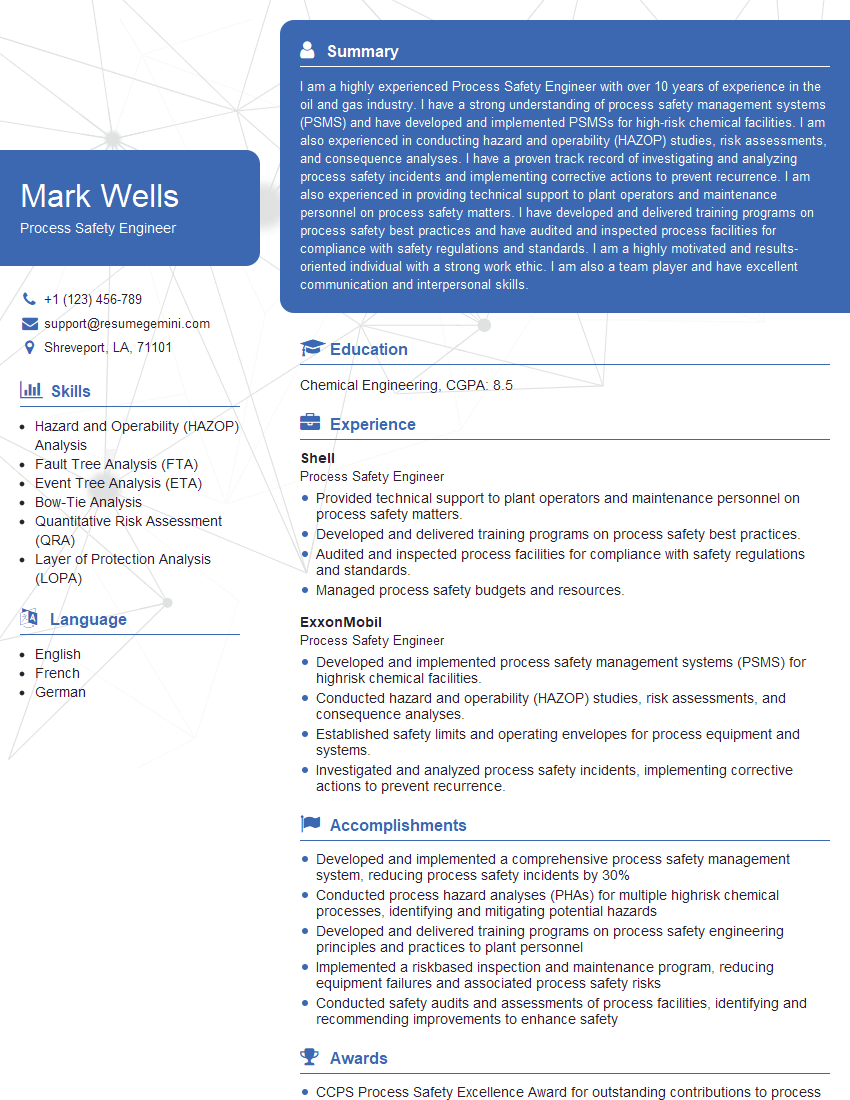
Process Safety Engineer Resume Sample
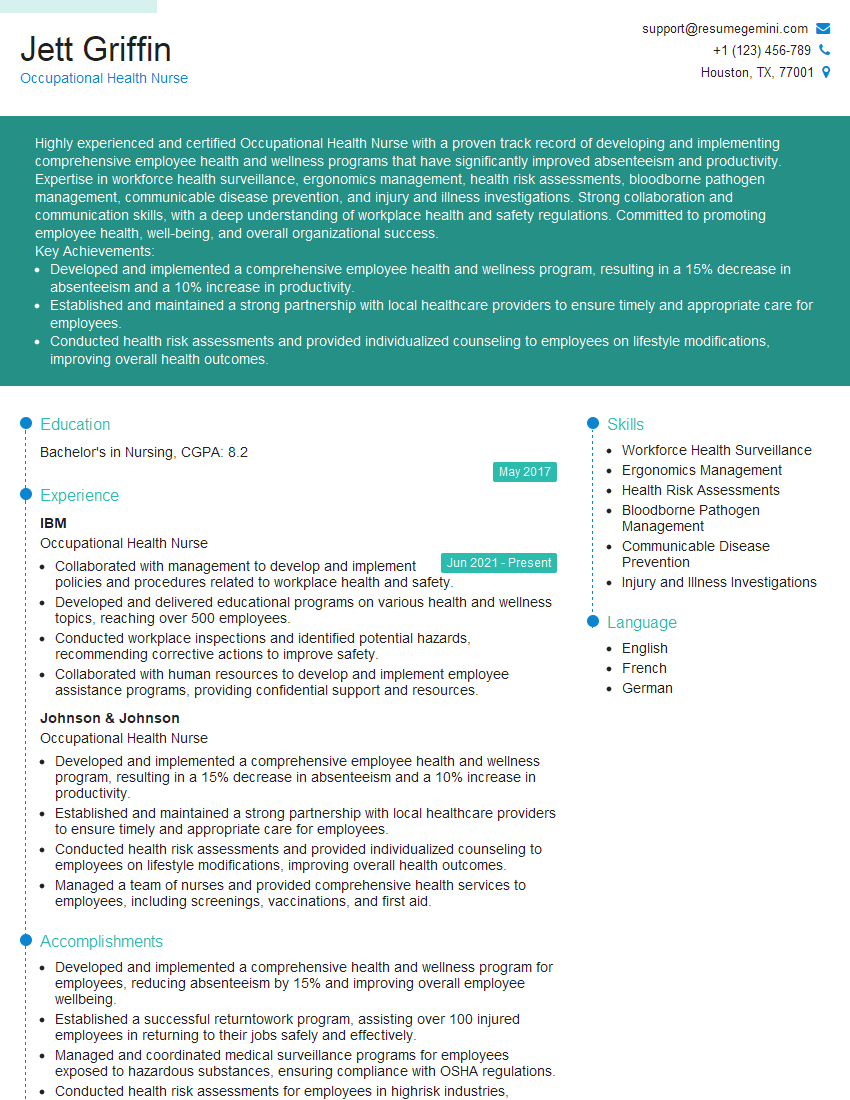
Occupational Health Nurse Resume Sample
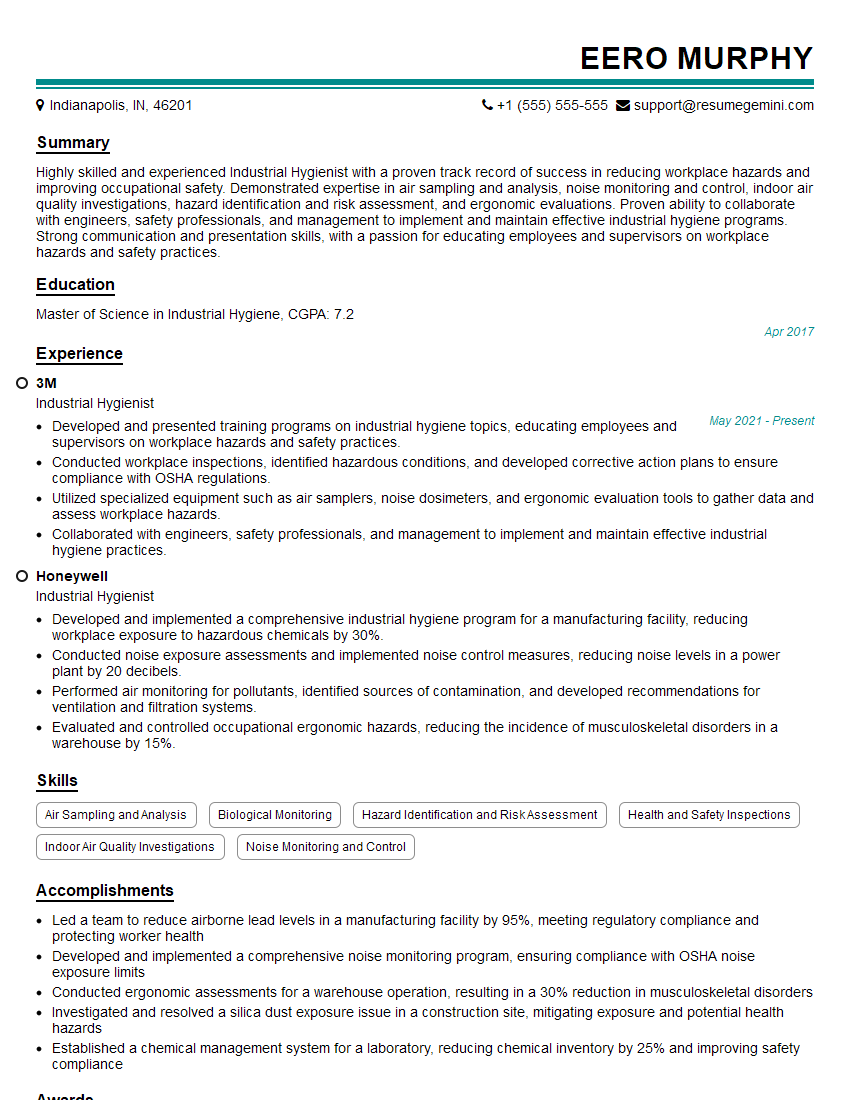
Industrial Hygienist Resume Sample
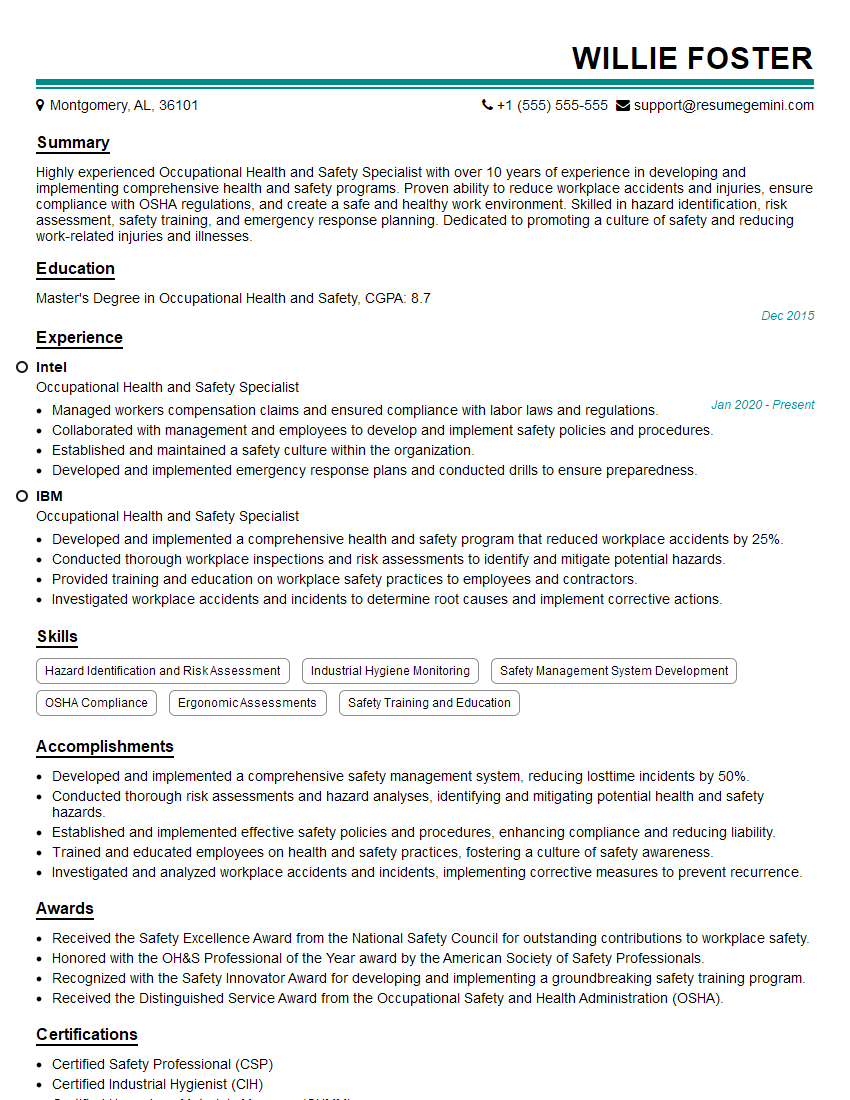
Occupational Health and Safety Specialist Resume Sample
Explore more articles
Users Rating of Our Blogs
Share Your Experience
We value your feedback! Please rate our content and share your thoughts (optional).
What Readers Say About Our Blog
Really detailed insights and content, thank you for writing this detailed article.
IT gave me an insight and words to use and be able to think of examples