Interviews are more than just a Q&A session—they’re a chance to prove your worth. This blog dives into essential Neurodevelopmental Disabilities interview questions and expert tips to help you align your answers with what hiring managers are looking for. Start preparing to shine!
Questions Asked in Neurodevelopmental Disabilities Interview
Q 1. Define neurodevelopmental disorders and provide three examples.
Neurodevelopmental disorders are a group of conditions that affect the brain’s development, impacting a person’s ability to learn, communicate, and interact with others. These disorders typically manifest during childhood and can persist into adulthood. They affect various aspects of brain function, resulting in a wide range of symptoms and challenges.
- Autism Spectrum Disorder (ASD): Characterized by persistent difficulties with social communication and interaction, as well as restricted, repetitive patterns of behavior, interests, or activities.
- Attention-Deficit/Hyperactivity Disorder (ADHD): Involves a persistent pattern of inattention and/or hyperactivity-impulsivity that interferes with functioning or development.
- Intellectual Disability (ID): Characterized by significant limitations in both intellectual functioning and adaptive behavior, expressed in conceptual, social, and practical adaptive skills.
Q 2. Explain the diagnostic criteria for Autism Spectrum Disorder (ASD).
The diagnostic criteria for Autism Spectrum Disorder (ASD), according to the DSM-5, involve persistent deficits in social communication and social interaction across multiple contexts, as well as the presence of restricted, repetitive patterns of behavior, interests, or activities. These criteria must be met in early childhood (but may not become fully manifest until social demands exceed limited capacities).
Specifically, the deficits in social communication and interaction manifest in various ways, including: difficulties with social-emotional reciprocity, nonverbal communicative behaviors used for social interaction, and developing, maintaining, and understanding relationships.
Restricted, repetitive patterns of behavior, interests, or activities can include stereotyped or repetitive motor movements, use of objects, or speech; insistence on sameness, inflexible adherence to routines, or ritualized patterns of verbal or nonverbal behavior; highly restricted, fixated interests that are abnormal in intensity or focus; and hyper- or hyporeactivity to sensory input or unusual interests in sensory aspects of the environment.
It’s important to note that the severity level of ASD is assessed based on the level of support needed in social communication and restricted/repetitive behaviors. A thorough assessment by a qualified professional is crucial for accurate diagnosis.
Q 3. Describe the differences between ADHD and Autism.
While both ADHD and Autism Spectrum Disorder (ASD) are neurodevelopmental disorders affecting social interaction and behavior, they differ significantly in their core characteristics.
- ADHD primarily involves difficulties with attention, hyperactivity, and impulsivity. Children with ADHD may struggle to focus, sit still, or control their impulses, but often have relatively intact social understanding (though social difficulties may arise due to their other symptoms).
- ASD is characterized by persistent difficulties in social communication and interaction, as well as restricted, repetitive behaviors. Children with ASD may struggle to understand social cues, engage in reciprocal interactions, and exhibit repetitive behaviors or intense interests. Their attentional difficulties, if present, are typically different from those in ADHD, often manifesting as hyperfocus on specific interests rather than general inattention.
Imagine two children: one constantly fidgeting and interrupting, easily distracted (ADHD), and another who prefers solitary play, has difficulty making eye contact, and repeats specific actions (ASD). Both face challenges, but these challenges stem from different underlying neurobiological profiles.
Q 4. What are the common characteristics of Down Syndrome?
Down Syndrome, also known as Trisomy 21, is a genetic condition caused by an extra copy of chromosome 21. This extra genetic material causes physical and intellectual developmental delays. Common characteristics include:
- Characteristic facial features: Including a flattened facial profile, upward slanting eyes, and a small mouth.
- Intellectual disability: Varying in severity, impacting cognitive abilities and learning.
- Developmental delays: In motor skills, language development, and other developmental milestones.
- Low muscle tone (hypotonia): Leading to difficulties with motor coordination and strength.
- Heart defects: Present in a significant number of individuals with Down Syndrome.
- Increased risk of certain medical conditions: Such as hearing loss, vision problems, and thyroid disorders.
It’s important to remember that while these characteristics are common, the severity and manifestation vary greatly among individuals with Down Syndrome. Early intervention and supportive therapies can significantly improve outcomes.
Q 5. Outline the key principles of Applied Behavior Analysis (ABA).
Applied Behavior Analysis (ABA) is a scientifically validated behavioral therapy used to improve socially significant behaviors. It’s based on the principles of learning theory, focusing on observable behaviors and their environmental determinants. Key principles include:
- Positive Reinforcement: Increasing the likelihood of a desired behavior by providing a rewarding consequence after it occurs (e.g., praising a child for completing a task).
- Negative Reinforcement: Increasing the likelihood of a desired behavior by removing an aversive stimulus after it occurs (e.g., allowing a child to stop a disliked activity after they complete a task).
- Punishment: Decreasing the likelihood of an undesired behavior by introducing an aversive stimulus after it occurs (used cautiously and ethically).
- Extinction: Decreasing the likelihood of an undesired behavior by withholding reinforcement (e.g., ignoring attention-seeking tantrums).
- Shaping: Reinforcing successive approximations of a target behavior (e.g., rewarding a child for progressively better attempts at tying their shoes).
ABA is highly individualized, with treatment plans tailored to the specific needs and goals of each individual. It involves careful assessment, data collection, and ongoing monitoring to ensure effectiveness.
Q 6. Explain the role of Occupational Therapy in supporting children with NDD.
Occupational therapy plays a vital role in supporting children with neurodevelopmental disabilities by focusing on improving their participation in daily activities and enhancing their overall quality of life. Occupational therapists work to address challenges related to fine motor skills, gross motor skills, sensory processing, and adaptive skills.
For example, an occupational therapist might help a child with ASD improve their fine motor skills to improve handwriting or self-care skills like dressing. For a child with ADHD, they might work on improving organization and planning skills to improve academic performance. For a child with Down Syndrome, they might focus on developing gross motor skills like walking and balance. The overall goal is to enhance independence, promote participation, and enhance the child’s ability to engage in meaningful activities.
Q 7. Describe the importance of early intervention for children with NDD.
Early intervention is crucial for children with neurodevelopmental disabilities because the brain is most plastic and responsive to interventions during the early years. Early identification and intervention can significantly improve developmental outcomes, maximizing a child’s potential and reducing long-term challenges.
Early intervention programs often include a multidisciplinary team of professionals, such as therapists, educators, and medical specialists, who work collaboratively to address the child’s unique needs. The earlier interventions begin, the greater the opportunity to impact developmental trajectories positively, leading to better academic, social, and emotional outcomes.
Think of it like building a house: the foundation laid in early childhood significantly impacts the structure’s overall strength and stability. Similarly, early intervention provides a strong foundation for a child’s development, allowing for greater success later in life.
Q 8. What are some common challenges faced by families of children with NDD?
Families of children with Neurodevelopmental Disabilities (NDDs) often face a unique set of challenges. These challenges can be broadly categorized into emotional, financial, and logistical burdens.
- Emotional Strain: The diagnosis of an NDD can be emotionally overwhelming. Parents may experience grief, anxiety, and feelings of isolation. The constant need for advocacy, therapy, and support can be emotionally draining. For example, a parent might struggle with guilt or self-blame, despite understanding that NDDs are not caused by parenting choices.
- Financial Burden: NDDs often require extensive therapies (speech, occupational, physical), specialized educational services, and assistive technologies. These services can be incredibly expensive, placing a significant financial strain on families. Many families need to navigate complex insurance systems and may struggle to afford essential resources.
- Logistical Challenges: Coordinating appointments, therapies, and school programs can be a logistical nightmare. Families often face long waitlists, transportation difficulties, and the need to juggle multiple responsibilities, impacting their work and social lives. Finding reliable caregivers can also be a significant challenge.
It’s crucial to remember that these challenges are not insurmountable. Support groups, advocacy organizations, and therapeutic interventions can help families cope and build resilience. Early intervention is key to mitigating some of these challenges.
Q 9. How do you assess the developmental milestones of a child?
Assessing a child’s developmental milestones involves a multi-faceted approach that combines observation, standardized assessments, and parent/caregiver input. We utilize a range of tools depending on the child’s age and suspected areas of concern.
- Observation: Careful observation of the child’s play, social interactions, and daily routines provides valuable insights into their developmental progress. This can involve watching how they interact with toys, other children, and adults. For instance, observing a child’s ability to engage in pretend play can be indicative of their cognitive and social-emotional development.
- Standardized Assessments: These are formal tests designed to measure a child’s skills in various areas such as language, motor skills, and cognitive abilities. Examples include the Bayley Scales of Infant and Toddler Development, the Mullen Scales of Early Learning, and the Autism Diagnostic Observation Schedule (ADOS).
- Parent/Caregiver Input: Parents and caregivers offer invaluable information about a child’s developmental history, current abilities, and challenges. Their observations, often spanning years, provide context and depth to the assessment process. They can accurately describe behaviors and milestones not easily observed in a clinical setting.
The integration of these three methods provides a holistic picture of the child’s development, allowing for a more accurate diagnosis and individualized intervention plan. It’s also essential to consider the child’s cultural background and individual differences in interpretation of results.
Q 10. Explain different types of assistive technology and their applications.
Assistive technology (AT) encompasses a wide array of tools and devices designed to support individuals with disabilities in overcoming barriers to learning, communication, and daily living. The type of AT used depends greatly on the individual’s needs.
- Communication AT: This includes devices like augmentative and alternative communication (AAC) systems, speech-generating devices, and communication boards. For example, a child with limited verbal skills might use a picture exchange system (PECS) to communicate their needs.
- Learning AT: This category encompasses software programs, apps, and hardware designed to enhance learning. Adaptive keyboards, specialized learning software, and text-to-speech programs are some examples. A child with dyslexia might benefit from text-to-speech software, helping them access and understand written material.
- Motor AT: This includes devices that support motor skills, such as adaptive utensils, wheelchairs, and switch-activated toys. A child with limited fine motor skills might use adapted writing tools or a specialized mouse.
- Sensory AT: This includes tools designed to address sensory processing challenges, such as weighted blankets, noise-canceling headphones, or sensory swings. These can be particularly helpful for children with autism spectrum disorder or sensory processing disorder.
The selection of appropriate AT is a collaborative process, involving the child, family, therapists, educators, and technology specialists. Trial and error are often part of the process to find the best fit for the individual’s needs.
Q 11. Describe your experience with Individualized Education Programs (IEPs).
Individualized Education Programs (IEPs) are legally mandated documents outlining the specific educational needs of students with disabilities and the services provided to meet those needs. My experience spans over [Number] years, encompassing diverse settings and student populations.
I have been involved in the entire IEP process, from initial assessment and goal setting to implementation and annual reviews. I’ve worked closely with parents, teachers, therapists, and administrators to develop and implement effective IEPs. This includes:
- Participating in IEP meetings: Contributing my expertise in NDDs to the development of appropriate goals and strategies.
- Conducting assessments: Using standardized tests and observations to identify the student’s strengths and weaknesses.
- Developing individualized goals: Setting specific, measurable, achievable, relevant, and time-bound (SMART) goals.
- Monitoring progress: Regularly tracking the student’s progress toward their goals and making necessary adjustments.
For example, I recently worked with a student with ADHD who was struggling with organizational skills in the classroom. We collaborated to develop an IEP that included strategies such as a visual schedule, frequent check-ins, and a designated workspace. The result was a significant improvement in the student’s academic performance and classroom behavior. IEPs are dynamic and require ongoing collaboration and flexibility.
Q 12. How do you adapt teaching strategies for children with diverse learning needs?
Adapting teaching strategies for children with diverse learning needs is crucial for fostering their academic success and overall well-being. The core principle is differentiation – tailoring instruction to individual learning styles, strengths, and challenges.
- Multi-sensory learning: Engaging multiple senses (visual, auditory, kinesthetic) to enhance understanding. For example, using visual aids, hands-on activities, and verbal explanations together.
- Differentiated instruction: Modifying the content, process, or product of learning to meet individual needs. This might involve offering different reading levels, providing choice in assignments, or adapting assessment formats.
- Structured learning environments: Providing clear routines, visual supports, and predictable schedules to reduce anxiety and improve focus, especially helpful for children with autism spectrum disorder.
- Positive reinforcement: Focusing on strengths and providing frequent positive feedback to build self-esteem and motivation.
- Assistive technology: Utilizing technology such as speech-to-text software or graphic organizers to support learning processes.
For example, a child with auditory processing difficulties might benefit from visual aids like graphic organizers and written instructions, along with preferential seating to minimize distractions. A child with ADHD might need frequent breaks and movement opportunities to stay focused. The key is to understand the child’s specific learning profile and tailor instruction accordingly.
Q 13. What are your strategies for managing challenging behaviors in children with NDD?
Managing challenging behaviors in children with NDD requires a comprehensive and individualized approach that focuses on understanding the underlying causes of the behavior and implementing evidence-based strategies. It is crucial to move beyond simple punishment and adopt a proactive and positive approach.
- Functional Behavior Assessment (FBA): This involves identifying the antecedents (triggers), behaviors, and consequences (reinforcement) of a challenging behavior. Understanding the function of the behavior – what the child is trying to communicate or achieve – is crucial for developing effective interventions.
- Positive Behavior Support (PBS): This approach focuses on teaching and reinforcing positive behaviors rather than solely punishing negative behaviors. It often involves creating a supportive environment, teaching replacement behaviors, and using positive reinforcement techniques.
- Environmental modifications: Adjusting the environment to minimize triggers and support positive behavior. This might involve creating a calm and predictable space, reducing sensory overload, or providing clear expectations.
- Skill building: Teaching the child specific social, communication, and self-regulation skills that can help them manage their emotions and behaviors.
For instance, if a child engages in self-injurious behavior when frustrated, an FBA might reveal that the behavior is used to escape a demanding task. A PBS plan might then focus on teaching the child alternative communication strategies for expressing frustration and breaking down tasks into smaller, more manageable steps.
Q 14. How do you collaborate with families and other professionals?
Collaboration is fundamental to providing effective services for children with NDDs. I strongly believe in a team-based approach that involves the family, educators, therapists, and other relevant professionals.
- Family-centered care: I always prioritize the family’s perspective and actively involve them in decision-making. This includes respecting their values, beliefs, and cultural background.
- Regular communication: Maintaining open and consistent communication with families through phone calls, emails, and meetings. I use clear and concise language, and involve the family in setting goals and monitoring progress.
- Coordinated care: Working closely with other professionals, such as educators, therapists, and medical specialists, to ensure a cohesive and integrated approach. Regular team meetings are essential for sharing information and coordinating interventions.
- Shared decision-making: Involving all stakeholders in the decision-making process to ensure that interventions are culturally appropriate, feasible, and effective. This can involve creating a team meeting schedule to discuss progress and address challenges collaboratively.
For example, I worked closely with a family whose child was diagnosed with autism. We established a clear communication plan using a shared online platform where we exchanged information about progress on behavioral goals, therapy sessions and school performance. This collaborative approach greatly improved the child’s progress and reduced parental stress. Open communication and shared responsibility are pivotal for achieving the best outcomes.
Q 15. What are some evidence-based interventions for specific NDDs?
Evidence-based interventions for Neurodevelopmental Disabilities (NDDs) vary greatly depending on the specific diagnosis and the individual’s needs. There’s no one-size-fits-all approach. Interventions are often multifaceted, combining various therapies and strategies.
Autism Spectrum Disorder (ASD): Applied Behavior Analysis (ABA) is a widely used evidence-based intervention focusing on shaping behaviors through reinforcement. Other effective approaches include Speech-Language Therapy (SLT) to address communication challenges, Occupational Therapy (OT) to improve sensory processing and daily living skills, and Social Skills Training (SST) to enhance social interaction.
Attention-Deficit/Hyperactivity Disorder (ADHD): Behavioral interventions like parent training and classroom management strategies are crucial. Medication, such as stimulants or non-stimulants, is often prescribed in conjunction with behavioral therapy to manage symptoms. Cognitive Behavioral Therapy (CBT) can help individuals develop coping mechanisms for impulsivity and inattention.
Specific Learning Disabilities (SLDs): Educational interventions tailored to the specific learning difficulty are essential. This might include differentiated instruction, assistive technology, and specialized tutoring in areas like reading, writing, or math. Multisensory learning techniques can be highly effective.
Intellectual Disability (ID): Interventions focus on maximizing independence and improving adaptive skills. This can involve vocational training, supported employment, and community-based support services. Early intervention is particularly important for individuals with ID.
It’s crucial to remember that a comprehensive assessment is the first step in determining the most appropriate interventions for each individual. Regular monitoring and adjustments to the intervention plan are also essential to ensure effectiveness.
Career Expert Tips:
- Ace those interviews! Prepare effectively by reviewing the Top 50 Most Common Interview Questions on ResumeGemini.
- Navigate your job search with confidence! Explore a wide range of Career Tips on ResumeGemini. Learn about common challenges and recommendations to overcome them.
- Craft the perfect resume! Master the Art of Resume Writing with ResumeGemini’s guide. Showcase your unique qualifications and achievements effectively.
- Don’t miss out on holiday savings! Build your dream resume with ResumeGemini’s ATS optimized templates.
Q 16. Describe your understanding of sensory processing disorders.
Sensory Processing Disorder (SPD) isn’t a standalone diagnosis in the DSM-5, but it describes difficulties in processing sensory information from the environment. Children with SPD may overreact or underreact to sights, sounds, tastes, smells, textures, movement, and/or body awareness (proprioception). This can manifest in various ways. For example, a child might be extremely sensitive to loud noises (hyper-responsive), while another might seek out intense sensory experiences like crashing into things (hypo-responsive).
Think of it like this: our brains act as filters for sensory input. In SPD, this filtering system isn’t working properly, leading to sensory overload or sensory seeking behaviors. Common symptoms include difficulty with fine motor skills, coordination problems, emotional dysregulation, and social challenges.
A thorough occupational therapy assessment is essential to diagnose and address SPD. Interventions often include sensory integration therapy, which provides carefully planned sensory input to help the child regulate their sensory system and improve their ability to participate in daily activities. Strategies may involve using weighted blankets for calming, or providing opportunities for movement breaks to regulate arousal levels.
Q 17. How do you address communication difficulties in children with NDD?
Addressing communication difficulties in children with NDDs requires a multidisciplinary approach, often involving speech-language pathologists, occupational therapists, and educators. The strategies employed depend heavily on the nature and severity of the communication challenges.
Augmentative and Alternative Communication (AAC): For children who struggle with verbal communication, AAC systems such as picture exchange systems (PECS), sign language, or speech-generating devices can be extremely beneficial. These tools allow children to express their needs and ideas in ways that work best for them.
Speech-Language Therapy (SLT): SLT focuses on improving articulation, fluency, language comprehension, and expressive language skills. Specific techniques will depend on the child’s strengths and weaknesses. For example, a child with limited vocabulary might benefit from vocabulary-building activities, while a child with articulation difficulties might require specific articulation exercises.
Social Communication Training: Many children with NDDs experience challenges with social interactions, which can impact communication. Social skills training programs teach children how to initiate conversations, maintain eye contact, understand nonverbal cues, and navigate social situations effectively.
It is important to use a communication method that matches the child’s cognitive and communication abilities, creating a supportive and patient environment that promotes communication growth.
Q 18. Explain your experience with different assessment tools used for NDD.
I have extensive experience with various assessment tools used for NDDs. The selection of tools depends on the suspected diagnosis, the child’s age and developmental level, and the specific concerns being addressed. Assessments are rarely based on a single tool, instead incorporating multiple methods for a more holistic picture.
Standardized Tests: These include tests like the Wechsler Intelligence Scale for Children (WISC) for cognitive abilities, the Autism Diagnostic Observation Schedule (ADOS) for autism, and the Conner’s Rating Scales for ADHD. These provide standardized scores, allowing for comparisons to normative data.
Developmental Assessments: These assessments, such as the Bayley Scales of Infant and Toddler Development, evaluate a child’s overall developmental progress across various domains (e.g., motor skills, language, cognition).
Behavioral Observations: Direct observations of the child in natural settings (e.g., classroom, play environment) provide valuable information about their behavior, social interactions, and learning styles.
Parent and Teacher Reports: Information gathered from parents and teachers through questionnaires and interviews provides valuable context and insights into the child’s functioning in different environments.
Ethical considerations are paramount; it is important to use assessments appropriate for the individual child and to interpret the results in a comprehensive manner, considering all available data.
Q 19. How do you maintain confidentiality and ethical practices in working with children with NDD?
Maintaining confidentiality and ethical practices is crucial in working with children with NDDs. I adhere strictly to professional guidelines, including HIPAA (in the US) and relevant state regulations. This involves:
Secure Storage of Records: All client information is stored securely in locked files and electronic databases, using password protection and encryption.
Limited Access to Information: Only authorized personnel involved directly in the child’s care have access to their records. Parents or legal guardians have the right to access and review their child’s records.
Informed Consent: Parents or legal guardians are fully informed about the assessment and intervention processes before any services are initiated. Their consent is obtained before any information is shared with others.
Confidentiality in Communication: I avoid discussing a child’s case in public spaces or with unauthorized individuals. Any communication about a child is conducted privately and securely.
Maintaining Professional Boundaries: I maintain appropriate professional boundaries in all interactions with children and their families.
Ethical dilemmas might arise, and in such situations, I consult with supervisors and other professionals to ensure I’m following the best course of action while protecting the child’s welfare and rights.
Q 20. What are the legal and ethical considerations related to providing services for children with NDD?
Legal and ethical considerations are paramount when providing services for children with NDDs. These considerations include:
Compliance with Laws: Providers must comply with all relevant federal and state laws related to disability rights, privacy, and confidentiality (e.g., HIPAA, IDEA in the US).
Informed Consent: Obtaining informed consent from parents or legal guardians is crucial before starting any assessment or intervention. This includes explaining the nature of the services, potential risks and benefits, and the child’s rights.
Least Restrictive Environment (LRE): Education-related laws often mandate that children with disabilities be educated in the least restrictive environment possible, typically aiming for inclusion in general education classrooms with appropriate supports.
Individualized Education Programs (IEPs) and Individualized Family Service Plans (IFSPs): These legally mandated plans outline specific educational or therapeutic goals and services for children with disabilities. Collaboration between parents, educators, and therapists is essential in developing and implementing these plans.
Cultural Competence: Providers must be culturally sensitive and provide services that respect the cultural values and beliefs of the families they serve.
Failure to adhere to these legal and ethical considerations can have serious consequences, including legal action and disciplinary action against professionals.
Q 21. Describe your experience with crisis intervention strategies.
Crisis intervention strategies are crucial in working with children with NDDs, as they may experience heightened emotional or behavioral challenges. My approach involves a combination of de-escalation techniques and proactive strategies to prevent future crises.
De-escalation Techniques: When a child is experiencing a crisis, my focus is on calming the child and helping them regain control. This may involve using a calm and reassuring tone of voice, creating a safe and predictable environment, providing sensory input to regulate arousal levels, and offering choices to increase a sense of control.
Positive Behavior Support (PBS): PBS is a proactive approach to preventing challenging behaviors. It involves identifying triggers for challenging behaviors, developing functional behavior assessments, and implementing positive strategies to replace maladaptive behaviors. This often involves working closely with parents and educators.
Collaboration with Support Systems: In crisis situations, I always collaborate with the child’s parents, teachers, and other relevant professionals to develop a comprehensive support plan and coordinate interventions.
Crisis Management Plan: Working with the family and other professionals, I develop an individualized crisis management plan that outlines steps to take in the event of a crisis. This may involve strategies for managing specific behaviors, seeking additional support, or accessing emergency services if necessary.
Regularly reviewing and updating the crisis management plan ensures its ongoing effectiveness and responsiveness to the child’s changing needs.
Q 22. How do you differentiate between various types of learning disabilities?
Differentiating between learning disabilities requires a comprehensive assessment focusing on specific cognitive skills. It’s not a simple process of ticking boxes, but rather a careful evaluation of an individual’s strengths and weaknesses. Learning disabilities are often categorized into specific areas of difficulty:
- Dyslexia: Primarily affects reading and spelling, often involving difficulties with phonological processing (the sounds of language).
- Dysgraphia: Impacts writing skills, including handwriting, spelling, and organization of written work. It’s not simply about poor handwriting, but a deeper struggle with motor planning and the cognitive aspects of writing.
- Dyscalculia: Affects mathematical abilities, including number sense, calculation, and understanding mathematical concepts. This is more than just difficulty with arithmetic; it can involve problems with spatial reasoning and numerical patterns.
- Auditory Processing Disorder: Affects the ability to process auditory information. Children might struggle to understand spoken language in noisy environments or follow multi-step instructions.
- Nonverbal Learning Disability: Impacts visual-spatial skills, social interaction, and adaptive behavior. Individuals may excel in verbal skills but struggle with nonverbal cues, visual-motor coordination, and problem-solving that relies on visual information.
A crucial aspect of differentiation is ruling out other conditions that might mimic learning disabilities, such as intellectual disabilities, ADHD, or vision and hearing impairments. A thorough assessment, typically involving educational psychologists, speech-language pathologists, and occupational therapists, is essential to get an accurate diagnosis and appropriate support.
For example, a child struggling in math might seem to have dyscalculia. However, a comprehensive evaluation might reveal an underlying visual processing deficit affecting their ability to interpret graphical representations of numbers or problems. This distinction is crucial for designing effective interventions.
Q 23. What are the long-term implications of common Neurodevelopmental disorders?
The long-term implications of neurodevelopmental disorders (NDDs) vary greatly depending on the specific disorder, its severity, and the support received. However, some common long-term challenges include:
- Academic Difficulties: Many individuals with NDDs experience persistent challenges in academics, potentially impacting their educational attainment and career options. This can lead to lower socioeconomic status and limited employment opportunities.
- Social and Emotional Challenges: Social skills deficits can lead to difficulties building and maintaining relationships, impacting their social lives and mental well-being. Anxiety and depression are often co-occurring conditions that need careful management.
- Mental Health Issues: Individuals with NDDs are at higher risk for various mental health concerns, including anxiety disorders, depression, and obsessive-compulsive disorder (OCD). Early intervention and ongoing support are crucial.
- Independent Living Challenges: Depending on the severity of the NDD, individuals may require ongoing support with daily living tasks, impacting their independence and ability to live autonomously.
- Occupational Limitations: Employment opportunities can be limited due to the impact of the NDD on cognitive, social, and communication skills. This can result in lower earning potential and reduced quality of life.
It’s important to note that these implications are not inevitable. With appropriate early intervention, comprehensive therapies, and supportive environments, individuals with NDDs can lead fulfilling lives and achieve significant personal and professional success. Early intervention is especially critical; the sooner support is provided, the better the long-term outcome.
Q 24. How do you utilize data to inform your practice and track progress?
Data plays a vital role in informing my practice and tracking progress. I utilize a variety of data sources, including:
- Formal Assessments: Standardized tests and developmental screenings provide objective measures of cognitive, academic, and behavioral functioning. These data points establish baselines and allow for monitoring of progress.
- Informal Assessments: Observations, teacher reports, and parent questionnaires provide valuable qualitative data on the child’s performance in different settings. These offer insights into areas of strength and weakness not always captured by formal testing.
- Progress Monitoring Tools: Regular assessments using curriculum-based measures (CBM) or other specific tools allow for frequent tracking of progress in targeted areas. This allows for timely adjustments in interventions.
- Intervention Data: Data from therapy sessions, including session notes and performance on specific tasks, are crucial in evaluating the effectiveness of interventions and adjusting strategies as needed.
This data is organized and analyzed using various methods, including data visualization tools and statistical analyses to identify trends, and to determine whether interventions are producing positive changes. I regularly review this data with families to discuss progress, inform future goals, and ensure that interventions are aligned with the child’s unique needs. For example, tracking a child’s reading fluency over time using CBM allows us to see the impact of reading interventions and make data-driven decisions about adjustments to the intervention strategy.
Q 25. Explain the importance of inclusive education practices.
Inclusive education practices are crucial because they recognize that all children, regardless of their abilities or disabilities, deserve access to high-quality education within the same environment. Inclusive classrooms benefit all learners, fostering empathy, understanding, and social responsibility.
Here’s why inclusive education is important:
- Improved Academic Outcomes: Studies show that students with NDDs often make better academic progress in inclusive settings with appropriate support. They learn valuable social skills and benefit from the interactions with their peers.
- Enhanced Social-Emotional Development: Inclusive classrooms promote social interaction and acceptance, which is critical for the development of social skills and self-esteem, especially for children with NDDs who may struggle in this area.
- Reduced Stigma and Discrimination: Inclusion helps to reduce the stigma associated with disabilities by normalizing differences and promoting understanding among all students.
- Development of Positive Attitudes Towards Diversity: Inclusive environments teach all students to value diversity and appreciate individual strengths and differences.
- More Realistic Preparation for Adult Life: Inclusive education prepares children for a diverse and integrated adult life, where they will interact with people from different backgrounds and abilities.
Successful inclusion requires careful planning, individualized support, and collaboration between teachers, specialists, and families. This often involves differentiated instruction, assistive technologies, and behavior support plans tailored to meet the needs of each individual child.
Q 26. Describe your understanding of developmental delays vs. disorders.
Developmental delays and disorders are both terms used to describe difficulties in achieving developmental milestones, but they differ significantly in their nature and implications.
Developmental Delay: Refers to a lag in reaching typical developmental milestones. Children with developmental delays may be slower to acquire skills such as walking, talking, or toilet training, but they often catch up to their peers with appropriate support and intervention. The cause of the delay is not always identified. It’s a temporary situation.
Developmental Disorder: Represents a significant deviation from typical development in one or more areas. These are persistent conditions that affect different aspects of development, potentially impacting academic, social, and adaptive functioning. Examples include Autism Spectrum Disorder, ADHD, and specific learning disabilities. They are usually long-lasting and require ongoing support.
Think of it like this: a delay is like being slightly behind schedule on a journey, while a disorder is like taking a different route altogether. A delay might be correctable with some assistance, whereas a disorder often requires ongoing accommodations and support.
Q 27. How do you adapt your communication style to work effectively with children and families from diverse backgrounds?
Adapting my communication style to work effectively with children and families from diverse backgrounds is a cornerstone of my practice. I recognize that cultural beliefs, values, and communication styles greatly influence how information is received and processed.
My approach involves:
- Cultural Humility: Acknowledging that I cannot possibly know everything about every culture and committing to ongoing learning and self-reflection.
- Active Listening: Paying close attention to both verbal and nonverbal cues, recognizing that communication styles vary widely.
- Respectful Language: Using inclusive language that avoids generalizations or stereotypes. I always strive to use terminology that families are comfortable with.
- Collaboration and Partnership: Viewing families as partners in the therapeutic process and actively seeking their input and insights to ensure interventions are culturally sensitive and appropriate.
- Utilizing Interpreters/Translators: When necessary, I utilize professional interpreters and translators to ensure effective communication with families who have language barriers.
- Culturally Adapted Materials: I utilize assessment tools and interventions that are relevant and engaging for families from various backgrounds. I might, for example, use culturally appropriate stories and examples in therapeutic work.
For example, in one family I worked with, the parents’ cultural background emphasized collectivism, so my communication focused on how the intervention would benefit the whole family and build the child’s relationship with their siblings.
Q 28. What are your strategies for supporting the social-emotional development of children with NDD?
Supporting the social-emotional development of children with NDDs is crucial, as challenges in this area often impact their overall well-being and ability to function successfully. My strategies focus on several key areas:
- Social Skills Training: Teaching specific social skills, such as initiating conversations, understanding nonverbal cues, and resolving conflicts, through direct instruction, role-playing, and social stories. These are often taught in small group settings or one-on-one.
- Emotional Regulation Strategies: Helping children identify and manage their emotions effectively through techniques like mindfulness, deep breathing, and self-calming strategies. This includes identifying triggers and finding ways to manage strong emotions.
- Building Self-Esteem: Focusing on strengths and celebrating successes, helping children to develop a positive self-image. This includes positive reinforcement, focusing on their strengths and areas of improvement rather than focusing on their deficits.
- Creating Supportive Relationships: Facilitating positive relationships with peers and adults through social interaction opportunities and supportive school environments. This can involve peer mentoring and providing opportunities for social interaction in structured environments.
- Addressing Anxiety and Depression: Identifying and addressing co-occurring mental health challenges such as anxiety and depression, providing interventions that specifically target these issues. This may include collaborative work with a therapist who specializes in treating such conditions.
For example, a child with autism might benefit from social stories to help understand social situations, and then practice these skills in a role-playing situation. This combination of education and practice helps them to navigate social situations more effectively.
Key Topics to Learn for Neurodevelopmental Disabilities Interview
- Diagnostic Criteria and Classification: Understand the diagnostic criteria for common neurodevelopmental disorders like Autism Spectrum Disorder (ASD), Attention-Deficit/Hyperactivity Disorder (ADHD), and intellectual disabilities. Be prepared to discuss the differences and overlaps between these conditions.
- Developmental Milestones and Trajectories: Familiarize yourself with typical developmental milestones across various domains (cognitive, social-emotional, motor) and how deviations from these milestones can indicate a neurodevelopmental disorder. Understand the concept of developmental trajectories and how interventions can influence them.
- Assessment and Intervention Strategies: Know the various assessment tools and techniques used to diagnose and evaluate neurodevelopmental disorders. Be prepared to discuss different intervention approaches, including behavioral therapies, educational strategies, and pharmacological interventions. Consider the evidence-based practices in your responses.
- Ethical Considerations and Inclusive Practices: Understand the ethical considerations surrounding diagnosis, treatment, and support for individuals with neurodevelopmental disabilities. Discuss the importance of person-centered planning, inclusive education, and promoting self-determination and autonomy.
- Family Support and Systems of Care: Be familiar with the roles of families and caregivers in supporting individuals with neurodevelopmental disabilities. Understand the importance of collaborative care models and the various systems of support available (e.g., early intervention services, community-based programs).
- Impact of Co-occurring Conditions: Be prepared to discuss the prevalence and impact of co-occurring conditions (e.g., anxiety, depression, sleep disorders) often seen alongside neurodevelopmental disabilities and how these are addressed in treatment planning.
- Current Research and Emerging Trends: Stay updated on current research and emerging trends in the field of neurodevelopmental disabilities. This demonstrates your commitment to professional development and your ability to adapt to new knowledge.
Next Steps
Mastering the complexities of neurodevelopmental disabilities is crucial for a successful and rewarding career. A strong understanding of these conditions will set you apart and demonstrate your commitment to providing high-quality care. To maximize your job prospects, create an ATS-friendly resume that highlights your relevant skills and experience. ResumeGemini is a trusted resource for building professional resumes that catch the eye of recruiters. They even offer examples of resumes tailored to Neurodevelopmental Disabilities to help you get started. Invest the time to craft a compelling resume – it’s your first impression and a critical step in advancing your career.
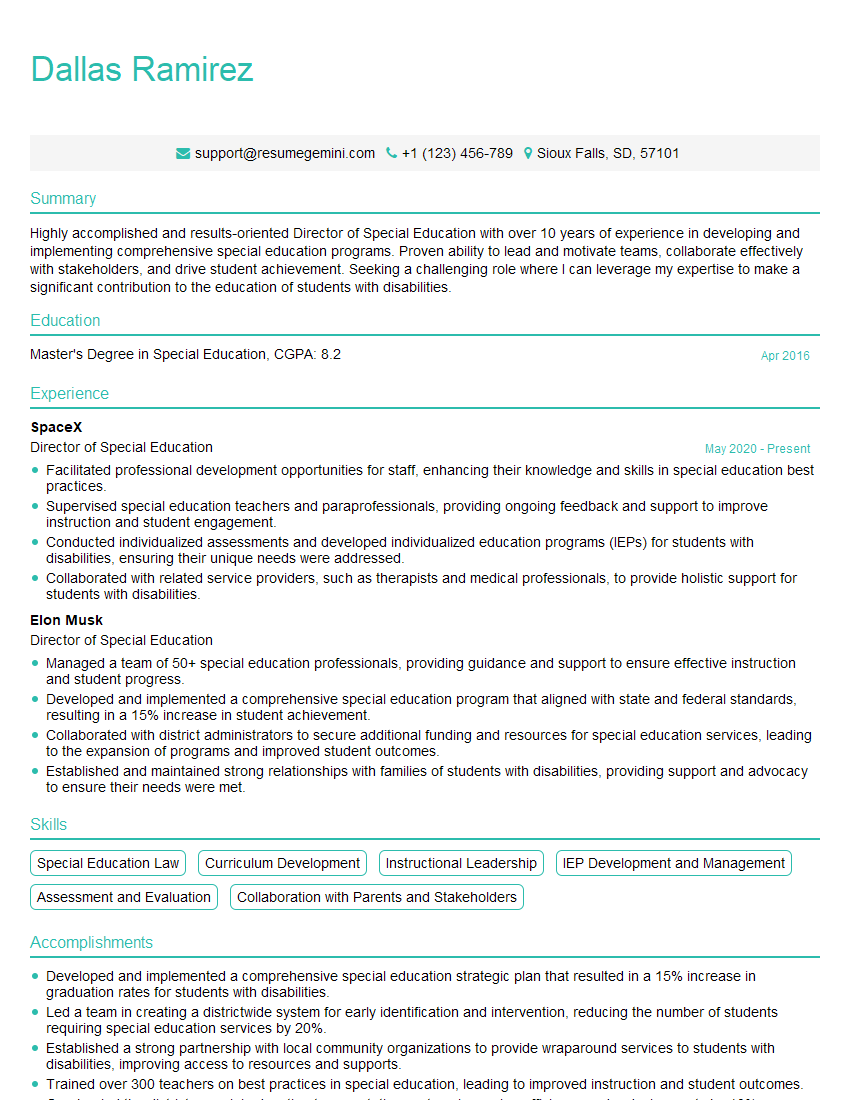
Director of Special Education Resume Sample
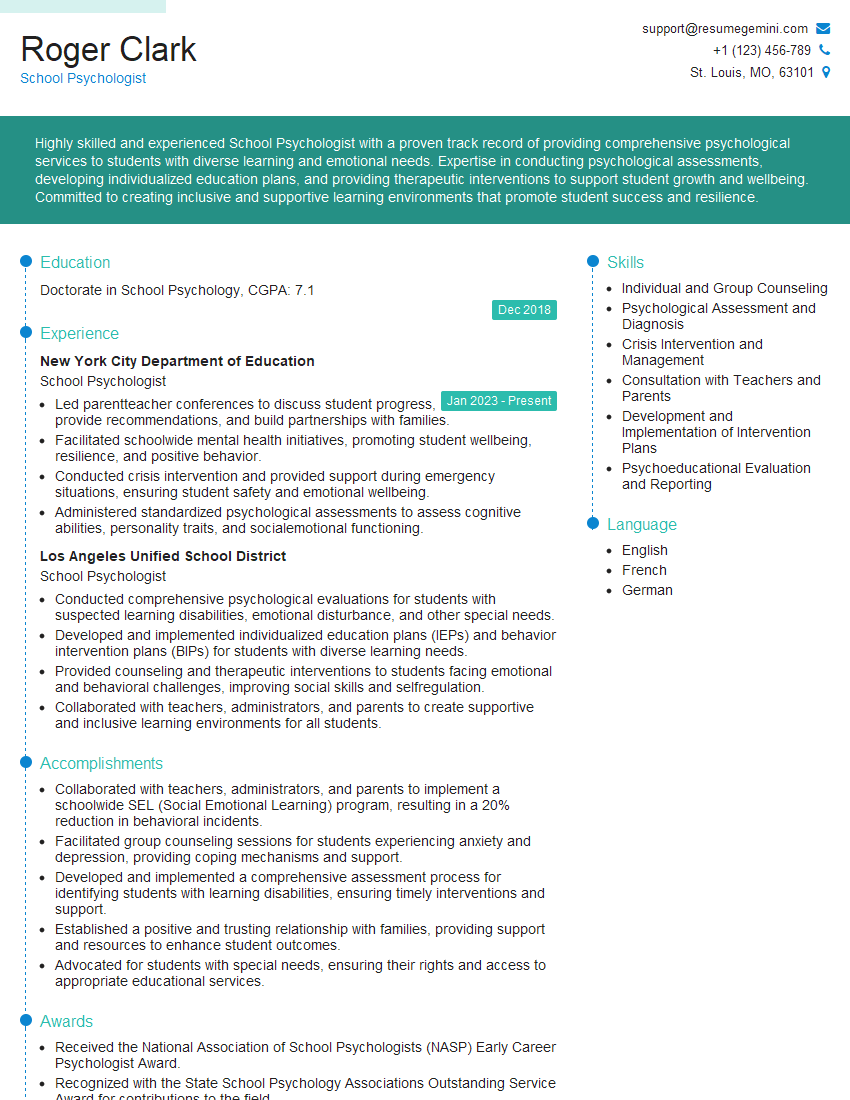
School Psychologist Resume Sample
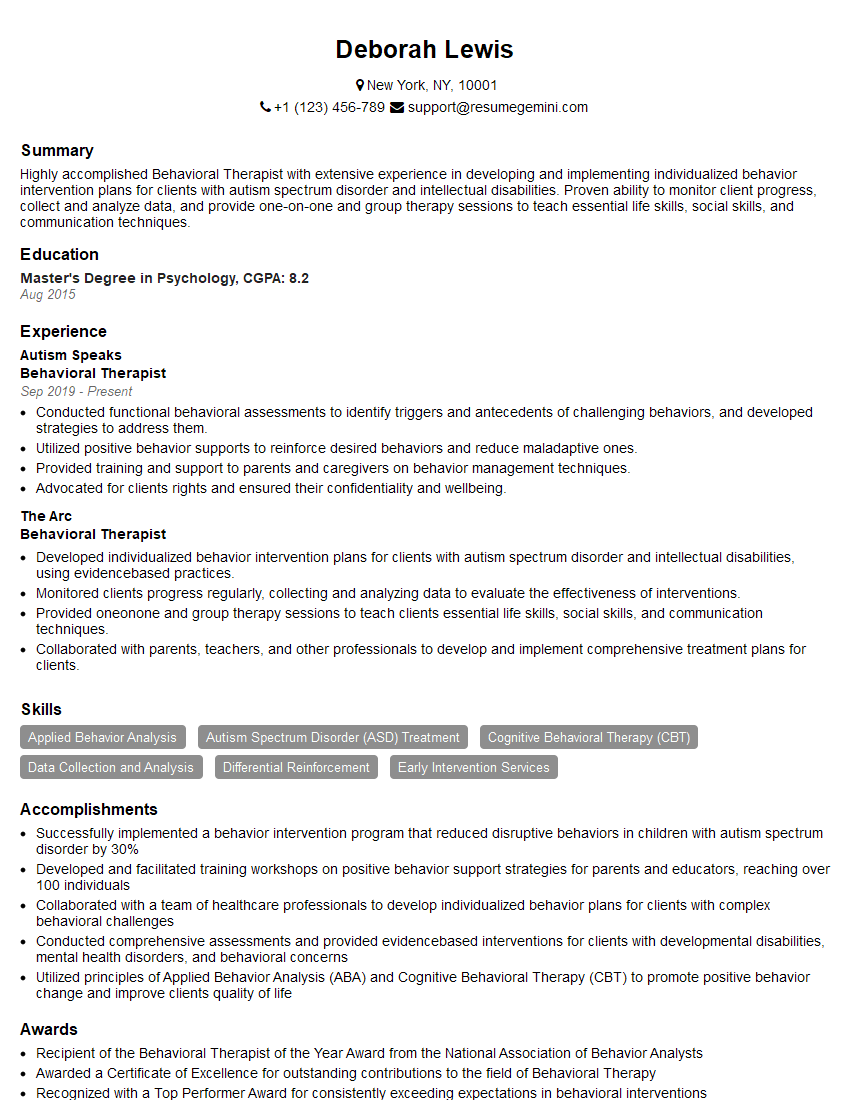
Behavioral Therapist Resume Sample
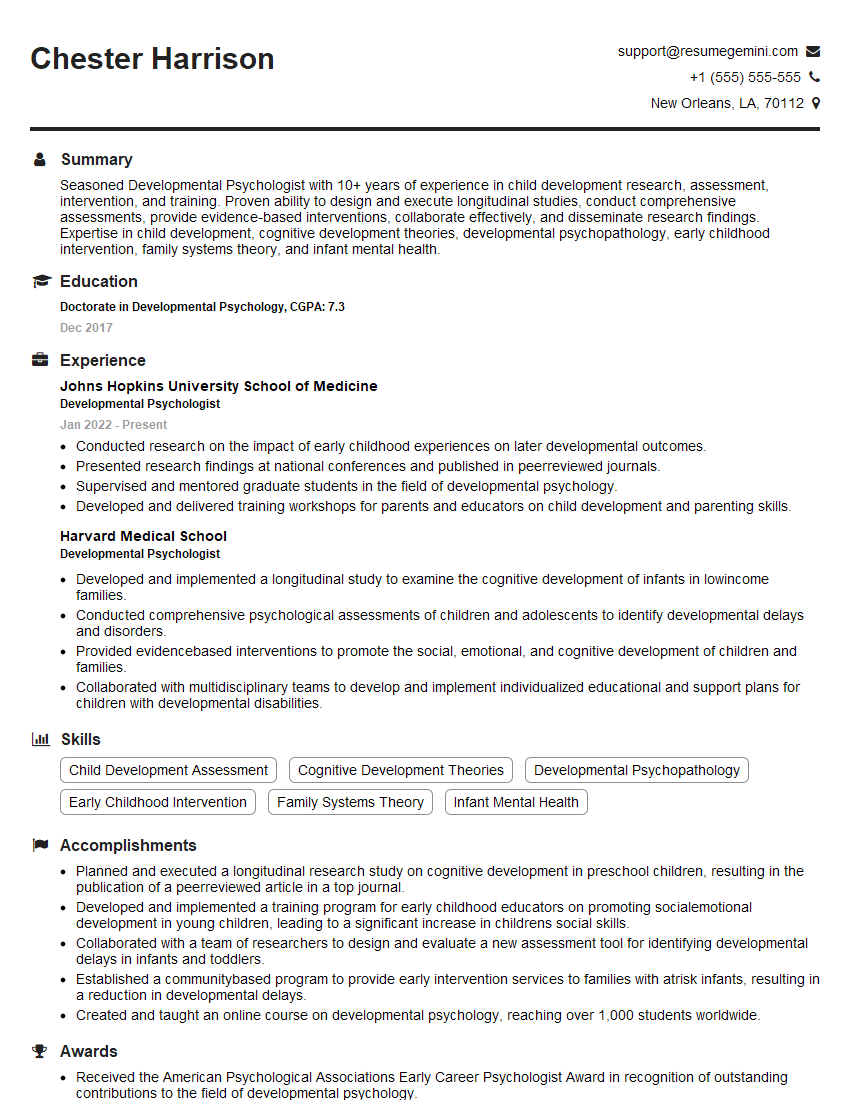
Developmental Psychologist Resume Sample
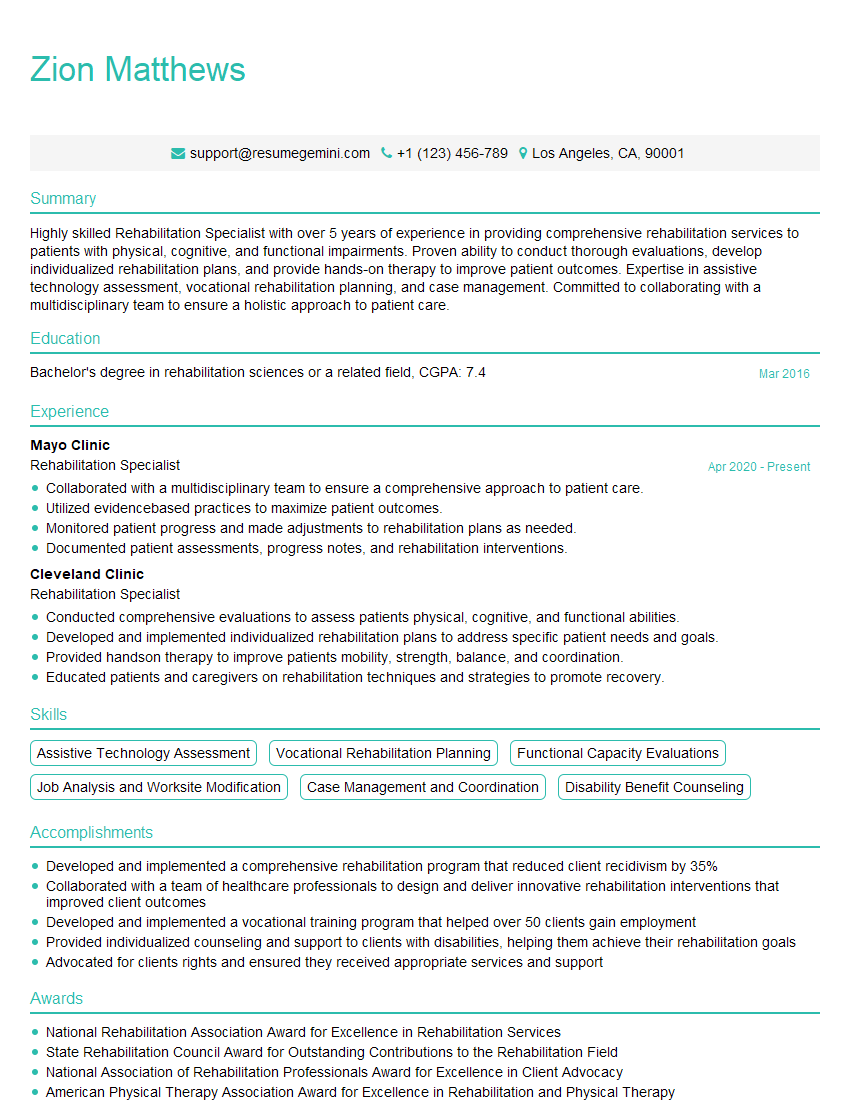
Rehabilitation Specialist Resume Sample
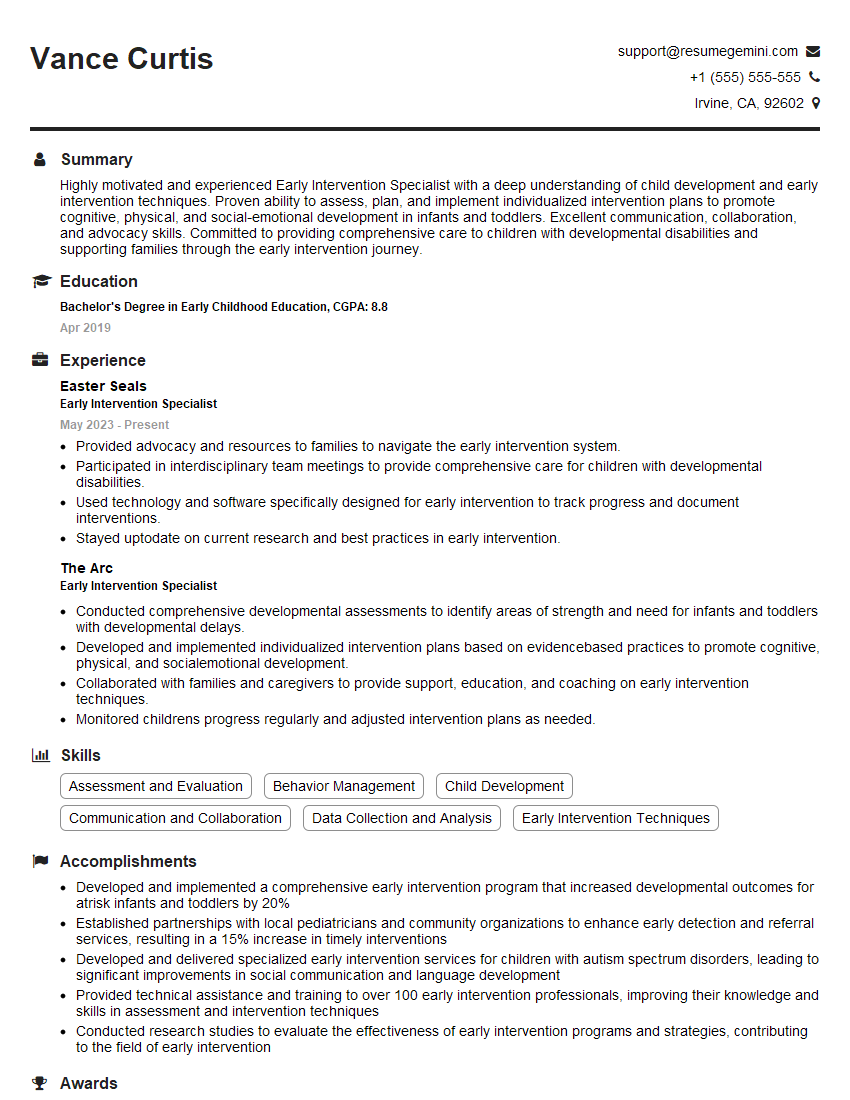
Early Intervention Specialist Resume Sample
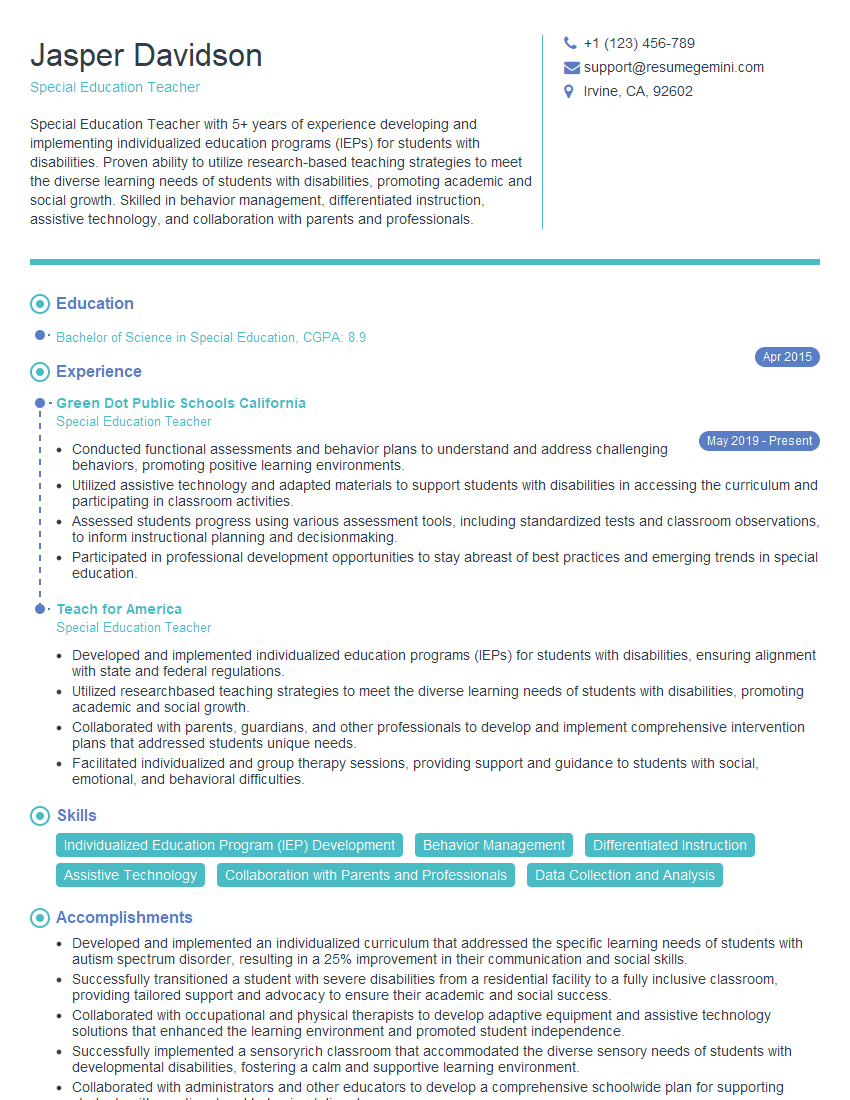
Special Education Teacher Resume Sample
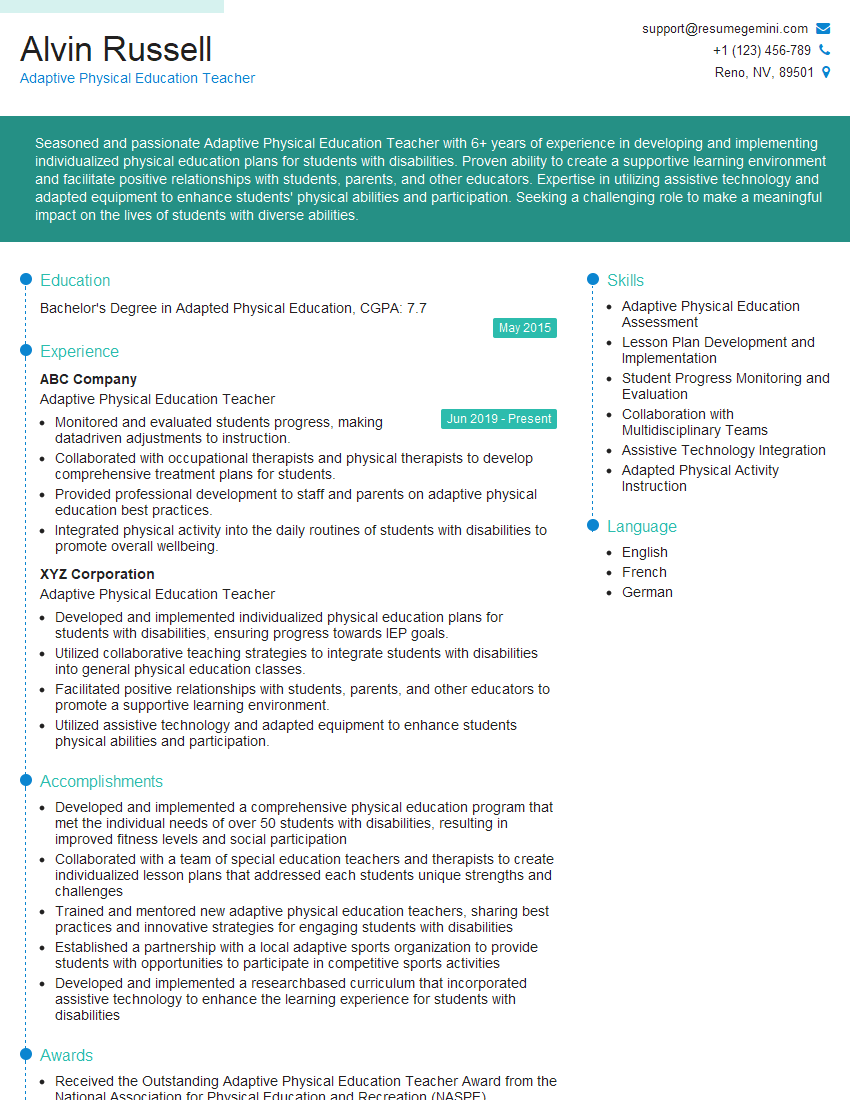
Adaptive Physical Education Teacher Resume Sample
Explore more articles
Users Rating of Our Blogs
Share Your Experience
We value your feedback! Please rate our content and share your thoughts (optional).
What Readers Say About Our Blog
Really detailed insights and content, thank you for writing this detailed article.
IT gave me an insight and words to use and be able to think of examples