Every successful interview starts with knowing what to expect. In this blog, we’ll take you through the top New Product Development (NPD) interview questions, breaking them down with expert tips to help you deliver impactful answers. Step into your next interview fully prepared and ready to succeed.
Questions Asked in New Product Development (NPD) Interview
Q 1. Describe your experience in the entire product development lifecycle.
My experience spans the entire New Product Development (NPD) lifecycle, from initial concept ideation to product launch and post-launch analysis. I’ve been involved in projects across various industries, consistently applying a structured approach. This involves:
- Idea Generation & Concept Development: Brainstorming sessions, market research analysis, competitive benchmarking, and feasibility studies to define the product’s core value proposition and target audience.
- Design & Prototyping: Creating detailed product specifications, developing prototypes (both functional and visual), and iterative testing to refine the design based on user feedback.
- Development & Testing: Managing the engineering and manufacturing processes, overseeing rigorous testing procedures (unit, integration, system, and user acceptance testing) to ensure quality and functionality.
- Launch & Commercialization: Developing marketing and sales strategies, coordinating with sales teams, and managing the product launch to ensure successful market entry.
- Post-Launch Analysis & Iteration: Tracking key performance indicators (KPIs), analyzing user feedback, and making necessary improvements or adjustments based on market response. This often involves A/B testing of features or marketing campaigns.
For example, in a recent project involving a new mobile application, I led a team through all these stages, resulting in a successful launch that exceeded initial user acquisition targets.
Q 2. Explain your approach to identifying market needs for new products.
Identifying market needs is paramount. My approach is multi-faceted and relies heavily on data-driven insights, qualitative feedback, and a deep understanding of market trends. It involves:
- Market Research: Analyzing market size, growth potential, and competitive landscape through secondary research (industry reports, publications) and primary research (surveys, focus groups, interviews).
- Customer Interviews & Focus Groups: Directly engaging with potential customers to understand their pain points, needs, and desires. This allows for uncovering unmet needs and validating initial hypotheses.
- Competitive Analysis: Studying existing products and services to identify gaps, opportunities, and potential differentiators. This includes analyzing features, pricing, and marketing strategies.
- Trend Analysis: Monitoring emerging technologies, market shifts, and consumer behavior to identify potential future needs and opportunities.
- Data Analytics: Leveraging data analytics tools to analyze customer behavior, identify patterns, and track market performance.
For instance, in a project for a sustainable food packaging company, we used customer interviews to reveal a strong demand for compostable packaging that was both aesthetically pleasing and functional, leading to the development of a successful new product line.
Q 3. How do you prioritize features in a new product development project?
Prioritizing features involves a structured approach that balances business value, user needs, and technical feasibility. We typically use a prioritization matrix that considers several factors:
- Value to the Customer: How much value does this feature add to the user experience? We might use a simple scoring system (high, medium, low).
- Business Value: How will this feature impact revenue, market share, or brand perception?
- Technical Feasibility: How difficult and costly is it to develop and implement this feature?
- Risk: What are the potential risks associated with developing or not developing this feature?
- Dependencies: Are other features dependent on this one?
We often visualize this using a MoSCoW method (Must have, Should have, Could have, Won’t have) or a prioritization matrix that plots features based on value and effort. This helps to make objective decisions and ensure that the most valuable features are developed first.
Q 4. Describe a time you had to make a difficult trade-off in product development.
In a recent project developing a smart home device, we faced a difficult trade-off between battery life and processing power. The initial design prioritized advanced features requiring significant processing power, which drastically reduced battery life. User feedback indicated that long battery life was a critical requirement.
We had to make a difficult decision to reduce some of the less critical features to extend battery life. This involved careful prioritization and communication with the engineering team, marketing, and stakeholders. While it meant sacrificing some desired functionalities, the improved battery life significantly increased customer satisfaction and overall product success.
Q 5. What methods do you use for gathering customer feedback during NPD?
Gathering customer feedback is an ongoing process throughout the NPD lifecycle. We employ a mix of methods to ensure a comprehensive understanding of user needs and preferences:
- Surveys: Online surveys and questionnaires to collect quantitative data on user preferences and satisfaction.
- User Interviews: In-depth interviews to gain qualitative insights into user experiences and needs.
- Focus Groups: Moderated group discussions to gather feedback from a diverse group of users.
- Usability Testing: Observing users interacting with the product to identify usability issues and areas for improvement.
- A/B Testing: Testing different versions of the product or features to determine which performs better.
- Beta Testing: Releasing a beta version of the product to a select group of users to gather feedback before the official launch.
- App Store/Play Store Reviews: Monitoring user reviews and ratings to identify potential issues and areas for improvement.
By combining these methods, we obtain a rich understanding of user perspectives that informs design decisions and improves product quality.
Q 6. How do you manage competing priorities and deadlines in a product development project?
Managing competing priorities and deadlines in product development requires meticulous planning, effective communication, and robust project management techniques. My approach includes:
- Clearly Defined Scope & Objectives: Establishing a well-defined project scope and clear objectives to guide the development process.
- Detailed Project Plan: Creating a detailed project plan with clear timelines, milestones, and responsibilities.
- Regular Progress Tracking: Monitoring progress regularly and addressing any roadblocks or delays promptly.
- Effective Communication: Maintaining open and transparent communication with the development team, stakeholders, and customers.
- Risk Management: Identifying and mitigating potential risks that could impact the project timeline or budget.
- Agile Methodologies: Employing agile methodologies such as Scrum or Kanban to adapt to changing priorities and ensure flexibility.
- Prioritization Framework: Regularly reviewing and prioritizing tasks based on their importance and urgency.
For example, using a Kanban board helped visualize workflow, identify bottlenecks, and adjust priorities quickly when unexpected issues arose in a time-sensitive project.
Q 7. What is your experience with Agile or Waterfall methodologies in NPD?
I have extensive experience with both Agile and Waterfall methodologies in NPD. My choice of methodology depends on the project’s specific requirements and constraints.
- Waterfall: Suitable for projects with well-defined requirements and minimal anticipated changes. It’s a sequential approach with clear phases (requirements, design, implementation, testing, deployment).
- Agile: Best suited for projects with evolving requirements, a need for flexibility, and a strong emphasis on iterative development. I’ve primarily used Scrum, which employs sprints (short development cycles) and daily stand-up meetings to monitor progress and address challenges.
In practice, I often find a hybrid approach most effective, leveraging the strengths of both methodologies. For example, the initial stages of a project might use a more structured Waterfall approach for defining core requirements, followed by an Agile approach for iterative development and refinement.
Q 8. Describe your experience with prototyping and testing new products.
Prototyping and testing are crucial stages in New Product Development (NPD). Prototyping involves creating a preliminary version of the product – it could be anything from a rough sketch to a fully functional model, depending on the stage and resources. Testing involves subjecting this prototype to various evaluations to identify flaws and gather user feedback. My experience spans various prototyping methods, from low-fidelity paper prototypes to high-fidelity digital mockups and functional prototypes. For instance, in developing a new fitness app, we started with paper prototypes to test the user flow and screen layouts. This allowed us to quickly iterate based on user feedback before investing significant resources in software development. Following this, we built a functional prototype to test app performance and features, leading to necessary code refinements and performance optimizations.
Testing encompasses a variety of approaches including usability testing, A/B testing, and beta testing. Usability testing involves observing users interacting with the prototype to identify areas for improvement in the user interface or experience. A/B testing helps compare different versions of a feature or design element to determine which performs better. Beta testing involves releasing a near-final version to a select group of users for real-world testing and feedback before a full launch. This multi-faceted approach ensures a more robust and user-friendly final product.
Q 9. How do you measure the success of a new product launch?
Measuring the success of a new product launch is a multi-dimensional process, going beyond simple sales figures. It involves analyzing various Key Performance Indicators (KPIs) across different stages. Initially, we assess pre-launch metrics like marketing campaign reach and pre-orders to gauge market interest. Post-launch, we monitor sales revenue, market share, customer acquisition cost (CAC), customer lifetime value (CLTV), and customer satisfaction (CSAT) scores. We also look at product usage data and user engagement metrics, such as daily/monthly active users (DAU/MAU) for digital products or usage frequency for physical products. For example, a successful launch of a new software wouldn’t just mean high sales, but also high user retention and positive reviews, indicating strong product-market fit. A low CSAT score despite high sales might point towards an issue with product quality or customer service requiring immediate attention.
Ultimately, success is defined relative to the pre-defined objectives set for the product. Did we achieve the targeted market share? Did we meet our revenue projections within the specified timeframe? Did the product deliver the intended value proposition to the customer? Answering these questions provides a holistic view of the launch’s success or areas needing improvement.
Q 10. Explain your understanding of market analysis and its role in NPD.
Market analysis is a foundational element of NPD. It’s the systematic process of researching and understanding the target market for a new product. This includes identifying the target customer demographics, their needs, preferences, purchasing behavior, and the competitive landscape. Understanding the market size, growth potential, and trends helps in validating the product idea and shaping its features and marketing strategy. For instance, a detailed market analysis might reveal that a niche segment within the broader market is underserved and presents a significant opportunity. It might also highlight emerging trends or unmet needs that can be incorporated into the product design to ensure a competitive advantage.
A robust market analysis leverages various tools and techniques, including market research reports, competitor analysis, customer surveys, focus groups, and data analytics. This research helps in defining the product’s value proposition, identifying suitable pricing strategies, and selecting appropriate distribution channels. Without thorough market analysis, there is a significant risk of developing a product that doesn’t resonate with the intended audience, leading to market failure.
Q 11. Describe your experience with competitive analysis in the product development process.
Competitive analysis plays a vital role throughout the NPD process. It involves systematically evaluating competitors’ products, strategies, strengths, and weaknesses. This helps in identifying opportunities for differentiation, understanding market dynamics, and crafting a compelling value proposition. I have significant experience conducting competitive analyses, utilizing various methods such as SWOT analysis (Strengths, Weaknesses, Opportunities, Threats), Porter’s Five Forces, and competitor profiling. For example, while developing a new line of headphones, we thoroughly analyzed the features, pricing, and marketing strategies of leading competitors like Sony, Bose, and Apple. This provided critical insights into consumer preferences, pricing dynamics, and potential areas for innovation.
This information is used to inform product design and features, ensuring our product offers a unique selling proposition. A strong competitive analysis also allows for proactive strategic planning, enabling us to anticipate and respond to competitive threats. We might identify a gap in the market, a weakness in a competitor’s strategy, or an opportunity for a disruptive innovation.
Q 12. How do you handle unexpected technical challenges during NPD?
Unexpected technical challenges are inevitable in NPD. My approach involves a structured problem-solving methodology that emphasizes proactive risk management, collaboration, and iterative development. First, I ensure clear communication among the development team to quickly identify the problem’s scope and impact. Next, we analyze the root cause using a systematic approach, possibly employing tools like fault tree analysis or 5 Whys. We explore alternative solutions, prioritizing those with minimal impact on the product’s timeline and budget. We may need to adjust project timelines, allocate additional resources, or even reconsider certain design aspects to overcome the challenge.
For instance, during the development of a smart home device, we encountered unexpected compatibility issues with a particular Wi-Fi module. The team worked collaboratively to identify alternative modules, test their compatibility, and integrate them into the existing design. This required a minor adjustment to the project schedule and a slight increase in the component costs, but it prevented a more significant delay or product failure.
Q 13. What is your experience with budget management in new product development?
Budget management is critical to the success of any NPD project. It requires careful planning, accurate forecasting, and effective monitoring throughout the development lifecycle. My approach begins with a detailed budget breakdown, allocating funds to each stage – from research and development to prototyping, testing, manufacturing, and marketing. I utilize project management tools and techniques to track expenses against the allocated budget, identifying potential overruns early on. Regular budget reviews with stakeholders ensure transparency and allow for prompt adjustments if needed. For example, we use Earned Value Management (EVM) to track project progress and compare actual costs to planned costs.
Value engineering plays a significant role in optimizing costs. It involves critically evaluating every aspect of the product design to identify areas where costs can be reduced without compromising quality or performance. Throughout the process, we prioritize cost-effective solutions and maintain a robust change management system to control any unplanned expenditure.
Q 14. How do you ensure the quality of a new product throughout the development process?
Ensuring product quality throughout the NPD process is paramount. This involves establishing a robust quality management system that incorporates quality checks at each stage. We start with defining clear quality standards and specifications based on customer requirements and industry benchmarks. These standards are then integrated into each phase of development, from design and prototyping to manufacturing and testing. We employ various quality control techniques, such as Design of Experiments (DOE) to optimize product design and reduce variability, Six Sigma methodologies for process improvement and defect reduction, and rigorous testing protocols to verify product performance and reliability.
Feedback loops are crucial; we actively seek feedback from various sources, including engineers, designers, and end-users at different stages. This feedback helps in iterative improvement and early detection of potential quality issues. We also implement a comprehensive quality assurance program including regular inspections, audits, and continuous monitoring to maintain consistent product quality throughout the production lifecycle. This ensures we deliver a high-quality product that meets customer expectations and complies with relevant safety and regulatory standards.
Q 15. Explain your understanding of intellectual property protection in NPD.
Intellectual property (IP) protection is crucial in NPD to safeguard your company’s innovations and maintain a competitive edge. It involves legally protecting your inventions, designs, and brand identities to prevent unauthorized use and ensure you reap the benefits of your hard work. This protection can be achieved through various methods, including:
- Patents: Grant exclusive rights to an invention for a specific period, preventing others from making, using, or selling it without permission. This is especially important for novel technologies or processes.
- Trademarks: Protect brand names, logos, and other distinctive marks, ensuring consumers can readily identify and trust your products. Think of the Apple logo – it’s instantly recognizable and protected by trademark.
- Copyrights: Safeguard original creative works, including software code, design drawings, and marketing materials. This prevents unauthorized copying or distribution.
- Trade Secrets: Protect confidential information that provides a competitive advantage, such as manufacturing processes or unique formulas. Coca-Cola’s secret recipe is a prime example.
In NPD, a proactive IP strategy is vital. Ideally, IP protection should be considered from the initial ideation phase, ensuring that all potentially protectable aspects are identified and documented. This involves regular assessments of the innovation’s patentability, conducting thorough freedom-to-operate searches to avoid infringement, and diligently filing for necessary IP protections.
Career Expert Tips:
- Ace those interviews! Prepare effectively by reviewing the Top 50 Most Common Interview Questions on ResumeGemini.
- Navigate your job search with confidence! Explore a wide range of Career Tips on ResumeGemini. Learn about common challenges and recommendations to overcome them.
- Craft the perfect resume! Master the Art of Resume Writing with ResumeGemini’s guide. Showcase your unique qualifications and achievements effectively.
- Don’t miss out on holiday savings! Build your dream resume with ResumeGemini’s ATS optimized templates.
Q 16. Describe your experience with risk management in new product development.
Risk management is an integral part of successful NPD. It’s about proactively identifying, assessing, and mitigating potential issues that could derail a project. My approach involves a structured process that starts with brainstorming potential risks across various categories:
- Technical Risks: Will the technology work as expected? Are there manufacturing challenges?
- Market Risks: Will the market accept the product? Is there sufficient demand? Is there strong competition?
- Financial Risks: Will the project stay within budget? Will the return on investment be sufficient?
- Regulatory Risks: Are there any legal or compliance hurdles to overcome?
For each identified risk, I assess its likelihood and potential impact. This allows for prioritizing mitigation strategies. This might involve contingency planning (e.g., having alternative suppliers), developing robust testing procedures (to address technical risks), or conducting thorough market research (to address market risks). I find that a well-defined risk register, regularly updated throughout the project lifecycle, is indispensable.
In one project, we identified a high risk of supply chain disruption. We mitigated this by diversifying our sourcing and building strong relationships with multiple suppliers, enabling us to rapidly switch to an alternative source if needed. This proactive approach saved the project from significant delays and cost overruns.
Q 17. How do you collaborate effectively with cross-functional teams in NPD?
Effective collaboration with cross-functional teams is paramount in NPD. It’s less about individual expertise and more about integrated teamwork. My approach relies on clear communication, mutual respect, and a shared understanding of goals. I use several techniques:
- Regular Meetings: Structured meetings with clear agendas and assigned action items help maintain focus and accountability. I favor agile methodologies, employing daily stand-ups or sprint reviews, depending on project needs.
- Collaborative Tools: Platforms like project management software (e.g., Jira, Asana) facilitate communication, task assignment, and document sharing. This ensures transparency and readily accessible information for all team members.
- Open Communication Channels: Establishing open communication channels, promoting active listening, and encouraging the sharing of concerns ensures issues are identified and addressed promptly. This includes using instant messaging and email effectively.
- Conflict Resolution: Inevitably disagreements arise; I actively encourage open discussion to reach consensus. I focus on understanding different perspectives and finding solutions that accommodate various needs.
For instance, in a recent project, we faced a disagreement between the engineering and marketing teams regarding product specifications. Through facilitated discussions and compromise, we achieved a solution that balanced engineering feasibility with market appeal.
Q 18. What is your approach to identifying and mitigating potential risks during NPD?
My approach to identifying and mitigating potential risks is proactive and systematic. It begins with a thorough risk assessment at the outset of the project and continues throughout the lifecycle. I utilize several tools and techniques:
- SWOT Analysis: Identifying Strengths, Weaknesses, Opportunities, and Threats helps frame the project’s context and highlights potential risks and opportunities.
- Failure Mode and Effects Analysis (FMEA): Systematically identifying potential failure modes, their effects, severity, and likelihood allows for prioritization of mitigation efforts. This is especially valuable in complex projects.
- Risk Register: A centralized document that tracks identified risks, their likelihood, impact, mitigation strategies, and assigned owners. Regular updates and review are crucial.
- Contingency Planning: Developing alternative plans to address potential setbacks. For example, having backup suppliers or alternative design options ensures project continuity.
For example, during a project developing a new software application, we used FMEA to identify potential risks related to software bugs and security vulnerabilities. By proactively implementing rigorous testing procedures and security protocols, we were able to mitigate these risks and deliver a robust and secure product.
Q 19. Describe a time you had to adapt your strategy in response to changing market conditions.
During the development of a new fitness tracker, we initially targeted a high-end market with premium features and a high price point. However, market research revealed a stronger demand for a more affordable, basic version with core functionalities. This meant adapting our strategy mid-project.
We immediately convened a team meeting to assess the implications of this shift. The changes required re-evaluating the product specifications, adjusting the manufacturing process to reduce costs, and recalibrating our marketing message to target a broader audience. While it meant revising certain aspects of the original plan, this adaptation proved highly beneficial. Launching the more affordable model alongside the premium version ultimately broadened our market reach and resulted in higher sales than initially projected with just the high-end model.
The key takeaway was our ability to be flexible and responsive to changing market conditions. This agility, enabled by a strong cross-functional team and open communication, allowed us to pivot effectively and capitalize on a new opportunity.
Q 20. How do you handle stakeholder expectations in a new product development project?
Managing stakeholder expectations is critical in NPD. It involves clearly communicating project goals, timelines, and potential challenges to all stakeholders from the outset. This necessitates regular and transparent communication throughout the project lifecycle. I utilize several key strategies:
- Clearly Defined Roles and Responsibilities: Establishing clear roles and responsibilities among stakeholders avoids confusion and keeps expectations aligned.
- Regular Progress Reports: Providing regular updates and highlighting achievements helps build confidence and manage expectations effectively. Visual tools, such as Gantt charts or Kanban boards, can greatly enhance understanding.
- Open Communication Channels: Facilitating open communication and encouraging feedback creates a collaborative environment where potential issues are discussed proactively.
- Managing Expectations: Setting realistic expectations and acknowledging potential delays prevents misunderstandings and maintains trust.
In one instance, a major stakeholder had unrealistic expectations about the launch date. By clearly explaining the technological complexities and associated timelines, and offering alternative solutions, I managed to adjust their expectations and maintain a positive relationship.
Q 21. What tools and technologies do you use to manage NPD projects?
To manage NPD projects effectively, I leverage various tools and technologies. These tools assist in planning, execution, and monitoring of projects to ensure successful outcomes.
- Project Management Software: Tools like Jira, Asana, or Microsoft Project are used for task management, collaboration, and progress tracking. These provide centralized platforms for communication and document sharing.
- Design Software: Software like CAD (Computer-Aided Design) for engineering designs, and Adobe Creative Suite for marketing materials, are critical for developing the product and marketing assets.
- Data Analysis Tools: Tools like Excel, SPSS, or R are used for analyzing market research data, identifying trends, and making informed decisions. Data visualization tools are also important for presenting this data to stakeholders.
- Collaboration Platforms: Tools such as Slack, Microsoft Teams, or Google Workspace facilitate instant communication, file sharing, and online meetings to maintain team cohesion and efficiency.
- Prototyping Tools: Software and hardware prototyping tools allow for rapid testing and iteration of designs, ensuring that the final product meets market and user needs. This helps reduce risk and cost of rework.
The choice of specific tools depends on the project’s needs and budget. However, the underlying principle is to use tools that enhance collaboration, track progress effectively, and support data-driven decision-making.
Q 22. How do you ensure that the new product meets regulatory requirements?
Ensuring regulatory compliance in new product development is paramount. It involves a proactive, multi-stage process that begins even before the design phase. We need to identify all applicable regulations early on, which vary widely depending on the product’s industry, intended use, and geographical markets. This involves thorough research and consultation with legal and regulatory experts.
- Early Stage Identification: A crucial first step is a comprehensive regulatory landscape analysis. This identifies all relevant standards, certifications, and compliance requirements (e.g., FDA regulations for medical devices, RoHS directives for electronics, safety standards like UL). We’d use tools like regulatory databases and consult with experts to ensure nothing is missed.
- Design for Compliance (DfC): The design process itself must incorporate regulatory requirements. This isn’t an afterthought; it’s integrated into every stage. For example, if developing a medical device, we’d ensure materials are biocompatible, the design meets sterility standards, and the device’s software adheres to relevant guidelines. This prevents costly redesigns later.
- Testing and Validation: Rigorous testing is crucial. This often includes third-party testing labs to ensure independent verification of compliance. Detailed documentation of all tests and results is essential for audits and regulatory submissions.
- Ongoing Monitoring: Regulatory landscapes are dynamic. We must establish a system to monitor changes in regulations and update our product design and processes accordingly. This might involve regular reviews and updates to our compliance documentation.
For example, in a previous role, we were developing a new type of children’s toy. Early identification of relevant safety standards (like those set by ASTM International) allowed us to incorporate safe materials and design features from the outset, preventing costly recalls later.
Q 23. Describe your experience with product lifecycle management (PLM) systems.
I have extensive experience with Product Lifecycle Management (PLM) systems, primarily using Arena PLM and Siemens Teamcenter. PLM systems are the backbone of efficient NPD. They centralize all product information, from initial concept to end-of-life, fostering collaboration across teams and enabling data-driven decision-making. My experience spans requirements management, design management, change control, and document control.
- Requirements Management: I’ve used PLM to capture, track, and manage product requirements, ensuring alignment between design and market needs.
- Design Management: PLM allows for efficient version control and collaborative design, reducing conflicts and improving design quality. I’ve used it extensively for CAD data management and integration with other engineering tools.
- Change Control: Implementing robust change management processes within the PLM system is vital. This ensures that all changes are properly documented, reviewed, and approved, reducing errors and maintaining product integrity.
- Document Control: PLM enables effective management of all product-related documents, ensuring easy access and version control for all stakeholders. This is crucial for regulatory compliance and traceability.
In a past project, migrating to a cloud-based PLM system significantly improved cross-functional collaboration among our globally dispersed engineering teams. It streamlined communication, reduced lead times, and improved overall project visibility.
Q 24. How do you use data analytics to inform decisions in new product development?
Data analytics plays a crucial role in informing NPD decisions at every stage, from market research to post-launch analysis. It allows us to move beyond intuition and rely on evidence-based insights. We leverage various data sources and analytical techniques.
- Market Research & Trend Analysis: We use data analytics to identify market trends, understand customer preferences, and assess competitor activity. This might involve analyzing social media sentiment, sales data, and market research reports.
- Product Design & Optimization: Data can help optimize product design. For instance, using customer feedback data, we can assess design iterations and identify areas for improvement. A/B testing using digital prototypes can show which features resonate most.
- Predictive Modeling: Sophisticated analytical techniques, such as machine learning, can be used to predict product demand, identify potential risks, and optimize production planning.
- Post-Launch Analysis: Post-launch, data analytics helps us assess product performance, customer satisfaction, and identify areas for improvement. This enables continuous improvement and iterative development.
For example, in a recent project, we used customer feedback data to identify a key design flaw in an early prototype. By analyzing user reviews and social media comments, we were able to redesign the product, significantly improving its usability and customer satisfaction.
Q 25. What is your approach to scaling a new product after launch?
Scaling a new product successfully requires a well-defined strategy that addresses production capacity, distribution networks, marketing reach, and customer support. It’s a phased approach.
- Production Capacity Planning: We assess our initial production capacity and identify potential bottlenecks. This may involve investing in additional manufacturing equipment, outsourcing certain processes, or optimizing existing production lines.
- Distribution Network Expansion: Establishing effective distribution channels is essential for reaching target markets. This might involve expanding partnerships with distributors, retailers, or establishing our own direct-to-consumer channels.
- Marketing & Sales Scaling: We’d expand our marketing and sales efforts to reach a broader audience. This could involve increasing advertising spend, partnering with influencers, or developing new marketing campaigns.
- Customer Support Scalability: As the customer base grows, our customer support infrastructure must scale to handle increased inquiries and service requests. This might involve hiring additional customer service representatives, implementing new support tools, or expanding our support channels.
A key aspect is monitoring key performance indicators (KPIs) at each stage. This helps us identify any issues early on and adapt our scaling strategy as needed.
Q 26. Describe a time you failed in new product development. What did you learn?
One of my biggest failures involved a product launch where we underestimated the complexities of integrating a new software component. We focused heavily on the hardware design but neglected thorough testing of the software-hardware interface. This led to significant delays, cost overruns, and ultimately, a disappointing market response due to product instability.
The key lesson learned was the importance of a holistic approach and integrated testing. While we had separate testing for hardware and software, we lacked comprehensive system-level testing. Now, I prioritize integrated testing throughout the development lifecycle to catch these types of problems early. We use robust test plans and employ techniques such as continuous integration and continuous delivery to address this.
Q 27. How do you balance innovation and practicality in product development?
Balancing innovation and practicality is a constant challenge in NPD. It’s about finding the sweet spot between groundbreaking ideas and commercially viable products. We employ a structured approach that incorporates both aspects.
- Market Validation: Innovative ideas need to resonate with the market. We conduct thorough market research to assess the potential demand and viability of innovative features. This includes customer surveys, focus groups, and competitive analysis.
- Feasibility Studies: Before committing significant resources, we conduct feasibility studies to assess the technical and economic viability of innovative ideas. This might involve prototyping, cost analysis, and risk assessment.
- Iterative Development: We embrace iterative development, using agile methodologies. This allows us to test and refine our designs incrementally, incorporating feedback and adapting to changing market conditions.
- Prioritization: We prioritize features based on their value to the customer and their feasibility. Not every innovative idea is suitable for a particular product or market.
For instance, we might have a truly innovative idea but realize it’s too costly to produce or requires technology that’s not yet mature. Practicality demands finding a balance, possibly launching a simplified version of the product and iterating towards greater innovation in subsequent releases.
Q 28. What are your salary expectations for this NPD role?
My salary expectations for this NPD role are in the range of [Insert Salary Range] annually. This is based on my experience, skills, and the responsibilities associated with this position. I am open to discussing this further based on a detailed job description and the specifics of the role.
Key Topics to Learn for New Product Development (NPD) Interview
- Idea Generation & Concept Development: Understanding various ideation techniques (brainstorming, design thinking, etc.) and their application in real-world scenarios. Consider the process of transforming initial ideas into concrete product concepts, including market research and competitive analysis.
- Market Research & Analysis: Applying market research methodologies to identify unmet customer needs and validate product concepts. This includes analyzing market trends, identifying target audiences, and assessing market size and potential.
- Product Design & Development: Familiarize yourself with the stages of product development, from prototyping and testing to manufacturing and launch. Understanding different design thinking frameworks and their practical application will be beneficial.
- Project Management in NPD: Demonstrate knowledge of Agile methodologies or other project management frameworks relevant to managing NPD projects, including budgeting, resource allocation, and risk management.
- Go-to-Market Strategy: Understanding the crucial aspects of launching a new product, including marketing, sales, and distribution strategies. Consider the importance of understanding target customer acquisition channels and the marketing mix.
- Data Analysis & Decision Making in NPD: Showcase your ability to interpret data from various sources (market research, customer feedback, sales data) to inform product development decisions. Highlight your skills in using data to justify choices and track progress.
- Innovation & Creativity in NPD: Discuss your approaches to fostering innovation and creativity within a team setting. Highlight your ability to think outside the box and generate novel solutions to challenges.
Next Steps
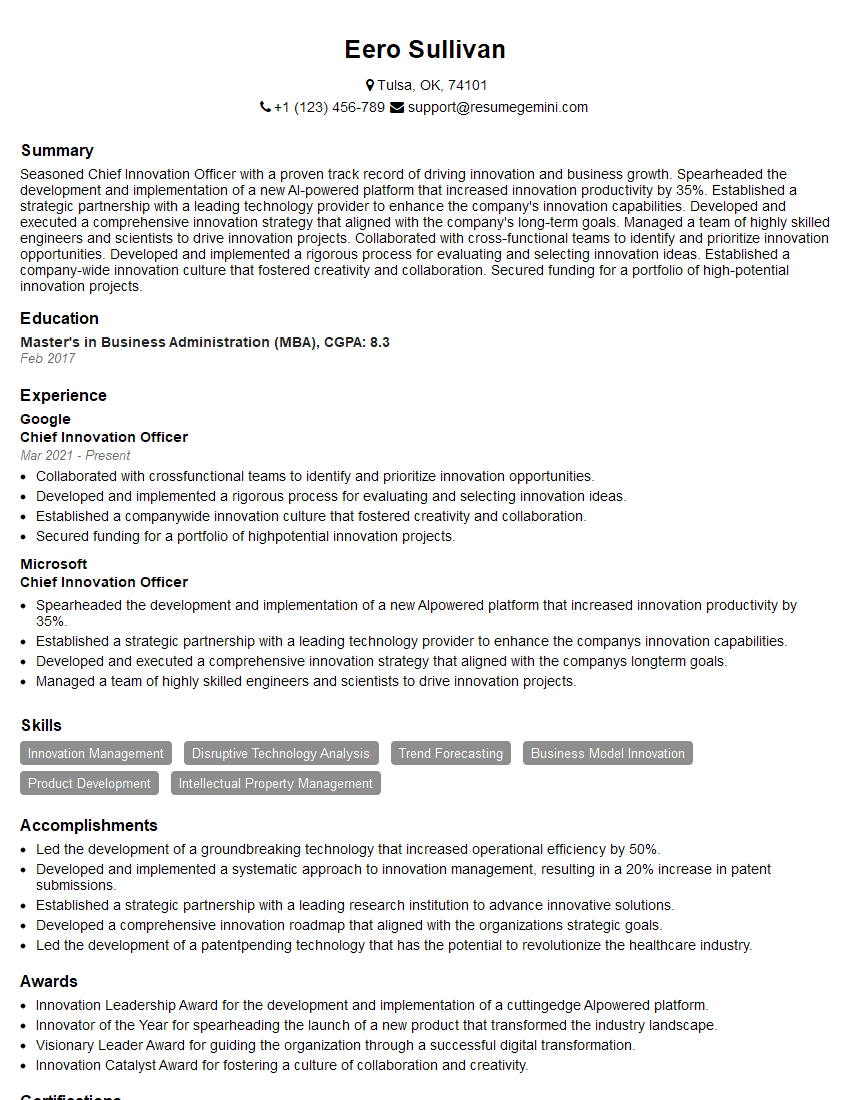
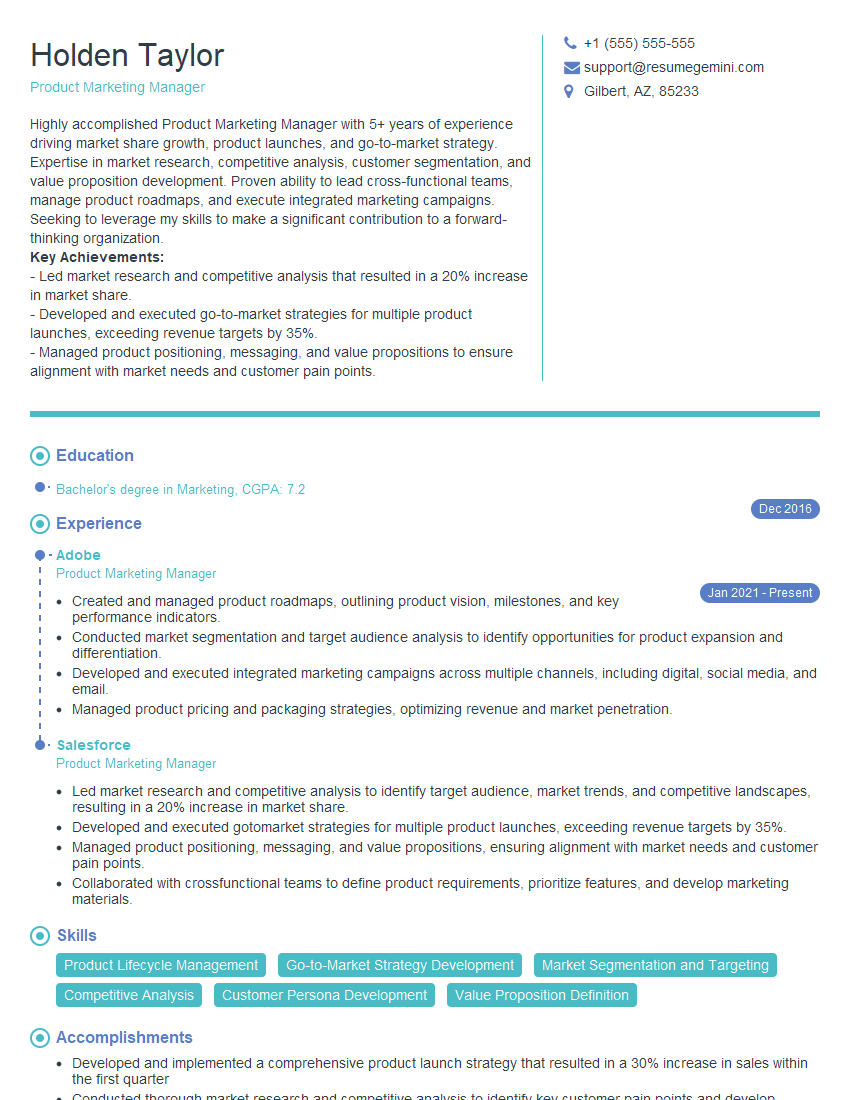
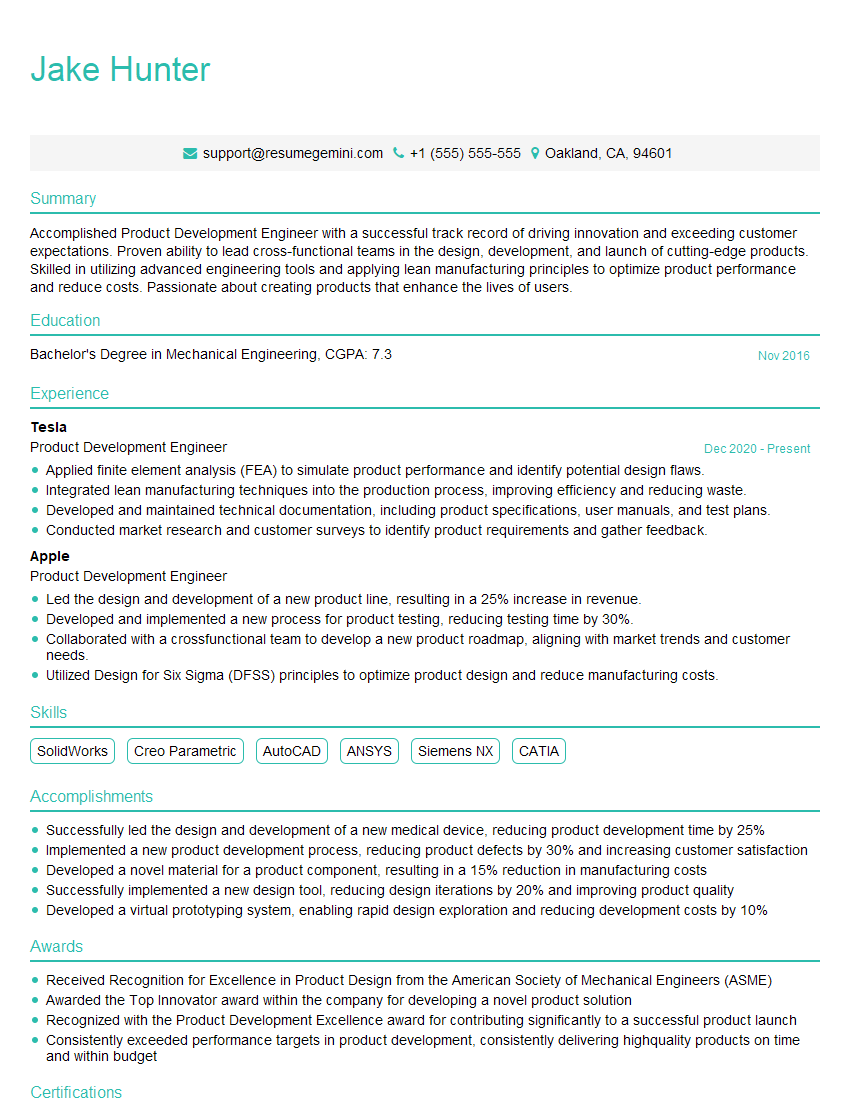
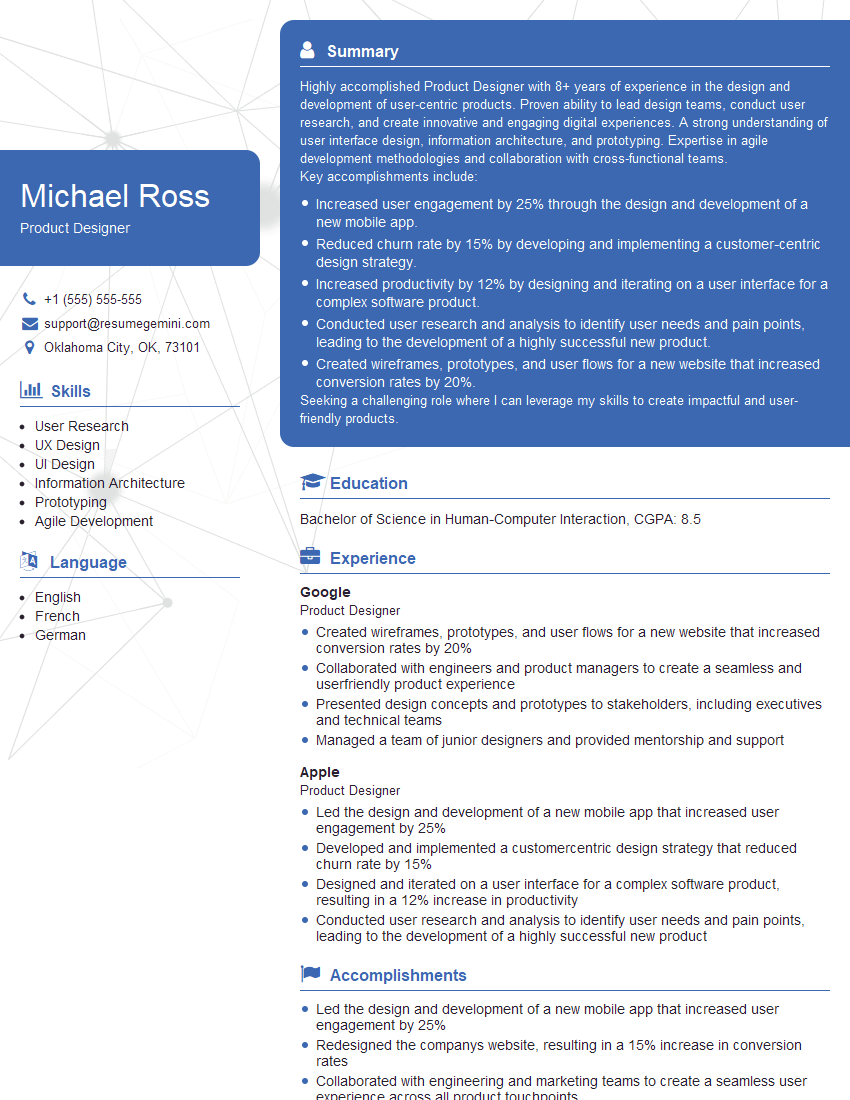
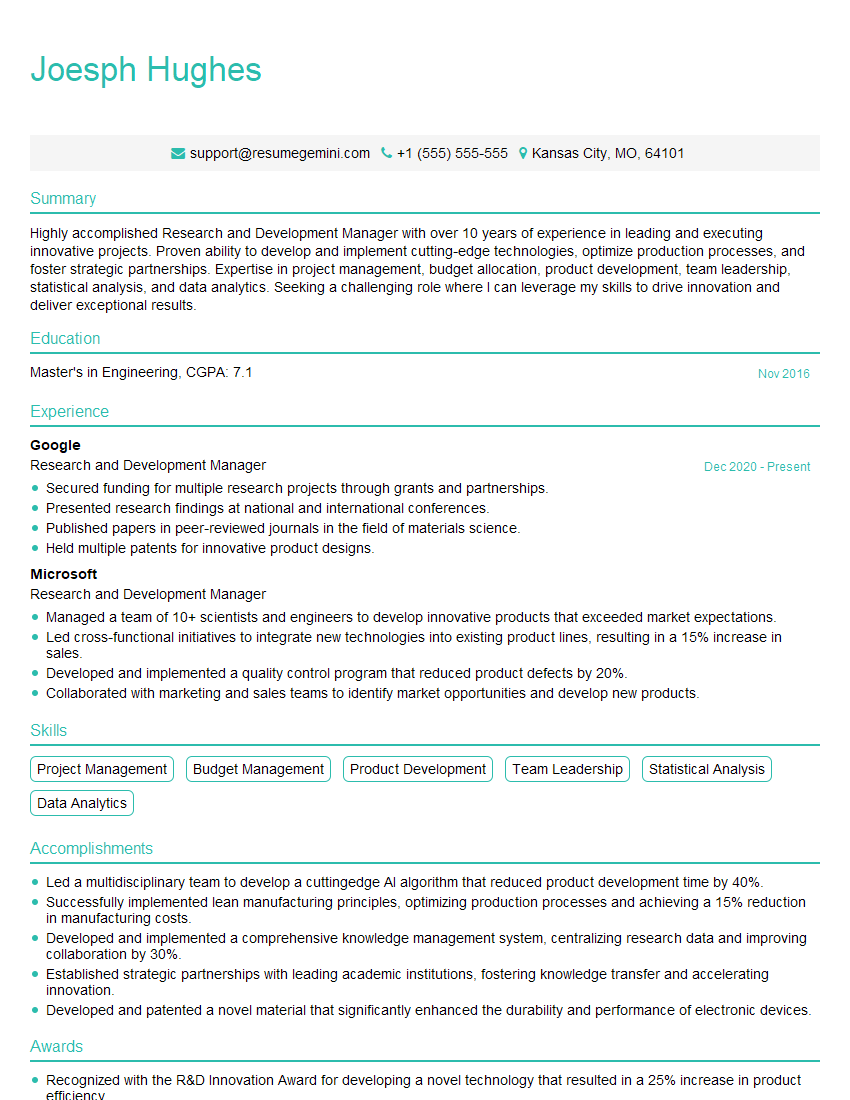
Mastering New Product Development principles is crucial for career advancement in today’s competitive market. It demonstrates a valuable skill set highly sought after by innovative companies. To significantly boost your job prospects, crafting an ATS-friendly resume is paramount. This ensures your application gets noticed by recruiters and hiring managers. We highly recommend using ResumeGemini, a trusted resource for building professional and impactful resumes. ResumeGemini provides examples of resumes specifically tailored to New Product Development (NPD) roles, helping you present your skills and experience effectively. Take advantage of these resources to showcase your expertise and land your dream job!
Explore more articles
Users Rating of Our Blogs
Share Your Experience
We value your feedback! Please rate our content and share your thoughts (optional).
What Readers Say About Our Blog
I Redesigned Spongebob Squarepants and his main characters of my artwork.
https://www.deviantart.com/reimaginesponge/art/Redesigned-Spongebob-characters-1223583608
IT gave me an insight and words to use and be able to think of examples
Hi, I’m Jay, we have a few potential clients that are interested in your services, thought you might be a good fit. I’d love to talk about the details, when do you have time to talk?
Best,
Jay
Founder | CEO