The right preparation can turn an interview into an opportunity to showcase your expertise. This guide to Visitor Studies and Evaluation interview questions is your ultimate resource, providing key insights and tips to help you ace your responses and stand out as a top candidate.
Questions Asked in Visitor Studies and Evaluation Interview
Q 1. Define ‘visitor studies’ and its key methodologies.
Visitor studies is the systematic investigation of visitor behavior, experiences, and perceptions within a specific setting, such as a museum, national park, or website. It aims to understand how visitors interact with the environment, the resources available, and the staff, ultimately informing improvements to enhance visitor satisfaction and achieve organizational goals.
Key methodologies encompass a broad range of qualitative and quantitative approaches. These include:
- Surveys: Collecting structured data from visitors through questionnaires.
- Interviews: Conducting in-depth conversations to gather rich qualitative data.
- Observations: Systematically observing visitor behavior in their natural environment.
- Ethnographic research: Immersing oneself in the visitor experience to gain deep understanding.
- Focus groups: Facilitated discussions with small groups of visitors.
- Analysis of visitor use data: Examining existing data such as attendance figures, website analytics, and transaction records.
- Experimental studies: Manipulating aspects of the visitor experience to test the impact of changes.
Q 2. Explain the difference between qualitative and quantitative visitor studies methods.
Qualitative and quantitative visitor studies methods differ fundamentally in their approach to data collection and analysis. Qualitative methods focus on in-depth understanding of visitor experiences and perspectives, prioritizing rich, descriptive data over numerical measurements. Quantitative methods, on the other hand, emphasize numerical data, statistical analysis, and the measurement of objective visitor behaviors. Think of it this way: Qualitative research asks ‘Why?’, while quantitative research asks ‘How many?’ or ‘How much?’.
Qualitative examples: In-depth interviews exploring visitor motivations and emotional responses to an exhibit; ethnographic observation of visitor interactions in a museum’s interactive space.
Quantitative examples: A survey measuring visitor satisfaction using a Likert scale; analyzing website analytics to understand visitor navigation patterns; tracking the number of visitors who complete a specific task within an app.
Q 3. Describe your experience with ethnographic research in a visitor setting.
I conducted ethnographic research at a large national park to understand visitor experiences on a popular hiking trail. This involved several weeks of participant observation, walking the trail myself, interacting with visitors, and taking detailed field notes. I observed visitor behavior, listened to their conversations, and recorded environmental factors impacting their experience (e.g., trail conditions, weather, signage). This immersive approach allowed me to identify challenges such as inadequate signage leading to trail confusion, lack of resting areas, and insufficient trash receptacles. This informed recommendations for improving trail infrastructure and signage to enhance visitor safety and enjoyment.
An interesting observation was that visitors tended to cluster near specific scenic overlooks, leading to overcrowding and potential safety issues. This insight revealed a need for better trail management strategies to disperse visitors more effectively.
Q 4. How do you design a visitor survey to ensure high response rates and reliable data?
Designing a high-response rate survey requires careful planning and execution. Key strategies include:
- Keep it short and focused: Visitors are less likely to complete lengthy surveys. Aim for brevity and focus on critical questions.
- Make it easy to complete: Utilize a user-friendly online platform; avoid complicated question formats.
- Offer incentives: A small incentive, such as a raffle entry or discount, can significantly boost response rates.
- Ensure anonymity and confidentiality: This is critical for obtaining honest responses, particularly on sensitive topics.
- Pilot test the survey: This allows for identification and correction of any problems before widespread distribution.
- Employ effective sampling strategies: Choose a sample size and sampling method (e.g., random, stratified) appropriate for the research objectives.
- Provide clear instructions: Make sure visitors understand how to complete the survey.
- Personalize the invitation: Sending a personalized email invitation with a clear purpose increases the likelihood of participation.
- Multiple modes of administration: Providing access through multiple platforms (e.g., online, paper, kiosk) can maximize reach.
Reliability is ensured through careful questionnaire design, including using validated scales, clear question wording, and pretesting to minimize ambiguity. Using established statistical methods for analyzing the data collected will also contribute to reliability.
Q 5. What are some common biases in visitor studies and how can they be mitigated?
Several biases can affect the validity of visitor studies. Some common ones are:
- Sampling bias: The sample of visitors studied may not be representative of the entire visitor population.
- Response bias: Visitors who choose to participate in the study may differ systematically from those who do not.
- Social desirability bias: Visitors may provide answers they believe are socially acceptable, rather than their true opinions.
- Observer bias: The researcher’s preconceptions may influence their observations and interpretations.
- Recall bias: Visitors may have difficulty accurately recalling past experiences.
Mitigation strategies involve careful sampling design to ensure representativeness, using anonymous survey methods to encourage honest responses, employing multiple data collection methods (triangulation), using blinding techniques where possible, and reflexivity on the part of the researcher to be aware of their biases.
Q 6. Explain your experience with data analysis software (e.g., SPSS, R, Python).
I have extensive experience with various data analysis software packages, including SPSS, R, and Python. SPSS is particularly useful for descriptive statistics, correlation analysis, and basic statistical modeling. R and Python offer greater flexibility and power, especially for complex statistical analyses, data visualization, and custom script development. For example, I’ve used R to perform advanced statistical modeling such as regression analysis on visitor survey data, while Python has been instrumental in automating data cleaning and preprocessing tasks.
# Example R code for calculating correlation: cor(dataset$satisfaction, dataset$visit_duration)
My proficiency extends to data manipulation and visualization techniques within these platforms. I can handle large datasets efficiently and generate insightful graphs and charts to communicate findings effectively.
Q 7. How do you interpret visitor data to inform design and program improvements?
Interpreting visitor data is a crucial step in translating research findings into actionable insights for design and program improvement. This involves:
- Descriptive analysis: Summarizing key findings, such as average satisfaction scores, frequency of specific behaviors, and common visitor demographics.
- Inferential statistics: Testing hypotheses and drawing conclusions about the relationships between different variables. For example, determining whether there is a significant relationship between visitor satisfaction and the length of their visit.
- Qualitative data analysis: Identifying themes and patterns from interview transcripts, focus group discussions, and observational notes.
- Data visualization: Creating graphs, charts, and maps to communicate key findings effectively to stakeholders.
For instance, if survey data reveals low satisfaction scores related to wayfinding, this informs a redesign of signage and navigation systems. If observation reveals overcrowding at a specific exhibit, this suggests implementing strategies for visitor flow management, such as timed entry or additional staff presence.
The entire process emphasizes a collaborative and iterative approach, using data analysis as a tool for continuous improvement of the visitor experience.
Q 8. Describe a time you used visitor data to solve a problem or improve a program.
During my work at the City Museum, visitor data revealed a significant drop-off in attendance at the newly renovated dinosaur exhibit. Initially, we suspected the renovation itself might be the issue. However, analyzing visitor flow data from our RFID tracking system and exit surveys, we discovered a different problem. While visitors entered the exhibit, they weren’t spending much time inside, often bypassing key interactive components. We also observed congestion near the exhibit entrance, suggesting a potential bottleneck.
To address this, we used the data to make several changes. First, we redesigned the exhibit’s layout to improve flow and reduce congestion at the entrance. We also strategically placed more interactive elements throughout the exhibit, based on visitor movement patterns. Finally, we implemented clearer signage and improved lighting. Post-intervention data showed a significant increase in dwell time within the exhibit and overall visitor satisfaction.
This experience highlighted the crucial role of data-driven decision making in optimizing visitor experience. By carefully analyzing various data sources, we moved past initial assumptions and pinpointed the actual problems, leading to a successful solution.
Q 9. What metrics would you use to assess the success of a visitor center or exhibit?
Assessing the success of a visitor center or exhibit requires a multi-faceted approach using a range of quantitative and qualitative metrics. We need to understand both visitor engagement and the achievement of institutional goals.
- Quantitative Metrics: These measure concrete aspects of visitor experience. Examples include:
- Attendance figures (total visitors, daily/weekly/monthly attendance)
- Dwell time (average time spent in different exhibit areas)
- Visitor flow patterns (tracking movement using RFID or observation)
- Website analytics (website traffic, bounce rate, time spent on pages)
- Sales data (souvenirs, memberships)
- Exit survey responses (rated satisfaction, likelihood to recommend)
- Qualitative Metrics: These provide richer, nuanced insights into visitor experiences. Examples include:
- Visitor observations (direct observation of behavior and interaction)
- In-depth interviews (understanding motivations, perceptions, and feedback)
- Focus groups (gathering group perspectives and opinions)
- Open-ended survey questions (allowing for detailed feedback)
- Social media analysis (sentiment analysis of visitor posts and reviews)
By combining these data, we can build a comprehensive picture of success, measuring not just visitor numbers, but their actual engagement and satisfaction.
Q 10. How do you balance visitor needs with institutional goals in your evaluation work?
Balancing visitor needs with institutional goals is a constant challenge in evaluation work. It’s about finding the sweet spot where both are served effectively. For example, a museum might want to attract large numbers of visitors (institutional goal) but also needs to ensure those visitors have a positive, enriching experience (visitor need).
My approach involves a collaborative process. I work closely with the institution to understand their priorities and goals. Then, I conduct research to understand visitor needs and expectations, often using participatory methods to involve visitors in the process. This helps identify potential conflicts and develop solutions that address both. For example, if a museum wants to increase visitor numbers but visitors express concerns about overcrowding, we might consider implementing timed entry systems or expanding exhibit space to manage capacity and improve the visitor experience.
This requires careful consideration of ethical implications. We must ensure that visitor needs are not ignored in the pursuit of institutional goals. Transparency and clear communication about the evaluation’s purpose and methodology are critical.
Q 11. Explain your experience with A/B testing in a visitor setting.
A/B testing, or split testing, is a powerful method for evaluating the effectiveness of different design elements in a visitor setting. For instance, at a science museum, we tested two versions of an interactive exhibit panel. Version A used concise text and simple graphics while Version B used more detailed text and complex graphics. We randomly assigned visitors to either Version A or Version B and tracked their interaction time, engagement with interactive elements, and post-interaction survey responses.
The results showed that Version A, with its simpler design, led to significantly higher engagement and satisfaction scores. This highlighted the importance of keeping information clear and concise in interactive displays designed for broad audiences. The data from the A/B test directly influenced the design of similar exhibits, improving the overall visitor experience.
It’s crucial to consider ethical implications; ensuring informed consent, and maintaining visitor anonymity are essential aspects of A/B testing in visitor settings.
Q 12. How do you present your research findings to diverse audiences?
Presenting research findings to diverse audiences requires tailoring the communication style and format. I use a variety of methods to make the information accessible and engaging. For example:
- Visualizations: Charts, graphs, and images are crucial for conveying key findings quickly and effectively to non-technical audiences.
- Storytelling: Using narratives to present data makes it more relatable and engaging, particularly when discussing qualitative findings.
- Interactive presentations: Incorporating interactive elements like polls and quizzes can increase audience engagement and participation.
- Different formats: I adapt my communication to the audience and context. This means using different formats such as presentations, reports, infographics, or even short videos to suit the audience’s preferred learning style and time constraints.
- Plain language: Avoiding technical jargon and using plain language ensures that everyone understands the key takeaways.
Ultimately, effective communication requires empathy and understanding of the audience’s needs and knowledge base.
Q 13. Describe your experience with usability testing in a visitor setting.
Usability testing in visitor settings focuses on evaluating the ease of use and accessibility of exhibits, wayfinding systems, or digital interfaces. For example, we might conduct usability testing for a new museum app by observing participants as they navigate the app and complete specific tasks. We record their interactions, note any difficulties they encounter, and collect feedback through post-task interviews.
During usability testing with a new interactive map in a national park visitor center, we observed visitors struggling to locate specific trails because the map’s legend was unclear and the symbols were too small. This feedback led to significant design improvements, making the map more user-friendly and improving the visitor experience.
The key is to observe how real visitors interact with the system, identifying pain points and areas for improvement. This helps us make design changes that enhance usability and accessibility.
Q 14. How do you ensure the ethical conduct of visitor studies research?
Ethical conduct in visitor studies research is paramount. It involves ensuring the protection of participants’ rights, privacy, and well-being. Key ethical considerations include:
- Informed consent: Participants must understand the purpose of the study, their rights, and how their data will be used. They must freely agree to participate.
- Anonymity and confidentiality: Protecting participants’ identities and ensuring the confidentiality of their data is essential.
- Data security: Data must be stored and managed securely, complying with relevant data protection regulations.
- Transparency: Being open and honest about the research process and its purpose builds trust with participants.
- Minimizing risk: Research should be designed to minimize any potential risks or harm to participants. This includes considering potential psychological or emotional impacts.
- Institutional Review Board (IRB) approval: Many institutions require IRB review and approval of research protocols to ensure ethical compliance.
Adherence to these principles ensures that research is conducted responsibly and ethically, respecting the dignity and rights of all participants.
Q 15. What experience do you have with accessibility considerations in visitor studies?
Accessibility in visitor studies is crucial for ensuring that research findings accurately reflect the experiences of all visitors, regardless of their abilities. This involves considering a wide range of factors that might impact a visitor’s experience and ability to participate in the study.
- Physical accessibility: This includes ensuring the research site is physically accessible to individuals with mobility impairments, such as providing ramps, elevators, and wide doorways. For example, in a museum study, we might consider the placement of exhibits and the availability of assistive devices like wheelchairs.
- Sensory accessibility: This involves considering the needs of visitors with visual, auditory, or cognitive impairments. Examples include providing alternative text for images, offering audio descriptions of exhibits, using clear and concise language in surveys, and providing large-print materials. In a park study, we might offer tactile maps for the visually impaired.
- Technological accessibility: When using online surveys or other digital tools, we must ensure they are compatible with assistive technologies such as screen readers. For instance, all online questionnaires must be WCAG (Web Content Accessibility Guidelines) compliant.
- Cognitive accessibility: This aspect involves simplifying language, providing clear instructions, and offering different modes of participation, such as interviews instead of questionnaires, to cater to visitors with cognitive disabilities.
Ignoring accessibility can lead to biased data and inaccurate conclusions. A study focusing solely on the experiences of able-bodied visitors wouldn’t reflect the reality of all users. By proactively considering accessibility, we produce more inclusive and valuable research.
Career Expert Tips:
- Ace those interviews! Prepare effectively by reviewing the Top 50 Most Common Interview Questions on ResumeGemini.
- Navigate your job search with confidence! Explore a wide range of Career Tips on ResumeGemini. Learn about common challenges and recommendations to overcome them.
- Craft the perfect resume! Master the Art of Resume Writing with ResumeGemini’s guide. Showcase your unique qualifications and achievements effectively.
- Don’t miss out on holiday savings! Build your dream resume with ResumeGemini’s ATS optimized templates.
Q 16. How do you handle conflicting data findings in your analysis?
Conflicting data findings are common in visitor studies, and handling them requires a systematic approach. Instead of dismissing conflicting information, we see it as an opportunity to understand the nuances of the visitor experience.
- Investigate the source of conflict: First, we carefully examine the methodologies employed to gather the conflicting data. Were there differences in sampling methods, data collection techniques (e.g., surveys versus observations), or the time periods covered? For instance, conflicting data from surveys and observations might highlight differences between what visitors *say* they do and what they *actually* do.
- Analyze data subsets: We may analyze subsets of the data to identify patterns or relationships among variables that might explain the inconsistencies. Perhaps certain visitor demographics (age, background, purpose of visit) show different behaviors or preferences.
- Qualitative data triangulation: We integrate qualitative data (e.g., interviews, focus groups) to gain a richer understanding of the context behind the quantitative findings. These may offer explanations for the conflicting results by revealing underlying motivations or unanticipated factors.
- Report the findings transparently: We acknowledge and explain the conflicting findings in our report, discussing the limitations of each data source and offering potential interpretations. This ensures honesty and transparency in our research.
For example, if visitor surveys show high satisfaction but observation reveals long wait times at certain exhibits, we’d investigate further to determine if the satisfaction ratings mask underlying frustration or if visitors are satisfied despite the wait times for some other reason.
Q 17. What is your experience with creating visual representations of visitor data?
Visual representations are essential for effectively communicating complex visitor data. I have extensive experience creating various types of visualizations, choosing the most appropriate method depending on the data and the intended audience.
- Charts and graphs: Bar charts, line graphs, and pie charts are used to display quantitative data, such as visitor numbers, satisfaction ratings, or frequency of specific behaviors. For example, a bar chart could show the number of visitors per month, while a line graph could track satisfaction ratings over time.
- Maps: Heatmaps and movement maps are useful for visualizing visitor flow and density within a space. These are crucial for understanding visitor circulation patterns and identifying areas of congestion or underutilization. For example, a heatmap can visually show the most popular areas within a museum.
- Infographics: Infographics combine visual elements with concise text to communicate key findings in an engaging way, making complex information easily digestible for a broad audience. Infographics are particularly useful for presenting summary findings to stakeholders.
- Data dashboards: Interactive dashboards allow for dynamic exploration of the data and allow viewers to filter and sort information based on various parameters. This is particularly useful for ongoing monitoring and evaluation.
The key is to choose visuals that are clear, concise, and accurately represent the data without misleading the audience. For example, inappropriate scaling of an axis can distort the data presented.
Q 18. How do you prioritize multiple research projects with competing deadlines?
Prioritizing multiple research projects with competing deadlines requires effective time management and strategic planning. I employ a few key strategies.
- Project prioritization matrix: I use a matrix based on urgency and importance to rank projects. This helps to identify which projects need immediate attention and which can be scheduled for later. Projects with immediate deadlines and high impact are tackled first.
- Work breakdown structure (WBS): I break down each project into smaller, manageable tasks. This makes it easier to estimate time requirements and track progress. Using a Gantt chart further helps with visual project management and scheduling.
- Timeboxing: I allocate specific time blocks for working on each project. This helps to prevent scope creep and ensures that sufficient time is allocated to each task. The Pomodoro Technique, for example, can be highly beneficial.
- Delegate tasks: Where possible, I delegate tasks to other team members. This frees up my time to focus on the most critical aspects of each project. Clear communication and well-defined roles are essential here.
- Regular review and adjustment: I regularly review my schedule and adjust priorities as needed. Unexpected delays or changes in project scope require flexibility in planning.
This methodical approach allows me to manage multiple projects effectively and meet deadlines, ensuring that research objectives are achieved without compromising quality.
Q 19. Describe your experience with longitudinal visitor studies.
Longitudinal visitor studies involve tracking the same group of visitors or a specific site over an extended period, allowing us to understand changes in visitor behavior, preferences, and satisfaction over time. This provides valuable insights into long-term trends and impacts of interventions.
- Tracking visitor demographics and behavior: This may involve collecting data on visitor demographics at initial visits and then tracking changes in their behavior (e.g., frequency of visits, activities undertaken) over time. For example, we could track the visitation patterns of museum members over several years.
- Evaluating the impact of interventions: Longitudinal studies are ideal for assessing the long-term effectiveness of changes made to a site or program. For instance, we might study visitor responses before and after a museum redesign or the implementation of a new educational program.
- Understanding seasonal variations: These studies help reveal how visitor behavior varies throughout the year. This is especially important in environments affected by weather or seasonal events (e.g., national parks).
- Challenges: Longitudinal studies require a significant investment of time and resources. Maintaining contact with participants and dealing with attrition (loss of participants) are common challenges.
For instance, we might conduct a longitudinal study of a national park’s visitor population, tracking their use of trails and facilities over five years to understand how changes in park management impact visitor behavior and experience. This could help inform future park planning and resource allocation.
Q 20. How do you adapt your research methods to different visitor populations?
Adapting research methods to different visitor populations is crucial for ensuring data validity and relevance. It requires careful consideration of the unique needs and characteristics of each group.
- Language and communication: When working with non-English speakers or visitors with limited literacy, we use translators, provide materials in multiple languages, and employ alternative methods of data collection such as interviews or observations.
- Cultural sensitivity: We are mindful of cultural norms and practices when designing research instruments and interacting with visitors. For example, questions about personal information might be handled differently in different cultures.
- Accessibility considerations: As previously discussed, we ensure that our methods are accessible to visitors with disabilities. This might involve using different data collection formats, providing assistive technologies, or modifying the research environment.
- Sampling techniques: We select appropriate sampling techniques to ensure that the sample represents the diversity within the visitor population. This might involve stratified sampling, quota sampling, or purposive sampling.
- Data analysis: We may need to use specific statistical techniques or qualitative analysis methods to appropriately handle the complexities of diverse datasets.
For example, when studying visitors to a cultural heritage site, we would adapt our approach if dealing with a group of elderly visitors versus a group of young families. We might use simpler questionnaires, offer longer interview times, or include activities for children, ensuring all visitors feel comfortable and can participate meaningfully.
Q 21. Explain the concept of visitor satisfaction and how it’s measured.
Visitor satisfaction is a crucial metric in visitor studies, representing the overall feeling of pleasure or contentment a visitor has with their experience. It’s not simply the absence of negative feelings; it’s a positive emotional state resulting from meeting or exceeding expectations.
- Surveys: These are widely used, employing rating scales (e.g., Likert scales) to measure aspects of satisfaction, such as cleanliness, staff helpfulness, and overall enjoyment. We might use Net Promoter Score (NPS) to gauge visitor loyalty.
- Interviews: Qualitative interviews provide rich insights into the reasons behind satisfaction or dissatisfaction. Open-ended questions help explore specific aspects of the experience in detail.
- Observations: Observing visitor behavior can reveal clues about satisfaction levels. For example, long wait times or frustrated expressions might indicate dissatisfaction. Facial expression analysis tools are increasingly used for objective data collection.
- Behavioral data: Tracking behaviors, like revisits or time spent at particular exhibits, can indirectly indicate satisfaction. High revisits are a great indicator of positive experiences.
- Social media analysis: Analyzing visitor comments and reviews on social media platforms offers valuable feedback on satisfaction levels.
The chosen methods depend on the research objectives and resources available. For example, a theme park might use a combination of surveys, interviews with exit interviews, and social media monitoring to understand visitor satisfaction. A comprehensive approach usually involves a mix of quantitative and qualitative data to develop a complete picture.
Q 22. How do you ensure the validity and reliability of your research findings?
Ensuring the validity and reliability of research findings in visitor studies is paramount. Validity refers to whether the study actually measures what it intends to measure, while reliability indicates the consistency and repeatability of the results. We achieve this through a multi-pronged approach:
Rigorous Methodology: Employing established methodologies like quantitative surveys, qualitative interviews, ethnographic observations, and A/B testing, each chosen based on the research question. For example, if we’re assessing visitor satisfaction, a structured survey provides quantitative data, while interviews offer richer qualitative insights.
Representative Sampling: Selecting a sample that accurately reflects the target visitor population. This might involve stratified sampling to ensure representation across demographics or visitor types. Failing to do this can lead to biased results.
Pilot Testing: Conducting a smaller-scale pilot study to identify and refine the methodology before the main research. This allows for early detection of flaws and adjustments to questionnaires, observation protocols, or data analysis techniques.
Triangulation: Using multiple data collection methods to confirm findings. For instance, combining survey data with observational data helps validate conclusions and reduces reliance on a single method’s limitations.
Inter-rater Reliability (for qualitative data): When multiple researchers are involved in data collection (e.g., coding interviews), we establish inter-rater reliability to ensure consistent interpretation of the data. This often involves comparing coding schemes and resolving discrepancies.
Data Analysis Rigor: Using appropriate statistical techniques for quantitative data and robust thematic analysis for qualitative data, ensuring transparency and traceability of the analysis process.
By meticulously addressing these aspects, we build confidence in the accuracy and generalizability of our findings, allowing for evidence-based decision-making in visitor management.
Q 23. Describe your experience with working collaboratively with other researchers.
Collaboration is integral to successful visitor studies. I’ve had extensive experience working in multidisciplinary teams, including collaboration with architects, designers, educators, and other researchers. A recent project involved designing an improved museum exhibit. I collaborated with a team of historians to accurately represent the historical context, designers for visual appeal and accessibility, and educators to develop engaging interactive elements.
Effective collaboration relies on:
Clear Communication: Regular meetings, shared online platforms (e.g., Google Drive, project management software), and well-defined roles are crucial for keeping everyone informed and aligned.
Respect for Expertise: Recognizing and valuing the unique perspectives and knowledge each team member brings. This facilitates a constructive dialogue and leverages the collective expertise.
Shared Goals and Objectives: Establishing a clear understanding of the project’s goals and objectives from the outset ensures everyone works towards a common vision.
Conflict Resolution: Developing strategies for addressing disagreements constructively, fostering open discussions to find mutually acceptable solutions.
In the museum exhibit project, open communication ensured everyone understood the nuances of the historical narratives, design considerations, and educational goals. This collaborative approach led to a more comprehensive and engaging final product than any individual could have achieved alone.
Q 24. How do you stay current with the latest trends and methodologies in visitor studies?
Staying updated in the dynamic field of visitor studies requires a proactive approach. I utilize several strategies:
Professional Journals and Publications: I regularly read journals like Leisure Sciences, Journal of Museum Education, and Environment and Behavior to stay abreast of the latest research and methodologies.
Conferences and Workshops: Attending professional conferences (e.g., those hosted by the Visitor Studies Association) provides opportunities to learn about cutting-edge research, network with colleagues, and participate in discussions.
Online Resources: Utilizing online platforms such as professional organization websites and academic databases (e.g., Web of Science, Scopus) provides access to a vast repository of research articles and reports.
Continuing Education: Participating in workshops and short courses on new data analysis techniques, qualitative research methods, and emerging technologies relevant to visitor studies keeps my skill set sharp.
Professional Networks: Engaging with colleagues and experts through professional organizations and online forums facilitates knowledge sharing and discussion of current trends.
This multifaceted approach ensures I remain informed about new theoretical developments, methodological advancements, and technological innovations, enabling me to apply best practices to my work.
Q 25. What software or tools are you proficient in for data collection and analysis?
I am proficient in various software and tools for data collection and analysis, tailored to the specific needs of each project. My expertise includes:
Survey Platforms: Qualtrics, SurveyMonkey, and Google Forms for designing and distributing online surveys.
Qualitative Data Analysis Software: NVivo and ATLAS.ti for managing, coding, and analyzing qualitative data from interviews, focus groups, and observations. For example, in a recent study on museum visitor behavior, I used NVivo to code interview transcripts, identifying key themes related to visitor experience and engagement.
Statistical Software: SPSS and R for quantitative data analysis, including descriptive statistics, correlation analysis, and regression modeling. R’s flexibility is particularly valuable for handling complex datasets and creating visualizations.
GIS Software: ArcGIS for spatial analysis of visitor movement patterns and site utilization within a specific location.
Video and Audio Recording and Editing Software: For capturing and analyzing observational data, I use various video and audio editing tools to facilitate detailed analysis.
My proficiency extends to using these tools effectively to create reports and visualizations that clearly communicate the research findings to diverse audiences.
Q 26. How do you define success in a visitor studies project?
Success in a visitor studies project isn’t solely defined by the completion of the research but rather by its impact. It’s about achieving meaningful outcomes that lead to tangible improvements in visitor experience and program effectiveness. This includes:
Valid and Reliable Findings: Generating credible and reliable data that can inform decision-making.
Actionable Recommendations: Providing clear and actionable recommendations for enhancing visitor programs and services based on the research findings.
Implementation of Recommendations: Seeing the research recommendations implemented and making a demonstrable difference in the visitor experience. For example, if the study revealed poor signage, success means that improved signage is implemented and visitor wayfinding improves.
Dissemination of Findings: Sharing the research findings with relevant stakeholders (e.g., program managers, administrators, and the broader professional community) to foster broader understanding and impact.
Positive Visitor Impact: Ultimately, success is measured by positive changes in the visitor experience – increased satisfaction, engagement, and return visits.
Therefore, success is a holistic measure of the research’s quality, its practical application, and its contribution to improving the visitor experience.
Q 27. Describe a time you had to adapt your research plan due to unexpected challenges.
During a study on the effectiveness of a new museum exhibit, we encountered unexpected challenges. Our initial plan involved observing visitor behavior through one-way mirrors. However, the mirrors proved too obtrusive, altering visitor behavior and compromising the data’s validity.
To address this, we adapted our approach. We:
Replaced direct observation with unobtrusive methods: We shifted to using strategically placed cameras that recorded visitor interactions without causing disruption. This allowed for naturalistic observations.
Modified data collection instruments: We supplemented the visual data with post-visit surveys which allowed visitors to reflect on their experience without the presence of observers.
Adjusted the data analysis plan: The change in data collection methods necessitated modifications to the data analysis plan. We incorporated techniques suitable for analyzing video footage and combined it with survey data through mixed-methods analysis.
While the initial setback was frustrating, our adaptability allowed us to salvage the study and obtain valuable insights despite the unforeseen circumstance. This experience reinforced the importance of flexibility and preparedness in research.
Q 28. How do you incorporate visitor feedback into program improvement plans?
Visitor feedback is crucial for program improvement. We incorporate it systematically using a multi-step process:
Data Collection: Gathering visitor feedback through diverse channels, including surveys, comment cards, online reviews, focus groups, and interviews. The choice of method depends on the context and research questions.
Data Analysis: Analyzing the collected data to identify recurring themes, patterns, and trends in visitor feedback. This might involve qualitative thematic analysis to uncover underlying issues or quantitative analysis to measure satisfaction levels.
Prioritization: Prioritizing areas for improvement based on the severity and frequency of visitor concerns. This may involve assigning weights to different feedback items based on their impact on visitor experience.
Action Planning: Developing concrete and measurable action plans to address the identified areas for improvement. This includes defining specific steps, assigning responsibilities, setting timelines, and allocating resources.
Implementation and Evaluation: Implementing the action plans and evaluating their effectiveness through further data collection. This allows us to assess the success of the implemented changes in improving visitor satisfaction.
Communication: Communicating the implemented changes and their rationale to visitors, staff, and stakeholders.
For example, if feedback consistently highlighted long wait times at a particular exhibit, our action plan might involve revising the exhibit’s flow, adding more staff, or implementing an online reservation system. Post-implementation evaluation would then assess whether the changes reduced wait times and improved visitor satisfaction.
Key Topics to Learn for Visitor Studies and Evaluation Interview
- Visitor Behavior Analysis: Understanding methodologies like eye-tracking, A/B testing, and heatmap analysis to interpret visitor interactions with websites, exhibits, or spaces.
- Qualitative Research Methods: Applying techniques such as interviews, focus groups, and ethnographic studies to gather in-depth insights into visitor experiences and motivations.
- Quantitative Research Methods: Utilizing surveys, questionnaires, and statistical analysis to measure visitor satisfaction, engagement, and other key performance indicators (KPIs).
- Data Visualization and Reporting: Presenting findings clearly and effectively through charts, graphs, and compelling narratives to communicate insights to stakeholders.
- Evaluation Frameworks and Methodologies: Understanding and applying different evaluation models (e.g., Goal-Oriented, CIPP, Logic Model) to assess the effectiveness of visitor experiences and interventions.
- Accessibility and Inclusivity in Visitor Studies: Considering the needs of diverse visitor populations and ensuring equitable access to information and experiences.
- Interpretation and Meaning-Making: Moving beyond data collection to analyze patterns, draw meaningful conclusions, and formulate actionable recommendations.
- Project Management and Collaboration: Demonstrating experience in planning, executing, and managing visitor studies projects, including teamwork and stakeholder communication.
Next Steps
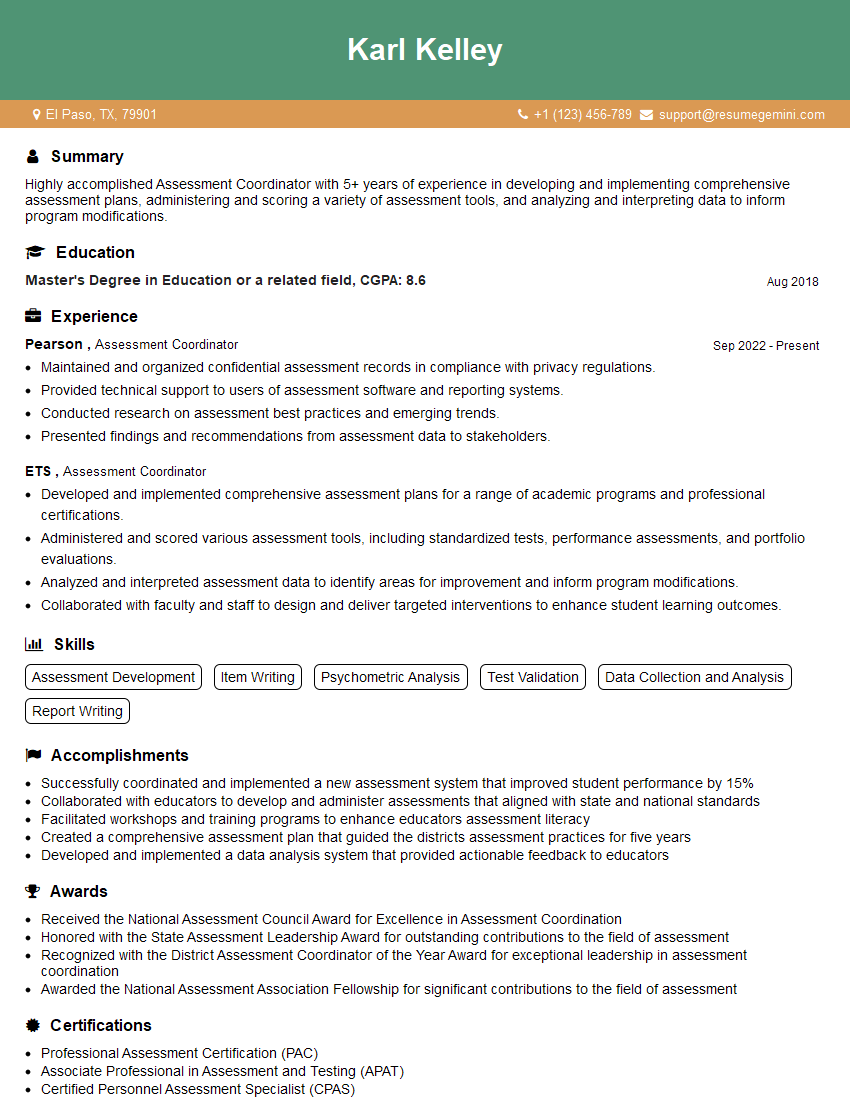
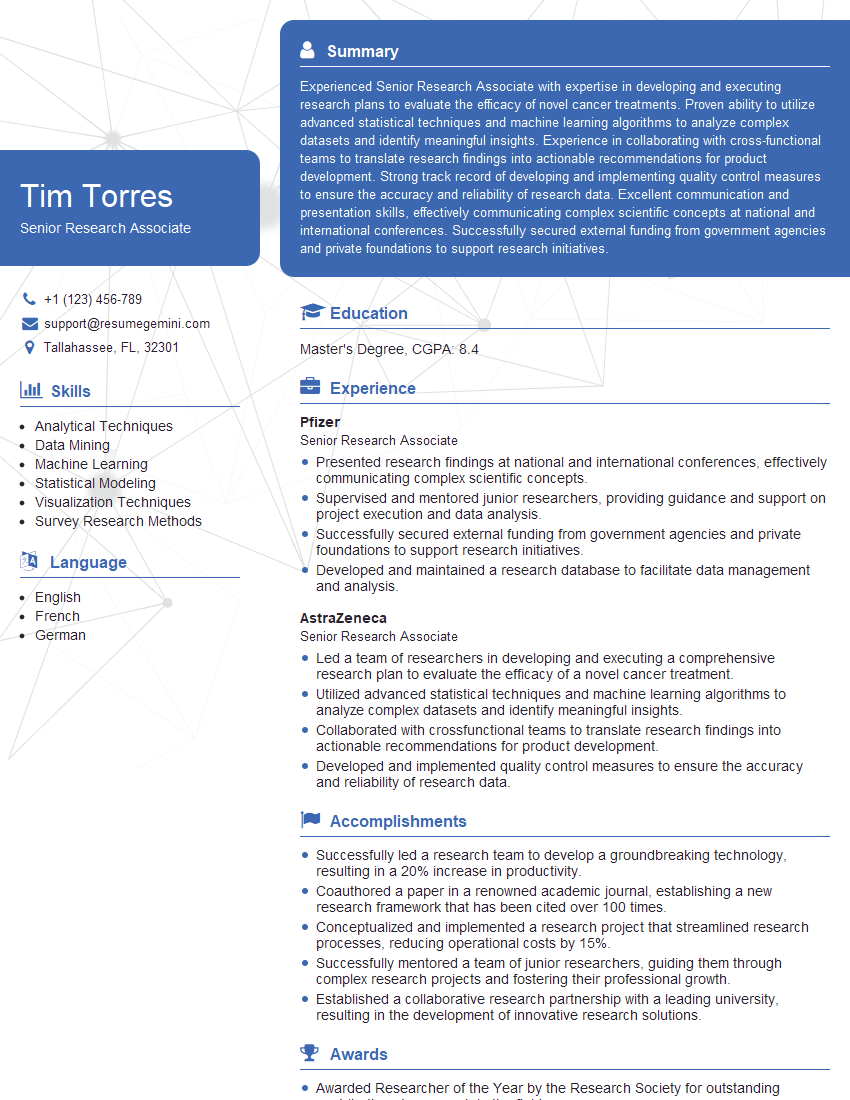
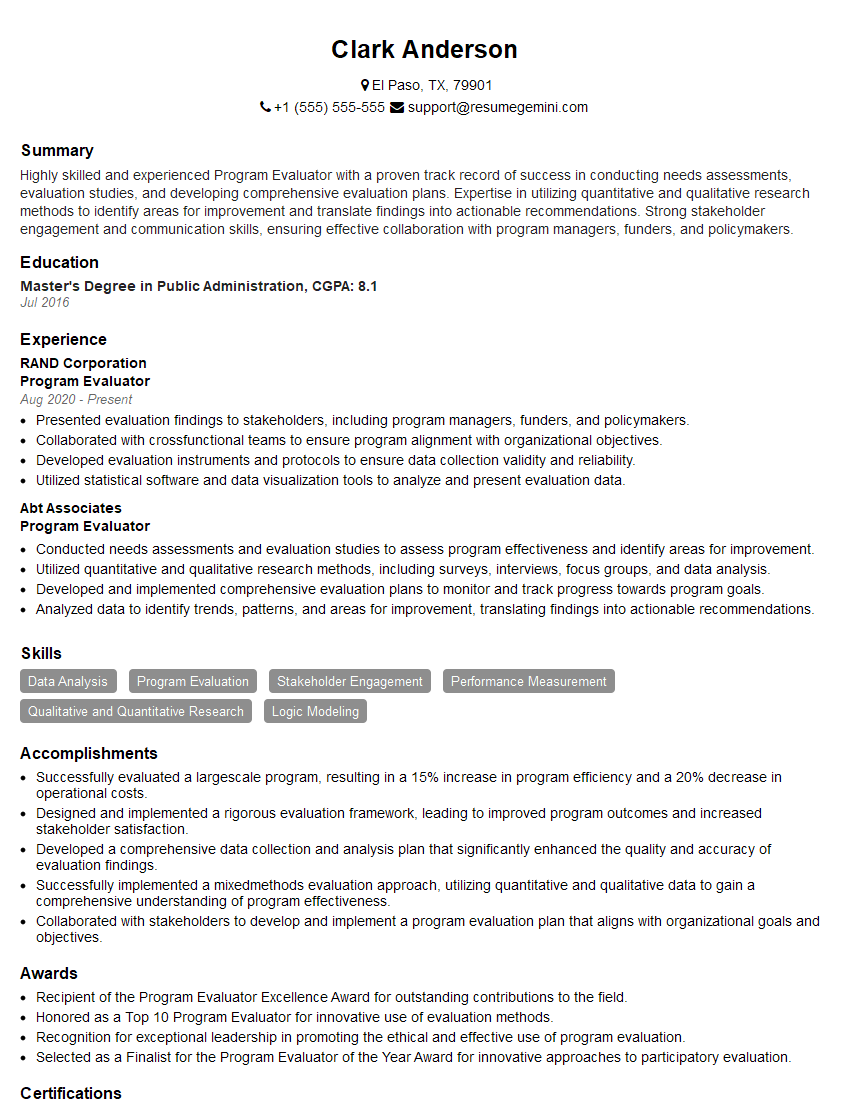
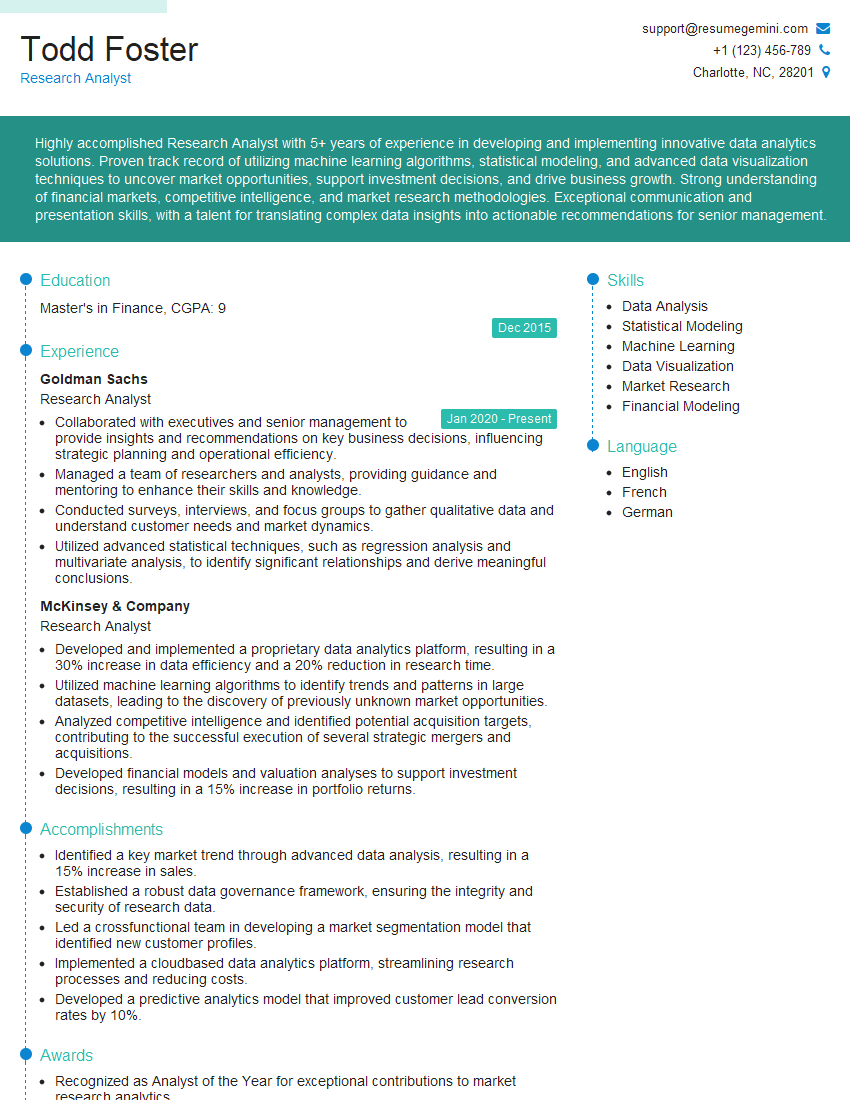
Mastering Visitor Studies and Evaluation opens doors to exciting career opportunities in museums, tourism, UX design, and beyond. A strong understanding of these principles is highly valued by employers and can significantly boost your career trajectory. To maximize your job prospects, creating an ATS-friendly resume is crucial. ResumeGemini is a trusted resource that can help you craft a professional and impactful resume tailored to highlight your skills and experience in Visitor Studies and Evaluation. Examples of resumes specifically designed for this field are available within ResumeGemini to help guide your resume building process.
Explore more articles
Users Rating of Our Blogs
Share Your Experience
We value your feedback! Please rate our content and share your thoughts (optional).
What Readers Say About Our Blog
I Redesigned Spongebob Squarepants and his main characters of my artwork.
https://www.deviantart.com/reimaginesponge/art/Redesigned-Spongebob-characters-1223583608
IT gave me an insight and words to use and be able to think of examples
Hi, I’m Jay, we have a few potential clients that are interested in your services, thought you might be a good fit. I’d love to talk about the details, when do you have time to talk?
Best,
Jay
Founder | CEO