Feeling uncertain about what to expect in your upcoming interview? We’ve got you covered! This blog highlights the most important Online and Mobile Survey Administration interview questions and provides actionable advice to help you stand out as the ideal candidate. Let’s pave the way for your success.
Questions Asked in Online and Mobile Survey Administration Interview
Q 1. What experience do you have with different survey platforms (e.g., Qualtrics, SurveyMonkey, etc.)?
Throughout my career, I’ve extensively used various survey platforms, each with its strengths and weaknesses. Qualtrics, for instance, is a robust platform ideal for complex surveys with branching logic and sophisticated data analysis features. I’ve leveraged its capabilities for large-scale academic research projects, employing its advanced features like A/B testing and integration with other data sources. SurveyMonkey, on the other hand, offers a user-friendly interface, perfect for simpler surveys and quick polls. I’ve used it for smaller-scale market research and internal feedback initiatives, appreciating its ease of use and quick turnaround times. I’ve also worked with Typeform, known for its visually appealing and engaging survey designs, which are particularly effective when targeting younger demographics or requiring a more conversational tone. My experience spans these platforms, allowing me to choose the best tool for each project based on its specific requirements and budget.
Q 2. Explain your process for designing an effective online survey.
Designing an effective online survey is a systematic process. It begins with clearly defining the research objectives – what specific information are we trying to gather? Then, I identify the target audience, as this directly impacts question phrasing and survey length. Next, I develop a detailed questionnaire, focusing on clarity, conciseness, and avoiding bias. This includes choosing appropriate question types (multiple choice, Likert scales, open-ended questions) and meticulously crafting each question to elicit the desired information. Pilot testing is crucial; I’ll administer the survey to a small group before full deployment to identify any issues with clarity or flow. Finally, I design the survey’s visual layout to be intuitive and user-friendly, ensuring a consistent experience across different devices. For example, recently, while designing a customer satisfaction survey, I implemented a progressive disclosure technique, revealing questions only relevant to specific answers, thus making the survey shorter and less overwhelming for participants.
Q 3. How do you ensure the quality and reliability of survey data?
Ensuring data quality and reliability is paramount. I begin by implementing rigorous quality control measures during the survey design phase itself, such as avoiding leading questions and employing clear response options. Data validation checks, built directly into the survey platform, flag incomplete or inconsistent responses. After data collection, I perform thorough data cleaning, addressing issues like outliers, missing values, and inconsistencies. For example, I might use statistical methods to identify and deal with outliers, ensuring that they don’t skew results. Moreover, I meticulously document all data cleaning and processing steps to maintain transparency and reproducibility. I might also employ weighting techniques to adjust for any sampling biases that may have occurred.
Q 4. What are some common challenges in mobile survey administration, and how do you address them?
Mobile survey administration presents unique challenges. Smaller screens can make surveys cumbersome, and respondents might have limited attention spans. I address these by keeping mobile surveys concise and visually appealing, utilizing features like responsive design to ensure optimal viewing on all devices. I might also utilize progressive disclosure mentioned earlier or incorporate multimedia elements like images or videos to enhance engagement. Furthermore, optimizing surveys for speed and minimizing data usage is critical for preventing participant frustration, especially in areas with poor network connectivity. For instance, in a recent project targeting rural communities, I optimized image sizes and implemented a caching mechanism for survey assets to ensure smooth participation.
Q 5. Describe your experience with data cleaning and processing in the context of survey data.
My experience with survey data cleaning and processing involves a multi-step approach. First, I conduct thorough data inspection, identifying missing values, outliers, and inconsistencies. Then, I apply appropriate data cleaning techniques like imputation (replacing missing values based on statistical methods) or outlier removal (excluding data points that significantly deviate from the norm). I’ll also perform data transformation, converting variables to the appropriate format for analysis. For example, I might recode categorical variables into numerical ones to facilitate statistical analysis. Finally, I validate the cleaned data for accuracy and consistency before proceeding to analysis. This process is always meticulously documented to ensure transparency and enable reproducibility. Often, I leverage scripting languages like R or Python to automate many of these processes efficiently.
Q 6. How familiar are you with different sampling techniques?
I am highly familiar with various sampling techniques, understanding their strengths and weaknesses for different research objectives. My experience includes using probability sampling methods like simple random sampling, stratified sampling, and cluster sampling, each suitable for specific research designs. I also have experience with non-probability sampling, including convenience sampling, quota sampling, and snowball sampling. The choice of sampling technique depends heavily on the research goals, budget, and access to the target population. For instance, in a recent project, using stratified random sampling ensured we accurately represented different demographic groups within our sample, preventing biases in our results. I always ensure that the chosen sampling method aligns with the research objectives and that potential limitations of the method are acknowledged and discussed in the report.
Q 7. How do you handle missing data in surveys?
Handling missing data is a critical aspect of survey analysis. My approach involves first identifying the pattern of missing data – is it completely random, missing at random, or non-random? This influences the chosen imputation method. For missing completely at random data, simple imputation techniques like mean/median imputation might be sufficient. However, for more complex patterns, I would employ more sophisticated methods like multiple imputation, which generates multiple plausible datasets to account for the uncertainty introduced by missing data. Furthermore, I always document the missing data handling strategy, clearly stating the methods employed and their potential impact on the results. The goal is to minimize bias and provide a clear and transparent account of how missing data was addressed, and its potential impact on the findings.
Q 8. What are your preferred methods for analyzing survey data?
My preferred methods for analyzing survey data depend heavily on the research question and the type of data collected. For quantitative data, I rely heavily on statistical software packages like SPSS or R. I use descriptive statistics (means, standard deviations, frequencies) to understand the overall distribution of responses. Inferential statistics, such as t-tests, ANOVA, or regression analysis, are used to test hypotheses and identify relationships between variables. For example, if I’m studying customer satisfaction, I might use a t-test to compare satisfaction scores between two different customer segments. For qualitative data, such as open-ended survey responses, I employ thematic analysis. This involves identifying recurring themes and patterns in the data to gain a deeper understanding of participants’ perspectives. Software like NVivo can assist in this process. Often, I combine quantitative and qualitative methods for a more comprehensive analysis, using quantitative findings to inform the interpretation of qualitative data, and vice-versa. This mixed-methods approach offers a richer understanding than relying on a single method.
Q 9. What are the ethical considerations in conducting online and mobile surveys?
Ethical considerations are paramount in online and mobile survey administration. Informed consent is crucial. Participants must understand the purpose of the survey, how their data will be used, and their right to withdraw at any time. Transparency is key; clearly communicate the data collection methods and any potential risks involved. Anonymity and confidentiality must be guaranteed, and appropriate measures must be in place to protect respondent data from unauthorized access or disclosure. Avoiding leading or biased questions is critical for obtaining objective responses. Finally, ensuring the survey is accessible to all participants, regardless of their abilities or technological proficiency, is vital for inclusivity. For example, if conducting a survey on healthcare experiences, I would ensure the language used is easily understood by all participants, and that the survey is accessible through multiple channels to include those with visual or mobility impairments. Ethical breaches can severely damage research credibility and tarnish the reputation of the organization conducting the study.
Q 10. How do you ensure survey respondent anonymity and confidentiality?
Ensuring respondent anonymity and confidentiality involves several key steps. Firstly, I never collect personally identifiable information (PII) unless absolutely necessary and with explicit consent. If PII is required, data is stored securely and access is restricted to authorized personnel only. I utilize de-identification techniques, such as removing names and other identifiers, before analyzing the data. Survey platforms often offer features to manage anonymity, such as randomized respondent IDs instead of names. Data encryption during transmission and storage is essential to protect against unauthorized access. Moreover, I adhere to all relevant data protection regulations, such as GDPR or CCPA, and implement robust data security protocols. A detailed data management plan, outlining how data will be stored, accessed, and destroyed, is always developed and adhered to.
Q 11. What experience do you have with A/B testing in surveys?
I have extensive experience with A/B testing in surveys. This involves creating two or more versions of a survey (e.g., different question wordings, question order, or visual design) and randomly assigning respondents to each version. By comparing the results from each version, I can determine which design element leads to higher response rates, improved data quality, or more accurate results. For example, I might A/B test two different question wordings to see which elicits a higher proportion of complete responses or more consistent answers. I use statistical analysis to compare the results and determine if the differences are statistically significant. Software tools like Qualtrics or SurveyMonkey facilitate A/B testing by offering built-in functionality to create and manage different survey versions and analyze the results. A/B testing enables iterative improvements to survey design, increasing the efficiency and effectiveness of data collection.
Q 12. How do you manage and track survey response rates?
Managing and tracking survey response rates is crucial. I typically set response rate goals before launching a survey. Real-time monitoring of the response rate throughout the survey period is achieved using the features provided by the survey platform used. Reminders and follow-up emails are sent to non-respondents at regular intervals to encourage participation. Response rate calculations are carefully documented, considering the number of eligible participants and the number of completed surveys. Factors affecting response rates, such as survey length, question complexity, and mode of administration, are considered. For example, if the initial response rate is low, I analyse the reasons through pilot testing and possibly survey redesign. Ultimately, a thorough analysis of the response rate, along with an explanation of any limitations, is presented in the final report.
Q 13. How do you handle survey respondent fatigue or non-response bias?
Addressing survey respondent fatigue and non-response bias requires a multifaceted approach. Keeping the survey concise and engaging is paramount. Using visuals, varied question types, and clear instructions can minimize fatigue. Breaking up lengthy surveys into shorter modules, and providing a progress indicator, helps maintain respondent motivation. Incentives, such as gift cards or entry into a raffle, can significantly improve response rates. Non-response bias, where certain segments of the population are underrepresented, is a major concern. Statistical techniques, such as weighting, can be employed to adjust for non-response bias. Post-survey analysis may reveal patterns in non-response, suggesting areas for improvement in future surveys. For instance, if the survey is too long, I’ll shorten it. If the questions are too complex, I’ll simplify them. A thorough investigation of the reasons behind non-response and the potential implications for the results is essential.
Q 14. Explain your experience with creating and managing survey logic and branching.
My experience with creating and managing survey logic and branching is extensive. Survey logic allows for dynamic survey design, where questions are presented conditionally based on previous responses. This makes surveys more efficient and relevant to individual respondents. For instance, if a respondent answers ‘yes’ to a question about owning a pet, the next question might ask about the type of pet; if they answer ‘no’, that question is skipped. I use branching to create different pathways through the survey, tailoring the experience to each participant. Most survey platforms offer tools to implement logic and branching using visual interfaces or scripting languages. For example, in Qualtrics, you can use branching logic to create complex survey flows easily. If (Q1 = 'Yes') then display Q2 else skip to Q3. Properly implemented logic and branching significantly enhances data quality and respondent engagement by presenting only relevant questions, making the survey experience more personalized and efficient.
Q 15. How do you incorporate accessibility considerations into your survey designs?
Accessibility in survey design is crucial for inclusivity and ensuring that all potential respondents can participate. It involves designing surveys that are usable by people with disabilities, encompassing visual, auditory, motor, and cognitive impairments. This isn’t just about being ethical; it’s about expanding your reach and obtaining a more representative dataset.
- Visual Accessibility: Using sufficient color contrast between text and background, providing alternative text for images (alt tags), ensuring sufficient font size and readability, and offering a high-contrast mode option.
- Auditory Accessibility: Providing transcripts for audio content, ensuring compatibility with screen readers, and avoiding relying solely on audio cues.
- Motor Accessibility: Designing the survey to be navigable using only a keyboard, supporting various input methods (e.g., touch, voice), and avoiding overly complex interactions. Think of respondents who may have limited dexterity.
- Cognitive Accessibility: Keeping the language clear and concise, avoiding jargon and complex sentence structures, using simple question types, and providing clear instructions. Consider using progressive disclosure to break down complex information into smaller, more manageable chunks. Also, allow for skipping questions or sections as appropriate.
For example, I once worked on a health survey where we used ARIA attributes (Accessible Rich Internet Applications) in our code to ensure proper screen reader compatibility. This allowed respondents using assistive technologies to easily navigate and complete the survey.
Career Expert Tips:
- Ace those interviews! Prepare effectively by reviewing the Top 50 Most Common Interview Questions on ResumeGemini.
- Navigate your job search with confidence! Explore a wide range of Career Tips on ResumeGemini. Learn about common challenges and recommendations to overcome them.
- Craft the perfect resume! Master the Art of Resume Writing with ResumeGemini’s guide. Showcase your unique qualifications and achievements effectively.
- Don’t miss out on holiday savings! Build your dream resume with ResumeGemini’s ATS optimized templates.
Q 16. What are your strategies for maximizing survey response rates?
Maximizing survey response rates requires a multi-pronged approach focusing on pre-survey planning, engaging design, and thoughtful follow-up. Think of it like a marketing campaign for your research.
- Incentivize Participation: Offer rewards, such as gift cards or entry into a raffle. Even a simple ‘thank you’ message can increase response rates.
- Keep it Short and Sweet: Time is valuable; a shorter survey will significantly improve completion rates. Focus on essential questions and avoid unnecessary length.
- Personalized Invitations: Addressing respondents by name and tailoring the invitation to their context increases the likelihood of participation.
- Multiple Contact Methods: Send invitations via email, SMS, or even through social media, catering to respondents’ preferred channels.
- Reminders and Follow-ups: Send gentle reminders to those who haven’t yet responded, and tailor the reminders based on the initial response (or lack thereof).
- Pre-notification: Letting respondents know a survey is coming ahead of time helps manage expectations.
- Survey Platform Selection: Choose a reputable platform that offers mobile responsiveness, seamless user experience and potentially supports features like progress indicators.
In a past project, we saw a 20% increase in response rates by simply adding a personalized thank-you message at the end and offering a small incentive.
Q 17. Describe your experience with integrating survey data with other data sources.
Integrating survey data with other data sources is crucial for gaining a more comprehensive understanding of your subject matter. This involves merging data from your survey with data from other databases, CRM systems, or even external APIs.
- Data Cleaning and Preparation: Before integration, you need to ensure the data is clean, consistent, and in a suitable format for merging. This may involve removing duplicates, handling missing values, and standardizing data types. This is arguably the most time consuming step.
- Data Matching and Linking: Identify common variables or keys (e.g., respondent ID, email address) to link records across different datasets. This requires careful planning and understanding of the data structures.
- Data Transformation: You may need to transform data to a consistent format, possibly renaming variables or recoding values to align across datasets.
- Data Analysis Software: Use software like R, Python (with libraries like Pandas and SQL Alchemy), or specialized statistical packages to perform the integration and analysis. The specifics heavily depend on the data structure and volume.
For instance, I integrated customer satisfaction survey data with sales data to identify correlations between customer feedback and revenue generation. This allowed us to pinpoint areas for improvement that had direct business impact. I used Python with the Pandas library to manipulate and merge the data efficiently.
Q 18. How do you ensure the security of survey data?
Security is paramount when handling survey data. Protecting respondent privacy and confidentiality is both an ethical and legal imperative. This involves measures throughout the survey lifecycle.
- Data Encryption: Encrypting data both in transit (using HTTPS) and at rest (using database encryption) is crucial.
- Access Control: Implementing strict access controls to limit who can view and modify the data. This involves using role-based access control (RBAC) and strong passwords.
- Secure Survey Platform: Choosing a reputable survey platform with robust security measures is essential. Look for platforms that comply with relevant data protection regulations (e.g., GDPR, CCPA).
- Anonymization and De-identification: Wherever possible, anonymize or de-identify data to remove direct links to respondents.
- Regular Security Audits: Conducting regular security audits and penetration testing to identify and address vulnerabilities.
In one project, we employed end-to-end encryption, anonymization techniques, and a robust access control system to ensure the complete security and confidentiality of sensitive health data collected through our survey.
Q 19. What is your experience with reporting survey results and findings?
Reporting survey results effectively involves translating raw data into meaningful insights that are easily understood by the intended audience. This requires a combination of technical skills and communication abilities.
- Data Visualization: Using charts, graphs, and tables to present findings visually appealing and easy to grasp. Tools such as Tableau, Power BI, or even basic spreadsheet software can be used.
- Statistical Analysis: Employing appropriate statistical techniques to analyze data and draw meaningful conclusions. This could involve descriptive statistics (means, medians, frequencies), inferential statistics (t-tests, ANOVA), or more advanced methods depending on the research question.
- Report Writing: Creating clear and concise reports that summarize the research objectives, methods, results, and conclusions. Focus on telling a story with the data.
- Data Presentation: Presenting findings effectively to stakeholders, using clear and concise language, avoiding jargon, and highlighting key insights. Consider the audience’s level of statistical literacy.
I’ve presented survey results to diverse audiences, from executives to research teams, adapting my communication style and level of detail to effectively convey the key findings and recommendations.
Q 20. What are some common biases in survey research, and how do you mitigate them?
Survey research is susceptible to various biases that can skew results and lead to inaccurate conclusions. Addressing these biases is critical for ensuring the validity and reliability of the research.
- Sampling Bias: Occurs when the sample doesn’t accurately represent the population of interest. Strategies to mitigate this include using random sampling techniques, stratified sampling, and weighting data to adjust for imbalances.
- Response Bias: Arises from differences between those who respond and those who don’t. This can be reduced by maximizing response rates (as discussed earlier) and using techniques like weighting to adjust for non-response bias.
- Question Bias: Occurs when questions are worded in a way that influences responses. Careful question wording, pretesting, and cognitive interviewing can help minimize this.
- Social Desirability Bias: Respondents may provide answers they believe are socially acceptable rather than their true beliefs. Ensuring anonymity and using techniques like randomized response can mitigate this.
- Order Effects: The order of questions can influence responses. Randomizing question order can help alleviate this.
For example, in a study on political attitudes, we employed stratified sampling to ensure representation across different demographic groups and randomized question order to avoid potential order effects.
Q 21. Describe your experience with using different question types in surveys (e.g., Likert scales, multiple choice, open-ended).
Choosing the right question type is crucial for collecting accurate and meaningful data. Each question type serves a different purpose and has strengths and weaknesses.
- Likert Scales: Measure attitudes or opinions using a range of responses (e.g., strongly agree to strongly disagree). They are easy to administer and analyze, but can be susceptible to response bias.
- Multiple Choice Questions: Offer a fixed set of responses from which respondents choose. They are simple and easy to analyze, but may not capture the full range of opinions if the options are limited.
- Open-Ended Questions: Allow respondents to provide free-form text answers. They provide rich qualitative data but are more difficult and time-consuming to analyze.
- Ranking Questions: Ask respondents to rank options in order of preference or importance. They are useful for understanding preferences but can become cumbersome if there are many options.
- Matrix Questions: Present multiple questions using a grid format, making it efficient for collecting data on similar constructs. However, careful design is needed to avoid respondent fatigue.
In a customer satisfaction survey, I used a combination of Likert scales to measure overall satisfaction, multiple-choice questions to gather demographic information, and open-ended questions to allow customers to provide more detailed feedback.
Q 22. How do you interpret and present complex statistical data from surveys?
Interpreting and presenting complex statistical data from surveys requires a multi-faceted approach. It’s not just about crunching numbers; it’s about telling a compelling story with the data. I begin by summarizing key findings in plain language, avoiding jargon wherever possible. Then, I use a combination of descriptive and inferential statistics to paint a comprehensive picture. For example, I might use descriptive statistics like means, medians, and standard deviations to describe the sample’s characteristics. To understand relationships between variables, I’d employ inferential statistics like correlation analysis, regression analysis, or chi-square tests, depending on the data type and research question.
Visualizations are crucial. I leverage various tools to present the data effectively, choosing the most appropriate chart type for each finding. For instance, bar charts effectively compare categories, while line graphs show trends over time. Scatter plots illustrate correlations between variables, and pie charts display proportions. I always ensure charts are clearly labeled, with titles, axis labels, and legends that are easy to understand. Finally, I prepare a comprehensive report, including the methodology, data analysis, findings, and conclusions, tailored to the audience’s level of statistical expertise.
For example, in a survey on customer satisfaction, instead of simply stating ‘The average satisfaction score was 7.2 out of 10’, I’d present a visual showing the distribution of scores across different customer segments, identifying areas needing attention. I might also correlate satisfaction scores with specific product features to pinpoint areas of improvement.
Q 23. What are your experience with validating survey instruments?
Validating survey instruments is critical for ensuring data quality and reliability. My experience encompasses various validation techniques, starting with content validity, where I meticulously check if the survey items adequately cover the intended construct. For instance, if measuring customer satisfaction with a product, I’d ensure the questions cover all relevant aspects – usability, features, customer service etc.
Next, I assess construct validity, often using factor analysis to identify underlying latent variables. This helps determine if the survey actually measures what it’s supposed to. Reliability is assessed using techniques like Cronbach’s alpha, to evaluate internal consistency. A high alpha score (typically above 0.7) indicates that the items within a scale are measuring the same underlying concept consistently. Pilot testing with a small group before a full-scale deployment allows for refining questions and identifying potential issues. This feedback is crucial in addressing ambiguities and improving the survey’s overall clarity and effectiveness. In a real-world project, I once identified a low reliability score for a specific scale in a customer loyalty survey. After careful review and revision, and re-testing we achieved a significantly improved reliability score, ensuring a far more accurate and trustworthy measure.
Q 24. How do you handle unexpected technical issues during a survey administration?
Handling unexpected technical issues during survey administration demands a proactive and systematic approach. My strategy involves a multi-layered approach to minimize disruption and maximize data recovery. First, I have backup systems and contingency plans in place. This might involve multiple hosting platforms or using offline data collection methods as a backup. A robust survey platform with good technical support is essential.
When issues occur, my first step is identifying the problem – is it a server issue, a browser incompatibility, or a problem with specific questions? I then implement immediate solutions, like sending out email alerts to participants with temporary workarounds or temporarily suspending the survey to fix the problem. Detailed logging helps identify the cause and frequency of errors, and helps make informed decisions. Transparent communication with respondents and stakeholders is key. I keep them informed about the issue and the steps taken to address it. For example, during a large-scale survey, I once encountered a server overload. By immediately switching to a secondary server and informing participants via email, I minimized the disruption and ensured completion of the survey.
Q 25. How familiar are you with different data visualization tools?
I am proficient in a range of data visualization tools, including widely-used software packages such as SPSS, R, and Python (with libraries like Matplotlib and Seaborn). I also have experience with interactive dashboarding tools like Tableau and Power BI for creating dynamic and engaging visualizations that allow for deeper exploration of the data. My choice of tool depends on the complexity of the data, the audience, and the desired level of interactivity. For simple analyses and presentations, I might use spreadsheet software, while more complex datasets might require specialized statistical software.
Beyond the technical aspects, my expertise lies in selecting the most appropriate chart type for each data set. A bar chart is suitable for comparing different categories, while a line graph is better for displaying trends over time. Heatmaps are very useful for showing correlations or patterns in large data sets. I always strive for clear and effective communication through visualization, ensuring the charts are easy to interpret and add value to the overall analysis. For instance, in presenting results from a market research survey, I would use an interactive dashboard in Tableau to allow stakeholders to explore different segments of the market and drill down into specific aspects of the data that interest them most.
Q 26. How do you adapt survey methodologies to different target populations?
Adapting survey methodologies to different target populations is crucial for achieving accurate and representative results. The key is understanding the unique characteristics of each population and tailoring the survey design accordingly. This includes considering factors like language, literacy levels, cultural norms, and technological access. For example, a survey targeting a low-literacy population might require a simplified questionnaire with more visual aids or the option of a phone interview.
Translation and cultural adaptation are critical when working with diverse populations. Direct translation is often insufficient; cultural nuances must be considered to ensure accurate interpretation. Cognitive testing is useful for validating the survey’s comprehensibility and clarity within the target group. It may also inform the choice of response formats (e.g., multiple-choice, open-ended, visual scales) to match the respondent’s capabilities and preferences. Choosing the right sampling method (e.g., stratified sampling) is important to ensure representative samples from different subgroups of the population. For a survey on healthcare access in a rural area, for instance, I’d use stratified sampling to ensure representation from various demographics, and I would make sure the language used is appropriate for the local population, offering phone interviews as an alternative option where internet access is limited.
Q 27. What is your experience with international survey administration?
My experience with international survey administration involves navigating the complexities of cultural differences, language barriers, and logistical challenges. This includes managing translations, adapting questionnaires to suit local contexts, and employing appropriate sampling techniques to ensure representativeness. It also requires familiarity with diverse data privacy regulations and ethical considerations in different countries.
Working on international surveys, I carefully select translators who are familiar with both the source and target languages, ensuring the equivalence in meaning and cultural appropriateness. I frequently use back-translation to verify the accuracy of the translation. I also collaborate with local researchers or experts to ensure the survey is culturally sensitive and relevant. Logistically, I might utilize translation management software, and use different survey platforms or modes of data collection depending on the infrastructure and technological access in each region. For example, on a global customer satisfaction project, I coordinated with local teams in several countries to adapt the survey, manage translation, and conduct local data collection, ensuring compliance with data privacy regulations in each jurisdiction.
Q 28. How do you stay current with best practices in online and mobile survey administration?
Staying current with best practices in online and mobile survey administration requires a continuous learning approach. I actively participate in professional development activities like attending conferences and webinars, reading industry publications, and engaging with online communities. I regularly review the latest research on survey methodology and technological advancements. The field is constantly evolving, with new tools and techniques emerging regularly. Staying updated means understanding new features of survey platforms, data analysis tools, and emerging trends in research methodology.
Membership in professional organizations, like the American Association for Public Opinion Research (AAPOR), keeps me informed about current debates, ethical guidelines, and best practices. Following relevant journals, blogs, and online forums allows me to stay abreast of emerging challenges and cutting-edge research. I also actively experiment with new technologies and methodologies in my work, constantly testing and refining techniques to enhance survey design and analysis. This ensures that I’m equipped to provide clients with the most effective and up-to-date solutions in online and mobile survey administration.
Key Topics to Learn for Online and Mobile Survey Administration Interview
- Survey Design & Methodology: Understanding different question types, survey structures (branching logic, piping), and the impact of design choices on data quality and respondent experience. Practical application: Critically evaluating existing survey designs for potential improvements.
- Survey Platforms & Tools: Familiarity with popular survey platforms (Qualtrics, SurveyMonkey, etc.) and their features, including data collection, analysis, and reporting capabilities. Practical application: Demonstrating proficiency in using at least one platform to create and manage a survey project.
- Data Management & Cleaning: Techniques for importing, cleaning, and preparing survey data for analysis. Understanding data validation and handling missing data. Practical application: Explaining your process for identifying and resolving inconsistencies in survey data.
- Mobile Survey Optimization: Designing surveys that are optimized for mobile devices, considering factors such as screen size, user interface, and accessibility. Practical application: Describing strategies to improve mobile respondent engagement and completion rates.
- Data Security & Privacy: Implementing measures to ensure data security and respondent privacy compliance (e.g., GDPR, CCPA). Practical application: Discussing protocols for protecting sensitive data collected through online and mobile surveys.
- Reporting & Analysis: Creating effective visualizations and reports to communicate survey findings to stakeholders. Understanding basic statistical concepts relevant to survey data analysis. Practical application: Presenting key findings from a hypothetical survey, drawing meaningful conclusions.
- Project Management & Collaboration: Managing survey projects effectively, collaborating with teams, and meeting deadlines. Practical application: Describing your approach to managing a complex survey project from start to finish.
Next Steps
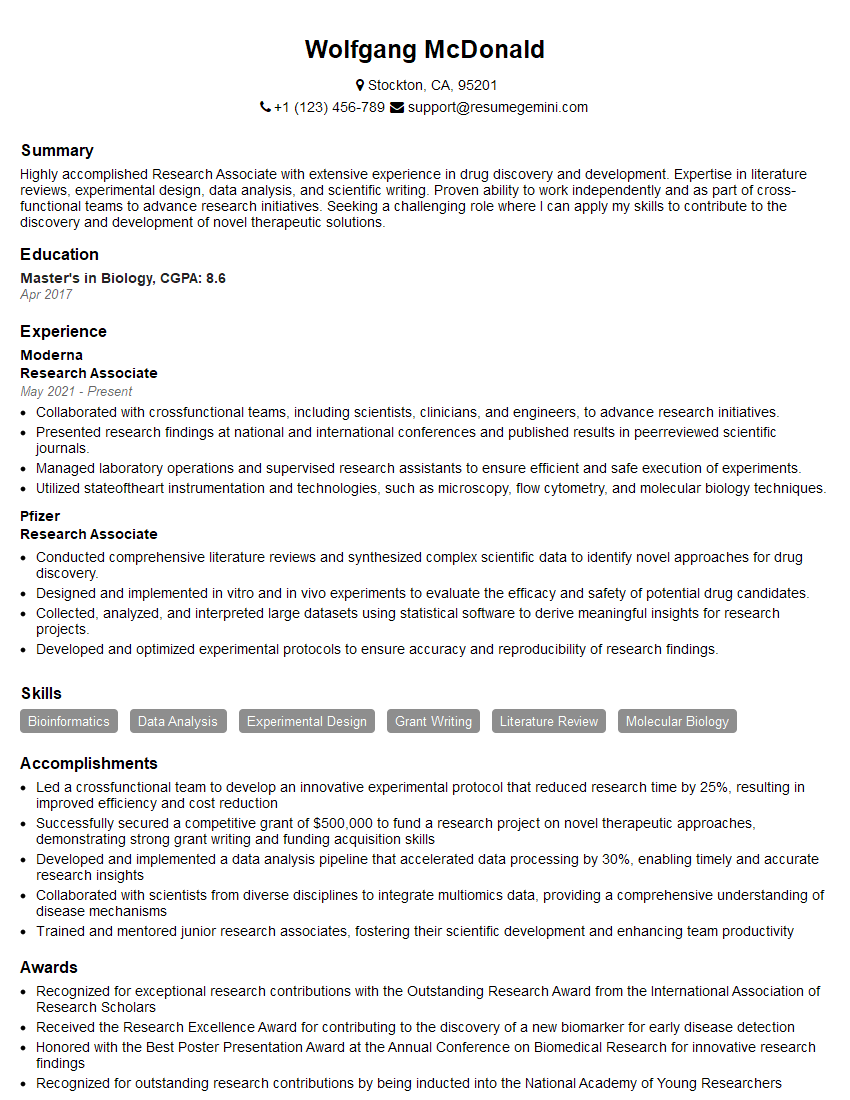
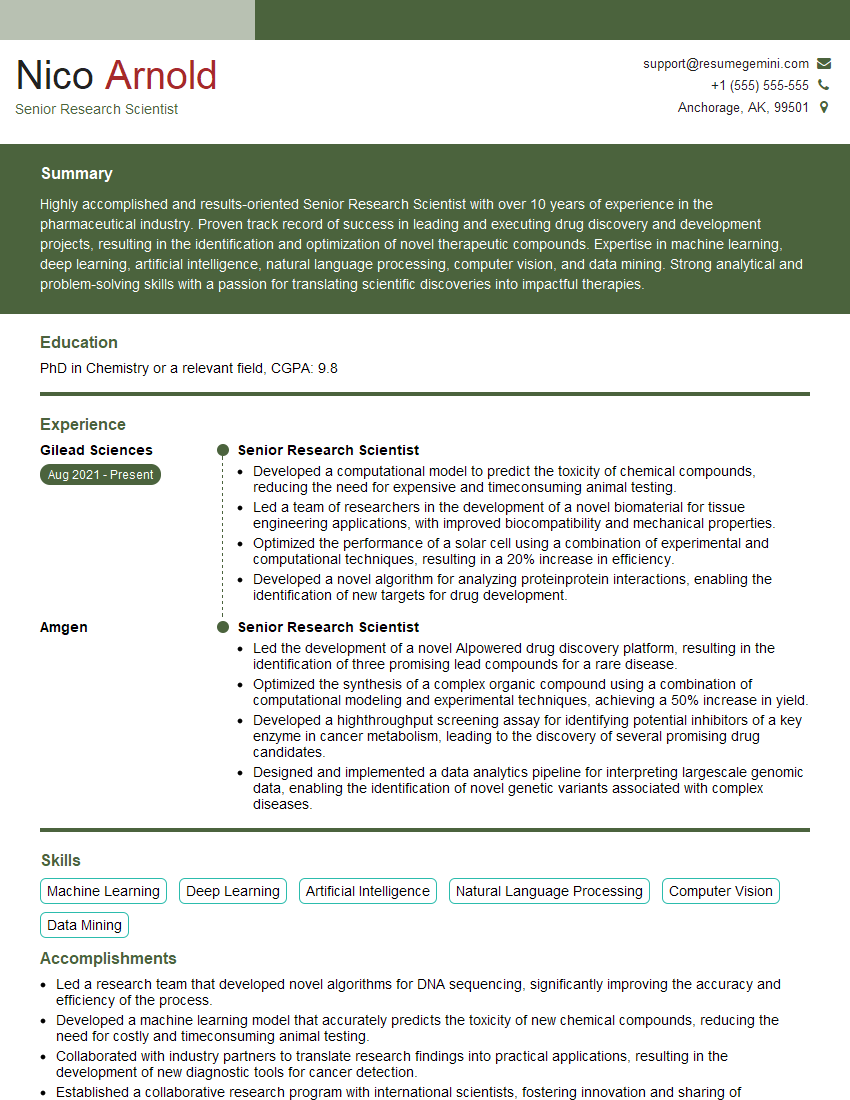
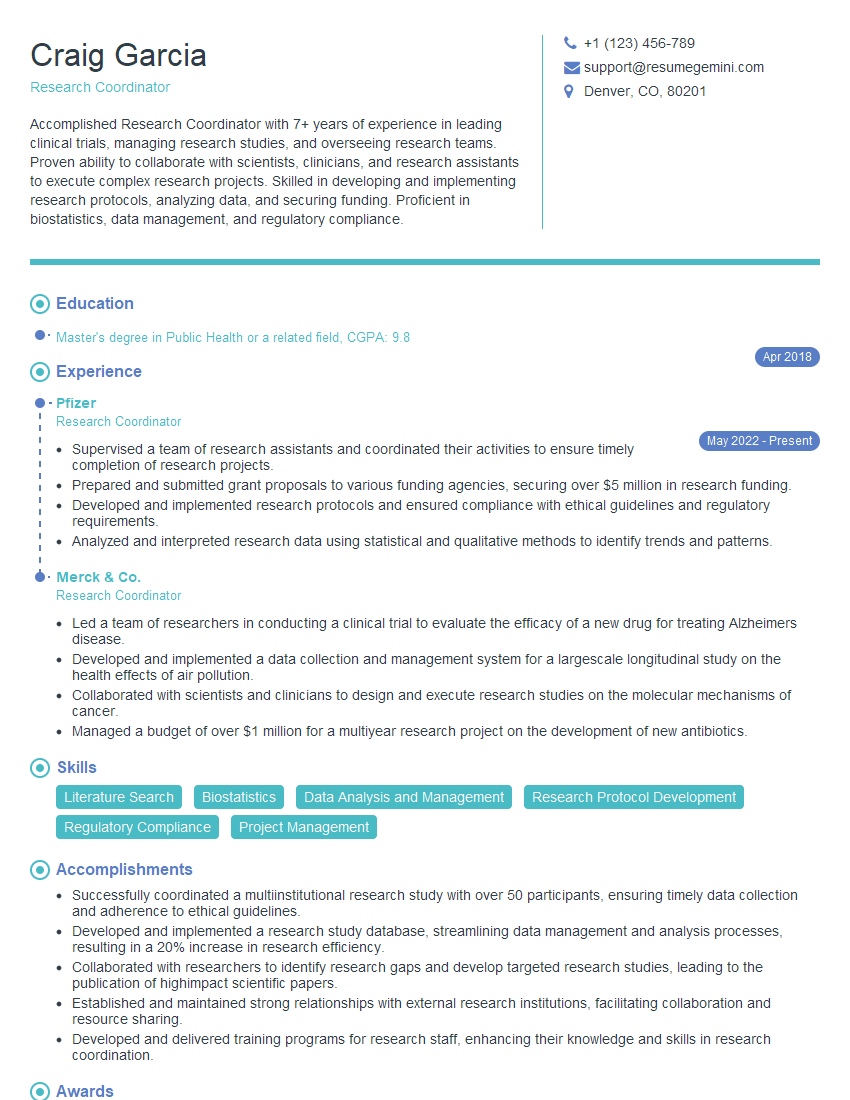
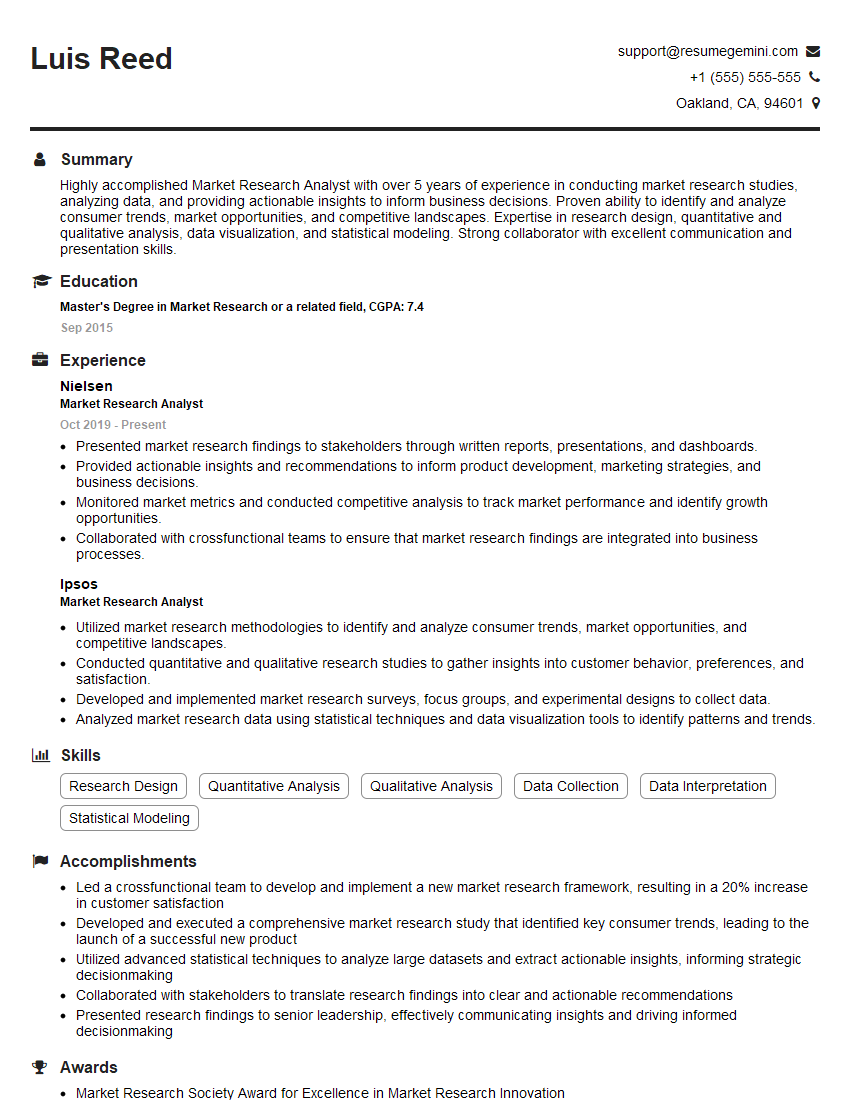
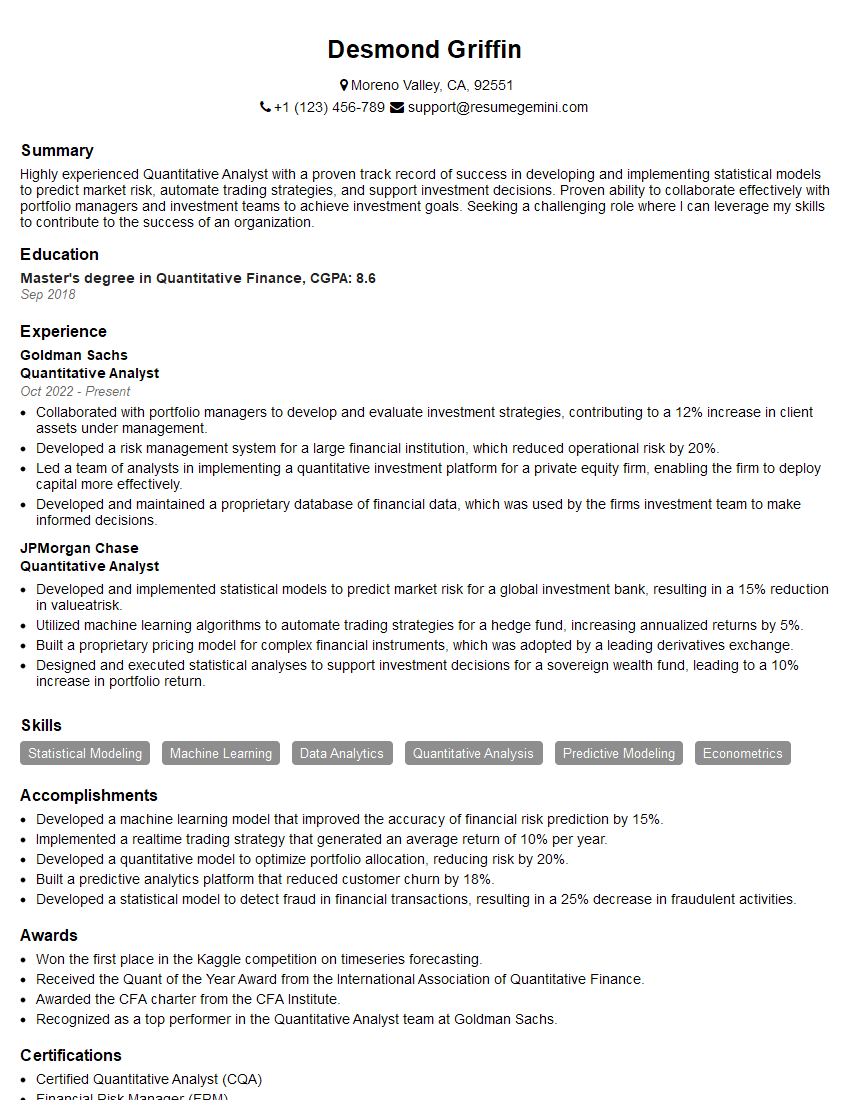
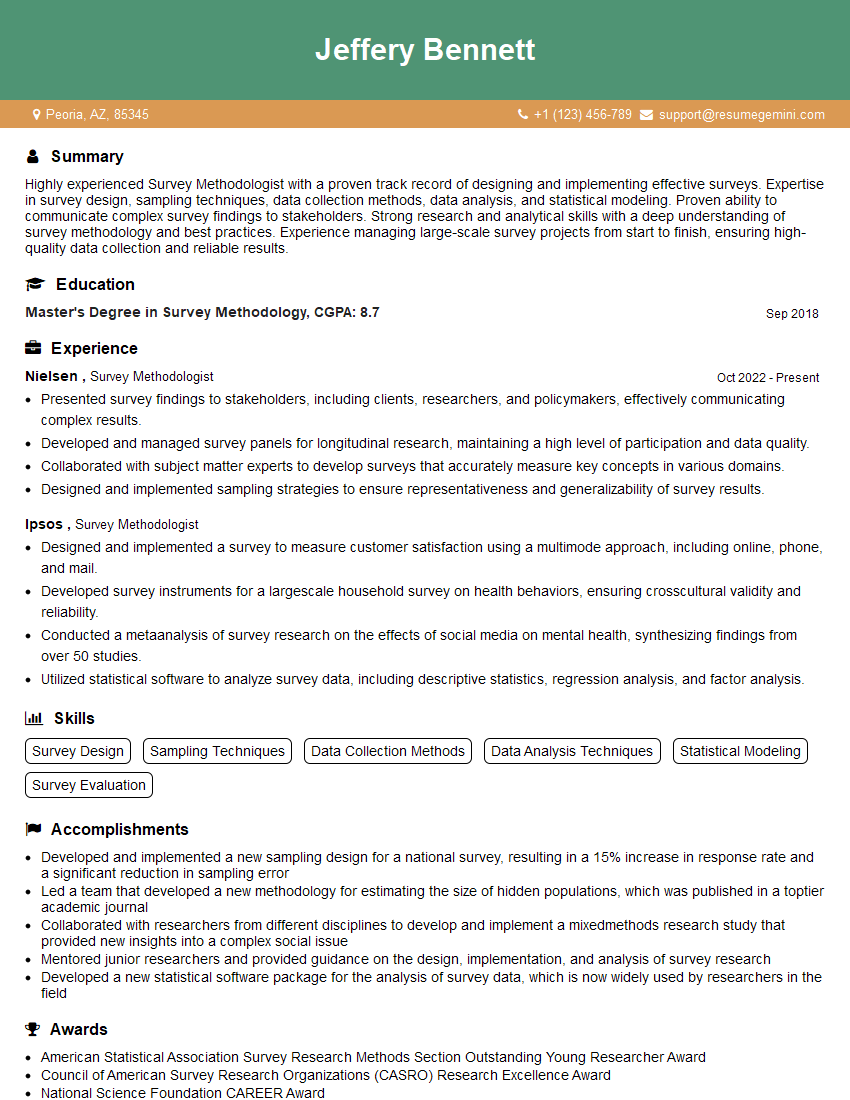
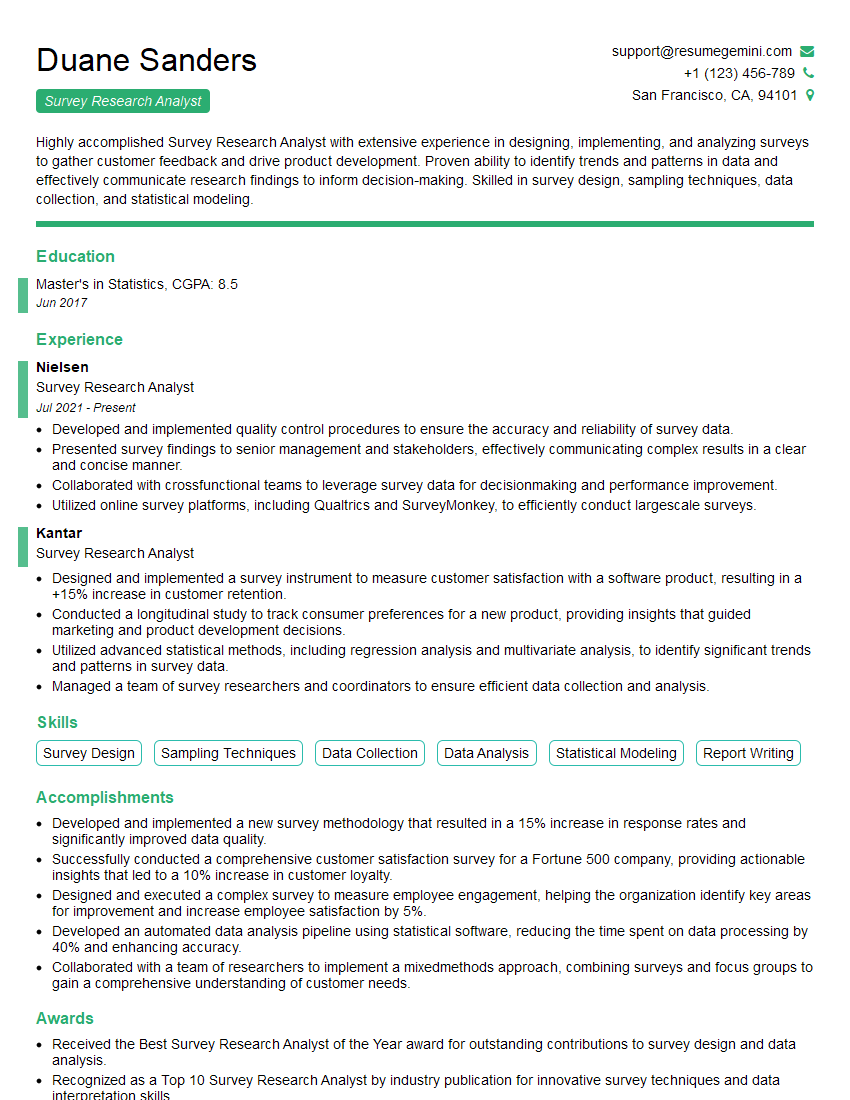
Mastering online and mobile survey administration opens doors to exciting careers in market research, data analysis, and user experience. A strong understanding of these concepts is highly valued by employers across diverse industries. To maximize your job prospects, focus on building an ATS-friendly resume that showcases your skills and experience effectively. ResumeGemini is a trusted resource that can help you create a professional and impactful resume tailored to your specific career goals. Examples of resumes tailored to Online and Mobile Survey Administration are available to guide you.
Explore more articles
Users Rating of Our Blogs
Share Your Experience
We value your feedback! Please rate our content and share your thoughts (optional).
What Readers Say About Our Blog
Really detailed insights and content, thank you for writing this detailed article.
IT gave me an insight and words to use and be able to think of examples