Interviews are more than just a Q&A session—they’re a chance to prove your worth. This blog dives into essential Operating Forklifts and Other Material Handling Equipment interview questions and expert tips to help you align your answers with what hiring managers are looking for. Start preparing to shine!
Questions Asked in Operating Forklifts and Other Material Handling Equipment Interview
Q 1. What types of forklift certifications do you hold?
I hold a valid certification in operating all classes of forklifts, including those powered by propane, electric, and diesel engines. This certification was obtained through a nationally recognized training program that included both theoretical instruction and extensive hands-on practical training, covering safety procedures, pre-operational checks, and various operating techniques. My certification is current and up-to-date, and I regularly participate in refresher courses to maintain my proficiency and knowledge of the latest safety regulations and best practices.
Q 2. Describe your experience operating different types of forklifts (e.g., sit-down, stand-up, reach truck).
My experience encompasses a wide range of forklift types. I’m proficient in operating sit-down counterbalance forklifts – these are the most common type and I’ve used them extensively for transporting and stacking pallets in various warehouse settings. I’m also comfortable with stand-up reach trucks, ideal for narrow aisles and high-stacking applications. I’ve had experience with order pickers, which are very useful for retrieving goods from various levels within a warehouse. In my previous role, I also operated a side-loader forklift, perfect for handling long and awkward loads like lumber or pipes, and this required a slightly different approach to driving and load stability than the other models. Each type requires its own set of skills, and I’ve adapted my technique accordingly, always prioritizing safety.
Q 3. Explain the pre-operational inspection checklist for a forklift.
A pre-operational inspection is crucial for safe forklift operation. My checklist always includes:
- Visual Inspection: Checking for any damage to the forks, mast, tires, body, and lights.
- Fluid Levels: Verifying the levels of engine oil, hydraulic fluid, coolant, and battery fluid (if applicable).
- Tires: Inspecting tire pressure and condition for any cuts or wear.
- Brakes: Testing the service and parking brakes to ensure they function correctly. This is a critical safety check.
- Horn: Checking if the horn is working properly.
- Lights and Indicators: Ensuring all lights (headlights, brake lights, indicators) are functioning correctly.
- Steering: Testing the responsiveness of the steering system.
- Safety Features: Inspecting the seatbelt, emergency stop button, and other safety mechanisms.
- Load Capacity Plate: Checking for load capacity information to ensure we do not overload the forklift.
If any issues are detected, I immediately report them to my supervisor and refrain from operating the equipment until repairs are made. This systematic check helps prevent accidents and ensures the forklift is in optimal working condition.
Q 4. How do you ensure the safe operation of a forklift in a busy warehouse environment?
Safe operation in a busy warehouse involves constant vigilance and adherence to strict safety protocols. This includes:
- Maintaining a safe speed: Adjusting speed according to the environment; slower speeds in congested areas are essential.
- Honking frequently: Using the horn to alert pedestrians and other forklift operators of my presence.
- Using signals: Properly utilizing the forklift’s turn signals and lights to indicate my intentions.
- Maintaining a safe following distance: Allowing ample space to react to any sudden stops or changes in movement of other vehicles or personnel.
- Checking blind spots: Regularly checking mirrors and blind spots before any movement.
- Avoiding abrupt movements: Making smooth and controlled movements to minimize the risk of accidents or sudden spills.
- Adhering to traffic flow patterns: Following designated traffic lanes and avoiding unnecessary congestion.
- Communication: Clear communication with other employees and warehouse personnel is key to maintaining safety.
Essentially, it’s about being aware of your surroundings at all times and operating predictably and safely. I treat every situation as a potential hazard until proven otherwise.
Q 5. What are the load capacity limits for the forklifts you’ve operated?
The load capacity limits vary depending on the specific forklift model. I’ve operated forklifts with capacities ranging from 3,000 pounds to 8,000 pounds. I always carefully check the load capacity plate on each forklift before operation and never exceed the stated limit. Overloading a forklift is extremely dangerous and can lead to serious accidents, including equipment damage and personal injury. I always err on the side of caution and, if unsure, I consult with my supervisor.
Q 6. Describe your experience with pallet stacking and racking procedures.
Pallet stacking and racking procedures are crucial for efficient warehouse operations and safety. My experience includes proper stacking techniques to prevent damage to goods and to maintain load stability. I understand the importance of even weight distribution, and avoid overloading racks or stacking pallets unevenly. I’m familiar with various racking systems and know how to select appropriate racking heights and methods to accommodate different pallet sizes and weights. I am always mindful of the weight restrictions of the racking system and adhere to all warehouse specific protocols for proper stacking procedures. This includes ensuring that pallets are placed securely, avoiding overhangs, and ensuring all loads are properly secured.
Q 7. How do you handle a situation where you encounter a mechanical problem with a forklift?
If I encounter a mechanical problem, my first priority is safety. I immediately stop operating the forklift and turn off the engine or power source. Then, I perform a quick assessment to determine the nature of the problem. If it’s a minor issue that I can safely address (like a loose bolt), I may make temporary repairs, after informing my supervisor. However, for more serious issues – hydraulic leaks, engine trouble, or electrical faults – I immediately report the problem to my supervisor, providing a detailed description of the issue and any observed symptoms. I will then secure the forklift to prevent unauthorized use and await instructions from maintenance personnel. Safety is paramount; I never attempt repairs beyond my capabilities.
Q 8. What safety measures do you take when operating a forklift near pedestrians?
Operating a forklift around pedestrians demands utmost caution. My primary safety measure is to always prioritize visibility and communication. Before moving, I conduct a thorough 360-degree visual check, using my mirrors and looking directly in all directions. I use my horn frequently, especially in blind spots or congested areas, to warn pedestrians of my approach. I also maintain a slow, controlled speed, especially when near people, and avoid sudden movements that could startle them. Think of it like driving a car in heavy traffic – constant awareness and defensive driving are crucial. I also adhere strictly to designated pedestrian walkways and maintain a safe distance. If a situation feels unsafe, I’ll stop and wait for a better opportunity to proceed.
For example, if I’m moving a load in a busy warehouse, I’ll proceed slowly, sounding my horn at regular intervals, and if I see someone unexpectedly close, I’ll stop completely, ensuring safe passage before continuing.
Q 9. Explain your understanding of load stability and center of gravity.
Load stability and center of gravity are fundamental to safe forklift operation. The center of gravity is the point where the weight of an object is evenly distributed. If the center of gravity is too high or too far forward or backward, the load becomes unstable and prone to tipping. A load becomes unstable when its center of gravity is outside the forklift’s support base (the area between the wheels).
Imagine a stack of boxes. If they’re neatly stacked and balanced, the center of gravity is low, and the load is stable. However, if the boxes are unevenly stacked or top-heavy, the center of gravity shifts upwards, increasing the risk of the load tipping. To maintain load stability, I ensure the load is evenly distributed, the forks are fully inserted, and the load is secured appropriately using straps or other methods. I always avoid overloading the forklift, which raises the center of gravity and greatly increases the risk of an accident. I also adjust my speed based on the load’s stability; unstable loads require extra care and slower movement.
Q 10. How do you handle different types of loads (e.g., oversized, unstable)?
Handling different types of loads requires adaptable techniques. For oversized loads, I’ll utilize specialized attachments like side-shifters or extendable forks to distribute the weight evenly and ensure stability. I’ll also conduct a more detailed pre-lift assessment, considering the load’s dimensions and weight distribution to determine the safest route and handling method. For unstable loads, like loose materials, I use appropriate securing methods, such as netting or straps, to prevent shifting during transport. I’ll also travel at a slower speed and use extra caution during turns.
For instance, moving a long piece of lumber requires using a lumber carrier attachment to prevent it from shifting and falling. Similarly, moving a stack of pallets filled with loose items would necessitate using straps to securely bind the pallets together and prevent any shifting during transport. In every case, I’ll prioritize safety by selecting the right attachment and technique for the specific load.
Q 11. What are the common causes of forklift accidents, and how can they be prevented?
Common causes of forklift accidents often stem from human error and inadequate safety procedures. These include speeding, improper loading, failing to conduct pre-operation checks, neglecting safety training, operating a faulty forklift, and poor communication.
To prevent accidents, we need a multifaceted approach: regular safety training emphasizing safe operating procedures; rigorous pre-shift inspections to identify and correct mechanical issues; strict enforcement of speed limits and weight capacities; clear communication protocols between forklift operators and pedestrians; and a strong safety culture where reporting near misses is encouraged. Implementing these measures minimizes risks and fosters a safer work environment. For example, a daily checklist for pre-operation checks ensures that all safety features are functioning correctly before operation. Additionally, implementing designated pedestrian walkways and forklift traffic lanes improves workplace organization and reduces the chance of collisions.
Q 12. What is your experience with inventory control and management systems?
My experience with inventory control and management systems involves using both manual and computerized systems. In previous roles, I’ve used handheld scanners to update inventory counts in real-time, directly linking to a central database. I’m also familiar with the more manual processes, including cycle counting and physical stocktaking to ensure inventory accuracy. I understand the importance of accurate data in managing inventory levels, identifying stock shortages, and optimizing warehouse space.
For instance, I’ve used scanners to track the movement of goods throughout the warehouse, from receiving to storage and finally dispatch. This real-time data helps to maintain accurate records and minimizes discrepancies.
Q 13. Describe your experience using warehouse management systems (WMS).
My experience with Warehouse Management Systems (WMS) includes using systems to manage inventory, track orders, optimize warehouse layouts, and improve overall efficiency. I’m proficient in using WMS to receive and put away stock, pick orders accurately, and manage inventory levels. I can use WMS to generate reports and analyze data to identify areas for improvement.
For example, a WMS might direct me to the most efficient location to put away a specific pallet based on its size, weight, and the current inventory layout. The system then automatically updates the inventory database, providing real-time visibility into stock levels.
Q 14. How do you maintain accurate inventory records?
Maintaining accurate inventory records requires a combination of diligence and technological tools. I use both manual and automated methods to achieve accuracy. I perform regular cycle counts, verifying the physical stock against the system’s recorded amounts. Discrepancies are investigated and corrected immediately. I also meticulously document any stock movements or adjustments, ensuring all changes are reflected in the system.
Using barcode scanners and handheld computers helps to minimize errors and ensure data accuracy. Regular reconciliation of physical counts with the system data helps to identify and address any discrepancies promptly. It’s like balancing a checkbook – regular checks and adjustments ensure everything remains accurate.
Q 15. Explain your understanding of OSHA regulations related to forklift operation.
OSHA regulations regarding forklift operation are paramount for workplace safety. They cover various aspects, from operator training and certification to equipment maintenance and safe operating procedures. Understanding these regulations is not just about compliance; it’s about preventing accidents and ensuring a safe work environment for everyone.
- Operator Training and Certification: OSHA mandates that all forklift operators receive adequate training before operating a forklift. This training typically includes classroom instruction, practical hands-on exercises, and a written or practical examination. The certification process ensures that operators are competent and capable of safely operating forklifts.
- Pre-Operational Inspection: Before each shift, operators must conduct a thorough pre-operational inspection of the forklift. This involves checking tires, brakes, lights, hydraulics, forks, and other critical components to identify any potential hazards. A checklist is often used to ensure a systematic approach.
- Safe Operating Procedures: OSHA outlines specific safe operating procedures, including speed limits, load capacity, travel paths, and load handling techniques. These procedures are designed to minimize risks associated with forklift operation. For example, operators must never exceed the forklift’s rated load capacity, and they must operate at a safe speed, especially when navigating corners or near pedestrians.
- Workplace Conditions: OSHA also addresses workplace conditions that can impact forklift safety, such as aisle widths, floor conditions, and the presence of pedestrians. Maintaining adequate aisle width is crucial to allow for safe maneuvering of forklifts, and proper signage and pedestrian walkways are essential to separate pedestrians from forklifts.
- Load Stability: Proper load handling is crucial. Improperly secured loads can shift or fall, causing accidents. Understanding load center, weight distribution, and appropriate load securing methods is vital.
Failing to comply with OSHA regulations can lead to serious consequences, including fines, injuries, and even fatalities. My experience includes thorough training and ongoing compliance with all relevant OSHA standards. I view safety not just as a regulatory requirement but as a personal responsibility.
Career Expert Tips:
- Ace those interviews! Prepare effectively by reviewing the Top 50 Most Common Interview Questions on ResumeGemini.
- Navigate your job search with confidence! Explore a wide range of Career Tips on ResumeGemini. Learn about common challenges and recommendations to overcome them.
- Craft the perfect resume! Master the Art of Resume Writing with ResumeGemini’s guide. Showcase your unique qualifications and achievements effectively.
- Don’t miss out on holiday savings! Build your dream resume with ResumeGemini’s ATS optimized templates.
Q 16. Describe your experience working in a fast-paced warehouse environment.
My experience in fast-paced warehouse environments has been extensive, spanning several years in high-volume distribution centers. I’ve thrived in these demanding settings, consistently demonstrating efficiency and accuracy under pressure.
In one particular role, I was responsible for managing inbound and outbound shipments during peak season, where daily order volumes could fluctuate significantly. This required me to adapt quickly to changing priorities, often juggling multiple tasks simultaneously. I learned to prioritize urgent orders, coordinate with other team members effectively, and maintain a high level of accuracy even when operating under time constraints. I also became proficient in using warehouse management systems (WMS) to track inventory, manage orders, and optimize workflow processes. Being able to efficiently manage multiple tasks under pressure, coupled with my knowledge of material handling equipment, made me a valuable asset to the team during those busy periods. I am comfortable with the energy and the demands of a bustling warehouse environment.
Q 17. How do you prioritize tasks and manage your time effectively?
Effective task prioritization and time management are critical skills in a warehouse setting. I utilize a combination of techniques to ensure that tasks are completed efficiently and accurately.
- Prioritization Matrix: I employ a prioritization matrix, often represented as a 2×2 grid (Urgent/Important), to categorize tasks based on their urgency and importance. This helps me focus on the most critical tasks first, ensuring that time-sensitive matters are addressed promptly.
- Time Blocking: I allocate specific time blocks for different tasks, allowing me to maintain focus and avoid getting sidetracked. This strategy aids in managing interruptions and ensuring efficient task completion.
- Daily Planning: At the start of each shift, I create a daily plan that outlines the tasks I need to accomplish. This plan acts as a roadmap, guiding my work throughout the day and enabling me to track my progress.
- Flexibility: While planning is crucial, I also understand the need for flexibility. Unexpected tasks or emergencies can arise, and I adapt my schedule accordingly, re-prioritizing as needed while still striving to complete all tasks within the day’s allotted time.
For example, in a situation where a rush order needed immediate attention, I would adjust my schedule, prioritizing that order above other less urgent tasks while keeping my team informed of any adjustments to the workflow. This proactive approach ensures that everyone is aware of the changes and helps maintain team productivity.
Q 18. How do you handle stressful situations or workplace conflicts?
Handling stressful situations and workplace conflicts requires a calm, professional approach. My strategy involves several key steps:
- Remain Calm and Composed: In stressful situations, I prioritize maintaining composure. Taking deep breaths and focusing on finding a solution rather than reacting emotionally is crucial.
- Gather Information: Before addressing a conflict, I make sure I understand the situation fully. This involves actively listening to all parties involved and gathering all relevant facts.
- Communicate Clearly and Respectfully: I communicate clearly and respectfully, expressing my concerns or perspectives while acknowledging the viewpoints of others. I aim for open and honest dialogue to find common ground.
- Problem-solving: I work collaboratively with those involved to identify the root cause of the conflict and brainstorm potential solutions. I advocate for solutions that benefit all parties while adhering to company policies and procedures.
- Escalation: If necessary, I escalate the issue to a supervisor or manager for further guidance or intervention.
For instance, in a scenario where a disagreement arose regarding loading procedures, I facilitated a discussion between the involved parties, emphasizing safety protocols. We collaboratively found a solution that maintained safety and efficiency, avoiding further conflict.
Q 19. What is your experience with using RF scanners or other handheld devices?
I have extensive experience using RF scanners and other handheld devices in warehouse settings. These devices are integral to modern warehouse operations, enhancing efficiency and accuracy.
My experience includes using RF scanners for tasks such as receiving shipments, picking orders, and inventory management. I am proficient in utilizing various scanning software programs and am adept at quickly and accurately scanning barcodes and processing data. I also have experience with other handheld devices such as mobile computers and digital data recorders, using them for various tasks such as tracking shipments, conducting inventory checks, and managing workflow processes. Proficiency with these devices is crucial for maintaining efficiency and accuracy in fast-paced warehouse environments. My experience includes troubleshooting minor technical issues with these devices, further enhancing my overall efficiency and reducing downtime.
Q 20. Describe your understanding of different types of material handling equipment (e.g., conveyors, pallet jacks).
My understanding of material handling equipment extends beyond forklifts to encompass a wide range of equipment used in warehouse and logistics operations.
- Conveyors: I’m familiar with various types of conveyors, including roller conveyors, belt conveyors, and chain conveyors. I understand their applications in transporting materials efficiently along specified routes within the warehouse. This includes understanding their operational limits and safety protocols.
- Pallet Jacks: I’m proficient in the safe and efficient operation of pallet jacks, understanding the proper techniques for lifting, transporting, and maneuvering pallets. This includes load capacity limits and safe operating procedures to prevent injuries and damage.
- Stackers: I am familiar with various types of stackers and their uses for vertical storage. This also includes knowledge of safety protocols and proper load handling techniques.
- Order Pickers: I have experience operating various order pickers for efficient high-level picking and order fulfillment.
- Other Equipment: My knowledge also extends to other material handling equipment such as reach trucks, counterbalance forklifts, and various specialized equipment used in specific industries.
This diverse knowledge allows me to contribute effectively to a warehouse environment by assisting with various tasks and adapting to the requirements of different workflows. Understanding the strengths and limitations of each type of equipment allows for optimized material handling and enhanced efficiency.
Q 21. How do you ensure the safety of yourself and others while operating material handling equipment?
Ensuring the safety of myself and others while operating material handling equipment is my top priority. It’s a commitment built on a foundation of training, adherence to safety protocols, and a proactive approach to hazard identification and mitigation.
- Pre-operational Inspection: I always perform a thorough pre-operational inspection of the equipment before each use, checking for any mechanical issues or safety hazards.
- Proper Training and Certification: I possess the necessary training and certifications to operate the equipment safely and efficiently. This ensures I’m aware of all the safety precautions and procedures.
- Safe Operating Procedures: I strictly adhere to all established safety procedures, including maintaining appropriate speeds, following designated routes, and using appropriate load securing methods.
- Awareness of Surroundings: I maintain constant awareness of my surroundings, including pedestrians, other equipment operators, and potential obstacles. I use horns, lights, and other warning signals when appropriate.
- Load Capacity: I never exceed the equipment’s rated load capacity to prevent tipping or other accidents.
- Reporting Hazards: I promptly report any safety hazards or equipment malfunctions to my supervisor. This proactive approach helps prevent accidents.
For instance, if I encounter a damaged pallet, I would not attempt to move it using a forklift and instead would immediately report the issue to my supervisor to prevent potential accidents. This proactive approach to safety helps create a safer and more productive work environment for everyone.
Q 22. Explain your problem-solving skills in relation to forklift operation.
My problem-solving approach in forklift operation is systematic and prioritizes safety. I approach issues by first assessing the situation – is it a load-related problem, a mechanical issue with the forklift, or a procedural challenge?
For example, if I’m struggling to maneuver a load in a tight space, I won’t force it. Instead, I’ll reassess my approach: Can I break down the load? Should I use a different forklift better suited for the task? Is there a more efficient route? I carefully consider all options before taking action, always prioritizing safety and efficiency.
Another example: If the forklift starts making unusual noises, I won’t continue operating it. I’ll check the fluid levels, visually inspect for obvious problems, and if necessary, report the malfunction to the supervisor immediately. I’ve found that a calm and methodical approach, combined with a good understanding of the equipment’s limitations, is crucial for effective problem-solving in this role.
Q 23. What is your experience with troubleshooting and resolving equipment malfunctions?
My experience with troubleshooting equipment malfunctions is extensive. I’ve handled everything from minor hydraulic leaks (requiring a simple tightening of a fitting) to more complex electrical issues (needing to report to maintenance).
I’m adept at performing basic preventative maintenance checks, such as inspecting tire pressure, checking fluid levels (hydraulic fluid, engine oil), and ensuring the battery is properly charged. This proactive approach minimizes downtime and prevents more serious problems. I’m comfortable using diagnostic tools to identify issues where needed and following manufacturer’s guidelines for maintenance procedures. I understand the importance of correctly identifying and reporting problems so that they can be addressed by qualified maintenance personnel, ensuring safety and preventing costly repairs.
For instance, I once noticed a slow hydraulic leak on a forklift. I immediately reported it, preventing a complete hydraulic failure which could have resulted in a costly repair and potential workplace injury.
Q 24. How do you adapt to changes in work assignments or priorities?
Adaptability is essential in this role. I’ve worked in environments where priorities shift quickly. My approach is to remain flexible and prioritize tasks based on urgency and importance. I proactively communicate with supervisors about any changes in workload, ensuring my actions align with the overall objectives.
For instance, if I’m in the middle of unloading a truck and receive a request to move materials to another location, I’ll quickly assess the situation. I’ll either finish unloading the truck before starting the new task or prioritize the new task based on urgency. I’ll communicate the estimated time it will take to complete both tasks and ensure clear expectations are established.
I utilize organizational tools and keep detailed records of tasks to maintain efficiency even during transitions. My goal is to consistently meet deadlines while maintaining high standards of safety and accuracy.
Q 25. What are your strengths and weaknesses as a forklift operator?
My strengths as a forklift operator include my proven safety record, my proficiency in operating various types of forklifts, and my attention to detail. I’m also a quick learner, comfortable working independently, and possess excellent communication skills crucial for effective teamwork.
One area I’m working to improve is expanding my knowledge of different types of material handling equipment beyond forklifts. I’m currently actively pursuing online courses and industry certifications to enhance my expertise in other areas like order pickers and reach trucks.
Q 26. Why are you interested in this position?
I’m highly interested in this position because it offers an opportunity to utilize my skills and experience in a dynamic environment. Your company’s reputation for safety and its commitment to employee development are very appealing. I believe my skills and dedication align perfectly with your operational needs and I’m confident that I can make significant contributions to your team.
The opportunity to work with advanced equipment, potentially contribute to continuous improvement initiatives, and to be part of a company committed to safety are particularly attractive aspects of this role.
Q 27. What are your salary expectations?
My salary expectations are in line with the industry standard for experienced forklift operators in this region, considering my experience and skill set. I’m open to discussing a compensation package that reflects my value and contributions to the company. I am more interested in a competitive and fair compensation that aligns with my experience than focusing on a specific numerical figure initially.
Q 28. Do you have any questions for me?
Yes, I have a few questions. First, could you tell me more about the specific types of forklifts and material handling equipment used in this role? Secondly, what are the company’s safety protocols and training procedures? Finally, what are the opportunities for professional development and advancement within the company?
Key Topics to Learn for Operating Forklifts and Other Material Handling Equipment Interview
- Forklift Operation Fundamentals: Understanding pre-operation checks, safe operating procedures, load capacity limits, and maneuvering techniques in various environments (e.g., warehouses, construction sites).
- Types of Forklifts and Attachments: Familiarity with different forklift types (e.g., counterbalance, reach truck, order picker) and common attachments (e.g., clamps, forks, side shifters) and their appropriate applications.
- Load Stability and Safety Procedures: Mastering the principles of load stability, understanding weight distribution, and adhering to safety regulations to prevent accidents (e.g., proper load securing, pedestrian safety).
- Maintenance and Troubleshooting: Basic knowledge of routine maintenance checks, recognizing common mechanical issues, and reporting malfunctions promptly.
- Warehouse and Inventory Management: Understanding inventory management processes, efficient material flow within a warehouse, and the role of forklifts in optimizing logistics.
- Regulations and Compliance: Awareness of relevant safety regulations, licensing requirements, and industry best practices.
- Problem-Solving and Decision-Making: Demonstrating the ability to assess situations, identify potential hazards, and make sound decisions under pressure.
- Communication and Teamwork: Highlighting the importance of effective communication with colleagues and supervisors to ensure smooth operation and safety.
- Other Material Handling Equipment: Basic understanding of other equipment such as pallet jacks, conveyors, and overhead cranes and their safe operation.
Next Steps
Mastering the operation of forklifts and other material handling equipment opens doors to a wide range of rewarding careers in logistics, warehousing, and manufacturing. These skills are highly sought after, offering excellent job security and opportunities for advancement. To maximize your chances of landing your dream job, crafting a strong, ATS-friendly resume is crucial. ResumeGemini is a trusted resource that can help you build a professional resume that showcases your skills and experience effectively. They offer examples of resumes tailored to Operating Forklifts and Other Material Handling Equipment, providing you with a head start in creating a compelling application that gets noticed.
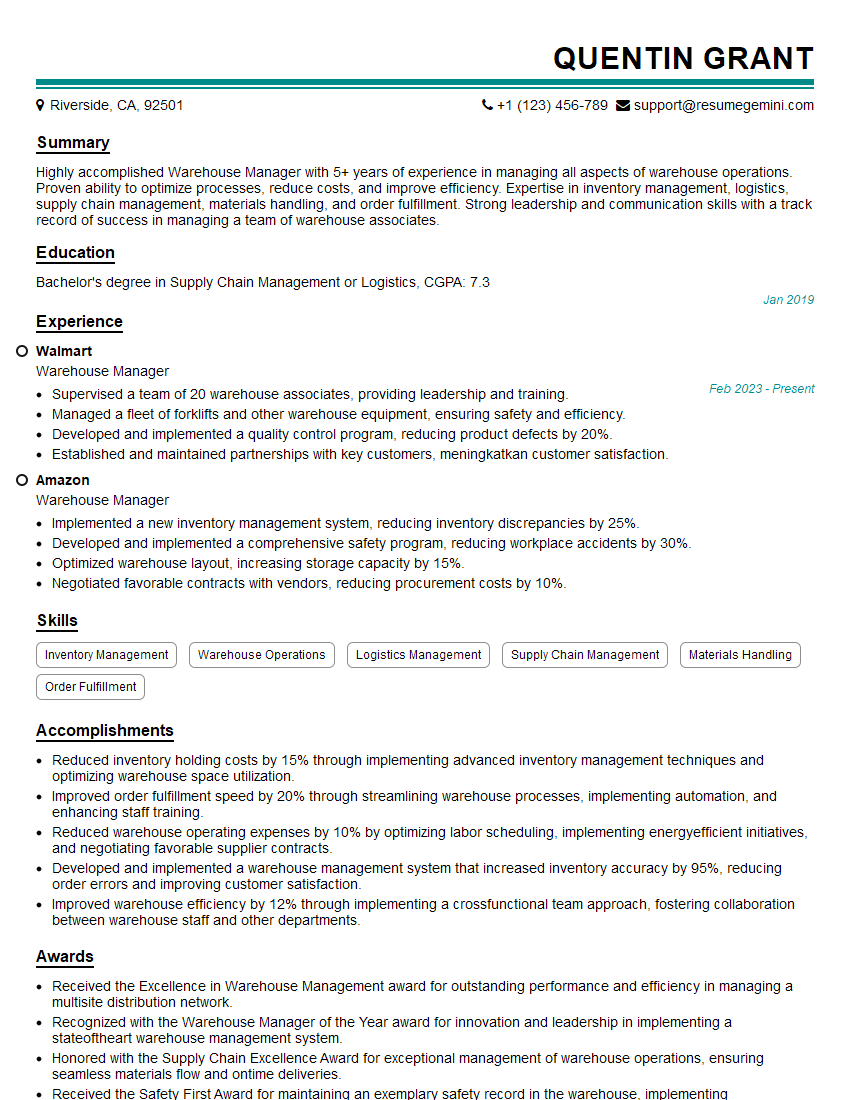
Warehouse Manager Resume Sample
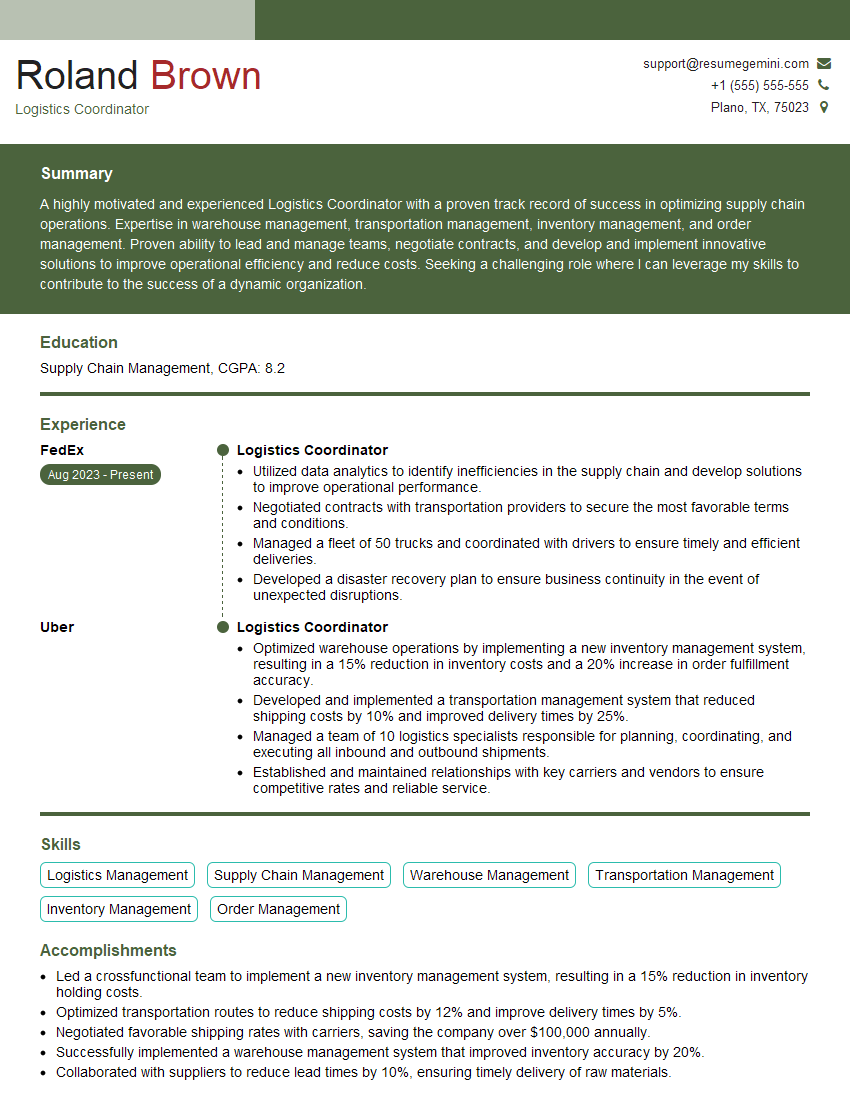
Logistics Coordinator Resume Sample
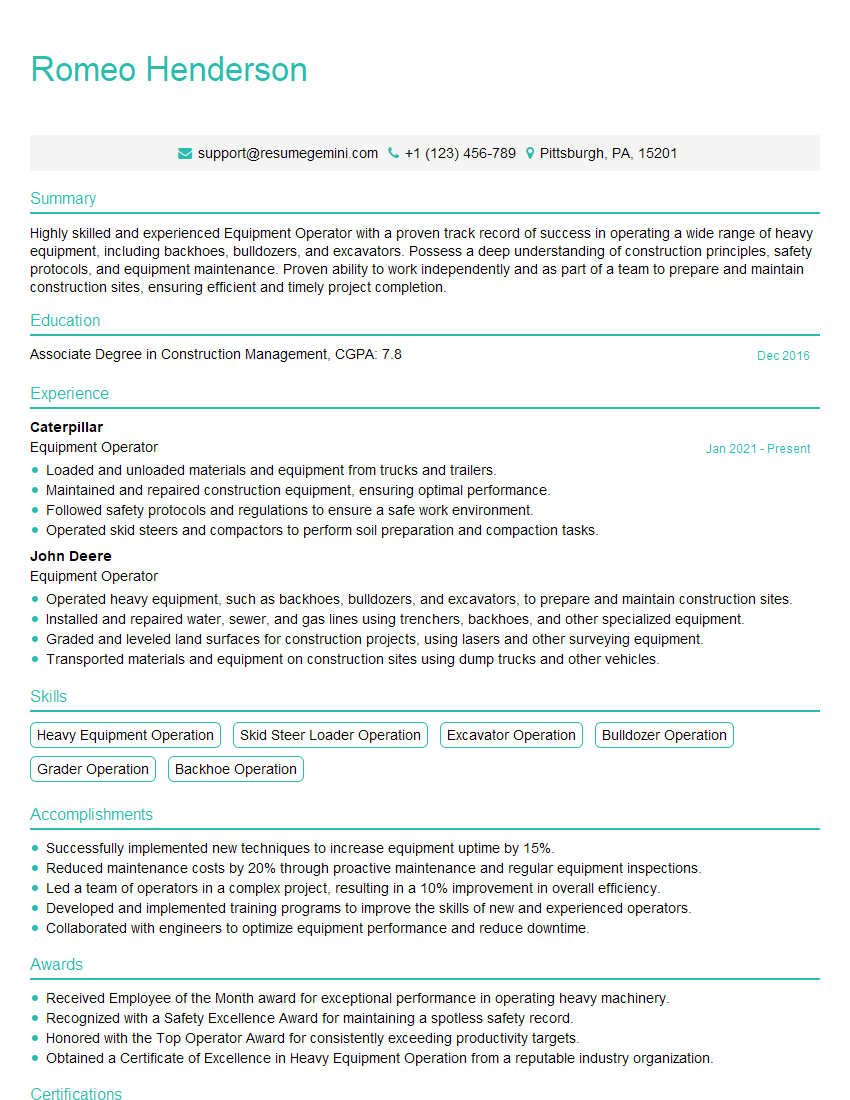
Equipment Operator Resume Sample

Crane Operator Resume Sample
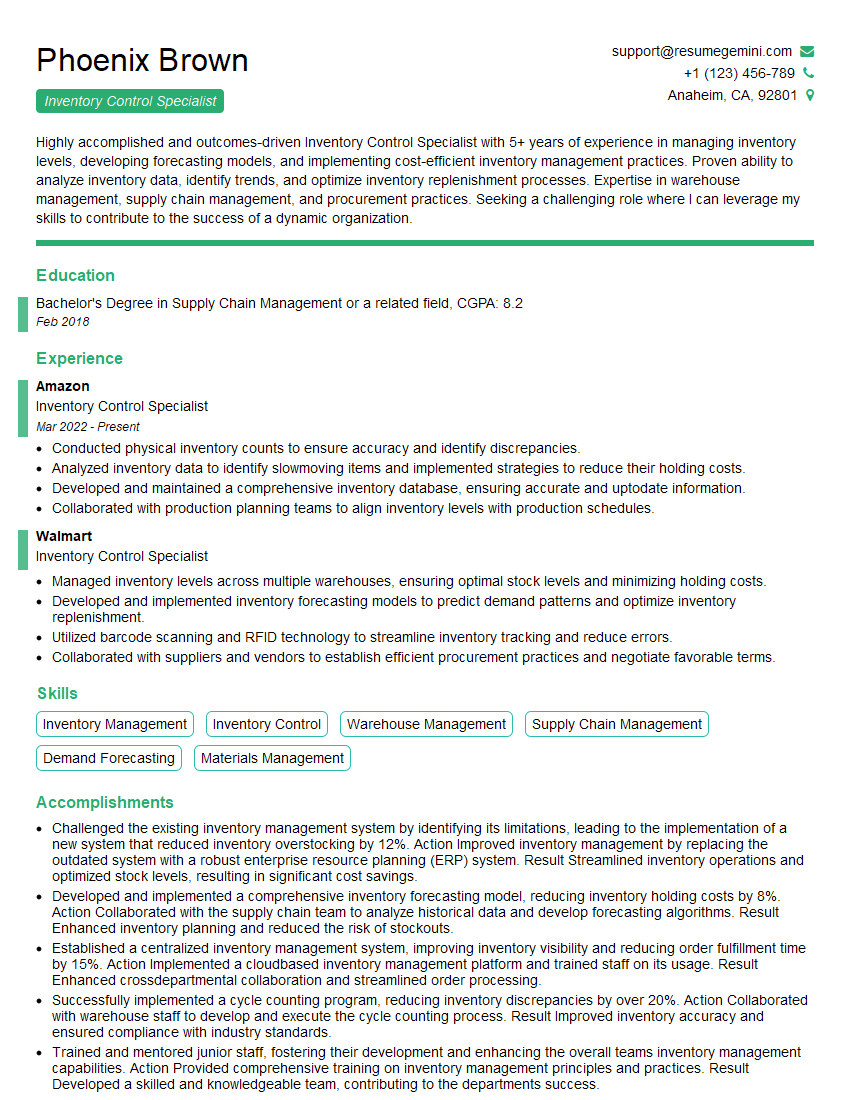
Inventory Control Specialist Resume Sample

Shipping and Receiving Clerk Resume Sample
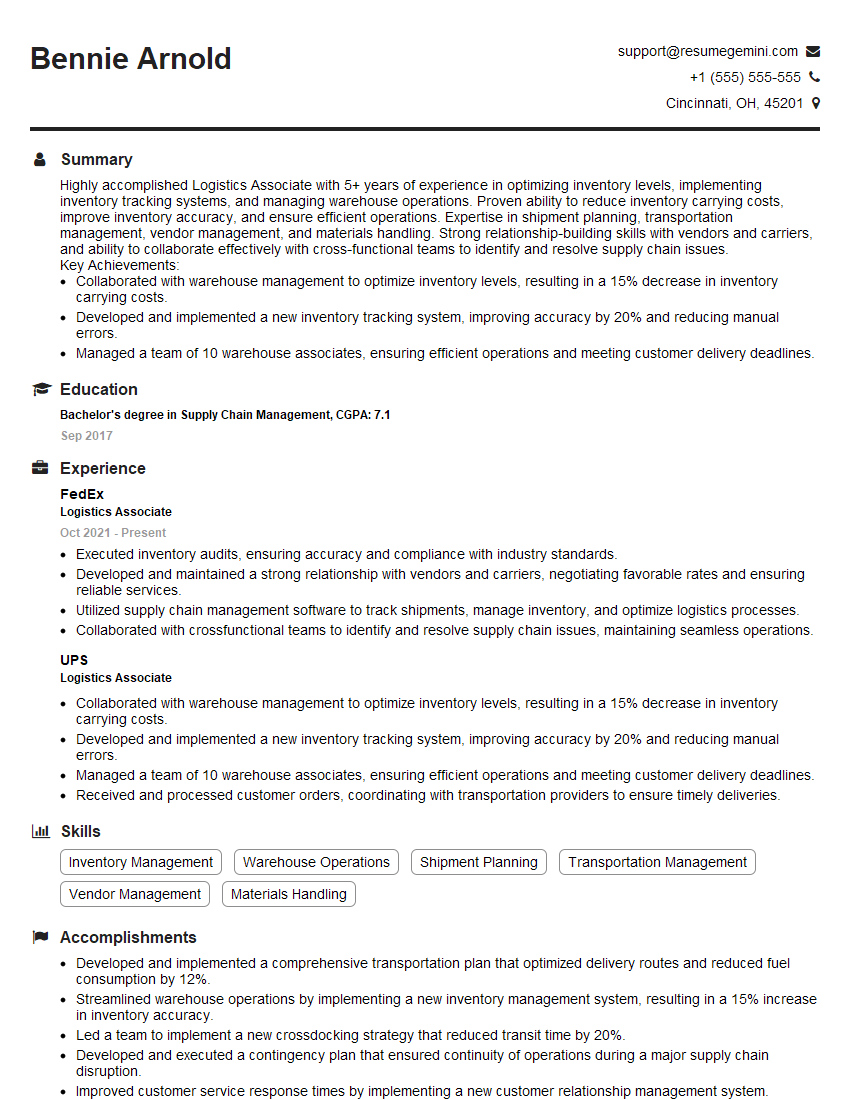
Logistics Associate Resume Sample
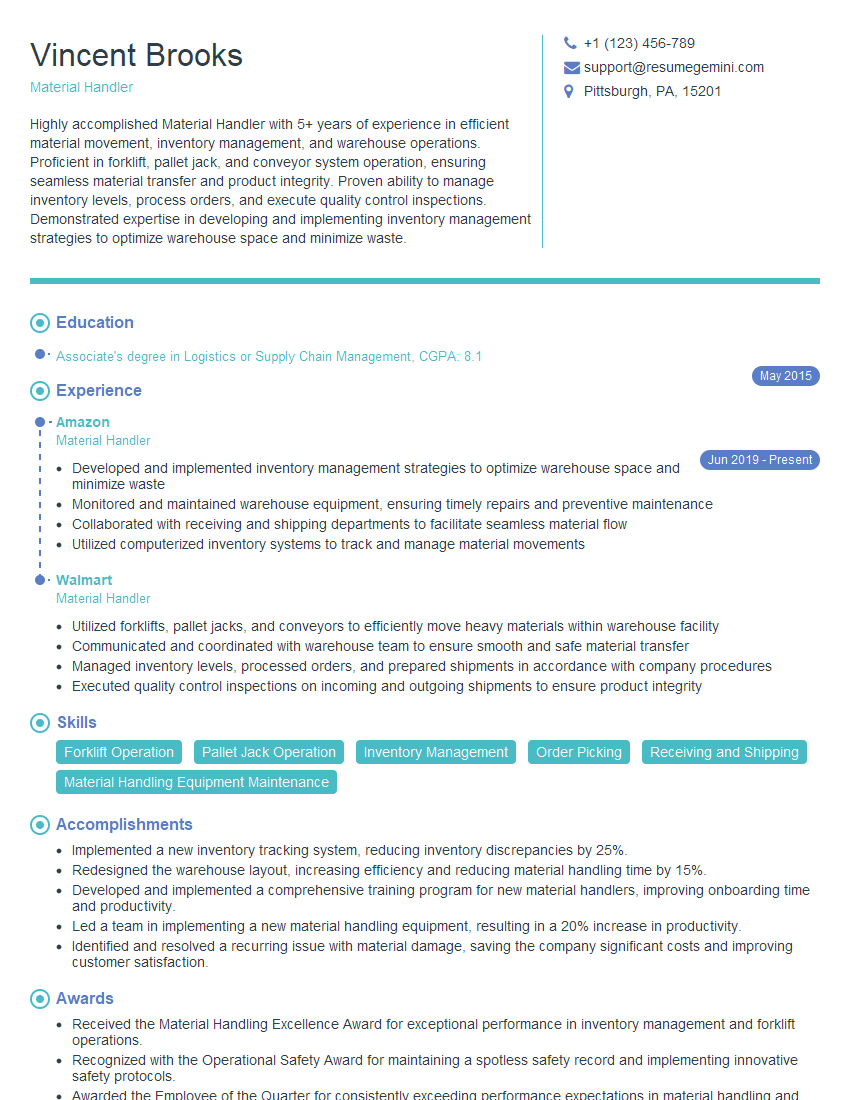
Material Handler Resume Sample
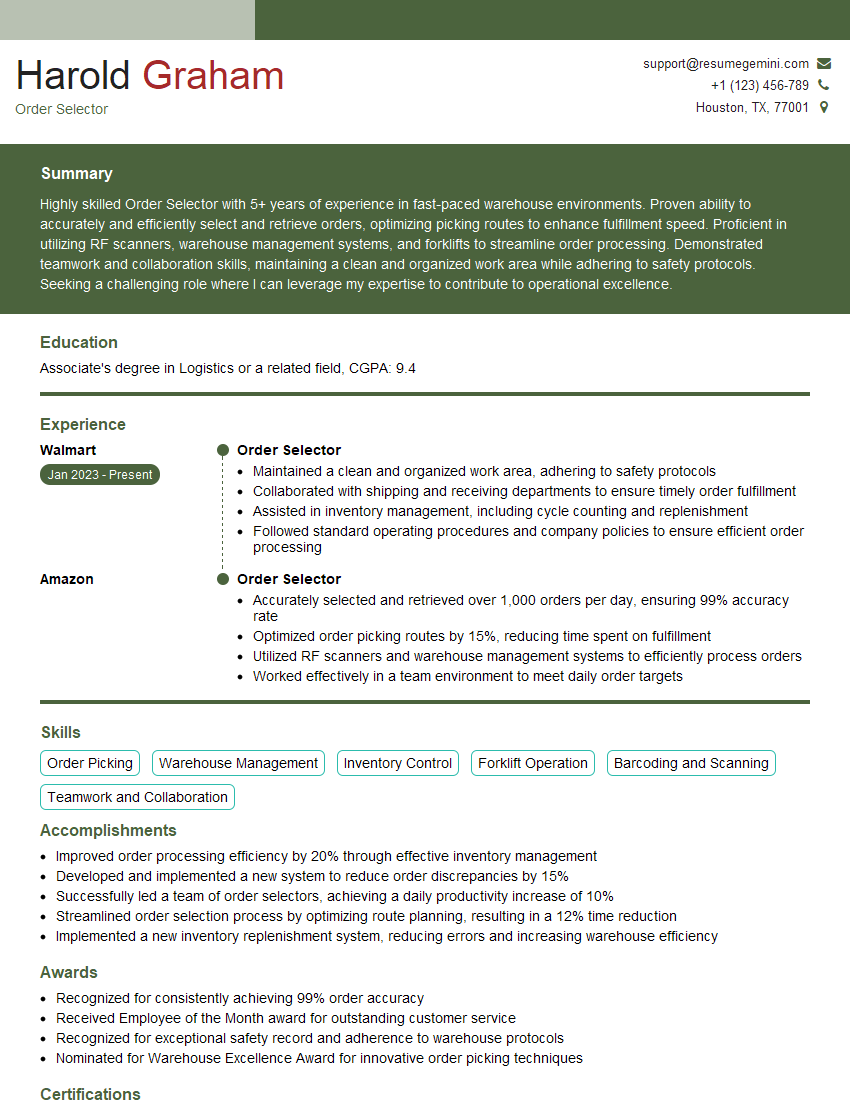
Order Selector Resume Sample
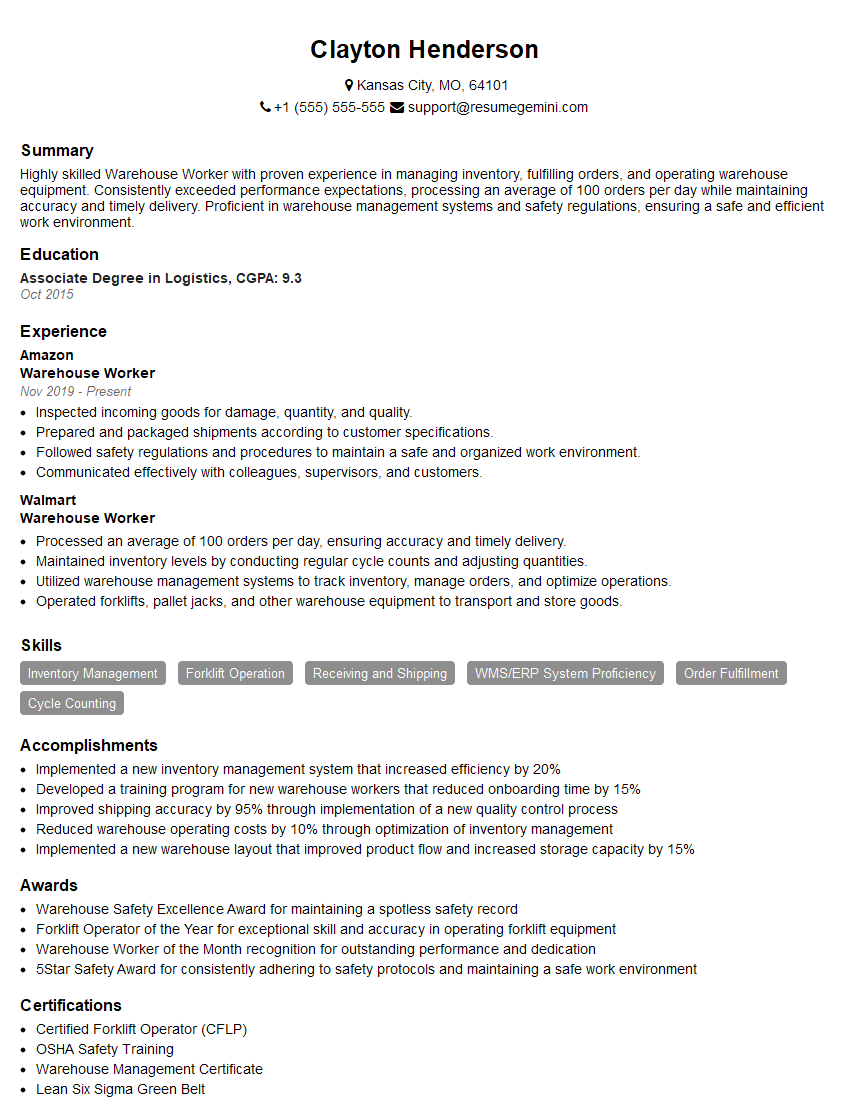
Warehouse Worker Resume Sample
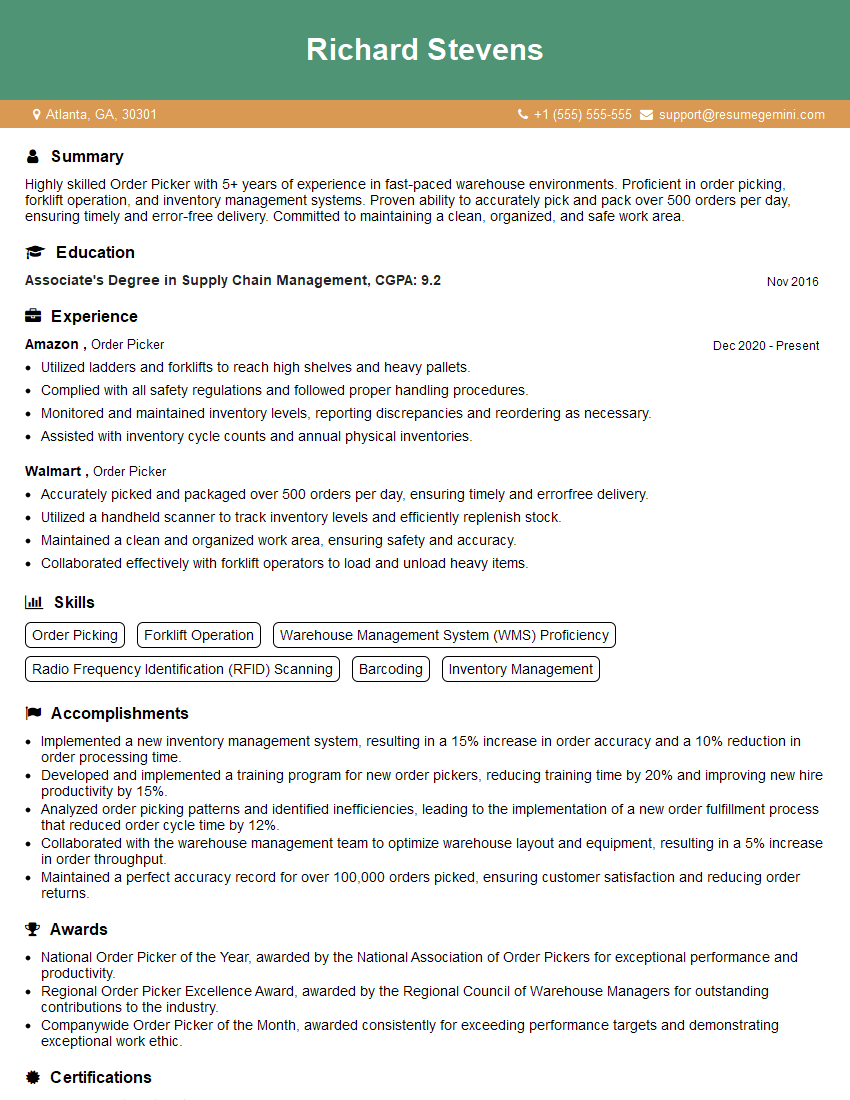
Order Picker Resume Sample
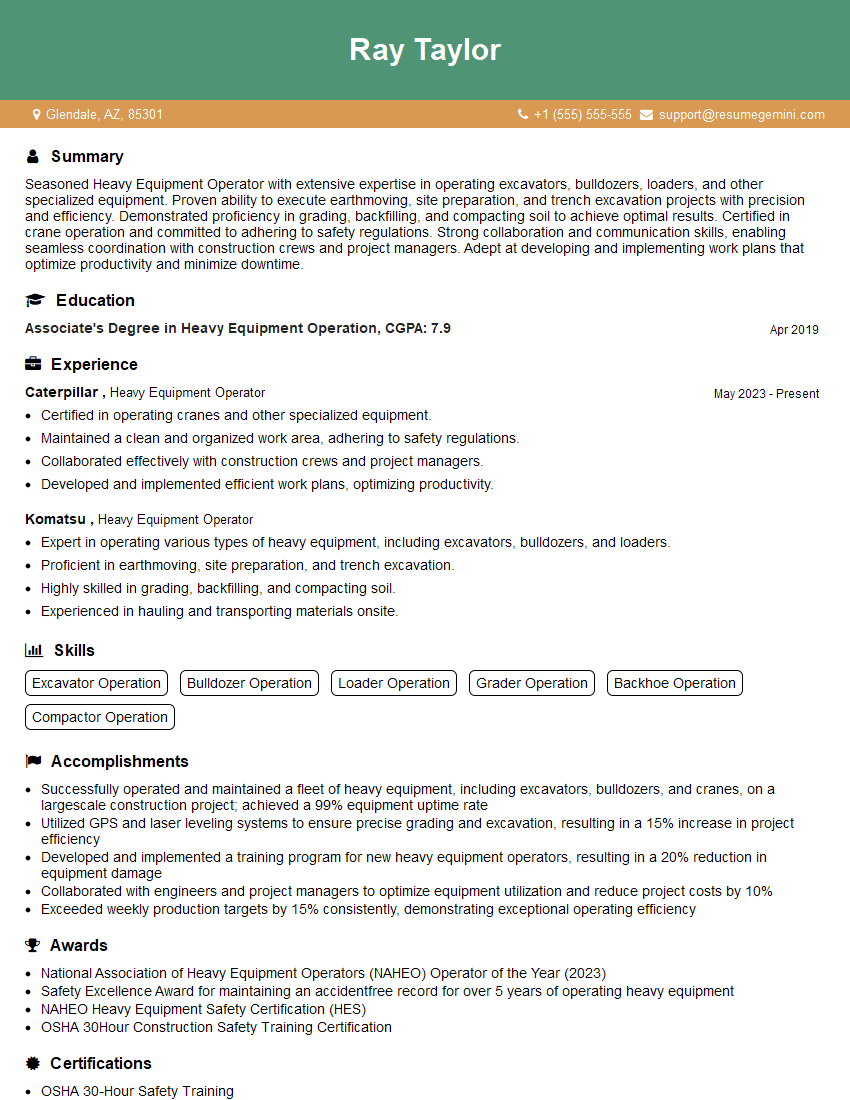
Heavy Equipment Operator Resume Sample
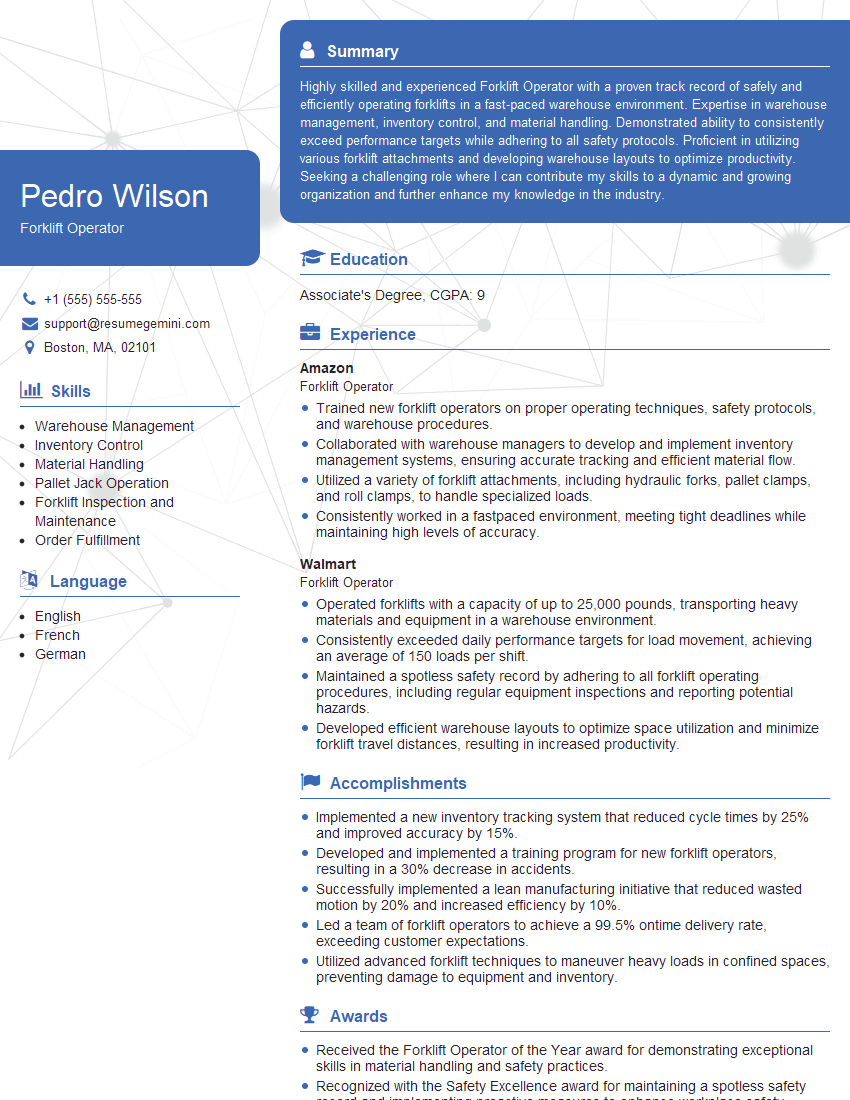
Forklift Operator Resume Sample
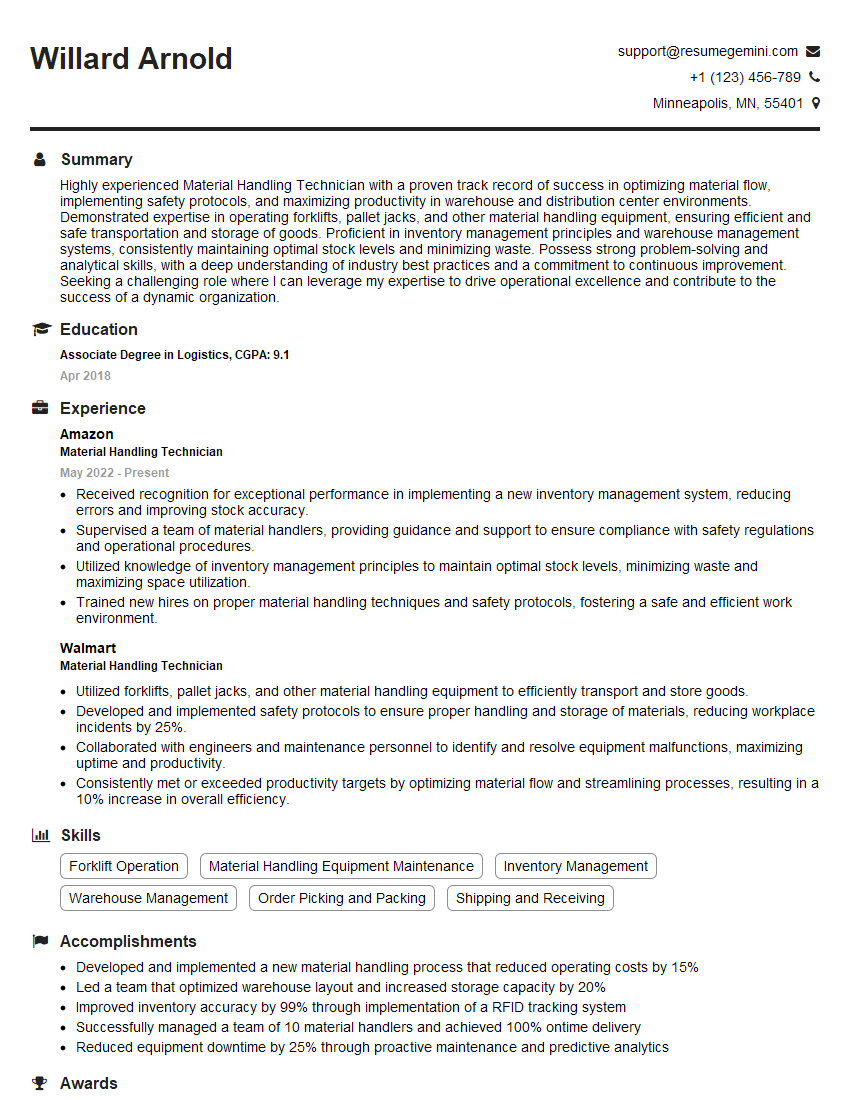
Material Handling Technician Resume Sample

Conveyor Operator Resume Sample
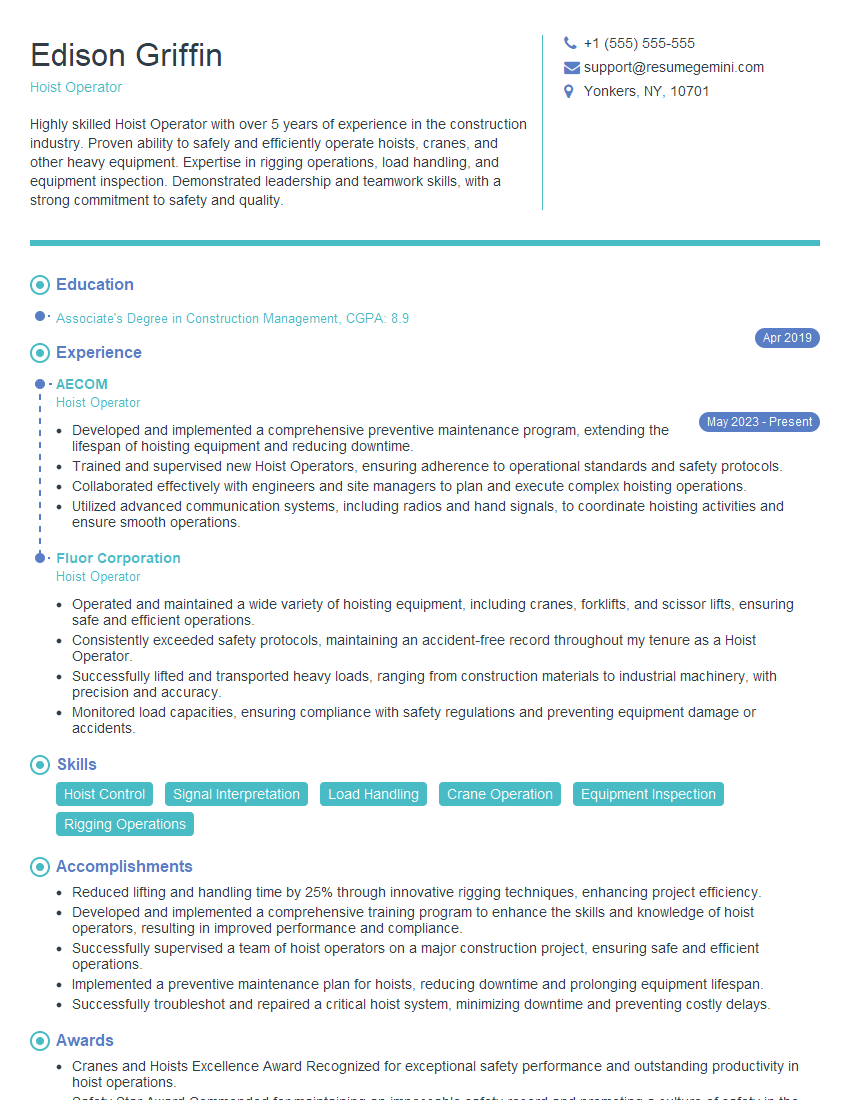
Hoist Operator Resume Sample
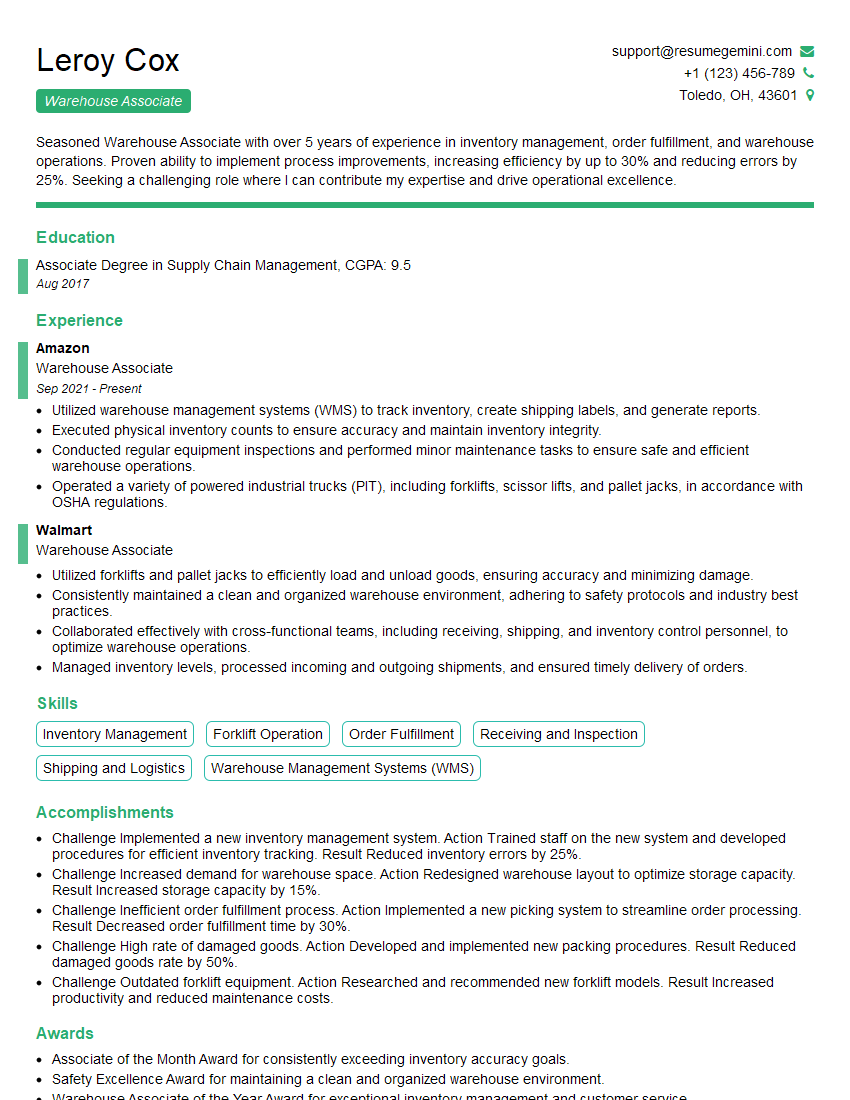
Warehouse Associate Resume Sample
- Warehouse Manager
- Logistics Coordinator
- Equipment Operator
- Crane Operator
- Inventory Control Specialist
- Shipping and Receiving Clerk
- Logistics Associate
- Material Handler
- Order Selector
- Warehouse Worker
- Order Picker
- Heavy Equipment Operator
- Forklift Operator
- Material Handling Technician
- Conveyor Operator
- Hoist Operator
- Warehouse Associate
Explore more articles
Users Rating of Our Blogs
Share Your Experience
We value your feedback! Please rate our content and share your thoughts (optional).
What Readers Say About Our Blog
Really detailed insights and content, thank you for writing this detailed article.
IT gave me an insight and words to use and be able to think of examples