Cracking a skill-specific interview, like one for Oral and Written Communication Skills, requires understanding the nuances of the role. In this blog, we present the questions you’re most likely to encounter, along with insights into how to answer them effectively. Let’s ensure you’re ready to make a strong impression.
Questions Asked in Oral and Written Communication Skills Interview
Q 1. Describe your approach to crafting a compelling email.
Crafting a compelling email involves more than just typing words; it’s about strategically conveying your message to achieve a specific outcome. My approach is built around a five-step process: Purpose, Audience, Structure, Tone, and Call to Action.
Purpose: Before writing a single word, I define the email’s objective. What do I want the recipient to do or know after reading it? Is it to inform, persuade, request, or simply acknowledge?
Audience: Understanding my audience is crucial. Their level of familiarity with the topic, their seniority, and their communication preferences will dictate my writing style. A formal email to a CEO will differ significantly from an informal update to a colleague.
Structure: A well-structured email is easy to read and understand. I use clear subject lines, concise paragraphs, and bullet points or numbered lists where appropriate. I ensure the most important information is upfront.
Tone: The tone should align with the purpose and audience. It should be professional but not overly formal. I strive for a friendly and approachable tone unless the situation demands a more serious approach.
Call to Action: Every email should have a clear call to action. What do I want the recipient to do next? Do I need a response, confirmation, or a specific action? Making this explicit avoids ambiguity.
For example, an email requesting a meeting would have a clear subject line (e.g., ‘Meeting Request: Project X Update’), a concise explanation of the purpose of the meeting, a proposed time and date, and a clear call to action (e.g., ‘Please let me know if this time works for you’).
Q 2. How do you tailor your communication style to different audiences?
Tailoring communication to different audiences requires adaptability and empathy. I consider factors such as their technical expertise, cultural background, and communication preferences. I adjust my language, tone, and format to ensure the message is easily understood and well-received.
Technical Expertise: When communicating with technical audiences, I use precise language and avoid jargon they may not understand. With non-technical audiences, I simplify complex concepts using analogies and plain language.
Cultural Background: Cultural differences can significantly impact communication. I am mindful of cultural norms and avoid language or expressions that might be offensive or misinterpreted. I might adjust formality and directness depending on the culture.
Communication Preferences: Some people prefer concise emails, while others appreciate more detailed explanations. Observing previous interactions helps me gauge their preferences and tailor my communication style accordingly.
For instance, when presenting a technical report to a board of directors (non-technical audience), I would focus on the high-level results and implications, avoiding detailed technical explanations. Conversely, when discussing the same report with a team of engineers (technical audience), I would provide detailed analysis and technical specifications.
Q 3. Explain a time you had to deliver difficult news effectively.
I once had to inform a team that their project, which they had dedicated considerable time and effort to, was being put on hold due to unforeseen budget constraints. Delivering this difficult news required careful planning and sensitivity.
Empathy and Understanding: I started by acknowledging their hard work and dedication, validating their feelings before breaking the news.
Direct and Honest Communication: I delivered the news directly but with compassion, avoiding ambiguity or euphemisms. I explained the reasons clearly and transparently, emphasizing the financial limitations rather than placing blame.
Problem-Solving Approach: Instead of simply announcing the bad news, I proactively discussed potential solutions and next steps. This included brainstorming alternative strategies and exploring possibilities for revisiting the project in the future.
Open Communication Channel: I encouraged questions and provided a forum for the team to express their concerns and frustrations. I made myself available for follow-up discussions and offered support.
The result was a better understanding and acceptance, minimizing negative impact on morale and productivity. The team understood the situation and appreciated the open and honest communication.
Q 4. How do you ensure clarity and conciseness in your written communication?
Clarity and conciseness are paramount in written communication. My approach focuses on these key strategies:
Planning and Outlining: Before writing, I create an outline. This ensures a logical flow of ideas and prevents me from including irrelevant information.
Active Voice and Strong Verbs: I use active voice to make my writing more direct and engaging. Strong verbs replace weaker ones for greater impact. For example, instead of ‘The report was completed by the team,’ I would write ‘The team completed the report.’
Concise Sentence Structure: I avoid long, convoluted sentences. Simple and direct sentences are easier to understand.
Precise Language: I choose words carefully to avoid ambiguity. I use precise language and avoid jargon unless absolutely necessary.
Proofreading and Editing: Thorough proofreading and editing are critical. I check for grammar, spelling, punctuation, and clarity. A fresh pair of eyes can also be beneficial for catching errors I may have missed.
For example, instead of writing ‘In order to achieve our goal of improving customer satisfaction, we have implemented a new customer relationship management system,’ I would write, ‘To improve customer satisfaction, we implemented a new CRM system.’
Q 5. Describe your process for preparing a presentation.
My presentation preparation process is iterative and involves several stages:
Understanding the Audience and Objective: I begin by clearly defining my audience and my presentation’s objective. This shapes the content and delivery style.
Content Development and Structuring: I then develop the content, structuring it logically with a clear introduction, body, and conclusion. I use visuals (charts, graphs, images) to enhance understanding.
Rehearsing and Refining: Rehearsal is critical for smooth delivery and to identify areas for improvement. I practice the presentation multiple times, refining my delivery and timing.
Visual Aids: I create visually appealing and informative slides that support but don’t dominate the presentation. I avoid cluttered slides and use appropriate fonts and colors.
Anticipating Questions: I anticipate potential questions from the audience and prepare answers beforehand. This enhances my confidence and responsiveness during the Q&A session.
For example, if presenting financial data, I would start with a summary of key findings, then delve into specific details using charts and graphs. I would also anticipate questions about specific data points and prepare clear answers.
Q 6. How do you handle constructive criticism of your writing?
I view constructive criticism as an opportunity for growth and improvement. My approach is to:
Listen Actively and Respectfully: I listen carefully to the feedback without interrupting, demonstrating respect for the critic’s perspective.
Ask Clarifying Questions: I ask clarifying questions to ensure I fully understand the feedback. This helps me address the concerns effectively.
Assess the Validity of Criticism: I objectively evaluate the criticism, considering its validity and relevance to the overall goal. Not all criticism is equally valuable.
Implement Changes: I incorporate the valuable feedback, revising my work accordingly. I explain the changes made in subsequent communication.
Maintain Professionalism: Even if I disagree with some aspects of the criticism, I maintain a professional demeanor and express gratitude for the feedback.
For example, if someone suggests my writing is too dense, I will revise it to use shorter sentences and clearer language. I would then highlight these changes in my revised submission.
Q 7. What strategies do you use to actively listen during a conversation?
Active listening is more than just hearing words; it’s about fully understanding the speaker’s message, both verbal and nonverbal. My strategies include:
Pay Attention: I focus entirely on the speaker, minimizing distractions and making eye contact. I avoid interrupting or formulating my response while the speaker is talking.
Show Engagement: I use nonverbal cues such as nodding, smiling, and leaning in to signal my engagement and understanding.
Ask Clarifying Questions: I ask questions to clarify points I don’t understand, ensuring accurate comprehension.
Summarize and Paraphrase: I periodically summarize or paraphrase the speaker’s points to ensure I’m understanding correctly and to show that I’m listening.
Empathetic Understanding: I try to understand the speaker’s perspective, considering their emotional state and underlying motivations.
For example, if someone is expressing frustration, I would actively listen, acknowledge their feelings, and ask clarifying questions to understand the root cause of their frustration before offering solutions.
Q 8. How do you overcome communication barriers in a professional setting?
Overcoming communication barriers in a professional setting requires a multifaceted approach. It starts with identifying the barrier itself. Is it a language difference? A clash of cultural norms? A lack of clarity in the message? Or perhaps, a physical barrier like poor acoustics in a meeting room?
- Active Listening: Truly hearing and understanding what the other person is saying, even if you disagree, is paramount. This involves paying attention to both verbal and nonverbal cues.
- Clear and Concise Communication: Structure your messages logically, using plain language and avoiding jargon. Be mindful of your audience and tailor your communication style accordingly.
- Nonverbal Communication: Maintain eye contact, use appropriate body language, and monitor your tone of voice. These nonverbal cues often speak louder than words.
- Empathy and Understanding: Try to see the situation from the other person’s perspective. This helps build rapport and fosters trust, making communication smoother.
- Technological Proficiency: Utilize the right communication tools for the situation. A quick phone call might be better than a lengthy email for urgent matters. Ensure that your technological skills don’t become barriers themselves.
- Seeking Clarification: Don’t hesitate to ask questions to ensure understanding. Paraphrasing what someone said demonstrates attentiveness and helps clear up any ambiguity.
For example, if I’m working with a team where some members are primarily visual learners while others are auditory, I would adapt my communication methods accordingly. I might use visuals during presentations and provide detailed written summaries alongside oral explanations.
Q 9. Explain your experience with different communication channels (email, phone, presentations).
I’m proficient in various communication channels, each serving a unique purpose. Email is ideal for formal communication, detailed instructions, and documentation that needs a record. Phone calls are best for quick discussions, urgent updates, and situations requiring immediate feedback and clarification. Presentations allow me to engage a larger audience effectively, conveying complex information in a visually compelling way.
- Email: I strive for clear subject lines, concise and well-structured body text, and professional tone. I always proofread carefully before sending.
- Phone: I prepare a concise agenda beforehand, especially for important calls. I actively listen, ask clarifying questions, and summarize key takeaways at the end.
- Presentations: I meticulously plan the content, ensuring a logical flow and visual aids that support my message. I practice beforehand to deliver a confident and engaging presentation. I also actively engage the audience, incorporating questions and discussion.
For example, when presenting project updates to senior management, I would use a visually rich PowerPoint presentation with key data points and charts. However, for a quick update to a team member, a brief phone call would be more efficient.
Q 10. How do you manage conflicting communication styles within a team?
Managing conflicting communication styles within a team requires understanding the underlying needs and preferences of each individual. Some people might prefer direct communication, others indirect. Some might be highly detail-oriented, while others value brevity. The key is to foster a culture of respect and understanding.
- Open Communication: Create a safe space for team members to express their communication preferences without fear of judgment.
- Flexibility and Adaptability: Adjust your communication style to suit the context and the individuals involved. Don’t expect everyone to conform to your preferred style.
- Mediation: If conflicts arise, act as a neutral mediator to help resolve misunderstandings. Facilitate a discussion where each person can explain their perspective.
- Establish Communication Protocols: Agree on basic guidelines for communication within the team, such as response times for emails or preferred meeting formats.
For instance, if a team member prefers written communication, I ensure that all decisions and action items are documented and shared in writing. Simultaneously, I’d arrange regular check-in meetings to address concerns and foster collaboration.
Q 11. Describe a time you successfully resolved a communication breakdown.
In a previous project, there was a miscommunication regarding deadlines. My team believed we had an extra week, but the client’s understanding differed. This led to a delay in delivering a key component. To resolve this, I immediately initiated a meeting with all stakeholders: my team, the client’s project manager, and relevant team members. We openly discussed the misunderstanding, clarifying each party’s perspective without assigning blame.
We then collaboratively developed a revised timeline, clearly outlining tasks, responsibilities, and adjusted deadlines. We ensured everyone was on the same page, with transparent communication regarding progress and any challenges encountered. Ultimately, we successfully recovered from the initial delay, delivering the project on time with minimal impact to our client.
The key was acknowledging the breakdown, focusing on collaborative problem-solving rather than finger-pointing, and ensuring transparent communication moving forward.
Q 12. How do you prioritize different communication tasks effectively?
Prioritizing communication tasks involves understanding their urgency and importance using methods like the Eisenhower Matrix (Urgent/Important). This allows for efficient allocation of time and resources. I also employ time management techniques like setting deadlines and using task management tools.
- Eisenhower Matrix: Categorize tasks based on urgency and importance. Urgent and Important tasks are tackled first, while less urgent tasks can be delegated or scheduled.
- Time Blocking: Allocate specific time slots for different communication activities. This ensures focused attention and minimizes multitasking.
- Batching Similar Tasks: Group similar tasks together, such as responding to emails or making phone calls. This improves efficiency and reduces context switching.
- Tools and Technology: Use tools like project management software, calendar apps, and email filters to manage communication effectively.
For instance, responding to a client’s urgent request takes priority over drafting a less critical internal memo. I might block out an hour each morning to respond to emails and another hour to make calls, maximizing focus and efficiency.
Q 13. How familiar are you with different writing styles (e.g., formal, informal)?
I’m well-versed in different writing styles, understanding that the appropriate style depends heavily on the audience and purpose. Formal writing is characterized by precise language, complex sentence structures, and a professional tone (e.g., business reports, academic papers). Informal writing is more conversational, using simpler language and a relaxed tone (e.g., emails to colleagues, casual internal memos).
- Formal Writing: Uses precise vocabulary, avoids contractions, and maintains a respectful and objective tone. Grammar and punctuation are meticulously observed.
- Informal Writing: Employs a more conversational tone, may use contractions and colloquialisms, and focuses on clarity and brevity. While less rigid, it should still maintain professionalism depending on context.
- Adaptability: The key is to understand when to apply each style appropriately. Writing a business proposal requires a formal style, whereas an email to a close colleague might be more informal.
For example, I would use a formal tone and style when writing a business proposal for a potential client, but I could adopt a more informal approach in an internal team email discussing project updates.
Q 14. How do you edit and proofread your work to ensure accuracy?
Accuracy in writing is crucial. My editing and proofreading process involves multiple steps to ensure clarity, consistency, and correctness.
- Self-Editing: I start by reviewing my own work, focusing on clarity, flow, and logical structure. I look for areas needing further development or clarification.
- Proofreading for Errors: I meticulously check for grammatical errors, typos, punctuation mistakes, and inconsistencies in style and formatting. I often read my work aloud to catch errors I might miss when reading silently.
- Using Tools: Grammar and spell checkers are helpful but not foolproof. I use them as a support tool but not as a replacement for careful manual review.
- Second Pair of Eyes: If possible, I seek feedback from a colleague or editor. A fresh perspective often catches errors that I’ve overlooked.
For example, after writing a report, I would first review it for clarity and logical flow. Then, I would carefully proofread for grammatical errors, typos, and punctuation issues. Finally, I would have a colleague review it for any additional suggestions before submission.
Q 15. Describe your experience with using visual aids in presentations.
Visual aids are crucial for enhancing presentations. They shouldn’t just be pretty pictures; they should directly support and clarify your message. My experience involves carefully selecting visuals – charts, graphs, images, or even short videos – that are relevant, easy to understand, and visually appealing. I avoid clutter and ensure the visual aids are large enough to be seen easily from the back of the room. For example, during a presentation on project timelines, I used a Gantt chart to visually represent the project’s various stages, deadlines, and dependencies, making it much easier for the audience to grasp the project’s complexity. In another instance, when presenting market research data, I used interactive graphs that allowed the audience to explore the data at their own pace, fostering engagement and deeper understanding.
I always consider the audience’s knowledge level when choosing visual aids. Simpler visuals are better for audiences less familiar with the subject matter, while more complex visuals might be appropriate for experts. The key is to choose visuals that reinforce, not distract from, the core message.
Career Expert Tips:
- Ace those interviews! Prepare effectively by reviewing the Top 50 Most Common Interview Questions on ResumeGemini.
- Navigate your job search with confidence! Explore a wide range of Career Tips on ResumeGemini. Learn about common challenges and recommendations to overcome them.
- Craft the perfect resume! Master the Art of Resume Writing with ResumeGemini’s guide. Showcase your unique qualifications and achievements effectively.
- Don’t miss out on holiday savings! Build your dream resume with ResumeGemini’s ATS optimized templates.
Q 16. How do you ensure your communication is inclusive and accessible to all?
Inclusive communication ensures everyone feels understood and valued. This begins with being mindful of language. I avoid jargon, clichés, and gendered or biased language. I always strive to use clear and concise language, making sure the message is easily understood by everyone. Furthermore, I ensure that my materials are accessible to those with disabilities. This includes using alt text for images, providing transcripts for videos, and using appropriate font sizes and contrast for easy readability. Consideration for different learning styles is also crucial; I often incorporate a variety of methods – visuals, narratives, examples – to cater to diverse learning preferences. For instance, when delivering a training session, I provided written materials in large print alongside audio recordings of the session.
Beyond accessibility features, fostering an inclusive environment involves actively listening to and valuing diverse perspectives. This means being open to different viewpoints and being respectful of individual differences in communication styles and cultural backgrounds.
Q 17. Explain how you handle communication in a fast-paced environment.
Fast-paced environments demand efficient and effective communication. My approach involves prioritizing clear and concise messaging. I focus on delivering key information quickly and directly, avoiding unnecessary details. I utilize tools like project management software and instant messaging to streamline communication and ensure everyone is on the same page. I also proactively seek updates to stay informed and anticipate potential issues. For example, during a product launch, we used a dedicated communication channel to share real-time updates on progress and address any challenges that arose. Clear communication protocols – who to contact for what, how to report issues, etc. – were established beforehand, which proved invaluable in navigating the fast-paced environment.
Regular briefings and status meetings are also essential for maintaining transparency and keeping everyone aligned. I emphasize the importance of active listening and clear feedback mechanisms to address concerns swiftly and maintain momentum.
Q 18. How do you use non-verbal cues to enhance your communication?
Non-verbal cues are powerful communication tools. Maintaining appropriate eye contact shows engagement and respect. My posture, whether sitting or standing, is always open and inviting. I use gestures purposefully to emphasize key points, but avoid excessive or distracting movements. My facial expressions reflect my tone and sincerity; a genuine smile conveys warmth and approachability. For instance, when presenting a complex technical concept, I used hand gestures to illustrate the flow of information, making the explanation more intuitive. In a negotiation setting, maintaining calm and open body language helped create trust and fostered a more collaborative environment.
It’s crucial to be mindful and adapt non-verbal cues based on the context and audience. What might be considered appropriate in one culture could be misinterpreted in another. Therefore, cultural sensitivity is key to using non-verbal cues effectively.
Q 19. How do you adapt your communication style to different cultural contexts?
Adapting communication styles to different cultural contexts is vital for effective global communication. Understanding cultural nuances – such as direct versus indirect communication styles, high-context versus low-context cultures, and different levels of formality – is essential. I do research on the specific cultural context prior to any interaction, if possible. For example, in some cultures, building rapport is paramount before discussing business, while in others, a direct and efficient approach is preferred. In a negotiation with a Japanese business partner, I emphasized building a strong relationship before delving into the specifics of the deal, showcasing respect for their cultural values.
I also pay close attention to language, including both verbal and non-verbal cues. I’m cautious about using idioms or slang, and I ensure my tone and body language are appropriate for the cultural context. Active listening and seeking clarification are crucial to ensuring mutual understanding and avoiding misunderstandings.
Q 20. Describe a situation where you had to persuade someone to see your point of view.
In a previous project, my team proposed a new marketing strategy that differed significantly from the existing approach. A senior manager, initially resistant to the change, expressed concerns about the risk and potential cost. To persuade him, I presented a comprehensive analysis showcasing the potential return on investment and mitigating the risks involved. I used data visualizations to illustrate the potential benefits of the new strategy, and I addressed his specific concerns directly. I also emphasized the alignment of the new strategy with the company’s overall goals and demonstrated how it built upon existing strengths. The key was listening attentively to his concerns, understanding his perspective, and presenting a well-supported argument that addressed his objections point-by-point. Ultimately, the manager was convinced of the merit of our proposal and approved the new marketing strategy.
Q 21. How do you utilize feedback to improve your communication skills?
Feedback is invaluable for improving communication skills. I actively solicit feedback from colleagues, supervisors, and clients after every presentation or major communication event. I use a structured approach, asking specific questions such as, ‘What was most effective?’, ‘What could have been improved?’, and ‘What aspects were unclear?’ I also pay attention to both verbal and non-verbal cues during interactions to gauge the audience’s understanding and engagement. For example, after a training session, I collected anonymous feedback forms and analyzed the responses to identify areas for improvement in future sessions. I also sought direct feedback from participants who engaged in discussions or asked questions during the training.
I use this feedback to identify patterns and areas needing improvement. This might involve refining my presentation style, adapting my language, or improving my ability to actively listen and respond to questions effectively. Continuous self-reflection and the willingness to incorporate feedback are key to continuous growth in my communication skills.
Q 22. Explain your understanding of different communication models.
Communication models are frameworks that illustrate how information flows between individuals or groups. Understanding these models helps us analyze and improve our communication effectiveness. Several key models exist, each with its strengths and weaknesses.
- Linear Model: This is the simplest model, depicting communication as a one-way process where a sender transmits a message to a receiver. Think of a radio broadcast – the sender (radio station) transmits a message to the receiver (listener) with little to no feedback. It’s limited because it doesn’t account for noise or feedback.
- Interactive Model: This model adds feedback to the linear model. The receiver responds to the sender’s message, creating a two-way flow of information. A typical conversation is an example – you speak, the other person responds, and the communication continues through exchanges.
- Transactional Model: This is the most comprehensive model, viewing communication as a simultaneous process where senders and receivers continuously exchange messages and influence each other. Context, noise, and shared experiences significantly impact communication. This is very similar to a real-life interaction where emotions and nonverbal cues play a part.
- Shannon-Weaver Model: This mathematical model focuses on the technical aspects of communication, breaking it down into a sender, encoder, channel, decoder, receiver, and noise. It is useful for understanding how information gets distorted during transmission.
In practice, I find the transactional model the most useful. It helps me consider the complexities of communication, ensuring I tailor my message to the context, audience, and potential barriers.
Q 23. What strategies do you use to improve your active listening skills?
Active listening is crucial for effective communication. It goes beyond simply hearing; it involves understanding and responding thoughtfully. I employ several strategies to improve my active listening:
- Pay Attention: I minimize distractions, make eye contact, and focus on the speaker’s verbal and nonverbal cues. This shows respect and helps me fully grasp their message.
- Show Empathy: I try to understand the speaker’s perspective, even if I don’t agree. Using phrases like, “I understand why you feel that way,” can be incredibly powerful.
- Ask Clarifying Questions: To ensure understanding, I ask open-ended questions like, “Can you tell me more about that?” or “What do you mean by…?” This keeps the conversation flowing and avoids assumptions.
- Provide Feedback: I regularly summarize and paraphrase what the speaker has said to confirm my understanding, using phrases like, “So, if I understand correctly…” or “It sounds like you’re saying…”
- Withhold Judgment: I actively avoid interrupting or forming opinions before the speaker has finished. This creates a safe space for open communication.
For instance, during a client meeting, active listening helped me understand their underlying concerns, which allowed me to tailor my proposal to better address their needs and secure the project. It is a continuous process that I actively practice and refine.
Q 24. How do you ensure your written communications are consistent with brand guidelines?
Brand consistency is paramount. To ensure my written communications align with brand guidelines, I follow a multi-step process:
- Familiarize Myself with the Guidelines: I thoroughly review the brand style guide, paying close attention to voice, tone, terminology, and visual elements (logos, fonts, colors).
- Use Templates and Style Guides: I utilize pre-approved templates and style guides whenever possible to ensure consistency in formatting and style across all communications.
- Proofread Carefully: Before sending any communication, I meticulously proofread for grammar, spelling, and punctuation errors. I often use grammar and style checking tools.
- Seek Feedback: I frequently ask a colleague to review my work to catch any inconsistencies or areas for improvement before finalizing the communication.
- Maintain a Central Repository: Using shared document management systems to house style guides, brand assets, and approved templates is crucial for easy access and unified consistency.
For example, when writing marketing materials, I strictly adhere to the established tone (e.g., formal or informal) and vocabulary specified in the brand guide. This ensures a consistent and professional brand image across all platforms.
Q 25. How do you use data to inform your communication strategy?
Data plays a crucial role in shaping effective communication strategies. I use data to:
- Understand My Audience: Analyzing demographics, psychographics, and online behavior helps me segment my audience and tailor my messaging for maximum impact. For example, understanding the age group and interests of my audience will allow me to adapt the language and style accordingly.
- Measure Campaign Effectiveness: Tracking key metrics such as open rates, click-through rates, and conversion rates enables me to assess the success of my communications and make data-driven adjustments.
- Identify Trends and Patterns: Analyzing data reveals trends in audience engagement and sentiment, helping me refine my strategy and adapt to changing circumstances. Identifying which channels are most successful will help focus future efforts.
- Improve Messaging: A/B testing different versions of my messaging allows me to optimize my communication for better results. By testing different headlines, subject lines or content, I can optimize the overall effectiveness.
For instance, if email open rates are low, I might analyze the subject lines to identify what’s not resonating with my audience and adapt my approach. Data provides objective insights into what works and what doesn’t, leading to more effective communication.
Q 26. How do you handle disagreements or conflicts during a team meeting?
Disagreements are inevitable in team settings. My approach to handling conflicts during meetings focuses on constructive dialogue and finding common ground:
- Listen Actively: I ensure each team member feels heard and understood. I try to understand the reasoning behind differing viewpoints and empathize with the perspectives shared.
- Focus on the Issue, Not the Person: I keep the discussion focused on the problem at hand, avoiding personal attacks or emotional escalations. The goal is to resolve the issue, not to attack an individual.
- Seek Clarification: I ask clarifying questions to ensure I fully grasp every team member’s perspective before offering my own opinion. This prevents miscommunication and misunderstandings.
- Find Common Ground: I look for areas of agreement and build on shared goals to foster collaboration and resolution. Highlighting common interests can unify the team and steer the conversation toward a solution.
- Facilitate a Compromise: I encourage team members to brainstorm solutions and negotiate a compromise that satisfies everyone’s concerns to the extent possible. Compromises often involve give and take from all team members.
For example, in a past project, a disagreement arose about the best approach to a design challenge. By actively listening to each team member’s concerns and facilitating open discussion, we arrived at a hybrid solution that incorporated the best elements of each proposal.
Q 27. Explain your experience with using collaboration tools for communication.
Collaboration tools are essential for seamless communication in today’s workplace. My experience spans various platforms, including:
- Slack: For quick, informal communication, file sharing, and creating dedicated channels for projects and teams.
- Microsoft Teams: For team meetings, video conferencing, document collaboration, and project management.
- Google Workspace (Docs, Sheets, Slides): For real-time collaborative document editing, spreadsheets, and presentations, which facilitate concurrent work and streamline the review process.
- Project Management Software (Asana, Trello): For task assignment, progress tracking, and overall project organization, promoting efficient collaboration and reducing communication breakdowns.
I’m proficient in using these tools to enhance team communication, share information efficiently, and facilitate remote collaboration. For example, I’ve used Slack to quickly address urgent project needs, and Google Workspace to co-create reports with my team, ensuring everyone has access to the latest version. I tailor my approach to the specific tool and project demands.
Q 28. Describe your proficiency in written and oral communication in a second language (if applicable).
While I don’t have fluency in a second language, I have a working proficiency in Spanish. I can comfortably participate in conversations on familiar topics, understand written materials and respond in writing at a functional level, though I would not claim native-level fluency. My spoken Spanish may lack nuance in complex discussions, but I am able to express myself clearly and understand the responses in most scenarios.
I actively seek opportunities to improve my second language skills, frequently using language learning apps and engaging in conversations with native speakers. I believe this skill is invaluable in today’s globally connected world and helps to enhance communication with a wider range of people.
Key Topics to Learn for Oral and Written Communication Skills Interview
- Active Listening: Understanding and responding effectively to verbal and nonverbal cues. Practical application: Demonstrate your ability to summarize key points from a conversation or presentation, showing comprehension and engagement.
- Nonverbal Communication: Mastering body language, tone, and eye contact to convey confidence and professionalism. Practical application: Practice presenting your ideas with assertive yet approachable body language and tone.
- Clear and Concise Articulation: Structuring thoughts logically and delivering them fluently, both verbally and in writing. Practical application: Prepare a concise summary of a complex topic, highlighting key information without jargon.
- Written Communication Styles: Adapting writing style to different audiences and purposes (e.g., formal emails, reports, presentations). Practical application: Practice writing different types of communications, focusing on clarity, conciseness, and appropriate tone.
- Storytelling and Narrative Techniques: Using storytelling to connect with audiences and make your points memorable. Practical application: Prepare examples of how you’ve effectively used narrative to explain complex information or persuade others.
- Conflict Resolution and Negotiation Skills: Communicating effectively during disagreements and finding mutually beneficial solutions. Practical application: Develop scenarios and practice your approach to conflict resolution, emphasizing respectful and productive communication.
- Feedback and Self-Reflection: Analyzing your communication strengths and weaknesses to continuously improve. Practical application: Reflect on past communication experiences, identifying areas for improvement and outlining strategies for growth.
Next Steps
Mastering oral and written communication skills is paramount for career advancement. Strong communication fosters collaboration, influences decision-making, and builds strong professional relationships. To significantly enhance your job prospects, create a compelling and ATS-friendly resume that highlights your communication abilities. ResumeGemini is a trusted resource to help you build a professional resume that showcases your skills effectively. We provide examples of resumes tailored to highlight Oral and Written Communication Skills to help you get started.
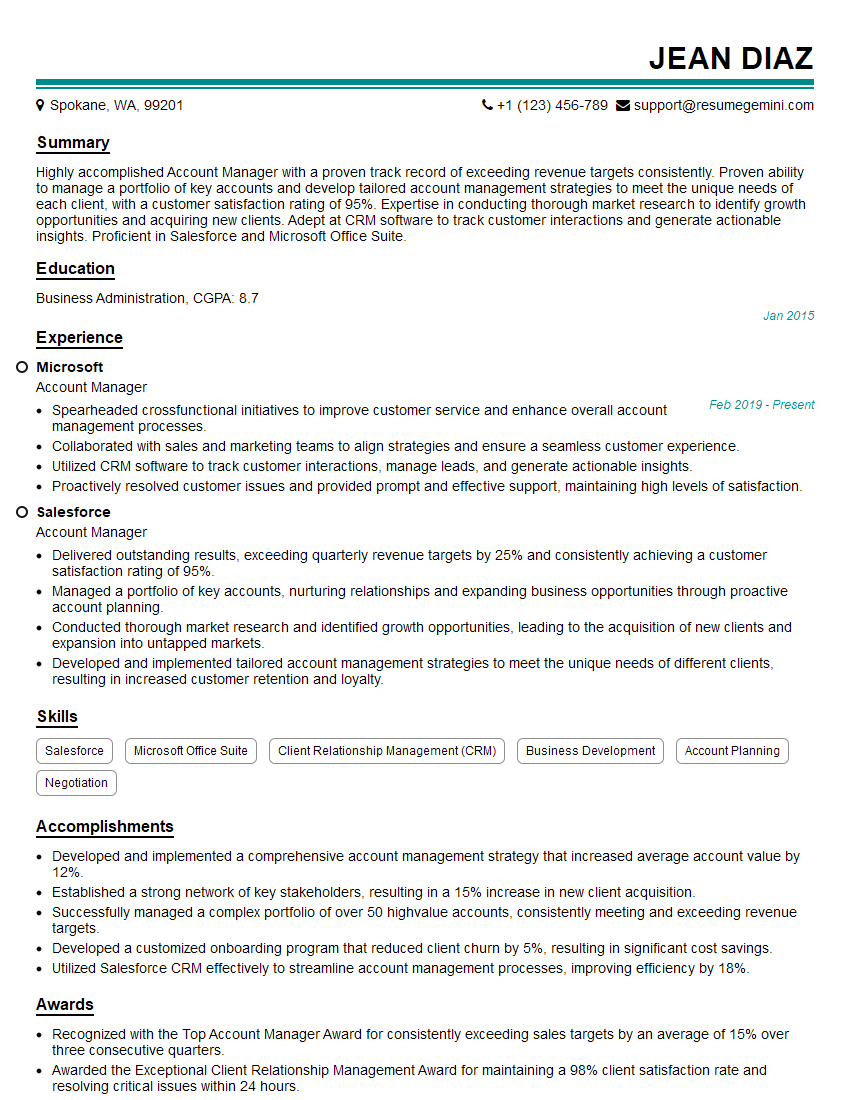
Account Manager Resume Sample
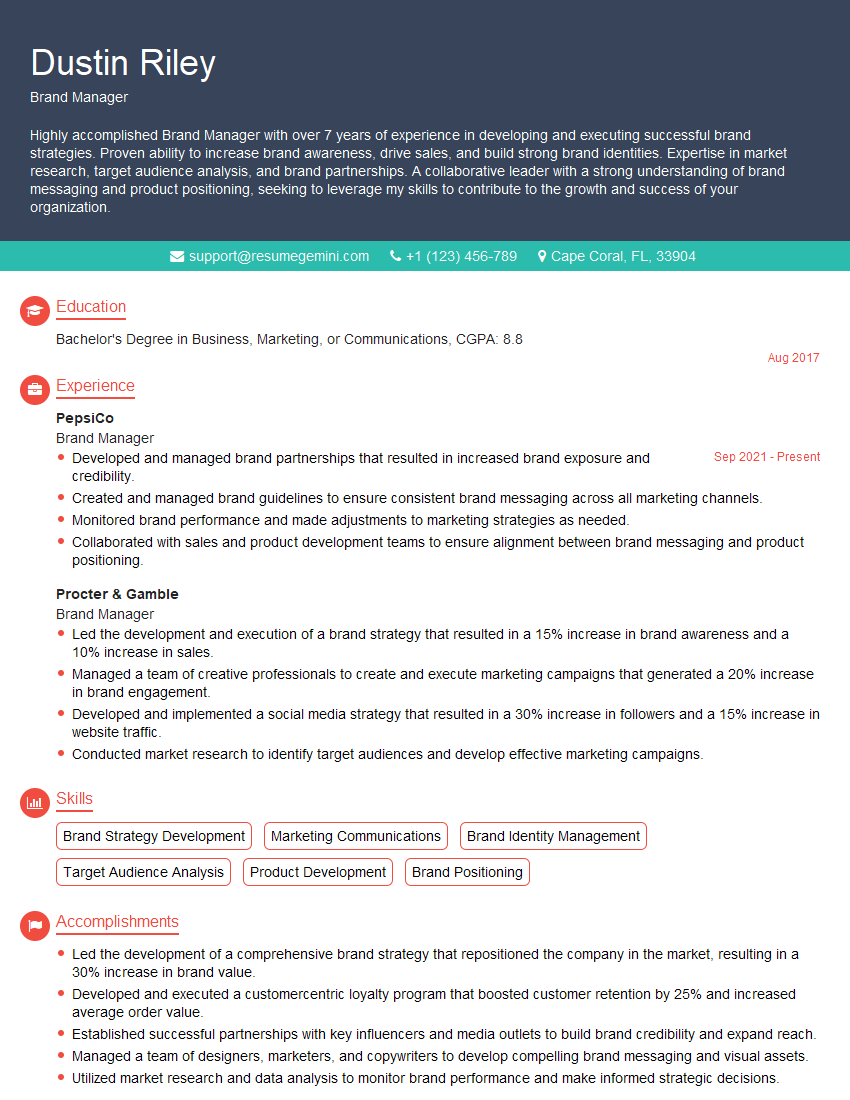
Brand Manager Resume Sample
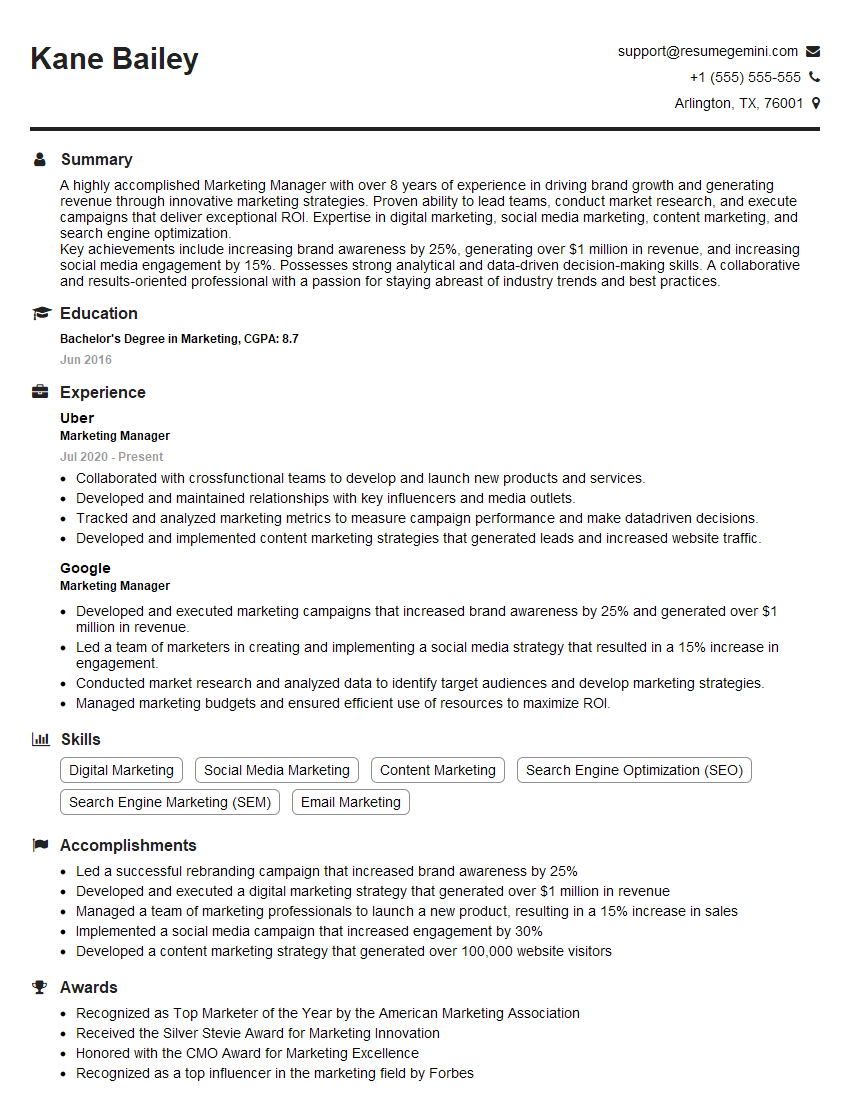
Marketing Manager Resume Sample
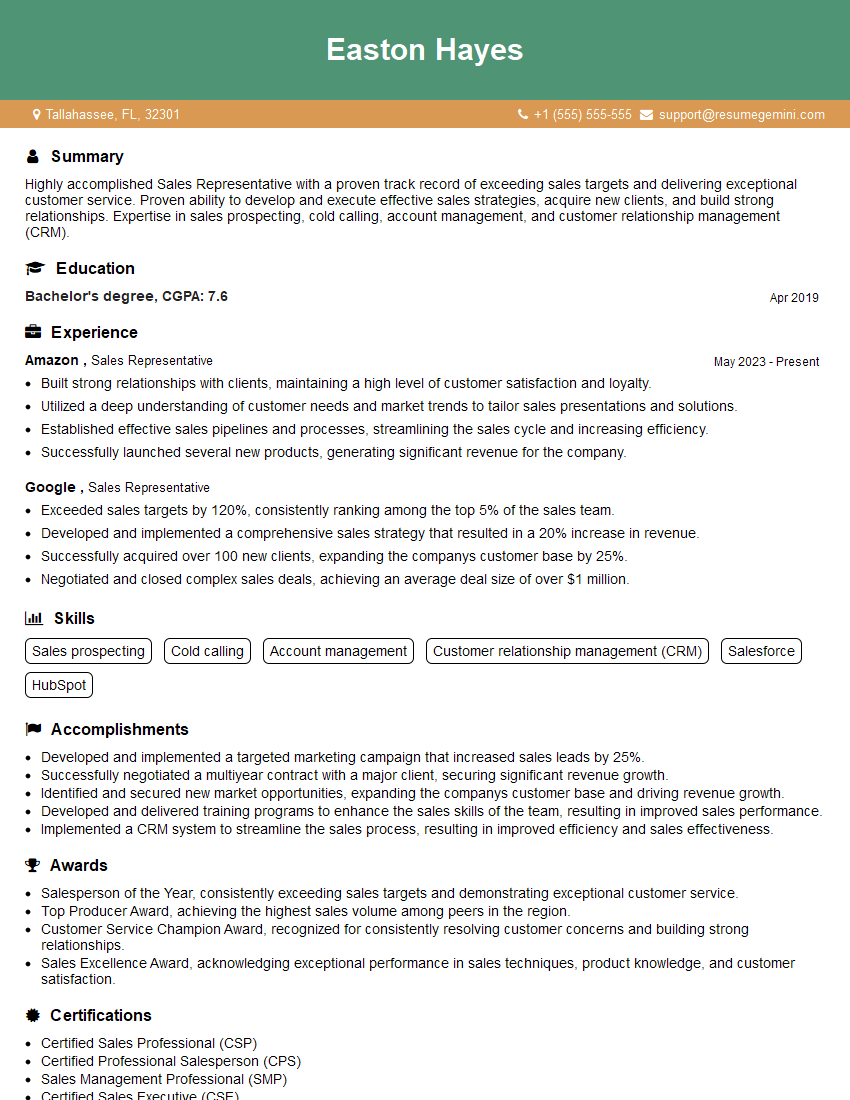
Sales Representative Resume Sample

Communications Manager Resume Sample
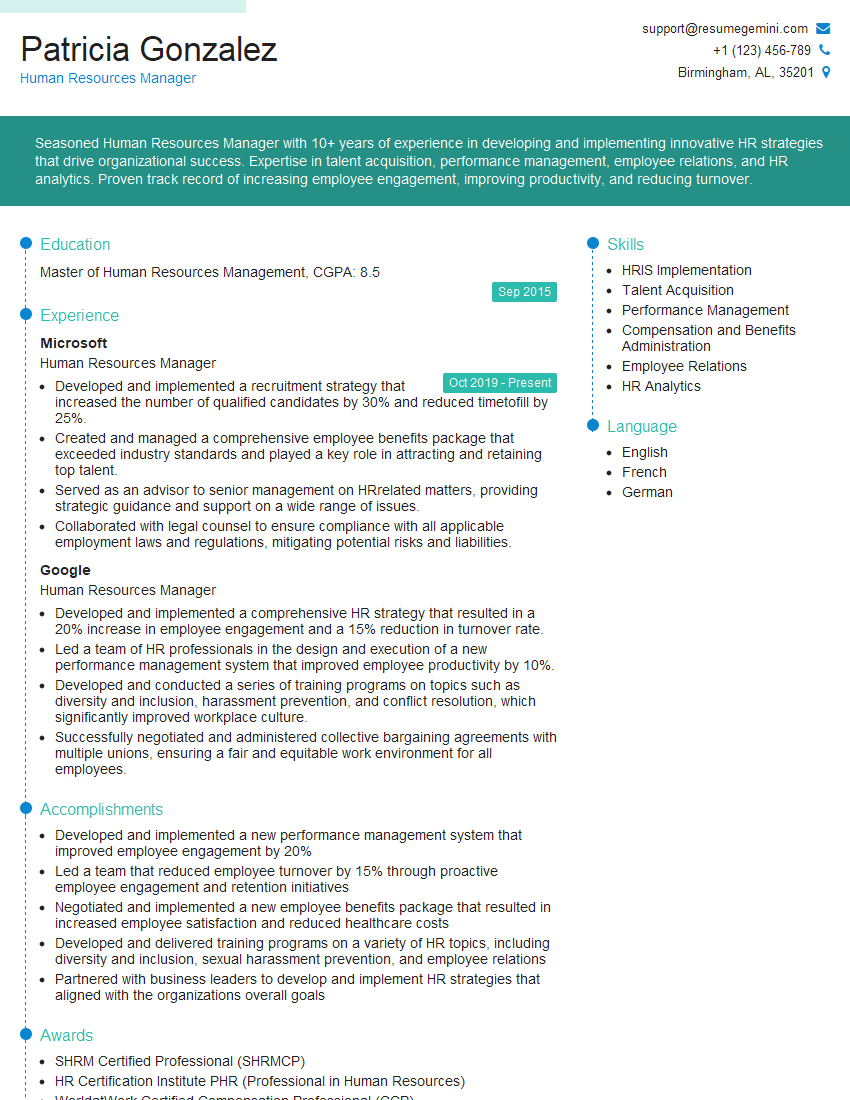
Human Resources Manager Resume Sample

Project Manager Resume Sample
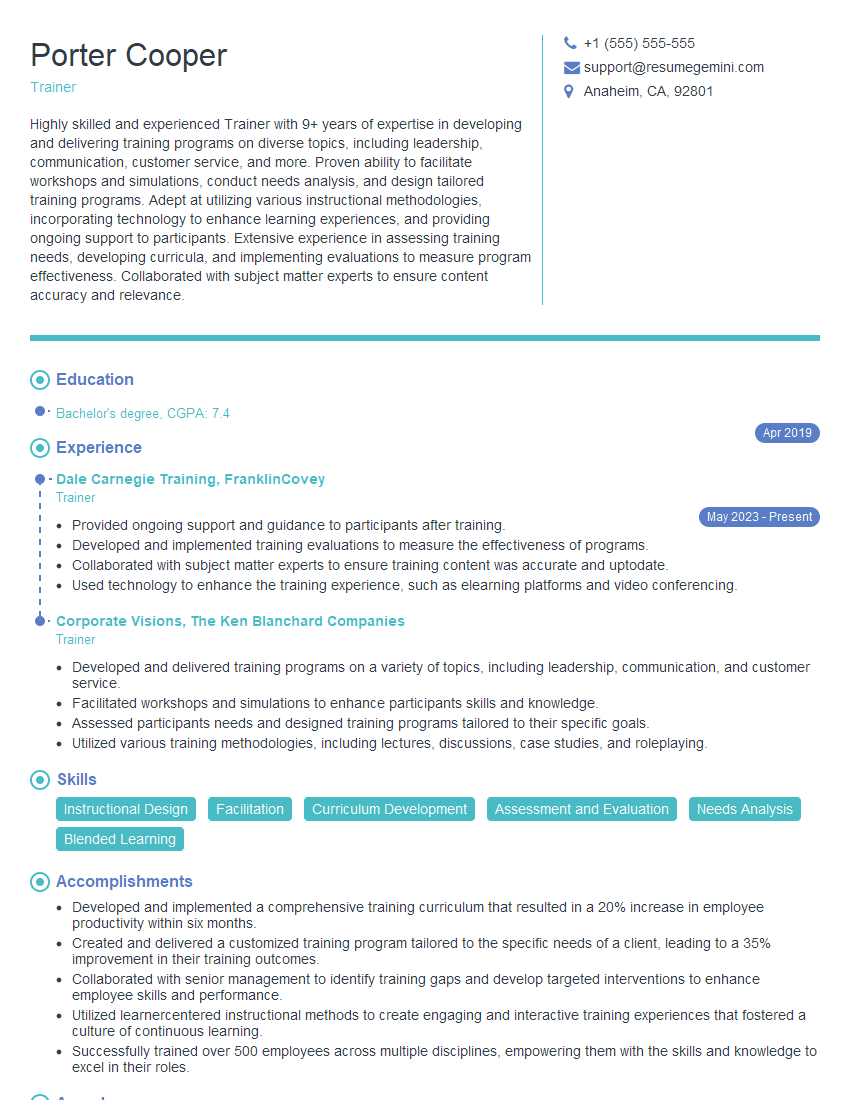
Trainer Resume Sample
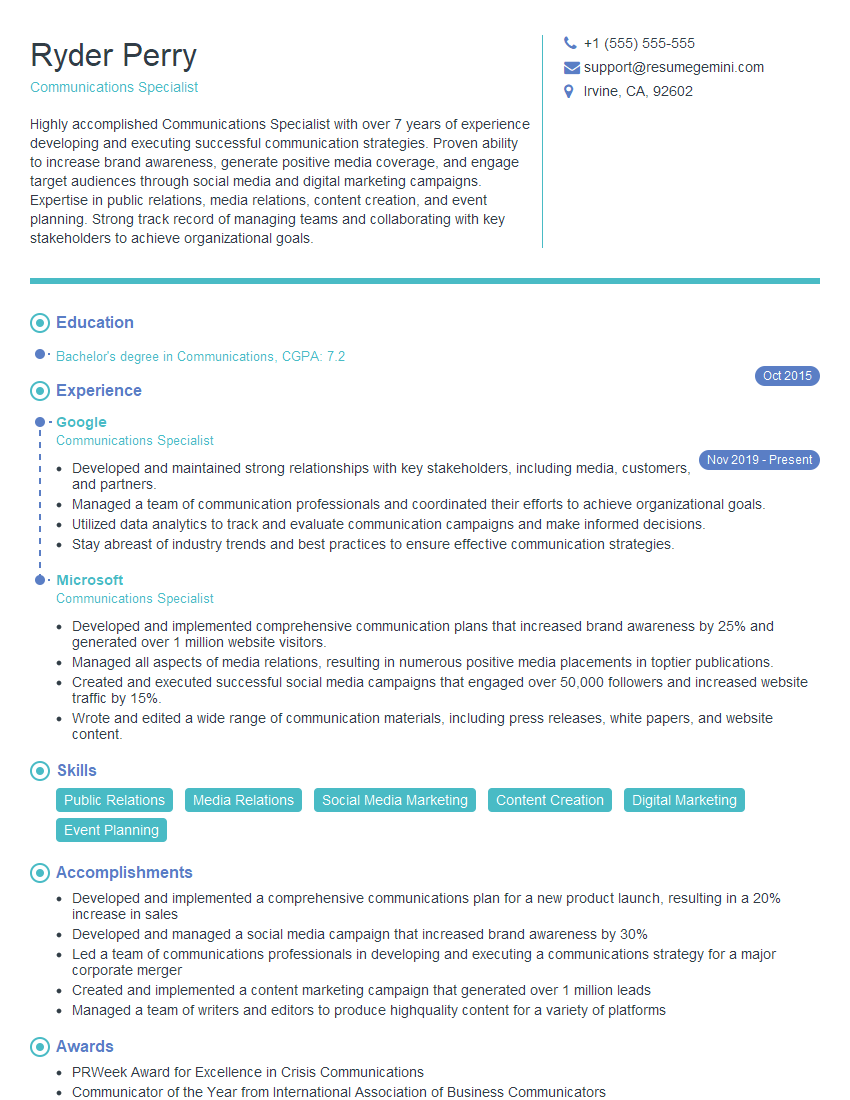
Communications Specialist Resume Sample

Social Media Manager Resume Sample
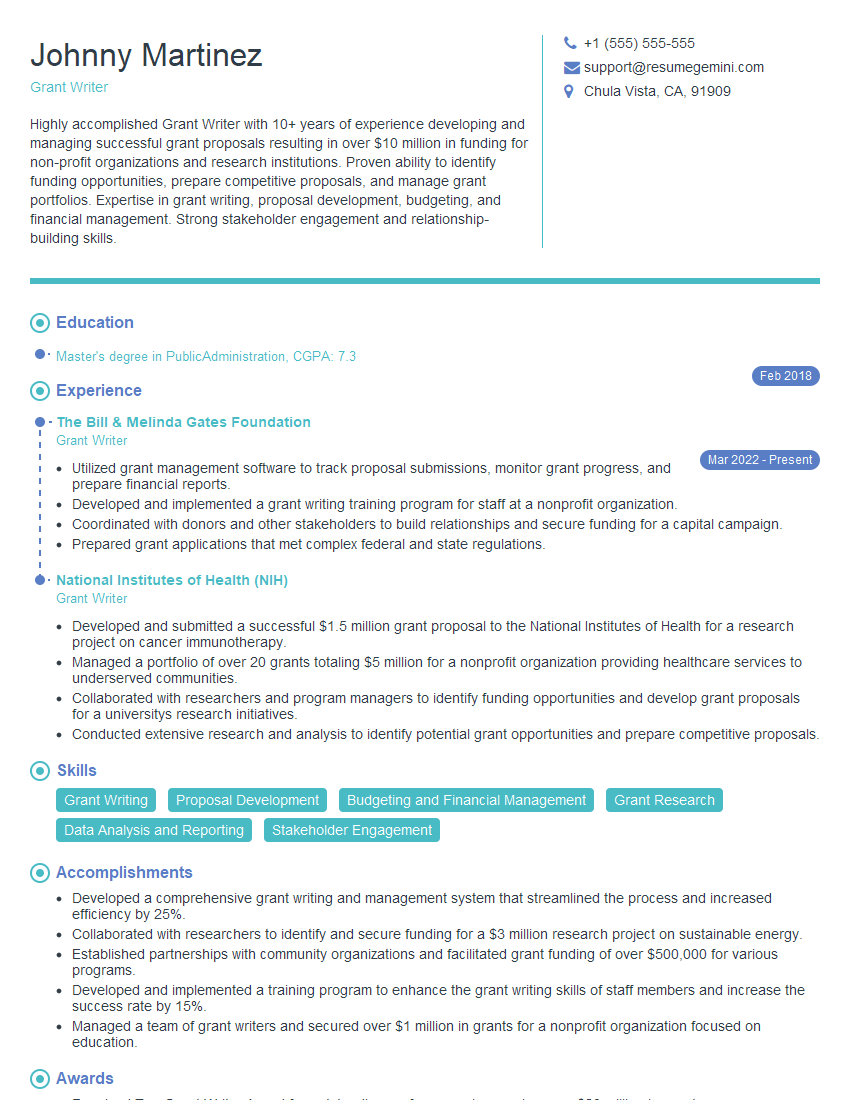
Grant Writer Resume Sample

Content Strategist Resume Sample
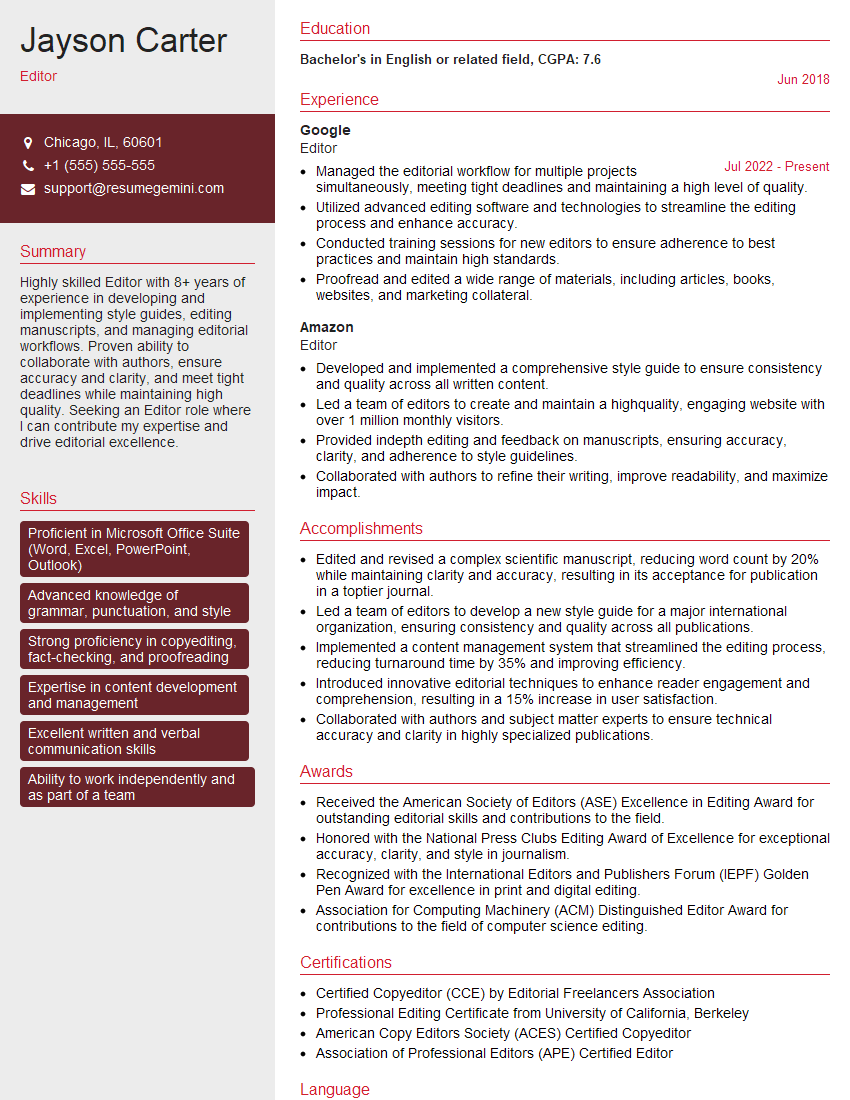
Editor Resume Sample
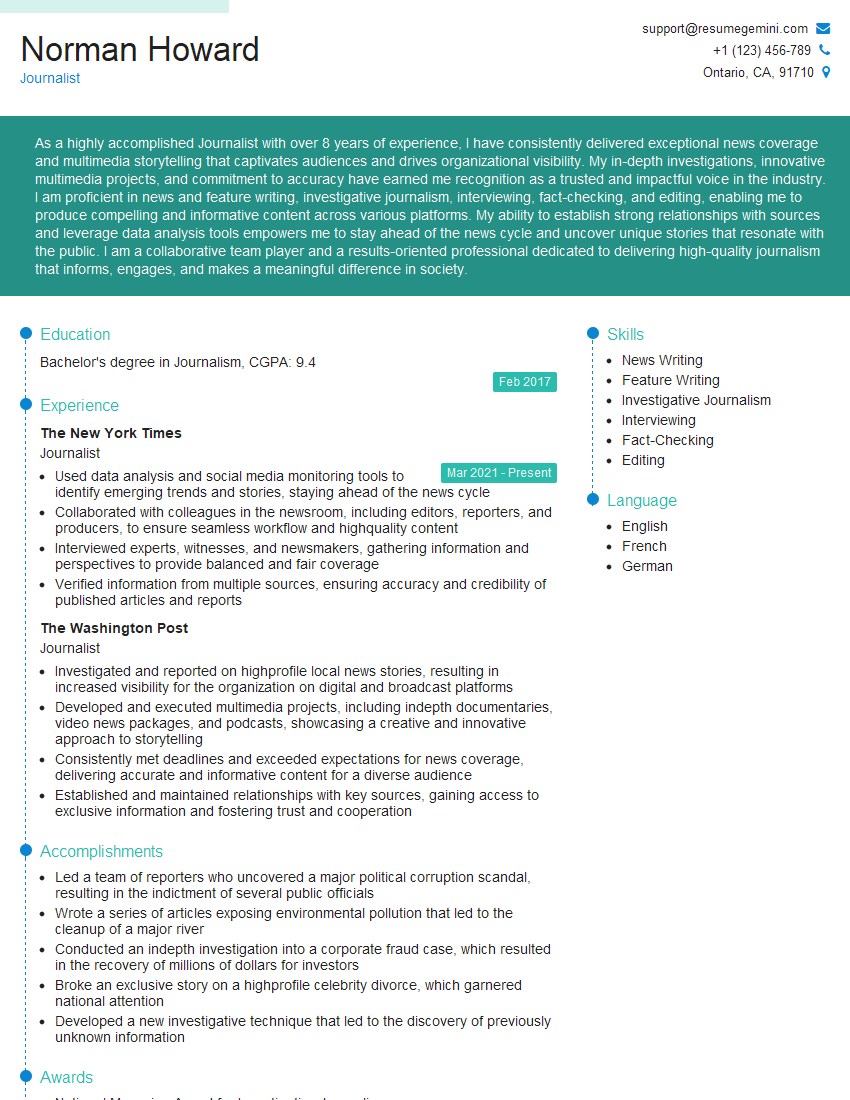
Journalist Resume Sample
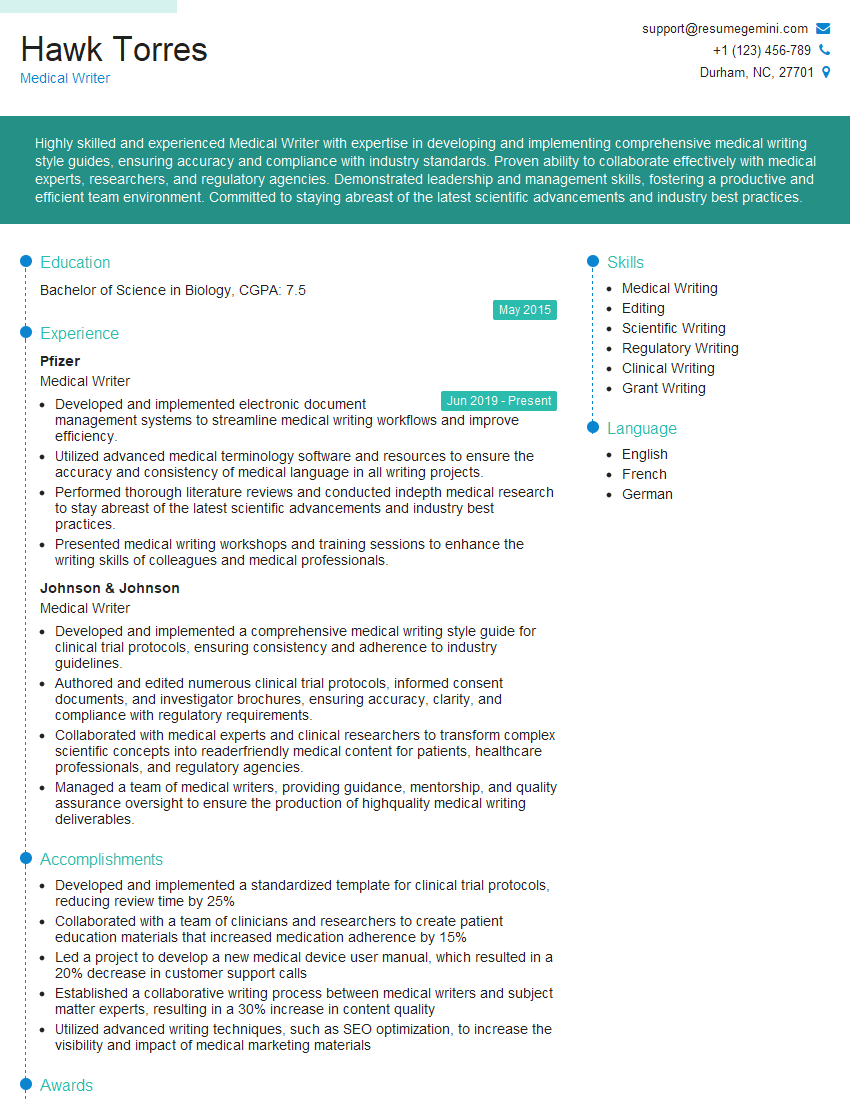
Medical Writer Resume Sample

Technical Writer Resume Sample

Copywriter Resume Sample
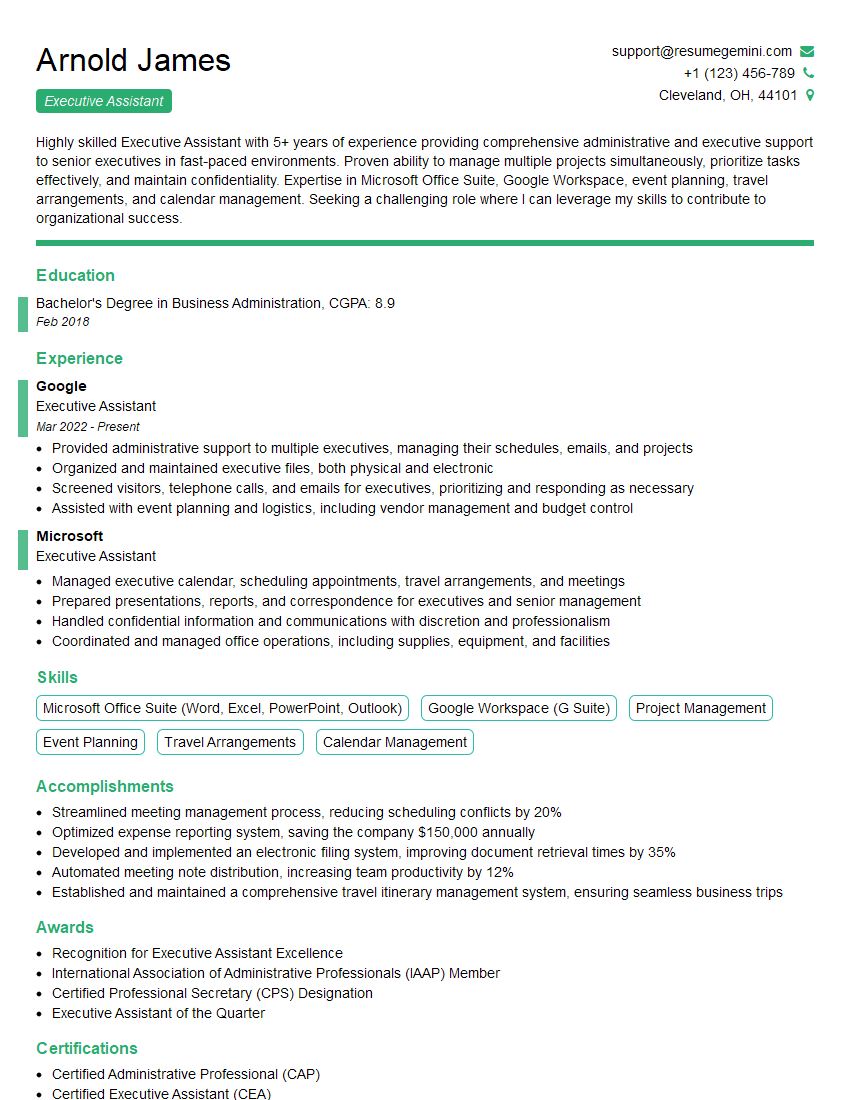
Executive Assistant Resume Sample
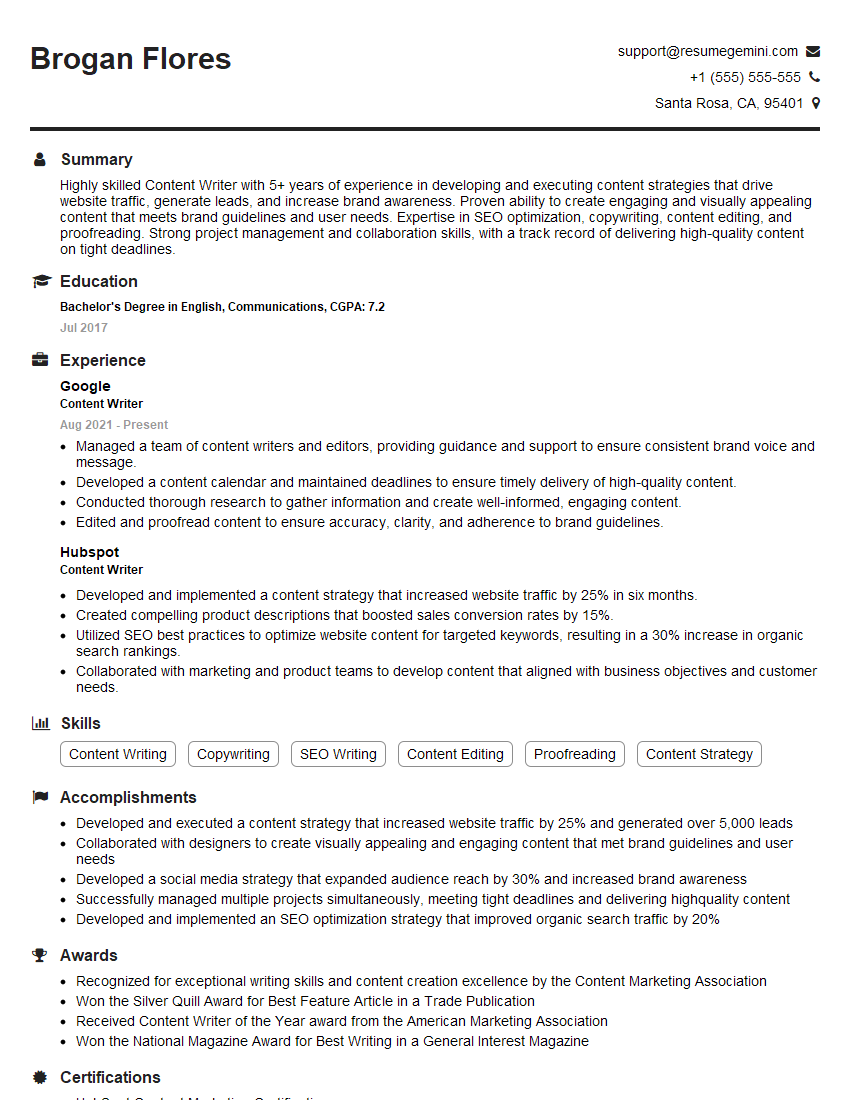
Content Writer Resume Sample
- Account Manager
- Brand Manager
- Marketing Manager
- Sales Representative
- Communications Manager
- Human Resources Manager
- Project Manager
- Trainer
- Communications Specialist
- Social Media Manager
- Grant Writer
- Content Strategist
- Editor
- Journalist
- Medical Writer
- Technical Writer
- Copywriter
- Executive Assistant
- Content Writer
Explore more articles
Users Rating of Our Blogs
Share Your Experience
We value your feedback! Please rate our content and share your thoughts (optional).
What Readers Say About Our Blog
Really detailed insights and content, thank you for writing this detailed article.
IT gave me an insight and words to use and be able to think of examples