The right preparation can turn an interview into an opportunity to showcase your expertise. This guide to Oxygen-Fuel Cutting interview questions is your ultimate resource, providing key insights and tips to help you ace your responses and stand out as a top candidate.
Questions Asked in Oxygen-Fuel Cutting Interview
Q 1. Explain the principles of oxygen-fuel cutting.
Oxygen-fuel cutting, also known as oxy-fuel cutting or oxyacetylene cutting, relies on the exothermic reaction between a fuel gas (commonly acetylene) and oxygen to cut through ferrous metals. The process isn’t simply burning; it’s a precisely controlled oxidation reaction. Think of it like this: you’re not just setting the metal alight, you’re using oxygen to create an incredibly hot, focused jet of flame that melts and oxidizes the metal, allowing it to be blown away by the high-velocity oxygen stream. The intense heat of the reaction (around 3000°C) melts the metal, while the oxygen stream reacts chemically with the iron, forming iron oxide (rust). This iron oxide is much less viscous than the molten metal, allowing it to be readily expelled, leaving a clean cut. This process only works effectively on metals that readily oxidize, primarily ferrous metals like steel.
Q 2. Describe the safety precautions involved in oxygen-fuel cutting.
Safety is paramount in oxy-fuel cutting. A single mistake can lead to severe burns, fires, or explosions. Here’s a breakdown of crucial safety precautions:
- Proper Cylinder Handling: Always use a cylinder trolley for moving cylinders. Never drop, roll, or drag them. Ensure cylinders are properly secured and chained in place. Always keep oxygen and fuel gas cylinders separate to prevent accidental mixing.
- No Oil or Grease: Oxygen reacts violently with oil and grease. Keep the regulators, torches, and hoses completely free from oil or grease. Even a tiny amount can cause a fire or explosion.
- Leak Detection: Regularly check for leaks using a soap solution. Never use a flame to check for leaks, which is a hugely dangerous practice.
- Personal Protective Equipment (PPE): Always wear appropriate PPE, including safety glasses with side shields, flame-resistant clothing, and leather gloves. A welding helmet with a proper shade is essential to protect your eyes from the intense light and heat.
- Ventilation: Ensure adequate ventilation in the work area to prevent the buildup of harmful gases.
- Fire Prevention: Have a fire extinguisher readily available and know how to use it. Keep a fire blanket close at hand as well. Always clear the work area of flammable materials.
- Training: Proper training is essential before attempting oxy-fuel cutting. The hazards are real and ignoring them is incredibly dangerous.
Q 3. What are the different types of cutting torches used in oxy-fuel cutting?
Several types of cutting torches are available, each designed for specific applications. The most common types include:
- Hand-held Cutting Torches: These are versatile and commonly used for various cutting applications. They are available in different sizes and capacities to handle different metal thicknesses.
- Mechanical Cutting Torches: These are used for automated cutting operations and provide consistent cutting quality with precise control. Often used in industrial settings for larger cutting tasks.
- Special Purpose Torches: These are designed for particular applications, such as cutting curved shapes or working in confined spaces.
The choice of torch depends on the specific job requirements, including metal thickness, cutting speed, and the level of precision required.
Q 4. How do you select the appropriate tip size for different metal thicknesses?
Tip size selection is critical for efficient and clean cuts. Too small a tip will result in slow cutting and potential overheating, while too large a tip will lead to rough cuts and excessive material waste. The tip size is directly related to the metal thickness. Manufacturers provide charts and tables that correlate tip size with metal thickness. These tables typically specify the appropriate tip size based on the material’s type and thickness. Always consult the manufacturer’s recommendations for the specific cutting torch and gas being used. For instance, cutting 1/2 inch steel would require a significantly larger tip than cutting 1/8 inch steel.
Q 5. Explain the process of preheating for oxy-fuel cutting.
Preheating is crucial for thicker metals (generally above 1/2 inch thick) to ensure proper cutting. The preheating flame warms the metal to its ignition temperature, preparing it for the cutting action. This reduces the amount of oxygen required and promotes a cleaner, smoother cut. Preheating is typically done using a smaller, neutral flame (equal parts oxygen and fuel gas) from the cutting torch, or using a separate preheating torch. The preheat temperature is crucial, too high and it risks melting the metal before the oxygen jet, too low and the cutting will struggle to initiate. The preheating process often involves moving the torch back and forth across the cutting line to evenly heat the metal.
Q 6. How do you adjust the oxygen and fuel gas pressures for optimal cutting?
Proper gas pressures are essential for optimal cutting performance and safety. Each cutting tip has recommended pressure settings for both oxygen and fuel gas that are specified by the manufacturer. These pressure settings are crucial for the correct flame and cutting action. The fuel gas pressure is usually set first (often lower than oxygen pressure), followed by adjusting the oxygen pressure to achieve the desired cutting speed and quality. A pressure gauge for both oxygen and fuel gases is crucial in this process. Inaccurate pressures might result in weak cutting, excessive splatter, or incomplete cuts. Always start with the recommended pressures from the manufacturer and adjust gradually based on experience and observation. Experimentation is key, but always prioritize safety.
Q 7. What are the signs of improper gas mixture in oxy-fuel cutting?
Improper gas mixture manifests in several ways, indicating a need for adjustment. Some key signs include:
- Weak Cutting Action: If the cut is slow, the kerf (the width of the cut) is wide, or the metal is not cleanly severed, it could indicate insufficient oxygen pressure or an overly rich fuel mixture (too much fuel gas).
- Excessive Spatter: Excessive spatter indicates a poor quality cut and possibly too much fuel gas.
- Sooty Flame: A sooty or yellow flame indicates an excessively rich fuel gas mixture, leading to incomplete combustion and a poor cut. A correctly adjusted flame is sharply pointed and bright white/blue.
- Cutting Torch Tip Overheating: If the cutting tip overheats rapidly, this often points to incorrect gas pressures or a clogged tip.
Observing the flame carefully and noting the cutting performance is key to identifying and correcting issues related to gas mixture. Practice and experience are valuable in recognizing these subtle cues.
Q 8. Describe the procedure for starting and stopping the cutting process.
Starting and stopping oxy-fuel cutting involves a precise sequence of actions to ensure safety and a clean cut. Think of it like carefully lighting and extinguishing a very hot, controlled flame.
Starting:
- Open the oxygen valve slightly: This purges the lines of any combustible gases.
- Open the fuel gas valve partially: A small, controlled flame will appear at the tip.
- Light the pre-mixed gases: Use a suitable lighter, keeping a safe distance.
- Adjust the flame: Fine-tune the oxygen and fuel gas flow to achieve a neutral flame (a sharp, blue inner cone surrounded by a feathery outer cone). A neutral flame is crucial for efficient cutting. This step is critical as the flame’s characteristics affect the cut quality significantly.
- Begin cutting: Once you have a stable, neutral flame, touch the tip to the workpiece and ignite the metal. Apply appropriate pressure and move the torch steadily.
Stopping:
- Remove the torch from the workpiece: This prevents continued heating and potential warping.
- Close the fuel gas valve first: This prevents flashback.
- Close the oxygen valve: After the fuel gas, shut off the oxygen supply.
Example: Imagine cutting a thick steel plate. A neutral flame allows for precise control, creating a clean cut without excessive heat distortion. If you have too much oxygen, the cut will be too narrow and brittle. Too much fuel gas will lead to a sooty, uneven cut.
Q 9. How do you identify and address common cutting defects?
Cutting defects in oxy-fuel cutting can be frustrating, but identifying their root causes allows for correction. Let’s delve into common defects and their remedies.
- Dross: This is molten metal that adheres to the bottom of the cut. It’s usually caused by an improperly adjusted flame (too much fuel), insufficient oxygen pressure, or a dull cutting tip. Solution: Adjust the flame to a neutral state, ensure proper oxygen pressure, and replace worn cutting tips.
- Undercut: A groove appears on the cut edges. This results from excessive cutting speed or insufficient preheating. Solution: Reduce the cutting speed, enhance preheating, and consider a larger cutting tip.
- Bevel: An unintended angle on the cut edge, often caused by incorrect torch angle. Solution: Maintain a perpendicular torch angle to the work piece.
- Rough Edges: Caused by uneven cutting speed, lack of preheat, or incorrect flame adjustment. Solution: Steady the cutting speed, adjust the preheat as needed and refine the flame.
- Incomplete Cut: Often due to inadequate oxygen pressure or the wrong cutting tip size for the material thickness. Solution: Increase oxygen pressure, or select an appropriately sized cutting tip for your work.
Example: While cutting a thick piece of mild steel, if you observe excessive dross, it immediately indicates that you need to review your oxygen-fuel gas mixture. A simple adjustment could lead to a perfect cut.
Q 10. What are the limitations of oxy-fuel cutting?
While oxy-fuel cutting is versatile, it possesses limitations. It’s essential to be aware of these to avoid ineffective or unsafe practices.
- Material Thickness Limitations: While capable of cutting thick materials, there’s a practical limit based on the cutting tip size and the ability to preheat thicker materials effectively.
- Material Suitability: It’s primarily suitable for ferrous metals and some non-ferrous metals that readily oxidize (like copper and brass). It’s not ideal for stainless steels, aluminum, or other high-alloy materials due to poor oxidation.
- Heat Affected Zone (HAZ): The heat of the cutting process creates a zone surrounding the cut which can alter the material properties. The size of the HAZ is significantly larger than other cutting methods, creating challenges in some applications.
- Surface Finish: Oxy-fuel cutting doesn’t provide a smooth surface finish compared to other processes like laser cutting. Additional finishing may be needed.
- Safety Concerns: Working with high-pressure gases necessitates rigorous adherence to safety standards.
Example: Trying to cut aluminum using oxy-fuel cutting would be inefficient and might even damage the equipment due to the metal’s poor oxidation properties. Plasma cutting or laser cutting would be more suitable in this case.
Q 11. Explain the process of beveling using oxy-fuel cutting.
Beveling with oxy-fuel cutting involves creating an angled edge on a metal plate, often to prepare for welding. It’s a controlled process requiring precise technique.
The process involves using a beveling attachment on the cutting torch or by carefully tilting the torch at a consistent angle while maintaining a slow, steady cutting speed. The angle of the bevel is determined by the torch angle and the cutting speed. A slower speed creates a wider bevel. Preheating the metal before starting the cut helps control warping and improves cut quality.
Example: Before welding two thick steel plates, a bevel cut might be necessary to allow for proper penetration and a stronger weld. A consistent bevel ensures a uniform weld joint. This application is critical in structural steel work.
Q 12. How do you cut different types of metals using oxy-fuel cutting?
Cutting different metals with oxy-fuel cutting necessitates adjustments to parameters like oxygen pressure, preheating, and cutting speed.
- Mild Steel: Relatively easy to cut with a neutral flame and moderate oxygen pressure.
- Stainless Steel: More challenging due to its higher melting point and lower oxidation rate. Requires higher oxygen pressure, preheating, and sometimes a cutting flux.
- Cast Iron: Requires careful preheating to avoid cracking. Cutting speed should be slow to prevent excessive heat build-up.
- Copper and Brass: Can be cut, but they require higher oxygen pressure and a different cutting tip design to facilitate effective oxidation.
Example: Cutting stainless steel would necessitate a preheat process to ensure that the cut is clean and prevents unwanted distortion. Choosing the correct tip for the material thickness is also extremely important. The wrong tip could lead to a poor cut and damage the tip itself.
Q 13. What is the role of preheating in cutting various metals?
Preheating is crucial in oxy-fuel cutting, particularly with thicker materials and those that oxidize less readily. It prepares the metal for cutting by raising its temperature to the ignition point.
Preheating reduces the amount of oxygen required for cutting, resulting in cleaner cuts. It also minimizes the heat affected zone (HAZ) and the chances of cracking or warping. The degree of preheating depends on the metal’s type and thickness. Thicker sections and metals with lower oxidation rates require more preheating.
Example: Cutting thick cast iron necessitates preheating to avoid cracking, as cast iron is prone to thermal shock. This preheat step is vital in achieving the best cut.
Q 14. Explain the concept of kerf width in oxy-fuel cutting.
Kerf width refers to the width of the cut made by the oxy-fuel cutting process. It’s the distance between the edges of the cut. It depends on several factors: the cutting tip size, the type of metal being cut, oxygen pressure, and cutting speed.
A larger kerf width generally means a wider cut. While a wider kerf might seem undesirable, it can be beneficial in some situations where you need to cut through a thicker plate. However, an overly wide kerf can lead to material wastage. A narrow kerf is desirable for precision cutting, but it requires careful control of cutting parameters.
Example: For intricate designs, a narrow kerf is preferred for precision. In contrast, if you are cutting very thick steel plates, a wider kerf might be acceptable to achieve a successful cut.
Q 15. How do you maintain and clean oxy-fuel cutting equipment?
Maintaining oxy-fuel cutting equipment is crucial for safety and efficient operation. Think of it like maintaining a finely tuned engine – regular care prevents major problems.
- Regular Cleaning: After each use, remove slag and spatter from the cutting torch, hoses, and regulators using a wire brush and compressed air. Never use sharp instruments that could damage the equipment. Imagine the build-up hindering the flow of gases, just like clogged arteries in our body.
- Visual Inspection: Before each use, inspect all hoses for cracks, kinks, or damage. Check for leaks by applying soapy water to all connections. Bubbles indicate a leak, requiring immediate attention. A leak is like a hole in your water pipe – it needs patching up quickly.
- Regulator Maintenance: Ensure that regulators are clean and functioning correctly. Avoid over-tightening connections, which could damage them. Treat the regulators like delicate instruments – gentle handling ensures longevity.
- Tip Cleaning: Clean the cutting torch tip regularly. A clogged tip leads to inefficient cutting, producing poor quality cuts. Think of the tip as a precision nozzle, requiring pristine conditions for optimal performance.
- Storage: Store equipment in a dry, clean, and secure location away from flammable materials. Think of it like keeping your important tools in a well-organized toolbox – easy access, less risk of damage.
Career Expert Tips:
- Ace those interviews! Prepare effectively by reviewing the Top 50 Most Common Interview Questions on ResumeGemini.
- Navigate your job search with confidence! Explore a wide range of Career Tips on ResumeGemini. Learn about common challenges and recommendations to overcome them.
- Craft the perfect resume! Master the Art of Resume Writing with ResumeGemini’s guide. Showcase your unique qualifications and achievements effectively.
- Don’t miss out on holiday savings! Build your dream resume with ResumeGemini’s ATS optimized templates.
Q 16. What are the safety considerations when working with different metal types?
Safety varies significantly depending on the metal being cut. Different metals react differently to the intense heat of oxy-fuel cutting, producing potentially hazardous fumes and sparks.
- Steel: Produces iron oxide fumes, which can be irritating. Ensure adequate ventilation.
- Stainless Steel: Produces chromium oxide fumes, which are more toxic than iron oxide. Requires better ventilation and potentially respiratory protection.
- Aluminum: Produces bright, intense light that can cause eye damage. Always wear appropriate eye protection.
- Zinc-coated Steel (Galvanized): Produces zinc fumes, which are toxic. Requires specialized ventilation and respiratory protection. Think of it as dealing with toxic paint fumes – safety gear is non-negotiable.
- Lead-based metals: Cutting these materials produces toxic lead fumes. Absolutely requires respiratory protection and specialized waste disposal.
Always consult the relevant Material Safety Data Sheet (MSDS) before working with any metal to understand the specific hazards and necessary precautions.
Q 17. How do you troubleshoot common issues with the cutting torch?
Troubleshooting a cutting torch often involves systematically checking the gas supply and the torch itself. Let’s consider some common issues:
- Poor Cut Quality: Check for a clogged tip, incorrect gas pressure, or a dull cutting tip. Cleaning the tip and adjusting the pressure usually solves this. A poor cut is like a rough-hewn piece of wood – it needs refinement.
- No Cut: Check gas supply, connections, and the tip. Make sure both oxygen and fuel are flowing correctly. No gas flow is like a car without fuel – it won’t start.
- Premature Tip Failure: This could indicate excessively high pressure, incorrect cutting technique, or a faulty tip. Proper training is crucial for avoiding this.
- Backfires/Flashbacks: This is a serious safety hazard and often points to improper gas mixture, a damaged hose, or a faulty flashback arrestor. If this happens, shut down immediately and investigate thoroughly before resuming. Backfires are like a sudden explosion – safety is paramount.
Remember, if you are unsure about any issue, consult a qualified expert rather than attempting risky DIY repairs.
Q 18. Describe the proper procedures for handling and storing oxygen and fuel cylinders.
Oxygen and fuel cylinders are high-pressure vessels requiring careful handling. Improper handling can lead to serious accidents.
- Transportation: Always use a cylinder cart or trolley. Never drag or roll cylinders.
- Securing: Secure cylinders upright using appropriate chains or straps. Never leave them unattended.
- Opening/Closing Valves: Open and close valves slowly and smoothly. Never use excessive force.
- Storage: Store cylinders upright, away from heat sources, ignition sources, and incompatible materials. Always properly cap the cylinders when not in use.
- Protection: Always wear safety glasses when handling cylinders.
Think of them as pressurized bombs – careful handling is absolutely essential.
Q 19. What are the environmental considerations related to oxy-fuel cutting?
Oxy-fuel cutting has several environmental considerations. The primary concern is the emission of fumes and particulate matter.
- Air Quality: The fumes produced during cutting can contain harmful substances, depending on the metal being cut. Adequate ventilation and sometimes respiratory protection are necessary to minimize worker exposure and environmental pollution.
- Waste Management: Slag and other byproducts from cutting should be disposed of properly. They can contain hazardous substances depending on the metal being processed. In some cases, specialized disposal methods might be required.
- Noise Pollution: The cutting process itself can be noisy, necessitating ear protection for workers. Appropriate noise barriers can mitigate the impact on the surrounding environment.
Responsible operators should always prioritize minimizing environmental impact through proper ventilation, waste management, and the use of appropriate personal protective equipment (PPE).
Q 20. How do you ensure the quality of the cut surface?
A high-quality cut surface is characterized by straightness, smoothness, and minimal dross (excess molten metal). Achieving this depends on several factors.
- Correct Gas Pressure: Maintaining the correct oxygen and fuel pressure is crucial. Improper pressure leads to a rough, irregular cut.
- Tip Condition: A clean, sharp cutting tip is essential for a smooth cut. A worn or damaged tip will produce a poor-quality cut.
- Cutting Speed: The cutting speed should be appropriate for the metal thickness and type. Too fast or too slow a speed leads to a poor-quality cut.
- Preheating (for thicker materials): For thicker metals, preheating is crucial for a clean cut. Preheating allows the metal to reach the necessary temperature before cutting, resulting in a cleaner cut.
Think of it like using a sharp knife to cut bread – the sharper the tool, the cleaner the cut. Precision and technique are key.
Q 21. What is the difference between piercing and cutting?
Piercing and cutting are distinct stages in the oxy-fuel cutting process, both requiring a different technique and gas mixture.
- Piercing: This is the initial step, where the cutting torch creates a hole in the metal. It uses a higher oxygen pressure to create a concentrated jet of flame that melts through the metal. Think of it as puncturing the metal’s surface.
- Cutting: Once a hole is pierced, the torch is moved along the desired cut line. The process uses a different gas mixture and pressure for smoother cutting. It involves continuously melting and blowing away the molten metal, forming the cut.
The piercing stage sets the stage for cutting. A clean and accurate piercing hole leads to better quality and precision cutting.
Q 22. Explain the use of different cutting attachments.
Oxy-fuel cutting uses various attachments depending on the material thickness and the desired cut quality. The most common include:
- Cutting Nozzles/Tips: These are crucial, as they determine the size and shape of the kerf (cut). Different nozzle sizes are used for different material thicknesses; a larger nozzle is needed for thicker materials. They also come in various shapes, like straight or beveled, depending on the application. For example, a beveled tip is useful for creating a sloped edge.
- Mixing Chambers: The mixing chamber efficiently combines oxygen and fuel gas before it reaches the nozzle, ensuring complete combustion. Different chamber designs may be used to optimize the gas flow and mixture for specific fuels.
- Preheating Attachments: For thicker materials, preheating is essential to reach the ignition temperature. Preheating attachments help control this process. They might involve multiple smaller flames surrounding the cutting nozzle or a single wider flame.
- Cutting Handles: These handles provide control and ergonomic support to the operator, reducing fatigue during longer operations.
Selecting the right attachment is paramount for safety and efficient cutting. Using the wrong nozzle size, for example, can result in poor cuts, wasted gas, or even equipment damage.
Q 23. Describe the use of a cutting guide.
A cutting guide is essential for accurate and straight cuts, especially when cutting long pieces or intricate shapes. It acts as a rail for the cutting torch, ensuring consistent distance and direction. These guides can be simple straight edges, or more complex templates made of sturdy materials like steel. The guide is firmly secured to the workpiece using clamps, preventing movement during the cutting process.
Think of it like using a ruler for drawing a straight line. Without a cutting guide, achieving a perfectly straight cut on a long piece of metal becomes extremely challenging, leading to inconsistent results and potential waste. The guide ensures precision, saving both time and material.
Different types of guides exist, including:
- Straight edge guides: Used for simple straight cuts.
- Circular guides: Used for cutting circles or circular shapes.
- Shaped templates: Used for cutting complex shapes.
Q 24. How do you handle emergencies related to oxy-fuel cutting?
Emergencies in oxy-fuel cutting are primarily related to fire, burns, and gas leaks. My response is always based on a pre-planned and practiced emergency procedure that prioritizes safety:
- Gas Leaks: Immediately shut off both oxygen and fuel gas cylinders at the valves. Then, ventilate the area and report the leak. Never attempt to repair a leak yourself; that’s the job of trained personnel.
- Fire: If a fire starts, use a fire extinguisher appropriate for Class B fires (flammable liquids). A dry chemical or CO2 extinguisher is typically used. If the fire is beyond your control, evacuate the area immediately and call the fire department.
- Burns: First aid for burns involves immediately cooling the affected area with cool (not ice cold) running water for at least 10-20 minutes. Seek medical attention immediately, especially for serious burns.
- Cylinder Explosions: This is less common but very serious. Keep a safe distance from the cylinders in case of an explosion. Evacuate the area and alert the appropriate authorities.
Regular safety inspections of equipment and the work area are vital to prevent accidents. Training and adherence to safety procedures are paramount for minimizing risks.
Q 25. What are the different types of fuel gases used in oxy-fuel cutting?
The most common fuel gases used in oxy-fuel cutting are:
- Acetylene (C₂H₂): This is the most widely used fuel gas due to its high flame temperature and ease of ignition. However, it requires special handling and storage due to its explosive nature.
- Propane (C₃H₈): A less expensive alternative, propane is safer to handle than acetylene, but produces a lower flame temperature, limiting its application to thinner materials.
- MAPP Gas (Methylacetylene-Propadiene Propane): This offers a good compromise between acetylene’s flame temperature and propane’s safety and cost. It’s a popular choice for many industrial applications.
- Natural Gas (Methane): In some settings, natural gas can be used, but it usually requires specialized equipment and careful control.
The choice of fuel gas depends on factors such as material thickness, cost considerations, and safety regulations.
Q 26. What are the advantages and disadvantages of oxy-fuel cutting compared to other cutting methods?
Oxy-fuel cutting has distinct advantages and disadvantages compared to other cutting methods like plasma arc cutting or laser cutting:
Advantages:
- Relatively low initial cost: Oxy-fuel equipment is generally less expensive than plasma or laser cutters.
- Portability: Oxy-fuel cutting equipment is portable, allowing it to be used in various locations.
- Versatility: It can cut a wide range of ferrous metals, and even some non-ferrous metals under certain conditions.
- Simple operation: After proper training, oxy-fuel cutting is relatively easy to learn and operate.
Disadvantages:
- Lower cutting speed: Compared to plasma and laser cutting, oxy-fuel cutting is significantly slower.
- Heat-affected zone: The heat-affected zone (HAZ) is larger compared to other methods, potentially affecting material properties.
- Limited thickness capacity: The thickness of material that can be efficiently cut is limited.
- Not suitable for all materials: It’s not effective for non-ferrous materials like aluminum or stainless steel unless pre-treatments are applied.
The choice of cutting method depends on the specific application, material, budget, and required cut quality.
Q 27. Describe your experience with different oxy-fuel cutting techniques.
My experience encompasses various oxy-fuel cutting techniques, including:
- Straight line cutting: This is the most basic technique, primarily using a cutting guide for precision. I have extensive experience cutting straight lines in various thicknesses of steel, for example, to prepare pieces for welding.
- Shape cutting: This involves using templates to guide the torch and cut intricate shapes. I’ve cut various custom shapes for components in manufacturing projects, from simple circles and squares to more complex designs.
- Bevel cutting: This technique creates angled cuts, often used to prepare edges for welding. Experience in bevel cutting enables me to prepare edges for strong, leak-proof welds.
- Piercing: This is the initial process of starting the cut, creating a small hole in the material before moving into a full cut. I’ve honed the technique to minimize material waste during this step.
In each technique, I prioritize accuracy, safety, and efficient material use. My experience is strengthened by consistently adhering to safety regulations and best practices.
Q 28. What are your skills in using measuring tools and safety equipment?
My skills with measuring tools are crucial for precise cutting and are regularly tested in practical applications. I’m proficient in using:
- Steel rules and tapes: To accurately measure and mark workpieces before cutting.
- Squares and levels: To ensure accurate angles and alignment during the cutting process.
- Calipers: To accurately measure material thicknesses before selecting the appropriate cutting nozzle.
Regarding safety equipment, I’m experienced and skilled in using:
- Safety glasses and face shields: These protect my eyes and face from sparks and hot metal splatter.
- Welding gloves: To protect my hands from heat and burns.
- Flame-resistant clothing: This protects my body from accidental burns or ignition of clothing.
- Fire extinguishers: Knowing how to use various types of fire extinguishers is essential, and is a skill I regularly practice.
Safety is always my top priority. I regularly inspect all safety equipment to ensure it’s functioning correctly and maintained to industry standards.
Key Topics to Learn for Your Oxygen-Fuel Cutting Interview
- Fundamentals of Combustion: Understand the chemical reactions involved in oxygen-fuel cutting, including the role of oxygen and fuel gases in achieving the necessary temperatures for cutting.
- Equipment Operation and Safety: Master the safe and efficient operation of oxygen-fuel cutting torches, regulators, and related equipment. This includes preheating procedures, proper cutting techniques, and emergency shutdown procedures.
- Gas Selection and Pressure Regulation: Learn how to select the appropriate fuel gas (acetylene, propane, etc.) based on the material being cut and understand the importance of maintaining correct gas pressures for optimal cutting performance.
- Cutting Techniques and Procedures: Familiarize yourself with different cutting techniques, including piercing, cutting, and beveling, and understand the procedures for preparing the material before cutting.
- Material Properties and Selection: Understand the impact of different materials (steel types, thickness, etc.) on the cutting process and the selection of appropriate cutting parameters.
- Troubleshooting and Problem-Solving: Develop your ability to identify and troubleshoot common problems encountered during oxygen-fuel cutting, such as improper cuts, flashbacks, and gas leaks.
- Safety Regulations and Compliance: Become familiar with relevant safety regulations and best practices for oxygen-fuel cutting to ensure a safe working environment.
- Maintenance and Inspection: Understand routine maintenance procedures for cutting equipment and the importance of regular inspections to prevent accidents and ensure optimal performance.
Next Steps
Mastering oxygen-fuel cutting opens doors to rewarding careers in fabrication, construction, and various manufacturing sectors. To maximize your job prospects, a well-crafted resume is crucial. An ATS-friendly resume increases your chances of getting noticed by recruiters and hiring managers. We recommend using ResumeGemini to build a professional and effective resume that showcases your skills and experience. ResumeGemini provides examples of resumes tailored to the Oxygen-Fuel Cutting field, helping you present your qualifications compellingly. Take the next step towards your dream career today!
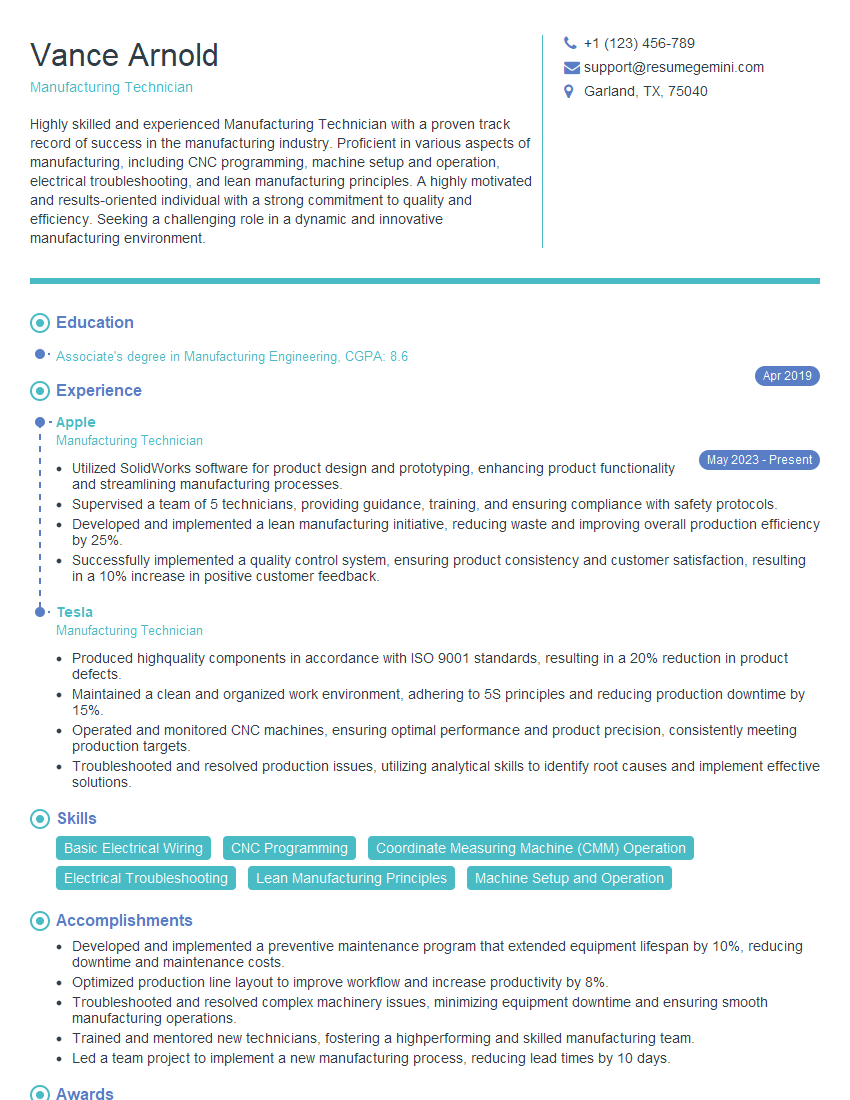
Manufacturing Technician Resume Sample

Welding Foreman Resume Sample
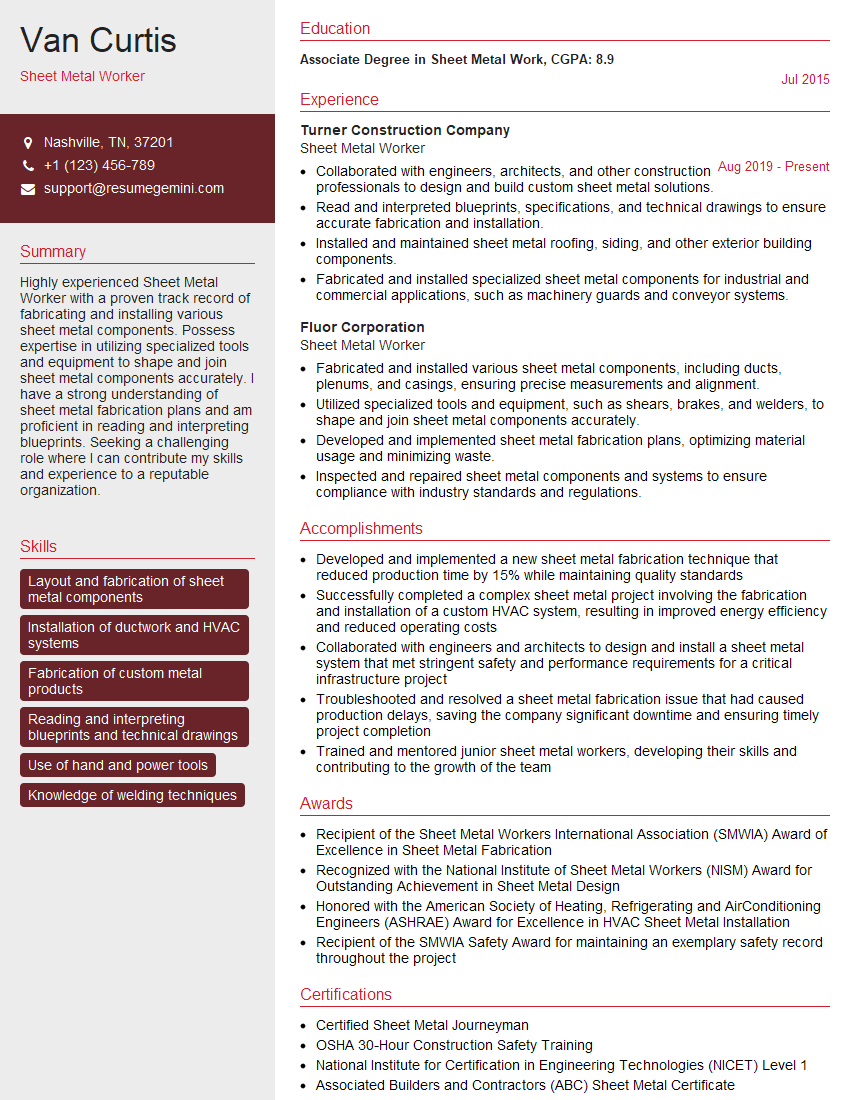
Sheet Metal Worker Resume Sample
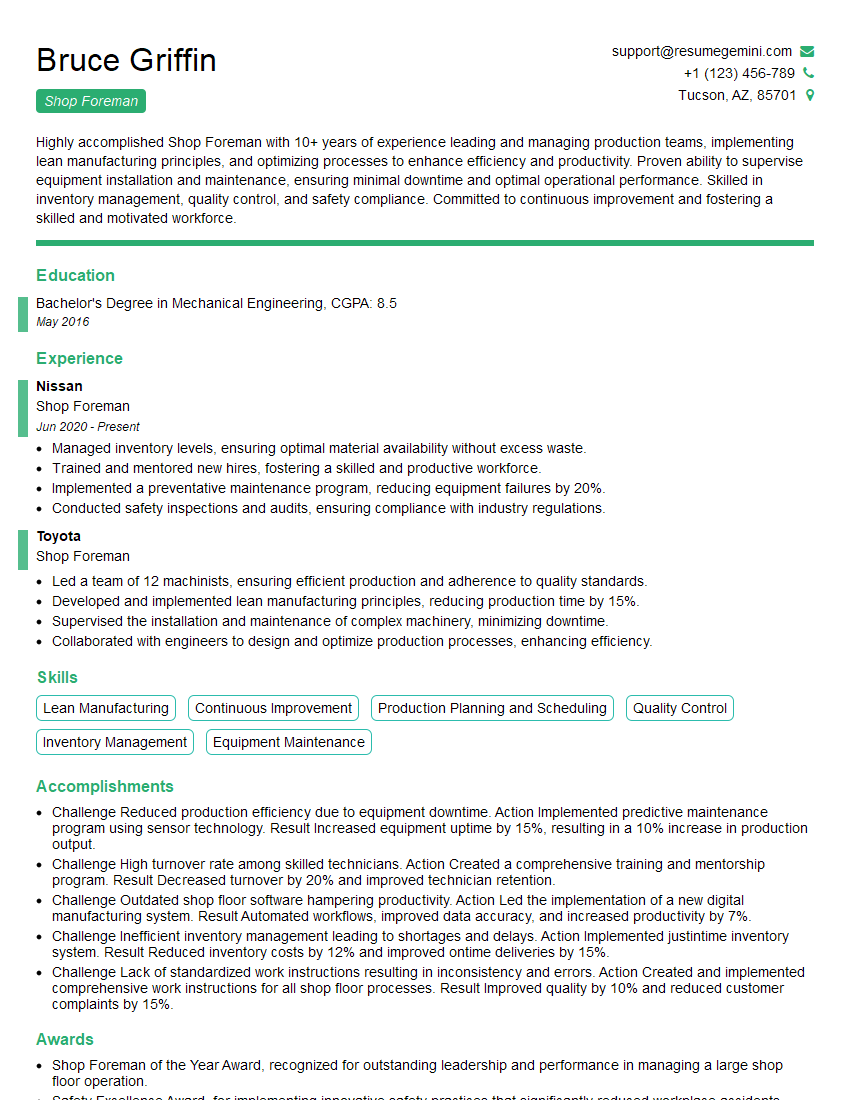
Shop Foreman Resume Sample
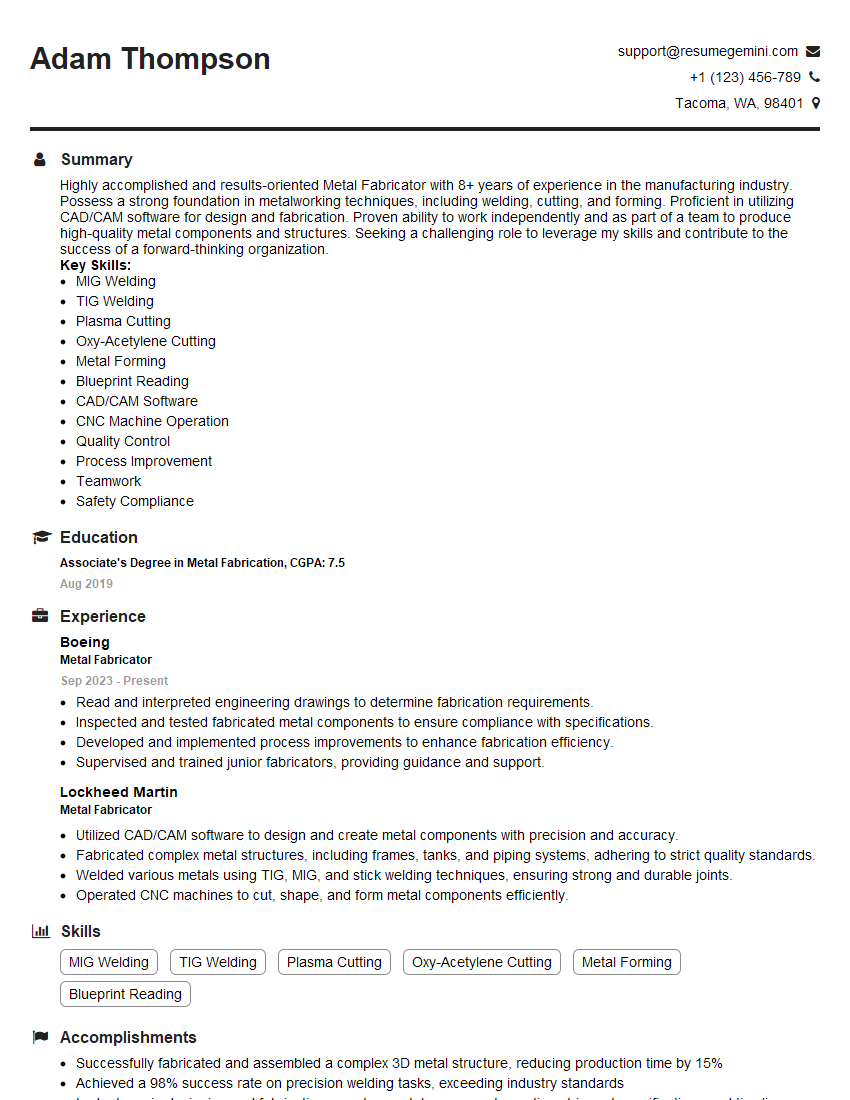
Metal Fabricator Resume Sample
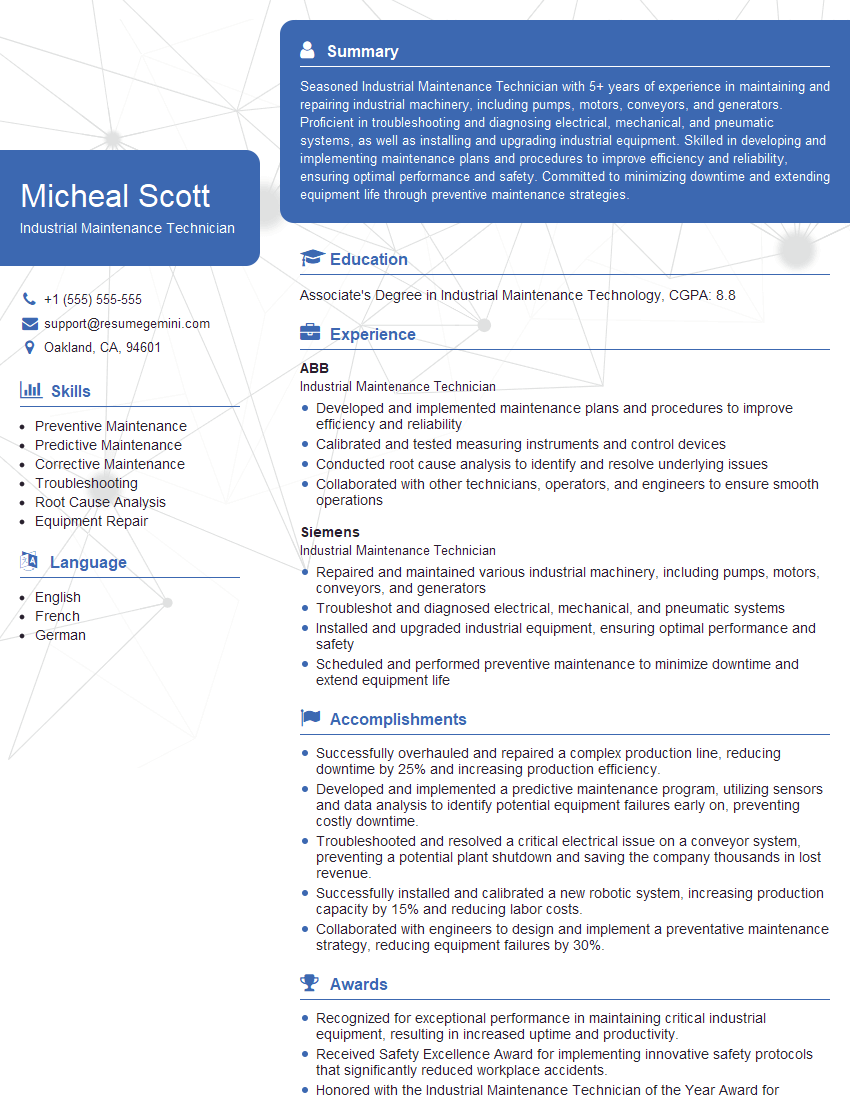
Industrial Maintenance Technician Resume Sample
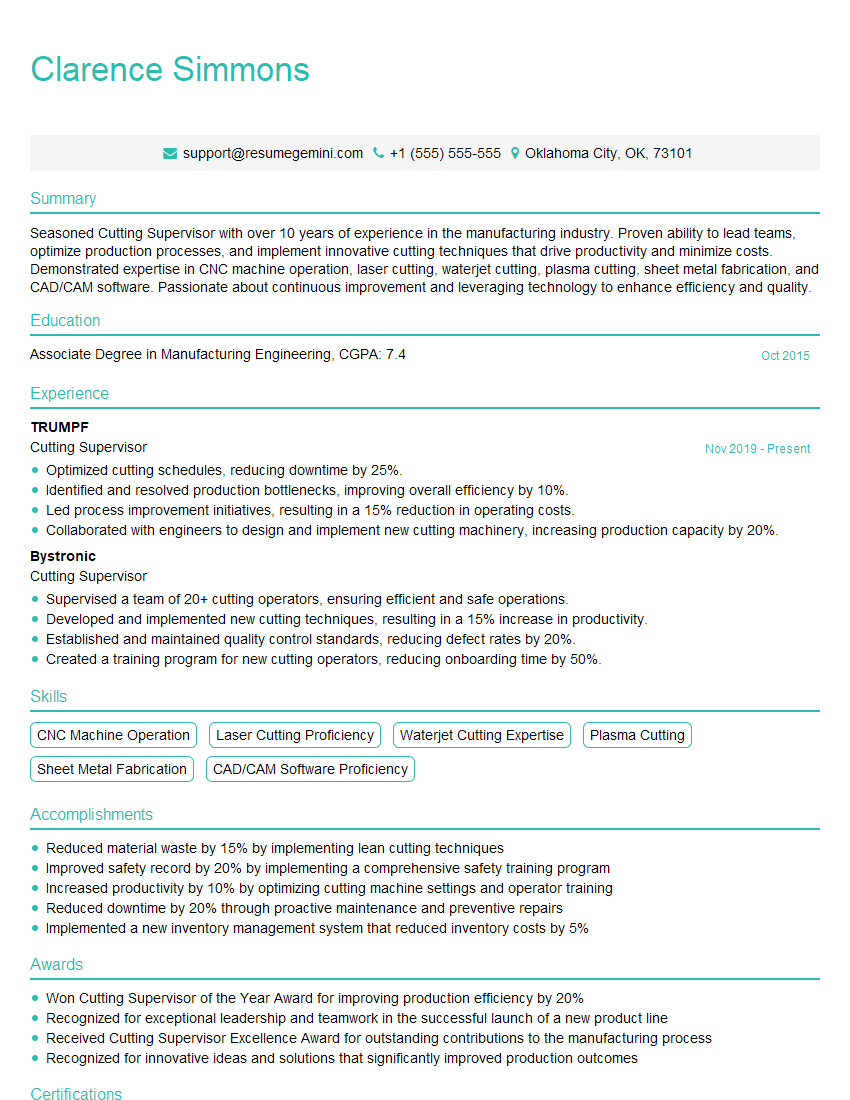
Cutting Supervisor Resume Sample
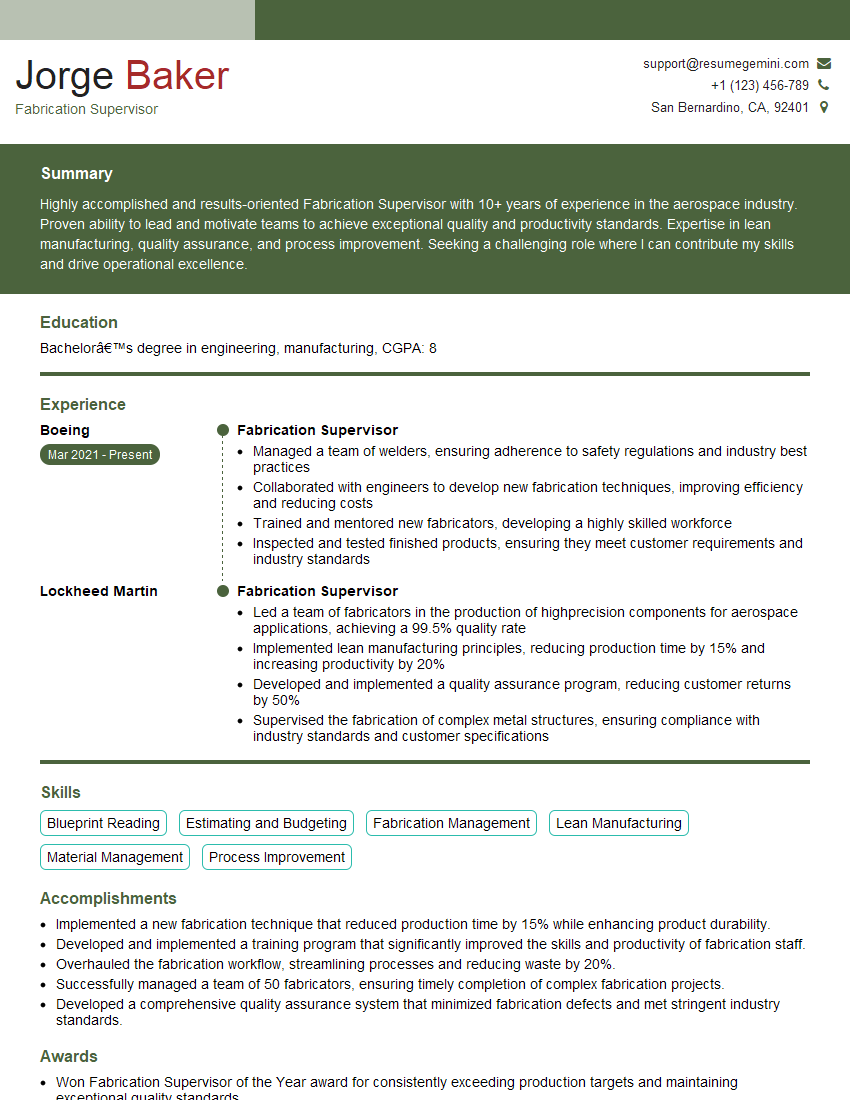
Fabrication Supervisor Resume Sample
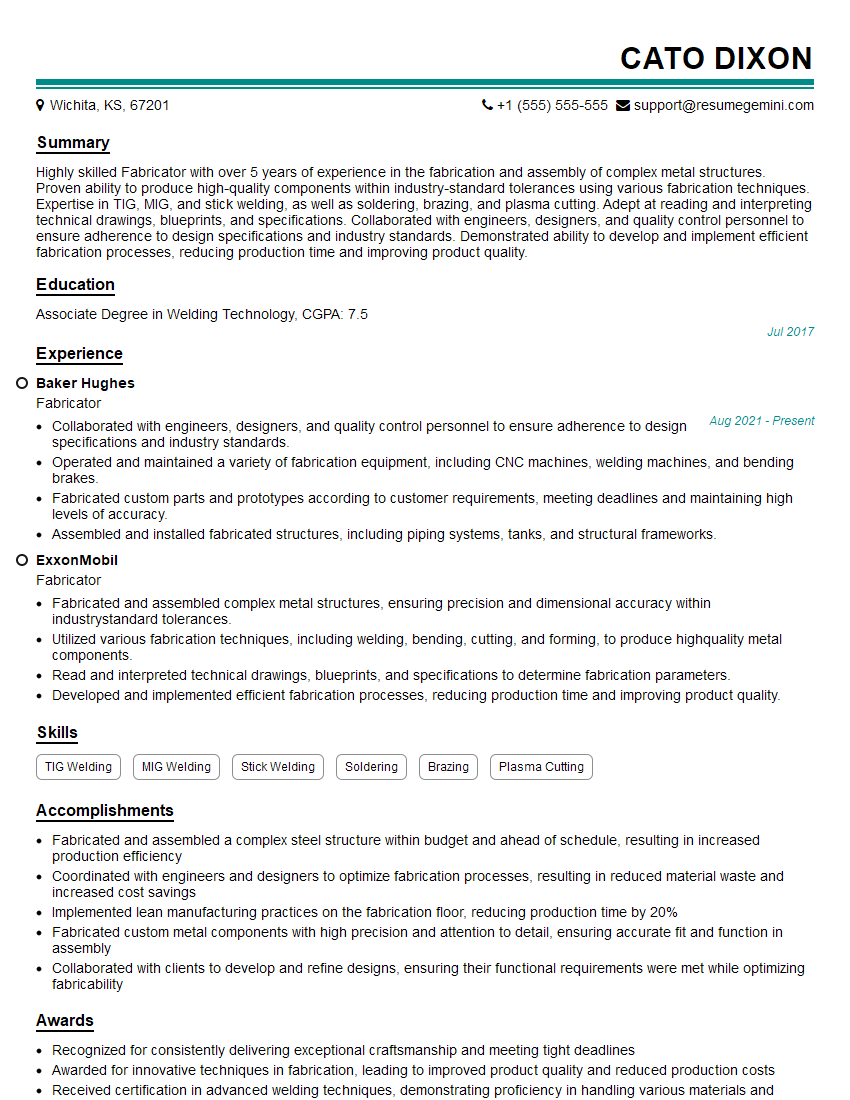
Fabricator Resume Sample
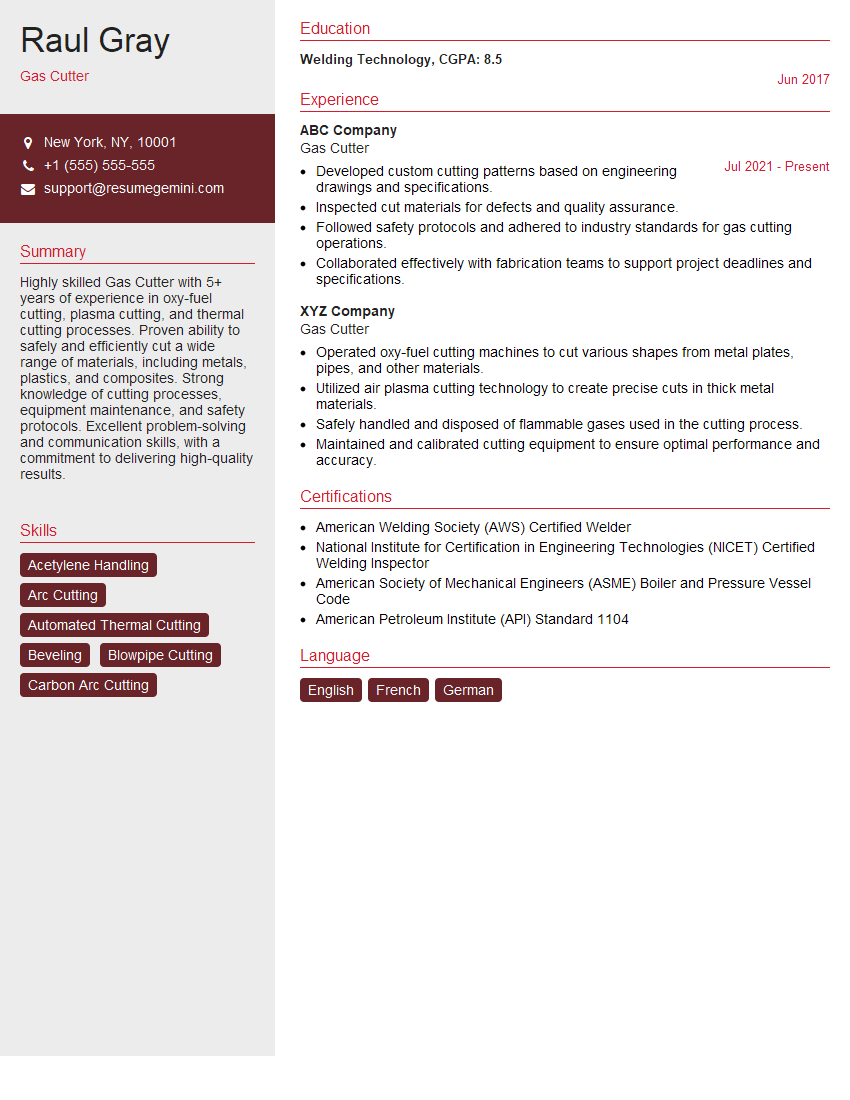
Gas Cutter Resume Sample
Explore more articles
Users Rating of Our Blogs
Share Your Experience
We value your feedback! Please rate our content and share your thoughts (optional).
What Readers Say About Our Blog
Really detailed insights and content, thank you for writing this detailed article.
IT gave me an insight and words to use and be able to think of examples