Preparation is the key to success in any interview. In this post, we’ll explore crucial Packing Materials Knowledge interview questions and equip you with strategies to craft impactful answers. Whether you’re a beginner or a pro, these tips will elevate your preparation.
Questions Asked in Packing Materials Knowledge Interview
Q 1. What are the key properties of corrugated cardboard, and how do they affect its suitability for different applications?
Corrugated cardboard is a ubiquitous packaging material prized for its strength-to-weight ratio and versatility. Its key properties include:
- Flute Type: Different flute patterns (e.g., A-flute, B-flute, C-flute) offer varying levels of cushioning, stiffness, and weight. A-flute provides excellent cushioning for heavier items, while B-flute is stronger and more compact, suitable for smaller, lighter products. C-flute offers a balance of both.
- Board Thickness: The thickness of the corrugated board determines its overall strength and ability to withstand impact. Thicker boards offer superior protection.
- Bursting Strength: This measures the cardboard’s resistance to tearing or bursting under pressure. Higher bursting strength is crucial for protecting items during transit.
- Edge Crush Test (ECT): This measures the board’s resistance to compression at the edges, indicating its ability to support weight.
- Moisture Resistance: While generally not highly water-resistant, some corrugated boards have special coatings to improve their performance in humid conditions.
These properties dictate its suitability for various applications. For example, a large appliance might require heavy-duty corrugated cardboard with A-flute for robust cushioning, whereas a book might only need lightweight B-flute packaging. The choice depends on the product’s weight, fragility, and shipping conditions.
Q 2. Explain the differences between various types of cushioning materials (e.g., foam, bubble wrap, air pillows).
Cushioning materials are vital for preventing damage to fragile goods during transit. Different materials offer unique properties:
- Foam: (e.g., polyethylene foam, polyurethane foam) Offers excellent shock absorption and conforms to product shapes. Types like EPE (expanded polyethylene) are lightweight and offer good protection, while PU foams provide better cushioning for heavier items. They are often used for custom-fit inserts.
- Bubble Wrap: Provides a simple, cost-effective solution for cushioning. The air bubbles absorb impacts but is less effective for heavy or irregularly shaped items. Best for lighter goods and protection against minor shocks.
- Air Pillows: Inflatable air cushions provide customizable cushioning based on the product’s size and shape. They are lightweight, save space during storage, and offer decent impact protection. However, they can be less effective than foam for extreme shock protection. Often used for filling voids in boxes.
The choice of cushioning material depends on factors like product fragility, weight, shape, budget, and environmental considerations. A delicate glass vase would benefit from custom-cut foam, while a collection of books might be adequately protected with air pillows.
Q 3. Describe the role of different types of packaging films (e.g., polyethylene, polypropylene) in protecting products.
Packaging films play a crucial role in protecting products from moisture, dust, and other environmental hazards. Different film types have distinct properties:
- Polyethylene (PE): A versatile and widely used film, known for its flexibility, durability, and low cost. Low-density polyethylene (LDPE) is softer and more flexible, suitable for flexible packaging like bags, whereas high-density polyethylene (HDPE) is more rigid and used for bottles and containers.
- Polypropylene (PP): Stronger and more rigid than PE, offering better resistance to punctures and tears. Often used for shrink wrap or heavier-duty bags. It also has good clarity.
- Other Films: Other films like PVC (polyvinyl chloride), PET (polyethylene terephthalate), and various co-extruded films offer specialized properties, like enhanced barrier protection against gases or improved clarity.
For instance, food products often require films with excellent barrier properties to maintain freshness. Electronics need protection from moisture and static electricity, often using anti-static films or sealed bags. The selection depends on the specific product and environmental factors.
Q 4. What are the considerations for choosing sustainable packaging materials?
Choosing sustainable packaging materials is vital for minimizing environmental impact. Key considerations include:
- Recycled Content: Opting for materials with high recycled content reduces the demand for virgin resources.
- Biodegradability/Compostability: Selecting biodegradable or compostable options allows the packaging to break down naturally, reducing landfill waste. Examples include PLA (polylactic acid) films and starch-based materials.
- Reduced Weight: Lighter packaging minimizes transportation costs and reduces carbon emissions associated with shipping.
- Recyclability: Choosing easily recyclable materials like paperboard or certain plastics ensures that the packaging can be processed and reused.
- Source Reduction: Minimizing the overall amount of packaging material used is crucial. This often involves efficient design and utilizing smaller packaging sizes.
Companies often consider a lifecycle assessment to evaluate the overall environmental impact of their packaging choices. A balance between cost, performance, and environmental responsibility is crucial.
Q 5. How do you determine the appropriate amount of cushioning needed for fragile items?
Determining the appropriate cushioning is crucial for fragile items. A multi-step approach is recommended:
- Assess Fragility: Evaluate the product’s sensitivity to impact and vibration. Conduct drop tests or use industry standards to determine the required level of protection.
- Choose Cushioning Material: Select the most appropriate cushioning material (foam, bubble wrap, air pillows, etc.) based on product weight, shape, and fragility. Custom inserts often offer the best protection for irregularly shaped items.
- Cushioning Amount: The amount of cushioning should be sufficient to absorb impacts during transit. Free space within the packaging should be minimized. Consider factors like transportation method and environmental conditions.
- Testing: Conduct drop tests with the packaged item to verify its effectiveness. Adjust cushioning as needed until it meets the desired protection level.
A simple analogy: imagine wrapping a delicate egg. Too little cushioning and it might crack, too much and it is excessive and wasteful.
Q 6. What are the different types of closures used in packaging, and when would you choose each one?
Packaging closures play a significant role in product security and preservation. Different closure types are best for various applications:
- Tapes (adhesive): Common and cost-effective. Paper tapes are biodegradable, while other options offer varying levels of strength and water resistance.
- Straps (polypropylene): Provide extra security and tensile strength, often used for heavier items or palletized goods.
- Closures (plastic, metal): Examples include screw caps, snap-on lids, and zipper closures. The choice depends on the product type, ease of opening, and desired level of seal.
- Heat seals: Common for flexible packaging like pouches and bags. Creates a strong, airtight seal to preserve product freshness or protect against moisture.
- Tie-wraps/twists: For simple bundles or smaller items.
Selecting the right closure depends on the product’s nature, desired level of tamper-evidence, and environmental considerations. A food product requiring a hermetic seal would need a heat seal, while a box of stationery might only need strong tape.
Q 7. Explain the importance of proper labeling and marking on packaging.
Proper labeling and marking are crucial for efficient product handling and compliance with regulations. They provide essential information to:
- Consumers: Labels provide details like product name, ingredients, nutritional information (for food products), usage instructions, warnings, and contact information. This ensures transparency and safety.
- Logistics: Marking helps in efficient tracking and handling during shipping. This includes barcodes, shipping labels, addresses, and handling instructions (e.g., ‘fragile’).
- Regulatory Compliance: Packaging must meet various legal requirements regarding labeling, including material identification, safety warnings, and country-specific regulations.
Incorrect or missing labels can lead to product recalls, fines, or harm to consumers. A clear, concise, and accurate label is essential for a successful product and a responsible business.
Q 8. What are the common regulations and standards related to packaging materials (e.g., FDA, ISO)?
Regulations and standards for packaging materials are crucial for ensuring safety, quality, and compliance. They vary depending on the product being packaged and its intended destination. Key organizations involved include the FDA (Food and Drug Administration) in the US, and ISO (International Organization for Standardization) globally.
- FDA: The FDA regulates packaging materials that come into contact with food, drugs, and cosmetics. They have specific regulations on materials that must be inert and non-toxic, preventing the migration of harmful substances into the product. For example, packaging for food intended for infants must meet stricter standards than those for adult consumables.
- ISO: ISO sets international standards for various aspects of packaging, including testing methods, quality management, and environmental impact. ISO 14001, for example, focuses on environmental management systems, promoting sustainable packaging practices. ISO 9001 addresses quality management, ensuring consistent packaging quality. Compliance with these standards often reflects a commitment to best practices and global recognition.
- Other Regulations: Depending on the product and its transport, other regulations might apply. These might relate to hazardous materials handling (IATA for air freight, IMDG for sea freight), country-specific labelling requirements, or regulations on recycling and waste disposal.
Understanding and adhering to these standards is paramount for preventing product recalls, legal issues, and maintaining consumer trust.
Q 9. How do you ensure the integrity of packaging throughout the supply chain?
Maintaining packaging integrity throughout the supply chain is a multifaceted process requiring careful planning and execution. It involves selecting the right materials, designing robust packaging, and implementing appropriate handling procedures.
- Material Selection: Choosing durable materials resistant to damage from impacts, vibration, and environmental factors (moisture, temperature fluctuations) is critical. For instance, using corrugated cardboard with high burst strength for fragile items or employing waterproof liners for products susceptible to moisture damage.
- Design Optimization: The design must protect the product effectively. This includes using appropriate cushioning materials, strategically placed reinforcements, and tamper-evident seals. A well-designed package will withstand the stresses of transport.
- Proper Handling and Storage: Throughout the supply chain, packages need to be handled carefully. This includes proper stacking and securing of pallets during transportation and appropriate storage conditions to prevent damage. Clear and visible labeling indicating fragile or upright handling requirements is essential.
- Monitoring and Tracking: Employing tracking systems (GPS, RFID tags) to monitor the location and condition of shipments can help detect potential issues early. This allows for proactive intervention to minimize losses.
By meticulously considering these aspects, we significantly increase the likelihood of delivering the product to the end-consumer in perfect condition.
Q 10. What are some common packaging material testing methods?
Packaging materials undergo various tests to ensure they meet the necessary performance standards. These tests can be categorized into several types:
- Strength Tests: These assess the ability of the packaging to withstand various stresses, including compression, burst, edge crush, and tensile strength. These tests help determine the package’s ability to protect the product during transit.
- Impact Tests: Simulating the shocks experienced during transportation, these tests evaluate the packaging’s capacity to absorb impact and protect its contents from damage.
- Vibration Tests: These tests expose the package to vibrations to assess its ability to withstand these forces during transport. This is particularly important for sensitive electronics or fragile items.
- Climate Tests: These evaluate the packaging’s resistance to extreme temperatures and humidity. For instance, a product shipped across a wide range of climates needs packaging that can endure such fluctuations.
- Drop Tests: These simulate accidental drops to assess the packaging’s ability to protect the product from damage in case of unforeseen incidents. This typically involves dropping the packaged product from different heights onto various surfaces.
- Water Resistance Tests: These determine the packaging’s ability to protect the contents from water damage, often using methods like immersion testing or spray testing.
The specific tests used depend heavily on the product’s characteristics, fragility, and shipping conditions.
Q 11. Describe your experience with designing packaging for different shipping methods (e.g., air, sea, land).
My experience includes designing packaging for various shipping methods, each demanding a unique approach due to the specific stresses involved:
- Air Freight: Air freight involves significant pressure changes and potential for rough handling. Packaging needs to be lightweight yet strong enough to withstand these conditions. I’ve worked on projects where we utilized lightweight yet high-strength materials like honeycomb cardboard and specialized cushioning to minimize weight and maximize protection.
- Sea Freight: Sea freight exposes goods to moisture, salt spray, and extreme temperature variations. Water-resistant and durable materials are essential, often requiring multiple layers of protection, including waterproof liners and robust outer packaging. We often use materials with high resistance to water absorption and UV degradation to safeguard goods during lengthy maritime voyages.
- Land Freight: Land freight involves vibration, impact from rough roads, and potential stacking stresses. Here, the focus is on sturdy packaging that can withstand repeated shocks and compression. We’ve successfully implemented designs employing strong corrugated cardboard with added bracing and dunnage to prevent shifting during transport.
Each mode of transport demands a tailored packaging solution, and my experience allows me to optimize designs for each, ensuring the product arrives safely and efficiently.
Q 12. How do you balance cost-effectiveness and product protection when selecting packaging materials?
Balancing cost-effectiveness and product protection is a constant challenge. It requires careful consideration of several factors:
- Material Cost: Different materials have varying costs. While more robust materials offer superior protection, they are often more expensive. The key is to find the optimal balance, selecting a material that provides sufficient protection without unnecessary cost increases.
- Packaging Design: Clever design can minimize material usage without compromising protection. This might involve optimizing dimensions, using reusable components, or employing efficient cushioning techniques.
- Product Value: The value of the product significantly influences the level of protection required. High-value items often justify the use of more expensive packaging, while lower-value items may warrant a more economical approach.
- Transportation Costs: Heavier packaging can increase shipping costs. Optimizing package weight is crucial to minimize transportation expenses.
- Waste Reduction: Choosing recyclable or biodegradable materials can reduce environmental impact and potentially lower long-term costs.
A successful approach often involves a thorough cost-benefit analysis, considering the potential costs of damage versus the cost of the packaging itself. This ensures we are minimizing costs without compromising product safety.
Q 13. Explain the concept of ‘right-sizing’ packaging.
Right-sizing packaging refers to using the smallest package that adequately protects the product during transit and handling. It’s about eliminating excess space and material, achieving optimal protection with minimal waste.
- Reduced Material Costs: Using less material directly translates to lower packaging costs.
- Lower Transportation Costs: Smaller packages lead to lower shipping expenses due to reduced weight and volume.
- Improved Storage Efficiency: Right-sized packages optimize warehouse space and improve logistics.
- Reduced Environmental Impact: Less material usage means a smaller carbon footprint and less waste.
For example, instead of using a large box for a small item, right-sizing would involve using a smaller, custom-fit package. This simple change can have significant cumulative cost and environmental benefits across large-scale operations.
Q 14. What are the different types of palletizing techniques, and how do they impact packaging material selection?
Palletizing techniques significantly influence packaging material selection. Different techniques require different levels of support and stability:
- Manual Palletizing: This is a labor-intensive method where packages are manually placed onto pallets. Packaging needs to be designed to withstand manual handling and stacking stresses. Stronger materials might be needed to prevent damage during this process.
- Automated Palletizing: This uses robotic systems to efficiently stack packages onto pallets. Here, the packaging needs to be compatible with the automated equipment, often requiring standardized dimensions and secure load stability.
- Stretch Wrapping: This method secures packages on pallets using stretch film. The stretch film needs to be strong enough to hold the load securely during transport, and the packaging itself must be sturdy enough to withstand the tension from the wrapping.
- Shrink Wrapping: This uses heat-shrinkable film to create a tight-fitting layer around the palletized load. It offers good protection against moisture and damage, but the packaging needs to be robust enough to withstand the heat used in the shrinking process.
The choice of palletizing method significantly impacts the design and material selection of packaging. Automated systems often require standardized packaging dimensions, while manual systems might necessitate more robust materials to account for the increased risk of manual handling damage.
Q 15. How do you handle packaging material waste and promote sustainability?
Sustainable packaging material management is crucial for minimizing environmental impact. My approach involves a multi-pronged strategy focusing on reduction, reuse, and recycling.
- Reduction: This starts with design. We prioritize using minimal packaging materials while ensuring product protection. This often involves optimizing package dimensions to reduce waste and exploring lighter-weight yet equally protective materials. For example, switching from bulky corrugated cardboard to more compact and efficient alternatives like honeycomb cardboard can significantly reduce material usage.
- Reuse: We actively explore reusable packaging solutions whenever feasible, such as returnable containers for industrial applications or encouraging customers to reuse shipping boxes for returns. This reduces the demand for virgin materials.
- Recycling: We work closely with recycling facilities and ensure that our packaging materials are designed for easy recyclability. This includes clearly labeling packaging with recycling symbols and choosing materials readily accepted by local recycling programs. Furthermore, we track our recycling rates to measure our success and identify areas for improvement.
- Responsible Sourcing: I also ensure that the materials we use are sourced responsibly, opting for recycled content whenever possible and prioritizing suppliers committed to sustainable forestry practices.
Ultimately, my goal is to create a closed-loop system where packaging materials are continuously reused or recycled, minimizing landfill waste and contributing to a circular economy.
Career Expert Tips:
- Ace those interviews! Prepare effectively by reviewing the Top 50 Most Common Interview Questions on ResumeGemini.
- Navigate your job search with confidence! Explore a wide range of Career Tips on ResumeGemini. Learn about common challenges and recommendations to overcome them.
- Craft the perfect resume! Master the Art of Resume Writing with ResumeGemini’s guide. Showcase your unique qualifications and achievements effectively.
- Don’t miss out on holiday savings! Build your dream resume with ResumeGemini’s ATS optimized templates.
Q 16. What are the advantages and disadvantages of using void fill in packaging?
Void fill, the material used to fill empty spaces in packaging, plays a critical role in protecting products during transit. However, its advantages and disadvantages must be carefully weighed.
- Advantages:
- Product Protection: Void fill prevents shifting and damage by cushioning products against impact and vibration. This is particularly important for fragile items.
- Improved Stability: It helps keep products securely in place, preventing them from moving around and potentially breaking during shipping.
- Enhanced Aesthetics: Neatly filled packages offer a more professional and attractive presentation.
- Disadvantages:
- Cost: Void fill materials can contribute to overall packaging costs, especially if using high-volume, expensive options.
- Environmental Impact: Some void fill materials, like expanded polystyrene (EPS), have significant environmental implications. Choosing sustainable alternatives is crucial.
- Storage Space: Storing large quantities of void fill can require considerable storage space.
- Packaging Size: The added volume of void fill can sometimes increase the overall package size and shipping costs.
Therefore, the optimal choice of void fill requires careful consideration of cost, environmental impact, product fragility, and shipping logistics. For example, using biodegradable packing peanuts or recycled paper shreds offers a balance of protection and sustainability.
Q 17. What are the different types of packaging machinery you are familiar with?
My experience encompasses a wide range of packaging machinery, including:
- Cartoners: These machines automatically fold and glue cardboard to create cartons, significantly increasing efficiency in packaging production.
- Case Sealers: These machines seal corrugated boxes using various methods, such as hot melt adhesive or tape, ensuring secure closures.
- Shrink Wrapping Machines: These machines apply a heat-shrinkable film to palletized goods or individual products, providing a tight and protective wrap.
- Stretch Wrapping Machines: They wrap goods on pallets with stretchable plastic film, securing the load for transportation.
- Filling Machines: Used for automatically filling containers with various products, ranging from liquids to powders and solids.
- Labeling Machines: These apply labels to products and packages, ensuring accurate and consistent labeling.
My expertise also extends to the operation, maintenance, and troubleshooting of this machinery. I’m proficient in identifying potential malfunctions and implementing effective solutions to maintain optimal production efficiency.
Q 18. Describe your experience with packaging design software.
I’m experienced with various packaging design software, including Adobe Illustrator, CorelDRAW, and specialized 3D modeling software such as SolidWorks and AutoCAD.
My skills go beyond basic design. I can create realistic 3D models of packaging to visualize the final product and test different designs for functionality and aesthetics. I can also generate technical drawings and specifications for manufacturing. For instance, I recently used SolidWorks to design a custom-fit insert for a fragile piece of equipment, ensuring secure and damage-free shipping. The software allowed me to precisely tailor the insert to the product’s dimensions, minimizing void space and maximizing protection.
Moreover, I understand the implications of design choices on manufacturing costs and production efficiency. I actively seek designs that minimize material waste and facilitate automation in the packaging process.
Q 19. How do you stay up-to-date with the latest trends and advancements in packaging materials?
Staying current in the dynamic field of packaging materials requires a multi-faceted approach:
- Industry Publications: I regularly read trade journals and magazines such as Packaging World, Packaging Digest, and Modern Packaging. These provide in-depth analysis of new technologies and market trends.
- Industry Conferences and Trade Shows: Attending industry events like Pack Expo allows direct engagement with manufacturers and experts, facilitating networking and knowledge sharing.
- Online Resources: I actively utilize online platforms, including industry websites and webinars, to access the latest research and innovations.
- Supplier Relationships: Maintaining strong relationships with material suppliers keeps me informed about the latest advancements in their product offerings.
- Professional Organizations: Membership in professional organizations, such as the Institute of Packaging Professionals, provides access to resources, networking opportunities, and continuing education.
This ongoing learning ensures that my knowledge base remains current, enabling me to recommend the most effective and sustainable packaging solutions.
Q 20. Explain your understanding of barrier properties in packaging materials.
Barrier properties in packaging materials refer to their ability to prevent the passage of gases, liquids, or other substances into or out of the package. These properties are crucial for maintaining product quality, extending shelf life, and ensuring product safety.
Different packaging materials offer varying degrees of barrier protection against different substances. For example:
- Oxygen Barrier: Materials like aluminum foil and certain polymers are excellent oxygen barriers, protecting products prone to oxidation, such as coffee or snack foods.
- Moisture Barrier: Materials like polyethylene terephthalate (PET) and metallized films offer excellent moisture barriers, preventing moisture gain or loss and ensuring product freshness.
- Aroma Barrier: Certain materials can prevent aroma leakage, preserving the scent of fragrant products like perfumes or essential oils.
- Light Barrier: Opaque or black packaging materials are used to shield light-sensitive products from degradation caused by UV exposure.
The selection of packaging materials with the appropriate barrier properties is crucial for determining product shelf life and maintaining its quality and integrity throughout its distribution and storage.
Q 21. What are the potential risks associated with improper packaging materials selection?
Improper packaging materials selection can result in several significant risks:
- Product Damage: Using inadequate cushioning or insufficiently strong materials can lead to product breakage or damage during transit, resulting in financial losses and customer dissatisfaction.
- Product Degradation: Failure to select materials with appropriate barrier properties can lead to product spoilage, contamination, or loss of quality, rendering the product unsaleable.
- Regulatory Non-Compliance: Choosing materials that don’t meet regulatory requirements for food safety, hazardous materials handling, or other relevant standards can result in fines and legal issues.
- Increased Costs: Using excessive packaging materials or materials that are unsuitable for the product can lead to increased packaging and shipping costs.
- Reputational Damage: Product damage or quality issues due to poor packaging choices can severely damage a company’s reputation and brand image.
Therefore, a thorough understanding of the product’s characteristics, environmental conditions, and applicable regulations is essential for selecting the optimal packaging materials and minimizing these potential risks. A risk assessment prior to packaging design is crucial to mitigate these potential issues.
Q 22. How do you assess the structural integrity of a packaging design?
Assessing the structural integrity of a packaging design is crucial to ensure the safe transit of goods. It involves a multi-faceted approach, combining theoretical calculations with practical testing.
Firstly, I consider the material properties: the compressive strength, tensile strength, and burst strength of the chosen material (cardboard, corrugated board, etc.). These values determine the packaging’s ability to withstand stacking, compression, and impact forces. I often use software to simulate these stresses, predicting potential failure points.
Secondly, I analyze the design itself. This includes the box style (e.g., RSC, FEFCO), the number and placement of flaps and seams, and the overall dimensions. A poorly designed box, even with strong materials, can fail under stress. I might use finite element analysis (FEA) software for complex designs.
Finally, I conduct physical testing. This could involve drop tests from various heights, compression tests simulating stacking loads, and vibration tests to simulate transportation conditions. The results validate the design’s performance under real-world scenarios. I carefully document all these tests and their outcomes, forming a comprehensive report.
For example, if I’m packaging fragile electronics, I’d choose high-strength corrugated board, perhaps with added internal cushioning, and conduct rigorous drop tests from a height exceeding typical transit conditions to ensure sufficient protection.
Q 23. Describe a time you had to solve a problem related to packaging materials.
During a project involving the packaging of a temperature-sensitive pharmaceutical product, we experienced significant product damage during transit. The initial packaging, a simple cardboard box with foam inserts, proved inadequate. The product experienced temperature fluctuations exceeding acceptable limits, leading to degradation.
To solve this, I implemented a systematic approach. First, we analyzed the temperature data loggers from several shipments to pinpoint the critical points of temperature excursion. Then, we explored various insulating materials, evaluating their thermal conductivity and cost-effectiveness. Ultimately, we selected a custom-designed insulated container with a phase-change material (PCM) that absorbed and released heat, maintaining a stable temperature during transit. We also implemented a more robust outer packaging to protect against physical damage.
This involved collaborating closely with the manufacturing team and the logistics provider to ensure seamless integration into the existing supply chain. The improved packaging significantly reduced product damage, boosting customer satisfaction and saving the company considerable losses.
Q 24. What is your experience with different types of boxes (e.g., RSC, FEFCO)?
I have extensive experience with various box styles, including Regular Slotted Containers (RSC), Full Overlap Slotted Containers (FEFCO 0201), and many other FEFCO styles. Each type offers distinct advantages and disadvantages depending on the product and its requirements.
RSC (Regular Slotted Container): This is a common, cost-effective design that is easy to manufacture and assemble. It’s a good all-around choice for many products but might not offer the same level of protection as other styles for heavier or fragile items.
FEFCO 0201 (Full Overlap Slotted Container): This offers superior strength and stacking stability compared to the RSC, thanks to its overlapping flaps. It’s ideal for heavier items or when robust protection during stacking is required.
My experience extends to other FEFCO styles (e.g., FEFCO 0214, 0217), each suited for specific needs. For example, FEFCO 0214 is excellent for telescoping containers, providing additional strength and protection.
Understanding the nuances of these box styles allows me to recommend the optimal choice for the specific application, considering factors such as product weight, fragility, stackability, and cost.
Q 25. Explain the importance of considering climate conditions when selecting packaging materials.
Climate conditions significantly impact packaging material selection. Extreme temperatures, high humidity, and direct sunlight can compromise the structural integrity and protective properties of packaging, leading to damage or spoilage of the product.
For example, high humidity can cause cardboard to weaken and potentially mold, while extreme heat can cause certain plastics to soften or warp. In cold climates, some materials become brittle and prone to cracking. Direct sunlight can degrade certain polymers and reduce their effectiveness.
When choosing packaging materials, I always consider the potential environmental challenges: I might select water-resistant materials for products shipped in rainy conditions, use temperature-resistant polymers for products exposed to extreme heat or cold, or opt for UV-resistant materials if the product will be exposed to sunlight. I might also add desiccant packs to absorb moisture in humid climates.
Q 26. How do you handle packaging materials with specific requirements (e.g., temperature sensitivity, humidity sensitivity)?
Handling packaging materials with specific requirements like temperature or humidity sensitivity requires a multi-pronged approach involving material selection, design considerations, and logistics planning.
For temperature-sensitive products, I might use insulated containers with phase-change materials (PCMs) to maintain a stable temperature during transit. I’d also carefully select packaging materials with low thermal conductivity to minimize heat transfer. Cold chain logistics protocols would be strictly adhered to.
For humidity-sensitive products, I might use airtight packaging or incorporate desiccant packs to absorb moisture. Materials with low water absorption rates are essential. This will be accompanied by strict humidity control throughout the supply chain.
Regular temperature and humidity monitoring throughout the transit process is vital to ensure the product remains within the specified range. I would use data loggers to monitor these conditions, providing real-time information about the product’s environment.
Q 27. What metrics do you use to assess the effectiveness of your packaging choices?
Assessing the effectiveness of packaging choices involves using a combination of quantitative and qualitative metrics.
Quantitative metrics include:
- Damage rate: The percentage of damaged products during transit.
- Cost per unit: The total cost of packaging materials and logistics.
- Weight reduction: Reduction in packaging weight, contributing to lower shipping costs and a reduced carbon footprint.
- Shelf life extension: Improved packaging can extend the product’s shelf life.
Qualitative metrics include:
- Customer satisfaction: Feedback from customers on packaging quality and product arrival condition.
- Sustainability: Assessment of the packaging’s environmental impact based on its material composition and recyclability.
- Ease of use: How easily the packaging can be opened and handled by customers.
By tracking these metrics, I can measure the performance of different packaging solutions and make data-driven decisions to optimize packaging strategies.
Q 28. How do you communicate packaging requirements to different stakeholders (e.g., manufacturers, suppliers, clients)?
Effective communication of packaging requirements is essential for successful project execution. I use a multi-channel approach depending on the stakeholder.
Manufacturers and Suppliers: I provide detailed technical specifications, including material types, dimensions, design drawings, and quality standards. I use clear and concise language, avoiding jargon wherever possible. I often create sample packaging units for approval. Open communication channels are maintained throughout the manufacturing process.
Clients: Communication focuses on the value proposition of the proposed packaging solution. I explain how the design addresses their needs, highlighting its protection capabilities and cost-effectiveness. I present clear visual aids, such as mock-ups or prototypes, and maintain open dialogue to address their concerns or feedback.
Internal Stakeholders: Regular meetings and documentation are crucial for internal alignment. Sharing progress reports, test results, and cost analyses ensures everyone is informed and involved. Using collaborative project management tools can aid communication and transparency.
Regardless of the stakeholder, clear and detailed communication using appropriate channels ensures everyone is on the same page, leading to a successful packaging solution.
Key Topics to Learn for Packing Materials Knowledge Interview
- Material Properties: Understanding the characteristics of various packing materials (e.g., cardboard, plastic, foam, bubble wrap) including strength, durability, moisture resistance, and environmental impact. Consider factors influencing material selection for different products and shipping methods.
- Packaging Design Principles: Learn the principles of effective packaging design, focusing on protection against damage during transit, efficient space utilization, and cost-effectiveness. Explore different packaging styles and their applications.
- Sustainability and Environmental Considerations: Familiarize yourself with eco-friendly packaging options, recycling programs, and regulations related to sustainable packaging practices. Be prepared to discuss the environmental footprint of different materials and packaging choices.
- Regulations and Compliance: Understand relevant industry regulations and safety standards pertaining to packaging materials, labeling, and transportation. This includes knowledge of hazardous materials handling and shipping regulations.
- Cost Optimization Strategies: Explore methods for optimizing packaging costs without compromising product protection or quality. This includes understanding material pricing, efficient packaging designs, and waste reduction techniques.
- Testing and Quality Control: Learn about different testing methods used to evaluate the performance of packing materials, ensuring they meet required standards for protection and durability. Understand the importance of quality control in the packaging process.
- Supply Chain Management: Understand the role of packing materials within the broader supply chain, including sourcing, storage, and inventory management. Consider the impact of material availability and lead times on overall operations.
Next Steps
Mastering Packing Materials Knowledge is crucial for career advancement in logistics, supply chain management, and manufacturing. A strong understanding of these principles demonstrates your ability to optimize processes, reduce costs, and ensure product safety. To significantly improve your job prospects, create an ATS-friendly resume that highlights your skills and experience effectively. ResumeGemini is a trusted resource to help you build a professional and impactful resume. We offer examples of resumes tailored to Packing Materials Knowledge to guide you in creating a winning application.
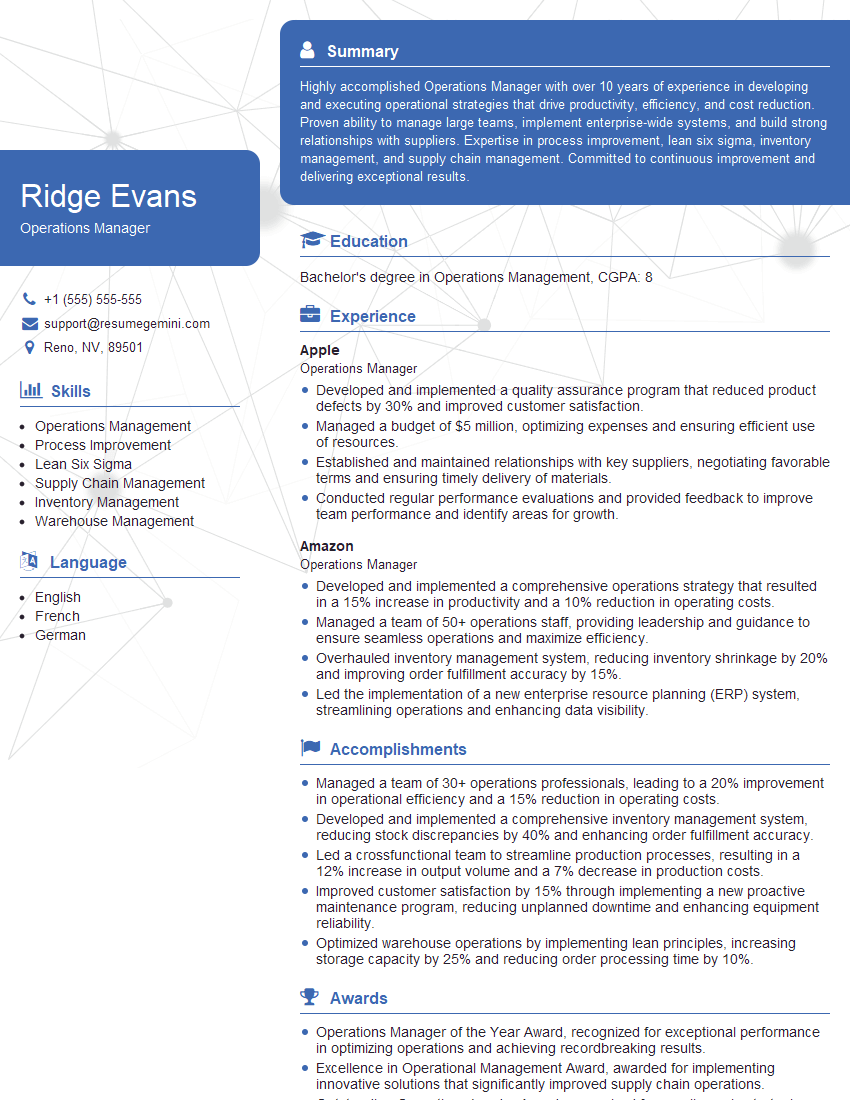
Operations Manager Resume Sample
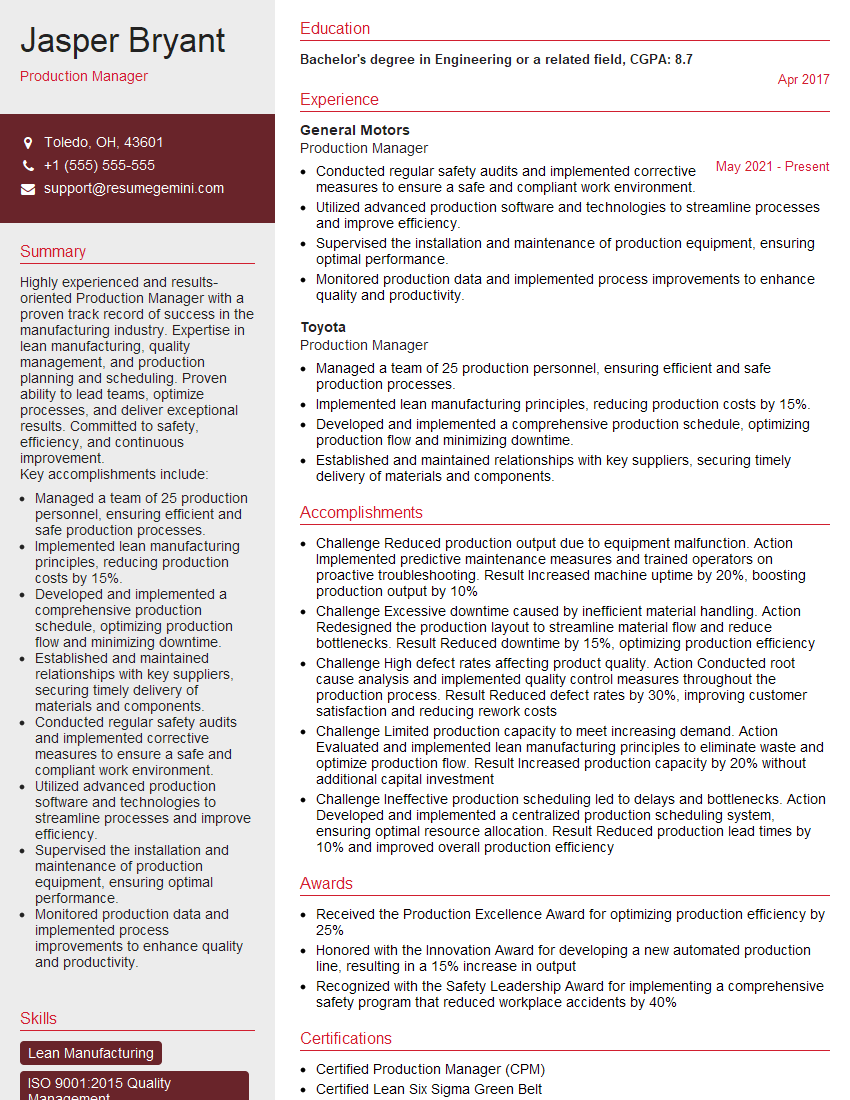
Production Manager Resume Sample
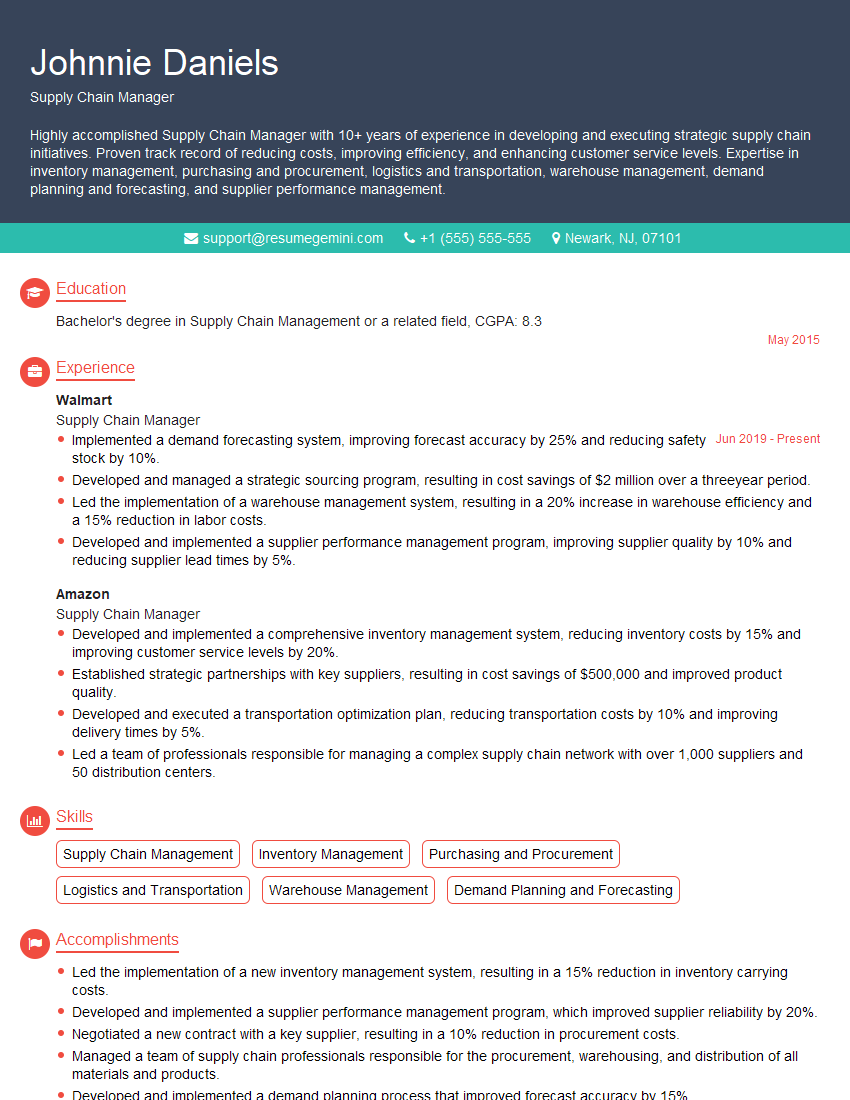
Supply Chain Manager Resume Sample
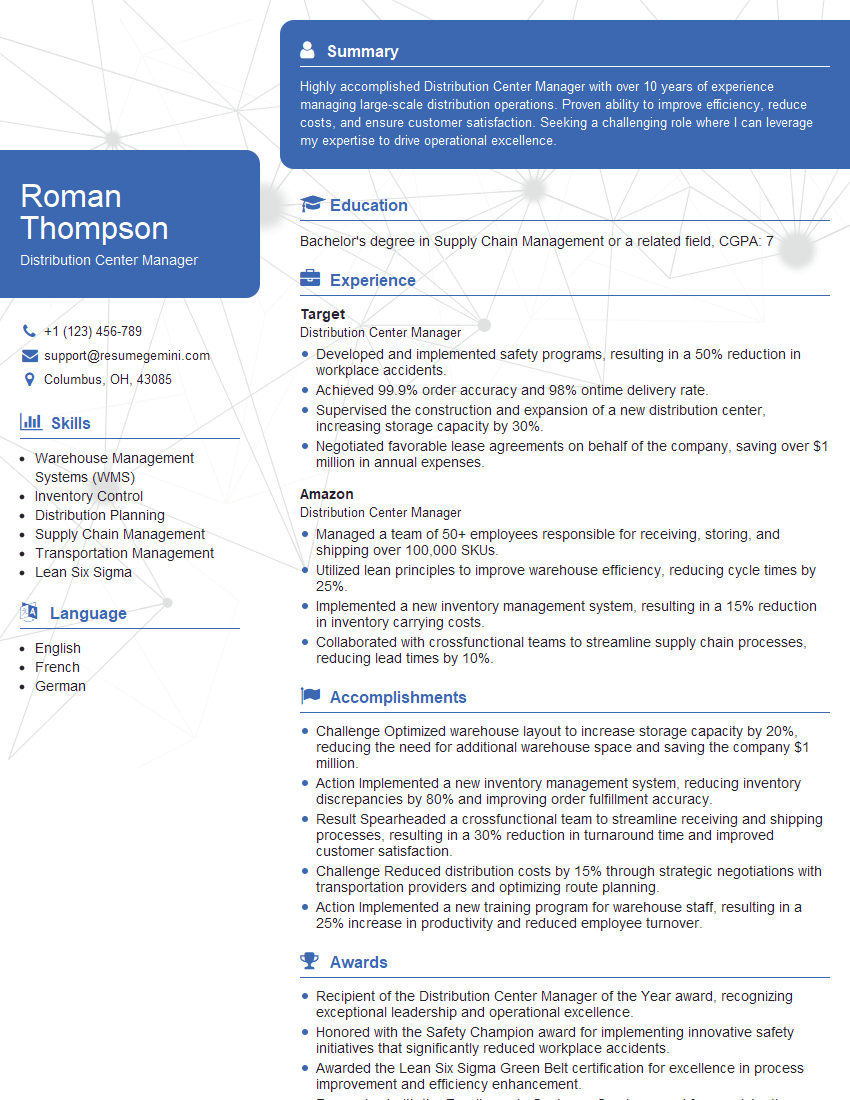
Distribution Center Manager Resume Sample
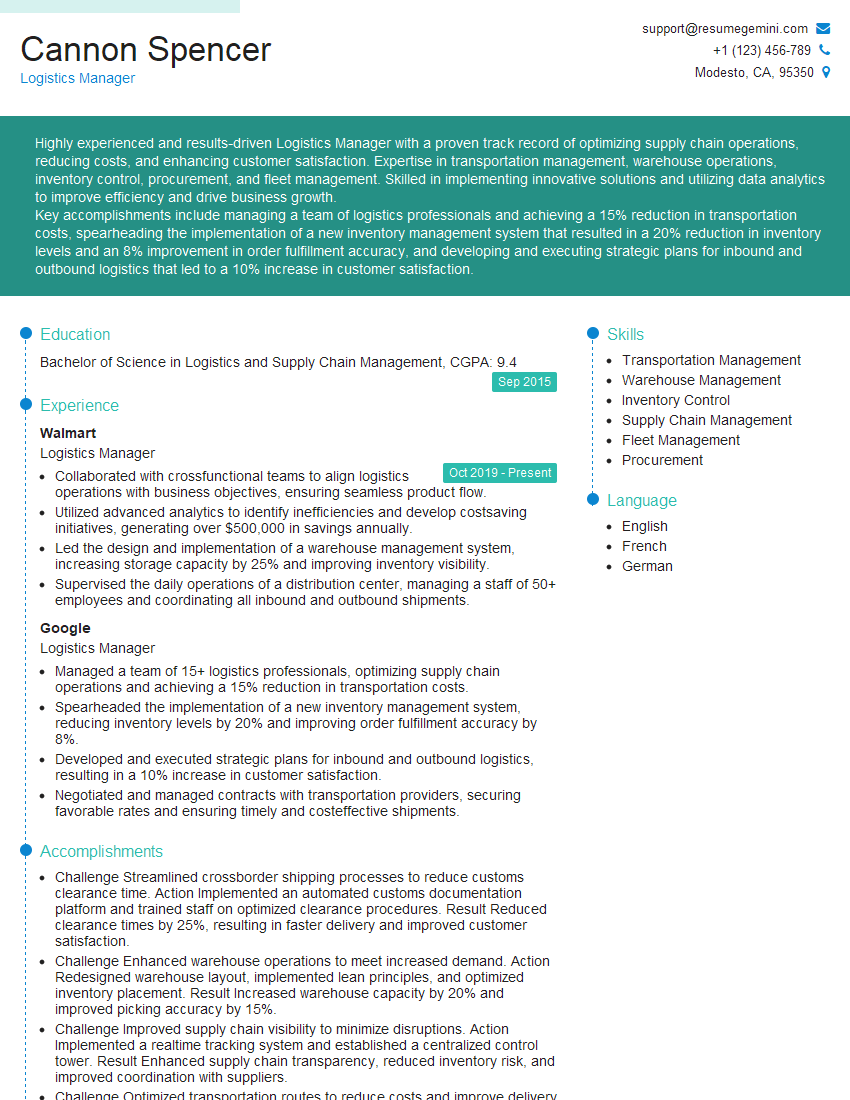
Logistics Manager Resume Sample
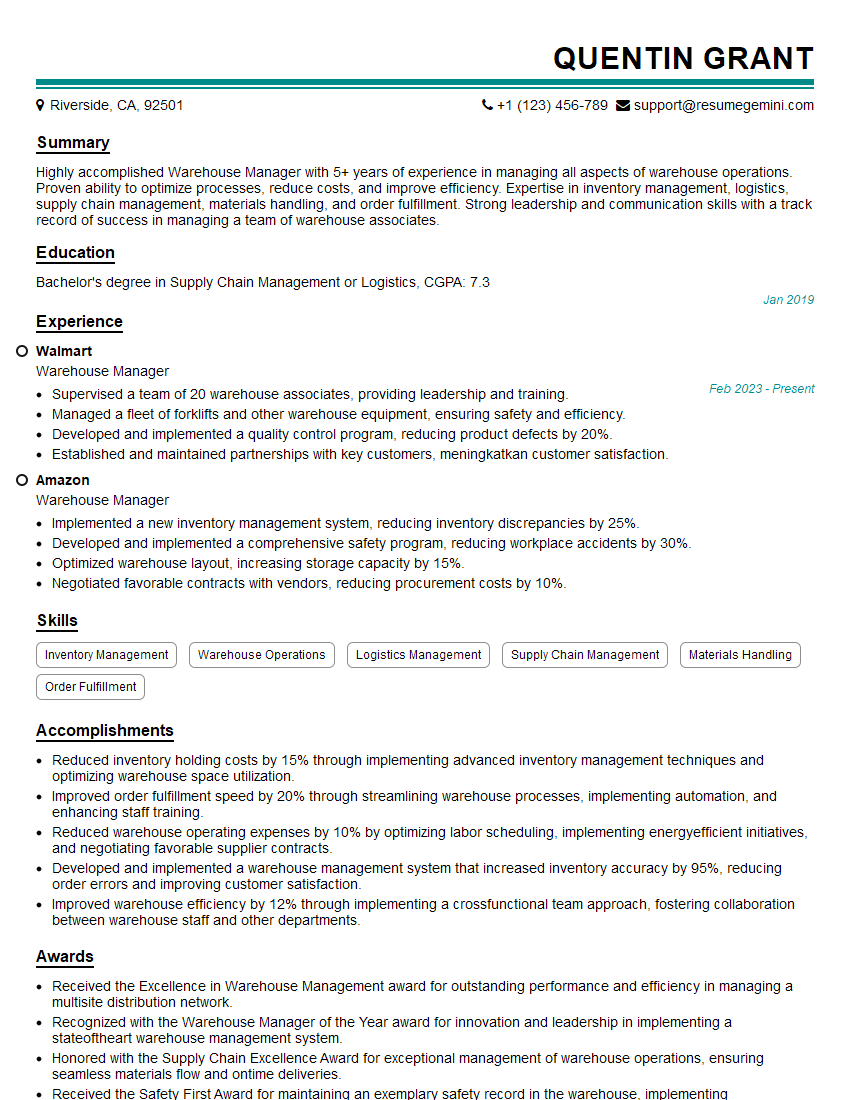
Warehouse Manager Resume Sample
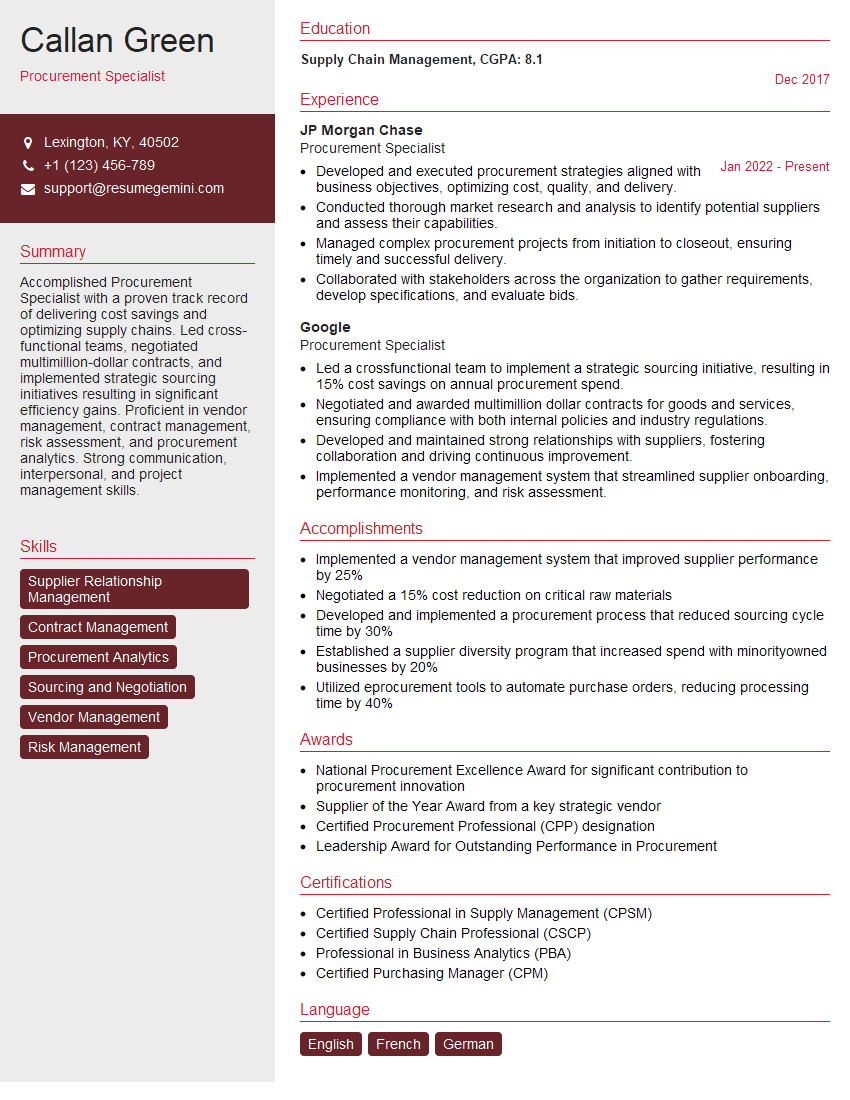
Procurement Specialist Resume Sample
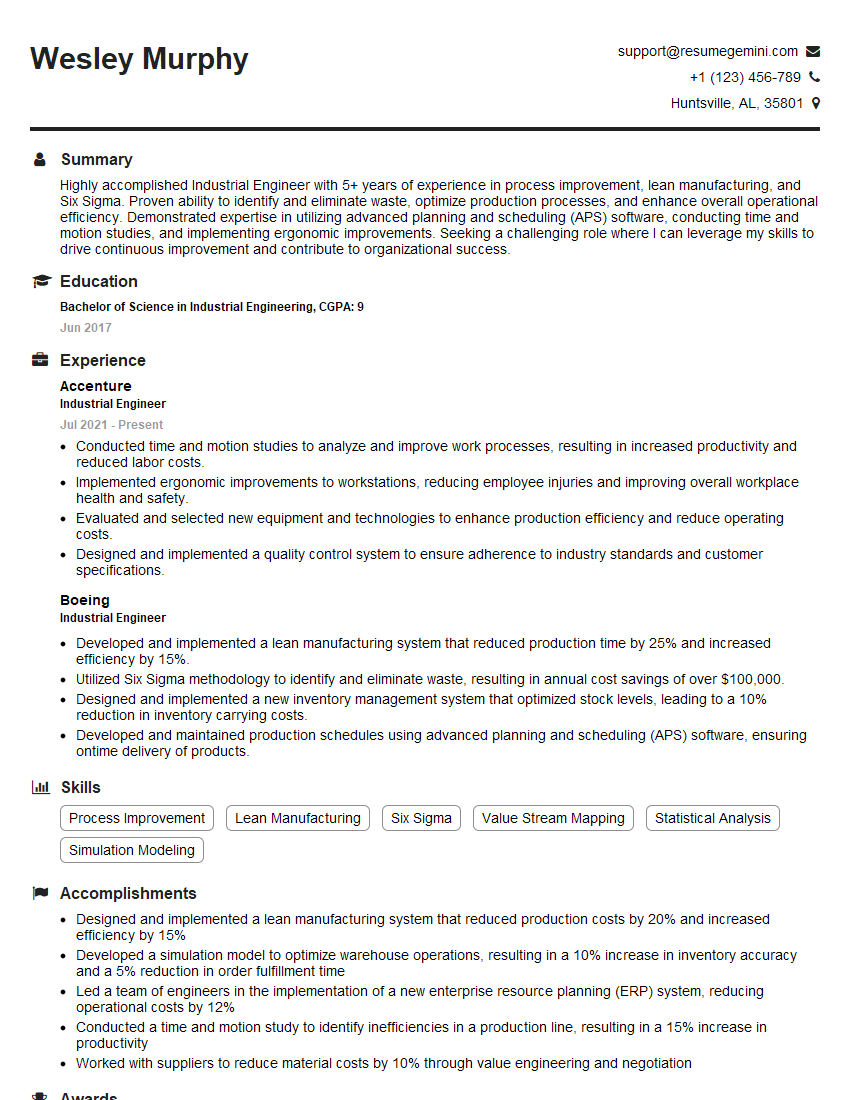
Industrial Engineer Resume Sample
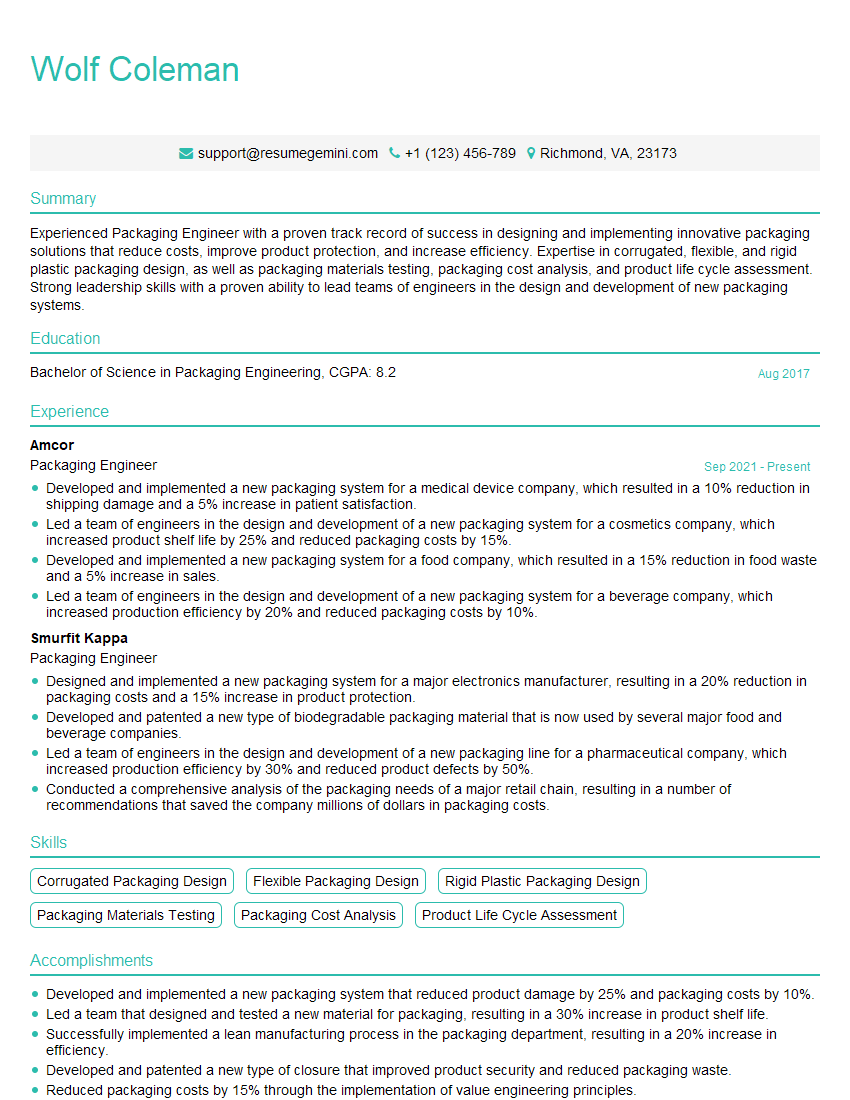
Packaging Engineer Resume Sample
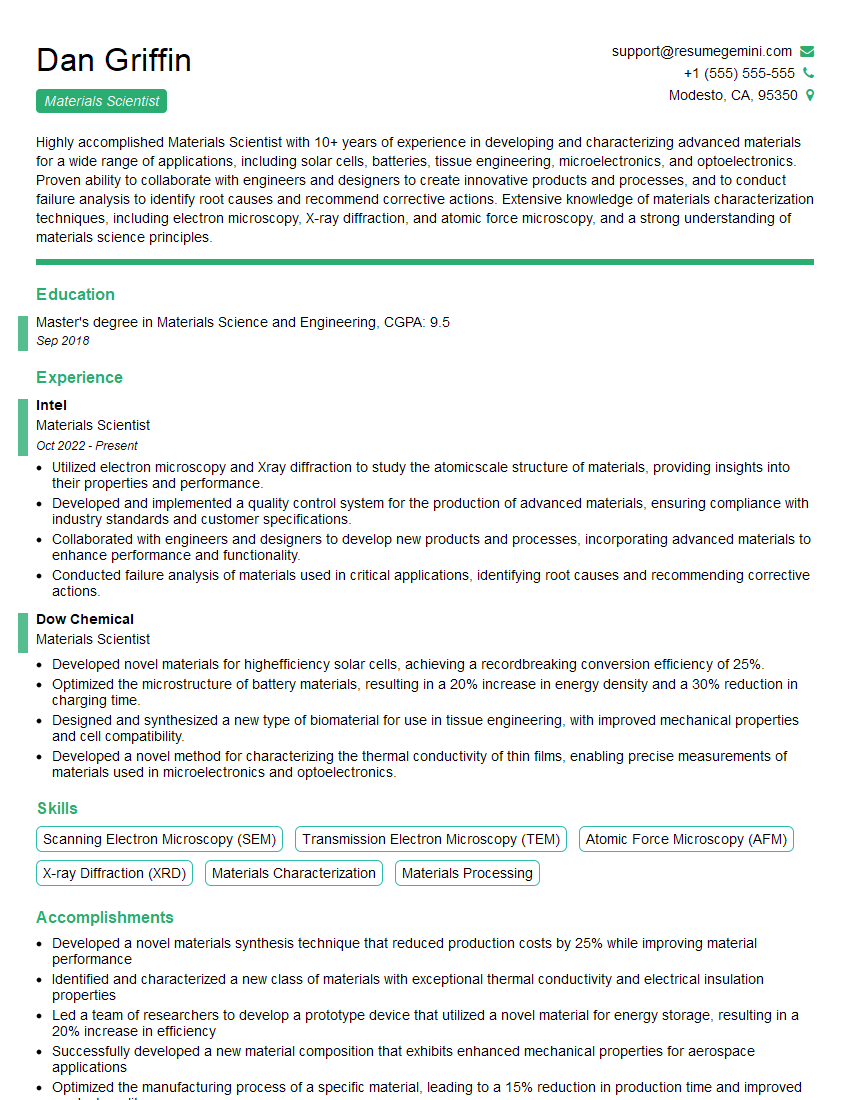
Materials Scientist Resume Sample
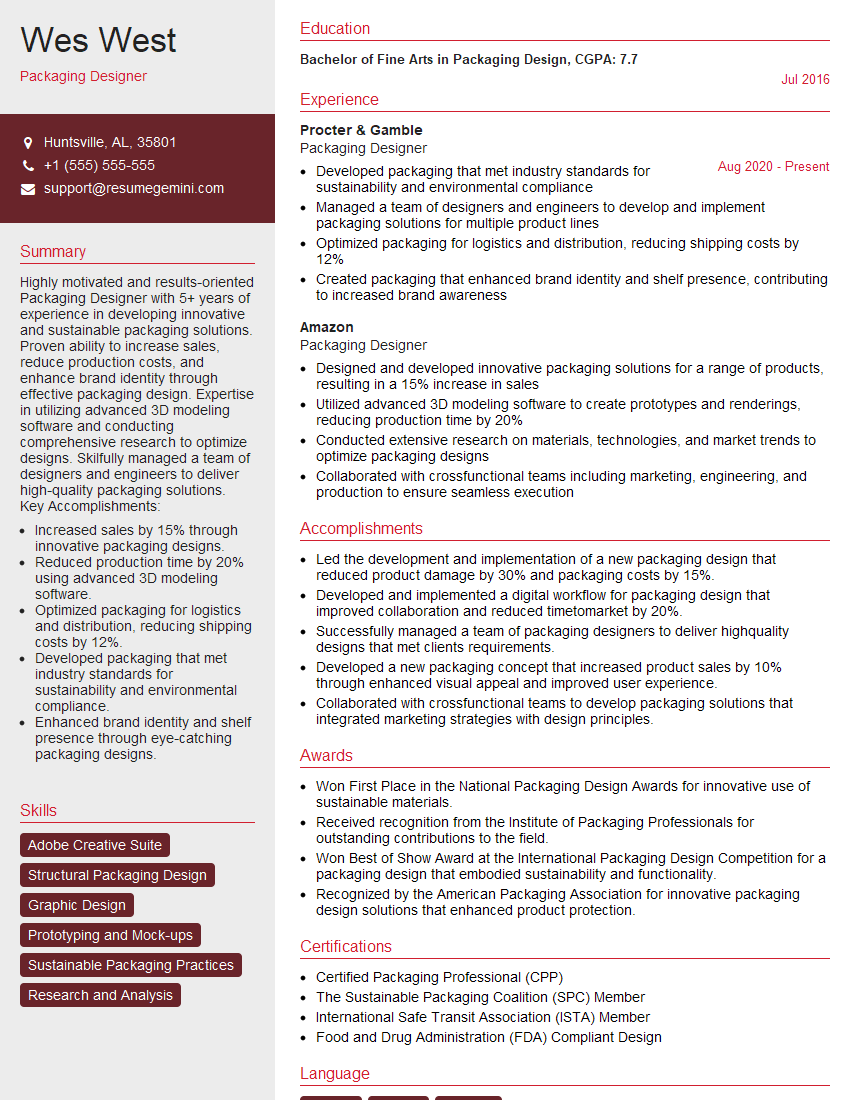
Packaging Designer Resume Sample
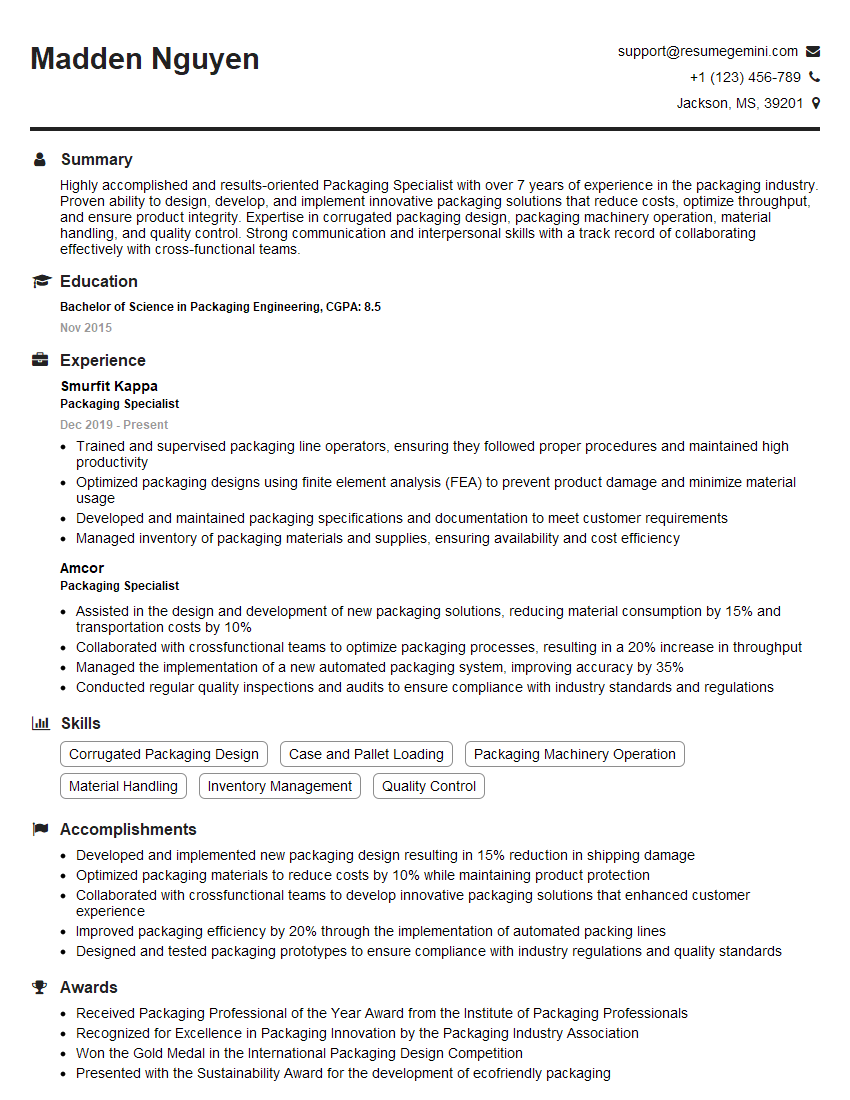
Packaging Specialist Resume Sample
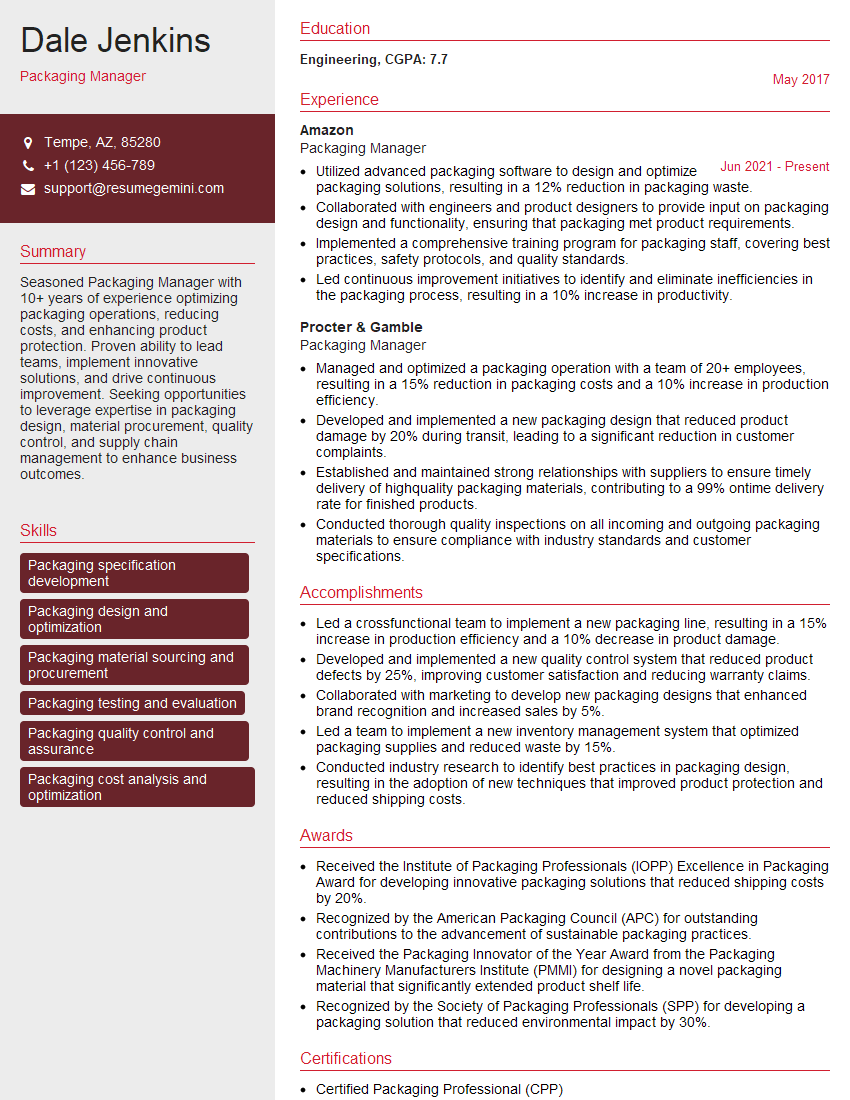
Packaging Manager Resume Sample
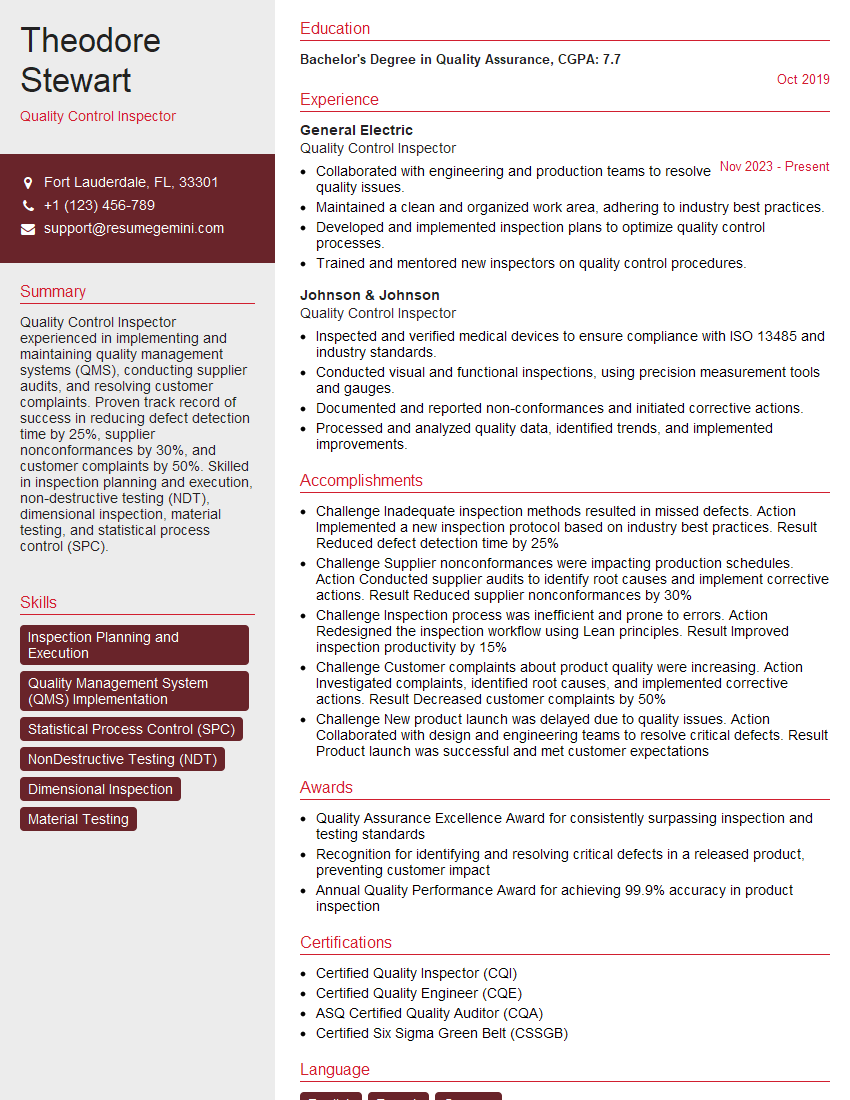
Quality Control Inspector Resume Sample
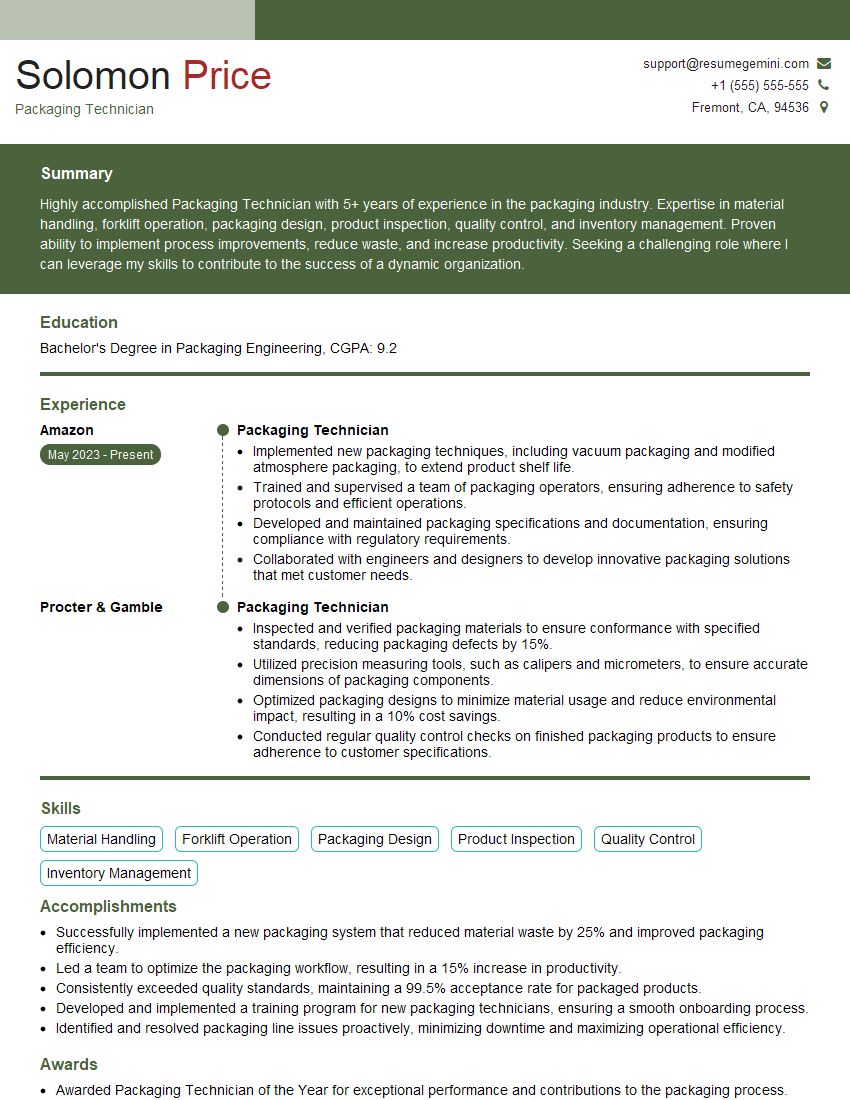
Packaging Technician Resume Sample
- Operations Manager
- Production Manager
- Supply Chain Manager
- Distribution Center Manager
- Logistics Manager
- Warehouse Manager
- Procurement Specialist
- Industrial Engineer
- Packaging Engineer
- Materials Scientist
- Packaging Designer
- Packaging Specialist
- Packaging Manager
- Quality Control Inspector
- Packaging Technician
Explore more articles
Users Rating of Our Blogs
Share Your Experience
We value your feedback! Please rate our content and share your thoughts (optional).
What Readers Say About Our Blog
Really detailed insights and content, thank you for writing this detailed article.
IT gave me an insight and words to use and be able to think of examples