Preparation is the key to success in any interview. In this post, we’ll explore crucial Paint Sealant Application interview questions and equip you with strategies to craft impactful answers. Whether you’re a beginner or a pro, these tips will elevate your preparation.
Questions Asked in Paint Sealant Application Interview
Q 1. What types of paint sealants are you familiar with?
Paint sealants come in various forms, each with its own characteristics and application methods. I’m familiar with several types, including:
- Synthetic Sealants: These are generally polymer-based and offer excellent durability and protection against UV rays, environmental contaminants, and light scratches. They often provide longer-lasting protection than waxes. Examples include ceramic coatings, which are a high-end type of synthetic sealant.
- Natural Sealants: These are derived from natural sources like carnauba wax, although often blended with other components to enhance performance. They typically offer good shine and water beading but may not last as long as synthetic sealants.
- Hybrid Sealants: These combine aspects of both synthetic and natural sealants, aiming to strike a balance between durability, shine, and ease of application. They often provide a good compromise between the two extremes.
The choice of sealant depends heavily on the desired level of protection, budget, and application ease.
Q 2. Explain the difference between a sealant and a wax.
While both sealants and waxes protect your car’s paint, they differ significantly in their composition, longevity, and level of protection.
Wax is a natural or synthetic product that primarily forms a protective layer over the paint. Think of it as a thin, sacrificial coating. It offers moderate protection against the elements and enhances the shine, but its protection generally lasts only a few weeks before needing reapplication. It’s relatively easy to apply and remove.
Sealant, on the other hand, bonds chemically or physically with the clear coat, offering a much more durable and longer-lasting protective layer – often lasting several months or even years. It provides superior protection against UV damage, environmental contaminants, and minor scratches. Application can be more complex, and removal often requires more effort.
In short: wax is like sunscreen—it provides temporary protection; sealant is like a durable raincoat, offering more substantial, long-term protection.
Q 3. Describe the proper surface preparation before sealant application.
Proper surface preparation is crucial for optimal sealant performance. A poorly prepped surface can lead to uneven application, reduced protection, and a less-than-ideal finish. My process involves:
- Washing: Thoroughly wash the vehicle with a quality car wash soap and a wash mitt to remove dirt, grime, and contaminants. Two-bucket washing is recommended to prevent scratches.
- Decontamination: This crucial step removes embedded contaminants like tar, tree sap, and iron particles. This often involves using a clay bar or iron remover.
- Drying: Dry the vehicle thoroughly with a high-quality microfiber drying towel, ensuring no water spots remain. This prevents water spots from being trapped under the sealant.
- Panel wipe down: Finally, a quick wipe down with an isopropyl alcohol solution ensures the surface is perfectly clean and free of any remaining residue before sealant application. This step is vital for optimal adhesion.
Skipping any of these steps can compromise the sealant’s effectiveness and longevity.
Q 4. What are the best practices for applying paint sealant?
Applying paint sealant effectively requires precision and technique. Here are some best practices:
- Work in sections: Apply the sealant to small sections (e.g., a single panel) at a time to ensure even coverage and prevent the sealant from drying before it’s properly buffed.
- Use the correct application method: Follow the manufacturer’s instructions precisely. This may involve applying the sealant by hand with an applicator pad, or using a spray bottle and applicator.
- Work in a shaded area: Direct sunlight can cause the sealant to dry too quickly, leading to streaking or uneven coverage. Cool, shady conditions are optimal.
- Allow sufficient curing time: Allow the sealant to cure for the recommended time before buffing. This allows the sealant to bond properly to the surface.
- Use high-quality microfiber towels: Use clean, soft microfiber towels for buffing to avoid scratching the paint.
Consistent technique and attention to detail are key for professional-looking results.
Q 5. How do you ensure even coverage during sealant application?
Achieving even coverage is paramount for a professional-looking and optimally protected finish. Here’s how I ensure consistent application:
- Apply thin, even coats: Multiple thin coats are better than one thick coat. A thick coat can lead to streaking and uneven drying.
- Overlap slightly: When applying each section, slightly overlap the previous section to ensure complete coverage and avoid missing any spots.
- Use the right tools: High-quality applicator pads or spray bottles are essential for consistent distribution.
- Work systematically: Follow a consistent pattern (e.g., top to bottom, left to right) to ensure no areas are missed.
- Inspect frequently: Regularly check the surface to identify any areas with insufficient coverage and immediately address any inconsistencies.
The key is patience and meticulous attention to detail. Rushing the process will almost certainly lead to an uneven finish.
Q 6. What are the common problems encountered during sealant application and how do you address them?
Several problems can arise during sealant application. Here are some common ones and their solutions:
- Streaking: This usually results from applying too thick a coat or working in direct sunlight. Solution: Apply thinner coats and work in the shade.
- Uneven coverage: This can be due to inadequate prep work or inconsistent application technique. Solution: Ensure thorough surface preparation and use a systematic application method.
- Water spots: These appear if the surface wasn’t perfectly dry before application. Solution: Thoroughly dry the vehicle before applying any sealant.
- Sealant clumping: This can happen if the sealant isn’t properly mixed or if the applicator pad is too dry. Solution: Make sure the sealant is properly mixed (if applicable) and use enough sealant on your applicator pad.
Troubleshooting often involves identifying the root cause and taking preventative measures in future applications.
Q 7. How do you determine the correct amount of sealant to use?
Determining the correct amount of sealant depends on several factors, including the size of the area being treated, the type of sealant, and the application method. There isn’t a universally correct amount; it’s more about using the right *ratio*.
Generally, manufacturers provide application instructions that recommend the proper amount to cover a specific area. I always follow these instructions closely and usually apply multiple thin coats rather than one heavy coat. With spray-on sealants, the technique often involves lightly misting the surface, ensuring even coverage without heavy pooling. With paste sealants, it’s about using enough product to fully coat the applicator pad without it dripping or running.
Experience plays a significant role in judging the correct amount. Over time, you develop an intuition for how much sealant to use to achieve optimal coverage without waste or streaking.
Q 8. What is the recommended drying time for different types of sealants?
Drying time for paint sealants varies significantly depending on the type of sealant, environmental conditions (temperature, humidity), and the thickness of the applied layer. Think of it like baking a cake – a thicker cake takes longer to bake!
- Ceramic Sealants: These typically require a longer drying time, often ranging from 12 to 24 hours, sometimes even longer depending on the manufacturer’s specifications. Complete curing might take several days to a week for optimal performance.
- Synthetic Sealants: These usually have a shorter drying time, often between 4 to 8 hours. However, it’s best to wait at least 12 hours before exposing the vehicle to rain or washing.
- Polymer Sealants: These often fall within a similar timeframe to synthetic sealants, generally between 6 to 12 hours for initial drying and longer for full curing.
Always consult the manufacturer’s instructions for the specific sealant you’re using. They provide the most accurate drying time recommendations for their product.
Q 9. How do you remove excess sealant?
Removing excess sealant is crucial for achieving a flawless, streak-free finish. The best method depends on how long the sealant has been applied and what type of sealant it is. Speed is key here; the quicker you act, the easier it is to remove excess product.
- Immediately after application: Use a clean, plush microfiber towel to gently wipe away the excess sealant. Work in small sections and use overlapping strokes to prevent streaks. For particularly stubborn residue, a detailer spray can help in the process.
- After initial drying: If the sealant has started to haze over, you will need to use a specialized sealant remover. Follow the instructions of the remover product carefully. These are designed to safely break down and dissolve the sealant without damaging the paintwork. Remember to test the remover on an inconspicuous area first to ensure compatibility with your paint and sealant.
Remember, leaving excess sealant can lead to a dull or hazy appearance, so meticulous removal is vital for a professional finish. Think of it as sculpting – you need to remove the excess material to reveal the beautiful underlying form.
Q 10. What are the different methods of applying paint sealant (e.g., by hand, machine)?
Paint sealants can be applied using various methods, each with its own advantages and disadvantages. The choice often depends on the size of the job, the desired level of precision, and the applicator’s experience.
- By Hand: This method is ideal for smaller projects or those who prefer a more controlled application. Using applicator pads, foam applicators, or even soft microfiber cloths, you apply the sealant in small sections, ensuring even coverage. This method gives the user more control but is more time consuming.
- By Machine: Using a dual-action polisher or a random orbital polisher can significantly speed up the application process, especially for larger vehicles. This method provides a more uniform spread of the sealant and minimizes streaks. It however demands expertise and practice to prevent damage or uneven application. Improper use can lead to swirl marks or even damage to the paint.
Regardless of the method chosen, always work in a clean, well-lit area, and ensure the surface is properly prepped.
Q 11. What safety precautions should be taken during sealant application?
Safety is paramount when applying paint sealants. These products, while generally safe, can still pose risks if proper precautions aren’t followed.
- Eye Protection: Always wear safety glasses or goggles to prevent sealant from splashing into your eyes.
- Gloves: Wear nitrile or similar chemical-resistant gloves to protect your skin from irritation or allergic reactions. Some sealants contain chemicals that can cause skin irritation.
- Ventilation: Work in a well-ventilated area or use a respirator if the sealant has strong fumes. This is especially important when working in enclosed spaces.
- Proper Disposal: Dispose of empty containers and used applicators according to local regulations. Do not simply throw them in the trash.
Following these precautions helps ensure a safe and healthy working environment. Safety first – always!
Q 12. How long does a typical paint sealant last?
The longevity of a paint sealant depends heavily on the type of sealant, the application process, and the level of maintenance. Think of it as a protective layer; some are thicker and more durable than others.
- Ceramic Sealants: These are known for their exceptional durability, often lasting for 12-36 months or even longer under ideal conditions.
- Synthetic Sealants: These generally last between 6-12 months, offering a good balance of protection and longevity.
- Polymer Sealants: These usually last for 3-6 months, offering a shorter-term, more affordable protection solution.
These are just estimates. The actual longevity can vary depending on factors discussed in the next question.
Q 13. What factors affect the longevity of a paint sealant?
Several factors can significantly affect how long a paint sealant lasts. Neglecting these factors can dramatically reduce its lifespan.
- Weather Conditions: Frequent exposure to harsh sunlight, rain, snow, and extreme temperatures can degrade the sealant faster.
- Washing and Drying Techniques: Using harsh chemicals or abrasive materials during washing can wear down the sealant prematurely. Improper drying can leave water spots which may affect the sealant’s clarity.
- Driving Habits: Driving in areas with high amounts of dirt, debris, and bug splatter will require more frequent cleaning which can eventually wear down the sealant.
- Type of Sealant: As mentioned earlier, different sealants have inherently different lifespans.
- Quality of Application: An improperly applied sealant will not last as long as one that is carefully and correctly applied.
It’s a combination of factors. Think of it as a chain: the weakest link determines the overall strength and durability.
Q 14. How do you maintain a paint sealant after application?
Maintaining your paint sealant is key to extending its lifespan and preserving the shine and protection it provides. Regular maintenance is like preventative car maintenance – it helps keep everything in top condition.
- Regular Washing: Wash your vehicle frequently using a two-bucket wash method with a pH-neutral car wash soap to prevent dirt and debris buildup. Avoid using harsh chemicals or abrasive sponges.
- Drying: Dry the vehicle thoroughly using a plush microfiber towel to prevent water spotting which can damage the sealant.
- Periodic Detailing: Every few months, consider a more thorough detailing that may include a quick detailing spray to maintain the sealant’s luster and hydrophobicity.
- Avoid Harsh Chemicals: Stay away from harsh chemicals like strong detergents, solvents, or acidic cleaners which will damage the sealant.
Proper maintenance ensures your paint sealant provides long-lasting protection and keeps your vehicle looking its best. A little effort goes a long way!
Q 15. What are the benefits of using a paint sealant?
Paint sealants offer a multitude of benefits for your vehicle’s finish. Think of them as an invisible shield protecting your paint from the harsh realities of the road.
- Enhanced Gloss and Shine: Sealants create a smooth, reflective surface, resulting in a deeper, more vibrant shine.
- Protection from UV Rays: Sunlight’s UV rays are a major culprit in paint fading and degradation. Sealants act as a barrier, minimizing this damage.
- Increased Water Resistance: They repel water, making washing easier and preventing water spots from etching into the paint.
- Chemical Resistance: Sealants offer some protection against bird droppings, industrial fallout, and other environmental contaminants.
- Easier Cleaning: Dirt and grime don’t adhere as readily to a sealed surface, making washing and maintenance simpler.
- Extended Paint Life: By protecting against the elements, sealants help maintain your vehicle’s paint in excellent condition for much longer.
For example, I once worked on a classic car restoration where the paint sealant not only enhanced the stunning original paint job but also protected it from deterioration for over five years.
Career Expert Tips:
- Ace those interviews! Prepare effectively by reviewing the Top 50 Most Common Interview Questions on ResumeGemini.
- Navigate your job search with confidence! Explore a wide range of Career Tips on ResumeGemini. Learn about common challenges and recommendations to overcome them.
- Craft the perfect resume! Master the Art of Resume Writing with ResumeGemini’s guide. Showcase your unique qualifications and achievements effectively.
- Don’t miss out on holiday savings! Build your dream resume with ResumeGemini’s ATS optimized templates.
Q 16. What are the disadvantages of using a paint sealant?
While the benefits of paint sealants are significant, it’s crucial to acknowledge potential drawbacks.
- Cost: High-quality sealants can be more expensive than waxes or other protective coatings.
- Application Time: Applying a sealant correctly requires time and attention to detail; a rushed job won’t yield optimal results.
- Durability Varies: The longevity of a sealant depends heavily on the product’s quality, application technique, and environmental conditions. Some sealants last just a few months, while others can last for years.
- Potential for Streaking: If not applied evenly, sealants can leave streaks that are difficult to remove.
- Compatibility Issues: Some sealants might not be compatible with certain paint types or previous coatings. Always check the product specifications carefully.
For instance, I encountered a situation where a customer used a low-quality sealant that didn’t last very long, costing them extra time and money in the long run. Choosing the right product is key.
Q 17. How do you handle challenging surfaces like textured plastics?
Textured plastics present unique challenges due to their uneven surfaces. The key is to use a method that allows the sealant to reach into the crevices while avoiding an overly thick application.
I typically use a high-quality applicator pad made of soft foam, applying the sealant in thin, even layers. I work the sealant gently into the textured surface, ensuring complete coverage without forcing the product.
A crucial step is to remove any excess sealant immediately after application to prevent buildup and potential discoloration. Microfiber towels are my preferred tool for this phase, working in small sections and frequently changing towels to avoid smearing.
The challenge is to find a balance between proper coverage and avoiding over-application, which can lead to a dull or uneven finish. Practice and patience are key to mastering this technique.
Q 18. Describe your experience with different types of application tools.
Over the years, I’ve worked with a variety of application tools, each with its strengths and weaknesses.
- Applicator Pads: Foam pads, both standard and microfiber, are versatile and relatively inexpensive. They’re suitable for most surfaces and offer good control.
- Spray Bottles: Spray bottles are convenient for large areas but require a light touch to avoid overspray. They’re best suited for sealants designed for spray application.
- Microfiber Towels: While not strictly application tools, microfiber towels are incredibly useful for spreading and buffing sealants to achieve an even finish. Different grades of microfiber offer varying levels of softness and absorbency.
- Dedicated Sealant Applicators: Some manufacturers produce specialized applicators, often with ergonomic handles and specific pad designs. These can provide better control and reduce waste.
My personal preference leans towards high-quality foam applicator pads coupled with microfiber towels for buffing, as this combination provides excellent control, even coverage, and efficient removal of excess product.
Q 19. How do you clean and maintain your application tools?
Maintaining application tools is vital for ensuring clean and consistent results. Neglecting this can lead to product contamination and uneven application.
- Immediate Cleaning: After each use, I immediately clean my applicator pads and microfiber towels. For foam pads, I often use a mild soap and water solution, rinsing thoroughly and allowing them to air dry completely.
- Deep Cleaning: For a deeper clean, I may use a specialized detailing product designed for cleaning applicator pads and microfiber cloths. This helps to remove any lingering sealant residue.
- Proper Storage: Once clean and dry, I store my applicator pads and towels in a clean, dry place, away from direct sunlight and dust. Proper storage ensures their longevity and prevents contamination.
- Regular Replacement: Despite meticulous cleaning, applicator pads and microfiber towels eventually wear out. Regular replacement ensures you always have tools in top condition.
Think of it like maintaining your tools in any craft – a well-maintained toolset guarantees better quality and efficiency.
Q 20. What are the common causes of sealant failure?
Sealant failure can stem from several factors.
- Improper Surface Preparation: A dirty or poorly prepped surface will prevent the sealant from adhering properly. The surface must be clean, dry, and free of contaminants.
- Incorrect Application Technique: Over-application, uneven spreading, or failure to remove excess sealant can all contribute to failure.
- Low-Quality Product: Choosing a cheap or poorly formulated sealant often leads to short-lived protection and poor results.
- Environmental Factors: Harsh weather conditions, prolonged exposure to UV rays, or frequent washing with harsh chemicals can degrade the sealant more quickly.
- Incompatible Coatings: Applying a sealant over an incompatible existing coating (like a previous sealant or wax) can cause issues with adhesion and performance.
For example, I once encountered a case of sealant failure due to the customer using a pressure washer too aggressively, which removed the sealant prematurely.
Q 21. How do you troubleshoot common sealant application issues?
Troubleshooting sealant application issues requires a systematic approach.
- Identify the Problem: Is the sealant streaking, beading poorly, or simply not lasting as long as expected?
- Review the Application Process: Did you properly prepare the surface? Did you use the correct application technique? Did you allow sufficient drying time?
- Check the Product: Is the sealant within its expiration date? Has it been stored correctly? Is it compatible with the surface and any existing coatings?
- Assess Environmental Factors: Has the vehicle been exposed to harsh weather conditions or chemicals that could have degraded the sealant?
- Consider a Re-application: If the issue stems from poor application or environmental factors, a re-application might be necessary. Start by thoroughly cleaning the surface before applying a fresh coat.
A methodical approach helps pinpoint the root cause and formulate an effective solution. Remember that patience and attention to detail are key to success in any detailing task.
Q 22. What is your experience with ceramic coatings?
Ceramic coatings are a type of paint protection that offers significantly longer-lasting protection than traditional paint sealants. My experience encompasses the application of various ceramic coating brands, from entry-level to high-end professional-grade products. This includes everything from preparation of the vehicle surface, careful application of the coating, to the curing process and final inspection. I’m proficient in handling different coating formulations, understanding their unique properties, and adapting my techniques accordingly to achieve optimal results.
For instance, I’ve worked extensively with SiO2 (silicon dioxide) based coatings, which are known for their exceptional hardness and water beading capabilities. I’ve also had experience with coatings that incorporate other advanced technologies, such as self-healing properties, to protect against minor scratches and swirls. This experience allows me to advise clients on the best type of coating based on their budget, vehicle use, and desired level of protection.
Q 23. How does ceramic coating compare to paint sealant?
Ceramic coatings and paint sealants both protect your vehicle’s paint, but they differ significantly in longevity and protection levels. Think of a paint sealant as sunscreen – it provides a layer of protection, but needs reapplication frequently. A ceramic coating is more like a tough, invisible shield. It chemically bonds to the paint, providing much longer-lasting protection – typically lasting several years – against UV rays, environmental contaminants, and minor scratches.
- Longevity: Sealants last for several months, while ceramic coatings can last for several years.
- Protection Level: Ceramic coatings offer superior protection against scratches, chemicals, and UV damage compared to sealants.
- Gloss: Both can enhance gloss, but ceramic coatings often provide a deeper, more vibrant shine.
- Application: Sealants are easier and quicker to apply; ceramic coatings require a more meticulous and time-consuming application process.
In short, while a sealant is a cost-effective solution for short-term protection, a ceramic coating is a premium investment for long-term, superior paint protection.
Q 24. Are you familiar with paint protection films (PPF)?
Yes, I am very familiar with paint protection films (PPF). PPF is a transparent urethane film applied to a vehicle’s paint to protect it from scratches, rock chips, and other forms of damage. My experience includes the precise cutting and installation of PPF, ensuring a seamless, invisible finish. I understand the different types of PPF available, including varying thicknesses and self-healing properties. This knowledge enables me to advise clients on the best PPF option for their needs and budget.
I have successfully installed PPF on numerous vehicles, ranging from smaller cars to larger SUVs and trucks. This includes both full-vehicle wraps and partial installations, focusing on high-impact areas like the front bumper, hood, and fenders. I prioritize precision and attention to detail to minimize visible seams and ensure a flawless finish.
Q 25. How do you prepare a surface for PPF application?
Preparing a surface for PPF application is crucial for a successful and long-lasting installation. A poorly prepared surface can lead to trapped debris, lifting, and an unsatisfactory result. The process involves several key steps:
- Thorough Washing: The vehicle must be meticulously washed to remove all dirt, grime, and contaminants. This often involves a two-bucket wash method and the use of detailing brushes to reach tight areas.
- Decontamination: This step removes embedded contaminants like iron particles and tar using specialized detailing products. Clay bar treatment is often included to achieve a perfectly smooth surface.
- Drying: The vehicle is thoroughly dried using high-quality microfiber towels and possibly a forced-air dryer to eliminate any remaining moisture.
- Panel Preparation: Each panel is inspected for imperfections. Minor imperfections may be corrected with polishing compounds or paint correction techniques to create an ideal base for PPF adhesion.
- Final Cleaning: A final wipe-down with an isopropyl alcohol solution ensures that the surface is perfectly clean and free of any residue before PPF application.
Proper surface preparation is not just about aesthetics; it’s about ensuring the PPF adheres correctly and provides maximum protection and longevity. Skipping any of these steps risks compromising the film’s performance.
Q 26. Describe your experience with different sealant brands.
My experience covers a wide range of sealant brands, including well-known names like Opti-Coat, CQuartz, and various others offered at different price points. Each brand offers a slightly different formulation, leading to variations in gloss, durability, and application techniques. For instance, some sealants require multiple coats for optimal performance, while others are designed for single-coat applications.
I thoroughly research and test different sealants to stay updated on the latest advancements in the market. This allows me to provide informed recommendations to my clients based on their individual needs and budget constraints, and ensure I’m using the best product for the job at hand. Understanding the nuances of different brands’ formulations helps me tailor my application process for optimal results.
Q 27. What is your understanding of different sealant levels of gloss and durability?
Sealants vary considerably in gloss and durability. Gloss levels typically range from a subtle enhancement to a very high-gloss, almost wet look. The level of gloss is often related to the sealant’s composition and the number of coats applied. Durability, often measured in months, depends on the sealant’s chemical properties and the environmental factors the vehicle is exposed to.
For example, a high-gloss sealant might offer a shorter lifespan compared to a sealant with a less intense shine but greater durability. I explain these trade-offs to my clients to help them choose the right sealant for their priorities. Someone who wants a show-car finish might prioritize gloss over longevity, while someone else might prefer a more durable sealant that requires less frequent reapplication.
Q 28. How do you ensure customer satisfaction with your sealant application?
Ensuring customer satisfaction is paramount in my work. This involves a multifaceted approach that begins before the application even starts.
- Consultation: A thorough consultation helps me understand the customer’s expectations, budget, and vehicle usage. This ensures that the chosen sealant perfectly matches their needs.
- Transparency: I clearly explain the process, including the preparation steps, application technique, and expected lifespan of the sealant.
- Quality Workmanship: My meticulous attention to detail ensures a flawless application. This includes paying close attention to masking and preventing any imperfections.
- Follow-up: I provide aftercare instructions and am available to answer any questions the customer may have after the service is completed.
- Open Communication: Maintaining open and honest communication throughout the process builds trust and manages expectations.
By focusing on these elements, I consistently strive to exceed client expectations and build long-term relationships based on trust and satisfaction.
Key Topics to Learn for Paint Sealant Application Interview
- Surface Preparation: Understanding different surface types (metal, plastic, etc.), cleaning techniques, and the importance of proper preparation for optimal sealant adhesion.
- Sealant Selection: Knowing the properties of various sealants (e.g., acrylic, ceramic, silicone), their application methods, and selecting the appropriate sealant for specific surfaces and environmental conditions.
- Application Techniques: Mastering different application methods (e.g., brush, roller, spray), achieving even coverage, and minimizing waste.
- Curing and Drying Processes: Understanding the curing time, environmental factors affecting curing, and how to ensure proper sealant performance.
- Quality Control and Inspection: Identifying defects in sealant application (e.g., uneven coverage, pinholes, cracking), and troubleshooting common problems.
- Health and Safety Regulations: Familiarity with relevant safety regulations and handling procedures for paint sealants and related materials (PPE, ventilation, waste disposal).
- Tools and Equipment: Understanding the use and maintenance of various tools and equipment used in paint sealant application (e.g., spray guns, mixing equipment).
- Cost Estimation and Budgeting: Ability to estimate material costs, labor costs, and overall project budgeting for sealant application projects.
- Problem-Solving Scenarios: Preparing to discuss how you would approach and solve common challenges encountered during sealant application, such as adhesion issues or environmental complications.
Next Steps
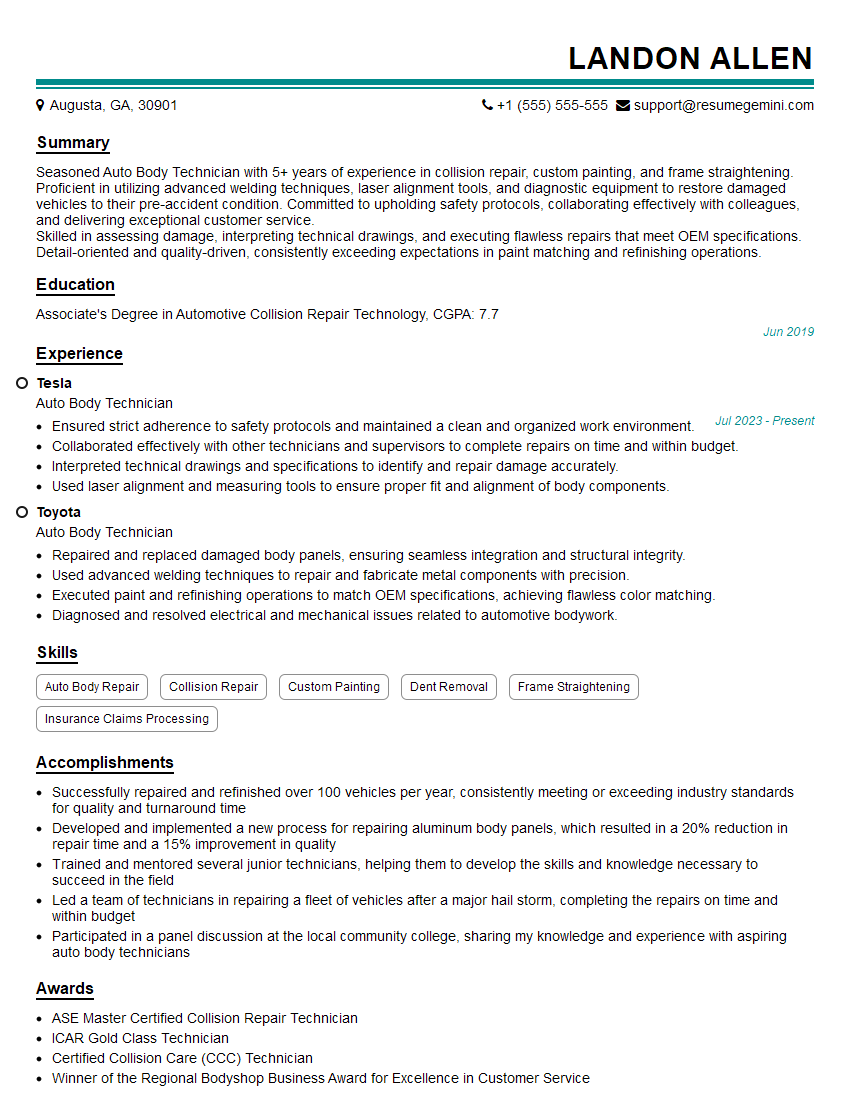
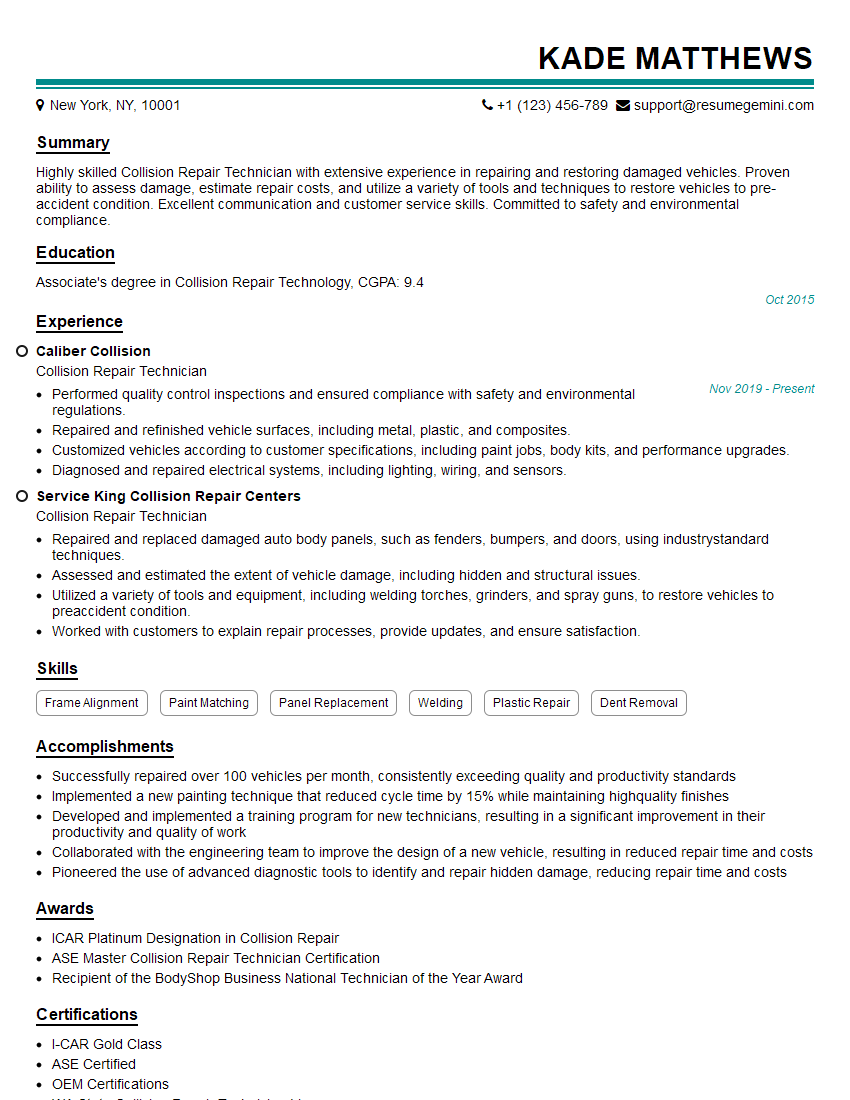
Mastering paint sealant application opens doors to exciting career opportunities in various industries, from automotive detailing to industrial coatings. A strong understanding of these techniques demonstrates valuable skills and attention to detail, making you a highly competitive candidate. To significantly boost your job prospects, invest time in creating a professional, ATS-friendly resume that highlights your expertise. ResumeGemini is a trusted resource to help you build a compelling resume that showcases your skills effectively. Examples of resumes tailored to Paint Sealant Application are available, providing valuable templates to guide your resume creation.
Explore more articles
Users Rating of Our Blogs
Share Your Experience
We value your feedback! Please rate our content and share your thoughts (optional).
What Readers Say About Our Blog
Really detailed insights and content, thank you for writing this detailed article.
IT gave me an insight and words to use and be able to think of examples