Interviews are opportunities to demonstrate your expertise, and this guide is here to help you shine. Explore the essential Part Inspection and Quality Control interview questions that employers frequently ask, paired with strategies for crafting responses that set you apart from the competition.
Questions Asked in Part Inspection and Quality Control Interview
Q 1. Describe your experience with different types of measuring instruments (e.g., calipers, micrometers, CMM).
My experience with measuring instruments spans a wide range, encompassing both basic and advanced tools. I’m proficient in using dial calipers for precise measurements of external dimensions, like the diameter of a shaft or the width of a block. Vernier calipers offer even greater accuracy, crucial for finer details. Micrometers, with their ability to measure to thousandths of an inch or micrometers, are essential for extremely precise dimensions. I’ve extensively used Coordinate Measuring Machines (CMMs) for complex parts requiring three-dimensional measurements. CMMs provide highly accurate data with automated routines and reporting, suitable for large batches and intricate geometries. For example, I’ve used CMMs to inspect the complex contours of injection molded plastic parts, ensuring all dimensions and tolerances are within specifications. My experience includes troubleshooting these instruments, ensuring proper calibration and maintenance for accurate results. I’m also familiar with optical comparators and other specialized tools as needed for specific applications.
Q 2. Explain your understanding of statistical process control (SPC) charts and their application.
Statistical Process Control (SPC) charts are powerful tools for monitoring process variation and identifying potential problems before they lead to significant defects. They are based on the concept that variation is inherent in any process, but this variation can be characterized and controlled. Common SPC charts include X-bar and R charts for continuous data, and p-charts or c-charts for discrete data (like defects per unit). For example, an X-bar and R chart tracks the average (X-bar) and range (R) of a sample of measurements over time. Control limits, typically set at three standard deviations from the average, are plotted on the chart. Points outside these limits signal potential issues with the process – maybe a machine is wearing out, or there is a variation in raw material. I use SPC charts proactively to monitor processes, identifying trends and anomalies early. This prevents large batches of defective parts and helps in implementing corrective actions promptly. For example, if a consistently high R value is observed, it suggests increased variability in the process that needs to be investigated and addressed.
Q 3. How do you handle discrepancies found during part inspection?
Handling discrepancies during part inspection follows a structured process. First, I meticulously verify the initial finding through repeat measurements using different instruments or techniques if possible. This helps eliminate potential errors in measurement. Then, I thoroughly document the discrepancy, including the part number, location of the defect, the measurement taken, and the specified tolerance. Photographs and detailed sketches are incredibly valuable additions to the documentation. Next, I determine if the discrepancy is due to measurement error, operator error, or a genuine defect in the part. If the discrepancy is confirmed as a defect, I isolate the faulty parts to prevent them from entering the production line. I then initiate a Non-Conformance Report (NCR) according to established procedures, which involves notifying the appropriate personnel and initiating root cause analysis to prevent similar occurrences in the future. This might involve collaborating with engineering to investigate design flaws, quality assurance to review the manufacturing process, or operations to assess equipment or material issues.
Q 4. What are your preferred methods for documenting inspection results?
My preferred methods for documenting inspection results emphasize clarity, traceability, and ease of access. I typically use a combination of digital and physical records. Digital documentation involves using software designed for quality control or customized spreadsheets containing detailed data fields for part number, date of inspection, inspector’s initials, measurement data, results (pass/fail), and any observed defects. Images, schematics, and any additional notes relevant to the inspection are also incorporated. Physical records such as inspection reports, signed-off certificates of conformance, and labelled parts that have passed inspection are crucial for traceability and audit trails. This dual-system approach allows for efficient data analysis and ensures compliance with regulations and internal quality standards. I always maintain a structured filing system for both digital and physical records to ensure easy retrieval of information when needed.
Q 5. Describe your experience with different types of non-destructive testing (NDT) methods.
My experience with Non-Destructive Testing (NDT) methods includes visual inspection (checking for surface flaws), dye penetrant testing (detecting surface cracks), magnetic particle testing (detecting surface and near-surface flaws in ferromagnetic materials), and ultrasonic testing (detecting internal flaws). For example, I’ve used ultrasonic testing to evaluate the integrity of welds in pipelines, identifying any internal cracks or voids which could compromise the structural integrity. Each method has its strengths and is chosen based on the part’s material, geometry, and the types of defects being searched for. I am also familiar with the interpretation of NDT results and their reporting, understanding the limitations of each technique and ensuring proper documentation of findings. Proficiency in NDT is crucial to guarantee product reliability and safety, especially in critical applications.
Q 6. How do you ensure traceability of parts and materials throughout the inspection process?
Ensuring traceability of parts and materials is critical for accountability and quality control. This involves establishing a clear chain of custody from raw material arrival to finished product shipment. We typically use unique identification numbers (serial numbers, batch numbers, lot numbers) assigned to each component at various stages. This information is documented throughout the process, including receiving reports for raw materials, work-in-progress tracking, inspection records, and final product shipping documents. Barcodes or RFID tags can be utilized for automated tracking and data capture. This detailed record-keeping system allows for easy tracing of any part throughout its lifecycle, facilitating investigation in case of a defect or quality issue, and streamlining recall procedures if necessary. Accurate traceability is crucial for compliance with industry regulations and customer requirements.
Q 7. Explain your understanding of tolerance limits and specifications.
Tolerance limits and specifications define the acceptable range of variation for a given part’s dimensions, properties, or characteristics. Specifications outline the ideal or nominal values, while tolerances specify the permissible deviation from those values. For instance, a specification might state that a shaft should have a diameter of 10mm, with a tolerance of ±0.1mm. This means that any shaft with a diameter between 9.9mm and 10.1mm would be considered acceptable. Understanding these limits is vital during part inspection to determine if a part conforms to the requirements. Tolerances are often expressed using various methods, including plus/minus values, unilateral tolerances (allowing deviation only in one direction), and geometric dimensioning and tolerancing (GD&T), a more complex system used for specifying complex shapes and their allowable variations. Incorrect interpretation of tolerances can lead to rejection of acceptable parts or acceptance of defective ones, potentially impacting product functionality and reliability.
Q 8. How do you identify and classify different types of defects?
Identifying and classifying defects is the cornerstone of effective part inspection. It involves a systematic approach, starting with understanding the part’s specifications and then meticulously examining it for deviations. Defects are broadly categorized into several types:
- Dimensional Defects: These relate to the physical size and shape of the part, such as incorrect length, width, diameter, or angle. For example, a bolt that’s too short or a shaft with an out-of-tolerance diameter.
- Surface Defects: These affect the part’s exterior, including scratches, cracks, pits, dents, corrosion, or discoloration. Imagine a scratch on a car’s painted surface – that’s a surface defect.
- Material Defects: These relate to the inherent properties of the material itself, such as inclusions (foreign material within the part), porosity (small holes), or internal cracks. Think of a casting with air bubbles trapped inside – a material defect.
- Functional Defects: These defects affect how the part performs its intended function. A malfunctioning switch in an electronic device or a bearing that doesn’t rotate smoothly are examples.
Classification often utilizes standardized defect codes or categories specific to the industry and part type. This allows for consistent tracking and analysis of defect trends, which is crucial for continuous improvement.
Q 9. How do you handle situations where a part fails to meet specifications?
When a part fails to meet specifications, a structured approach is critical. The first step is to carefully document the deviation from the specifications, including the type of defect, its location, and its severity. This documentation is crucial for traceability and analysis.
Next, the part’s disposition needs to be determined. This might involve:
- Rejection: If the defect is critical and compromises functionality or safety, the part is rejected and typically scrapped or reworked.
- Rework: If the defect is minor and can be corrected economically, the part is reworked to meet specifications. This requires meticulous tracking of the rework process.
- Concession: In some cases, a concession may be granted if the defect is deemed acceptable based on risk assessment and client approval. This might be for a minor cosmetic defect that doesn’t affect the part’s functionality.
- Quarantine: If the cause of the failure is uncertain, the affected parts may be quarantined until the root cause is identified and resolved.
Throughout this process, maintaining accurate records and communicating clearly with relevant stakeholders is essential.
Q 10. What is your experience with root cause analysis techniques?
Root cause analysis (RCA) is a crucial skill for any part inspection professional. My experience involves applying various RCA techniques, including:
- 5 Whys: A simple yet powerful technique that involves repeatedly asking ‘why’ to uncover the underlying causes of a problem. For example, a faulty component (Why?)- because of a faulty assembly process (Why?)- because of poorly trained operators (Why?)- because of insufficient training materials(Why?)- Because of lack of budget for proper training.
- Fishbone Diagram (Ishikawa Diagram): A visual tool that helps brainstorm and categorize potential causes of a problem, grouping them by factors like materials, methods, manpower, machinery, measurement, and environment.
- Pareto Analysis: This technique helps identify the ‘vital few’ causes responsible for the majority of defects. It helps prioritize corrective actions.
Choosing the right RCA technique depends on the complexity of the problem and the available data. The goal is always to identify the root cause, not just the symptoms, to prevent similar failures in the future.
Q 11. Describe your experience with different quality management systems (e.g., ISO 9001).
I have extensive experience working within ISO 9001 certified quality management systems. This includes understanding and applying principles related to:
- Documentation Control: Maintaining up-to-date and accurate inspection procedures, work instructions, and records.
- Internal Audits: Participating in and conducting internal audits to ensure compliance with the quality management system.
- Corrective and Preventive Actions (CAPA): Contributing to the investigation and implementation of CAPAs to address identified nonconformities and prevent recurrence.
- Continuous Improvement: Actively participating in activities aimed at improving the effectiveness of the quality management system and reducing defects.
My experience extends to other quality systems as well, adapting my approach to the specific requirements of each system. The underlying principle remains the same: a commitment to quality and continuous improvement.
Q 12. How do you ensure the accuracy and reliability of your inspection results?
Ensuring accuracy and reliability of inspection results is paramount. This involves a multi-faceted approach:
- Calibration of Measurement Equipment: Regularly calibrating all measurement instruments to traceable standards is essential. This ensures that measurements are accurate and reliable.
- Use of Standardized Procedures: Following well-defined and documented inspection procedures helps maintain consistency and minimizes human error.
- Operator Training and Qualification: Inspectors must be properly trained and qualified to perform their tasks competently. This often includes certifications and ongoing training.
- Statistical Process Control (SPC): Utilizing SPC techniques, such as control charts, helps monitor the inspection process itself and identify potential sources of variability or bias. This helps prevent errors from going undetected.
- Verification and Validation: Regularly reviewing and validating inspection results through audits or comparisons against known good parts enhances confidence in the accuracy of the findings.
A commitment to precision and a culture of continuous improvement are key to maintaining the accuracy and reliability of our inspection results.
Q 13. Explain your understanding of different sampling methods.
Sampling methods are crucial for efficiently inspecting large batches of parts. Different methods offer varying degrees of precision and efficiency:
- Random Sampling: Each part in the batch has an equal chance of being selected for inspection. This is ideal for homogenous batches but might miss localized defects.
- Stratified Sampling: The batch is divided into subgroups (strata) based on characteristics, and a random sample is taken from each subgroup. This is useful when dealing with batches with known variability.
- Systematic Sampling: Parts are selected at regular intervals (e.g., every tenth part). This is simple but can be problematic if there’s a pattern in the defects.
- Acceptance Sampling: Used to determine whether an entire batch meets quality standards based on the inspection of a sample. This involves predefined acceptance criteria.
The choice of sampling method depends on factors like the batch size, cost considerations, defect rate, and the level of confidence required. Statistical tables and software are often used to determine appropriate sample sizes.
Q 14. How do you prioritize tasks and manage time effectively during inspections?
Effective task prioritization and time management during inspections are essential for productivity and accuracy. My approach involves:
- Prioritization Matrix: I use a matrix (e.g., Eisenhower Matrix – Urgent/Important) to prioritize tasks based on their urgency and importance. Critical inspections are tackled first, followed by high-value tasks.
- Work Breakdown Structure (WBS): For complex inspections, I break down the task into smaller, manageable components. This helps track progress and manage time efficiently.
- Timeboxing: I allocate specific time slots for different tasks, preventing one task from consuming excessive time at the expense of others.
- Efficient Workflow: I optimize my workflow to minimize unnecessary movement and streamline the inspection process. This might involve adjusting the layout of the inspection area or using specialized tools.
- Regular Breaks: Taking short breaks prevents fatigue, which can lead to errors. This ensures sustained attention to detail throughout the inspection.
Proactive planning and a structured approach are key to effective task management during inspections.
Q 15. Describe your experience working with different materials (e.g., metals, plastics, composites).
My experience spans a wide range of materials commonly used in manufacturing. I’ve worked extensively with metals, including ferrous materials like steel and stainless steel, and non-ferrous metals such as aluminum and titanium. Each material presents unique challenges in inspection. For instance, steel’s susceptibility to rust requires careful handling and consideration during visual inspection. Aluminum, on the other hand, can be prone to surface imperfections that require specific techniques for detection.
With plastics, I’m familiar with various types like ABS, polycarbonate, and nylon, each exhibiting different properties affecting inspection methods. For example, measuring the thickness of a thin plastic film requires specialized tools and techniques unlike the dimensional inspection of a robust plastic housing. Finally, my experience includes working with composite materials such as fiberglass and carbon fiber reinforced polymers. Inspecting these materials demands a good understanding of their layered structure and the potential for delamination or fiber misalignment, often necessitating non-destructive testing methods like ultrasonic inspection.
Career Expert Tips:
- Ace those interviews! Prepare effectively by reviewing the Top 50 Most Common Interview Questions on ResumeGemini.
- Navigate your job search with confidence! Explore a wide range of Career Tips on ResumeGemini. Learn about common challenges and recommendations to overcome them.
- Craft the perfect resume! Master the Art of Resume Writing with ResumeGemini’s guide. Showcase your unique qualifications and achievements effectively.
- Don’t miss out on holiday savings! Build your dream resume with ResumeGemini’s ATS optimized templates.
Q 16. What are your experience with First Article Inspection (FAI)?
First Article Inspection (FAI) is crucial for verifying that the initial production run of a part conforms to the engineering drawings and specifications. My experience with FAI involves meticulously comparing the first manufactured part to the approved design documents. This includes verifying dimensions, material properties, surface finishes, and functionality. I’ve utilized various measurement tools, including CMMs (Coordinate Measuring Machines), calipers, micrometers, and optical comparators, depending on the part’s complexity and required precision.
For example, I recently conducted an FAI on a complex machined aluminum component. This involved using a CMM to verify the critical dimensions specified on the drawing, including GD&T callouts (which I’ll discuss further in the next answer). Any discrepancies were meticulously documented in the FAI report, which was then reviewed and approved by the relevant engineering and quality control personnel. This ensured that subsequent production runs adhered to the established quality standards.
Q 17. How familiar are you with Geometric Dimensioning and Tolerancing (GD&T)?
I have extensive experience with Geometric Dimensioning and Tolerancing (GD&T). GD&T is a symbolic language used on engineering drawings to define the allowable variations in a part’s geometry. It’s not just about measuring dimensions, but understanding the tolerances and permissible deviations from the ideal shape and position. This involves interpreting symbols like position tolerances, perpendicularity, and surface roughness, and using appropriate measurement techniques to determine conformance.
For instance, understanding a position tolerance symbol with a diameter and zone indicates the allowable deviation of a feature’s center point from its nominal location. I would then use a CMM to accurately measure the feature’s position and determine if it falls within the specified tolerance zone. Misinterpreting GD&T can lead to costly rework or even product failure, so a thorough understanding is crucial.
Q 18. What are your experience with different types of inspection reports?
Throughout my career, I’ve generated and reviewed various types of inspection reports, each tailored to the specific needs of the project and stakeholders. These include:
- FAI Reports: As discussed earlier, these reports document the results of the first article inspection and are essential for verifying conformance to the design specifications.
- In-Process Inspection Reports: These track the quality of parts during the manufacturing process, allowing for timely intervention and prevention of defects.
- Final Inspection Reports: These reports summarize the results of the final inspection, indicating whether the finished product meets the specified quality standards.
- Non-Conformance Reports (NCRs): These documents are generated when a part or product fails to meet specified requirements and outline the details of the non-conformance, proposed corrective actions, and preventative measures.
Regardless of the report type, consistency in data recording, clear communication, and adherence to company procedures are crucial to ensure traceability and provide valuable insights for process improvement.
Q 19. How do you maintain a clean and organized inspection workspace?
Maintaining a clean and organized inspection workspace is critical for ensuring accurate and reliable results. A cluttered workspace can lead to errors, damaged parts, and wasted time. My approach is multifaceted:
- 5S Methodology: I apply the 5S principles (Sort, Set in Order, Shine, Standardize, Sustain) to keep my workspace organized and efficient. This ensures that all tools and equipment are easily accessible and stored in designated locations.
- Regular Cleaning: I regularly clean my workspace to remove any debris, dust, or contaminants that could affect measurements or part quality. This includes cleaning measurement tools and equipment before each use.
- Proper Tool Storage: I use proper storage solutions for measurement tools and equipment to prevent damage and ensure their accuracy.
- Designated Areas: I designate specific areas for different tasks, such as part preparation, measurement, and report generation, to maintain workflow efficiency.
A clean and organized workspace is not just about aesthetics; it’s crucial for ensuring the integrity of the inspection process and maintaining a professional image.
Q 20. How do you handle pressure and meet deadlines?
Handling pressure and meeting deadlines in the fast-paced world of manufacturing requires effective time management, prioritization, and proactive communication. I employ several strategies:
- Prioritization: I prioritize tasks based on urgency and importance, focusing on high-priority inspections that directly impact deadlines.
- Time Management: I utilize project management techniques to break down large tasks into smaller, manageable steps, with realistic timelines.
- Proactive Communication: I proactively communicate with stakeholders about potential delays or challenges, allowing for timely adjustments and mitigation of risks.
- Efficient Workflows: I streamline my workflows to eliminate unnecessary steps and optimize efficiency. For example, I leverage software to automate repetitive tasks, such as data entry and report generation.
My experience has taught me that efficient planning and open communication are critical for managing pressure and consistently meeting deadlines while maintaining accuracy and quality.
Q 21. How do you communicate inspection results effectively to different stakeholders?
Effective communication of inspection results is crucial for ensuring that all stakeholders are informed and can make informed decisions. I tailor my communication approach to the audience:
- Technical Reports: For engineers and technical personnel, I provide detailed reports with precise measurements, statistical analyses, and relevant documentation.
- Visual Aids: I often use visual aids such as charts, graphs, and images to effectively communicate complex data and trends to a wider audience.
- Verbal Presentations: For management or clients, I provide clear and concise verbal presentations summarizing key findings and recommendations.
- Clear and Concise Language: I use clear and concise language, avoiding technical jargon unless absolutely necessary, ensuring that the message is easily understood by all parties.
The key is to ensure that the communication is accurate, timely, and appropriate for the audience, leading to quicker resolution of any quality issues.
Q 22. What are your experience with corrective and preventative actions (CAPA)?
Corrective and Preventative Actions (CAPA) is a systematic process for identifying, investigating, and resolving quality issues to prevent recurrence. It’s crucial for maintaining high quality standards and ensuring continuous improvement. My experience involves leading CAPA investigations, from initial problem identification to implementing effective corrective actions and preventative measures. This includes:
- Root Cause Analysis: Using tools like fishbone diagrams (Ishikawa diagrams) and 5 Whys to identify the root cause of non-conformances. For example, if we had recurring issues with a specific dimension on a machined part, we’d systematically investigate all contributing factors, from machine settings to raw material inconsistencies.
- Corrective Actions: Implementing immediate fixes to address the identified problems. This might involve adjusting machine parameters, retraining personnel, or replacing faulty equipment.
- Preventative Actions: Developing strategies to prevent similar issues from happening again. This might involve process improvements, enhanced training programs, or implementing new quality control checks. For instance, after identifying a root cause related to operator error, we might introduce visual aids or a checklist to prevent future errors.
- Effectiveness Verification: Monitoring the implemented actions to ensure they’ve effectively resolved the issue and prevented recurrence. This typically involves tracking relevant metrics, such as defect rates and customer complaints.
I’ve successfully implemented CAPA procedures across various projects, leading to significant reductions in defect rates and improved overall quality.
Q 23. Describe your experience with audit preparation and participation.
Audit preparation and participation are integral parts of maintaining a robust quality management system. My experience encompasses all aspects, from internal audits to external regulatory audits. This includes:
- Document Review: Thoroughly reviewing all relevant documentation, including procedures, work instructions, and quality records, to ensure compliance with standards and regulations. This often involves identifying areas for improvement before the audit even begins.
- Data Gathering: Collecting and organizing relevant data to support our compliance claims. This could involve compiling inspection reports, calibration records, and training documentation.
- On-Site Audit Participation: Actively participating in audits, responding to auditor questions, and demonstrating our adherence to the established procedures. This requires a deep understanding of our processes and the ability to articulate them clearly and concisely.
- Corrective Action Implementation: Following up on any audit findings, implementing corrective actions, and documenting the effectiveness of those actions. This is a crucial step in continuously improving our quality system.
I’ve successfully participated in numerous audits, consistently demonstrating our organization’s commitment to quality and compliance. For example, during a recent ISO 9001 audit, we proactively identified a minor procedural gap and addressed it before the auditors even raised it, demonstrating our proactive approach.
Q 24. How do you stay updated on industry best practices and regulations?
Staying current with industry best practices and regulations is essential for maintaining a competitive advantage and ensuring product quality and safety. I achieve this through a multi-faceted approach:
- Professional Organizations: Active membership in relevant professional organizations like ASQ (American Society for Quality) provides access to industry publications, webinars, and networking opportunities.
- Industry Conferences and Workshops: Attending conferences and workshops allows for direct interaction with industry experts and exposure to the latest trends and technologies.
- Regulatory Websites: Regularly reviewing websites of relevant regulatory bodies like the FDA (Food and Drug Administration) and ISO (International Organization for Standardization) to stay informed about updated regulations and guidelines.
- Professional Publications: Subscribing to industry journals and reading relevant publications keeps me abreast of best practices and emerging technologies in quality control.
- Online Courses and Training: Engaging in online courses and training programs on various aspects of quality control and inspection techniques ensures continuous skill development.
This constant learning ensures that I am always equipped with the most up-to-date knowledge and skills to perform my job effectively and efficiently.
Q 25. What is your proficiency in using inspection software?
My proficiency in inspection software is extensive. I am experienced with various systems, from simple data entry programs to sophisticated metrology software packages. My expertise covers:
- Data Entry and Management: I can efficiently enter, manage, and analyze inspection data using various software programs, ensuring data integrity and accuracy.
- Statistical Process Control (SPC): I am proficient in using SPC software to monitor process capabilities and identify potential issues before they escalate into major problems. I understand the use of control charts (X-bar and R charts, etc.) and can interpret the data to make informed decisions.
- Dimensional Measurement Software: I have hands-on experience using software that interfaces with CMMs (Coordinate Measuring Machines) and other dimensional inspection equipment. I’m capable of creating inspection programs, analyzing measurement data, and generating reports.
- Data Analysis and Reporting: I can effectively analyze inspection data to identify trends and patterns, generate comprehensive reports, and communicate findings to relevant stakeholders.
Specific software I’ve used includes [List specific software used, e.g., PolyWorks, CMM Manager, etc.]. I am a quick learner and adapt easily to new software.
Q 26. Explain your experience with calibration procedures and equipment maintenance.
Calibration procedures and equipment maintenance are paramount in ensuring the accuracy and reliability of inspection results. My experience involves:
- Calibration Scheduling: Developing and maintaining a comprehensive calibration schedule for all inspection equipment to ensure timely calibration and prevent out-of-tolerance measurements.
- Calibration Procedures: Following established calibration procedures meticulously, documenting all calibration activities, and ensuring traceability to national standards. For example, I’d calibrate a micrometer against a certified standard, documenting the results and verifying that it falls within acceptable tolerances.
- Equipment Maintenance: Performing routine maintenance tasks on inspection equipment, such as cleaning, lubrication, and minor repairs, to extend the lifespan and maintain the accuracy of the equipment.
- Record Keeping: Maintaining accurate and detailed records of all calibration and maintenance activities. These records are crucial for demonstrating compliance and tracing the history of the equipment’s performance.
My meticulous approach ensures that all inspection equipment is consistently calibrated and maintained, resulting in reliable and accurate measurements. Failure to properly maintain equipment can lead to costly errors and product recalls, so this is an area I take very seriously.
Q 27. Describe a time you had to make a critical decision during a part inspection. What was the outcome?
During the inspection of a critical component for an aerospace application, I detected a minor surface anomaly that was outside the specified tolerance, but not explicitly stated as a rejection criteria in the drawing. This anomaly was subtle and could easily have been overlooked.
My decision was to escalate this finding immediately to the engineering and quality management teams. While the anomaly might not have immediately caused failure, it could have potentially compromised the component’s long-term performance and reliability. The outcome was a thorough investigation involving metallurgical analysis and further review of the manufacturing process. It turned out the anomaly was caused by a minor process variation that, while not immediately catastrophic, could become problematic. The manufacturing process was adjusted to mitigate the risk, and preventative actions were implemented. This proactive approach prevented a potential major problem down the line, saving the company significant cost and reputational damage. The experience reinforced the importance of not solely relying on specification compliance but also considering the potential implications of even subtle deviations.
Q 28. How do you ensure compliance with relevant safety regulations during inspections?
Ensuring compliance with relevant safety regulations during inspections is non-negotiable. My approach incorporates several key elements:
- Personal Protective Equipment (PPE): Always using appropriate PPE, such as safety glasses, gloves, and hearing protection, depending on the inspection task and environment. This is not optional.
- Lockout/Tagout Procedures: Strictly adhering to lockout/tagout procedures when working with machinery or equipment to prevent accidental start-ups and injuries.
- Hazard Identification and Risk Assessment: Conducting regular risk assessments of the inspection area to identify potential hazards and implement control measures to mitigate those risks. This includes identifying potential ergonomic risks and implementing strategies to prevent injuries.
- Safe Work Practices: Following established safe work practices, such as using proper lifting techniques, and maintaining a clean and organized workspace.
- Emergency Procedures: Being familiar with and adhering to all emergency procedures in case of accidents or equipment malfunctions. Knowing the location of safety equipment, like fire extinguishers, is crucial.
Safety is my top priority during inspections. A safe working environment not only protects personnel but also ensures the quality and integrity of the inspection process itself. A rushed or unsafe inspection can lead to errors and compromises that far outweigh any perceived time savings.
Key Topics to Learn for Part Inspection and Quality Control Interview
- Dimensional Inspection Techniques: Understanding various measurement tools (calipers, micrometers, CMMs) and their application in ensuring parts meet specified tolerances. Practical application includes demonstrating proficiency in reading and interpreting engineering drawings and specifications.
- Visual Inspection Methods: Mastering the identification of surface defects (scratches, dents, cracks), variations in color or finish, and other visual imperfections. This includes understanding the impact of lighting and magnification on inspection accuracy.
- Statistical Process Control (SPC): Grasping the fundamentals of control charts (e.g., X-bar and R charts), process capability analysis (Cp, Cpk), and their role in identifying and preventing defects. Practical application involves interpreting SPC data to make informed decisions about process adjustments.
- Quality Management Systems (QMS): Familiarity with ISO 9001 or other relevant quality standards, understanding of documentation requirements (inspection reports, non-conformance reports), and the importance of traceability.
- Root Cause Analysis (RCA): Developing problem-solving skills to identify the underlying causes of defects and implement corrective actions. This includes understanding various RCA methodologies (e.g., 5 Whys, Fishbone diagrams).
- Testing and Inspection Equipment: Knowledge of various testing equipment relevant to the specific industry (e.g., hardness testers, tensile testers). Practical application involves understanding the principles of operation and limitations of different equipment.
- Material Identification and Testing: Understanding various material properties and testing methods used to verify material composition and quality (e.g., chemical analysis, metallurgical testing).
Next Steps
Mastering Part Inspection and Quality Control opens doors to rewarding careers with excellent growth potential. These roles are vital to ensuring product reliability and customer satisfaction, leading to advancement opportunities in supervision, management, or specialized quality engineering. To maximize your job prospects, create a strong, ATS-friendly resume that highlights your skills and experience effectively. ResumeGemini is a trusted resource to help you build a professional and impactful resume. We provide examples of resumes tailored to Part Inspection and Quality Control to help guide you through the process.
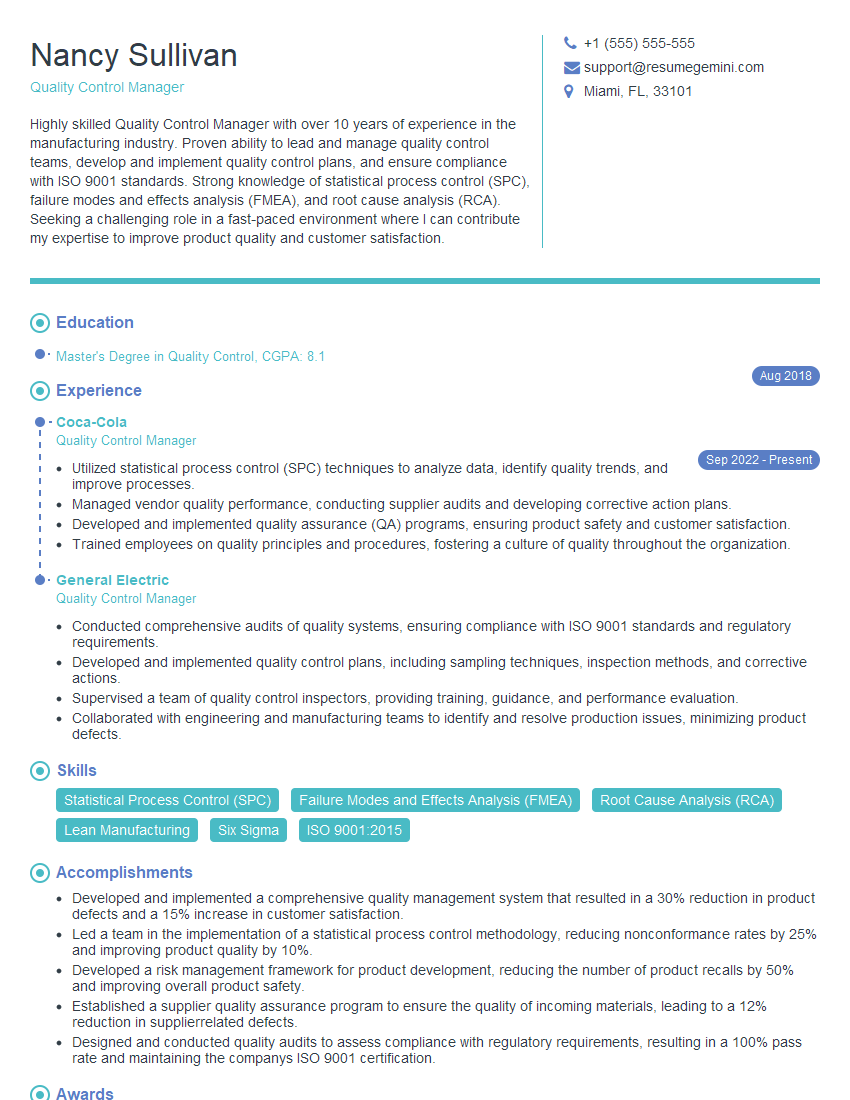
Quality Control Manager Resume Sample
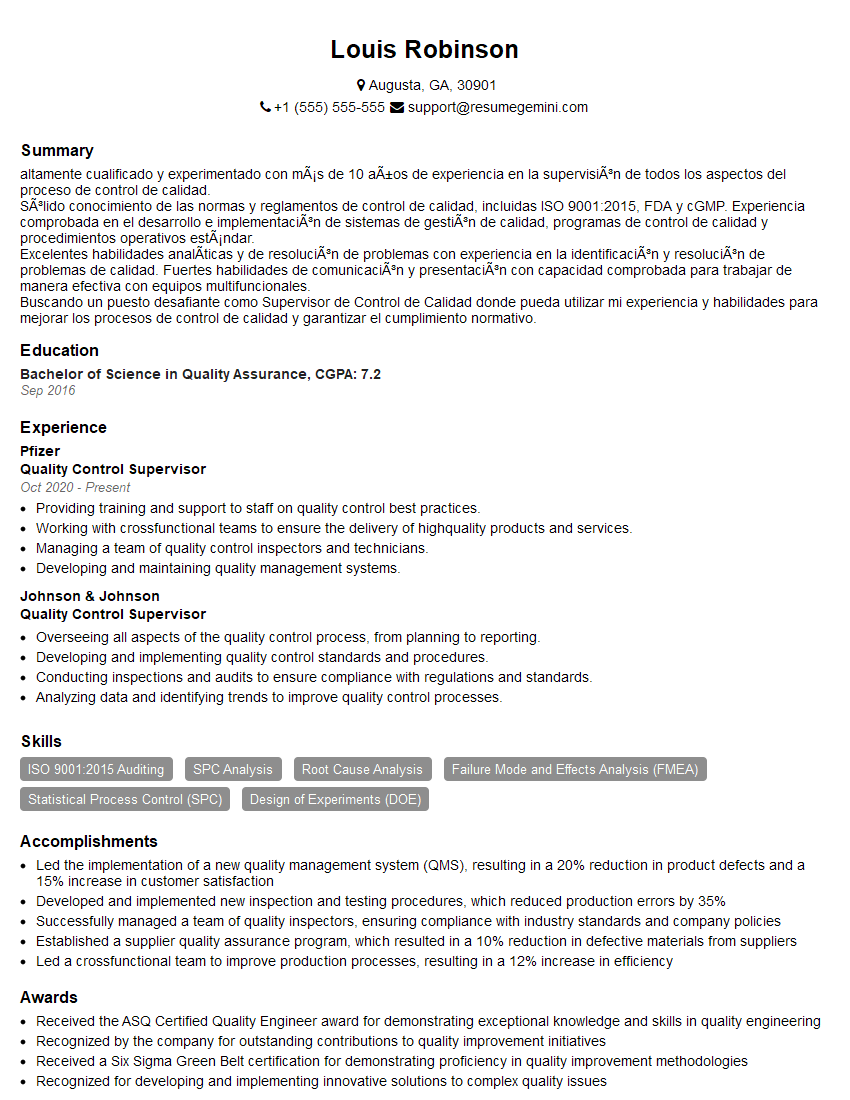
Quality Control Supervisor Resume Sample
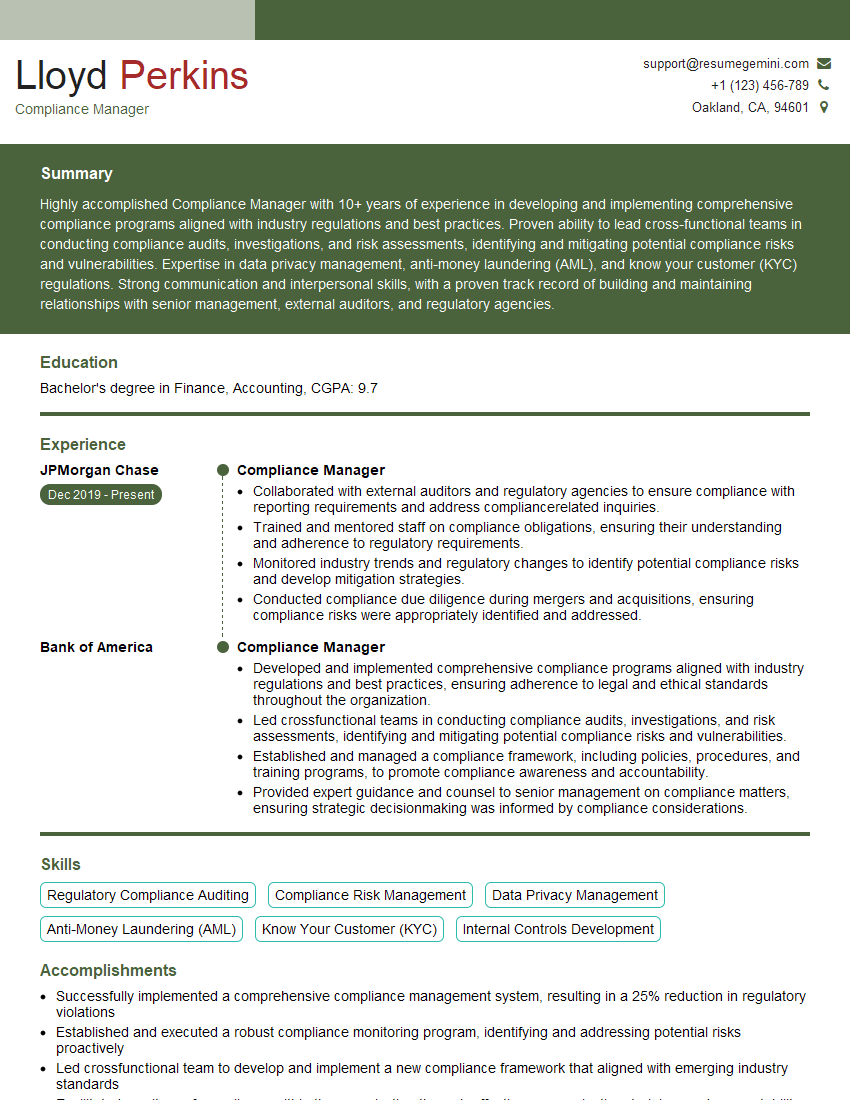
Compliance Manager Resume Sample
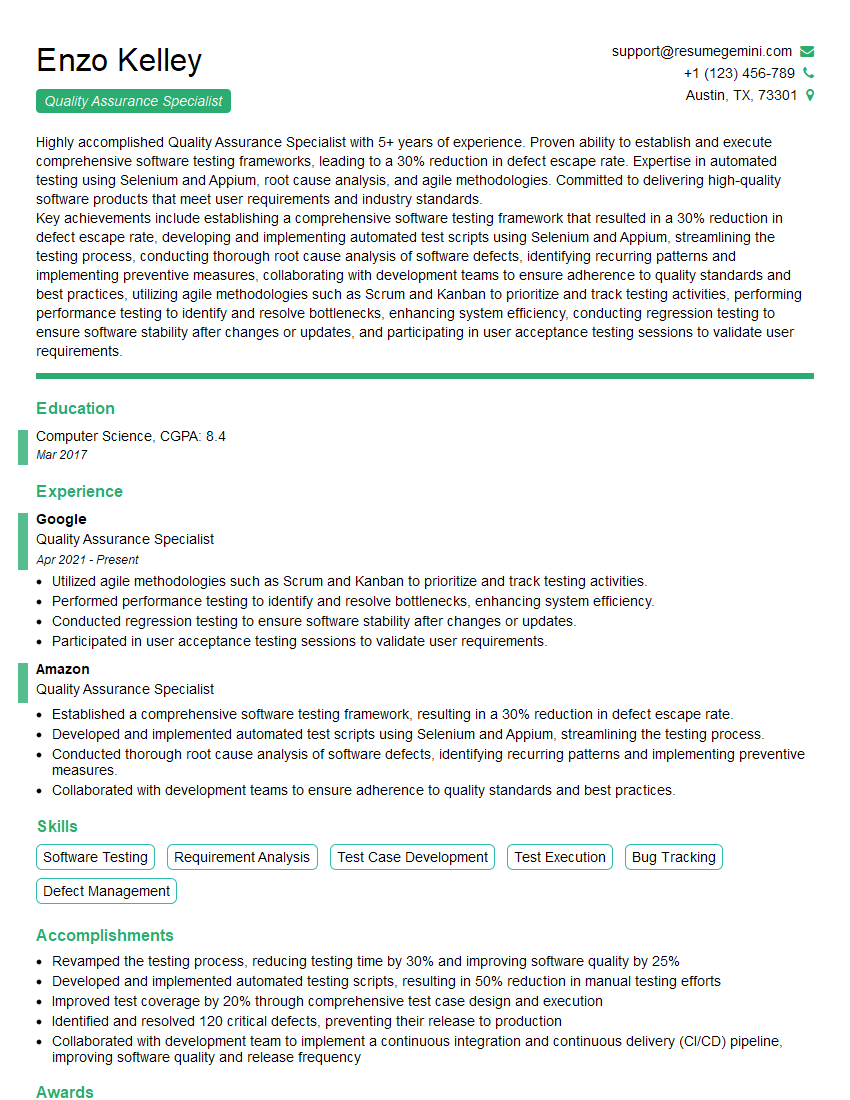
Quality Assurance Specialist Resume Sample
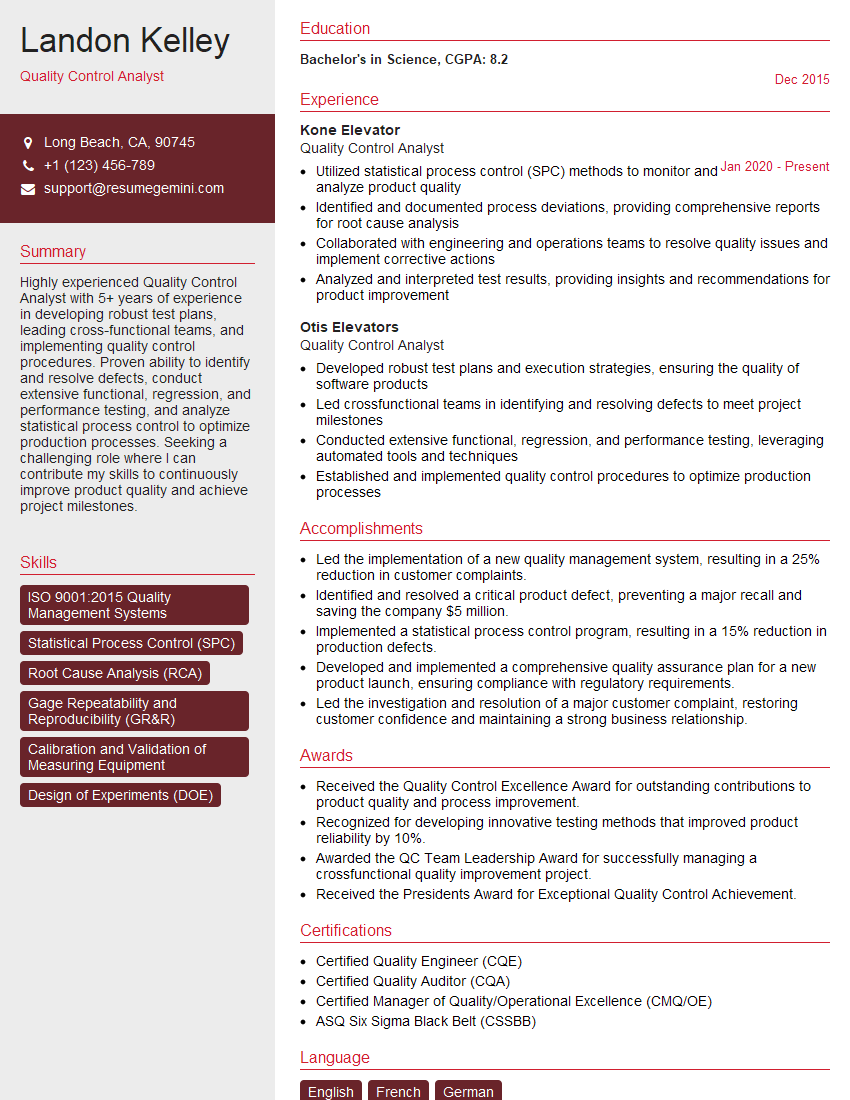
Quality Control Analyst Resume Sample
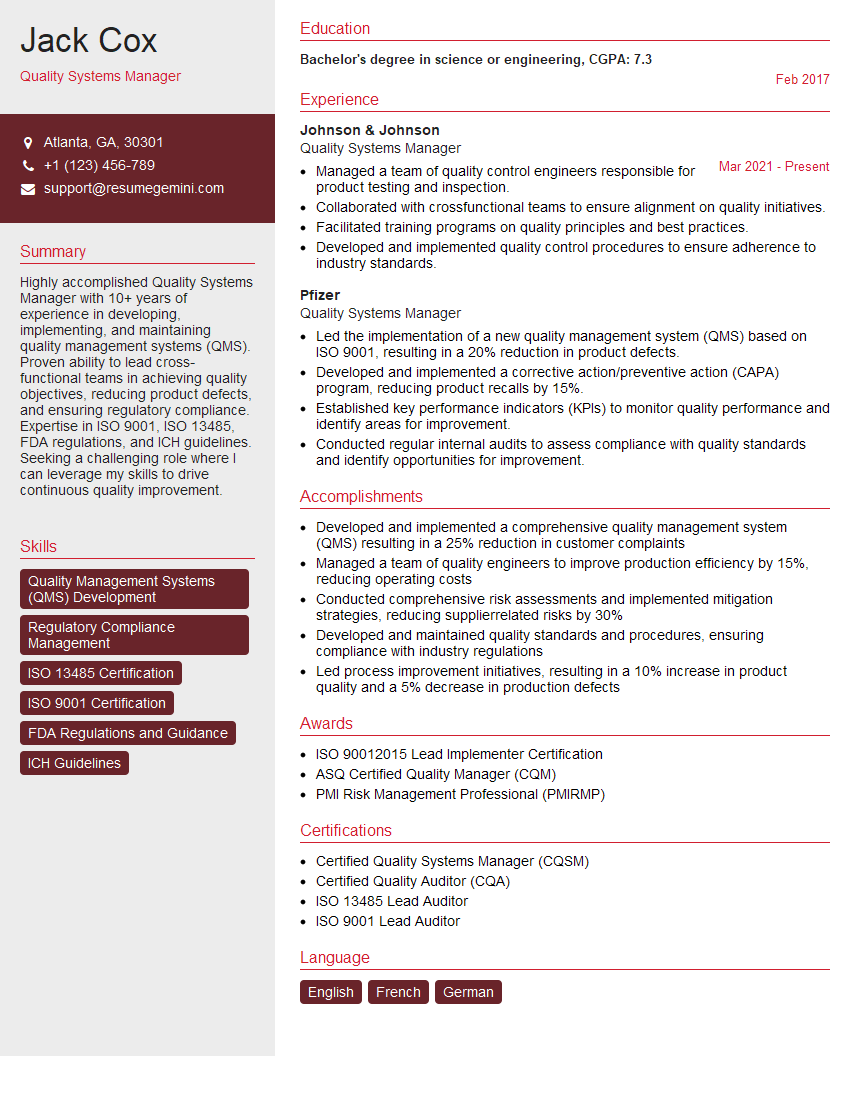
Quality Systems Manager Resume Sample
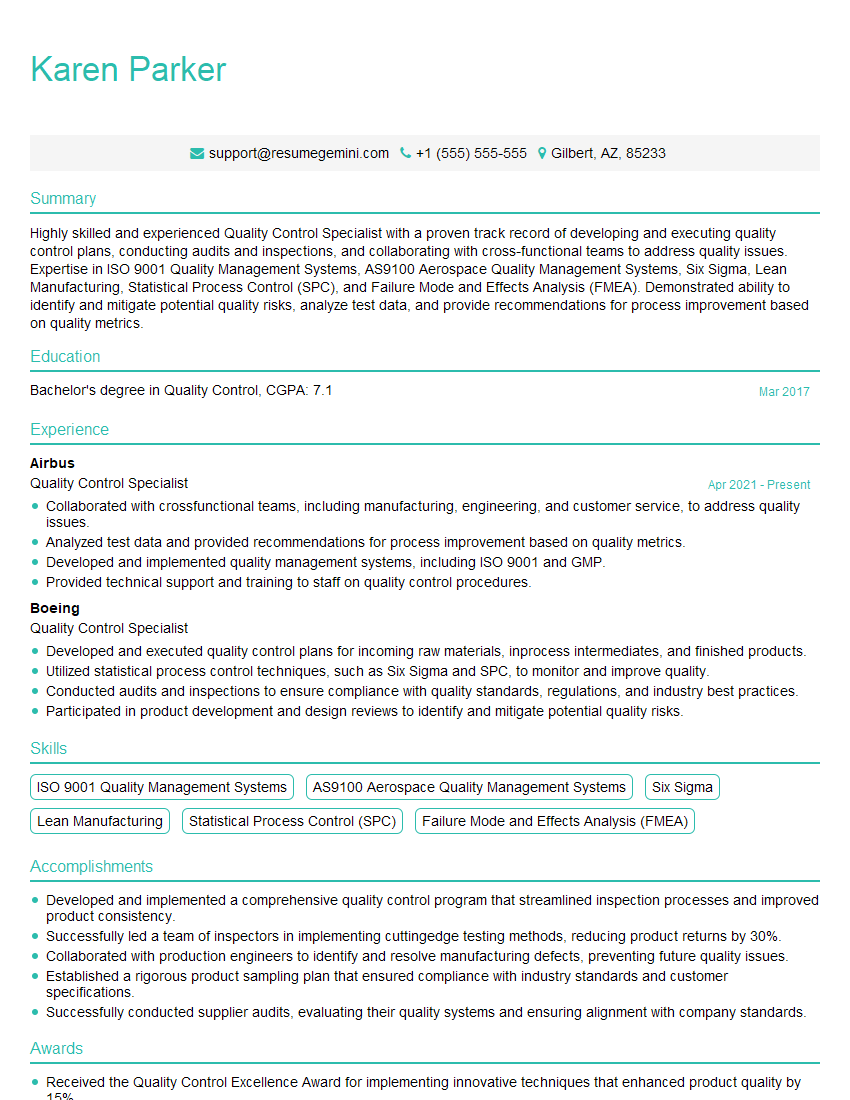
Quality Control Specialist Resume Sample

Quality Assurance Engineer Resume Sample
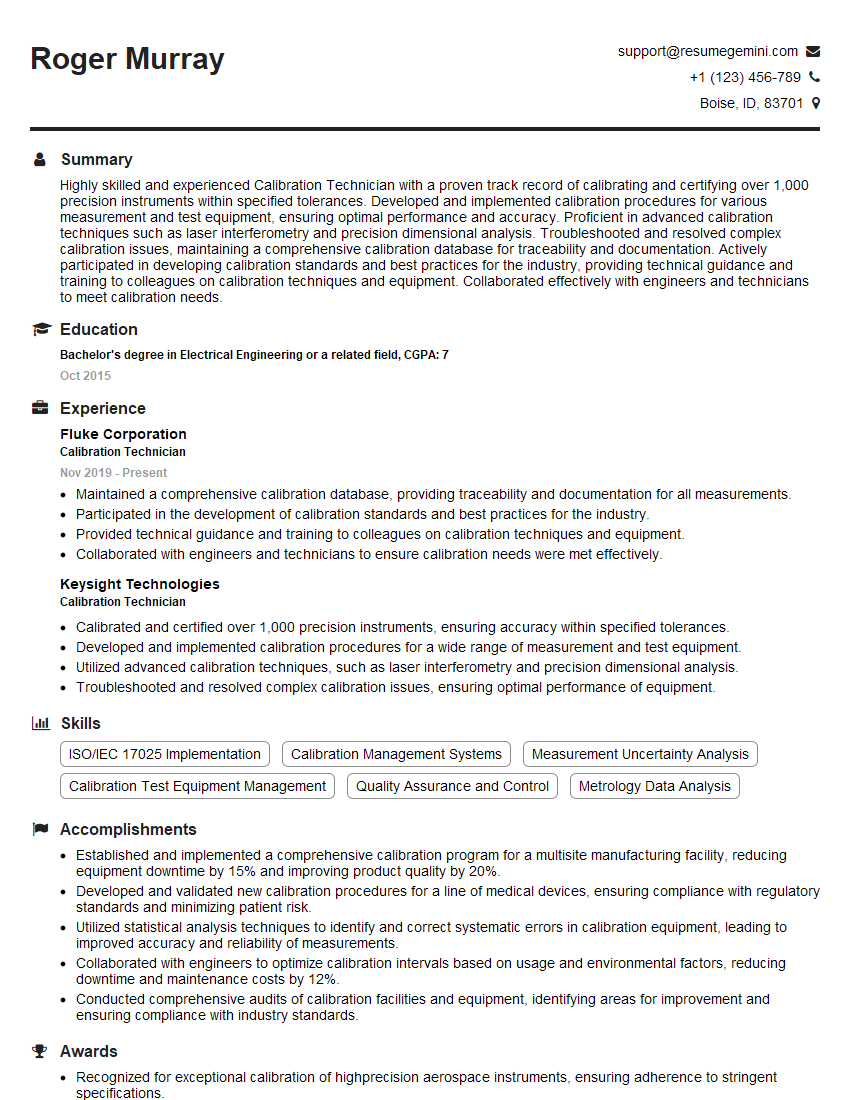
Calibration Technician Resume Sample
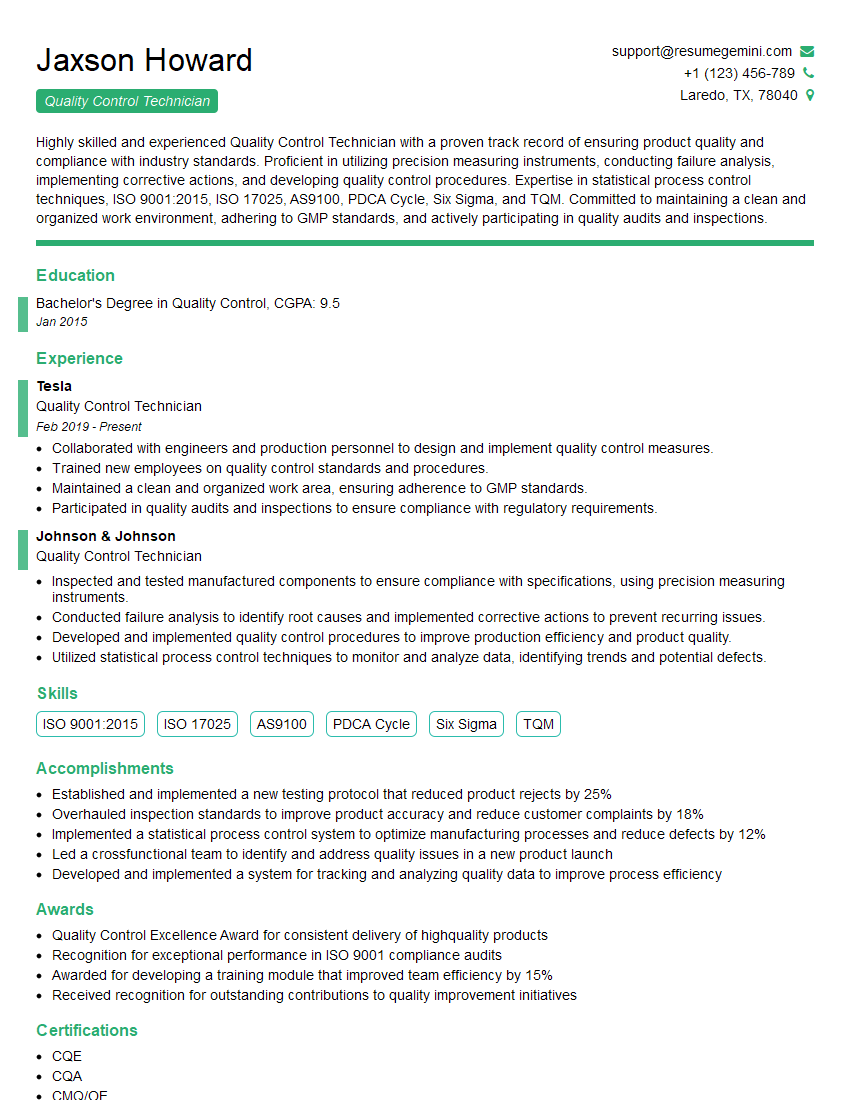
Quality Control Technician Resume Sample

Metrology Technician Resume Sample
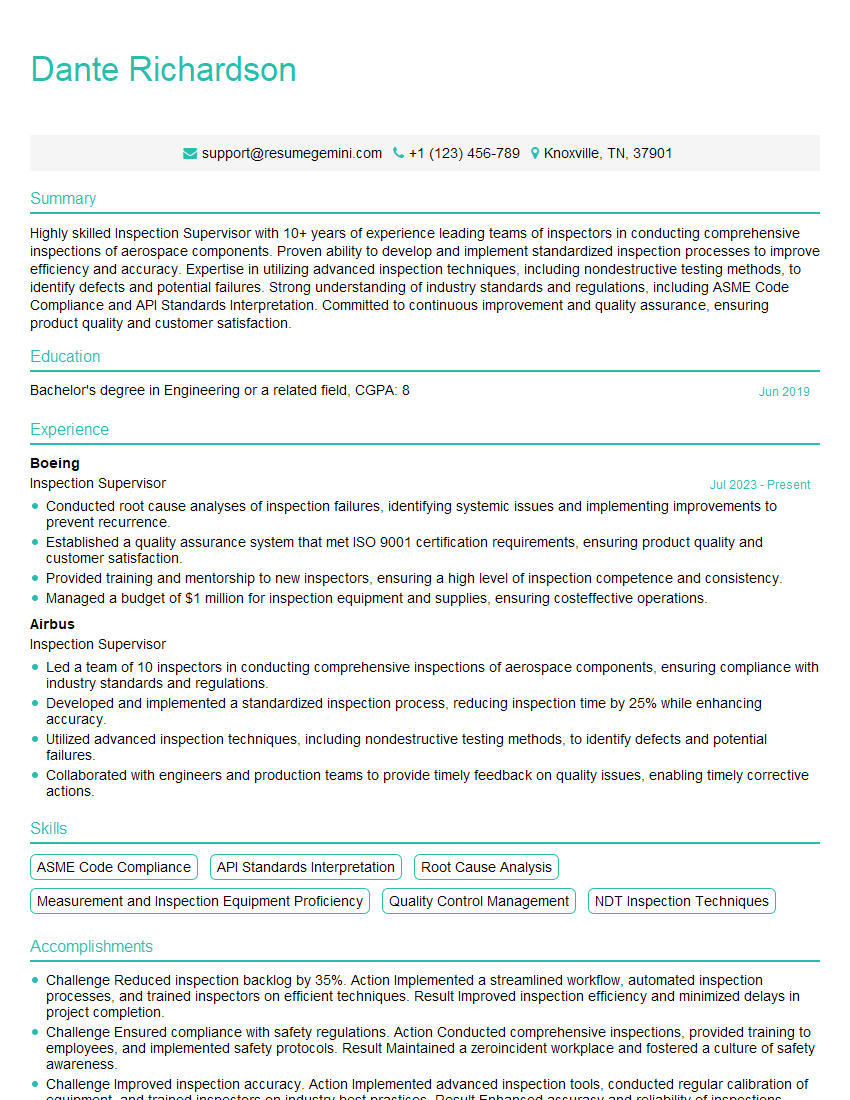
Inspection Supervisor Resume Sample
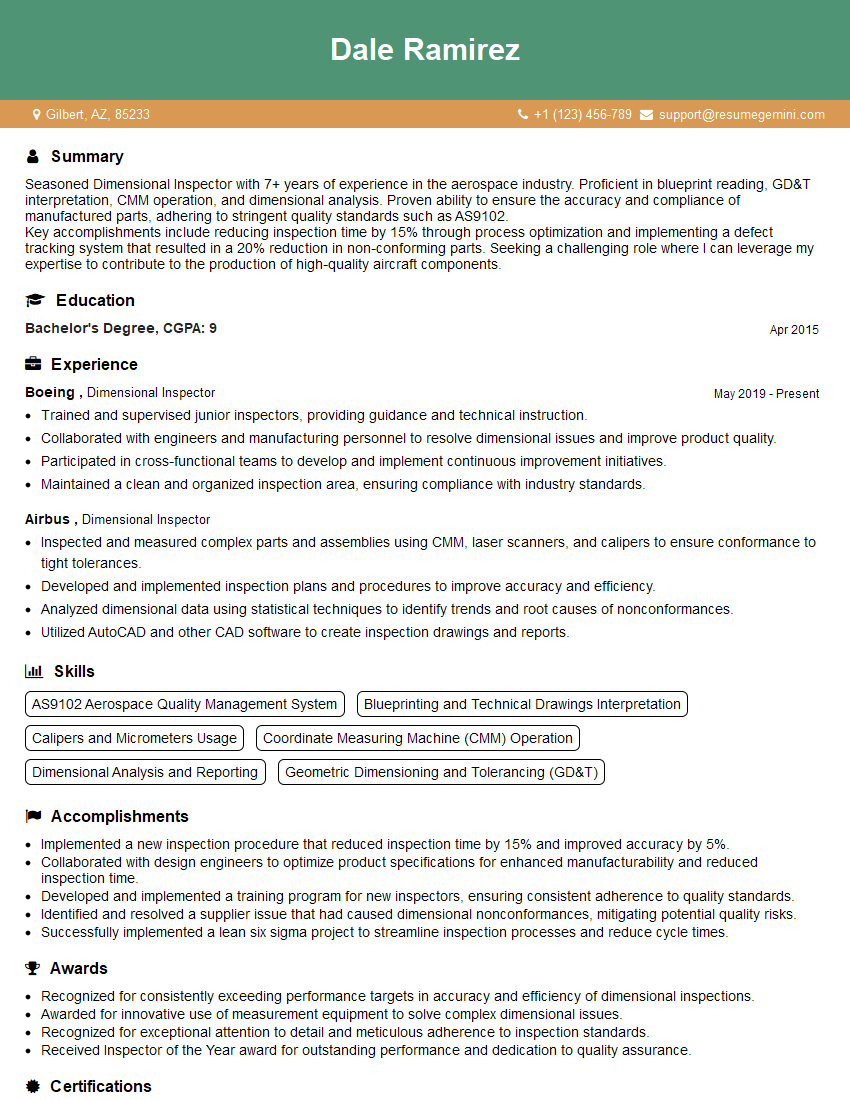
Dimensional Inspector Resume Sample
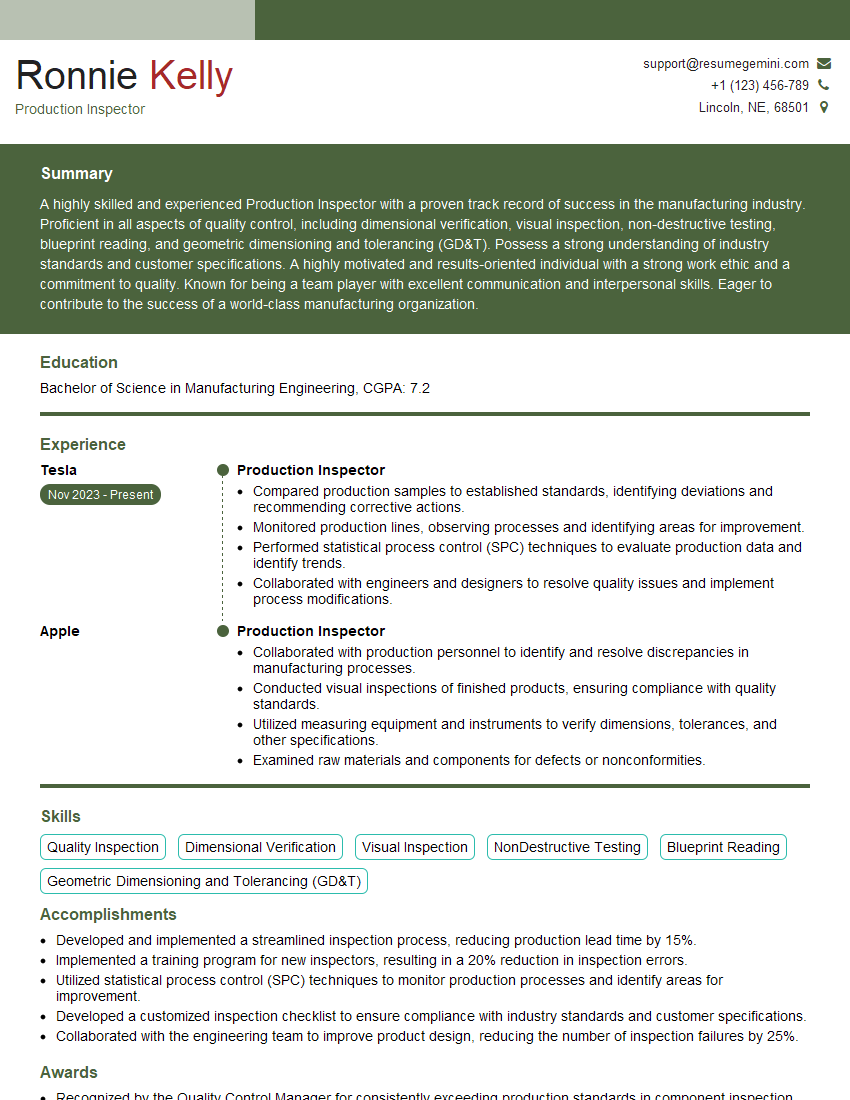
Production Inspector Resume Sample
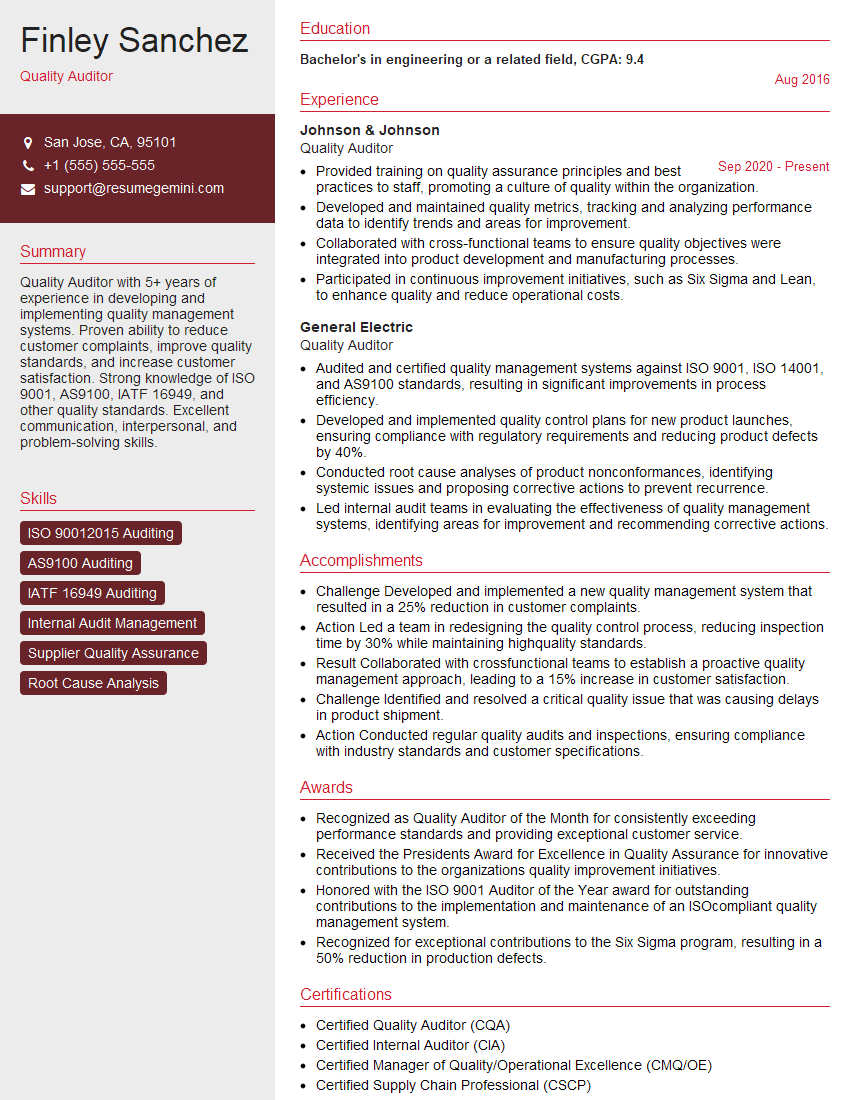
Quality Auditor Resume Sample
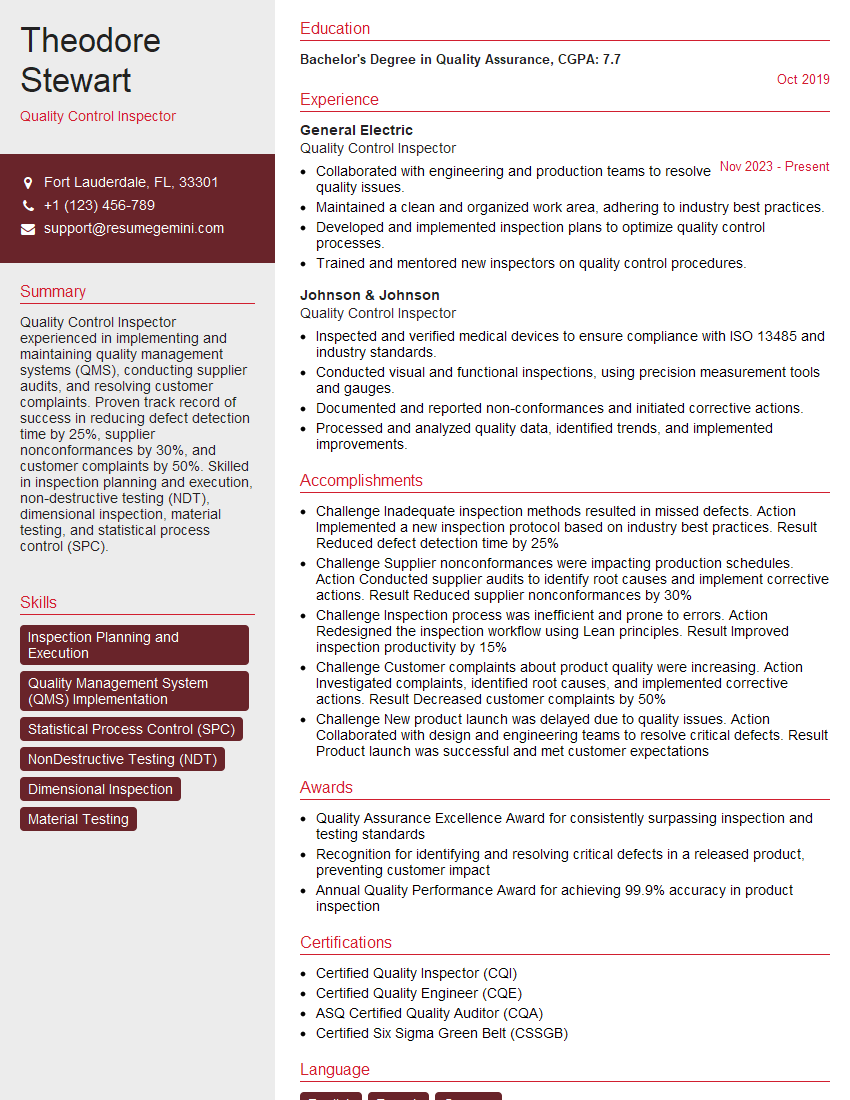
Quality Control Inspector Resume Sample
- Quality Control Manager
- Quality Control Supervisor
- Compliance Manager
- Quality Assurance Specialist
- Quality Control Analyst
- Quality Systems Manager
- Quality Control Specialist
- Quality Assurance Engineer
- Calibration Technician
- Quality Control Technician
- Metrology Technician
- Inspection Supervisor
- Dimensional Inspector
- Production Inspector
- Quality Auditor
- Quality Control Inspector
Explore more articles
Users Rating of Our Blogs
Share Your Experience
We value your feedback! Please rate our content and share your thoughts (optional).
What Readers Say About Our Blog
I Redesigned Spongebob Squarepants and his main characters of my artwork.
https://www.deviantart.com/reimaginesponge/art/Redesigned-Spongebob-characters-1223583608
IT gave me an insight and words to use and be able to think of examples
Hi, I’m Jay, we have a few potential clients that are interested in your services, thought you might be a good fit. I’d love to talk about the details, when do you have time to talk?
Best,
Jay
Founder | CEO