The thought of an interview can be nerve-wracking, but the right preparation can make all the difference. Explore this comprehensive guide to Plain Language Writing interview questions and gain the confidence you need to showcase your abilities and secure the role.
Questions Asked in Plain Language Writing Interview
Q 1. Define ‘plain language’ and its core principles.
Plain language is communication that is clear, concise, well-organized, and easy to understand. It’s about making your message accessible to everyone, regardless of their reading level or background. Its core principles revolve around focusing on the audience and their needs. This involves:
- Clarity: Using precise words and avoiding jargon or technical terms the audience might not understand.
- Conciseness: Getting straight to the point and avoiding unnecessary words or phrases.
- Structure: Organizing information logically, using headings, subheadings, bullet points, and other formatting techniques to improve readability.
- Accessibility: Considering the needs of all users, including those with disabilities, by using plain language principles and ensuring the content is accessible (e.g., using appropriate alt text for images).
- Audience focus: Always considering who you’re writing for and tailoring your language and style to their needs and knowledge.
For example, instead of saying, “The aforementioned paradigm shift necessitates a proactive, multi-faceted approach,” you could say, “We need to change how we do things and try several different solutions.”
Q 2. Explain the difference between plain language and simplified language.
While both plain language and simplified language aim for easy understanding, they differ in their approach. Plain language focuses on clarity, conciseness, and precision for *all* audiences, not just those with limited literacy skills. Simplified language, on the other hand, primarily targets individuals with low literacy skills and often involves shortening sentences, using simpler vocabulary, and reducing the overall complexity of the text. Think of plain language as a high-quality, universally accessible standard, whereas simplified language is a more targeted approach for a specific audience segment. Plain language aims to be clear for everyone; simplified language aims for clarity *for a specific group*.
Imagine explaining a complex financial concept. Plain language would use clear definitions and avoid jargon, making the concept accessible to most adults. Simplified language, however, might break down the explanation into smaller, simpler sentences with very basic vocabulary, targeting those who struggle with financial terminology.
Q 3. How do you ensure clarity and conciseness in your writing?
Ensuring clarity and conciseness involves a multi-step process. First, I carefully consider my target audience and their level of understanding. Then, I:
- Use active voice: Active voice makes sentences more direct and easier to understand (e.g., “The dog chased the ball” instead of “The ball was chased by the dog”).
- Eliminate jargon and technical terms: If specialized terms are unavoidable, I define them clearly.
- Choose strong verbs and nouns: Avoid weak verbs like “is” or “are” whenever possible.
- Use short sentences and paragraphs: This improves readability and prevents the reader from getting lost in long, complex sentences.
- Edit ruthlessly: Remove unnecessary words, phrases, and sentences. Every word should have a purpose.
- Read aloud: This helps identify awkward phrasing or sentences that are difficult to understand.
For example, instead of writing, “Due to the fact that the project was delayed, we are experiencing unforeseen challenges,” I would write, “The project delay created unexpected problems.”
Q 4. Describe your process for identifying your target audience’s needs.
Identifying my target audience’s needs is crucial. I use a combination of techniques to understand their knowledge, background, and expectations:
- Research: I gather information about the audience’s demographics, literacy levels, and familiarity with the topic. This could involve reviewing existing data, conducting surveys, or consulting with stakeholders.
- User interviews: I directly interview members of the target audience to understand their preferences and challenges in accessing information.
- Persona development: I create detailed profiles representing typical audience members, which help me tailor the communication to their specific needs.
- Testing: I test draft versions of my writing with members of the target audience to gather feedback and make improvements.
For example, when writing instructions for using a new software, I might conduct interviews with users at various skill levels to identify areas of confusion.
Q 5. How do you measure the effectiveness of plain language writing?
Measuring the effectiveness of plain language writing goes beyond simply asking if it’s understandable. I utilize several methods:
- Readability tests: Tools like the Flesch-Kincaid readability test provide numerical scores indicating the reading level of the text.
- Usability testing: Observing users as they interact with the written material helps identify areas of confusion or frustration.
- Surveys and feedback forms: Gathering direct feedback from readers allows for qualitative assessment of comprehension and engagement.
- Task completion rates: For instructional materials, measuring the success rate of users completing tasks after reading the instructions is a good indicator of effectiveness.
- Metrics on website or document usage: Analyzing time spent on a page, bounce rates, and completion rates for online documents can reveal areas that need improvement.
For instance, if a website’s bounce rate is high after users read a particular section, it might indicate that the section needs to be rewritten in clearer language.
Q 6. What techniques do you use to improve readability?
Improving readability involves applying various techniques to make the text easier to scan and understand:
- Headings and subheadings: These break up large chunks of text and guide readers through the information.
- Bullet points and lists: These make information easy to scan and digest.
- White space: Using ample white space (margins, spacing between paragraphs) makes the text less dense and easier to read.
- Visual aids: Charts, graphs, and images can help illustrate complex information.
- Chunking of information: Breaking down large amounts of text into smaller, manageable chunks increases comprehension.
- Strong verbs and nouns: Using concise and strong action words makes sentences clearer.
Example: Instead of a long paragraph explaining steps, using a numbered list makes the steps clear and easy to follow.
Q 7. How do you simplify complex information without losing accuracy?
Simplifying complex information without sacrificing accuracy requires a careful approach:
- Identify key concepts: Determine the most essential information that needs to be conveyed.
- Use analogies and metaphors: Relate complex concepts to something familiar and understandable to the audience.
- Break down complex sentences: Rephrase long, convoluted sentences into shorter, simpler ones.
- Use visual aids: Charts, graphs, or diagrams can effectively illustrate complex data or processes.
- Provide examples: Illustrate abstract concepts with concrete examples to improve understanding.
- Employ layered approach: Provide a brief overview first, then gradually introduce more detailed information for those who need it.
For example, explaining a complex mathematical formula might start with a simple analogy to illustrate the core concept, then gradually introduce the formula’s components and their meaning.
Q 8. Explain your approach to editing and revising your work for clarity.
My approach to editing and revising for clarity is iterative and multi-faceted. It’s not just a final check; it’s an ongoing process integrated throughout the writing stage. I begin by ensuring the core message is easily identifiable and understandable. Then, I move to the sentence level, focusing on concise phrasing, active voice, and strong verbs. After that, I look at paragraph structure, ensuring logical flow and cohesion. Finally, I conduct a comprehensive review, reading aloud to identify awkward phrasing and areas needing simplification. This process often involves several rounds of revision, each addressing a different aspect of clarity.
For example, if I find a sentence like 'The aforementioned document pertaining to the subject matter requires immediate attention from the relevant personnel.' I’d rewrite it as 'Please review the attached document immediately.'. This demonstrates a move from complex jargon to straightforward language. The key is to continually ask: ‘Could this be simpler? Could someone with limited knowledge understand this?’
Q 9. How do you handle feedback on your plain language writing?
I welcome feedback on my plain language writing and view it as crucial for improvement. My process starts with actively seeking feedback from diverse sources – colleagues, subject matter experts, and even potential readers from the target audience. I listen carefully, separating constructive criticism from personal preference. I create a system for tracking feedback, categorizing suggestions for clarity, conciseness, accuracy, and tone. I analyze the feedback objectively, separating emotional responses from legitimate concerns. If there’s a disagreement, I seek to understand the other person’s perspective before making a change. This collaborative process ensures that my writing truly meets the needs and understanding of my audience.
For instance, if someone suggests a term is too technical, I would either replace it with a simpler equivalent or add a brief, accessible explanation.
Q 10. Describe a time you had to adapt your writing style for a specific audience.
I once wrote a complex legal document explaining a new policy to both legal professionals and laypeople. The challenge was to maintain accuracy while ensuring accessibility for everyone. For the legal professionals, I retained the precise legal terminology, but I added concise explanations in parentheses for the laypeople. For the general audience, I summarized key points upfront in simple language, using bullet points and visuals to break up dense text. I also used shorter sentences and simpler vocabulary in sections targeting the wider audience, while maintaining more formal language in sections intended for legal experts. This required a delicate balance, but the result was a document accessible to all without compromising accuracy or legal integrity.
Q 11. How familiar are you with accessibility guidelines for plain language?
I am very familiar with accessibility guidelines for plain language. I understand that plain language is not just about simplicity; it’s about ensuring accessibility for everyone, including people with disabilities. This means considering factors like screen reader compatibility, sufficient color contrast, and providing alternative text for images. I adhere to WCAG (Web Content Accessibility Guidelines) principles, ensuring my writing is compatible with assistive technologies. For example, I avoid using color alone to convey meaning, always providing text-based alternatives. I also use structured HTML to aid screen readers in navigating the document logically.
Q 12. How do you ensure your writing is inclusive and avoids bias?
Ensuring inclusivity and avoiding bias in my writing is paramount. I achieve this through several strategies. First, I use inclusive language, avoiding gendered terms and stereotypes. I use person-first language, emphasizing the individual rather than the disability (e.g., ‘person with a disability’ instead of ‘disabled person’). Second, I strive to represent diverse perspectives and avoid perpetuating harmful stereotypes. I actively seek diverse sources and review my work for any unintentional bias in word choice or representation. I also use tools that check for gender bias and other forms of discrimination in my writing.
For example, instead of writing ‘manpower,’ I would use ‘workforce’ or ‘staff’. Small changes like this greatly enhance the inclusivity and fairness of the document.
Q 13. What tools and resources do you use to improve your plain language writing?
I utilize various tools and resources to improve my plain language writing. These include online style guides (like the Plain Language Association International’s resources), readability checkers (such as Hemingway Editor and Readable), and grammar and spell checkers. I regularly consult dictionaries and thesauruses to ensure accurate word choice and to find simpler alternatives for complex terms. I also participate in professional development workshops and training sessions focused on plain language, which keep my skills sharp and expose me to new techniques and best practices. Collaboration with colleagues and subject matter experts also proves to be very beneficial.
Q 14. What are some common mistakes to avoid when writing in plain language?
Common mistakes to avoid in plain language writing include using jargon or overly technical terms, employing passive voice excessively, writing long and complex sentences, and neglecting visual design. Overusing nominalizations (turning verbs into nouns) can also significantly impact clarity and readability. For example, instead of saying 'The implementation of the new policy resulted in a significant improvement.', one could say 'The new policy significantly improved things.'. Remember, the goal is to convey information clearly and concisely, and avoiding these pitfalls will significantly improve the effectiveness of your plain language writing.
Q 15. How do you ensure your writing is consistent with your organization’s style guide?
Consistency with an organization’s style guide is paramount for maintaining brand voice and readability. I approach this by first thoroughly reviewing the style guide itself, paying close attention to sections on tone, grammar, punctuation, terminology, and formatting. I then create a checklist based on these guidelines. For example, if the guide specifies using active voice, my checklist will include a step to actively review sentences for passive voice constructions. During the writing process, I consistently refer to this checklist and the style guide itself. I also utilize style guide-compliant templates wherever possible, to ensure consistency from the outset. Finally, I utilize tools like grammar and style checkers, ensuring they are configured to reflect the organization’s specific style guide rules.
For instance, if the style guide dictates using ‘customer’ instead of ‘client’, I will meticulously replace all instances of ‘client’ with ‘customer’. This systematic approach minimizes discrepancies and ensures a unified brand identity across all written materials.
Career Expert Tips:
- Ace those interviews! Prepare effectively by reviewing the Top 50 Most Common Interview Questions on ResumeGemini.
- Navigate your job search with confidence! Explore a wide range of Career Tips on ResumeGemini. Learn about common challenges and recommendations to overcome them.
- Craft the perfect resume! Master the Art of Resume Writing with ResumeGemini’s guide. Showcase your unique qualifications and achievements effectively.
- Don’t miss out on holiday savings! Build your dream resume with ResumeGemini’s ATS optimized templates.
Q 16. Describe your experience working with stakeholders to refine plain language materials.
Collaborating with stakeholders is crucial for effective plain language communication. I initiate this process by scheduling meetings and conducting interviews to thoroughly understand their needs and target audience. I present initial drafts and actively solicit feedback, using this feedback to iterate and refine the document. I use techniques like user testing, where I observe target audience members interacting with the material to identify areas of confusion or difficulty. I translate complex technical concepts into simpler language and work to ensure materials are accessible to the intended audience, often employing visual aids to clarify complicated ideas. This collaborative approach respects the expertise of stakeholders while prioritizing clear, concise communication.
For example, in a recent project explaining a complex insurance policy, I initially faced resistance from the legal team about simplifying certain clauses. Through multiple iterations and collaborative discussions – showing how simplifying these clauses would actually increase comprehension and reduce potential disputes – we reached a version everyone agreed upon.
Q 17. How do you evaluate the effectiveness of plain language materials?
Evaluating plain language materials requires a multifaceted approach. I primarily rely on usability testing, where I observe individuals interacting with the material to identify areas of confusion. I track metrics such as comprehension rates (how well the audience understands the information), task completion rates (how efficiently they can complete tasks based on the information), and satisfaction levels (their overall positive experience). I analyze the results to spot recurring issues and make appropriate revisions. Additionally, I use readability tests such as the Flesch-Kincaid readability test, which provides a numerical score indicating the reading level of the text. Finally, I consider feedback from stakeholders and the target audience through surveys and interviews to gauge their overall response and satisfaction.
For instance, if a high percentage of users fail to correctly answer questions about the document’s content, this signals a need for further clarification or restructuring. Using this data, I’d pinpoint areas that need revision or additional explanation, possibly adding visuals to improve comprehension.
Q 18. How do you use visuals to enhance understanding in plain language documents?
Visuals are invaluable in enhancing comprehension in plain language documents. I strategically use visuals such as charts, graphs, illustrations, and infographics to present complex information in a digestible format. A well-designed chart can quickly convey data that would take many paragraphs to explain in text. Similarly, a simple illustration can easily explain a process or concept, removing any potential ambiguity. When choosing visuals, I prioritize simplicity and clarity, ensuring they accurately represent the data and are easily interpreted by the target audience. I also ensure that visuals are accessible to those with disabilities, following WCAG guidelines for appropriate alt text and color contrast.
For example, instead of describing the steps of a process with lengthy paragraphs, I might use a flowchart that visually outlines each step, making it easier to follow and understand. The key is to ensure visual aids support and enhance understanding, not complicate or distract from the main message.
Q 19. What is your experience with different writing formats (e.g., web copy, brochures, reports)?
My experience spans a variety of writing formats, each with its own unique requirements. For web copy, I focus on concise, scannable content with clear calls to action. I understand the importance of search engine optimization (SEO) and craft copy that is both user-friendly and search engine-friendly. Brochures require a more visually driven approach, utilizing strong headlines, concise bullet points, and impactful imagery to capture attention and convey key information quickly. Reports demand a formal, structured approach with clear headings, subheadings, and data visualization. I adapt my writing style and approach to align with the specific format and target audience for each project. The underlying principle remains the same: clear, concise communication tailored to the context and reader.
For example, a web page might use short, impactful sentences and bold keywords, while a formal report employs a more detailed and analytical writing style.
Q 20. How do you ensure your writing is free of jargon and technical terms?
Eliminating jargon and technical terms is fundamental to plain language writing. I achieve this through a combination of strategies. Firstly, I identify all potential jargon and technical terms within the text. I then replace these terms with their simpler equivalents or provide clear definitions within the text. When a technical term is unavoidable, I explain it in plain language alongside its use. I also regularly use a thesaurus to find more accessible alternatives to complex words and phrases. Finally, I test the readability of the text using tools and techniques mentioned earlier, making sure the language is understandable to my intended audience. It’s important to remember that the goal is not to dumb down the information, but to communicate it clearly and effectively.
Instead of saying ‘utilize’, I would use ‘use’. Instead of ‘parameters’, I’d use ‘limits’ or ‘conditions’, depending on the context. These small changes can make a large difference in readability and comprehension.
Q 21. Describe your experience using plain language in a specific project or document.
In a recent project for a government agency, I was tasked with rewriting a complex benefits application form. The original form was filled with legal jargon and confusing instructions, leading to a high rejection rate. My approach involved first analyzing the form’s purpose and target audience – low-income families. Then I simplified the language, replacing technical terms with everyday words, and restructured the questions to be clearer and more logical. I also broke down the application process into smaller, manageable steps, using numbered lists and visual aids to guide users. The revised form saw a significant decrease in rejection rates and an increase in positive feedback, demonstrating the power of plain language in improving user experience and achieving the intended outcomes.
For instance, the original form used phrases like ‘commensurate with eligibility criteria.’ I replaced it with ‘if you meet the requirements’. This simple change made a substantial difference in comprehension and made the process less daunting for applicants.
Q 22. How do you prioritize accuracy and clarity when working under deadlines?
Balancing accuracy and clarity under tight deadlines requires a strategic approach. It’s not about sacrificing one for the other, but rather optimizing both. My priority is to create a clear outline first, ensuring all essential information is included accurately. Then, I focus on concise writing, using strong verbs and precise language to convey the information efficiently. I utilize time-blocking techniques to allocate specific time slots for research, writing, and editing. For complex information, I break it down into smaller, manageable chunks. Finally, I leverage tools like grammar checkers and readability tests to ensure accuracy and clarity before the final deadline. Think of it like baking a cake: you need all the right ingredients (accurate information), and you need to combine them in the right way (clear writing), and you need to manage your time effectively to get it done on time.
For example, if I’m writing a summary of a legal document for a client, I’d first carefully review the original document, noting all key points. Then, I’d create a concise outline to ensure the summary stays on track and avoids unnecessary details. Each section would be written with precision, avoiding jargon and complex sentence structures. A final review using readability tools helps me ensure the target audience understands the information.
Q 23. Explain your understanding of the importance of plain language in legal or medical contexts.
Plain language is crucial in legal and medical contexts because it directly impacts public safety and understanding. In legal documents, complex jargon and convoluted sentences can lead to misinterpretations, potentially causing serious legal consequences for individuals who don’t fully comprehend their rights or obligations. Similarly, in medical contexts, unclear instructions or consent forms can result in medical errors or patient non-compliance with treatment plans. Plain language ensures patients and clients understand critical information, leading to better health outcomes and fewer legal disputes.
Consider a medical consent form. Instead of using technical jargon, like ‘intravenous administration,’ it’s much clearer to write ‘medication given through an IV.’ Or, in a legal document explaining a contract, instead of saying, ‘Notwithstanding any provision herein to the contrary,’ it’s much better to say, ‘Even if other parts of this agreement say differently…’ This straightforward language removes ambiguity and fosters informed decisions.
Q 24. How familiar are you with plain language legislation or guidelines?
I am very familiar with plain language legislation and guidelines from various jurisdictions, including [mention specific examples, e.g., the Plain Language Act in your country, the UK Plain English Campaign, etc.]. I understand the principles behind these initiatives, such as promoting readability, accessibility, and clarity. My experience encompasses adapting my writing to meet the specific requirements outlined in these guidelines, ensuring compliance and adherence to best practices. I regularly review updates and changes to these guidelines to stay current with evolving standards.
For example, I’m familiar with the use of readability formulas, such as the Flesch-Kincaid readability tests, to objectively assess the clarity of my writing and ensure it meets the target audience’s comprehension levels as mandated by specific plain language guidelines.
Q 25. What are some ways you can use plain language to improve user experience?
Plain language significantly improves user experience by making information easily accessible and understandable. This translates into higher user satisfaction, improved efficiency, and reduced frustration. Here’s how I use plain language to enhance UX:
- Concise and focused content: Avoiding unnecessary jargon, complex sentences, and overly long paragraphs.
- Clear headings and subheadings: Structuring information logically and allowing users to quickly scan and locate specific information.
- Visual aids: Using charts, graphs, and images to present complex information in an easily digestible format.
- Active voice and strong verbs: Creating dynamic and engaging text that is easy to understand.
- Consistent terminology: Maintaining a consistent vocabulary throughout the document.
For instance, a website’s ‘Terms of Service’ often uses legal jargon. Rewriting them in plain language makes them easier to understand, leading to improved user confidence and a better overall experience.
Q 26. Describe your process for testing the effectiveness of your plain language writing.
Testing the effectiveness of my plain language writing is crucial. I employ a multi-faceted approach:
- Readability tests: Using tools like the Flesch-Kincaid test to measure readability and ensure the text is appropriate for the intended audience.
- User testing: Conducting usability studies with members of the target audience, observing their comprehension and identifying areas for improvement. This could involve asking participants to summarize the text or answer questions based on it.
- Expert review: Seeking feedback from colleagues or subject matter experts to check for accuracy and clarity.
- A/B testing (if applicable): Comparing different versions of the text to determine which one performs better in terms of comprehension and user engagement.
For example, if I’m writing instructions for assembling a piece of furniture, I might conduct user testing by having several individuals follow the instructions and record their experience. This provides valuable insights into areas of confusion and allows me to revise the instructions for better clarity.
Q 27. How do you handle conflicting requirements when working on plain language documents?
Handling conflicting requirements in plain language writing often involves prioritizing clarity and accessibility. I approach these conflicts by:
- Identifying the root cause of the conflict: Understanding the reasons behind different requirements and the stakeholders involved.
- Negotiating and compromising: Finding common ground between conflicting needs while upholding the principles of plain language.
- Prioritizing key information: Focusing on essential information and explaining complex concepts clearly, even if it requires some compromise on length or detail.
- Using annotations or footnotes: Providing additional context or explanations for technical terms or details that may be confusing to the average reader.
For example, if a legal team wants to include extensive legal disclaimers, while the marketing team wants concise and engaging language, I’d work to balance both needs by creating a clear, concise version and providing an accessible appendix with more details for those who need it.
Q 28. How do you stay up-to-date with best practices in plain language writing?
Staying current with best practices involves continuous learning and professional development. My strategies include:
- Joining professional organizations: Participating in organizations dedicated to plain language, like the Center for Plain Language (if relevant to your region). This provides access to resources, networking opportunities, and updates on best practices.
- Reading professional journals and publications: Staying updated on research and developments in the field.
- Attending conferences and workshops: Engaging in professional development opportunities to learn about new techniques and trends.
- Following online resources and experts: Keeping abreast of current discussions and insights through reputable blogs and online communities.
Regularly attending webinars and subscribing to newsletters dedicated to plain language writing allows me to be aware of emerging trends, new tools, and updated guidelines that affect my work. Think of it as a continuous professional learning journey to constantly improve my skills.
Key Topics to Learn for Plain Language Writing Interview
- Understanding Your Audience: Identifying your target reader and tailoring your language to their level of understanding. Practical application: Adapting communication styles for different stakeholders (e.g., executives vs. technical teams).
- Conciseness and Clarity: Eliminating jargon, using active voice, and constructing short, impactful sentences. Practical application: Rewriting complex technical explanations into easily digestible summaries.
- Structure and Organization: Employing clear headings, bullet points, and logical paragraph sequencing to enhance readability. Practical application: Designing user-friendly instructions or reports.
- Word Choice and Tone: Selecting precise and accessible vocabulary, maintaining a consistent and appropriate tone (e.g., formal vs. informal). Practical application: Crafting compelling and persuasive communication materials.
- Accessibility Considerations: Ensuring your writing is inclusive and understandable for individuals with diverse backgrounds and abilities. Practical application: Using plain language to make complex information accessible to everyone.
- Proofreading and Editing: Developing a strong editing process to identify and correct errors in grammar, spelling, and punctuation. Practical application: Implementing a robust quality control system for written documents.
Next Steps
Mastering plain language writing is crucial for career advancement. Clear and concise communication is highly valued across all industries, leading to improved efficiency, stronger relationships, and greater professional success. Building an ATS-friendly resume, optimized for keywords and easy readability, is essential for maximizing your job prospects. ResumeGemini is a trusted resource to help you create a professional, impactful resume tailored to your specific career goals. Examples of resumes crafted using principles of plain language writing are available below to inspire your own creation.

Communications Manager Resume Sample
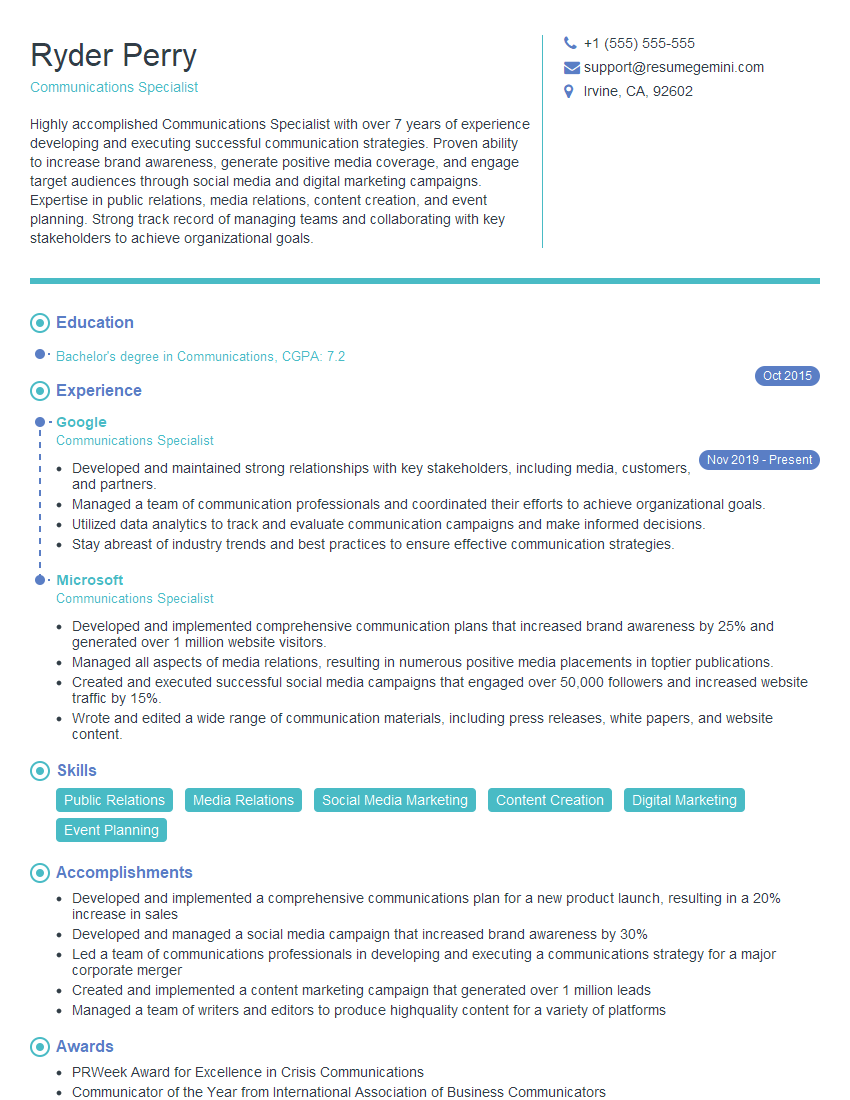
Communications Specialist Resume Sample
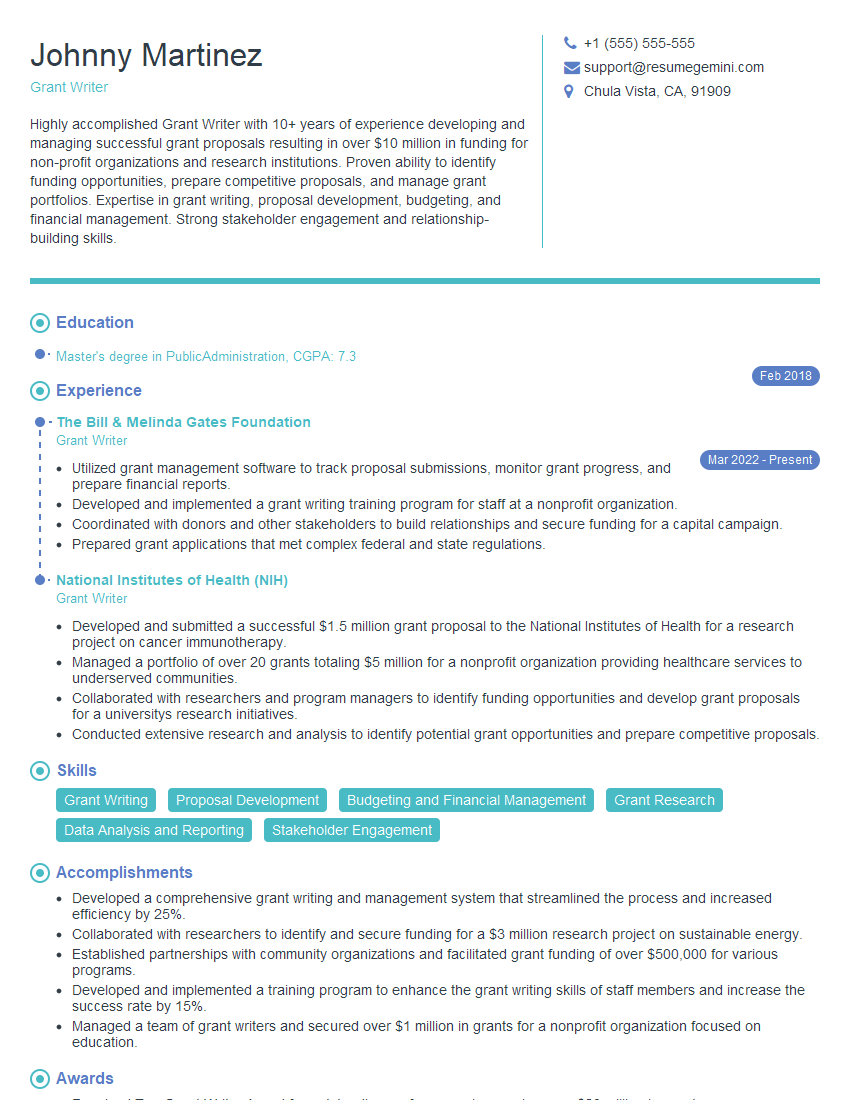
Grant Writer Resume Sample
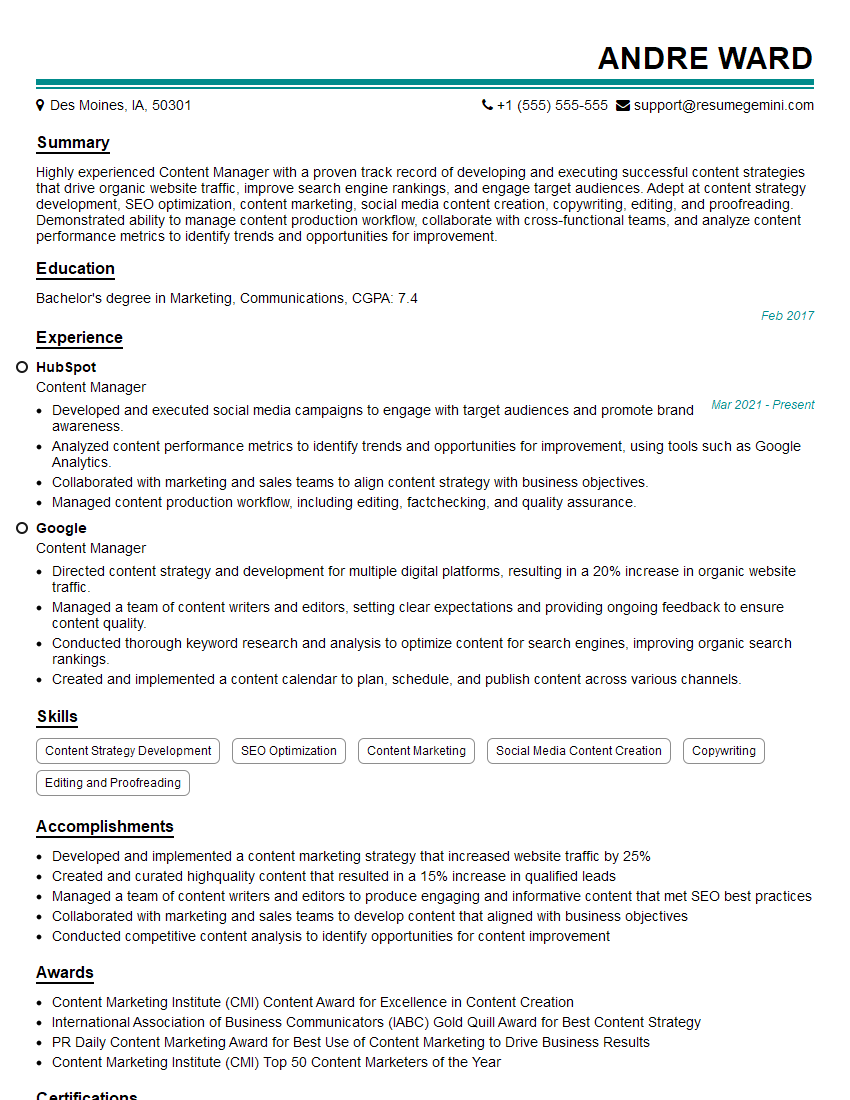
Content Manager Resume Sample

Information Architect Resume Sample
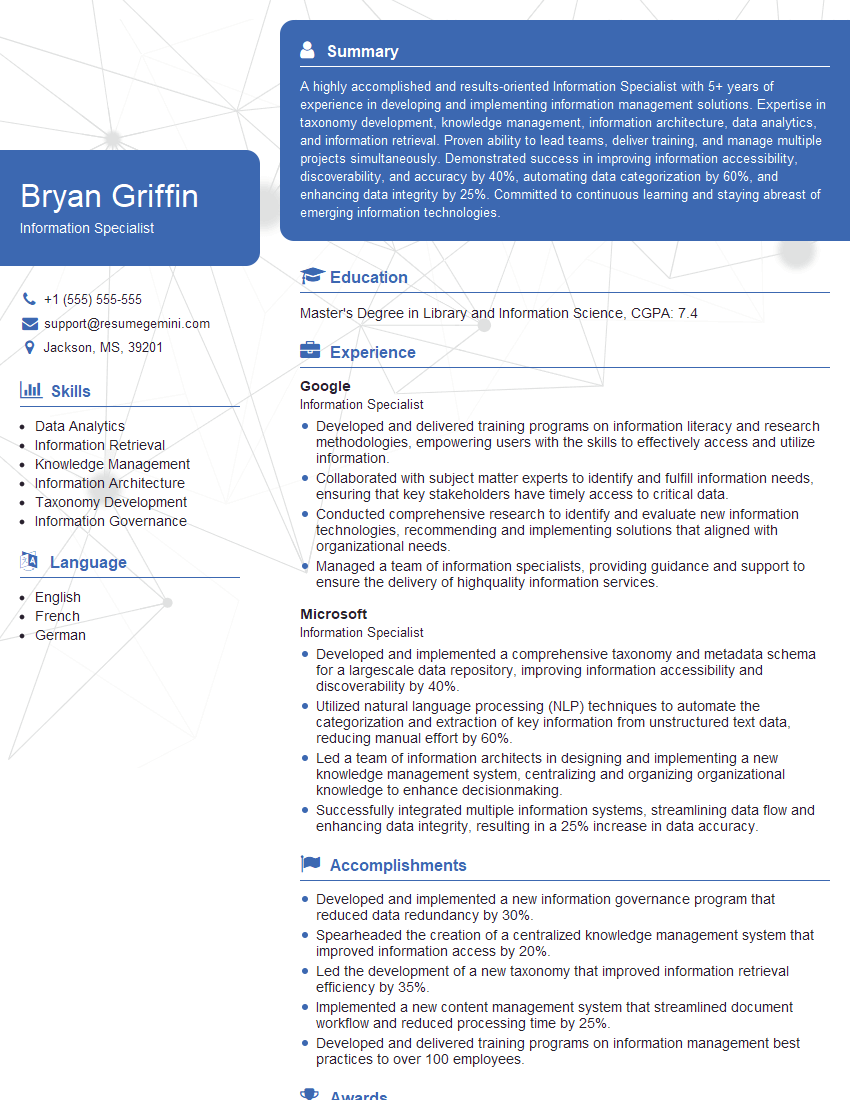
Information Specialist Resume Sample

Content Strategist Resume Sample
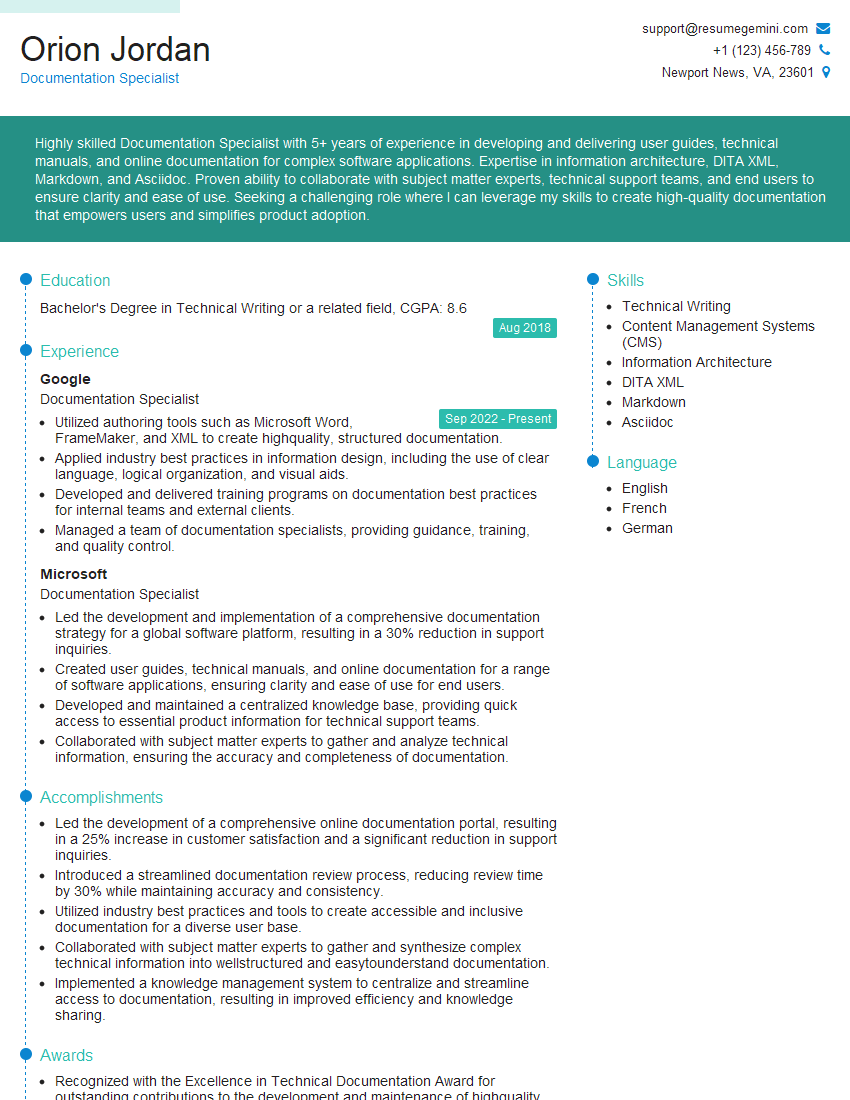
Documentation Specialist Resume Sample
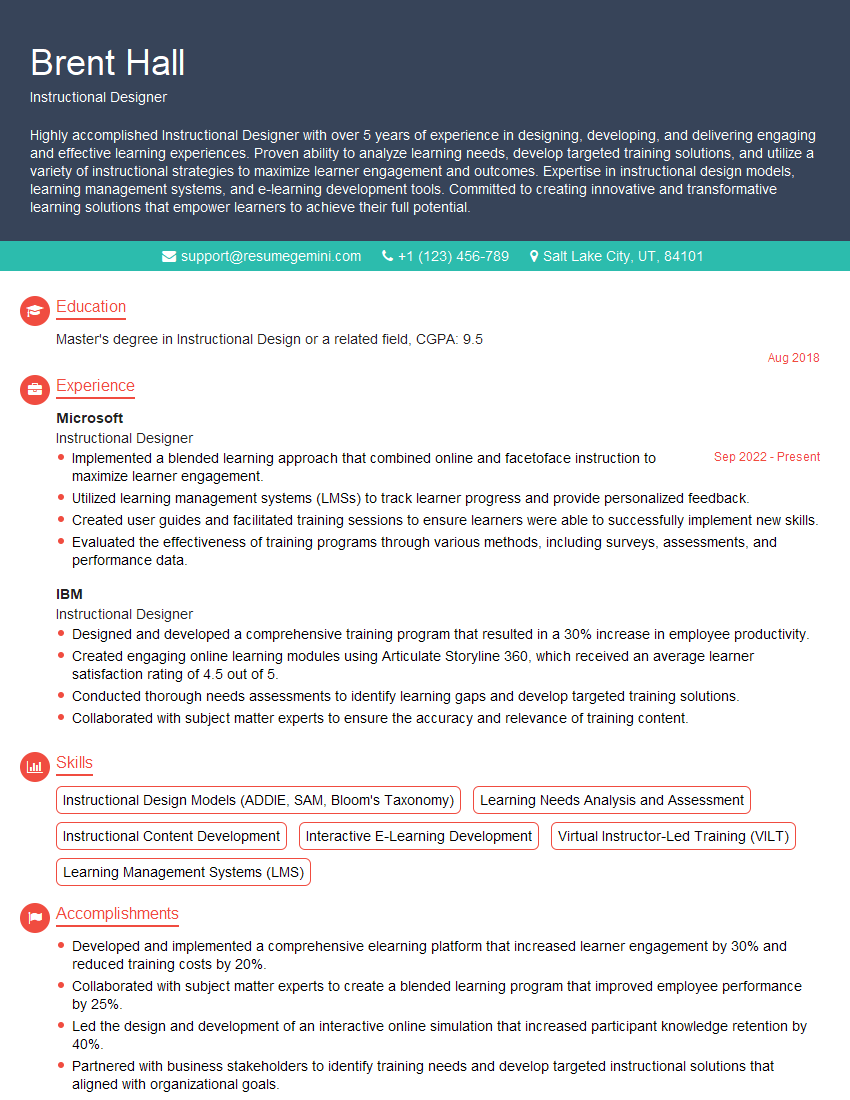
Instructional Designer Resume Sample
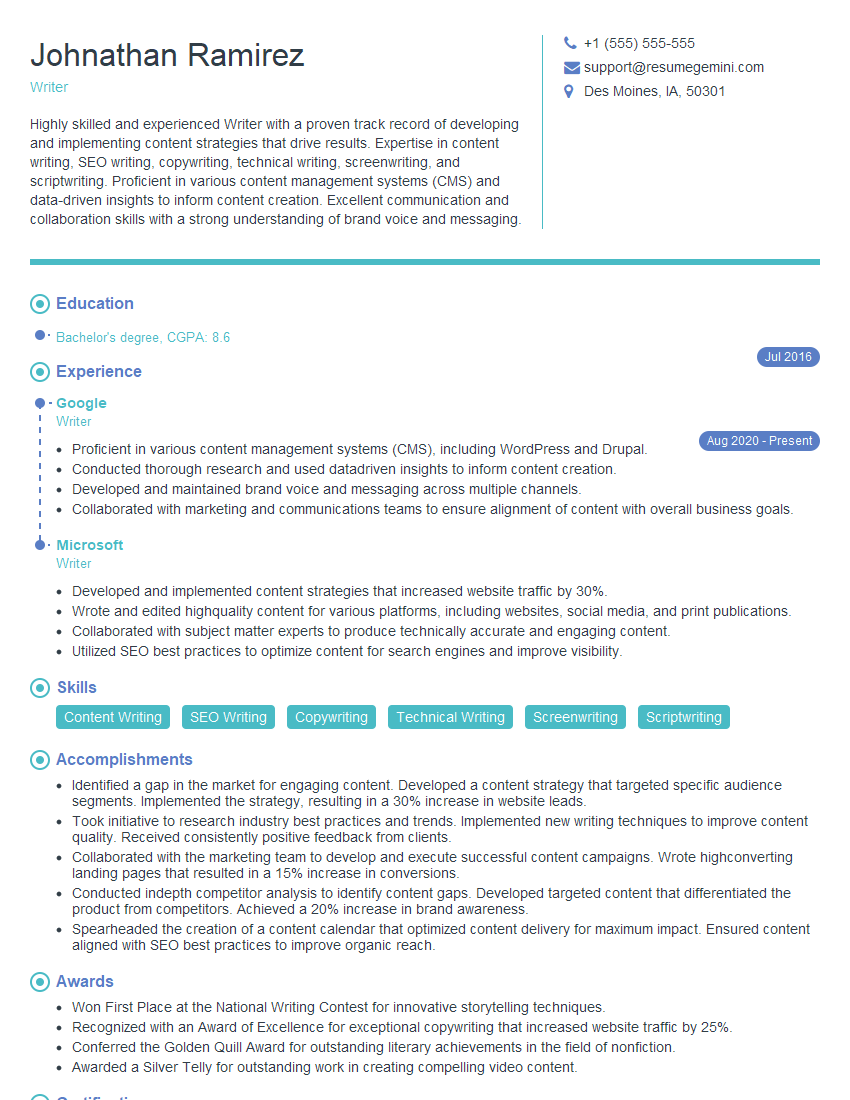
Writer Resume Sample
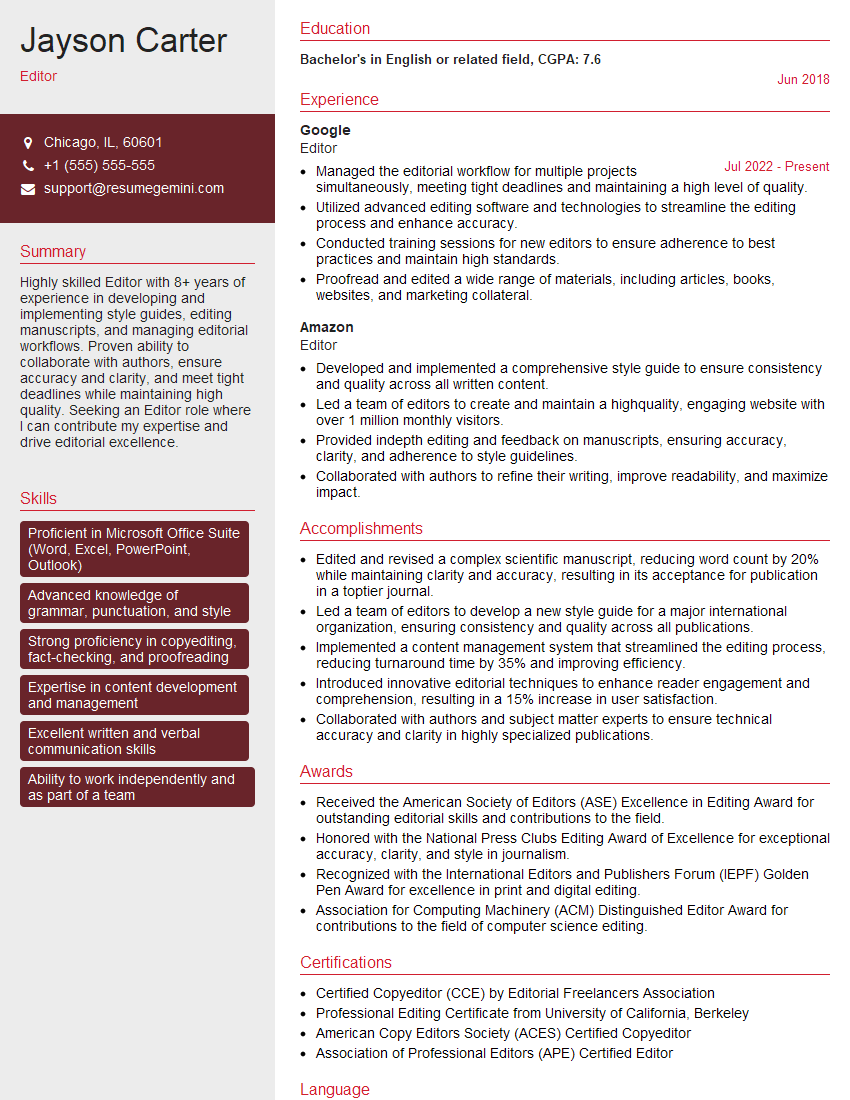
Editor Resume Sample
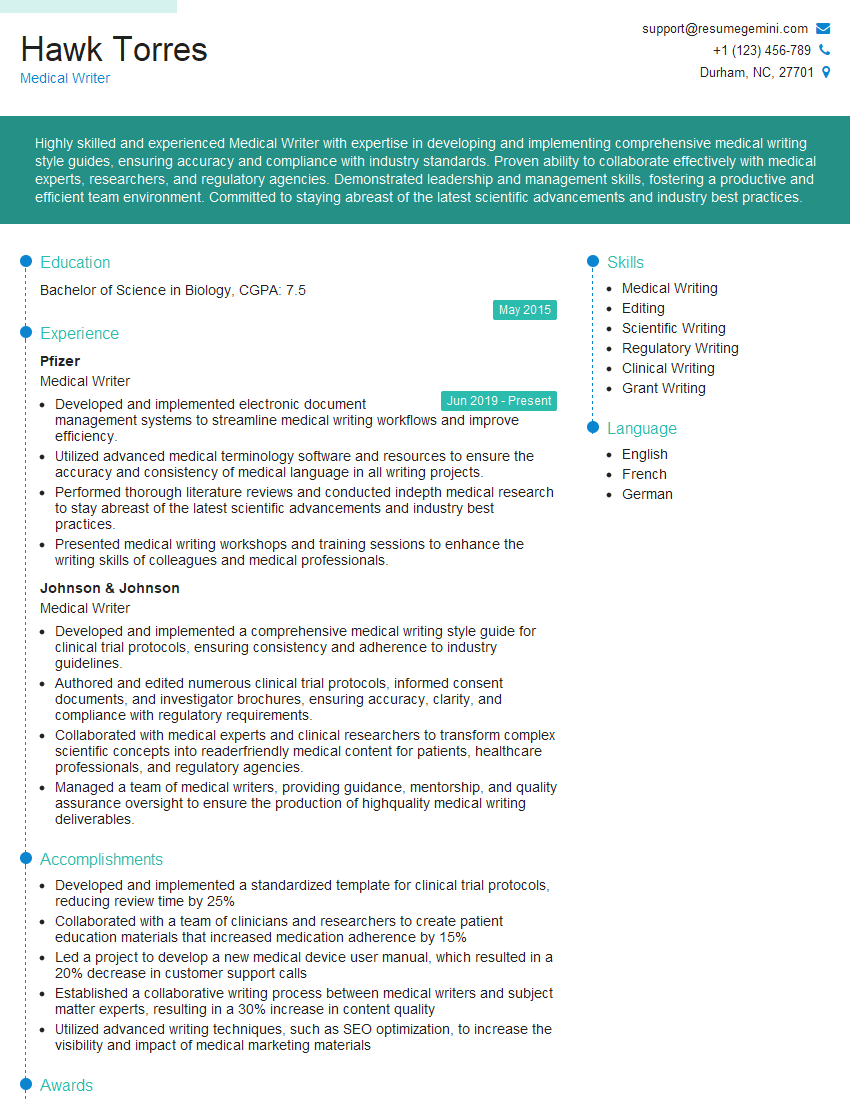
Medical Writer Resume Sample
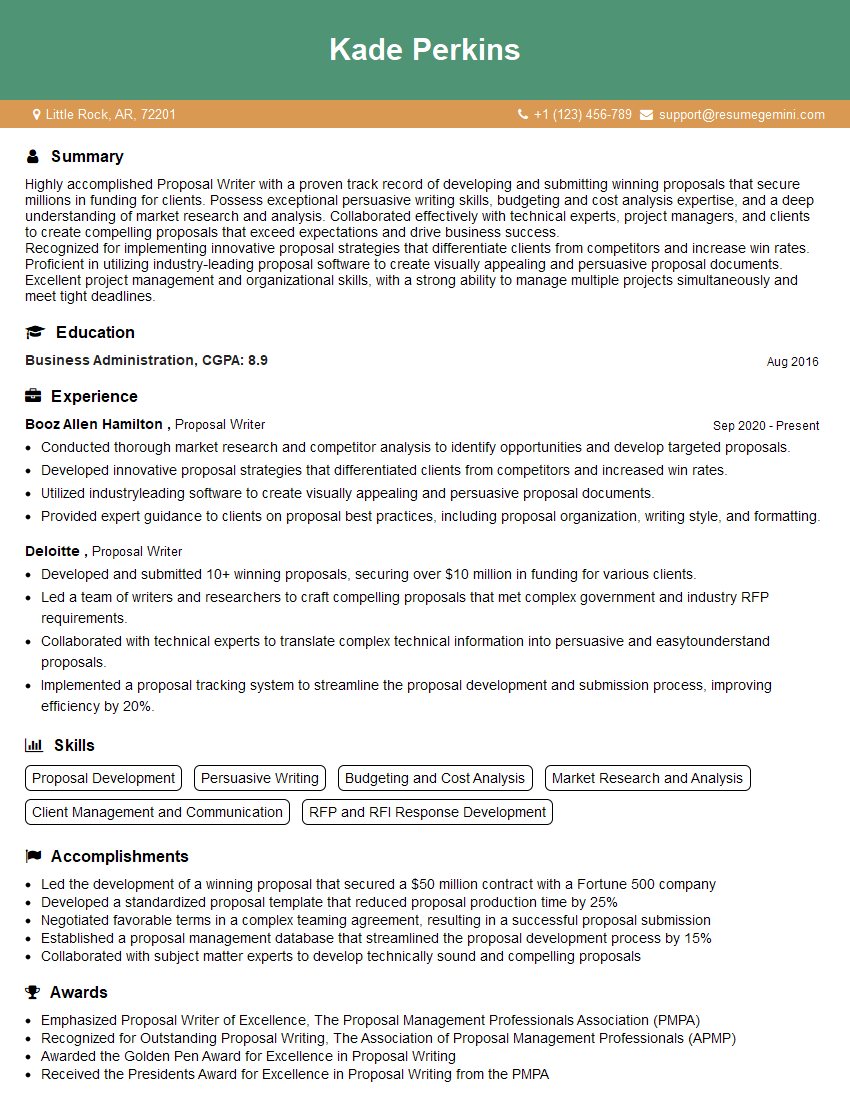
Proposal Writer Resume Sample
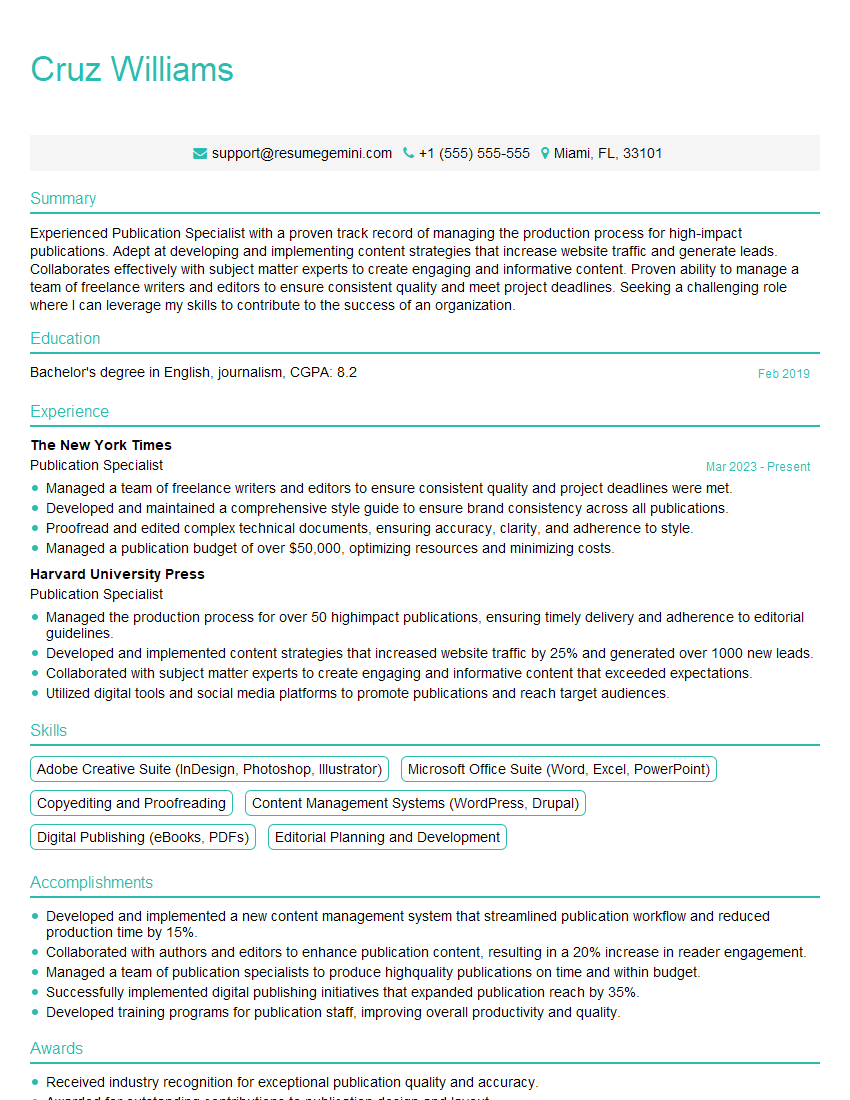
Publication Specialist Resume Sample
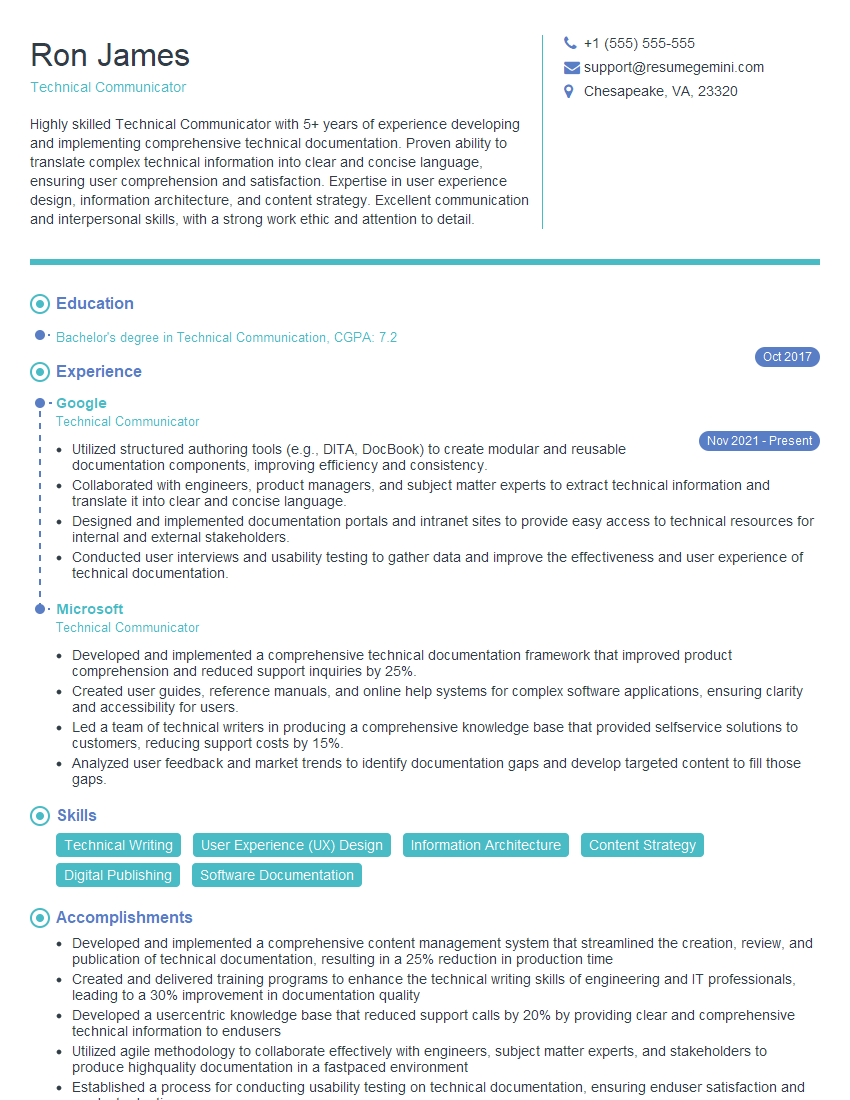
Technical Communicator Resume Sample

Technical Writer Resume Sample

Copywriter Resume Sample
- Communications Manager
- Communications Specialist
- Grant Writer
- Content Manager
- Information Architect
- Information Specialist
- Content Strategist
- Documentation Specialist
- Instructional Designer
- Writer
- Editor
- Medical Writer
- Proposal Writer
- Publication Specialist
- Technical Communicator
- Technical Writer
- Copywriter
Explore more articles
Users Rating of Our Blogs
Share Your Experience
We value your feedback! Please rate our content and share your thoughts (optional).
What Readers Say About Our Blog
I Redesigned Spongebob Squarepants and his main characters of my artwork.
https://www.deviantart.com/reimaginesponge/art/Redesigned-Spongebob-characters-1223583608
IT gave me an insight and words to use and be able to think of examples
Hi, I’m Jay, we have a few potential clients that are interested in your services, thought you might be a good fit. I’d love to talk about the details, when do you have time to talk?
Best,
Jay
Founder | CEO