Preparation is the key to success in any interview. In this post, we’ll explore crucial Pork Management interview questions and equip you with strategies to craft impactful answers. Whether you’re a beginner or a pro, these tips will elevate your preparation.
Questions Asked in Pork Management Interview
Q 1. Describe your experience with different swine breeding systems.
My experience encompasses various swine breeding systems, from traditional open-herd systems to sophisticated, controlled-environment, and AI-driven approaches. I’ve worked extensively with both purebred and crossbred lines, tailoring breeding strategies to meet specific market demands and optimize production efficiency.
- Open Herd System: This traditional method relies on natural mating, offering simplicity but limited genetic control and potentially higher variability in litter size and piglet quality. I’ve utilized this system in smaller-scale operations focusing on specific regional breeds and their adaptive traits.
- Artificial Insemination (AI): AI allows for precise genetic selection, significantly improving herd genetics over time. My experience includes implementing AI programs, optimizing semen handling techniques, and managing estrus synchronization protocols to maximize conception rates. This has resulted in significant improvements in traits like litter size and growth rate.
- Closed Herd Systems: These systems prioritize disease prevention by minimizing external animal introduction. I’ve implemented strict biosecurity protocols within closed herds, resulting in lower disease incidence and improved overall herd health. This also allows for more focused genetic selection and performance monitoring.
- Multi-site Production Systems: I’m experienced in managing complex multi-site operations, which require coordinating breeding, gestation, farrowing, and finishing across multiple locations. Careful planning of genetics, sow flow, and transportation protocols is crucial for efficiency and disease control.
The selection of the appropriate breeding system depends on numerous factors including farm size, available resources, target market, and desired genetic improvements.
Q 2. Explain your approach to managing piglet mortality rates.
Reducing piglet mortality is paramount to profitability. My approach is multifaceted, focusing on prevention rather than solely reaction. It starts pre-farrowing and continues through the crucial weaning period.
- Pre-Farrowing Management: This involves ensuring optimal sow nutrition and health, close monitoring for pregnancy complications, and proper nest building to minimize crushing incidents.
- Farrowing Management: I emphasize careful observation during farrowing, assisting sows when necessary, and promptly attending to any piglets needing assistance, like providing warmth and ensuring they nurse efficiently. We use strategies such as heat lamps, creep feed, and fostering piglets from larger litters to smaller ones.
- Post-Farrowing Management: I implement rigorous protocols for sanitation, monitoring piglet health for signs of disease, and providing appropriate nutrition through colostrum and milk replacers. We also perform regular weighing to track individual growth and identify piglets that may require extra attention.
- Data-Driven Approach: We maintain meticulous records on piglet mortality, analyzing causes to identify and correct underlying issues. For example, consistently high mortality due to E. coli might necessitate improvements in sanitation or vaccination protocols.
Imagine it like a finely tuned machine: each stage requires attention to ensure smooth operation. Addressing any problems early minimizes losses and maximizes the survival rate.
Q 3. What are the key indicators of a healthy swine herd?
Several key indicators point towards a healthy swine herd. These are not isolated metrics but are interconnected and should be analyzed holistically.
- High Average Daily Gain (ADG): Consistent, healthy growth indicates proper nutrition, disease absence, and good genetics.
- Low Mortality Rates: Low mortality rates across all stages (piglets, growers, finishers) signify excellent management practices and biosecurity.
- High Feed Conversion Ratio (FCR): An efficient FCR shows that pigs are utilizing feed effectively to convert it into body weight.
- Strong Reproductive Performance: This includes high farrowing rates, large litter sizes, and high numbers of weaned piglets per sow per year.
- Absence of Clinical Signs of Disease: Regular monitoring for coughing, diarrhea, lameness, or other symptoms is essential for early disease detection.
- Consistent Body Condition Scores (BCS): This measure of fat reserves indicates optimal nutrition and overall health, especially for breeding stock.
These indicators, when tracked consistently, allow for proactive adjustments in management strategies. It’s like a dashboard providing real-time feedback on the herd’s health and productivity.
Q 4. How do you manage feed costs in pork production?
Managing feed costs is crucial for pork production profitability. My strategies focus on a multi-pronged approach:
- Feed Formulation Optimization: Working with nutritionists to tailor feed rations to the specific needs of each growth stage (piglets, growers, finishers). This ensures optimal nutrient utilization, minimizes waste, and reduces costs.
- Ingredient Sourcing and Negotiation: Exploring various feed ingredient suppliers and negotiating favorable pricing while maintaining quality. This often involves exploring alternative, cost-effective ingredients without compromising nutritional value.
- Feed Storage and Management: Implementing proper feed storage practices to prevent spoilage and reduce losses. This includes maintaining optimal temperature and humidity conditions and rotating stock to ensure freshness.
- Feed Efficiency Monitoring: Closely tracking feed intake and ADG to identify potential problems early on and make timely adjustments. This helps optimize feed rations and minimize waste.
- Waste Reduction Strategies: Implementing strategies to minimize feed spillage and waste. This could include using automated feeding systems or adjusting feeder height.
It’s about balancing cost and nutritional value, continually searching for ways to improve efficiency, and always being aware of market fluctuations in ingredient prices.
Q 5. Discuss your experience with biosecurity protocols on a swine farm.
Biosecurity is non-negotiable in swine farming. My experience includes implementing and enforcing stringent protocols at multiple farms.
- Farm Perimeter Control: Establishing clear boundaries, controlling access to the farm, and implementing vehicle disinfection procedures at entry and exit points.
- Personnel Hygiene: Mandatory showering and changing into farm-specific clothing before entering barns to avoid introducing pathogens from outside.
- Equipment Sanitation: Regular disinfection of all equipment, vehicles, and tools used within the farm to minimize disease transmission.
- Rodent and Pest Control: Regular monitoring and implementing control measures to minimize the risk of disease vector introduction.
- Waste Management: Proper manure disposal and waste management to reduce environmental contamination and the risk of pathogen spread.
- Quarantine Procedures: Implementing strict quarantine protocols for all newly introduced animals to prevent the spread of diseases.
- Surveillance and Monitoring: Regularly monitoring the health of the herd for signs of disease, implementing rapid response mechanisms, and keeping detailed health records.
Imagine a fortress protecting precious resources: each element of biosecurity contributes to building an impenetrable barrier against disease incursion.
Q 6. What strategies do you employ for disease prevention and control in pigs?
Disease prevention and control are proactive and reactive. My strategies combine vaccination, sanitation, and surveillance to minimize outbreaks.
- Vaccination Programs: Implementing comprehensive vaccination programs tailored to the specific diseases prevalent in the region and the farm’s history. This includes core vaccines for common diseases and targeted vaccines based on risk assessment.
- Sanitation and Hygiene: Maintaining strict sanitation protocols in all areas of the farm, including regular cleaning and disinfection of barns, equipment, and vehicles. Proper manure management is crucial.
- All-in/All-out System: Implementing an all-in/all-out system for pig flow, which significantly reduces disease transmission by minimizing mixing of different age groups.
- Biosecurity Measures: Enforcing rigorous biosecurity measures, limiting farm access, and controlling the introduction of new animals or equipment to minimize disease risks.
- Health Monitoring and Surveillance: Implementing a robust health monitoring and surveillance program, including regular health checks of animals and environmental monitoring for pathogens. Early detection is crucial for effective intervention.
- Veterinary Consultation: Maintaining a close relationship with a veterinarian for regular health checks and advice on disease prevention and treatment. This helps manage and mitigate unexpected disease outbreaks.
Think of this as a layered defense system; each layer adds strength and resilience against disease challenges.
Q 7. How do you monitor and evaluate the reproductive performance of sows?
Monitoring and evaluating sow reproductive performance is vital for herd productivity. I use a combination of direct observation, record-keeping, and advanced technologies.
- Estrus Detection: Using both visual observation (standing heat) and technology (ultrasound, activity monitors) to detect estrus accurately and efficiently. This allows for timely insemination and maximizes conception rates.
- Pregnancy Diagnosis: Employing methods like ultrasound to confirm pregnancy and determine litter size early on. This allows for early intervention for pregnancy complications.
- Farrowing Rate and Litter Size: Tracking the farrowing rate (percentage of bred sows that farrow) and litter size at birth and weaning. This provides a measure of overall reproductive efficiency.
- Weaning-to-Estrus Interval: Monitoring the time between weaning and the return to estrus. This is crucial for maximizing the number of breeding cycles per sow per year.
- Reproductive Data Analysis: Regularly analyzing reproductive data to identify trends, problem areas, and opportunities for improvement. This data-driven approach allows for targeted interventions.
- Sow Body Condition Scoring: Regularly assess sow body condition to ensure optimal body weight for reproduction. This helps prevent reproductive issues linked to malnutrition or obesity.
Think of it like a fertility clinic for sows; it’s essential to monitor every aspect of their reproductive health to ensure maximum productivity.
Q 8. Explain your understanding of swine nutrition and feed formulation.
Swine nutrition is the cornerstone of successful pork production. It’s about providing pigs with the right nutrients – carbohydrates, proteins, fats, vitamins, and minerals – in the correct proportions at each stage of their life cycle to optimize growth, health, and reproductive performance. Feed formulation is the science and art of creating balanced diets that meet these specific nutritional needs.
For example, a grower-finisher diet needs a higher energy density than a sow’s lactation diet. Grower-finisher diets focus on rapid weight gain and lean meat production, so they’re higher in energy and contain specific amino acid ratios to optimize muscle growth. Conversely, a lactating sow requires a diet with increased protein and energy to support milk production. We use sophisticated software and nutritional databases to formulate these diets, ensuring optimal nutrient levels and cost-effectiveness. We carefully consider the cost of ingredients and their availability when formulating diets. We must also account for the digestibility of ingredients. For example, we would choose highly digestible ingredients to minimize feed wastage and maximize nutrient absorption.
I have extensive experience formulating diets using various ingredients, including corn, soybean meal, wheat, and other locally sourced ingredients, adapting them based on price fluctuations and availability while maintaining optimal nutritional value.
Q 9. Describe your experience with different housing systems for pigs.
My experience encompasses various housing systems, from traditional open-fronted barns to environmentally controlled, fully enclosed barns. Each system has its advantages and disadvantages.
- Open-fronted barns: These are cost-effective and provide good natural ventilation. However, they are susceptible to extreme weather conditions and disease transmission.
- Closed barns with environmental control: These offer superior climate control, minimizing stress from temperature fluctuations and reducing disease risks. They’re also more energy-efficient but involve a higher initial investment.
- Group housing systems: These can vary widely. I’ve worked with systems designed to minimize aggression and allow for individual animal observation. These generally focus on space allocation per pig and the design of feeding and watering systems.
- Individual housing: This is typically used for sows during gestation and farrowing. The choice between individual stalls and group housing pens depends on welfare considerations and farm management style.
My experience allows me to select and manage the most suitable system based on factors such as climate, budget, and overall farm goals. I’ve actively contributed to the design and implementation of several housing upgrades, always prioritizing animal welfare and biosecurity.
Q 10. How do you manage environmental factors (temperature, humidity) to optimize pig health?
Effective environmental control is crucial for pig health and productivity. We monitor and manage temperature and humidity levels using various strategies.
- Temperature: We aim for optimal temperature ranges depending on the pig’s age and stage of production. This usually involves utilizing ventilation systems, such as fans, inlets, and exhaust systems. We may also use supplemental heating in colder months.
- Humidity: Excessive humidity can promote the growth of pathogens. We monitor humidity levels using hygrometers and adjust ventilation accordingly. Proper ventilation helps to maintain dry conditions and reduce the risk of respiratory problems.
- Air Quality: We monitor ammonia levels, which are crucial for respiratory health. Effective ventilation is key to managing these levels.
I use data loggers to continuously monitor temperature and humidity, providing a detailed history for analysis and adjustment. This data informs our decisions on ventilation strategies and helps us identify potential problems before they escalate. For example, sudden spikes in humidity might signal a ventilation problem requiring immediate attention.
Q 11. What are your methods for monitoring and recording swine health data?
Comprehensive health monitoring is essential for early disease detection and effective management. We employ a multi-faceted approach:
- Daily Observation: Trained personnel visually inspect pigs daily for signs of illness, such as lethargy, decreased appetite, or respiratory distress. We utilize a standardized scoring system to rate the animal’s health status.
- Record Keeping: We maintain detailed records of each animal’s health status, treatments administered, and any observed abnormalities. These records are integrated with production data to pinpoint potential risk factors.
- Diagnostic Testing: We utilize diagnostic tests (blood tests, fecal samples, etc.) to confirm suspected illnesses and guide treatment strategies. Necropsies of deceased animals are performed when appropriate.
- Mortality Tracking: Careful recording and analysis of mortality rates help us identify potential health problems.
We use software to integrate all our health data, allowing for easier analysis and reporting. This data provides insight into disease trends, assisting in proactive management and preventive measures. For instance, if we notice a sudden increase in respiratory infections, we can review environmental parameters, feeding practices, and vaccination schedules to identify and address the cause.
Q 12. Explain your experience with using technology in pork production (e.g., sensors, data analytics).
Technology plays a significant role in optimizing pork production. I’ve implemented several technologies, including:
- Sensors: We use sensors to monitor environmental conditions (temperature, humidity, ammonia levels) in real-time, allowing for automated adjustments to maintain optimal conditions. We also utilize feeding sensors to monitor individual animal feed intake. This ensures proper nutrition and can alert us to animals who might be sick.
- Data Analytics: We utilize software to analyze large datasets from various sources – feeding systems, environmental monitoring, health records, and production data – to identify trends, improve efficiency, and enhance decision-making.
- Automated Feeding Systems: These ensure that all animals have appropriate access to feed, reducing feed wastage and improving growth rates.
- Precision Livestock Farming (PLF) technologies: These help monitor animal behavior and detect early signs of illness. Examples include electronic ear tags and camera-based monitoring systems. PLF also includes automatic weighing systems and robotic sow feeders.
The data generated helps us identify inefficiencies, predict potential problems, and fine-tune our management strategies for increased productivity and profitability. For example, using data analytics we identified a correlation between feed quality and increased mortality, prompting a review of feed suppliers.
Q 13. How do you handle stressful situations (e.g., disease outbreak) on a swine farm?
Handling stressful situations, such as a disease outbreak, requires a rapid and well-coordinated response. Our approach involves:
- Rapid Assessment: Immediate identification of the affected animals and the extent of the outbreak.
- Isolation: Quick isolation of the affected animals to prevent further spread.
- Veterinary Consultation: We immediately consult with our veterinarian to confirm the diagnosis and develop a treatment plan. This includes taking samples and conducting diagnostic testing.
- Biosecurity Measures: Strict biosecurity measures are implemented to prevent the spread of the disease, including disinfection, footbaths, and restricting access to the farm.
- Treatment and Monitoring: Animals receive appropriate treatment, and we monitor their response closely. Continuous monitoring ensures that the treatment is effective and any changes in the health status of the affected animals are recognized.
- Documentation: Meticulous documentation of all actions taken during the outbreak is crucial for future disease prevention.
In a past outbreak of PRRS (Porcine Reproductive and Respiratory Syndrome), we followed this protocol and were able to contain the outbreak quickly. By using data analysis we found that the outbreak likely started in a specific pen and helped to identify areas for improvement in biosecurity.
Q 14. Describe your experience with implementing and managing farm budgets.
Farm budgeting is a crucial aspect of successful pork production. My experience includes developing and managing comprehensive farm budgets, forecasting income and expenses, and analyzing financial performance.
I use spreadsheet software and dedicated farm management software to track and analyze financial data. This includes detailed accounting of feed costs, labor costs, veterinary expenses, and other operational expenses. We also analyze income from pork sales and other potential revenue streams. I’ve been involved in several financial planning sessions for the development of yearly budgets. We utilize tools that help forecast pricing to evaluate potential profit and loss.
We regularly review our budget against actual performance, identifying variances and implementing corrective actions to improve profitability. For example, we analyzed a budget shortfall and discovered inefficiencies in feed conversion rates which allowed us to implement corrective strategies such as improved feed formulation and feeding systems.
Q 15. What are your methods for training and supervising farm personnel?
Training and supervising farm personnel is crucial for efficient and ethical pork production. My approach is multifaceted, focusing on both initial training and ongoing development. New employees receive comprehensive orientation covering biosecurity protocols, animal husbandry techniques (including proper handling and medication administration), equipment operation, and record-keeping. We use a combination of classroom instruction, hands-on training with experienced mentors, and regular performance evaluations.
Supervision involves regular farm walks to observe animal welfare, assess working conditions, and identify potential problems early. We utilize a system of checklists and standardized operating procedures (SOPs) to ensure consistency and adherence to best practices. Furthermore, I encourage open communication and feedback sessions, providing opportunities for staff to raise concerns or suggest improvements. We also invest in continuous professional development, providing opportunities for employees to attend workshops, seminars, or online courses to update their skills and knowledge. For example, we recently sent several team members to a workshop focusing on advanced piglet care techniques, resulting in a significant decrease in pre-weaning mortality rates. This proactive approach not only improves efficiency but also fosters a positive and productive work environment.
Career Expert Tips:
- Ace those interviews! Prepare effectively by reviewing the Top 50 Most Common Interview Questions on ResumeGemini.
- Navigate your job search with confidence! Explore a wide range of Career Tips on ResumeGemini. Learn about common challenges and recommendations to overcome them.
- Craft the perfect resume! Master the Art of Resume Writing with ResumeGemini’s guide. Showcase your unique qualifications and achievements effectively.
- Don’t miss out on holiday savings! Build your dream resume with ResumeGemini’s ATS optimized templates.
Q 16. How do you ensure compliance with environmental regulations in pork production?
Environmental compliance is paramount in modern pork production. We adhere to all relevant federal, state, and local regulations regarding manure management, water quality, and air emissions. This involves meticulous record-keeping of all waste disposal practices, including manure storage, application, and nutrient management plans. We regularly monitor water sources for any signs of contamination and employ best management practices (BMPs) to minimize environmental impact. These BMPs include strategies like utilizing cover crops to reduce nutrient runoff, implementing efficient manure storage systems (e.g., anaerobic digesters to reduce greenhouse gas emissions), and adhering to strict guidelines for manure application to fields. For instance, we use a precision nutrient management system guided by soil testing to optimize fertilizer use, minimizing environmental pollution. We also conduct regular environmental audits, both internally and with external consultants, to identify areas for improvement and ensure continuous compliance.
Q 17. Explain your understanding of pork quality and grading standards.
Pork quality and grading standards are based on factors like carcass weight, lean meat percentage, marbling, and meat color. Understanding these standards is critical for maximizing profitability. Carcass weight and lean meat percentage are determined through objective measurements using sophisticated equipment. Marbling (intramuscular fat) and meat color are assessed visually by trained graders, influencing the final grade and market value. Higher grades generally command higher prices. For example, a ‘Prime’ grade carcass indicates superior marbling and quality, whereas a ‘Select’ grade reflects a leaner carcass. Maintaining consistent quality requires attention to various aspects of production, including genetics, nutrition, and animal health. Data-driven management, including analyzing carcass data, allows us to identify areas for improvement in our breeding and feeding programs to consistently produce high-quality pork that meets or exceeds market demands.
Q 18. How do you manage waste disposal and manure management on a pig farm?
Manure management is a critical aspect of responsible pork production, encompassing its collection, storage, and utilization. We employ a comprehensive system that starts with efficient collection using appropriate technologies and infrastructure. Manure is then stored in either liquid lagoons or solid manure storage systems, depending on the farm’s design and local regulations. These systems are regularly inspected to prevent leaks and ensure proper containment. We have implemented strategies to minimize environmental impacts through responsible utilization of the manure as a fertilizer for crops, reducing reliance on commercial fertilizers. This involves careful analysis of the soil’s nutrient needs and following strict application guidelines to avoid water contamination. Additionally, we utilize technologies like anaerobic digesters in some of our larger facilities to convert manure into biogas, a renewable energy source. This reduces greenhouse gas emissions and provides an alternative energy resource. Regular monitoring and documentation of our manure management system are essential for compliance and continuous improvement.
Q 19. What are your strategies for improving feed efficiency in swine?
Improving feed efficiency in swine is crucial for profitability and sustainability. My strategies involve several interconnected approaches. First, we carefully select high-quality feed ingredients based on their nutritional value and cost-effectiveness, using feed formulation software to optimize nutrient balance. Second, we implement precise feeding management strategies tailored to the different growth stages of the pigs. This involves adjusting feed rations and feeding frequency to meet the changing nutritional needs of the animals. For example, we use a phase-feeding system, providing different formulations for growing, finishing, and gestating sows. Third, we monitor feed intake and growth rates closely to identify any deviations or issues, adjusting rations accordingly. Fourth, we focus on maintaining optimal animal health, as sick animals often have reduced feed efficiency. Regular veterinary checkups and disease prevention programs are critical. Finally, we continuously evaluate new feed additives and technologies that might improve feed efficiency and overall animal performance. For example, we recently tested the inclusion of specific enzymes in the feed, leading to a demonstrable improvement in nutrient absorption and growth rates.
Q 20. Describe your experience with genetic selection and improvement in pigs.
Genetic selection and improvement are vital for enhancing pork production efficiency and quality. We collaborate with reputable breeding companies to select genetically superior animals based on traits like growth rate, feed efficiency, carcass composition, and disease resistance. We meticulously collect and analyze performance data, using sophisticated genetic evaluation software to identify the best breeding candidates. This involves recording detailed information on individual animals, their offspring, and their ancestors, which allows for accurate prediction of genetic merit. We employ various selection methods, including genomic selection, to enhance the accuracy of genetic evaluations. For instance, we recently introduced a new boar line with superior growth and feed efficiency, which has resulted in a noticeable improvement in overall herd performance. Continuous monitoring of genetic progress is important to ensure that our breeding program aligns with our overall production goals and market demands.
Q 21. How do you identify and address potential risks in pork production?
Identifying and addressing potential risks in pork production requires a proactive and systematic approach. We utilize a risk management framework that involves regularly assessing potential hazards across various areas of the operation. These hazards can include disease outbreaks, biosecurity breaches, environmental incidents, market fluctuations, and labor shortages. For each identified risk, we develop mitigation strategies, outlining specific steps to reduce the likelihood or impact of the event. For instance, a major risk is the potential for disease outbreaks, so we implement strict biosecurity measures, including visitor controls, quarantine protocols, and comprehensive vaccination programs. We also develop contingency plans for various scenarios, such as an unexpected power outage or a significant weather event. Regular review and update of our risk management plan are crucial to adapt to changing conditions and emerging threats. Data analysis and key performance indicators (KPIs) are instrumental in identifying trends and patterns that may signal potential problems, allowing for proactive intervention and prevention.
Q 22. What are your methods for tracking and managing pork production costs?
Tracking and managing pork production costs requires a multi-faceted approach, encompassing meticulous record-keeping and a deep understanding of various cost drivers. I utilize a comprehensive system that integrates data from multiple sources, including feed inventory, veterinary expenses, labor costs, and utilities. This data is then categorized and analyzed using spreadsheet software and dedicated farm management software. For example, feed costs are meticulously tracked using daily feed consumption records, coupled with fluctuating feed prices. This allows for precise calculation of feed cost per pig and identification of areas for potential savings, such as optimizing feed formulations or exploring alternative feed sources. Similarly, labor costs are analyzed per pig produced, allowing us to identify efficiencies and areas for improvement in labor management. Regular cost analysis allows for proactive adjustment of strategies, ensuring profitability and sustainable operations.
A crucial aspect of my approach involves budget forecasting. By analyzing historical data and anticipating market fluctuations, I create realistic budget projections for different production scenarios. This proactive approach facilitates informed decision-making, enabling timely adjustments to mitigate potential risks and maximize profitability. For instance, if feed prices are projected to rise, we might adjust our feeding strategy or explore contract purchasing options to minimize impact on our bottom line.
Q 23. Explain your experience with implementing and evaluating performance metrics in pork production.
Implementing and evaluating performance metrics in pork production is essential for continuous improvement and optimizing efficiency. My experience involves focusing on key performance indicators (KPIs) that directly impact profitability and animal welfare. These KPIs include feed conversion ratio (FCR), average daily gain (ADG), mortality rate, and carcass characteristics. We monitor these metrics rigorously, using data collected through our farm management system. Regular analysis of these metrics reveals trends and areas for improvement. For example, an unexpectedly high mortality rate might indicate a disease outbreak or a problem with the farm’s environment, prompting us to investigate and implement corrective actions. Similarly, poor FCR might indicate an issue with feed quality or formulation, leading to feed optimization studies.
Furthermore, I employ statistical process control (SPC) charts to visualize trends and identify variations from expected values. This allows for proactive identification and resolution of potential problems before they significantly impact productivity. For example, if the ADG consistently falls below the established benchmark, we investigate potential causes, such as nutritional deficiencies or environmental stressors. Data-driven decision-making coupled with a continuous improvement mindset is crucial for maintaining high performance.
Q 24. How do you ensure the welfare of pigs under your care?
Ensuring the welfare of pigs under my care is paramount. My approach is based on adhering to strict biosecurity protocols and providing a comfortable and enriching environment for the animals. This includes maintaining optimal housing conditions, such as proper ventilation, temperature control, and sufficient space. We regularly monitor the pigs for any signs of illness or distress, and any animals requiring veterinary attention receive prompt treatment. Furthermore, we provide enrichment activities such as toys and group housing to stimulate natural behaviors and reduce stress. Regular training for staff on animal handling and welfare best practices is also integral to our approach.
We proactively implement preventative measures like vaccination programs to minimize the risk of disease outbreaks, which is critical for animal welfare and farm productivity. We also strictly adhere to industry best practices and guidelines established by organizations dedicated to animal welfare, regularly reviewing and updating our procedures to ensure we are meeting the highest standards. Our commitment to welfare isn’t just ethical; it significantly impacts the health and productivity of the animals, leading to improved performance metrics and economic benefits.
Q 25. Describe your experience with different types of swine diseases and their treatment.
My experience encompasses a wide range of swine diseases, including PRRS (Porcine Reproductive and Respiratory Syndrome), PEDv (Porcine Epidemic Diarrhea Virus), and various bacterial infections like E. coli and Salmonella. Diagnosis relies heavily on clinical signs, laboratory tests, and post-mortem examinations. Treatment strategies vary depending on the specific disease and its severity. For viral infections, like PRRS and PEDv, management focuses on supportive care, including maintaining hygiene, providing adequate nutrition, and ensuring appropriate ventilation to reduce stress on the animals. Vaccination plays a crucial role in preventing outbreaks and reducing the severity of infections. For bacterial infections, antibiotic treatment might be necessary, always adhering to veterinary guidance and responsible antibiotic stewardship practices. A key aspect is implementing biosecurity measures to prevent the spread of diseases and minimize the risk of future outbreaks.
Disease prevention is always prioritized through strict biosecurity protocols, including thorough disinfection, proper waste management, and restricting access to the farm. Regular health monitoring and vaccination programs are essential preventative measures. In cases of disease outbreaks, swift and decisive action is critical. This involves promptly isolating infected animals, implementing enhanced biosecurity protocols, and collaborating closely with veterinary professionals for appropriate treatment and disease control strategies.
Q 26. What is your approach to managing worker safety on a swine farm?
Managing worker safety on a swine farm requires a proactive and comprehensive approach. This involves providing regular safety training to all employees, covering topics such as handling equipment, working with animals, and using personal protective equipment (PPE). We maintain a safe working environment by implementing measures to minimize hazards associated with heavy machinery, manure handling, and animal interaction. This includes regular maintenance of equipment, providing appropriate PPE, and implementing clear safety protocols. We also regularly assess the workplace for potential hazards and conduct safety inspections to identify and address any risks promptly.
Employee participation in safety training and hazard identification is encouraged. Regular safety meetings provide platforms for discussing safety concerns, sharing best practices, and ensuring compliance with safety regulations. We also meticulously document all safety incidents and near misses to identify trends and implement corrective actions to prevent similar incidents in the future. A strong safety culture is fostered through clear communication, employee empowerment, and consistent enforcement of safety regulations. This is vital not only for protecting workers but also for maintaining a productive and efficient work environment.
Q 27. Explain your experience with marketing and selling pork products.
My experience in marketing and selling pork products involves understanding market dynamics, developing relationships with buyers, and ensuring product quality meets market demands. This includes negotiating contracts with processors and distributors, understanding pricing strategies, and proactively responding to market trends. We emphasize producing high-quality pork that meets consumer preferences, focusing on aspects such as leanness, marbling, and taste. Collaboration with processors is crucial for understanding market demands and adapting production practices accordingly. Building strong relationships with buyers is essential for securing consistent orders and maintaining fair pricing. This often involves attending industry trade shows and networking with potential buyers. Furthermore, effective marketing strategies, including branding and emphasizing the quality and origin of our pork products, are critical for market differentiation and success.
Direct sales to local markets and restaurants also represent a key part of our marketing strategy. This allows us to build strong relationships with local consumers and directly address their preferences, enhancing both product quality and customer satisfaction. Understanding consumer preferences regarding sustainable and ethical production practices is also crucial, allowing us to align our farming practices and marketing messaging to better target specific consumer segments.
Q 28. How do you stay updated with the latest advancements in swine production technology and practices?
Staying updated with the latest advancements in swine production technology and practices is an ongoing process requiring dedication and proactive engagement with the industry. I actively participate in industry conferences, workshops, and training programs organized by reputable organizations such as the National Pork Board. This allows me to network with other professionals, learn about new technologies and best practices, and stay abreast of current research. I subscribe to relevant industry publications and journals, keeping me informed about advancements in genetics, nutrition, disease management, and technology. Regularly reviewing peer-reviewed scientific literature ensures I remain informed on the latest research findings and innovative approaches to swine production.
Furthermore, I actively seek out opportunities for collaboration and knowledge exchange with other professionals in the field. This may involve participating in industry forums, attending webinars, and engaging in online communities dedicated to swine production. Adopting new technologies and practices is a continuous process of evaluation and implementation. Careful assessment of the potential benefits and costs is critical before implementing any new technology or practice, ensuring that any changes align with our overall production goals and enhance the efficiency and sustainability of our operation.
Key Topics to Learn for Pork Management Interview
- Pork Production Systems: Understanding various farming models (intensive, extensive, organic), their advantages and disadvantages, and their impact on efficiency and sustainability.
- Animal Health and Welfare: Knowledge of common pork diseases, biosecurity protocols, and best practices for ensuring animal welfare. Practical application includes explaining disease prevention strategies and ethical handling procedures.
- Nutrition and Feed Management: Formulating balanced diets for different growth stages, understanding feed conversion ratios, and optimizing feed efficiency to minimize costs and maximize profitability.
- Breeding and Genetics: Familiarity with breeding programs, genetic selection techniques, and the role of genetics in improving pork quality and production efficiency. This includes understanding heritability and selection indices.
- Pork Processing and Quality: Understanding the steps involved in slaughtering, processing, and packaging pork, including quality control measures and food safety regulations. Practical application includes describing quality assessment techniques and yield optimization strategies.
- Farm Management and Operations: Experience with record-keeping, budgeting, resource management, and overall farm operations. Problem-solving includes scenarios addressing labor management, equipment maintenance, and supply chain challenges.
- Financial Management and Analysis: Understanding key financial metrics (e.g., ROI, cost of production), budgeting, and interpreting financial statements relevant to pork production. This includes forecasting and risk management strategies.
- Regulations and Compliance: Knowledge of relevant food safety regulations, environmental regulations, and industry best practices related to animal welfare and ethical farming.
Next Steps
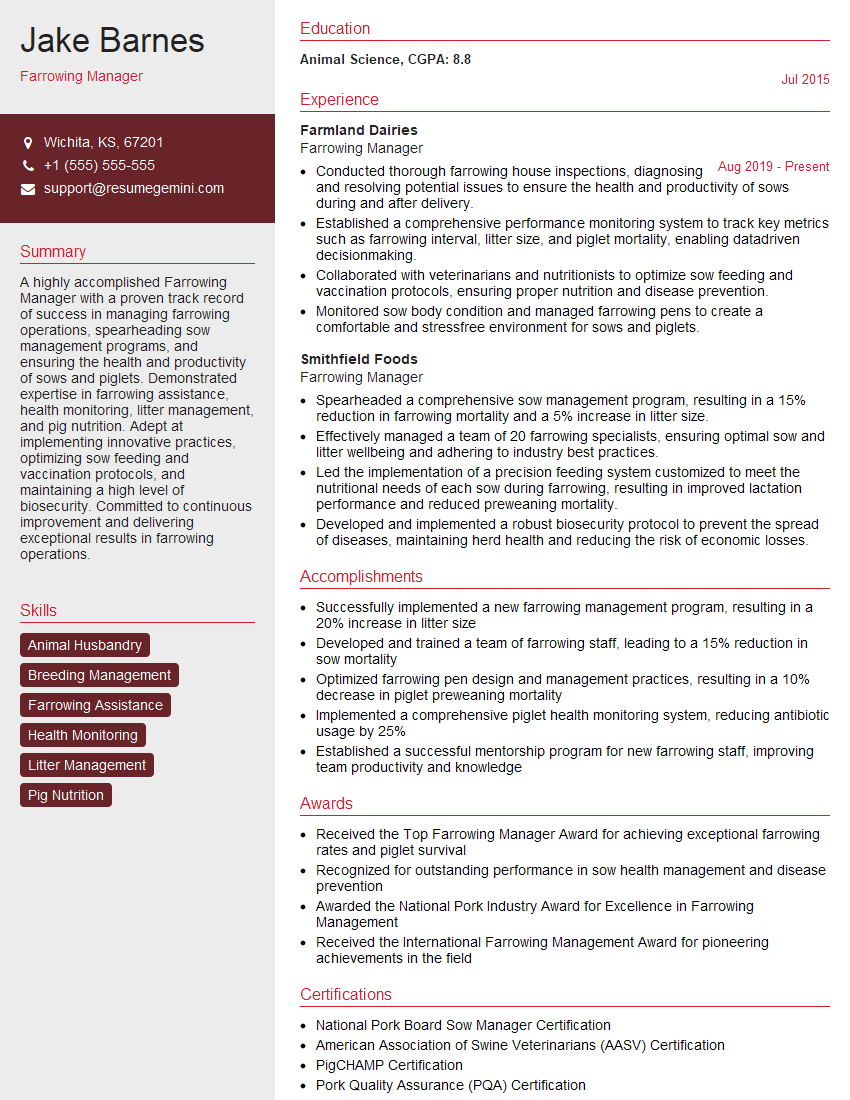
Mastering pork management opens doors to rewarding careers in a dynamic and essential industry. Strong expertise in this field translates to higher earning potential and leadership opportunities. To maximize your job prospects, a well-crafted, ATS-friendly resume is crucial. ResumeGemini is a trusted resource that can help you build a professional and impactful resume tailored to the pork industry. Examples of resumes specifically designed for Pork Management roles are available to guide you. Invest time in creating a strong resume; it’s your first impression on potential employers.
Explore more articles
Users Rating of Our Blogs
Share Your Experience
We value your feedback! Please rate our content and share your thoughts (optional).
What Readers Say About Our Blog
Really detailed insights and content, thank you for writing this detailed article.
IT gave me an insight and words to use and be able to think of examples