Feeling uncertain about what to expect in your upcoming interview? We’ve got you covered! This blog highlights the most important Port Operations and Documentation interview questions and provides actionable advice to help you stand out as the ideal candidate. Let’s pave the way for your success.
Questions Asked in Port Operations and Documentation Interview
Q 1. Explain the process of preparing shipping documentation for international cargo.
Preparing shipping documentation for international cargo is a meticulous process requiring accuracy and adherence to international regulations. Think of it like assembling a detailed instruction manual for your shipment’s journey across the globe. Each document plays a crucial role in ensuring smooth customs clearance, safe handling, and timely delivery.
The process typically starts with the commercial invoice, which details the goods, their value, and the buyer and seller. Next, the packing list itemizes the contents of each package, crucial for verification at various checkpoints. The bill of lading (B/L) serves as a contract of carriage, acting as proof of ownership and a receipt for the goods. Different types of B/Ls exist, including straight B/Ls (non-negotiable), order B/Ls (negotiable, requiring endorsement for transfer), and consigned B/Ls. Depending on the goods and destination, further documentation might be needed, such as certificates of origin, phytosanitary certificates (for plants and plant products), or other specialized permits. All these documents must be accurate, complete, and properly formatted to avoid delays or penalties.
For example, an incorrect declaration of goods’ value on the commercial invoice could lead to customs delays and potential fines. Similarly, discrepancies between the packing list and the actual contents can result in shipment rejection. Therefore, careful preparation and cross-checking of all documents are critical.
Q 2. Describe the different types of port-related documents and their importance.
Various port-related documents play crucial roles throughout the shipping process. Think of them as the vital communication channels that ensure the smooth flow of information between all stakeholders, from the shipper to the consignee and every entity in between.
- Bill of Lading (B/L): As mentioned, this is a crucial document acting as a contract of carriage, receipt for goods, and document of title.
- Commercial Invoice: Details the goods sold, including quantity, price, and buyer/seller information. Essential for customs valuation.
- Packing List: Lists the contents of each package, providing details such as weight, dimensions, and quantity per package.
- Certificate of Origin (COO): Verifies the origin of the goods, often required for preferential tariff treatment in certain countries.
- Port Entry Manifest: A detailed list of cargo on a vessel submitted to port authorities prior to arrival.
- Shipping Instruction: Instructions from the shipper to the freight forwarder, outlining shipping requirements and details.
- Delivery Order (DO): Authorizes the release of cargo to the consignee.
The importance of these documents stems from their role in facilitating legal compliance, customs clearance, insurance claims, and the smooth flow of cargo throughout the entire supply chain. Missing or inaccurate documentation can lead to significant delays and costs.
Q 3. How do you ensure compliance with international maritime regulations?
Ensuring compliance with international maritime regulations is paramount for maintaining safe and efficient port operations and preventing legal issues. This is achieved through a multi-pronged approach involving proactive measures, diligent documentation, and ongoing training.
Firstly, we must stay abreast of the latest regulations issued by organizations like the International Maritime Organization (IMO), the International Labour Organization (ILO), and relevant national authorities. This includes staying updated on SOLAS (Safety of Life at Sea) conventions, MARPOL (Marine Pollution) regulations, and other relevant international and national laws. Secondly, we implement strict internal procedures to ensure all documentation is accurate and compliant. Regular audits and internal checks help identify and rectify any shortcomings. Thirdly, we provide continuous training for our staff on relevant regulations, covering aspects such as safety procedures, cargo handling, and documentation requirements. This ensures that everyone is aware of their responsibilities and the potential consequences of non-compliance.
For instance, failure to comply with MARPOL regulations regarding oil discharge can result in severe penalties and damage to the company’s reputation. Similarly, not adhering to SOLAS standards for vessel safety can lead to accidents and loss of life. Therefore, comprehensive compliance programs are essential for the responsible and legal operation of any port.
Q 4. What are the key performance indicators (KPIs) for efficient port operations?
Key Performance Indicators (KPIs) for efficient port operations are essential for measuring and improving performance across various aspects of the port’s activity. They help us pinpoint areas needing improvement and track overall efficiency.
- Vessel Turnaround Time (VTT): The time a vessel spends in port, from arrival to departure. A shorter VTT indicates higher efficiency.
- Cargo Throughput: The volume of cargo handled per unit of time (e.g., tons per day). Higher throughput reflects efficient cargo handling operations.
- Container Dwell Time: The time containers spend in the port before being shipped or picked up. Reducing dwell time minimizes storage costs and improves efficiency.
- Equipment Utilization Rate: Measures how effectively port equipment (cranes, trucks, etc.) is used. High utilization rates point to effective resource management.
- On-time Performance (OTP): Percentage of shipments that arrive or depart on schedule, a key indicator of reliability.
- Safety Record: Number of accidents and incidents per unit of operation, critical for assessing workplace safety.
Monitoring these KPIs allows port authorities to identify bottlenecks, optimize processes, and ultimately improve overall port efficiency and profitability. For example, if VTT is consistently high, it signals a need to investigate potential delays in cargo handling or vessel berthing procedures.
Q 5. Explain the process of cargo handling from arrival to departure.
Cargo handling, from arrival to departure, is a complex process involving numerous stages, each demanding precise execution. Think of it as a well-orchestrated ballet, with each dancer (personnel and equipment) performing their part perfectly to ensure a seamless performance.
Upon arrival, the vessel is berthed, and the port entry manifest is verified. Cargo is then unloaded using various methods – cranes, forklifts, or conveyors, depending on the type of cargo and vessel. The cargo is then inspected, and customs clearance is obtained. Next, the cargo is transported to designated storage areas or directly to the consignee’s premises. Once the consignee receives the cargo, they can begin to process it. Finally, the departure process involves loading outgoing cargo onto vessels, ensuring proper stowage and securing of goods. Thorough documentation is maintained at every stage, providing a complete audit trail of the cargo’s journey.
For example, handling refrigerated cargo requires maintaining a specific temperature throughout the process, using specialized containers and transport vehicles. Similarly, hazardous cargo necessitates extra safety precautions, including specific storage areas and handling procedures.
Q 6. How do you manage port congestion and delays?
Managing port congestion and delays requires a proactive and multi-faceted approach, involving both short-term and long-term strategies. Imagine it like managing traffic flow in a busy city – you need a combination of immediate interventions and long-term infrastructure improvements.
Short-term strategies include optimizing berthing schedules, improving cargo handling efficiency, and implementing robust communication systems to keep all stakeholders informed. This might involve using advanced technologies like predictive modeling to forecast potential bottlenecks and adjust schedules accordingly. Long-term solutions focus on improving infrastructure, such as expanding port capacity, upgrading equipment, and developing better transportation links to and from the port. This also includes streamlining regulatory processes and improving coordination between various agencies involved in port operations.
For example, implementing a reservation system for berthing can reduce waiting times for vessels. Similarly, investing in automated cargo handling systems can significantly increase throughput and reduce congestion.
Q 7. Describe your experience with various cargo types and their handling requirements.
Throughout my career, I’ve handled diverse cargo types, each with unique handling requirements. This experience has instilled in me a deep understanding of the intricacies involved in safe and efficient cargo management.
I’ve worked extensively with containerized cargo, which forms the bulk of global trade. This involves managing the movement of containers, ensuring their secure stacking, and efficient handling using cranes and specialized equipment. My experience also encompasses breakbulk cargo, which requires more manual handling and careful stowage, given the varied sizes and types of goods. I’ve dealt with liquid bulk cargo, such as oil and chemicals, requiring specialized tankers and strict safety protocols. Similarly, I’ve managed dry bulk cargo, including grains and minerals, which demands efficient loading and unloading procedures, often involving conveyors and specialized equipment. I’m also experienced with refrigerated cargo (perishables), necessitating stringent temperature controls throughout the handling process.
Each cargo type demands specific handling procedures and necessitates adherence to safety regulations and international best practices. For instance, handling hazardous materials requires specialized training, equipment, and documentation to prevent accidents and environmental damage.
Q 8. What is your experience with port information systems and data management?
My experience with port information systems encompasses a wide range of technologies and data management practices. I’ve worked extensively with Terminal Operating Systems (TOS), which are the backbone of efficient port operations. These systems manage everything from vessel scheduling and cargo tracking to gate management and yard operations. I’m proficient in using data from TOS to analyze operational efficiency, identify bottlenecks, and improve overall throughput. Furthermore, I have experience with Electronic Data Interchange (EDI) for seamless data exchange with shipping lines, customs agencies, and other stakeholders. My data management skills involve data cleansing, validation, and reporting, ensuring data accuracy and integrity for informed decision-making. For instance, I was instrumental in implementing a new data warehouse system at my previous port, significantly improving our ability to generate real-time operational reports and predict potential delays.
I’m also familiar with various data analytics tools and techniques, using them to analyze large datasets to optimize resource allocation and improve decision-making. This includes predictive modeling to forecast container volume and optimize equipment utilization.
Q 9. How do you handle discrepancies in shipping documentation?
Handling discrepancies in shipping documentation requires a systematic and methodical approach. The first step is to carefully identify the discrepancy. This might involve comparing the Bill of Lading (B/L) with the cargo manifest, the packing list, and other relevant documents. Once the discrepancy is identified, I follow a process that includes:
- Verification: Double-checking all relevant documentation to ensure the discrepancy isn’t a simple error.
- Communication: Contacting relevant parties, such as the shipping line, freight forwarder, and shipper, to clarify the issue. This often involves email and phone calls, ensuring clear and concise communication.
- Documentation: Meticulously documenting all communication and actions taken to resolve the discrepancy. This creates a clear audit trail.
- Resolution: Implementing the necessary corrections, which might involve issuing amendments or creating supplementary documents. This step often requires close coordination with customs authorities.
For example, I once handled a discrepancy where the quantity of goods declared on the B/L didn’t match the actual quantity upon inspection. Through careful investigation, we found a clerical error on the shipper’s side. By working collaboratively with all involved parties, we swiftly corrected the documentation, preventing delays and potential penalties.
Q 10. Explain your understanding of Incoterms and their impact on port operations.
Incoterms, or International Commercial Terms, are a set of standardized trade terms published by the International Chamber of Commerce (ICC). They define the responsibilities of buyers and sellers in international trade transactions, specifying who is responsible for costs, risks, and the transfer of goods at different stages of the shipping process. Understanding Incoterms is critical for port operations because they directly impact the handling of cargo and the associated paperwork.
For example, an FOB (Free On Board) Incoterm means the seller is responsible for delivering the goods to the named port of shipment. The buyer is responsible for all subsequent costs and risks, including freight, insurance, and customs clearance at the destination port. Conversely, CIF (Cost, Insurance, and Freight) means the seller is responsible for arranging the shipment, including the freight and insurance to the destination port.
In port operations, knowing the Incoterm dictates who’s responsible for handling various charges, such as demurrage (charges for vessel delays) or storage fees. It also influences documentation requirements, including insurance certificates and various customs declarations. Accurate interpretation of Incoterms is therefore crucial for smooth cargo handling, preventing disputes, and ensuring efficient port operations.
Q 11. How do you prioritize tasks in a fast-paced port environment?
Prioritizing tasks in a fast-paced port environment requires a structured approach. I use a combination of techniques, including:
- Urgency and Importance Matrix: Categorizing tasks based on their urgency and importance. Urgent and important tasks take priority, while less urgent tasks are scheduled accordingly.
- Time Management Techniques: Employing methods like time blocking and the Pomodoro Technique to allocate specific time slots for different tasks. This ensures focused work and prevents task switching.
- Collaboration and Communication: Working closely with other teams and stakeholders to ensure everyone is informed and coordinated. Open communication helps anticipate potential bottlenecks and adjust priorities accordingly.
- Delegation: Appropriately delegating tasks to team members based on their skills and expertise. This optimizes resource utilization and improves efficiency.
For instance, during peak seasons, I would prioritize tasks related to vessel arrival and departure, ensuring smooth cargo flow. Less urgent tasks, like administrative paperwork, would be handled during less busy periods. This approach ensures that critical operations are never compromised and the overall port efficiency remains high.
Q 12. Describe your experience with customs clearance procedures.
My experience with customs clearance procedures is extensive. I’m familiar with the regulations and documentation required for importing and exporting goods, including the preparation of customs declarations, providing supporting documentation such as commercial invoices, packing lists, and certificates of origin. I’m also adept at managing interactions with customs officials, addressing any queries or issues promptly and professionally. I understand the complexities of different customs codes and tariffs and can help identify and resolve potential issues to expedite the customs clearance process.
In my previous role, I helped implement a new electronic customs clearance system, which significantly reduced the time required for processing import and export declarations. This improved efficiency and reduced the overall cost of customs clearance for our clients. I’m also knowledgeable about various customs programs like Free Trade Agreements (FTAs) and their impact on import duties, ensuring compliance and helping clients leverage potential cost savings.
Q 13. How do you ensure the security and safety of cargo within the port?
Ensuring cargo security and safety within the port is paramount. This involves a multi-layered approach, incorporating various measures such as:
- Physical Security: Implementing robust physical security measures, including fencing, access control systems, CCTV surveillance, and regular patrols by security personnel.
- Cybersecurity: Protecting port information systems from cyber threats through strong password policies, firewalls, and intrusion detection systems. This safeguards sensitive cargo data and operational information.
- Container Security Initiatives (CSI): Adhering to international standards for container security, such as the use of seals and electronic tracking devices to monitor cargo movement and integrity.
- Personnel Training: Providing regular training to port personnel on security protocols, risk assessment, and emergency response procedures. A well-trained workforce is crucial for effective security management.
- Collaboration: Working closely with law enforcement agencies and other stakeholders to enhance overall security. Information sharing is critical to anticipate and respond to potential threats.
For example, I’ve been involved in developing and implementing security protocols that reduced cargo theft incidents significantly. This involved implementing advanced CCTV systems, improving access control, and enhancing collaboration with law enforcement.
Q 14. What is your experience with vessel scheduling and coordination?
Vessel scheduling and coordination is a critical aspect of port operations, requiring careful planning and coordination with various stakeholders. My experience involves managing vessel schedules, optimizing berth allocation, coordinating pilot services, and managing tugboat requirements. This includes analyzing vessel arrival times, cargo volume, and other relevant factors to ensure efficient port utilization and minimize vessel waiting times.
I’m proficient in using specialized scheduling software and communicating effectively with shipping lines, port agents, and other relevant parties to ensure smooth vessel arrivals and departures. I’ve successfully managed complex vessel schedules during peak seasons, optimizing berth allocation to ensure that even during high demand, vessels are handled efficiently and delays are minimized. For instance, I coordinated the scheduling of three large container vessels arriving within a short time frame, successfully allocating berths and minimizing congestion, avoiding delays and ensuring smooth cargo handling.
Q 15. How do you manage communication with various stakeholders in port operations?
Effective communication is the backbone of successful port operations. We’re dealing with a complex ecosystem of stakeholders – shipping lines, terminal operators, customs officials, freight forwarders, truckers, and more. My approach centers around establishing clear communication channels and utilizing various methods tailored to each stakeholder group.
- Regular Meetings: Scheduled meetings with key players (e.g., weekly meetings with terminal operators to review operational performance and address bottlenecks).
- Dedicated Communication Platforms: Utilizing Port Community Systems (PCS) for real-time updates on vessel schedules, cargo status, and potential delays. This minimizes confusion and ensures everyone is on the same page. Think of it like a central nervous system for the port.
- Digital Communication Tools: Email, instant messaging, and video conferencing for rapid dissemination of crucial information. For example, using a project management tool to track progress on specific cargo shipments, keeping all involved parties informed.
- Clear and Concise Reporting: Regular reports on key performance indicators (KPIs) such as vessel turnaround times, cargo dwell times, and equipment utilization rates, distributed to relevant stakeholders. This provides transparency and allows for proactive problem-solving.
- Proactive Communication: Anticipating potential problems and communicating them promptly. For instance, if a storm is approaching, proactively inform all stakeholders about potential delays or disruptions.
For instance, during a recent port congestion, I used a combination of PCS updates, email alerts, and direct phone calls to keep all parties informed of the situation and the implemented mitigation strategies, preventing misunderstandings and panic.
Career Expert Tips:
- Ace those interviews! Prepare effectively by reviewing the Top 50 Most Common Interview Questions on ResumeGemini.
- Navigate your job search with confidence! Explore a wide range of Career Tips on ResumeGemini. Learn about common challenges and recommendations to overcome them.
- Craft the perfect resume! Master the Art of Resume Writing with ResumeGemini’s guide. Showcase your unique qualifications and achievements effectively.
- Don’t miss out on holiday savings! Build your dream resume with ResumeGemini’s ATS optimized templates.
Q 16. Explain your understanding of container handling and stacking techniques.
Container handling and stacking are crucial for efficient port operations. It involves the safe and optimized movement and storage of containers within the terminal. This requires careful planning and execution to maximize space utilization and minimize handling time.
- Container Handling Equipment: This includes cranes (e.g., ship-to-shore cranes, reach stackers, rubber-tired gantry cranes (RTGs)), and forklifts. Each type has specific capabilities and is chosen based on the needs of the operation. The selection of equipment directly impacts throughput and efficiency.
- Stacking Techniques: Containers are stacked strategically to optimize space. Factors to consider are container weight, size, and destination. Advanced stacking techniques, often aided by Terminal Operating Systems (TOS), aim to minimize the number of moves required to retrieve a specific container. This can significantly reduce handling time and improve overall efficiency.
- Yard Management: This involves the effective management of the container yard to ensure efficient flow and retrieval. This includes assigning locations to containers, tracking their movements, and managing empty containers. TOS software plays a significant role here.
- Safety Procedures: Rigorous safety protocols are paramount in container handling to prevent accidents and injuries. This includes training for personnel, regular equipment maintenance, and adherence to safety regulations.
For example, using a block stacking strategy in the yard, where containers with similar destinations are grouped together, reduces the number of crane movements needed for loading outbound vessels. This directly translates to shorter vessel turnaround times.
Q 17. How do you resolve conflicts between different parties involved in port operations?
Conflicts inevitably arise in port operations due to the numerous interacting parties and potential for delays or disputes. My approach to conflict resolution is based on collaboration, communication, and a fair and impartial process.
- Identify the Root Cause: Thoroughly investigate the source of the conflict. This often involves gathering information from all involved parties.
- Facilitate Communication: Create a space for open and honest dialogue among the disputing parties.
- Mediation: If direct communication fails, I act as a mediator, guiding the parties towards a mutually acceptable solution. This requires strong interpersonal and negotiation skills.
- Documentation: Thoroughly document the conflict, the discussions, and the agreed-upon solution.
- Escalation Protocol: If mediation fails, a clear escalation protocol is followed, involving higher management or relevant authorities as needed.
In one instance, a conflict arose between a shipping line and a terminal operator regarding demurrage charges. By facilitating a discussion and presenting relevant documentation, I helped them reach an agreement that was fair to both parties. This prevented the escalation of the conflict and potential legal action.
Q 18. Describe your experience with risk assessment and mitigation in port operations.
Risk assessment and mitigation are crucial in port operations, considering the potential for accidents, delays, and security breaches. My approach is proactive and systematic, involving a continuous cycle of identification, assessment, and mitigation.
- Hazard Identification: Regularly identifying potential hazards, including equipment failures, weather events, security threats, and human error.
- Risk Assessment: Evaluating the likelihood and severity of each identified hazard using a risk matrix. This helps prioritize the most critical risks.
- Mitigation Strategies: Developing and implementing strategies to reduce or eliminate identified risks. This may involve improving safety procedures, investing in new equipment, or implementing security measures.
- Monitoring and Review: Continuously monitoring the effectiveness of mitigation strategies and reviewing the risk assessment process regularly.
For example, after analyzing historical data on storm surges, we implemented a proactive plan for securing equipment and relocating containers in vulnerable areas. This significantly reduced the damage caused by a subsequent severe storm.
Q 19. How do you maintain accurate records and documentation in a port setting?
Maintaining accurate records and documentation is essential for compliance, efficiency, and effective decision-making in port operations. This involves a multifaceted approach leveraging both physical and digital systems.
- Digital Documentation: Utilizing Port Community Systems (PCS) and Terminal Operating Systems (TOS) to track cargo movements, vessel schedules, and related documentation electronically. This enhances accuracy, reduces errors, and facilitates efficient data retrieval.
- Data Entry Protocols: Establishing clear protocols for data entry to ensure accuracy and consistency. Regular audits and cross-checking can help detect and correct errors.
- Document Management System: Implementing a robust document management system to store and retrieve shipping documents, customs declarations, and other important paperwork. This helps maintain order and facilitates easy access to information.
- Data Backup and Recovery: Regularly backing up all data to prevent loss due to system failures or disasters. Having a reliable recovery plan is critical.
- Compliance with Regulations: Ensuring all documentation adheres to international and local regulations. This is crucial for smooth customs clearance and avoiding penalties.
For example, our system uses barcodes and RFID tags to track containers throughout the port, providing real-time updates on their location and status. This eliminates manual data entry errors and improves transparency.
Q 20. What is your experience with port infrastructure and its limitations?
Port infrastructure plays a vital role in the efficiency and capacity of port operations. My experience encompasses understanding the limitations of various infrastructure components and their impact on operational efficiency.
- Berth Capacity: The number of berths available significantly impacts the number of vessels that can be handled simultaneously. Limited berth capacity can lead to congestion and delays.
- Crane Capacity: The type and number of cranes influence the rate of cargo handling. Insufficient crane capacity can create bottlenecks, slowing down operations.
- Yard Space: Adequate yard space is crucial for storing containers efficiently. Limited yard space can lead to congestion and difficulty in accessing containers.
- Road and Rail Access: Efficient road and rail connections are essential for transporting cargo to and from the port. Poor road and rail infrastructure can create significant delays.
- Technological Infrastructure: Reliable IT infrastructure, including communication networks and data processing systems, are essential for efficient operations. Outdated or unreliable technology can limit efficiency and increase the risk of errors.
In a previous role, we encountered limitations in berth capacity, leading to vessel waiting times. This highlighted the need for port expansion, which we addressed through a strategic planning process that involved engaging with stakeholders and securing necessary funding.
Q 21. How do you utilize technology to improve efficiency in port operations?
Technology is transforming port operations, driving efficiency and improving decision-making. My experience involves leveraging various technologies to optimize processes and enhance performance.
- Terminal Operating Systems (TOS): TOS software automates many aspects of terminal operations, including container handling, yard management, and gate operations. This significantly improves efficiency and reduces manual intervention.
- Port Community Systems (PCS): PCS platforms facilitate communication and information sharing among various stakeholders, improving transparency and coordination.
- Internet of Things (IoT): IoT devices, such as sensors and RFID tags, provide real-time data on container location, equipment status, and environmental conditions. This data can be used to optimize operations and prevent problems.
- Data Analytics and Business Intelligence: Analyzing data from various sources to identify trends, predict potential problems, and make informed decisions. This might involve using predictive analytics to forecast vessel arrival times and optimize resource allocation.
- Automation and Robotics: Implementing automation and robotic systems to improve efficiency and reduce labor costs. For example, Automated Guided Vehicles (AGVs) can automate the movement of containers within the terminal.
In a previous project, we implemented a new TOS system that reduced container handling time by 15% and improved vessel turnaround times by 10%. This demonstrated the significant impact that technology can have on port efficiency.
Q 22. Describe your problem-solving skills in relation to unexpected port delays.
Unexpected port delays are a major challenge in port operations. My approach to problem-solving involves a structured, multi-step process. First, I prioritize identifying the root cause of the delay. This could involve anything from unforeseen weather conditions to equipment malfunction, labor disputes, or customs clearance bottlenecks. I then gather data from various sources – vessel tracking systems, port authority communications, and on-site personnel – to build a comprehensive picture of the situation.
Next, I develop mitigation strategies, focusing on both immediate actions to minimize further delays and long-term solutions to prevent recurrence. For instance, if a delay is due to congestion, I might explore alternative berthing locations or expedite cargo handling procedures. If it’s due to a lack of available equipment, I would coordinate with maintenance teams and explore leasing options. Finally, I rigorously document all actions taken, the outcome, and lessons learned, allowing us to refine our response plan for the future. For example, in a case of severe weather delaying unloading, my team successfully rerouted containers to a less affected port while simultaneously communicating proactively with clients to prevent disruptions in their supply chains.
Q 23. Explain your familiarity with various types of cargo ships and their operational needs.
My experience encompasses a wide range of cargo ships, from small feeder vessels to large container ships, bulk carriers, and tankers. I understand the unique operational needs of each type. Container ships, for example, require efficient loading and unloading of standardized containers, using specialized equipment like gantry cranes and reach stackers. Bulk carriers, on the other hand, demand efficient handling of bulk commodities like grain or ore, often utilizing conveyor belts and specialized unloading equipment.
Tankers require specialized safety procedures and handling due to the hazardous nature of their cargo. Feeder vessels play a crucial role in connecting smaller ports to larger hubs, and their operations need to be coordinated carefully to ensure timely transfers. Understanding these nuances is crucial for optimizing port efficiency and safety. For example, I’ve successfully managed the simultaneous berthing and operation of a container ship and a tanker in a busy port, coordinating the necessary resources to avoid congestion and potential hazards.
Q 24. How do you handle environmental concerns related to port operations?
Environmental concerns are paramount in modern port operations. My approach integrates environmental considerations into every stage of port activities. This includes implementing strategies to minimize air and noise pollution, such as investing in cleaner technologies for cargo handling equipment, enforcing emission controls on vessels, and utilizing noise barriers. We focus on responsible waste management, separating and recycling materials to minimize landfill waste. Water pollution is addressed through stringent measures to prevent oil spills and other pollutant discharges into the water. We maintain close monitoring of water quality and air quality indicators.
Furthermore, we actively promote sustainable practices throughout the supply chain, working with stakeholders to reduce the environmental footprint of port operations. For instance, I’ve spearheaded initiatives to encourage the use of low-sulfur fuels by vessels calling at our port and implemented a robust spill response plan to effectively mitigate any environmental damage in case of accidental spills. It’s not just about compliance, it’s about proactive environmental stewardship.
Q 25. Describe your experience with cargo tracking and tracing systems.
I have extensive experience with various cargo tracking and tracing systems, including both electronic and manual systems. Electronic systems often leverage GPS technology, RFID tags, and barcode scanners to track cargo movements in real-time, providing valuable insights into location, status, and estimated time of arrival (ETA). This allows for proactive problem-solving and improved communication with stakeholders. I’m proficient in using these systems to monitor cargo throughout its entire journey, from origin to destination, identifying and resolving any delays or discrepancies promptly.
My experience also extends to handling manual tracking systems, understanding their limitations and how they can be integrated with more advanced electronic systems. This helps to ensure data integrity and comprehensive tracking even in situations where electronic systems are unavailable or incomplete. For example, I’ve used a combination of electronic tracking and physical documentation to locate a missing container during a severe storm, using the paper trail to identify its last known location and expediting its recovery.
Q 26. What are the main challenges faced in port operations, and how do you address them?
Port operations face numerous challenges, including congestion, security threats, labor relations, technological limitations, and environmental regulations. Congestion, for example, leads to delays and increased costs. Security concerns require constant vigilance and advanced security measures to safeguard cargo and infrastructure. Maintaining positive labor relations is crucial for operational efficiency and safety. Technological limitations hinder real-time data access and optimized operations. Finally, environmental regulations demand continual adaptation to minimize the environmental impact of port activities.
My approach is to address these challenges proactively through a combination of strategies. This involves implementing advanced port management systems for real-time data analysis and optimization. We collaborate closely with all stakeholders (labor unions, government agencies, and shipping lines) to foster open communication and resolve conflicts efficiently. Investment in advanced technology such as automated guided vehicles (AGVs) and improved information systems helps increase efficiency and address technological limitations. We continuously review and adapt to evolving environmental regulations, ensuring compliance and minimizing our environmental footprint.
Q 27. How do you ensure timely and accurate reporting of port activities?
Timely and accurate reporting is vital for efficient port management. My approach involves utilizing a combination of automated reporting systems and manual checks to ensure data accuracy. Automated systems provide real-time updates on vessel arrivals, departures, cargo handling, and other key metrics. This data is typically integrated into a central management system, providing a comprehensive overview of port activities. Manual checks and reconciliation procedures are crucial to ensure the accuracy and completeness of the data, verifying against physical documentation and other sources.
The reporting process is tailored to the specific needs of different stakeholders, including shipping lines, port authorities, and regulatory bodies. Customized reports provide relevant information in a timely manner, facilitating decision-making and enhancing communication. For instance, I’ve implemented a system that generates daily reports on key performance indicators (KPIs) for the port, identifying areas of improvement and highlighting any potential issues. This proactive approach enhances transparency and helps ensure smooth operations.
Q 28. Explain your experience with the implementation of new port technologies or procedures.
I have significant experience in the implementation of new port technologies and procedures, ranging from the adoption of new cargo handling equipment to the integration of advanced port management systems (PMS). This includes everything from planning and project management to training personnel and monitoring performance. For instance, I was instrumental in introducing a new automated container terminal system which significantly reduced handling times and improved overall efficiency. This involved close collaboration with technology vendors, port staff, and shipping lines to ensure a seamless transition.
The implementation of any new technology or procedure requires careful planning and execution. We conduct thorough risk assessments, develop detailed implementation plans, and provide comprehensive training to the staff to ensure smooth integration and avoid disruption to port operations. Post-implementation, we monitor performance closely, using key performance indicators to track efficiency gains and identify areas for further optimization. My goal is not just to implement new technologies, but to optimize their use to maximize efficiency and productivity while ensuring safety and regulatory compliance. A recent example involves the successful transition to a paperless documentation system which significantly reduced processing times and improved environmental sustainability.
Key Topics to Learn for Port Operations and Documentation Interview
- Port Operations Fundamentals: Understanding the flow of goods through a port, including vessel arrival/departure procedures, cargo handling, and terminal operations. Consider the practical application of optimizing these processes for efficiency and safety.
- Documentation Procedures: Mastering the creation and management of crucial shipping documents like Bills of Lading, Cargo manifests, and customs declarations. Explore how inaccuracies in documentation can lead to delays and financial penalties.
- Cargo Security and Safety Regulations: Familiarize yourself with international maritime regulations (e.g., ISPS Code) and their impact on port operations and documentation. Think about how these regulations are implemented practically and the potential consequences of non-compliance.
- Inventory Management and Tracking: Understand the importance of accurate inventory tracking throughout the port process. Consider the use of technology and systems for efficient inventory management and how discrepancies are addressed.
- Communication and Coordination: Effective communication between various stakeholders (e.g., shipping lines, customs officials, terminal operators) is crucial. Analyze the role of clear and concise documentation in facilitating this communication.
- Problem-Solving in Port Operations: Develop your ability to analyze and solve common challenges in port operations, such as delays, equipment malfunctions, or documentation errors. Consider different approaches to problem-solving and the importance of quick, effective responses.
- Technology in Port Operations: Explore the role of technology (e.g., port management systems, electronic data interchange) in streamlining port processes and enhancing documentation accuracy. Consider the benefits and challenges of implementing new technologies.
Next Steps
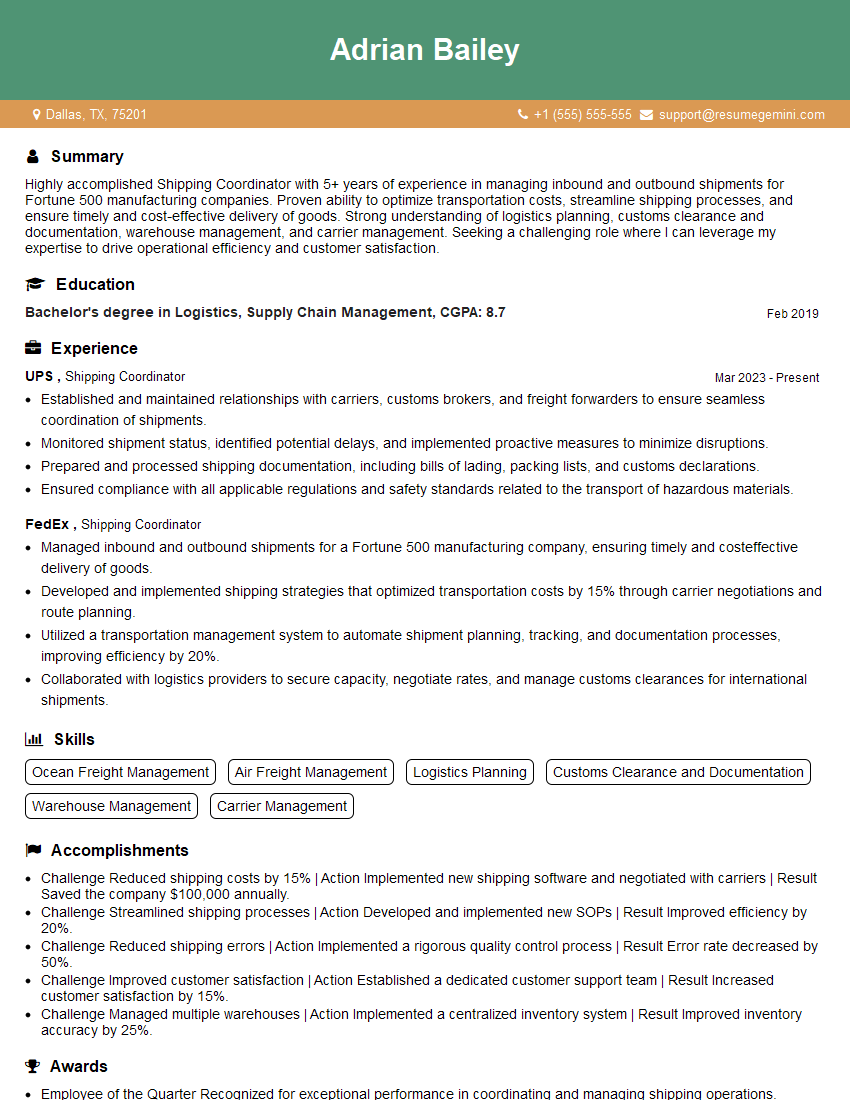
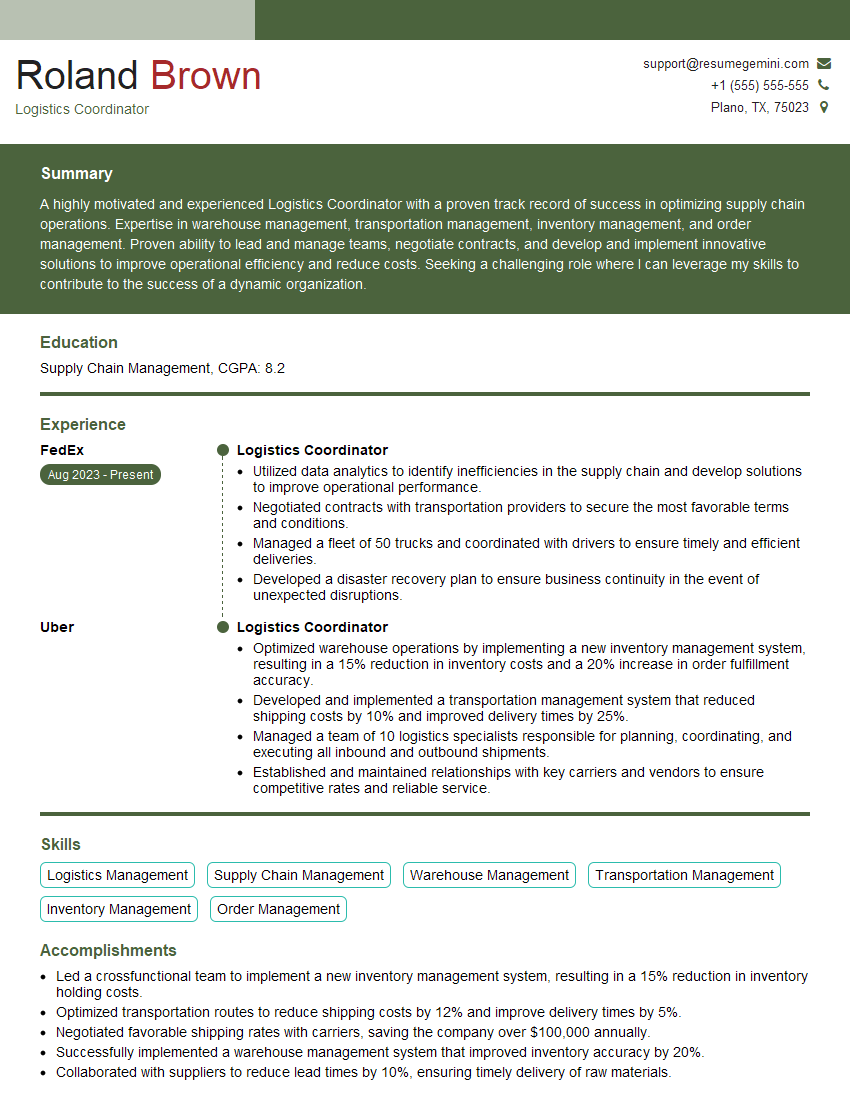
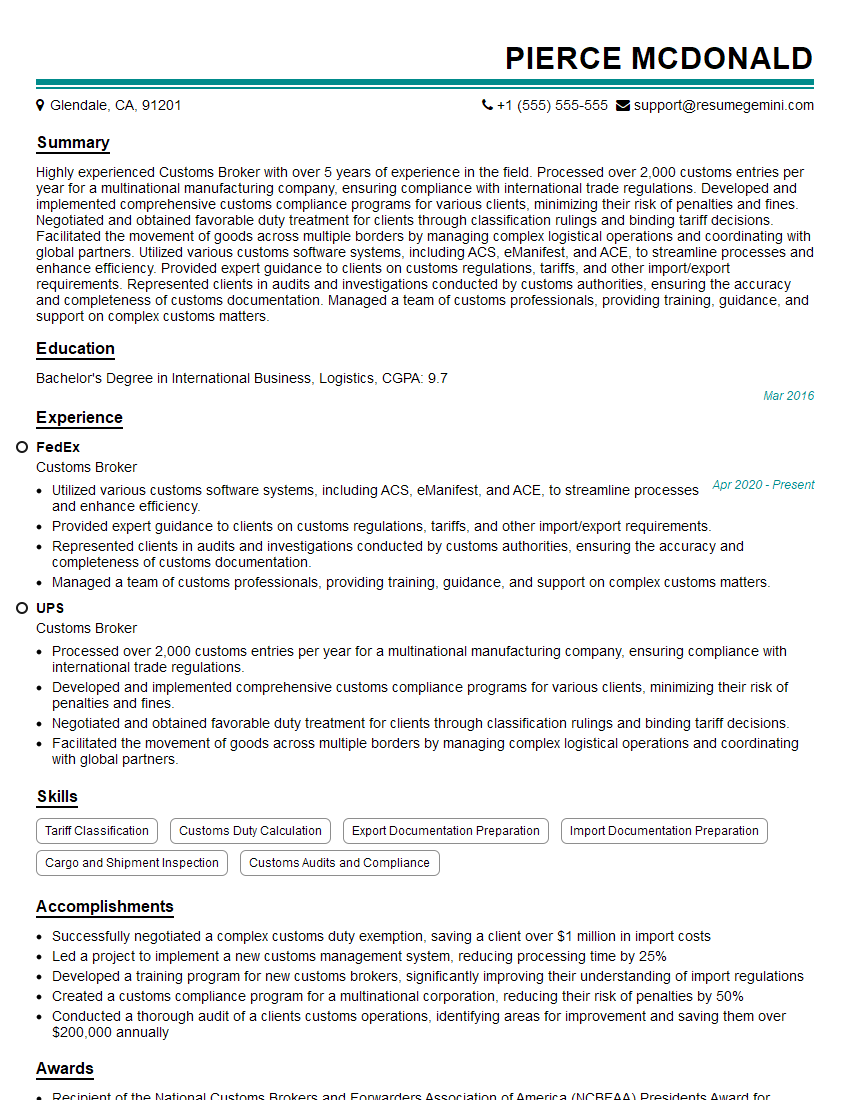
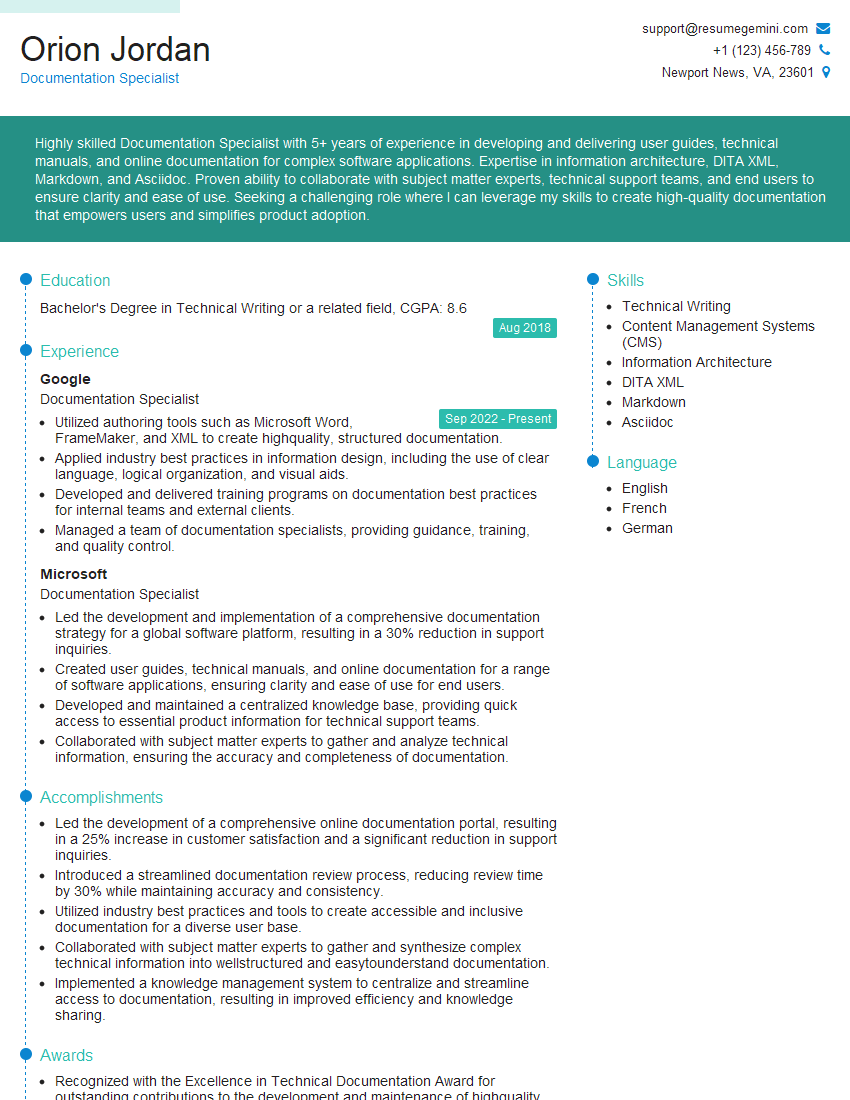
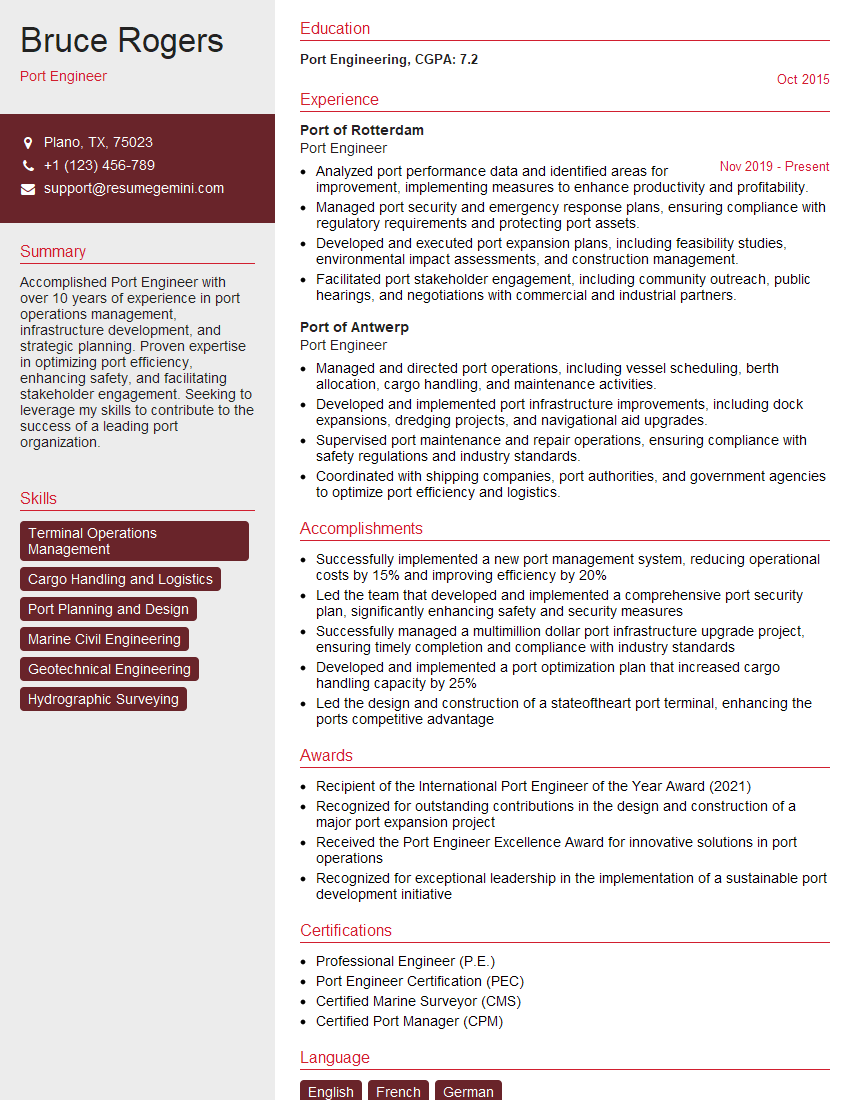
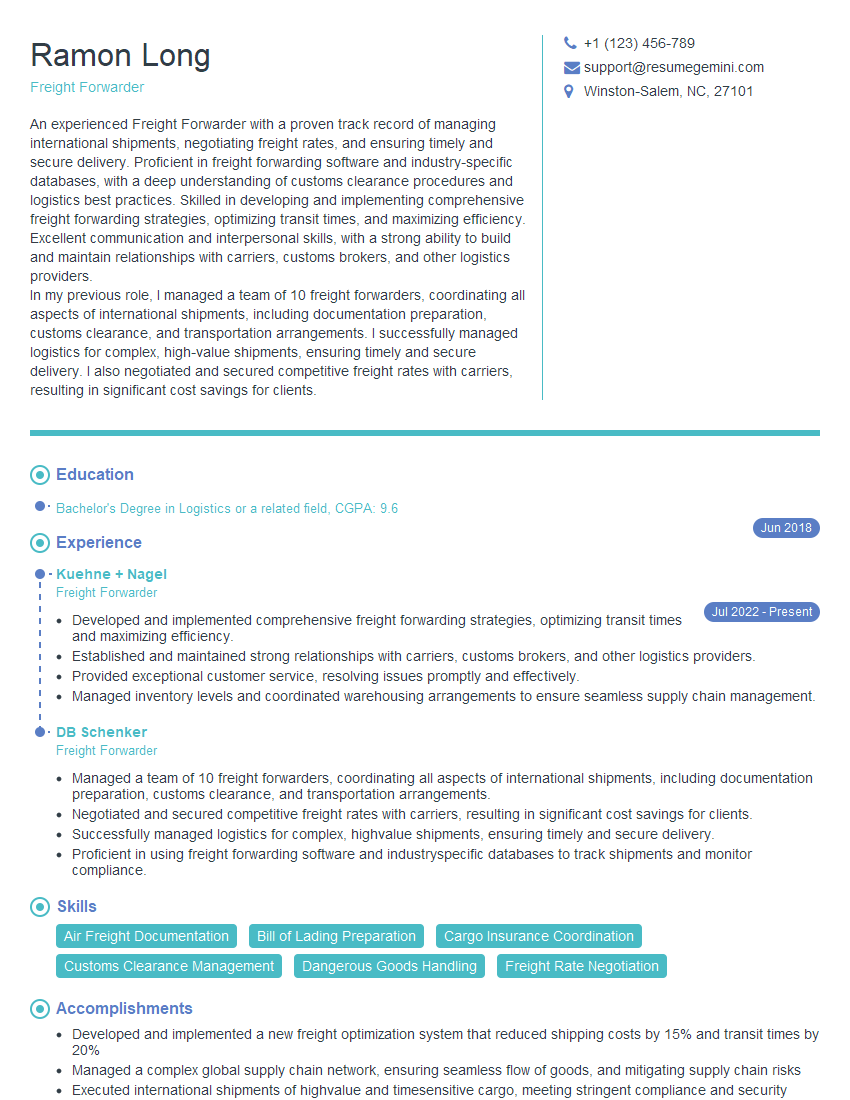
Mastering Port Operations and Documentation is key to a successful and rewarding career in the maritime industry. A strong understanding of these areas demonstrates crucial skills highly valued by employers. To significantly enhance your job prospects, creating an ATS-friendly resume is paramount. ResumeGemini is a trusted resource that can help you build a professional and impactful resume, designed to get noticed by recruiters. Examples of resumes tailored specifically to Port Operations and Documentation roles are available through ResumeGemini, giving you a head start in crafting your perfect application.
Explore more articles
Users Rating of Our Blogs
Share Your Experience
We value your feedback! Please rate our content and share your thoughts (optional).
What Readers Say About Our Blog
Really detailed insights and content, thank you for writing this detailed article.
IT gave me an insight and words to use and be able to think of examples