Unlock your full potential by mastering the most common Port Procedures and Regulations interview questions. This blog offers a deep dive into the critical topics, ensuring you’re not only prepared to answer but to excel. With these insights, you’ll approach your interview with clarity and confidence.
Questions Asked in Port Procedures and Regulations Interview
Q 1. Explain the International Ship and Port Facility Security (ISPS) Code.
The International Ship and Port Facility Security (ISPS) Code is a mandatory international standard developed by the International Maritime Organization (IMO) to enhance maritime security. It aims to prevent acts of terrorism against ships and port facilities. Think of it as a global security checklist for everyone involved in shipping.
The ISPS Code mandates that ships and port facilities develop and implement security plans, conduct security assessments, and cooperate with each other to maintain a secure environment. This includes assigning responsibilities, implementing security measures like access control and surveillance, and conducting regular drills and exercises. Essentially, it’s a layered approach to security, with different levels of security measures depending on the threat level.
- Ships: Must have a Ship Security Assessment (SSA), a Ship Security Plan (SSP), and designated Ship Security Officers (SSOs) responsible for implementing the plan.
- Port Facilities: Must have a Port Facility Security Assessment (PFSA), a Port Facility Security Plan (PFSP), and designated Port Facility Security Officers (PFSOs) responsible for implementing the plan.
- Communication: Ships and port facilities must communicate effectively regarding security matters, especially regarding security levels (Level 1 – minimum, Level 2 – heightened, Level 3 – severe).
For example, if a port receives a credible threat, it might raise its security level to Level 2, increasing patrols, inspections, and access controls. Ships entering that port would also need to comply with the heightened security measures. Non-compliance can lead to serious consequences, including denial of entry or departure.
Q 2. Describe the process for handling dangerous goods in a port.
Handling dangerous goods in a port is a highly regulated and complex process, requiring strict adherence to international and national regulations, primarily the International Maritime Dangerous Goods (IMDG) Code. This code classifies dangerous goods, specifies packaging requirements, and details procedures for safe handling, storage, and transportation.
The process typically starts with the declaration of dangerous goods by the shipper. This information is crucial for proper handling throughout the supply chain. The port authority and terminal operators have to ensure that designated areas are available for storing and handling these goods, strictly separated from other cargo. Specialized equipment and trained personnel are needed to manage the risks involved.
- Documentation: Accurate and complete documentation (e.g., cargo manifests, MSDS sheets) is essential throughout the entire process.
- Segregation: Incompatible dangerous goods are strictly segregated to prevent dangerous reactions.
- Storage: Storage areas must meet specific safety requirements, often including ventilation and fire suppression systems.
- Handling: Only trained personnel should handle dangerous goods, using appropriate safety gear and equipment.
- Emergency response: Port authorities have emergency response plans in place to handle spills, fires, or other incidents.
Imagine a shipment of flammable chemicals. These need to be stored in a designated area away from sources of ignition, with proper ventilation, and handled only by personnel who have received specific training. Failure to follow these procedures can result in serious accidents, environmental damage, and substantial financial penalties.
Q 3. What are the key elements of a port’s security plan?
A port’s security plan is the backbone of its security operations. It’s a comprehensive document outlining procedures and measures to protect the port and its users from threats. Think of it as a detailed instruction manual for keeping the port secure.
Key elements include:
- Risk Assessment: Identifying potential threats and vulnerabilities within the port.
- Security Measures: Implementing security measures such as access control (e.g., identification systems, CCTV), patrols, security personnel, and physical barriers.
- Emergency Response Plan: Defining procedures for handling security incidents and emergencies (e.g., bomb threats, active shooter).
- Communication Plan: Establishing communication channels between different stakeholders (e.g., port authority, terminal operators, law enforcement).
- Training and Drills: Regularly training staff on security procedures and conducting drills to ensure preparedness.
- Vulnerability Analysis: Regularly reviewing and updating the security plan to address new threats and vulnerabilities.
For instance, a port might conduct regular vulnerability assessments to identify weaknesses in its fence lines, access points, or surveillance systems. These assessments help to inform the ongoing development and improvement of the port’s security plan. Failure to have a comprehensive and well-implemented security plan can result in sanctions and reputational damage.
Q 4. How do you ensure compliance with customs regulations?
Ensuring compliance with customs regulations is paramount for smooth port operations. It involves accurate documentation, timely submissions, and cooperation with customs authorities. This requires a meticulous approach, as non-compliance can result in significant penalties, delays, and even legal action.
Key aspects include:
- Accurate Documentation: Accurate and complete documentation, including manifests, invoices, certificates of origin, and other required documents are critical.
- Pre-Arrival Processing: Submitting necessary information to customs authorities well in advance of arrival allows for smoother processing.
- Customs Inspections: Cooperating fully with customs inspections and providing any necessary information or access requested by customs officials.
- Duty and Tax Payments: Ensuring timely payment of all applicable duties, taxes, and other fees.
- Record Keeping: Maintaining detailed records of all import/export transactions to facilitate audits and demonstrate compliance.
For example, a company importing goods must accurately declare the contents and value of the shipment on the import manifest. Any discrepancies can lead to delays, fines, and potential seizure of goods. Proactive management, working closely with customs brokers, and having an effective internal compliance program are vital.
Q 5. Explain the different types of port charges and fees.
Port charges and fees cover the costs associated with using port facilities and services. They are crucial to maintain port infrastructure and operations. These charges vary considerably depending on the port, the type of vessel, and the services used. Think of it as a bill for using the port’s services, just like a hotel bill.
Common types include:
- Docking fees: Charges for using a berth.
- Mooring fees: Charges for securing a vessel at the berth.
- Pilotage fees: Fees paid for the services of a pilot, who guides the vessel in and out of the port.
- Tonnage dues: Charges based on the vessel’s tonnage (size).
- Navigation fees: Charges for the use of navigational aids.
- Cargo handling fees: Charges for loading and unloading cargo.
- Storage fees: Charges for storing cargo within the port.
- Agency fees: Charges for the services of a ship’s agent.
These charges are usually specified in port tariffs, which are publicly available documents. Understanding these charges is vital for accurate cost estimation and budgeting in shipping operations.
Q 6. Describe the process for vessel arrival and departure.
Vessel arrival and departure is a carefully orchestrated process involving multiple stakeholders, including the vessel, the port authority, terminal operators, customs, and other agencies. It’s a well-defined sequence of events, ensuring efficient and safe movement of vessels.
Arrival:
- Advance Notice: Vessel provides advance notice of arrival to the port authority.
- Port Entry: Vessel is cleared by customs and immigration.
- Berthing: Vessel proceeds to its assigned berth.
- Cargo Operations: Cargo operations commence.
Departure:
- Departure Notification: Vessel notifies port authority of its intent to depart.
- Customs Clearance: Final customs clearance is obtained.
- Unmooring: Vessel is unmoored from the berth.
- Departure: Vessel departs the port.
Imagine a large container ship arriving at a busy port. Its arrival is coordinated weeks in advance, with the port assigning a berth, arranging for pilots, and ensuring that all necessary customs and immigration procedures are in place. Similarly, departure is a carefully managed process, ensuring the safety and efficiency of the vessel and the port.
Q 7. What are the procedures for handling cargo disputes?
Cargo disputes can arise from various issues, such as damage, loss, or discrepancies in quantity or quality. Resolving these disputes requires a structured approach, often involving established procedures and legal frameworks.
Common methods for handling cargo disputes include:
- Negotiation: Parties attempt to resolve the dispute through direct negotiations.
- Mediation: A neutral third party assists in facilitating negotiations.
- Arbitration: A neutral third party hears evidence and makes a binding decision.
- Litigation: A formal legal process in a court of law.
The approach to resolving a dispute often depends on the nature of the issue, the value of the cargo, and the agreement between the involved parties. Many commercial contracts specify a preferred dispute resolution method, such as arbitration. For example, if a container of goods arrives damaged, the parties involved (shipper, carrier, receiver) might first attempt to negotiate a settlement. If negotiation fails, they could proceed to mediation or arbitration, depending on their contract.
Q 8. How do you manage port congestion?
Port congestion, the overcrowding of vessels and cargo at a port, is a significant operational and economic challenge. Managing it requires a multi-faceted approach focusing on prediction, prevention, and mitigation.
Predictive Analytics: Utilizing historical data, weather forecasts, and vessel scheduling information to anticipate potential congestion hotspots. Sophisticated software can model traffic flow and predict bottlenecks, allowing for proactive adjustments.
Improved Infrastructure: Investing in expanding port capacity, including more berths, improved rail and road connections, and efficient warehousing facilities. For example, automating container handling with automated guided vehicles (AGVs) can significantly increase throughput.
Optimized Scheduling: Implementing robust scheduling systems that coordinate vessel arrivals, cargo handling, and truck movements. This could involve utilizing digital platforms to share real-time information among stakeholders.
Collaboration and Communication: Fostering effective communication between port authorities, shipping lines, terminal operators, and other stakeholders. This ensures everyone is aware of the situation and can work together to alleviate congestion. Regular meetings and digital communication platforms can greatly assist in this.
Incentive Programs: Implementing strategies such as offering financial incentives to shippers to off-peak hours or utilizing less congested ports, thus distributing the load more evenly.
For example, the Port of Rotterdam uses advanced data analytics and predictive modeling to anticipate and manage congestion, resulting in smoother operations and reduced delays.
Q 9. Explain the role of a port state control inspection.
Port State Control (PSC) inspections are crucial for ensuring that ships comply with international maritime regulations and safety standards. They are conducted by the coastal state (the country where the port is located) to verify the ship’s compliance with conventions such as the International Convention for the Safety of Life at Sea (SOLAS) and the International Convention for the Prevention of Pollution from Ships (MARPOL).
Verification of Documents: PSC inspectors verify the ship’s documents, including its Certificate of Registry, Safety Management Certificate (SMC), and other relevant certificates.
Safety Inspection: They thoroughly inspect the ship’s safety equipment, including lifeboats, fire-fighting systems, and navigation equipment, to ensure they are in good working order and properly maintained.
Pollution Prevention Check: PSC inspectors check for compliance with MARPOL regulations concerning pollution prevention, including the condition of the ship’s oil tanks and waste disposal systems.
Crew Certification & Training: Verification of crew qualifications and training records, to ensure that personnel are adequately trained and certified to operate the vessel safely.
Detention and Corrective Action: If serious deficiencies are found, the ship may be detained until the issues are rectified. Minor deficiencies will typically lead to recommendations for corrective action.
Think of a PSC inspection as a thorough safety audit for ships, ensuring the safety of the crew, the environment, and the port itself. Failure to pass an inspection can have significant financial consequences for the shipping company.
Q 10. What are the environmental regulations that apply to ports?
Environmental regulations in ports are becoming increasingly stringent due to growing concerns about pollution and climate change. These regulations cover a wide range of aspects, focusing on minimizing the environmental impact of port operations.
Air Quality: Regulations aimed at reducing emissions from vessels, vehicles, and port equipment. This often includes limits on sulfur content in fuel and regulations on particulate matter emissions.
Water Pollution: Stringent rules to prevent pollution from ballast water discharge, oil spills, and other sources. This includes mandatory ballast water management systems and regulations on waste disposal.
Noise Pollution: Regulations aiming to limit noise levels from port activities to protect marine life and nearby communities. This often involves restrictions on operating hours for noisy equipment.
Waste Management: Comprehensive regulations for the management and disposal of various types of waste generated within the port, including hazardous materials and recycling programs.
Climate Change Mitigation: Regulations promoting the use of cleaner energy sources, such as shore power for vessels, and reducing the overall carbon footprint of port operations.
These regulations are enforced by various authorities, and non-compliance can result in significant penalties.
Q 11. How do you ensure the safety of port workers?
Ensuring the safety of port workers is paramount. A comprehensive safety program should include multiple layers of protection, starting with robust risk assessment and extending to comprehensive training and emergency procedures.
Risk Assessment: Regularly assessing potential hazards in the workplace, including those related to machinery, hazardous materials, and working at heights.
Safety Training: Providing thorough training to all port workers on safety procedures, emergency response, and the use of personal protective equipment (PPE).
PPE Provision: Ensuring that all workers have access to and use appropriate PPE, including hard hats, safety glasses, and high-visibility clothing.
Emergency Response Plans: Developing and regularly practicing comprehensive emergency response plans to address potential incidents, including fires, spills, and medical emergencies.
Regular Inspections: Conducting regular safety inspections of equipment and work areas to identify and rectify potential hazards.
Incident Reporting and Investigation: Establishing a system for reporting and thoroughly investigating all workplace accidents and incidents to prevent recurrence.
A strong safety culture, where safety is prioritized above all else, is crucial. This involves actively involving workers in safety initiatives and fostering a culture of reporting near misses to prevent accidents before they happen.
Q 12. What is the importance of a port community system (PCS)?
A Port Community System (PCS) is a digital platform that facilitates secure information sharing and collaboration among all stakeholders involved in port operations. It acts as a central hub for communication and data exchange, streamlining processes and improving efficiency.
Improved Communication: Enables seamless communication between shipping lines, terminal operators, customs authorities, and other stakeholders, reducing delays and misunderstandings.
Streamlined Processes: Automates various processes, such as customs clearance, cargo tracking, and vessel scheduling, reducing paperwork and improving turnaround times.
Enhanced Security: Provides a secure platform for exchanging sensitive information, enhancing the overall security of port operations.
Real-time Visibility: Offers real-time visibility into cargo movement and port operations, allowing for better decision-making and proactive problem-solving.
Data Analytics: Facilitates data analysis, providing insights that can be used to improve efficiency and optimize port operations.
Think of a PCS as a central nervous system for the port, connecting all the different parts and enabling them to function more efficiently and smoothly. Without it, communication and coordination would be severely hampered, leading to delays and inefficiencies.
Q 13. Describe the process for obtaining port permits and licenses.
The process of obtaining port permits and licenses varies depending on the specific port and the type of activity involved. However, it typically involves several key steps:
Application Submission: Submitting a formal application to the relevant port authority, providing all required documentation, such as vessel details, cargo information, and planned activities.
Review and Assessment: The port authority reviews the application to ensure compliance with all relevant regulations and safety standards. This may involve verifying the applicant’s credentials and assessing potential environmental impacts.
Fee Payment: Payment of all applicable fees, which may vary depending on the type of permit or license and the scale of the operation.
Permit/License Issuance: Upon successful review and payment, the port authority issues the necessary permits or licenses. These documents outline the conditions under which the activity can be conducted.
Compliance Monitoring: The port authority monitors compliance with the conditions outlined in the permits and licenses throughout the operation.
Failure to obtain the necessary permits and licenses can lead to significant penalties and delays, disrupting operations and potentially creating safety and environmental hazards. It’s essential to thoroughly research and understand the specific requirements of each port before commencing operations.
Q 14. How do you track cargo throughout the port?
Cargo tracking within a port involves a combination of physical and digital methods to ensure accurate monitoring of its movement from arrival to departure.
Container Tracking Systems: Utilizing electronic data interchange (EDI) systems and Radio-Frequency Identification (RFID) technology to track containers throughout their journey within the port. RFID tags attached to containers provide real-time location data.
GPS Tracking: Using GPS tracking devices on trucks and other vehicles to monitor their movement within the port and ensure timely delivery of cargo.
Port Operating Systems: Integrating information from various sources, such as terminal operating systems (TOS) and PCS, to create a comprehensive view of cargo flow and location within the port. This often involves web-based portals providing real-time updates on cargo status.
Manual Tracking: While increasingly rare, manual tracking of cargo involves physical documentation and visual inspection, providing an audit trail of cargo movements.
Integration with Customs Systems: Connecting cargo tracking systems with customs systems to ensure smooth customs clearance and compliance with import/export regulations.
Effective cargo tracking is essential for optimizing efficiency, reducing delays, and enhancing security. Real-time tracking provides stakeholders with the information they need to make timely decisions and prevent disruptions.
Q 15. What are the key performance indicators (KPIs) for port operations?
Key Performance Indicators (KPIs) for port operations are crucial for measuring efficiency, productivity, and overall performance. They allow port authorities and operators to identify areas for improvement and track progress towards strategic goals. These KPIs can be broadly categorized into several areas:
- Financial KPIs: These focus on profitability and cost-effectiveness. Examples include revenue per container handled, operating costs per container, and return on investment (ROI) for port infrastructure projects.
- Operational KPIs: These measure the efficiency of port operations. Examples include vessel turnaround time (the time a vessel spends in port from arrival to departure), berth occupancy rate (the percentage of time berths are occupied), and cargo throughput (the volume of cargo handled). A low vessel turnaround time indicates efficient operations, while a high berth occupancy rate suggests high utilization of resources.
- Safety KPIs: These prioritize safety and security within the port. Examples include the number of accidents per million working hours, the number of security incidents, and the time taken to respond to emergencies. Low numbers in these KPIs are indicators of a successful safety program.
- Environmental KPIs: These track the port’s environmental impact. Examples include greenhouse gas emissions per container handled, energy consumption per container, and waste generated. Ports are increasingly focused on reducing their environmental footprint, and these KPIs track progress toward those goals.
- Customer Satisfaction KPIs: These measure the satisfaction of port users, such as shipping lines and cargo owners. Examples include customer feedback scores, on-time performance, and the ease of conducting business with the port.
Imagine a port struggling with long vessel turnaround times. By tracking this KPI, they can identify bottlenecks, such as inefficient crane operations or inadequate customs procedures, and implement targeted improvements. Regular monitoring and analysis of these KPIs are essential for continuous improvement in port operations.
Career Expert Tips:
- Ace those interviews! Prepare effectively by reviewing the Top 50 Most Common Interview Questions on ResumeGemini.
- Navigate your job search with confidence! Explore a wide range of Career Tips on ResumeGemini. Learn about common challenges and recommendations to overcome them.
- Craft the perfect resume! Master the Art of Resume Writing with ResumeGemini’s guide. Showcase your unique qualifications and achievements effectively.
- Don’t miss out on holiday savings! Build your dream resume with ResumeGemini’s ATS optimized templates.
Q 16. Explain the concept of free trade zones and their relevance to ports.
A Free Trade Zone (FTZ), also known as a Free Economic Zone (FEZ) or Special Economic Zone (SEZ), is a geographically designated area within a country where goods can be imported, stored, manufactured, and exported without being subject to the usual customs duties and tariffs. These zones aim to attract foreign investment, stimulate economic activity, and boost international trade.
Their relevance to ports is immense. Ports often serve as gateways to FTZs. The strategic location of a port near an FTZ offers significant advantages:
- Reduced Costs: Businesses operating within an FTZ can significantly reduce their import/export costs by avoiding customs duties and taxes until goods are moved out of the FTZ into the domestic market.
- Simplified Procedures: FTZs typically have streamlined customs and regulatory procedures, making it easier and faster for businesses to import, process, and export goods.
- Increased Trade: The presence of an FTZ can attract more international trade, leading to increased cargo volume handled by the port.
- Economic Growth: FTZs often stimulate local economic growth by creating jobs and attracting investment in manufacturing and logistics.
For example, the Jebel Ali Free Zone in Dubai is a prime example of a successful FTZ closely integrated with its port. It has become a major hub for global trade, attracting businesses from around the world and significantly contributing to Dubai’s economic success. The port’s success is intrinsically linked to the FTZ’s success and vice-versa.
Q 17. How do you manage security risks related to cyberattacks in port operations?
Managing cybersecurity risks in port operations is increasingly crucial, as these facilities rely heavily on interconnected digital systems. A successful strategy involves a multi-layered approach:
- Network Security: Implementing robust firewalls, intrusion detection/prevention systems, and regular security audits to protect the port’s network infrastructure from unauthorized access.
- Access Control: Implementing strong password policies, multi-factor authentication, and role-based access control to limit access to sensitive systems and data only to authorized personnel.
- Data Security: Encrypting sensitive data both in transit and at rest, implementing data loss prevention (DLP) measures, and regularly backing up data to prevent data breaches and ensure business continuity.
- Vulnerability Management: Regularly scanning systems for vulnerabilities and promptly patching identified weaknesses to prevent exploitation by malicious actors.
- Security Awareness Training: Educating port staff about cybersecurity threats and best practices to minimize the risk of human error, a common cause of security incidents. Phishing awareness is particularly critical.
- Incident Response Plan: Developing a comprehensive incident response plan that outlines steps to take in case of a cybersecurity incident, including containment, eradication, recovery, and post-incident analysis.
- Collaboration: Working with other stakeholders in the maritime industry, such as shipping companies and government agencies, to share threat information and collaborate on security measures.
Imagine a cyberattack targeting a port’s container tracking system. This could disrupt operations, leading to delays, lost revenue, and potential safety hazards. A well-defined cybersecurity strategy can help prevent such incidents and ensure business continuity.
Q 18. What are the key differences between different types of port infrastructure?
Port infrastructure varies significantly depending on the size, location, and type of cargo handled. Key differences include:
- Berths: These are the docking areas where vessels moor. Sizes vary greatly, accommodating from small coastal vessels to massive container ships. Specialized berths exist for liquid cargo (oil, gas), cruise ships, and roll-on/roll-off (RoRo) cargo.
- Terminals: These are areas dedicated to specific cargo types (container terminals, bulk terminals, RoRo terminals). Container terminals are highly automated, often employing large gantry cranes and automated guided vehicles (AGVs). Bulk terminals handle raw materials like grains and ores, utilizing specialized unloading equipment.
- Warehouses and Storage Facilities: These provide space for storing cargo before or after transit. Types include conventional warehouses, refrigerated warehouses for perishable goods, and open storage yards for non-sensitive cargo.
- Intermodal Facilities: These connect different modes of transport, such as rail and road, to facilitate efficient cargo transfer. This could include rail yards, truck terminals, and intermodal transfer facilities.
- Navigation Channels and Dredging: Maintaining navigable channels of sufficient depth is vital, especially for larger vessels. Regular dredging is necessary to remove sediment build-up.
For instance, a busy container port will have extensive container terminals with sophisticated cranes and automated systems, while a smaller port focusing on bulk cargo will have different infrastructure tailored to handling that specific cargo type. The design and capacity of port infrastructure directly impact its operational efficiency and capacity.
Q 19. Explain the role of a pilotage service in port operations.
Pilotage service is a crucial aspect of port operations, involving experienced maritime professionals (pilots) who guide vessels into and out of port. Pilots possess expert local knowledge of waterways, navigational hazards, and port infrastructure. Their role ensures safe and efficient vessel navigation, especially in challenging conditions such as narrow channels, strong currents, or restricted visibility.
Key aspects of a pilotage service include:
- Expertise: Pilots provide expert guidance based on their extensive knowledge of the specific port and its approaches. This includes navigational aids, water depths, and potential hazards.
- Safety: Their primary role is to ensure the safe navigation of vessels, minimizing risks of grounding, collisions, or other incidents.
- Efficiency: Pilots help optimize vessel movements, ensuring efficient berthing and unberthing processes to minimize vessel turnaround time.
- Regulatory Compliance: Pilotage is often mandated by port authorities and maritime regulations to ensure safety and compliance with international standards.
Imagine a large container ship approaching a congested port. The pilot’s expertise ensures efficient and safe navigation through busy traffic, avoiding potential collisions and minimizing the risk of grounding. Their guidance is critical for large vessels navigating complex port environments.
Q 20. Describe the various types of cargo handling equipment used in ports.
A wide range of cargo handling equipment is used in ports, depending on the type of cargo and the port’s infrastructure. Here are some key examples:
- Container Cranes: Giant cranes, both gantry cranes and ship-to-shore (STS) cranes, are used to lift and move containers between ships and terminals. These are crucial for efficient container handling in container ports.
- Forklifts and Reach Stackers: These are used for moving containers within the terminal, transporting them to and from storage areas.
- Straddle Carriers: These vehicles lift containers and transport them over other containers, ideal for stacking containers efficiently in storage yards.
- Gantry Cranes: These are used to handle bulk cargo and other non-containerized goods, such as break-bulk cargo and project cargo.
- Conveyors and Belt Systems: These are used to transport bulk cargo efficiently, often connecting unloading points to storage facilities.
- Mobile Harbor Cranes: These cranes are highly versatile, capable of handling various types of cargo and are useful in ports with varied cargo types.
- Grabs and Clamshells: Used for bulk handling, these are mechanical devices that scoop up and transport bulk material like grains, ores, and sand.
For example, a busy container port will heavily rely on container cranes and straddle carriers for efficient movement of containers, while a bulk cargo port might use mainly conveyors and grab cranes to handle its materials.
Q 21. How do you handle emergency situations within the port?
Handling emergency situations within a port requires a well-defined emergency response plan, incorporating procedures for various scenarios, such as fire, oil spills, security breaches, and medical emergencies.
Key aspects of emergency management include:
- Emergency Response Plan: A detailed plan outlining procedures for various types of emergencies, including roles and responsibilities, communication protocols, and evacuation procedures.
- Emergency Communication System: A reliable communication system to ensure swift and efficient communication between different stakeholders, including port authorities, emergency services, and port personnel.
- Emergency Equipment and Resources: Adequate firefighting equipment, oil spill response equipment, first aid facilities, and other resources necessary to handle various emergencies.
- Training and Drills: Regular training and drills to ensure that port personnel are adequately prepared to respond to emergencies.
- Incident Command System: Establishing a clear command structure during emergencies to ensure coordinated and effective response.
- Post-Incident Review: Conducting a post-incident review to identify areas for improvement in emergency response procedures.
Imagine an oil spill from a tanker. A well-defined emergency response plan will outline procedures for containing the spill, preventing environmental damage, and ensuring the safety of personnel. Regular drills and training are crucial to ensure a swift and effective response to minimize environmental impact and potential harm.
Q 22. What are the legal liabilities associated with port operations?
Legal liabilities in port operations are multifaceted and significant. They stem from a complex interplay of maritime law, national regulations, and international conventions. Key areas of liability include:
- Cargo damage or loss: Ports and their operators are liable for damage or loss of cargo under their custody, unless they can prove it resulted from inherent vice (a defect in the goods themselves), an act of God, or an act of war. This often involves proving adherence to proper handling and storage procedures.
- Personal injury or death: Accidents involving port workers, visitors, or even those on vessels berthed within the port can result in significant legal action. Strict adherence to safety regulations and comprehensive insurance are crucial here. For example, failure to provide adequate safety equipment or training can lead to substantial legal claims.
- Environmental damage: Oil spills, chemical leaks, or other environmental incidents can result in substantial fines, cleanup costs, and legal battles with regulatory agencies and potentially affected parties. Comprehensive environmental impact assessments and robust spill response plans are critical.
- Breach of contract: Failure to meet contractual obligations with shipping lines, cargo owners, or other stakeholders can result in financial penalties and legal disputes. Clear and well-defined contracts are essential.
- Customs violations: Non-compliance with customs regulations, including proper documentation and declaration of goods, can lead to significant fines and penalties.
Understanding and managing these liabilities requires robust risk management strategies, comprehensive insurance coverage, and a commitment to compliance with all applicable laws and regulations. A proactive approach to safety, thorough documentation, and regular training for staff are essential to minimizing risk.
Q 23. Explain the importance of proper documentation and record-keeping in port operations.
Proper documentation and record-keeping are the bedrock of efficient and legally sound port operations. They serve several critical purposes:
- Cargo tracking and tracing: Detailed records of cargo movements, including arrival, storage, and departure, are crucial for preventing loss, theft, or damage. This is vital for tracing the path of goods, especially in case of disputes or recalls.
- Compliance with regulations: Maintaining accurate records is essential for demonstrating compliance with international and national regulations on customs, safety, and environmental protection. Audits and inspections rely heavily on this documentation.
- Liability mitigation: Comprehensive records can serve as crucial evidence in case of legal disputes, accidents, or damage claims. Accurate and timely documentation can significantly strengthen a port’s defense.
- Operational efficiency: Efficient record-keeping streamlines port operations, reducing delays and improving turnaround times. Digital systems significantly improve this efficiency.
- Financial reporting and auditing: Accurate financial records are essential for transparent and accountable financial management, enabling effective tracking of revenue, expenses, and performance.
Consider a scenario where a container is damaged. Detailed records, including images, handling logs, and timestamps, will help determine liability and expedite the claims process. Without such records, resolving the issue becomes exponentially more complex and time-consuming.
Q 24. Describe the impact of global trade regulations on port activities.
Global trade regulations significantly impact port activities, shaping operational procedures, security protocols, and even infrastructure development. These regulations influence:
- Customs procedures: International trade agreements and national customs regulations dictate the processes for importing and exporting goods, requiring ports to implement compliant systems for cargo inspections, documentation, and duty collection. For instance, the World Customs Organization’s (WCO) SAFE Framework of Standards to Secure and Facilitate Global Trade is increasingly impacting port operations globally.
- Safety and security: International conventions, such as the International Ship and Port Facility Security (ISPS) Code, mandate stringent security measures to prevent terrorism and other threats. Ports must invest in security technology and training to meet these standards.
- Environmental regulations: International and national environmental regulations, such as those governing ballast water management or emissions control, impose strict standards on port operations to minimize environmental impact. This necessitates investment in cleaner technologies and waste management systems.
- Sanctions and embargoes: International sanctions and trade embargoes can severely restrict the movement of certain goods through ports, requiring ports to implement robust compliance programs to prevent violations.
- Trade agreements: Trade agreements, like the EU’s common market or the Comprehensive and Progressive Agreement for Trans-Pacific Partnership (CPTPP), can affect the types of goods handled, the tariffs applied, and the overall volume of trade passing through ports.
Failure to comply with these regulations can result in significant penalties, operational disruptions, and reputational damage. Ports must actively monitor and adapt to evolving global trade regulations.
Q 25. How do you assess and mitigate potential environmental hazards in port operations?
Assessing and mitigating environmental hazards in port operations is crucial for sustainability and legal compliance. A multi-pronged approach is necessary:
- Hazard identification and risk assessment: Conducting thorough environmental impact assessments (EIAs) to identify potential hazards, such as oil spills, air pollution from vessel emissions, and water contamination from cargo handling. This involves analyzing potential sources of pollution, vulnerability of the ecosystem, and potential consequences.
- Prevention measures: Implementing preventive measures like double-hulled tankers, improved cargo handling techniques, and efficient waste management systems to minimize the risk of environmental incidents. Regular maintenance of equipment to prevent leaks is also crucial.
- Emergency response planning: Developing and regularly testing comprehensive spill response plans, including procedures for containment, cleanup, and notification of relevant authorities. This often involves simulations and training exercises for personnel.
- Monitoring and compliance: Regular environmental monitoring to track air and water quality, and ensuring compliance with environmental regulations and permits. This data needs to be carefully recorded and regularly audited.
- Technology adoption: Utilizing advanced technologies such as real-time monitoring systems, predictive modeling, and autonomous equipment to improve environmental performance and enhance early warning capabilities.
For instance, a port might implement a system for tracking and managing ballast water discharge to prevent the introduction of invasive species. Or they might invest in shore power connections to reduce emissions from vessels at berth.
Q 26. What are the ethical considerations related to port operations?
Ethical considerations in port operations are paramount, extending beyond legal compliance. Key areas include:
- Fair labor practices: Ensuring fair wages, safe working conditions, and respect for the rights of port workers, including those employed by contractors. This includes adhering to international labor standards and promoting ethical recruitment practices.
- Transparency and accountability: Maintaining transparency in port operations, including financial dealings, contracting processes, and environmental performance. This fosters trust among stakeholders and promotes accountability.
- Environmental stewardship: Prioritizing environmental protection and minimizing the environmental impact of port activities, going beyond mere compliance with regulations to proactively seek environmentally responsible solutions.
- Community engagement: Engaging with local communities, addressing their concerns, and mitigating the potential negative impacts of port operations on their lives and livelihoods. This might include noise reduction measures or community investment programs.
- Anti-corruption practices: Implementing robust anti-corruption measures to prevent bribery, extortion, and other unethical practices within the port and its dealings with external parties.
For example, a port might prioritize the use of locally sourced materials and employ local labor in its expansion projects, demonstrating a commitment to community benefit. Ethical considerations are not just ‘nice to haves’ but integral to long-term sustainability and societal trust.
Q 27. Explain the role of technology in improving port efficiency and security.
Technology plays a transformative role in improving port efficiency and security. Key applications include:
- Automated container handling systems: Automated cranes, guided vehicles, and stacking systems dramatically improve efficiency and reduce labor costs, minimizing human error and improving overall throughput.
- Internet of Things (IoT) sensors: IoT sensors deployed across the port track cargo movement, environmental conditions, and equipment performance in real-time, enabling proactive maintenance and improved decision-making.
- Artificial intelligence (AI) and machine learning: AI-powered systems optimize vessel scheduling, predict delays, and enhance cargo allocation, improving overall efficiency and reducing congestion.
- Digital twins: Digital twins of port facilities allow for virtual testing and optimization of processes, improving planning and reducing disruptions.
- Cybersecurity systems: Robust cybersecurity measures protect against cyberattacks and data breaches, maintaining data integrity and operational resilience. This is crucial given the increasing reliance on interconnected systems.
- Blockchain technology: Blockchain technology can enhance transparency and traceability in supply chains, improving the security and efficiency of cargo tracking.
Imagine a port using AI to predict potential congestion based on real-time data, allowing for proactive adjustments to vessel scheduling. This is a practical example of technology enhancing efficiency. Furthermore, improved cybersecurity measures safeguard sensitive data and protect the port from malicious attacks.
Q 28. Describe your experience with implementing or managing port-related projects.
In my previous role at [Previous Company Name], I led a project to implement a new terminal operating system (TOS) at [Port Name]. This involved:
- Needs assessment and requirements gathering: Collaborating with stakeholders to define the functional and non-functional requirements of the new system, ensuring alignment with strategic goals and operational needs.
- Vendor selection and contract negotiation: Evaluating various TOS vendors, selecting the most suitable solution, and negotiating favorable terms and conditions in the contract.
- System integration and implementation: Overseeing the integration of the new TOS with existing port systems and infrastructure, ensuring seamless data flow and minimal disruption to operations.
- Training and support: Developing and delivering comprehensive training programs for port staff on the new system, providing ongoing technical support to ensure smooth operation.
- Project monitoring and evaluation: Tracking project progress against the defined timeline and budget, identifying and resolving any issues, and conducting regular evaluations to ensure project success.
The successful implementation of the new TOS resulted in a significant improvement in port efficiency, reducing turnaround times by [Percentage] and enhancing operational visibility. This project demonstrates my ability to manage complex port-related projects, collaborating effectively with diverse stakeholders, and delivering tangible results.
Key Topics to Learn for Port Procedures and Regulations Interview
- Port Security: Understanding ISPS Code, security assessments, and the role of different stakeholders in maintaining port security. Practical application: Analyzing a hypothetical security breach scenario and proposing solutions.
- Cargo Handling and Operations: Familiarizing yourself with different cargo types, handling procedures, documentation requirements (e.g., Bills of Lading, Cargo manifests), and potential hazards. Practical application: Optimizing cargo flow in a simulated port environment, considering time constraints and safety protocols.
- Customs and Border Protection: Knowing the regulations concerning import/export procedures, customs declarations, inspections, and relevant legislation. Practical application: Processing a sample import declaration, identifying potential inconsistencies or areas for improvement.
- Port Regulations and Compliance: Understanding environmental regulations, waste management procedures, and adherence to international maritime standards (IMO). Practical application: Evaluating a port’s environmental impact and proposing measures for improvement.
- Communication and Coordination: Effective communication with various stakeholders (e.g., shipping lines, customs officials, terminal operators). Practical application: Developing a communication plan for a complex port operation, considering potential communication breakdowns and mitigation strategies.
- Emergency Response and Contingency Planning: Understanding emergency procedures, disaster response protocols, and the role of different agencies in managing port emergencies. Practical application: Developing a response plan to a hypothetical oil spill incident.
- Port Infrastructure and Technology: Understanding the various infrastructure components (e.g., wharves, terminals, cranes) and the role of technology (e.g., automated systems, tracking technologies) in optimizing port operations. Practical application: Evaluating the efficiency of different port infrastructure designs.
Next Steps
Mastering Port Procedures and Regulations is crucial for advancing your career in the maritime industry. A strong understanding of these procedures demonstrates competence, efficiency, and a commitment to safety and compliance, opening doors to leadership roles and higher-paying positions. To significantly improve your job prospects, creating an ATS-friendly resume is paramount. ResumeGemini is a trusted resource that can help you build a professional and impactful resume tailored to this specific field. We provide examples of resumes specifically designed for candidates with expertise in Port Procedures and Regulations to help you craft the perfect application.
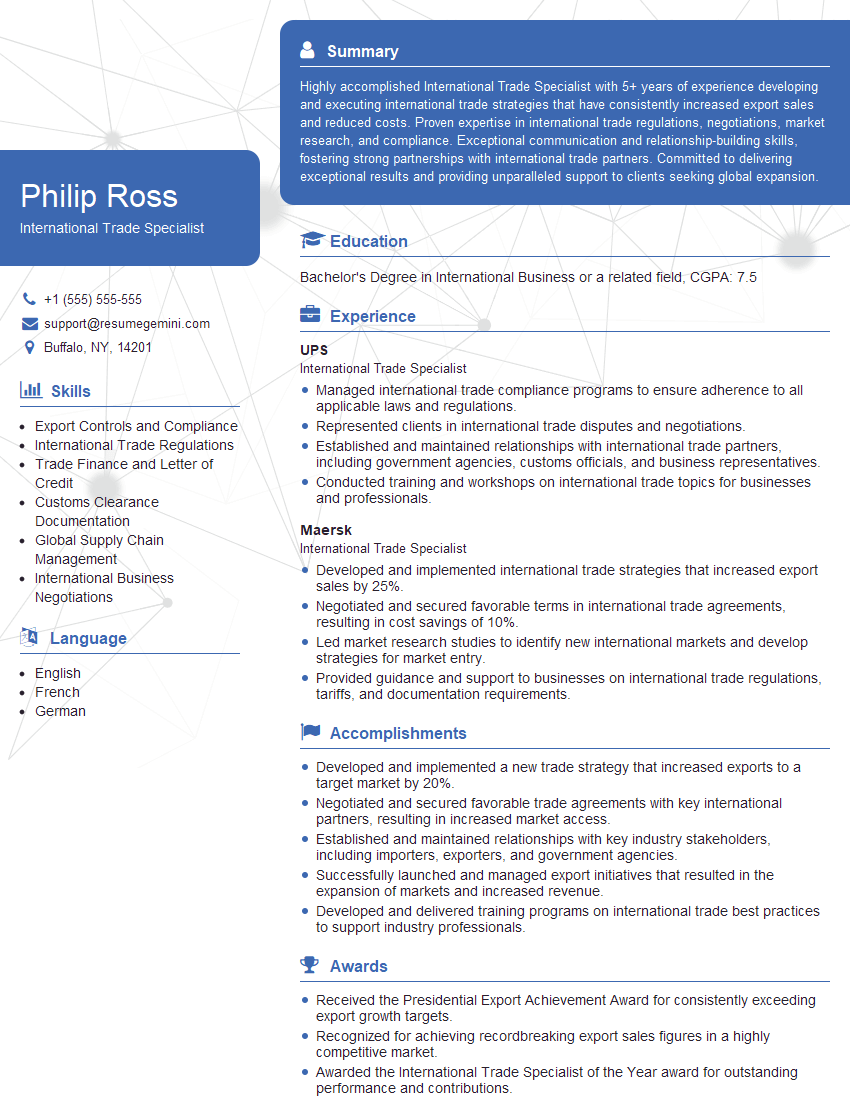
International Trade Specialist Resume Sample
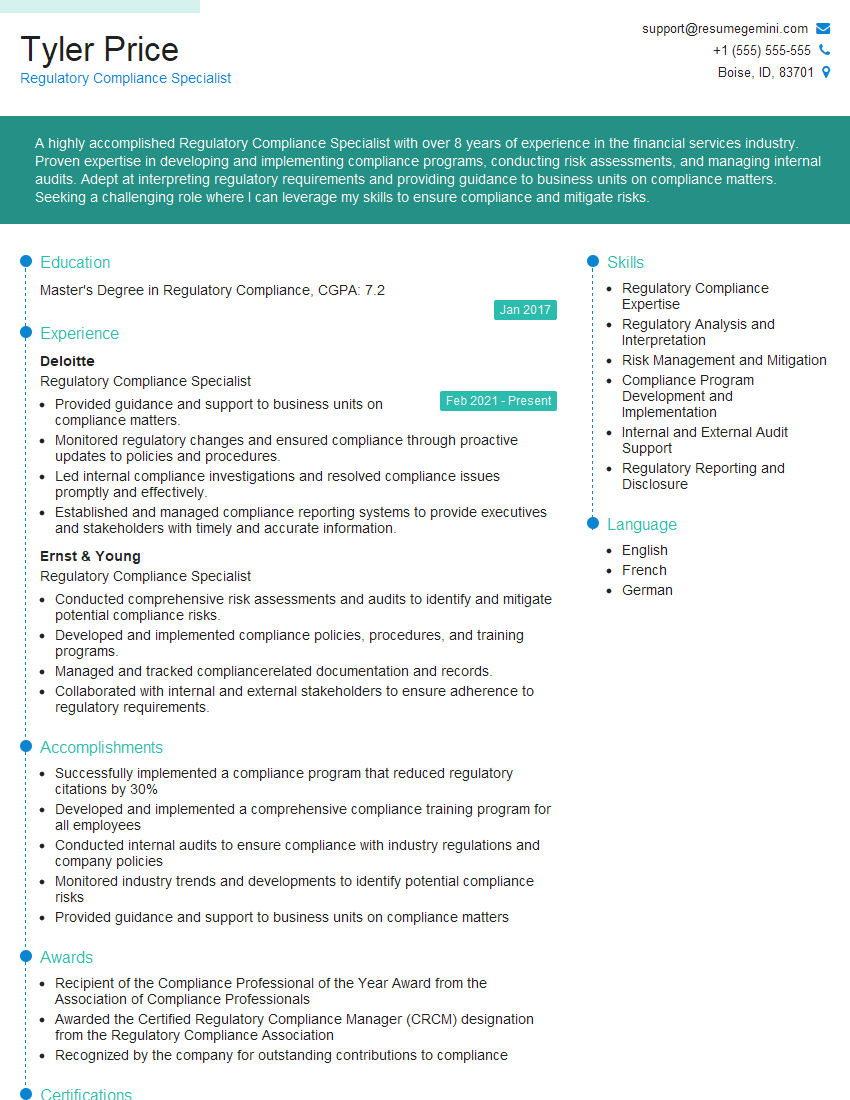
Regulatory Compliance Specialist Resume Sample
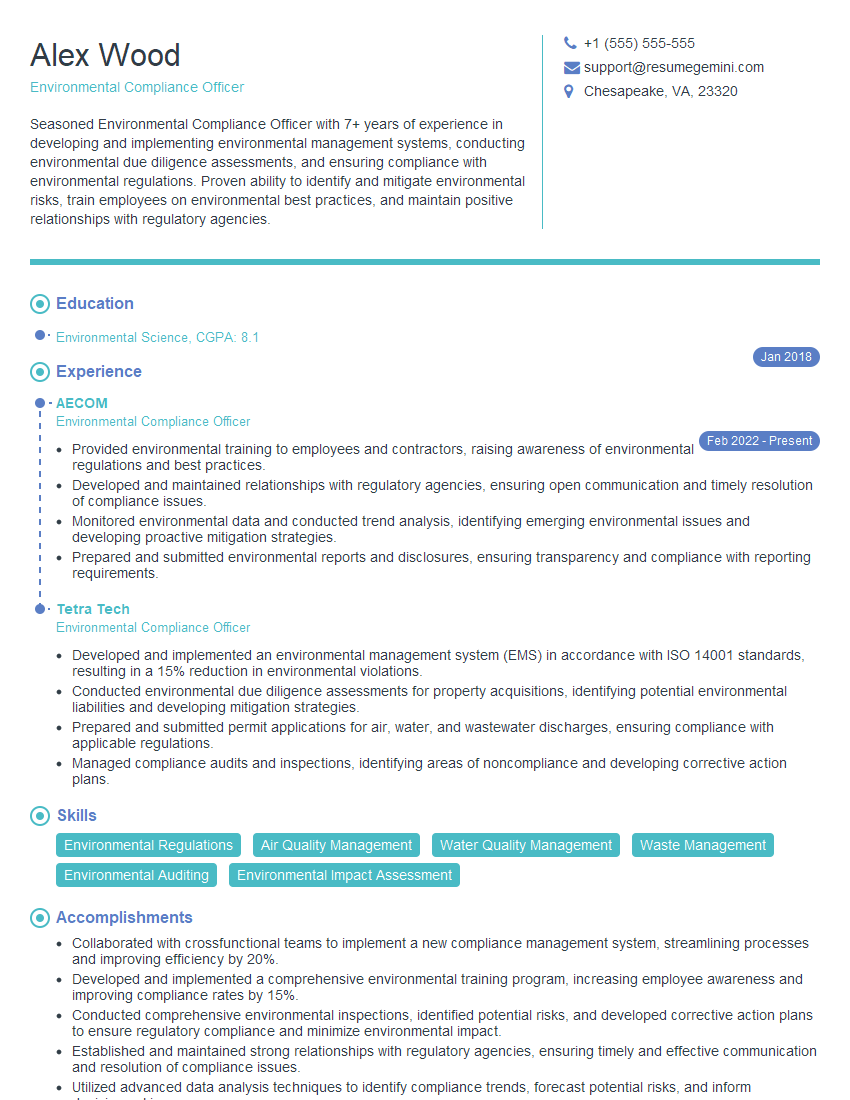
Environmental Compliance Officer Resume Sample
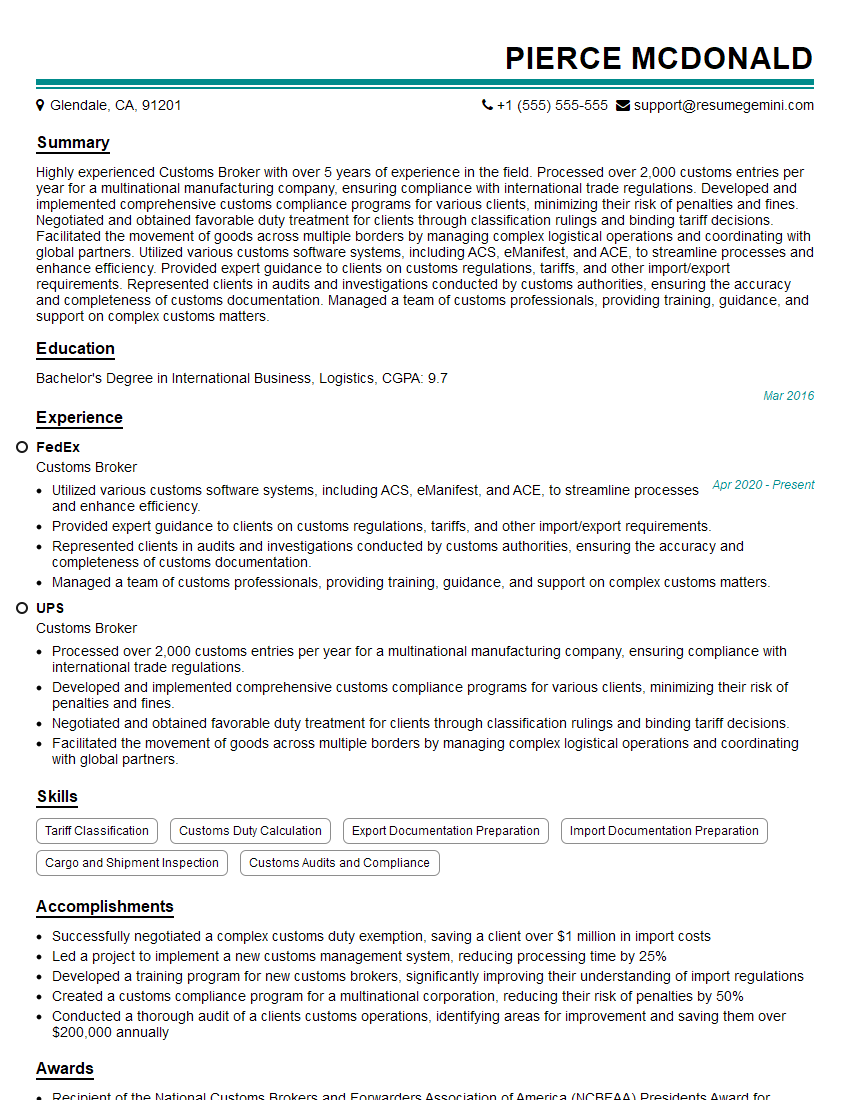
Customs Broker Resume Sample
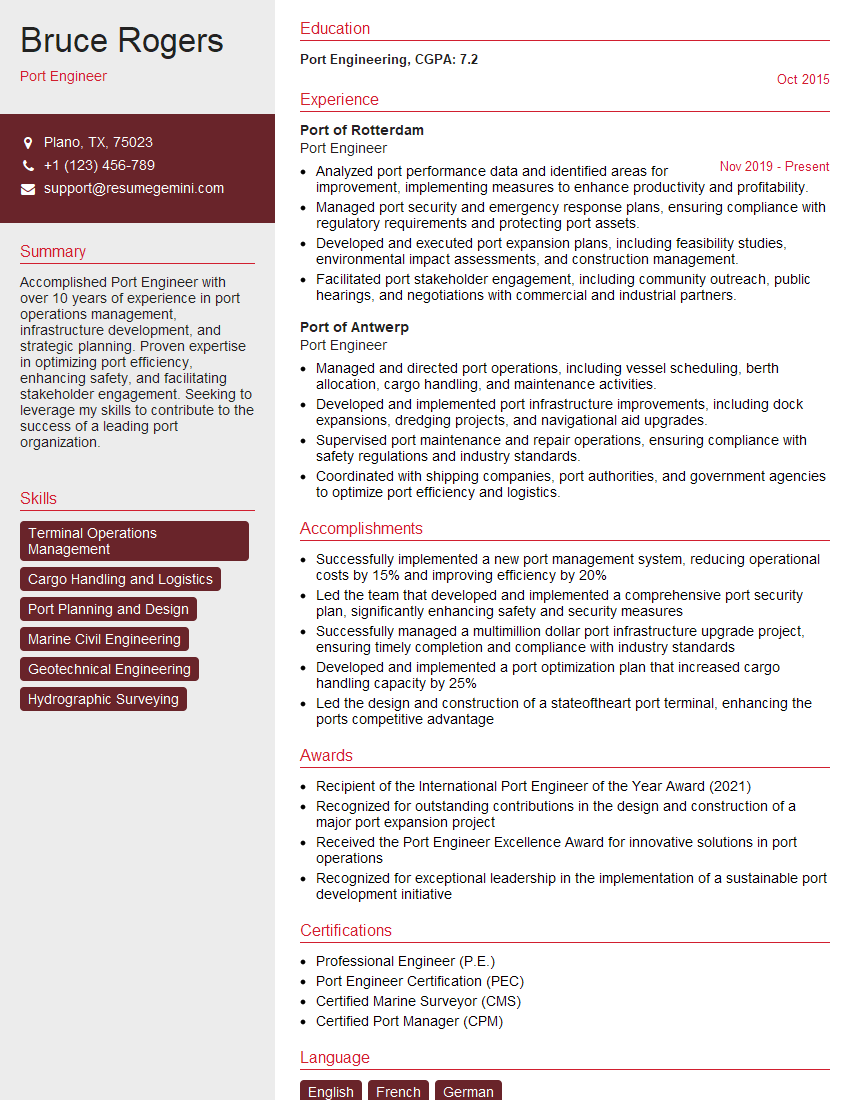
Port Engineer Resume Sample
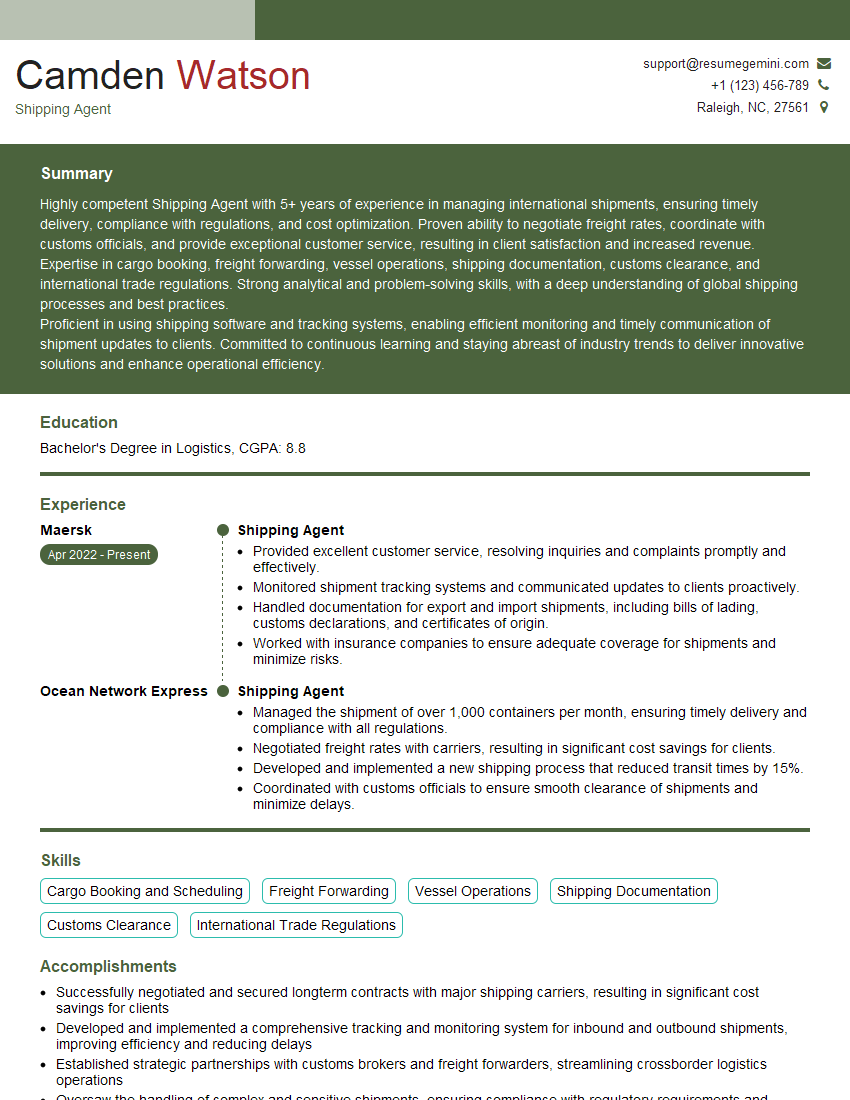
Shipping Agent Resume Sample
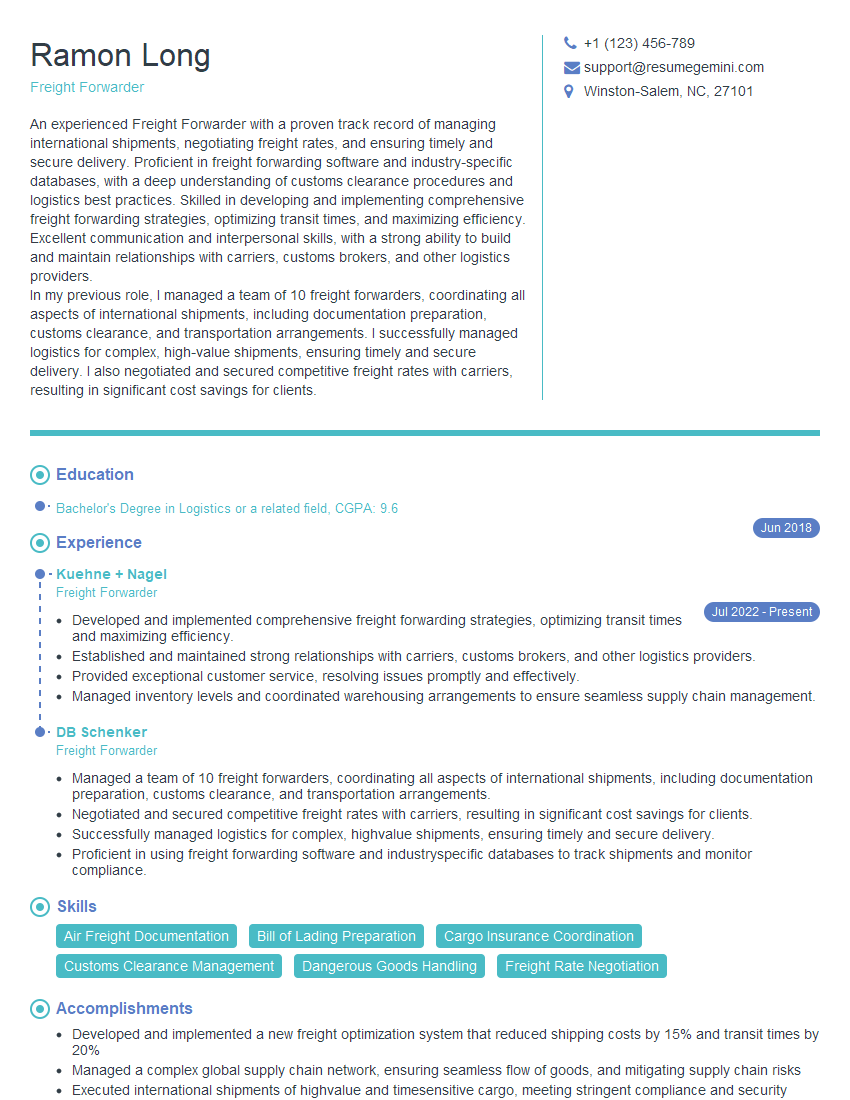
Freight Forwarder Resume Sample
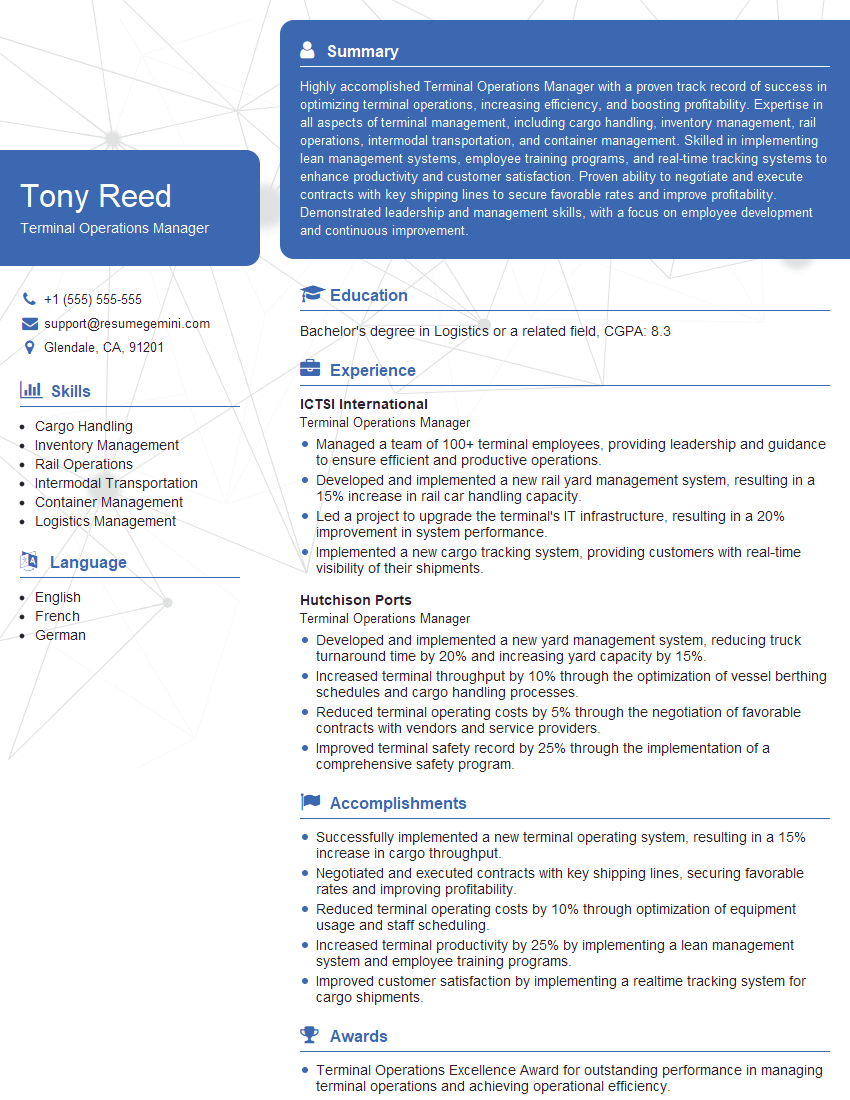
Terminal Operations Manager Resume Sample
Explore more articles
Users Rating of Our Blogs
Share Your Experience
We value your feedback! Please rate our content and share your thoughts (optional).
What Readers Say About Our Blog
Really detailed insights and content, thank you for writing this detailed article.
IT gave me an insight and words to use and be able to think of examples