Interviews are opportunities to demonstrate your expertise, and this guide is here to help you shine. Explore the essential Poultry Production Practices interview questions that employers frequently ask, paired with strategies for crafting responses that set you apart from the competition.
Questions Asked in Poultry Production Practices Interview
Q 1. Describe the different poultry housing systems and their advantages and disadvantages.
Poultry housing systems vary significantly depending on factors like climate, bird type (broilers, layers, breeders), and farm scale. Let’s explore some common systems:
- Intensive Systems: These involve high stocking densities within enclosed structures.
- Advantages: Improved biosecurity, better climate control, efficient feed and water delivery, easier monitoring of birds.
- Disadvantages: Higher initial investment costs, potential for increased disease spread if biosecurity isn’t strictly followed, increased risk of stress due to crowding.
- Extensive Systems: These utilize open-range or free-range practices with minimal confinement.
- Advantages: Lower initial investment, natural foraging opportunities, potentially healthier birds due to increased space and movement.
- Disadvantages: Increased risk of predation, exposure to weather extremes, difficulty in disease control, less efficient feed utilization.
- Semi-Intensive Systems: This is a blend of intensive and extensive systems, often employing partially enclosed shelters.
- Advantages: Balances the advantages and disadvantages of both intensive and extensive systems.
- Disadvantages: Requires careful management to mitigate risks associated with both systems.
The choice of housing system is crucial for optimal bird welfare and productivity. It must be tailored to the specific needs of the birds and the resources available.
Q 2. Explain the importance of biosecurity measures in poultry farming.
Biosecurity in poultry farming is paramount to prevent the introduction and spread of diseases. Think of it as a fortress protecting your flock. Strong biosecurity measures dramatically reduce economic losses and animal welfare issues. Key aspects include:
- Isolation and Quarantine: Newly introduced birds should be kept separate from the existing flock for a period to observe for signs of disease.
- Hygiene and Sanitation: Regular cleaning and disinfection of equipment, housing, and surrounding areas are essential. This includes proper disposal of manure and dead birds.
- Rodent and Pest Control: Rodents and insects can carry diseases, so implementing effective pest control measures is critical.
- Visitor Control: Limiting access to the farm and enforcing strict hygiene protocols for visitors (e.g., changing clothes and footwear) are vital.
- Vehicle Control: Disinfecting vehicles entering and leaving the farm is a crucial step.
- Waste Management: Proper disposal of manure and other waste is important to prevent environmental contamination and the spread of diseases.
A well-defined biosecurity plan, tailored to the specific farm and its surroundings, is essential for successful poultry production. Regular training of farm personnel on biosecurity protocols is also critical for its effectiveness.
Q 3. What are the key nutritional requirements for broiler chickens at different growth stages?
Broiler chicken nutritional needs change dramatically throughout their growth phases (starter, grower, finisher). Meeting these requirements is crucial for optimal growth, meat quality, and overall health:
- Starter Phase (0-3 weeks): High energy and protein levels are needed to support rapid growth. The diet should be highly digestible and contain adequate vitamins and minerals, especially those crucial for bone development.
- Grower Phase (3-6 weeks): Protein requirements gradually decrease while maintaining adequate energy levels to support continued growth. Focus shifts toward maintaining optimal bone health and minimizing leg problems.
- Finisher Phase (6-8 weeks): Energy requirements remain high, but protein levels can be slightly reduced further. Maintaining feed conversion ratios and ensuring high meat quality are key goals at this stage.
Specific nutrient requirements can vary based on breed, environmental conditions, and health status. Careful formulation of feed rations, considering the specific needs of each growth stage, is essential for successful broiler production. Consulting with a nutritionist can be invaluable in optimizing feed formulations.
Q 4. How do you manage poultry diseases and prevent outbreaks?
Disease management in poultry farming requires a proactive and integrated approach. This includes:
- Prevention: Biosecurity measures (as discussed earlier) are the first line of defense. Vaccination programs and good management practices (providing adequate space, ventilation, and hygiene) also play a significant role in preventing disease outbreaks.
- Early Detection: Regular monitoring of the flock for any signs of illness (e.g., changes in feed intake, water consumption, behavior, mortality) is critical. Mortality reports should be carefully reviewed daily.
- Diagnosis: If disease is suspected, rapid diagnosis through laboratory testing is essential for effective treatment. Post-mortem examinations can provide valuable insights.
- Treatment: Based on diagnosis, appropriate treatment (antibiotics, antivirals, or other medications) may be necessary. Strict adherence to veterinary guidance is paramount to avoid antibiotic resistance and ensure efficacy.
- Isolation and Quarantine: Affected birds should be promptly isolated to prevent the spread of disease to the rest of the flock.
- Culling: In some instances, culling (removing and disposing of diseased birds) may be necessary to control the outbreak effectively.
A comprehensive disease management plan should be developed and regularly reviewed in consultation with a veterinarian to adapt to changing circumstances and potential threats.
Q 5. Describe your experience with poultry vaccination programs.
My experience with poultry vaccination programs spans several years and various bird types. Effective vaccination programs are critical for controlling and eradicating many common poultry diseases. The process typically involves:
- Vaccination Selection: The choice of vaccine depends on the prevalent diseases in the region, the age of the birds, and the specific production goals. Live attenuated and inactivated vaccines are commonly used.
- Vaccination Schedule: A carefully planned vaccination schedule needs to be followed strictly, taking into account the timing of immunity development and the duration of protection.
- Vaccination Route and Method: Vaccines can be administered through various routes, including drinking water, injection, spray, and eye drops. The chosen route and method must be tailored to the vaccine type, bird age, and operational feasibility.
- Record Keeping: Meticulous records are crucial, including the vaccine type, date of administration, batch number, number of birds vaccinated, and any adverse reactions observed. These records are necessary for traceability and monitoring the effectiveness of the program.
- Post-Vaccination Monitoring: Monitoring vaccine efficacy through serological testing can be useful to ensure proper immune response and identify possible shortcomings in the program.
I’ve personally managed vaccination programs for broilers, layers, and breeders, and witnessed the significant reduction in disease incidence and improvement in productivity achieved through properly implemented vaccination programs.
Q 6. What are the common poultry parasites and their control methods?
Poultry are susceptible to various parasites, both internal and external. Effective control strategies are essential for maintaining bird health and productivity:
- Internal Parasites (e.g., coccidia, worms): Coccidiosis, caused by Eimeria species, is a significant concern. Control involves coccidiostats in feed, improved hygiene, and careful management of litter. Worm infestations can be controlled through anthelmintic medications, good hygiene practices, and pasture management (if applicable).
- External Parasites (e.g., lice, mites, fleas): These parasites can cause irritation, stress, and reduced productivity. Control involves using appropriate insecticides, improving housing ventilation, and maintaining hygiene to reduce parasite populations.
Regular monitoring for parasites is crucial, and appropriate control measures should be implemented promptly to prevent significant economic losses and animal welfare issues. Collaboration with a veterinarian is essential for effective parasite management, particularly when dealing with drug resistance or complex infestations.
Q 7. Explain the process of poultry egg incubation and hatching.
Poultry egg incubation and hatching is a precise process involving controlled environmental conditions to optimize embryonic development. The process broadly involves these steps:
- Egg Selection: Only fertile eggs of good quality should be used. Eggs should be clean, free of cracks, and of uniform size and shape.
- Incubation: Eggs are placed in incubators which maintain optimal temperature, humidity, and turning (regular rotation) crucial for proper embryonic development. These parameters are critical for preventing developmental abnormalities.
- Temperature and Humidity Control: The ideal temperature is around 37.5°C (99.5°F), with humidity levels carefully adjusted at different stages of incubation.
- Egg Turning: Regular turning (usually every 2-4 hours) prevents the yolk from sticking to the shell membrane.
- Candling: During incubation, candling (using a light to examine the eggs) helps identify infertile eggs or those with developmental problems.
- Hatching: Toward the end of incubation, the embryos begin to hatch, and chicks emerge from the shells. After hatching, chicks are removed and provided with a suitable environment.
Modern incubators are highly automated, controlling incubation parameters precisely, and monitoring egg conditions. However, understanding the physiological needs of the developing embryos and maintaining the right environmental conditions remains essential for high hatching rates and healthy chicks.
Q 8. How do you monitor and maintain optimal environmental conditions in a poultry house?
Maintaining optimal environmental conditions in a poultry house is crucial for bird health, productivity, and overall farm profitability. It involves carefully monitoring and controlling several key factors.
- Temperature: Ideal temperatures vary depending on the bird’s age and breed. We use sophisticated climate control systems, including ventilation fans, heaters, and cooling pads, to maintain a consistent temperature range, typically between 65-75°F (18-24°C) for adult layers. Monitoring is done with multiple temperature sensors strategically placed throughout the house, ensuring even distribution of heat or cool air. Deviations are addressed immediately to prevent stress and disease.
- Humidity: High humidity can lead to respiratory issues, while low humidity can cause dehydration. We aim for a relative humidity between 50-70%, using ventilation to regulate moisture levels. Monitoring is done using hygrometers, and misting systems or enhanced ventilation can be employed as necessary.
- Ventilation: Proper ventilation is essential for removing ammonia, moisture, and harmful gases while supplying fresh air. We utilize various ventilation systems, adjusting airflow based on bird density, temperature, and humidity levels. This is crucial for minimizing respiratory diseases like chronic respiratory disease (CRD). Regular maintenance of ventilation equipment is paramount.
- Lighting: Lighting programs are carefully designed to stimulate egg production, regulate bird behavior, and ensure adequate visibility. We use automated lighting systems that can control light intensity and duration to optimize bird performance. This could involve adjusting light cycles to match seasonal changes or specific production goals.
- Air Quality: We monitor ammonia levels using sensors, and ensure proper ventilation and litter management to keep ammonia levels below harmful thresholds. High ammonia can severely impact bird health and welfare.
Regular inspections, data logging, and proactive adjustments based on real-time monitoring are essential for maintaining an optimal environment. For example, during a heatwave, we might increase ventilation, use evaporative cooling, and provide extra water to combat heat stress.
Q 9. What are the different methods of poultry waste management?
Poultry waste management is critical for environmental protection and farm hygiene. Several methods are employed, often in combination:
- Composting: This involves mixing poultry litter (manure, bedding) with carbon-rich materials like wood chips or sawdust. The mixture is allowed to decompose naturally, creating nutrient-rich compost that can be used as fertilizer. Proper management is vital to ensure proper decomposition and avoid odor issues.
- Anaerobic Digestion: This process involves breaking down organic matter in the absence of oxygen. It produces biogas (methane) which can be used as a renewable energy source, and a nutrient-rich digestate which can be used as fertilizer. This is an environmentally friendly approach that minimizes waste.
- Liquid Manure Handling: In this method, manure is collected as a slurry and stored in lagoons or tanks. This requires proper containment to prevent runoff and environmental contamination. The liquid manure can later be land applied as fertilizer, after proper testing to ensure safe application rates and avoid nutrient run-off.
- Solid-Liquid Separation: This method separates the solid and liquid fractions of the manure. The solids can be composted or used as bedding, while the liquid fraction can be processed further or applied to fields. This approach is often used to improve the efficiency of manure handling and utilization.
The best method depends on factors such as farm size, location, and available resources. Regulations and environmental considerations also play a significant role in choosing an appropriate waste management strategy. For example, a larger commercial operation might find anaerobic digestion economically viable, while a smaller farm might opt for composting.
Q 10. Describe your experience with poultry processing and handling.
My experience in poultry processing and handling encompasses all stages, from pre-slaughter stunning to packaging and distribution. I’ve worked with both small-scale and large-scale processing plants, gaining expertise in various techniques and regulations.
- Pre-slaughter handling: This involves ensuring birds are handled humanely, minimizing stress and avoiding injury to ensure meat quality. Proper stunning methods are crucial for minimizing pain and suffering.
- Slaughter and evisceration: I’m well-versed in the procedures involved in slaughtering and removing internal organs, adhering strictly to hygiene and safety protocols to prevent contamination. This includes thorough cleaning and sanitization of equipment throughout the process.
- Chilling and packaging: Proper chilling is critical to maintain meat quality and safety. I have hands-on experience with various chilling methods, ensuring rapid cooling to prevent microbial growth. Packaging techniques focus on extending shelf life and preserving the freshness of the product.
- Quality control: Throughout the process, rigorous quality control checks are essential. This includes visual inspection for defects, microbial testing, and adhering to food safety regulations. I’ve been involved in developing and implementing quality control systems to meet both national and international standards.
I have a deep understanding of food safety regulations (like HACCP) and the importance of traceability throughout the entire process to ensure consumer safety and confidence in the poultry products.
Q 11. How do you ensure the quality and safety of poultry products?
Ensuring the quality and safety of poultry products is paramount. This requires a comprehensive approach encompassing all stages of production, from breeding to processing and distribution.
- Biosecurity: Strict biosecurity measures are implemented to prevent the introduction and spread of diseases. This includes measures such as quarantine protocols for new birds, regular disinfection, and rodent control. This is often the first line of defense against disease outbreaks.
- Feed Management: Providing high-quality, balanced feed is essential for bird health and meat quality. Proper storage and handling of feed prevents contamination and spoilage. Feed formulation should consider the nutritional requirements of the specific bird breed and stage of development.
- Vaccination Programs: Vaccinations are crucial in preventing various poultry diseases. A well-designed vaccination program, specific to the prevalent diseases in a given area, is implemented to protect the flock’s health.
- Hygiene and Sanitation: Maintaining cleanliness in the poultry house and processing plant is crucial. Regular cleaning and disinfection of equipment and facilities prevent the growth of harmful bacteria. The use of proper sanitation protocols is critical throughout the production chain.
- Temperature Control: Maintaining appropriate temperatures during storage and transportation is vital to prevent microbial growth and maintain product quality. The cold chain needs to be carefully maintained from the farm to the consumer.
- HACCP (Hazard Analysis and Critical Control Points): Implementing a HACCP plan identifies potential hazards at each stage of production and implements controls to minimize risks. This is a systematic and science-based approach to food safety.
Regular monitoring, testing, and record-keeping are essential to ensure ongoing compliance with safety standards and regulations. Traceability systems allow for quick identification of the source of any potential problems.
Q 12. What are the common poultry breeds and their characteristics?
Numerous poultry breeds exist, each with specific characteristics that make them suitable for different purposes. Here are a few examples:
- Broilers (e.g., Cornish Cross): These breeds are specifically selected for rapid growth and meat production. They are characterized by their large size and fast weight gain, making them ideal for meat production. They require specialized feeding and management due to their fast growth.
- Layers (e.g., White Leghorn): These breeds are highly productive egg layers. They are known for their high egg production rates and efficient feed conversion. Selection emphasizes egg laying capacity and shell quality.
- Dual-Purpose Breeds (e.g., Rhode Island Red): These birds are known for their decent meat production and moderate egg-laying capabilities, making them a versatile option for smaller-scale operations or backyard flocks. They provide a balance between meat and egg production.
- Meat-Type Turkeys (e.g., Broad Breasted White): These turkeys are bred for their large breast size and meat yield, representing the majority of commercially produced turkeys. These are selectively bred for size, which requires attention to their mobility and care.
Choosing the right breed depends on the specific goals of the operation. Factors such as climate, market demand, and available resources all influence breed selection. For instance, a hot climate might necessitate choosing breeds that tolerate heat better.
Q 13. Explain your understanding of poultry genetics and breeding programs.
Poultry genetics and breeding programs are crucial for improving bird performance and productivity. Modern poultry breeding utilizes advanced techniques to enhance traits like growth rate, egg production, disease resistance, and meat quality.
- Artificial Insemination: This technique allows for controlled breeding and efficient use of superior genetics. It enables the widespread use of superior sires’ genetics, improving the overall genetic quality of the flock.
- Selection and Breeding: Birds with desirable traits are selected and mated to produce offspring with improved characteristics. This involves careful record-keeping and data analysis to identify and select the best breeding stock. Data on egg production, growth rate, feed conversion, and disease resistance are crucial for selection.
- Genetic Markers: The use of genetic markers helps identify genes associated with specific traits, enabling more accurate selection and breeding decisions. This allows for more precise selection, improving the efficiency of breeding programs.
- Genomic Selection: This technique uses DNA information to predict the breeding value of an individual, even before it expresses the trait of interest. This increases the accuracy of selection and allows for faster genetic progress.
Breeding programs are often targeted towards specific goals, such as improving feed efficiency in broilers or increasing egg size in layers. This requires meticulous planning and analysis to achieve desirable outcomes. My experience involves working with breeding companies and analyzing genetic data to improve breeding strategies.
Q 14. Describe your experience with poultry record-keeping and data analysis.
Poultry record-keeping and data analysis are essential for efficient farm management and decision-making. Accurate and timely data provides insights into flock health, productivity, and profitability.
- Production Records: This includes data on egg production (number of eggs, egg weight, egg quality), bird mortality, feed consumption, and weight gain. This data is essential for tracking the overall performance of the flock and identifying areas for improvement. Spreadsheets, farm management software, and databases are often used for this purpose.
- Health Records: Detailed records of disease outbreaks, vaccinations, mortality, and medication usage are essential for disease prevention and control. This data is crucial for disease surveillance and outbreak response, and can be used to fine-tune biosecurity protocols.
- Financial Records: Accurate accounting of all income and expenses is essential for assessing farm profitability and making sound financial decisions. This often involves detailed records of feed costs, labor costs, veterinary expenses, and income from sales.
- Data Analysis: Data analysis techniques like trend analysis, correlation analysis, and regression modeling can identify key factors influencing productivity and profitability. This might involve using statistical software to identify correlations between feed efficiency and growth rate or to model the relationship between temperature and egg production.
I have experience using various software and techniques for data analysis, enabling me to identify trends, predict potential issues, and optimize farm operations for improved efficiency and profitability. For instance, I’ve used data analysis to optimize feeding strategies, resulting in a significant reduction in feed costs and an increase in bird performance.
Q 15. How do you manage poultry feed costs and optimize feed efficiency?
Managing poultry feed costs and optimizing feed efficiency is crucial for profitability. It’s a balancing act between providing nutritious feed for optimal bird growth and minimizing expenses. This involves a multi-pronged approach.
- Strategic Feed Formulation: We work closely with nutritionists to design feed rations tailored to the specific age and breed of our birds. This ensures they receive the optimal balance of proteins, carbohydrates, fats, vitamins, and minerals without unnecessary excess. For example, a broiler chicken requires a higher protein diet during its growth phase compared to a layer hen.
- Sourcing and Procurement: We negotiate with multiple feed suppliers to secure the best prices and ensure a consistent supply chain. Bulk purchasing and exploring alternative, cost-effective ingredients (while maintaining quality) can significantly impact the bottom line. For example, using locally sourced grains can reduce transportation costs.
- Feed Management Practices: Proper storage prevents spoilage and reduces waste. We implement strict inventory control systems, monitoring feed consumption and adjusting rations as needed. This includes using automated feeding systems that precisely dispense feed based on bird requirements.
- Monitoring Feed Conversion Ratio (FCR): Regularly tracking the FCR, which is the amount of feed required to produce one unit of weight gain, is essential. A lower FCR indicates higher feed efficiency. We analyze FCR data to identify areas for improvement, such as adjusting feed formulation or improving bird health.
For instance, in one of our farms, by optimizing feed formulation and implementing stricter inventory management, we were able to reduce feed costs by 8% and improve FCR by 5%, resulting in a substantial increase in profitability.
Career Expert Tips:
- Ace those interviews! Prepare effectively by reviewing the Top 50 Most Common Interview Questions on ResumeGemini.
- Navigate your job search with confidence! Explore a wide range of Career Tips on ResumeGemini. Learn about common challenges and recommendations to overcome them.
- Craft the perfect resume! Master the Art of Resume Writing with ResumeGemini’s guide. Showcase your unique qualifications and achievements effectively.
- Don’t miss out on holiday savings! Build your dream resume with ResumeGemini’s ATS optimized templates.
Q 16. What are the common poultry health challenges and how do you address them?
Poultry health is paramount. Common challenges include diseases like Avian Influenza, Newcastle Disease, and Coccidiosis, along with issues related to stress and poor environmental conditions. Our approach is proactive and preventative.
- Biosecurity: Strict biosecurity protocols are essential to prevent disease outbreaks. This includes controlling access to the farm, implementing proper disinfection procedures, and separating different age groups of birds.
- Vaccination Programs: Regular vaccination schedules tailored to the prevalent diseases in our region are implemented. We meticulously maintain vaccination records and monitor bird responses.
- Monitoring and Early Detection: Daily monitoring of bird behavior, feed intake, and water consumption helps in detecting early signs of illness. Regular mortality checks are conducted. We utilize diagnostic tools and work with veterinary professionals to diagnose and treat illnesses promptly.
- Hygiene and Sanitation: Maintaining clean and dry housing is crucial. Regular cleaning and disinfection of poultry houses, equipment, and surrounding areas are conducted. Proper waste management also contributes to disease prevention.
- Environmental Control: We maintain optimal temperature, humidity, and ventilation in the poultry houses to reduce stress and prevent diseases.
For example, during a recent avian influenza scare, our strict biosecurity measures prevented the outbreak from affecting our farms. Early detection and prompt veterinary intervention also helped control a coccidiosis outbreak, minimizing losses.
Q 17. Explain your experience with poultry marketing and sales.
Poultry marketing and sales involve understanding market demands, ensuring product quality, and building strong customer relationships. We utilize a multi-channel approach.
- Direct Sales: We sell directly to local restaurants, supermarkets, and retailers, maintaining close contact with our customers and understanding their specific needs.
- Wholesale Distribution: We work with established poultry distributors to reach a wider market and leverage their established distribution networks.
- Value-Added Products: We are exploring the production of value-added products like processed meats and ready-to-cook poultry to enhance profitability and reach a broader customer base.
- Branding and Marketing: Building a strong brand image focused on quality, safety, and ethical practices is crucial. We use effective marketing strategies such as targeted advertising, participation in trade shows, and developing informative packaging.
- Quality Control: Maintaining consistent product quality and adhering to food safety standards are paramount to customer satisfaction and repeat business.
For instance, by directly engaging with local restaurants, we secured contracts for fresh, locally sourced poultry, highlighting our farm-to-table approach. This established strong customer relationships and generated premium pricing.
Q 18. How do you ensure the welfare of poultry birds?
Ensuring poultry welfare is a top priority, guided by ethical considerations and best practices. It’s more than just meeting minimum requirements; it’s about providing a comfortable and healthy environment for the birds.
- Spacious Housing: We provide ample space for birds to move freely, reducing stress and preventing injuries. Stocking density is carefully managed according to breed and age.
- Environmental Enrichment: We provide environmental enrichment such as perches, nesting boxes, and dust baths for layers, simulating natural behaviors and enhancing their well-being.
- Access to Food and Water: Continuous access to clean, fresh water and nutritious feed is ensured through appropriate placement of feeders and drinkers.
- Health and Disease Prevention: Proactive measures such as vaccination, biosecurity protocols, and prompt veterinary intervention protect birds from disease and minimize suffering.
- Pain Management and Humane Slaughter: If necessary, we use appropriate analgesics and strive for humane and swift slaughter practices to minimize stress and pain.
We regularly conduct welfare audits and adhere to industry best practices and any relevant certification schemes such as RSPCA Freedom Food or Global GAP, demonstrating our commitment to animal welfare.
Q 19. Describe your knowledge of poultry regulations and compliance.
Knowledge of poultry regulations and compliance is critical to ensure legal operation. This includes staying updated on local, national, and international regulations related to biosecurity, food safety, animal welfare, and environmental protection.
- Food Safety Regulations: We strictly adhere to food safety regulations such as HACCP (Hazard Analysis and Critical Control Points) to prevent contamination and ensure product safety throughout the production process.
- Biosecurity Regulations: We comply with all biosecurity regulations to prevent the spread of diseases, which includes record-keeping, reporting, and implementing quarantine procedures when needed.
- Animal Welfare Regulations: We strictly follow animal welfare regulations, adhering to guidelines on housing, stocking density, and humane handling practices.
- Environmental Regulations: We comply with environmental regulations regarding waste management, water usage, and air emissions to minimize our environmental impact.
- Record Keeping and Reporting: Maintaining meticulous records of bird health, feed usage, medication administration, and other essential data is essential for audits and regulatory compliance.
We regularly consult with regulatory bodies and industry experts to ensure that our practices are up-to-date and compliant. We maintain comprehensive documentation and participate in training programs to keep our team updated on changes in regulations.
Q 20. How do you handle stressful situations and emergencies on a poultry farm?
Handling stressful situations and emergencies on a poultry farm requires a calm, proactive, and organized approach. This involves preparedness, efficient communication, and decisive action.
- Emergency Preparedness Plan: We have a comprehensive emergency plan covering various scenarios such as disease outbreaks, power outages, equipment failures, and natural disasters. This plan details procedures for responding to each situation, including contact lists, responsibilities, and communication protocols.
- Rapid Assessment and Response: When an emergency arises, our first priority is a swift assessment of the situation to understand its scope and impact. We prioritize the safety of our personnel and birds while implementing appropriate mitigation strategies.
- Communication and Collaboration: Clear and effective communication is vital during emergencies. We utilize various communication channels to inform our team, veterinary professionals, regulatory bodies, and customers, as needed.
- Problem-Solving and Decision Making: Our team is trained to make informed decisions under pressure, prioritizing actions that minimize losses and prevent further damage.
- Post-Emergency Review: Following an emergency, we conduct a thorough review to identify areas for improvement in our preparedness and response mechanisms. This helps us continuously refine our emergency plan and prevent similar incidents in the future.
For example, during a sudden power outage, our emergency plan ensured the timely activation of backup generators, preventing significant mortality due to temperature fluctuations. The post-emergency review led to improvements in our backup power system, strengthening our resilience to future disruptions.
Q 21. What are your strategies for managing poultry labor and teamwork?
Managing poultry labor effectively requires a strong focus on teamwork, training, and employee well-being. It’s about creating a positive and productive work environment.
- Team Building and Communication: We foster a strong sense of teamwork by promoting open communication, regular team meetings, and collaborative problem-solving. This creates a supportive and encouraging environment where everyone feels valued and respected.
- Training and Development: Providing ongoing training opportunities ensures that our employees have the skills and knowledge needed to perform their jobs effectively. This includes training on poultry husbandry, biosecurity, safety, and equipment operation.
- Clear Roles and Responsibilities: We establish clear roles and responsibilities for each team member, ensuring that everyone understands their tasks and how their work contributes to the overall success of the farm.
- Performance Management: Regular performance reviews and feedback help us to identify areas for improvement and recognize exceptional contributions. This promotes employee motivation and development.
- Employee Welfare: Prioritizing the safety and well-being of our employees is crucial. This includes providing safe working conditions, appropriate personal protective equipment, and access to healthcare.
For instance, by implementing a comprehensive training program and regularly recognizing employee achievements, we have improved overall productivity and reduced employee turnover. Our team’s dedication is a key factor in our success.
Q 22. Explain your experience with poultry equipment maintenance and repair.
Poultry equipment maintenance is crucial for optimal bird health, production efficiency, and farm profitability. My experience encompasses preventative maintenance, troubleshooting, and repair of a wide range of equipment, including incubators, brooders, feeders, drinkers, environmental control systems (ventilation, heating, cooling), and egg-handling machinery.
Preventative maintenance involves regular cleaning, lubrication, and inspections to identify and address potential issues before they escalate. For example, I meticulously inspect automatic drinkers daily for leaks or blockages, ensuring consistent water access for the birds. I also schedule regular servicing of ventilation systems to maintain optimal air quality and temperature, preventing respiratory issues in the flock.
Troubleshooting involves identifying the root cause of equipment malfunction. For instance, if egg production suddenly drops, I systematically check the lighting program, feed quality, and the incubator’s temperature and humidity levels. Repair involves fixing the problem, sometimes involving sourcing replacement parts and executing repairs. My experience covers both simple repairs like replacing a faulty motor on a feeder and more complex repairs requiring specialized tools and knowledge of electrical and mechanical systems. I’m proficient in maintaining records of all maintenance activities and repairs, ensuring compliance with biosecurity protocols and traceability.
Q 23. How do you assess the profitability of a poultry operation?
Assessing the profitability of a poultry operation requires a comprehensive analysis of various factors. It’s not just about the price of eggs or meat; it’s about understanding the entire cost structure and maximizing returns.
I start by calculating the Cost of Production (COP). This includes feed costs (often the largest expense), chick costs, labor, utilities (electricity, water, heating/cooling), veterinary care, medication, depreciation of equipment, and building maintenance. Then I determine the revenue generated from selling eggs or poultry meat.
Profitability is then calculated as Revenue – COP. A positive value indicates profitability. However, I also analyze key performance indicators (KPIs) like feed conversion ratio (FCR), mortality rate, and egg production rate to identify areas for improvement. A low FCR (amount of feed needed per unit of weight gain) and low mortality rate signify efficient production. A high egg production rate, of course, maximizes income.
Furthermore, I analyze market prices and trends to predict future profitability. This involves considering factors like demand, supply, competition, and seasonal fluctuations. By combining cost analysis with market forecasting, I can provide a comprehensive assessment of the poultry operation’s profitability and suggest strategies for optimization.
Q 24. What are your strategies for improving poultry production efficiency?
Improving poultry production efficiency involves a multi-pronged approach targeting various aspects of the operation. My strategies focus on maximizing output while minimizing inputs.
- Biosecurity: Strict biosecurity measures, including cleaning and disinfection protocols, prevent disease outbreaks that significantly impact production and profitability.
- Nutrition management: Optimizing the feed formulation and providing balanced nutrition according to the birds’ age and production stage is crucial for growth and productivity. This includes regular feed analysis and adjustments based on bird performance.
- Environmental control: Maintaining optimal environmental conditions like temperature, humidity, and ventilation is essential for bird comfort and productivity. Automation and precise climate control systems help here.
- Breed selection: Choosing high-performing breeds with desirable traits like high egg production, fast growth rate, and disease resistance directly impacts efficiency.
- Health management: A proactive approach to health management, including vaccination programs, parasite control, and prompt treatment of diseases, minimizes losses and ensures flock health.
- Record keeping and data analysis: Detailed record-keeping allows for monitoring KPIs and identifying areas needing improvement. Analyzing data helps in making informed decisions and optimizing production processes. I use data analysis tools and software to improve efficiency.
For example, I might implement a new automated feeding system to ensure consistent feed delivery and reduce labor costs, while simultaneously investing in precise climate control to improve bird health and productivity. Through a combination of these approaches, I strive to achieve sustainable and efficient poultry production.
Q 25. Explain your experience with different poultry production systems (e.g., free-range, cage-free).
I have extensive experience with various poultry production systems, each presenting unique challenges and advantages.
- Conventional Cage Systems: This is the most common system, offering high stocking density, efficient feed and waste management, and ease of automation. However, it can lead to welfare concerns due to space restrictions.
- Cage-Free Systems: Birds have more space and freedom of movement in aviaries or barns, improving their welfare. However, this often requires more space, increases labor demands, and may result in slightly lower production efficiency compared to caged systems.
- Free-Range Systems: Birds have access to outdoor areas, further enhancing welfare. However, this system involves significant challenges in managing bird density, biosecurity, and predator control. Production efficiency can be lower, and the eggs might command a premium price.
- Pasture-Raised Systems: Birds are raised on pasture with access to foraging. This enhances welfare but is highly labor-intensive and usually less efficient in terms of production per bird. It is also highly weather-dependent.
My experience includes optimizing each system for maximum efficiency within its constraints. For example, in cage-free systems, I’ve focused on optimizing aviary design for efficient space utilization and minimizing bird stress. In free-range systems, I’ve implemented measures to improve biosecurity and predator control, balancing bird welfare with production goals. I adapt my strategies based on the specific production system and its associated challenges.
Q 26. How do you implement and monitor a poultry farm’s sustainability plan?
Implementing and monitoring a poultry farm’s sustainability plan is crucial for long-term viability and environmental responsibility. This involves a holistic approach encompassing economic, environmental, and social aspects.
Implementation involves defining specific targets and metrics in each area. For example, we might aim to reduce water consumption by 15% within a year, improve manure management to reduce environmental impact, or enhance worker welfare through improved working conditions. We’d create a detailed plan outlining the steps required to reach these goals, incorporating best practices in waste management, energy efficiency, water conservation, and responsible feed sourcing.
Monitoring is equally crucial. This includes regular data collection on key indicators such as water and energy usage, manure management practices, feed efficiency, and employee satisfaction. We use software and monitoring tools to track progress and identify deviations from the plan. Regular audits and environmental impact assessments help ensure compliance and identify areas for improvement. Corrective actions are implemented promptly based on the monitoring results.
An example of a sustainable practice would be using solar energy to power the farm or adopting integrated pest management strategies to reduce reliance on chemical pesticides. Transparency and traceability throughout the supply chain is also crucial for building consumer trust and ensuring the sustainability of the entire operation.
Q 27. What are your knowledge on the latest technologies in poultry farming?
The poultry industry is rapidly adopting innovative technologies to enhance efficiency, improve bird welfare, and reduce environmental impact.
- Precision livestock farming (PLF): This encompasses technologies like sensors, data loggers, and AI-powered analytics to monitor bird health, behavior, and environmental conditions in real-time. This allows for early detection of problems and proactive interventions.
- Automated feeding and watering systems: These systems ensure consistent feed and water supply, reducing labor costs and improving bird access to resources.
- Environmental control systems: Sophisticated ventilation, heating, and cooling systems optimize climate conditions, improving bird comfort and health.
- Automated egg collection and grading systems: These systems reduce labor costs, improve hygiene, and improve efficiency in egg handling.
- Robotics: Robots are being used for tasks such as cleaning, feeding, and egg collection, reducing labor needs and improving consistency.
- Gene editing and selective breeding: Advancements in these areas allow for the development of breeds with improved disease resistance, higher growth rates, and enhanced productivity.
For example, integrating sensors into the poultry house allows for monitoring of temperature, humidity, ammonia levels, and even individual bird activity. This real-time data enables timely adjustments to improve bird welfare and reduce mortality rates. These technologies, although requiring initial investment, offer significant long-term benefits by improving efficiency and reducing operational costs.
Q 28. How would you handle a sudden drop in poultry production?
A sudden drop in poultry production is a serious concern requiring immediate investigation and action. My approach is systematic and focuses on identifying the root cause and implementing corrective measures.
- Data Analysis: I’d immediately review production records, including mortality rates, egg production (if applicable), feed consumption, and environmental parameters. This helps pinpoint potential problems like disease outbreaks, nutritional deficiencies, or environmental stress.
- On-site Inspection: A thorough inspection of the poultry house is crucial to assess bird health, identify any signs of disease, check for issues with feeding, watering, and ventilation systems, and look for potential environmental stressors.
- Veterinary Consultation: If disease is suspected, I’d consult a veterinarian immediately to diagnose the problem and recommend treatment strategies. This often involves collecting samples for laboratory testing.
- Environmental Assessment: Check for problems with ventilation, temperature, humidity, and ammonia levels, as these can significantly impact bird health and production.
- Nutrition Review: Assess the quality and adequacy of the feed, ensuring it meets the nutritional needs of the birds at their current stage of growth and production.
- Implementation of Corrective Measures: Based on the findings, I would implement the necessary corrective measures, which might include medication, dietary adjustments, environmental improvements, or biosecurity enhancements.
- Monitoring and Evaluation: Close monitoring of bird health and production parameters is critical to ensure the effectiveness of the corrective measures. Continuous data analysis enables fine-tuning of strategies for optimal results.
For instance, if a drop in production is linked to a disease outbreak, I’d implement strict biosecurity measures to prevent further spread, administer appropriate medication, and monitor the birds closely for recovery. If the problem is linked to poor ventilation, I’d repair or upgrade the ventilation system and closely monitor the environmental parameters to ensure they’re within optimal range.
Key Topics to Learn for Poultry Production Practices Interview
- Poultry Breeds and Genetics: Understanding different poultry breeds, their characteristics (growth rate, egg production, meat quality), and genetic selection for improved traits. Practical application: Choosing the right breed for a specific production system.
- Housing and Environment: Designing and managing poultry houses for optimal bird health and productivity. This includes climate control, ventilation, lighting, and biosecurity protocols. Practical application: Troubleshooting environmental issues affecting bird performance.
- Nutrition and Feeding: Formulating balanced diets to meet the nutritional needs of poultry at different growth stages. Understanding feed conversion ratios and the impact of nutrition on bird health and performance. Practical application: Calculating feed costs and optimizing feed efficiency.
- Health Management and Biosecurity: Implementing effective biosecurity measures to prevent disease outbreaks. Recognizing common poultry diseases, their symptoms, and treatment protocols. Practical application: Developing and implementing a biosecurity plan for a poultry farm.
- Reproduction and Breeding: Understanding the reproductive physiology of poultry, including incubation, hatching, and chick management. Practical application: Optimizing hatching rates and chick survival.
- Processing and Handling: Understanding humane handling techniques, slaughter procedures, and post-mortem processing of poultry. Practical application: Ensuring high-quality poultry products and meeting industry standards.
- Waste Management and Sustainability: Implementing sustainable practices in poultry production, including manure management, water conservation, and minimizing environmental impact. Practical application: Developing an environmentally responsible poultry farm operation.
- Economic Analysis and Farm Management: Understanding cost-benefit analysis, budgeting, and financial management in poultry farming. Practical application: Developing a business plan for a poultry farm and managing farm profitability.
Next Steps
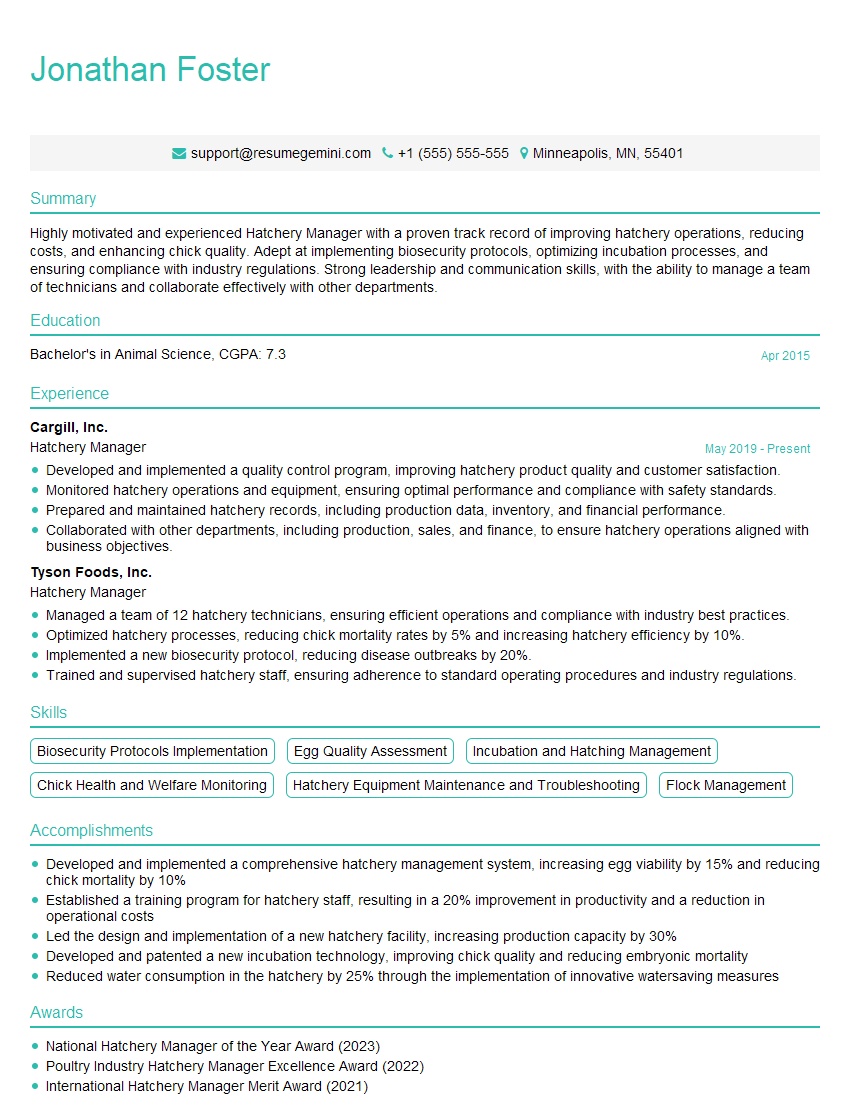
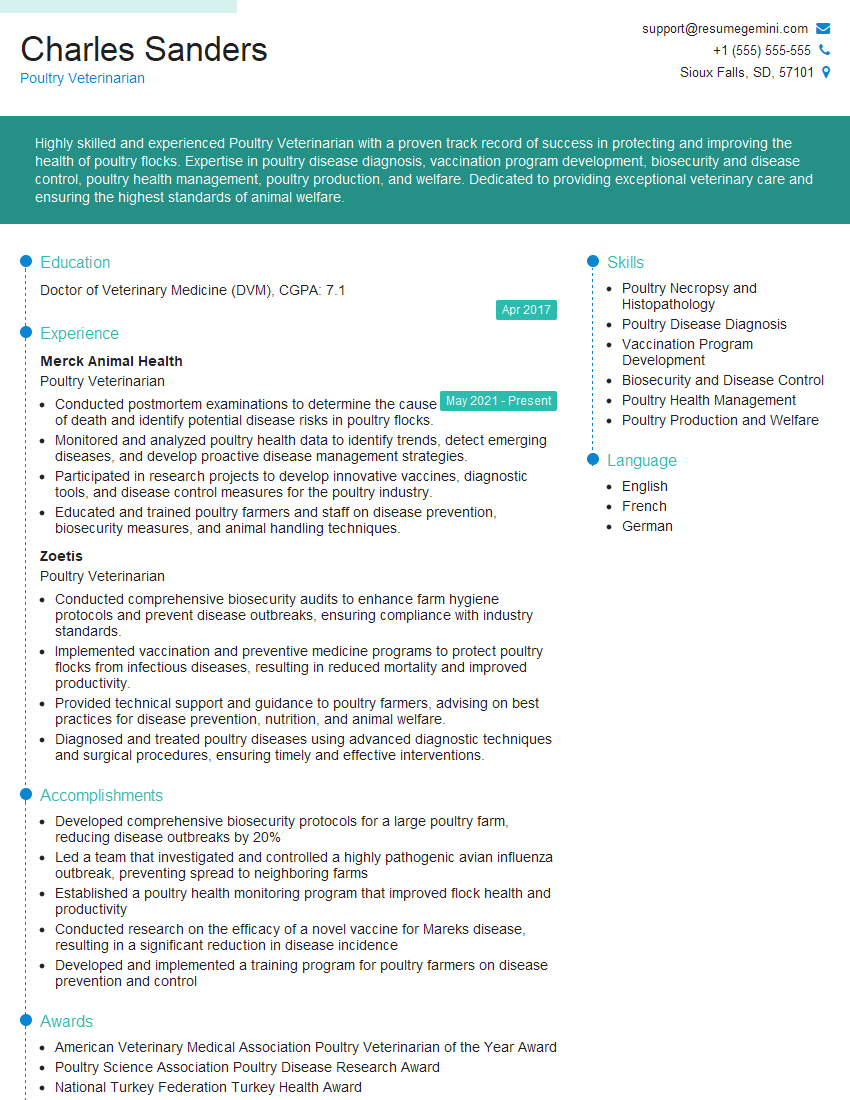
Mastering Poultry Production Practices is crucial for a successful and rewarding career in the agricultural industry. A strong understanding of these concepts demonstrates your expertise and commitment to excellence. To significantly increase your job prospects, focus on creating an ATS-friendly resume that highlights your skills and experience effectively. We highly recommend using ResumeGemini, a trusted resource for building professional resumes that catch the eye of recruiters. ResumeGemini provides examples of resumes tailored to Poultry Production Practices, allowing you to create a compelling application that showcases your qualifications in the best possible light.
Explore more articles
Users Rating of Our Blogs
Share Your Experience
We value your feedback! Please rate our content and share your thoughts (optional).
What Readers Say About Our Blog
Really detailed insights and content, thank you for writing this detailed article.
IT gave me an insight and words to use and be able to think of examples