Are you ready to stand out in your next interview? Understanding and preparing for Preparing and Processing Shipping Documents interview questions is a game-changer. In this blog, we’ve compiled key questions and expert advice to help you showcase your skills with confidence and precision. Let’s get started on your journey to acing the interview.
Questions Asked in Preparing and Processing Shipping Documents Interview
Q 1. Explain the process of preparing a commercial invoice.
A commercial invoice is a crucial document that details the goods sold, their value, and payment terms. It’s essentially the seller’s bill for the goods. Think of it as a formal sales receipt for international trade. Preparing one involves several key steps:
- Seller Information: Include your company name, address, and contact details.
- Buyer Information: Clearly state the buyer’s company name, address, and contact information.
- Invoice Number and Date: Assign a unique invoice number and the date of issuance.
- Description of Goods: List each item, including quantity, description (be specific!), unit price, and total price. Use harmonized system (HS) codes for customs clearance. For example:
Item 1: 100 units of 'Leather Shoes', HS Code 6403.99, Unit Price: $50, Total Price: $5000 - Incoterms: Specify the Incoterms (International Commercial Terms) that define the responsibilities of the buyer and seller regarding shipping and insurance. (We’ll cover this more in another question).
- Payment Terms: Clearly outline payment methods, due dates, and any discounts.
- Shipping Information: Include the shipping address, mode of transport, and any relevant shipping marks.
- Total Amount: Calculate and clearly state the total amount due.
- Seller’s Signature and Stamp: Authorize the invoice with your company’s signature and stamp.
For example, imagine exporting handcrafted furniture. The commercial invoice would detail each piece – its dimensions, material, style – and total cost, clearly differentiating a hand-carved armoire from a simple coffee table. Accurate and detailed commercial invoices help ensure smooth customs processing and avoid delays.
Q 2. What is a Bill of Lading and its key components?
A Bill of Lading (B/L) is a crucial document serving as both a receipt for goods and a contract for carriage. It’s the primary document that shows ownership and possession of goods during shipment. Key components include:
- Consignee: The party to whom the goods are to be delivered.
- Consignor: The party who ships the goods.
- Notify Party: An individual or company that should be notified upon arrival of goods.
- Vessel Name and Voyage Number: Specifies the ship and journey used for sea freight.
- Port of Loading and Port of Discharge: The locations where goods are loaded onto and unloaded from the vessel.
- Description of Goods: A precise description of the goods, including quantity and packaging.
- Freight Charges: Details of shipping costs.
- B/L Number: A unique identifier for the specific shipment.
- Date of Issue: The date the B/L is created.
Think of a B/L as a passport for your goods. It confirms everything about their journey from origin to destination. Without a correctly completed B/L, customs officials won’t release your shipment.
Q 3. Describe the difference between an Incoterm CFR and CIF.
Both CFR (Cost and Freight) and CIF (Cost, Insurance, and Freight) are Incoterms that define the responsibilities of the seller and buyer. The key difference lies in insurance:
- CFR: The seller is responsible for delivering the goods to the named port of destination. The buyer is responsible for arranging and paying for marine insurance.
- CIF: The seller is responsible for delivering the goods to the named port of destination and for procuring and paying for marine insurance.
Imagine exporting coffee beans from Brazil to the US. With CFR, the Brazilian exporter delivers the beans to a US port; the US importer arranges insurance. Under CIF, the exporter handles the insurance, adding this cost to the overall price. The choice depends on risk tolerance; the buyer might prefer CFR to manage their own insurance selection and potentially secure better rates.
Q 4. How do you ensure compliance with export regulations?
Ensuring export compliance is paramount to avoid penalties and legal issues. The process involves:
- Knowing the Goods: Understand the specific regulations that apply to your product. Some goods are restricted or require special licenses.
- Destination Country Regulations: Research and understand the import regulations of the destination country. These can vary widely.
- Export Control Classifications: Categorize goods based on the appropriate export control classification numbers (ECCNs) and determine any licensing requirements.
- Proper Documentation: Ensure all necessary documentation, including export licenses, certificates of origin, and commercial invoices, are accurate and complete.
- Record Keeping: Maintain detailed records of all export transactions for a specified period, typically 5 years.
- Partnering with a Customs Broker: Consider using a customs broker for assistance with complex procedures and compliance matters.
Imagine trying to export high-tech equipment. You need to be meticulously aware of restrictions and licenses dictated by both your home and the recipient country’s regulations to avoid delays or legal troubles.
Q 5. What is a packing list and why is it important?
A packing list details the contents of each package in a shipment. It’s not a legal document like the B/L, but it’s crucial for efficient logistics and inventory control. It lists:
- Package Markings: Identifying marks and numbers on each package (e.g., carton number, weight).
- Description of Goods: Details each item within each package.
- Quantity of Goods: The number of each item in each package.
- Package Type and Dimensions: (e.g., cartons, pallets, dimensions).
- Total Number of Packages: The overall count of packages in the shipment.
- Total Weight and Dimensions: The entire shipment’s weight and volume.
Think of it as a detailed inventory list for each box. It helps receivers quickly verify the contents, expedite unloading, and resolve potential discrepancies. Imagine receiving a pallet of electronics; a clear packing list avoids confusion and lost items.
Q 6. Explain the process of generating a Certificate of Origin.
A Certificate of Origin (COO) is a document certifying the country of origin of goods. It’s often required for customs purposes and helps determine tariffs and trade preferences. Generating one usually involves:
- Application: Obtain an application form from your local Chamber of Commerce or relevant authority.
- Documentation: Provide supporting documentation such as commercial invoices, packing lists, and other evidence proving the country of origin.
- Review and Verification: The issuing authority will review your application and documentation.
- Issuance: Once approved, the COO will be issued and stamped.
Different countries have different procedures and requirements. A COO can be crucial for accessing preferential trade agreements; for instance, a COO demonstrating goods originate in a specific country might grant lower import duties.
Q 7. How do you handle discrepancies in shipping documents?
Discrepancies in shipping documents are unfortunately common. Handling them requires careful attention to detail and a methodical approach:
- Identify and Document Discrepancies: Clearly identify all discrepancies between documents. Compare the commercial invoice, packing list, B/L, and any other relevant documents.
- Communicate with Parties Involved: Contact the buyer, seller, and freight forwarder to address inconsistencies. Provide photographic evidence if needed.
- Amend Documents (If Necessary): In some cases, documents might need to be amended to reflect the correct information. This should be done formally and documented.
- Seek Clarification: If the discrepancies are unclear, seek advice from customs officials or a trade professional.
- Documentation of Resolution: Keep a detailed record of all communications and actions taken to address the discrepancies.
A common discrepancy might be a mismatch between the quantity stated on the invoice and that on the packing list. Prompt identification and resolution avoid costly delays and disputes.
Q 8. What software or systems are you familiar with for processing shipping documents?
I’m proficient in several software systems used for processing shipping documents. This includes Transportation Management Systems (TMS) like Oracle Transportation Management (OTM), SAP Transportation Management, and Blue Yonder. I also have experience with Electronic Data Interchange (EDI) systems for seamless data exchange with carriers and customers. These systems automate many tasks, from generating shipping labels and documentation to tracking shipments in real-time. For example, using OTM, I can efficiently manage bookings, generate customs documentation, and track shipments across various modes of transport with detailed visibility into their status and estimated time of arrival (ETA).
Beyond TMS and EDI, I’m comfortable using various other software including specialized customs brokerage software, warehouse management systems (WMS) for integration with inventory and order management, and various spreadsheet software (like Excel) for data analysis and reporting. My experience covers both cloud-based and on-premise solutions.
Q 9. Describe your experience with customs brokerage procedures.
My experience with customs brokerage procedures is extensive. I’ve handled import and export documentation for various countries, ensuring compliance with all relevant regulations and tariffs. This includes preparing and submitting entry documents such as commercial invoices, packing lists, bills of lading, certificates of origin, and other required documentation specific to the product and destination country. I understand the importance of accurate classification of goods according to the Harmonized System (HS) codes to avoid delays and penalties. I’m also familiar with various customs regulations and procedures, including Free Trade Agreements (FTAs) and bonded warehousing.
For example, I once navigated a complex situation involving the import of specialized medical equipment into Japan. This required meticulous attention to detail in preparing documentation, ensuring compliance with strict Japanese regulations and successfully obtaining the necessary import licenses and permits. This experience highlighted the importance of proactively identifying potential compliance challenges and working closely with customs brokers to mitigate any risks.
Q 10. How do you track shipments and resolve delivery issues?
Shipment tracking and issue resolution are crucial aspects of my role. I utilize the tracking numbers provided by carriers and leverage the tracking functionalities within the TMS and other software systems mentioned earlier to monitor shipments in real-time. This provides visibility into the location, status, and ETA of each shipment. In cases of delays or delivery issues, I investigate the cause using the tracking information and communicate directly with the carriers to identify solutions. This may involve expediting the shipment, rerouting it, or initiating claims in case of damage or loss.
For example, a recent issue involved a delayed shipment due to unforeseen weather conditions. I proactively communicated the delay to the customer, providing updates regularly and coordinating with the carrier to secure alternative transportation and expedite delivery. Effective communication and proactive problem-solving were key to minimizing disruption for the customer.
Q 11. What are the different modes of transportation and their implications for documentation?
Different modes of transportation—ocean freight, air freight, rail, and trucking—each have specific documentation requirements. Ocean freight uses Bills of Lading (B/L), which serve as the contract of carriage and proof of ownership. Air freight utilizes Air Waybills (AWB), which are non-negotiable documents. Rail transport involves rail bills, while trucking uses bills of lading or freight bills. The choice of transportation impacts the speed, cost, and documentation complexity. For instance, air freight, while faster and more expensive, requires less detailed documentation compared to ocean freight, which involves more complex procedures and documentation, including various certifications.
Each mode also has implications for insurance and customs declarations. For example, a shipment of perishable goods via air freight requires careful attention to temperature-controlled handling and specific documentation to meet stringent regulatory standards. Choosing the appropriate mode of transportation often involves trade-offs, and selecting the most appropriate method requires careful consideration of the goods, destination, and time constraints.
Q 12. How do you handle urgent or expedited shipments?
Handling urgent or expedited shipments requires prioritizing and streamlining processes. This includes working closely with carriers to secure expedited services, such as air freight or priority trucking. I also prioritize documentation preparation to ensure timely processing and clearance at customs. Communication with all parties involved—shippers, carriers, and recipients—is crucial, providing regular updates on the shipment’s progress and addressing any concerns promptly. For example, I’ve coordinated the urgent delivery of critical medical supplies, prioritizing the shipment through every step and securing expedited customs clearance to ensure delivery within the shortest possible timeframe. This often involves leveraging established relationships with carriers and customs brokers to expedite the process.
Q 13. Explain your experience with different Incoterms (e.g., DDP, EXW).
Incoterms (International Commercial Terms) define the responsibilities of buyers and sellers in international trade. I have extensive experience with various Incoterms, including DDP (Delivered Duty Paid) and EXW (Ex Works). DDP means the seller bears all costs and risks involved in delivering the goods to the named place of destination. This includes customs duties, taxes, and transportation costs. EXW, conversely, places the majority of responsibility on the buyer, with the seller only obligated to make the goods available at their premises. Understanding Incoterms is crucial for accurate documentation and defining liability for both parties involved.
For example, in a transaction with DDP terms, I would ensure all necessary documentation for customs clearance is prepared and submitted by the seller, and that the seller is responsible for the cost and arrangement of international shipping and all associated fees. With EXW, the buyer would be responsible for arranging and paying for the transport from the seller’s premises.
Q 14. How do you manage documentation for hazardous materials shipments?
Managing documentation for hazardous materials shipments requires strict adherence to regulations set by organizations like the International Maritime Organization (IMO) and the International Air Transport Association (IATA). This involves preparing detailed shipping papers that accurately classify the hazardous material using the appropriate UN numbers, hazard classes, and packing groups. It also necessitates securing the necessary certifications and permits, such as the Safety Data Sheet (SDS) and appropriate packaging that meets stringent safety regulations. Failure to comply can result in significant penalties and safety hazards.
For instance, shipping lithium batteries requires meticulous documentation, including specifying the battery’s type, capacity, and proper packaging. I’ve personally managed the documentation for various hazardous materials shipments, ensuring full compliance with all relevant regulations to ensure safety and avoid any legal issues.
Q 15. Describe your experience with electronic data interchange (EDI).
Electronic Data Interchange (EDI) is the electronic exchange of business documents in a standardized format between trading partners. Think of it as email, but instead of informal messages, it’s structured data like purchase orders, invoices, and shipping instructions. My experience with EDI spans several years, encompassing implementation, troubleshooting, and data analysis. I’ve worked extensively with different EDI formats, such as ANSI X12 and EDIFACT, and I’m proficient in using various EDI translation software. For example, in my previous role, we transitioned from paper-based purchase orders to EDI-based orders, resulting in a significant reduction in processing time and errors. The system automated data entry, eliminating manual data entry errors and streamlining the entire procurement process. We implemented robust error handling and monitoring systems to ensure data integrity and prompt issue resolution. I’m also familiar with mapping requirements between our internal systems and trading partner systems to ensure seamless data flow.
Career Expert Tips:
- Ace those interviews! Prepare effectively by reviewing the Top 50 Most Common Interview Questions on ResumeGemini.
- Navigate your job search with confidence! Explore a wide range of Career Tips on ResumeGemini. Learn about common challenges and recommendations to overcome them.
- Craft the perfect resume! Master the Art of Resume Writing with ResumeGemini’s guide. Showcase your unique qualifications and achievements effectively.
- Don’t miss out on holiday savings! Build your dream resume with ResumeGemini’s ATS optimized templates.
Q 16. How do you ensure the accuracy and completeness of shipping documents?
Ensuring accuracy and completeness in shipping documents is paramount to avoid delays, penalties, and potential legal issues. My approach is multi-faceted and involves a series of checks and balances. First, I meticulously verify all data against the original order, confirming that the product descriptions, quantities, weights, and dimensions align perfectly. Second, I perform a thorough review of the addresses, ensuring they’re complete and accurately formatted for both the origin and destination. Third, I double-check all customs declarations and export documentation, confirming compliance with relevant regulations. Finally, I implement a system of cross-referencing and reconciliation, comparing information across all documents to identify any discrepancies. For instance, I use checksums and reconciliation reports to verify that the data entered is consistent across various documents. Think of it like a detective’s work—every piece of evidence (document) must align with the rest, or it raises a red flag. This rigorous process minimizes errors and maximizes the likelihood of a smooth and efficient shipping process.
Q 17. What is your experience with different types of Bill of Ladings (e.g., ocean, air)?
I have extensive experience with various Bill of Ladings (BOLs), including ocean, air, and even some rail BOLs. Ocean Bills of Lading, often used for maritime transport, are more complex, detailing the journey across multiple ports and potentially involving multiple carriers. Air Waybills, used for air freight, are simpler, focusing on the flight segments and often incorporating electronic tracking systems. The key differences lie in the specific details required by each mode of transport. For example, an ocean BOL includes details about the vessel, port of loading, port of discharge, and often includes descriptions of the cargo’s packaging. An Air Waybill focuses more on flight details, carrier information, and often serves as a contract between the shipper and the carrier. I’m adept at navigating these differences and preparing the correct documentation for each mode of transport, understanding the liabilities and responsibilities that each entails.
Q 18. How do you handle shipping document archiving and retrieval?
Archiving and retrieval of shipping documents is crucial for auditing, compliance, and potential claims. We utilize a combination of electronic and physical archiving methods, depending on client requirements and document type. Electronic archiving involves storing documents in a secure, searchable database with robust version control. This allows for quick retrieval via keyword searches or date ranges. For sensitive information, we leverage encryption and access control measures. Physical documents are kept in a secure, climate-controlled environment following specific retention policies. For example, we might archive electronic documents for 7 years and physical documents for 10 years, meeting regulatory compliance requirements. A robust indexing system—both electronic and physical—ensures efficient retrieval, allowing us to quickly locate specific documents when needed, whether for insurance claims, audits, or customer inquiries. This system has proven crucial in quickly responding to requests while maintaining data integrity and security.
Q 19. What is your process for verifying shipping addresses and customs information?
Verifying shipping addresses and customs information is critical for successful delivery and compliance. We use a multi-step process. First, we validate addresses using address verification software, cross-referencing them with postal databases to correct any errors or inconsistencies. Second, we meticulously examine customs information, ensuring accurate descriptions of the goods, harmonized tariff codes (HS codes), and values to prevent delays and potential penalties. Third, for international shipments, we review the necessary export and import licenses, certificates of origin, and other required documentation. A common mistake is an incorrect postal code, which might result in delayed delivery. We always double-check this information, along with full street addresses and contact information. For customs declarations, we utilize online tools and resources from the relevant customs authorities to ensure compliance with the latest regulations. In short, we leave nothing to chance when it comes to address validation and customs information, as accuracy in these areas is paramount for successful and timely shipping.
Q 20. Describe your experience with international trade regulations.
My experience with international trade regulations is extensive. I have a deep understanding of regulations such as Incoterms (International Commercial Terms), which define the responsibilities of buyers and sellers in international trade transactions. I also possess a working knowledge of various export control regulations, including those related to sanctions, embargoes, and dual-use goods. Furthermore, I am familiar with customs regulations in numerous countries, including documentation requirements, tariff classifications, and customs procedures. I understand the importance of staying updated on these ever-changing regulations and actively monitor updates and changes to ensure compliance. Handling international shipments often involves navigating complicated trade regulations. For instance, I’ve had to deal with variations in labeling requirements for hazardous materials across different countries. My ability to correctly interpret and apply these rules is critical to minimizing risks and ensuring smooth transit.
Q 21. Explain the importance of proper documentation for insurance claims.
Proper documentation is absolutely essential for successful insurance claims. Insurance companies require comprehensive documentation to verify the loss or damage and to determine liability. This includes the original BOL, packing lists, commercial invoices, proof of delivery, photographs of damaged goods, and any related communication between the shipper, carrier, and recipient. The more thorough the documentation, the more straightforward the claims process will be. Without proper documentation, proving the loss or damage becomes significantly more challenging. Imagine trying to claim reimbursement for lost goods without a tracking number or a signed delivery receipt. It is nearly impossible. That’s why maintaining accurate and complete records throughout the shipping process is critical for safeguarding against financial losses and ensuring a smooth claims resolution. We maintain a standardized documentation process to ensure that all the necessary information is readily available in the event of an incident.
Q 22. How do you identify and mitigate potential risks associated with shipping documentation?
Identifying and mitigating risks in shipping documentation is crucial for smooth and efficient operations. It involves a proactive approach that begins with understanding potential pitfalls and implementing preventive measures.
- Incomplete or Inaccurate Data: This is a major source of delays and costly errors. I mitigate this by implementing rigorous data entry checks and using standardized templates to ensure all necessary information (e.g., correct addresses, weight, dimensions, HS codes) is accurately captured before document generation. For example, I’ve developed a checklist that team members use before finalizing any shipping document.
- Non-Compliance with Regulations: Each country has specific import/export regulations. Staying updated on these and ensuring documents comply (e.g., correct certificates of origin, permits) is critical. I actively monitor regulatory changes and utilize resources like government websites and industry publications to maintain compliance.
- Document Loss or Damage: Physical documents can be lost or damaged. I mitigate this risk by utilizing electronic document management systems and maintaining multiple backups. Digital signatures further enhance security and authenticity.
- Fraud and Tampering: Ensuring the integrity of documents is key. I use security features like watermarks, sequential numbering, and tamper-evident seals where applicable. Moreover, verifying the authenticity of documents with suppliers and verifying the legitimacy of customers is critical.
By implementing these strategies, I minimize risks and ensure smooth shipping processes.
Q 23. How do you manage and resolve shipping document errors or omissions?
Errors and omissions in shipping documents can cause significant delays and financial losses. My approach to managing and resolving these issues involves a systematic process:
- Immediate Identification: I use automated checks within our document management system to flag potential errors or missing information. For example, if a required field is left blank, the system immediately alerts the relevant personnel.
- Root Cause Analysis: Once an error is identified, I investigate the root cause. Is it a system issue? Human error? This helps prevent future occurrences.
- Corrective Action: Depending on the severity of the error, I will either correct the document directly (if it’s a minor issue) or initiate a process to amend it officially with the relevant parties (carrier, customs authorities). I would inform all affected parties promptly and clearly.
- Documentation and Tracking: All corrections and amendments are meticulously documented, ensuring a clear audit trail for future reference. I assign tracking numbers or reference codes to follow the progress of each correction.
- Prevention: Finally, I would contribute to implementing new measures or retraining to prevent similar errors in the future. This could involve improving our data entry systems, providing additional staff training, or refining our document templates.
This structured approach minimizes disruption and ensures errors are rectified efficiently. I treat each error as a learning opportunity to improve our processes.
Q 24. What is your understanding of import duties and taxes?
Import duties and taxes are government-levied charges on imported goods. They can significantly impact the overall cost of shipping and are calculated based on various factors, including:
- Harmonized System (HS) Codes: These six-digit codes classify imported goods and determine the applicable duty rates.
- Country of Origin: The country where the goods were manufactured influences duty rates through trade agreements.
- Value of Goods: Duties and taxes are often calculated as a percentage of the declared value of the shipment.
- Weight and Volume: Some duties are assessed based on weight or volume.
Understanding these factors is crucial for accurate cost estimation and compliance. I ensure accurate HS codes are included in shipping documents to avoid delays or penalties. I also ensure the accurate valuation of the goods as per customs requirements. Incorrect information can lead to lengthy delays, additional fees, and even penalties. For example, misclassifying goods could lead to significant underpayment or overpayment of duties.
Q 25. How do you prioritize tasks and manage your workload when processing shipping documents?
Prioritizing tasks and managing my workload when processing shipping documents requires a well-defined strategy:
- Urgency and Importance: I use a prioritization matrix that classifies tasks based on their urgency and importance (e.g., time-sensitive shipments versus routine paperwork). This ensures urgent tasks are addressed promptly.
- Workflow Management: I employ workflow software or tools to track the progress of documents through various stages of processing. This visual representation aids in better task management and prioritization.
- Batch Processing: Where possible, I group similar tasks to improve efficiency and reduce context switching. For example, preparing multiple customs declarations for shipments going to the same country.
- Time Management Techniques: I use time-blocking to allocate specific time slots for focused work on particular tasks, minimizing distractions.
- Delegation: I delegate tasks where appropriate to maximize my own productivity and ensure timely document processing.
By using a combination of these strategies, I ensure that I can handle fluctuating workloads and meet deadlines consistently.
Q 26. Describe your experience working with freight forwarders and carriers.
My experience working with freight forwarders and carriers is extensive. I rely on them heavily for efficient and reliable shipping. I’ve built strong relationships with numerous partners, enabling seamless communication and problem-solving.
- Freight Forwarders: I work closely with them to arrange international shipments, handle customs documentation, and negotiate rates. I’ve found that clear communication and providing them with all the necessary documentation promptly is crucial for success. A specific example involved coordinating a complex shipment of sensitive equipment; the forwarder’s expertise in navigating customs regulations was invaluable.
- Carriers: I coordinate directly with carriers regarding shipment tracking, delivery schedules, and any potential issues. I regularly monitor shipment statuses and proactively address any delays or discrepancies. For example, I once had to work with a carrier to reroute a shipment due to unforeseen port closures.
Effective communication and collaboration with both freight forwarders and carriers are critical for successful shipping. I maintain detailed records of all interactions to ensure transparency and accountability.
Q 27. How do you stay updated on changes in shipping regulations and best practices?
Staying current with shipping regulations and best practices is essential in this dynamic industry. I utilize several methods to ensure my knowledge remains up-to-date:
- Industry Publications and Websites: I subscribe to industry newsletters, journals, and online resources that provide updates on regulatory changes, best practices, and emerging trends.
- Government Agencies: I regularly review websites of relevant government agencies (e.g., Customs and Border Protection) to access the latest regulations and guidelines for different countries.
- Professional Organizations: Membership in professional organizations provides access to training, webinars, and networking opportunities, facilitating knowledge sharing within the industry.
- Industry Events and Conferences: Attending conferences and workshops enables me to learn from experts and network with peers, gathering insights into the latest developments.
- Software Updates: Many software solutions used in shipping incorporate regulatory updates. Staying current with these updates ensures the software remains compliant.
Continuous learning is crucial in this field, and I am committed to staying ahead of the curve to ensure compliance and operational excellence.
Key Topics to Learn for Preparing and Processing Shipping Documents Interview
- Understanding Incoterms: Learn the practical implications of different Incoterms (e.g., FOB, CIF, DDP) and how they affect shipping documentation requirements and responsibilities.
- Bill of Lading (B/L) Mastery: Go beyond basic knowledge. Understand the different types of B/Ls (straight, order, negotiable), their importance in international trade, and how to correctly complete them. Practice identifying potential errors and inconsistencies.
- Commercial Invoice Preparation: Focus on accuracy and completeness. Understand the importance of accurate descriptions, HS codes, and the impact of errors on customs clearance.
- Packing Lists and their Significance: Learn how to create detailed and accurate packing lists that match the contents of shipments. Understand how discrepancies can lead to delays and complications.
- Customs Documentation: Explore the various forms and procedures involved in customs declarations. Understand the requirements for specific goods and the potential implications of non-compliance.
- Shipping Manifest Creation: Learn how to accurately prepare shipping manifests, including details of the cargo, routing, and associated documents. Understand the role of manifests in tracking shipments.
- Electronic Data Interchange (EDI): Familiarize yourself with the use of EDI for efficient document exchange. Understand its benefits and potential challenges in shipping operations.
- Freight Forwarding and Logistics Processes: Understand the role of freight forwarders and the different aspects of the shipping process they manage. This helps you understand the context of document preparation.
- Problem-solving Scenarios: Practice identifying and resolving common issues related to missing documents, discrepancies in information, and delays in processing. Consider how different documents relate to each other and how to maintain consistency.
- Compliance and Regulations: Understand relevant international and national regulations and how they impact document preparation and shipping procedures. This shows your commitment to best practices.
Next Steps
Mastering the preparation and processing of shipping documents is crucial for career advancement in logistics, international trade, and supply chain management. These skills demonstrate attention to detail, accuracy, and a solid understanding of global commerce. To enhance your job prospects, creating an ATS-friendly resume is essential. ResumeGemini is a trusted resource that can help you build a professional and effective resume highlighting your expertise. Examples of resumes tailored to Preparing and Processing Shipping Documents are available to guide you through the process.
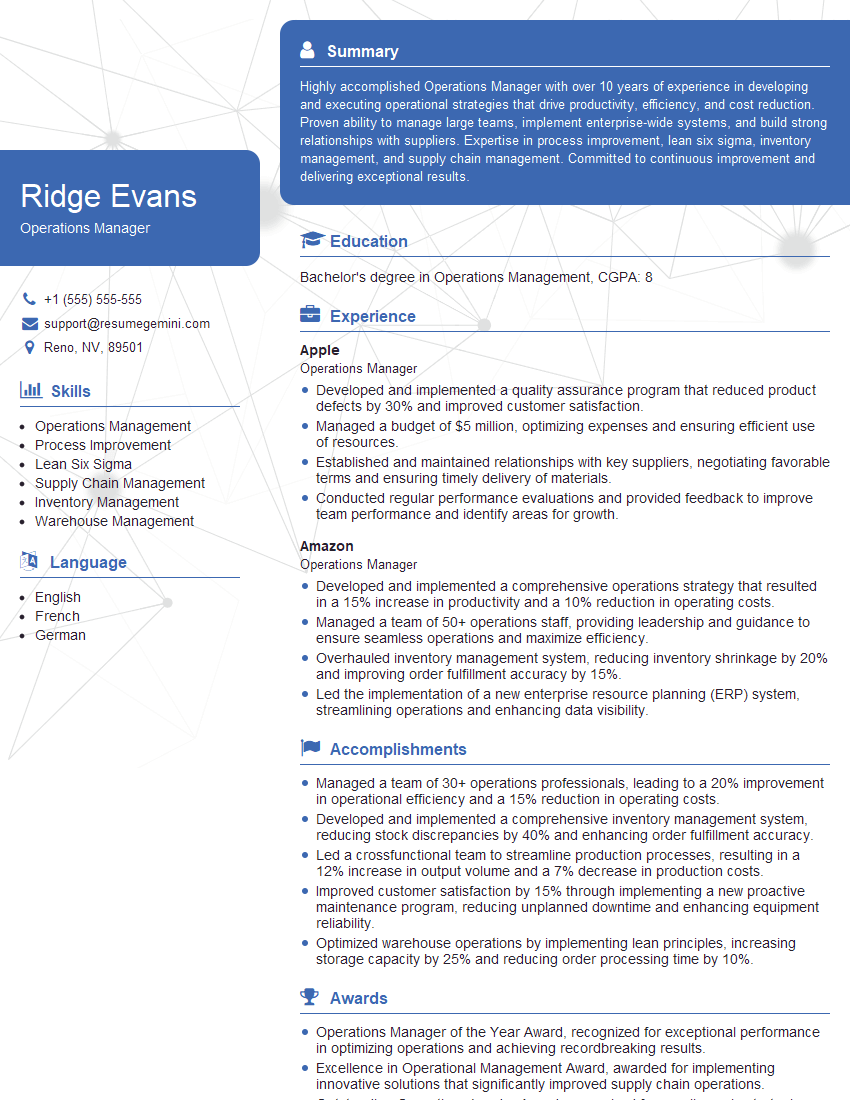
Operations Manager Resume Sample
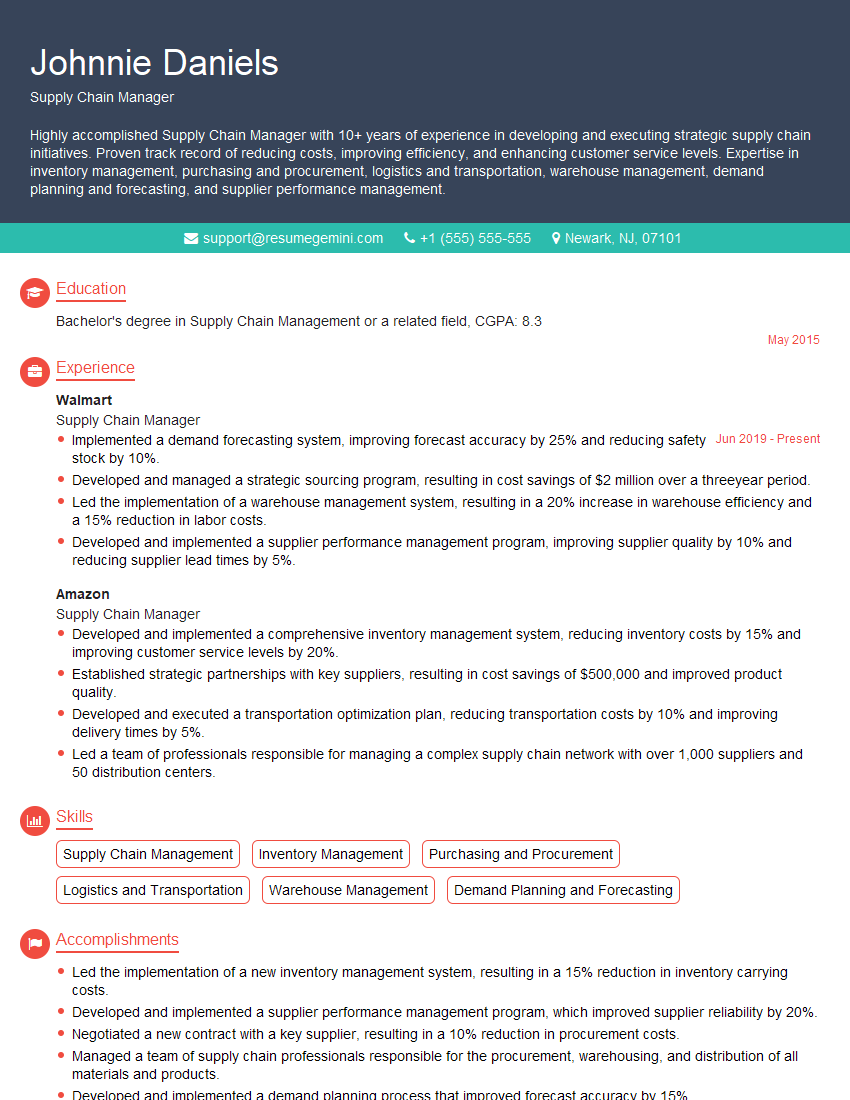
Supply Chain Manager Resume Sample
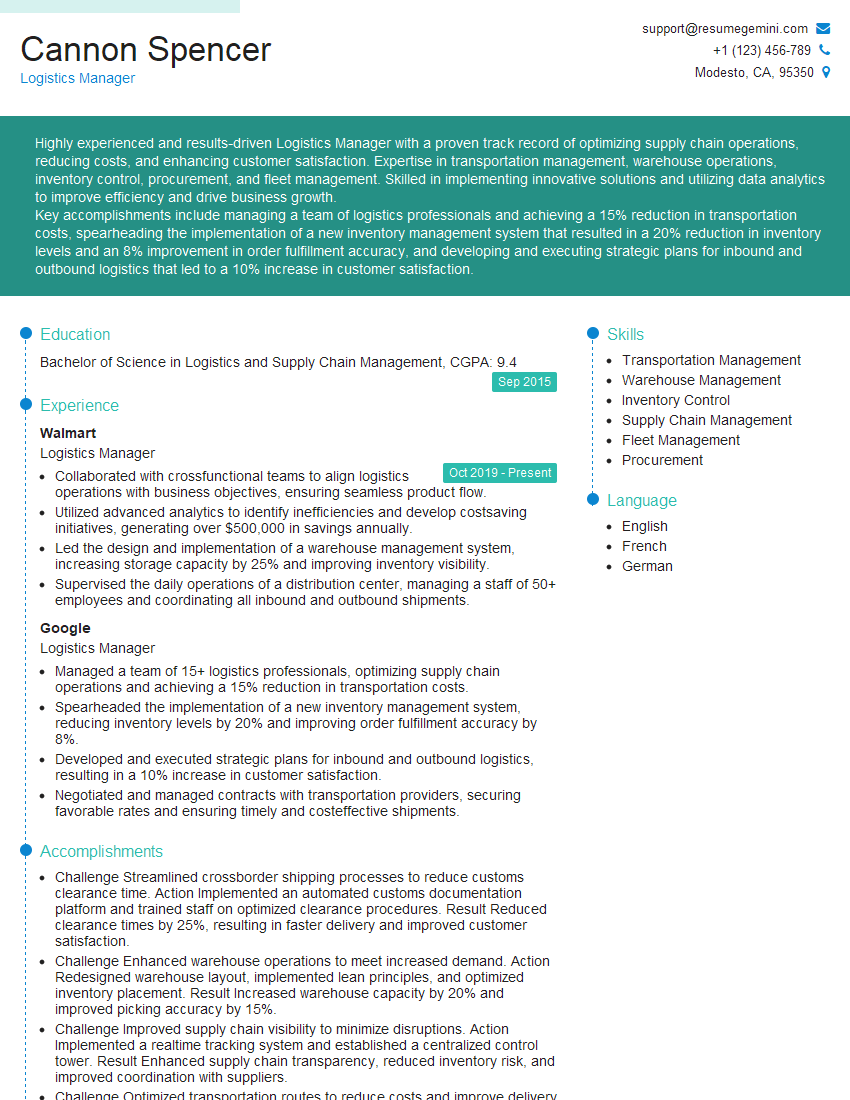
Logistics Manager Resume Sample
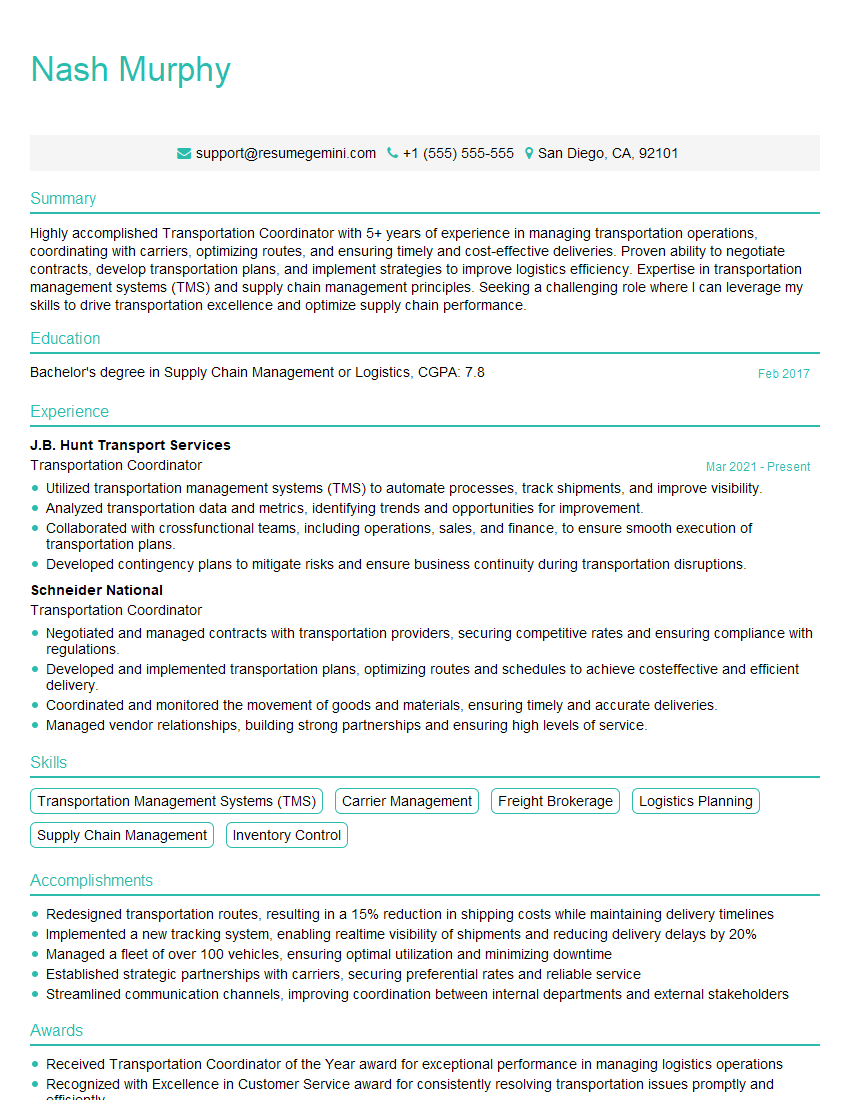
Transportation Coordinator Resume Sample
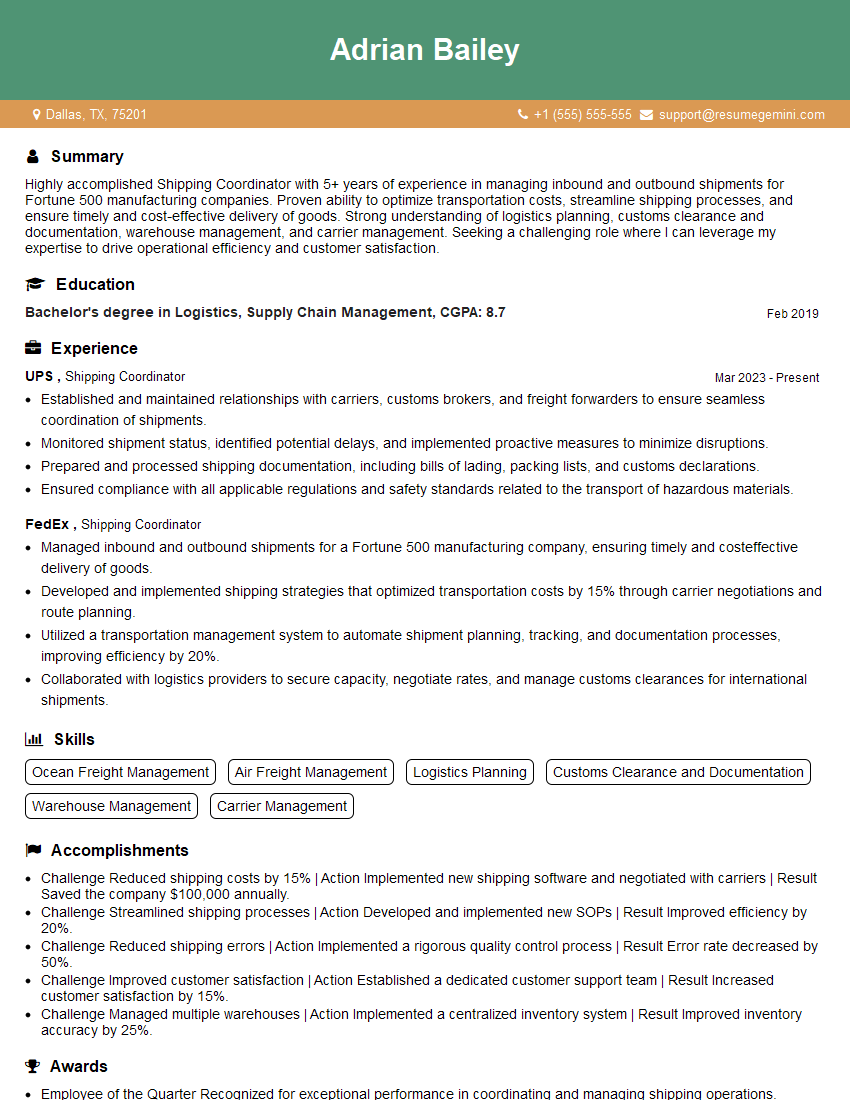
Shipping Coordinator Resume Sample
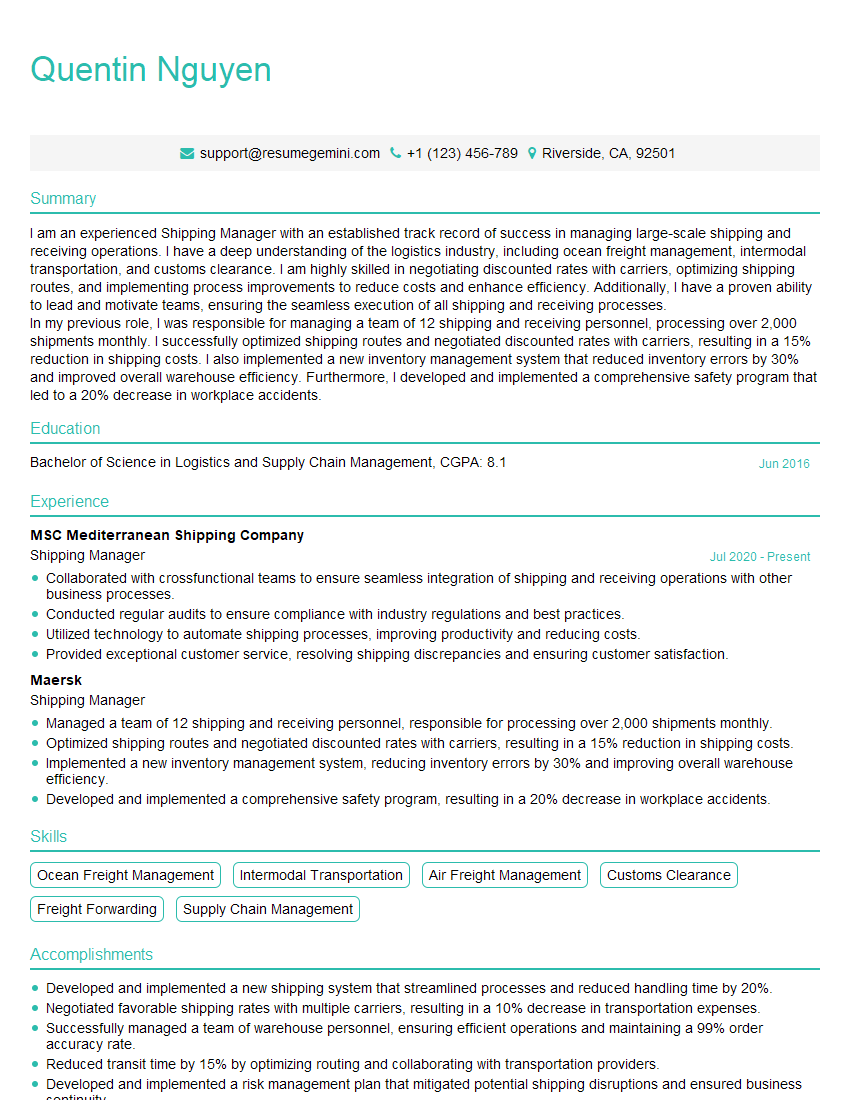
Shipping Manager Resume Sample
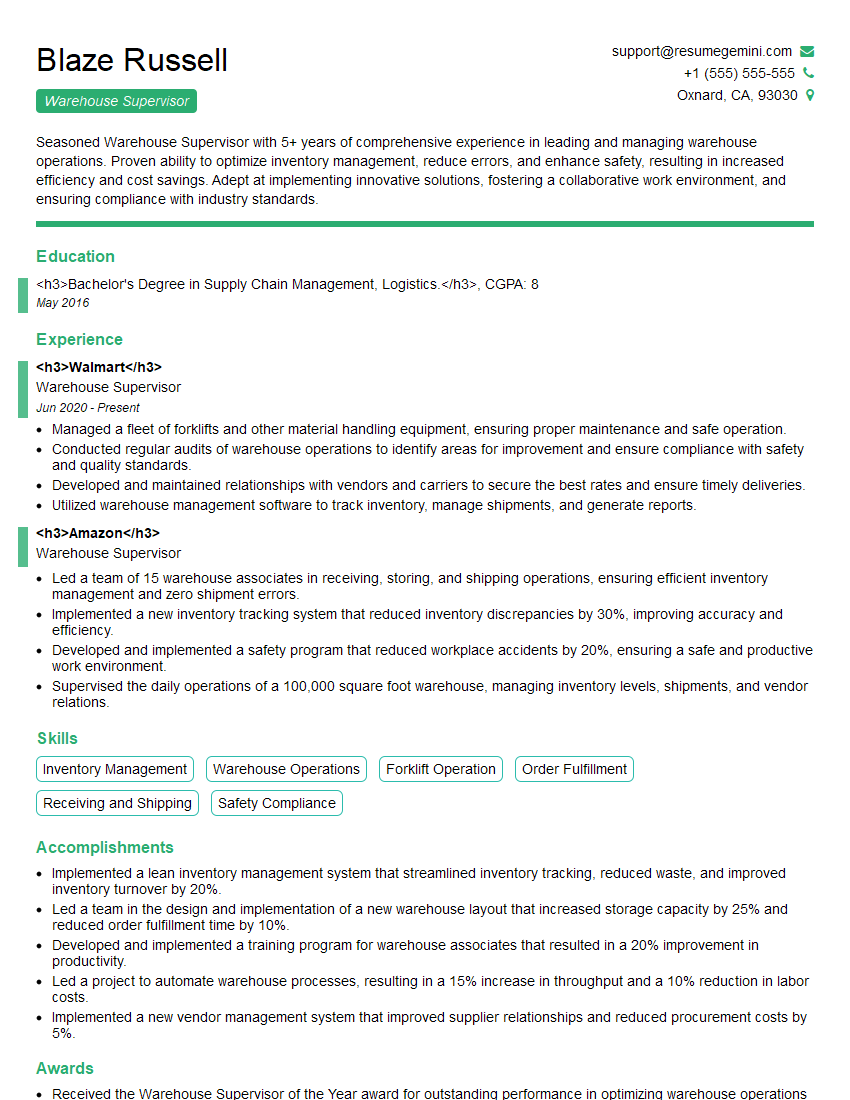
Warehouse Supervisor Resume Sample
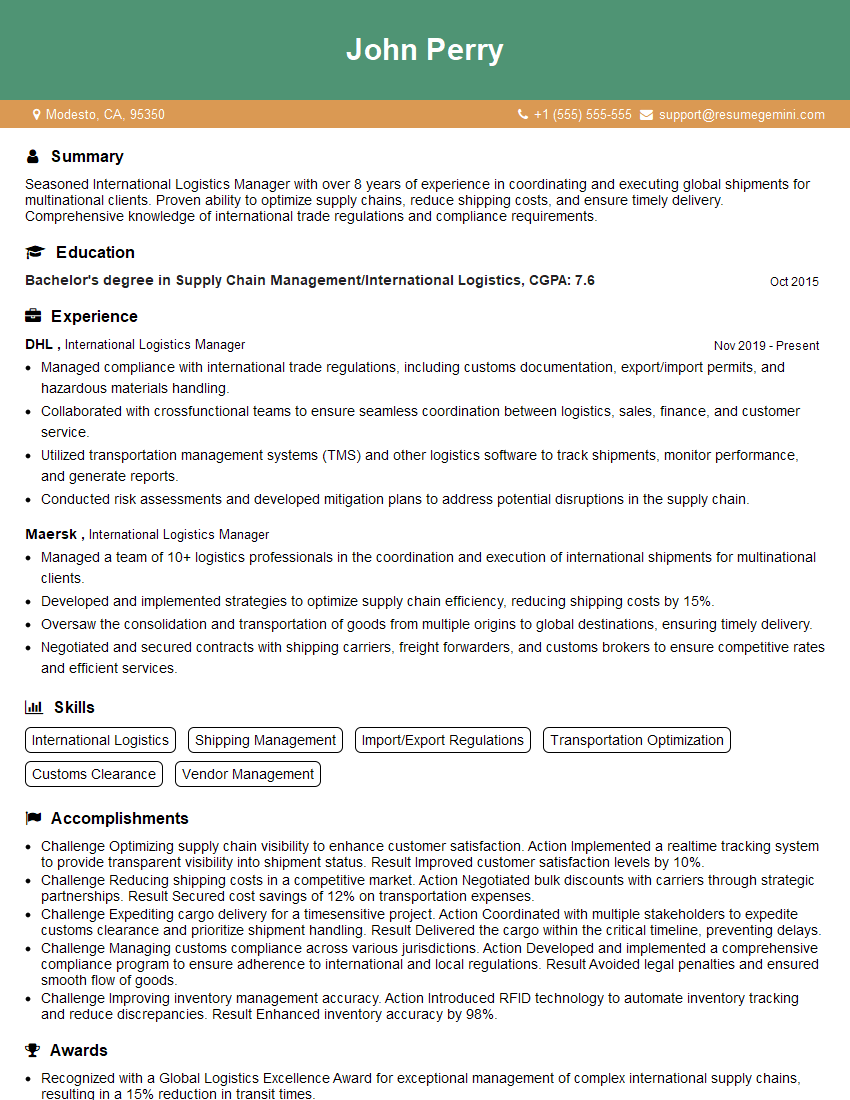
International Logistics Manager Resume Sample
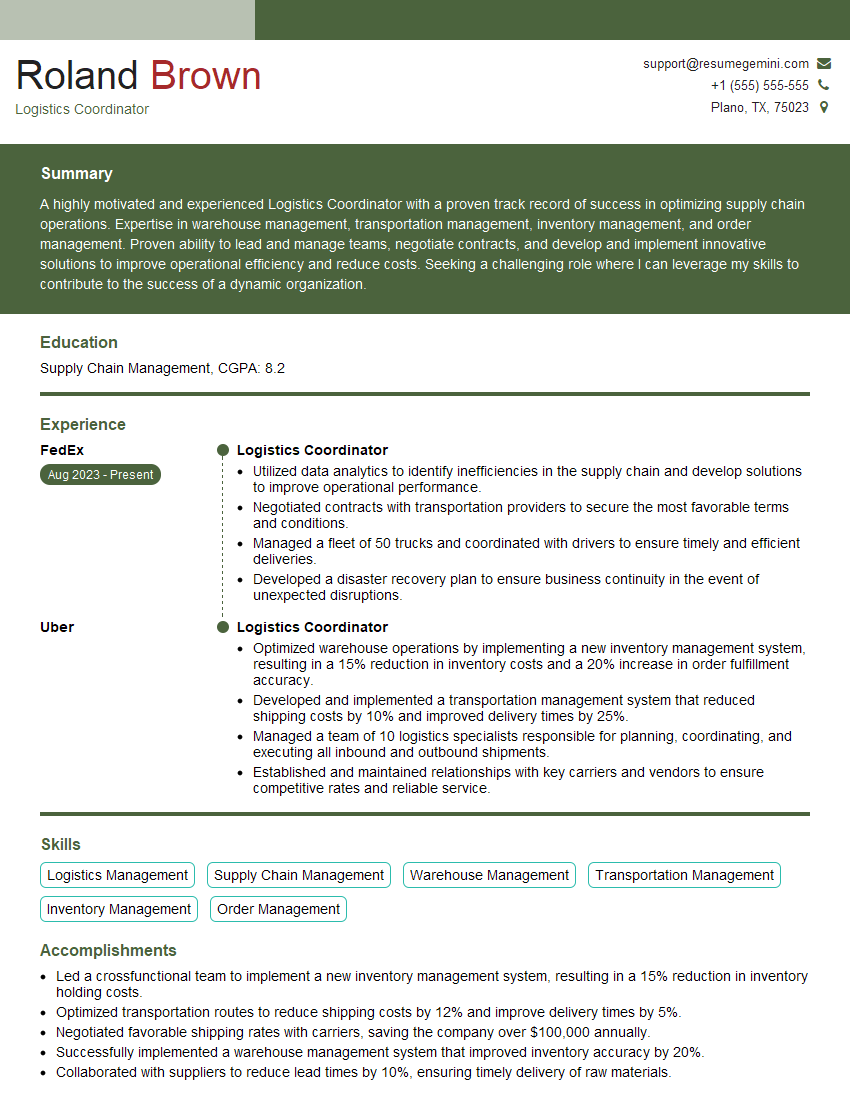
Logistics Coordinator Resume Sample
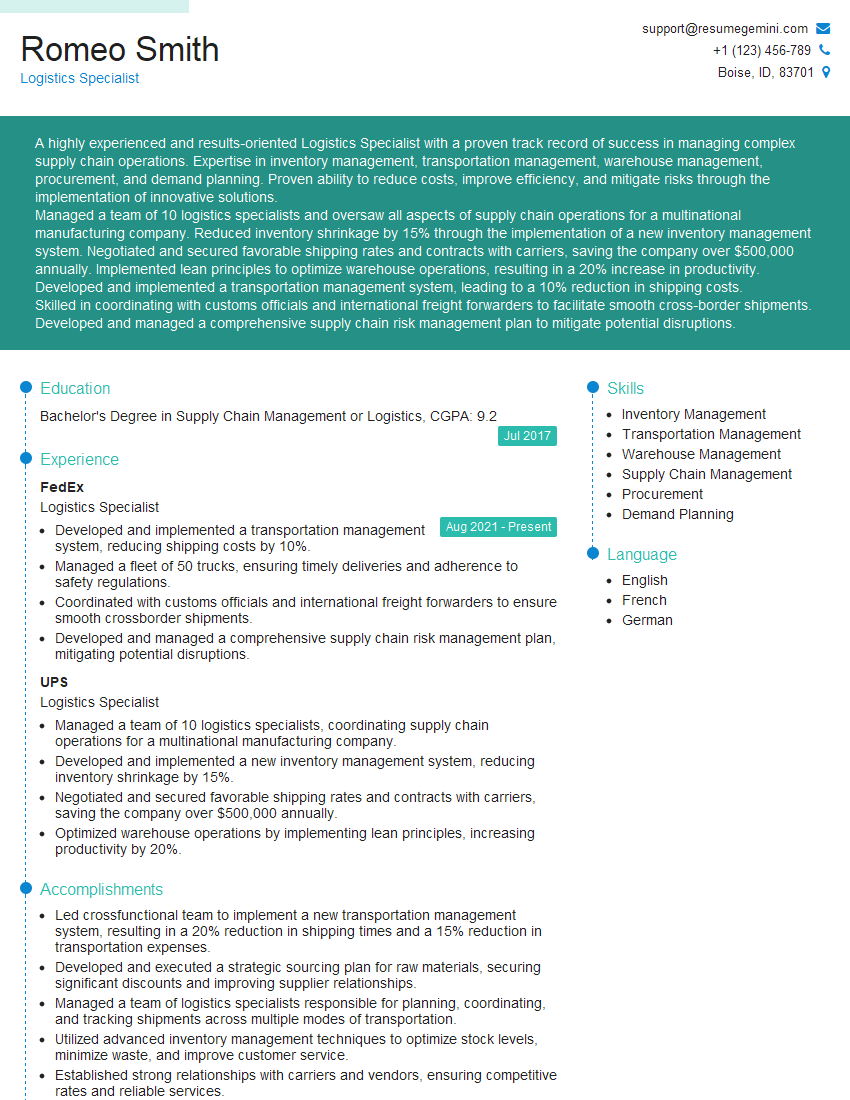
Logistics Specialist Resume Sample
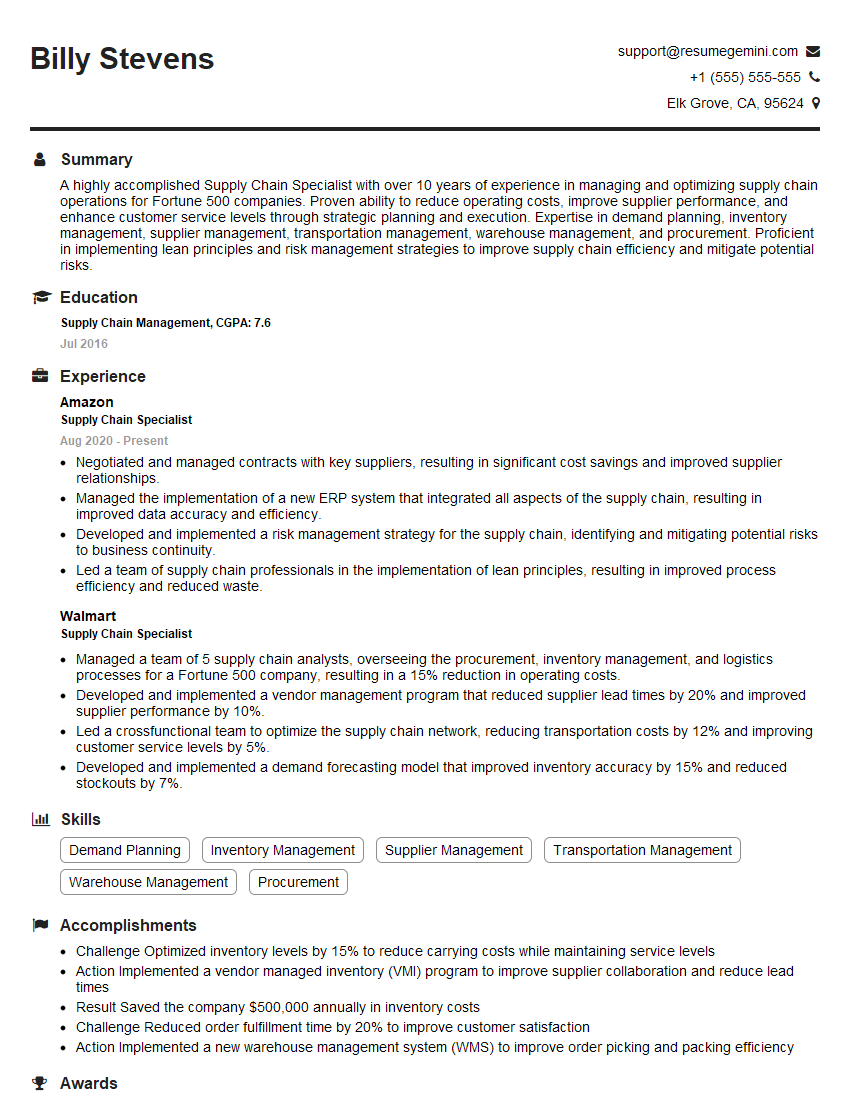
Supply Chain Specialist Resume Sample
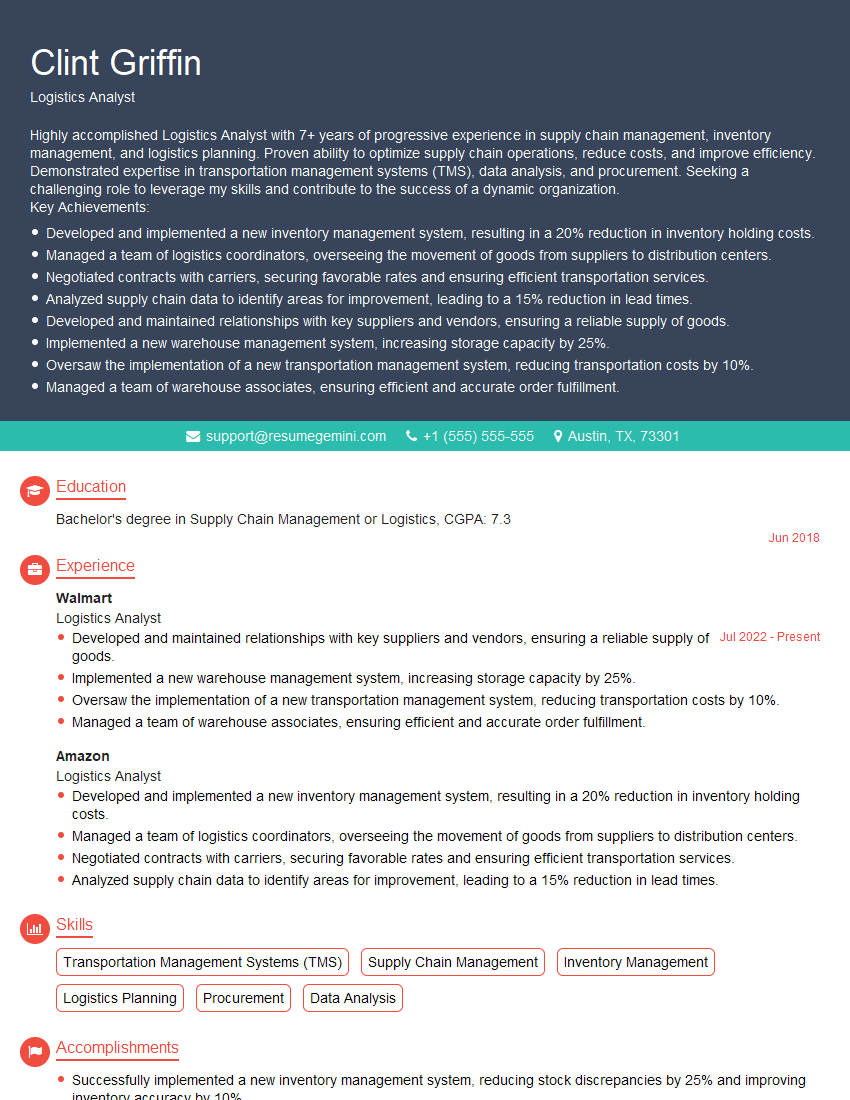
Logistics Analyst Resume Sample
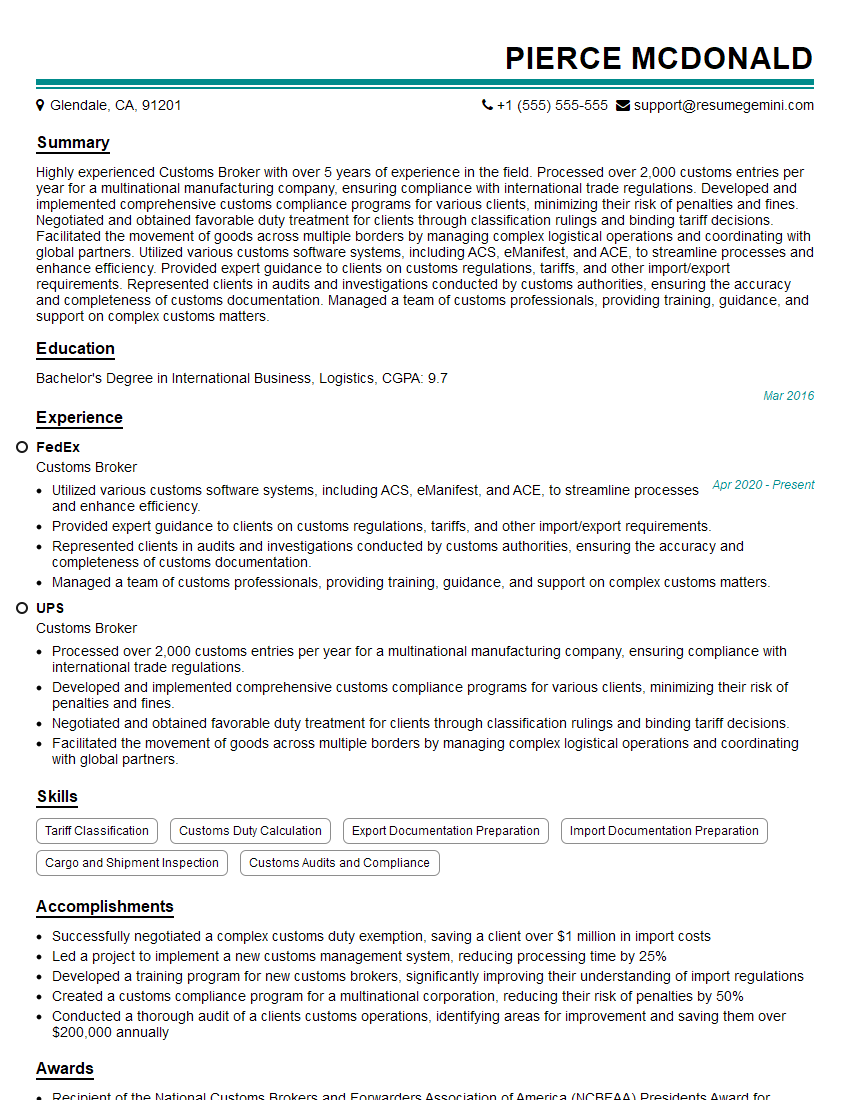
Customs Broker Resume Sample
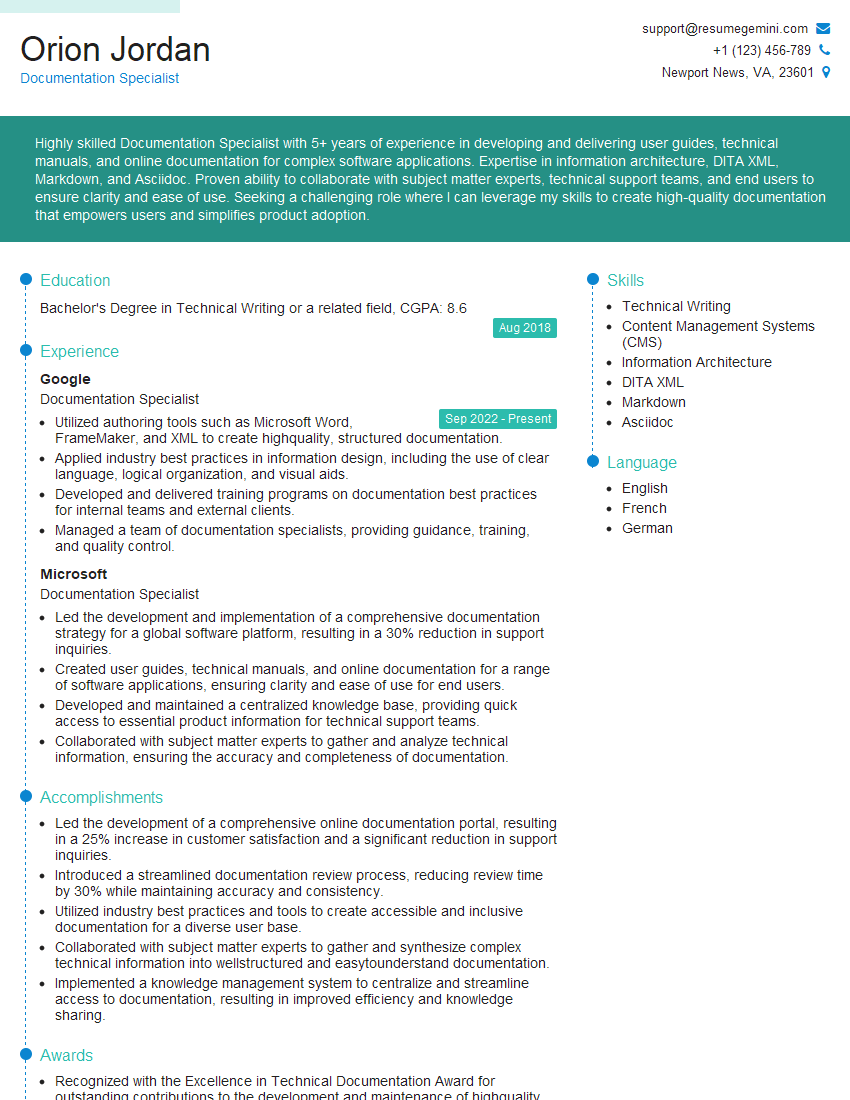
Documentation Specialist Resume Sample
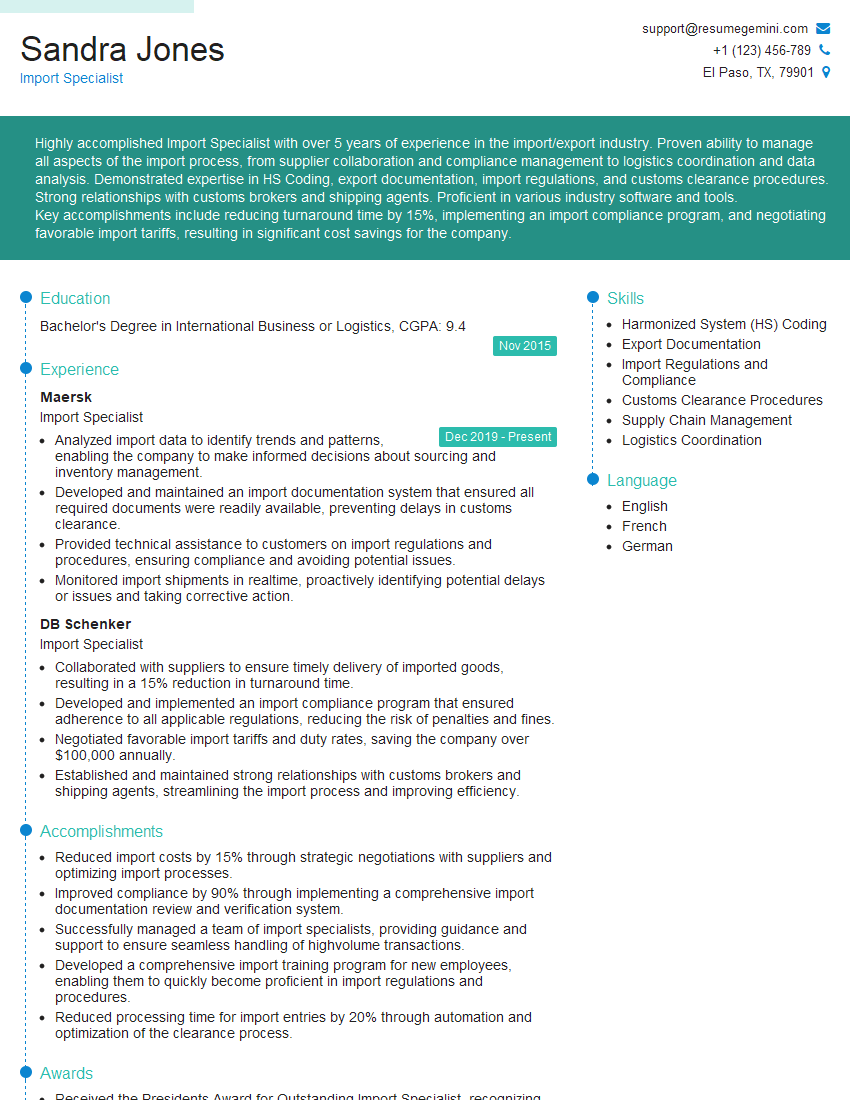
Import Specialist Resume Sample
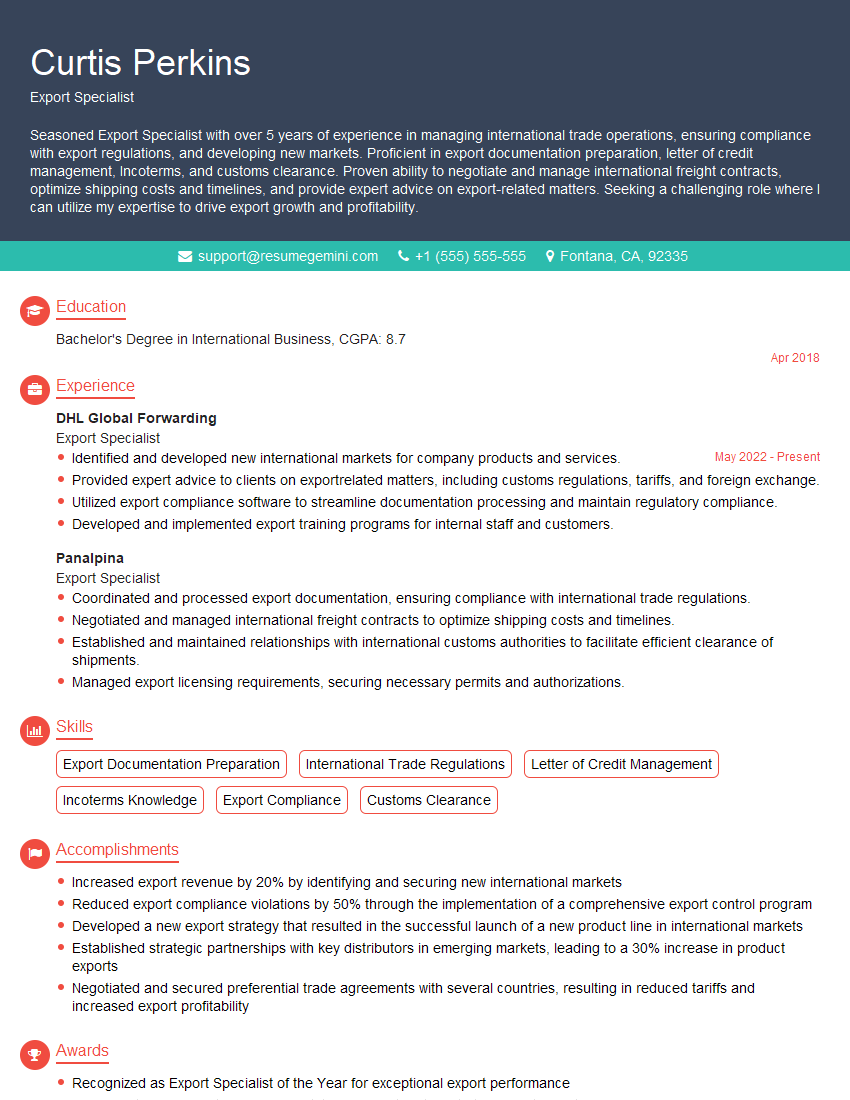
Export Specialist Resume Sample
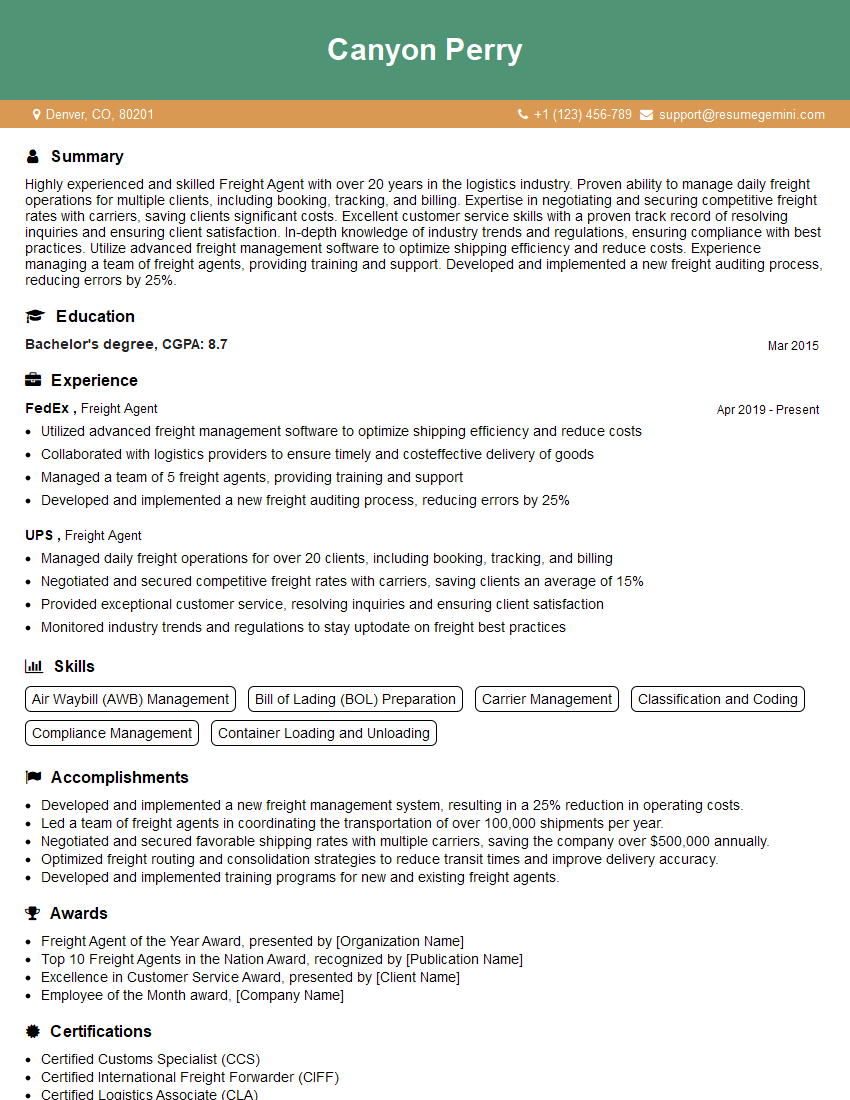
Freight Agent Resume Sample
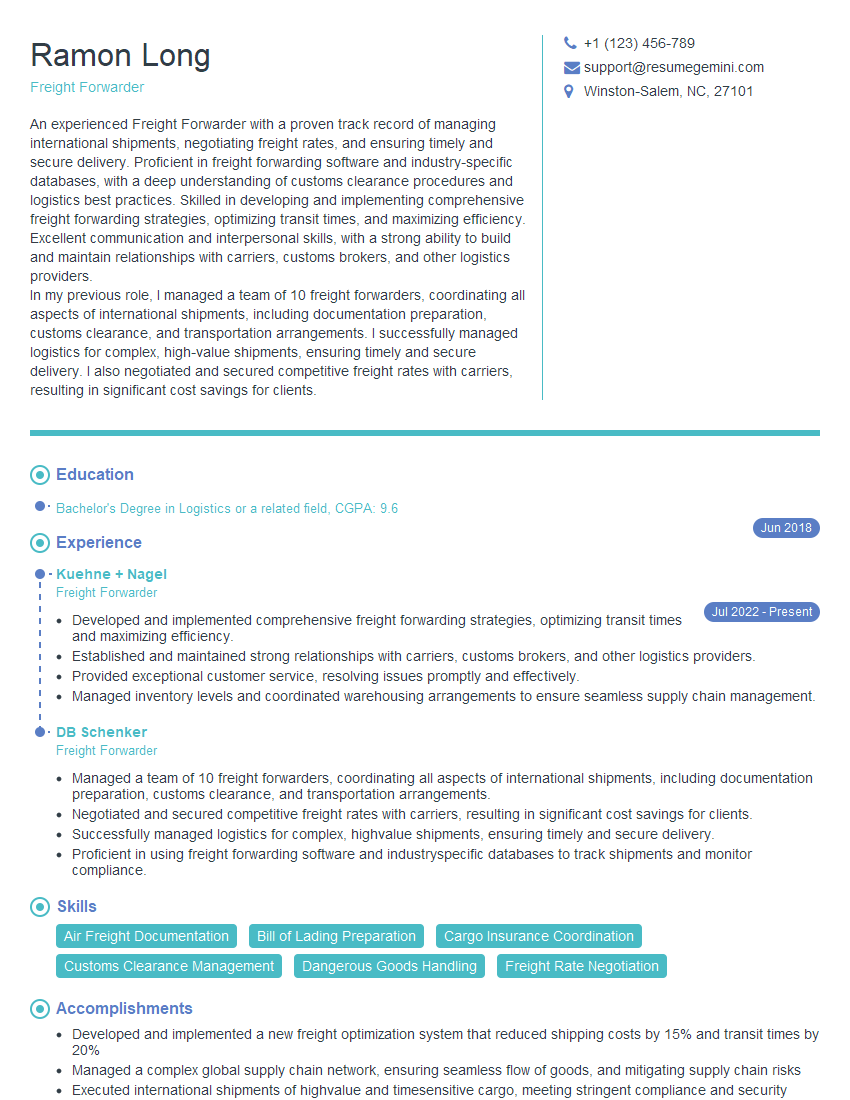
Freight Forwarder Resume Sample
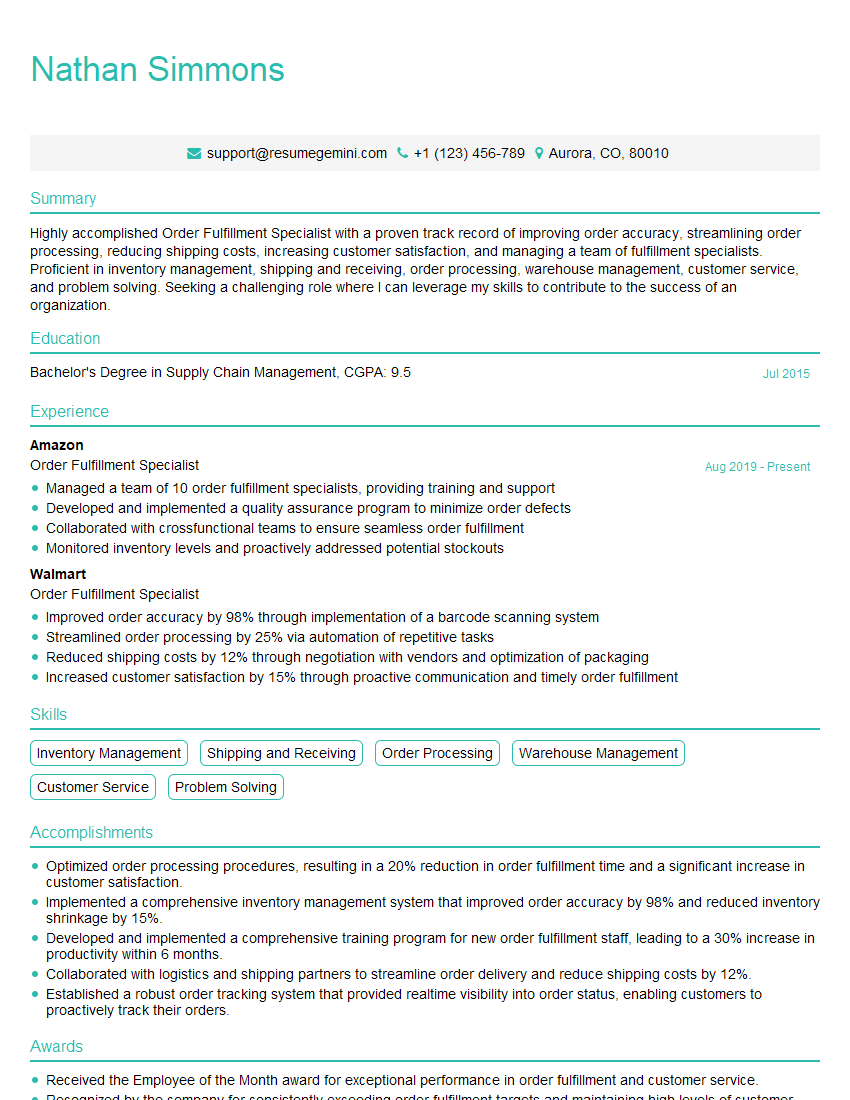
Order Fulfillment Specialist Resume Sample

Shipping and Receiving Clerk Resume Sample
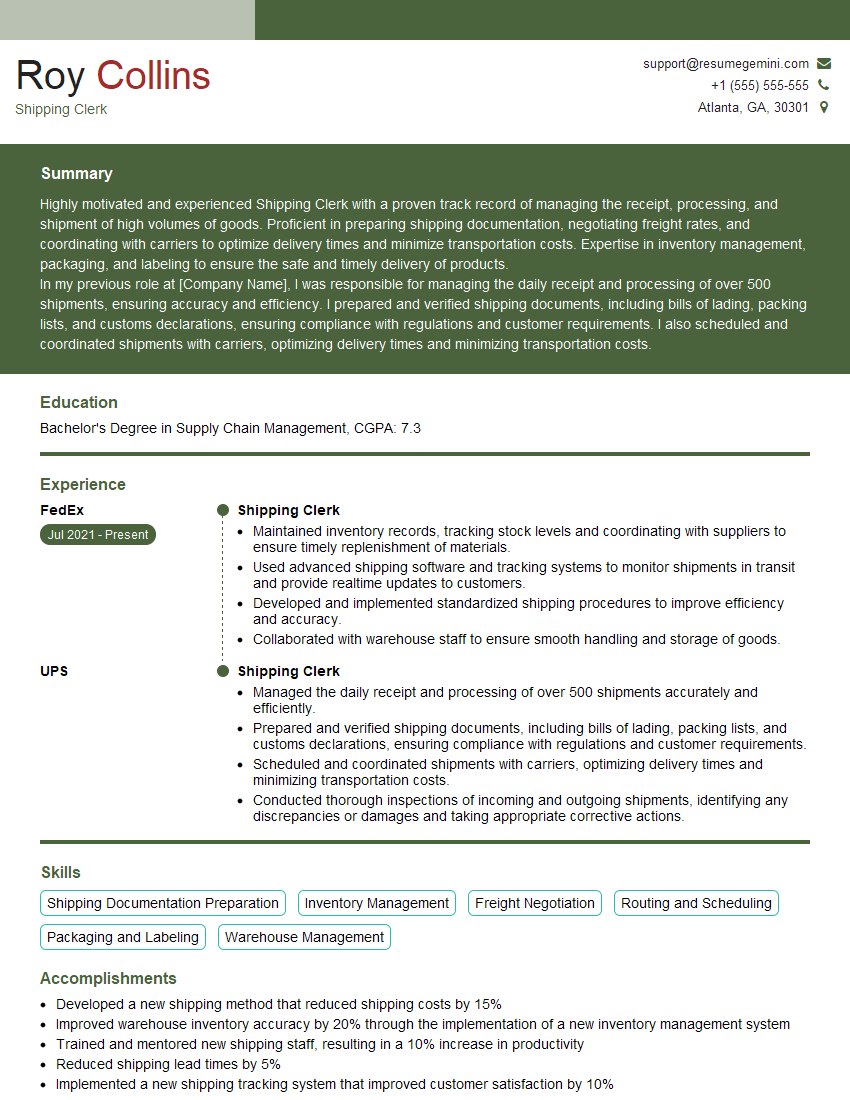
Shipping Clerk Resume Sample
- Operations Manager
- Supply Chain Manager
- Logistics Manager
- Transportation Coordinator
- Shipping Coordinator
- Shipping Manager
- Warehouse Supervisor
- International Logistics Manager
- Logistics Coordinator
- Logistics Specialist
- Supply Chain Specialist
- Logistics Analyst
- Customs Broker
- Documentation Specialist
- Import Specialist
- Export Specialist
- Freight Agent
- Freight Forwarder
- Order Fulfillment Specialist
- Shipping and Receiving Clerk
- Shipping Clerk
Explore more articles
Users Rating of Our Blogs
Share Your Experience
We value your feedback! Please rate our content and share your thoughts (optional).
What Readers Say About Our Blog
Really detailed insights and content, thank you for writing this detailed article.
IT gave me an insight and words to use and be able to think of examples