The thought of an interview can be nerve-wracking, but the right preparation can make all the difference. Explore this comprehensive guide to Proficiency Checks and Line Checks interview questions and gain the confidence you need to showcase your abilities and secure the role.
Questions Asked in Proficiency Checks and Line Checks Interview
Q 1. Describe the difference between a Proficiency Check and a Line Check.
Proficiency Checks and Line Checks are both crucial for evaluating competency, but they differ significantly in scope and purpose. A Proficiency Check is a comprehensive evaluation of an individual’s skills and knowledge against a predetermined standard, often involving a written exam or practical demonstration covering a broad range of competencies. Think of it as a ‘final exam’ assessing overall proficiency. A Line Check, on the other hand, is a more focused, on-the-job observation of an individual’s performance in a specific area or task. It’s a snapshot of their skills in action within their normal working environment. Imagine it as a spot-check during a daily routine.
For example, a pilot might undergo a proficiency check covering all aspects of flight operations, including navigation, meteorology, and emergency procedures. A line check, however, might only focus on their handling of a specific aircraft type or a particular flight procedure.
Q 2. What are the key elements of a successful Proficiency Check?
A successful Proficiency Check hinges on several key elements:
- Clear Objectives and Standards: The check must have clearly defined objectives and measurable standards. What exactly needs to be assessed, and what constitutes acceptable performance? This needs to be communicated upfront to the candidate.
- Comprehensive Evaluation: The check should cover all relevant aspects of the competency being assessed. It should not leave any gaps in coverage.
- Structured Approach: Following a well-defined procedure ensures consistency and fairness. This structure provides a framework for the check, making it more reliable and easier to evaluate objectively.
- Objective Assessment: The evaluation should be as objective as possible, minimizing bias. Clear scoring rubrics or checklists reduce subjectivity and allow for a fair assessment.
- Detailed Feedback: Providing constructive feedback to the candidate is crucial, even if they pass. This helps identify areas for improvement and supports continuous learning.
For instance, a successful proficiency check for a software developer might involve assessing coding skills across various languages, problem-solving abilities through coding challenges, and understanding of software development methodologies using a structured exam and practical coding task.
Q 3. How do you handle a discrepancy found during a Line Check?
Discrepancies found during a Line Check require a methodical approach. First, document the discrepancy precisely and objectively, including date, time, specific task, and the nature of the deviation from expected procedures or standards. Next, discuss the discrepancy with the individual involved, focusing on understanding the root cause – was it due to lack of knowledge, skill, or perhaps an oversight? Depending on the severity of the discrepancy, corrective actions might range from additional training or retraining to more serious consequences, up to disciplinary measures, depending on the company’s policies and the nature of the discrepancy. The goal is to identify the problem, correct the issue, prevent recurrence and ensure safety and quality.
For example, if a line check on a technician reveals improper equipment handling, immediate corrective actions would be given including retraining and possibly suspension pending re-evaluation. Documentation of the entire process is critical.
Q 4. Explain the process of conducting a Line Check.
Conducting a Line Check involves several steps:
- Planning: Determine the specific objectives and aspects of performance to be observed. Choose a suitable time and duration for the observation.
- Observation: Observe the individual performing their tasks in their normal work environment. Take detailed notes, focusing on adherence to procedures and the quality of their work.
- Documentation: Record all observations objectively and accurately. This documentation should support any conclusions or recommendations.
- Debriefing: After the observation, discuss the findings with the individual. This provides an opportunity for feedback, clarification, and addressing any concerns.
- Reporting: Compile a formal report summarizing the findings, including any discrepancies or areas needing improvement.
For a nurse, a line check might observe handwashing technique, medication administration, patient interaction, and documentation processes during a typical shift.
Q 5. What are the common areas of deficiency found in Proficiency Checks?
Common deficiencies in Proficiency Checks often fall into these categories:
- Lack of Knowledge: Gaps in foundational knowledge or understanding of key concepts.
- Insufficient Skills: Inability to apply knowledge effectively in practical situations.
- Procedural Errors: Failure to follow established procedures or guidelines.
- Poor Problem-Solving: Difficulty identifying and resolving issues or challenges.
- Decision-Making Deficiencies: Making inappropriate or unsafe decisions.
In a medical context, this might involve a doctor demonstrating insufficient knowledge of a particular medical condition, or a technician failing to follow sterile procedures, both requiring immediate attention and remedial action.
Q 6. How do you manage a challenging or unprepared candidate during a check?
Managing a challenging or unprepared candidate requires patience, understanding, and a structured approach. First, establish a calm and supportive environment. Explain the purpose and process of the check clearly. If the candidate is unprepared, offer guidance and assistance without compromising the integrity of the assessment. If the unpreparedness reflects a broader issue (e.g., lack of training), document this finding and recommend appropriate measures. Remember, the goal is not to ‘fail’ the candidate, but to accurately assess their competency and provide guidance for improvement.
For example, if a candidate struggles during a coding proficiency check because they are unfamiliar with a specific technology, guiding them through the fundamental concepts before proceeding with the advanced questions might be appropriate, noting the deficiency in the final report.
Q 7. What are the regulatory requirements for conducting Proficiency and Line Checks?
Regulatory requirements for Proficiency and Line Checks vary significantly depending on the industry and specific role. Many sectors, such as aviation, healthcare, and nuclear power, are heavily regulated, with stringent requirements for competency assessment. These regulations often dictate the frequency of checks, the content of the checks, the qualifications of assessors, and the documentation required. It is crucial to consult the relevant regulatory bodies and standards for the specific industry and role to ensure compliance. Failure to comply can result in severe penalties, including license suspension or revocation.
For instance, pilots are subject to rigorous proficiency checks and line checks governed by aviation authorities to maintain their licenses and ensure flight safety. Healthcare professionals also have their specific regulations and standards for competency assessment and maintenance.
Q 8. How do you document findings and feedback from a check?
Thorough documentation is crucial for maintaining a clear record of a check’s findings and providing valuable feedback. My documentation process typically involves a standardized check-ride report, which might be digital or paper-based, depending on the organization’s procedures. This report includes:
- Pilot Information: Name, license number, aircraft type rating.
- Aircraft Information: Tail number, make, model, serial number.
- Date and Time: Of the check.
- Check Type: Proficiency check, line check, etc.
- Areas of Proficiency: A detailed breakdown of each maneuver or procedure checked, with specific comments on performance. For example, for a landing, I’d note the approach speed, flare technique, touchdown, and rollout. For instrument approaches, I would detail navigation accuracy, adherence to procedures, and overall situational awareness.
- Areas for Improvement: Clearly defined areas where the pilot demonstrated weaknesses or needs further training. This is worded constructively, focusing on improvement, not criticism.
- Overall Assessment: A summary of the pilot’s performance, indicating whether they passed or failed the check and stating the reasons.
- Recommendations: Specific suggestions for training or further practice to address areas for improvement.
- Signatures: From both the pilot and the check pilot.
I often supplement the formal report with digital recordings (if allowed) of the flight, particularly challenging maneuvers. This provides a visual record for review and learning.
Q 9. Describe your experience with different types of aircraft during checks.
My experience spans a variety of aircraft types, ranging from single-engine piston aircraft like Cessna 172s and Beechcraft Bonanzas to multi-engine turboprops such as the Beechcraft King Air and even some limited experience with light jets. This varied experience has given me a deep understanding of the unique handling characteristics and systems of different aircraft. For instance, the transition from a Cessna 172 to a King Air requires a significant shift in workload management, system awareness, and emergency procedures. I’ve adapted my checking approach to accommodate the specifics of each type by emphasizing the critical differences in handling qualities, systems, and procedures for each aircraft. I ensure that I am fully familiar with the aircraft’s flight manual and performance charts before undertaking a check.
Q 10. How do you adapt your checking style to different skill levels?
Adapting my checking style to different skill levels is crucial for effective and constructive feedback. For pilots with lower skill levels, I focus on building a foundation of solid basic skills, using a patient and encouraging approach. I break down complex procedures into smaller, more manageable steps, providing frequent positive reinforcement and specific guidance. I would start with more basic maneuvers before progressing to more advanced ones. With more experienced pilots, the checks can be more challenging and incorporate scenarios that stress decision-making and problem-solving skills. The feedback is more detailed and focuses on refining existing skills and addressing subtle inefficiencies. For example, I might focus on subtle aspects of airmanship or advanced handling techniques. Throughout, my goal is always to help pilots reach their full potential, regardless of their current level of proficiency.
Q 11. What is your approach to providing constructive criticism during a check?
Providing constructive criticism is a delicate balance between highlighting areas needing improvement and maintaining the pilot’s confidence. I always start by emphasizing the pilot’s strengths before moving onto areas needing improvement. My approach involves using the ‘sandwich’ method: I start with positive feedback, then constructively address weaknesses, and end with more positive reinforcement. For example, instead of saying ‘Your approach was terrible,’ I might say, ‘Your approach was a little high, but I appreciate how well you managed the power settings. Let’s work on maintaining a more precise glideslope next time.’ I focus on specific behaviors and observable actions, avoiding vague generalizations. I offer concrete suggestions for improvement and encourage questions and discussion to ensure the pilot understands the feedback. The goal is not just to identify flaws but to empower the pilot to learn and improve.
Q 12. How do you maintain objectivity during a check?
Maintaining objectivity is paramount in a check. I strive to apply consistent standards across all pilots and avoid letting personal biases or previous experiences influence my assessment. I use standardized checklists and scoring systems to ensure consistent evaluation criteria. If I find myself questioning a decision I focus on clearly articulating my rationale and using evidence from the flight to support my assessment. I also make sure to regularly review my own performance and seek feedback from peers to identify and mitigate any potential unconscious biases. Before and after each check, I take time to reflect on my performance to assure my objectivity is maintained.
Q 13. How do you ensure the safety of the flight during a check?
Safety is the absolute priority during any check. My approach involves careful pre-flight planning, including thorough review of weather conditions, NOTAMs (Notices to Airmen), and the aircraft’s condition. Risk mitigation is a key element, always starting with the assumption that things can go wrong and planning for contingencies. We thoroughly discuss potential hazards and emergency procedures during the briefing. I maintain situational awareness throughout the flight, actively monitoring weather, traffic, and the aircraft’s systems. If at any point the safety of the flight is compromised, I won’t hesitate to take control of the aircraft or discontinue the check. My primary concern is always the safe completion of the flight.
Q 14. Explain the importance of briefing and debriefing in the check process.
Briefing and debriefing are crucial elements of any check. The briefing establishes clear expectations and ensures both the pilot and I are on the same page regarding the scope, objectives, and procedures of the check. This includes discussing the planned maneuvers, potential challenges, and emergency procedures. It’s also a chance to build rapport and ensure the pilot feels comfortable and confident. The debriefing is equally critical, providing a structured opportunity for feedback and learning. It’s a time to review the flight in detail, analyzing both successes and areas for improvement. This is where I can provide more in-depth constructive criticism, address any questions or concerns the pilot might have, and make recommendations for further training or practice. A well-structured debriefing transforms a check from a mere evaluation into a valuable learning experience.
Q 15. How do you handle unexpected situations during a check?
Handling unexpected situations during a proficiency or line check requires a calm, methodical approach. My strategy centers around prioritizing safety, maintaining clear communication, and systematically addressing the issue.
For example, if I experienced a sudden engine failure during a line check, my immediate action would be to follow emergency procedures, announcing my intentions clearly to ATC and the observer. I would then systematically work through the checklist, focusing on the most critical steps to stabilize the aircraft. Following that, I would attempt to troubleshoot the problem to the extent possible within safety parameters, always prioritizing a safe landing. Post-incident, a thorough debrief with the check airman would analyze what happened, exploring potential preventative measures for the future.
Another example might involve a navigational challenge. If I encountered unexpected weather deviations, I’d immediately consult weather reports, update my flight plan, and communicate my revised route to ATC. Throughout, I’d prioritize a safe and efficient course correction, documenting all actions taken for the debrief. The key is to remain calm, communicate effectively, and systematically work through the problem.
Career Expert Tips:
- Ace those interviews! Prepare effectively by reviewing the Top 50 Most Common Interview Questions on ResumeGemini.
- Navigate your job search with confidence! Explore a wide range of Career Tips on ResumeGemini. Learn about common challenges and recommendations to overcome them.
- Craft the perfect resume! Master the Art of Resume Writing with ResumeGemini’s guide. Showcase your unique qualifications and achievements effectively.
- Don’t miss out on holiday savings! Build your dream resume with ResumeGemini’s ATS optimized templates.
Q 16. Describe your experience using check ride standards and documentation.
My experience with check ride standards and documentation is extensive. I’m proficient in interpreting and applying the relevant regulations (e.g., FAA regulations or equivalent for my operating country) to ensure complete compliance. I understand the specific requirements for different types of checks – from initial line checks to recurrent proficiency checks.
I’m meticulous in maintaining accurate and thorough documentation. This includes completing all necessary checklists, logging flight times and events precisely, and carefully noting any discrepancies or anomalies observed during the check. I understand the importance of precise documentation, as it forms a critical record of the check’s outcome and provides valuable data for future training and safety analysis. My approach is to go beyond simply meeting the minimum standards; instead, I aim to exceed expectations in terms of thoroughness and professionalism.
Q 17. How do you ensure compliance with company and regulatory standards during a check?
Ensuring compliance with company and regulatory standards is paramount during any check. My approach is proactive, rather than reactive. I begin by thoroughly reviewing all relevant regulations and company operational procedures (SOPs) well in advance of the check. I ensure my aircraft documentation is up-to-date and compliant, including licenses, certificates, and maintenance records.
During the check, I consistently refer to checklists and SOPs to guide my actions, ensuring every procedure is performed according to standards. I actively communicate with the check airman to confirm understanding and address any questions or concerns they may have regarding compliance. If I encounter a situation where compliance isn’t immediately clear, I will always err on the side of caution, seeking clarification from the check airman or the relevant authority before proceeding. It’s a continuous process of vigilance and attention to detail, not just a checklist item.
Q 18. What are your strategies for managing time effectively during a check?
Effective time management during a check is crucial. My strategy involves careful preparation before the check and efficient execution during the check itself.
Preparation involves reviewing all relevant materials, including charts, checklists, and regulations, ahead of time. This minimizes in-flight time spent searching for information. During the check, I prioritize tasks based on their importance and urgency, ensuring efficient transitions between maneuvers and procedures. I maintain good situational awareness to anticipate potential delays and adjust the schedule accordingly. I also proactively communicate any time constraints to the check airman, ensuring transparency and avoiding unnecessary pressure. For instance, if a particular procedure is taking longer than anticipated, I will clearly communicate this to the check airman and propose a plan to proceed efficiently without compromising safety.
Q 19. How do you address performance deficiencies identified during a check?
Addressing performance deficiencies identified during a check requires a professional and constructive approach. The first step is to openly discuss the deficiencies with the check airman, understanding their perspective and the rationale behind their assessment. I then work collaboratively to identify the root causes of the deficiency. This might involve reviewing training records, flight logs, or even analyzing video footage from the check.
Once the root cause is identified, I develop a tailored improvement plan. This plan might include additional training, simulator sessions, or focused practice on specific skills. I then proactively seek feedback on my progress and make necessary adjustments to my training regimen to ensure the deficiencies are fully addressed. The goal is not just to pass the check but to improve my overall performance and proficiency as a pilot. It’s a learning process, and I embrace constructive criticism to enhance my skill set.
Q 20. What is your experience with different types of check ride scenarios?
My experience encompasses a range of check ride scenarios, including normal operations, abnormal and emergency procedures, instrument approaches, and various types of weather conditions. I have experience with both line checks focused on operational proficiency and recurrent proficiency checks assessing broader skill sets.
For example, I have successfully navigated scenarios involving engine malfunctions, instrument failures, unexpected weather changes, and communication challenges. Each scenario provided valuable learning opportunities and strengthened my ability to handle unexpected situations calmly and effectively. The diversity of experiences has ensured I am well-prepared for the full spectrum of situations that might arise during a flight. This breadth of experience helps build resilience and decision-making capabilities in complex situations.
Q 21. How familiar are you with the latest aviation regulations and best practices?
I maintain a high level of familiarity with the latest aviation regulations and best practices through continuous professional development. I regularly review the relevant regulatory publications (e.g., FAA AIM, ACs, or equivalent for my operating country) and participate in industry-relevant safety seminars and training courses.
Furthermore, I actively subscribe to aviation safety newsletters, journals, and online resources to keep updated on the latest developments in safety procedures and technological advancements. This ensures I remain current on all regulatory changes, industry best practices, and emerging safety concerns. Staying informed is not merely a compliance issue; it’s a commitment to the safety of myself, my passengers, and my crew.
Q 22. How do you maintain currency in your own flying skills and knowledge?
Maintaining currency in flying skills and knowledge is paramount for safety and professionalism. It’s not a passive process; it requires proactive engagement. My approach is multifaceted and includes:
- Regular Flight Operations: Consistent flying, even if it’s just a short flight, keeps my hand in. This helps me maintain muscle memory and situational awareness. For example, I make a point to fly at least once a week, even if it’s just a local flight.
- Self-Study and Continuing Education: I regularly review regulatory materials, operational manuals, and relevant publications to stay updated on changes in procedures and regulations. Online courses, webinars, and industry journals are valuable resources.
- Flight Reviews and Training: I proactively seek out flight reviews and training sessions with experienced instructors, focusing on areas where I feel less proficient or where new techniques are being introduced. A recent example was a recurrent training session on advanced instrument approaches.
- Simulator Training: Simulator sessions, particularly in challenging scenarios, are invaluable for honing skills and maintaining proficiency in adverse weather conditions or emergency procedures. I schedule simulator sessions at least every six months.
- Mentorship and Peer Learning: Discussing operational scenarios, sharing experiences, and learning from others, both senior and junior colleagues, helps broaden perspectives and identify areas for improvement.
Q 23. Describe your experience with different simulator types used in checks.
My experience with simulators spans various types, each offering unique advantages for different training objectives. I’ve utilized:
- Fixed-base simulators (FBS): These provide a cost-effective option for basic procedural training and familiarization with aircraft systems. They’re useful for practicing normal and abnormal procedures.
- Full-flight simulators (FFS): These highly sophisticated devices offer the most realistic simulation environment, replicating flight dynamics, avionics, and even external visual scenarios. They are ideal for complex maneuvers, emergency procedures, and instrument approaches in challenging weather conditions. I’ve used FFS extensively for Line Orientation training and for recurrent training on handling unusual attitudes.
- Flight training devices (FTD): FTDs fall somewhere between FBS and FFS in terms of fidelity. They are good for practicing instrument procedures, navigation, and systems knowledge. I found FTDs particularly helpful for practicing Non-Precision approaches.
The choice of simulator depends on the specific training needs. For example, a simple checkride on a simpler aircraft might only require an FBS, while a complex line check on a larger aircraft would necessitate an FFS.
Q 24. How do you handle difficult personalities during a check?
Handling difficult personalities during a check requires a delicate balance of professionalism, empathy, and firmness. My approach focuses on:
- Establishing Clear Communication: I start by clearly outlining the objectives and procedures of the check, ensuring that expectations are well understood. Open and transparent communication is key.
- Active Listening: I pay close attention to the pilot’s concerns and anxieties. Understanding their perspective can help de-escalate tension and build rapport.
- Positive Reinforcement: Even when dealing with a difficult situation, I always look for opportunities to offer positive feedback and encouragement. This helps to maintain a constructive environment.
- Professional Detachment: While maintaining empathy, I stay focused on the objective assessment of the pilot’s skills and safety. I keep emotions separate from the assessment process.
- Addressing Concerns Directly and Respectfully: If issues arise, I address them directly but respectfully, focusing on factual observations rather than subjective judgments.
- Documentation: I maintain a clear and factual record of the check, noting any specific challenges and how they were handled.
For instance, I once had a pilot who became visibly stressed during a difficult instrument approach. By calmly re-explaining the procedure and offering encouraging words, I helped them regain their composure and successfully complete the maneuver.
Q 25. What are your methods for providing positive reinforcement during a check?
Positive reinforcement is crucial in creating a supportive learning environment during a check. My methods include:
- Specific and Timely Praise: I praise specific actions or skills executed well, providing immediate feedback to reinforce positive behavior. For example, I might say, “Excellent use of the autopilot to manage the altitude during that approach”.
- Constructive Criticism: I frame any criticism within a positive context, focusing on improvement rather than fault-finding. For example, instead of saying “That was a poor landing”, I’d say, “Let’s work on your flare technique to achieve a smoother landing next time.”
- Encouragement and Support: I maintain a supportive and encouraging attitude throughout the check, reminding the pilot of their strengths and progress.
- Recognizing Effort: I acknowledge and appreciate the pilot’s efforts, even if the outcome wasn’t perfect. The commitment is important too.
- Debriefing: I use the debriefing session as an opportunity to provide further positive reinforcement and constructive feedback, reinforcing areas of strength and outlining strategies for improvement.
Q 26. Describe your experience in conducting night checks or checks under IFR conditions.
Conducting night checks and checks under IFR conditions demands a heightened level of skill and preparation. My experience includes numerous checks in these challenging conditions. I ensure thorough preparation, focusing on:
- Proper Briefing: A detailed briefing covering all aspects of the check, including the specific procedures, expected weather conditions, and any potential challenges, is essential.
- Risk Management: A careful assessment of risks associated with night and IFR operations is crucial. This includes considering weather conditions, airport facilities, and any potential obstacles.
- Equipment Checks: Rigorous pre-flight checks of all equipment are non-negotiable, ensuring that all instruments and systems are functioning correctly. This includes verifying the proper functioning of night-vision equipment and instruments.
- Procedural Knowledge: A solid understanding of all relevant procedures, including instrument approaches, night-time operations, and emergency procedures, is vital.
- Situational Awareness: Maintaining a high level of situational awareness is paramount during these checks, ensuring that all information is accurately processed and decisions made are appropriate.
I’ve conducted several night and IFR checks where the weather deteriorated significantly during the flight. By remaining calm and maintaining a proactive risk management approach, we successfully completed the checks while prioritizing safety.
Q 27. What steps do you take to ensure a thorough and comprehensive check?
Ensuring a thorough and comprehensive check requires a structured and methodical approach. My steps include:
- Pre-Check Planning: Thorough planning, including reviewing the pilot’s records, identifying areas requiring emphasis, and developing a detailed check plan. This includes selecting appropriate maneuvers and procedures based on the pilot’s experience and the aircraft.
- Structured Check Execution: Following a well-defined check plan, systematically assessing each area of proficiency. This includes adherence to standard procedures and the use of checklists.
- Objective Assessment: Maintaining an objective and unbiased assessment of the pilot’s performance, focusing on factual observations rather than subjective judgments. This includes recording the performance of each maneuver and procedure objectively.
- Feedback and Debriefing: Providing constructive feedback throughout the check and during a comprehensive debriefing session, focusing on both strengths and areas for improvement. This is crucial to helping pilots improve their skills.
- Documentation: Maintaining a clear and accurate record of the check, including any observations, feedback, and the overall assessment. This forms an essential part of the pilot’s training record.
Q 28. How do you prepare for a Proficiency or Line Check yourself?
Preparing for a proficiency or line check requires diligent self-assessment and focused training. My preparation involves:
- Self-Assessment: Identifying my strengths and weaknesses, focusing on areas needing improvement. I’ll often review previous flight records and identify areas where I could improve.
- Review of Regulations and Procedures: Thorough review of all relevant regulations, procedures, and checklists pertinent to the check. This often includes rereading the aircraft’s flight manual.
- Simulator Training: Practicing critical maneuvers and procedures in a simulator to build confidence and proficiency. This will often include practicing abnormal and emergency procedures.
- Flight Planning: Creating realistic flight plans that cover a range of scenarios, including normal and potentially challenging conditions. This allows practice in a variety of real-world scenarios.
- Physical and Mental Preparation: Ensuring adequate rest and maintaining a positive mental attitude leading up to the check. This includes managing stress and ensuring good physical health.
- Briefing with Check Pilot (if applicable): A pre-check briefing with the check pilot to discuss the planned maneuvers and objectives.
For example, before a recent line check, I spent several hours in a simulator practicing instrument approaches in challenging weather conditions, ensuring I was fully prepared for any eventuality.
Key Topics to Learn for Proficiency Checks and Line Checks Interview
- Understanding Proficiency Check Frameworks: Explore the different methodologies and best practices used in conducting proficiency checks. This includes understanding the purpose, scope, and limitations of each approach.
- Practical Application of Proficiency Checks: Learn how proficiency checks are implemented in real-world scenarios. Consider case studies illustrating successful and unsuccessful implementations and the lessons learned.
- Data Analysis & Interpretation in Proficiency Checks: Develop your skills in interpreting the results of proficiency checks. Understand how to identify trends, outliers, and areas for improvement.
- Line Check Procedures & Documentation: Master the standard operating procedures for conducting line checks. Understand the importance of accurate and complete documentation.
- Troubleshooting Common Issues in Line Checks: Practice identifying and resolving common problems encountered during line checks. Develop problem-solving skills to address unexpected situations efficiently.
- Regulatory Compliance & Line Checks: Familiarize yourself with relevant regulations and standards that impact the conduct and documentation of line checks. Understand how non-compliance can impact operations.
- Communication & Collaboration in Proficiency & Line Checks: Learn how to effectively communicate findings and collaborate with colleagues throughout the process. Practice clear and concise reporting.
- Continuous Improvement through Proficiency & Line Checks: Understand how proficiency and line checks contribute to continuous improvement initiatives and overall operational excellence.
Next Steps
Mastering Proficiency Checks and Line Checks demonstrates a commitment to quality and efficiency, significantly enhancing your value to any organization. This expertise opens doors to higher-level roles and increased responsibility within your field. To maximize your job prospects, crafting an ATS-friendly resume is crucial. ResumeGemini is a trusted resource to help you build a professional resume that showcases your skills and experience effectively. Examples of resumes tailored to Proficiency Checks and Line Checks are available to guide you through the process, ensuring your qualifications shine brightly.
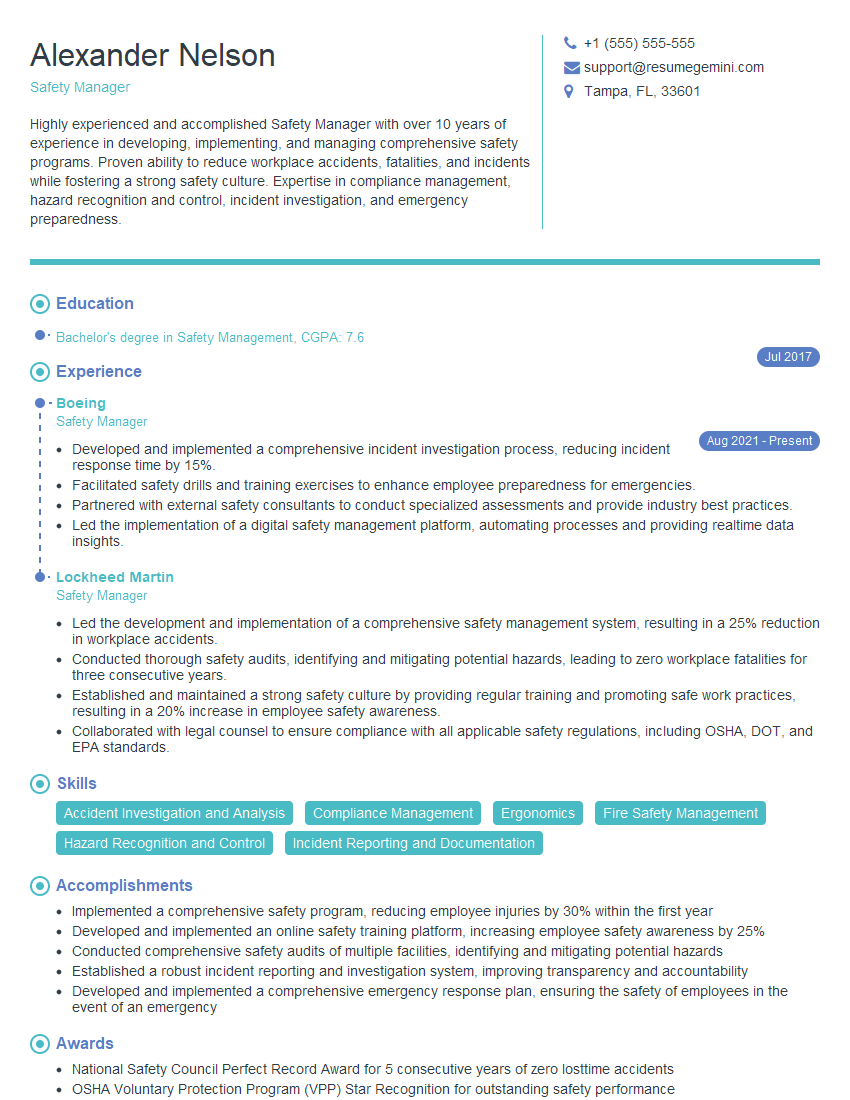
Safety Manager Resume Sample

Operations Manager Resume Sample
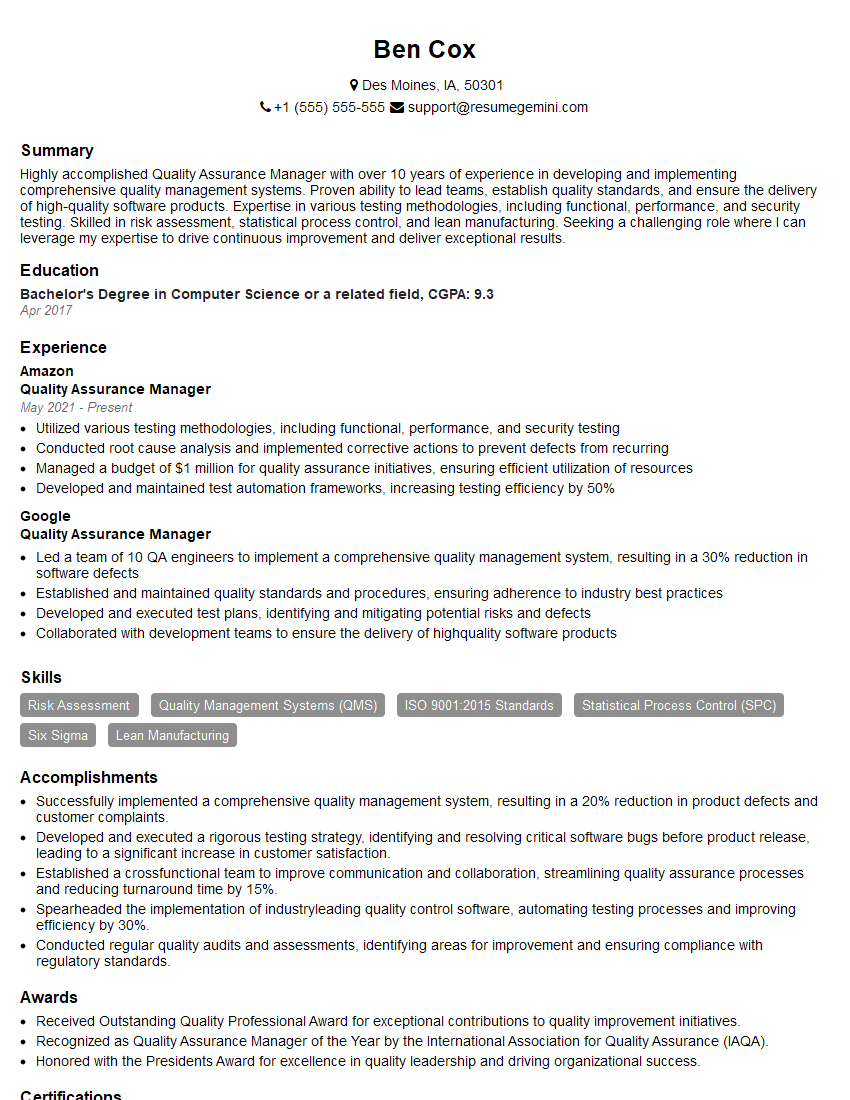
Quality Assurance Manager Resume Sample
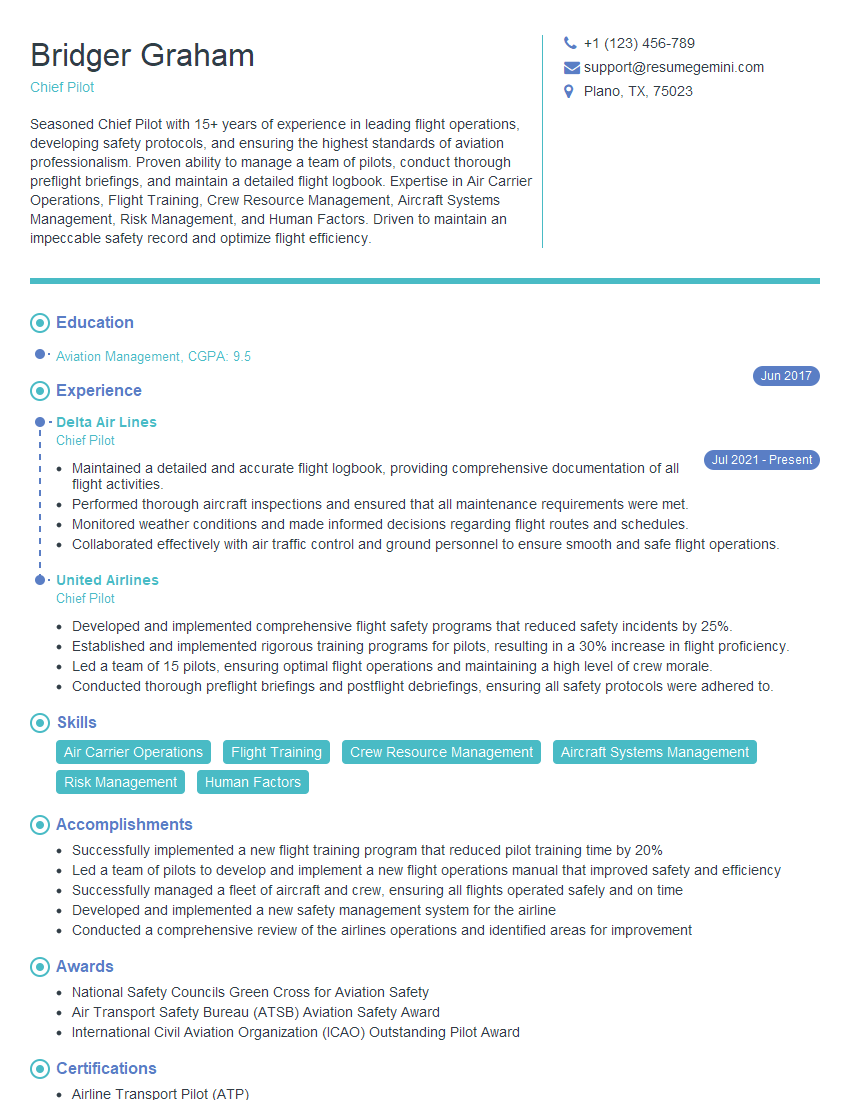
Chief Pilot Resume Sample
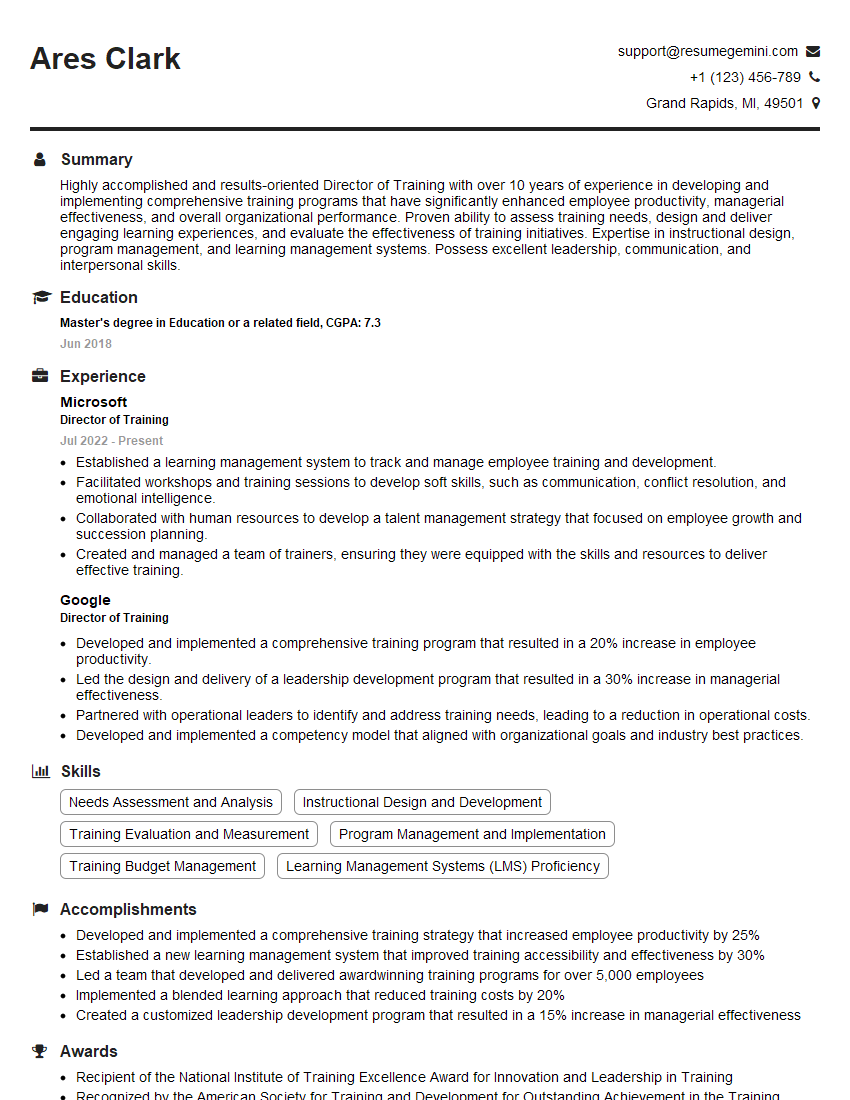
Director of Training Resume Sample
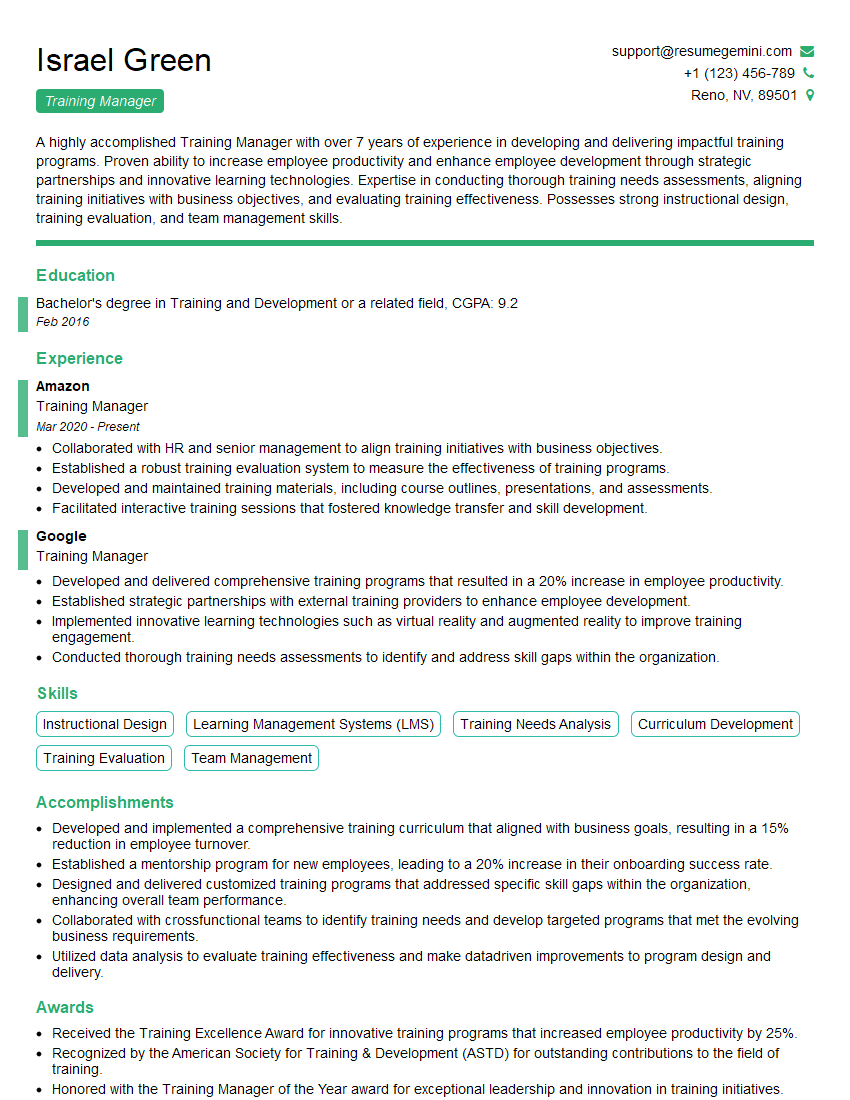
Training Manager Resume Sample

Compliance Officer Resume Sample
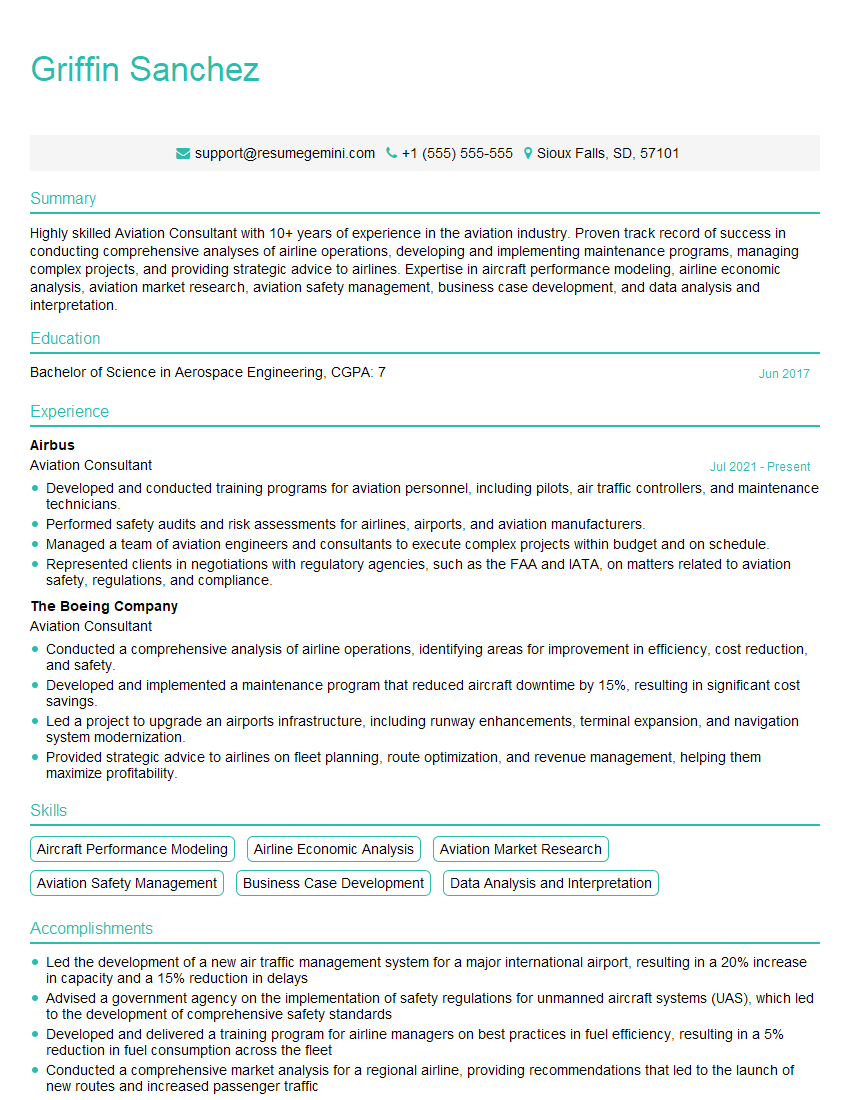
Aviation Consultant Resume Sample
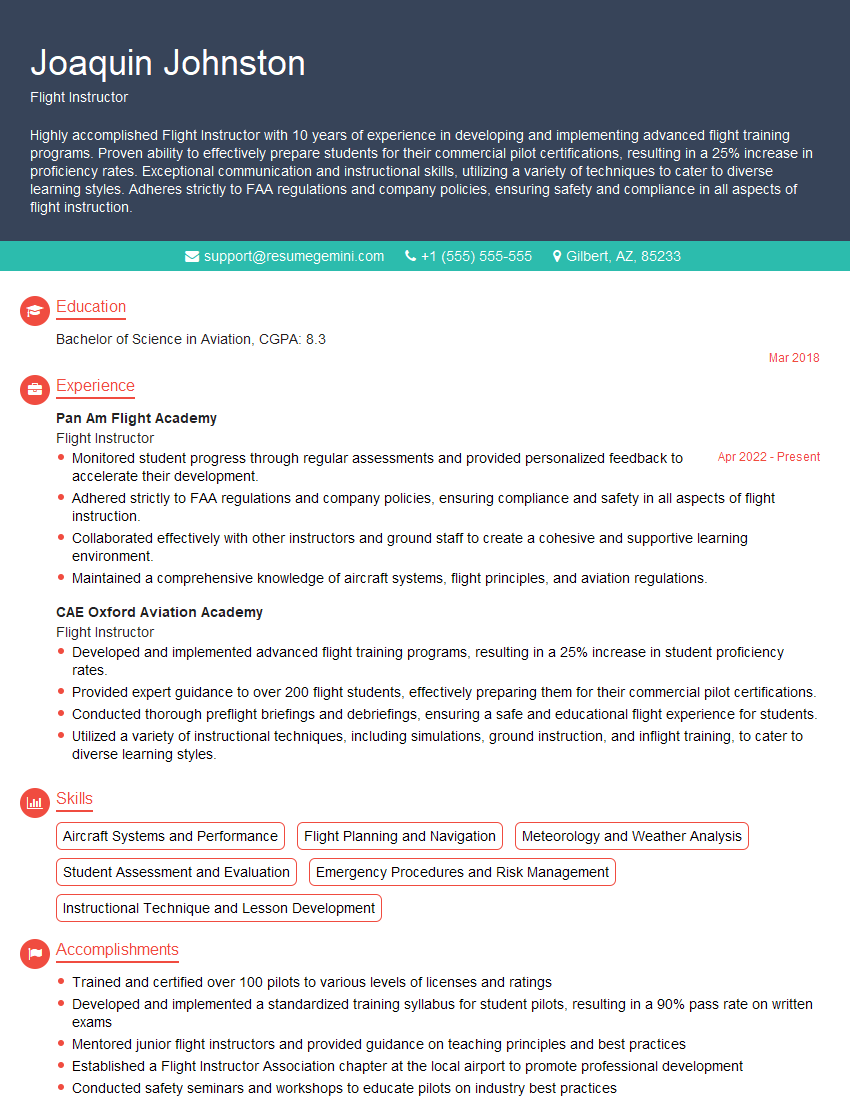
Flight Instructor Resume Sample
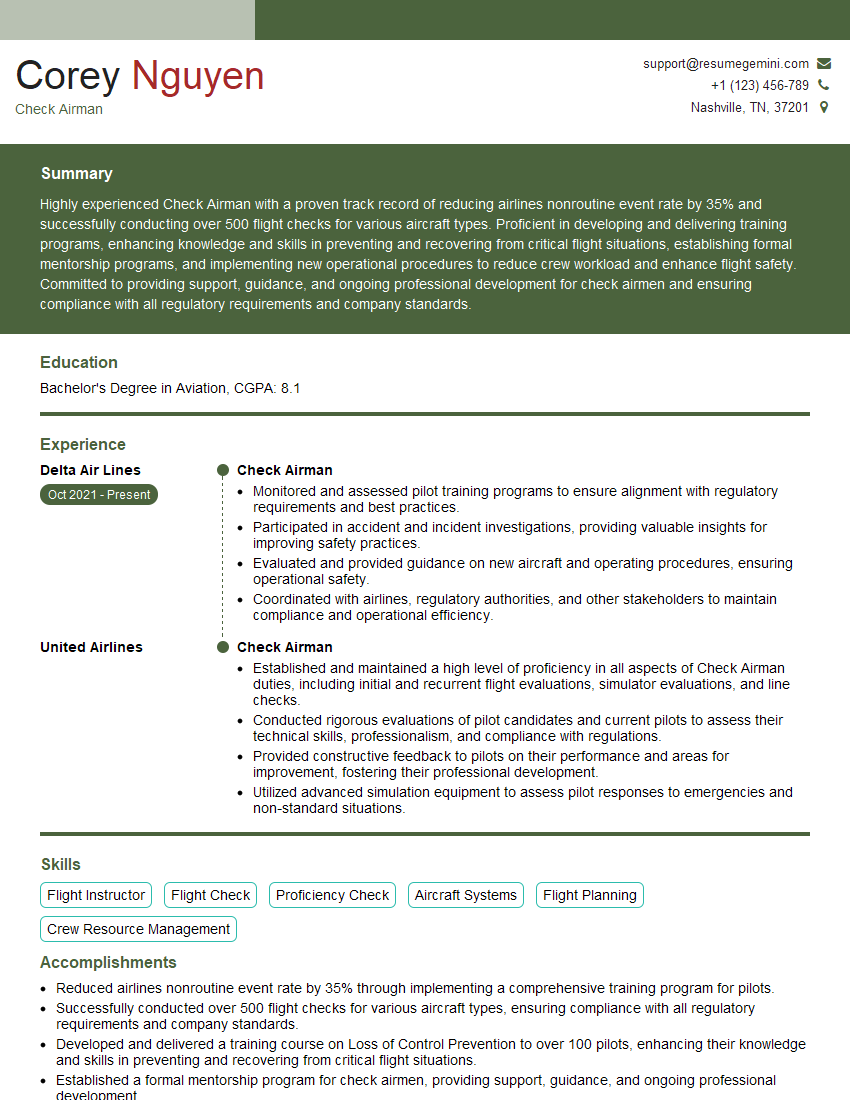
Check Airman Resume Sample
Explore more articles
Users Rating of Our Blogs
Share Your Experience
We value your feedback! Please rate our content and share your thoughts (optional).
What Readers Say About Our Blog
Really detailed insights and content, thank you for writing this detailed article.
IT gave me an insight and words to use and be able to think of examples