Cracking a skill-specific interview, like one for Proficiency in Sampling and Analytical Techniques, requires understanding the nuances of the role. In this blog, we present the questions you’re most likely to encounter, along with insights into how to answer them effectively. Let’s ensure you’re ready to make a strong impression.
Questions Asked in Proficiency in Sampling and Analytical Techniques Interview
Q 1. Explain the importance of representative sampling.
Representative sampling is crucial because it ensures the sample accurately reflects the characteristics of the entire population being studied. Imagine trying to understand the average height of students in a university by only measuring the heights of students in one specific dorm – you’d get a skewed result! A representative sample avoids this bias by giving every member of the population an equal (or known) chance of being selected. This allows us to draw reliable conclusions about the population based on the analysis of the sample. Without representative sampling, our results would be meaningless, potentially leading to incorrect decisions or flawed research.
Q 2. Describe different sampling methods (e.g., random, stratified, systematic).
Several sampling methods exist, each with its strengths and weaknesses.
- Random Sampling: Every member of the population has an equal chance of being selected. Think of a lottery; each ticket has an equal chance of winning. This minimizes bias but may not be practical for large, heterogeneous populations.
- Stratified Sampling: The population is divided into subgroups (strata) based on relevant characteristics (e.g., age, gender, location), and then a random sample is taken from each stratum. This ensures representation from all subgroups, improving accuracy, especially when dealing with diverse populations. For instance, when surveying customer satisfaction, you might stratify by demographics to understand differences in opinions across various groups.
- Systematic Sampling: Members of the population are selected at regular intervals. For example, selecting every 10th item from a production line. This is efficient but can be problematic if there’s a pattern in the population that aligns with the sampling interval.
Choosing the right method depends heavily on the research question, the nature of the population, and available resources.
Q 3. How do you ensure sample integrity during collection and transportation?
Maintaining sample integrity is paramount. Contamination or degradation can completely invalidate results. This involves several steps:
- Proper Containers: Using clean, inert containers (e.g., glass, specialized plastics) appropriate for the sample type prevents contamination and leaching.
- Preservation Techniques: Refrigeration, freezing, or the addition of preservatives (depending on the analyte) prevents degradation or microbial growth. For example, adding acid to a water sample can prevent bacterial growth.
- Chain of Custody: A detailed record of who handled the sample, when, and where, ensures traceability and prevents tampering. This is especially critical in forensic science or environmental monitoring.
- Appropriate Transportation: Samples should be transported under controlled conditions (temperature, light exposure) to maintain integrity. Specialized coolers or insulated containers might be necessary.
In my experience, meticulous attention to these details is crucial for generating reliable and credible data.
Q 4. What are the common sources of error in sampling?
Errors in sampling can significantly impact the accuracy and reliability of results. Common sources include:
- Sampling Bias: Non-representative sampling, leading to inaccurate estimations of the population’s characteristics. This can arise from flawed sampling techniques or unconscious bias in sample selection.
- Contamination: Introduction of unwanted substances into the sample during collection, handling, or storage. This can alter the sample composition and lead to inaccurate measurements.
- Sample Degradation: Changes in the sample’s composition due to chemical reactions, microbial growth, or physical processes (e.g., evaporation). Proper preservation is essential to mitigate this.
- Incorrect Sample Handling: Mistakes in handling procedures, such as improper mixing, inadequate preservation, or incorrect storage temperatures, can introduce errors.
- Insufficient Sample Size: A sample size too small may not accurately reflect the population’s variability, leading to unreliable conclusions.
Careful planning, meticulous execution, and rigorous quality control measures are essential to minimize these errors.
Q 5. Explain the principles of method validation.
Method validation is a critical process that confirms the suitability of an analytical method for its intended purpose. It ensures that the method is accurate, precise, sensitive, and reliable. Key principles include:
- Specificity: The method should selectively measure the target analyte without interference from other components in the sample.
- Linearity: The response of the method should be directly proportional to the concentration of the analyte over a defined range.
- Accuracy: The method should produce results close to the true value of the analyte.
- Precision: The method should produce consistent results with minimal variability.
- Limit of Detection (LOD) and Limit of Quantification (LOQ): These parameters define the lowest concentration of analyte that can be reliably detected and quantified, respectively.
- Robustness: The method should be unaffected by small variations in experimental conditions.
Validation involves a series of experiments and statistical analyses to demonstrate compliance with these principles. A well-validated method is essential for generating reliable and trustworthy analytical data.
Q 6. Describe your experience with different analytical techniques (e.g., HPLC, GC, AAS, ICP-OES).
My experience encompasses a wide range of analytical techniques. I’ve extensively used:
- HPLC (High-Performance Liquid Chromatography): For separating and quantifying components in liquid samples, particularly valuable for analyzing pharmaceuticals, environmental pollutants, and biological molecules. I’ve worked with both reversed-phase and normal-phase HPLC, applying gradient and isocratic elution techniques.
- GC (Gas Chromatography): Excellent for volatile and semi-volatile compounds, commonly used in analyzing pesticides, hydrocarbons, and fragrances. I’m proficient in both packed and capillary column GC, coupled with various detectors like FID and MS.
- AAS (Atomic Absorption Spectroscopy): A sensitive technique for determining the concentration of trace metals in various matrices. I’ve used flame AAS and graphite furnace AAS for applications ranging from water quality analysis to food safety testing.
- ICP-OES (Inductively Coupled Plasma Optical Emission Spectrometry): A powerful technique for multi-element analysis, suitable for determining trace and major elements in a wide range of samples, from geological materials to biological tissues. I have expertise in both radial and axial viewing ICP-OES.
I’m comfortable troubleshooting instrumentation, optimizing methods, and interpreting complex data generated by these techniques.
Q 7. How do you determine the appropriate analytical method for a specific sample?
Selecting the appropriate analytical method depends on several factors:
- Nature of the sample: Is it a liquid, solid, or gas? What is its matrix composition? Are there any interfering substances?
- Analyte properties: What is the analyte’s volatility, polarity, and stability? What is its expected concentration?
- Required sensitivity and accuracy: What level of precision is needed for the analysis?
- Available resources and time constraints: What instrumentation is available? What is the turnaround time required for the analysis?
- Regulatory requirements: Are there any specific methods mandated by regulatory agencies?
A systematic approach involves considering these factors and evaluating the capabilities of various techniques to select the most suitable method. Often, this involves a literature review and preliminary method development steps to optimize parameters for the specific sample being analyzed. For example, while ICP-OES is excellent for multi-element analysis, it might not be suitable for determining trace levels of volatile organic compounds, where GC-MS would be a better choice.
Q 8. Explain the concept of limit of detection (LOD) and limit of quantitation (LOQ).
The limit of detection (LOD) and limit of quantitation (LOQ) are crucial parameters in analytical chemistry that define the lowest concentration of an analyte that can be reliably detected and quantified, respectively. Think of it like this: LOD is whether you can *see* something is there, while LOQ is whether you can *measure* how much is there accurately.
LOD represents the lowest concentration of an analyte that can be distinguished from the background noise or blank signal. It’s essentially the point where a signal is statistically significant above the noise. Commonly, LOD is calculated as three times the standard deviation of the blank signal divided by the slope of the calibration curve (3σ/m).
LOQ, on the other hand, is the lowest concentration at which an analyte can be measured quantitatively with acceptable accuracy and precision. It’s typically set at ten times the standard deviation of the blank signal divided by the slope of the calibration curve (10σ/m). The LOQ ensures the measured values are reliable and not significantly influenced by random error.
For example, in environmental monitoring, the LOD might represent the minimum detectable concentration of a pollutant in water, while the LOQ would be the lowest concentration that can be reliably reported for regulatory purposes. Falling below the LOD suggests the analyte is not present in significant quantities, while falling between the LOD and LOQ indicates detection but with limited quantitative certainty.
Q 9. How do you assess the accuracy and precision of analytical data?
Assessing the accuracy and precision of analytical data is critical for ensuring the reliability of results. Accuracy refers to how close a measurement is to the true value, while precision refers to how close repeated measurements are to each other. Imagine shooting at a target: high accuracy means hitting the bullseye consistently, high precision means hitting the same spot repeatedly, even if it’s not the bullseye.
We assess accuracy using methods like analyzing certified reference materials (CRMs) – materials with known concentrations. Comparing our results to the CRM’s certified values reveals our accuracy. For example, if we analyze a CRM with a certified concentration of 10 ppm and our average result is 9.8 ppm, we’re quite accurate. We can also use recovery studies, spiking known amounts of analyte into samples to see how much we recover.
Precision is often evaluated by calculating the standard deviation or relative standard deviation (RSD) of multiple measurements of the same sample. A lower standard deviation indicates higher precision. For instance, if we analyze the same sample five times and obtain results of 10.0, 9.9, 10.1, 9.8, and 10.0 ppm, the low standard deviation suggests good precision.
Control charts are another valuable tool. By plotting results over time, we can visually identify trends and shifts in accuracy and precision, allowing for proactive intervention.
Q 10. What are the key quality control measures you implement in your work?
Implementing robust quality control (QC) measures is paramount. My approach involves a multi-pronged strategy:
- Method validation: Before using any method, I meticulously validate its accuracy, precision, linearity, and limits of detection and quantitation according to established guidelines.
- Blank samples: Analyzing blank samples (samples without the analyte of interest) helps identify potential contamination and background interference.
- Calibration verification: Regularly verifying the calibration curve ensures the instrument’s accuracy and response remain consistent throughout the analysis.
- Duplicate analysis: Analyzing duplicate samples allows for the assessment of precision and repeatability of the results.
- Standard addition method: In some cases, this method is used to correct for matrix effects, which can influence analyte response.
- Internal standard: Using an internal standard helps to correct for variations in sample preparation and instrument response.
- Control charts and statistical process control (SPC): Tracking key parameters on control charts provides visual representations of performance over time, allowing for early detection of out-of-control situations.
Documenting all QC procedures and results is essential for traceability and compliance.
Q 11. How do you handle outliers in your analytical data?
Handling outliers in analytical data requires careful consideration. Outliers are data points that deviate significantly from the rest of the data set. They can arise from various sources, including errors in sample preparation, instrument malfunction, or genuine anomalies in the sample.
My approach involves investigating the potential cause of the outlier before deciding how to handle it. This could involve re-analyzing the sample, checking instrument logs for any anomalies, or reviewing the sample preparation steps for potential errors. If the outlier is due to an identifiable error, it’s justified to remove it.
However, if no clear error is found and the outlier is truly representative of the sample, removing it could bias the results. In this situation, robust statistical methods like median instead of mean calculations, or non-parametric tests, are used. Alternatively, the data may be presented with the outlier clearly marked, indicating its presence and potential effect on data interpretation.
Blindly removing outliers without investigation is not recommended as this can lead to inaccurate and misleading conclusions.
Q 12. Describe your experience with data analysis and interpretation.
My experience with data analysis and interpretation is extensive. I am proficient in using various statistical software packages, including R and other specialized analytical software. I regularly use descriptive statistics to summarize data, such as calculating means, standard deviations, and other measures of central tendency and dispersion. I’m also adept at applying more advanced statistical techniques like ANOVA, t-tests, and regression analysis, as needed to test specific hypotheses or model relationships in data.
In my previous role, I was instrumental in developing and implementing data analysis workflows for environmental monitoring data, significantly improving the efficiency and accuracy of our reporting process. A particular challenge involved the identification of trends in heavy metal contamination in groundwater samples, requiring a combination of advanced statistical methods and careful consideration of potential confounding factors. The findings led to the implementation of new remediation strategies.
Data visualization is equally important; I create charts and graphs that clearly communicate complex findings to both technical and non-technical audiences. I believe data interpretation is not just about numbers but also about understanding the context and drawing meaningful conclusions based on sound scientific principles.
Q 13. Explain the difference between qualitative and quantitative analysis.
Qualitative analysis identifies the components present in a sample, while quantitative analysis determines the amount of each component. It’s the difference between knowing *what* is present and knowing *how much* of each is present.
For example, in a chemical analysis of a soil sample, qualitative analysis might involve using techniques like chromatography to identify the presence of different organic compounds. Quantitative analysis would then utilize techniques such as spectroscopy or titrations to determine the exact concentration of each identified compound.
Think of it like a recipe: qualitative analysis tells you the ingredients (flour, sugar, eggs, etc.), while quantitative analysis specifies the amounts of each ingredient (2 cups flour, 1 cup sugar, 2 eggs, etc.). Both are necessary for a complete understanding.
Q 14. How do you ensure the traceability of your measurements?
Ensuring the traceability of measurements is crucial for the reliability and credibility of analytical results. My approach focuses on establishing a chain of custody that documents every step of the process, from sample collection to data reporting.
This begins with proper sample labeling and chain of custody documentation, including details of collection location, date, time, and personnel. All reagents and standards used are tracked with their batch numbers and certifications. Instrument calibration records are carefully maintained and linked to specific measurements. All data generated is meticulously recorded in electronic laboratory notebooks (ELNs) or similar systems with version control. The entire process is designed to allow for full reconstruction of the analytical workflow if needed, thus enhancing transparency and confidence in the results.
Compliance with relevant quality standards such as ISO 17025 is strictly followed, ensuring rigorous adherence to best practices and promoting the integrity of the measurements.
Q 15. What software packages are you proficient in for data analysis?
My proficiency in data analysis extends to several software packages, each suited to different aspects of the workflow. I’m highly experienced with Microsoft Excel for data entry, basic statistical analysis, and creating visual representations like charts and graphs. For more advanced statistical analysis and data visualization, I frequently use R and its powerful libraries like ggplot2 for creating publication-quality graphics and dplyr for data manipulation. I also have experience with JMP, which is particularly useful for its design of experiments (DOE) capabilities and robust statistical testing options. Finally, I’m familiar with MATLAB, particularly useful when dealing with large datasets and complex modeling requirements. The choice of software depends heavily on the specific analytical needs of a project, and I’m adept at selecting the most appropriate tool for the job.
Career Expert Tips:
- Ace those interviews! Prepare effectively by reviewing the Top 50 Most Common Interview Questions on ResumeGemini.
- Navigate your job search with confidence! Explore a wide range of Career Tips on ResumeGemini. Learn about common challenges and recommendations to overcome them.
- Craft the perfect resume! Master the Art of Resume Writing with ResumeGemini’s guide. Showcase your unique qualifications and achievements effectively.
- Don’t miss out on holiday savings! Build your dream resume with ResumeGemini’s ATS optimized templates.
Q 16. Describe your experience with instrument calibration and maintenance.
Instrument calibration and maintenance are paramount for accurate and reliable results. My experience spans several techniques, including HPLC, GC-MS, and spectrophotometry. Calibration involves verifying instrument accuracy against known standards. For example, with an HPLC, I’d use a standard solution of known concentration to calibrate the detector response, creating a calibration curve. This involves meticulous preparation of standards, precise injections, and detailed record-keeping. Maintenance includes preventative measures like regular cleaning of instrument components (e.g., replacing HPLC columns when backpressure exceeds limits) and performing routine checks (e.g., checking gas flow rates in a GC-MS). I’m familiar with maintaining calibration logs and performing preventative maintenance according to manufacturer’s instructions and GLP/GMP guidelines. A crucial aspect is understanding the impact of any deviation from established procedures on data quality, ensuring that all maintenance is documented meticulously.
Q 17. How do you troubleshoot instrument malfunctions?
Troubleshooting instrument malfunctions requires a systematic approach. I start by carefully reviewing error messages, checking connections, and ensuring proper power supply. For example, if an HPLC shows high backpressure, I’d systematically check for column blockage, leaks in the system, or air bubbles in the mobile phase. If the issue persists, I consult the instrument’s manual and manufacturer’s troubleshooting guides, often using flow charts and diagnostic tools built into the software. I systematically test components, isolate the fault, and replace or repair defective parts. Detailed documentation of the troubleshooting process is critical, including the problem encountered, steps taken, and the final resolution. Often, a simple overlooked detail like a clogged filter can be the source of a significant problem, demonstrating the importance of meticulous attention to detail.
Q 18. What are your experiences with GLP/GMP guidelines?
I have extensive experience adhering to GLP (Good Laboratory Practice) and GMP (Good Manufacturing Practice) guidelines, which are vital for ensuring data integrity and reliability, especially in regulated environments. GLP principles encompass aspects like maintaining detailed records, adhering to standard operating procedures (SOPs), properly storing samples and reagents, and accurately documenting calibrations and maintenance. GMP guidelines extend these principles further, focusing on aspects related to the manufacturing and quality control of products. In my work, I’ve been involved in maintaining detailed laboratory notebooks, writing and following SOPs, implementing quality control checks at each stage of the analysis, and ensuring traceability of all samples and materials. I understand the importance of audit trails and the implications of non-compliance. My experience involves working within these regulatory frameworks in both research and production environments, ensuring that data generated is robust, reliable, and defensible.
Q 19. How do you manage and document your analytical work?
Managing and documenting analytical work is crucial for data integrity and reproducibility. I use a combination of electronic and paper-based systems, following a rigorous approach. For electronic data, I utilize laboratory information management systems (LIMS) to track samples, results, and associated metadata. LIMS allows for effective tracking of samples through the entire analytical process. Paper-based documentation, such as laboratory notebooks, provides a detailed record of experiments performed, including observations, instrument settings, and calculations. All documents adhere strictly to GLP/GMP requirements, including clear labeling, chain of custody, and proper version control. I believe in maintaining a clear and auditable trail of all activities, making it easy to retrace the steps of any analysis, thereby supporting the accuracy and traceability of the data. This is particularly important in case of future audits or data re-evaluation.
Q 20. Describe a time you had to identify and resolve a significant analytical problem.
In a previous role, we encountered unexpectedly high variability in our HPLC results for a specific analyte. Initial troubleshooting didn’t reveal any instrument issues. After carefully reviewing the entire process, we identified a problem in sample preparation. A slight modification in the extraction solvent was causing inconsistencies in analyte recovery. We systematically tested different solvent compositions and identified an optimal formulation that minimized variability. This required a methodical approach, involving repeating the extraction with different solvents and statistically analyzing the results. We updated the SOP and retrained lab personnel to ensure consistency, highlighting the importance of identifying and addressing sources of error throughout the analytical workflow. This experience highlighted the importance of careful method validation and thorough investigation when faced with unexpected analytical discrepancies.
Q 21. What are your experiences with statistical analysis of analytical data?
Statistical analysis is integral to interpreting analytical data. My experience encompasses a wide range of techniques, including descriptive statistics (mean, standard deviation, etc.), hypothesis testing (t-tests, ANOVA), regression analysis, and method validation statistics (linearity, accuracy, precision). I use statistical software such as R and JMP to perform these analyses and to visualize the results, facilitating better interpretation of the obtained data. For instance, I frequently use ANOVA to compare the means of multiple analytical methods or samples. Regression analysis is crucial for quantifying the relationship between variables, allowing us to establish calibration curves. Understanding the underlying statistical principles is essential for drawing meaningful conclusions from analytical data, ensuring the robustness and reliability of our findings. This includes assessing data normality and dealing with outliers appropriately.
Q 22. Describe your understanding of uncertainty and error propagation in analytical measurements.
Uncertainty and error propagation are fundamental concepts in analytical chemistry. Uncertainty refers to the doubt associated with a measurement result, acknowledging that it’s an approximation of the true value. Error propagation describes how uncertainties in individual measurements combine to affect the uncertainty of a calculated result. Think of it like baking a cake: if your measurements of flour, sugar, and eggs are slightly off, the final cake will be slightly different too. The combined effect of these individual variations contributes to the overall uncertainty in the cake’s quality (or in our case, the analytical result).
We quantify uncertainty using standard deviation and confidence intervals. For example, if we measure the concentration of a substance multiple times, the standard deviation tells us how much the individual measurements vary. A larger standard deviation indicates higher uncertainty. Error propagation is handled using statistical methods, such as the method of propagation of uncertainties, which considers the variances and covariances of individual measurements to estimate the uncertainty of the final result. For instance, if we calculate a concentration using data from several steps with associated uncertainties, the final uncertainty will be larger than the uncertainties of individual steps.
Understanding and reporting uncertainty is crucial for interpreting analytical results accurately. We must always consider not just the numerical value but also its associated uncertainty. This is why we frequently report results as ‘mean ± standard deviation’. This transparency ensures the data’s reliability and comparability.
Q 23. How do you select appropriate quality control samples?
Selecting appropriate quality control (QC) samples is vital for ensuring the accuracy and reliability of analytical data. QC samples are essential for monitoring the performance of the analytical method and identifying potential issues early on. They act as a control group in our experiment.
- Blank Samples: These contain all reagents and solvents used in the analysis but lack the analyte of interest. Blanks help identify background contamination or interference.
- Calibration Standards: These contain known concentrations of the analyte and are used to create a calibration curve, which is used to determine the concentrations of unknowns. They’re the ‘gold standard’ allowing for calibration verification.
- Duplicate Samples: These are replicate measurements of the same sample, used to assess precision (repeatability) of the method.
- Spike Samples: A known quantity of analyte is added to a sample matrix to check for accuracy and recovery efficiency. This verifies we are properly detecting what we want.
- Matrix Spikes: Similar to spike samples, but the analyte is added to a sample matrix to assess the effect of the matrix on the analysis.
- Control Samples: These are samples with known concentrations of the analyte, independent of calibration standards, to monitor the overall performance of the analysis.
The type and number of QC samples selected will depend on the specific analytical method, the sample matrix, and the project’s objectives. Proper QC ensures data integrity and reliability.
Q 24. How do you interpret analytical results in the context of the overall project goals?
Interpreting analytical results requires understanding the project’s goals and relating the data back to those goals. A numerical result on its own is meaningless; its context within the broader objectives is crucial. For example, if we’re analyzing soil samples to assess the presence of a pollutant, we need to compare the detected concentrations against regulatory limits, background levels, and expected concentrations based on previous studies.
This context includes considering factors like:
- Regulatory Limits: Are the detected concentrations above or below legally defined limits?
- Background Levels: Are the detected concentrations significantly higher than the background levels in the area? This is crucial to identify significant pollution vs natural background levels.
- Statistical Significance: Are the differences between samples or groups statistically significant? We need to consider if differences are ‘real’ or simply due to random variability.
- Project Objectives: How do the results relate to the study’s hypothesis or research questions? Do they support or refute the original claim?
A critical aspect is to not just report results but to tell a story with the data, explaining what they mean within the broader research context. We need to explain any limitations of the study and acknowledge uncertainties in our measurements.
Q 25. Describe your experience with developing and optimizing analytical methods.
I have extensive experience in developing and optimizing analytical methods, primarily focusing on ensuring accuracy, precision, and efficiency. My approach involves a systematic process starting with method selection, validation, and optimization. Method selection considers the nature of the sample, the analytes of interest, and the required sensitivity and accuracy. Validation involves rigorously testing the method’s performance against pre-defined criteria, including accuracy, precision, linearity, limit of detection, and limit of quantification.
Optimization often requires a series of experiments to fine-tune parameters such as reagent concentrations, reaction times, and instrumental settings to achieve optimal performance. This can involve using techniques like Design of Experiments (DOE) to systematically explore the effects of multiple factors. For instance, while working on a pesticide residue analysis, I optimized a high-performance liquid chromatography (HPLC) method by adjusting the mobile phase composition to achieve better separation and peak resolution. I employed DOE to identify the optimum mobile phase ratio to get faster analysis times without compromising accuracy.
Method development and optimization are iterative processes requiring careful documentation, data analysis, and troubleshooting. The goal is to develop a robust and reliable method that consistently produces accurate and precise results.
Q 26. What are the safety precautions you take when handling chemicals and samples?
Safety is paramount when handling chemicals and samples. My safety practices are guided by the principles of minimizing exposure and preventing accidents. This begins with careful reading and understanding of the Safety Data Sheets (SDS) for all chemicals used. It’s crucial to identify hazards and understand proper handling procedures.
- Personal Protective Equipment (PPE): Appropriate PPE is always worn, including lab coats, gloves, eye protection, and sometimes respirators, depending on the chemicals involved.
- Chemical Handling: Chemicals are handled in a well-ventilated area, using appropriate techniques to minimize spills and inhalation. Fume hoods are used for volatile or hazardous chemicals.
- Waste Disposal: Chemical waste is disposed of according to established protocols, separating different types of waste to avoid hazardous reactions.
- Spill Response: I’m trained in spill response procedures and know how to handle spills safely and effectively.
- Cleanliness: Maintaining a clean and organized workspace is crucial for preventing accidents and ensuring the integrity of the analysis.
I meticulously follow all safety guidelines and regulations and actively participate in safety training sessions to stay updated on best practices.
Q 27. How do you ensure the safety and well-being of yourself and your colleagues in a laboratory setting?
Ensuring the safety and well-being of myself and colleagues in the laboratory is a top priority. This involves actively promoting a safety-conscious culture through adherence to safety protocols and open communication.
- Safety Training: Participating in regular safety training and refresher courses to stay updated on best practices.
- Risk Assessment: Actively participating in risk assessments to identify and mitigate potential hazards before starting any work.
- Communication: Openly communicating potential hazards or concerns to supervisors and colleagues. This includes reporting any incidents or near misses promptly.
- Emergency Procedures: Being familiar with and actively practicing emergency procedures, including fire drills and chemical spill responses.
- Mentoring: Providing guidance and mentoring to junior colleagues on safe laboratory practices.
A safe laboratory environment requires collective responsibility, and it’s vital to contribute to that environment by being proactive, attentive, and well-informed. My responsibility extends to ensuring everyone in the lab works safely.
Q 28. Explain your experience with different sample preparation techniques.
My experience encompasses a range of sample preparation techniques, crucial for ensuring the sample is in a suitable form for analysis. The choice of technique depends on the sample matrix, the analyte of interest, and the analytical method employed.
- Solid-Phase Extraction (SPE): I have used SPE extensively for isolating and purifying analytes from complex matrices, such as environmental samples or biological fluids. This technique uses a sorbent material to selectively retain the analyte, allowing for separation from interfering substances.
- Liquid-Liquid Extraction (LLE): LLE is another common technique I utilize, involving the partitioning of the analyte between two immiscible solvents. This is often used to extract analytes from aqueous samples into organic solvents.
- Microwave-Assisted Extraction (MAE): MAE uses microwave energy to accelerate the extraction process, reducing extraction time and solvent consumption. I’ve employed MAE for extracting analytes from solid samples, such as plant materials or soils.
- Ultrasound-Assisted Extraction (UAE): Similar to MAE, UAE employs ultrasound waves to enhance the extraction process, achieving efficient extraction with minimal solvent usage.
- Solid-Phase Microextraction (SPME): SPME is a versatile technique used to directly extract volatile and semi-volatile analytes from various matrices. I’ve used this for quick and easy sample preparation for GC-MS analyses.
Selecting the appropriate sample preparation technique is crucial for obtaining accurate and reliable results. Poor sample preparation can lead to significant errors in the analysis, so careful consideration and optimization are paramount.
Key Topics to Learn for Proficiency in Sampling and Analytical Techniques Interview
Ace your interview by mastering these key areas of Sampling and Analytical Techniques. Understanding both the theory and practical application is crucial for demonstrating your expertise.
- Sampling Strategies: Explore various sampling methods (random, stratified, systematic, etc.), their advantages, disadvantages, and appropriate applications in different contexts. Consider bias reduction techniques and sample size determination.
- Sample Preparation and Handling: Understand the critical steps involved in preparing samples for analysis, including techniques like homogenization, extraction, and preservation. Discuss the importance of minimizing contamination and maintaining sample integrity.
- Analytical Techniques: Demonstrate familiarity with a range of analytical techniques relevant to your field (e.g., chromatography, spectroscopy, mass spectrometry). Be prepared to discuss the principles, applications, limitations, and data interpretation associated with each.
- Quality Control and Assurance (QA/QC): Understand the importance of QA/QC procedures in ensuring the accuracy and reliability of analytical results. Be able to discuss calibration, validation, and control charting techniques.
- Data Analysis and Interpretation: Practice interpreting analytical data, identifying potential errors or outliers, and drawing meaningful conclusions. Familiarity with statistical analysis methods will be beneficial.
- Troubleshooting and Problem-Solving: Be prepared to discuss instances where you’ve encountered challenges in sampling or analysis and how you overcame them. Highlight your problem-solving skills and analytical thinking.
- Health and Safety Regulations: Demonstrate awareness of relevant health and safety regulations and best practices related to handling samples and using analytical equipment.
Next Steps
Mastering Proficiency in Sampling and Analytical Techniques is vital for career advancement in many scientific and technical fields, opening doors to exciting opportunities and higher earning potential. A strong resume is your key to unlocking these opportunities. Creating an ATS-friendly resume is essential for getting your application noticed by recruiters and hiring managers. We highly recommend using ResumeGemini to build a professional and effective resume that highlights your skills and experience in this crucial area. ResumeGemini provides examples of resumes tailored to Proficiency in Sampling and Analytical Techniques to help you craft the perfect application.
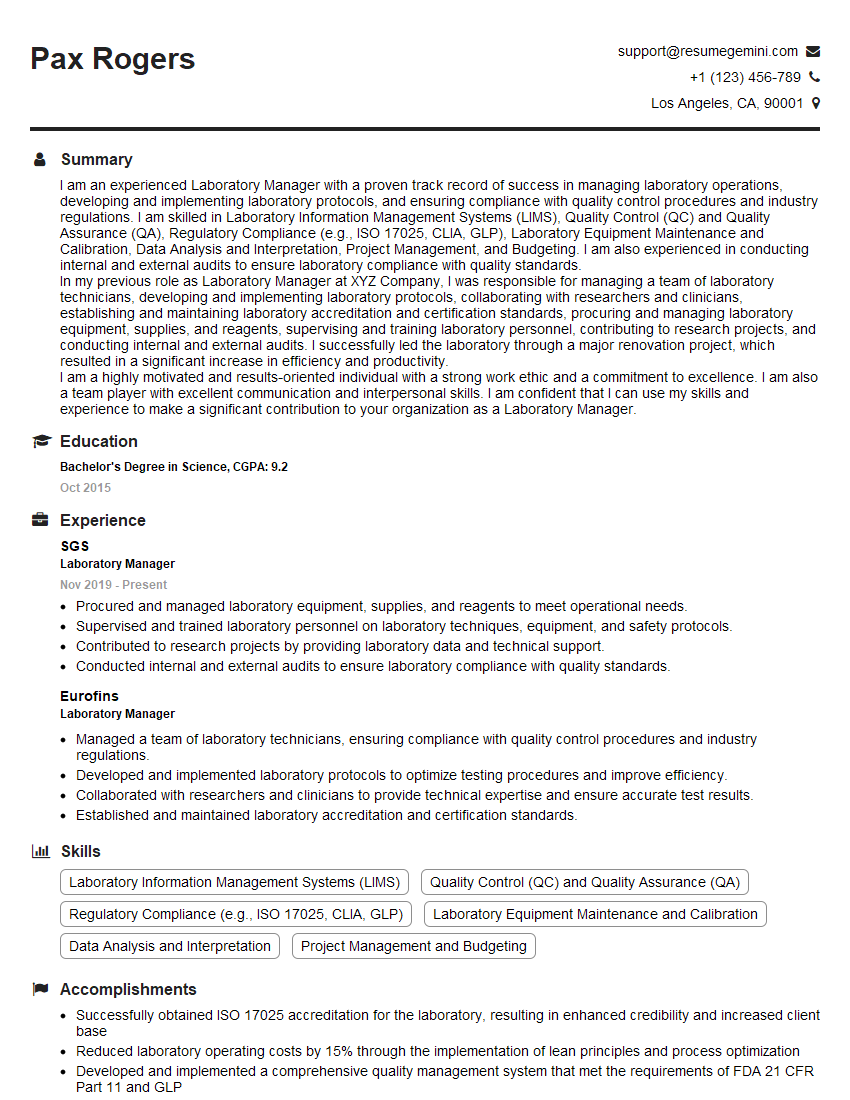
Laboratory Manager Resume Sample

Senior Scientist Resume Sample
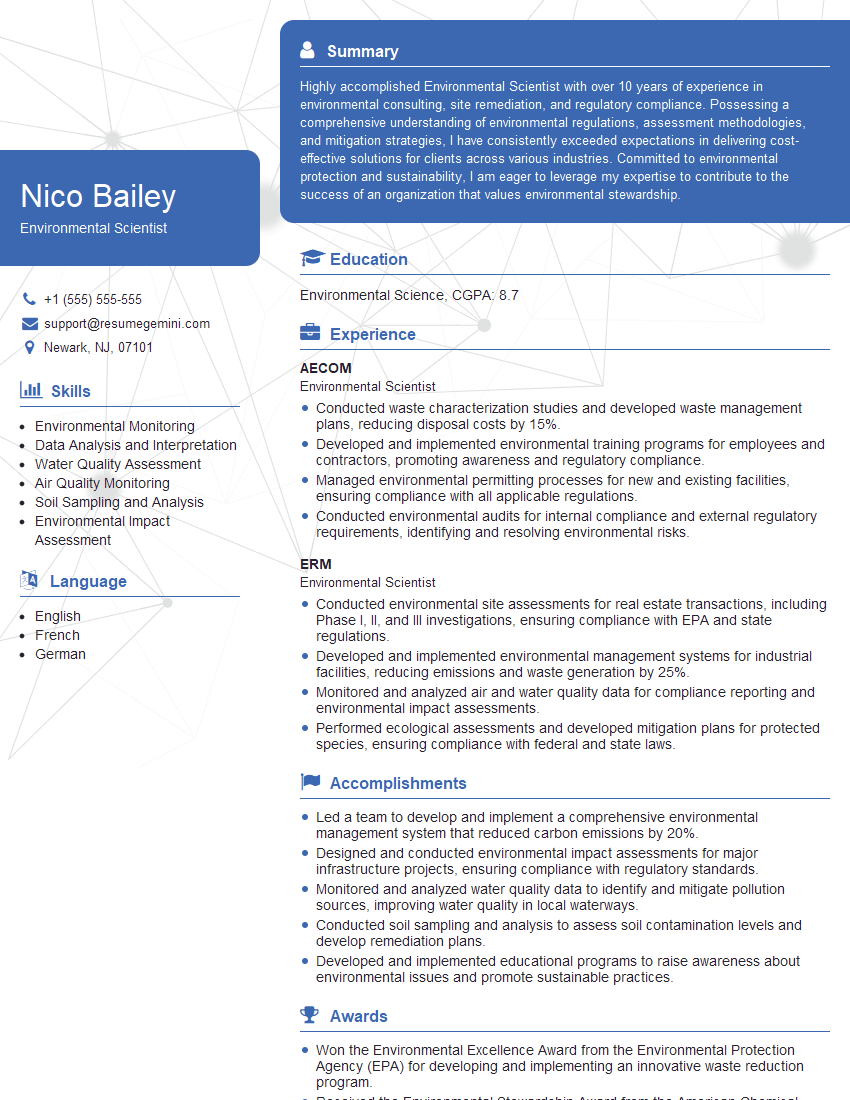
Environmental Scientist Resume Sample
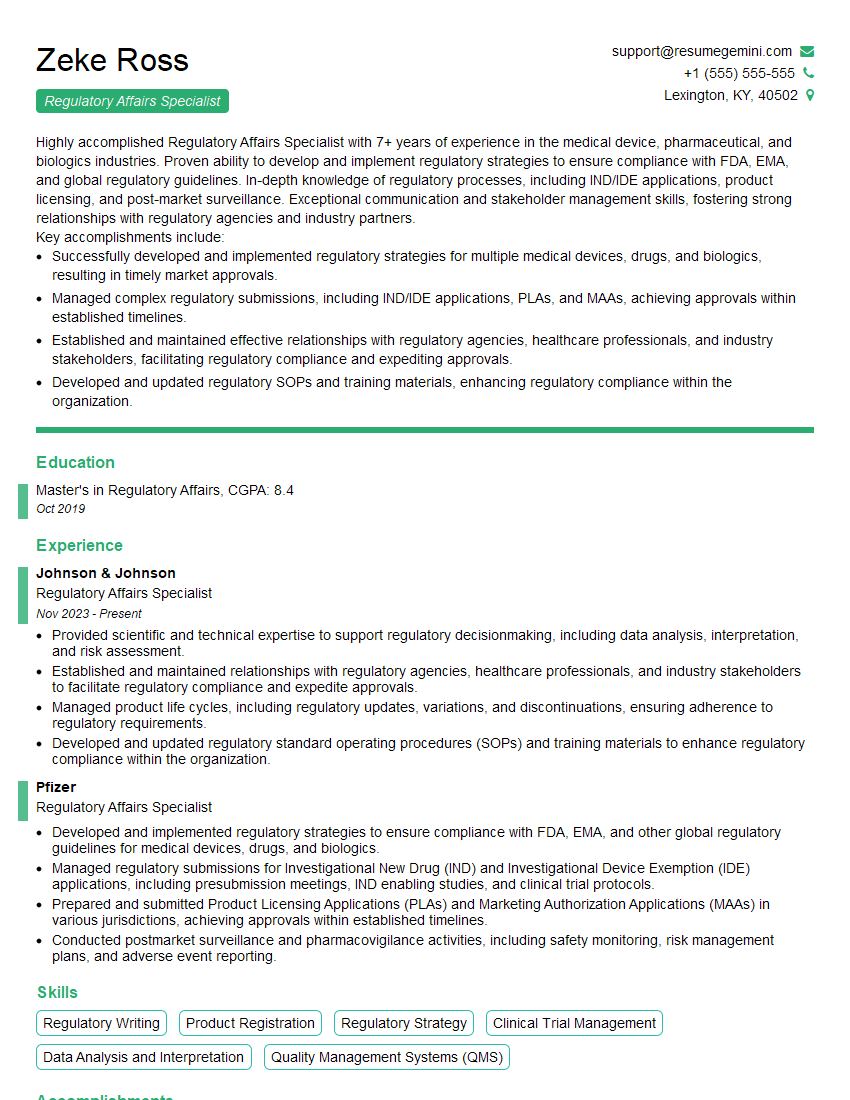
Regulatory Affairs Specialist Resume Sample

Research Scientist Resume Sample
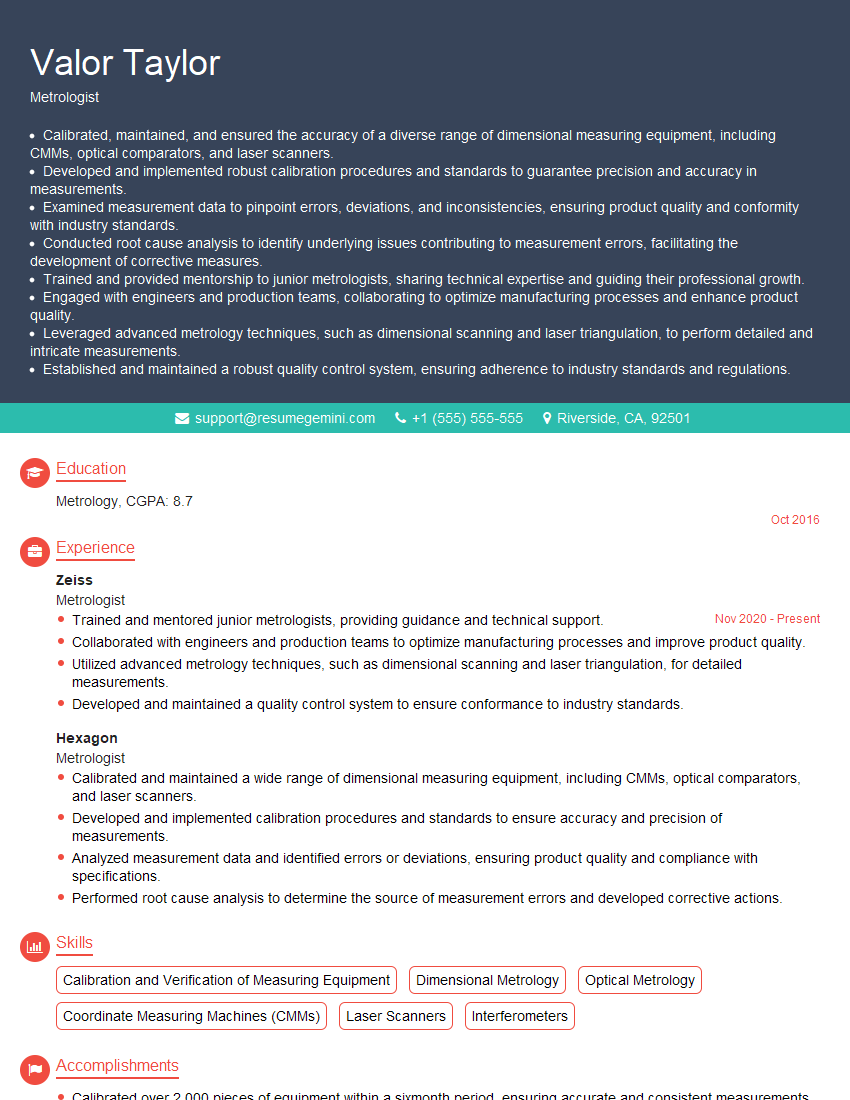
Metrologist Resume Sample

Quality Control Specialist Resume Sample
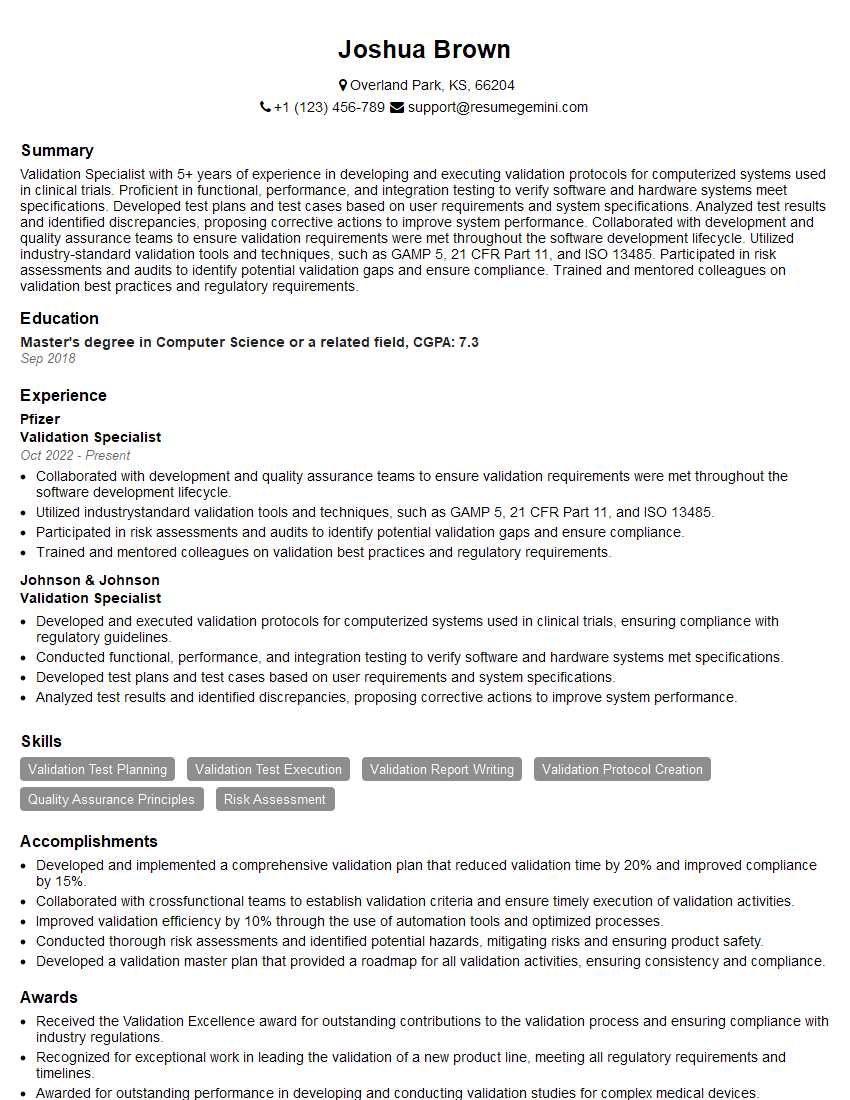
Validation Specialist Resume Sample
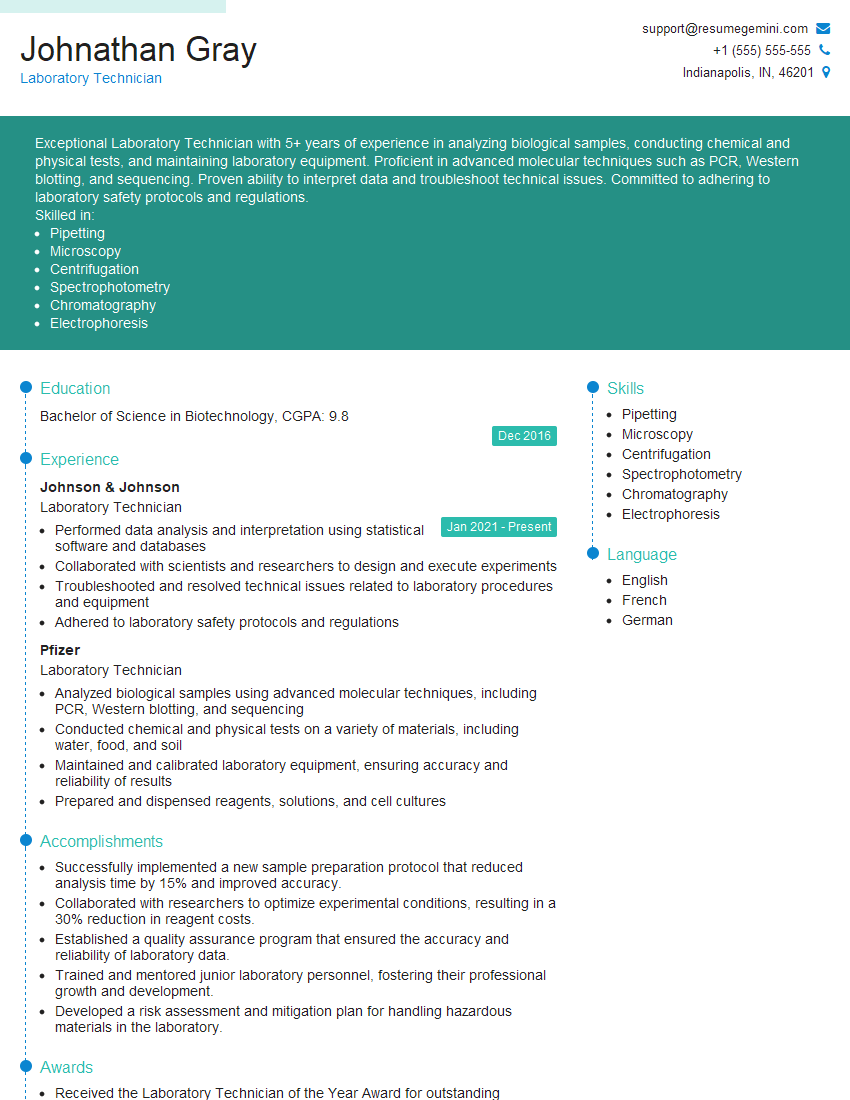
Laboratory Technician Resume Sample
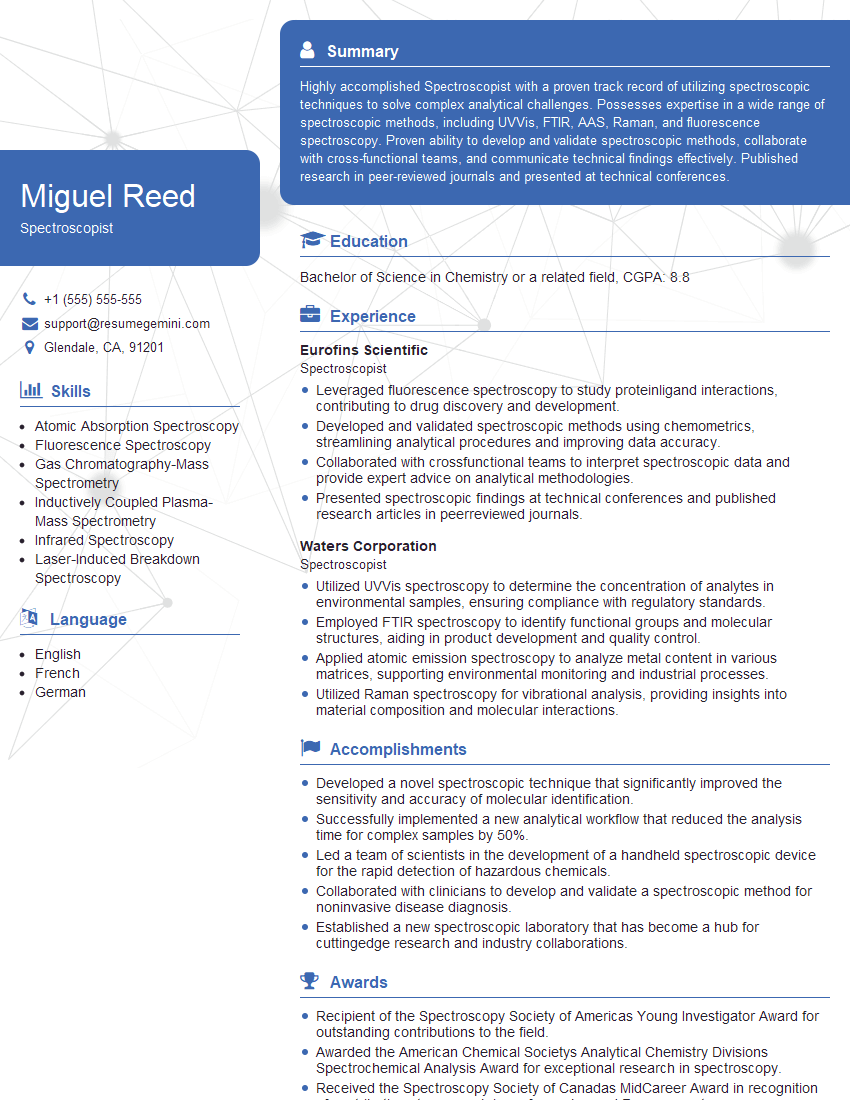
Spectroscopist Resume Sample

Food Scientist Resume Sample
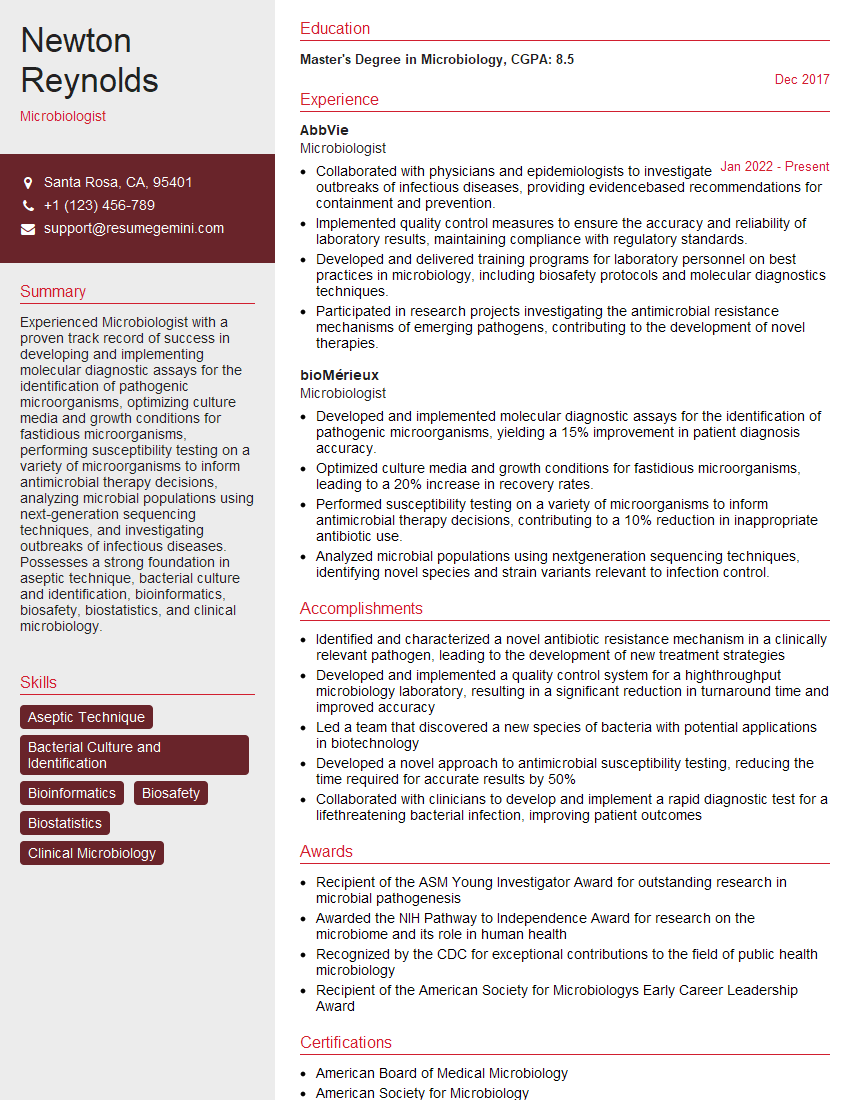
Microbiologist Resume Sample
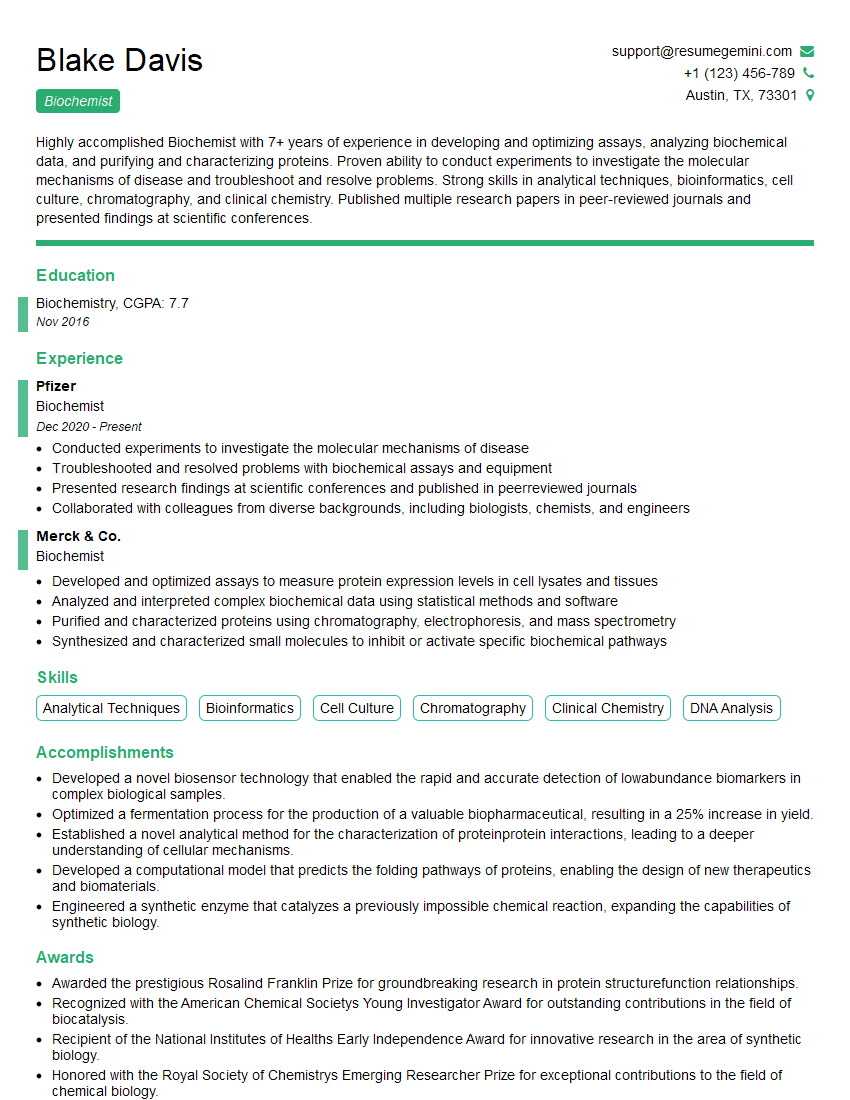
Biochemist Resume Sample
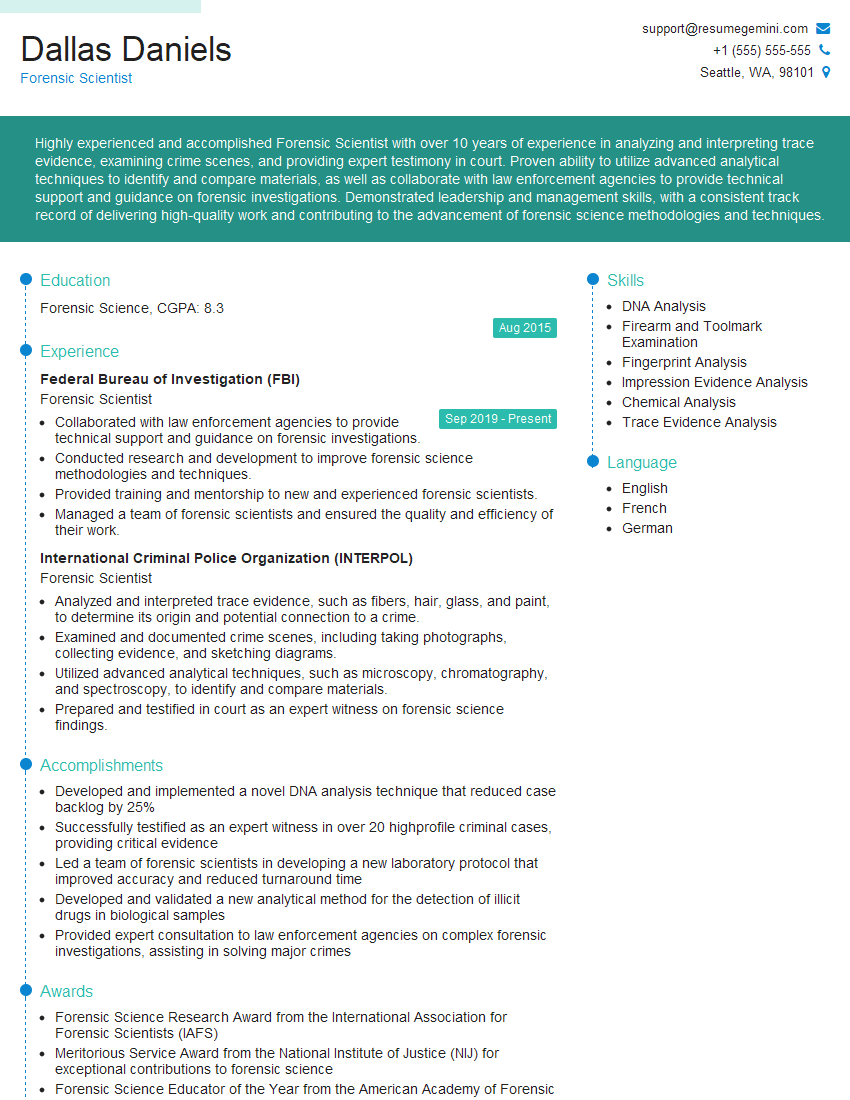
Forensic Scientist Resume Sample

Analytical Chemist Resume Sample
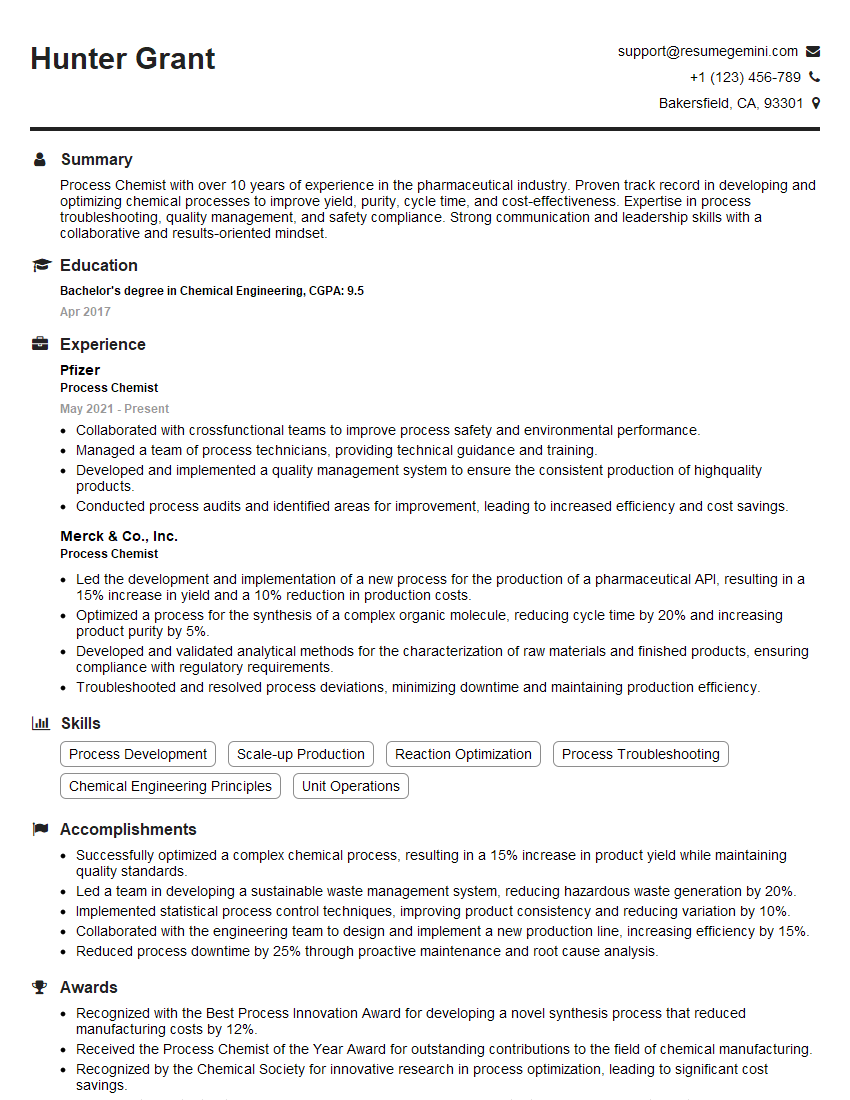
Process Chemist Resume Sample
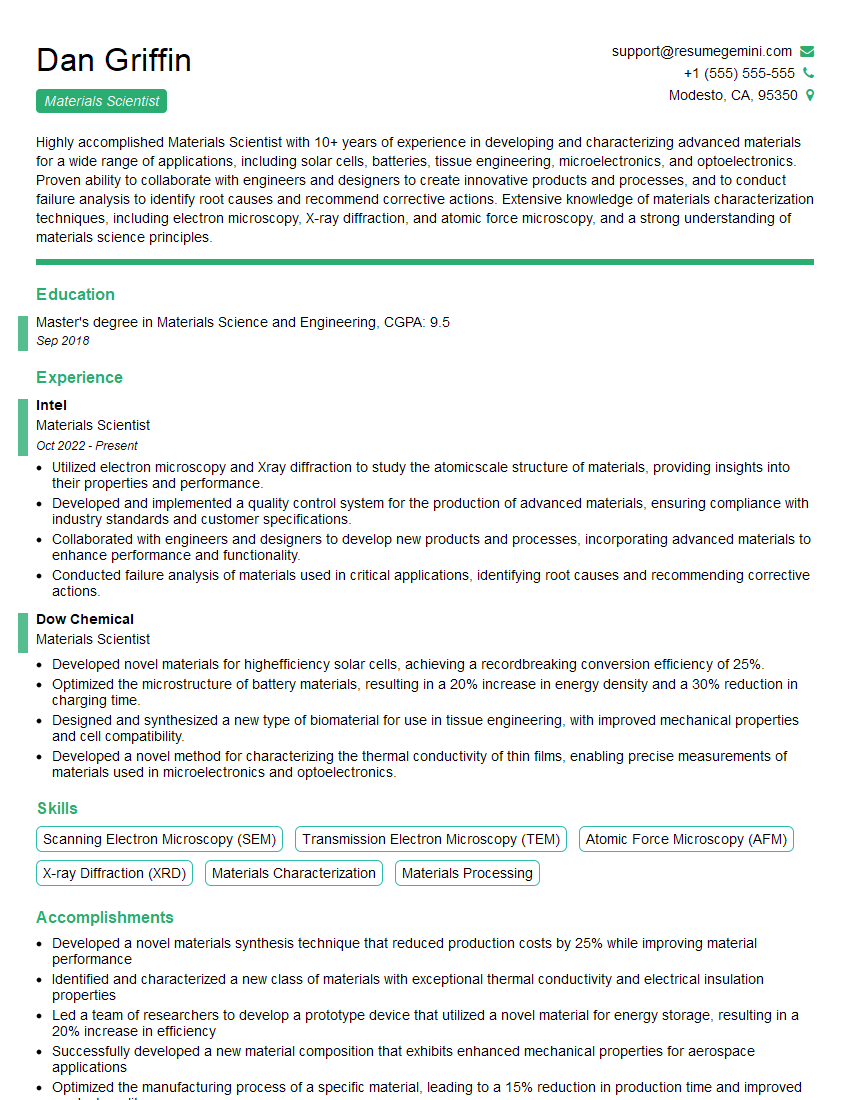
Materials Scientist Resume Sample
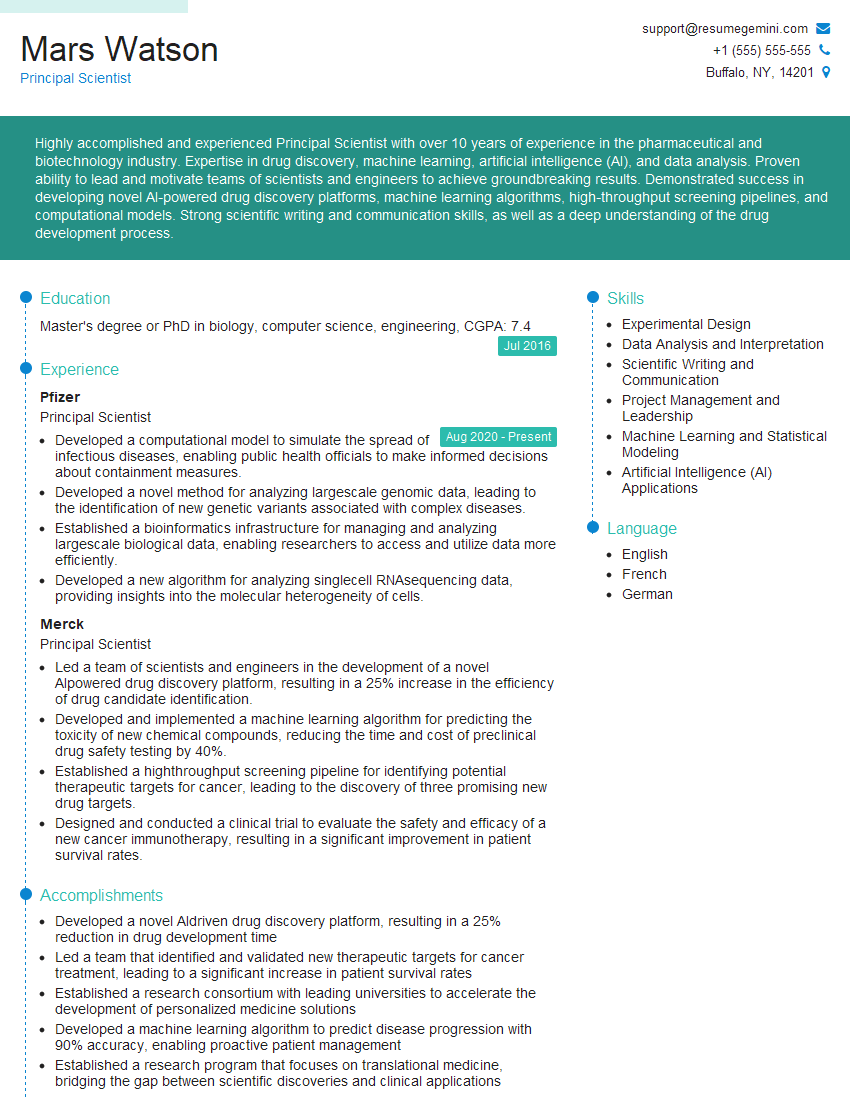
Principal Scientist Resume Sample
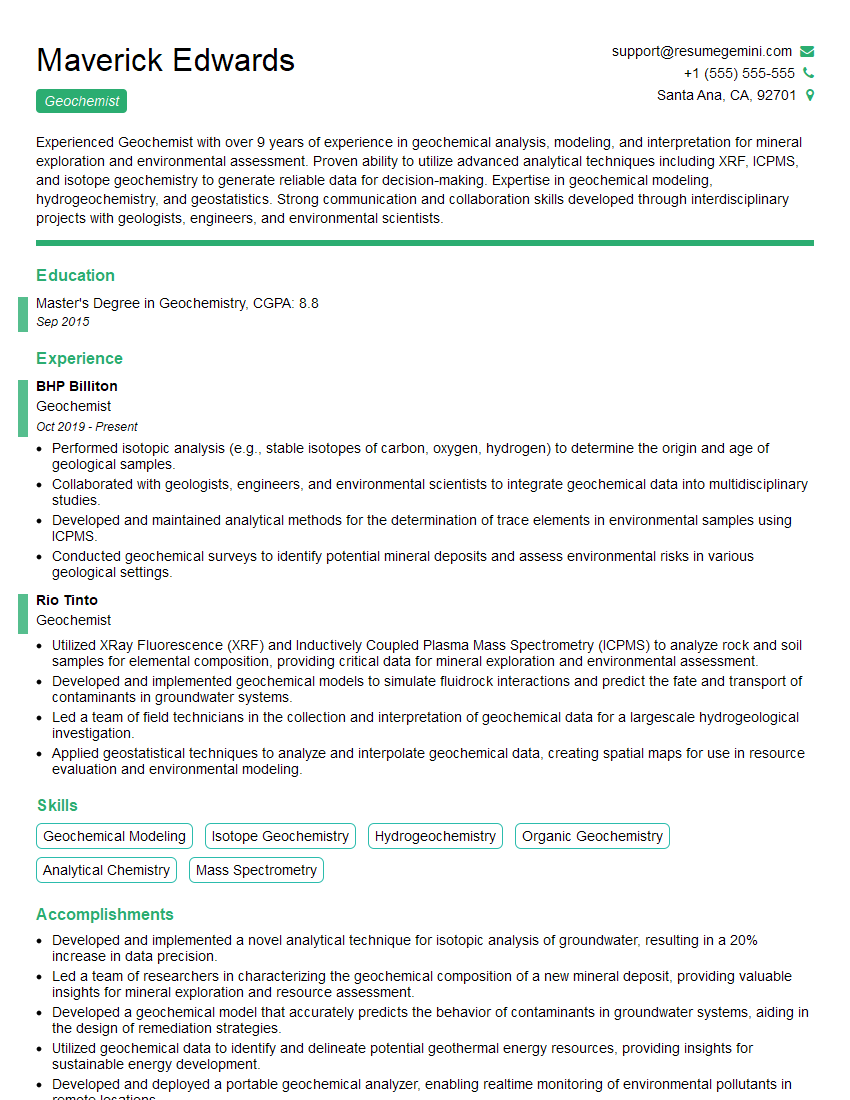
Geochemist Resume Sample
- Laboratory Manager
- Senior Scientist
- Environmental Scientist
- Regulatory Affairs Specialist
- Research Scientist
- Metrologist
- Quality Control Specialist
- Validation Specialist
- Laboratory Technician
- Spectroscopist
- Food Scientist
- Microbiologist
- Biochemist
- Forensic Scientist
- Analytical Chemist
- Process Chemist
- Materials Scientist
- Principal Scientist
- Geochemist
Explore more articles
Users Rating of Our Blogs
Share Your Experience
We value your feedback! Please rate our content and share your thoughts (optional).
What Readers Say About Our Blog
Really detailed insights and content, thank you for writing this detailed article.
IT gave me an insight and words to use and be able to think of examples