Interviews are more than just a Q&A session—they’re a chance to prove your worth. This blog dives into essential Proficient in Plate Cleaning Techniques interview questions and expert tips to help you align your answers with what hiring managers are looking for. Start preparing to shine!
Questions Asked in Proficient in Plate Cleaning Techniques Interview
Q 1. Describe your experience with various dishwashing methods (e.g., hand washing, automated systems).
My experience encompasses both manual and automated dishwashing methods. Hand washing, while requiring more labor, allows for meticulous attention to detail, particularly with delicate or uniquely shaped items. I’m proficient in various hand washing techniques, from pre-soaking and scrubbing with different brushes and sponges to the proper use of detergents and sanitizers. On the other hand, I have extensive experience operating high-capacity commercial dishwashers, understanding the intricacies of their cycles (pre-wash, wash, and final rinse), chemical dispensing systems, and preventative maintenance. In a high-volume restaurant setting, I optimized our automated system by adjusting the wash cycle parameters to improve efficiency and reduce water usage without compromising sanitation.
For example, I once managed to significantly reduce water waste in a busy restaurant kitchen by meticulously calibrating the automated dishwasher’s water flow based on the type and soiling level of dishes. This resulted in considerable cost savings and reduced our environmental impact.
Q 2. What are the different types of detergents used in commercial dishwashers?
Commercial dishwashers utilize a variety of detergents, each formulated for specific needs. These include:
- Low-alkaline detergents: Ideal for everyday cleaning and less aggressive on delicate items. These are commonly used in restaurants with a large volume of non-heavily soiled dishes.
- High-alkaline detergents: Essential for removing stubborn baked-on food. These are crucial for handling heavy-duty kitchenware such as roasting pans or grill grates.
- Chlorine-based sanitizers: These are vital for achieving the required sanitation level, eliminating harmful bacteria and viruses. The concentration is carefully monitored to ensure effectiveness while avoiding damage to equipment.
- Acid detergents (de-scaling agents): Used periodically to remove mineral deposits and limescale build-up from the dishwasher itself, extending its lifespan and efficiency.
The choice of detergent depends on factors such as the type of dishes, the level of soil, and the specific requirements of the health regulations.
Q 3. How do you ensure proper water temperature for effective sanitation?
Maintaining the correct water temperature is paramount for effective sanitation. Commercial dishwashers usually have built-in temperature controls, and I meticulously monitor these throughout the wash cycle. For effective sanitation, the final rinse water must reach a minimum temperature of 180°F (82°C). This high temperature ensures the destruction of harmful microorganisms. I regularly calibrate the temperature sensors and check the water temperature using a thermometer to ensure accuracy.
In one instance, I noticed the final rinse temperature was consistently lower than required. By troubleshooting, I discovered a faulty heating element, which was immediately replaced to maintain sanitation standards and comply with health codes.
Q 4. Explain the process of pre-soaking dishes before washing.
Pre-soaking is a crucial step, especially when dealing with heavily soiled dishes. It softens dried-on food, making it easier to remove during the washing process, and reduces the need for excessive scrubbing, which can damage delicate items. The pre-soaking solution typically consists of warm water and a low-concentration detergent solution. Dishes are immersed completely, allowing the solution to penetrate and loosen the food residue. The soaking time varies depending on the level of soiling; heavily soiled items might require several hours or overnight soaking.
For example, in a banquet setting with a massive amount of used plates, I found pre-soaking, followed by a quicker washing cycle, was highly efficient, minimizing labor while ensuring cleanliness.
Q 5. How do you handle heavily soiled or burnt-on food residue?
Handling heavily soiled or burnt-on food requires a multi-pronged approach. Pre-soaking is essential, often with a stronger detergent solution and perhaps a longer soaking time. For stubborn residue, I use specialized tools like a metal scouring pad (carefully, to avoid scratching) or a plastic scraper to gently remove the burnt-on food before washing. In some cases, I might employ a commercial degreaser, following the manufacturer’s instructions precisely, to effectively remove grease and burnt-on residue without damaging the dishes or posing health risks.
I remember one incident where a large roasting pan was heavily burned. I used a combination of pre-soaking with a high-alkaline detergent, gentle scraping, and finally, a short cycle in the high-temperature wash of the commercial dishwasher to completely clean the pan without any damage.
Q 6. What safety precautions do you take while operating dishwashing machinery?
Safety is paramount when operating dishwashing machinery. Before using any machine, I always ensure that all safety guards are in place and functioning correctly. I never reach into the machine while it’s running or during the heating and drying cycles to prevent burns or injuries. I use appropriate personal protective equipment (PPE), such as heat-resistant gloves, aprons, and safety glasses, to protect myself from splashes and hot water. I’m careful to follow all manufacturer’s guidelines for the safe handling of cleaning chemicals and dispose of them appropriately to prevent chemical burns or environmental pollution.
Regular inspections of the equipment, including checking for leaks and damaged components, are critical for preventing accidents.
Q 7. Describe your method for organizing and storing clean dishes.
Once dishes are cleaned and sanitized, I organize and store them systematically to prevent damage and contamination. I ensure that the dishes are completely dry before storing them. I use designated racks and storage areas for different types of dishes—glasses, plates, silverware—to maintain organization and efficiency. I use clean, dry towels to handle and dry them whenever necessary, ensuring they are properly air-dried to minimize moisture before storage. This methodical approach is crucial for maintaining hygiene standards and maximizing shelf life in a commercial setting. Properly stored items are also easier to locate, increasing service efficiency.
For instance, in a busy catering setting, efficient organization meant that we could easily and quickly locate required dishes for events, enhancing the overall speed and efficiency of the operation.
Q 8. How do you identify and handle broken or chipped dishes?
Identifying and handling broken or chipped dishes is crucial for both safety and hygiene. The first step is visual inspection. I carefully examine each dish for cracks, chips, or any signs of breakage before it even enters the washing process. Any dish with visible damage is immediately removed from the regular washing cycle.
Damaged dishes are segregated and disposed of properly. This usually involves placing them in a designated container clearly marked for broken crockery to prevent accidental cuts. For example, in a busy restaurant setting, I’d use a heavy-duty bin lined with a puncture-resistant bag. If the breakage is minor and repairable (like a small chip on a ceramic mug), I might mark it for later assessment by the manager, possibly for repair or for removal from high-usage areas. Always prioritize safety – never risk using a damaged dish, as it poses a significant risk of injury from sharp edges or breakage during use.
Q 9. How do you maintain the cleanliness and hygiene of the dishwashing area?
Maintaining a clean and hygienic dishwashing area is paramount for food safety. My approach is multifaceted and starts with regular cleaning. This includes frequent wiping down of all surfaces – countertops, sinks, and the dishwashing machine – with a suitable disinfectant solution.
I ensure that all equipment – from brushes and scrapers to the machine itself – is regularly cleaned and sanitized to prevent the build-up of grease, food particles, and bacteria. Good ventilation is key; I always make sure the area is well-ventilated to minimize the risk of mold growth and prevent unpleasant odors from lingering. I adhere to a strict schedule for emptying and cleaning out the wastewater disposal system. For example, a daily deep clean of the sinks and surrounding areas minimizes the chances of cross-contamination.
- Regular cleaning of all surfaces
- Sanitization of equipment
- Proper ventilation
- Wastewater disposal management
Q 10. What is your experience with different types of dishwashing machines?
My experience encompasses various types of dishwashing machines, including conveyor dishwashers, flight-type dishwashers, and undercounter dishwashers. I’m proficient in operating and maintaining each type. For instance, I understand the importance of pre-soaking dishes thoroughly before loading them into a conveyor system to ensure optimal cleaning.
With flight-type machines, I know how to adjust the various cycles to accommodate different types of dishware and levels of soil. For undercounter units, regular maintenance such as cleaning the filter and inspecting the spray arms is crucial for ensuring efficient operation. Understanding the operational differences between each machine and ensuring they are appropriately loaded are key to the efficacy and longevity of the machine.
Q 11. How do you ensure the effective disposal of wastewater?
Effective wastewater disposal is a critical aspect of maintaining hygiene and complying with environmental regulations. First, I ensure all food scraps are properly removed from dishes before washing to prevent clogging the drains. In many establishments, we use a garbage disposal unit to help with this.
Second, I regularly check and clean the drain traps to prevent blockages. I’m also aware of the local regulations regarding grease disposal – in some areas, specialized grease traps are required. Finally, I follow any specific procedures established by the workplace regarding the handling and disposal of wastewater, potentially including proper chemical treatment before drainage to prevent environmental contamination. For example, in some settings, the wastewater may need to be treated before discharge to meet local regulations concerning the presence of detergents and other chemicals.
Q 12. Explain your understanding of food safety regulations related to dishwashing.
My understanding of food safety regulations related to dishwashing is comprehensive. I am well-versed in all relevant local and national guidelines which often mandate specific temperatures for water and sanitizing solutions during dishwashing to ensure the elimination of harmful bacteria such as E. coli and Salmonella.
I know the importance of maintaining proper water temperature, usually using a thermometer to verify that water is hot enough during the wash cycle. I also understand the significance of appropriate air drying to avoid recontamination. Regular inspections and maintenance of the dishwashing equipment are crucial to avoid failure to meet standards, potentially resulting in costly fines or worse, health risks. I am always up to date on best practices in this field and actively engage in any mandatory training and refresher courses for maintaining food safety certifications.
Q 13. Describe your experience with chemical handling and safety procedures.
Safe chemical handling is a non-negotiable aspect of my work. I’m trained in the proper use, storage, and disposal of all cleaning and sanitizing agents. Before handling any chemical, I always check the Safety Data Sheet (SDS) for instructions and safety precautions.
I use appropriate personal protective equipment (PPE), such as gloves and eye protection, when handling chemicals. I carefully follow the manufacturer’s instructions regarding dilution ratios and application methods to ensure both efficacy and safety. For example, when handling strong disinfectants, I ensure adequate ventilation and always use the recommended protective gear. Proper storage in clearly labeled containers and the safe disposal of empty containers is critical. I also participate in regular training sessions on chemical handling safety, ensuring that I’m always up to date on best practices.
Q 14. How do you troubleshoot common issues with dishwashing machines?
Troubleshooting dishwashing machine issues involves a systematic approach. If the machine isn’t cleaning effectively, I first check for simple problems – is there enough detergent? Are the spray arms clogged? Is the water temperature correct? A clogged filter is a common culprit; if so, cleaning it usually resolves the problem.
More complex issues, such as a malfunctioning heating element or a broken pump, might require professional intervention. For instance, if I notice the machine is leaking water, I’d start by checking the hoses and connections for any damage or loose fittings. I’d consult the machine’s manual for troubleshooting guidance and, if necessary, contact a qualified technician to handle repairs. Keeping a log of daily inspections and maintenance checks significantly reduces the frequency of major issues. This allows for the early detection and prompt resolution of many minor issues, preventing them from becoming significant problems.
Q 15. What is your process for cleaning and sanitizing different types of tableware (e.g., glassware, silverware, china)?
Cleaning and sanitizing tableware involves a multi-step process that varies slightly depending on the material. Think of it like this: each item has its own unique cleaning ‘recipe’.
- Glassware: I always start by pre-rinsing to remove food particles. Then, I wash with hot, soapy water using a designated sponge or cloth for glassware to avoid scratching. Finally, I rinse thoroughly with clean, hot water and air dry, or use a lint-free cloth to avoid streaks. For stubborn stains, a soak in warm, soapy water might be necessary.
- Silverware: Silverware often requires more attention to detail. After pre-rinsing, I wash with hot, soapy water, paying close attention to removing any food residue from crevices. I then rinse thoroughly and air dry, or polish with a silver polishing cloth for a sparkling finish. Tarnishing can be addressed with specialized silver cleaning products.
- China: Similar to glassware, china requires gentle handling to avoid chipping. Pre-rinsing is crucial. I wash with hot, soapy water using a soft sponge or cloth. Thorough rinsing and air drying are essential to prevent water spots. For delicate china, hand washing is often preferred.
- Sanitization: After washing all tableware, I always sanitize it. This is done using a high-temperature rinse (at least 171°F or 77°C) or a chemical sanitizer following the manufacturer’s instructions. Sanitization is the critical step in eliminating harmful bacteria.
Remember, using separate cleaning cloths or sponges for different types of tableware helps prevent cross-contamination.
Career Expert Tips:
- Ace those interviews! Prepare effectively by reviewing the Top 50 Most Common Interview Questions on ResumeGemini.
- Navigate your job search with confidence! Explore a wide range of Career Tips on ResumeGemini. Learn about common challenges and recommendations to overcome them.
- Craft the perfect resume! Master the Art of Resume Writing with ResumeGemini’s guide. Showcase your unique qualifications and achievements effectively.
- Don’t miss out on holiday savings! Build your dream resume with ResumeGemini’s ATS optimized templates.
Q 16. How do you manage your time efficiently during peak hours in a busy kitchen?
During peak hours, time management is crucial. I employ a system that focuses on efficiency and teamwork. It’s like a well-oiled machine – each part works smoothly together. My strategy involves:
- Prioritization: I tackle the most urgent tasks first – often, it’s clearing high-traffic areas like the service station. Then, I focus on getting the dirty dishes cleaned and sanitized in an organized manner.
- Teamwork: Communication with kitchen staff is key. I work collaboratively with others, ensuring there’s a smooth flow of dirty dishes from the kitchen to the dishwashing area and clean ones back to the service.
- Pre-soaking: Pre-soaking heavily soiled dishes significantly reduces scrubbing time, allowing me to process more items quicker.
- Assembly Line Approach: I work in an assembly-line fashion, assigning specific tasks (e.g., pre-rinsing, washing, sanitizing, drying) to different team members or stations, to optimize the cleaning process.
This coordinated approach ensures that the dishwashing area keeps up with the pace of the kitchen, even during rushes.
Q 17. How do you prioritize tasks in the dishwashing area?
Prioritizing tasks in the dishwashing area follows a logical order, similar to a triage system in a hospital. It’s about addressing the most critical needs first.
- High-risk items: Utensils that have come into contact with raw meats or potentially hazardous foods are prioritized for immediate cleaning and sanitizing to prevent cross-contamination. This is a matter of food safety.
- Urgency: Dishes needed for immediate service are prioritized over those that can wait. Imagine a restaurant suddenly getting a large order; getting those plates cleaned quickly is vital.
- Type of soil: Heavily soiled items are often tackled first to prevent them from drying and becoming harder to clean. The principle is to prevent baked-on food from becoming a more substantial problem.
- Workflow: I follow a systematic workflow—cleaning and sanitizing in the order of receiving the dirty dishes to ensure efficiency and to avoid mixing dirty and clean items.
By prioritizing in this structured manner, I maintain a steady workflow and avoid unnecessary delays.
Q 18. How do you maintain a clean and organized workspace?
Maintaining a clean and organized workspace is crucial not only for hygiene but also for efficiency. It’s about creating a safe and productive work environment. Think of it as creating your ideal ‘kitchen laboratory’ for cleaning.
- Designated areas: I have designated zones for dirty dishes, clean dishes, and equipment, preventing cross-contamination.
- Regular cleaning: I regularly clean and wipe down surfaces, including the dishwashing machine and sinks, throughout the day, preventing the buildup of grease and food particles. Regular wiping is critical.
- Organized storage: Cleaning supplies are stored neatly and logically, ensuring easy access while preventing clutter.
- Regular maintenance: I ensure the dishwashing equipment (dishwashers, disposal units) is regularly inspected and maintained to prevent malfunctions and improve efficiency.
A clean and organized environment is a safety requirement and leads to a more productive and enjoyable workday.
Q 19. What is your experience with cleaning and sanitizing different types of kitchen equipment (e.g., pots, pans, mixing bowls)?
Cleaning and sanitizing kitchen equipment requires a customized approach based on material and usage. Think of it as catering to the needs of each type of ‘kitchen tool’.
- Pots and pans: I pre-soak them in hot, soapy water to loosen burnt food, then scrub thoroughly with appropriate cleaning tools (e.g., scouring pads for stubborn stains). Rinsing and sanitizing follow, ensuring complete cleaning. Non-stick cookware necessitates gentle handling to prevent scratching.
- Mixing bowls: Mixing bowls are relatively straightforward to clean. I wash them with hot, soapy water and a soft sponge or cloth, ensuring thorough rinsing and sanitizing.
- Other equipment: Other equipment, such as food processors or blenders, usually needs to be disassembled for thorough cleaning, followed by reassembly and sanitization. Always follow the manufacturer’s instructions for care and maintenance.
Knowing the best cleaning method for each piece of equipment is crucial to maintain hygiene and prolong its lifespan.
Q 20. Explain your understanding of proper dishwashing procedures to prevent cross-contamination.
Proper dishwashing procedures are fundamental to preventing cross-contamination, which can cause foodborne illnesses. Think of it as establishing a ‘barrier’ between raw and cooked foods.
- Temperature control: Hot water is essential for effective cleaning and sanitizing. The correct temperature should be maintained to ensure that the water is hot enough to kill bacteria.
- Separate utensils and cleaning supplies: I use color-coded cleaning cloths and sponges or designated utensils for raw and cooked foods to avoid cross-contamination. This prevents the transfer of bacteria from raw food to ready-to-eat food.
- Thorough cleaning: Every surface must be cleaned meticulously, including handles, crevices, and edges of all dishes.
- Sanitization: Sanitizing is a critical step to eliminate any remaining bacteria and viruses.
- Waste disposal: Proper waste disposal helps maintain hygiene and prevents the spread of bacteria.
Implementing these procedures prevents cross-contamination, protecting both employees and customers from foodborne illnesses. It is paramount for food safety.
Q 21. How do you ensure all dishes are thoroughly dried before storage?
Ensuring dishes are thoroughly dried before storage is vital to prevent the growth of bacteria and maintain hygiene. It’s all about creating a dry environment that inhibits bacteria growth.
- Air drying: Air drying is the ideal method; allowing dishes to air dry in a clean, well-ventilated area ensures that they dry completely before storage.
- Drying racks: Using drying racks with proper spacing allows for effective air circulation and prevents dishes from touching each other.
- Lint-free cloths: For faster drying, I use clean, lint-free cloths to wipe the dishes and remove excess water. It’s important to use separate cloths for each type of ware.
- Proper storage: Clean, dry dishes must be stored in designated areas to maintain their cleanliness and to prevent further contamination.
Thorough drying is a crucial step in maintaining food safety and prolonging the life of tableware. It’s a simple step that has big impacts.
Q 22. How do you handle different types of dishware materials (e.g., porcelain, stainless steel)?
Handling different dishware materials requires a nuanced approach to avoid damage and ensure thorough cleaning. Porcelain, for instance, is delicate and requires gentle handling to prevent chipping or cracking. I avoid abrasive cleaners and scouring pads, opting instead for soft sponges and mild detergents. Stainless steel, on the other hand, is more durable and can tolerate harsher cleaning methods, though excessive scrubbing can still lead to scratching. I use stainless steel-safe cleaners and may employ a slightly more vigorous scrubbing technique if needed, always paying attention to stubborn food particles. For delicate items like crystal glassware, I prioritize hand washing with a specialized glass cleaner to prevent clouding and damage. The key is to understand the material’s properties and select appropriate cleaning methods and agents.
Q 23. Describe your experience using different types of cleaning agents and their appropriate usage.
My experience encompasses a range of cleaning agents, each with its specific application. For everyday use, I prefer phosphate-free detergents that are effective yet gentle on both dishware and the environment. In situations requiring more powerful cleaning, such as heavily soiled cookware, I use degreasers, ensuring proper ventilation and following the manufacturer’s instructions carefully. For stubborn stains or burnt-on food, I might utilize a paste of baking soda and water for its gentle abrasive action. I am also familiar with specialized cleaners designed for specific materials, such as those formulated for removing hard water stains from glassware. The appropriate usage always prioritizes safety, environmental considerations, and the preservation of the dishware’s integrity. I always ensure proper dilution and avoid mixing different cleaning agents to prevent harmful chemical reactions.
Q 24. What are the signs of a malfunctioning dishwashing machine, and how would you respond?
Malfunctioning dishwashers can manifest in several ways. Signs include inadequate cleaning, leaving food residue on dishes; unusual noises, such as grinding or banging; leaking water; and a failure to drain properly. If the machine isn’t cleaning effectively, I’d first check the spray arms for clogs, ensuring they rotate freely. I would also inspect the filter for debris and clean or replace it as needed. Unusual noises could indicate a problem with the pump or motor. Leaks usually point to a faulty seal or hose. Failure to drain suggests a blockage in the drain line or a problem with the drain pump. If the issue persists after these checks, I would consult the machine’s manual or contact a qualified technician. Prioritizing safety is key; I would never attempt repairs beyond my expertise.
Q 25. What are the key differences between high-temperature and low-temperature dishwashing?
The primary difference between high-temperature and low-temperature dishwashing lies in the water temperature used. High-temperature dishwashing, typically exceeding 140°F (60°C), utilizes the heat to sanitize dishes effectively, killing most bacteria and microorganisms. This method is more energy-intensive but delivers superior sanitation. Low-temperature dishwashing, often using detergents with added sanitizing agents, operates at lower temperatures, reducing energy consumption. However, it relies heavily on the effectiveness of the chemical sanitizer and requires precise adherence to dwell times and concentration levels to achieve adequate sanitation. The choice between the two depends on the specific needs and resources available, balancing sanitation requirements with energy efficiency and environmental considerations. In settings requiring strict hygiene standards, such as healthcare or food service, high-temperature washing is usually preferred.
Q 26. How do you prevent the growth of bacteria and mold in the dishwashing area?
Preventing bacterial and mold growth in the dishwashing area is crucial for maintaining hygiene and food safety. Regular cleaning and sanitizing of the dishwashing machine, including the interior, spray arms, and filters, is essential. I also ensure the area is well-ventilated to reduce moisture buildup, a breeding ground for mold. Promptly cleaning up spills and food residue prevents bacteria from accumulating. Properly storing clean dishes in a dry, covered area helps prevent recontamination. Regularly checking for and addressing any leaks, which can encourage mold growth, is vital. Lastly, maintaining a clean and organized workspace prevents the accumulation of debris that can harbor microorganisms. Using appropriate cleaning agents, including sanitizers, and adhering to established cleaning protocols greatly minimizes the risk of contamination.
Q 27. How familiar are you with HACCP principles and their application to dishwashing?
I am very familiar with HACCP (Hazard Analysis and Critical Control Points) principles and their application to dishwashing. HACCP provides a systematic approach to identifying and controlling potential hazards in food preparation, including dishwashing. In the context of dishwashing, critical control points include ensuring adequate water temperature for sanitizing, maintaining proper detergent concentration, and regularly monitoring the equipment’s functionality. Following HACCP principles ensures that the dishwashing process effectively eliminates pathogens and prevents cross-contamination. I understand the importance of documenting procedures, monitoring temperatures, and conducting regular checks to ensure compliance with HACCP guidelines. This systematic approach significantly reduces the risk of foodborne illnesses and maintains the highest standards of hygiene in food service.
Q 28. Describe a situation where you had to resolve a problem related to dishwashing equipment or procedures.
In a previous role, we experienced a recurring issue with our commercial dishwasher—it wasn’t achieving the required water temperature for sanitization. Initially, we suspected a faulty heating element. However, after thorough investigation, we discovered a problem with the thermostatic control unit which wasn’t properly calibrated. The problem was identified by carefully monitoring water temperature throughout the wash cycle, comparing the readings with the manufacturer’s specifications, and documenting the findings. I worked with a technician to replace the faulty unit and recalibrate the system. We implemented regular temperature checks as part of our standard operating procedure to prevent future recurrences. This experience highlighted the importance of routine equipment maintenance and consistent monitoring to ensure optimal performance and adherence to safety and sanitation standards.
Key Topics to Learn for Proficient in Plate Cleaning Techniques Interview
- Understanding Cleaning Agents: Learn about the different types of detergents, sanitizers, and their appropriate applications for various plate materials (e.g., glass, ceramic, plastic). Understand the chemistry behind effective cleaning and the implications of improper chemical use.
- Mechanical Cleaning Procedures: Master the techniques of pre-soaking, scrubbing, rinsing, and air-drying. Understand the importance of proper water temperature and pressure for optimal cleaning results. Know how to identify and address stubborn stains or residues.
- Sanitation and Hygiene: Deeply understand sanitation protocols to prevent the spread of bacteria and viruses. Learn about proper hand hygiene, the use of gloves, and the importance of maintaining a clean work environment. Understand relevant health and safety regulations.
- Equipment Operation and Maintenance: Familiarize yourself with the operation and maintenance of dishwashers, automated cleaning systems, and other relevant equipment. Be prepared to discuss troubleshooting common issues and ensuring the equipment operates efficiently and safely.
- Quality Control and Inspection: Understand the procedures for inspecting cleaned plates for cleanliness, dryness, and any remaining residue. Learn how to identify defects and implement corrective actions to maintain high standards of quality.
- Waste Management and Sustainability: Understand environmentally responsible practices related to water and energy conservation, waste reduction, and proper disposal of cleaning agents and waste materials.
Next Steps
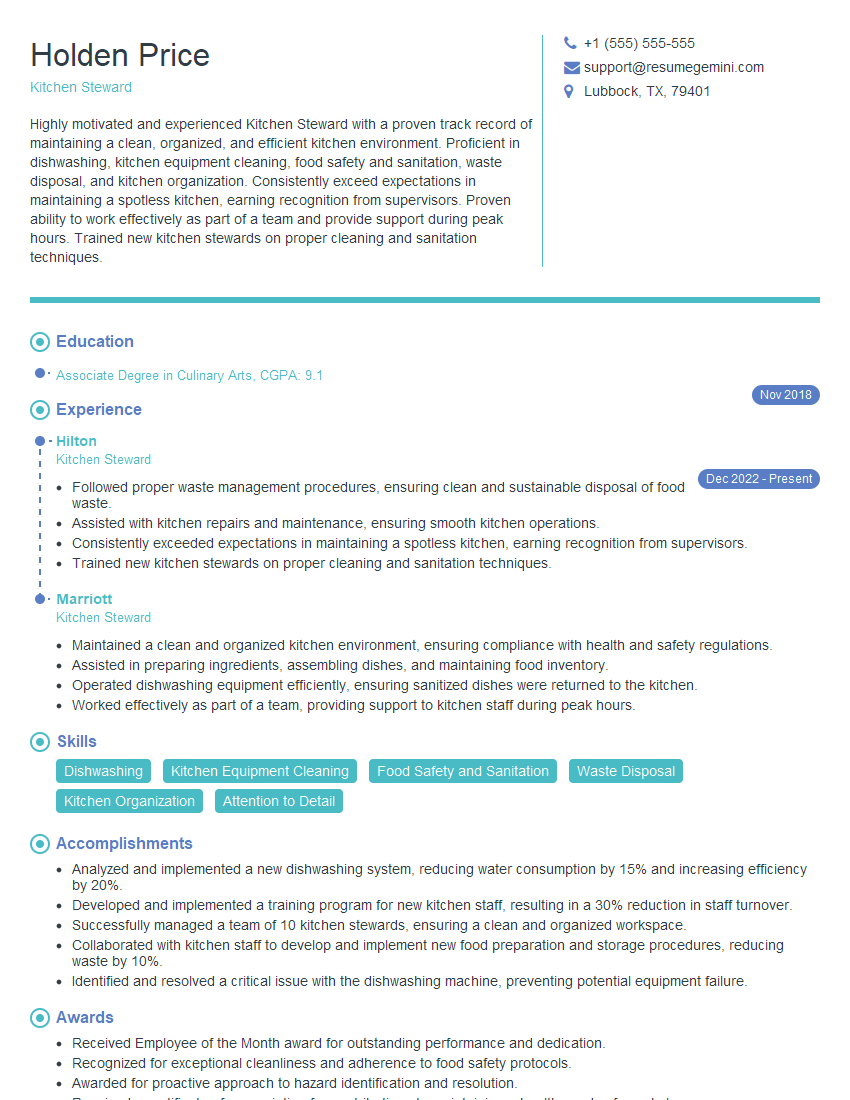
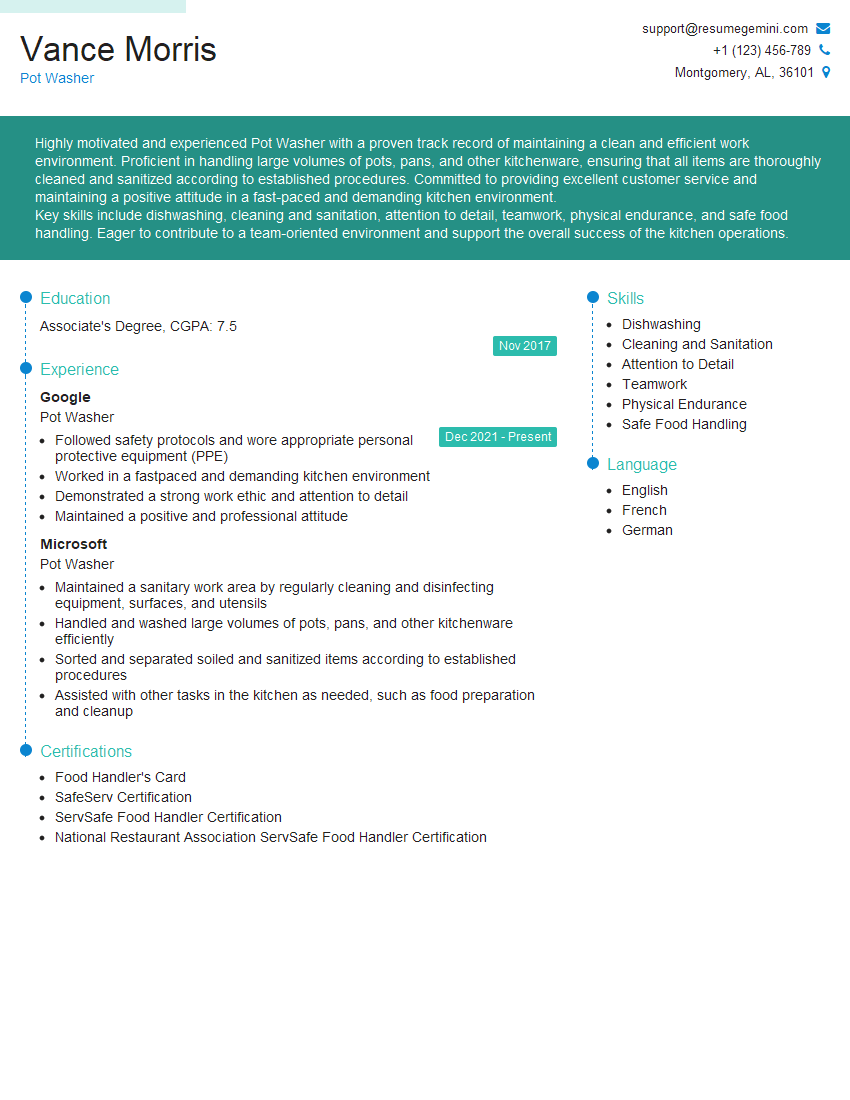
Mastering proficient plate cleaning techniques is crucial for advancement in many food service and hospitality roles, demonstrating your commitment to hygiene, efficiency, and quality. A strong resume is your first impression on potential employers. Creating an ATS-friendly resume is key to getting noticed. ResumeGemini can help you build a professional and impactful resume that highlights your skills and experience. Examples of resumes tailored to Proficient in Plate Cleaning Techniques are available to guide you.
Explore more articles
Users Rating of Our Blogs
Share Your Experience
We value your feedback! Please rate our content and share your thoughts (optional).
What Readers Say About Our Blog
Really detailed insights and content, thank you for writing this detailed article.
IT gave me an insight and words to use and be able to think of examples