Unlock your full potential by mastering the most common Proven Ability to Meet Deadlines interview questions. This blog offers a deep dive into the critical topics, ensuring you’re not only prepared to answer but to excel. With these insights, you’ll approach your interview with clarity and confidence.
Questions Asked in Proven Ability to Meet Deadlines Interview
Q 1. Describe a situation where you had to meet a tight deadline. What strategies did you use?
Meeting tight deadlines requires a proactive and organized approach. In one instance, I was tasked with developing a critical software module for a client launch scheduled in just three weeks. This was a significantly shorter timeframe than originally planned.
My strategies included:
- Prioritization: I identified the module’s core functionalities and prioritized them based on their importance to the overall system and the client’s needs. I focused on the most critical aspects first, ensuring they were completed to a high standard before moving to less crucial features.
- Time Blocking: I meticulously planned my day, dedicating specific time blocks to particular tasks. This helped me maintain focus and avoid context switching, maximizing my efficiency. I used a digital calendar and set reminders to stay on track.
- Communication: Open and frequent communication with the team and the client was vital. I provided daily updates on progress, highlighting any potential challenges early on, which allowed for proactive problem-solving.
- Resource Allocation: I carefully assessed the resources I needed, including team members, tools, and information, and ensured they were readily available. I also identified potential bottlenecks early on and proactively sought solutions.
By employing these strategies, I successfully delivered the module on time and met the client’s expectations. The success hinged on meticulous planning, clear communication, and a commitment to staying focused amidst pressure.
Q 2. How do you prioritize tasks when facing multiple deadlines?
Prioritizing tasks with multiple deadlines involves a structured approach. I typically use a combination of methods, including:
- Eisenhower Matrix (Urgent/Important): This helps categorize tasks based on urgency and importance, allowing me to focus on the most critical items first. Tasks that are both urgent and important get immediate attention. Important but not urgent tasks are scheduled, while urgent but not important tasks are delegated or eliminated if possible.
- MoSCoW Method: This method categorizes requirements as Must have, Should have, Could have, and Won’t have. This is crucial for prioritizing features or functionalities when working on a large project with limited time. I focus on the ‘Must have’ items first to ensure the core functionality is delivered.
- Deadline Proximity: I also consider the proximity of each deadline. Tasks with the closest deadlines are prioritized higher, ensuring that immediate commitments are met.
This layered approach ensures that I consistently address the most critical tasks and that my effort is directed effectively toward meeting deadlines, even when managing a considerable workload.
Q 3. What’s your process for breaking down large projects into manageable tasks with deadlines?
Breaking down large projects into manageable tasks is essential for effective deadline management. My process involves:
- Define Scope: Clearly defining the project’s overall goals and deliverables is the first step. This sets a clear vision and prevents scope creep.
- Work Breakdown Structure (WBS): I create a WBS, which is a hierarchical decomposition of the project into smaller, more manageable tasks. This visually represents the project’s structure and dependencies between tasks.
- Task Estimation: I estimate the time and resources required for each task. This requires experience and sometimes involves collaborating with the team to arrive at realistic estimates.
- Dependency Mapping: I identify dependencies between tasks. Some tasks can’t begin until others are completed. This helps to create a realistic schedule.
- Assign Deadlines: Based on task dependencies and estimations, I assign deadlines to each task. I use a project management tool to track these deadlines effectively and ensure that the overall project deadline is met.
This methodical approach ensures that the project is divided into smaller, achievable chunks, making progress easier to track and manage.
Q 4. How do you handle unexpected setbacks that threaten to delay project completion?
Unexpected setbacks are inevitable in project management. My approach involves:
- Identify the Problem: The first step is to clearly identify the nature and scope of the setback. This involves gathering information and assessing its impact on the project timeline.
- Assess Impact: Determine how the setback affects the project timeline and deliverables. This involves analyzing dependencies and re-evaluating task durations.
- Develop Mitigation Strategies: Based on the impact, I develop strategies to mitigate the setback. This might include reallocating resources, adjusting the project schedule, negotiating with stakeholders, or seeking additional assistance.
- Communicate Proactively: I communicate the setback and the mitigation strategies to all relevant stakeholders. Transparency is crucial in managing expectations and maintaining trust.
- Monitor and Adapt: I continuously monitor the situation and make adjustments as needed. Flexibility is key to successfully navigating unexpected challenges.
For example, if a key team member falls ill, I might reassign tasks or bring in temporary support. Open communication throughout the process is vital.
Q 5. Describe a time you failed to meet a deadline. What went wrong, and what did you learn?
In one instance, I failed to meet a deadline due to underestimating the complexity of a task. I assumed a particular integration would be straightforward, but unforeseen technical challenges arose.
What went wrong:
- Underestimation: I didn’t thoroughly analyze the technical aspects of the integration, leading to inaccurate time estimations.
- Lack of Contingency Planning: I didn’t have a backup plan for potential delays, making it difficult to recover from the unforeseen problems.
- Insufficient Communication: I didn’t communicate the challenges proactively to stakeholders, leading to a lack of support and potentially creating unnecessary stress.
What I learned:
- Thorough Analysis: Always thoroughly analyze tasks to avoid underestimation and incorporate sufficient buffer time.
- Contingency Planning: Develop contingency plans to address potential setbacks and have alternative strategies in place.
- Proactive Communication: Communicate challenges promptly and transparently to stakeholders to seek support and manage expectations.
This experience emphasized the importance of thorough planning, realistic estimations, and open communication in managing deadlines effectively.
Q 6. How do you use project management tools to track progress and manage deadlines?
Project management tools are invaluable for tracking progress and managing deadlines. I regularly use tools like Jira, Asana, or Trello. These tools allow me to:
- Create and Assign Tasks: I break down projects into individual tasks, assign them to team members, and set due dates.
- Track Progress: The tools provide visual representations of task completion, highlighting progress towards deadlines.
- Manage Dependencies: I can define task dependencies, ensuring tasks are completed in the correct order.
- Generate Reports: Project management tools generate reports on project progress, which are helpful for communication with stakeholders.
- Collaborate Effectively: They facilitate communication and collaboration within teams, allowing for real-time updates and feedback.
Example: In Jira, I can create a Kanban board to visualize the workflow, track the status of each task, and receive notifications when deadlines approach.
By leveraging the features of these tools, I can monitor progress effectively, identify potential roadblocks early on, and ensure projects are delivered on time.
Q 7. How do you communicate potential deadline issues to stakeholders?
Communicating potential deadline issues requires a proactive and transparent approach. My process involves:
- Early Identification: I identify potential issues as soon as they arise, avoiding last-minute surprises.
- Assessment of Impact: I assess the impact of the issue on the project timeline and deliverables.
- Proposed Solutions: I brainstorm potential solutions to mitigate the issue, weighing the pros and cons of each.
- Communication Plan: I develop a communication plan, identifying the key stakeholders and the appropriate method of communication (e.g., email, meeting).
- Clear and Concise Communication: I communicate the issue, its potential impact, the proposed solutions, and the revised timeline (if applicable) clearly and concisely to all stakeholders.
- Documentation: I document all communication related to the issue, including the agreed-upon solutions and revised deadlines.
The goal is to keep stakeholders informed, manage expectations, and collaboratively find solutions to ensure project success, even with unforeseen challenges. Clear and timely communication is critical for building trust and maintaining positive working relationships.
Q 8. How do you delegate tasks effectively to ensure timely completion?
Effective delegation is crucial for meeting deadlines. It’s not just about assigning tasks; it’s about empowering individuals with the right resources and support. I follow a structured approach:
- Clear Task Definition: I ensure each task has a clear objective, scope, and expected outcome. This prevents misunderstandings and ensures everyone is on the same page.
- Skill-Based Assignment: I match tasks to individual team members’ strengths and experience. This optimizes efficiency and quality.
- Resource Allocation: I provide the necessary tools, information, and support each team member needs to complete their tasks. This might include access to software, data, or mentorship.
- Regular Check-ins: I schedule regular check-ins, not to micromanage, but to offer guidance, address challenges, and track progress. This allows for early identification of potential delays.
- Clear Communication Channels: I establish clear communication channels for questions, updates, and problem-solving. This keeps everyone informed and prevents bottlenecks.
For example, in a recent project, I delegated content creation to one team member, graphic design to another, and technical implementation to a third. By clearly defining roles and responsibilities and providing regular feedback, the project was completed ahead of schedule.
Q 9. Are you comfortable working under pressure and managing multiple concurrent deadlines?
I thrive under pressure and am comfortable managing multiple concurrent deadlines. My experience has taught me that effective prioritization and time management are key to navigating this environment. I approach this using a combination of strategies:
- Prioritization Matrix: I use a prioritization matrix (like Eisenhower’s Urgent/Important) to categorize tasks and focus on the most critical items first.
- Time Blocking: I allocate specific time blocks for different tasks to maintain focus and avoid context switching.
- Break Down Large Tasks: I break down large projects into smaller, manageable tasks to make them less daunting and track progress more effectively.
- Proactive Communication: I keep stakeholders updated on progress and any potential challenges to proactively address any concerns.
I find that staying calm and organized under pressure helps me to make sound decisions and maintain efficiency.
Q 10. How do you proactively identify and mitigate potential risks to project deadlines?
Proactive risk management is essential for meeting deadlines. I employ a systematic approach:
- Risk Identification: I brainstorm potential risks at the beginning of each project, considering factors such as resource availability, technical challenges, and external dependencies.
- Risk Assessment: I assess the likelihood and impact of each identified risk.
- Mitigation Strategies: I develop contingency plans to mitigate identified risks. This might involve securing backup resources, establishing alternative workflows, or building buffer time into the schedule.
- Monitoring and Adjustment: I continually monitor progress and actively look for potential risks throughout the project’s lifecycle, adjusting plans as necessary.
For instance, on a recent project, we identified the risk of a key software dependency being delayed. We mitigated this risk by exploring alternative solutions and building a buffer into the schedule. This allowed us to complete the project on time even when the dependency was slightly delayed.
Q 11. What techniques do you use for time management and prioritization?
My time management relies on a combination of techniques:
- Planning and Prioritization: I use to-do lists, project management software, and prioritization matrices to organize tasks and allocate time effectively.
- Time Blocking: I dedicate specific time blocks to focused work on prioritized tasks, minimizing distractions.
- Pomodoro Technique: I sometimes use the Pomodoro Technique (working in focused bursts with short breaks) to maintain concentration and avoid burnout.
- Regular Review and Adjustment: I regularly review my schedule and adjust priorities as needed to adapt to changing circumstances.
I find that being realistic about how much I can accomplish in a given timeframe and regularly reviewing my progress helps me to stay on track.
Q 12. How do you handle conflicting priorities when multiple deadlines are approaching?
When faced with conflicting priorities and approaching deadlines, I use a structured approach:
- Prioritize Based on Impact: I assess the impact of each task on the overall project goals and prioritize those with the highest impact first.
- Re-evaluate Deadlines: I communicate with stakeholders to re-evaluate deadlines if necessary, explaining the constraints and exploring alternative solutions.
- Delegate or Reschedule: If possible, I delegate less critical tasks or reschedule them to a later date to focus on the most urgent priorities.
- Seek Clarification: If the priorities are unclear, I proactively seek clarification from stakeholders to ensure I’m working on the most important tasks.
Transparency and communication are key in these situations. Keeping stakeholders informed prevents misunderstandings and allows for collaborative problem-solving.
Q 13. Describe a time you successfully negotiated a deadline extension. What was your approach?
In a previous project, we faced an unexpected delay in receiving crucial data from a third-party vendor. This threatened to push back our final deadline. To negotiate an extension, I followed these steps:
- Documented the Delay: I meticulously documented the delay, including communication with the vendor and the impact on our project timeline.
- Presented a Revised Timeline: I presented a revised project timeline that reflected the delay and outlined the impact of sticking to the original deadline.
- Proposed Mitigation Strategies: I proposed mitigation strategies to minimize the impact of the delay, such as prioritizing critical tasks and working extended hours where necessary.
- Maintained Professionalism: I maintained a professional and collaborative tone throughout the negotiation process, emphasizing our commitment to delivering a high-quality product.
By presenting a well-reasoned case and proposing solutions, I successfully negotiated a reasonable deadline extension, ensuring the project’s success.
Q 14. How do you ensure your team members understand and adhere to deadlines?
Ensuring team members understand and adhere to deadlines requires clear communication and a collaborative approach:
- Clear Communication of Deadlines: I ensure all deadlines are clearly communicated to the team in writing and verbally, using project management software to track progress.
- Team Involvement in Setting Deadlines: Where possible, I involve the team in setting realistic deadlines to foster ownership and accountability.
- Regular Progress Updates: I hold regular meetings to discuss progress, address challenges, and ensure everyone is on track.
- Positive Reinforcement and Recognition: I acknowledge and appreciate team members’ contributions and efforts to maintain motivation and encourage adherence to deadlines.
- Addressing Challenges Proactively: I address any challenges or roadblocks promptly, providing support and guidance to ensure tasks are completed on time.
By fostering a culture of accountability and open communication, I ensure the entire team understands the importance of meeting deadlines and works collaboratively to achieve them.
Q 15. What is your preferred method for tracking your own progress toward deadlines?
My preferred method for tracking progress towards deadlines is a multi-pronged approach combining a robust project management system with a personal, highly visual system. I rely heavily on tools like Jira or Asana for task breakdown, dependencies, and overall project visibility. However, I also maintain a personal Kanban board, either physical or digital, to visualize my daily tasks and their progress. This allows for a high-level overview of my workload and allows me to easily identify potential bottlenecks before they impact deadlines.
For example, in a recent project involving a software release, I used Jira to track the development sprints and Asana to manage individual tasks within each sprint. My personal Kanban board then tracked my own daily tasks, categorized by priority and status (To Do, In Progress, Done). This layered approach ensured I could see both the big picture and my own granular tasks, which greatly aided in staying on track.
Career Expert Tips:
- Ace those interviews! Prepare effectively by reviewing the Top 50 Most Common Interview Questions on ResumeGemini.
- Navigate your job search with confidence! Explore a wide range of Career Tips on ResumeGemini. Learn about common challenges and recommendations to overcome them.
- Craft the perfect resume! Master the Art of Resume Writing with ResumeGemini’s guide. Showcase your unique qualifications and achievements effectively.
- Don’t miss out on holiday savings! Build your dream resume with ResumeGemini’s ATS optimized templates.
Q 16. How do you measure your success in meeting deadlines?
I measure my success in meeting deadlines by several key metrics. First, and most obviously, I assess whether the final deliverable was completed by the agreed-upon date and time. But equally important is the quality of the work delivered. Meeting a deadline with subpar results is not a success. Therefore, I also consider client or stakeholder satisfaction and the overall impact of the completed work. I also reflect on my own process – did I effectively manage my time and resources? If there were setbacks, what were the root causes and what improvements could be made for future projects?
For instance, on a recent marketing campaign, I not only met the deadline for the launch, but also exceeded the target engagement rate. This successful outcome was the result of meticulous planning, proactive risk management, and constant monitoring of progress, demonstrating a successful approach to deadline management.
Q 17. Have you ever had to make trade-offs to meet a critical deadline? Describe the situation and your decision.
Yes, I have had to make trade-offs to meet critical deadlines. During a website redesign project, we encountered unforeseen compatibility issues with a third-party plugin just days before the launch. Repairing the compatibility issue would have pushed the launch beyond the crucial deadline. After careful evaluation, the team and I decided to temporarily disable the plugin for launch. This meant sacrificing a planned feature but ensured the website went live on time. The disabled feature was later added in a subsequent, smaller update.
The decision was based on a risk assessment – the cost of missing the launch deadline outweighed the cost of temporarily disabling the plugin. Transparent communication with stakeholders ensured they understood the rationale and timeline for the full feature implementation.
Q 18. How do you stay organized and manage your workload to prevent missed deadlines?
Staying organized and managing workload involves a combination of proactive planning and reactive adaptation. At the project outset, I break down large tasks into smaller, more manageable sub-tasks using a work breakdown structure (WBS). This helps to create a clear roadmap and allows for better estimation of time needed for each task. I prioritize tasks using methods like the Eisenhower Matrix (urgent/important), allocating time slots in my calendar for focused work on each task. Regular review meetings and progress updates prevent tasks from falling through the cracks.
Furthermore, I utilize time-blocking techniques and leverage tools like the Pomodoro Technique to improve focus and avoid multitasking, known to decrease productivity. I also regularly review my calendar and to-do lists to identify potential conflicts or upcoming deadlines that require adjustments to my schedule.
Q 19. Describe your experience using project management software (e.g., Asana, Trello, Jira).
I have extensive experience with project management software, primarily Jira and Asana. Jira’s strength lies in its ability to manage complex projects with multiple dependencies, particularly in software development. Its issue tracking, sprint management, and reporting features are invaluable for large-scale projects. Asana, on the other hand, offers a more intuitive and visually appealing interface, excellent for team collaboration and task management on smaller projects or projects requiring less formal process management.
In practical application, I have used Jira to manage agile development sprints, assigning tasks, tracking progress, and generating reports on team velocity and project burn-down. Asana has been useful for managing marketing campaigns, content calendars, and smaller collaborative projects with less technical complexity. My proficiency in these tools allows me to select the most appropriate platform for each project’s specific needs.
Q 20. How do you handle last-minute requests that might impact existing deadlines?
Handling last-minute requests requires a calm, decisive approach. First, I assess the urgency and impact of the request. If it’s truly urgent and critical, I prioritize it and communicate proactively with stakeholders about potential impacts on existing deadlines. This might involve re-prioritizing tasks, adjusting the scope of other projects, or seeking additional resources if feasible. However, I also push back politely but firmly if the request is unrealistic given existing commitments. Open and honest communication is key.
For example, if a last-minute critical bug fix request comes in for a live product, I would immediately assess the severity and potential impact. If the fix is essential, I would re-prioritize my tasks to address it, potentially delaying less critical tasks. Transparency with team members and stakeholders is crucial to manage expectations and prevent conflicts.
Q 21. How do you ensure the quality of your work while meeting tight deadlines?
Ensuring quality under tight deadlines requires a strategic approach. Firstly, thorough planning and clear task definitions at the outset are paramount. This minimizes rework and allows for more efficient use of time. Secondly, I employ rigorous quality control measures throughout the process, not just at the end. This may involve regular self-checks, peer reviews, and automated testing where applicable. Thirdly, I focus on the most critical aspects of the project first, ensuring core functionality and quality are delivered even if less important aspects are slightly delayed.
For instance, in a content creation project with a tight deadline, I would ensure the core messaging, accuracy of facts, and overall readability are prioritized over stylistic refinements, which could be addressed later if time allows. By focusing on critical quality elements first, I can ensure the project meets the required standards, even under pressure.
Q 22. How do you balance speed and accuracy when working under pressure?
Balancing speed and accuracy under pressure is a crucial skill. It’s not about sacrificing one for the other, but rather about finding a synergistic approach. My strategy involves a three-pronged attack: prioritization, process, and self-awareness.
Prioritization: I use techniques like the Eisenhower Matrix (urgent/important) to identify tasks requiring immediate attention and those that can be delegated or scheduled later. This prevents feeling overwhelmed and ensures focus on the most critical aspects first.
Process: I break down complex tasks into smaller, manageable steps. This allows for regular quality checks throughout the process, catching errors early and minimizing the need for extensive rework at the end. Think of building a house – you wouldn’t just start laying bricks without a foundation and blueprint.
Self-Awareness: Recognizing my personal limits is vital. When I’m feeling rushed, I consciously slow down to avoid making careless mistakes. Taking short breaks to clear my head helps maintain focus and accuracy.
For example, during a recent project with a tight deadline, I prioritized the critical path tasks, broke down the remaining work into smaller chunks, and scheduled regular review points. This allowed me to deliver a high-quality product within the stipulated timeframe.
Q 23. What is your approach to risk assessment related to project deadlines?
My approach to risk assessment regarding project deadlines involves proactive identification and mitigation. It’s not about simply hoping for the best, but rather creating a robust plan that anticipates and addresses potential challenges.
Identify Potential Risks: I brainstorm potential roadblocks – technical issues, resource limitations, unexpected delays, etc. I often utilize a risk register to document these, assigning a likelihood and impact score to each.
Develop Mitigation Strategies: For each identified risk, I create a plan to minimize its impact. This might include securing backup resources, establishing contingency plans, or building buffer time into the schedule.
Monitor and Adapt: Throughout the project, I regularly monitor progress and reassess risks. If new risks emerge, or existing ones escalate, I adapt the plan accordingly, ensuring the project remains on track.
For instance, on a previous project, I identified the risk of a key vendor delaying delivery. My mitigation strategy involved securing a secondary vendor and building a two-week buffer into the schedule. When the initial vendor did indeed face delays, we seamlessly transitioned to the secondary vendor, ensuring minimal disruption to the project deadline.
Q 24. How do you adapt your strategies when facing unexpected changes or challenges?
Adaptability is paramount in fast-paced environments. My approach to handling unexpected changes involves a combination of flexibility, communication, and problem-solving.
Flexibility: I’m willing to adjust my strategies based on new information or circumstances. Rigid adherence to a plan is often counterproductive when faced with unforeseen challenges.
Communication: Open and transparent communication is key. If a problem arises, I immediately communicate it to the relevant stakeholders, ensuring everyone is informed and working towards a solution collaboratively.
Problem-Solving: I employ a structured approach to problem-solving – identify the problem, brainstorm solutions, evaluate options, implement the chosen solution, and monitor its effectiveness. This ensures a systematic and efficient response to unexpected changes.
For example, on a recent project, a critical component failed unexpectedly. I immediately communicated this to the team, brainstormed solutions (repair, replacement, redesign), evaluated the trade-offs of each, and implemented the most viable option. This proactive approach minimized the impact on the overall deadline.
Q 25. Describe your experience working on projects with short deadlines and limited resources.
Working with short deadlines and limited resources requires a highly focused and efficient approach. My experience has taught me the importance of prioritization, resource optimization, and effective teamwork.
Prioritization: I ruthlessly prioritize tasks, focusing on delivering the most critical features first. Features with lower priority might be deferred or removed entirely if necessary to meet the deadline.
Resource Optimization: I’m adept at maximizing the available resources. This includes leveraging existing tools and technologies, optimizing workflows, and delegating tasks effectively.
Effective Teamwork: Open communication and clear task assignments are crucial. Team collaboration ensures everyone is working efficiently and towards the same goal. Regular status meetings help identify and address any roadblocks early.
In one project, we had to develop a minimum viable product (MVP) with a two-week deadline and a small team. By ruthlessly prioritizing core features, optimizing our workflow, and working collaboratively, we successfully launched the MVP on time, demonstrating the effectiveness of this approach.
Q 26. How do you stay motivated and focused when working on long-term projects with multiple deadlines?
Maintaining motivation and focus on long-term projects with multiple deadlines requires a structured approach, incorporating regular goal setting, progress tracking, and reward systems.
Break Down the Project: I divide large projects into smaller, manageable phases, each with its own set of deadlines. This creates a sense of accomplishment as each phase is completed.
Regular Progress Tracking: Consistent monitoring of progress helps maintain focus and identify potential problems early. Using tools like Kanban boards or project management software can greatly assist.
Reward System: Recognizing and celebrating milestones, both big and small, helps maintain motivation and morale. This can be as simple as acknowledging a successful task completion or organizing a team celebration upon reaching a significant project phase.
For example, on a year-long software development project, we divided the work into four sprints, each with specific deliverables. Celebrating the completion of each sprint helped maintain the team’s energy and focus, ultimately leading to the successful completion of the project.
Q 27. How do you create realistic timelines and deadlines for your projects?
Creating realistic timelines and deadlines requires a thorough understanding of the project scope, available resources, and potential challenges. My approach involves a combination of top-down and bottom-up estimations.
Top-Down Estimation: I start by creating a high-level schedule, estimating the overall project duration based on similar past projects and industry benchmarks. This gives a broad timeframe to work with.
Bottom-Up Estimation: I then break down the project into smaller tasks, estimating the time required for each. This detailed breakdown provides a more granular and accurate estimate.
Buffer Time: I always incorporate buffer time into the schedule to account for unexpected delays or unforeseen issues. This helps prevent delays and keeps the project on track.
Regular Review: I regularly review and update the timeline as the project progresses. This ensures the schedule remains realistic and reflects the current situation.
For example, when planning a marketing campaign, I first estimated the overall timeline based on similar campaigns. Then, I broke down the campaign into specific activities (content creation, social media scheduling, email marketing), estimating the time required for each. Finally, I added buffer time to account for potential delays, resulting in a realistic and achievable project timeline.
Q 28. How do you measure the efficiency of your deadline management strategies?
Measuring the efficiency of my deadline management strategies involves a multifaceted approach that goes beyond simply meeting deadlines. It focuses on overall project performance, including timeliness, quality, and resource utilization.
On-Time Delivery Rate: This measures the percentage of tasks or project milestones completed on or before their scheduled deadlines.
Project Completion Time: Comparing the actual completion time with the planned timeline reveals how accurately deadlines were estimated and managed.
Resource Utilization: Analyzing resource allocation helps determine whether resources were used effectively and efficiently throughout the project lifecycle.
Quality of Deliverables: The quality of the final product or service is also a crucial indicator of effective deadline management. Rushing a project often results in compromised quality.
For instance, I track the on-time delivery rate for individual tasks and overall project milestones, analyze resource utilization against the budget, and review feedback on the quality of deliverables. By analyzing these metrics, I can identify areas for improvement in my deadline management strategies.
Key Topics to Learn for Proven Ability to Meet Deadlines Interview
- Time Management Strategies: Explore various techniques like time blocking, prioritization matrices (e.g., Eisenhower Matrix), and the Pomodoro Technique. Understand how to adapt these strategies to different project complexities and workloads.
- Project Planning & Decomposition: Learn how to break down large projects into smaller, manageable tasks with clearly defined deadlines. Discuss your experience with project management methodologies (e.g., Agile, Waterfall) and their impact on timely completion.
- Proactive Risk Management: Demonstrate your ability to anticipate potential roadblocks and develop contingency plans. Highlight instances where you identified and mitigated risks to ensure project deadlines were met.
- Communication & Collaboration: Explain how effective communication with team members and stakeholders is crucial for timely project delivery. Share examples of how you coordinated efforts and managed expectations to stay on schedule.
- Resource Allocation & Optimization: Discuss your experience in effectively allocating resources (time, personnel, budget) to ensure projects stay on track. Showcase your ability to identify and address resource constraints proactively.
- Prioritization & Delegation: Explain your approach to prioritizing tasks based on urgency and importance. Discuss situations where you effectively delegated tasks to team members to ensure deadlines were met.
- Self-Motivation & Discipline: Highlight your personal commitment to meeting deadlines, even under pressure. Describe your strategies for staying focused and motivated throughout the project lifecycle.
Next Steps
Mastering your ability to consistently meet deadlines is paramount for career advancement. It demonstrates responsibility, reliability, and a strong work ethic – qualities highly valued by employers. To significantly boost your job prospects, create an ATS-friendly resume that clearly showcases these skills. ResumeGemini is a trusted resource to help you build a professional and impactful resume. We provide examples of resumes tailored to highlight your proven ability to meet deadlines, helping you present your qualifications effectively to potential employers.
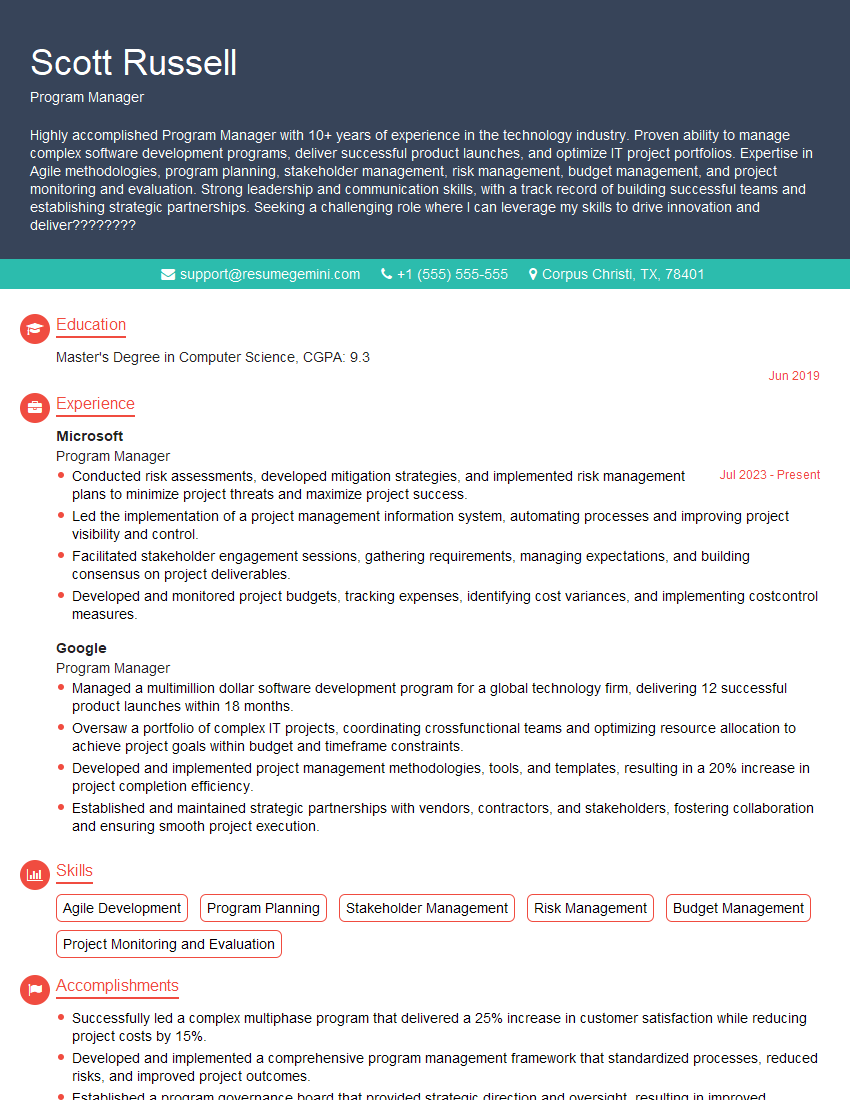
Program Manager Resume Sample
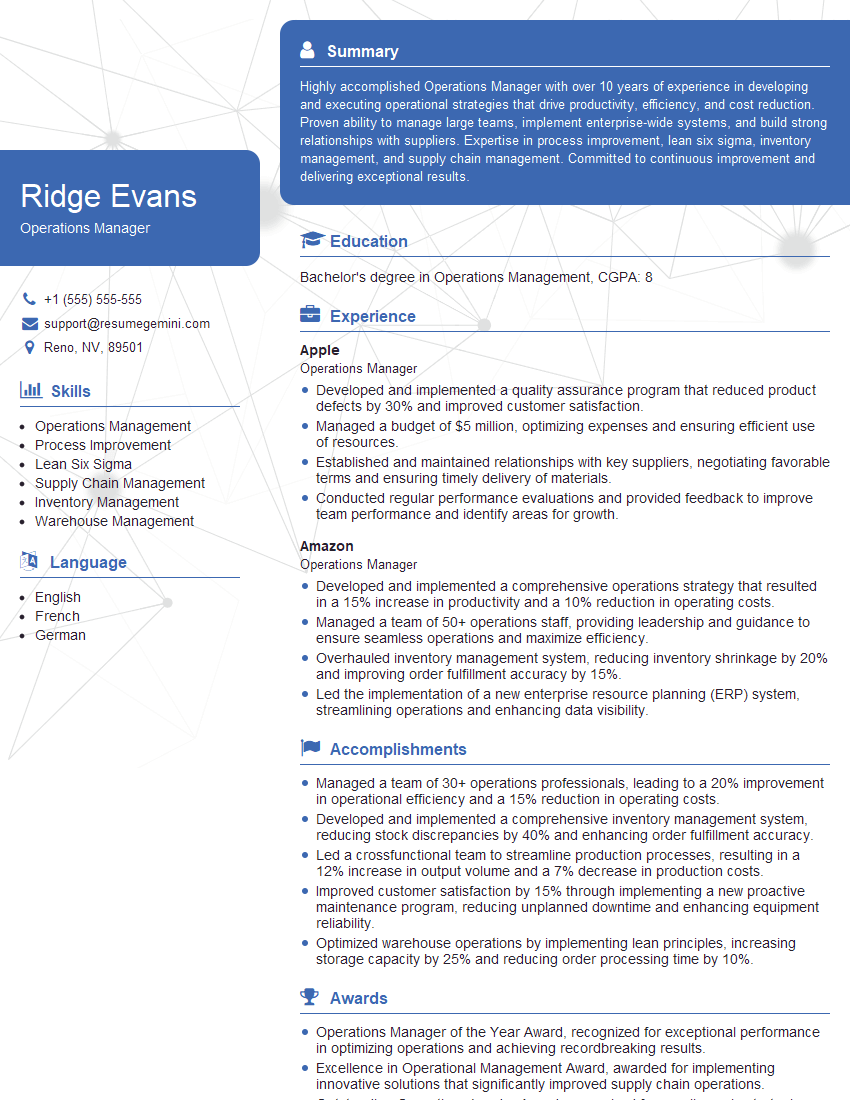
Operations Manager Resume Sample
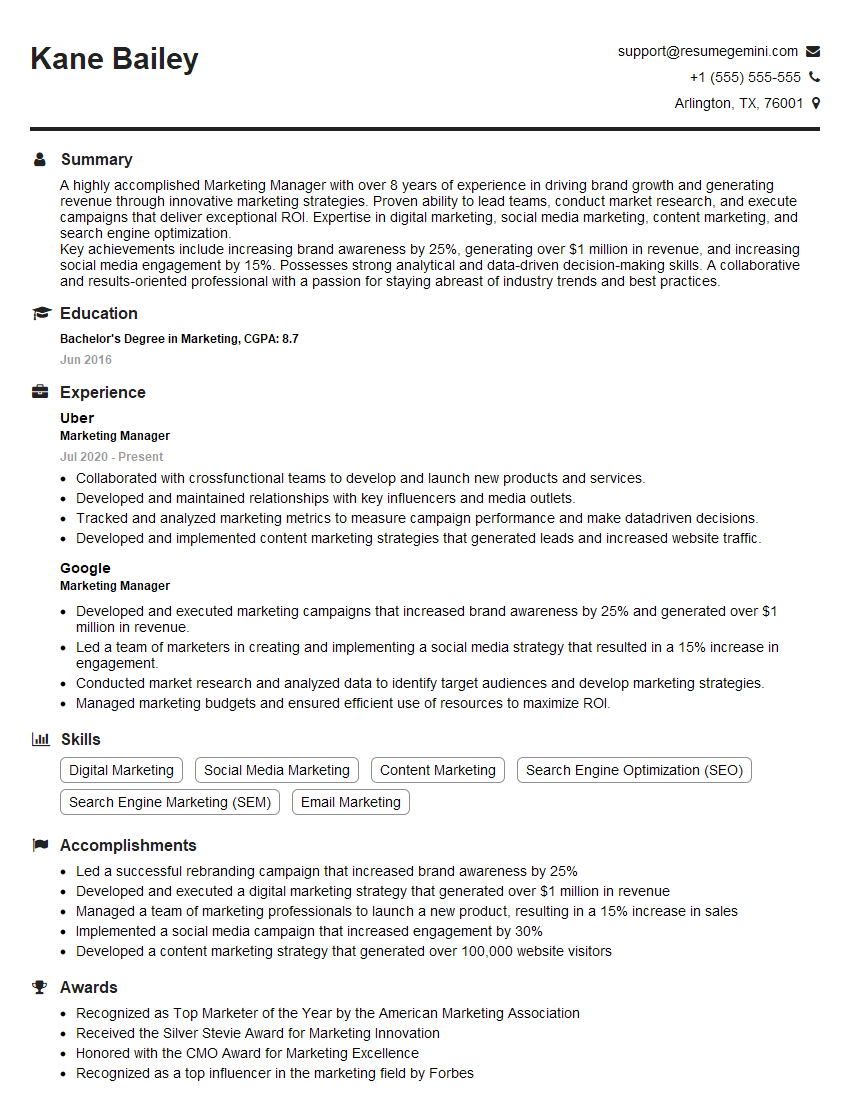
Marketing Manager Resume Sample
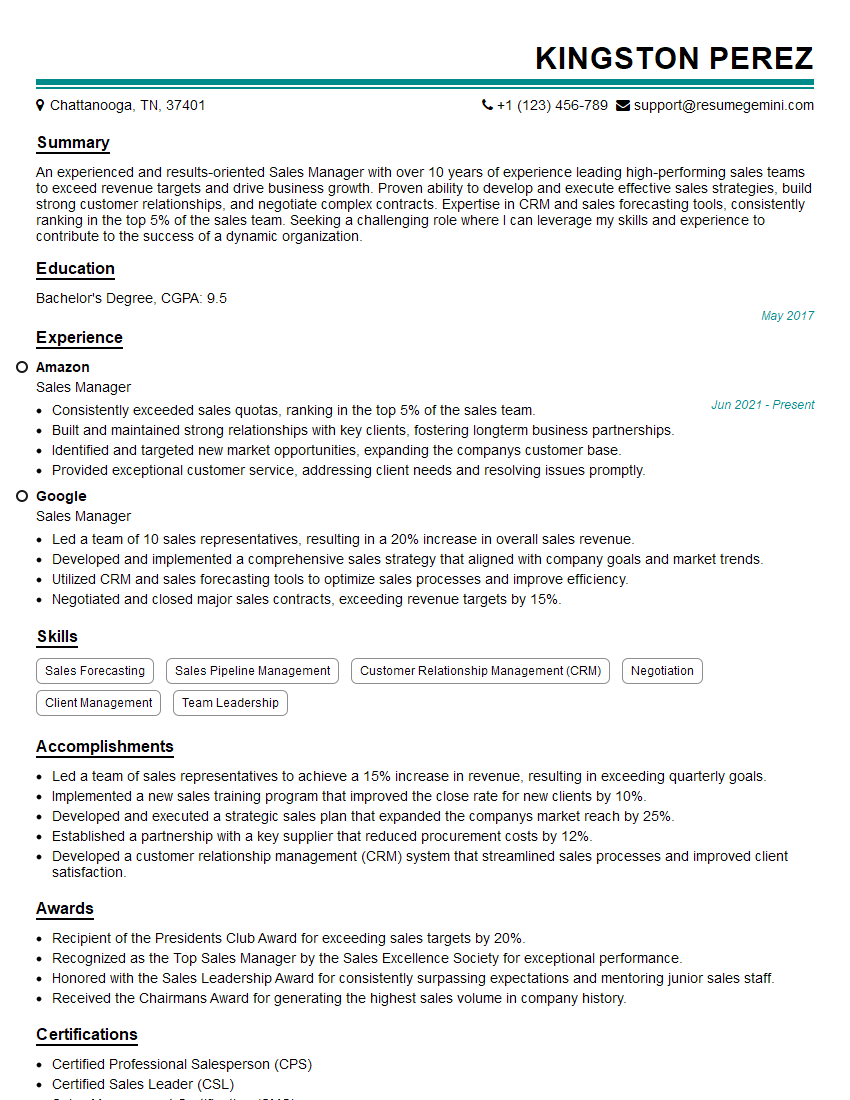
Sales Manager Resume Sample
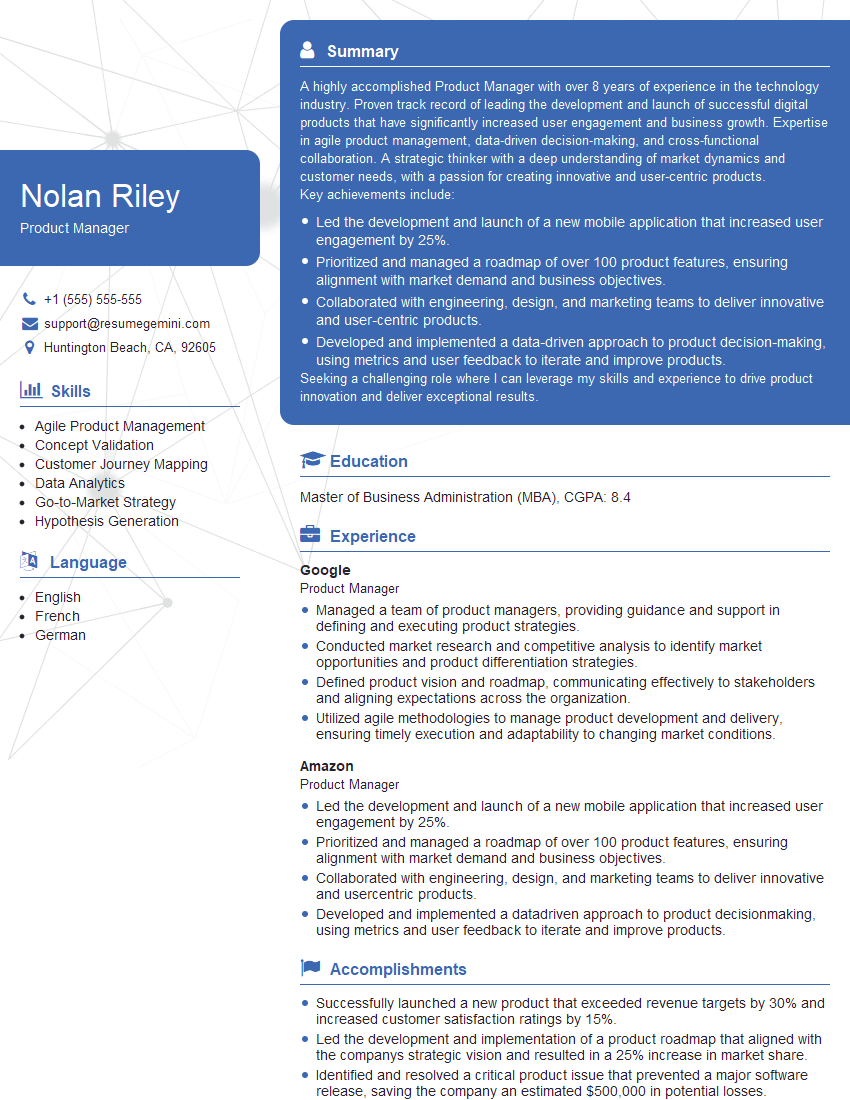
Product Manager Resume Sample
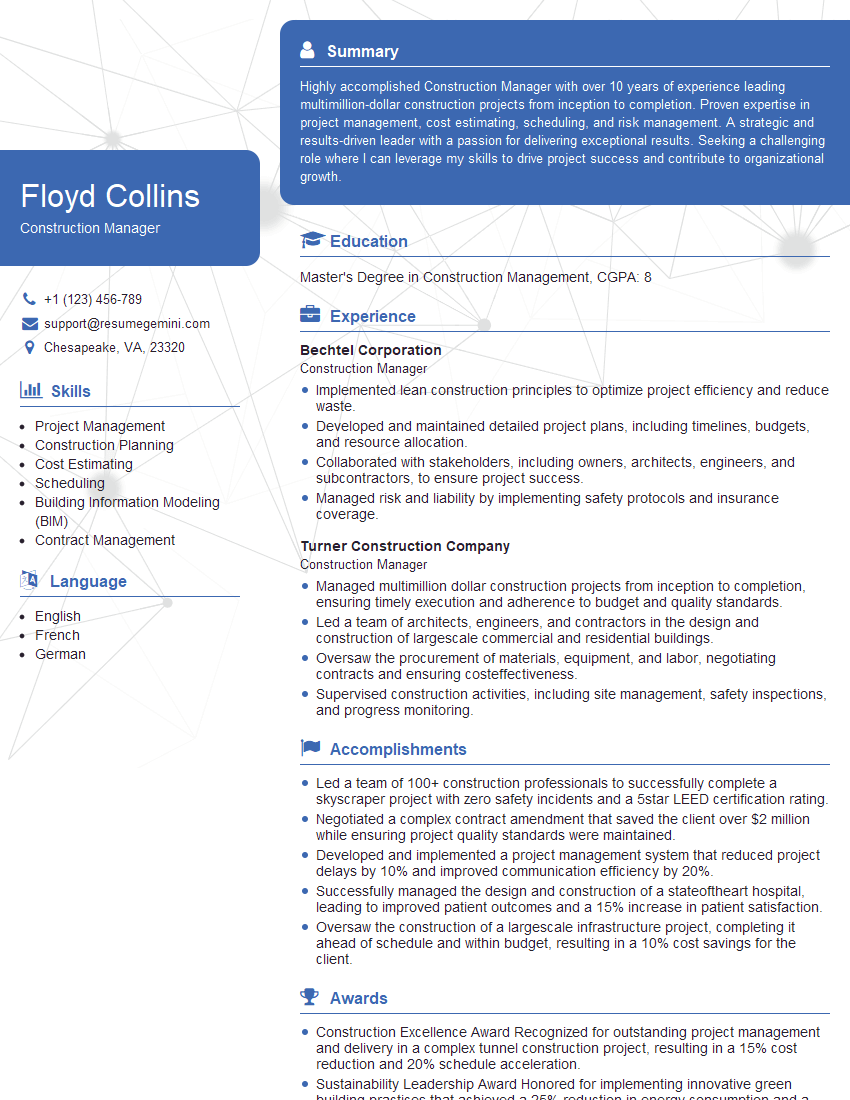
Construction Manager Resume Sample
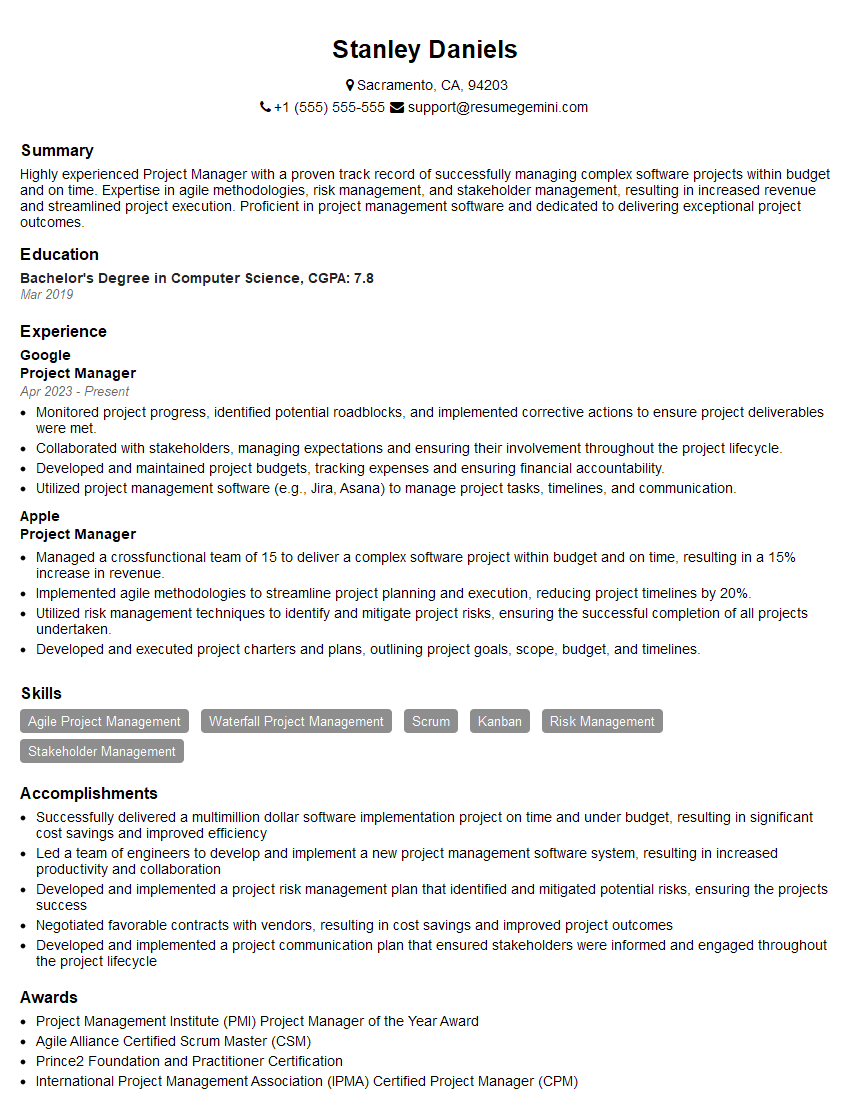
Project Manager Resume Sample
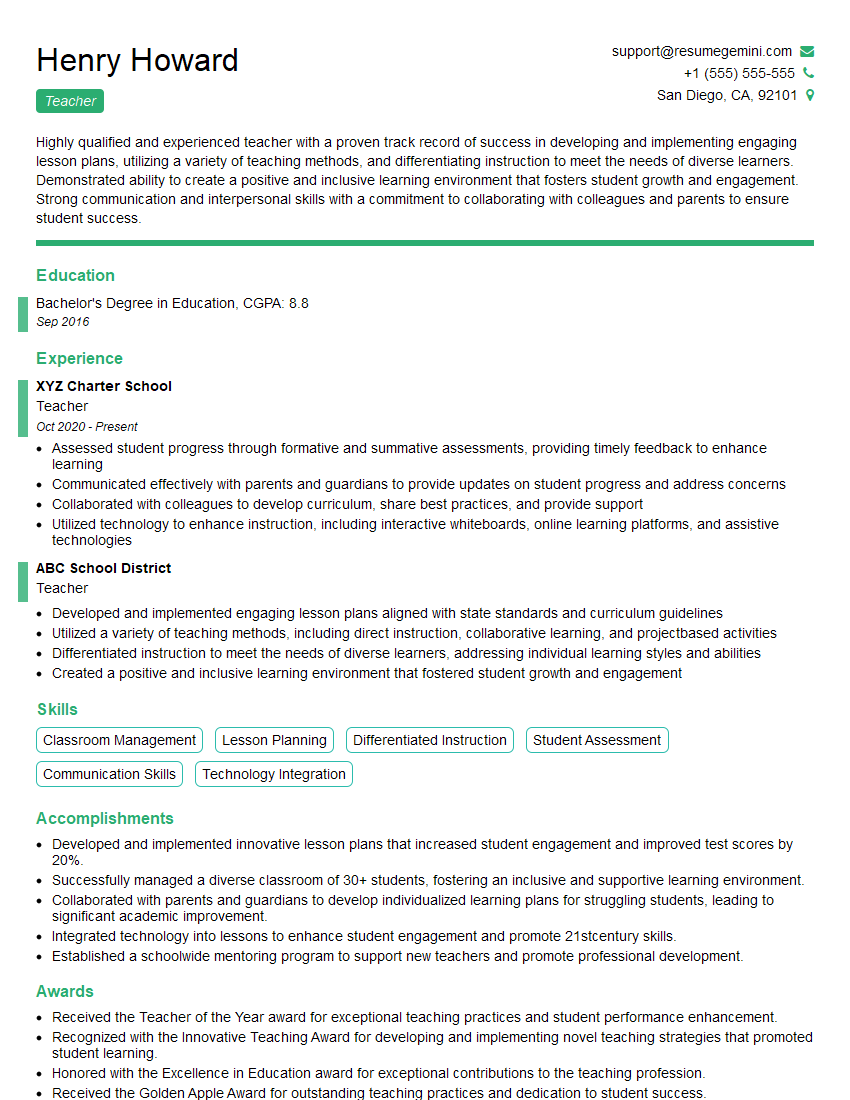
Teacher Resume Sample
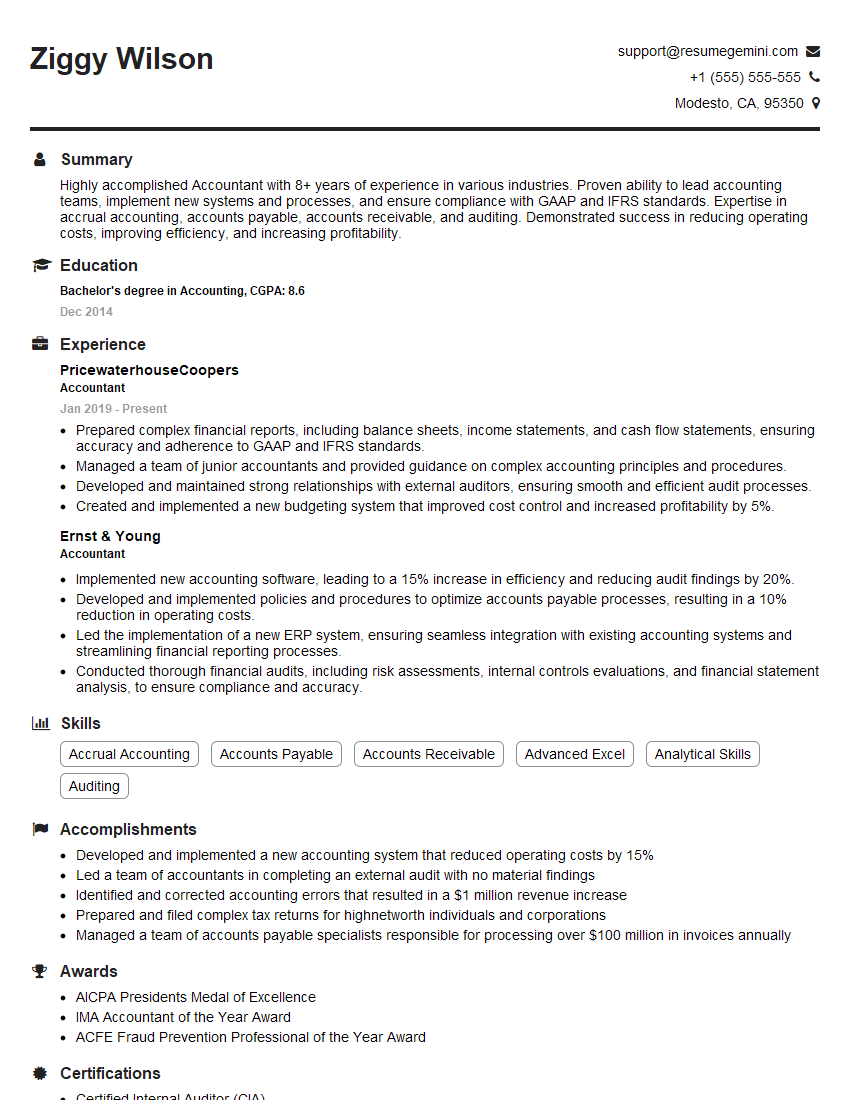
Accountant Resume Sample
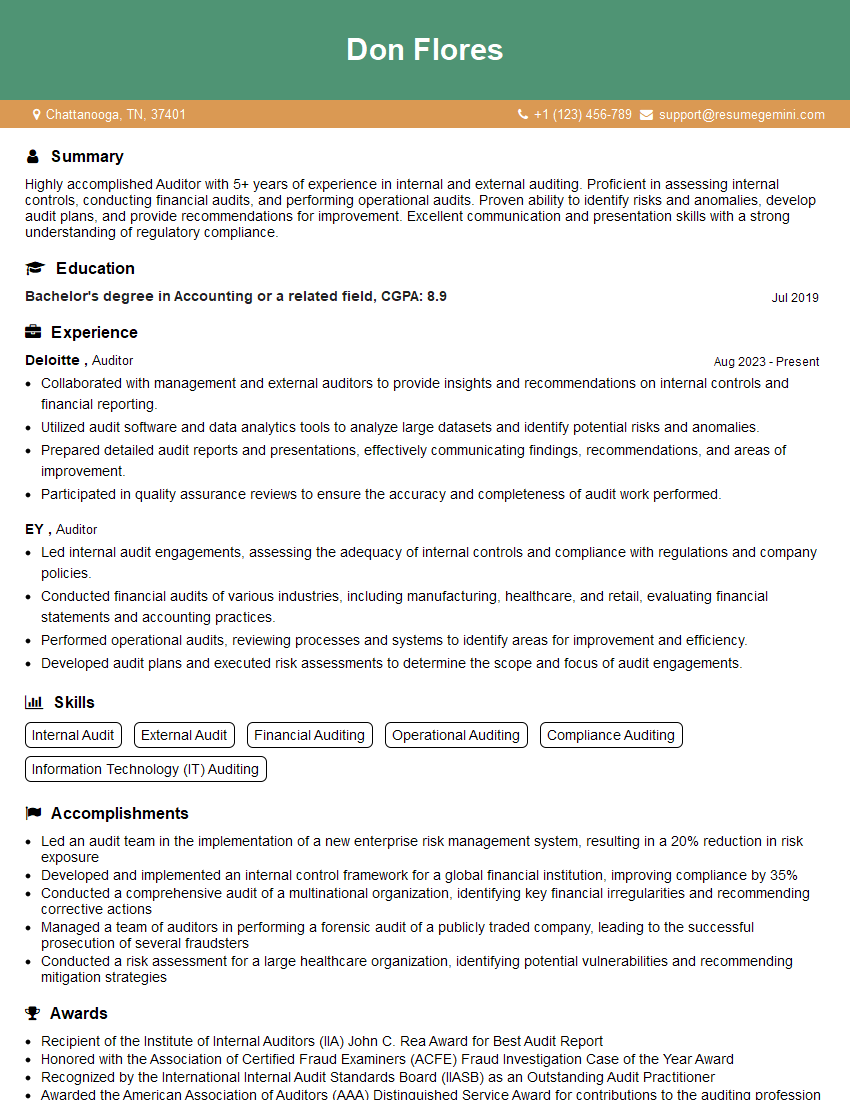
Auditor Resume Sample
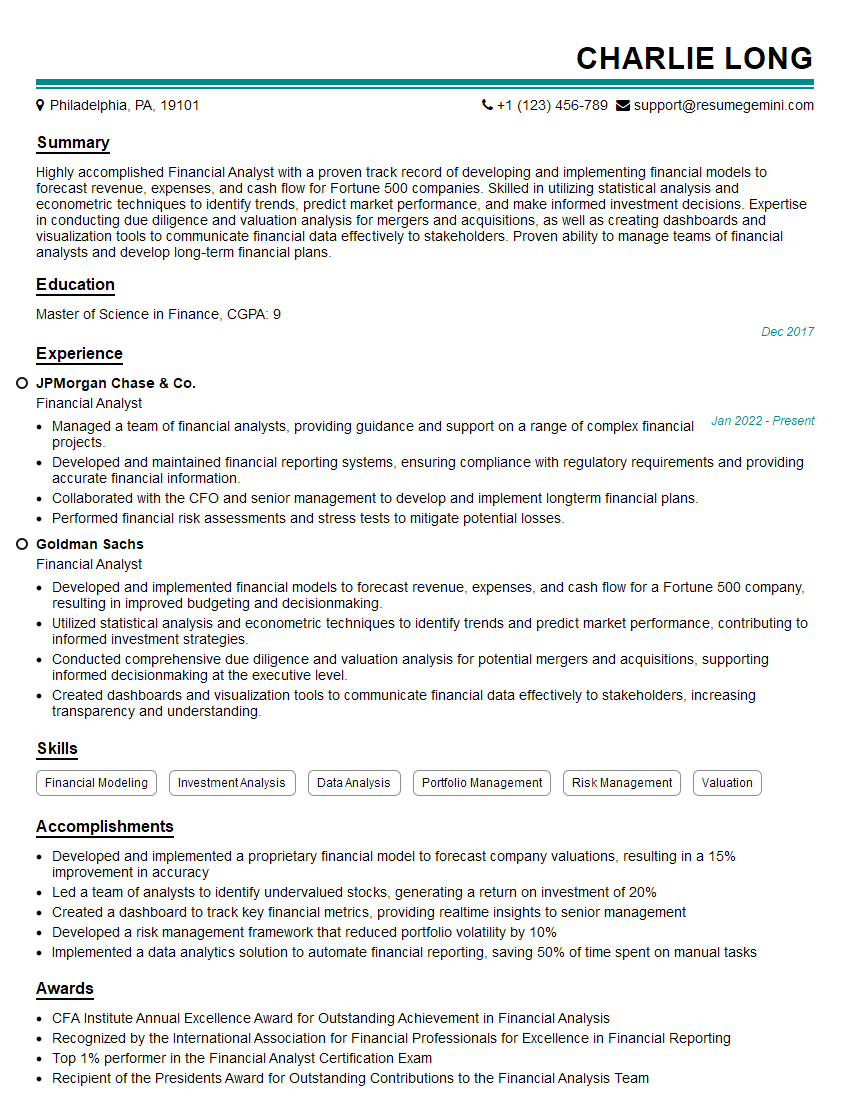
Financial Analyst Resume Sample
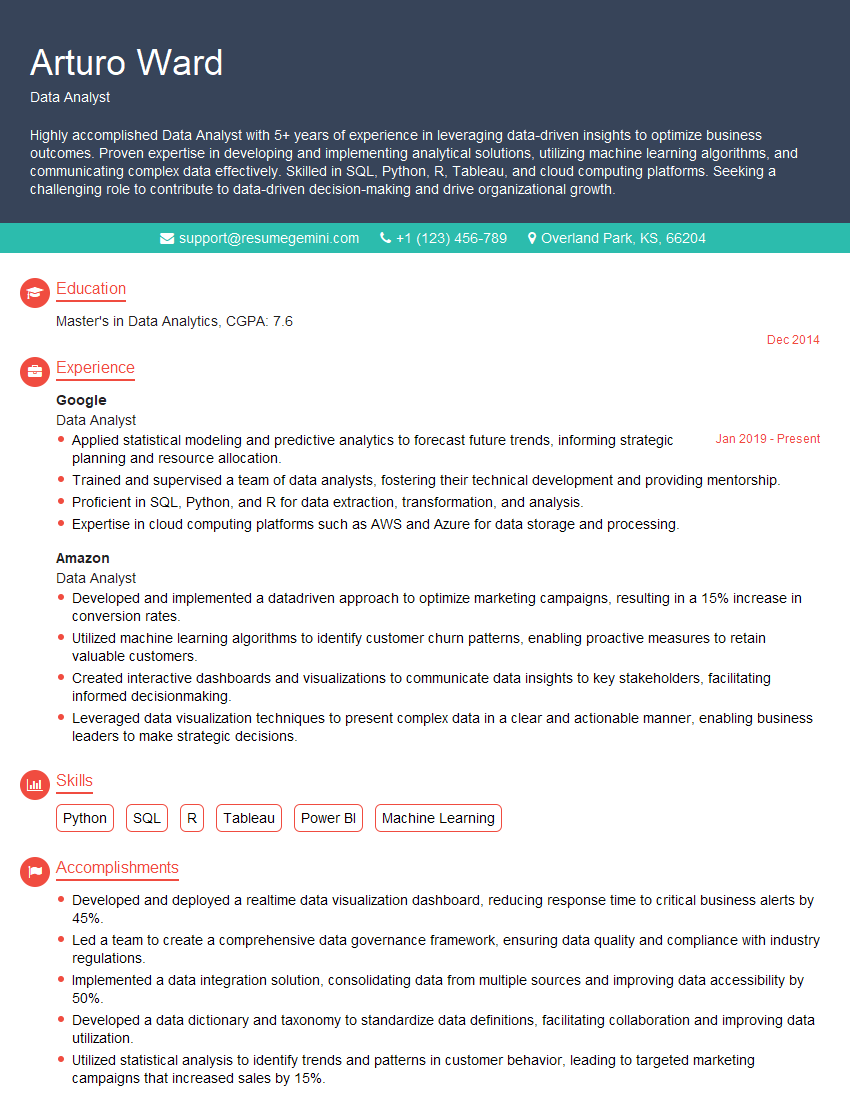
Data Analyst Resume Sample
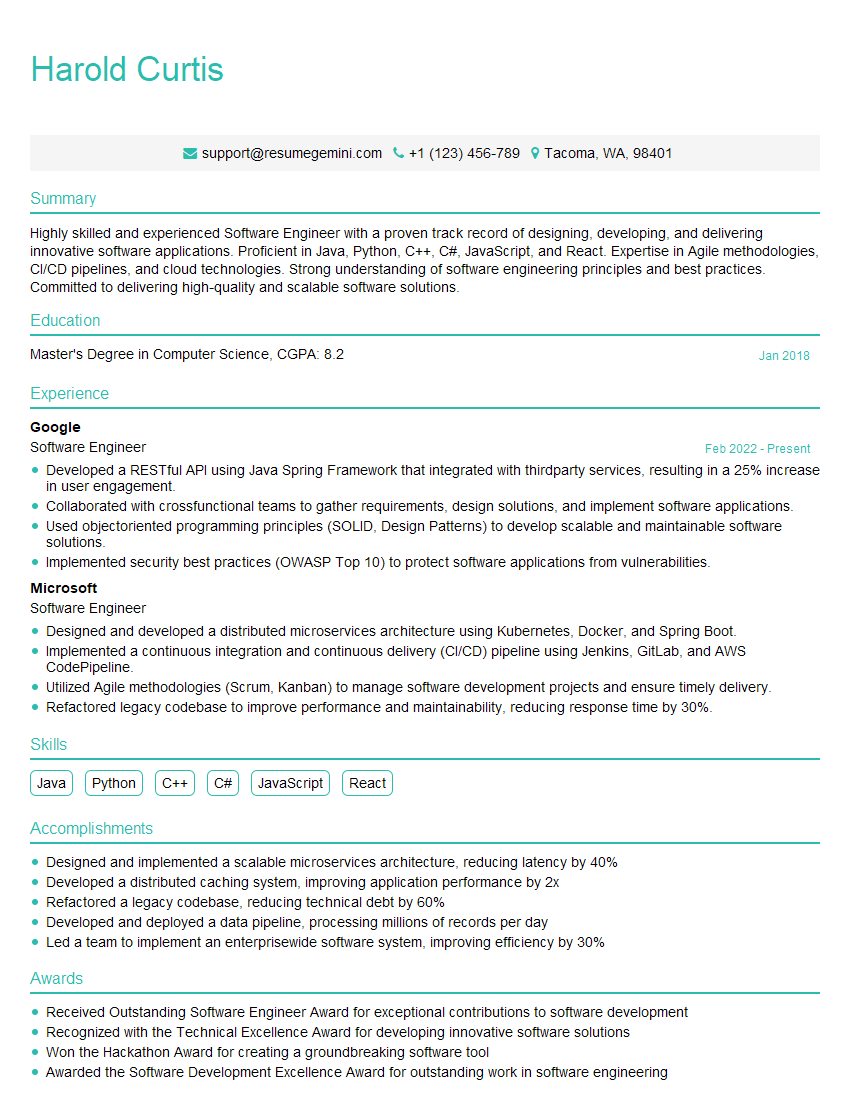
Software Engineer Resume Sample
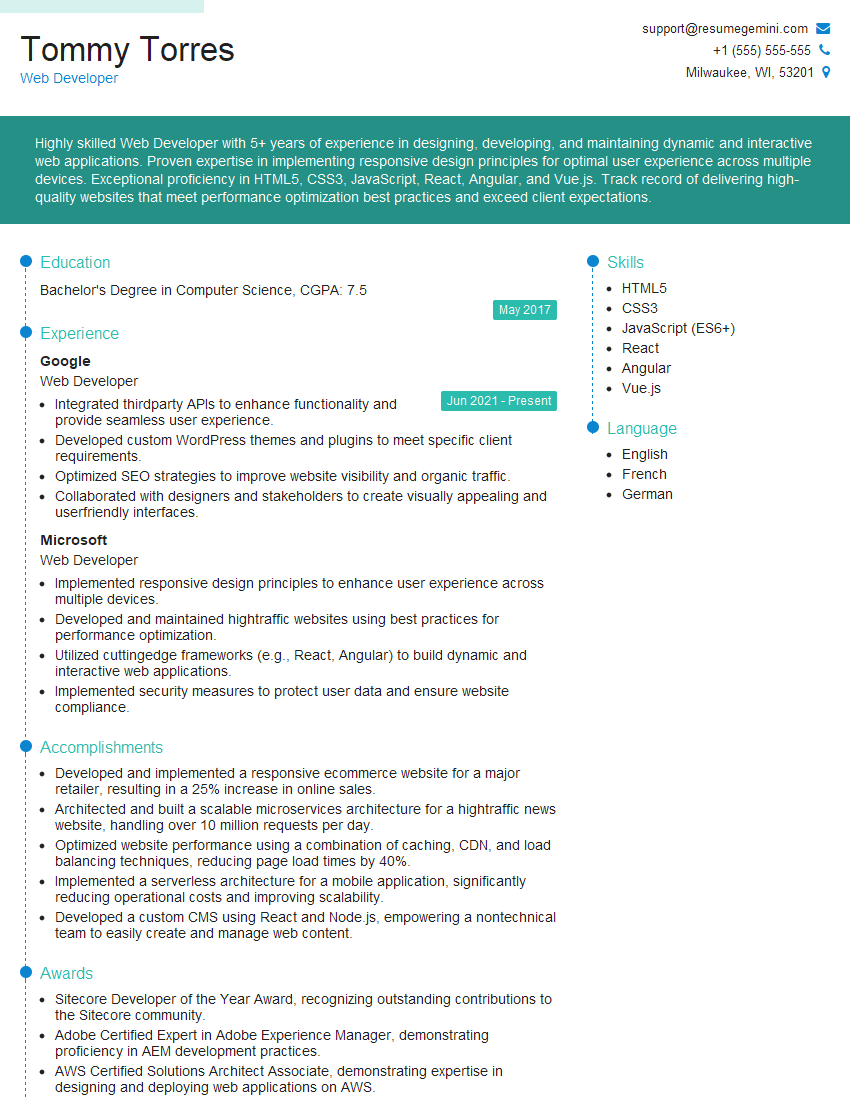
Web Developer Resume Sample
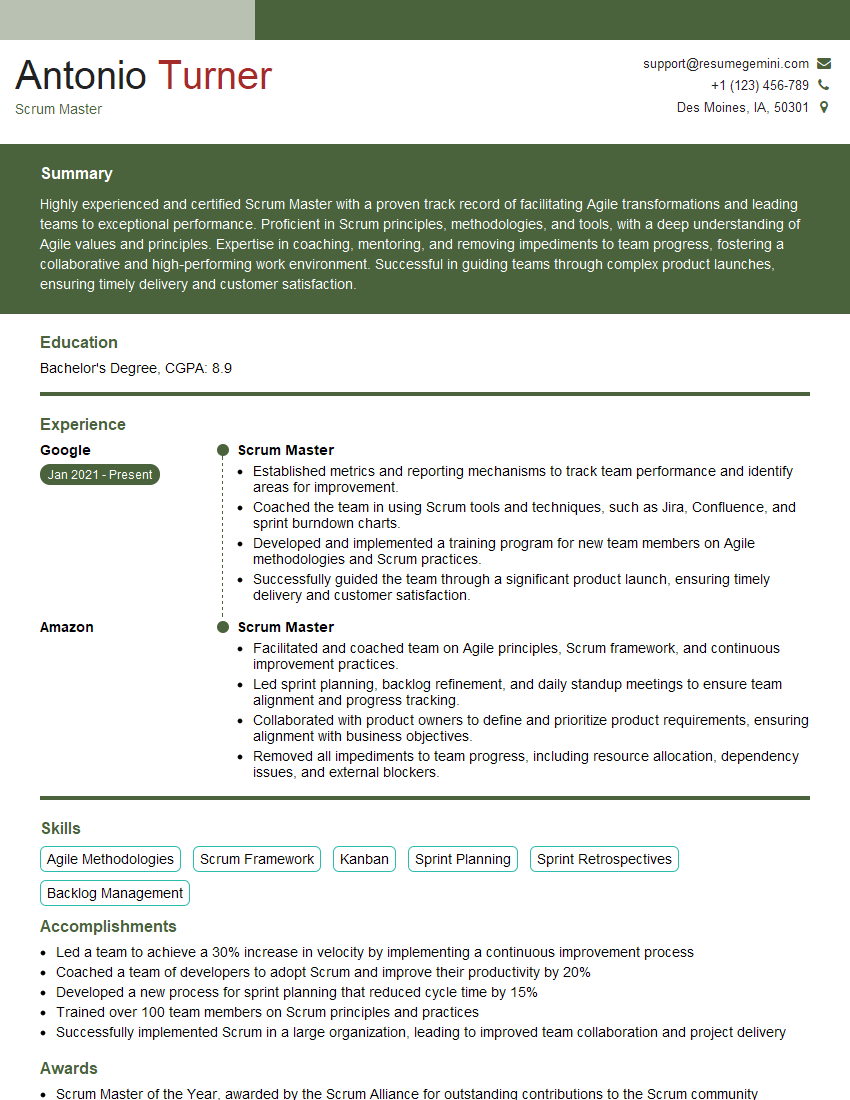
Scrum Master Resume Sample
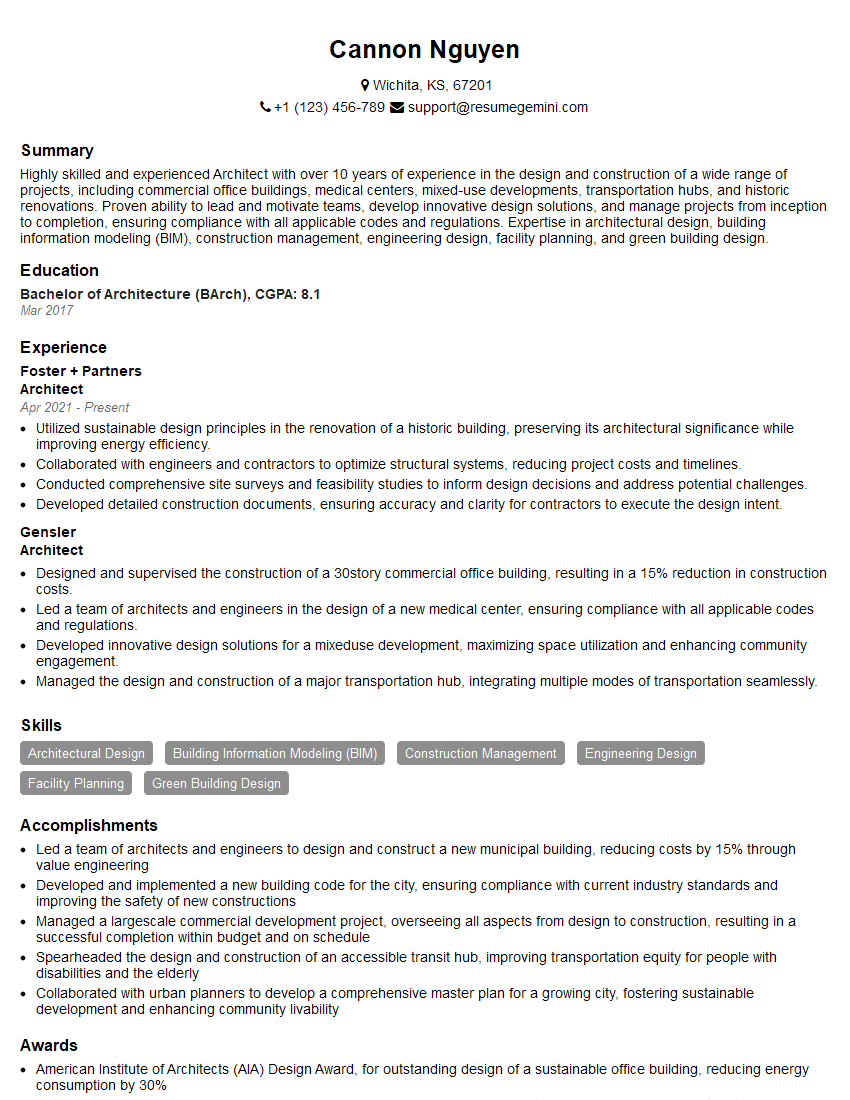
Architect Resume Sample
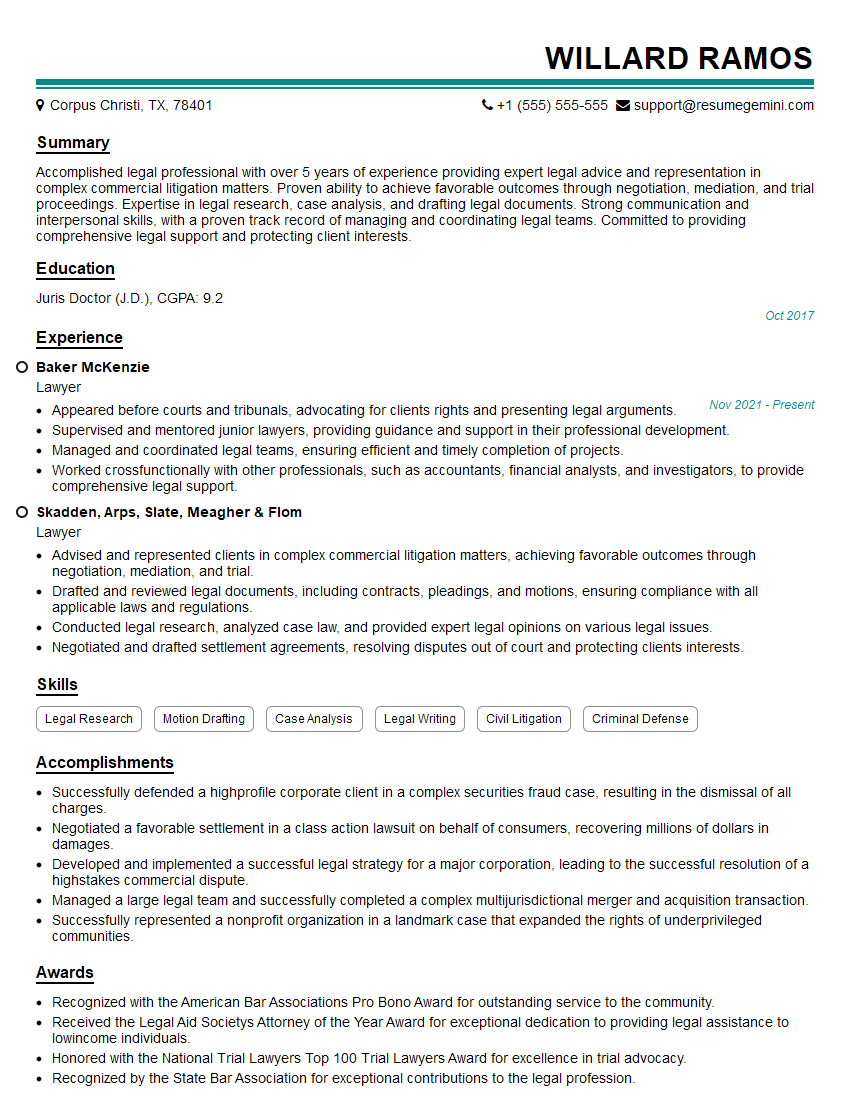
Lawyer Resume Sample
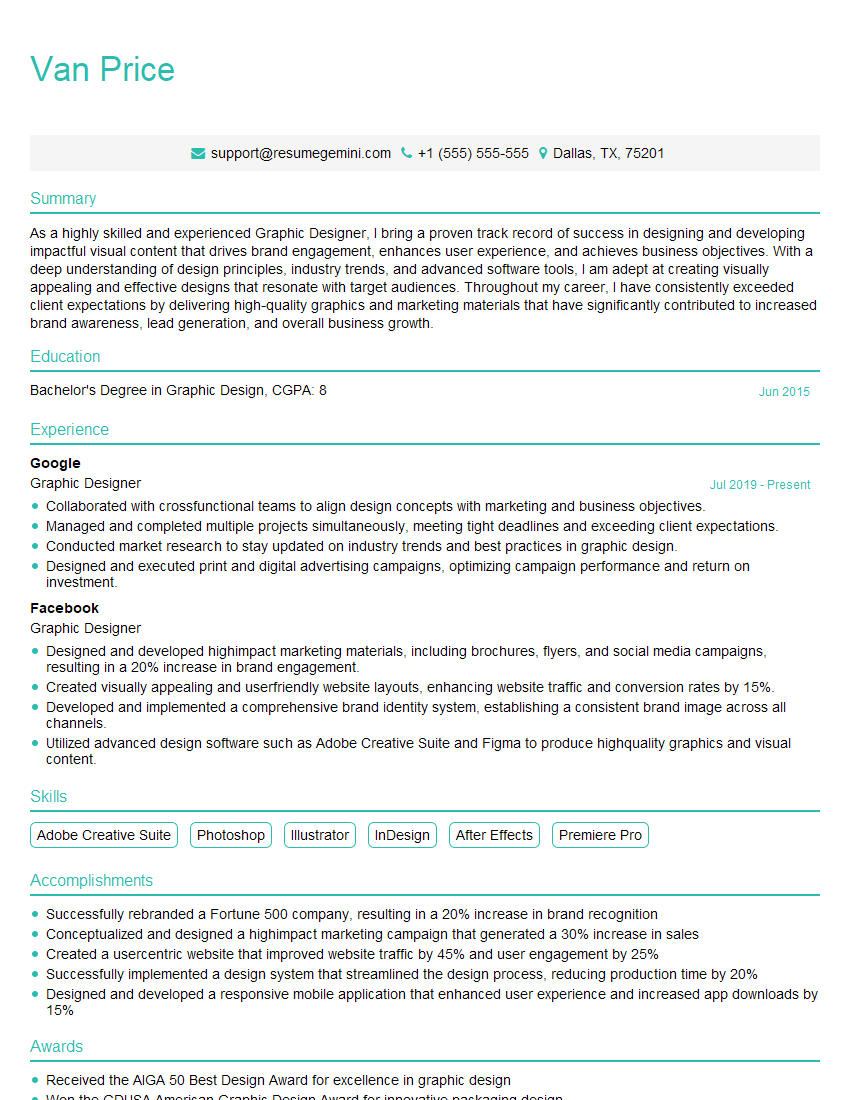
Graphic Designer Resume Sample
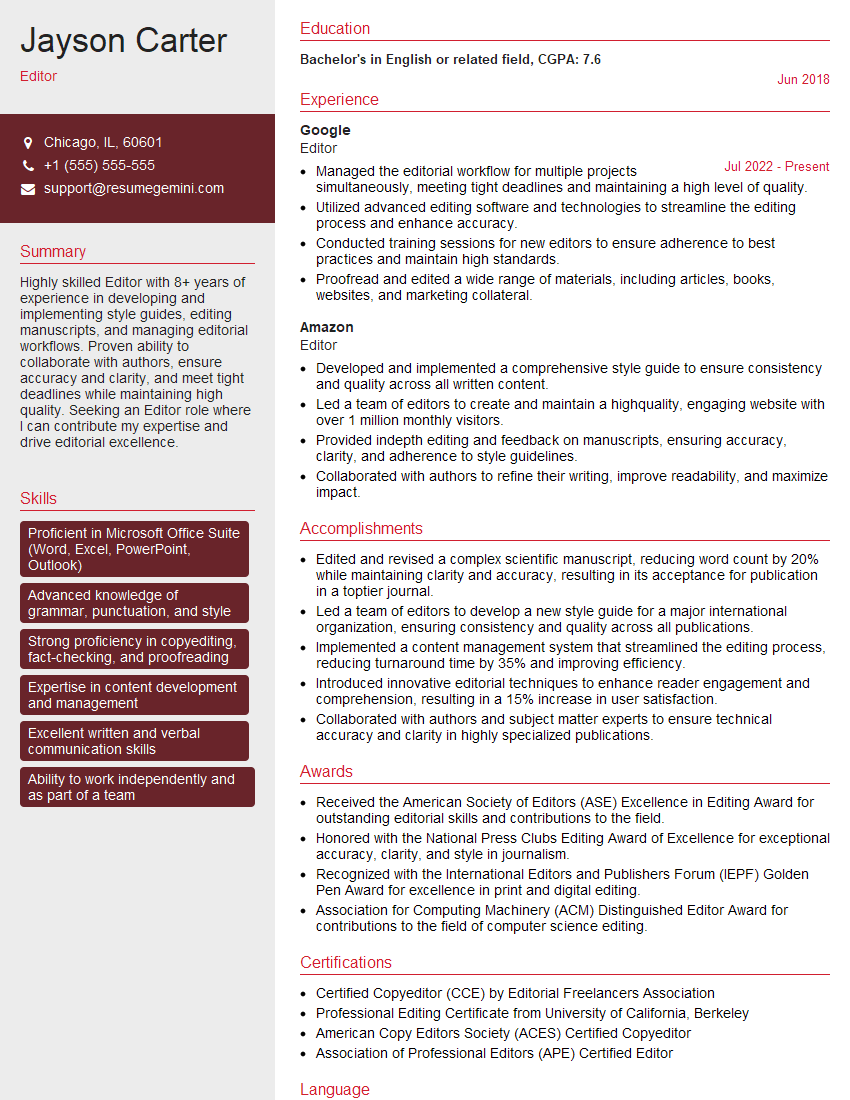
Editor Resume Sample
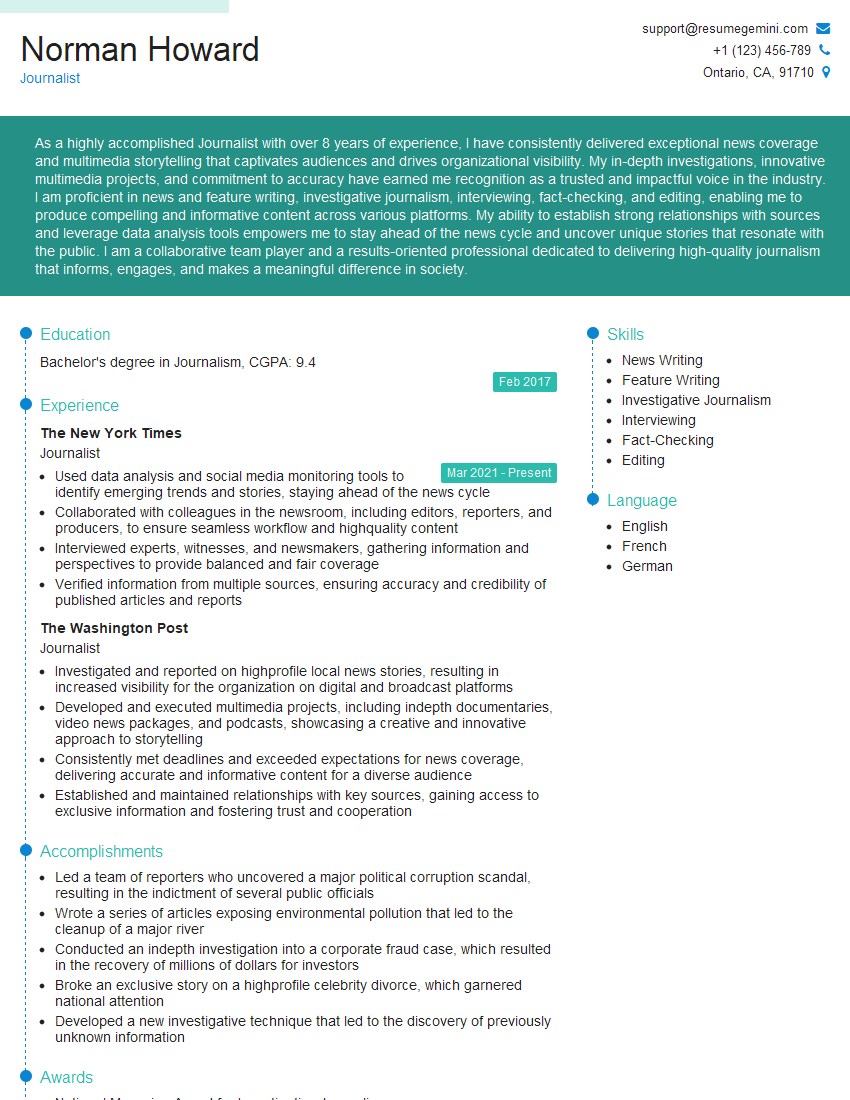
Journalist Resume Sample

Copywriter Resume Sample
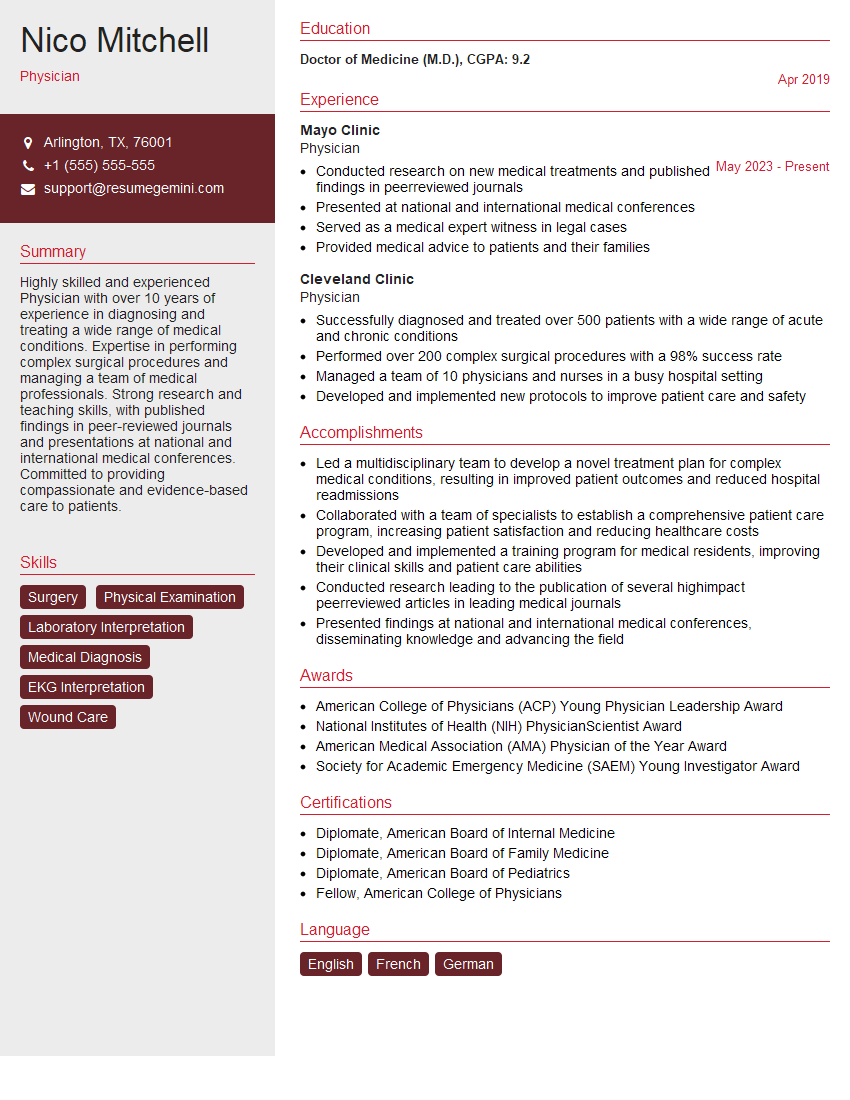
Physician Resume Sample
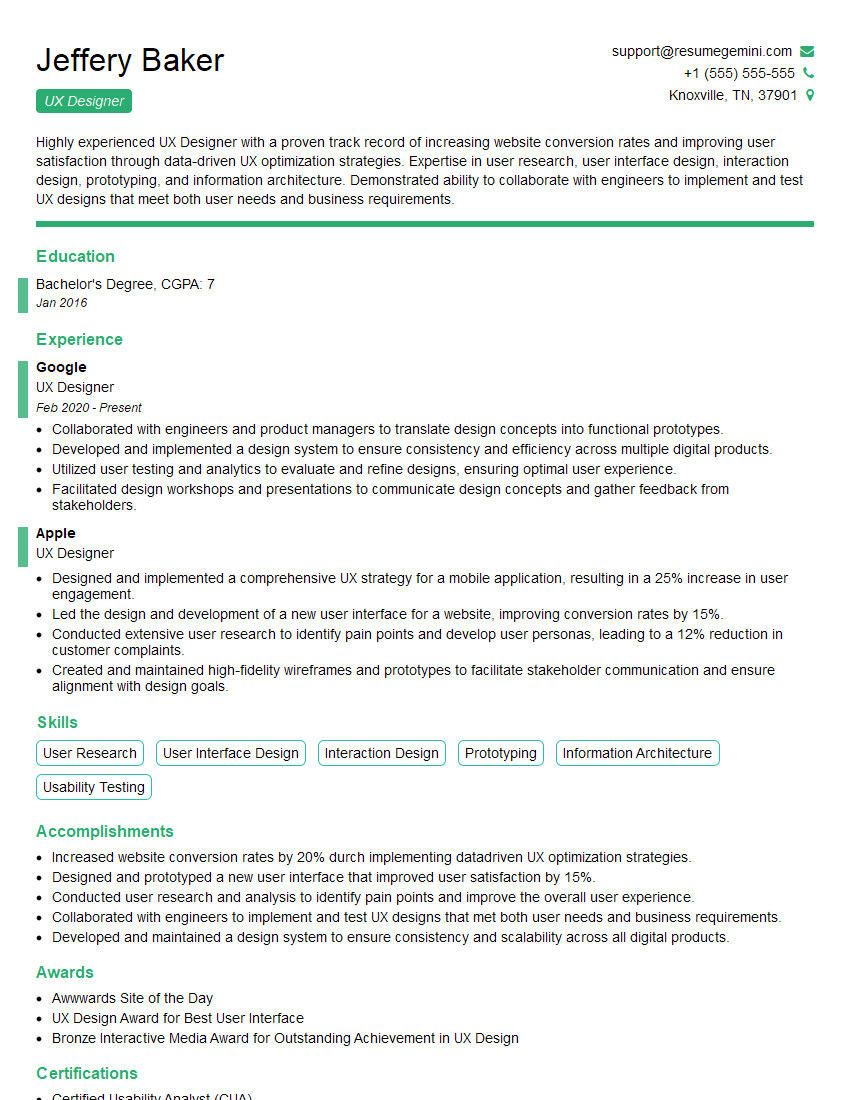
UX Designer Resume Sample
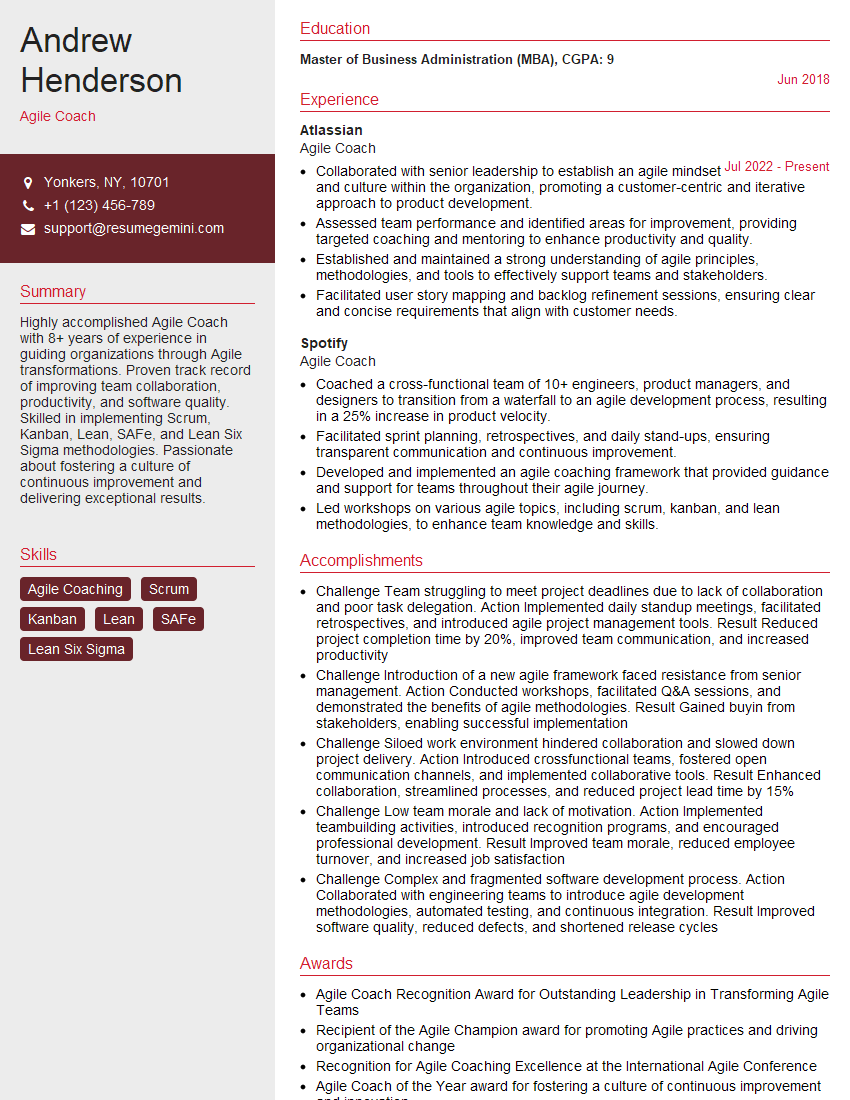
Agile Coach Resume Sample
- Program Manager
- Operations Manager
- Marketing Manager
- Sales Manager
- Product Manager
- Construction Manager
- Project Manager
- Teacher
- Accountant
- Auditor
- Financial Analyst
- Data Analyst
- Software Engineer
- Web Developer
- Scrum Master
- Architect
- Lawyer
- Graphic Designer
- Editor
- Journalist
- Copywriter
- Physician
- UX Designer
- Agile Coach
Explore more articles
Users Rating of Our Blogs
Share Your Experience
We value your feedback! Please rate our content and share your thoughts (optional).
What Readers Say About Our Blog
Really detailed insights and content, thank you for writing this detailed article.
IT gave me an insight and words to use and be able to think of examples