Feeling uncertain about what to expect in your upcoming interview? We’ve got you covered! This blog highlights the most important Pruning and trimming techniques interview questions and provides actionable advice to help you stand out as the ideal candidate. Let’s pave the way for your success.
Questions Asked in Pruning and trimming techniques Interview
Q 1. Explain the difference between pruning and trimming.
While often used interchangeably, pruning and trimming have distinct meanings. Trimming is the removal of small, unwanted branches or shoots to maintain a plant’s shape or size. Think of it as a light cleanup. Pruning, on the other hand, is a more deliberate and often more extensive practice aimed at improving the plant’s health, structure, and productivity. It involves removing larger branches and may be used to rejuvenate older plants or increase fruit yield. Imagine trimming as tidying your desk, and pruning as a complete office reorganization.
Q 2. Describe the various pruning cuts (heading, thinning, etc.) and their applications.
There are several key pruning cuts, each with a specific purpose:
- Heading Cuts: These cuts remove the terminal portion of a branch, stimulating branching below the cut. This is commonly used to control the height and shape of shrubs and hedges, or to encourage denser growth in a tree.
- Thinning Cuts: These cuts remove an entire branch back to its point of origin, or to a lateral branch. This improves air circulation, light penetration and reduces plant density, reducing the chances of disease. This is especially vital in fruit trees for optimal sunlight exposure to fruit.
- Renewal Pruning: This involves cutting back a substantial portion of the plant to stimulate new growth from the base. This is effective for rejuvenating old or overgrown shrubs.
- Cleaning Cuts: These remove dead, diseased, damaged, or crossing branches. These are essential for plant health and safety.
For example, heading cuts are ideal for shaping a formal hedge, while thinning cuts are crucial for promoting fruit production in apple trees. Renewal pruning is useful for bringing a neglected rose bush back to life.
Q 3. What are the optimal times of year to prune different types of plants?
The optimal pruning time varies greatly depending on the plant species and the type of pruning being performed.
- Deciduous trees and shrubs: Late winter or early spring, before new growth begins, is generally best for most pruning. This allows the plant to heal quickly without losing sap.
- Evergreen shrubs and trees: Late spring or early summer is often preferred for evergreens to minimize the risk of damage to new growth and reduce the potential for disease problems.
- Fruit trees: Pruning timing often depends on the fruit type. Some require winter pruning for structure, others summer pruning to manage growth and remove suckers. Consult specific guidelines for your tree type.
- Flowering shrubs: Generally, prune after flowering to avoid removing flower buds for the following year, except for those that bloom on old wood, pruned in the late summer.
Failing to prune at the right time can result in reduced yields or even damage to the plant itself. For example, pruning roses too early can harm next year’s blooms.
Q 4. How do you identify diseased or damaged branches requiring removal?
Identifying diseased or damaged branches is crucial for plant health. Look for:
- Dead wood: Branches that are brittle, grey or brown in color, and lack leaves.
- Diseased wood: Look for cankers (sunken areas), unusual growths, discoloration, or signs of insect infestation (holes, frass, or tunnels).
- Damaged wood: Identify branches that are broken, cracked, or show signs of significant mechanical damage.
- Crossing or rubbing branches: These can cause damage over time leading to disease entry points.
When in doubt, it’s better to err on the side of caution and remove the suspect branch. A thorough inspection can prevent the spread of disease or the weakening of the plant.
Q 5. Explain the principles of proper pruning for fruit tree production.
Proper pruning for fruit tree production is essential for maximizing yield and maintaining tree health. Key principles include:
- Maintaining an open center: This allows sunlight to penetrate the canopy, promoting fruit development. Avoid dense growth in the centre of the tree.
- Removing crossing or rubbing branches: These can cause damage and weaken the tree.
- Thinning out the canopy: Improve air circulation and light penetration to reduce disease risk.
- Removing water sprouts and suckers: These non-productive shoots compete with fruit-bearing branches for resources.
- Pruning to shape the tree: Develop a strong framework and balance fruit production over the entire structure.
Regular pruning enhances fruit size, quality, and overall yield. Without regular pruning, fruit quality is significantly affected as the tree overproduces smaller and poorer quality fruit.
Q 6. Describe your experience with different pruning tools and equipment.
My experience encompasses a wide range of pruning tools, from hand pruners for smaller branches to loppers for larger limbs and pole saws for high branches. I am proficient in using bypass pruners for clean cuts, anvil pruners for deadwood, and specialized tools for specific tasks. I also have experience with chainsaws for larger pruning jobs, ensuring safety is paramount when using such tools. Regular sharpening and maintenance of all my tools is key to efficiency and preventing damage to plants.
Q 7. How do you ensure safety while using pruning tools?
Safety is paramount when using pruning tools. My safety practices include:
- Wearing appropriate personal protective equipment (PPE): This includes safety glasses, gloves, sturdy footwear, and potentially a helmet and hearing protection for larger jobs.
- Inspecting tools before use: Ensuring they are sharp, clean and function correctly.
- Maintaining a firm grip: To avoid slippage and potential injuries.
- Using the right tool for the job: Avoid using a tool beyond its capabilities.
- Being aware of surroundings: Ensuring there are no obstacles or power lines nearby.
- Working with a partner for larger tasks: For better support and safety.
Remember, even a small slip with sharp pruning shears can cause injury. Prioritizing safety always ensures a productive and injury-free experience.
Q 8. What are the common mistakes to avoid when pruning?
Avoiding common pruning mistakes is crucial for plant health and longevity. Many errors stem from a lack of understanding of plant structure and growth habits. Here are some key pitfalls to avoid:
- Pruning at the wrong time of year: Different plants have optimal pruning seasons. Pruning during the wrong season can weaken the plant, making it susceptible to disease or hindering flowering/fruiting. For instance, spring bloomers should be pruned after flowering, while summer bloomers can be pruned in late winter or early spring.
- Incorrect pruning cuts: Making improper cuts can lead to slow healing, dieback, or disease entry. Always make clean cuts just above a bud or outward-facing branch collar, avoiding ragged edges.
- Over-pruning: Removing too much foliage at once can shock the plant, reducing its vigor and potentially leading to its death. Aim for gradual pruning over several years to maintain a balanced shape.
- Neglecting sanitation: Failing to sterilize pruning tools between cuts can spread diseases from infected plants to healthy ones. Always disinfect your shears with rubbing alcohol or a similar solution.
- Ignoring plant structure: Not considering the natural shape and growth habit of the plant when pruning. Each plant species has a unique structure that should be respected to preserve its health and aesthetic appeal.
Q 9. How do you determine the appropriate pruning severity for a specific plant?
Determining the appropriate pruning severity depends on several factors, including the plant’s species, age, overall health, desired shape, and the reason for pruning (e.g., shaping, rejuvenation, disease control).
For young plants, light pruning is generally preferred to encourage strong growth and establish a desirable framework. Older plants may require more aggressive pruning (rejuvenation pruning) to remove dead, diseased, or crossing branches and stimulate new growth.
Assessing the plant’s overall vigor is key. A healthy, vigorously growing plant can tolerate more pruning than a stressed or weak one. Always prioritize the plant’s health over achieving a specific aesthetic goal immediately. A gradual approach is safer and more beneficial in the long run.
For example, a young fruit tree might need only light pruning to shape the branches, whereas an older, neglected fruit tree might require a more significant reduction to restore its vitality and increase fruit production. Observation and familiarity with the specific plant are essential in making these judgments.
Q 10. Explain your knowledge of plant growth regulators and their role in pruning.
Plant growth regulators (PGRs) are synthetic hormones that can influence various aspects of plant growth and development, including branching, flowering, and leaf size. While not directly a pruning technique, PGRs can be used in conjunction with pruning to achieve specific outcomes.
For example, some PGRs promote apical dominance, meaning that the central stem grows more strongly than side branches. This is often used to maintain a more compact plant shape. Other PGRs can encourage branching, which can be beneficial after pruning to increase the density of a shrub or hedge.
It’s crucial to use PGRs judiciously and according to label instructions, as incorrect application can harm the plant. The expertise of a qualified arborist or horticulturalist is essential when employing PGRs. They can help in selecting the appropriate PGR and determine the correct concentration and application method for specific plant species and desired results.
Q 11. Describe your experience with pruning specific plant types (e.g., roses, conifers, deciduous trees).
My experience encompasses a wide range of plant types, including roses, conifers, and deciduous trees. Each requires a unique approach.
- Roses: Rose pruning depends on the type of rose (hybrid tea, floribunda, etc.). Generally, pruning involves removing dead, diseased, or crossing canes, and shaping the plant to encourage flowering. Different cuts are employed depending on the age and type.
- Conifers: Conifer pruning is generally limited to shaping and removing dead or damaged branches. Heavy pruning can be detrimental. The goal is to maintain the natural form and avoid damaging the leader (central stem).
- Deciduous trees: Deciduous trees require different approaches based on their growth habit and the overall objective of pruning. It can include thinning, raising the crown, or reducing the overall size. Timing is crucial, avoiding pruning during active growth periods.
In each case, the principle is to make clean, precise cuts, using appropriate tools and understanding the plant’s growth patterns and structure.
Q 12. How do you deal with overgrown or neglected plants?
Dealing with overgrown or neglected plants requires a phased approach. The severity of the intervention depends on the plant’s condition and the desired outcome.
First, assess the plant’s overall health. Identify any dead, diseased, or damaged branches that need to be removed. Then, develop a plan for gradual reduction in size. Heavy pruning all at once can shock the plant and lead to further decline. It is better to spread the work over several years if possible, encouraging healthy new growth each year.
Fertilization and appropriate watering may be necessary to help the plant recover its vigor. Finally, shaping can be addressed once the plant shows signs of renewed growth. Remember to always sterilize your tools between cuts.
Q 13. What are the signs of stress in a plant after pruning?
Signs of stress after pruning can vary but generally include wilting, leaf drop, reduced growth, and yellowing foliage. Severe stress can manifest as dieback or even plant death.
Wilting indicates a loss of water uptake, potentially due to excessive pruning. Leaf drop can be a sign of shock or an inability to support the remaining foliage. Reduced growth rate and yellowing leaves are indications of nutrient deficiency or reduced photosynthetic capacity after significant foliage loss.
If you observe these symptoms, consider adjusting your watering and fertilizing practices, providing shade if necessary, and carefully monitoring the plant’s progress. In case of severe stress, consulting a horticultural professional is recommended.
Q 14. Explain your understanding of wound dressing and its effectiveness.
Wound dressing, the application of a sealant to pruning cuts, is a contentious topic in arboriculture. While historically common practice, its effectiveness is now debated.
Some studies suggest that wound dressings may hinder the natural wound-healing process of the plant, trapping moisture and potentially promoting fungal growth. Many professionals now advocate for leaving wounds open to air, allowing for faster callus formation and natural healing.
However, wound dressings might be beneficial in some specific situations, such as preventing desiccation in large cuts or protecting wounds from infection in exceptionally vulnerable species. It is important to remember that a clean, precise cut is the most important factor in promoting successful wound healing.
Q 15. How do you manage pruning waste responsibly?
Responsible pruning waste management is crucial for environmental sustainability and minimizing negative impacts. My approach involves a multi-step process. First, I segregate the waste. Smaller branches and twigs are often chipped on-site using a wood chipper, creating valuable mulch for the same area or other landscaping projects. This reduces landfill waste and provides a beneficial soil amendment. Larger branches and logs are typically removed and either used for firewood (if appropriate and permitted), donated to local organizations, or disposed of through certified recycling facilities that handle green waste. This careful separation ensures the most environmentally friendly disposal method for each type of waste generated. For example, during a large-scale pruning project on an oak tree alley, we chipped the smaller branches and reused the chips as path mulch, while the larger pieces were sent for firewood processing. I always work within local regulations and ensure compliance with waste disposal guidelines.
Career Expert Tips:
- Ace those interviews! Prepare effectively by reviewing the Top 50 Most Common Interview Questions on ResumeGemini.
- Navigate your job search with confidence! Explore a wide range of Career Tips on ResumeGemini. Learn about common challenges and recommendations to overcome them.
- Craft the perfect resume! Master the Art of Resume Writing with ResumeGemini’s guide. Showcase your unique qualifications and achievements effectively.
- Don’t miss out on holiday savings! Build your dream resume with ResumeGemini’s ATS optimized templates.
Q 16. Describe your experience working with different pruning techniques (e.g., pollarding, coppicing).
My experience encompasses a wide range of pruning techniques. I’ve extensively used pollarding, where the crown of a tree is repeatedly cut back to the main stem. This technique is particularly useful for managing fast-growing trees in urban settings or for creating unique topiary shapes. I’ve also worked with coppicing, a method that involves cutting a tree or shrub to its base, promoting regrowth from the rootstock. This is ideal for harvesting small timber or creating living fences. Furthermore, I’m skilled in crown reduction, thinning, and raising techniques – each adapted to the specific needs of the tree and the desired aesthetic outcome. For instance, a client requested a specific shape for their hornbeam hedge, requiring precise coppicing to achieve the desired form. In another project, I used crown reduction techniques to clear power lines without compromising the health of the mature oak trees.
Q 17. How do you adapt your pruning techniques to different climates and environmental conditions?
Adapting pruning techniques to different climates and environmental conditions is paramount to the health and longevity of the plants. For instance, pruning in arid climates might involve minimizing cuts to conserve water and reduce stress. In areas with harsh winters, I carefully schedule pruning to avoid exposing newly cut surfaces to freezing temperatures. Similarly, in humid environments, pruning might focus on improving airflow to minimize fungal diseases. I consider factors like dormancy periods, the timing of rainfall, and the potential for frost damage. In a recent project in a coastal region, I scheduled pruning to minimize salt spray exposure to newly cut surfaces. The timing of pruning is as crucial as the method itself; making decisions based on seasonal and weather conditions greatly influences the long-term success of my work.
Q 18. How do you plan and schedule pruning for large-scale projects?
Planning large-scale pruning projects requires a detailed and methodical approach. It begins with a thorough site assessment to identify all trees requiring attention, evaluating their health, size, and species. I then prioritize the work based on urgency, health concerns, and the overall project goals. Next, I create a detailed schedule, factoring in factors like weather conditions, crew availability, and access restrictions. The schedule is broken down into manageable sections to ensure efficiency. We always have contingency plans in place to address unforeseen circumstances, such as equipment malfunctions or inclement weather. I communicate regularly with clients, providing updates and addressing any concerns throughout the project. For example, a recent project involving a municipal park involved a phased approach, starting with high-risk trees before moving to less urgent tasks. This allowed for a safe and efficient execution without disrupting public access to the park.
Q 19. What safety measures do you implement when working at heights?
Safety is my absolute top priority when working at heights. I always use appropriate personal protective equipment (PPE), including harnesses, ropes, helmets, and eye protection. I rigorously inspect all equipment before each use to ensure it’s in perfect working order. We employ proper climbing techniques and rope systems, ensuring redundant safety measures are in place. Regular training and risk assessments are mandatory for all team members. We always have a spotter on the ground to assist and provide additional safety precautions. In certain situations, we may use aerial lifts or bucket trucks to reduce the need for climbing. We strictly adhere to all industry safety standards and regulations to prevent accidents and ensure the well-being of the crew.
Q 20. Explain your understanding of plant anatomy and its relation to pruning.
A thorough understanding of plant anatomy is fundamental to effective pruning. Knowing the location and function of different plant parts – such as buds, branches, stems, and roots – is crucial for making informed decisions. Pruning cuts should be made in specific places to promote healthy growth and avoid damaging vital tissues. Understanding the concept of apical dominance (where the terminal bud suppresses the growth of lateral buds) is important in shaping and controlling plant growth. For instance, removing the terminal bud can encourage branching, while pruning lateral buds can maintain a central leader. Improper cuts can lead to disease entry points or structural weakness. This understanding helps in creating cuts that promote healing and minimize stress on the plant.
Q 21. How do you assess the structural integrity of a tree before pruning?
Assessing the structural integrity of a tree before pruning is critical to prevent accidents and ensure its long-term health. I visually inspect the tree for signs of decay, cracks, cavities, leaning, or other structural defects. I use tools like a sonic tomograph to evaluate the internal wood structure. This helps in identifying weak points that might compromise the tree’s stability during or after pruning. If significant structural issues are detected, I may recommend additional assessments by an arborist specializing in tree risk assessment. This detailed evaluation allows me to develop a safe and appropriate pruning plan that considers the tree’s structural limitations. For example, on a large oak showing signs of decay in one of its major limbs, I used a sonic tomograph to assess the extent of the damage before determining the necessary pruning strategy. This avoided potentially compromising the tree’s stability.
Q 22. Describe your experience with diagnosing and treating common plant diseases related to improper pruning.
Improper pruning can significantly weaken a plant, making it more susceptible to diseases. My experience diagnosing these issues starts with a thorough visual inspection, looking for signs like wilting, discoloration, cankers, or unusual growths. For example, a poorly executed pruning cut that leaves a large wound can become an entry point for fungal infections like canker diseases. I then consider the plant’s history – recent weather conditions, watering practices, and previous pruning efforts. Treatment depends on the severity and type of disease. Minor issues might be addressed with improved pruning techniques, wound dressing, and enhanced cultural practices like proper watering and fertilization. More serious infections might require fungicides or even removal of severely affected branches. In one instance, I diagnosed a severe case of bacterial leaf spot on a rose bush, directly linked to pruning cuts made too close to the trunk. By teaching the homeowner improved pruning techniques and applying a copper fungicide, we successfully managed the disease and prevented further spread.
Q 23. How do you communicate effectively with clients regarding pruning plans and recommendations?
Effective communication with clients is crucial. I begin by actively listening to their concerns and understanding their goals for the pruning. I then visually assess the plants and explain my findings clearly, using layman’s terms to avoid technical jargon. I’ll illustrate my pruning plan with diagrams or photos, showing the areas to be pruned and the expected results. For instance, I might show how removing specific branches will improve light penetration or prevent overcrowding. I always provide a detailed written estimate outlining the services, timelines, and costs. I also encourage open communication throughout the project, responding promptly to any questions or concerns and providing updates as needed. Transparency and clear expectations build trust and ensure client satisfaction. I remember one client who was initially apprehensive about significant pruning of their mature oak tree; through clear visual explanations and patience, I was able to build their confidence and get their approval.
Q 24. What are some common challenges faced when pruning and how do you overcome them?
Pruning presents various challenges. One common issue is dealing with difficult-to-reach branches, particularly in tall trees. I overcome this using specialized equipment like extension poles, climbing gear, or even aerial lifts, depending on the situation. Another challenge is working with diseased or damaged branches, requiring careful removal to prevent the spread of disease. This involves sterilizing my tools between cuts and properly disposing of infected material. Weather conditions can also disrupt work; I carefully monitor weather forecasts and reschedule if necessary to avoid working in high winds or rain. Finally, client expectations can be challenging; I ensure thorough communication upfront to manage expectations about the timeline and the results. For example, a tree that’s heavily overgrown might not look perfect immediately after pruning; I explain the gradual improvement in shape and health over time.
Q 25. Explain your knowledge of relevant regulations and safety standards related to tree care and pruning.
I’m fully aware of the regulations and safety standards governing tree care and pruning in my region. This includes understanding local ordinances concerning tree removal permits, protecting utility lines, and adhering to safe working practices. I always employ safe climbing techniques when working at heights and use appropriate personal protective equipment (PPE) such as helmets, harnesses, and gloves. I regularly inspect my equipment to ensure it’s in good working order and adheres to safety standards. I’m familiar with best practices for avoiding damage to property and minimizing disruption to the surrounding environment. My understanding of these regulations allows me to work efficiently while adhering to all relevant legal and safety guidelines. I always prioritize safety, both my own and that of the client’s property.
Q 26. How do you maintain your pruning tools and equipment?
Maintaining my pruning tools is essential for efficiency and safety. After each use, I thoroughly clean my tools, removing any sap, dirt, or debris. I then sharpen my blades using a sharpening stone or file, ensuring they remain sharp and clean cuts, minimizing damage to plants. I regularly lubricate moving parts to prevent rust and ensure smooth operation. I also inspect for any damage or wear and tear, replacing or repairing tools as needed. Proper tool maintenance is key to prolonging their lifespan and avoiding accidental injury. Think of it like taking care of a valuable tool; a little preventative maintenance goes a long way.
Q 27. Describe your experience working in a team environment on pruning projects.
I have extensive experience collaborating in team environments on large-scale pruning projects. Effective teamwork involves clear communication, assigning roles and responsibilities, and coordinating efforts to maximize efficiency. For instance, one member might focus on removing branches while another handles the ground work. I find that clear communication and mutual respect are key to successful collaboration. We regularly hold briefings to discuss the plan, identify potential challenges, and assign tasks. I always strive to create a positive and supportive team environment, where everyone feels valued and empowered to contribute their skills. This collaborative approach allows us to tackle complex projects safely and effectively, delivering high-quality results within the allocated time.
Q 28. What are your professional development goals regarding pruning techniques?
My professional development goals center on expanding my expertise in advanced pruning techniques, particularly for specific tree species and challenging situations. I plan to pursue certifications in arboriculture, which would enhance my knowledge of tree biology and disease management. I’m also interested in learning more about sustainable pruning practices and the use of technology in tree care. I believe ongoing professional development is crucial to staying at the forefront of the field and providing my clients with the best possible service. My long-term goal is to become a recognized expert in pruning and contribute to the advancement of best practices in tree care.
Key Topics to Learn for Pruning and Trimming Techniques Interview
- Understanding Plant Anatomy: Learn the structure of different plant types and how this impacts pruning techniques. This includes understanding buds, branches, and root systems.
- Pruning Techniques for Different Plant Types: Master the practical application of various pruning methods (e.g., heading, thinning, shaping) for trees, shrubs, and vines. Consider the differences between fruit trees and ornamental plants.
- Timing and Seasonality: Understand the importance of pruning at the optimal time of year for different species to promote healthy growth and flowering.
- Tool Selection and Maintenance: Learn about the various tools used in pruning and trimming (e.g., hand pruners, loppers, saws) and how to properly maintain them for safe and efficient operation.
- Disease and Pest Identification and Prevention: Learn to identify common plant diseases and pests and how pruning practices can help prevent or mitigate their spread. Knowing how to make cuts that promote healing is crucial.
- Safety Procedures and Best Practices: Understand and apply safe work practices, including the proper use of safety equipment (e.g., gloves, eye protection).
- Growth Habits and Desired Outcomes: Connect pruning techniques to the desired outcome for the plant. Understand how different pruning methods affect the size, shape, and flowering of plants.
- Problem-Solving and Troubleshooting: Learn to diagnose common pruning problems (e.g., improper cuts, incorrect timing) and develop solutions for correcting mistakes or addressing unexpected issues.
Next Steps
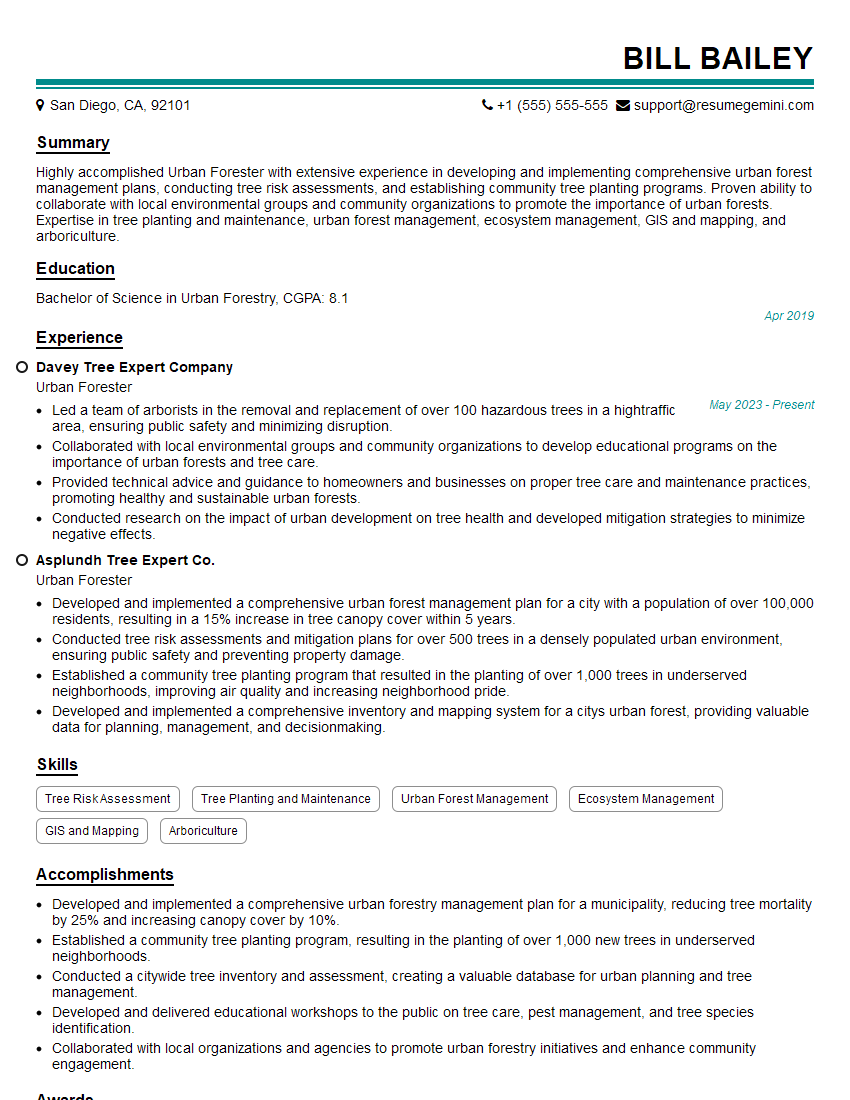
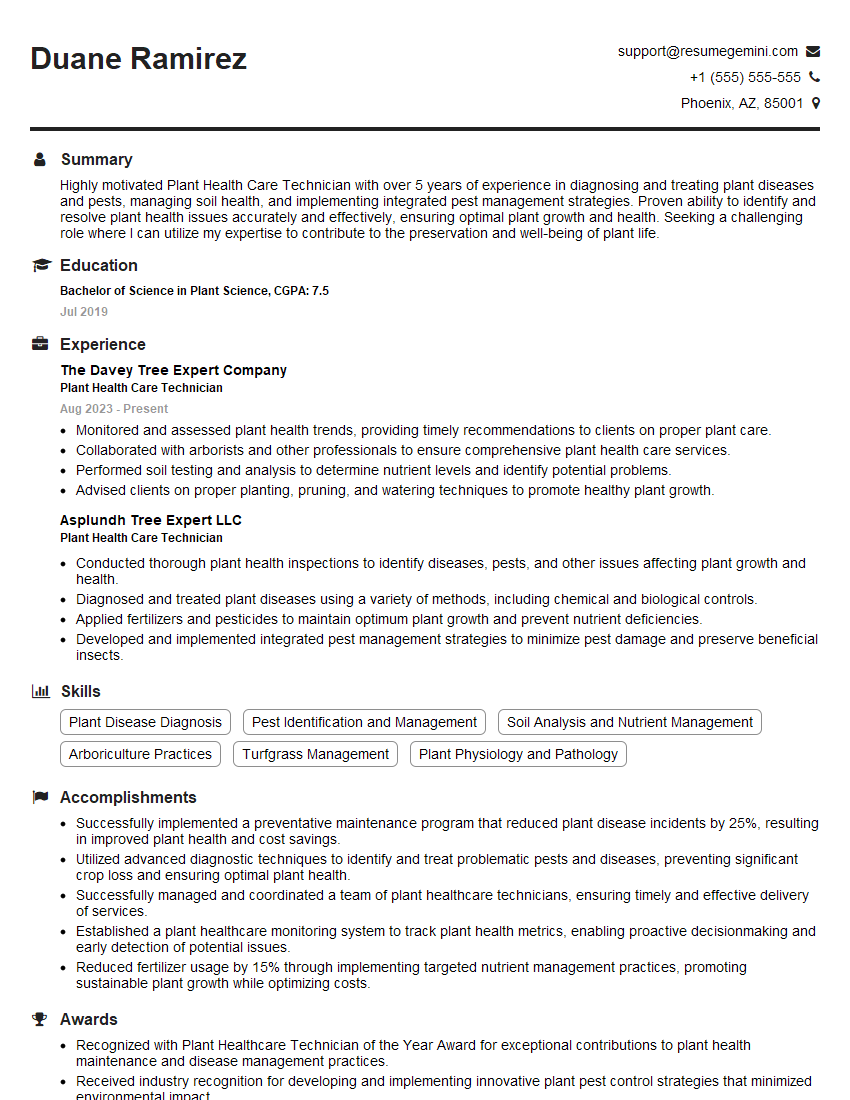
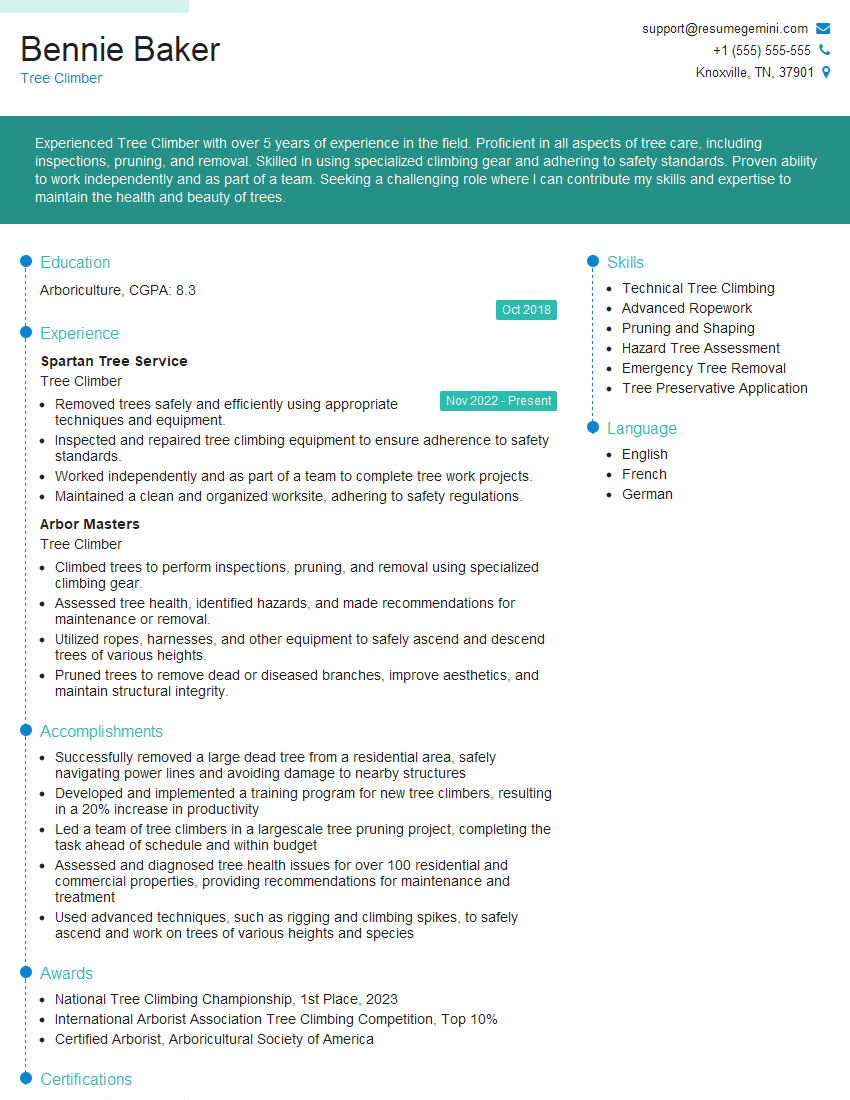
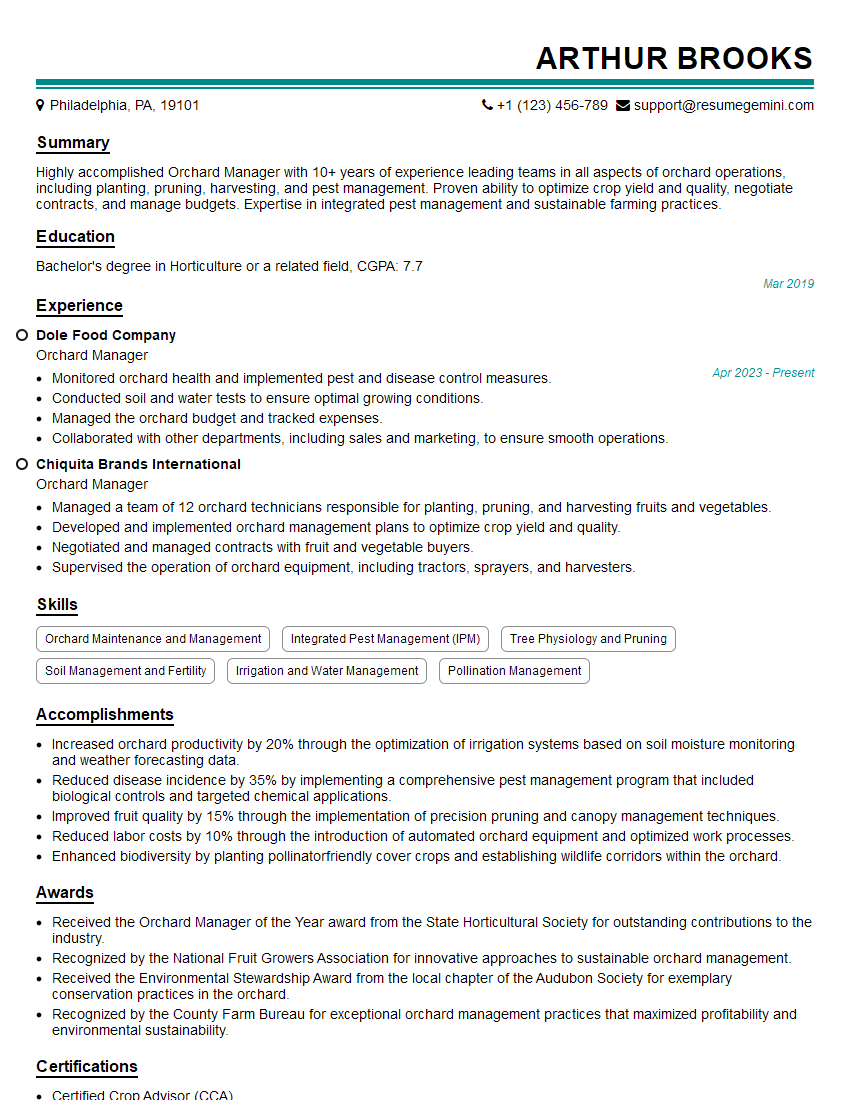
Mastering pruning and trimming techniques is vital for career advancement in horticulture, landscaping, and arboriculture. A strong understanding of these skills demonstrates competence and professionalism. To secure your dream role, create an ATS-friendly resume that highlights your expertise. ResumeGemini is a trusted resource to help you build a professional and effective resume. Examples of resumes tailored to pruning and trimming techniques are available to guide you through the process.




Explore more articles
Users Rating of Our Blogs
Share Your Experience
We value your feedback! Please rate our content and share your thoughts (optional).
What Readers Say About Our Blog
Really detailed insights and content, thank you for writing this detailed article.
IT gave me an insight and words to use and be able to think of examples