Feeling uncertain about what to expect in your upcoming interview? We’ve got you covered! This blog highlights the most important Reach Forklift Certification interview questions and provides actionable advice to help you stand out as the ideal candidate. Let’s pave the way for your success.
Questions Asked in Reach Forklift Certification Interview
Q 1. Describe the pre-operational checks you perform on a reach forklift.
Pre-operational checks on a reach forklift are crucial for ensuring safe and efficient operation. Think of it like a pre-flight checklist for an airplane – vital for preventing accidents. These checks should be performed every time before operation, and documented as per company policy.
- Visual Inspection: Check for any visible damage to the mast, forks, tires, and body. Look for leaks (hydraulic fluid, etc.), loose components, and any signs of wear and tear. Imagine spotting a cracked fork – that could lead to a load dropping.
- Hydraulic System Check: Verify that the hydraulic fluid level is correct and there are no leaks. A low fluid level can severely compromise lift capacity and stability.
- Tires: Inspect tire pressure and tread depth. Under-inflated tires can lead to instability and increased risk of damage. Worn tires reduce traction, especially on uneven surfaces.
- Brakes and Steering: Test the brakes and steering mechanism to ensure they are responsive and function correctly. Faulty brakes are a major safety hazard.
- Horn and Lights: Check the functionality of the horn, headlights, and warning lights. These are crucial for communication and visibility, especially in busy environments.
- Safety Devices: Confirm that all safety devices, such as seatbelts, load backrest, and emergency stop, are in place and working correctly. Never compromise on safety features.
- Load Capacity Plate: Verify the load capacity plate for maximum load weight and dimensions. Overloading a forklift can cause tipping and serious injury.
Remember, a thorough pre-operational check is not just a procedure; it’s a commitment to safety.
Q 2. Explain the safe operating procedures for a reach forklift.
Safe operating procedures for a reach forklift are paramount. They go beyond just knowing how to drive; they encompass responsible and defensive operation.
- Load Assessment: Always assess the load weight and dimensions before lifting. Never exceed the forklift’s rated capacity.
- Load Center: Understand the load center and keep it within the recommended range to maintain stability. (This is explained in detail in a later answer).
- Travel Speed: Drive at a safe speed appropriate to the conditions. Reduce speed in congested areas and around corners.
- Safe Lifting Techniques: Lift gradually and smoothly, avoiding sudden movements that can cause instability. Lower loads slowly and gently.
- Turning and Maneuvering: Turn slowly and smoothly, avoiding sharp turns, especially when carrying a load.
- Pedestrian Safety: Always be alert for pedestrians and maintain a safe distance. Use the horn to warn others of your presence.
- Working Height: Be mindful of overhead obstructions and maintain sufficient clearance to prevent collisions.
- Terrain Considerations: Avoid operating on uneven or unstable surfaces. Uneven surfaces can affect the stability of the forklift.
- Regular Maintenance: Report any mechanical issues promptly. Preventative maintenance is vital.
- Emergency Procedures: Familiarize yourself with emergency procedures, including how to shut down the forklift in case of an emergency.
Safe operation requires constant vigilance and adherence to established procedures. It’s not just about following rules; it’s about a mindset of safety.
Q 3. How do you handle different load types and weights with a reach forklift?
Handling different load types and weights requires careful consideration and appropriate techniques. The key is to understand the load’s characteristics and to adjust your operation accordingly.
- Weight and Dimensions: Always check the load weight and dimensions against the forklift’s capacity plate. Never exceed the stated limits.
- Load Distribution: Ensure the load is evenly distributed on the forks to maintain stability. Uneven loads can cause instability and tipping.
- Load Securing: Secure unstable or potentially shifting loads using appropriate straps or other securing devices. This prevents loads from moving during transport.
- Fragile Loads: Handle fragile loads with extra care, using slow and smooth movements. Consider using specialized attachments for delicate items.
- Oversized Loads: When handling oversized loads, ensure sufficient visibility and maneuverability. A spotter may be required for larger and more awkward loads.
- Unusual Shapes: Adjust the forks and use appropriate attachments for unusual shapes to ensure the load is securely held.
The ability to adapt to different loads is a mark of a skilled and safe reach forklift operator. Always prioritize safety and choose the appropriate technique for each load.
Q 4. What are the common causes of forklift accidents and how can they be prevented?
Forklift accidents, while often preventable, can have devastating consequences. Understanding common causes and implementing preventative measures is crucial.
- Operator Error: This is the leading cause, encompassing speeding, improper loading, inadequate training, and failure to follow safety procedures. Regular training and reinforcement of safe practices are critical.
- Mechanical Failure: Malfunctioning brakes, hydraulic leaks, or tire issues can contribute to accidents. Regular preventative maintenance is essential.
- Unsafe Working Conditions: Poor visibility, cluttered walkways, and uneven surfaces increase the risk. Maintaining a clean and organized work area is paramount.
- Load Instability: Improper loading techniques, exceeding load capacity, or unsecured loads can lead to tipping or dropping of materials. Proper training and load securing are key.
- Lack of Training: Inadequate training leads to unsafe practices and a higher chance of accidents. Comprehensive, hands-on training is non-negotiable.
Prevention is key. Regular training, thorough maintenance, safe working environments, and a strong safety culture are all vital in minimizing the risk of forklift accidents.
Q 5. Describe your experience working with different types of reach forklifts.
My experience encompasses a range of reach forklift models, from electric counterbalanced units to those with various mast configurations and load capacities. This experience has given me a deep understanding of their operational nuances and safety considerations.
For instance, I’ve worked extensively with electric reach trucks in warehouse environments, where precision and maneuverability are crucial. I’ve also operated larger, more powerful reach forklifts in outdoor settings, requiring a different approach to handling varied terrain and visibility challenges. Each model presents unique challenges and demands a thorough understanding of its capabilities and limitations.
This varied experience has allowed me to adapt quickly to different models and operating conditions, always prioritizing safe operation and efficient workflow.
Q 6. Explain the load center and its importance in safe operation.
The load center is the distance from the face of the forks to the center of gravity of the load. Think of it as the ‘balance point’ of your load. It’s critically important for safe operation because it directly affects the forklift’s stability.
An improperly positioned load center can cause the forklift to become unstable, leading to tipping. A load with a further-back load center requires more counterweight to prevent tipping. If the load center is too far forward, it can cause the forklift to lift or tilt forward.
Understanding and maintaining the correct load center is essential for safe operation. Consult your forklift’s load capacity chart for the safe load center range for various loads and weights.
Q 7. How do you assess the stability of a load while operating a reach forklift?
Assessing load stability is a crucial aspect of safe reach forklift operation. It’s a continuous process, not just a one-time check.
- Visual Inspection: Regularly observe the load throughout the operation to identify any signs of shifting or instability. Are any straps loose or the load tilting? You should be able to spot potential problems before they lead to an accident.
- Load Center: Maintain the load center within the recommended range, as this is directly related to stability. Remember that load distribution can shift, even on seemingly stable loads.
- Terrain: Assess the terrain and adjust your operating speed and techniques accordingly. Uneven surfaces reduce stability and require more cautious maneuvers.
- Load Securement: Ensure the load is properly secured using appropriate straps or other methods, especially for unstable or awkward loads. This is particularly important when driving on uneven surfaces.
- Movement: Operate smoothly and avoid jerky movements that could disturb the load balance. A sudden stop or sharp turn can dislodge a poorly secured load.
- Environmental Factors: Consider environmental factors, such as wind or rain, which can affect load stability. For example, a strong gust of wind can easily make an unsecured load unstable.
Assessing load stability is an ongoing, intuitive process. It combines careful observation, understanding of the load’s characteristics, and a proactive approach to risk mitigation.
Q 8. What are the limitations of a reach forklift and when would you use a different type of forklift?
Reach forklifts, while incredibly efficient for narrow aisles and high-stacking, have limitations. Their primary weakness is their inability to handle uneven terrain or significant inclines effectively. The narrow base and reliance on precise maneuvering make them susceptible to tipping. They also generally have lower load capacities compared to counterbalance forklifts.
You’d use a different type of forklift when dealing with:
- Uneven or sloping ground: A rough-terrain forklift or even a counterbalance forklift would be much safer and more stable.
- Heavy loads: If you need to lift and move extremely heavy pallets, a counterbalance forklift with a higher load capacity is necessary.
- Outdoor applications: While some reach trucks are designed for outdoor use, a rough-terrain or even a standard counterbalance forklift is better suited for outdoor environments with uneven surfaces or inclement weather.
- Limited aisle space but heavy loads: In this case, a narrow aisle forklift, different from a reach truck might be more suitable.
Choosing the right forklift depends on the specific application. A risk assessment should be conducted before commencing any lift truck operation to ensure that the equipment selected is suitable for the task at hand.
Q 9. How do you handle uneven terrain or inclines while operating a reach forklift?
Operating a reach truck on uneven terrain or inclines requires extreme caution and adherence to safety protocols. The most important rule is to avoid it altogether if possible. If absolutely necessary, proceed with extreme slowness and vigilance.
Here’s how to handle such situations:
- Assess the terrain: Before moving, carefully inspect the area for any unevenness, slopes, or obstacles. Avoid operating on inclines exceeding the manufacturer’s specified limits – this information is usually found in the operator’s manual.
- Reduce speed significantly: Always operate at a very slow speed, allowing ample time to react to any unexpected changes in the ground.
- Maintain a stable load: Ensure the load is properly secured and balanced. An uneven load can exacerbate instability on uneven ground.
- Avoid sudden movements: Steer smoothly and avoid sudden braking or acceleration.
- Use your horn frequently: Warn pedestrians and other equipment operators of your presence and movement.
- If unsure, don’t proceed: If you feel the terrain is unsafe, do not attempt to operate the reach truck. Request assistance or a different piece of equipment.
Remember, safety is paramount. If a task presents significant risk, it’s better to find an alternative solution rather than putting yourself or others at risk.
Q 10. What are the emergency procedures in case of a forklift malfunction?
Emergency procedures for reach forklift malfunctions must be swift and decisive. The first priority is to ensure the safety of the operator and those around them.
Steps to take:
- Immediately stop the forklift: Engage the emergency stop button or disengage the power if necessary.
- Assess the situation: Determine the nature of the malfunction. Is it a hydraulic leak, electrical failure, or something else?
- Sound the horn: Alert others to the problem and your need for assistance.
- Activate emergency lights (if available): Increase visibility to further ensure worker safety.
- Do not attempt repairs yourself: Unless you are specifically trained for this, leave repairs to qualified technicians. Attempting to fix a malfunctioning forklift can lead to further damage or serious injury.
- Evacuate the area: If necessary, clear the immediate vicinity around the forklift.
- Report the incident: Report the malfunction and any resulting damage or injury to your supervisor immediately.
Regular maintenance and inspections are crucial to minimize the chances of malfunctions. Familiarizing oneself with the equipment’s emergency shutdown procedures is equally vital.
Q 11. Describe your experience with maintaining accurate inventory records.
Maintaining accurate inventory records is critical for efficient warehouse operation. In my previous role, I utilized a warehouse management system (WMS) to track inventory levels in real-time.
My responsibilities included:
- Receiving and scanning incoming goods: Accurately scanning each pallet’s barcode and inputting the data into the WMS to update stock levels.
- Locating and picking orders: Using the WMS to find items and confirm their availability before dispatch. This prevents picking errors and ensures accurate order fulfillment.
- Conducting cycle counting: Regularly performing physical checks of stock against the WMS to reconcile differences and identify discrepancies. This ensures data accuracy over time.
- Identifying and investigating discrepancies: When differences between physical inventory and the WMS are found, I investigate the root cause (e.g., data entry errors, stock damage, theft) and make corrections.
- Generating reports: Regularly generating reports on inventory levels, stock turnover, and other relevant metrics to support decision-making.
My attention to detail and my experience with WMS software ensured consistently high levels of accuracy in inventory management. Any discrepancies were promptly addressed to maintain the integrity of our stock records.
Q 12. How do you ensure workplace safety while operating a reach forklift?
Ensuring workplace safety while operating a reach forklift is paramount. It requires a multifaceted approach combining training, safe operating practices, and proper equipment maintenance.
My safety practices include:
- Pre-operational checks: Before each shift, I meticulously inspect the forklift for any mechanical issues, ensuring that all lights, brakes, and other safety features are fully functional.
- Adherence to speed limits: I strictly adhere to designated speed limits within the warehouse, slowing down in areas with high pedestrian traffic or limited visibility.
- Awareness of surroundings: I constantly scan my surroundings for pedestrians, other forklifts, and obstacles. I use the horn regularly to announce my presence and intentions.
- Safe load handling: I never exceed the forklift’s rated load capacity and ensure loads are properly balanced and secured to prevent accidents.
- Proper use of seat belts: I always use the forklift seat belt, particularly during movement or while working on uneven surfaces.
- Following established procedures: I meticulously follow all company safety regulations and procedures for operating the reach truck.
- Reporting hazards: I promptly report any unsafe conditions or potential hazards to my supervisor.
Safety isn’t just a checklist; it’s a continuous process that requires vigilance and proactive commitment.
Q 13. Explain your understanding of load capacity and weight distribution.
Understanding load capacity and weight distribution is critical for safe reach forklift operation. The load capacity is the maximum weight a forklift can lift safely. This is specified by the manufacturer and is usually displayed on a data plate on the forklift itself.
Weight distribution refers to how the load is positioned on the forks. An unevenly distributed load can lead to instability and potential tipping.
Here’s how this works in practice:
- Never exceed the load capacity: Overloading the forklift is extremely dangerous and can cause structural failure, tipping, and serious injury. Always check the load weight against the data plate.
- Ensure even weight distribution: The weight should be centered on the forks, to maintain stability. Avoid overloading one side of the forks.
- Consider the center of gravity: Tall, narrow loads have a higher center of gravity, making them more susceptible to tipping. Such loads should be handled with extra caution.
- Adjust forks accordingly: For unevenly sized pallets, you may need to adjust the forks to center the load.
By understanding both load capacity and weight distribution, operators can significantly reduce the risk of accidents related to overloading or instability.
Q 14. How do you communicate effectively with other workers in a warehouse environment?
Effective communication in a warehouse environment is crucial for safety and efficiency. With reach forklifts, this is even more important because of the potential for collisions and near misses.
My communication strategies include:
- Using hand signals: Employing universally understood hand signals is crucial in noisy environments where verbal communication might be difficult.
- Using the horn effectively: I use the horn to warn pedestrians and other equipment operators of my approach and movements, especially around corners or in blind spots.
- Clear verbal communication: I use clear and concise language to communicate with colleagues, ensuring that my instructions are unambiguous and easy to understand.
- Maintaining visual contact: I make eye contact whenever possible to confirm that my messages are received and understood.
- Using two-way radios: Using two-way radios allows for efficient communication across the warehouse, especially during busy periods or when coordinating movements of multiple pieces of equipment.
- Active listening: I actively listen to instructions and feedback from colleagues to ensure that I’m on the same page.
Open and clear communication greatly reduces the chance of accidents and improves the overall efficiency of warehouse operations. Understanding and respecting communication protocols fosters a collaborative and safe workplace.
Q 15. Describe your experience with different warehouse management systems (WMS).
My experience encompasses several Warehouse Management Systems (WMS), including Manhattan Associates, Blue Yonder, and Oracle NetSuite. I’m proficient in using these systems to manage inventory, track orders, optimize warehouse layout, and generate reports. For example, with Manhattan Associates, I’ve utilized its advanced features for wave picking optimization, significantly reducing order fulfillment time and improving overall efficiency. In contrast, my experience with Blue Yonder involved configuring the system for a high-volume distribution center, requiring expertise in defining slotting strategies and managing labor resources effectively. Understanding different WMS platforms allows me to adapt quickly to new environments and contribute efficiently from day one.
Career Expert Tips:
- Ace those interviews! Prepare effectively by reviewing the Top 50 Most Common Interview Questions on ResumeGemini.
- Navigate your job search with confidence! Explore a wide range of Career Tips on ResumeGemini. Learn about common challenges and recommendations to overcome them.
- Craft the perfect resume! Master the Art of Resume Writing with ResumeGemini’s guide. Showcase your unique qualifications and achievements effectively.
- Don’t miss out on holiday savings! Build your dream resume with ResumeGemini’s ATS optimized templates.
Q 16. How do you handle challenging situations, such as a damaged load or blocked aisle?
Handling challenging situations requires a calm, systematic approach. If I encounter a damaged load, I first ensure the safety of myself and others by securing the area. Then, I thoroughly assess the damage, documenting it with photos and reporting it to my supervisor immediately. This prevents further accidents and allows for proper claims processing. If an aisle is blocked, I’ll first attempt to determine the cause of the blockage—whether it’s another forklift, misplaced pallets, or an equipment malfunction. If it’s safe to do so, I might try to carefully clear the aisle. Otherwise, I would immediately notify my supervisor and other relevant personnel to resolve the obstruction and prevent further delays or accidents. Communication is key in both scenarios.
Q 17. What is your understanding of OSHA regulations regarding forklift operation?
My understanding of OSHA regulations regarding forklift operation is extensive. I know that OSHA mandates comprehensive training, including pre-operation inspections, safe operating procedures, load stability, and hazard recognition. I’m familiar with the regulations concerning operator certification, personal protective equipment (PPE), and the importance of regular maintenance checks to prevent accidents. For instance, I am aware of the specific requirements for load capacity and load center calculations to avoid overloading and tipping. OSHA’s emphasis on pre-shift inspections, including tire pressure, fluid levels, and brake function, is critical to me because it directly impacts safety.
Q 18. How do you perform routine maintenance checks on a reach forklift?
Routine maintenance checks on a reach forklift are crucial for safety and efficiency. My procedure involves a thorough visual inspection, checking for leaks, damage to the forks, and wear on tires. I verify that all lights and indicators are functioning correctly. I also check fluid levels (hydraulic fluid, engine oil), ensuring they are within the manufacturer’s specified ranges. I inspect the battery (if electric) for proper connections and charging levels. Furthermore, I test the brakes, steering, and horn to confirm their proper operation. Finally, I document all checks and any issues found in the designated logbook. This proactive approach minimizes downtime and prevents potential malfunctions.
Q 19. What are the different types of forks and attachments used on reach forklifts?
Reach forklifts utilize a variety of forks and attachments depending on the material being handled. Standard forks are the most common, but specialized options include paper roll clamps for handling large paper rolls, side shifters for precise pallet placement, and rotators for rotating loads. Other attachments can include push-pull attachments for handling long materials, and even specialized forks for handling specific products. The selection depends on the application; for instance, a warehouse handling lumber would benefit from long forks or a push-pull attachment, while a distribution center dealing with palletized goods may only require standard forks and potentially a side shifter for optimization.
Q 20. Explain the importance of proper fueling and battery charging procedures.
Proper fueling and battery charging procedures are essential for both safety and equipment longevity. For fuel-powered forklifts, this involves using the correct type of fuel, avoiding overfilling, and ensuring proper ventilation to prevent fire hazards. Spills must be cleaned immediately. For electric forklifts, proper battery charging involves following the manufacturer’s instructions to prevent overcharging or undercharging, which can damage the battery and shorten its lifespan. Regular maintenance, such as cleaning the battery terminals, is also crucial. Ignoring these procedures can result in accidents or costly repairs. Think of it like caring for your car; proper fuel and maintenance ensure it runs smoothly and lasts longer.
Q 21. How do you deal with mechanical problems while operating a reach forklift?
If I encounter a mechanical problem while operating a reach forklift, my first step is to safely bring the forklift to a complete stop in a designated area, away from traffic and hazards. I then turn off the engine or power source. Next, I assess the situation, trying to identify the problem. If it’s a minor issue, and I’m trained to handle it (e.g., a simple fluid leak), I might attempt a temporary fix, but only if it’s safe to do so. However, for any significant mechanical problem, I will immediately report it to my supervisor and follow their instructions. Safety is always the paramount concern; I will never attempt to operate a forklift with a known mechanical issue.
Q 22. What is your experience with using different types of warehouse racking systems?
My experience with warehouse racking systems is extensive, encompassing various types including pallet racking, cantilever racking, drive-in racking, and push-back racking. I’m familiar with their strengths and weaknesses, and how to select the appropriate system based on factors like storage capacity, product type, and throughput requirements. For instance, I’ve worked extensively with pallet racking, understanding its versatility for storing a wide variety of goods and how to properly load it to maximize capacity while maintaining safety. With cantilever racking, I know the specifics of efficiently storing long or bulky items and the importance of preventing damage. Understanding the structural integrity of each system and how to identify potential hazards, like damaged beams or overloaded sections, is crucial to safe forklift operation.
In a previous role, we transitioned from a less efficient system to a drive-in racking system for increased storage density. This required a thorough risk assessment to ensure operator safety and training on the specific challenges of this racking type.
Q 23. Describe your experience with using warehouse safety equipment.
My experience with warehouse safety equipment is comprehensive, covering all aspects of personal protective equipment (PPE) and facility safety measures. This includes the regular use and maintenance of high-visibility vests, safety helmets, gloves, and safety shoes. I’m proficient in using safety barriers and warning signs to prevent accidents. Furthermore, I have a thorough understanding of emergency procedures, including how to effectively use fire extinguishers and reporting mechanisms in case of incidents.
In one instance, I noticed a damaged section of guardrail near a loading dock. I immediately reported it to my supervisor and ensured the area was cordoned off to prevent any potential accidents. Regular inspections of safety equipment and adherence to safety protocols are fundamental to my work ethic.
Q 24. How do you ensure the safe loading and unloading of goods?
Safe loading and unloading involves a multi-step process that begins with a pre-operation checklist. This includes inspecting the forklift for any mechanical issues, verifying the load is properly secured and balanced, and ensuring the area is clear of obstructions. I always assess the weight and dimensions of the goods to select the appropriate forklift and attachments. Next, I carefully maneuver the forklift, maintaining a safe distance from racks and other equipment. I ensure the load is stable during transit, avoiding sudden stops or sharp turns. Upon reaching the destination, I carefully place the load, ensuring its stability, before retracting the forks and verifying the area is safe before moving on.
For example, when unloading fragile items, I use specialized attachments like clamps or rotators to prevent damage. I always prioritize slow, controlled movements to prevent spills or accidents.
Q 25. What is your proficiency level with using forklift operating manuals?
My proficiency with forklift operating manuals is excellent. I understand the importance of consulting the manual for specific information regarding the model of forklift I am operating, including its operational capacities, maintenance schedules and safety features. I view the manual as a critical tool, not only for initial training, but also for ongoing reference and troubleshooting. I am adept at interpreting diagrams, specifications, and safety procedures outlined in these documents.
For instance, when encountering a minor mechanical issue on a forklift unfamiliar to me, I will first refer to the manual to determine the problem’s root cause and any recommended solutions. I frequently review the emergency procedures section to ensure my response is appropriate and effective.
Q 26. How do you maintain your forklift certification and training?
Maintaining my forklift certification involves consistent ongoing training and adherence to refresher courses as required by company policy and regulatory bodies. This includes participating in regular safety meetings, where new procedures or safety updates are discussed. I proactively seek out additional training opportunities to improve my skills and knowledge, staying abreast of technological advancements and best practices in forklift operation and safety.
I actively participate in company-provided training and, when possible, seek out external certifications to broaden my skillset and demonstrate my commitment to safe practices. My approach to maintaining my certification is not merely about fulfilling requirements, but about continuously improving my expertise and contributing to a safe work environment.
Q 27. Describe a time you had to troubleshoot a forklift issue. What was your solution?
During a busy peak season, I encountered a situation where a forklift suddenly lost power midway through unloading a shipment. My initial response was to immediately secure the load and turn off the ignition, ensuring the safety of myself and others in the vicinity. I then systematically investigated the problem, checking the battery level and the fuel supply (as applicable to the forklift model). After eliminating these possibilities, I consulted the forklift’s operating manual which led me to check the ignition switch. I found a loose connection, and after carefully reconnecting it, the forklift restarted.
This experience emphasized the importance of meticulous troubleshooting and the value of having a thorough understanding of the equipment’s mechanics. Following the established procedures helped me not only solve the issue swiftly, but also ensured safety and minimal disruption to operations.
Key Topics to Learn for Reach Forklift Certification Interview
- Pre-Operational Checks: Understanding the importance of thorough pre-shift inspections, identifying potential hazards, and ensuring the forklift is in safe working condition. Practical application: Describe your routine for checking tire pressure, hydraulic fluid levels, and horn functionality.
- Safe Operation Techniques: Mastering maneuvering skills in confined spaces, understanding load stability and weight distribution, and applying correct lifting and lowering procedures. Practical application: Explain how you would handle a load on an uneven surface or in a busy warehouse environment.
- Load Handling and Stability: Calculating load centers, understanding the implications of load height and weight on stability, and recognizing potential tipping hazards. Practical application: Describe how you would secure an unstable or unusually shaped load.
- Understanding and Applying Regulations: Familiarity with OSHA (or relevant local) safety regulations pertaining to reach forklift operation, including personal protective equipment (PPE) requirements and reporting procedures. Practical application: Discuss how you would respond to a near-miss incident.
- Refueling and Maintenance Procedures: Correct procedures for refueling, performing basic maintenance checks, and recognizing when professional maintenance is required. Practical application: Explain the steps involved in safely refueling a reach forklift.
- Emergency Procedures: Responding to mechanical failures, addressing potential hazards, and utilizing emergency shutdown procedures. Practical application: Describe your actions if the forklift’s hydraulics suddenly fail.
Next Steps
Mastering Reach Forklift Certification significantly enhances your career prospects, opening doors to higher-paying roles and increased responsibility within the logistics and warehousing industries. A well-crafted resume is crucial for showcasing your skills and experience to potential employers. To maximize your job search success, create an ATS-friendly resume that highlights your newly acquired certification and related expertise. ResumeGemini is a trusted resource that can help you build a professional and effective resume tailored to the specific requirements of the Reach Forklift operator positions you’re targeting. Examples of resumes tailored to Reach Forklift Certification are available to guide you.
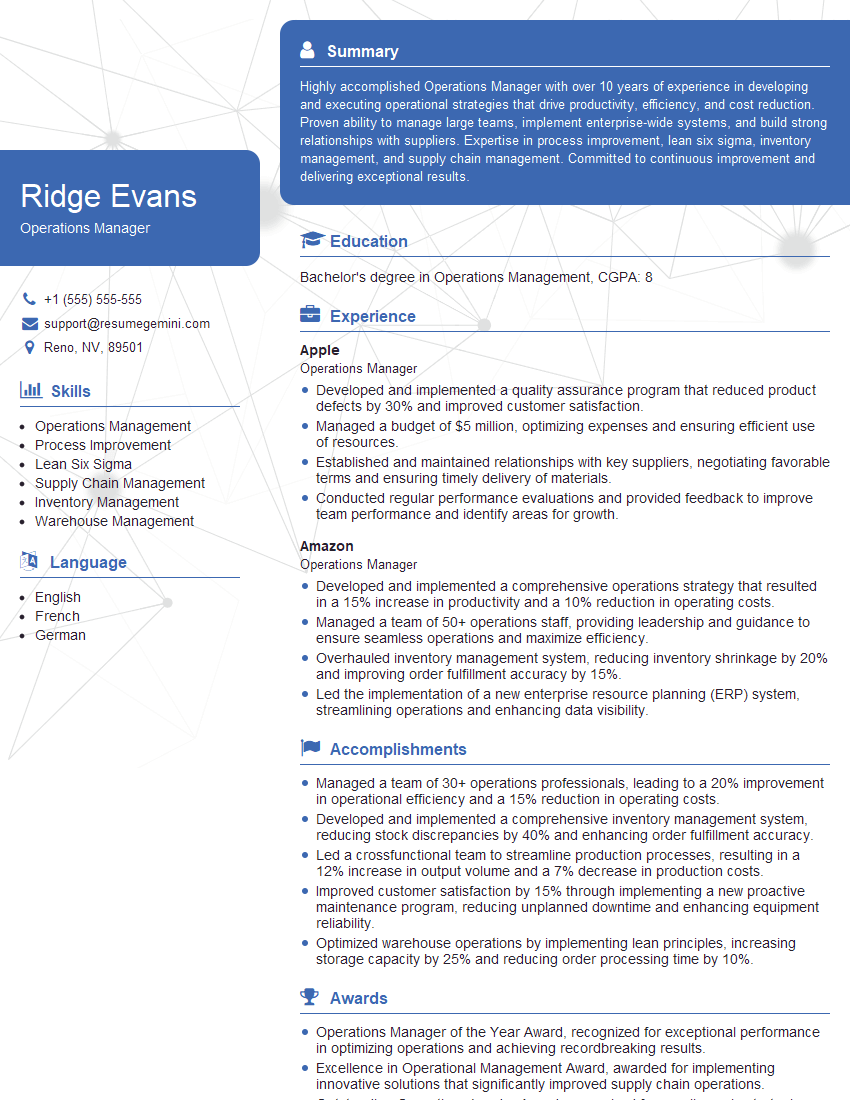
Operations Manager Resume Sample
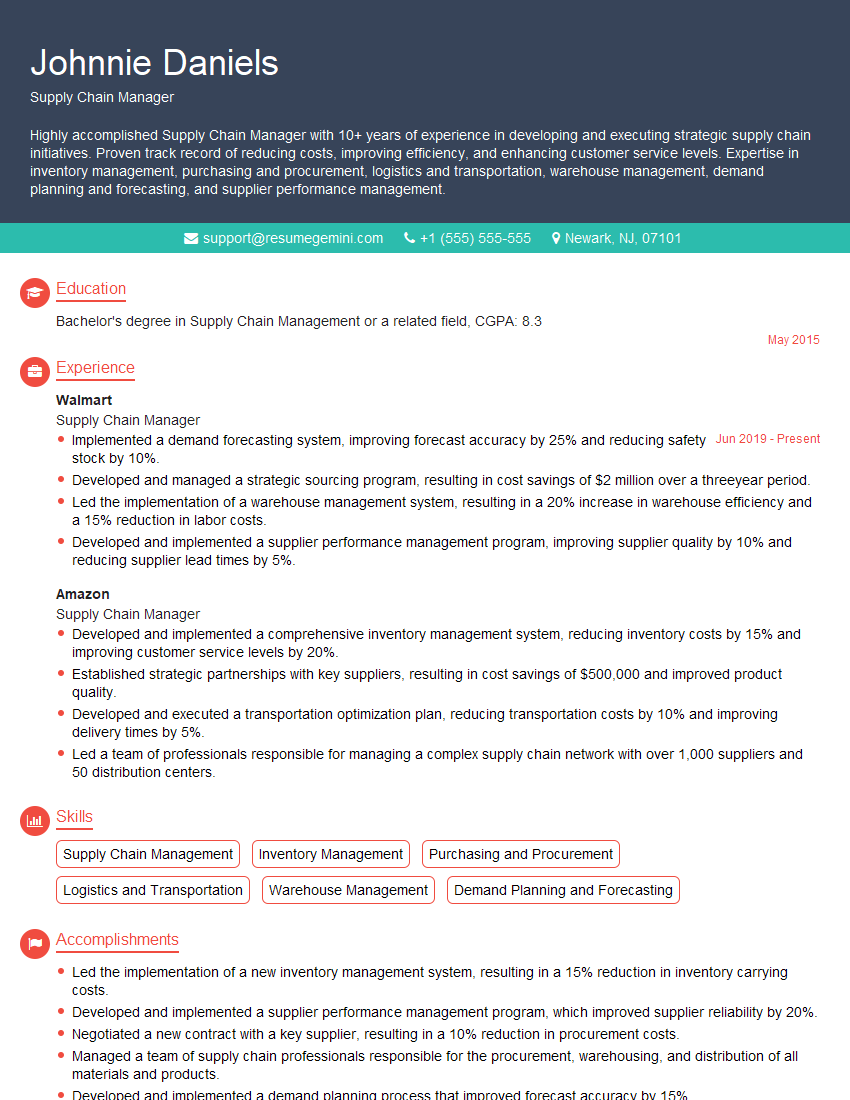
Supply Chain Manager Resume Sample
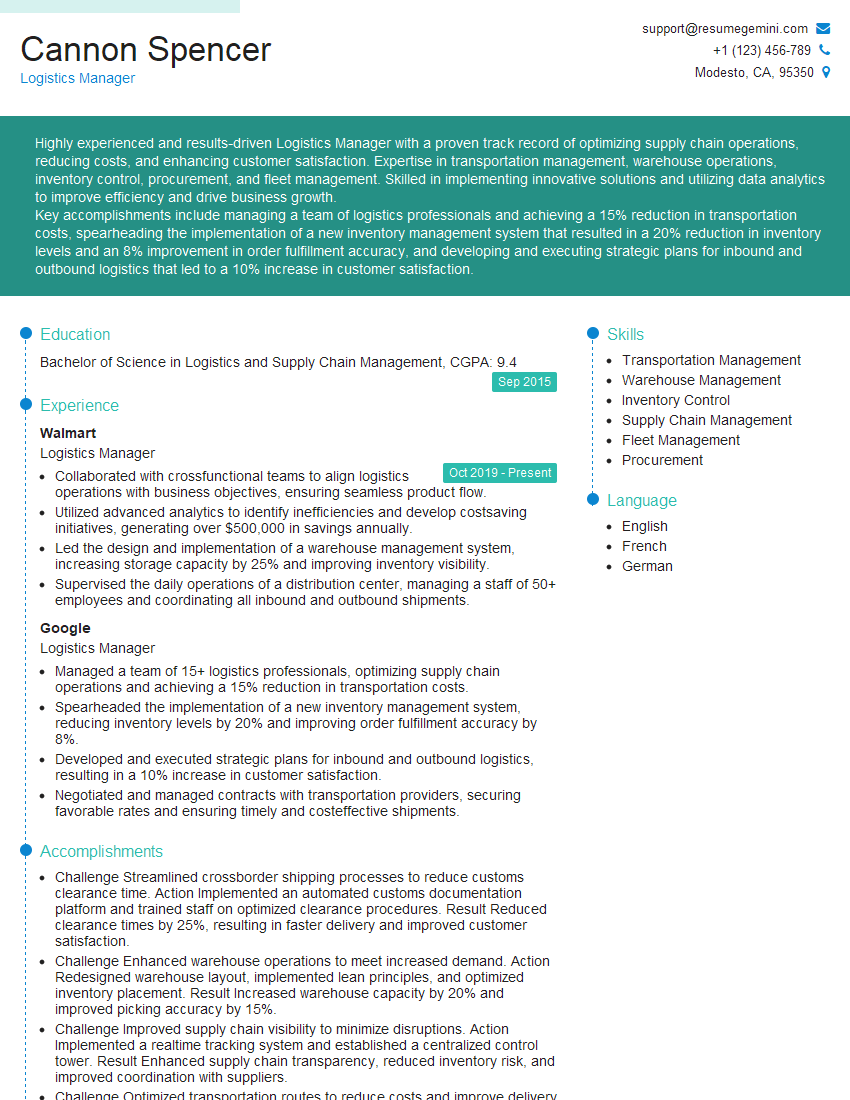
Logistics Manager Resume Sample
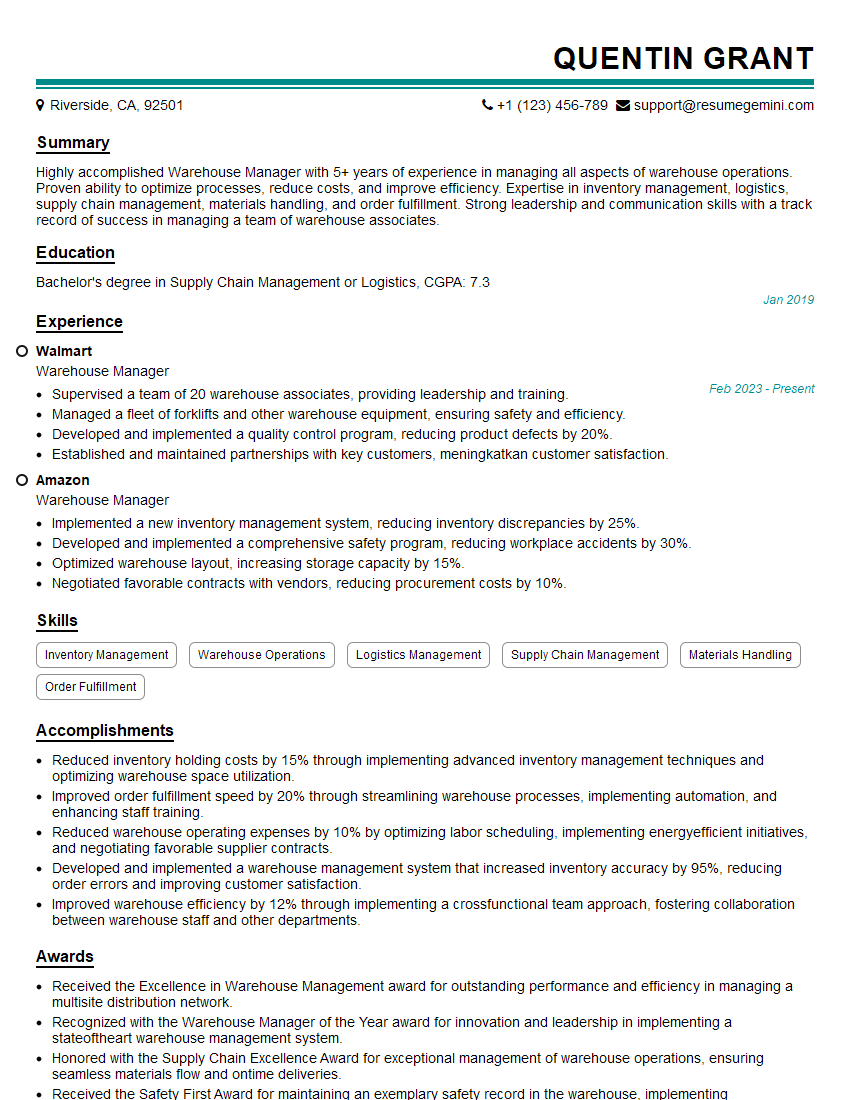
Warehouse Manager Resume Sample
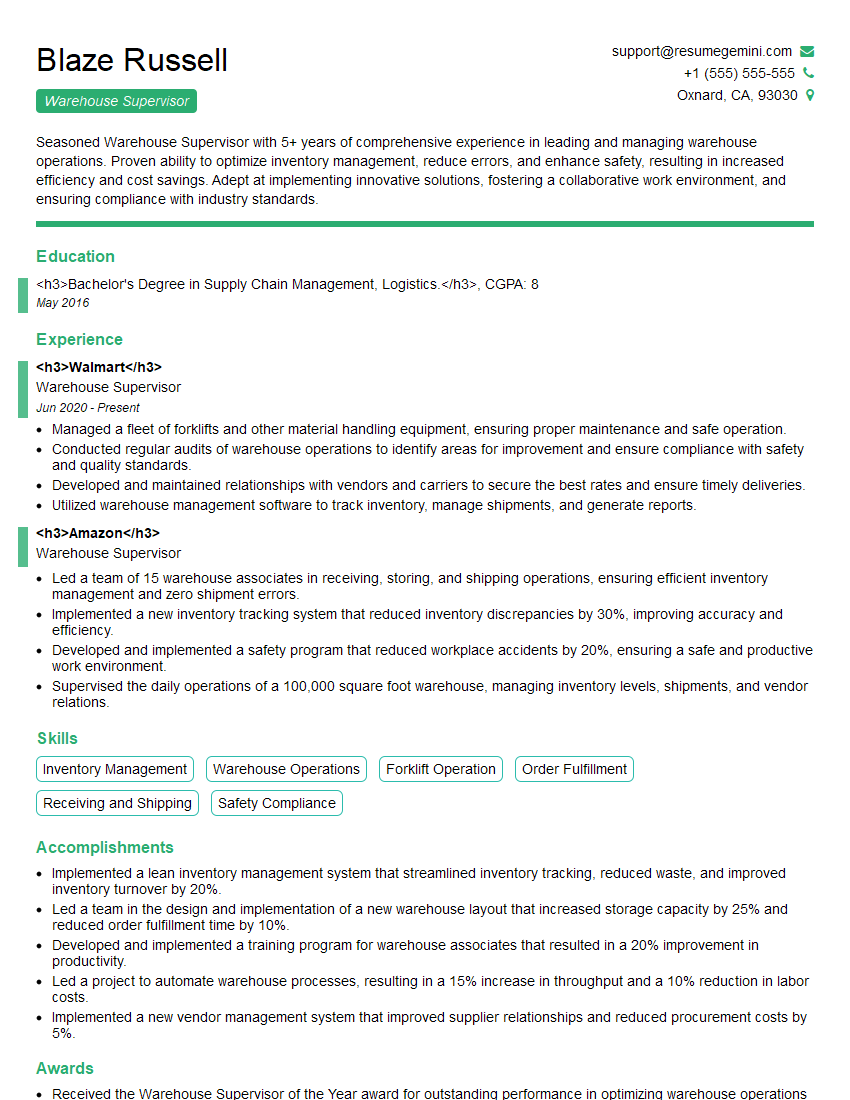
Warehouse Supervisor Resume Sample
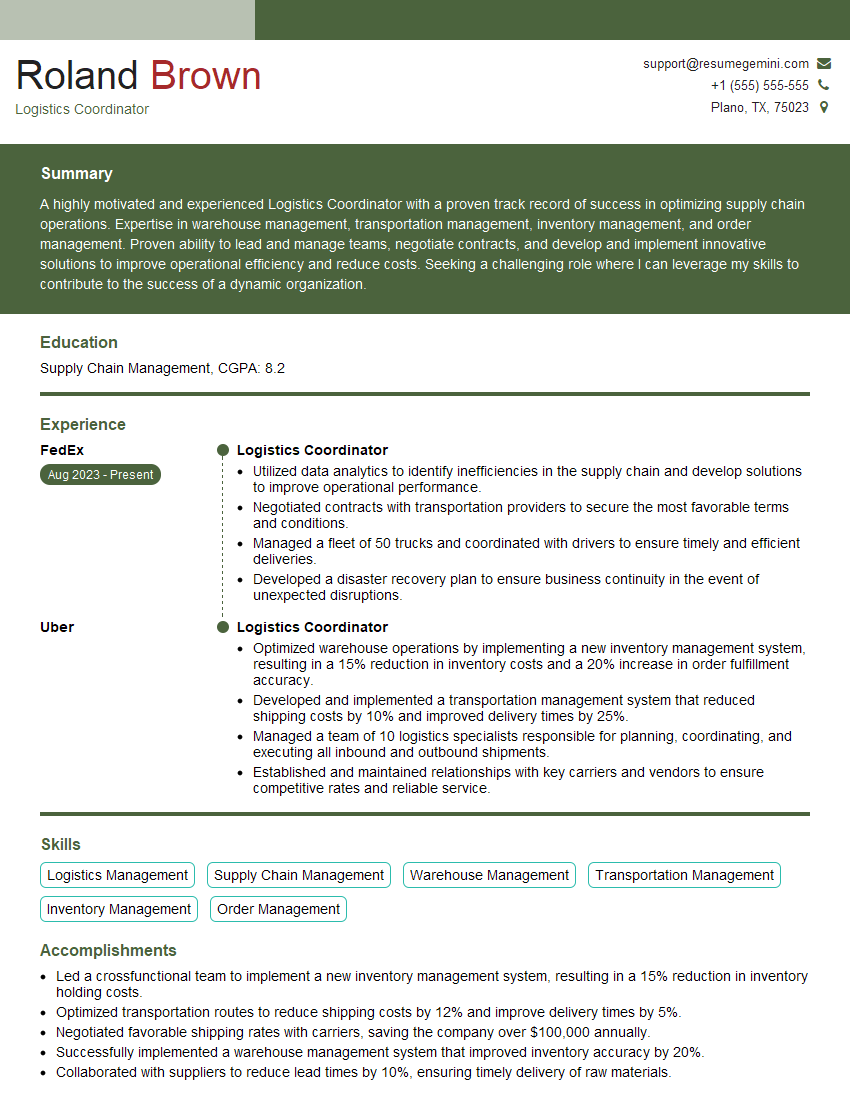
Logistics Coordinator Resume Sample
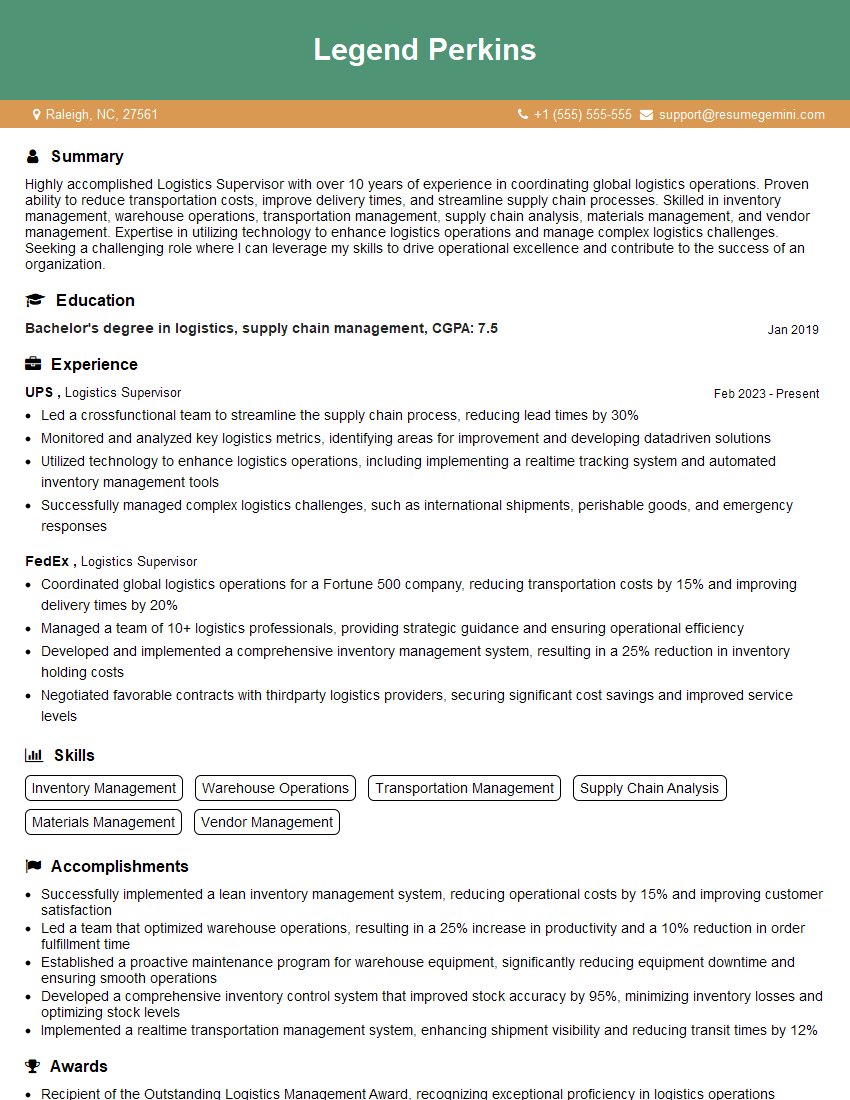
Logistics Supervisor Resume Sample
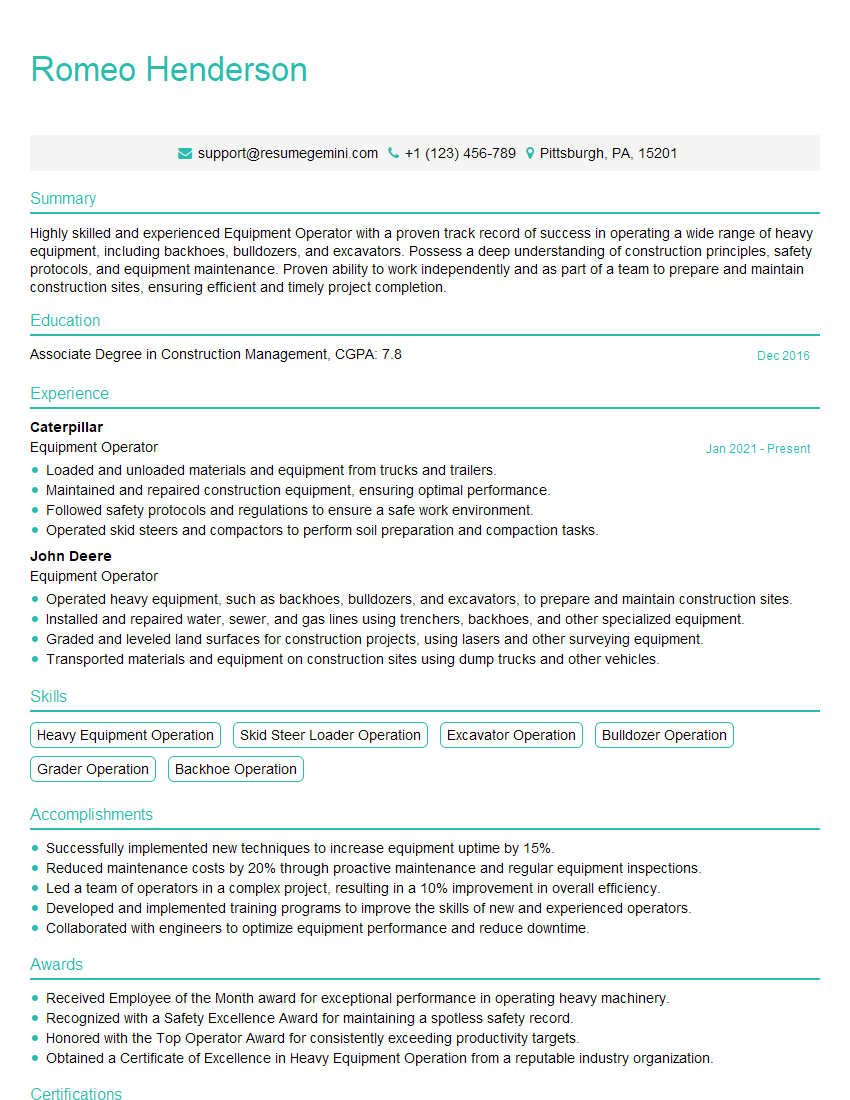
Equipment Operator Resume Sample
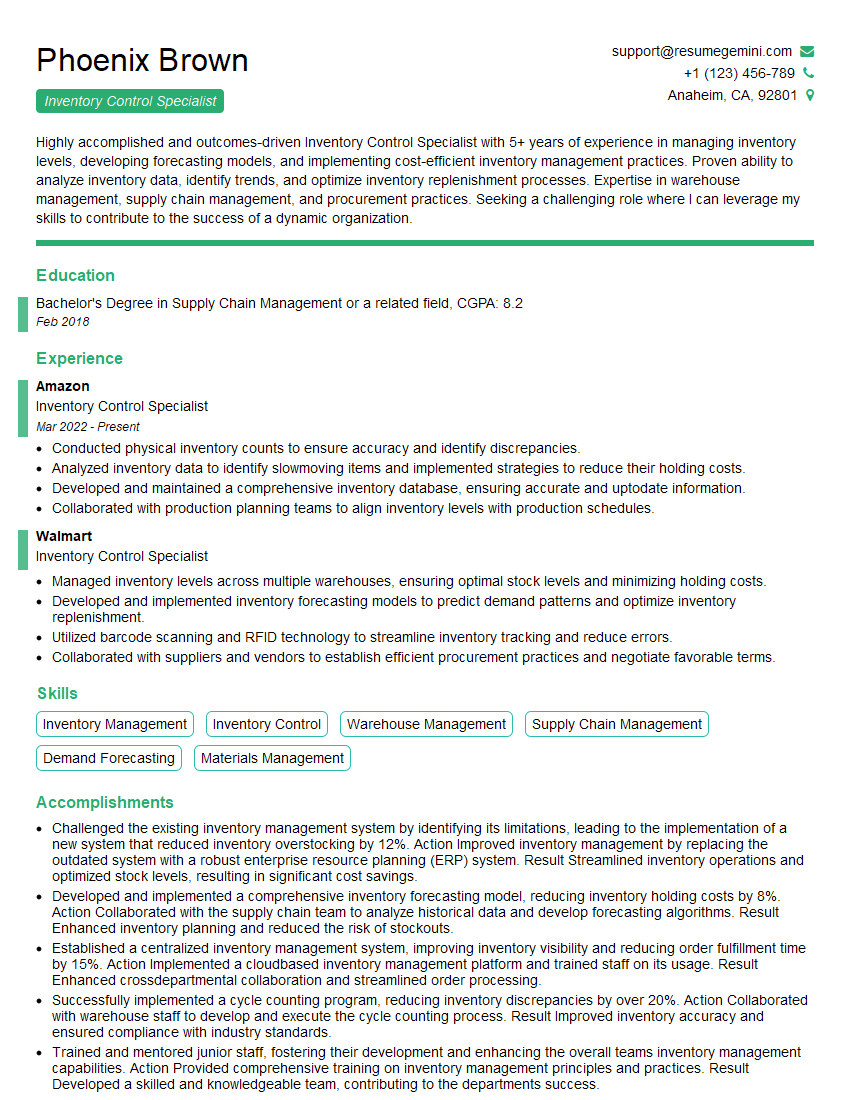
Inventory Control Specialist Resume Sample

Shipping and Receiving Clerk Resume Sample
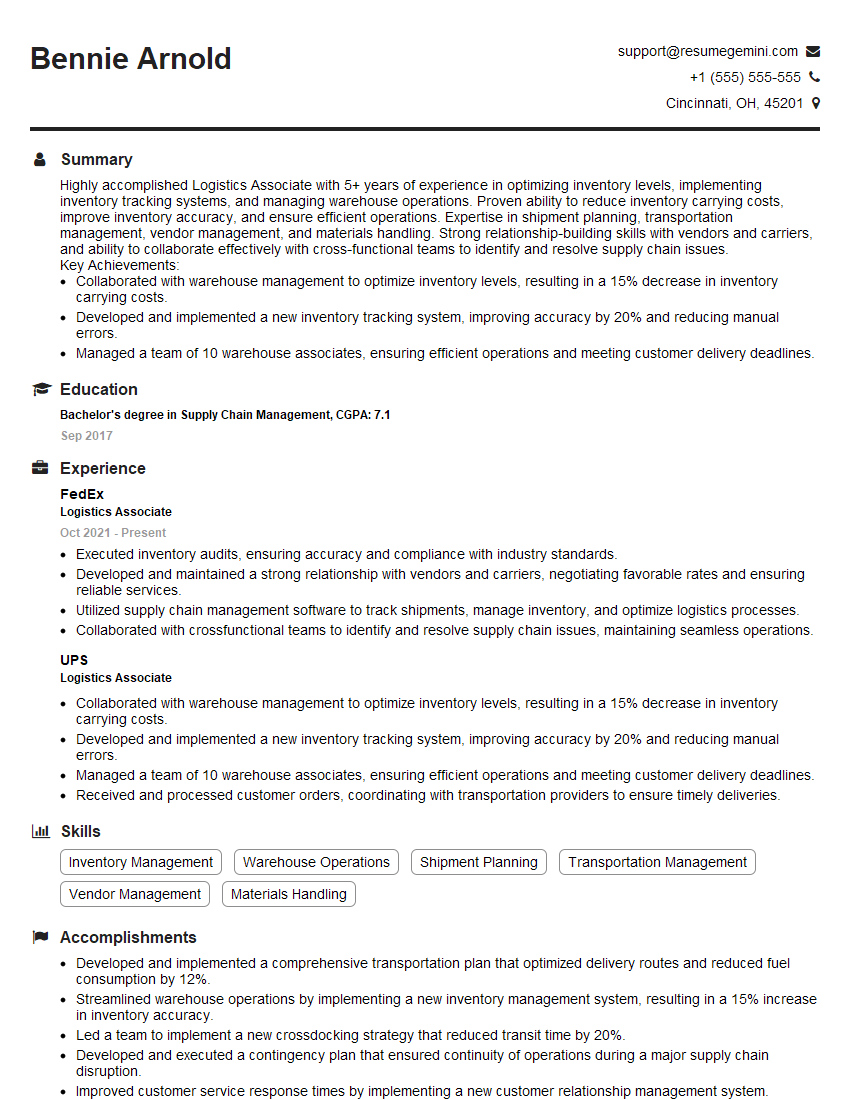
Logistics Associate Resume Sample
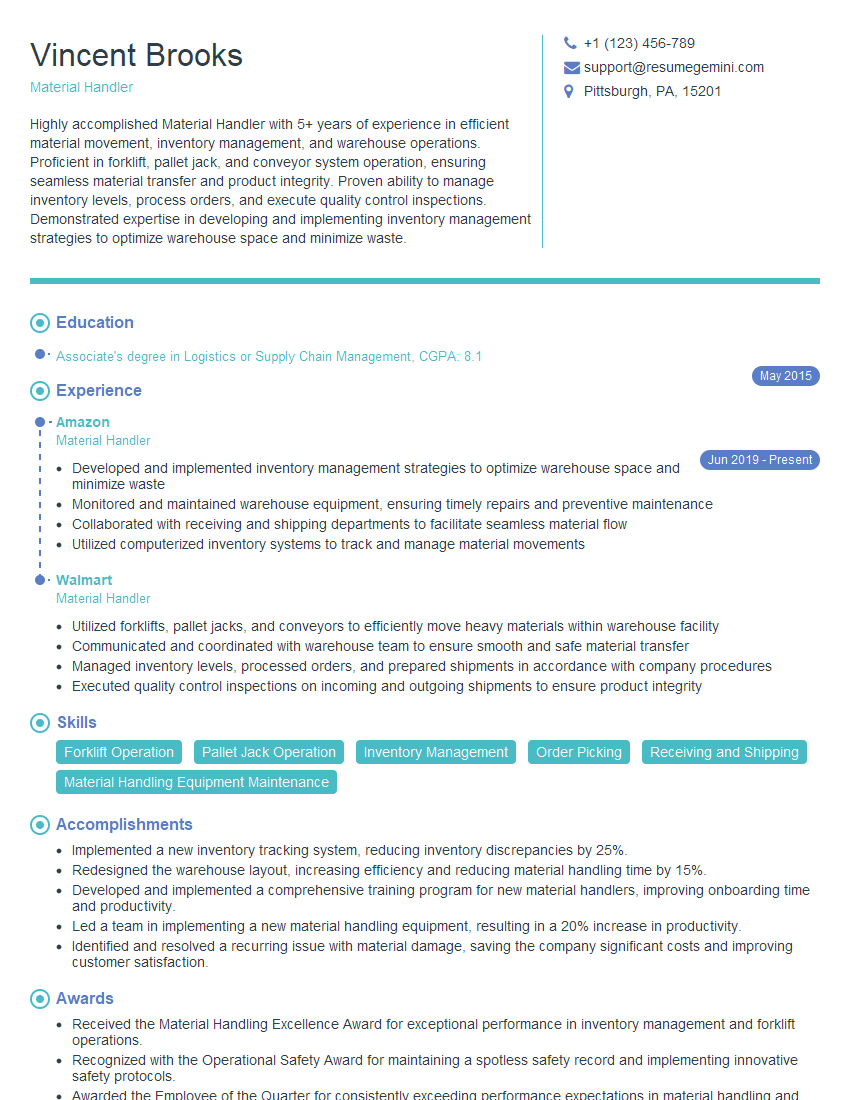
Material Handler Resume Sample
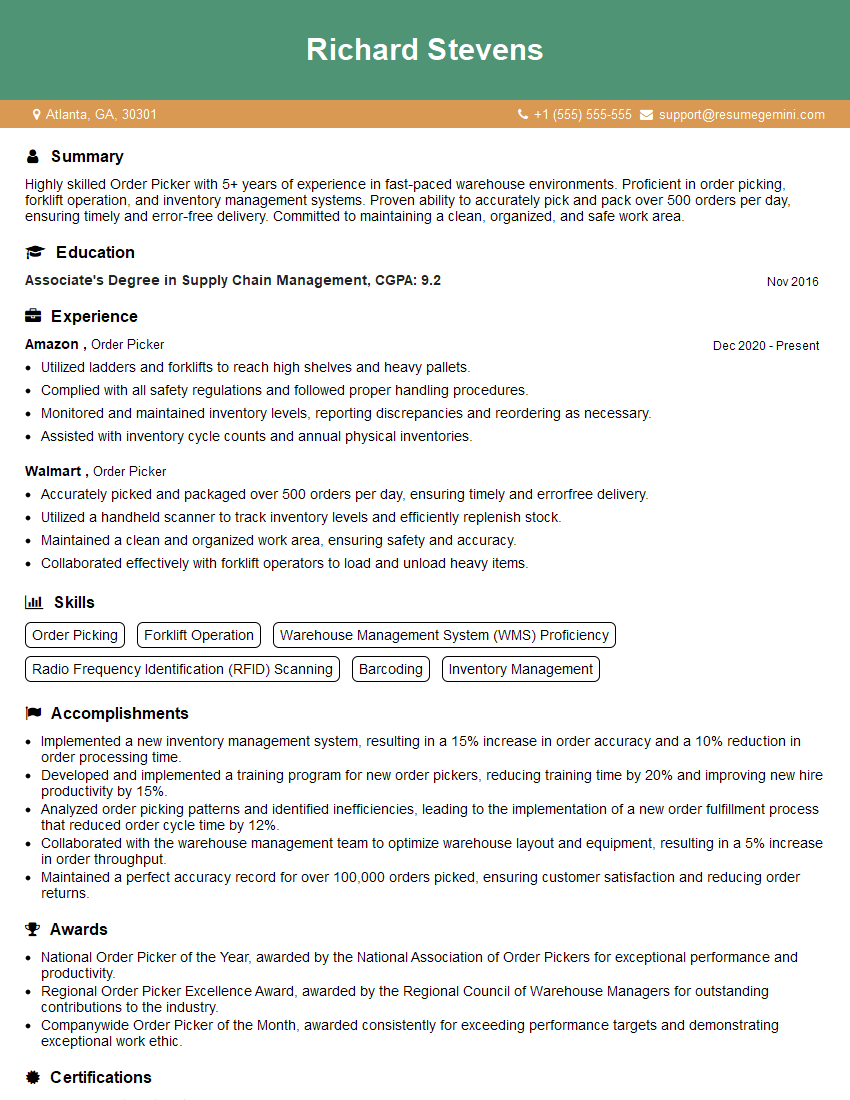
Order Picker Resume Sample

Heavy Equipment Operator Resume Sample
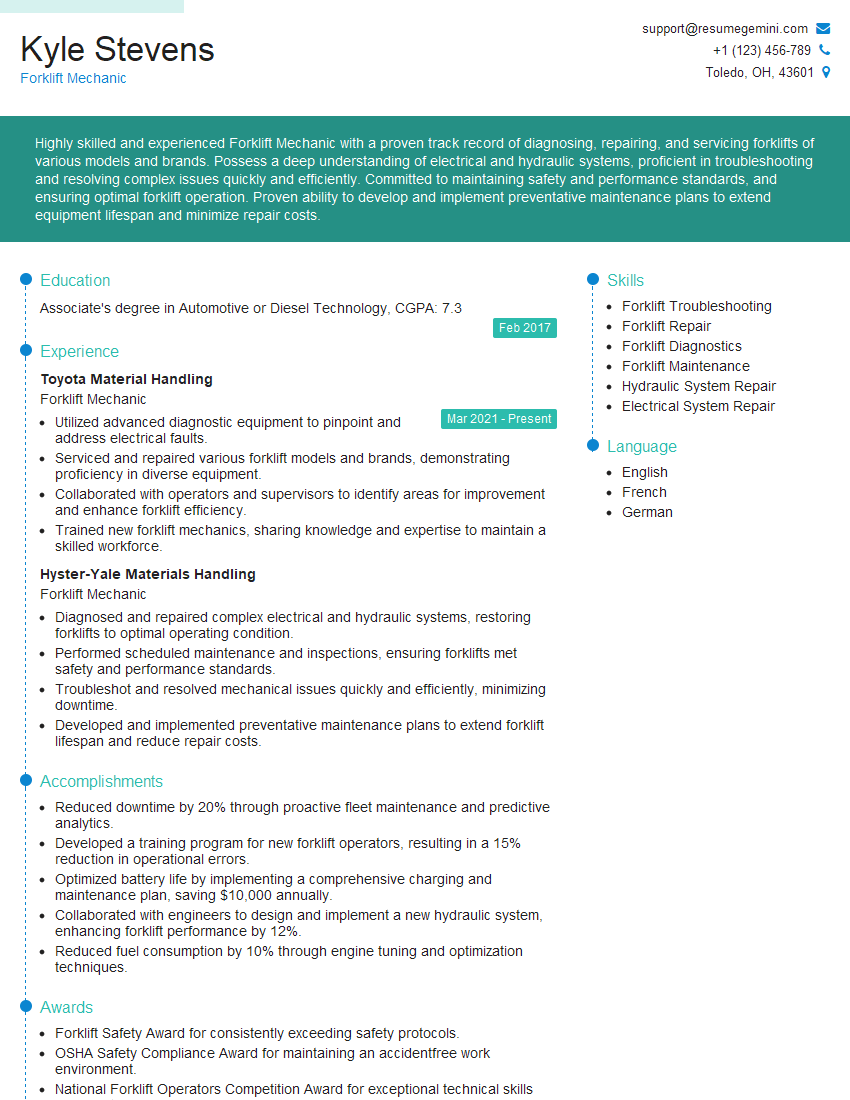
Forklift Mechanic Resume Sample
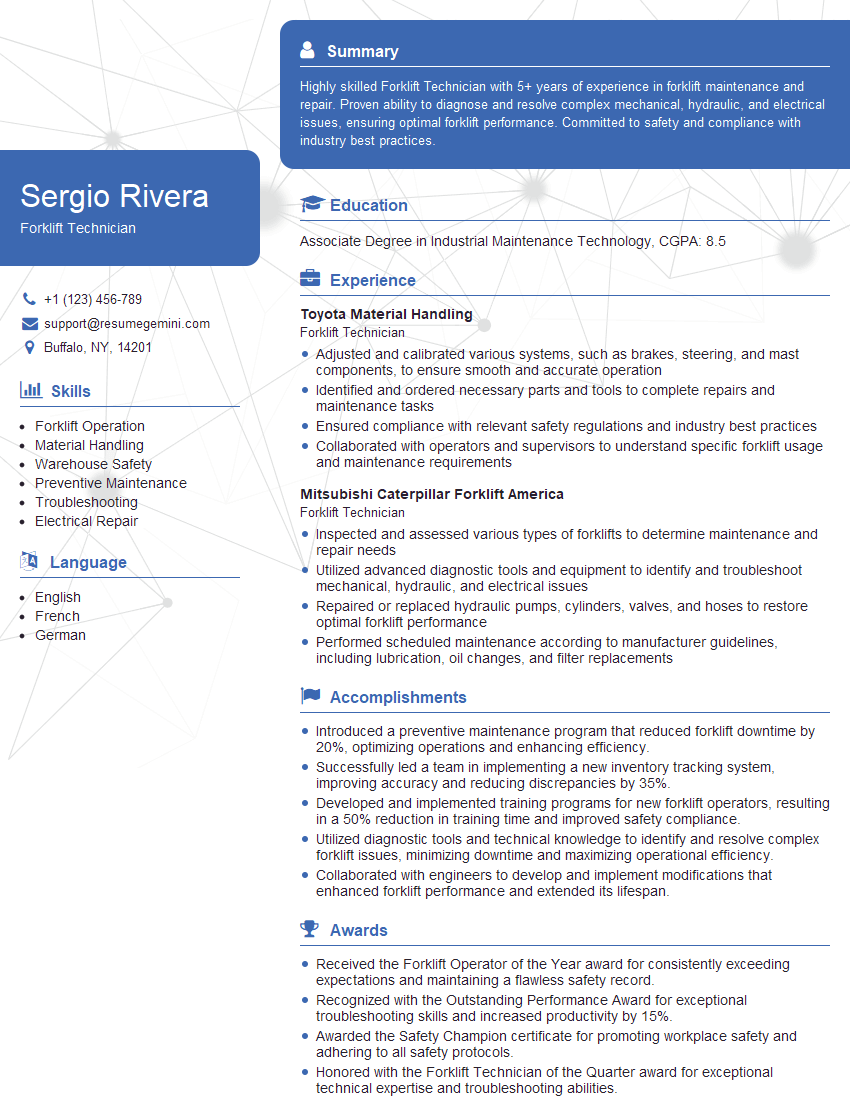
Forklift Technician Resume Sample
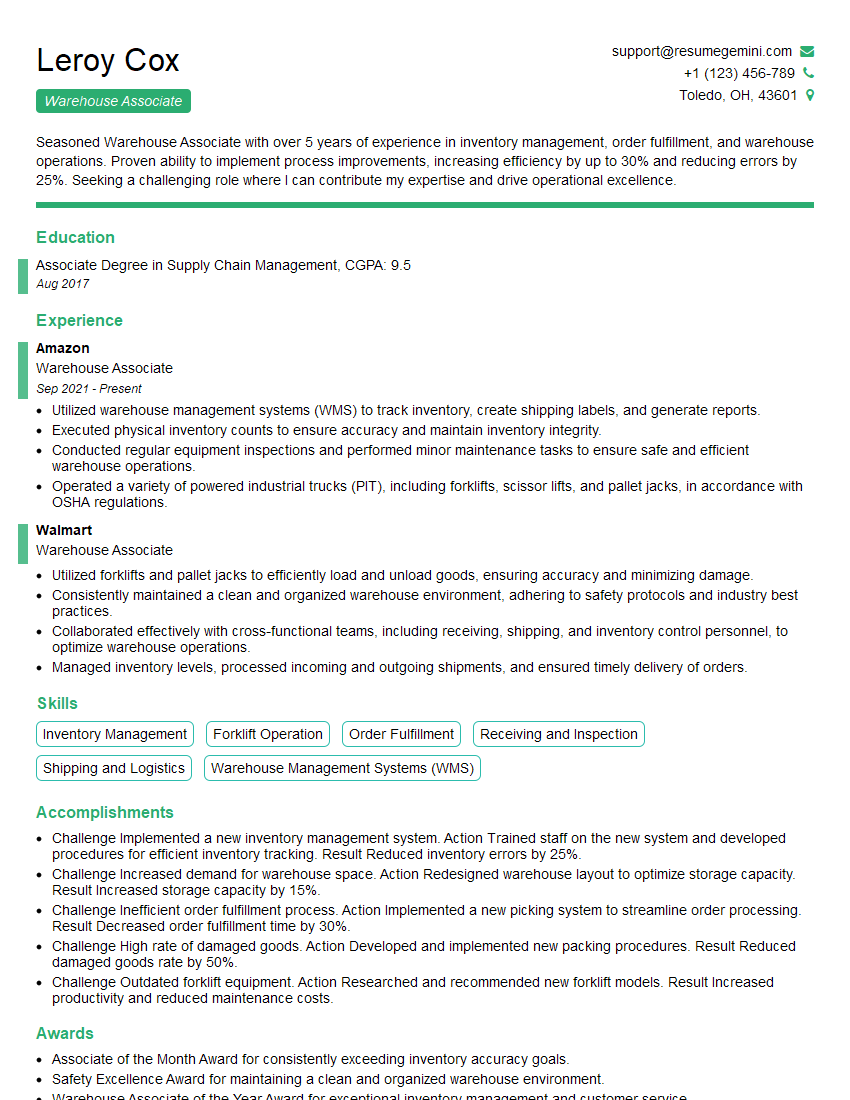
Warehouse Associate Resume Sample
- Operations Manager
- Supply Chain Manager
- Logistics Manager
- Warehouse Manager
- Warehouse Supervisor
- Logistics Coordinator
- Logistics Supervisor
- Equipment Operator
- Inventory Control Specialist
- Shipping and Receiving Clerk
- Logistics Associate
- Material Handler
- Order Picker
- Heavy Equipment Operator
- Forklift Mechanic
- Forklift Technician
- Warehouse Associate
Explore more articles
Users Rating of Our Blogs
Share Your Experience
We value your feedback! Please rate our content and share your thoughts (optional).
What Readers Say About Our Blog
Really detailed insights and content, thank you for writing this detailed article.
IT gave me an insight and words to use and be able to think of examples