Feeling uncertain about what to expect in your upcoming interview? We’ve got you covered! This blog highlights the most important Refrigerant Handling and Recovery interview questions and provides actionable advice to help you stand out as the ideal candidate. Let’s pave the way for your success.
Questions Asked in Refrigerant Handling and Recovery Interview
Q 1. What are the different types of refrigerants and their environmental impact?
Refrigerants are substances used in refrigeration and air conditioning systems to absorb heat from one location and release it in another. They’re categorized by their chemical composition and environmental impact. Historically, chlorofluorocarbons (CFCs), such as R-12, were widely used, but they were found to severely deplete the ozone layer. These are now largely phased out under the Montreal Protocol.
- CFCs (Chlorofluorocarbons): High ozone depletion potential (ODP) and high global warming potential (GWP). Examples include R-11, R-12.
- HCFCs (Hydrochlorofluorocarbons): Lower ODP than CFCs but still contribute to global warming. Example: R-22.
- HFCs (Hydrofluorocarbons): Zero ODP, but high GWP. Examples include R-134a, R-410A.
- HFOs (Hydrofluoroolefins): Very low GWP, considered environmentally friendly alternatives. Examples include R-1234yf, R-1234ze.
- Natural Refrigerants: These include ammonia (R-717), carbon dioxide (R-744), propane (R-290), and isobutane (R-600a). They have zero or very low ODP and GWP, making them increasingly popular.
The environmental impact is primarily assessed through ODP and GWP. ODP measures the potential to deplete the ozone layer, while GWP measures the contribution to global warming. Choosing refrigerants with low ODP and GWP is crucial for environmental sustainability. For example, the transition from R-22 (HCFC) to R-410A (HFC) and now to HFOs like R-1234yf illustrates this ongoing effort towards minimizing environmental impact.
Q 2. Explain the process of refrigerant recovery and recycling.
Refrigerant recovery and recycling are crucial processes for environmental protection and responsible refrigerant management. Recovery involves removing refrigerant from a system and storing it in a recovery cylinder. Recycling involves reclaiming recovered refrigerant to meet specific purity standards, making it reusable.
The process typically involves these steps:
- Isolation: Safely isolate the appliance or system to prevent refrigerant leakage.
- Recovery: Use a certified refrigerant recovery machine to remove refrigerant from the system. This usually involves connecting the machine to the system’s service ports and evacuating the refrigerant into the recovery cylinder.
- Identification: Identify the type of refrigerant recovered using a refrigerant identifier. This is essential for proper handling and recycling.
- Cleaning/filtration: The recovered refrigerant may require cleaning or filtration to remove any contaminants before recycling.
- Recycling: The cleaned refrigerant is processed to meet industry purity standards, making it suitable for reuse. This often involves distillation or other purification methods.
- Storage: The recovered and recycled refrigerant is stored in appropriately labeled and certified cylinders.
Proper recovery and recycling prevent the release of harmful refrigerants into the atmosphere and conserves resources. A well-maintained system can significantly reduce refrigerant loss, minimize environmental impact, and save money on refrigerant purchases.
Q 3. Describe the safety procedures for handling refrigerants.
Safety is paramount when handling refrigerants. Many refrigerants are flammable, toxic, or both. Proper safety procedures are essential to prevent accidents and protect human health and the environment.
- Personal Protective Equipment (PPE): Always wear appropriate PPE, including safety glasses, gloves, and respiratory protection, especially when dealing with potentially hazardous refrigerants. The specific PPE will vary based on the refrigerant.
- Ventilation: Work in a well-ventilated area to minimize exposure to refrigerant vapors. This is particularly important when working with potentially toxic or flammable refrigerants.
- Leak Detection: Regularly check for leaks using electronic leak detectors. Quickly address any leaks to prevent refrigerant loss and exposure.
- Proper Equipment: Use only properly maintained and certified equipment for refrigerant handling. Regularly inspect and test recovery machines and other tools.
- Training: Receive proper training on refrigerant handling procedures, safety precautions, and emergency response. Understand the Material Safety Data Sheets (MSDS) for each refrigerant being handled.
- Emergency Procedures: Be prepared for emergencies. Know how to handle spills, leaks, and potential exposure scenarios.
For example, working with ammonia requires specific safety protocols due to its toxicity. Similarly, when dealing with flammable refrigerants like propane, precautions should be taken to prevent ignition sources.
Q 4. What are the EPA regulations regarding refrigerant handling?
The Environmental Protection Agency (EPA) in the United States regulates refrigerant handling under the Clean Air Act. These regulations aim to protect the ozone layer and reduce greenhouse gas emissions. Key aspects include:
- Section 608 Certification: Technicians handling refrigerants must be EPA-certified. This certification requires passing an exam demonstrating knowledge of proper handling, recovery, and recycling procedures.
- Refrigerant Recovery and Recycling Requirements: Regulations mandate the proper recovery and recycling of refrigerants during equipment servicing, repair, or disposal. Refrigerant cannot be intentionally vented into the atmosphere.
- Record Keeping: Technicians are required to maintain records of refrigerant recovery and recycling activities.
- Prohibited Practices: The EPA prohibits venting refrigerants into the atmosphere during servicing or disposal. There are strict regulations on the disposal of refrigerant cylinders.
- Enforcement: The EPA enforces these regulations through inspections and penalties for non-compliance. Violations can result in significant fines.
Staying informed about EPA regulations is critical for compliance and responsible refrigerant management. Regularly reviewing the EPA’s website for updates and changes is essential for HVACR technicians.
Q 5. How do you identify refrigerant leaks?
Identifying refrigerant leaks is crucial for preventing environmental damage and ensuring the efficient operation of refrigeration systems. Several methods can be employed:
- Electronic Leak Detectors: These devices use sensors to detect refrigerant vapor. They’re sensitive and provide an audible or visual alert when a leak is detected. Different detectors are available for various refrigerants.
- Ultrasonic Leak Detectors: These detectors listen for the high-frequency sound of escaping refrigerant, making them useful in noisy environments where electronic detectors might be less effective.
- Soap Solution: Applying a soap solution to suspected leak points can create bubbles that indicate a leak. This method is simple but less sensitive than electronic or ultrasonic detection.
- Pressure Checks: Regular pressure checks on the system can reveal slow leaks over time. A gradual pressure drop suggests a leak.
- Visual Inspection: While less reliable for small leaks, visual inspection can sometimes reveal obvious leaks such as frost or refrigerant stains.
For instance, using an electronic leak detector is the most common and accurate method for quick and precise detection, while a soap solution is useful for verifying a leak already suspected.
Q 6. What tools and equipment are used for refrigerant recovery?
Effective refrigerant recovery requires specialized tools and equipment:
- Refrigerant Recovery Machine: This is the core equipment, used to evacuate refrigerant from the system and store it in recovery cylinders.
- Recovery Cylinders: These are specifically designed cylinders for storing recovered refrigerant. They must be appropriately labeled and certified for the type of refrigerant being recovered.
- Refrigerant Identifier: Used to identify the type of refrigerant present in a system, which is crucial for safe handling and proper recycling.
- Vacuum Pump: Used to evacuate air and moisture from the system before charging with refrigerant.
- Manifold Gauge Set: Used to measure pressure and vacuum in the system. Important for leak detection and system diagnosis.
- Hoses and Fittings: Specialized hoses and fittings are needed to connect the recovery machine to the system’s service ports.
- Electronic Leak Detector: Used to detect refrigerant leaks in the system.
- Safety Equipment: This includes safety glasses, gloves, respiratory protection, and other PPE as needed.
The specific equipment will vary based on the size and type of the refrigeration system and the refrigerant used. Using properly maintained and certified equipment is crucial for safety and accuracy.
Q 7. Explain the different refrigerant recovery methods.
Refrigerant recovery methods depend on the type of system and the refrigerant involved. Generally, there are two main methods:
- System-Dependent Recovery: This method utilizes the system’s compressor to help pump the refrigerant into the recovery cylinder. It’s often faster but requires a functioning compressor.
- Vacuum-Assisted Recovery: This method uses a vacuum pump to draw the refrigerant into the recovery cylinder. It’s slower but works even if the system’s compressor is not functional. This is particularly useful for systems that are heavily contaminated or have malfunctioning components.
In both methods, it’s crucial to ensure complete recovery to prevent refrigerant release. The process might involve multiple recovery cycles, especially for larger systems. The recovered refrigerant should then be properly identified and sent for recycling or disposal, according to applicable regulations. Choosing the appropriate method depends on the condition of the system and the technician’s expertise.
Q 8. What is the difference between refrigerant recovery, recycling, and reclaiming?
Refrigerant recovery, recycling, and reclaiming are all crucial parts of responsible refrigerant handling, but they represent different levels of refrigerant processing. Think of it like this: recovery is like carefully collecting your belongings, recycling is cleaning them up, and reclaiming is restoring them to brand new condition.
- Recovery: This is the process of removing refrigerant from a refrigeration system and storing it in a recovery cylinder. It’s about safely collecting the refrigerant without necessarily purifying it. The recovered refrigerant might still contain contaminants.
- Recycling: This involves cleaning the recovered refrigerant to meet certain purity standards. This typically includes removing moisture, acid, and other contaminants through filtration. The recycled refrigerant can then be reused in the same system, provided it meets the required purity.
- Reclaiming: This is the most thorough process, involving a complex purification process that removes all contaminants, restoring the refrigerant to its original factory specifications. Reclaimed refrigerant can be used in any system using that type of refrigerant.
For example, a technician might recover refrigerant from a leaking system, then recycle it for reuse in the same system after repairing the leak. However, if the refrigerant is heavily contaminated, reclamation would be necessary before it could be used again.
Q 9. How do you determine the correct refrigerant charge for a system?
Determining the correct refrigerant charge is vital for optimal system performance and efficiency. An undercharged system won’t cool effectively, while an overcharged system can lead to high pressure, component damage, and safety hazards. The most accurate method involves using a refrigerant scale or electronic refrigerant charging scale.
Here’s a typical approach:
- Find the System’s Rated Charge: The manufacturer’s data plate or installation manual will specify the correct refrigerant charge in pounds or kilograms.
- Evacuate the System: Completely evacuate the system to remove any air or non-condensables before charging.
- Weigh the Refrigerant: Use a refrigerant scale or electronic scale to accurately measure the amount of refrigerant added to the system.
- Monitor System Performance: After charging, closely monitor system pressures and temperatures to ensure it’s operating within the manufacturer’s specified parameters.
Subcooling and superheat measurements can provide additional insights into refrigerant charge. However, these require specialized tools and understanding, often relying on pressure-temperature charts specific to the refrigerant.
Q 10. What are the common causes of refrigerant leaks?
Refrigerant leaks can stem from various sources, many of which are related to component failure or improper installation.
- Component Failure: Worn seals, damaged O-rings, cracked lines, or leaking valves are common culprits. These often occur due to age, vibration, or corrosion.
- Improper Installation: Incorrectly flared lines, loose connections, or damage during installation can lead to leaks.
- Corrosion: Corrosion of metal components, especially in older systems, can weaken lines and create pinhole leaks.
- Accidental Damage: Physical damage to lines or components during maintenance or repairs can also cause leaks.
For instance, a small crack in a refrigerant line may be imperceptible until a leak is detected through the pressure drop in the system. Regular inspections are key to prevent larger problems.
Q 11. How do you troubleshoot a refrigeration system with a refrigerant leak?
Troubleshooting a refrigerant leak involves systematic investigation to pinpoint the leak’s location and cause.
- Safety First: Always ensure the system is depressurized and properly isolated before starting any troubleshooting.
- Pressure Check: Monitor system pressure using a gauge set to identify a pressure drop, indicating a leak.
- Visual Inspection: Carefully inspect all components, lines, and connections for visible signs of leaks – oil stains, frost, or escaping refrigerant.
- Leak Detection Tools: Use electronic leak detectors (halide torch, ultrasonic leak detector) to pinpoint the leak’s precise location.
- Pressure Testing: Use nitrogen or another inert gas to pressurize the system and pinpoint leaks.
- Repair or Replacement: Once the leak is located, repair or replace the damaged component, ensuring proper sealing.
- Evacuation and Recharge: After repairs, evacuate the system to remove any air or contaminants and recharge with the correct amount of refrigerant.
Imagine searching for a leak like searching for a lost item; a systematic approach is key – checking logical areas first before resorting to more advanced tools.
Q 12. What are the safety precautions when working with high-pressure refrigerant systems?
Working with high-pressure refrigerant systems requires stringent safety precautions to prevent accidents.
- Proper Training and Certification: Thorough training and EPA certification are essential for handling refrigerants safely.
- Personal Protective Equipment (PPE): Always wear appropriate PPE, including safety glasses, gloves, and closed-toe shoes.
- Ventilation: Ensure adequate ventilation to prevent the buildup of refrigerant vapors, as many refrigerants can be toxic or displace oxygen.
- Leak Detection Procedures: Follow safe leak detection procedures using appropriate tools and techniques.
- Emergency Preparedness: Know emergency procedures, including how to respond to refrigerant releases or personal injury.
- Proper Handling of Cylinders: Always secure refrigerant cylinders and follow safe handling practices, including using cylinder carts and avoiding dropping or damaging them.
For example, never work alone on refrigerant systems. Always have a partner nearby who can assist in case of an emergency.
Q 13. What is the proper procedure for evacuating a refrigeration system?
Evacuating a refrigeration system is crucial before any repairs, maintenance, or refrigerant charging. It removes air, moisture, and other contaminants that can compromise system performance and efficiency. The process involves the use of a vacuum pump.
- Isolate the System: Properly isolate the system from the rest of the refrigeration equipment.
- Connect the Vacuum Pump: Connect a vacuum pump to the system’s service port using the appropriate fittings.
- Evacuate to a Deep Vacuum: Evacuate the system to a deep vacuum, typically below 500 microns. This may take several hours.
- Monitor Vacuum: Closely monitor the vacuum gauge to ensure the system is adequately evacuated.
- Hold Vacuum: Hold the vacuum for a certain period, (typically 15-30 minutes) to verify that there are no leaks.
- Close the Valves: Once a deep vacuum is achieved, close the vacuum pump valves.
Imagine a vacuum as a cleaner that removes dust particles from the system, so that fresh, pure refrigerant can be recharged without contamination.
Q 14. How do you dispose of used refrigerants?
Disposal of used refrigerants must comply with all applicable environmental regulations. Improper disposal can severely harm the ozone layer and contribute to global warming.
The process typically involves:
- Recovery: Carefully recover the refrigerant from the system using a certified recovery machine.
- Proper Storage: Store the recovered refrigerant in appropriately labeled and sealed cylinders.
- Transfer to a Licensed Recycler: Transport the recovered refrigerant to a licensed refrigerant recycler who is authorized to handle and process used refrigerants.
Never vent refrigerant into the atmosphere. It’s illegal and environmentally damaging. Always use a licensed professional for refrigerant recovery and disposal.
Q 15. What are the different types of refrigerant recovery machines?
Refrigerant recovery machines come in various types, categorized primarily by their recovery method and capacity. The most common types include:
- Self-Contained Recovery Units: These are portable units with their own compressor and condenser, allowing for independent operation. They’re ideal for smaller jobs and are relatively easy to use. Think of them as a mini-refrigeration system designed to suck refrigerant out of a larger one.
- System-Dependent Recovery Units: These units rely on the system’s existing compressor and condenser to pull the refrigerant. They are generally less expensive than self-contained units but require a functioning refrigeration system to operate.
- High-Capacity Recovery Units: Used for larger commercial systems, these machines can recover significant volumes of refrigerant quickly and efficiently. They are often stationary and more powerful than portable units.
- Vacuum Pumps: While not strictly refrigerant recovery machines, vacuum pumps are crucial for evacuating the refrigerant lines after recovery to prepare for servicing or charging. They remove air and moisture, ensuring the system operates optimally.
The choice of recovery machine depends on the size of the system, the type of refrigerant, and the specific job requirements. For example, a small HVAC technician might use a self-contained unit for residential work, while a large commercial refrigeration service company might have a fleet of high-capacity and system-dependent units.
Career Expert Tips:
- Ace those interviews! Prepare effectively by reviewing the Top 50 Most Common Interview Questions on ResumeGemini.
- Navigate your job search with confidence! Explore a wide range of Career Tips on ResumeGemini. Learn about common challenges and recommendations to overcome them.
- Craft the perfect resume! Master the Art of Resume Writing with ResumeGemini’s guide. Showcase your unique qualifications and achievements effectively.
- Don’t miss out on holiday savings! Build your dream resume with ResumeGemini’s ATS optimized templates.
Q 16. How do you maintain refrigerant recovery equipment?
Maintaining refrigerant recovery equipment is crucial for its longevity and accurate operation. Regular maintenance includes:
- Regular visual inspection: Check for leaks, damage to hoses and connections, and ensure all gauges and components are working properly. A small leak can lead to significant refrigerant loss and environmental issues.
- Oil level checks: Many recovery units use oil to lubricate their compressors. Regular oil level checks ensure smooth operation and prevent premature wear.
- Filter changes: Filters trap debris and moisture, protecting the internal components. Regular filter changes are essential for maintaining performance and preventing damage.
- Leak testing: Periodically leak-test the entire system to identify and repair any leaks promptly. This prevents refrigerant loss and environmental contamination.
- Calibration: Gauges and sensors should be calibrated regularly to ensure accurate readings. Incorrect readings can lead to improper refrigerant charging.
- Storage: When not in use, store the equipment properly in a clean, dry environment to prevent corrosion and damage.
Following the manufacturer’s recommendations for maintenance is key. This often involves detailed maintenance schedules and specific procedures.
Q 17. Explain the importance of accurate refrigerant charging.
Accurate refrigerant charging is paramount for optimal system performance and efficiency. An incorrect charge can lead to reduced cooling capacity, increased energy consumption, and even system damage. Think of it like adding the right amount of fuel to your car – too much or too little will impact performance.
Undercharging leads to reduced cooling capacity and increased wear on the compressor as it struggles to achieve the desired temperature. Overcharging can cause high pressure, leading to compressor damage, leaks, and safety hazards.
Accurate charging ensures the system operates within its designed parameters, maximizing efficiency and prolonging its lifespan. It also helps to protect the environment by preventing refrigerant leaks.
Q 18. What are the signs of a refrigerant overcharge or undercharge?
Identifying refrigerant overcharge or undercharge requires careful observation and the use of pressure-temperature charts. Here are some key signs:
- Overcharge: High-pressure readings on the high-pressure side of the system, liquid refrigerant returning to the compressor (slugging), and potentially overheating of the compressor. The system might also operate inefficiently due to reduced heat transfer.
- Undercharge: Low-pressure readings on the low-pressure side of the system, reduced cooling capacity, frosting on the suction line, and potentially erratic compressor operation. The system will struggle to reach the setpoint temperature.
Using a superheat and subcooling measurement with a pressure-temperature chart is the most accurate way to determine if the system is properly charged. For example, if the superheat is excessively high, it indicates an undercharge. Conversely, excessively low subcooling points towards an overcharge.
Q 19. How do you interpret a refrigeration system pressure-temperature chart?
A pressure-temperature chart provides a relationship between the pressure and temperature of a refrigerant at a given state (saturated liquid or vapor). This is essential for accurate refrigerant charging and troubleshooting. Imagine it as a roadmap for your refrigeration system.
By knowing the temperature and reading the corresponding pressure from the chart for the specific refrigerant in use, you can verify the charge of the system. Any significant deviation from the chart’s values can point towards overcharging, undercharging, or other system issues. For instance, if the measured pressure is significantly higher than the chart’s value at the measured temperature, this suggests an overcharge. You’ll need the specific chart corresponding to the refrigerant used in your system (e.g., R-410A, R-134a).
Q 20. What are the environmental regulations related to refrigerant disposal?
Environmental regulations concerning refrigerant disposal are stringent and constantly evolving. The main goal is to minimize the release of harmful refrigerants into the atmosphere, which contribute to ozone depletion and global warming. Regulations vary by location, but some common aspects include:
- Licensing and Certification: Technicians handling refrigerants often require specific licenses and certifications. This ensures that they are trained to handle refrigerants safely and according to regulations.
- Recovery and Recycling: Refrigerants must be recovered and recycled, rather than simply vented or disposed of in landfills. This reduces environmental impact and conserves resources.
- Record Keeping: Detailed records of refrigerant handling, recovery, and disposal are frequently mandated. These records help to track refrigerant usage and ensure compliance with regulations.
- Approved Disposal Methods: Refrigerants must be disposed of through approved methods and facilities, typically specialized companies that can reclaim and recycle the refrigerants.
Failing to comply with these regulations can lead to hefty fines and legal repercussions. It is essential to stay updated on the latest regulations in your area. Local environmental agencies are good resources for this information.
Q 21. Describe the process for handling accidental refrigerant releases.
Accidental refrigerant releases require immediate and careful action to minimize environmental impact and ensure safety. The steps involved include:
- Evacuation: Quickly evacuate the area, ensuring everyone is a safe distance from the leak. Refrigerants can displace oxygen and some are toxic.
- Leak Isolation: If safe to do so, isolate the leak to prevent further refrigerant release. This may involve closing valves or disconnecting lines.
- Ventilation: Ventilate the area to disperse the refrigerant and replace it with fresh air. Avoid using any ignition sources if the refrigerant is flammable.
- Leak Repair: Once the area is safe, repair the leak. This may require specialized tools and knowledge.
- Refrigerant Recovery: After repair, recover the remaining refrigerant from the system to prevent further release.
- Reporting: Report the incident to the appropriate authorities as per local regulations. Depending on the amount of refrigerant released and its type, various reporting protocols might apply.
- Documentation: Maintain thorough documentation of the incident, including the steps taken to mitigate the leak and subsequent disposal of any recovered refrigerant.
In case of a large-scale or severe release, emergency services should be contacted immediately. The type of refrigerant involved will determine the severity of the response needed (flammability and toxicity varies greatly between refrigerant types).
Q 22. What is your experience with different types of refrigerant recovery cylinders?
Refrigerant recovery cylinders come in various types, primarily categorized by their construction material and pressure rating. The most common are yellow-colored, ASME-certified cylinders designed specifically for refrigerant recovery. These cylinders are usually constructed from steel and are rigorously tested to withstand the pressures associated with various refrigerants. I’ve extensively worked with both single- and multi-port cylinders. Single-port cylinders are simpler, ideal for smaller jobs, while multi-port cylinders allow for the recovery of multiple refrigerants without the need for cylinder changes, boosting efficiency, particularly on larger commercial or industrial projects. Another type I’ve encountered are those designed for specific refrigerants, like those for recovering HFCs, which might have different pressure ratings compared to those for HCFCs. Proper identification and understanding of the cylinder’s specifications and pressure ratings are crucial to ensure safe and compliant handling.
For example, in a recent large-scale commercial refrigeration system overhaul, we utilized multi-port cylinders to efficiently recover R-410A, R-134a, and R-22 from different sections of the system. This minimized downtime and improved our overall efficiency. The choice of cylinder type always depends on the specific refrigerant being recovered, the quantity, and the overall project scope.
Q 23. How do you ensure the integrity of refrigerant recovery equipment?
Maintaining the integrity of refrigerant recovery equipment is paramount for safety and compliance. This involves a multi-pronged approach. First, regular visual inspections are crucial. We check for any signs of damage, such as dents, leaks, or corrosion, on the cylinders and the recovery machine itself. Leaks, especially, are critical and must be addressed immediately. Regular pressure testing of cylinders, according to manufacturer guidelines, is another key step. This verifies their ability to safely contain refrigerant under pressure. The recovery machine itself needs scheduled maintenance including filter changes, checking for proper vacuum pump operation, and ensuring all gauges and seals are in good working order. Calibration of the gauges is essential for accurate readings.
Moreover, proper handling is vital; this includes using appropriate lifting equipment for heavier cylinders and ensuring they are stored upright and secured to prevent accidental tipping or damage. A detailed log of all equipment inspections, tests, and maintenance is crucial for traceability and compliance with regulations. Think of it like maintaining a car—regular checks and servicing prevent larger, costlier problems down the line.
Q 24. What are the potential hazards associated with refrigerant exposure?
Refrigerant exposure presents several potential hazards, depending on the specific refrigerant and the level of exposure. Some refrigerants can cause immediate health problems, such as frostbite from rapid cooling or irritation to the eyes, skin, and respiratory system. Others have more serious long-term health implications. For example, exposure to some refrigerants can damage the liver, kidneys, or nervous system, potentially leading to chronic health issues. Certain refrigerants are also flammable or explosive under specific conditions, increasing the risk of fire or explosions. Furthermore, many refrigerants are potent greenhouse gases that contribute to global warming, necessitating responsible handling and preventing releases into the atmosphere.
Always use proper personal protective equipment (PPE), such as safety glasses, gloves, and respirators, when handling refrigerants. Adequate ventilation is also crucial to prevent the buildup of refrigerant vapors. It is also critical to be aware of the specific hazards associated with each refrigerant, which are clearly outlined in the Material Safety Data Sheet (MSDS) for that refrigerant. Failure to adhere to safety protocols can have severe consequences, ranging from minor injuries to fatalities.
Q 25. Explain the role of proper system design in minimizing refrigerant leaks.
Proper system design plays a pivotal role in minimizing refrigerant leaks. A well-designed system incorporates features that reduce potential leak points and improve overall system integrity. This includes using high-quality components, employing proper brazing techniques to ensure strong and leak-free joints, and utilizing pressure-tested components before installation. The design should also consider accessibility for future maintenance and repairs, making it easier to identify and fix potential leaks. Implementing leak detection systems, such as electronic leak detectors, can greatly aid in early detection of leaks. Proper sizing of components, including piping and valves, helps to prevent excessive pressure fluctuations that could stress components and lead to leaks. Furthermore, the choice of refrigerant plays a significant role; selecting refrigerants with lower global warming potentials and higher safety profiles directly minimizes the environmental impact and risks associated with a potential leak.
For instance, in designing a new commercial refrigeration system, we meticulously reviewed the specifications for all components, ensuring they met the highest quality standards. We also incorporated easily accessible sight glasses and service ports to facilitate routine inspections and quick leak detection during maintenance.
Q 26. Describe your experience with different types of refrigeration systems (e.g., residential, commercial, industrial).
My experience encompasses a broad range of refrigeration systems, from small residential units to large-scale industrial installations. I’ve worked extensively on residential systems involving routine maintenance, repairs, and installations of split systems and heat pumps. In the commercial sector, I’ve handled everything from supermarket refrigeration systems utilizing complex multi-compressor setups to smaller commercial refrigerators and air conditioning units. My industrial experience includes working on large-scale process cooling systems, often involving ammonia or other specialized refrigerants, requiring adherence to rigorous safety protocols and specialized equipment.
Each type of system presents unique challenges. Residential systems often involve diagnosing issues based on customer descriptions, while commercial and industrial systems require a deeper understanding of complex control systems and safety procedures. The experience gained across these different scales has provided a comprehensive understanding of the nuances of refrigeration systems and the best practices for each.
Q 27. What are some best practices for minimizing refrigerant emissions during service and maintenance?
Minimizing refrigerant emissions during service and maintenance requires meticulous attention to detail and adherence to best practices. This starts with proper leak detection using electronic leak detectors before even commencing any work. During service or repair, using proper recovery and recycling equipment to capture all refrigerant is crucial. This involves creating a tight seal between the equipment and the system to prevent refrigerant escapes. Using nitrogen purging to pressurize the system prior to opening it minimizes refrigerant loss when components are replaced. Proper handling of refrigerant cylinders—avoiding overfilling, and using appropriate valves—is also essential. Thorough training for technicians on the correct use of equipment and procedures, emphasizing leak prevention and minimizing refrigerant handling time, is critical.
For example, before opening a system for a repair, we always first perform a thorough leak check using an electronic leak detector and a vacuum pump to ensure system tightness. We also consistently utilize the recovery cylinder, connecting it to the system and properly recovering the refrigerant before carrying out any maintenance work.
Q 28. How do you stay updated on changes in refrigerant regulations and best practices?
Staying updated on refrigerant regulations and best practices is an ongoing process crucial for responsible and compliant operation. I actively participate in industry-specific training courses and workshops conducted by organizations such as ASHRAE (American Society of Heating, Refrigerating and Air-Conditioning Engineers) and EPA (Environmental Protection Agency). I also regularly review publications from these organizations and other relevant industry journals and online resources, which keep me informed of the latest standards and evolving technologies. Furthermore, I attend industry conferences and trade shows to network with other professionals and learn about new equipment and best practices. Following the updates and changes from the EPA’s Significant New Alternatives Policy (SNAP) program and the relevant international standards helps me to understand the regulatory landscape and ensure compliance.
This continuous learning ensures I am always abreast of the latest changes, allowing me to provide the most efficient, safe, and environmentally responsible services to my clients. The refrigerant landscape is constantly evolving with new regulations, so continuous professional development is not just beneficial, it’s essential.
Key Topics to Learn for Refrigerant Handling and Recovery Interview
- Refrigerant Types and Properties: Understand the different types of refrigerants (e.g., HFCs, HFOs, natural refrigerants), their properties (e.g., pressure-temperature relationships, ozone depletion potential, global warming potential), and safe handling procedures for each.
- Recovery Equipment and Procedures: Familiarize yourself with various refrigerant recovery equipment, including their operation, maintenance, and limitations. Master safe and efficient recovery techniques, emphasizing environmental compliance.
- Recycling and Reclaiming: Learn the differences between recycling and reclaiming refrigerants. Understand the processes involved and the standards required for each to ensure refrigerant purity and compliance with regulations.
- Leak Detection and Repair: Become proficient in various leak detection methods (e.g., electronic leak detectors, halide torches). Understand the procedures for repairing leaks safely and efficiently, minimizing refrigerant loss.
- Safety Regulations and Compliance: Thoroughly understand relevant safety regulations (e.g., EPA regulations, OSHA guidelines) related to refrigerant handling, recovery, and disposal. Practice safe handling procedures to prevent accidents and environmental damage.
- Environmental Considerations: Demonstrate a strong understanding of the environmental impact of refrigerants and the importance of responsible handling practices to minimize greenhouse gas emissions and protect the ozone layer.
- Troubleshooting and Problem-Solving: Develop your ability to diagnose and troubleshoot common problems related to refrigerant systems, including identifying leaks, malfunctioning components, and inefficiencies in the recovery process.
Next Steps
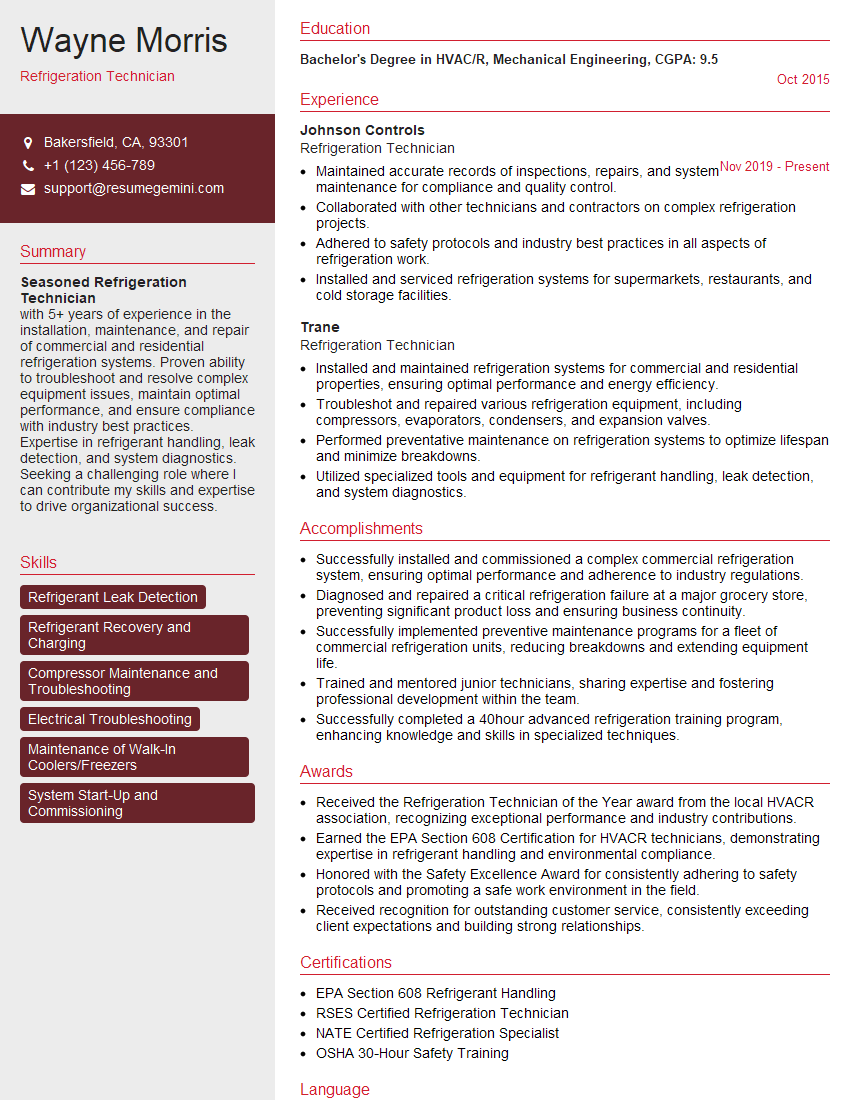
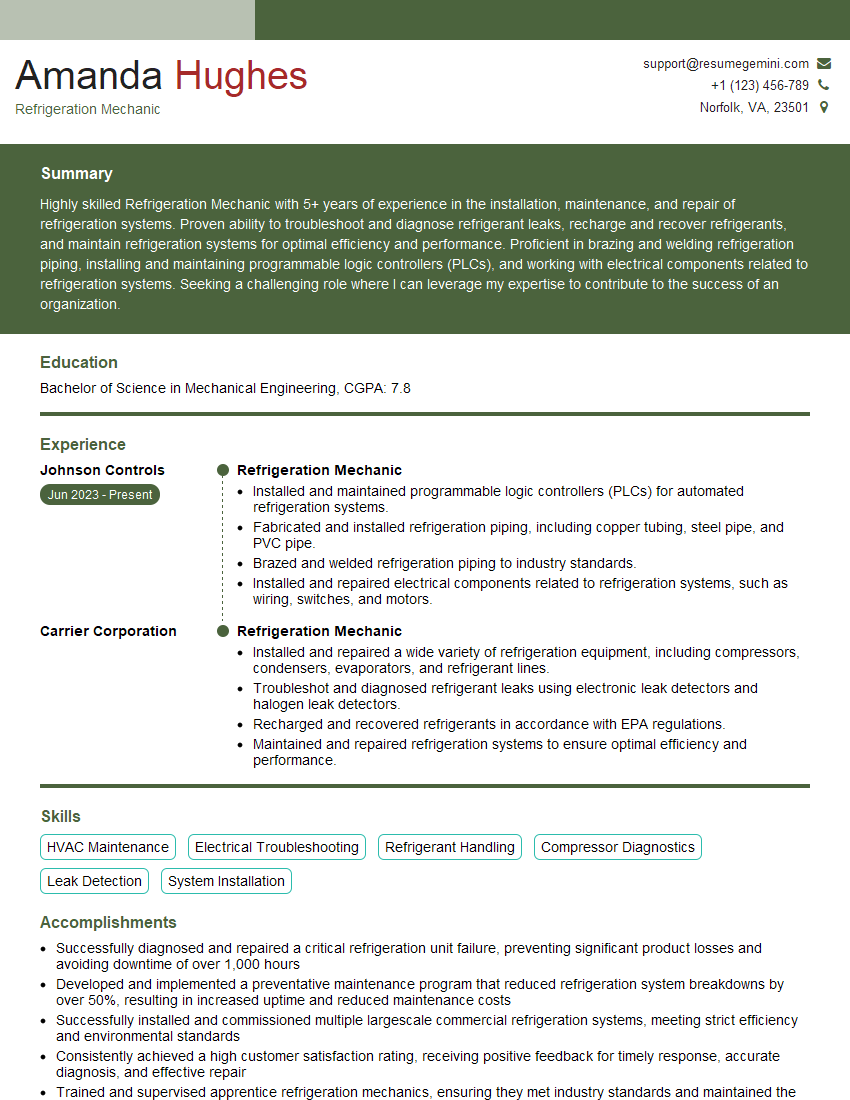
Mastering Refrigerant Handling and Recovery is crucial for career advancement in the HVAC/R industry, opening doors to specialized roles and higher earning potential. A strong understanding of these concepts will significantly improve your interview performance and help you secure your desired position. To enhance your job prospects, creating an ATS-friendly resume is essential. ResumeGemini is a trusted resource for building professional and effective resumes that get noticed. ResumeGemini provides examples of resumes tailored to Refrigerant Handling and Recovery, giving you a head start in crafting a compelling application.
Explore more articles
Users Rating of Our Blogs
Share Your Experience
We value your feedback! Please rate our content and share your thoughts (optional).
What Readers Say About Our Blog
Really detailed insights and content, thank you for writing this detailed article.
IT gave me an insight and words to use and be able to think of examples