The thought of an interview can be nerve-wracking, but the right preparation can make all the difference. Explore this comprehensive guide to Regulations Interpretation interview questions and gain the confidence you need to showcase your abilities and secure the role.
Questions Asked in Regulations Interpretation Interview
Q 1. Explain the difference between interpretation and application of regulations.
Interpretation and application of regulations are distinct but interconnected processes. Interpretation involves analyzing the text of a regulation to understand its meaning and intent. This includes considering the context, definitions, and any accompanying guidance. Application, on the other hand, is the practical implementation of the interpreted regulation to a specific situation or set of facts. It’s about determining whether the regulation applies and how its requirements should be met.
Think of it like baking a cake: Interpretation is reading the recipe and understanding each ingredient and step. Application is actually following the recipe to bake the cake, making adjustments based on your ingredients and equipment.
For example, a regulation might state that ‘all vehicles exceeding 10,000 lbs require special permits.’ Interpretation clarifies ‘vehicle’ and ‘exceeding 10,000 lbs’ (does it include weight of cargo?). Application involves determining if a specific truck, with its cargo, falls under this threshold and requires the permit.
Q 2. How do you identify and prioritize conflicting regulations?
Identifying and prioritizing conflicting regulations requires a systematic approach. First, I meticulously document each potentially conflicting regulation, noting the source, relevant sections, and the specific points of conflict. Then, I utilize a hierarchical approach, prioritizing regulations based on factors like:
- Specificity: More specific regulations usually supersede more general ones.
- Date of enactment: Later regulations generally override earlier ones, unless explicitly stated otherwise.
- Jurisdiction: Federal regulations typically supersede state regulations in areas of overlapping authority.
- Legislative intent: I would analyze the legislative history of each regulation to understand the intent behind it and help resolve conflicts.
In cases of intractable conflict, I consult with legal counsel or regulatory experts to seek clarification or guidance. Imagine two traffic signs giving conflicting instructions – a hierarchical approach would help identify the sign with higher authority or clarify the situation.
Q 3. Describe your process for researching and understanding a new regulation.
My process for researching a new regulation is thorough and multi-faceted. It begins with locating the full text of the regulation and carefully reviewing the preamble (the introductory section explaining the regulation’s purpose and intent). I then examine the definitions of key terms to ensure a clear understanding. Next, I look for accompanying guidance documents, such as FAQs or interpretative rules, issued by the regulatory agency. This often helps clarify ambiguous sections. I also search for related case law or judicial interpretations to understand how the regulation has been applied in previous scenarios. Finally, I network with other experts to share knowledge and gain diverse perspectives.
Essentially, I use a layered approach, starting from the primary source and expanding outward to gain a complete understanding of the regulation’s scope and application.
Q 4. How do you determine the applicability of a regulation to a specific situation?
Determining the applicability of a regulation to a specific situation is a crucial step. It involves carefully comparing the facts of the situation to the criteria outlined in the regulation. This often includes:
- Identifying the relevant regulatory provisions: Pinpointing the specific sections of the regulation that potentially apply.
- Analyzing the facts: Gathering all pertinent facts related to the situation.
- Matching facts to criteria: Systematically comparing the facts against the regulation’s requirements to determine if they meet the conditions for applicability.
- Considering exceptions and exemptions: Checking if any exclusions or exceptions within the regulation might negate its application.
For example, a regulation might govern the disposal of hazardous waste. To determine applicability, one must analyze the type of waste generated, the quantity, and the method of disposal. Each element must meet the regulation’s criteria to determine if it applies.
Q 5. Explain a time you had to interpret ambiguous regulatory language.
In a previous role, we encountered ambiguous language in a regulation regarding the reporting requirements for a specific type of financial transaction. The regulation stated that ‘all transactions exceeding a certain threshold should be reported.’ The ambiguity stemmed from the definition of ‘transaction’ – were multiple smaller transactions under the threshold considered one ‘transaction’ if they were related?
To resolve this, I utilized a multi-pronged approach. I researched the legislative history for clues to the intent. I also reviewed similar regulations to see how the term ‘transaction’ was handled in related contexts. Finally, I consulted with legal counsel to obtain a formal interpretation. The consensus was to treat multiple related transactions as a single transaction if they were clearly linked and aimed at evading reporting requirements.
Q 6. How do you stay current with changes in regulations?
Staying current with changes in regulations is critical. I employ several strategies:
- Subscription to regulatory updates: I subscribe to newsletters, alerts, and feeds from relevant government agencies and regulatory bodies.
- Monitoring legislative activity: I track proposed and enacted legislation that could affect my areas of responsibility.
- Networking with peers: I engage with colleagues and professional organizations to share knowledge and learn about recent changes.
- Utilizing legal research databases: I use specialized databases to search for updates and new case law interpreting regulations.
These methods ensure I’m proactive in staying informed, allowing me to adapt and advise accordingly.
Q 7. How do you handle disagreements with colleagues on regulatory interpretation?
Disagreements on regulatory interpretation are common. My approach emphasizes collaborative problem-solving. I begin by respectfully explaining my interpretation, providing evidence and rationale. Then, I actively listen to my colleagues’ perspectives, understanding their reasoning. We jointly review the relevant regulatory text and supporting documentation. If needed, we utilize a structured approach such as creating a comparison table listing the conflicting interpretations, supporting evidence, and potential consequences of each. If the disagreement persists, we escalate to a senior regulator or legal counsel for clarification or arbitration.
The goal is not to ‘win’ the argument, but to reach a consensus based on accurate interpretation and sound legal principles. Open communication and respect are paramount in resolving these differences.
Q 8. Describe your experience with regulatory audits and inspections.
Regulatory audits and inspections are crucial for ensuring compliance. My experience encompasses a wide range of activities, from pre-audit preparation involving thorough document review and internal self-assessment, to actively participating in the audit process itself. This includes responding to auditor queries, providing evidence, and implementing corrective actions identified during the audit. I’ve worked across various sectors, including financial services and healthcare, each with its unique regulatory landscape. For instance, in a recent financial services audit, I was instrumental in demonstrating compliance with KYC/AML regulations by presenting a detailed audit trail of client due diligence processes. In healthcare, I successfully navigated a compliance review related to HIPAA regulations by clearly documenting patient data handling procedures and security protocols. I’m proficient in understanding the auditor’s perspective, anticipating potential issues, and proactively addressing them.
Q 9. How do you communicate complex regulatory information to non-technical audiences?
Communicating complex regulatory information to non-technical audiences requires a clear and concise approach. I avoid technical jargon and instead use plain language, analogies, and visual aids like charts and infographics. For example, explaining complex data privacy regulations, I might use the analogy of a locked box representing protected data, highlighting the different keys (security measures) needed to access it. I break down complex regulations into smaller, manageable sections, focusing on the key takeaways and practical implications. I also tailor my communication style to the audience; a presentation to a board of directors will differ significantly from an explanation to frontline staff. Regular feedback loops and interactive sessions are crucial to ensure understanding and address any lingering questions.
Q 10. How do you ensure compliance with multiple, potentially conflicting regulations?
Managing multiple, potentially conflicting regulations demands a structured and systematic approach. I begin by identifying all applicable regulations, using a matrix to compare and contrast requirements. This allows me to pinpoint potential conflicts early. For instance, if a state regulation conflicts with a federal one, I would prioritize the stricter regulation to ensure full compliance. Where conflicts are unavoidable, I document them thoroughly, outlining the rationale for choosing a particular course of action. Regular updates to the regulatory matrix are essential, especially given the dynamic nature of regulations. Furthermore, a strong working relationship with legal counsel is vital in navigating complex scenarios and obtaining expert opinions on ambiguous situations. This ensures compliance while minimizing any potential legal risks.
Q 11. What are some common challenges in regulatory interpretation?
Common challenges in regulatory interpretation include ambiguity in the wording of regulations, rapid changes in the regulatory landscape, and a lack of clear guidance. Ambiguity can lead to multiple interpretations, potentially resulting in non-compliance. For instance, a regulation might use vague terms like ‘reasonable’ or ‘appropriate,’ leading to disagreements on interpretation. Keeping abreast of regulatory changes is essential, but the sheer volume can be overwhelming. The lack of clear, consistent guidance from regulatory bodies can also create confusion and inconsistencies across different organizations. To mitigate these challenges, I utilize various tools such as regulatory updates, legal opinions, and professional network connections to stay informed and gain clarity. A proactive approach, anticipating potential issues and engaging with regulators for clarifications, is paramount.
Q 12. Describe your experience using regulatory databases and resources.
I’m proficient in using various regulatory databases and resources, including government websites, subscription-based legal databases like Westlaw or LexisNexis, and industry-specific resources. My experience extends to navigating complex search queries to efficiently locate relevant regulations, understanding the hierarchy and effective dates of regulations, and assessing the credibility and reliability of various regulatory sources. For instance, I frequently utilize the Federal Register to track changes in federal regulations and cross-reference those changes with state-level regulations. I understand the importance of using credible sources and verifying information from multiple sources to ensure accuracy.
Q 13. How do you evaluate the effectiveness of your regulatory interpretation?
Evaluating the effectiveness of regulatory interpretation involves several steps. First, I measure the accuracy of the interpretation by comparing it against subsequent regulatory guidance, court decisions, or industry best practices. Second, I assess the impact of the interpretation on the organization’s compliance posture, focusing on whether it has mitigated risks and prevented potential violations. Finally, I solicit feedback from stakeholders, including legal counsel and internal compliance teams, to gauge their understanding and satisfaction with the interpretation. This feedback loop ensures continuous improvement and refinement of my interpretation processes. Key performance indicators (KPIs) could include the number of compliance issues avoided, the reduction in audit findings, and improvements in overall compliance scores.
Q 14. How do you handle situations where regulations are unclear or outdated?
When regulations are unclear or outdated, a multi-pronged approach is needed. I start by thoroughly researching the regulation, looking for any supporting documents, guidance, or interpretive rulings. I consult with legal counsel for expert advice and review industry best practices and how other organizations have addressed similar ambiguities. If the regulation is outdated, I would look for more recent, related regulations that may supersede it. If no clear resolution is found, I would proactively engage with the regulatory body to seek clarification or initiate a process for updating the outdated regulation. This proactive engagement reduces risk and demonstrates a commitment to compliance. Documenting all steps taken and the rationale behind decisions is vital for transparency and potential audit defense.
Q 15. Describe your process for documenting regulatory interpretations.
My process for documenting regulatory interpretations is meticulous and follows a standardized format to ensure clarity, traceability, and defensibility. It begins with clearly identifying the specific regulation and the relevant sections being interpreted. I then meticulously outline the factual scenario or question that necessitates the interpretation. Next, I present my analysis, step-by-step, explaining the reasoning behind each conclusion. This includes referencing specific clauses, definitions, and any relevant legal precedent. Crucially, any ambiguities or uncertainties are explicitly stated, along with the rationale for resolving them. Finally, the document concludes with a clear and concise summary of the interpretation and its implications, including any potential risks or limitations.
For example, if interpreting a section of the FDA’s Good Manufacturing Practices (GMP) regulations on record-keeping, my documentation would include the specific GMP section number, a detailed description of the record-keeping practice in question, my interpretation of the requirement based on the text, supporting legal cases if applicable, and any caveats or assumptions made. This detailed approach ensures that the interpretation is easily understood, can be reviewed by others, and provides a robust audit trail.
Career Expert Tips:
- Ace those interviews! Prepare effectively by reviewing the Top 50 Most Common Interview Questions on ResumeGemini.
- Navigate your job search with confidence! Explore a wide range of Career Tips on ResumeGemini. Learn about common challenges and recommendations to overcome them.
- Craft the perfect resume! Master the Art of Resume Writing with ResumeGemini’s guide. Showcase your unique qualifications and achievements effectively.
- Don’t miss out on holiday savings! Build your dream resume with ResumeGemini’s ATS optimized templates.
Q 16. How do you mitigate risks associated with regulatory non-compliance?
Mitigating risks associated with regulatory non-compliance is paramount. My approach is proactive and multi-faceted. It starts with a comprehensive understanding of the applicable regulations and a rigorous process for ensuring that all activities are compliant. This includes regular training for staff on relevant regulations, the development and implementation of robust internal controls, and a system for monitoring and reporting on compliance status.
Risk mitigation also involves establishing a clear escalation path for addressing potential non-compliance issues. This ensures that potential problems are identified and addressed promptly. Regular internal audits and self-assessments help identify weaknesses in compliance procedures and allow for timely corrective action. Finally, maintaining accurate and comprehensive records is essential for demonstrating compliance and providing a defense against any potential enforcement actions.
Think of it like building a house – you wouldn’t build it without blueprints, inspections, and a plan for addressing unforeseen issues. Similarly, robust systems are essential to ensure regulatory compliance.
Q 17. How do you ensure that your interpretation of regulations aligns with the intent of the regulators?
Aligning my interpretation of regulations with the regulators’ intent requires a multifaceted approach. First, I thoroughly examine the regulatory text, paying close attention to its legislative history, including any accompanying guidance documents, committee reports, or public statements made by the agency. These materials often provide insights into the underlying rationale and purpose behind the regulations.
I also engage with regulatory agencies directly when necessary, seeking clarification or guidance on ambiguous provisions. Attending agency workshops and conferences helps build familiarity with their approach and interpretations. In some cases, I utilize the Freedom of Information Act (FOIA) to access internal agency documents that further illuminate their policymaking process. Furthermore, staying abreast of court decisions that address the regulations, known as case law, is vital to understand how regulators and the courts have interpreted the regulations in practice.
It’s like understanding the author’s intent when reading a book. You don’t just read the words; you analyze the context, the author’s background, and the overall message to understand the meaning fully.
Q 18. What methods do you use to validate your interpretation of regulations?
Validating my interpretations of regulations involves a combination of techniques. I cross-reference the regulatory text with other authoritative sources, including guidance documents, agency FAQs, and legal precedents. Consulting with other experts in the field provides valuable independent perspectives and helps identify potential biases in my own thinking. This cross-referencing helps to ensure consistency and accuracy.
Additionally, I utilize available legal databases to search for relevant case law, which offers practical examples of how similar issues have been addressed in the past. Where appropriate, I might also simulate scenarios using the regulation’s provisions and compare the outcomes to what would be expected in a practical setting. Finally, seeking feedback from colleagues, particularly those in regulatory affairs or legal, is a vital step in validating my interpretations and ensuring that I have considered all relevant perspectives.
Q 19. Explain your understanding of different regulatory frameworks (e.g., FDA, EPA, etc.)
My understanding of different regulatory frameworks encompasses the nuances and complexities of various agencies. For instance, the FDA (Food and Drug Administration) focuses on the safety and efficacy of food, drugs, medical devices, and cosmetics. Their regulations are incredibly detailed, emphasizing rigorous testing and clinical trials. Contrastingly, the EPA (Environmental Protection Agency) focuses on environmental protection, regulating emissions, waste disposal, and water quality. Their regulations often involve complex scientific analyses and risk assessments.
Other key agencies, such as the OSHA (Occupational Safety and Health Administration), with their focus on workplace safety, or the FTC (Federal Trade Commission), overseeing consumer protection and advertising, each have distinct regulatory frameworks with their unique procedures, penalties, and enforcement mechanisms. Understanding these variations is critical for accurate interpretation and compliance. Each agency has its own specific guidelines, enforcement procedures, and legal precedents that must be considered.
Q 20. How do you utilize legal precedent in your regulatory interpretation?
Legal precedent plays a critical role in my regulatory interpretation. When a court has ruled on the interpretation of a specific regulation, that decision becomes a binding precedent for future cases involving similar issues within the same jurisdiction. I thoroughly research relevant case law using legal databases like Westlaw or LexisNexis. These databases allow me to find court decisions interpreting the regulation in question or similar regulations.
For example, if I am interpreting a regulation on data privacy, I would search for cases that have addressed similar privacy issues. The court’s decisions in these cases provide valuable insights into the meaning and scope of the regulation. It’s important to note that precedent is not always absolute. Higher courts can overturn lower court decisions and new case law can redefine established interpretations. However, understanding legal precedent is essential for a comprehensive regulatory interpretation.
Q 21. Describe a situation where you had to make a critical decision based on your regulatory interpretation.
In a previous role, I had to interpret a complex section of the Clean Air Act concerning emissions standards for a specific type of industrial facility. The regulation was ambiguous about the specific measurement techniques required for compliance. Based on my research, which included reviewing the legislative history of the Act, relevant EPA guidance documents, and several court cases, I concluded that a more stringent, though technically challenging, measurement method was required to ensure true compliance.
This decision had significant implications for the company, requiring a substantial investment in new equipment and changes to operational procedures. However, by carefully documenting my reasoning and demonstrating a thorough understanding of the regulatory landscape, I was able to secure buy-in from senior management. The company ultimately made the necessary changes, avoiding potential regulatory penalties and environmental risks. This experience highlighted the importance of accurate interpretation and clear communication in high-stakes regulatory situations.
Q 22. How do you adapt your interpretation of regulations based on changes in business needs?
Adapting regulatory interpretation to changing business needs requires a dynamic approach. It’s not about ignoring the regulations but about understanding how they apply within the evolving context of the business. This involves a continuous process of monitoring, assessment, and adjustment.
Firstly, I meticulously track all relevant regulatory changes. This often involves subscribing to official updates, attending industry conferences and webinars, and actively networking with other compliance professionals. Secondly, I perform a thorough gap analysis. This involves comparing the current regulatory landscape with the company’s new business strategies and operations. This reveals areas where existing interpretations might be inadequate or where new interpretations are needed. Finally, I develop and implement revised compliance procedures that align with both the regulations and the new business needs. For instance, if a company expands into a new market with different data privacy regulations (like GDPR in Europe compared to CCPA in California), I’d adapt our data handling protocols to meet the stricter requirements of the new jurisdiction.
Imagine a company launching a new product involving AI. Existing regulations on data privacy might need reinterpretation to cover the specific data handling practices of the AI system. My role would be to understand how the new product interacts with existing regulations and develop compliant processes for data collection, usage and storage.
Q 23. What are the potential consequences of misinterpreting regulations?
Misinterpreting regulations can lead to a cascade of serious consequences, impacting not only the company’s financial health but also its reputation and even its legal standing. The severity of the consequences varies based on the nature of the misinterpretation and the applicable regulations.
- Financial Penalties: Fines, penalties, and back taxes are common outcomes. The amounts can be substantial, depending on the severity of the violation and the regulatory body involved.
- Legal Action: Lawsuits from affected parties, government agencies, or even competitors can arise. This can lead to extensive legal fees, reputational damage, and potential liabilities.
- Operational Disruptions: A misinterpretation might lead to operational halts, product recalls, or service suspensions as the company scrambles to correct the issue and come into compliance.
- Reputational Harm: Public exposure of non-compliance can significantly damage a company’s brand image and public trust, potentially impacting sales and investor confidence.
- Criminal Charges: In severe cases, particularly those involving intentional violations or fraud, criminal charges can be filed, leading to significant penalties, imprisonment, and a permanent criminal record.
For example, a misinterpretation of environmental regulations might lead to significant fines for improper waste disposal, potentially followed by legal action from environmental protection agencies and affected communities.
Q 24. How do you incorporate feedback into your regulatory interpretation process?
Feedback is crucial for refining regulatory interpretations and ensuring accuracy and practicality. I actively seek and integrate feedback from various stakeholders throughout the process.
- Internal Feedback: I regularly solicit feedback from colleagues in different departments – legal, operations, finance, etc. – to ensure the interpretation aligns with their practical experiences and operational realities.
- External Feedback: I engage with industry peers, regulatory agencies (through appropriate channels), and external consultants to gain broader perspectives and ensure the interpretations are consistent with industry best practices and evolving regulatory expectations.
- Formal Review Mechanisms: I participate in regular internal reviews of our compliance programs, using the feedback received to improve our methods and interpretations. This might include documented reviews of previous interpretations to identify areas for improvement.
For instance, if the finance team flags a potential conflict between a specific regulatory interpretation and their internal financial reporting procedures, I would investigate the discrepancy, adjusting the interpretation where necessary to ensure alignment and accuracy.
Q 25. How do you manage your workload when faced with multiple regulatory requirements?
Managing a heavy workload of multiple regulatory requirements demands a structured and organized approach. Procrastination is the enemy of effective compliance, so I utilize several strategies.
- Prioritization: I prioritize based on risk and urgency. Regulations with the highest potential impact (e.g., those that could lead to significant fines or legal action) receive immediate attention. I use a risk matrix to quantify the potential consequences of non-compliance for each requirement.
- Time Management Techniques: I employ techniques like time blocking, task chunking, and the Pomodoro Technique to maximize my productivity and manage my time effectively.
- Delegation and Collaboration: Where possible, I delegate tasks to others, ensuring they have adequate training and resources. This allows for a more efficient use of team resources.
- Technology: I leverage compliance management software and other tools to streamline workflows, track deadlines, and automate routine tasks. This helps to improve efficiency and reduce errors.
Think of it as a project management approach to compliance. I treat each regulatory requirement as a project with its own timeline, milestones, and assigned resources.
Q 26. Describe your experience with developing and implementing regulatory compliance programs.
My experience encompasses the entire lifecycle of regulatory compliance program development and implementation. This involves a multi-stage process that begins with a thorough assessment of the regulatory landscape and culminates in ongoing monitoring and continuous improvement.
- Needs Assessment: First, I conduct a comprehensive assessment of the applicable regulations. This includes identifying all relevant laws, rules, and guidelines impacting the organization.
- Gap Analysis: Next, I perform a gap analysis to compare the organization’s current practices with the regulatory requirements. This highlights any areas of non-compliance.
- Program Development: Based on the gap analysis, I develop a detailed compliance program. This includes establishing clear policies, procedures, and controls to ensure compliance.
- Implementation and Training: The program is then implemented, with appropriate training provided to employees at all levels to ensure understanding and adherence to the new policies and procedures.
- Monitoring and Review: Finally, ongoing monitoring and regular reviews of the program are crucial to adapt to changing regulations and operational needs. This involves regularly auditing compliance activities and making necessary adjustments.
For example, in a previous role, I developed and implemented a comprehensive data privacy compliance program that covered various regulations, including GDPR and CCPA. This included updating data handling policies, implementing new consent mechanisms, and conducting regular data protection impact assessments.
Q 27. How do you prioritize your tasks when facing conflicting deadlines related to regulatory compliance?
Conflicting deadlines related to regulatory compliance demand a strategic approach to prioritization. My approach incorporates a clear understanding of the potential consequences of missing each deadline.
- Risk Assessment: I conduct a thorough risk assessment for each deadline, considering the potential penalties, legal ramifications, and reputational damage associated with non-compliance.
- Communication: I proactively communicate with stakeholders regarding the conflicting deadlines. This may involve seeking extensions from regulatory bodies, reallocating resources, or adjusting project timelines.
- Escalation: In situations where conflicts cannot be resolved through internal measures, I escalate the issue to senior management for decision-making and support.
- Documentation: I meticulously document all decisions and communication regarding the prioritization of tasks and management of conflicting deadlines. This protects the organization in case of future disputes.
Imagine a scenario where a significant regulatory change has a short implementation window, overlapping with another ongoing compliance project. I would focus my efforts on the high-risk, imminent deadline, while seeking an extension for the less critical project or reallocating resources strategically. This requires clear communication with all involved parties.
Q 28. What is your approach to ongoing professional development in the field of regulatory interpretation?
Ongoing professional development is paramount in the ever-evolving field of regulatory interpretation. I actively pursue continuous learning through diverse avenues.
- Industry Publications and Journals: I regularly read industry publications and journals to stay updated on the latest regulatory changes, case law, and best practices.
- Conferences and Workshops: Attending conferences, workshops, and seminars allows me to network with other professionals and learn from experts in the field.
- Professional Certifications: Pursuing relevant professional certifications (such as those offered by compliance organizations) demonstrates commitment to professional development and provides formal recognition of expertise.
- Online Courses and Webinars: I utilize online resources, including courses and webinars, to gain in-depth knowledge on specific regulations or compliance areas.
- Networking: Actively networking with other compliance professionals through industry associations and online forums provides valuable opportunities to learn from others’ experiences and share knowledge.
This commitment to continuous learning ensures that my interpretations are accurate, up-to-date, and aligned with current best practices. It’s about being proactive, not reactive, to regulatory changes.
Key Topics to Learn for Regulations Interpretation Interview
- Statutory Interpretation Techniques: Understanding different approaches like literal, purposive, and golden rule interpretations, and their application in real-world scenarios.
- Regulatory Framework Analysis: Analyzing the structure and hierarchy of regulations, including understanding the relationship between primary and secondary legislation.
- Identifying Ambiguity and Gaps: Developing skills to pinpoint ambiguities or inconsistencies within regulations and propose solutions or interpretations based on legal principles.
- Practical Application in Case Studies: Applying theoretical knowledge to hypothetical or real-world scenarios, demonstrating the ability to interpret regulations in context.
- Legal Research and Citation: Mastering legal research techniques to locate relevant regulations and accurately cite them in written analysis.
- Ethical Considerations in Interpretation: Understanding the ethical implications of regulatory interpretation and ensuring fair and unbiased application.
- Impact Assessment of Interpretations: Analyzing the potential consequences of different interpretations and selecting the most appropriate and effective one.
- Communication of Interpretations: Clearly and concisely communicating complex regulatory interpretations to both technical and non-technical audiences.
Next Steps
Mastering Regulations Interpretation is crucial for career advancement in many fields, opening doors to specialized roles and increased responsibility. A strong understanding of this skill demonstrates critical thinking, legal acumen, and problem-solving abilities – highly sought-after qualities in today’s competitive job market. To maximize your job prospects, creating an ATS-friendly resume is essential. ResumeGemini is a trusted resource that can help you build a professional and effective resume tailored to highlight your skills in Regulations Interpretation. Examples of resumes specifically designed for this field are available to guide you. Invest time in crafting a compelling resume – it’s your first impression and a key to unlocking your career potential.
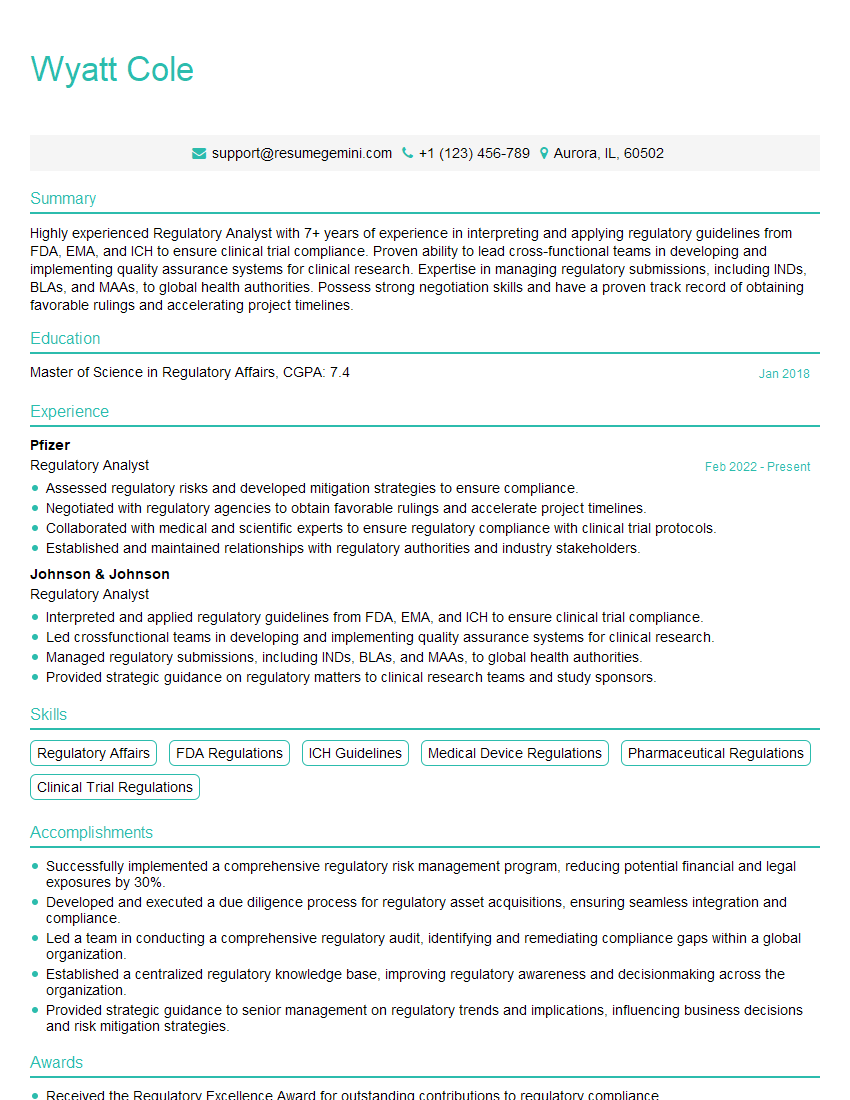
Regulatory Analyst Resume Sample
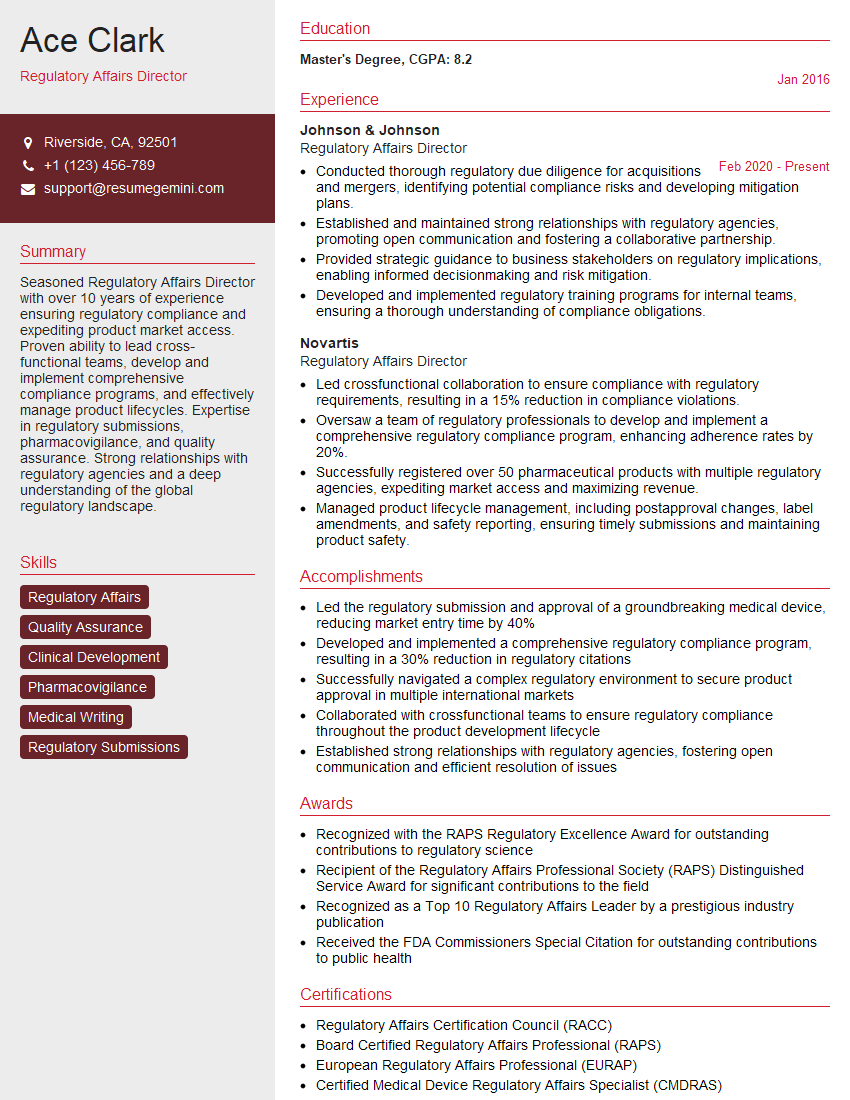
Regulatory Affairs Director Resume Sample
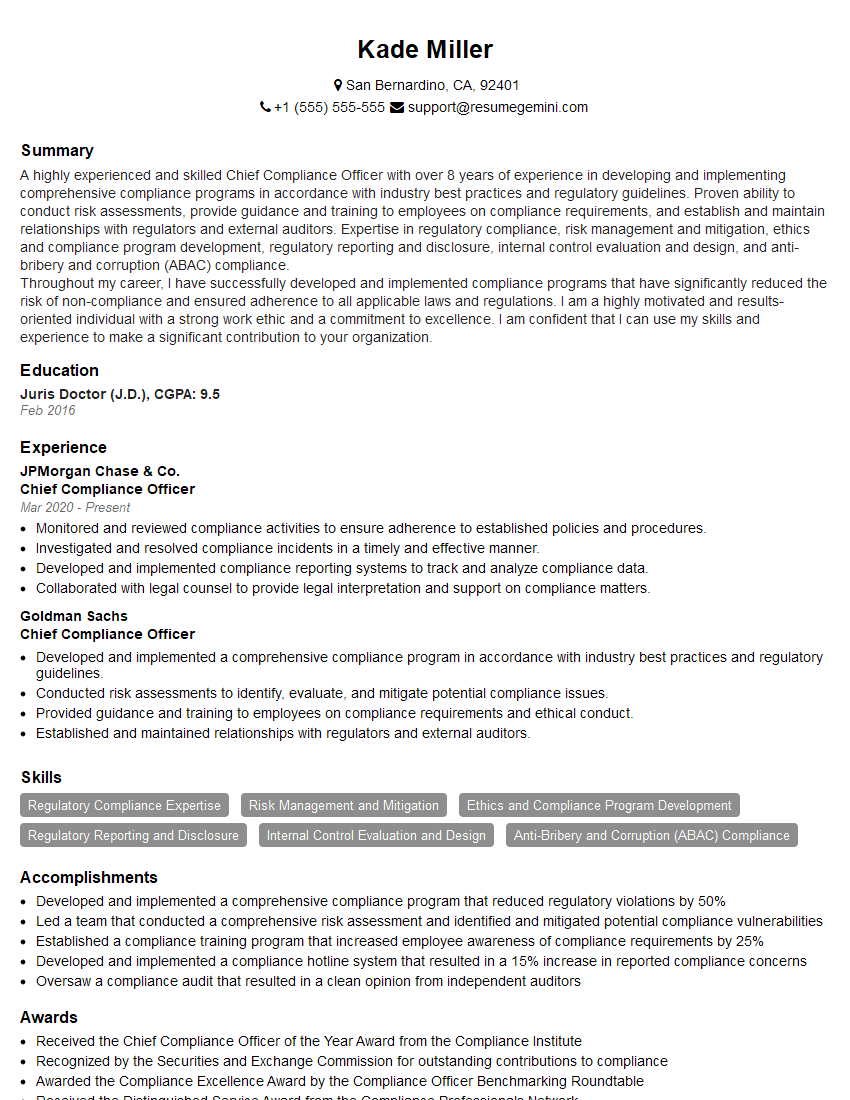
Chief Compliance Officer Resume Sample
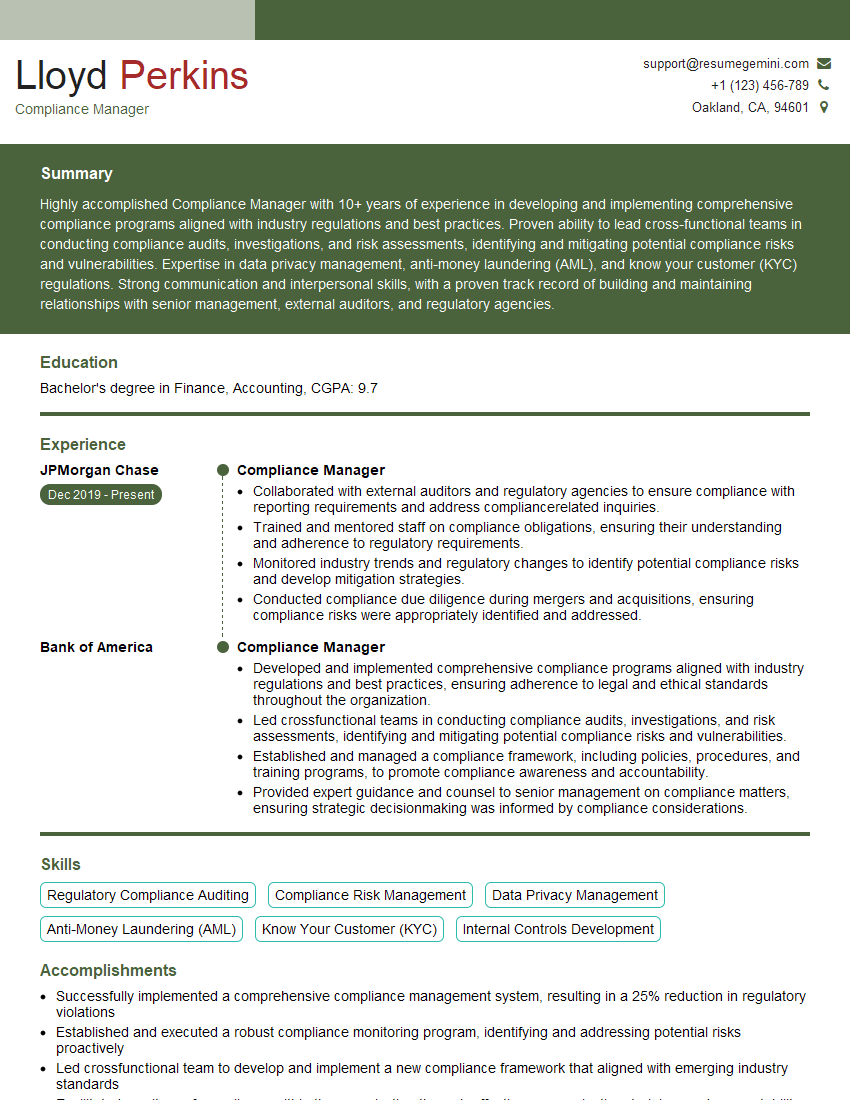
Compliance Manager Resume Sample
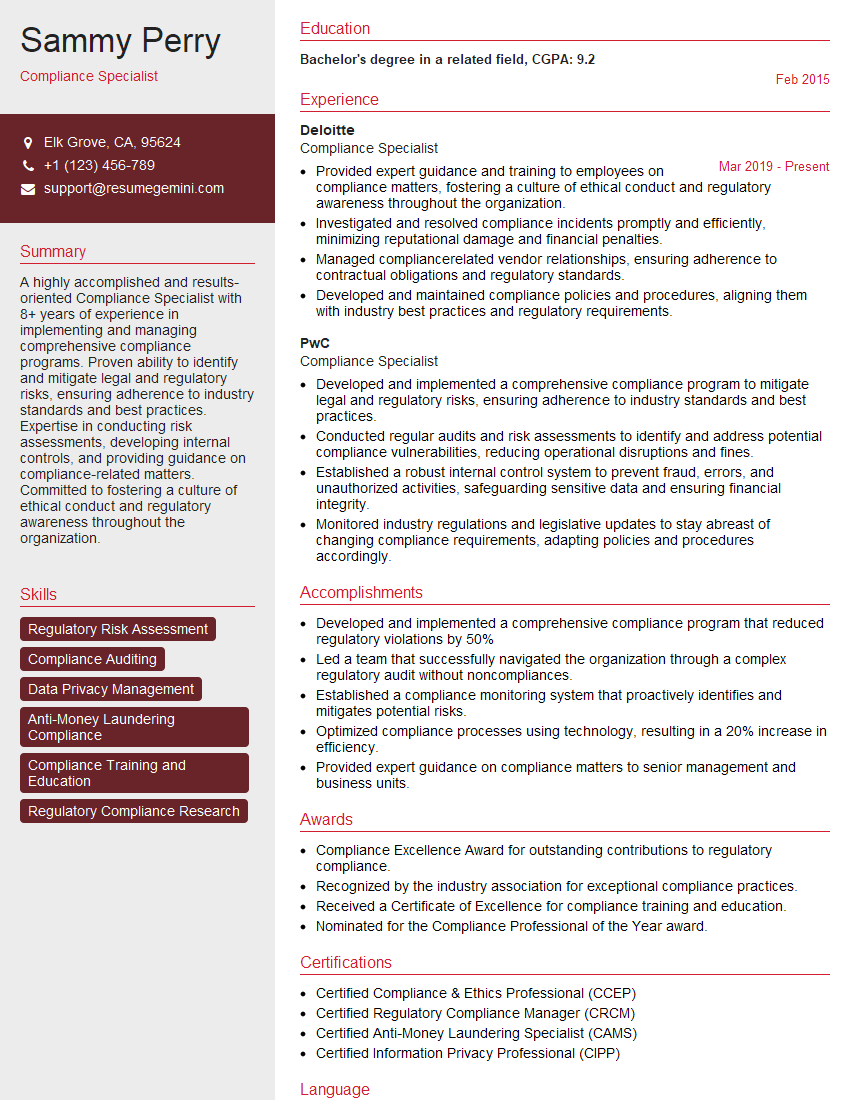
Compliance Specialist Resume Sample
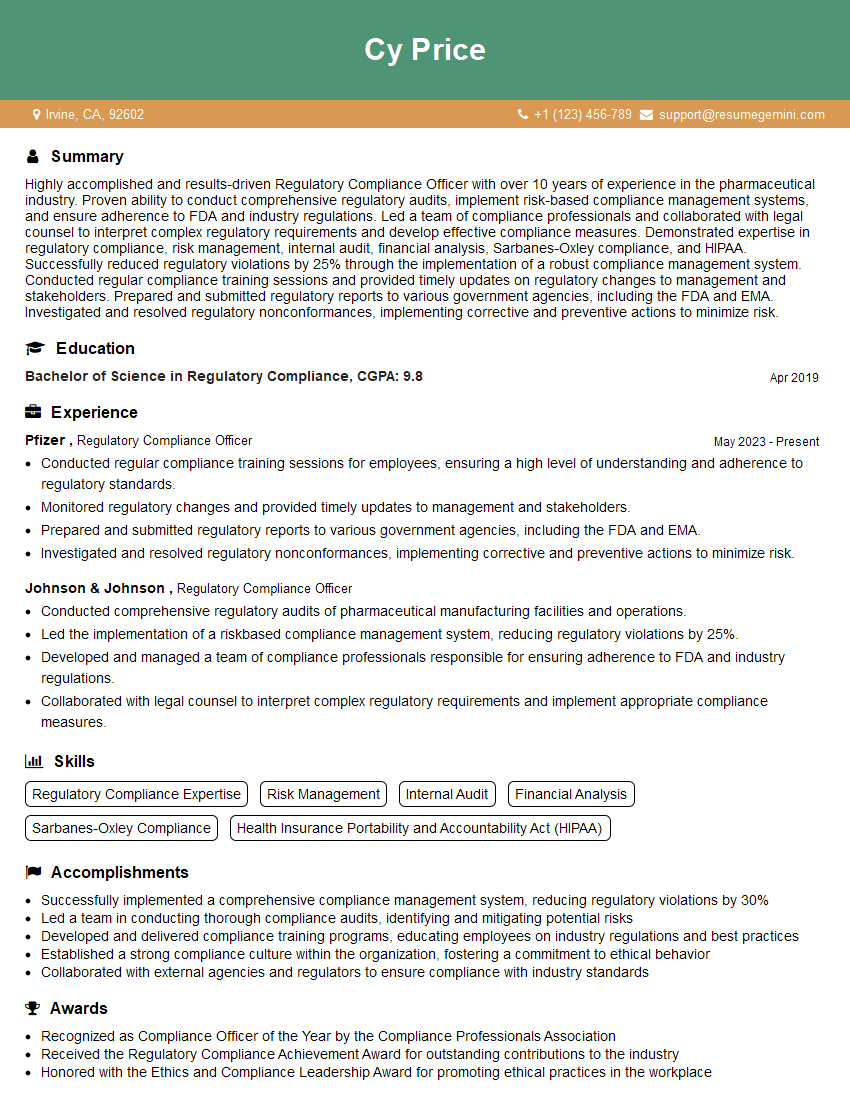
Regulatory Compliance Officer Resume Sample
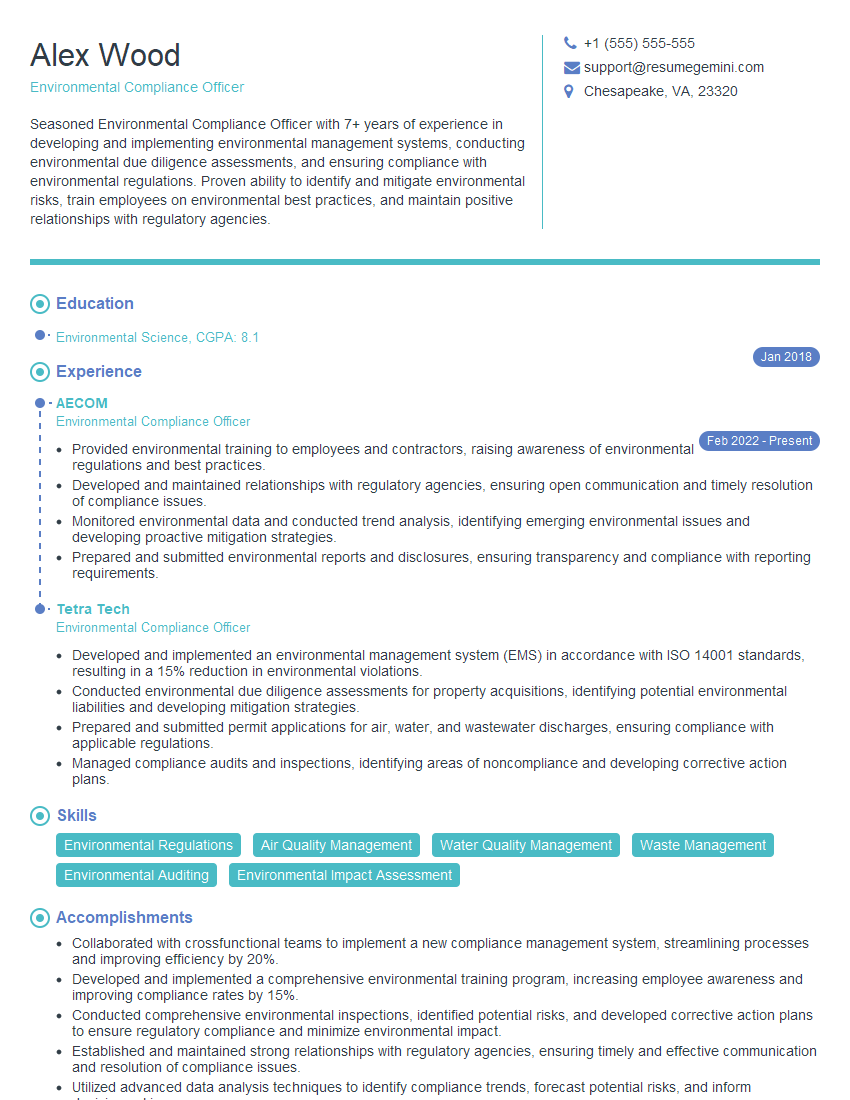
Environmental Compliance Officer Resume Sample
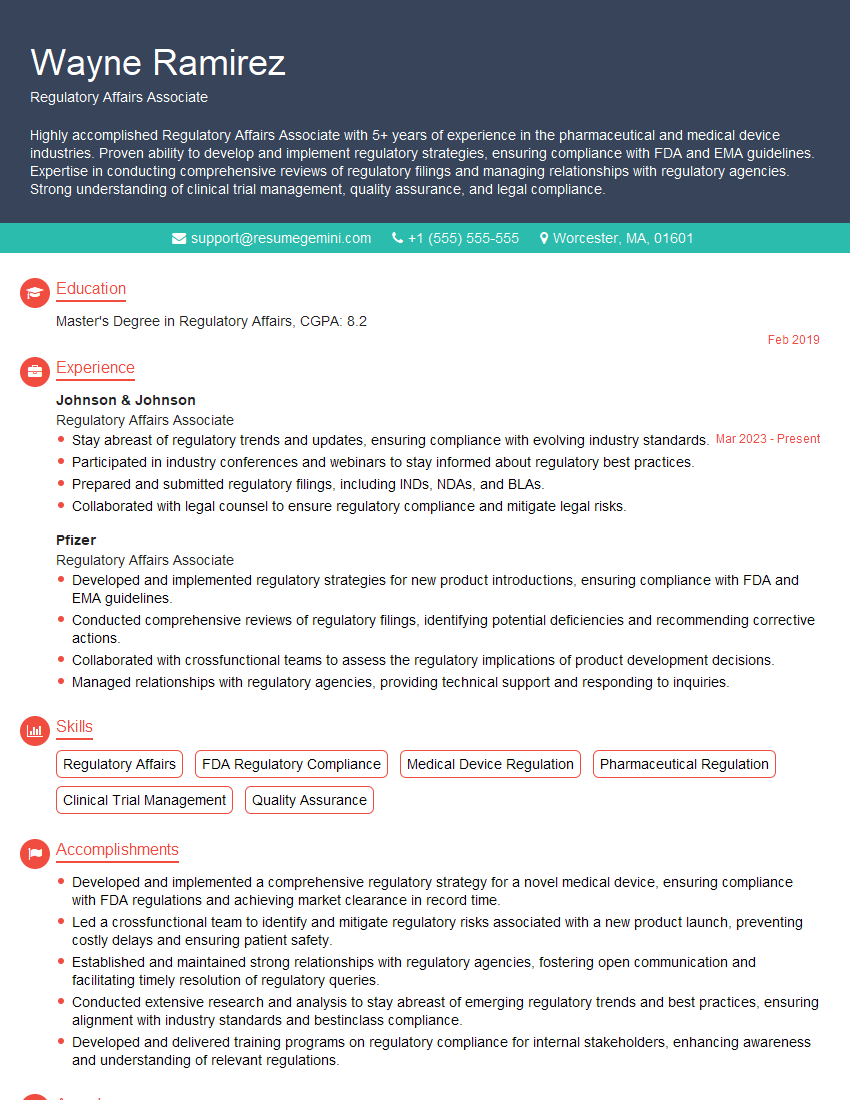
Regulatory Affairs Associate Resume Sample
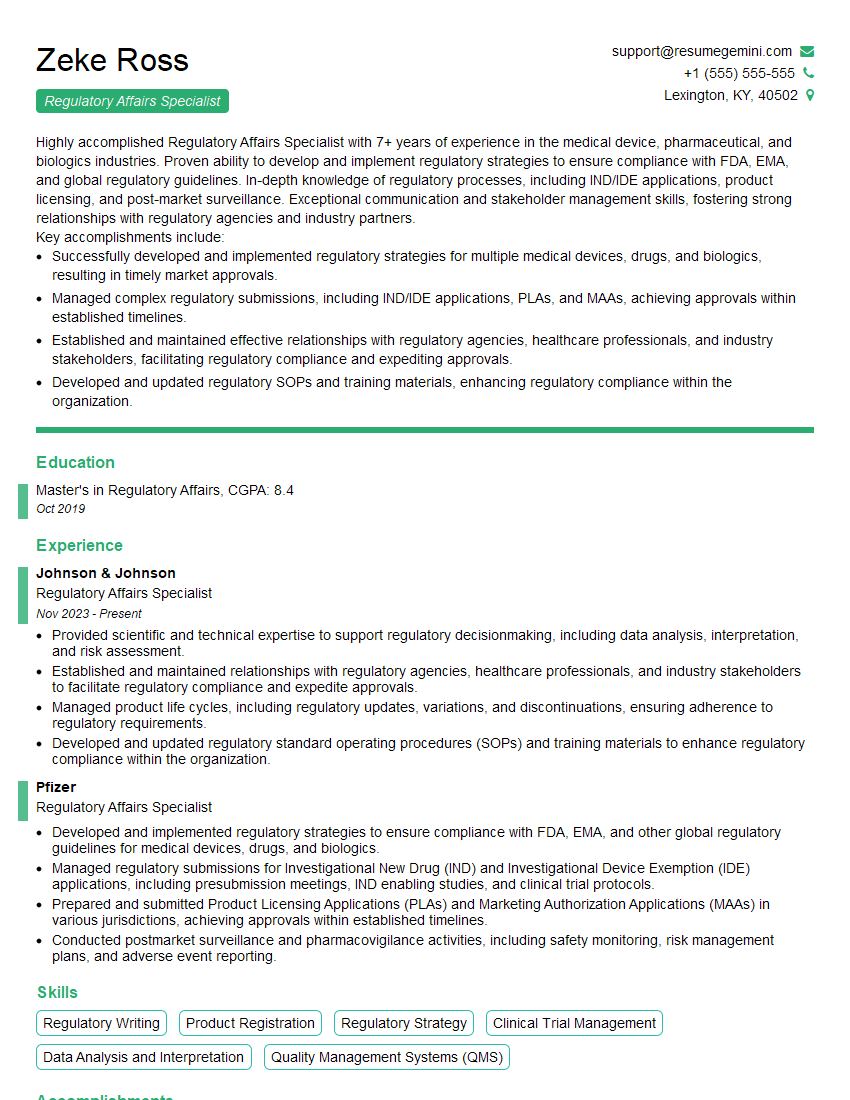
Regulatory Affairs Specialist Resume Sample
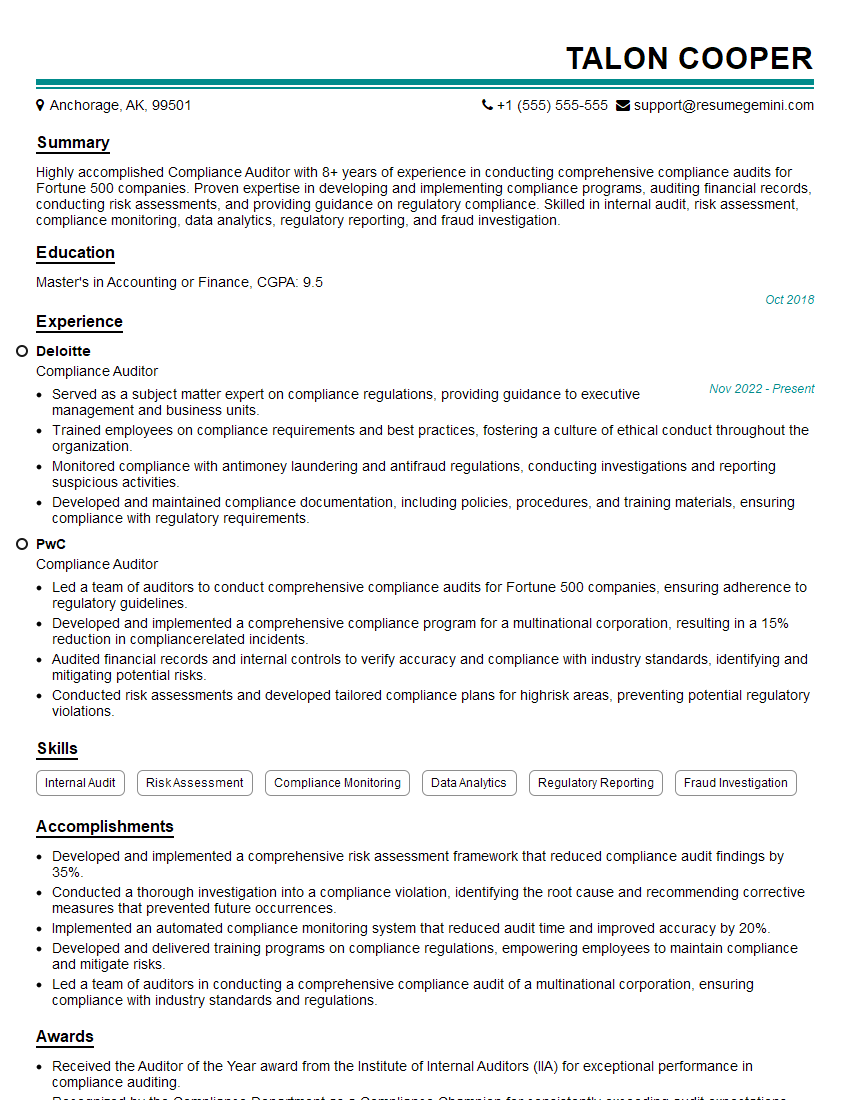
Compliance Auditor Resume Sample
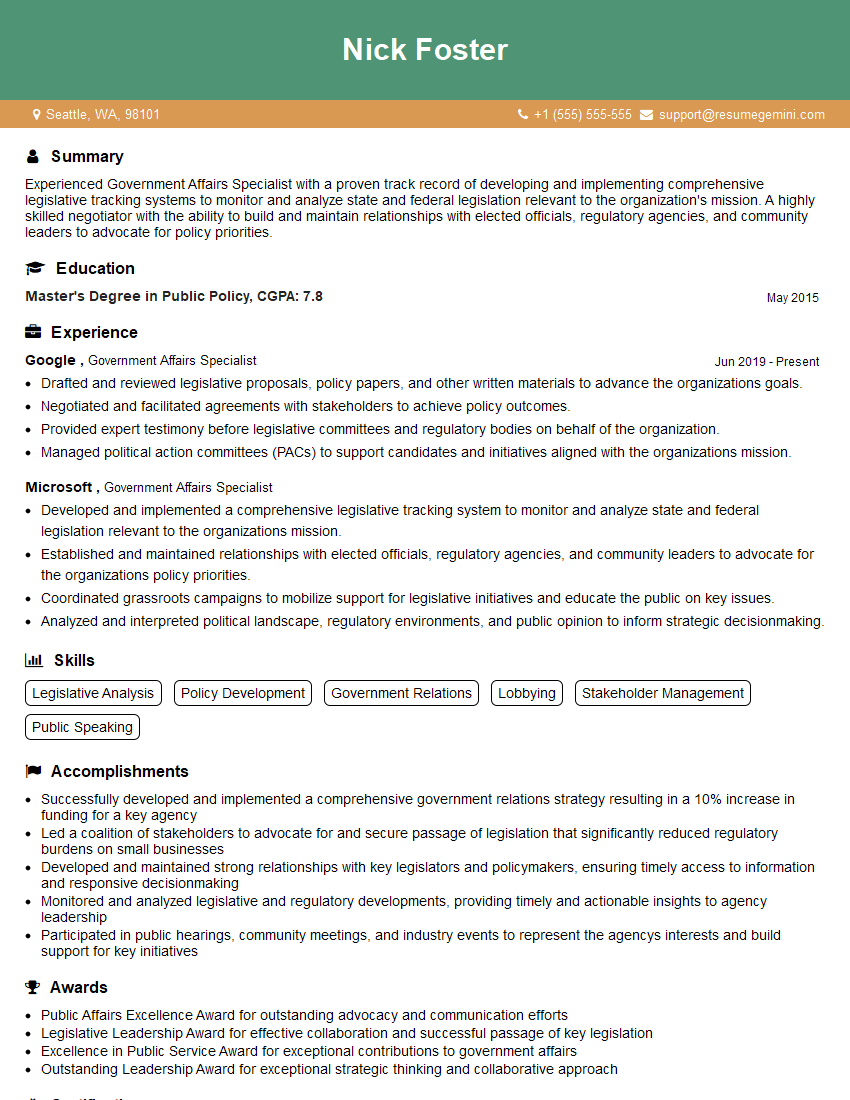
Government Affairs Specialist Resume Sample
Explore more articles
Users Rating of Our Blogs
Share Your Experience
We value your feedback! Please rate our content and share your thoughts (optional).
What Readers Say About Our Blog
Really detailed insights and content, thank you for writing this detailed article.
IT gave me an insight and words to use and be able to think of examples