The thought of an interview can be nerve-wracking, but the right preparation can make all the difference. Explore this comprehensive guide to Roller Adjustment Procedures interview questions and gain the confidence you need to showcase your abilities and secure the role.
Questions Asked in Roller Adjustment Procedures Interview
Q 1. Explain the purpose of roller adjustments.
Roller adjustments are crucial for maintaining optimal performance and preventing damage in various machinery and systems. The purpose is to ensure proper tension, alignment, and tracking of rollers, which impacts everything from the smoothness of material transport in a conveyor system to the precision of a printing press. Incorrect adjustments can lead to inefficiencies, product defects, and even equipment failure. Think of it like tuning a finely crafted instrument – each adjustment affects the overall harmony and functionality.
Q 2. Describe different types of rollers and their adjustment methods.
Roller types and adjustment methods vary significantly depending on the application. For example:
- Conveyor Rollers: These often utilize setscrews or eccentric shafts for adjustment. Setscrews allow for fine-tuning of roller position, while eccentric shafts provide a more coarse adjustment by altering the roller’s offset from the central axis. Adjustment involves loosening the securing mechanism, repositioning the roller, and then tightening it again.
- Printing Press Rollers: These demand precise alignment and often involve multiple adjustment points. Micrometer adjustments and shims are common to achieve very fine control over roller spacing and parallelism.
- Industrial Bearing Rollers: These might be adjusted using specialized tools to maintain a precise preload, ensuring consistent contact and minimizing friction and wear.
The method always depends on the roller’s design and the specific machinery involved. Consult the manufacturer’s documentation for the proper procedure.
Q 3. What tools are commonly used for roller adjustments?
The tools needed depend on the type of roller and its adjustment mechanism, but common tools include:
- Wrenches (various sizes): For tightening and loosening setscrews, bolts, and nuts.
- Screwdrivers (Phillips and flathead): For adjusting smaller components or fine-tuning adjustments.
- Micrometer adjustments: For highly precise applications.
- Shims: Thin metal plates used to fine-tune roller alignment and spacing.
- Measuring tapes and rulers: To ensure proper measurements and alignment.
- Level: To ensure rollers are properly leveled.
- Torque wrench: To ensure fasteners are tightened to the correct specification, preventing damage.
Q 4. How do you determine the correct roller alignment?
Correct roller alignment is critical for even load distribution and optimal performance. Methods for determining this vary but often involve:
- Visual Inspection: Check for straightness and parallelism of rollers, looking for any obvious misalignments.
- Measurement Tools: Use rulers, measuring tapes, or dial indicators to precisely measure distances between rollers and ensure they are parallel and at the correct height.
- Alignment Tools: Specialized tools like laser alignment systems can provide accurate and precise measurements, particularly crucial for critical applications.
- Material Tracking: Observe how material passes over the rollers; uneven tracking indicates misalignment.
The specific method depends on the application and the precision required. In some instances, trial-and-error adjustments combined with visual inspection might suffice, while in others, sophisticated measurement tools become necessary.
Q 5. What are the safety precautions when adjusting rollers?
Safety is paramount when adjusting rollers. Always follow these precautions:
- Lockout/Tagout: Before any adjustment, ensure the machinery is completely shut down and locked out to prevent accidental start-up.
- Personal Protective Equipment (PPE): Wear appropriate PPE, including safety glasses, gloves, and closed-toe shoes.
- Proper Lifting Techniques: If handling heavy components, use proper lifting techniques to avoid injury.
- Awareness of Moving Parts: Be mindful of any moving parts near the rollers, even when the machine is shut down.
- Consult Documentation: Always refer to the manufacturer’s documentation for specific safety procedures related to the equipment.
Q 6. Explain the process of adjusting a roller for optimal tension.
Adjusting for optimal tension varies depending on the roller type and system. A common approach involves:
- Assessing Current Tension: Determine the current tension using a tension gauge or by observing material movement. Too much tension can cause premature wear and tear; too little can lead to slippage or poor material handling.
- Making Adjustments: Use the appropriate adjustment mechanism (setscrews, eccentric shafts, etc.) to increase or decrease tension. Make small, incremental adjustments and frequently check the tension.
- Testing and Fine-Tuning: After each adjustment, test the system’s operation, observing material flow and overall performance. Fine-tune the tension until optimal performance is achieved.
- Documentation: Record the final tension settings for future reference.
Remember that the ideal tension is often a balance between minimizing slippage and preventing excessive wear. This often requires experience and a thorough understanding of the system’s operational requirements.
Q 7. How do you identify worn or damaged rollers?
Identifying worn or damaged rollers requires careful inspection. Look for:
- Surface Damage: Scratches, pitting, or gouges on the roller surface indicate wear or damage. This reduces the efficiency and lifespan of the roller and might lead to material damage.
- Flat Spots: Flat spots on the roller surface suggest uneven wear, possibly due to misalignment or overloading.
- Excessive Play or Wobble: Any noticeable looseness or wobble in the roller indicates bearing wear or damage, requiring immediate attention.
- Noise: Unusual noises during operation, such as squeaking or grinding, point towards potential problems.
- Visual Inspection: A thorough visual inspection, often coupled with feel and sound tests, can reveal significant damage.
Regular inspection and proactive maintenance are key to preventing catastrophic failure and ensuring the long-term reliability of any roller-based system.
Q 8. What are the consequences of improperly adjusted rollers?
Improperly adjusted rollers can lead to a cascade of negative consequences, significantly impacting efficiency, product quality, and even equipment lifespan. Think of it like a finely tuned engine; if one component is off, the whole system suffers.
- Increased Wear and Tear: Misaligned rollers experience uneven stress distribution, leading to premature wear and tear on both the rollers themselves and the surrounding components. This results in increased maintenance costs and downtime.
- Reduced Product Quality: In manufacturing processes, inconsistent roller pressure can lead to inconsistent product dimensions, surface defects, or even damage to the product itself. Imagine a printing press where rollers aren’t properly adjusted – the print quality would be compromised.
- Vibrations and Noise: Misalignment creates vibrations and noise, indicating a problem and potentially leading to further damage. This is similar to a wobbly wheel on a car – the vibrations are not only annoying but damaging.
- Reduced Efficiency: The system may require more energy to operate, and production rates will likely decrease. Think of a conveyor belt system; if the rollers are not aligned, the belt will struggle and move slower.
- Safety Hazards: In extreme cases, misalignment can lead to catastrophic failures, creating safety hazards for personnel.
Q 9. How do you troubleshoot common roller adjustment problems?
Troubleshooting roller adjustment problems requires a systematic approach. I typically start by visually inspecting the system, then proceed to more precise measurements.
- Visual Inspection: Look for obvious signs of misalignment, such as uneven spacing, tilting, or damaged rollers. Listen for unusual noises, which can indicate friction or binding.
- Measurement: Use precision measuring tools like dial indicators or laser alignment systems to accurately measure roller spacing and parallelism. Compare these measurements to the manufacturer’s specifications.
- Component Checks: Check for wear and tear on bearings, shafts, and other supporting components. Worn-out bearings can lead to misalignment even if the rollers were initially properly adjusted.
- Adjustment: Based on the findings, adjust the rollers using the appropriate tools and procedures. This may involve shimming, adjusting mounting bolts, or replacing worn components.
- Testing: After making adjustments, thoroughly test the system to ensure proper alignment and functionality. Measure again for verification.
For example, if I find that a roller is consistently producing scratches on a product, I’d first visually check for misalignment. If a misalignment is present, I would then use a dial indicator to precisely measure the deviation and make the necessary adjustments using shims or adjusting bolts, followed by a test run to verify the correction.
Q 10. Describe your experience with different types of roller bearings.
My experience encompasses a wide range of roller bearings, each with its own characteristics and applications.
- Ball Bearings: These are widely used for their high speed capabilities and relatively low friction. I’ve worked extensively with ball bearings in high-speed printing presses and textile machinery.
- Cylindrical Roller Bearings: These are excellent for carrying heavy radial loads. I’ve utilized them in conveyor systems and heavy-duty machinery where high load capacity is critical.
- Tapered Roller Bearings: These bearings handle both radial and axial loads effectively. They are commonly found in automotive applications and other high-stress environments. I’ve used them in large-scale industrial machinery.
- Needle Roller Bearings: These bearings have small, needle-shaped rollers and are ideal for compact applications where space is limited. I’ve applied them in small-scale automation systems.
The selection of the appropriate bearing type is crucial for optimal performance and longevity. The choice depends on factors such as load capacity, speed, space constraints, and the specific application requirements. Each type offers a unique set of advantages and disadvantages, and understanding these nuances is essential for successful roller system design and maintenance.
Q 11. How do you measure roller alignment precisely?
Precise roller alignment measurement requires specialized tools and careful technique. Visual inspection alone is insufficient for critical applications.
- Dial Indicators: These are mechanical instruments used to measure very small deviations from a reference point. They’re essential for measuring runout, parallelism, and spacing between rollers.
- Laser Alignment Systems: These advanced tools project laser beams to precisely determine alignment. They offer greater accuracy and efficiency, especially for long shafts and large systems.
- Straight Edges and Levels: For basic checks and simpler systems, straight edges and levels can provide a quick assessment of alignment.
For example, to measure the parallelism of two rollers, I would use a dial indicator attached to a magnetic base. I’d mount the indicator on one roller and then rotate the other roller, observing the indicator’s readings. Any significant movement indicates a lack of parallelism. Laser alignment systems allow for faster, more precise measurements across longer distances and more complex setups.
Q 12. Explain the relationship between roller adjustment and product quality.
Roller adjustment is intrinsically linked to product quality. Precise alignment and pressure directly impact the final product’s dimensions, surface finish, and overall consistency.
In a manufacturing process, inconsistent roller pressure could lead to uneven coating thickness, inaccurate dimensions, or defects in the material being processed. For instance, in paper manufacturing, uneven roller pressure can create variations in paper thickness, affecting its printability and overall quality. Similarly, in a food processing plant, precise roller adjustment during extrusion or shaping processes ensures consistent product size and shape.
Properly adjusted rollers minimize defects, reduce waste, and ultimately lead to higher yields of high-quality products. Improper adjustment, on the other hand, can result in significant product loss and rework, impacting profitability and customer satisfaction.
Q 13. How do you document roller adjustment procedures?
Documentation of roller adjustment procedures is crucial for maintaining consistent quality and troubleshooting. My approach involves creating comprehensive and easily accessible documentation.
- Detailed Procedures: I document each step of the adjustment process, including tool specifications, measurement techniques, and acceptance criteria.
- Visual Aids: I incorporate diagrams, photographs, and videos to illustrate the process and aid in understanding. A picture is worth a thousand words, especially when it comes to complex machinery.
- Data Logging: I record all measurements taken during the adjustment process, along with the date, time, and personnel involved. This allows for traceability and aids in troubleshooting future problems.
- Version Control: I maintain version control for the documentation, ensuring that the most up-to-date procedure is always accessible.
This approach ensures consistency in maintenance practices, facilitates training, and enables effective troubleshooting in the event of problems. A well-documented procedure is essential for smooth operation and quality control.
Q 14. What are the signs of misalignment in a roller system?
Several signs indicate misalignment in a roller system. Early detection and intervention are crucial to prevent more serious damage.
- Unusual Noises: Grinding, squealing, or rumbling sounds are often indicative of friction caused by misalignment.
- Vibrations: Excessive vibrations in the system can be a sign of imbalance or misalignment.
- Uneven Wear: Premature wear on rollers, bearings, or shafts is often an indicator of uneven load distribution caused by misalignment.
- Inconsistent Product Quality: Variations in product dimensions, surface finish, or other quality parameters can be traced back to inconsistencies in roller pressure and alignment.
- Difficulty in Operation: The system may become harder to operate, requiring more force or power to function smoothly.
Identifying these signs early on allows for timely corrective action, preventing catastrophic failures and maintaining optimal system performance. Regular inspections and preventive maintenance are key to minimizing the risk of misalignment problems.
Q 15. How do you ensure the longevity of rollers after adjustment?
Ensuring the longevity of rollers after adjustment is crucial for maintaining efficient and safe operations. It’s a multi-faceted approach encompassing proper lubrication, regular inspection, and understanding the operating conditions.
- Regular Lubrication: Using the correct type and amount of lubricant is paramount. Insufficient lubrication leads to friction and premature wear, while excessive lubrication attracts contaminants. Think of it like keeping your car engine well-oiled – it prevents excessive wear and tear. We need to follow the manufacturer’s recommendations for lubrication frequency and lubricant type.
- Scheduled Inspections: Regular visual inspections for signs of wear, such as scratches, pitting, or unusual vibrations, are critical. Early detection allows for timely intervention, preventing minor issues from escalating into major failures. Imagine catching a small crack in a window before it shatters – much easier to fix early on.
- Optimized Operating Conditions: Overloading rollers or exposing them to extreme temperatures or corrosive environments significantly reduces their lifespan. Properly managing load, temperature, and environmental factors is crucial for extending roller life. This is analogous to protecting your skin from the sun – prolonged exposure leads to damage.
- Proper Cleaning: Regularly cleaning rollers, removing debris and contaminants, significantly reduces wear and tear. This helps maintain smooth operation and prevents abrasion. A regular clean can be thought of as basic hygiene and maintenance.
By diligently following these practices, roller lifespan can be significantly extended, minimizing downtime and replacement costs.
Career Expert Tips:
- Ace those interviews! Prepare effectively by reviewing the Top 50 Most Common Interview Questions on ResumeGemini.
- Navigate your job search with confidence! Explore a wide range of Career Tips on ResumeGemini. Learn about common challenges and recommendations to overcome them.
- Craft the perfect resume! Master the Art of Resume Writing with ResumeGemini’s guide. Showcase your unique qualifications and achievements effectively.
- Don’t miss out on holiday savings! Build your dream resume with ResumeGemini’s ATS optimized templates.
Q 16. What are the common causes of roller misalignment?
Roller misalignment stems from various factors, often interconnected. Identifying the root cause is key to effective correction.
- Improper Installation: Incorrect mounting of rollers during initial setup is a frequent culprit. This can lead to uneven load distribution and premature wear. Imagine trying to build a tower with unevenly placed bricks – it’s unstable and likely to fall.
- Wear and Tear: Over time, rollers naturally wear down due to friction and loading. This wear can cause misalignment if not addressed through regular maintenance and timely replacements.
- Foundation Issues: Uneven or settling foundations can induce misalignment in the entire roller system. Think of a train track with uneven sleepers – the train will derail.
- External Impacts: Collisions or accidental impacts can knock rollers out of alignment, requiring careful readjustment and potential repairs.
- Thermal Expansion: Temperature fluctuations can cause expansion and contraction in the roller system components, leading to misalignment. This effect is more pronounced in systems with large temperature variations.
Troubleshooting misalignment requires a systematic approach: check installation, assess wear, inspect the foundation, look for impact damage and consider thermal effects.
Q 17. How do you prioritize different roller adjustment tasks?
Prioritizing roller adjustment tasks depends on several factors, primarily the severity of the misalignment and its potential impact on operations.
- Criticality of the System: Rollers in critical systems, such as those involved in safety-critical processes or high-volume production lines, warrant immediate attention. A malfunction here could lead to safety issues and/or huge financial losses.
- Severity of Misalignment: Significant misalignment requires immediate action to avoid damage to the rollers and surrounding equipment. This includes obvious issues like noticeable wobbling or increased noise.
- Downtime Costs: The cost of downtime associated with a malfunctioning roller system should be factored into the prioritization. This cost can be both tangible and intangible, including production halt, repairs, and potential safety issues.
- Preventative vs. Corrective Maintenance: Preventative maintenance, such as regular inspections and lubrication, should be prioritized to avoid major adjustments later. A stitch in time saves nine, and it applies here as well.
A risk-based approach helps determine priority. We utilize a matrix considering the criticality of the system and the severity of the misalignment to prioritize tasks efficiently.
Q 18. Describe your experience with preventative maintenance of roller systems.
Preventative maintenance is the cornerstone of reliable roller systems. My experience encompasses establishing and executing comprehensive maintenance schedules that include:
- Regular Inspections: Visual inspections for wear, tear, cracks, and lubrication levels are performed at set intervals, the frequency depending on the operating conditions and roller type. This is like getting a regular check-up at the doctor – it helps identify problems early.
- Lubrication Schedules: Lubrication is crucial to minimizing friction and extending roller lifespan. I ensure the correct type and amount of lubricant is used, adhering strictly to manufacturer recommendations.
- Cleaning Procedures: Regular cleaning removes debris and contaminants that can accelerate wear. Specific cleaning methods vary depending on the material and operating environment.
- Component Replacements: Proactive replacement of worn components, such as bearings or seals, prevents catastrophic failures and reduces downtime.
- Data Tracking & Analysis: I maintain detailed records of maintenance activities, allowing us to identify trends, predict failures, and optimize maintenance schedules.
Through meticulous preventative maintenance, we’ve significantly reduced unexpected downtime and extended the operational life of roller systems in various applications.
Q 19. What are your preferred methods for calibrating roller systems?
Calibrating roller systems requires precision and specialized tools. My preferred methods are:
- Laser Alignment: This highly accurate method uses lasers to measure the alignment between rollers, ensuring precise adjustments. Laser alignment is fast and accurate, minimizing downtime. It’s analogous to using a laser level to ensure a perfectly straight line.
- Dial Indicators: Dial indicators provide precise measurements of roller parallelism and concentricity. This method is more hands-on and requires skilled technicians, but provides valuable data for fine-tuning adjustments.
- Automated Alignment Systems: For complex roller systems, automated alignment systems offer efficiency and increased accuracy. These systems often include software for data analysis and reporting.
The chosen method depends on the system complexity, required accuracy, and available resources. For critical applications, laser alignment is preferred; for less demanding systems, dial indicators might suffice. In some cases, a combination of methods is used for a comprehensive calibration.
Q 20. How do you handle emergency situations related to roller failures?
Emergency situations involving roller failures require swift and decisive action to minimize downtime and prevent further damage. My approach is structured as follows:
- Immediate Shutdown: Safety is paramount. The affected system must be immediately shut down to prevent injury or further damage.
- Assessment of Damage: A thorough assessment of the extent of the failure is conducted, identifying the root cause.
- Emergency Repairs: Depending on the severity, temporary repairs might be necessary to restore partial functionality. This might involve a quick fix to get the system running in a limited capacity until a more permanent solution can be implemented.
- Root Cause Analysis: A detailed analysis is undertaken to determine the cause of the failure, preventing similar occurrences in the future.
- Permanent Repair/Replacement: Once the root cause is identified and the emergency situation is stabilized, a permanent repair or roller replacement is implemented, ensuring system reliability.
Clear communication and coordination between maintenance personnel and operations are crucial during emergency situations.
Q 21. Explain your experience working with different types of roller materials.
I have extensive experience working with a range of roller materials, each with its own strengths and limitations:
- Steel Rollers: These are commonly used due to their strength, durability, and affordability. Different steel alloys are chosen depending on the application’s specific requirements, such as hardness and corrosion resistance.
- Stainless Steel Rollers: Ideal for environments requiring high corrosion resistance, like food processing or chemical plants. They are more expensive than standard steel but offer longer lifespan in corrosive environments.
- Polymer Rollers: Polymers such as polyurethane and nylon offer excellent abrasion resistance, making them suitable for applications with high-friction or abrasive materials. However, they might not be as strong as steel rollers.
- Ceramic Rollers: These offer exceptional hardness and wear resistance, making them suitable for high-precision applications, but can be brittle and expensive.
Material selection is crucial and depends on factors such as load capacity, operating speed, environmental conditions, and the material being processed. Understanding the material properties and selecting the appropriate type is critical for efficient and reliable roller system operation.
Q 22. Describe your problem-solving approach when faced with a complex roller adjustment issue.
My approach to solving complex roller adjustment issues is systematic and data-driven. I begin by thoroughly assessing the problem. This involves carefully observing the machine’s behavior, noting any unusual noises, vibrations, or material inconsistencies. I then gather data, such as measurements of roller alignment, tension, and material properties. This is often complemented by reviewing historical maintenance records to identify potential trends or recurring problems. Next, I formulate hypotheses based on my observations and data, considering various factors that could contribute to the issue, like worn rollers, incorrect tension, or misalignment. I then test these hypotheses systematically, making adjustments one at a time and carefully monitoring the results. This iterative process allows me to isolate the root cause and implement the correct solution. For example, if I’m experiencing inconsistent material thickness, I might first check roller alignment, then tension, then the condition of the rollers themselves, eliminating possibilities one by one until the root cause is identified. Finally, I document all findings and adjustments, ensuring the solution is well-documented for future reference and to avoid similar issues.
Q 23. How do you utilize technical manuals and schematics for roller adjustments?
Technical manuals and schematics are indispensable tools in my work. I use them to understand the specific design and specifications of the machinery, including the type of rollers, their precise placement, recommended tension settings, and proper adjustment procedures. The schematics provide visual representations of the roller system, allowing me to easily identify individual components and understand their relationships within the larger machine. I cross-reference the information in the manual with my own measurements and observations to ensure accuracy and consistency. For instance, a schematic might highlight critical dimensions for roller alignment, while the manual provides precise torque specifications for tightening adjustment bolts. By meticulously following the guidelines provided, I can ensure that adjustments are made correctly, minimizing the risk of damage or performance issues. Often, I’ll even annotate my own copies of manuals and schematics with notes and diagrams to reflect particular machine-specific adjustments and observations from previous maintenance cycles.
Q 24. How do you work effectively within a team to accomplish roller adjustment tasks?
Effective teamwork is crucial for efficient roller adjustments, especially on complex machinery. I believe in open communication and collaboration. Before starting any task, I participate in a thorough pre-job briefing with the team, outlining the specific adjustment goals, potential challenges, and safety procedures. During the adjustment process, I actively share my observations and insights with the team, ensuring everyone is informed about the progress and any unexpected issues that may arise. Clear delegation of tasks is also important. I assign roles based on individual skills and expertise, ensuring everyone has a well-defined responsibility. For instance, one team member might focus on measurements, another on making adjustments, and a third on documenting the process. After completing the adjustments, we conduct a final review to verify that the goals have been met and to identify any areas for improvement in our future collaboration. A recent example involved adjusting rollers on a large printing press. By clearly delegating tasks and constantly communicating, we completed the adjustment in record time and achieved optimal performance.
Q 25. How do you maintain a clean and organized workspace during roller adjustments?
Maintaining a clean and organized workspace is paramount for safety and efficiency. Before beginning any adjustment, I clear the immediate work area of any unnecessary tools, materials, or debris. I use designated storage containers for bolts, screws, and other small parts to prevent loss or misplacement. Tools are kept clean and in good working order. I employ protective measures such as using mats or coverings to prevent damage to the machine surfaces and keeping work surfaces free of oil and grease spills. This not only minimizes the risk of accidents but also allows for easier access to components and makes the overall process more streamlined. For example, organized tooling allows for quick identification of the correct sized wrench, preventing delays and reducing frustration. A clean workspace ensures that adjustments are precise and avoids the introduction of foreign objects that could damage the machine or compromise its performance.
Q 26. Describe your experience with automated roller adjustment systems.
I have significant experience working with automated roller adjustment systems. These systems use sensors and actuators to automatically adjust roller tension and alignment, improving accuracy and consistency. My experience includes both programming and troubleshooting these systems. Understanding the underlying software and algorithms is critical, as this allows me to diagnose issues and optimize system performance. For example, I’ve worked with systems that utilize feedback from sensors to maintain constant material tension, making adjustments in real time to compensate for variations in material properties or processing speed. Troubleshooting these systems often involves analyzing sensor data, identifying faulty components, and verifying proper communication between the sensors, actuators, and the control system. The use of automated systems significantly enhances productivity and precision, reducing manual effort and minimizing the chances of human error.
Q 27. How do you adapt your roller adjustment techniques to different machinery?
Adapting roller adjustment techniques to different machinery requires a thorough understanding of the specific machine design and operational parameters. While the fundamental principles of roller adjustment remain consistent—achieving proper alignment, tension, and material handling—the methods and tools used vary widely. For instance, a textile machine might require precision adjustments using micrometer screws, while a paper processing machine might use hydraulic or pneumatic systems. My approach is to carefully consult the machine’s technical manuals, schematics, and any specific manufacturer instructions. I also make extensive use of measurement tools to accurately assess roller position, alignment, and tension, adjusting my methods according to the specific needs of each machine. I always prioritize safety and take precautions to prevent accidental damage or injury when working on unfamiliar equipment. In essence, the core skill set remains consistent – precise measurements, attention to detail, and troubleshooting – but the implementation is adapted to the specifics of each machine.
Q 28. Explain your understanding of the impact of roller adjustments on overall machine efficiency.
Proper roller adjustments have a significant impact on overall machine efficiency and product quality. Incorrect adjustments can lead to several problems, including reduced production rates, increased material waste, poor product quality, and increased machine wear. For example, misaligned rollers can cause uneven material feeding, resulting in variations in product dimensions or inconsistencies in surface finish. Insufficient tension can lead to slippage and material wrinkles, while excessive tension might cause breakage or premature wear of the material or the rollers themselves. On the other hand, precise roller adjustments ensure smooth, consistent material flow, optimizing production speed and minimizing waste. This translates to increased productivity, reduced operating costs, and enhanced product quality. Regular maintenance and precise adjustments are crucial in preventing costly downtime and maintaining the overall efficiency of the machinery.
Key Topics to Learn for Roller Adjustment Procedures Interview
- Understanding Roller Types and Their Applications: Explore different roller types (e.g., cylindrical, conical, spherical) and their suitability for various applications. Consider the impact of material properties on performance.
- Precision Measurement Techniques: Master the use of precision measuring instruments (e.g., micrometers, dial indicators) for accurate roller alignment and gap setting. Understand the implications of measurement error.
- Adjustment Procedures for Different Systems: Learn the specific adjustment procedures for various systems utilizing rollers, such as conveyor belts, printing presses, or industrial machinery. Practice identifying system-specific components and their functions.
- Troubleshooting Common Roller Issues: Develop your problem-solving skills by understanding common roller-related problems (e.g., misalignment, wear, friction) and their causes. Learn effective troubleshooting methodologies.
- Safety Precautions and Best Practices: Familiarize yourself with all relevant safety protocols and best practices when handling rollers and associated machinery. This is crucial for both your safety and the successful completion of adjustments.
- Theoretical Basis of Roller Mechanics: Gain a solid understanding of the theoretical principles governing roller mechanics, including friction, forces, and torque. This provides a deeper understanding beyond practical applications.
- Documentation and Record Keeping: Understand the importance of accurate and detailed documentation of adjustments performed, including measurements, procedures followed, and any observed issues.
Next Steps
Mastering Roller Adjustment Procedures is crucial for career advancement in many technical fields, opening doors to more senior roles and higher earning potential. To stand out to potential employers, creating a strong, ATS-friendly resume is paramount. ResumeGemini is a trusted resource that can help you build a professional and effective resume tailored to highlight your skills and experience. Examples of resumes specifically tailored for Roller Adjustment Procedures roles are available to guide you. Invest time in crafting a compelling resume; it’s your first impression on a potential employer.

Maintenance Planner Resume Sample
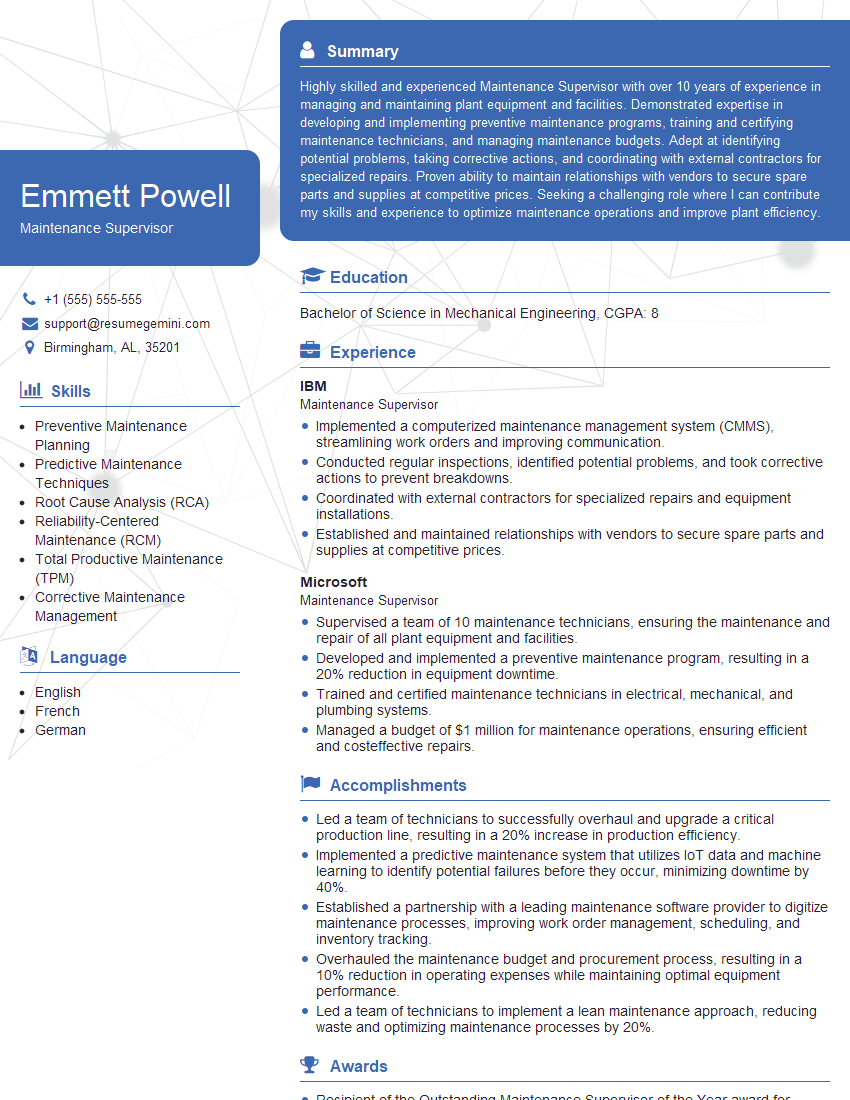
Maintenance Supervisor Resume Sample

Reliability Engineer Resume Sample
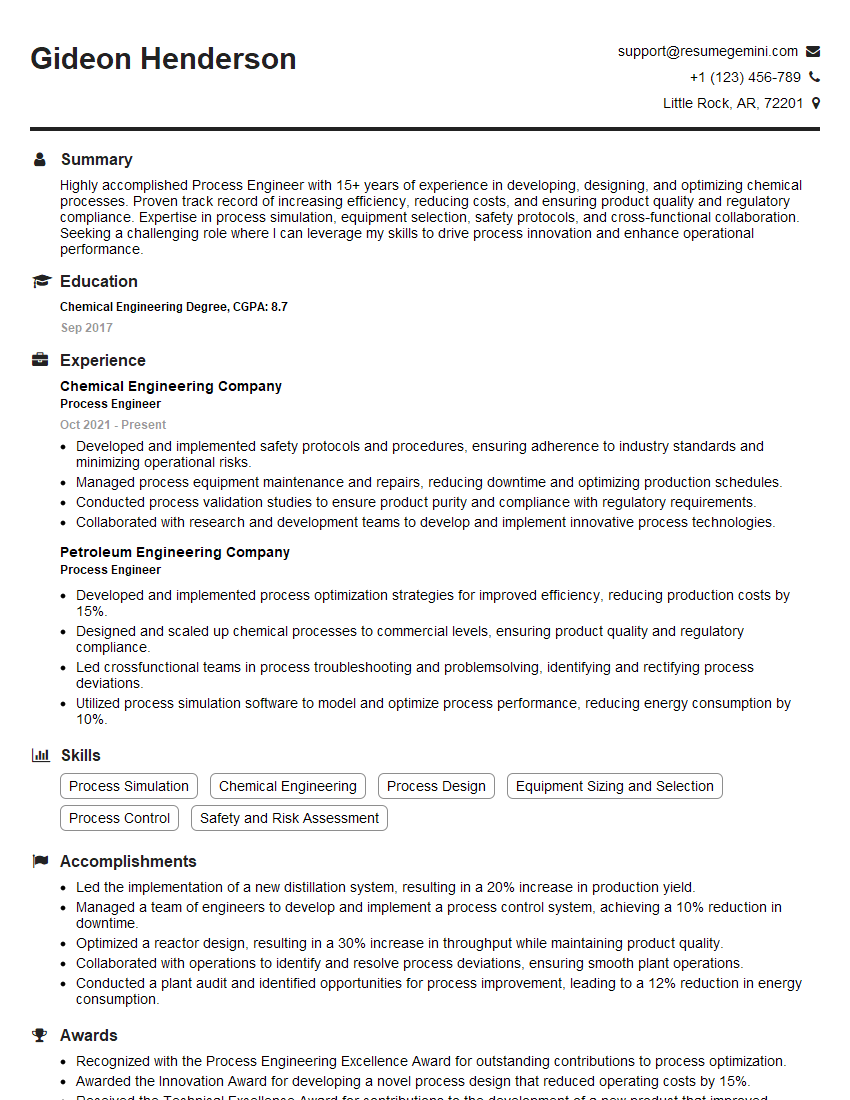
Process Engineer Resume Sample

Technical Support Specialist Resume Sample
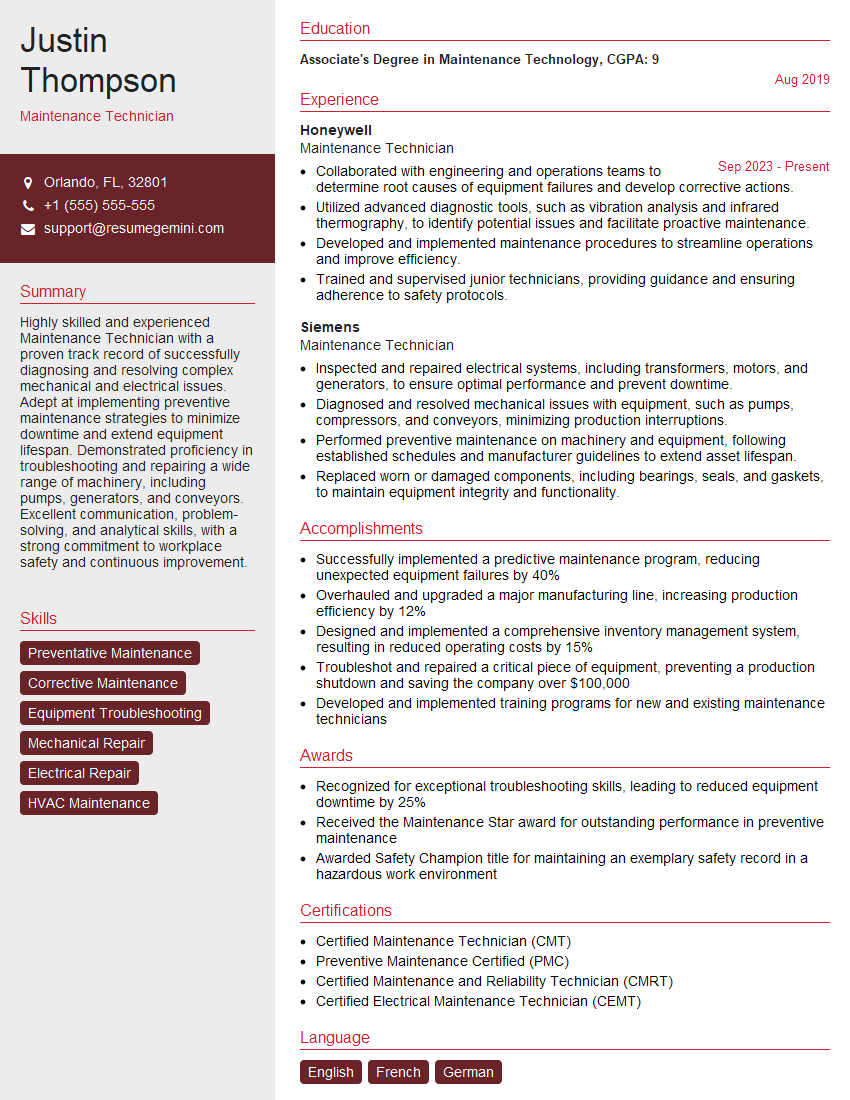
Maintenance Technician Resume Sample
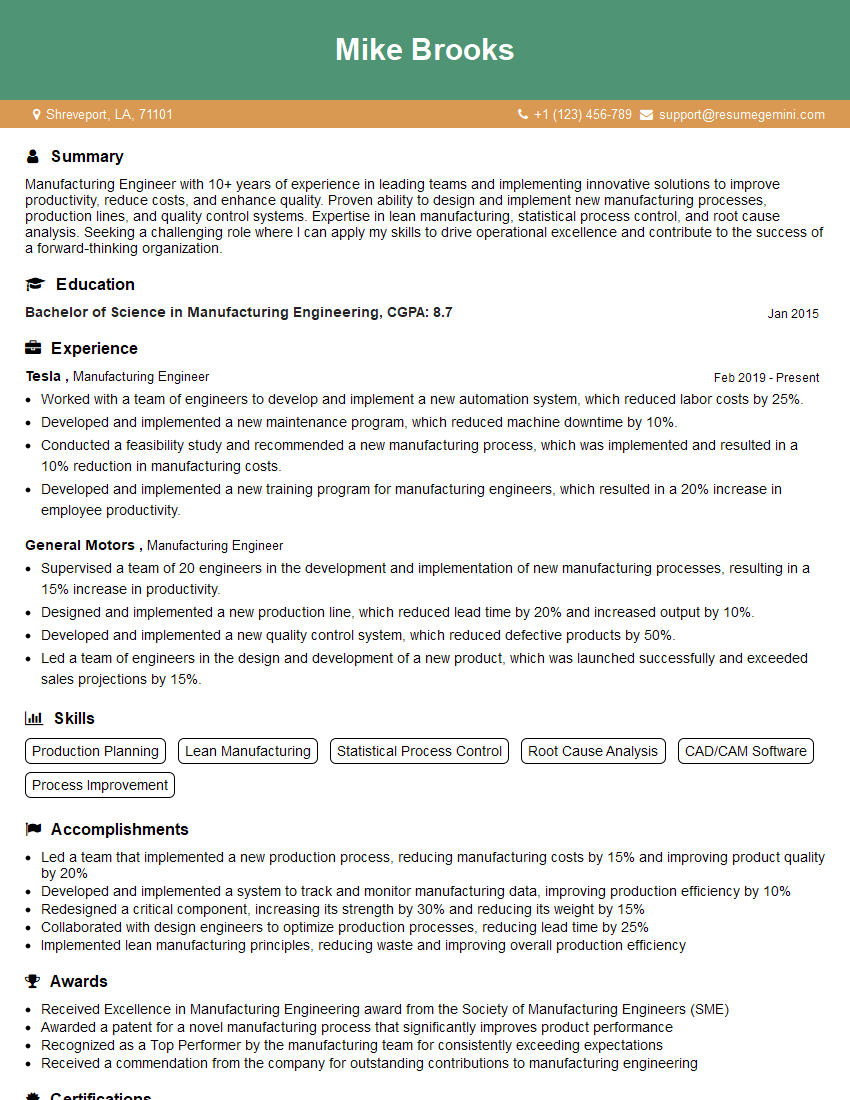
Manufacturing Engineer Resume Sample

Calibration Technician Resume Sample

Automation Technician Resume Sample
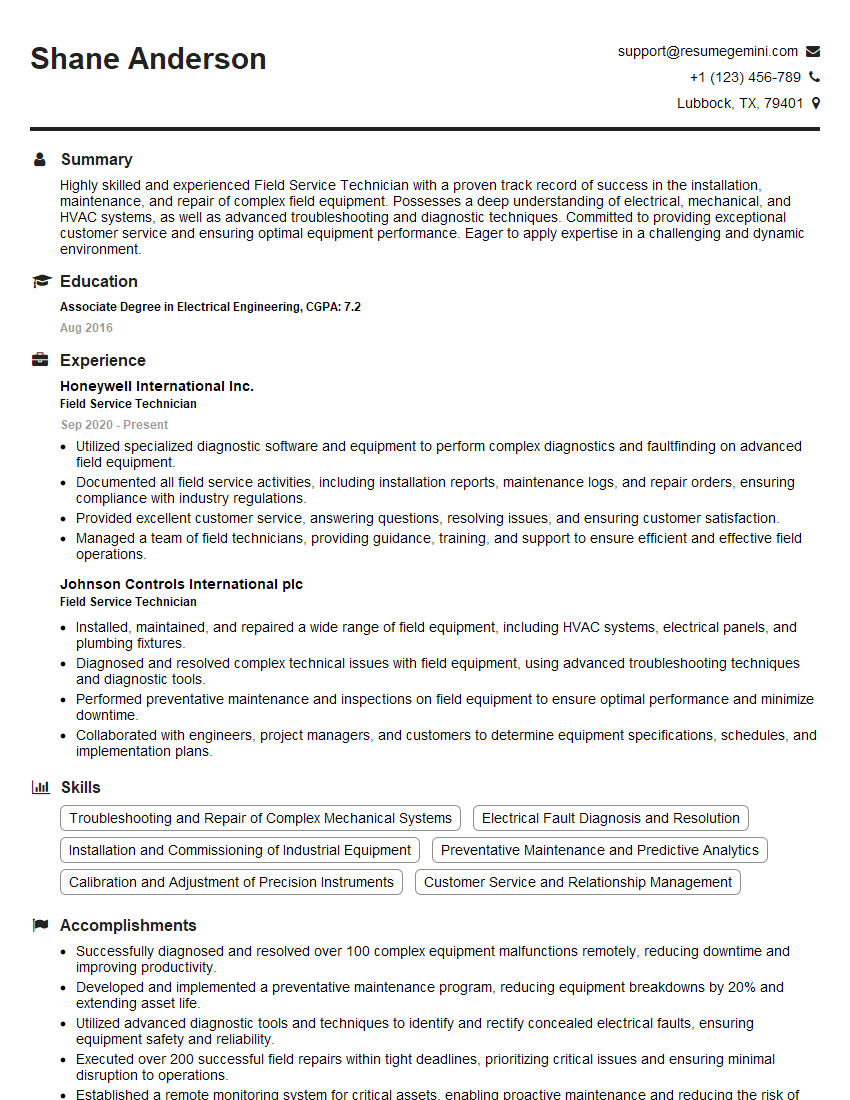
Field Service Technician Resume Sample

Mechanical Technician Resume Sample

Robotics Technician Resume Sample

Manufacturing Technician Resume Sample
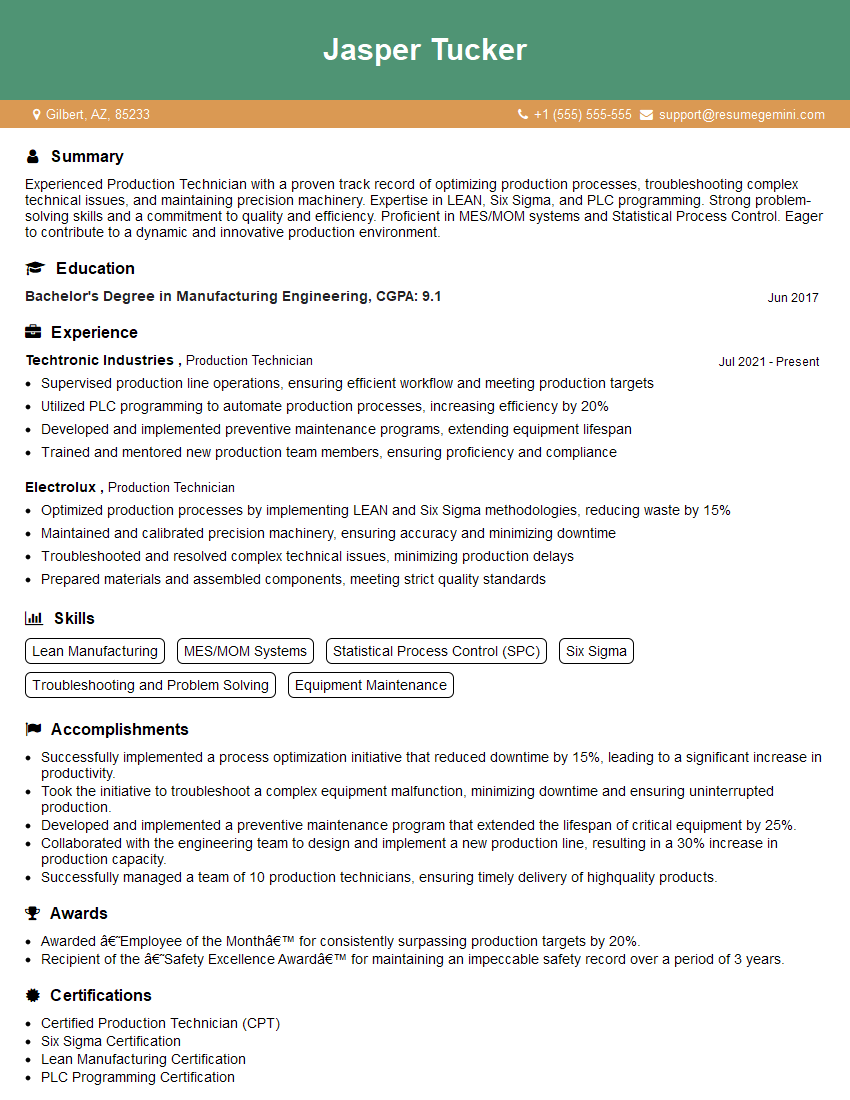
Production Technician Resume Sample

Operations Technician Resume Sample
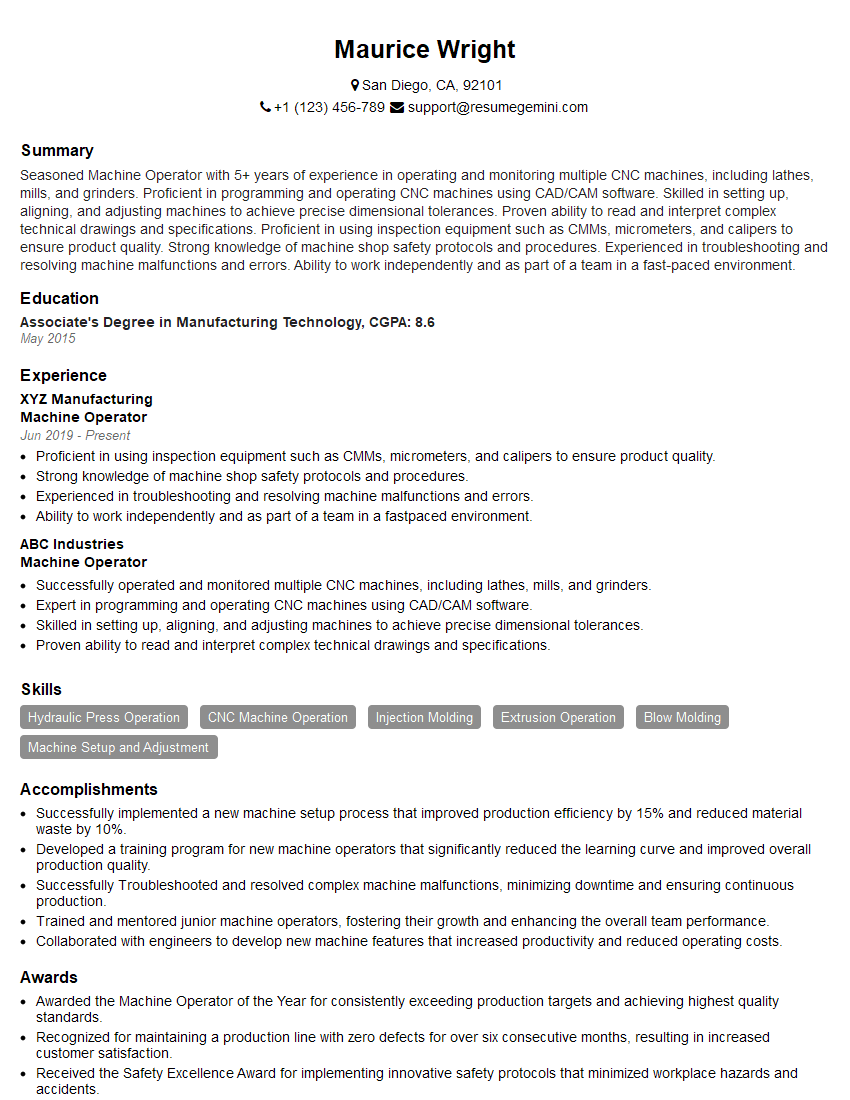
Machine Operator Resume Sample

Assembly Technician Resume Sample
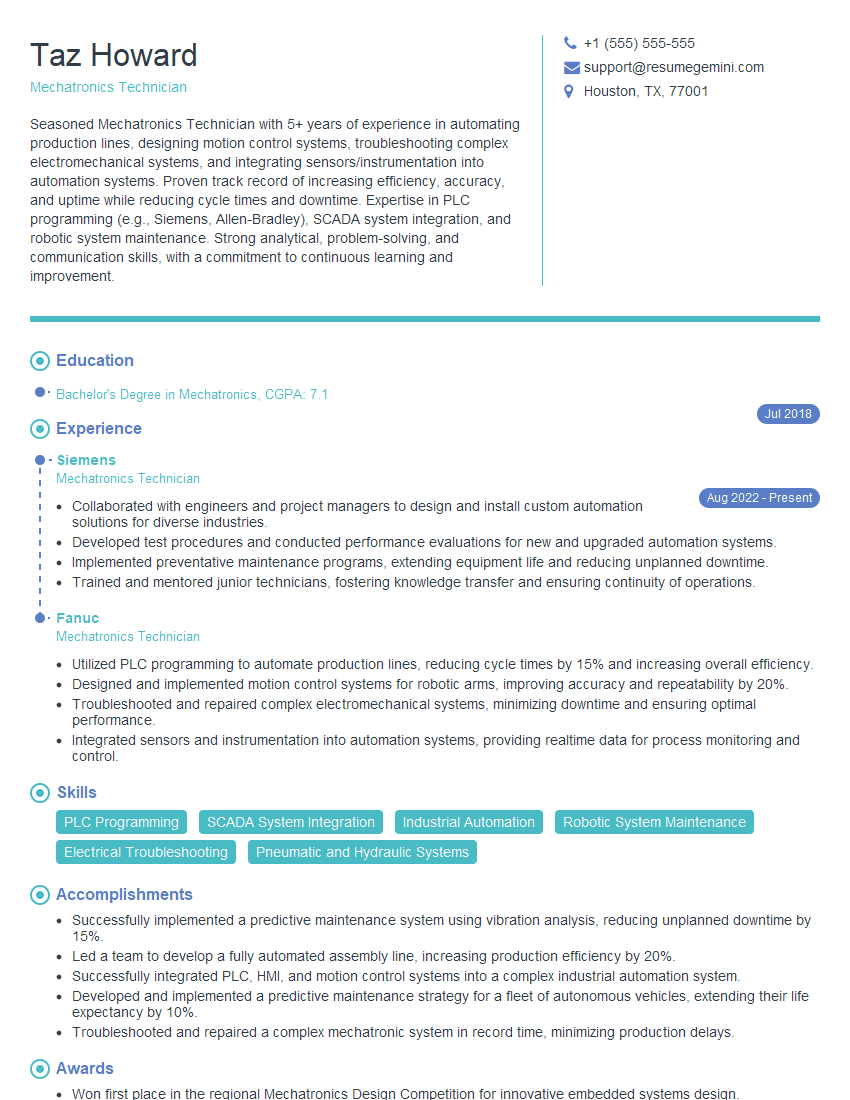
Mechatronics Technician Resume Sample

Industrial Mechanic Resume Sample

Quality Control Inspector Resume Sample
- Maintenance Planner
- Maintenance Supervisor
- Reliability Engineer
- Process Engineer
- Technical Support Specialist
- Maintenance Technician
- Manufacturing Engineer
- Calibration Technician
- Automation Technician
- Field Service Technician
- Mechanical Technician
- Robotics Technician
- Manufacturing Technician
- Production Technician
- Operations Technician
- Machine Operator
- Assembly Technician
- Mechatronics Technician
- Industrial Mechanic
- Quality Control Inspector
Explore more articles
Users Rating of Our Blogs
Share Your Experience
We value your feedback! Please rate our content and share your thoughts (optional).
What Readers Say About Our Blog
Really detailed insights and content, thank you for writing this detailed article.
IT gave me an insight and words to use and be able to think of examples