Interviews are more than just a Q&A session—they’re a chance to prove your worth. This blog dives into essential Roller and Bearing Lubrication interview questions and expert tips to help you align your answers with what hiring managers are looking for. Start preparing to shine!
Questions Asked in Roller and Bearing Lubrication Interview
Q 1. Explain the different types of bearing lubrication methods.
Bearing lubrication methods are crucial for extending bearing lifespan and performance. The choice depends on factors like bearing type, operating conditions, and maintenance accessibility. Common methods include:
- Grease Lubrication: This is the most prevalent method, particularly for slower-speed applications. Grease forms a protective film, preventing metal-to-metal contact. Different grease types exist, each with varying viscosity, operating temperature ranges, and additives. Application can be via grease guns, centralized lubrication systems, or pre-lubricated bearings.
- Oil Lubrication: Ideal for high-speed, high-temperature, or heavily loaded applications. Oil provides better heat dissipation than grease. Methods include oil bath lubrication, oil mist lubrication, and circulating oil systems. Oil bath is simple but can be messy. Oil mist uses less oil but requires a specific system. Circulating systems provide controlled oil flow and temperature regulation.
- Oil-Mist Lubrication: A more efficient method for high-speed bearings, delivering a fine mist of oil directly to the bearing surfaces. It minimizes oil consumption and reduces environmental concerns associated with oil spills.
- Solid Lubrication: This uses solid lubricants like molybdenum disulfide (MoS2) or graphite, typically applied as a coating. It’s suitable for extreme conditions where conventional lubricants fail, such as high temperatures or vacuum environments.
The selection of the most appropriate method requires careful consideration of the specific application requirements.
Q 2. What are the factors to consider when selecting a lubricant for roller bearings?
Selecting the right lubricant for roller bearings is critical for optimal performance and longevity. Key factors to consider include:
- Bearing Type: Different bearing types (ball, cylindrical, tapered, etc.) have different lubrication requirements. For instance, high-speed bearings might necessitate low-viscosity oil, while heavily loaded bearings might require a high-viscosity grease with extreme pressure (EP) additives.
- Operating Speed and Load: High speeds require lubricants with low viscosity to minimize friction and heat generation. Heavy loads necessitate lubricants with high viscosity and EP additives to withstand the pressure.
- Operating Temperature: The lubricant’s operating temperature range must match the bearing’s operating temperature. High-temperature applications need lubricants with high thermal stability. Low-temperature applications require lubricants that remain fluid at low temperatures.
- Environmental Conditions: Exposure to moisture, dust, or chemicals necessitates lubricants with appropriate additives to provide protection against corrosion and contamination. For example, food-grade lubricants might be essential for applications within the food industry.
- Lubricant Type: The choice between grease and oil depends on factors mentioned previously. Grease is better for infrequent lubrication, while oil is suitable for continuous lubrication and high speeds.
- Base Oil: Mineral oils are cost-effective but may degrade faster than synthetic oils. Synthetic oils offer superior performance in extreme conditions but cost more.
Careful consideration of these factors ensures optimal bearing performance and avoids premature failure.
Q 3. Describe the importance of proper lubrication for bearing life.
Proper lubrication is paramount for extending bearing life. It acts as a protective barrier, preventing direct metal-to-metal contact between the bearing components. Without adequate lubrication, several problems arise:
- Increased Friction: Leads to higher operating temperatures, reduced efficiency, and increased power consumption.
- Wear and Tear: Metal-to-metal contact accelerates wear, leading to premature bearing failure.
- Corrosion: Lack of lubrication allows moisture and contaminants to corrode the bearing surfaces.
- Seizure: Extreme friction and heat can cause the bearing to seize, resulting in catastrophic failure.
Think of it like this: imagine a bicycle chain – regular lubrication keeps it smooth and prevents wear. Neglecting lubrication leads to squeaking, increased effort, and eventual chain breakage. Similarly, with bearings, proper lubrication is essential for smooth operation and a long lifespan.
Q 4. How do you determine the correct amount of lubricant for a specific bearing?
Determining the correct lubricant quantity depends on several factors: bearing size, type, speed, and operating conditions. Bearing manufacturers typically provide recommendations in their documentation or catalogs. The amount is usually specified as a volume (e.g., cubic centimeters) or a percentage of the bearing’s internal volume. Some common methods include:
- Manufacturer’s Specifications: Always refer to the manufacturer’s guidelines as the most reliable source.
- Lubricant Charts and Tables: Many lubricant suppliers provide charts and tables that correlate lubricant quantity with bearing size and operating conditions.
- Visual Inspection: For grease lubrication, the bearing housing should be approximately 50% full. However, this is only a general guideline, and manufacturer’s recommendation should always take precedence.
- Level Plugs or Sight Glasses: Some bearing housings have level plugs or sight glasses that allow for visual monitoring of lubricant level.
Over-lubrication can be as detrimental as under-lubrication, leading to churning and increased heat generation. Therefore, accurate measurement is crucial.
Q 5. What are the signs of inadequate or improper bearing lubrication?
Inadequate or improper bearing lubrication manifests in several ways:
- Increased Noise and Vibration: A common symptom, indicating increased friction between bearing components.
- Elevated Operating Temperature: Excessive heat generation is a clear sign of insufficient lubrication.
- Stiffness or Roughness in Operation: The bearing may feel stiff or exhibit rough operation when rotated by hand.
- Visible Signs of Wear or Damage: Inspection may reveal scoring, pitting, or discoloration on the bearing surfaces.
- Reduced Efficiency: Improper lubrication leads to power loss and reduced efficiency.
- Grease Leakage: Excessive grease can indicate over-lubrication or seal damage. Lack of grease indicates under-lubrication.
Detecting these signs early is crucial to prevent catastrophic failure. Regular inspection and preventative maintenance are essential.
Q 6. Explain the concept of bearing lubrication failure modes.
Bearing lubrication failure modes are the different ways in which lubrication can fail to perform its protective role. These can be categorized as:
- Starvation: Insufficient lubricant supply to the bearing surfaces, leading to increased friction and wear. This can be due to inadequate lubrication, incorrect lubrication intervals, or lubricant degradation.
- Contamination: Presence of contaminants such as dust, dirt, or water, which interfere with the lubricating film and accelerate wear. Proper sealing and filtration are crucial to mitigate this.
- Lubricant Degradation: Lubricant properties can degrade over time due to oxidation, high temperatures, or chemical reactions. This results in loss of viscosity and lubricating effectiveness.
- Improper Lubricant Selection: Using a lubricant incompatible with the bearing or operating conditions can lead to premature failure. Always choose the lubricant based on the manufacturer’s recommendations.
- Excessive Lubrication: This leads to churning, generating excessive heat and potentially damaging seals.
Understanding these failure modes is essential for developing effective lubrication strategies and preventative maintenance programs.
Q 7. How do you identify different types of bearing failures related to lubrication?
Identifying lubrication-related bearing failures often involves a combination of visual inspection and analysis. Common signs include:
- Fretting Corrosion: Microscopic wear on the bearing surfaces caused by minute vibrations and insufficient lubrication. This presents as a reddish-brown discoloration.
- Pitting and Scoring: Visible indentations or scratches on the bearing raceways or rollers. This is a clear indication of metal-to-metal contact due to inadequate lubrication.
- Edge Crushing: Damage to the edges of the rollers or raceways, often caused by excessive loads or poor lubrication.
- Spalling: Chipping or flaking of the bearing material, resulting from fatigue or poor lubrication that allows for shock loading.
- Brinelling: Indentations on the bearing surfaces caused by high static loads. While not directly related to lubrication failure, inadequate lubrication exacerbates this issue.
Detailed analysis may require metallurgical examination to determine the root cause of the failure and prevent recurrence.
Q 8. What are the effects of over-lubrication and under-lubrication on bearings?
Both over-lubrication and under-lubrication severely impact bearing performance and lifespan. Think of it like Goldilocks and the Three Bears – you need just the right amount.
Under-lubrication: This leads to increased friction between the bearing components. Imagine trying to ride a bike with a dry chain – it’s rough! This results in increased wear, higher operating temperatures, potential seizing, and ultimately, premature failure. The bearing surfaces can suffer from scuffing or galling, permanently damaging the bearing.
Over-lubrication: This isn’t much better. Excess lubricant can churn, creating heat and excessive pressure within the bearing. This churning can actually damage the lubricant itself, making it less effective. Further, excess lubricant can be flung out, creating a mess and potentially contaminating other parts of the machine. It can also lead to increased seal wear and premature seal failure, allowing contaminants to enter the bearing.
In short: Finding the optimal lubrication level is crucial for maximizing bearing life and efficiency. This requires a careful consideration of the bearing type, operating conditions, and the lubricant’s properties.
Q 9. What are the common types of lubricants used for roller bearings?
The choice of lubricant depends heavily on the operating conditions of the roller bearing – temperature, speed, load, and the environment. Common types include:
- Mineral Oils: These are widely used, cost-effective, and available in various viscosities. They are suitable for many applications but might have limitations at extreme temperatures.
- Synthetic Oils: Offer superior performance at high and low temperatures, better oxidation resistance, and a longer lifespan than mineral oils. They’re often preferred in demanding environments.
- Greases: These are thicker lubricants that provide long-term lubrication and seal the bearing, preventing contamination. Different greases have varying properties, such as lithium-based, calcium-based, or synthetic greases, each suitable for different conditions.
- Solid Lubricants: Such as molybdenum disulfide (MoS2) or graphite, are used in extreme conditions where liquid lubricants may fail, like high temperatures or vacuum.
For example, a high-speed bearing in a high-temperature environment might benefit from a synthetic oil with high thermal stability, while a slowly rotating, heavily loaded bearing might use a thick grease with high load-carrying capacity.
Q 10. Describe the properties of a good bearing lubricant.
A good bearing lubricant possesses several key properties:
- Viscosity: The thickness of the lubricant, crucial for maintaining a proper lubricating film between bearing components. The viscosity needs to be appropriate for the operating speed and load.
- Adhesion: The ability of the lubricant to stick to the bearing surfaces, ensuring continuous lubrication even under high loads.
- Oxidation Resistance: The lubricant should resist degradation from exposure to air and heat, ensuring long-term effectiveness.
- Thermal Stability: The lubricant should maintain its properties over a wide temperature range.
- Load-Carrying Capacity: The ability of the lubricant to withstand high pressures without breaking down.
- Cleanliness: The lubricant must be free from contaminants that can damage the bearing.
Imagine a well-designed engine – the right oil viscosity ensures the parts operate smoothly and efficiently. A bad lubricant is like using the wrong oil – leading to wear and damage.
Q 11. How do you perform a lubrication analysis?
Lubrication analysis involves several steps to assess the condition of the lubricant and the bearing it protects. It’s a systematic approach, not a guess!
- Visual Inspection: Observe the lubricant’s color, consistency, and presence of any contaminants (metal particles, water, etc.).
- Sampling: Take a representative sample of the lubricant for further analysis. This involves using a clean, dry container and following specific procedures to avoid contamination.
- Laboratory Analysis: Send the sample to a laboratory for various tests, including viscosity measurement, acid number determination, particle count analysis, and spectrometric analysis for wear metal detection. This provides a detailed picture of the lubricant’s condition.
- Data Interpretation: Analyze the laboratory results to identify potential issues like lubricant degradation, contamination, or excessive wear. This might indicate a problem with the lubricant itself or with the bearing.
- Corrective Actions: Based on the analysis, take appropriate actions, such as lubricant replacement, bearing inspection, or adjustments to the lubrication system.
Regular lubrication analysis helps identify problems before they lead to catastrophic failure, saving significant time and money.
Q 12. Explain the importance of lubricant cleanliness.
Lubricant cleanliness is paramount for bearing health. Contaminants like dust, metal particles, or water can act as abrasives, dramatically increasing wear and tear on the bearing surfaces. Think of sandpaper rubbing against delicate metal parts – not good!
Contamination can lead to:
- Increased friction and heat.
- Premature bearing failure.
- Reduced bearing life.
Maintaining lubricant cleanliness involves practices like using clean handling procedures, employing filtration systems in lubrication systems, and regularly inspecting the lubricant for contaminants.
Q 13. How do you implement a preventative maintenance program for bearing lubrication?
A preventative maintenance program for bearing lubrication focuses on proactive measures to prevent failures rather than reacting to problems. It’s about being prepared!
Key elements of such a program include:
- Establishing a Lubrication Schedule: Define a regular schedule for lubrication based on the bearing type, operating conditions, and lubricant recommendations.
- Proper Lubricant Selection: Choose the right lubricant type and viscosity for the specific application, considering factors like temperature, speed, and load.
- Regular Inspection: Regularly inspect bearings and the lubrication system for leaks, contamination, or unusual noise or vibrations.
- Lubrication Analysis: Implement a lubrication analysis program to monitor lubricant condition and identify potential problems early.
- Training: Train personnel on proper lubrication techniques and safety procedures.
- Record Keeping: Maintain detailed records of lubrication activities, including dates, lubricant type, quantity, and any observations.
A well-structured program significantly reduces downtime, extends bearing life, and minimizes maintenance costs.
Q 14. Describe different types of lubrication systems.
Various lubrication systems cater to different needs and applications:
- Manual Lubrication: Simplest method, using grease guns or oil cans. Suitable for infrequent lubrication of slow-speed bearings.
- Drip Feed Lubrication: A simple system that delivers lubricant at a controlled rate via a drip feed mechanism. Used for slow-to-moderate speed applications.
- Wick Feed Lubrication: Uses a wick to draw lubricant from a reservoir to the bearing. Suitable for relatively low-speed applications.
- Circulating Oil Systems: A pump circulates oil through the bearings, providing continuous lubrication and cooling. Ideal for high-speed, high-load applications.
- Grease Lubrication Systems: Utilize grease guns or centralized systems to deliver grease to multiple bearings simultaneously. Suitable for applications requiring infrequent lubrication but robust protection.
- Spray Lubrication Systems: Atomize and spray lubricant directly onto the bearing surfaces. Effective for high-speed applications.
The choice of system depends on the application’s complexity, the number of bearings, and the desired level of automation.
Q 15. How do you troubleshoot a bearing lubrication problem?
Troubleshooting a bearing lubrication problem involves a systematic approach. First, we need to identify the symptoms. Is the bearing exhibiting excessive noise (growling, squealing, rumbling)? Is there increased vibration? Are we seeing premature wear or failure? Is there evidence of overheating (discoloration)? Once the symptom is pinpointed, we can move to the cause.
Possible causes include insufficient lubrication, contaminated lubricant, improper lubricant type, incorrect lubrication method, or even a bearing defect itself. Let’s say we’re hearing a growling noise from a roller bearing in a conveyor system. We would:
- Inspect the lubricant: Check the quantity and condition of the grease. Is it fresh, or is it old, dry, and contaminated with debris? A visual inspection, often aided by a magnifying glass, is a crucial first step.
- Assess the lubrication method: How was the grease applied? Was it correctly done using the right equipment or method for that bearing type? Was the amount of grease appropriate for the bearing and operating conditions?
- Check bearing temperature: Using a non-contact thermometer, measure the bearing’s temperature. Significant increases above the operating temperature suggest frictional heat due to lubrication issues.
- Examine the bearing: If possible, carefully dismantle the bearing to inspect for damage, such as pitting, flaking, or scoring on the rolling elements or raceways. This may require specialized tools.
- Consider environmental factors: Dust, moisture, or extreme temperatures can significantly impact lubrication effectiveness.
Based on the findings, we can select the most effective solution, which might involve regreasing, changing the lubricant type, adjusting the lubrication schedule, or replacing the bearing entirely. Accurate record keeping of lubrication procedures is paramount for effective troubleshooting.
Career Expert Tips:
- Ace those interviews! Prepare effectively by reviewing the Top 50 Most Common Interview Questions on ResumeGemini.
- Navigate your job search with confidence! Explore a wide range of Career Tips on ResumeGemini. Learn about common challenges and recommendations to overcome them.
- Craft the perfect resume! Master the Art of Resume Writing with ResumeGemini’s guide. Showcase your unique qualifications and achievements effectively.
- Don’t miss out on holiday savings! Build your dream resume with ResumeGemini’s ATS optimized templates.
Q 16. What are the safety precautions associated with handling lubricants?
Handling lubricants requires stringent safety precautions due to their potential hazards. These hazards vary depending on the specific lubricant, but common concerns include flammability, toxicity, and skin irritation.
- Personal Protective Equipment (PPE): Always wear appropriate PPE, including gloves (nitrile or neoprene are recommended), safety glasses, and potentially a respirator, depending on the lubricant’s volatile organic compound (VOC) content and the work environment. Long sleeves and pants are also recommended.
- Proper ventilation: Ensure adequate ventilation in the work area to prevent the buildup of flammable or toxic fumes. Consider using local exhaust ventilation systems when necessary.
- Fire safety: Keep fire extinguishers readily available, especially when working with oil-based lubricants. Know how to use them properly. Never work with lubricants near open flames or sparks.
- Spill containment: Have absorbent materials readily available to quickly clean up any spills. Dispose of contaminated materials following local environmental regulations.
- Material Safety Data Sheets (MSDS): Always consult the MSDS for the specific lubricant being used. The MSDS provides crucial information on handling, storage, emergency procedures, and potential health effects.
- Hygiene: Wash hands thoroughly with soap and water after handling lubricants. Avoid touching your face or eyes.
Following these precautions minimizes risks and creates a safer work environment. Remember, proper training and compliance are essential for safe lubricant handling.
Q 17. Explain the concept of grease consistency and its impact on bearing performance.
Grease consistency, often expressed using the National Lubricating Grease Institute (NLGI) numbers (000 to 6), signifies its hardness or stiffness. A lower NLGI number indicates softer grease, while a higher number denotes harder grease. This consistency significantly impacts bearing performance.
Impact on Bearing Performance:
- Lubrication Film Thickness: Softer greases (lower NLGI) tend to form thinner lubricating films, which are better suited for high-speed applications where less churning and heat generation are desired. However, they may not offer adequate protection against heavy loads.
- Load Capacity: Harder greases (higher NLGI) offer better protection against high loads, but can be less effective at high speeds, leading to increased friction and heat.
- Pumping Action: The consistency affects the grease’s ability to be pumped or transferred within the bearing. Softer greases flow more easily, but harder greases provide better adhesion and longer service life under static conditions.
- Operating Temperature: Grease consistency can change significantly with temperature. A grease that is perfectly suitable at room temperature may become too hard at low temperatures or too soft at high temperatures, negatively impacting lubrication.
Example: A high-speed motor bearing might benefit from a lower NLGI grease (e.g., NLGI 2) for better film formation and reduced heat generation. In contrast, a heavily loaded gear bearing might require a higher NLGI grease (e.g., NLGI 3 or 4) for enhanced load-carrying capacity.
Choosing the correct consistency is crucial for optimal bearing performance and longevity. Incorrect grease consistency can lead to premature wear, increased friction, heat generation, and bearing failure.
Q 18. How does temperature affect bearing lubrication?
Temperature significantly influences bearing lubrication. Both high and low temperatures can negatively affect the performance of the lubricant.
High Temperatures: Elevated temperatures can cause grease to thin, reducing its viscosity and leading to insufficient lubrication film thickness. This results in increased friction, heat generation, and potential bearing damage. The grease may even break down, losing its lubricating properties. In extreme cases, the grease can oxidize, leading to gum formation and increased friction.
Low Temperatures: Low temperatures can cause grease to thicken, making it difficult to pump or distribute within the bearing. This can lead to starvation of the bearing surfaces and increased wear. The grease may become too stiff to properly lubricate the moving parts. In extreme cold, the grease might even solidify, completely failing to provide lubrication.
Impact on Lubricant Selection: The operating temperature range is a crucial factor to consider when selecting a lubricant. Special greases designed for high or low temperature applications are available to ensure proper lubrication across a wider temperature range. These lubricants have additives that help maintain their consistency and performance over a broader temperature span.
Example: A bearing operating in an outdoor environment during winter might require a grease with good low-temperature performance, while a bearing in a high-speed industrial motor might need a grease that can withstand high temperatures without degrading.
Q 19. Describe different methods for applying grease to bearings.
Several methods exist for applying grease to bearings, each with its advantages and disadvantages.
- Manual Greasing: Using a grease gun is a common method for manual application. This allows for precise control over the amount of grease applied, but it’s labor-intensive and can be inconsistent if not done carefully. It’s suitable for easily accessible bearings.
- Lubrication Fittings (Zerk Fittings): These fittings are installed on bearings and allow for easy grease application using a grease gun. This ensures grease is directly delivered to the bearing, minimizing waste and contamination.
- Grease Cups: These reservoirs hold a supply of grease that gradually feeds into the bearing over time. They provide a constant supply of grease but may require more frequent refilling and are less suitable for high-speed applications.
- Automatic Lubrication Systems: These systems deliver grease automatically at set intervals, providing consistent lubrication without manual intervention. They are ideal for applications with multiple bearings or those requiring frequent lubrication. This can involve centralized systems or individual lubricators for each bearing.
- Oil Bath Lubrication: Bearings are submerged in oil, providing continuous lubrication. This is effective for some applications but can require more maintenance and may not be suitable for all bearing types or operating speeds.
The choice of method depends on factors like accessibility, bearing type, operating conditions, and maintenance requirements. For example, automatic lubrication is ideal for large machines with numerous bearings, while manual greasing is more suitable for smaller, easily accessible bearings in less critical equipment.
Q 20. What is the role of a lubrication management system?
A lubrication management system is crucial for optimizing lubrication practices and minimizing downtime in industrial settings. It integrates various aspects of lubrication, from lubricant selection and storage to application and monitoring. Think of it as the central nervous system for all your lubrication needs.
Key Roles:
- Centralized Lubricant Storage and Distribution: This simplifies inventory management, minimizes the risk of using incorrect lubricants, and improves overall efficiency.
- Automated Lubrication: As mentioned earlier, automated systems ensure consistent and timely lubrication, reducing manual labor and the potential for human error.
- Condition Monitoring: Data collected on lubricant condition (e.g., viscosity, contamination) provides insights into bearing health and allows for proactive maintenance.
- Preventive Maintenance Scheduling: The system assists in planning lubrication schedules based on operating conditions and lubricant degradation, optimizing bearing life and preventing unexpected failures.
- Record Keeping and Reporting: Detailed logs of lubricant usage, maintenance procedures, and bearing conditions provide valuable data for analysis and improvement.
- Cost Savings: Reduced lubricant waste, preventive maintenance reducing downtime and replacement costs, all lead to significant cost savings in the long run.
Implementing a well-designed lubrication management system can dramatically improve equipment reliability, extend the life of bearings, and reduce overall maintenance costs. This is achieved through proactive strategies instead of reactive repairs.
Q 21. How do you interpret a bearing lubrication chart?
Bearing lubrication charts provide recommendations for the type and quantity of lubricant to use for specific bearings under various operating conditions. They are essential tools for ensuring proper lubrication.
Interpreting a Lubrication Chart: A typical chart includes the following information:
- Bearing Type and Size: The chart will specify the types of bearings (e.g., ball bearings, roller bearings) and their dimensions.
- Operating Conditions: Factors like speed, load, temperature, and operating environment will influence the recommended lubricant.
- Lubricant Type: The chart will specify the appropriate lubricant type (e.g., grease, oil), including its viscosity grade and other properties such as NLGI number for greases.
- Lubrication Interval: This indicates the frequency of lubrication, which can vary depending on the operating conditions.
- Quantity of Lubricant: The chart might specify the amount of lubricant to apply, typically expressed as weight or volume.
- Application Method: The chart may suggest a suitable lubrication method (manual, automatic).
Example: Let’s say we have a chart showing that a specific size ball bearing operating at high speed and high temperature requires a specific type of grease (e.g., a high-temperature lithium complex grease with an NLGI grade 2) to be applied every 500 operating hours using a grease gun. We need to closely adhere to these guidelines for optimal bearing performance and longevity.
Using the lubrication chart correctly ensures the bearing receives the right type and amount of lubricant at the right intervals, maintaining its efficiency and extending its lifespan.
Q 22. Explain the importance of regular lubrication inspections.
Regular lubrication inspections are crucial for preventing premature bearing failure and ensuring the smooth, efficient operation of machinery. Think of it like a regular health check-up for your equipment. Neglecting these inspections can lead to costly downtime and repairs.
- Visual Inspection: Look for signs of leakage, discoloration, or unusual buildup of lubricant. Check for any signs of damage or wear on the bearing housing or seals.
- Lubricant Level Check: Ensure the lubricant is at the correct level. Too little lubricant can lead to friction and overheating, while too much can cause churning and contamination.
- Temperature Monitoring: Elevated bearing temperatures indicate potential issues, such as insufficient lubrication, misalignment, or excessive load. Infrared thermometers are extremely useful for this task.
- Consistency Check: The lubricant’s consistency should be within the manufacturer’s specified range. Changes in consistency can signal contamination or degradation.
For example, in a manufacturing plant, a routine inspection might reveal a slight lubricant leak in a conveyor roller bearing. Addressing this early prevents a catastrophic bearing failure that could halt production for hours.
Q 23. What are the consequences of using the wrong lubricant?
Using the wrong lubricant can have devastating consequences, leading to premature bearing failure and significant financial losses. The wrong viscosity, for instance, can result in inadequate lubrication, causing excessive friction and heat. This can lead to scoring, pitting, and ultimately, bearing seizure. Incompatible lubricants can also cause chemical reactions, leading to lubricant breakdown and component damage.
- Viscosity Mismatch: Using a lubricant with a viscosity too low might result in insufficient lubrication film thickness, whereas one with too high a viscosity might hinder proper lubrication and lead to increased power consumption and heat generation.
- Incompatibility: Mixing different lubricant types (e.g., mineral oil with synthetic oil) can result in separation or chemical reactions, negating the protective properties of the lubricant.
- Incorrect Additives: The absence of necessary extreme pressure (EP) additives in high-load applications can result in premature wear and scuffing.
Imagine using a grease designed for high temperatures in a low-temperature environment. The grease might become too stiff, hindering proper lubrication and leading to bearing failure.
Q 24. Describe the importance of environmental considerations in bearing lubrication.
Environmental considerations are paramount in bearing lubrication. Choosing environmentally friendly lubricants reduces the impact on ecosystems and human health. This involves selecting biodegradable lubricants, minimizing lubricant consumption through optimized lubrication practices, and implementing proper disposal methods. Ignoring these aspects can lead to soil and water contamination, impacting the surrounding environment and potentially leading to regulatory non-compliance and hefty fines.
- Biodegradability: Opt for lubricants that break down naturally, reducing their environmental footprint.
- Toxicity: Consider the toxicity of the lubricant and its potential impact on wildlife and humans. Some lubricants contain harmful substances that can cause long-term damage if released into the environment.
- Waste Reduction: Efficient lubrication practices, such as optimized lubrication schedules and the use of centralized lubrication systems, help minimize lubricant waste and disposal needs.
For example, in a wind turbine application, using a biodegradable lubricant is crucial to minimize the impact of potential leaks on the surrounding ecosystem.
Q 25. How do you manage lubricant disposal in a safe and environmentally responsible way?
Safe and responsible lubricant disposal is essential for environmental protection and regulatory compliance. Improper disposal can contaminate soil and water sources, posing significant risks to both the environment and human health. The process typically involves several steps:
- Proper Collection: Collect used lubricant in designated containers, preventing spills and leaks.
- Separation: Separate used lubricant from other waste streams to prevent contamination.
- Recycling or Disposal: Partner with a licensed waste management company that specializes in used lubricant recycling or disposal according to local regulations. Many companies offer recycling programs, reducing the environmental impact.
- Documentation: Maintain detailed records of lubricant disposal, including quantities and disposal methods, for compliance purposes.
Failing to comply with regulations can result in significant fines and legal repercussions. A well-documented disposal program demonstrates environmental responsibility and regulatory compliance.
Q 26. Explain the difference between rolling element and journal bearing lubrication.
Rolling element bearings (ball bearings, roller bearings) and journal bearings (sleeve bearings, plain bearings) require different lubrication approaches due to their fundamentally different designs and operating principles.
- Rolling Element Bearings: These bearings utilize rolling elements (balls or rollers) to minimize friction. Lubrication aims to separate these elements from the raceways, reducing friction and wear. Lubricants can be grease or oil, often chosen based on speed, load, and operating temperature.
- Journal Bearings: These bearings rely on a hydrodynamic film of lubricant to separate the journal (rotating shaft) from the bearing surface. The lubricant forms a pressure wedge, supporting the load and reducing friction. Oil is the primary lubricant used in journal bearings due to its ability to generate this hydrodynamic film.
Think of it like this: rolling element bearings are like marbles rolling on a track, needing a thin layer of lubricant to minimize contact. Journal bearings are like two smooth surfaces separated by a cushion of oil, requiring a continuous supply for effective operation.
Q 27. Discuss the application of predictive maintenance technologies in bearing lubrication.
Predictive maintenance technologies significantly improve bearing lubrication management. These technologies allow for the proactive identification of potential problems, preventing costly downtime and unexpected failures. This reduces the risk of catastrophic failures caused by inadequate lubrication.
- Vibration Analysis: Detects subtle changes in bearing vibration patterns indicative of wear, misalignment, or lubricant degradation.
- Oil Analysis: Analyzing used lubricant samples reveals the presence of wear particles, contaminants, and changes in lubricant properties, indicating potential issues. This is incredibly useful for identifying early stages of component degradation.
- Temperature Monitoring: Continuous temperature monitoring identifies abnormal heating, indicating insufficient lubrication or other problems.
By employing these technologies, maintenance schedules can be optimized, and lubricant changes can be planned proactively, maximizing equipment lifespan and minimizing maintenance costs. For example, vibration analysis might reveal an impending bearing failure weeks before a catastrophic event, allowing for preventative maintenance.
Q 28. Describe your experience with different types of bearing seals and their impact on lubrication.
Bearing seals play a vital role in maintaining effective lubrication by preventing lubricant leakage and contaminant ingress. Different seal types offer various levels of protection and suitability depending on the application and operating conditions.
- Contact Seals (Lip Seals): These are commonly used and relatively inexpensive. They create a friction seal and are effective for moderate speeds and pressures. However, they require sufficient lubricant to prevent wear and heat generation. Friction is increased by increased operating speed.
- Non-contact Seals (Magnetic, Labyrinth): These seals minimize friction and are suitable for high-speed applications. They are less effective at preventing lubricant leakage compared to contact seals. They generally require additional sealing technology.
- Face Seals: Used in high-pressure applications, these seals rely on a precise contact between two flat faces, often combined with a secondary seal for superior sealing performance.
The choice of seal significantly impacts lubrication. A poorly designed or damaged seal can lead to lubricant loss, contaminant ingress, and ultimately, premature bearing failure. Proper seal selection and maintenance are crucial for ensuring effective bearing lubrication.
Key Topics to Learn for Roller and Bearing Lubrication Interview
- Lubricant Selection: Understanding viscosity grades, base oils (mineral, synthetic), additives (EP, anti-wear), and their impact on bearing performance under varying operating conditions (temperature, speed, load).
- Lubrication Methods: Exploring different lubrication techniques such as grease lubrication (centralized, manual), oil bath lubrication, oil mist lubrication, and their suitability for different bearing types and applications. This includes understanding the advantages and disadvantages of each method.
- Bearing Failure Analysis: Developing the ability to identify common causes of bearing failure (e.g., inadequate lubrication, contamination, improper installation, excessive load) and to interpret wear patterns for troubleshooting and preventative maintenance.
- Tribology Fundamentals: Gaining a solid understanding of friction, wear, and lubrication principles as they relate to roller and bearing systems. This includes concepts like boundary lubrication, hydrodynamic lubrication, and elastohydrodynamic lubrication.
- Practical Applications: Applying theoretical knowledge to real-world scenarios. Consider examples across diverse industries like automotive, aerospace, manufacturing, and energy, focusing on how lubrication choices impact efficiency, lifespan, and maintenance costs.
- Maintenance and Monitoring: Discussing preventative maintenance strategies, lubrication schedules, and condition monitoring techniques (e.g., vibration analysis, oil analysis) to ensure optimal bearing performance and avoid costly downtime.
- Industry Standards and Regulations: Familiarizing yourself with relevant industry standards and regulations related to lubrication practices and safety protocols.
Next Steps
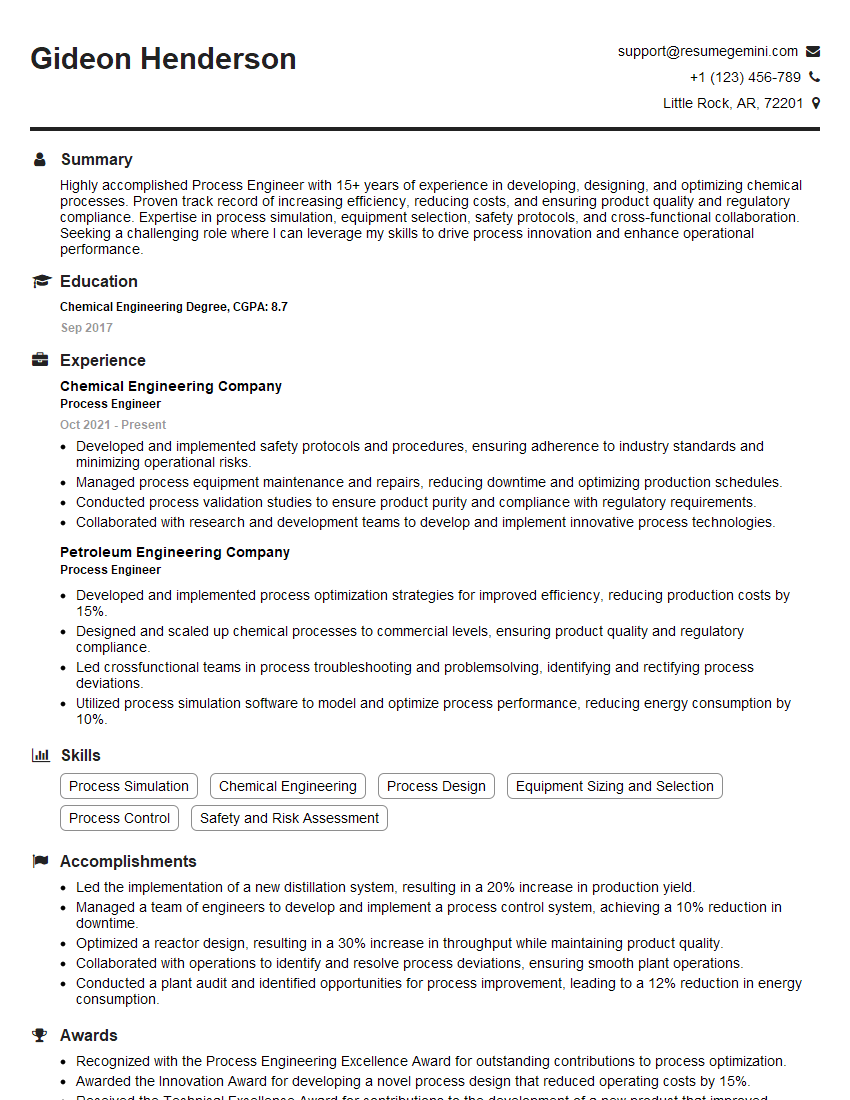
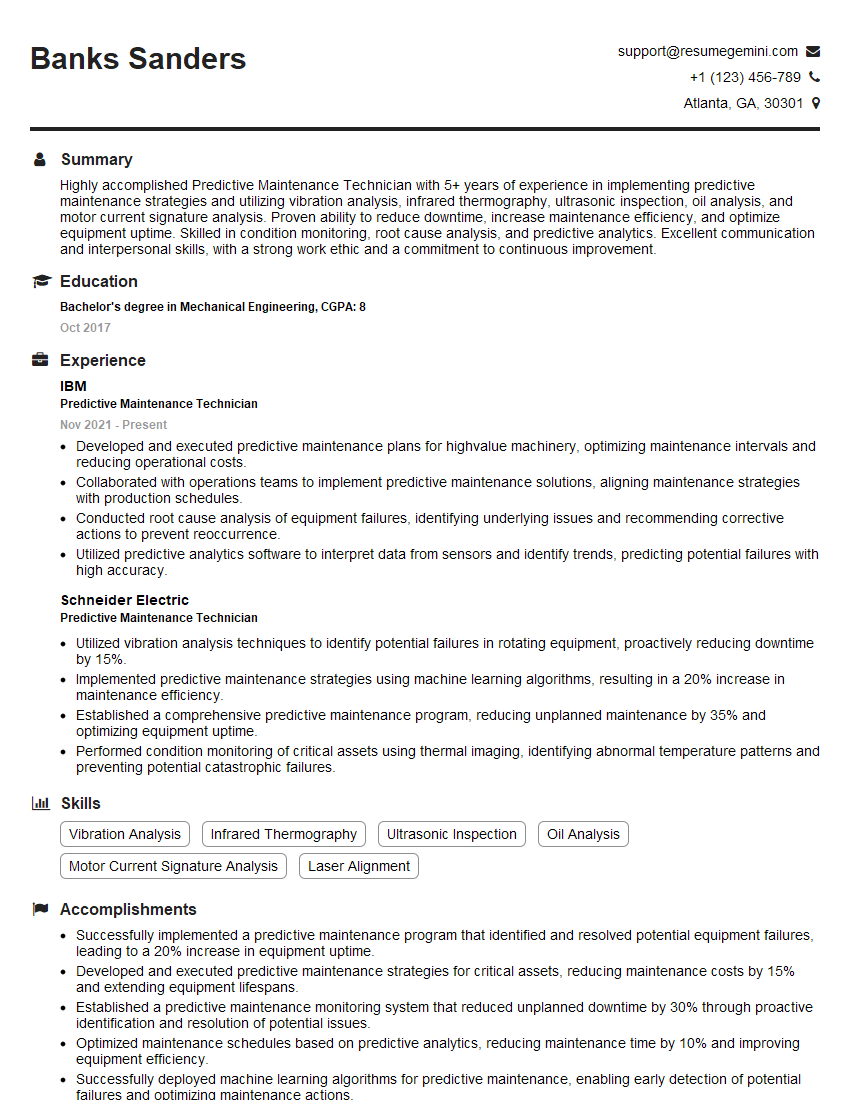
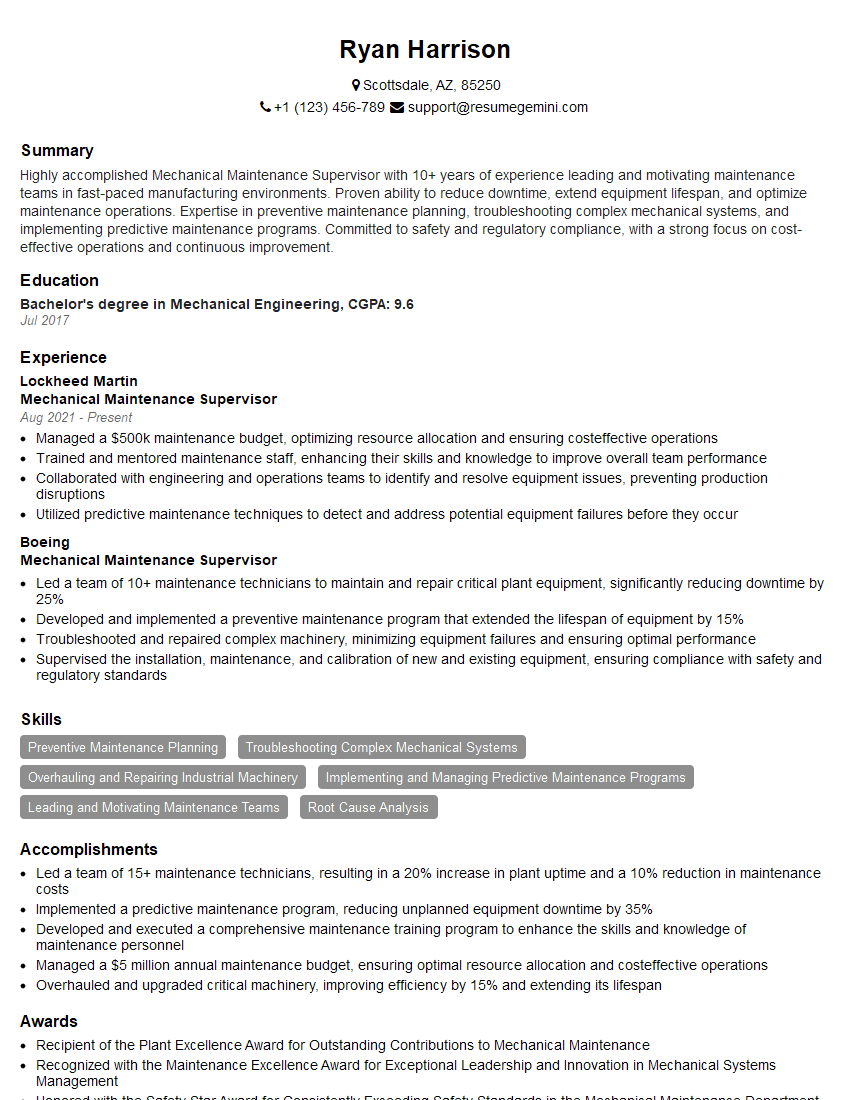
Mastering roller and bearing lubrication is crucial for career advancement in many high-demand industries. A strong understanding of these principles demonstrates valuable technical expertise and problem-solving skills, opening doors to more senior roles and higher earning potential. To maximize your job prospects, creating a professional, ATS-friendly resume is essential. ResumeGemini is a trusted resource to help you build a compelling resume that highlights your skills and experience effectively. Examples of resumes tailored to the Roller and Bearing Lubrication field are available to guide you through the process. Invest time in crafting a standout resume – it’s your first impression with potential employers.


Explore more articles
Users Rating of Our Blogs
Share Your Experience
We value your feedback! Please rate our content and share your thoughts (optional).
What Readers Say About Our Blog
Really detailed insights and content, thank you for writing this detailed article.
IT gave me an insight and words to use and be able to think of examples