Feeling uncertain about what to expect in your upcoming interview? We’ve got you covered! This blog highlights the most important Safe Operation of Milling Machines interview questions and provides actionable advice to help you stand out as the ideal candidate. Let’s pave the way for your success.
Questions Asked in Safe Operation of Milling Machines Interview
Q 1. What are the main safety precautions when operating a milling machine?
Operating a milling machine safely requires a multi-faceted approach, encompassing preparation, procedure, and awareness. Think of it like piloting an airplane – thorough checks and adherence to protocols are critical.
- Personal Protective Equipment (PPE): Always wear safety glasses or a face shield, hearing protection, and appropriate clothing (no loose clothing or jewelry). Imagine a small chip flying into your eye – that’s why protection is paramount.
- Machine Inspection: Before each use, carefully inspect the machine for any damage, loose parts, or leaks. A quick visual check prevents potential accidents.
- Workpiece Securing: Securely clamp the workpiece to the machine table to prevent movement during operation. A moving workpiece can lead to catastrophic results.
- Tooling and Clamping: Ensure milling cutters are properly sharpened and securely clamped in the spindle. A loose cutter is a recipe for disaster.
- Emergency Stops: Familiarize yourself with the location and operation of the emergency stop buttons. Knowing where they are is crucial in a crisis.
- Clear Workspace: Keep the workspace clean and organized, free from obstructions. A cluttered workspace increases the risk of accidents.
- Safe Handling of Materials: Handle workpieces and cutting tools with care to avoid injuries. Sharp edges and heavy materials require respect.
- Never reach into the cutting zone while the machine is running. This seems obvious, but it’s a common cause of accidents.
Q 2. Explain the different types of milling cutters and their applications.
Milling cutters come in various types, each designed for specific applications. Think of them as specialized tools for different sculpting jobs.
- Face Mills: Used for facing operations, creating flat surfaces. Imagine squaring off the top of a block of metal.
- End Mills: Versatile cutters used for a range of operations, including profiling, slotting, and pocketing. These are the all-purpose tools.
- Slab Mills: Primarily used for heavy-duty milling, removing large amounts of material quickly. Think of these as the bulldozers of the milling world.
- Ball Nose End Mills: Produce smooth, contoured surfaces and are often used for 3D machining. These are great for curved shapes.
- Forming Cutters: Create specific shapes or profiles on a workpiece. Each cutter makes a unique design.
The choice of cutter depends on factors like the material being machined, the desired finish, and the type of operation being performed. For instance, a hard material might require a tougher carbide cutter, while a softer material could use a high-speed steel cutter.
Q 3. How do you select the appropriate cutting speed and feed rate for a given material and cutter?
Selecting the right cutting speed (surface speed, or SFPM) and feed rate is critical for efficient and safe milling. Getting this wrong can lead to broken tools or a poor surface finish.
Cutting speed (SFPM) is determined by the material being machined and the cutter material. There are readily available charts and calculators that provide suggested speeds based on material and cutter type. For example, Aluminum typically has a higher cutting speed than steel.
Feed rate is the speed at which the cutter moves across the workpiece. It’s measured in inches per minute (IPM) or millimeters per minute. A slower feed rate produces a better finish but takes longer, while a faster feed rate is faster but may produce a rougher finish or damage the cutter.
Experimentation and experience are key to mastering this aspect. Start with conservative settings, monitor the results, and adjust accordingly. Always consider the machine’s power capabilities to avoid overloading it.
Q 4. Describe the process of setting up a milling machine for a specific job.
Setting up a milling machine involves a precise sequence of steps to ensure accurate and safe operation. This process requires attention to detail and good organizational skills.
- Workpiece Mounting: Securely mount the workpiece onto the machine table, ensuring it’s properly aligned and clamped to prevent movement during the cutting process. Accurate positioning is crucial for achieving the desired results.
- Tool Selection and Mounting: Choose the appropriate milling cutter based on the material and the operation. Ensure it’s securely clamped into the spindle.
- Machine Zeroing: Set the machine’s zero point (the origin for all coordinates) accurately. This is usually done using a dial indicator or a digital readout system.
- Program Entry/Setup: If using Computer Numerical Control (CNC), input the program for the desired operation. In manual operation, use the hand wheels for precise movements.
- Test Run (Optional): A test run at low speed without full depth of cut can be beneficial to check alignment and prevent errors before proceeding with the full machining operation.
- Spindle Speed and Feed Rate Setting: Set the spindle speed and feed rate based on the material, cutter, and operation. Refer to the previously discussed recommendations and your experience.
Q 5. How do you check for workpiece alignment and machine accuracy before starting a milling operation?
Checking workpiece alignment and machine accuracy is crucial to prevent errors and damage. It’s like ensuring a foundation is level before building a house.
- Workpiece Alignment: Use precision measuring tools such as dial indicators or edge finders to check the squareness and parallelism of the workpiece relative to the machine axes. Any misalignment could lead to inaccurate cuts and potentially cause damage.
- Machine Accuracy: Check the machine’s accuracy by performing a test run on a piece of scrap material. Measure the dimensions of the machined surface to confirm that the machine is operating within its specified tolerances. This helps verify machine functionality and prevents wasting expensive materials.
- Runout Check: Verify the spindle runout with a dial indicator to ensure it is within acceptable limits. Excessive runout could lead to poor surface finish and damage to the cutter and workpiece.
Q 6. What are the common causes of milling machine chatter and how can you mitigate them?
Milling machine chatter is a vibration that occurs during machining, resulting in a poor surface finish and potentially damaging the cutter and the workpiece. It sounds like a high-pitched whine or squeal.
- Excessive Cutting Depth: Too deep a cut can cause chatter. Reduce the depth of cut incrementally.
- Improper Cutting Speed/Feed Rate: Incorrect speed and feed can induce chatter. Optimize these parameters.
- Workpiece Deflection: A weak or poorly supported workpiece can deflect under cutting forces, promoting chatter. Use proper clamping and workholding.
- Tool Wear: Worn or damaged cutters can generate chatter. Replace or resharpen the cutter.
- Machine Stiffness: A lack of machine rigidity can amplify vibrations. Ensure the machine is properly maintained and is sufficiently stiff for the operation.
Mitigating chatter involves experimentation and adjustment. You may need to modify cutting parameters, improve work holding, or address machine maintenance issues to reduce vibrations.
Q 7. Explain the importance of proper tool clamping and securing.
Proper tool clamping and securing are paramount for safe and efficient milling operations. A loose cutter is a major safety hazard.
Ensure the cutter is firmly clamped in the spindle, using the appropriate clamping mechanisms and torque values. Insufficient clamping can cause the cutter to slip or break during operation, leading to accidents and workpiece damage. Always use the correct tooling and torque wrenches to maintain safety and accuracy. Over-tightening can damage the cutter and spindle.
Regularly inspect the clamping mechanism for wear and tear. A worn mechanism may fail to secure the tool correctly. Replace or repair worn parts as needed. Proper clamping is fundamental; don’t compromise on safety for speed.
Q 8. How do you handle tool breakage during milling operations?
Tool breakage during milling is a serious concern, potentially leading to machine damage, injury, and production downtime. The first step is prevention – ensuring proper tool selection for the material being machined, using appropriate speeds and feeds, and regularly inspecting tools for wear. However, breakage can still occur. If it does, immediately stop the machine and engage the emergency stop button. Never attempt to remove a broken tool while the machine is running. After power is off, carefully assess the situation. If the broken piece is easily accessible and doesn’t pose a significant hazard, you can use specialized tools like tool holders with magnetic inserts to carefully retrieve the fragment. If the piece is embedded deeply or difficult to reach, it’s best to consult a qualified machinist or maintenance personnel. They might employ more advanced techniques, like using a reverse-rotation method to dislodge the fragment or using specialized extraction tools. In either case, a thorough inspection of the machine, including the spindle and chuck, is crucial before resuming operations.
For instance, I once had a carbide end mill break while milling a high-strength steel component. The machine stopped immediately thanks to the built-in safety mechanisms, and we carefully extracted the broken segments using a specialized extraction tool. After a complete machine inspection, we were able to resume work with minimal disruption.
Q 9. Describe the different types of milling operations (e.g., face milling, end milling, slot milling).
Milling operations involve removing material from a workpiece using a rotating cutter. Several key types exist, each suited for different applications:
- Face Milling: This operation uses a cutter with multiple teeth to create a flat, planar surface. Imagine making a perfectly level tabletop – that’s face milling. It’s efficient for large areas.
- End Milling: This uses a cutter with cutting edges on its end and sides, allowing for various operations like creating slots, pockets, and 3D contours. Think of carving out a complex shape – end milling is your tool for this.
- Slot Milling: This technique creates narrow slots or grooves, often using a narrow end mill. This is useful for making keyways, grooves for seals, or other narrow features.
- Peripheral Milling: This uses the cylindrical periphery of the cutter to remove material; it’s commonly used in operations like plain milling where a flat surface is generated.
These are just some of the common milling operations. Many variations and combinations exist, allowing for precise material removal in diverse applications.
Q 10. What are the safety procedures for changing milling cutters?
Changing milling cutters requires meticulous attention to safety. Always ensure the machine is completely powered off and the emergency stop is engaged. Never attempt this while the machine is running. Then, use the appropriate wrench or tool to securely loosen the cutter, carefully removing it. Dispose of the old cutter appropriately, ensuring there are no sharp edges exposed. Before inserting a new cutter, inspect it for damage, ensure the correct cutter is being used, and then carefully insert and tighten it securely, following the manufacturer’s instructions. Once tightened, double-check the cutter’s alignment to prevent vibrations and ensure secure clamping. Finally, before restarting the machine, visually inspect everything for any potential hazards.
A crucial aspect is wearing appropriate safety gear, including safety glasses and gloves. Never rush this process. A rushed change can lead to injury and damage to the machine or workpiece.
Q 11. How do you interpret engineering drawings and specifications for milling operations?
Interpreting engineering drawings and specifications is paramount for successful milling operations. These documents provide critical information about the workpiece’s dimensions, tolerances, material, surface finish requirements, and machining processes. I start by thoroughly reviewing the drawing, identifying all relevant dimensions, tolerances, and annotations. Specific attention is given to features like dimensions (length, width, depth), tolerances (allowable variations in dimensions), surface finish specifications (roughness), and material specifications. This information dictates cutter selection, speeds, feeds, and depth of cut.
For instance, a drawing might specify a tolerance of ±0.005 inches for a particular dimension. This means the final milled dimension must be within 0.005 inches of the specified value. Understanding these tolerances is crucial to produce parts that meet the design requirements.
Q 12. Explain the concept of workholding and its importance in milling.
Workholding refers to the method and fixtures used to securely clamp and position a workpiece during milling operations. It’s absolutely crucial for ensuring accuracy, repeatability, and, most importantly, operator safety. Poor workholding can lead to workpiece movement during machining, resulting in inaccurate parts, damaged tools, and potential injury to the operator. There are various workholding methods, including vises, clamps, fixtures, and magnetic chucks, each suited to different workpiece shapes and sizes. Selecting the appropriate workholding method depends on the workpiece geometry and the complexity of the milling operation. The goal is to create a secure and rigid setup that minimizes vibrations and prevents the workpiece from moving during machining.
Think of it as holding a piece of wood while sawing it – you wouldn’t saw it without firmly holding it in place! Similarly, secure workholding is non-negotiable in milling.
Q 13. What are the different types of coolants used in milling and their purposes?
Coolants play a vital role in milling operations, primarily by dissipating heat generated during the cutting process. This prevents excessive workpiece and tool temperature, which can lead to tool wear, workpiece distortion, and poor surface finish. Different coolants are used depending on the material being machined and the specific application:
- Water-based coolants: These are commonly used, offering good cooling and lubrication. They are relatively inexpensive and environmentally friendly.
- Oil-based coolants: These provide better lubrication than water-based coolants, especially when machining tougher materials. They can be more expensive and less environmentally friendly.
- Synthetic coolants: These are designed to offer enhanced cooling, lubrication, and corrosion protection, often combining the benefits of both water and oil-based systems.
The selection of coolant depends on several factors including material machinability, desired surface finish, and environmental considerations. The improper use of coolants can affect the final product’s quality and operator safety.
Q 14. How do you inspect a finished workpiece for accuracy and quality?
Inspecting a finished workpiece involves verifying its accuracy and quality against the engineering drawing and specifications. This typically involves a multi-step process. First, visual inspection checks for surface imperfections, burrs, or any signs of damage. Then, precise measurements using tools like calipers, micrometers, and dial indicators verify the dimensions against the drawing’s specifications and tolerances. Surface finish is assessed using surface roughness meters to ensure it meets the specified requirements. Finally, functional testing might be required depending on the part’s purpose, confirming its proper operation.
For example, I once had to inspect a milled component with tight tolerances for a critical aerospace application. We used a coordinate measuring machine (CMM) for high-precision dimensional measurement, ensuring the part met all requirements before release.
Q 15. What are the signs of a worn or damaged milling cutter?
Identifying a worn or damaged milling cutter is crucial for safe and efficient operation. Several telltale signs indicate the need for replacement or sharpening. Think of a milling cutter like a set of teeth – if they’re damaged, the whole operation suffers.
Chipped or Broken Teeth: This is the most obvious sign. Broken teeth can cause vibrations, inaccurate cuts, and even catastrophic failure.
Excessive Wear on the Cutting Edges: Over time, the cutting edges become dull and rounded, leading to a rougher surface finish and increased cutting forces. You might notice a noticeable change in the sound of the milling process – it might become louder and less consistent.
Cracks or Fractures: These can appear on the cutter body or between teeth. Cracks weaken the structure and could cause the cutter to break during operation.
Uneven Wear: If some teeth are worn more than others, it points to potential problems with the machine’s setup or the work piece’s clamping. It will result in an uneven surface.
Excessive Vibration: While some vibration is normal, excessive vibration can indicate a worn cutter. It could be a sign that the balance of the cutter is compromised.
Regular inspection is key. Before each operation, visually inspect your cutters for any of these signs. A damaged cutter can lead to poor quality work, machine damage, or even injury. Always replace or resharpen cutters that show significant wear or damage.
Career Expert Tips:
- Ace those interviews! Prepare effectively by reviewing the Top 50 Most Common Interview Questions on ResumeGemini.
- Navigate your job search with confidence! Explore a wide range of Career Tips on ResumeGemini. Learn about common challenges and recommendations to overcome them.
- Craft the perfect resume! Master the Art of Resume Writing with ResumeGemini’s guide. Showcase your unique qualifications and achievements effectively.
- Don’t miss out on holiday savings! Build your dream resume with ResumeGemini’s ATS optimized templates.
Q 16. Describe the procedure for performing a machine maintenance check.
A thorough machine maintenance check is essential for safety and to ensure the milling machine’s longevity. Think of it as a regular health check-up for your machine. It involves visual inspection, functional testing, and documentation.
Visual Inspection: Check for loose fasteners, oil leaks, unusual wear, damage to the machine structure, and the cleanliness of the work area. Look closely at the ways, belts, and gears for any signs of wear or damage.
Functional Testing: Test all machine functions, including the spindle, feed mechanisms, coolant system, and safety interlocks. Run the machine through a series of test cuts to verify proper operation and accuracy. Observe the machine’s vibration and noise levels – any significant changes are cause for concern.
Coolant System Check: Inspect the coolant level, check for leaks or clogs, and verify its cleanliness. Dirty or depleted coolant can lead to premature wear and tear on the machine and the cutters.
Lubrication: Check the lubrication points for adequate lubrication. Proper lubrication is critical for preventing friction and wear.
Documentation: Keep detailed records of your maintenance checks. Note any issues found, repairs made, and the date of the inspection. This log will help you to track the machine’s overall health and predict potential future problems.
Regular maintenance significantly reduces downtime and extends the life of the milling machine. Establish a regular maintenance schedule based on usage and manufacturer recommendations.
Q 17. How do you identify and respond to common milling machine malfunctions?
Milling machine malfunctions can range from minor inconveniences to serious safety hazards. Prompt identification and response are vital. Think of it like troubleshooting a complex system. The first step is careful observation and analysis.
Spindle Failure: This might manifest as unusual noises, vibrations, or a complete lack of spindle rotation. Immediate shutdown is necessary. Investigate the cause and replace any faulty components before resuming operation.
Feed Mechanism Issues: Problems with the feed mechanism could result in jerky movements or failure to feed the cutter properly. Check the feed rate settings, lubrication, and look for any physical obstructions.
Coolant System Malfunctions: A malfunctioning coolant system can lead to overheating, increased tool wear, and poor surface finishes. Check for leaks, clogs, pump failure, or low coolant levels.
Electrical Problems: Electrical faults might manifest as tripped breakers, sparks, or a complete lack of power. Always disconnect the power supply before attempting any electrical repairs. It’s best to call a qualified electrician to investigate and resolve electrical issues.
Excessive Vibration: This could indicate a problem with the machine’s alignment, a worn cutter, or an unbalanced workpiece. Check the machine’s alignment and secure the workpiece appropriately.
Always follow the manufacturer’s recommendations for troubleshooting. If you’re unable to resolve a malfunction yourself, seek assistance from a qualified technician.
Q 18. Explain the importance of using appropriate personal protective equipment (PPE).
Appropriate PPE (Personal Protective Equipment) is non-negotiable when operating a milling machine. It’s the first line of defense against potential injuries. Think of it as your armor in a potentially hazardous environment.
Eye Protection: Safety glasses with side shields are a must to protect against flying debris.
Hearing Protection: Milling machines can generate considerable noise, so earplugs or earmuffs are necessary to prevent hearing damage.
Respiratory Protection: Depending on the materials being machined and the cutting fluids used, a respirator might be required to prevent inhalation of harmful particles or fumes.
Gloves: Gloves provide protection against cuts and abrasions.
Safety Shoes: Steel-toed safety shoes protect feet from falling objects or accidental impacts.
Long-sleeved shirts and trousers: This protects the skin from abrasion and chips.
Never compromise on safety. Always wear the appropriate PPE, regardless of the task’s perceived risk. It’s a simple yet critical step in ensuring your well-being in the workplace.
Q 19. What are the lockout/tagout procedures for milling machines?
Lockout/Tagout (LOTO) procedures are paramount for preventing accidental starts and ensuring the safety of workers performing maintenance or repairs on milling machines. LOTO procedures help to prevent accidental activation, which could cause serious injuries.
Turn off the machine: Turn off the main power switch to the milling machine.
Lockout the power supply: Attach a lockout device (lock) to the power switch, preventing anyone from turning it back on.
Tagout the machine: Attach a tag with a warning message, indicating that the machine is locked out and under maintenance.
Verify power is off: Use a multimeter or other appropriate device to confirm that the power supply to the machine is truly disconnected.
Perform maintenance: Proceed with the required maintenance or repair work.
Remove the lockout devices: After the work is completed, remove the lockout and tagout devices. Only the person who installed the lockout devices should remove them.
Test the machine: Before restarting the machine, thoroughly inspect it to ensure it’s safe and functioning properly.
LOTO procedures should be strictly followed and clearly explained to all personnel. They are vital to prevent injuries and accidents during maintenance and repair operations.
Q 20. How do you properly dispose of cutting fluids and other machining waste?
Proper disposal of cutting fluids and machining waste is critical for environmental protection and worker safety. This requires adherence to local regulations and best practices. Never simply dump waste into drains or the trash.
Cutting Fluids: Many cutting fluids are hazardous and should be handled according to the manufacturer’s instructions and local regulations. They often need to be collected in designated containers and disposed of through a licensed waste disposal company.
Machining Chips: Metal chips can be sharp and can pose a safety hazard. They should be collected in appropriate containers and then properly disposed of. Recycling of metal chips is a common and environmentally friendly practice.
Other Waste: Other waste materials, such as used rags, coolant filters, and packaging should be disposed of appropriately according to their specific hazards and local regulations.
Always consult with your local environmental agency to understand the specific regulations for disposing of machining waste in your area. Proper disposal helps protect the environment and ensures the safety of workers and the community.
Q 21. Describe the different types of milling machine controls (manual, CNC).
Milling machines come with different control systems, each offering varying degrees of precision and automation. The choice depends on the complexity of the task and desired level of precision.
Manual Controls: Manual milling machines rely on hand wheels and levers to control the movement of the table and spindle. The operator directly controls the feed rates, depth of cut, and speed, requiring significant skill and experience. They’re often used for simpler tasks.
Computer Numerical Control (CNC) Controls: CNC milling machines use computer programs to control the machine’s movements. The operator inputs a program, often via Computer Aided Manufacturing (CAM) software, which dictates the machine’s actions. This enables high precision, complex shapes, and repeatable accuracy – ideal for intricate and mass production scenarios. CNC controls usually have a computer interface with software for programming and managing the milling process. This requires specific training in CNC programming and operation.
Choosing the right control system depends on the specific application. Manual machines are suitable for simpler operations, while CNC machines are preferred for complex, high-precision work.
Q 22. What is the function of a spindle speed control?
The spindle speed control on a milling machine regulates the rotational speed of the spindle, which holds the cutting tool. Think of it like controlling the speed of a drill – higher speed for smaller cuts, lower speed for larger, deeper cuts. This control is crucial for achieving the desired surface finish and preventing tool breakage. A higher spindle speed generally leads to a better surface finish on softer materials but can cause excessive heat and tool wear if inappropriately high for the material or cutter geometry. Conversely, too low a speed can lead to a poor surface finish, excessive tool wear, and even tool failure.
For instance, when milling aluminum, a high spindle speed might be used for a fine finish, while a slower speed might be preferred when milling steel, which is harder and more likely to generate heat.
Q 23. Explain the relationship between depth of cut, feed rate and cutting speed.
Depth of cut, feed rate, and cutting speed are intrinsically linked in milling. They form a delicate balance that impacts productivity, surface finish, and tool life. Imagine carving wood; a deeper cut (depth) requires slower movement (feed rate) and possibly a slower rotation of the carving tool (cutting speed) to avoid breaking the tool. Too aggressive a combination risks shattering the tool, while too conservative reduces efficiency.
- Depth of cut: This refers to how deeply the cutter penetrates the workpiece in a single pass. A deeper cut removes more material per pass, increasing productivity but also stress on the cutting tool.
- Feed rate: This describes the speed at which the workpiece moves relative to the cutter. A faster feed rate means more material is removed per unit time, improving productivity but can increase cutting forces and heat, affecting the tool and finish quality.
- Cutting speed: This indicates the surface speed of the cutter at the cutting edge. A higher cutting speed can increase productivity, but again, excessively high speed generates more heat and stress, reducing tool life.
Finding the optimal balance involves considering the material properties, the cutter’s geometry, and the desired surface finish. Trial-and-error, coupled with a good understanding of material science and cutting tool selection is key to success.
Q 24. What is the importance of using correct lubricants for the machine?
Correct lubrication is vital for maintaining the milling machine’s efficiency, extending its life, and ensuring operator safety. Lubricants reduce friction between moving parts, preventing wear and tear, and minimizing heat buildup. This is analogous to oiling a bike chain – without it, the chain would wear out quickly and be difficult to operate.
The wrong lubricant or inadequate lubrication can lead to several problems:
- Increased friction and wear: Leading to premature failure of machine components.
- Excessive heat generation: Potentially causing damage to machine parts or even fires.
- Reduced accuracy: Due to increased friction affecting the precision of the movements.
- Increased noise levels: Indicating abnormal wear and potential problems.
Therefore, using the correct type and quantity of lubricant, as specified by the manufacturer, is paramount to preserving machine integrity and ensuring safe operation.
Q 25. How do you diagnose and solve issues related to surface finish?
Diagnosing poor surface finish involves a systematic approach. I first identify the specific defect – are there chatter marks, scratches, or a rough overall texture? Then I consider the potential causes:
- Tool condition: Dull or chipped cutters will invariably produce a poor finish. Inspect the tool for wear or damage and replace it if necessary.
- Workpiece clamping: Insufficient or uneven clamping can lead to vibrations and poor surface quality. Ensure the workpiece is securely held and properly aligned.
- Spindle speed and feed rate: An incorrect combination of these parameters can result in a rough surface. Adjust them based on material and cutter characteristics.
- Machine rigidity: A flexible machine can induce vibrations, leading to a poor finish. Check for any loose parts or structural issues in the machine.
- Lubrication: Insufficient lubrication increases friction which can also affect surface quality.
- Workpiece material condition: Internal flaws or inconsistencies within the workpiece can affect the surface finish of the milled part.
Once a probable cause is identified, the appropriate corrective action can be taken. For instance, if chatter marks are present, adjusting the spindle speed and feed rate is usually effective; if the problem is caused by a dull cutter, replacing the cutter is necessary.
Q 26. Explain the process of setting up and using different types of tooling.
Setting up and using different tooling requires careful consideration of several factors. First, select the correct cutter for the material and the desired finish. Different cutters exist for various materials and operations (e.g., face mills, end mills, ball nose mills). Each cutter has specific geometries to cater for different applications. Following the correct clamping procedure is important.
The setup process involves:
- Selecting the appropriate tool: Consider the material being machined, the type of cut (roughing or finishing), and the desired surface finish.
- Properly securing the tool: Ensuring that the tool is tightly clamped in the spindle. Incorrect clamping can cause vibration and tool breakage.
- Setting tool offsets: Accurately setting the tool’s position relative to the workpiece’s coordinate system to ensure accurate machining.
- Checking for runout: Checking for any runout of the cutting tool to ensure that it is rotating true.
Once set up, the operation should start with a trial run at a low feed rate and spindle speed to avoid errors before increasing them to the desired parameters. Regular inspection of the tool for wear and tear during operation is critical, with replacement implemented as soon as any significant wear is detected.
Q 27. How would you handle a near-miss incident during a milling operation?
A near-miss incident demands immediate attention and a thorough investigation. My response would involve:
- Stopping the machine immediately: Prioritizing safety and preventing further potential incidents.
- Assessing the situation: Determining what almost happened and identifying the contributing factors. This might involve interviewing witnesses and reviewing the operational records.
- Reporting the incident: Documenting the near-miss meticulously, including details of the event, potential consequences, and any contributing factors. This report will be used to improve safety protocols.
- Identifying corrective actions: Based on the investigation, implement changes to the processes, procedures, or equipment to prevent similar incidents from occurring. This might include new safety guidelines, improved training, or machine upgrades.
- Following up: Ensuring that the corrective actions are implemented effectively and that the employees are aware of the changes and their importance.
A near miss is a valuable learning opportunity. Thorough investigation, corrective action, and employee involvement are key in preventing serious incidents.
Q 28. Describe your experience using different types of milling machine software (CAM)
I have extensive experience using various Computer-Aided Manufacturing (CAM) software packages, including Mastercam, Fusion 360, and GibbsCAM. My experience covers a range of applications from simple 2.5D milling to complex 5-axis machining. I’m proficient in generating toolpaths, optimizing cutting parameters, and simulating machining operations before actual execution.
For instance, in a recent project, I used Mastercam to program a complex 5-axis milling operation for a titanium component. I leveraged the software’s capabilities to generate efficient toolpaths while minimizing tool wear and ensuring a high-quality surface finish. The simulation feature in Fusion 360 has been invaluable in identifying potential collisions before running the program on the machine, saving time and materials.
My expertise extends to post-processing, ensuring that the generated toolpaths are compatible with the specific milling machine’s controller. I’m also adept at troubleshooting issues that may arise during the CAM programming process, such as toolpath errors or inconsistencies.
Key Topics to Learn for Safe Operation of Milling Machines Interview
- Machine Setup and Safety Procedures: Understanding pre-operational checks, including tool clamping, workpiece securing, and coolant system functionality. Practical application: Describe your experience setting up a milling machine for a specific task, emphasizing safety protocols followed.
- Cutting Tool Selection and Application: Knowledge of various cutting tools (end mills, drills, etc.), their geometry, and appropriate selection based on material properties and machining operations. Practical application: Explain how you would choose the right cutting tool for a given material and desired surface finish.
- Workpiece Holding and Fixturing: Mastering techniques for secure workpiece clamping and fixturing to prevent movement and ensure accurate machining. Practical application: Describe different workpiece holding methods and when you would use each one.
- Understanding CNC Programming (if applicable): Familiarity with G-code or other programming languages used to control milling machines. Practical application: Explain your experience interpreting or creating simple CNC programs.
- Machine Operation and Control: Safe and efficient operation of the machine, including speed and feed adjustments, depth of cut considerations, and emergency stop procedures. Practical application: Describe a situation where you had to troubleshoot a milling operation and how you resolved it safely and efficiently.
- Safety Regulations and Procedures: Adherence to all relevant safety regulations, including personal protective equipment (PPE) use, lockout/tagout procedures, and hazard identification. Practical application: Discuss your experience working in a safe and compliant machine shop environment.
- Troubleshooting and Maintenance: Identifying and resolving common machine issues, performing basic maintenance tasks, and understanding preventative maintenance schedules. Practical application: Describe your experience identifying and resolving a milling machine malfunction.
Next Steps
Mastering the safe operation of milling machines is crucial for career advancement in manufacturing and engineering. Proficiency in this area significantly enhances your value to potential employers. To increase your job prospects, focus on creating an ATS-friendly resume that highlights your skills and experience effectively. ResumeGemini is a trusted resource that can help you build a professional resume showcasing your expertise. Examples of resumes tailored to Safe Operation of Milling Machines are available to further assist you in crafting a compelling application.

Manufacturing Engineer Resume Sample

Manufacturing Technician Resume Sample

Machinist Resume Sample

Shop Foreman Resume Sample

Manufacturing Supervisor Resume Sample

Milling Machine Operator Resume Sample
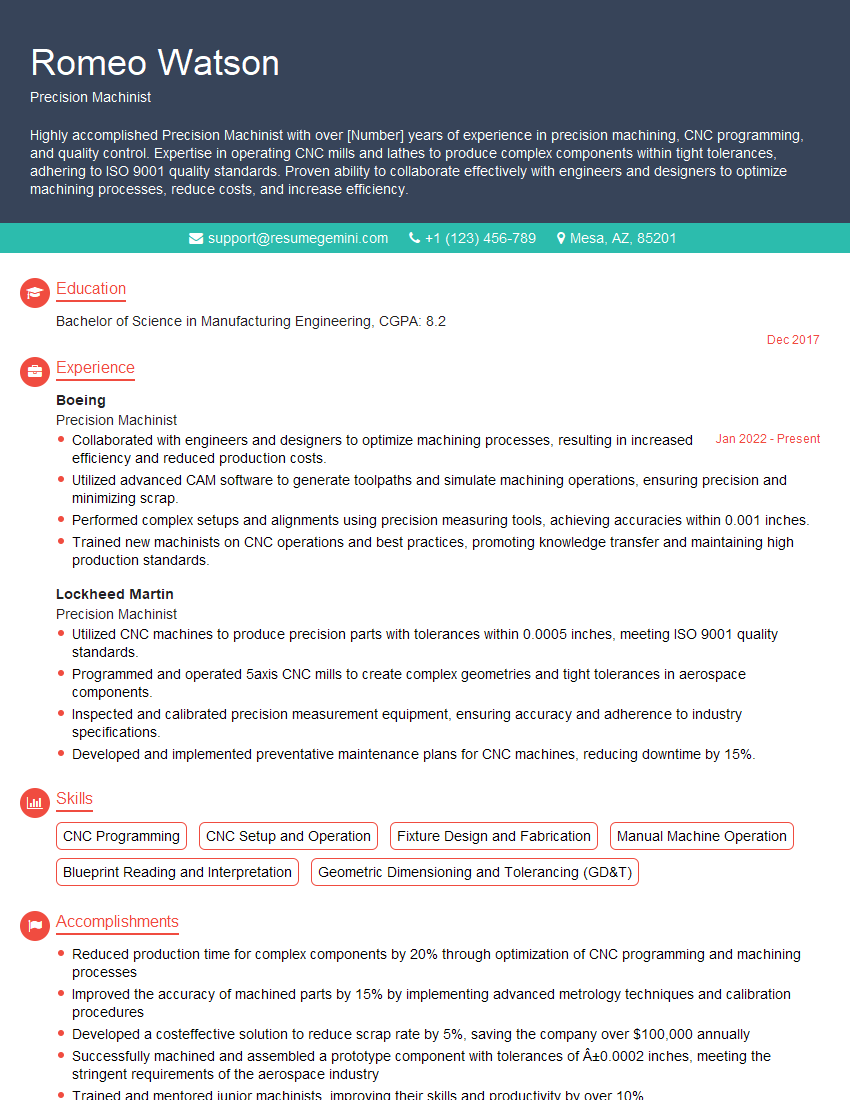
Precision Machinist Resume Sample
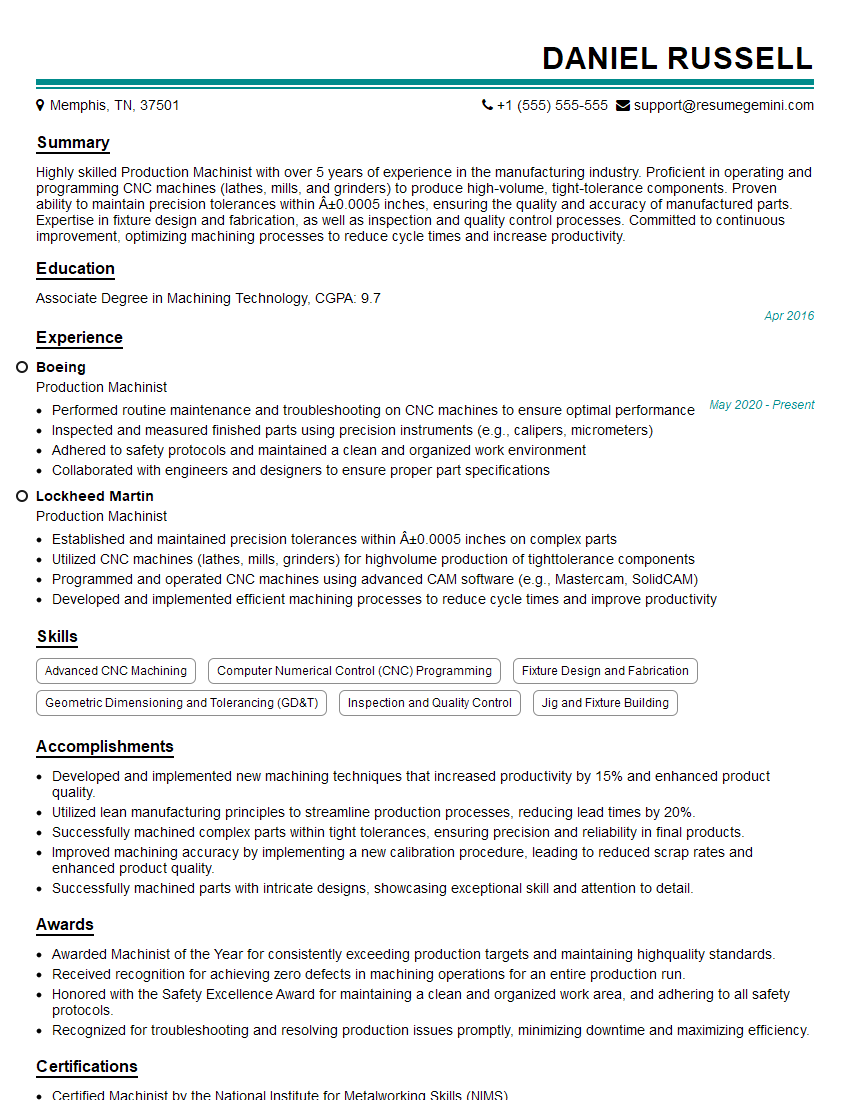
Production Machinist Resume Sample
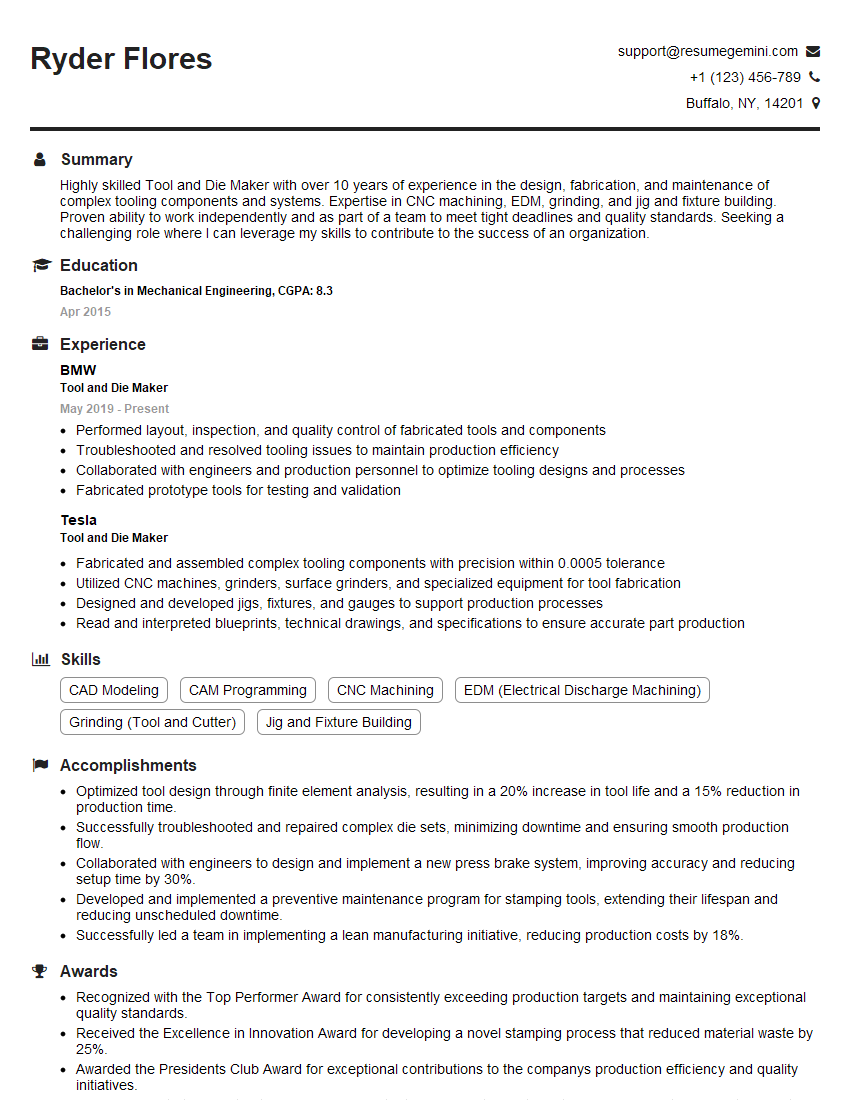
Tool and Die Maker Resume Sample
Explore more articles
Users Rating of Our Blogs
Share Your Experience
We value your feedback! Please rate our content and share your thoughts (optional).
What Readers Say About Our Blog
I Redesigned Spongebob Squarepants and his main characters of my artwork.
https://www.deviantart.com/reimaginesponge/art/Redesigned-Spongebob-characters-1223583608
IT gave me an insight and words to use and be able to think of examples
Hi, I’m Jay, we have a few potential clients that are interested in your services, thought you might be a good fit. I’d love to talk about the details, when do you have time to talk?
Best,
Jay
Founder | CEO