Cracking a skill-specific interview, like one for Safety Briefings, requires understanding the nuances of the role. In this blog, we present the questions you’re most likely to encounter, along with insights into how to answer them effectively. Let’s ensure you’re ready to make a strong impression.
Questions Asked in Safety Briefings Interview
Q 1. Describe your experience conducting safety briefings for diverse workgroups.
Throughout my career, I’ve delivered safety briefings to diverse groups, ranging from construction crews and factory workers to office staff and even volunteer teams. My experience includes adapting my communication style and content to cater to varying levels of technical understanding, language barriers, and cultural nuances. For instance, when briefing a construction crew, I focus on practical demonstrations and real-world examples of hazards, while with office staff, the focus might be on ergonomic risks and fire safety procedures. I always ensure I’m sensitive to individual learning styles and communication preferences.
For teams with limited English proficiency, I leverage visual aids like pictures and diagrams alongside translated materials. In some instances, I’ve incorporated interpreters to ensure complete understanding. With diverse groups, active listening and seeking clarification are crucial to validate comprehension.
Q 2. Explain your methodology for developing engaging and effective safety briefings.
My methodology for developing engaging and effective safety briefings is rooted in the ADDIE model (Analysis, Design, Development, Implementation, Evaluation). I begin by thoroughly analyzing the target audience and the specific hazards they face. This includes reviewing incident reports, conducting site surveys, and consulting with supervisors and workers.
The design phase involves creating a clear learning objective – what I want the audience to know and be able to do after the briefing. I select relevant training materials, ensuring they’re accessible and visually appealing. I incorporate storytelling, real-life anecdotes, and interactive elements to keep the audience engaged.
The development phase includes creating the actual briefing materials, which may include presentations, handouts, videos, or interactive exercises. During implementation, I deliver the briefing using a variety of techniques, such as active questioning, demonstrations, and group discussions. Finally, evaluation involves assessing the effectiveness of the briefing through post-briefing quizzes, observation of behavior changes, and feedback from the participants.
Q 3. How do you tailor safety briefings to address specific workplace hazards?
Tailoring safety briefings to specific workplace hazards is paramount. I start by identifying all potential hazards through job hazard analyses (JHAs) and risk assessments. For example, a construction site briefing would heavily emphasize fall protection, while a chemical plant briefing would focus on chemical handling and spill response.
Once the hazards are identified, I prioritize them based on their likelihood and severity. The briefing content directly addresses these top hazards, using specific examples relevant to the workplace. I might use case studies of past incidents (while maintaining confidentiality) to illustrate the consequences of unsafe practices. For instance, if the hazard is working at heights, I’d showcase proper harness usage and fall arrest systems with real-life scenarios.
Q 4. What techniques do you use to ensure audience comprehension and retention during safety briefings?
To ensure comprehension and retention, I employ several techniques: I use clear and concise language, avoiding jargon whenever possible. Visual aids, like diagrams, photos, and videos, are crucial for reinforcing key concepts. Active learning techniques, such as quizzes, group discussions, and hands-on demonstrations, encourage participation and improve understanding. I also break down complex information into smaller, manageable chunks, using repetition and summarization to solidify learning.
I actively solicit feedback throughout the briefing to gauge understanding. I use open-ended questions to encourage discussion and address any misconceptions immediately. Finally, I provide participants with a concise summary and follow-up resources, such as handouts or online materials, to reinforce the information presented.
Q 5. How do you handle interruptions or questions during a safety briefing?
Interruptions and questions are opportunities to clarify and reinforce learning. I encourage questions and view them as signs of engagement. If a question disrupts the flow, I politely acknowledge it and either address it briefly or defer it to a later point in the briefing, promising to return to it.
For more complex questions, I involve the audience in the discussion, inviting others to share their insights or experiences. I avoid dismissing questions as trivial; instead, I use them as a teaching moment. If I don’t know the answer, I’m transparent and commit to finding the answer and sharing it later. This builds trust and reinforces the importance of safety.
Q 6. Describe your process for evaluating the effectiveness of a safety briefing.
Evaluating a safety briefing’s effectiveness is crucial. I use a multi-faceted approach: Post-briefing quizzes measure knowledge retention. Observation of workers’ behavior on the job site assesses whether the learning has translated into practice. Feedback forms from participants offer valuable insight into the clarity, engagement, and relevance of the briefing.
Incident reports in the following weeks and months help determine whether the briefing effectively reduced the likelihood of accidents. I also analyze the frequency and nature of questions asked during and after the briefing to understand areas where clarification or further emphasis is needed. This ongoing evaluation allows for continuous improvement of future briefings.
Q 7. How do you incorporate interactive elements into your safety briefings?
Interactive elements are vital for keeping audiences engaged and promoting active learning. I use various techniques, such as interactive quizzes using online platforms or even simple hand-raising questions. I incorporate case studies where participants analyze scenarios and suggest solutions. I also use demonstrations, allowing participants to practice safe procedures and receive immediate feedback.
For example, during a briefing on lockout/tagout procedures, I would demonstrate the correct steps and then have participants practice on mock equipment. In a fire safety briefing, I might show a short video simulation of an emergency evacuation, followed by a discussion on what participants would do in a real-life scenario. The key is to choose interactive elements that are relevant to the content and tailored to the audience’s needs and learning preferences.
Q 8. How do you adapt your communication style to different audiences during safety briefings?
Adapting my communication style hinges on understanding the audience’s background, experience level, and cultural nuances. For a team of experienced technicians, I’d use more technical terminology and delve deeper into specific procedures. A briefing for new hires, however, requires a more foundational approach, focusing on basic safety principles and using simpler language. I also consider learning styles – some prefer visual aids, while others respond better to hands-on demonstrations. For example, when briefing construction workers, I’d use clear, concise language and demonstrate proper equipment usage. With office staff, I might focus on ergonomic principles and fire safety procedures, using visuals and scenarios relevant to their work environment.
- Technical Audience: Detailed explanations, technical jargon (defined where necessary), and focus on intricate procedures.
- Non-Technical Audience: Simple language, relatable examples, visuals, and focus on core principles.
- Visual Learners: Heavy use of diagrams, videos, and demonstrations.
- Auditory Learners: Clear and concise verbal explanations, engaging storytelling.
Q 9. Explain your approach to addressing challenging or resistant audience members.
Addressing resistance requires empathy and a collaborative approach. I start by actively listening to their concerns, acknowledging their perspective, and validating their feelings. Then, I reframe the safety information, emphasizing the benefits and consequences. For example, if someone resists wearing safety glasses, I’d explain how eye injuries can lead to lost work time, medical bills, and long-term vision problems. I avoid confrontation and instead focus on building trust and rapport. If necessary, I involve a supervisor or mentor to help address the issue. The key is to understand the root cause of their resistance – is it misunderstanding, discomfort, or something else? Once identified, a targeted approach can be implemented.
Sometimes, humor can be effective, but it’s crucial to gauge the audience and use it appropriately. Never belittle or dismiss their concerns.
Q 10. How do you ensure your safety briefings comply with relevant regulations and standards?
Compliance is paramount. Before any briefing, I thoroughly research and understand all relevant regulations and standards applicable to the specific work environment and tasks. This includes OSHA guidelines (or equivalent in other regions), industry-specific codes of practice, and company policies. I ensure the briefing content directly addresses these requirements, using official documentation as a reference point. I also maintain records of briefings conducted, including attendance sheets and any modifications made to the briefing material. This documentation serves as evidence of compliance during audits or investigations.
For example, if delivering a briefing on confined space entry, I’d ensure the content aligns with OSHA’s standards for permit-required confined spaces, covering all necessary precautions and procedures.
Q 11. How do you stay updated on current safety regulations and best practices?
Staying updated requires continuous learning. I subscribe to industry newsletters and publications, attend relevant seminars and workshops, and actively participate in professional organizations. I also monitor changes to regulations and standards through government websites and industry bodies. Online courses and webinars provide another valuable resource for staying abreast of the latest best practices. Networking with other safety professionals allows for the sharing of experiences and knowledge.
Regularly reviewing and updating my briefing materials is essential. This ensures that the information remains current, accurate, and effective.
Q 12. Describe a situation where you had to modify a safety briefing due to unexpected circumstances.
During a scaffolding safety briefing, an unexpected storm threatened to delay the project. The original briefing focused on standard scaffolding procedures. However, I had to immediately adjust the briefing to incorporate emergency procedures, focusing on quickly dismantling unstable structures and seeking immediate shelter. I stressed the importance of securing equipment and prioritizing worker safety over project deadlines. This required adapting the visual aids and focusing the message on immediate risks and actions. The flexibility to adapt the briefing ensured the workers were prepared for the unexpected situation and remained safe.
Q 13. How do you utilize visual aids and multimedia to enhance safety briefings?
Visual aids and multimedia are crucial for effective communication. I use diagrams, videos, photographs, and interactive simulations to engage the audience and improve understanding. For example, a video demonstrating proper lockout/tagout procedures is far more effective than a written instruction. I also use real-life accident case studies to illustrate the consequences of neglecting safety protocols. Multimedia helps to cater to different learning styles and maintain audience attention.
The key is to use visuals that are clear, concise, and relevant to the briefing content. Avoid cluttered or distracting visuals. Maintain a balance between visual and verbal communication.
Q 14. What are some common pitfalls to avoid when conducting safety briefings?
Common pitfalls include: Overwhelming the audience with too much information – break the briefing into manageable sections. Using overly technical jargon – define terms and use simple language. Lack of engagement – use interactive elements and encourage questions. Failing to address specific concerns – actively listen and address individual anxieties. Ignoring the audience’s prior knowledge – tailor the briefing to their experience level. Not practicing the briefing beforehand – rehearsal ensures a smooth and confident delivery.
Regularly evaluating the effectiveness of your briefings through feedback and observation is essential to avoid these pitfalls.
Q 15. How do you measure the impact of your safety briefings on workplace safety performance?
Measuring the effectiveness of safety briefings requires a multi-faceted approach. We can’t simply assume that because a briefing was given, safety improved. Instead, we need to track key performance indicators (KPIs) before, during, and after the briefings.
- Leading Indicators: These measure actions taken to prevent incidents. Examples include the number of near misses reported, the completion rate of safety training modules, and the participation rate in safety briefings themselves. A rise in near-miss reporting, for example, could indicate increased safety awareness following a briefing, even if it hasn’t yet translated to a reduction in accidents.
- Lagging Indicators: These measure the outcomes of safety efforts. Examples include the number of accidents, injuries, lost-time incidents, and safety violations. A decrease in these metrics after a briefing strongly suggests its effectiveness.
- Surveys and Feedback: Pre- and post-briefing surveys can gauge changes in employee knowledge, attitudes, and behaviors related to safety. For example, a survey might ask employees to rate their understanding of a specific hazard before and after a briefing focused on that hazard.
By analyzing trends in these KPIs, we can build a strong case for the effectiveness of our safety briefings and identify areas for improvement. For instance, if near-miss reporting increases but accident rates remain unchanged, it might suggest that the briefing effectively raised awareness but more preventative measures are needed.
Career Expert Tips:
- Ace those interviews! Prepare effectively by reviewing the Top 50 Most Common Interview Questions on ResumeGemini.
- Navigate your job search with confidence! Explore a wide range of Career Tips on ResumeGemini. Learn about common challenges and recommendations to overcome them.
- Craft the perfect resume! Master the Art of Resume Writing with ResumeGemini’s guide. Showcase your unique qualifications and achievements effectively.
- Don’t miss out on holiday savings! Build your dream resume with ResumeGemini’s ATS optimized templates.
Q 16. What is your experience with using different safety briefing methods (e.g., toolbox talks, formal presentations)?
My experience encompasses a wide range of safety briefing methods, each suited to different contexts and audiences.
- Toolbox Talks: These are short, informal briefings, often held at the worksite, focusing on immediate safety concerns. They’re excellent for quick reminders, addressing specific hazards, and facilitating immediate feedback. I’ve used toolbox talks successfully to address issues like proper lifting techniques or the safe use of specific equipment.
- Formal Presentations: These are more structured, often involving PowerPoint presentations or visual aids. They are ideal for conveying complex information, introducing new safety procedures, or covering broader safety topics. I’ve used this method for introducing new safety regulations or training on emergency procedures.
- Interactive Workshops: These involve active participation from attendees, incorporating discussions, case studies, and hands-on activities. They are best for engaging employees, enhancing knowledge retention, and encouraging critical thinking about safety. I’ve found this particularly effective when training on hazard identification and risk assessment.
- E-learning Modules: These provide flexible and accessible safety training, particularly beneficial for larger teams or those spread geographically. These modules can be more engaging than a simple presentation, using interactive elements to enhance learning.
The choice of method depends heavily on the topic, the audience, and the desired learning outcomes. Often, I use a combination of approaches for optimal impact.
Q 17. How do you incorporate feedback into your safety briefing strategies?
Incorporating feedback is crucial for continuous improvement. I use several methods to gather and act upon feedback:
- Post-briefing Surveys: These allow for anonymous feedback, providing valuable insights into employee understanding, engagement, and suggestions for improvement. I typically include questions about the clarity of the message, the relevance of the content, and the overall effectiveness of the briefing.
- Focus Groups: These provide deeper insights through targeted discussions with smaller groups of employees. This allows for more in-depth conversations and the exploration of complex issues.
- Informal Feedback: I actively encourage employees to approach me with any questions or concerns after a briefing. This direct feedback often reveals immediate issues or areas needing clarification.
- Observation: Following the briefing, observing employees in their work environment can reveal whether the training has translated into changed behavior. This could be done by supervisors.
All feedback is analyzed to identify recurring themes or areas for improvement. This might involve adjusting the content, delivery style, or the chosen method for future briefings. For example, consistent feedback about a lack of clarity in a particular section would lead to a revision of that section, including more examples or visual aids.
Q 18. How do you maintain records of safety briefings and participant attendance?
Maintaining accurate records is essential for demonstrating compliance and tracking effectiveness. We utilize a combination of methods:
- Attendance Sheets: Physical or digital attendance sheets are used to record participant names and their presence at each briefing. This is important for tracking compliance and identifying individuals who may need additional training.
- Digital Database: A dedicated database (either a spreadsheet or a dedicated safety management software) stores briefing details, including the date, time, topic, presenter, attendees, and any relevant supporting materials. This allows for easy retrieval of information and reporting.
- Electronic Signatures: Where feasible, electronic signatures on attendance sheets or within a digital system provide a more secure and easily auditable record of attendance.
These records are regularly reviewed to ensure accuracy and completeness. They’re also used to generate reports for management, demonstrating compliance with safety regulations and the overall effectiveness of our safety briefing program.
Q 19. Describe your experience with creating and delivering safety briefings in multiple languages or for diverse cultural backgrounds.
Delivering safety briefings across diverse linguistic and cultural backgrounds requires careful planning and execution.
- Translation and Interpretation: When working with non-native English speakers, professional translation and interpretation services are crucial to ensure accurate communication. This is not only about word-for-word translation but also cultural adaptation to ensure the message resonates with the audience.
- Cultural Sensitivity: Content should be adapted to reflect cultural norms and values. For instance, certain hand gestures or visual aids might have different meanings in different cultures, requiring careful selection of materials. Direct eye contact, for example, might be considered disrespectful in some cultures.
- Visual Aids: Visual aids (images, videos) can be extremely helpful in overcoming language barriers and ensuring understanding across cultures. Simple, universally understandable symbols are preferred over text-heavy slides.
- Multiple Languages: If feasible, providing briefings in multiple languages can dramatically increase comprehension and engagement. The preferred languages should be based on the workforce demographics.
I’ve successfully implemented these strategies in several projects, resulting in improved understanding and engagement among diverse workforces. For example, when providing safety training for a construction site with a diverse workforce, we used interpreters, translated materials, and ensured cultural sensitivity in the content and delivery.
Q 20. How do you handle emergency situations that arise during a safety briefing?
Emergency situations during a briefing require immediate and decisive action. The response will depend on the nature of the emergency.
- Medical Emergency: If someone experiences a medical emergency (e.g., heart attack, seizure), immediately call emergency services (911 or local equivalent) and follow established first-aid procedures. Ensure someone is designated to assist emergency responders.
- Fire or Evacuation: Follow established evacuation procedures. Ensure everyone evacuates calmly and safely, following designated routes and assembly points. Conduct a headcount once everyone is safely assembled.
- Security Threat: If there’s a security threat, follow established protocols. This might involve lockdown procedures, contacting security personnel, or evacuating the building.
- Other Emergencies: Other unexpected issues (e.g., equipment malfunction, hazardous spill) should trigger a pre-determined response based on established safety protocols. Immediate action should be taken based on the severity of the issue.
Post-incident, a thorough debriefing should occur to identify what went well, what could be improved, and what changes to safety protocols or training are needed to prevent similar situations in the future.
Q 21. What software or tools do you use to support safety briefing preparation and delivery?
Several software tools and technologies significantly enhance safety briefing preparation and delivery:
- Microsoft PowerPoint/Google Slides: For creating engaging presentations with visual aids and supporting materials.
- Learning Management Systems (LMS): Such as Moodle or Canvas, for delivering online training modules and tracking employee progress. This allows employees to complete training at their convenience and tracks their completion status.
- Video Conferencing Software: Such as Zoom or Microsoft Teams, for conducting virtual briefings and reaching geographically dispersed teams.
- Safety Management Software: Dedicated safety management software packages often integrate features for scheduling briefings, tracking attendance, managing documents, and generating reports.
- Video Editing Software: Software such as Adobe Premiere Pro or DaVinci Resolve, for creating professional-quality safety training videos.
The specific tools used will vary based on the organization’s needs and budget. However, leveraging technology streamlines processes, enhances engagement, and improves the overall effectiveness of safety briefings.
Q 22. Explain your understanding of different communication models and how they apply to safety briefings.
Effective safety briefings rely on strong communication. Several models guide this process. The Shannon-Weaver model, a linear model, focuses on the sender transmitting a message through a channel to a receiver. In safety briefings, this translates to the safety officer conveying information (the message) via a presentation (the channel) to the workforce (the receiver). However, this model is limited because it doesn’t account for feedback. The transactional model is more realistic, acknowledging that communication is a two-way street. Both sender and receiver simultaneously send and receive messages, influencing each other. This is crucial for safety briefings, allowing for questions, clarification, and ensuring understanding. Think of a Q&A session after the briefing – that’s the transactional element in action. Finally, the interactive model emphasizes the shared meaning created during communication. This model highlights the importance of shared context, background knowledge, and active participation to ensure everyone is on the same page regarding safety procedures. For example, using visual aids alongside verbal explanations in a safety briefing enhances understanding and makes it more memorable using the interactive model.
Q 23. How do you ensure the safety briefing content is relevant and engaging to the audience?
Relevance and engagement are paramount. I start by thoroughly understanding the audience – their roles, experience levels, and existing safety knowledge. Then, I tailor the content. For instance, a briefing for frontline workers might focus on practical, hands-on procedures and immediate hazards, using simple language and visual aids. A briefing for management, however, might delve into risk assessment, regulatory compliance, and long-term strategic safety planning. To enhance engagement, I incorporate storytelling, real-life examples of accidents and near misses (with anonymity maintained, of course), interactive elements like quizzes or group discussions, and varied communication methods (videos, demonstrations, etc.). I also use humor appropriately to create a relaxed but attentive atmosphere. The key is to present information concisely, clearly, and in a way that shows the direct relevance to their daily tasks and well-being.
Q 24. How do you address sensitive topics or potentially controversial safety issues during a briefing?
Sensitive topics require careful handling. Transparency and honesty are key. I begin by acknowledging the sensitive nature of the issue, emphasizing empathy and understanding. For example, discussing a recent accident requires sensitivity towards those involved, avoiding unnecessary details while highlighting the lessons learned. Controversial issues are tackled by presenting facts objectively, avoiding emotional language or bias, and encouraging open discussion. I create a safe space for questions and concerns, emphasizing the shared goal of a safe work environment. If I lack specific expertise on a sensitive issue, I will clearly state this and direct the audience to the appropriate resources or experts. Maintaining a neutral stance and encouraging respectful dialogue are crucial to effective communication.
Q 25. Explain your experience in conducting safety briefings for different levels of employees (e.g., management, frontline workers).
My experience encompasses diverse audiences. For frontline workers, briefings are typically shorter, more practical, and heavily visual. I’ve successfully used job-specific examples, role-playing scenarios, and hands-on demonstrations to drive home crucial points. For example, I used a simulated fall protection drill to emphasize the importance of using harnesses correctly. For management, briefings tend to be more strategic, focusing on risk mitigation, policy updates, and resource allocation. Here, data analysis, case studies, and discussions on best practices are more prevalent. I adapt my communication style accordingly, adjusting my vocabulary and level of detail to resonate with each audience. The common thread is clear, concise communication that fosters understanding and proactive engagement regardless of the audience’s hierarchical position.
Q 26. How do you balance brevity and thoroughness when delivering safety briefings?
Balancing brevity and thoroughness is crucial. I achieve this by focusing on the most critical information and prioritizing clarity over completeness. I meticulously plan the briefing content, outlining key points and eliminating unnecessary details. Using visual aids like flowcharts, checklists, and concise bullet points helps present complex information efficiently. I also prioritize active learning techniques – encouraging questions, incorporating interactive elements, and providing readily accessible supplementary materials for those who require deeper understanding. Instead of overwhelming the audience with excessive details, I ensure core concepts are understood and readily applicable. This approach avoids information overload while ensuring that the most essential safety information is effectively communicated.
Q 27. What are your strategies for managing time effectively during safety briefings?
Time management is essential. Before the briefing, I develop a detailed schedule, allocating specific time slots for each section. This involves meticulously outlining the content and estimating the time required for each segment. I also build in buffer time for unexpected questions or discussions. During the briefing, I actively monitor the time, sticking to the schedule while remaining flexible to accommodate important audience questions. Using visual timers or prompts helps keep the briefing on track. I ensure that all crucial information is covered within the allotted time, prioritizing key safety messages. Post-briefing, I summarize key points to ensure everyone leaves with a clear understanding of the discussed safety protocols.
Q 28. Describe your process for selecting appropriate safety briefing materials and resources.
Selecting appropriate materials involves a systematic approach. I begin by assessing the specific safety concerns and the audience’s needs. Then, I research relevant standards, regulations, and best practices from reputable sources such as OSHA (Occupational Safety and Health Administration) guidelines, industry publications, and internal safety records. I choose materials that are accurate, up-to-date, visually appealing, and easy to understand, opting for a variety of media formats such as videos, presentations, and handouts. I also consider the audience’s literacy levels and language preferences when choosing materials and ensure they are readily accessible and understandable. Finally, I conduct a pilot test, getting feedback before implementing the materials broadly. This iterative approach ensures the chosen materials remain effective and relevant for communicating safety information.
Key Topics to Learn for Safety Briefings Interview
- Effective Communication Techniques: Mastering clear, concise, and engaging communication strategies for diverse audiences, considering varying levels of understanding and language barriers.
- Hazard Identification and Risk Assessment: Demonstrate understanding of proactive hazard identification methodologies, risk assessment matrixes (e.g., likelihood and severity), and the development of control measures.
- Regulatory Compliance and Standards: Showcase familiarity with relevant safety regulations, industry standards (e.g., OSHA, ISO), and best practices for compliance within the specific industry.
- Emergency Response Procedures: Explain your understanding of emergency procedures, evacuation plans, and the roles and responsibilities within a crisis response team. Include practical examples of your experience in implementing or improving such procedures.
- Incident Investigation and Reporting: Illustrate your ability to conduct thorough incident investigations, using root cause analysis techniques to identify contributing factors and prevent future occurrences. Discuss methods for accurately documenting and reporting incidents.
- Training and Education: Describe different methods for delivering effective safety training programs, considering adult learning principles and methods for evaluating training effectiveness.
- Personal Protective Equipment (PPE): Demonstrate knowledge of various types of PPE, their proper selection, use, and limitations. Discuss relevant safety procedures related to PPE maintenance and inspection.
- Safety Culture and Leadership: Articulate your understanding of building a positive safety culture and leading by example, promoting employee engagement and accountability in safety matters.
Next Steps
Mastering safety briefings is crucial for career advancement in many industries, demonstrating your commitment to safety and your ability to effectively communicate critical information. An ATS-friendly resume is essential for highlighting your skills and experience to potential employers. ResumeGemini is a trusted resource to help you build a professional and effective resume that showcases your qualifications for safety briefing roles. Examples of resumes tailored to Safety Briefings are available to help you get started.
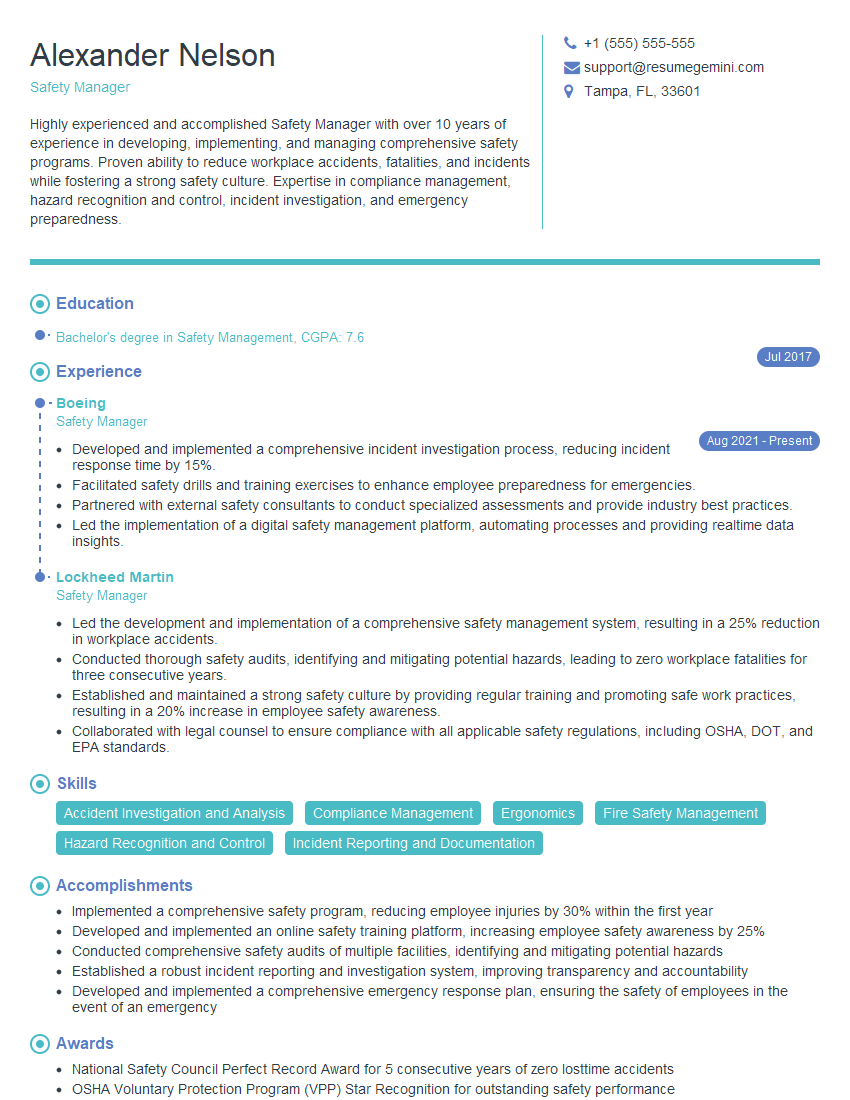
Safety Manager Resume Sample
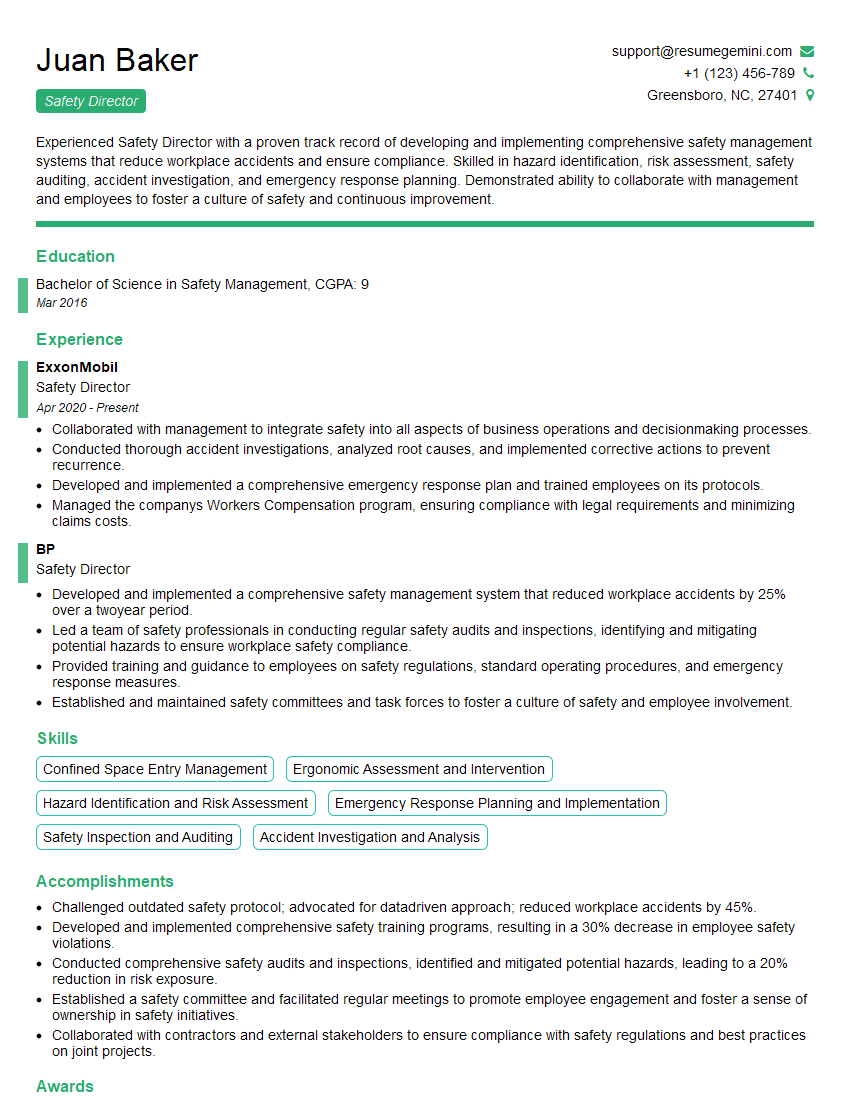
Safety Director Resume Sample
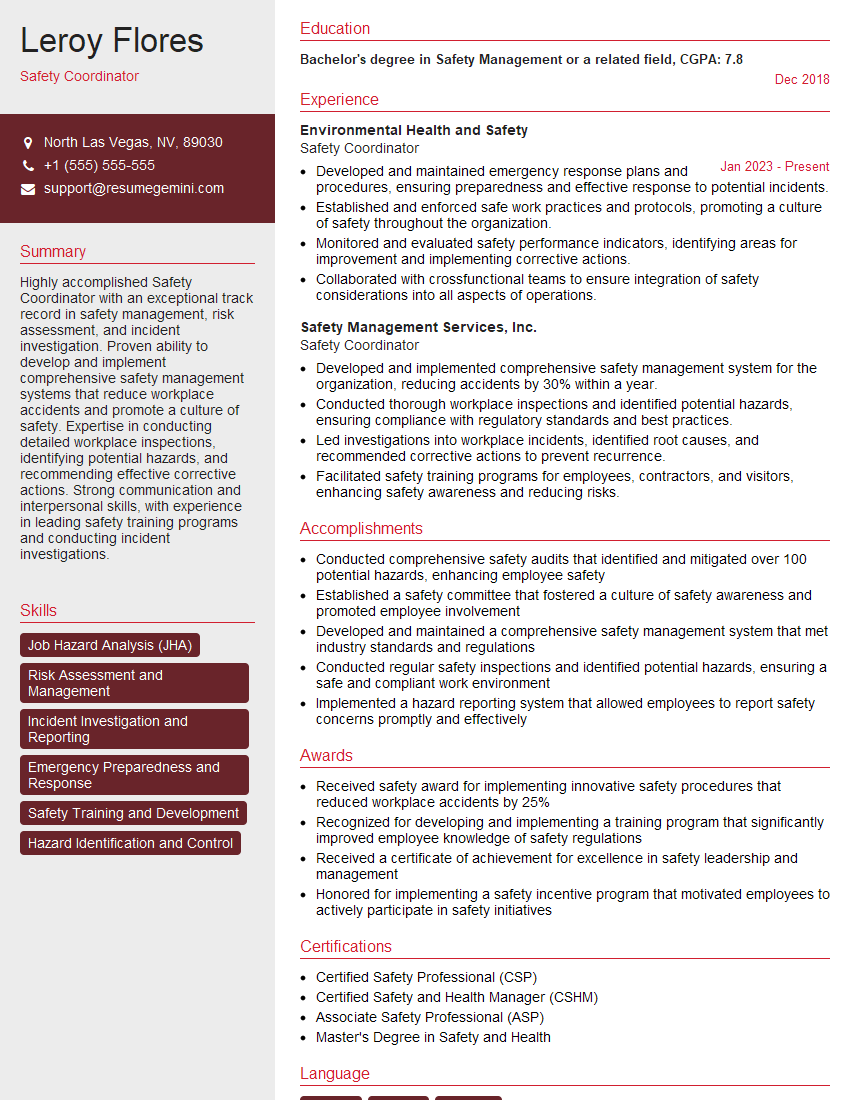
Safety Coordinator Resume Sample
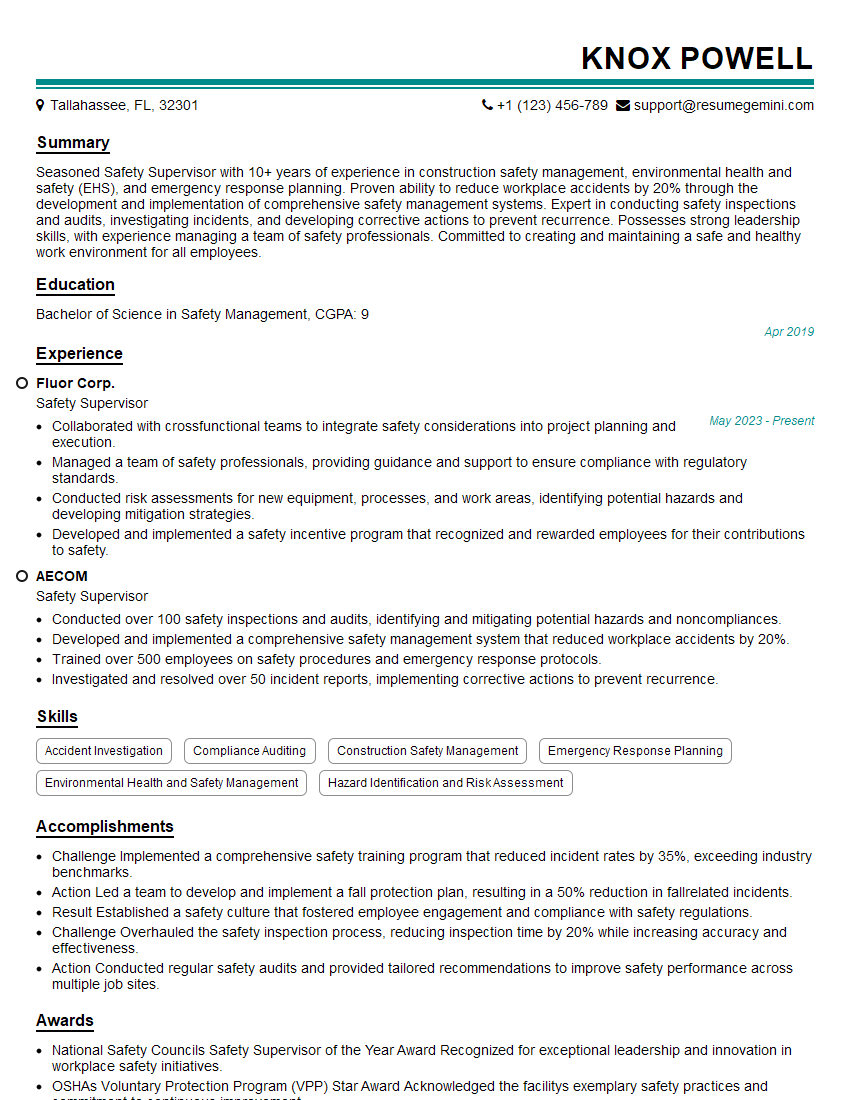
Safety Supervisor Resume Sample

Compliance Officer Resume Sample
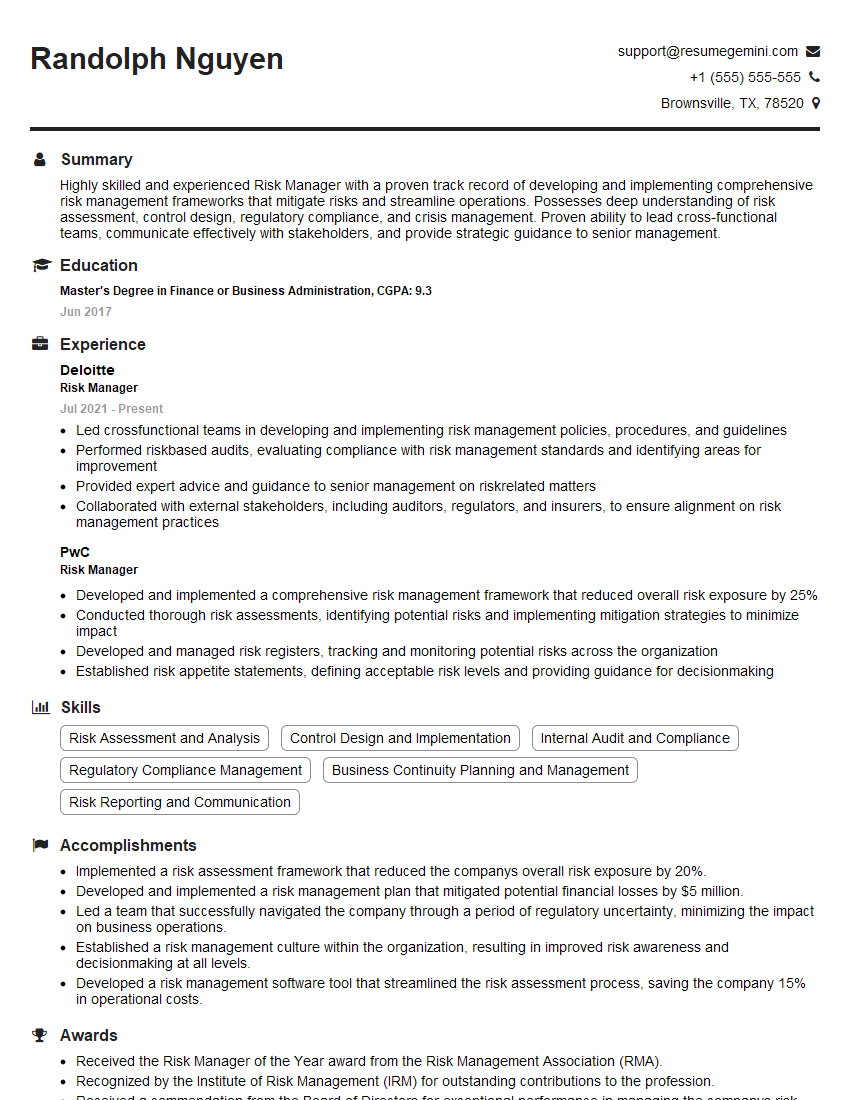
Risk Manager Resume Sample
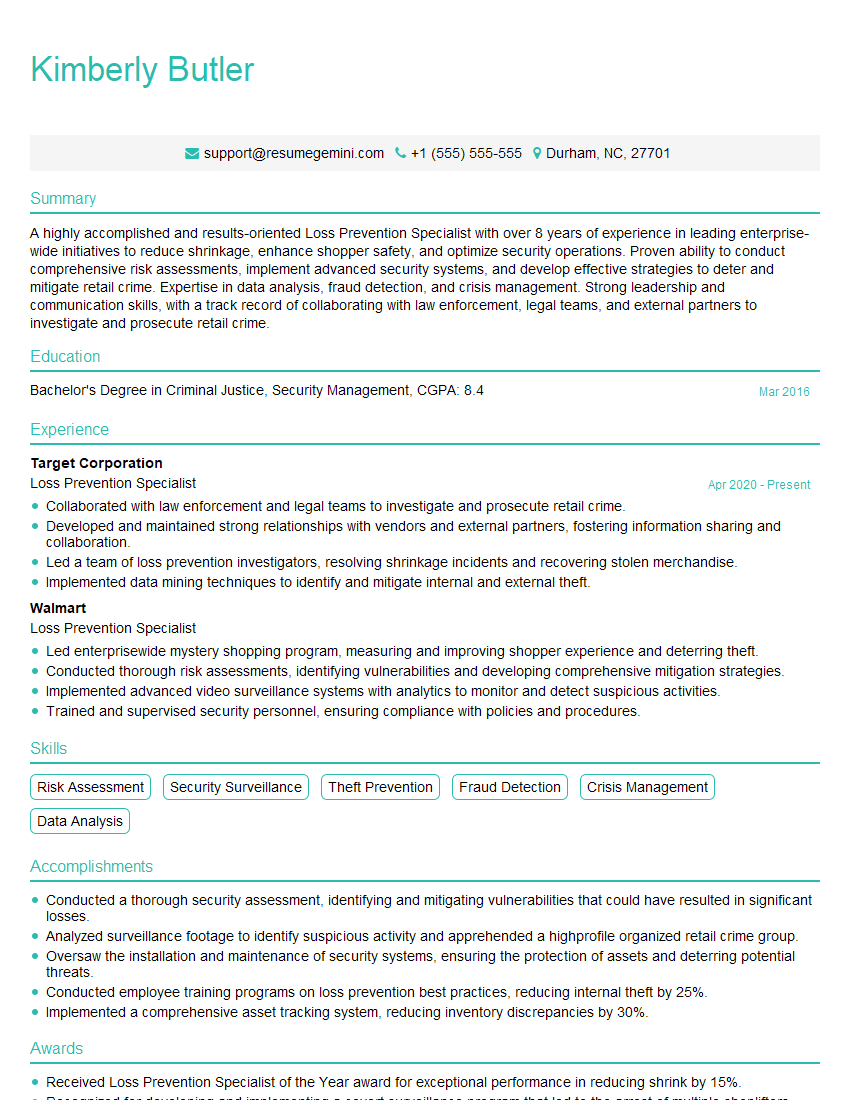
Loss Prevention Specialist Resume Sample
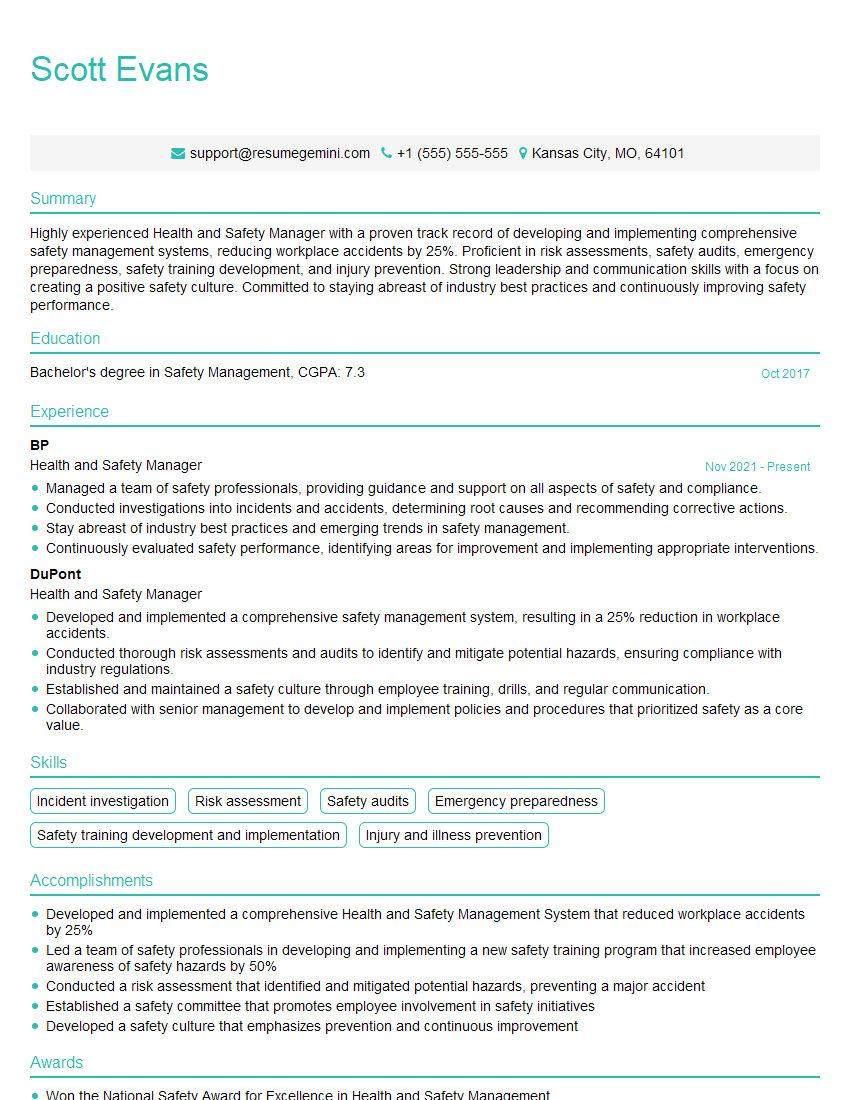
Health and Safety Manager Resume Sample
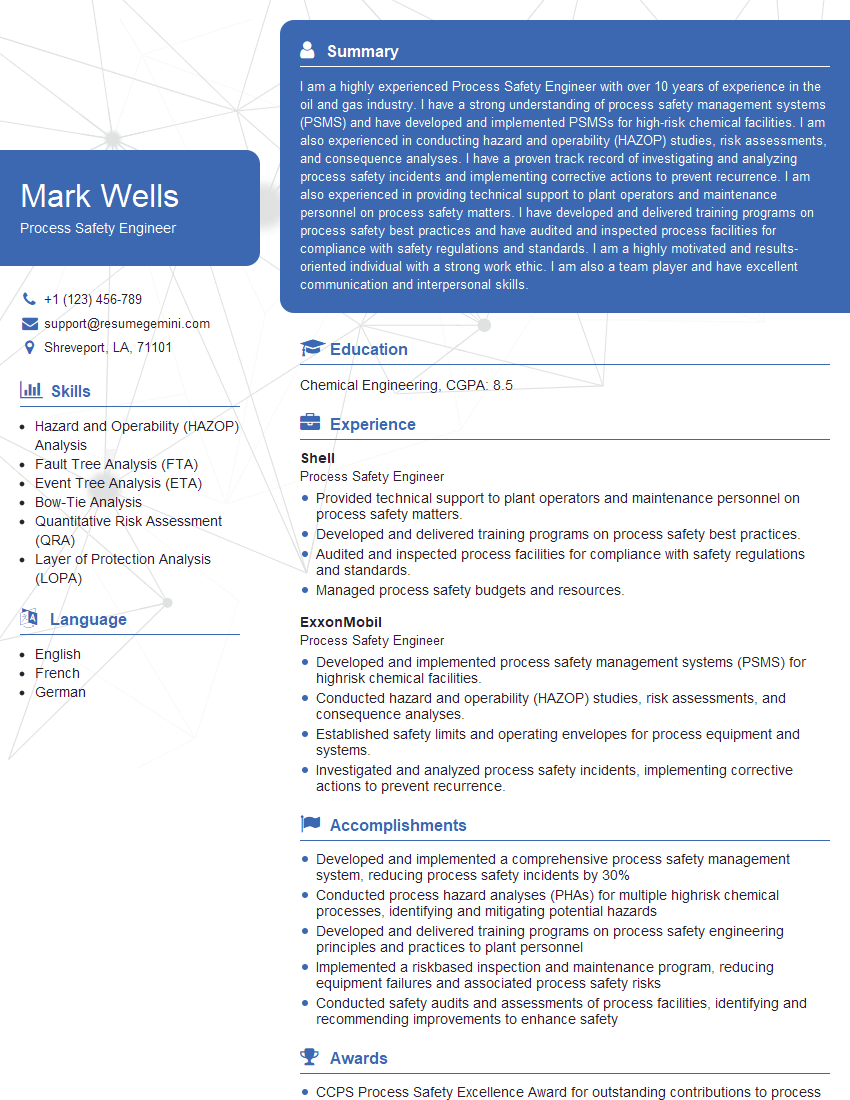
Process Safety Engineer Resume Sample
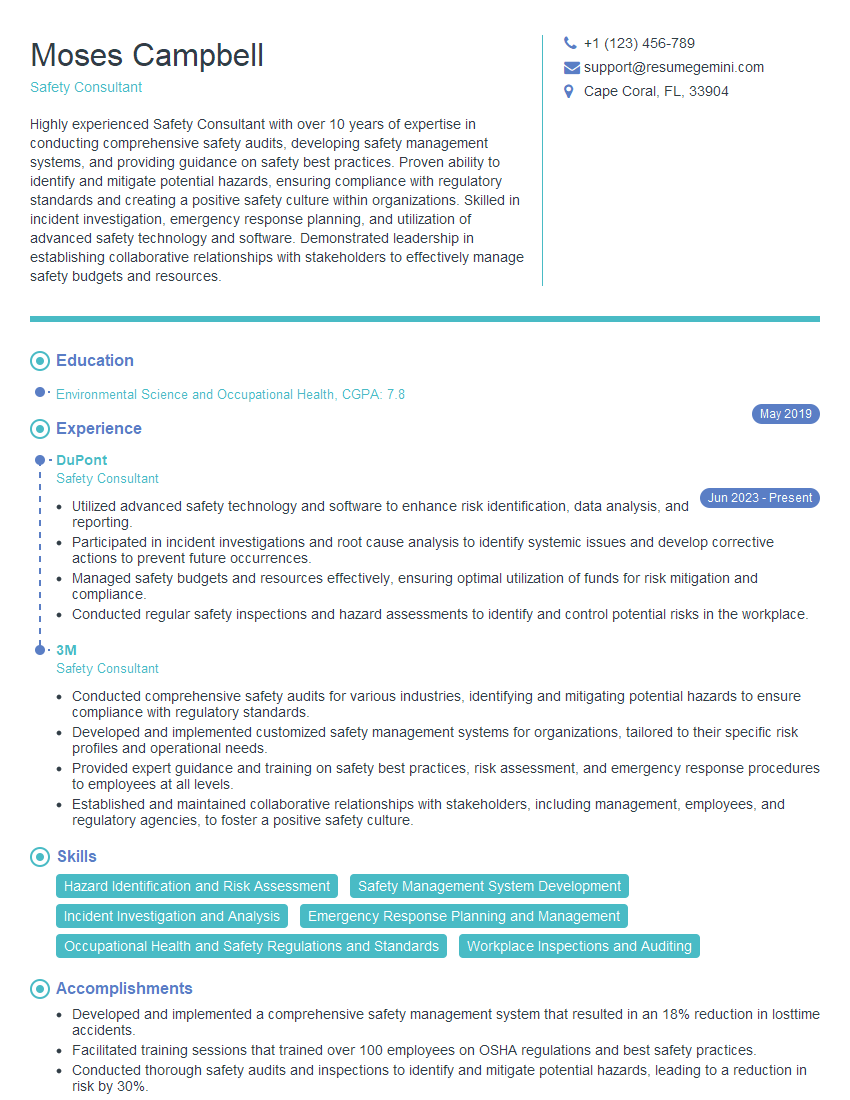
Safety Consultant Resume Sample
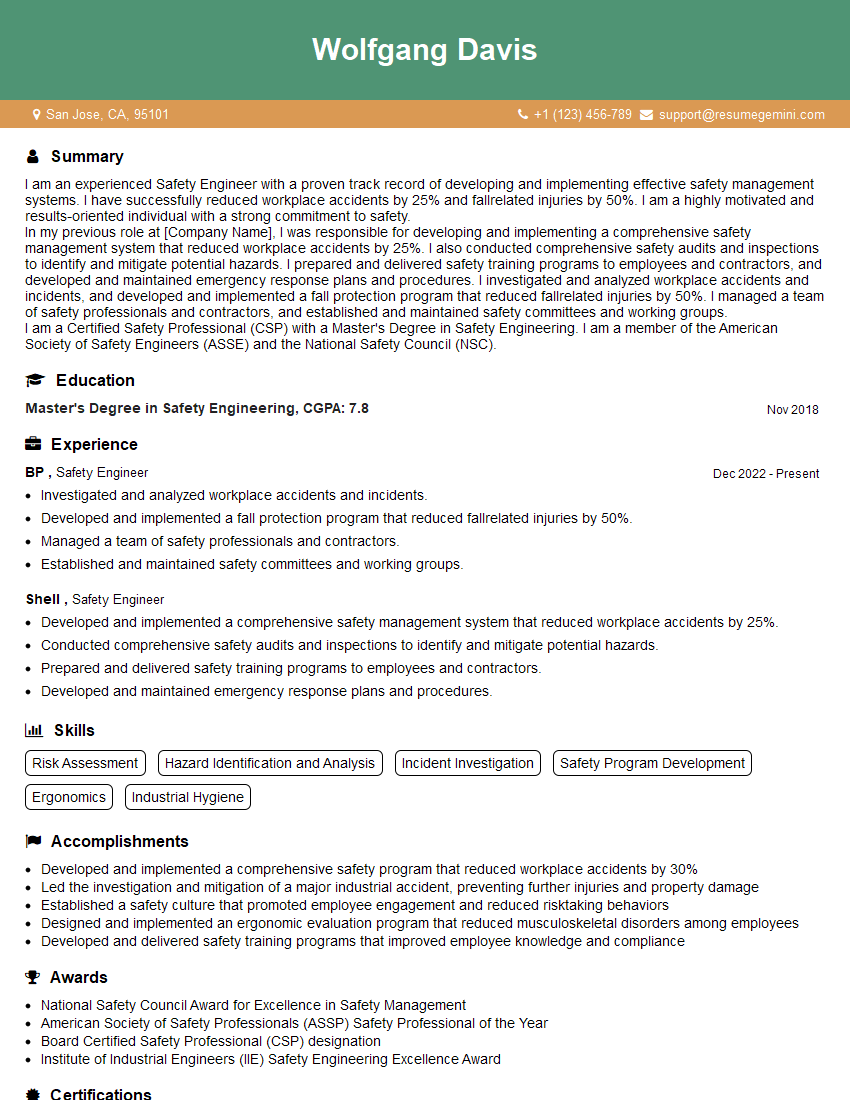
Safety Engineer Resume Sample
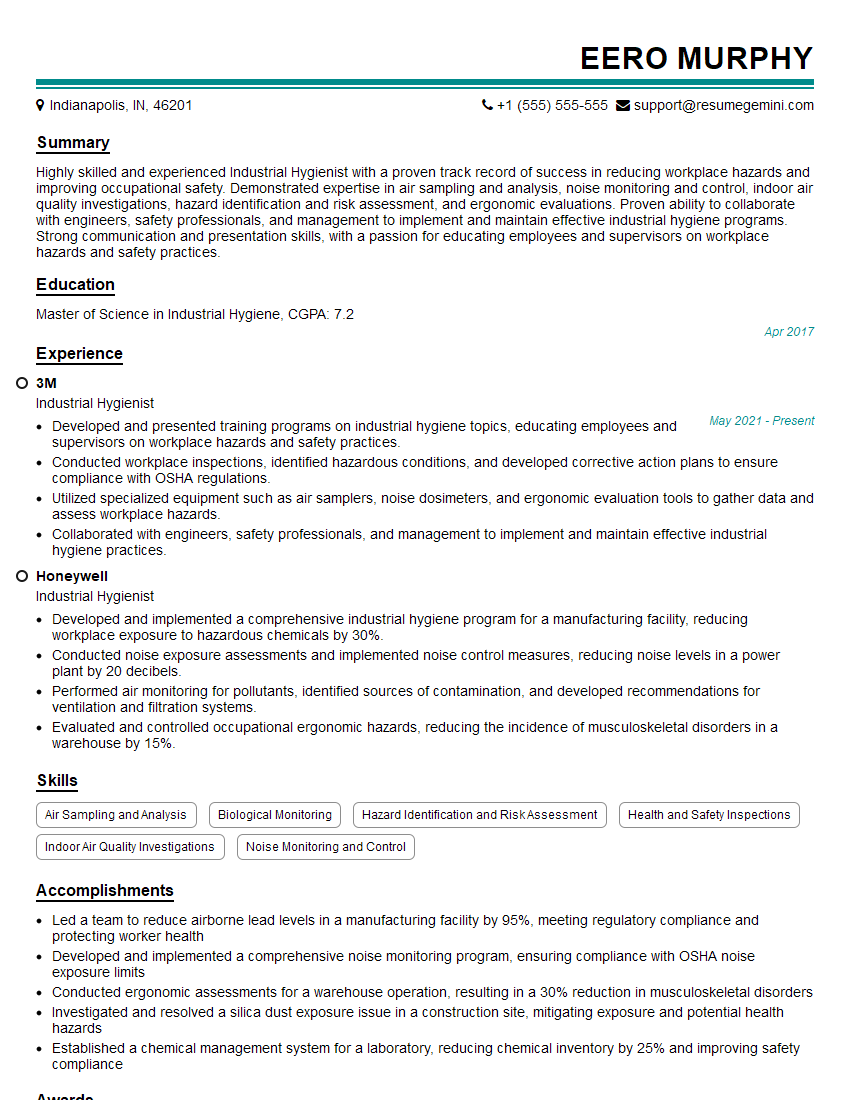
Industrial Hygienist Resume Sample
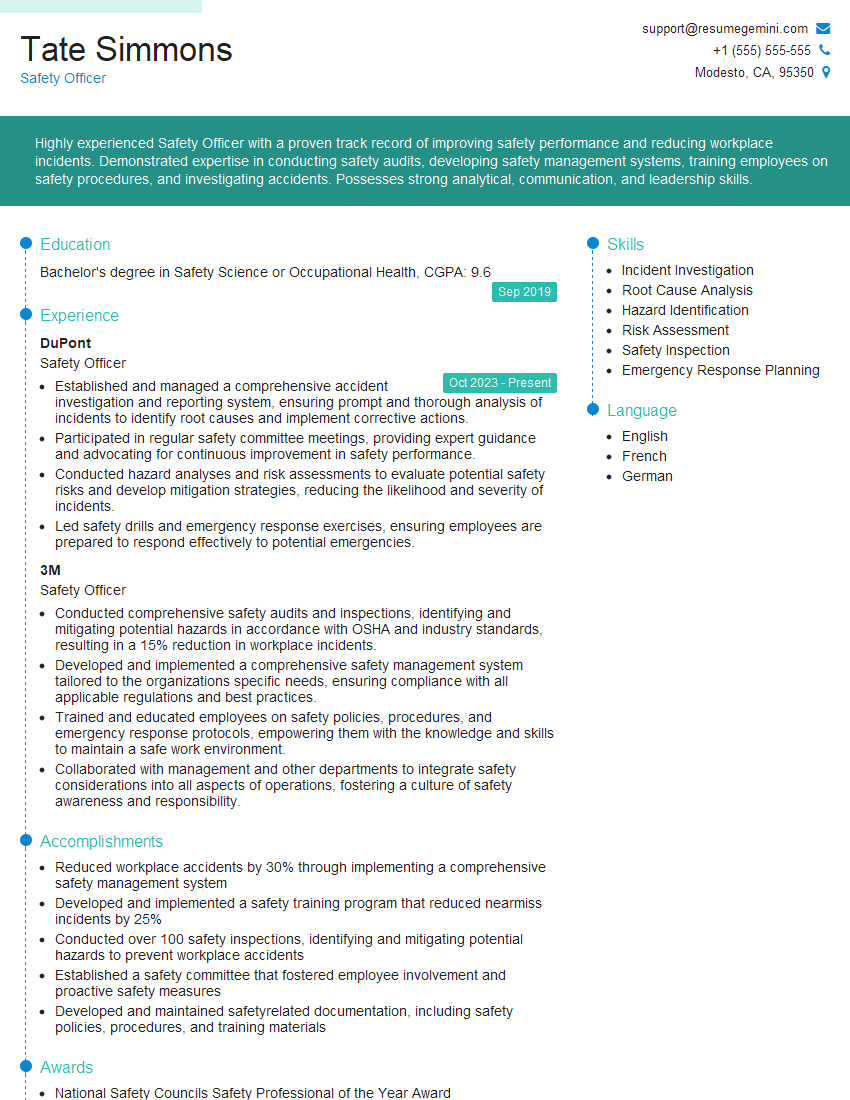
Safety Officer Resume Sample
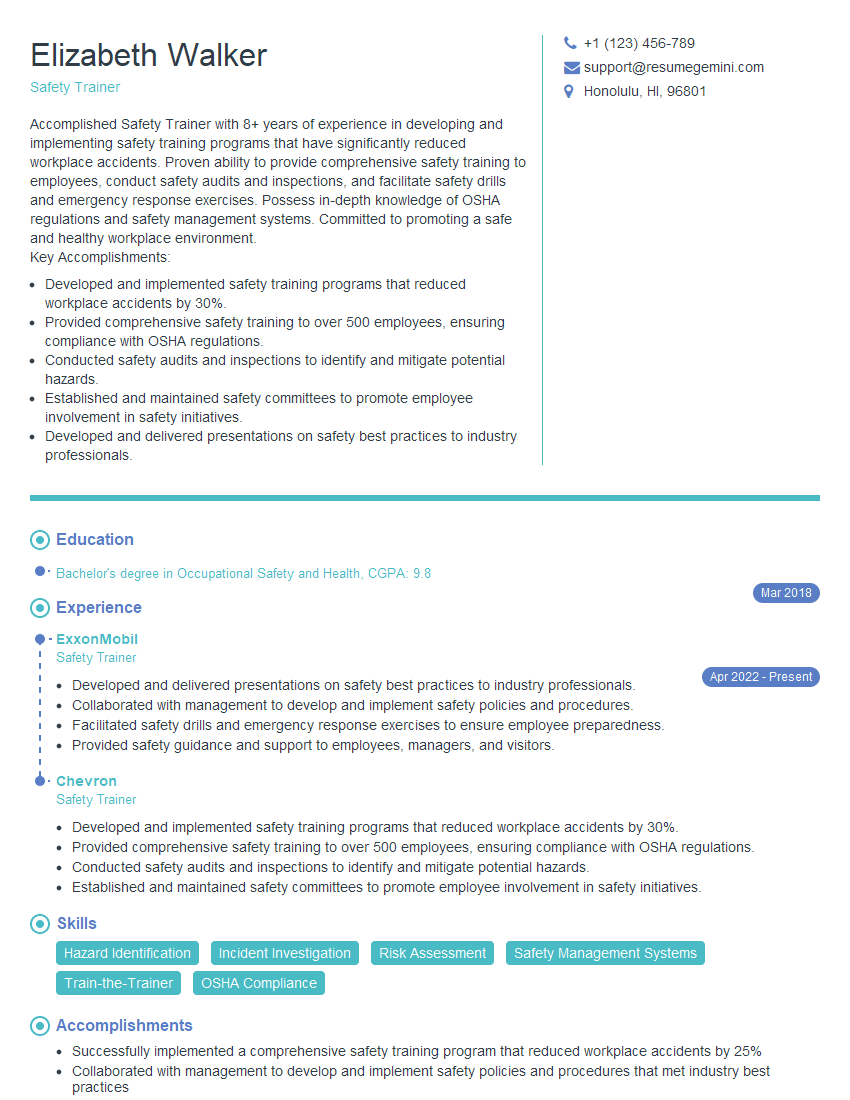
Safety Trainer Resume Sample
Explore more articles
Users Rating of Our Blogs
Share Your Experience
We value your feedback! Please rate our content and share your thoughts (optional).
What Readers Say About Our Blog
Really detailed insights and content, thank you for writing this detailed article.
IT gave me an insight and words to use and be able to think of examples