Preparation is the key to success in any interview. In this post, we’ll explore crucial Safety Compliance (OSHA) interview questions and equip you with strategies to craft impactful answers. Whether you’re a beginner or a pro, these tips will elevate your preparation.
Questions Asked in Safety Compliance (OSHA) Interview
Q 1. Explain the General Duty Clause of OSHA.
The General Duty Clause, Section 5(a)(1) of the Occupational Safety and Health Act of 1970, is OSHA’s most fundamental requirement. It states that each employer shall furnish to each of his employees employment and a place of employment which are free from recognized hazards that are causing or are likely to cause death or serious physical harm. Think of it as OSHA’s overarching commitment to workplace safety. It’s a catch-all provision that applies when there isn’t a specific OSHA standard addressing a particular hazard. For example, if a new technology creates an unforeseen hazard, and there isn’t a specific regulation yet, the General Duty Clause would still hold the employer accountable for protecting their employees.
Essentially, it requires employers to proactively identify and control hazards, even those not explicitly covered by specific OSHA regulations. This demands a culture of proactive safety, constant hazard assessments, and a commitment to implementing feasible corrective actions.
Q 2. Describe the OSHA inspection process.
The OSHA inspection process begins with an opening conference where the compliance officer explains the purpose of the inspection and outlines the scope. They then conduct a walkthrough of the facility, often focusing on areas identified as high-risk based on prior complaints or industry trends. The inspector interviews employees, examines records (like incident reports and training logs), and takes samples or photos as evidence. They will often examine equipment for proper safety mechanisms and ensure compliance with posted safety signage and protocols.
Following the walkthrough, there’s a closing conference where the inspector discusses any violations found, explains the proposed penalties, and outlines the employer’s right to contest the findings. The entire process can range from a few hours to several days, depending on the size and complexity of the workplace and the number of alleged violations.
Types of Inspections include: complaint inspections, programmed inspections (based on industry risk), follow-up inspections (to ensure previous violations are corrected), fatality/catastrophe inspections, and imminent danger inspections (when immediate harm is likely).
Q 3. What are the key elements of an effective safety program?
An effective safety program is multifaceted. Key elements include:
- Management Commitment: Leadership’s visible support and active participation in safety initiatives are crucial. This isn’t just policy, it’s a demonstration of true organizational value.
- Hazard Identification and Assessment: Regularly identifying and analyzing potential hazards through methods like Job Hazard Analyses (JHAs) is essential for proactive risk mitigation.
- Hazard Control: Implementing engineering controls (e.g., machine guards), administrative controls (e.g., work procedures), and personal protective equipment (PPE) to eliminate or reduce hazards.
- Training and Education: Providing comprehensive safety training to all employees, customized to their specific job tasks and responsibilities.
- Emergency Response Plan: A documented plan for handling emergencies, including drills and regular review.
- Record Keeping: Maintaining accurate records of incidents, injuries, training, and inspections is vital for continuous improvement and compliance.
- Employee Involvement: Encouraging employee participation in safety programs through safety committees, suggestions, and observations. This fosters a culture of safety ownership.
In essence, a successful safety program is not just a set of rules; it’s a living, evolving system built on proactive hazard control, employee empowerment, and continuous improvement.
Q 4. How do you conduct a job hazard analysis (JHA)?
A Job Hazard Analysis (JHA) systematically examines a job to identify potential hazards and determine ways to eliminate or control them. The process typically involves these steps:
- Select the Job: Identify the specific job task to be analyzed.
- Identify Hazards: Brainstorm potential hazards associated with the job, considering all aspects of the work environment, tools, and equipment.
- Analyze Hazards: Determine the severity and probability of each hazard. This might involve ranking hazards based on likelihood of injury and the potential severity of that injury.
- Develop Control Measures: Identify feasible control measures to eliminate or reduce the risks. These might include engineering controls (e.g., machine guards), administrative controls (e.g., work procedures), or PPE (e.g., safety glasses).
- Document the JHA: Create a written document summarizing the hazards, the risk assessment, and the control measures.
- Review and Update: Regularly review and update the JHA to reflect any changes in the job, equipment, or work procedures.
Example: A JHA for a construction worker using a jackhammer might identify hazards such as noise, vibration, flying debris, and back strain. Control measures could include hearing protection, vibration-dampening gloves, eye protection, and proper lifting techniques.
Q 5. What are the different types of OSHA violations and their penalties?
OSHA classifies violations into several categories, each with varying penalties:
- Willful: Intentional disregard for safety regulations. Penalties are significant, including substantial fines and even criminal charges in extreme cases.
- Serious: A hazard that could cause death or serious physical harm. Penalties are substantial fines.
- Other-Than-Serious: A violation that doesn’t pose a significant risk but still violates OSHA standards. Penalties are generally less severe.
- Repeat: A similar violation to one previously cited at the same worksite. Penalties are significantly increased.
- Failure to Abate: Failure to correct a previous violation within the allotted time frame. Results in additional penalties and possible work stoppage.
Penalties are determined based on factors such as the severity of the hazard, the employer’s history of violations, and the size of the business. The specific amounts can vary widely depending on the circumstances and the nature of the violation.
Q 6. How do you develop and implement safety training programs?
Developing and implementing effective safety training programs involves several key steps:
- Needs Assessment: Identify training needs based on job hazards, employee skill levels, and regulatory requirements.
- Learning Objectives: Define clear and measurable learning objectives for each training program. What should employees be able to do after completing the training?
- Training Content: Develop engaging and informative training materials that address the identified hazards and best practices for safety. This might include presentations, videos, hands-on exercises, and interactive simulations.
- Delivery Method: Choose the most appropriate training method, considering the learning objectives, employee learning styles, and available resources. Options range from classroom instruction to online modules to on-the-job training.
- Evaluation: Assess the effectiveness of the training program through methods such as written tests, practical demonstrations, and observations of on-the-job performance.
- Documentation: Maintain accurate records of training attendance, completion, and evaluation results for compliance and auditing purposes.
- Reinforcement: Reinforce safety training through regular reminders, job observations, and ongoing communication. This could include safety meetings, posters, and newsletters.
Remember, safety training is not a one-time event. It’s an ongoing process that must be regularly reviewed, updated, and reinforced to maintain its effectiveness. A well-designed and implemented program integrates safety into the very fabric of the organization’s culture.
Q 7. Explain the importance of lockout/tagout procedures.
Lockout/Tagout (LOTO) procedures are critical for preventing accidental energization of machinery or equipment during maintenance or repair. They ensure that hazardous energy sources are isolated and employees are protected from unexpected startup or release of stored energy. Imagine a scenario where a worker is servicing a machine. If the machine suddenly restarts, it could be catastrophic. LOTO procedures prevent this by requiring the worker to physically lock out and tag out the energy source to prevent it from being accidentally reactivated.
A typical LOTO procedure involves:
- Preparation: Planning and gathering the necessary lockout/tagout devices.
- Energy Isolation: Shutting down the energy source and ensuring it’s de-energized.
- Lockout/Tagout Application: Applying the lockout and tagout devices to the energy isolation point to prevent re-energization.
- Verification: Verifying that the energy source is indeed locked out and de-energized by testing (if safe to do so).
- Work Performance: Performing the maintenance or repair work.
- Lockout/Tagout Removal: Removing the lockout/tagout devices only after verifying that it’s safe to do so. This must involve a thorough check of the machine, and a confirmation that all workers are clear.
Thorough LOTO training is mandatory, ensuring employees understand the process, recognize energy sources, and can properly use lockout/tagout devices. Consistent adherence to these procedures is essential for preventing serious accidents and ensuring workplace safety.
Q 8. Describe your experience with OSHA recordkeeping requirements (300 logs).
OSHA’s recordkeeping requirements, primarily focusing on the 300 Log (Log of Work-Related Injuries and Illnesses), are crucial for tracking workplace incidents and identifying trends. My experience encompasses not only completing these logs accurately but also utilizing the data for proactive safety improvements. This involves:
- Accurate Recording: I’ve meticulously documented all work-related injuries and illnesses, including the employee’s name, date of injury, nature of injury, and days away from work. This includes ensuring proper classification of injuries, distinguishing between recordable and non-recordable cases according to OSHA’s guidelines.
- Data Analysis: I’ve analyzed 300 Log data to identify high-risk areas, jobs, or departments. For example, noticing a spike in back injuries in the warehouse might lead to an investigation into lifting techniques and the provision of better equipment.
- Prevention Strategies: The data collected informs the development and implementation of targeted safety programs. If, for instance, falls are identified as a major contributor to injuries, implementing fall protection training, improving lighting, and ensuring proper housekeeping would become priorities.
- Compliance Audits: I’ve conducted regular self-audits to ensure compliance with OSHA’s recordkeeping requirements, mitigating the risk of penalties.
Understanding the nuances of OSHA’s recordkeeping is not just about filling out forms; it’s about using data to create a safer work environment.
Q 9. How do you investigate and report workplace accidents?
Investigating and reporting workplace accidents is a systematic process that begins immediately after the event. My approach involves:
- Securing the Scene: The first step is to ensure the safety of all involved and prevent further incidents. This might involve isolating the area and preventing unauthorized access.
- Gathering Information: This involves interviewing witnesses, the injured employee (if possible and appropriate), and supervisors. Photos and videos are taken to document the scene. Any equipment involved is inspected.
- Identifying Root Causes: The goal here is to go beyond the immediate cause (e.g., a slip and fall) to understand the underlying reasons (e.g., a wet floor due to a leaking pipe). This may involve using tools like fault tree analysis or fishbone diagrams.
- Developing Corrective Actions: Once the root causes are determined, I develop and implement corrective actions to prevent similar incidents from occurring. This can include changes in procedures, equipment upgrades, or additional training.
- Reporting: The accident is documented in the 300 Log and other relevant reports, depending on the severity of the incident. OSHA may need to be notified, especially for fatalities, hospitalizations, or losses of consciousness.
For example, if an employee suffered a laceration from a malfunctioning machine, my investigation would involve examining the machine’s maintenance logs, interviewing the operator, and determining whether proper safety guards were in place. The corrective actions might include machine repair, implementing a lockout/tagout procedure, and retraining on machine safety.
Q 10. What are your strategies for promoting a safety culture within an organization?
Promoting a safety culture requires a multifaceted approach. It’s not simply about rules and regulations, but about fostering a shared belief that safety is everyone’s responsibility. My strategies include:
- Leadership Commitment: Visible and active support from upper management is crucial. Leaders need to demonstrate a commitment to safety through actions and words.
- Employee Involvement: Encouraging employees to participate in safety programs, providing them with a voice, and rewarding safe behaviors. Safety committees and regular safety meetings are essential for this.
- Training and Education: Comprehensive training programs tailored to specific job hazards are crucial. This includes hazard communication, lockout/tagout, and job-specific safety procedures.
- Communication: Open communication channels ensure that safety information is readily accessible and that employees feel comfortable reporting hazards or concerns without fear of reprisal.
- Incentives and Recognition: Rewarding safe behaviors through incentives and recognition programs reinforces positive safety actions.
- Regular Inspections: Conducting regular safety inspections to identify potential hazards before they lead to accidents. This includes both planned inspections and employee-led safety observations.
For example, I’ve implemented a ‘suggestion box’ system where employees can anonymously report hazards and suggest improvements, fostering a sense of ownership and collaboration in safety.
Q 11. Explain the hierarchy of hazard controls.
The hierarchy of hazard controls prioritizes the most effective methods for eliminating or minimizing workplace hazards. It follows a sequential order, starting with the most effective and ending with the least effective.
- Elimination: Removing the hazard entirely. For example, replacing a hazardous chemical with a safer alternative.
- Substitution: Replacing a hazardous material or process with a less hazardous one. Replacing a solvent with a water-based cleaner.
- Engineering Controls: Isolating people from the hazard. Examples include guarding machinery, implementing ventilation systems, or installing machine interlocks.
- Administrative Controls: Changing the way the work is done to reduce exposure. This includes job rotation, work schedules, training programs, and establishing safe work procedures.
- Personal Protective Equipment (PPE): The least preferred method, PPE protects the worker from the hazard. Examples include gloves, safety glasses, respirators, and hard hats. PPE should only be used after other controls have been implemented where possible.
It’s important to remember that this is a hierarchy; using PPE alone is rarely sufficient to control a hazard. A well-designed safety program will prioritize the higher levels of the hierarchy whenever feasible.
Q 12. How do you handle employee resistance to safety procedures?
Handling employee resistance to safety procedures requires a patient and collaborative approach. It’s important to understand the reasons behind the resistance. It’s rarely about malice; often, it stems from misunderstanding, inconvenience, or lack of trust. My strategies include:
- Open Communication: Listen to their concerns and address them directly. Explain the rationale behind safety procedures in a clear and concise manner.
- Education and Training: Reinforce the importance of safety procedures through additional training or demonstration.
- Collaboration: Involve employees in the development and implementation of safety procedures. When employees participate in decisions, they are more likely to comply.
- Positive Reinforcement: Acknowledge and reward safe behaviors. A positive approach is far more effective than punitive measures.
- Addressing Underlying Issues: Determine if there are underlying issues, such as a lack of equipment or resources, that are causing the resistance. Address these problems to facilitate compliance.
- Management Support: Ensure that management consistently enforces safety rules and policies. A wavering message from leadership erodes compliance.
For example, if workers are resistant to wearing safety glasses because they find them uncomfortable, I might explore providing different styles of glasses or seeking feedback on how to make them more comfortable and acceptable.
Q 13. Describe your experience with implementing and monitoring PPE programs.
Implementing and monitoring a PPE program is crucial for protecting workers from workplace hazards. My experience includes:
- Hazard Assessment: Conducting thorough hazard assessments to identify the necessary PPE for each job.
- Selection and Provision: Selecting appropriate PPE based on the identified hazards and ensuring that it is properly fitted and provided to employees. This includes considering factors such as comfort, durability, and compatibility with other PPE.
- Training and Education: Providing comprehensive training on the proper use, limitations, and maintenance of PPE. Employees must understand when and how to use each item, and they must be taught how to inspect and care for their PPE.
- Inspection and Maintenance: Implementing a system for inspecting and maintaining PPE. This ensures that the PPE is in good condition and effective at protecting workers.
- Enforcement: Ensuring that employees consistently use the required PPE. This includes regular inspections and reminders.
- Record Keeping: Maintaining records of PPE issuance, training, and inspections.
For example, in a construction environment, the program will specify the necessary PPE such as hard hats, safety glasses, high-visibility vests, and steel-toed boots. Regular inspections would ensure these items are worn and in good condition. Training sessions would reinforce proper use and demonstrate appropriate techniques for putting them on and removing them.
Q 14. What are the OSHA requirements for confined space entry?
OSHA’s confined space entry regulations are designed to protect workers from the hazards associated with entering confined spaces, which are defined as enclosed or partially enclosed spaces that have limited means of entry and exit and are not designed for continuous occupancy.
Key requirements include:
- Permit-Required Confined Spaces: These spaces pose the greatest risk and require a written permit before entry. The permit specifies the hazards, necessary precautions, and emergency procedures.
- Atmospheric Testing: Before entry, the atmosphere must be tested for oxygen levels, flammable gases, and toxic substances. Continuous monitoring during entry is often necessary.
- Ventilation: Adequate ventilation is essential to eliminate or reduce hazardous atmospheres. This may involve mechanical ventilation or air purifiers.
- Lockout/Tagout: Energy sources that could pose a hazard must be locked out or tagged out before entry. This is necessary to prevent unexpected energization.
- Entry Procedures: Detailed entry procedures, including the use of harnesses and lifelines, must be followed. An attendant must be stationed outside the confined space to monitor the entrants.
- Emergency Procedures: Comprehensive emergency procedures, including rescue plans and communication systems, must be in place. This includes training personnel on rescue methods and procedures.
- Training and Competency: Workers involved in confined space entry must receive adequate training on the hazards, procedures, and emergency response.
Failure to comply with these regulations can result in severe penalties, including fines and legal action. It is crucial that employers implement robust confined space programs to protect their workers.
Q 15. How do you ensure compliance with OSHA’s hazard communication standard?
Ensuring compliance with OSHA’s Hazard Communication Standard (HCS) is paramount to workplace safety. It’s all about making sure employees are fully informed about the hazards they might encounter on the job. This involves a multi-pronged approach.
Chemical Inventory: We meticulously document all hazardous chemicals present in the workplace. This includes creating Safety Data Sheets (SDS) for each, readily accessible to all personnel.
Labeling: Each container of hazardous chemicals is clearly and accurately labeled according to HCS guidelines, using standardized pictograms and signal words to quickly convey potential dangers. For example, a flammable liquid will have a flame symbol and the word “DANGER”.
Training: Comprehensive training programs educate employees on how to identify, handle, and respond to chemical hazards. This training covers the interpretation of SDSs, proper personal protective equipment (PPE) usage, and emergency procedures.
Employee Access to Information: We ensure SDSs are readily available in both physical and digital formats, accessible at the point of use and through a centralized system. For instance, we might have a dedicated computer in the breakroom with easy-to-navigate SDS access.
Program Updates: We continuously review and update our HCS program to reflect changes in regulations, new chemicals introduced into the workplace, and feedback from employees and safety audits.
Think of it like this: A well-implemented HCS program is like a comprehensive instruction manual for safe chemical handling. It equips employees with the knowledge and tools to work safely, preventing accidents and protecting their health.
Career Expert Tips:
- Ace those interviews! Prepare effectively by reviewing the Top 50 Most Common Interview Questions on ResumeGemini.
- Navigate your job search with confidence! Explore a wide range of Career Tips on ResumeGemini. Learn about common challenges and recommendations to overcome them.
- Craft the perfect resume! Master the Art of Resume Writing with ResumeGemini’s guide. Showcase your unique qualifications and achievements effectively.
- Don’t miss out on holiday savings! Build your dream resume with ResumeGemini’s ATS optimized templates.
Q 16. Describe your experience with conducting safety audits and inspections.
My experience in conducting safety audits and inspections is extensive. I’ve led numerous audits across diverse industries, employing a systematic approach that combines observation, documentation, and analysis.
Pre-Audit Planning: Before each audit, I thoroughly review relevant OSHA standards and the specific hazards associated with the facility or operation. This helps target the inspection effectively.
On-site Inspection: During the audit, I perform a thorough walkthrough, observing work practices, inspecting equipment, and reviewing safety documentation. I take detailed notes, photographs, and even video recordings where necessary. For example, I’ll check for proper lockout/tagout procedures on machinery or examine the condition of fire extinguishers.
Interviews: I conduct interviews with employees at all levels to gauge their understanding of safety procedures and identify potential hazards they may have encountered.
Documentation Review: I examine safety training records, incident reports, and other relevant documentation to ascertain compliance levels and identify trends.
Report Generation: After the audit, I create a comprehensive report detailing findings, including both areas of compliance and non-compliance, with specific recommendations for improvement. I prioritize critical hazards, suggesting corrective actions and timelines for implementation.
Follow-up: I conduct follow-up inspections to verify that corrective actions have been taken and that safety improvements have been implemented effectively. This ensures sustained compliance.
One memorable instance involved discovering a previously undetected electrical hazard in a manufacturing plant that could have caused serious injury. My detailed report led to prompt remediation, preventing a potential accident.
Q 17. Explain the differences between OSHA and other relevant safety regulations.
While OSHA sets the minimum safety standards for most workplaces in the US, other regulations often supplement or specify requirements in particular industries or situations.
OSHA: The Occupational Safety and Health Administration focuses on broad safety and health standards applicable to various workplaces. They set the baseline, ensuring a minimum level of protection for workers.
NIOSH: The National Institute for Occupational Safety and Health conducts research and provides recommendations on workplace safety and health. Their recommendations often inform OSHA’s standard-setting process.
State-Specific Regulations: Some states have their own OSHA-approved state plans, which might offer more stringent regulations than the federal OSHA standards. These often reflect unique regional hazards or industrial concentrations.
Industry-Specific Regulations: Industries like mining, transportation, and healthcare frequently have their own sets of safety regulations, often issued by other federal agencies like the Department of Transportation (DOT) or the Centers for Medicare & Medicaid Services (CMS). These regulations are built upon OSHA’s foundation, but address the unique hazards within those industries.
Imagine OSHA as the foundational layer of a safety building. State and industry-specific regulations add further layers, providing a more tailored safety structure based on the specific context of the workplace.
Q 18. How do you identify and assess workplace hazards?
Identifying and assessing workplace hazards requires a proactive and multi-faceted approach. Think of it as a detective investigation into potential dangers.
Walkthrough Inspections: Regularly scheduled walkthroughs of the workplace allow for visual identification of potential hazards. This includes looking for things like trip hazards, unguarded machinery, and inadequate lighting.
Incident Reporting and Investigation: Analyzing near misses and accidents provides crucial insight into potential hazards. Each incident is thoroughly investigated to determine root causes and prevent recurrence.
Job Hazard Analysis (JHA): JHAs break down each job task, identifying the steps, hazards, and necessary controls. This helps ensure all potential hazards are considered and addressed.
Employee Input: Encouraging employees to report hazards, near misses, or unsafe conditions is vital. An open communication channel ensures that hazards are identified early and addressed promptly.
Environmental Monitoring: For certain hazards, such as air quality or noise levels, environmental monitoring might be required to measure exposure and ensure compliance with OSHA limits.
Risk Assessment: Once hazards are identified, a risk assessment is crucial. This involves evaluating the likelihood and severity of potential harm. This assessment guides the prioritization of corrective actions.
For example, a poorly lit warehouse might lead to increased trip and fall incidents. By identifying this hazard and implementing better lighting, the risk can be significantly reduced.
Q 19. What are your strategies for reducing workplace injuries and illnesses?
Reducing workplace injuries and illnesses requires a comprehensive strategy focused on prevention and proactive measures.
Hazard Elimination and Control: The most effective strategy is to eliminate hazards entirely whenever possible. If elimination isn’t feasible, implementing engineering controls (e.g., guarding machinery) and administrative controls (e.g., work procedures) is crucial.
Personal Protective Equipment (PPE): Providing and ensuring the proper use of PPE, such as safety glasses, gloves, and hearing protection, is essential for protecting workers from identified hazards.
Safety Training: Regular and comprehensive safety training programs, tailored to specific job tasks and hazards, are vital for equipping employees with the knowledge and skills to work safely. This training must include practical applications and regular reinforcement.
Emergency Response Planning: Developing and practicing emergency response plans, including procedures for evacuations, first aid, and handling specific emergencies, is crucial. Regular drills ensure preparedness.
Employee Engagement and Participation: Involving employees in the safety process fosters ownership and accountability. This can be achieved through safety committees, suggestion boxes, or regular safety meetings.
Data Analysis and Continuous Improvement: Regularly analyzing safety data, including incident reports and injury statistics, allows for identifying trends and implementing targeted improvements to the safety program.
For example, implementing a comprehensive lockout/tagout program for machinery significantly reduces the risk of injuries related to unexpected equipment startup.
Q 20. Explain the role of ergonomics in workplace safety.
Ergonomics plays a critical role in workplace safety by focusing on the design of the work environment to fit the capabilities of the worker. It’s about creating a workspace that promotes comfort, efficiency, and prevents musculoskeletal disorders (MSDs).
Workplace Design: Ergonomics involves designing workstations, tools, and equipment to minimize strain and awkward postures. This could include adjustable chairs, proper monitor placement, and ergonomic keyboards.
Work Practices: Ergonomic principles should guide work practices to minimize repetitive movements, heavy lifting, and prolonged static postures. Implementing job rotation and providing rest breaks can help reduce strain.
Personal Protective Equipment (PPE): In certain instances, ergonomically designed PPE, such as back supports or gloves, can help reduce strain and injury.
Employee Training: Training employees on proper lifting techniques, body mechanics, and workstation adjustments is critical for effective ergonomics implementation. This training needs to be comprehensive and regularly reinforced.
Assessment and Evaluation: Regular ergonomic assessments are necessary to identify potential hazards and evaluate the effectiveness of implemented controls. This could involve using tools like Rapid Upper Limb Assessment (RULA) or Rapid Entire Body Assessment (REBA).
Imagine a warehouse worker constantly lifting heavy boxes. Implementing ergonomic strategies, such as using lifting aids and adjusting the workstation height, can significantly reduce their risk of back injuries.
Q 21. How do you handle emergency situations in the workplace?
Handling emergency situations effectively requires a well-defined plan and proactive measures. This includes preparedness, response, and post-incident analysis.
Emergency Response Plan: A comprehensive emergency response plan should be developed and regularly reviewed, outlining procedures for various emergencies, such as fires, chemical spills, medical emergencies, and evacuations.
Training and Drills: Employees must receive training on emergency procedures and participate in regular drills to ensure familiarity and preparedness. This should include training on the use of fire extinguishers, emergency exits, and first aid.
Emergency Equipment: Adequate emergency equipment, such as fire extinguishers, first-aid kits, emergency lighting, and communication systems, should be readily available and regularly inspected.
Communication Systems: Clear communication channels during emergencies are vital. This includes designated emergency contact persons and systems for notifying employees and emergency services.
Post-Incident Analysis: After any emergency, a thorough investigation is necessary to identify the causes, assess the effectiveness of the response, and identify areas for improvement in the emergency response plan.
Imagine a fire breaking out in the office. A well-rehearsed evacuation plan, clear communication, and readily accessible fire extinguishers will significantly impact the outcome.
Q 22. What are your methods for evaluating the effectiveness of safety programs?
Evaluating the effectiveness of a safety program isn’t a one-size-fits-all process. It requires a multi-faceted approach, focusing on both lagging and leading indicators. Lagging indicators are reactive, looking at the consequences of incidents, while leading indicators are proactive, measuring the effectiveness of prevention strategies.
- Lagging Indicators: These include things like the number of recordable injuries (OSHA 300 logs), lost-time incidents, and the total cost associated with workplace incidents. Analyzing trends in these metrics over time reveals the overall effectiveness of the safety program in preventing serious events. A decrease in these metrics is positive.
- Leading Indicators: These are more predictive of future performance. Examples include the number of safety training hours completed, the frequency of safety inspections, employee participation in safety committees, and the number of near-miss reports. High participation and proactive reporting suggest a strong safety culture and effective program. A robust near-miss reporting system, for example, allows for early identification of potential hazards before they cause injuries.
- Audits and Inspections: Regular safety audits and inspections are crucial. They provide a snapshot of the current state of safety practices, adherence to protocols, and the effectiveness of implemented controls. These audits should be conducted by both internal and external experts for a comprehensive review.
- Employee Feedback: Gathering feedback from employees through surveys, interviews, or suggestion boxes is essential. It provides valuable insight into the program’s effectiveness from the perspective of those working directly with it. Addressing employee concerns proactively can significantly improve the safety culture.
For example, in a manufacturing plant, a decrease in lost-time incidents coupled with an increase in near-miss reporting would indicate a successful safety program. The increase in reporting highlights the effectiveness of training and a culture of proactive safety.
Q 23. Describe your experience with safety management systems (SMS).
My experience with Safety Management Systems (SMS) spans several years and various industries. I’ve been involved in the implementation, auditing, and continuous improvement of SMS across multiple organizations. SMS is a holistic approach to safety, encompassing all aspects of an organization’s operations. It’s not just about compliance; it’s about creating a culture of safety.
- Implementation: I have hands-on experience in developing and implementing SMS frameworks, aligning them with industry best practices and regulatory requirements (e.g., OSHA, ISO 45001). This includes developing policies, procedures, training programs, and performance monitoring systems.
- Auditing: I’ve conducted numerous internal and external SMS audits, assessing the effectiveness of safety controls, identifying gaps, and recommending corrective actions. My approach involves a thorough review of documentation, on-site observations, and interviews with employees at all levels.
- Continuous Improvement: A key aspect of SMS is continuous improvement. I have expertise in using data analysis to track safety performance, identify trends, and implement corrective actions to reduce risks. This involves the use of statistical tools to analyze incident data and identify root causes.
In one project, I helped a construction company implement an SMS that significantly reduced their incident rate by 30% within a year. This was achieved through a combination of improved hazard identification, enhanced training, and a robust system for reporting and investigating incidents.
Q 24. What is your understanding of OSHA’s emphasis programs?
OSHA’s emphasis programs are targeted initiatives focusing on specific high-hazard industries or types of hazards. They are not permanent, but rather temporary campaigns intended to increase compliance and reduce workplace injuries and illnesses in these critical areas. These programs usually involve increased inspections, stricter enforcement of regulations, and outreach activities to educate employers and employees.
For instance, OSHA might launch an emphasis program targeting the construction industry’s fall protection practices or the manufacturing industry’s lockout/tagout procedures. These programs might involve increased inspections of workplaces in those industries, focusing specifically on the targeted hazard area. OSHA might also issue more citations or penalties for violations related to the emphasis program.
Staying informed about current OSHA emphasis programs is crucial for proactive safety management. Employers should regularly check OSHA’s website for updates and ensure that their safety programs address the targeted hazards.
Q 25. How do you communicate safety information effectively to employees?
Effective communication is paramount in safety. It’s not enough to simply post a safety notice; it requires a multifaceted approach tailored to the audience and the message.
- Multiple Channels: I use a variety of communication methods, including toolbox talks, safety meetings, posters, emails, intranet updates, and even short videos demonstrating safe work practices. This ensures the message reaches everyone, regardless of their preferred learning style or language proficiency.
- Tailored Messaging: The message must be clear, concise, and relevant to the audience. Using simple language, avoiding jargon, and providing practical examples can significantly improve understanding and retention. For instance, when talking about lockout/tagout procedures, I’d use visual aids and demonstrations rather than just reading from a manual.
- Interactive Communication: Encouraging two-way communication is crucial. I actively seek feedback from employees, foster a culture of open dialogue, and encourage them to report near misses or safety concerns without fear of reprisal. This creates a culture of shared responsibility for safety.
- Language Accessibility: In diverse workforces, ensuring communication is accessible in all necessary languages is vital. Providing translated materials and training in multiple languages is a must.
For example, I once used a short, engaging video demonstrating the proper use of personal protective equipment (PPE) which significantly increased employee compliance compared to simply relying on written instructions.
Q 26. How do you stay current with changes in OSHA regulations?
Staying updated on OSHA regulations requires a proactive approach. OSHA regulations change frequently, so relying on outdated information can lead to significant legal and safety risks.
- OSHA Website: I regularly check the official OSHA website for updates, new regulations, and enforcement directives. This is the primary source for reliable information.
- Professional Organizations: Membership in professional organizations such as the American Society of Safety Professionals (ASSP) provides access to webinars, conferences, and publications that keep me abreast of the latest changes and best practices.
- Industry-Specific Publications: I subscribe to industry-specific journals and newsletters that often discuss relevant OSHA updates and their practical implications.
- Training Courses: I participate in regular professional development courses and training programs focusing on OSHA compliance and updates. This hands-on training helps to solidify understanding and ensure I’m applying the latest information effectively.
I also utilize various email alerts and RSS feeds from OSHA and relevant professional organizations to receive timely notifications on changes in regulations.
Q 27. Describe your experience with using safety software or databases.
My experience with safety software and databases is extensive. I’ve used various systems to manage safety data, track incidents, and facilitate compliance reporting.
- Incident Management Systems: I’m proficient in using software to track and analyze workplace incidents, including near misses, injuries, and illnesses. This includes recording details, conducting root cause analysis, and generating reports for compliance and improvement purposes. This data informs future safety initiatives.
- Training Management Systems: I’ve used software to manage employee safety training records, ensuring compliance with regulatory requirements and providing auditable trails. This ensures everyone receives the necessary training and that records are properly maintained.
- Inspection and Audit Software: I’m experienced in using software for scheduling and conducting safety inspections and audits, documenting findings, and tracking corrective actions. This allows for efficient monitoring of safety conditions across the workplace.
- Data Analysis and Reporting: I’m skilled in using data analytics tools to analyze safety data, identify trends, and generate reports to support decision-making. This data-driven approach facilitates continuous improvement.
For example, I used a specific safety management software to create a centralized database that significantly streamlined our reporting process, reduced paperwork, and made data-driven decision-making much easier.
Q 28. Explain your approach to managing safety in a multi-site organization.
Managing safety across multiple sites requires a standardized, yet flexible, approach. Consistency is crucial to ensure a uniform level of safety across all locations, while flexibility allows for adaptation to the unique challenges and circumstances of each site.
- Centralized Safety Management System: A centralized SMS ensures consistency in policies, procedures, and training programs across all sites. This system provides a single source of truth for safety information and facilitates standardized reporting and data analysis.
- Site-Specific Adaptations: While maintaining consistency, it’s essential to acknowledge that each site has its own unique hazards and operational characteristics. The centralized system should allow for site-specific adaptations and modifications to address these unique challenges.
- Regular Communication and Collaboration: Frequent communication and collaboration between site safety managers and corporate safety personnel are vital. This can be achieved through regular meetings, reports, and shared online platforms. This ensures that best practices are shared and challenges are addressed effectively.
- Remote Auditing and Monitoring: Utilizing technology to conduct remote audits and monitor safety performance across sites is particularly valuable in multi-site organizations. This can help identify potential issues early and ensure consistent application of safety standards.
- Training and Competency: Ensuring consistent training and competency levels for safety personnel across all sites is vital. This might involve regular refresher training, standardized competency assessments, and a well-defined career development path for safety professionals.
In a previous role, I implemented a standardized SMS across 15 manufacturing plants, using a combination of centralized policies, site-specific risk assessments, and regular video conferencing to maintain effective communication and collaboration. This resulted in a significant reduction in overall incident rates.
Key Topics to Learn for Your Safety Compliance (OSHA) Interview
Preparing for a Safety Compliance (OSHA) interview can feel overwhelming, but with focused effort, you can showcase your expertise and land your dream role. This section highlights key areas to solidify your understanding.
- OSHA Standards & Regulations: Understand the core principles behind OSHA’s mission and the key regulations relevant to your target industry. Be prepared to discuss specific standards and their practical implications.
- Hazard Identification & Risk Assessment: Demonstrate your ability to identify potential workplace hazards using various methods (e.g., Job Hazard Analysis, Walk-through inspections). Practice explaining your approach to risk assessment and control.
- Incident Investigation & Reporting: Know the steps involved in thoroughly investigating workplace incidents, including root cause analysis and corrective actions. Be ready to discuss your experience with OSHA reporting procedures.
- Safety Training & Employee Engagement: Showcase your knowledge of developing and delivering effective safety training programs. Highlight your experience in promoting a positive safety culture and engaging employees in safety initiatives.
- Emergency Response Planning & Procedures: Discuss your understanding of emergency response planning, including evacuation procedures, emergency response teams, and the use of personal protective equipment (PPE).
- Compliance Auditing & Inspections: Explain your experience with conducting compliance audits and inspections, identifying non-compliance issues, and recommending corrective actions. Understanding OSHA inspection procedures is vital.
- Recordkeeping & Documentation: Discuss your familiarity with OSHA’s recordkeeping requirements, including injury and illness logs, and demonstrate your understanding of maintaining accurate and complete safety documentation.
Next Steps: Unlock Your Career Potential
Mastering Safety Compliance (OSHA) principles is crucial for career advancement in this critical field. It demonstrates your commitment to workplace safety and opens doors to diverse and rewarding opportunities. To significantly boost your job prospects, invest time in creating a compelling and ATS-friendly resume. This will help your application stand out and get noticed by recruiters.
We highly recommend leveraging ResumeGemini to build a professional and effective resume. ResumeGemini provides tools and resources to create a resume tailored to your skills and experience, maximizing your chances of securing an interview. Examples of resumes tailored to Safety Compliance (OSHA) roles are available to guide you through the process.
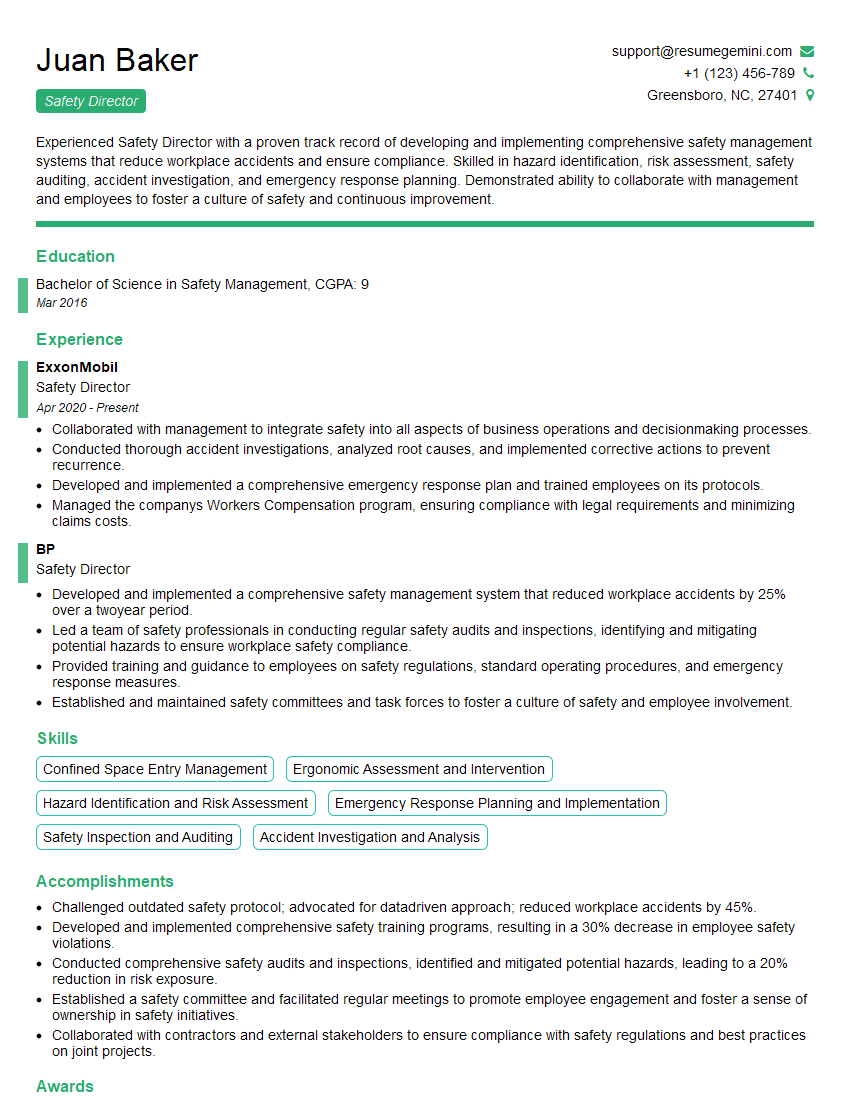
Safety Director Resume Sample
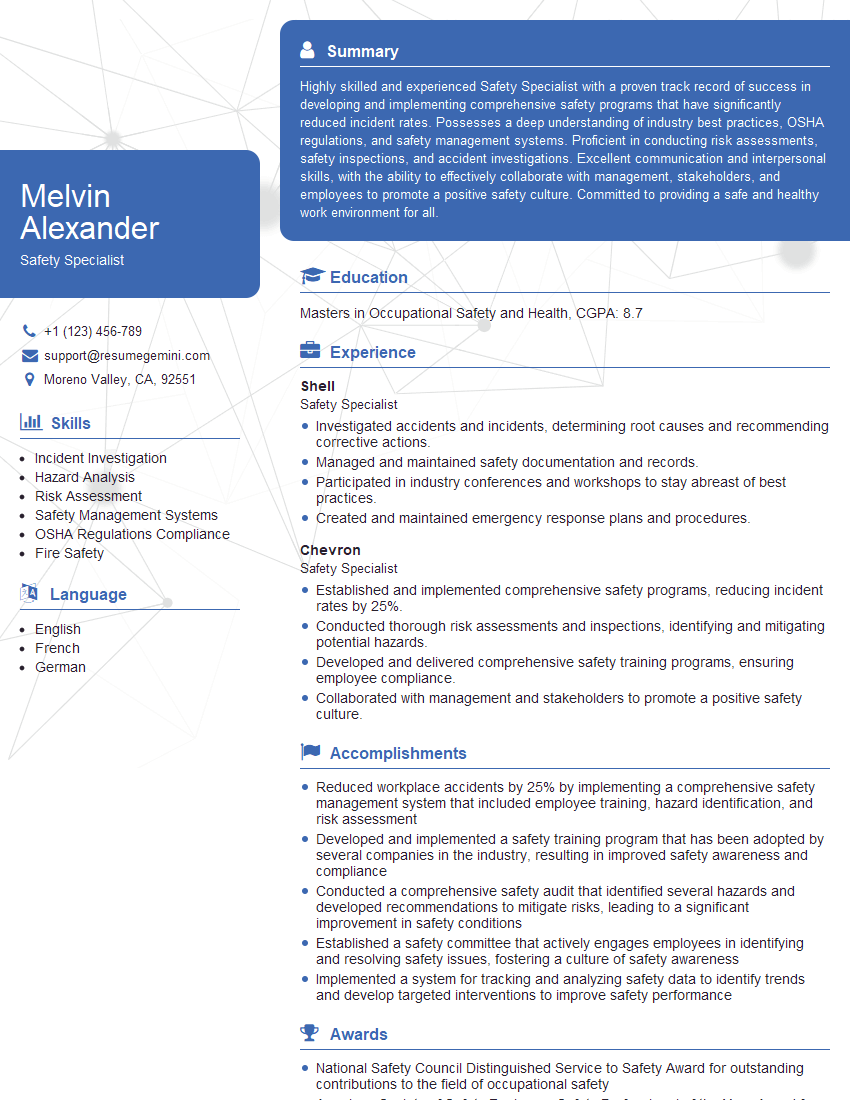
Safety Specialist Resume Sample
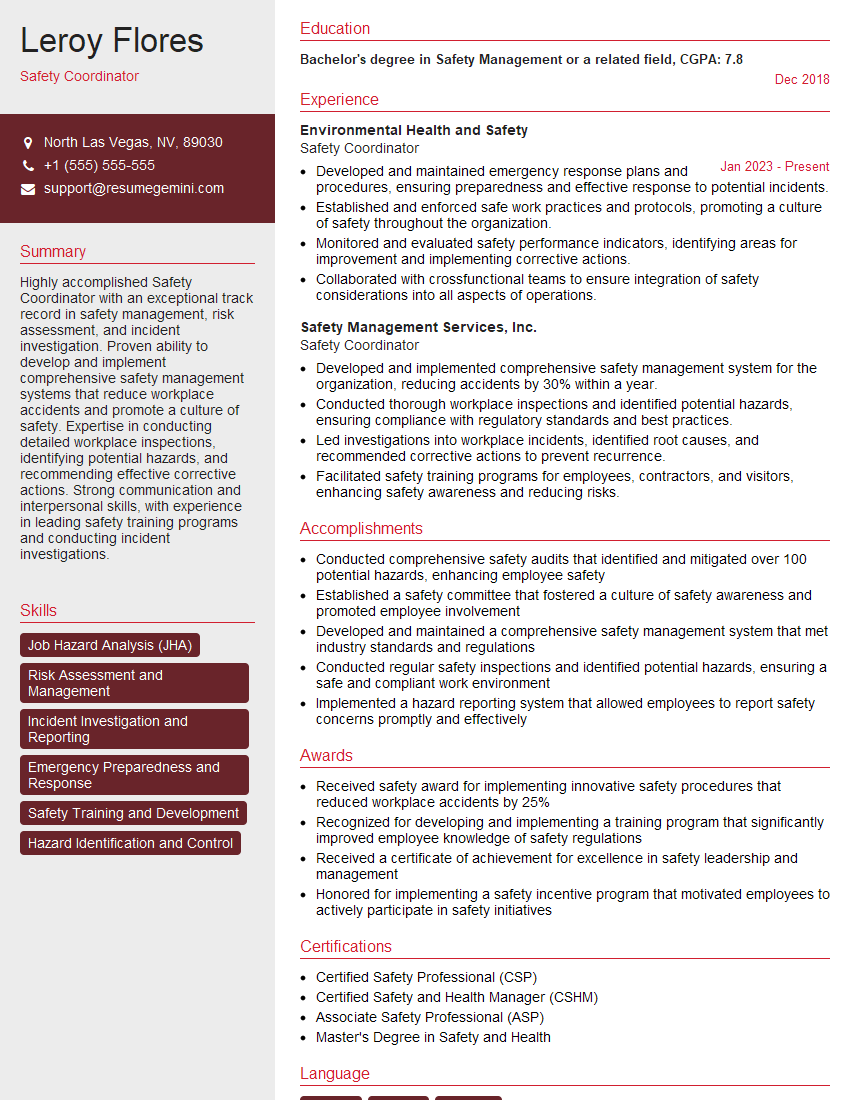
Safety Coordinator Resume Sample
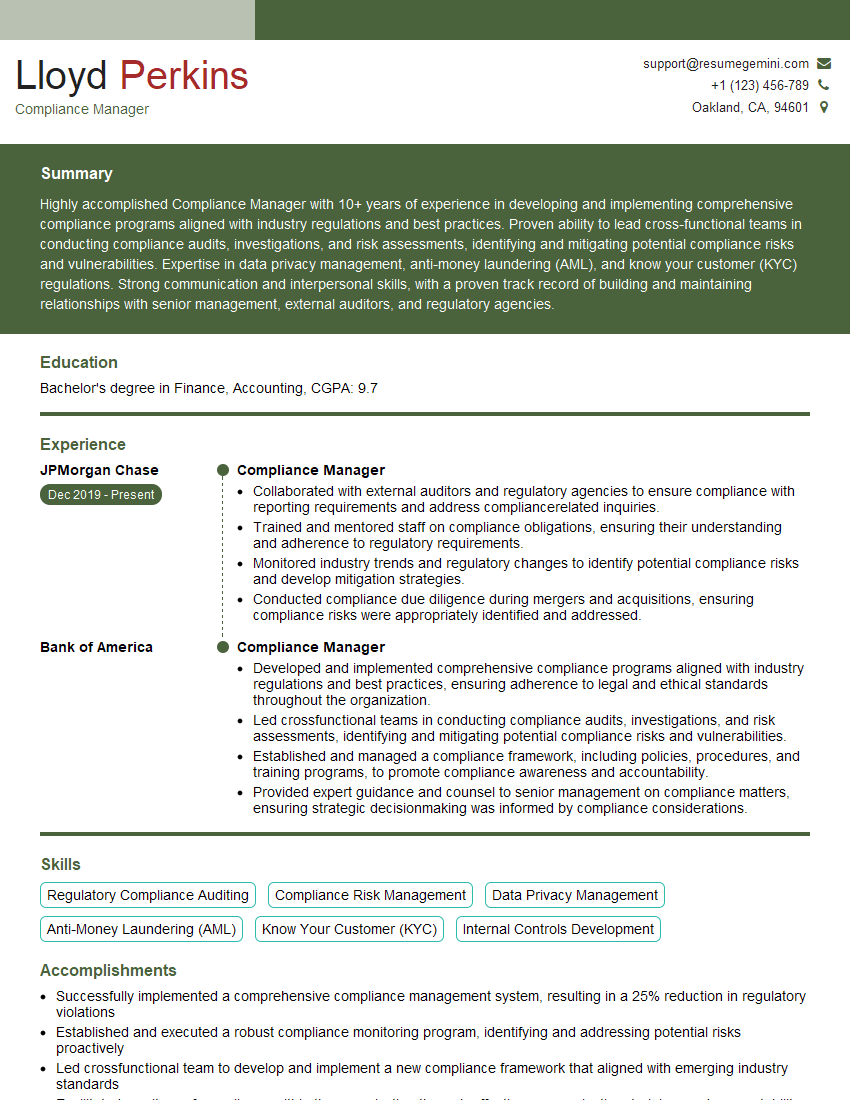
Compliance Manager Resume Sample
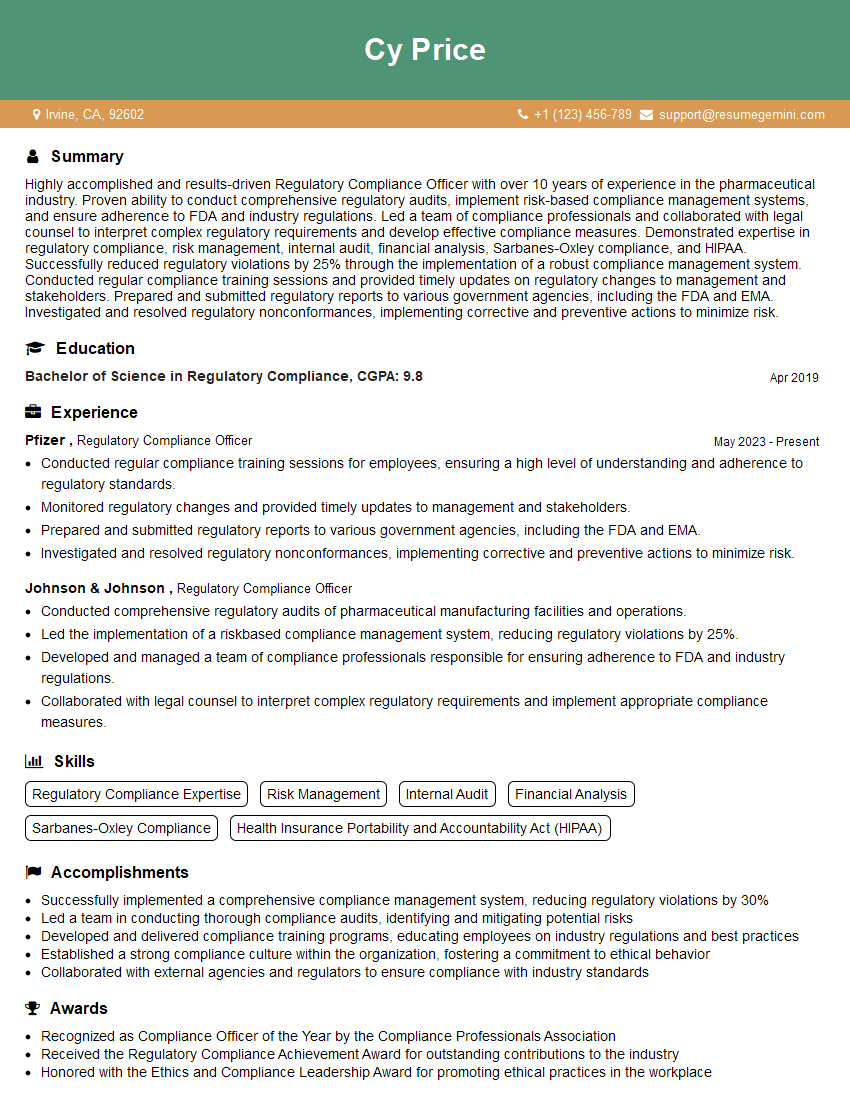
Regulatory Compliance Officer Resume Sample
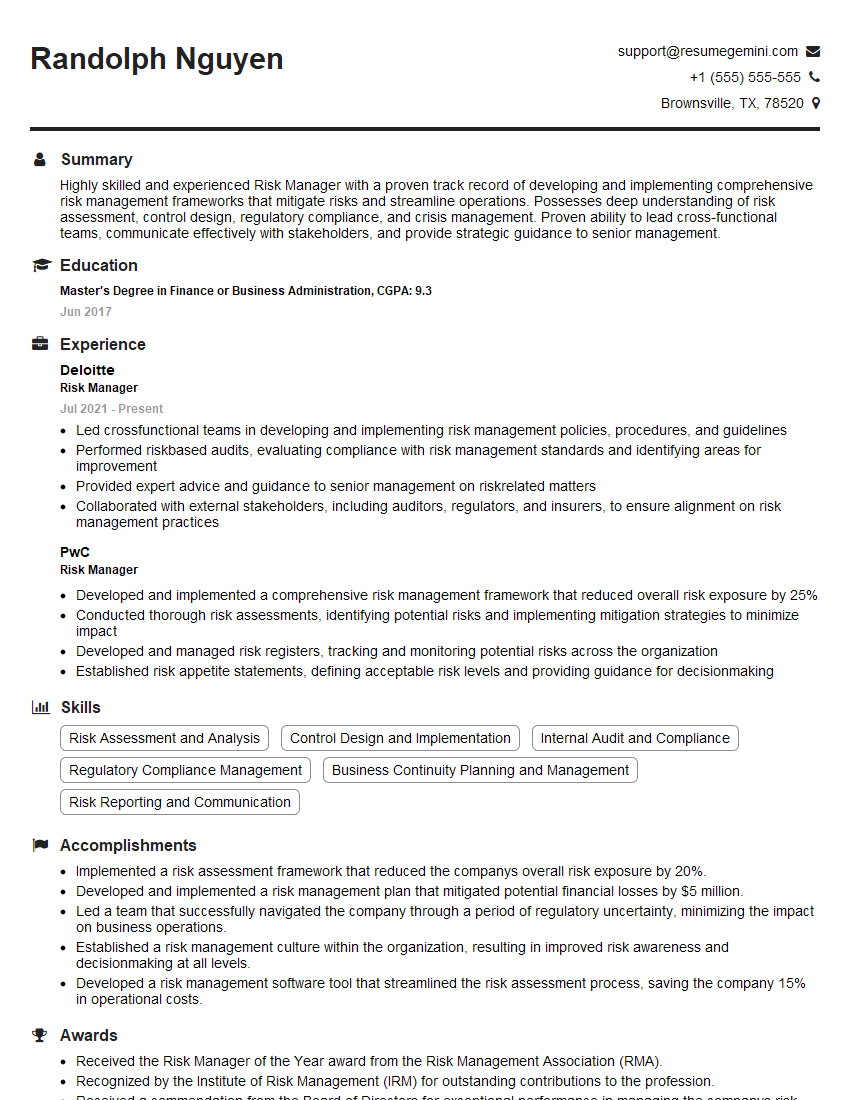
Risk Manager Resume Sample
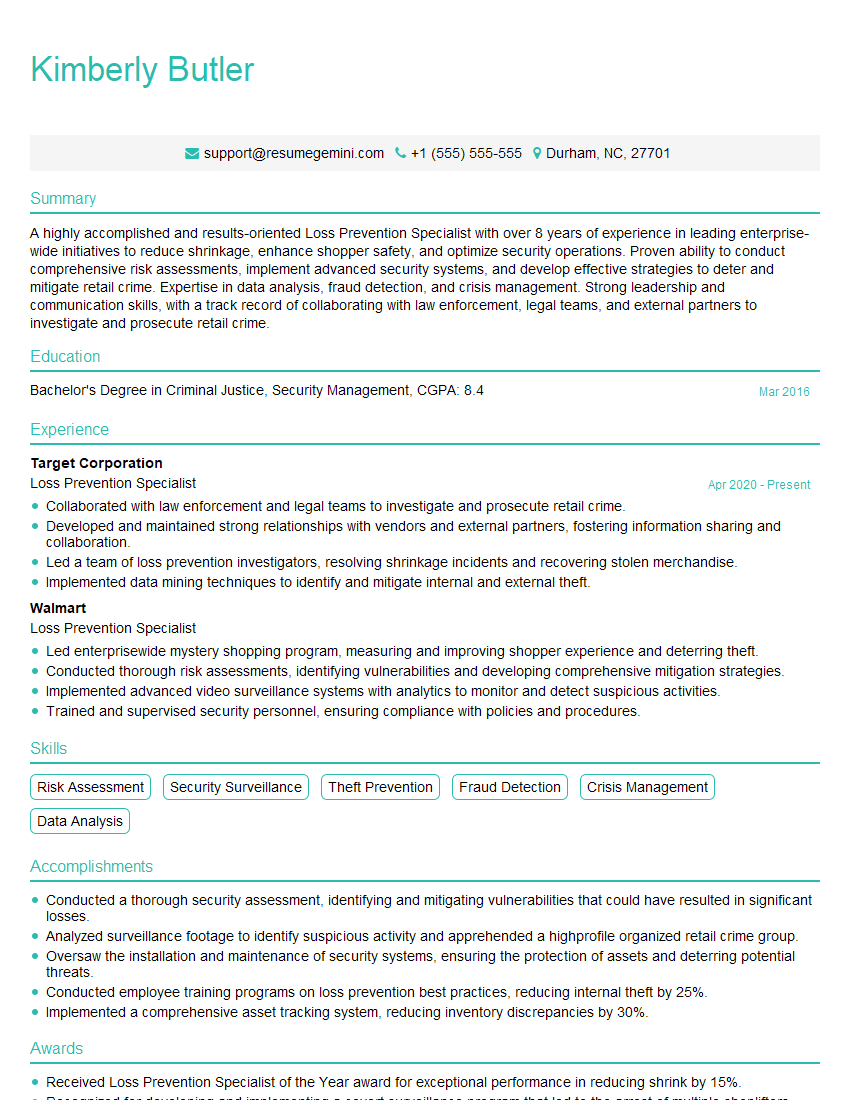
Loss Prevention Specialist Resume Sample
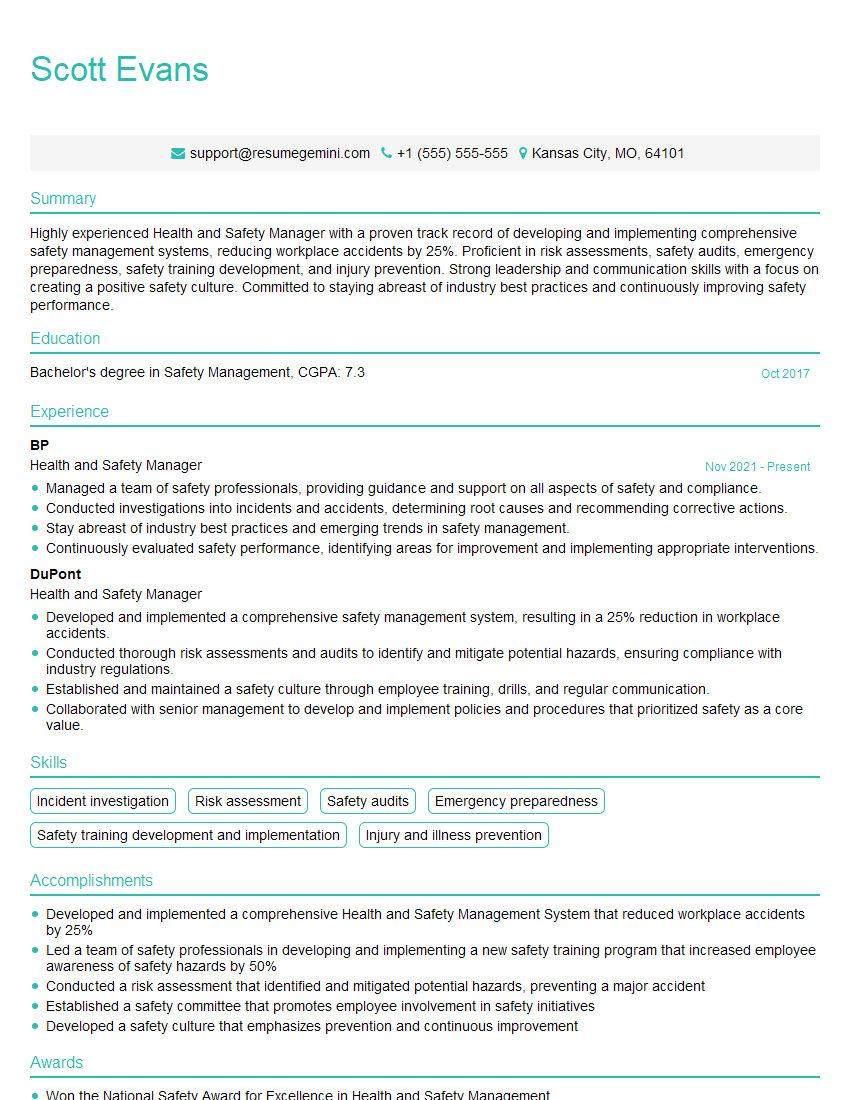
Health and Safety Manager Resume Sample
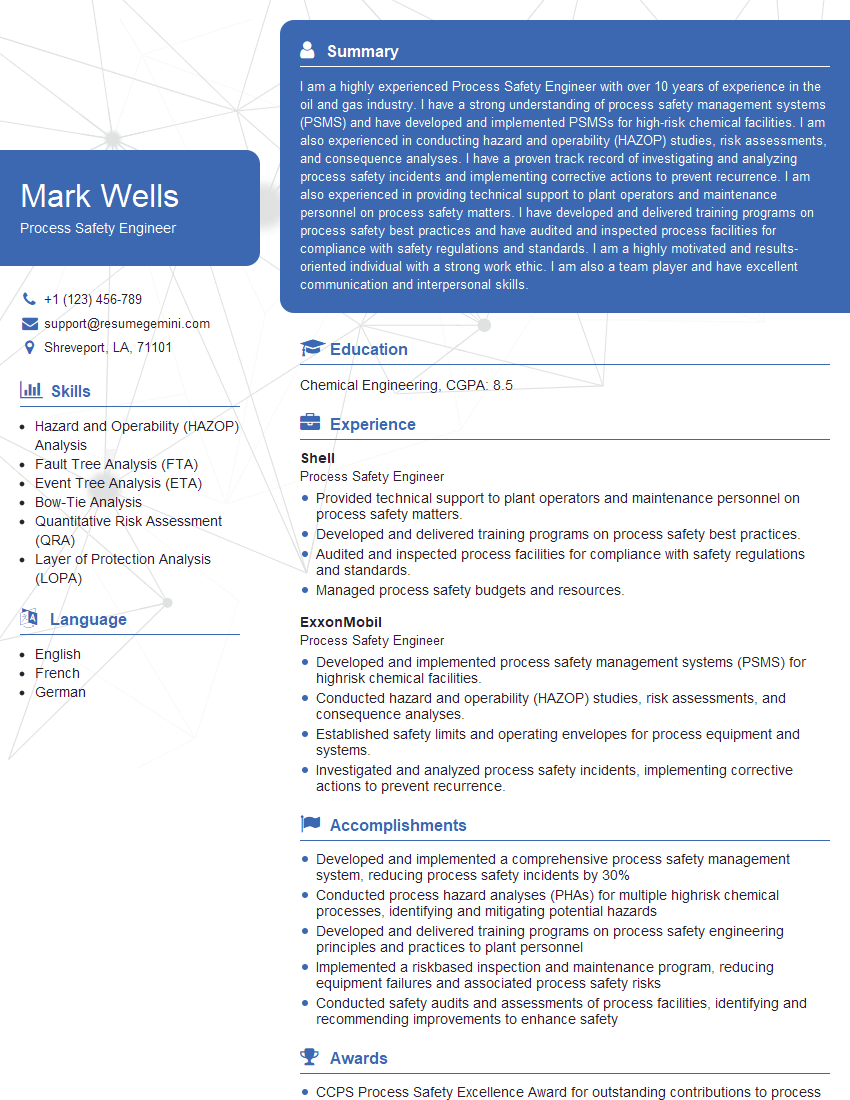
Process Safety Engineer Resume Sample
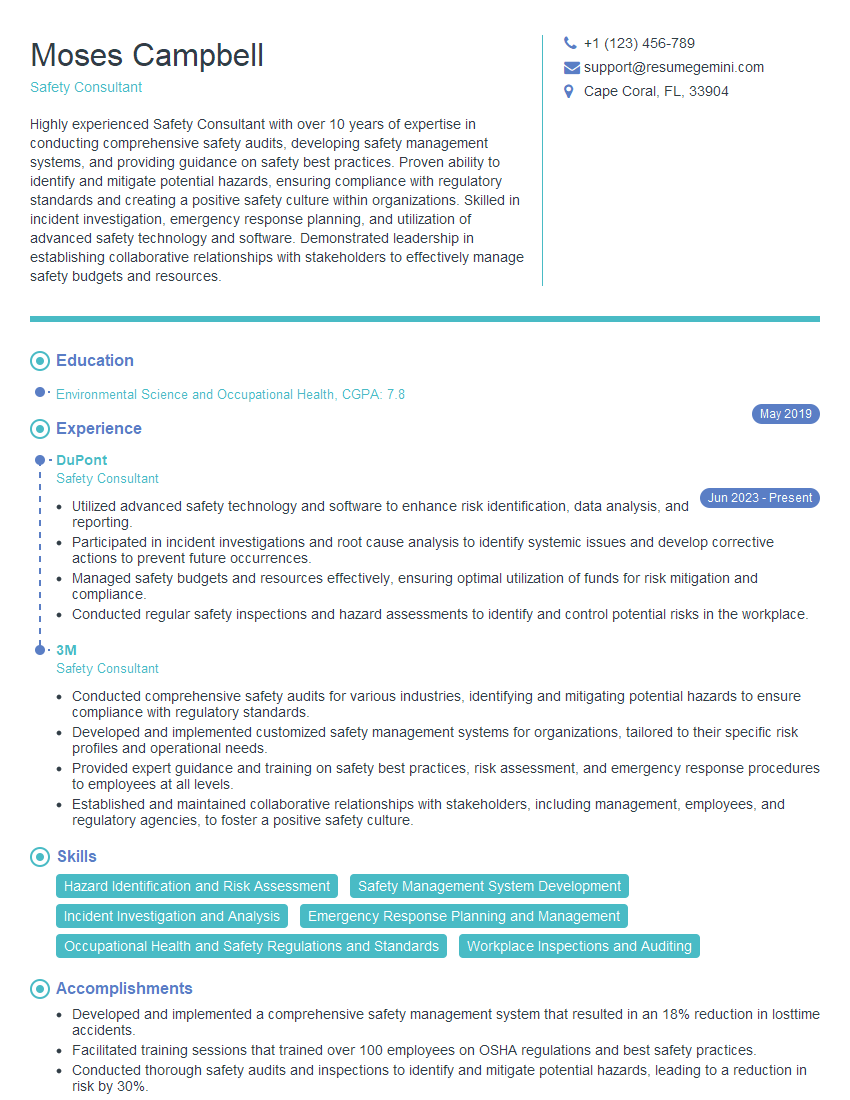
Safety Consultant Resume Sample
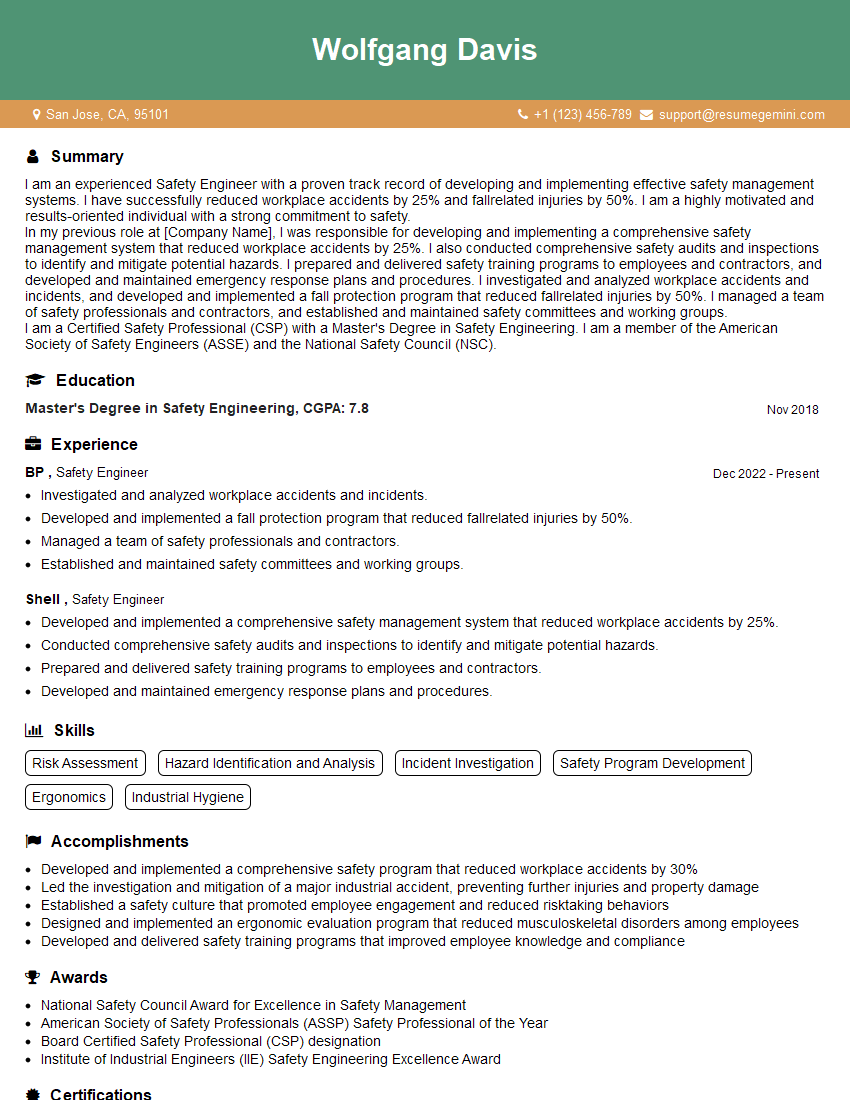
Safety Engineer Resume Sample
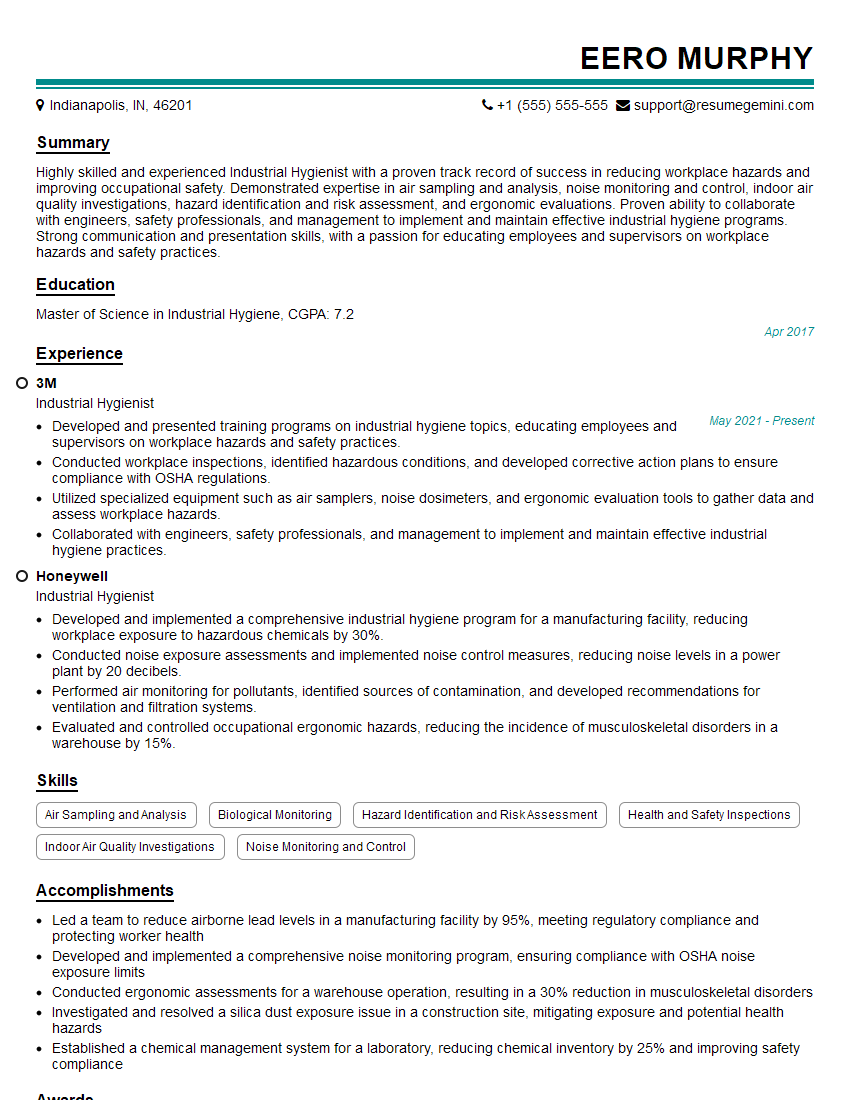
Industrial Hygienist Resume Sample
Explore more articles
Users Rating of Our Blogs
Share Your Experience
We value your feedback! Please rate our content and share your thoughts (optional).
What Readers Say About Our Blog
Really detailed insights and content, thank you for writing this detailed article.
IT gave me an insight and words to use and be able to think of examples